


Text by Charmaine A. Lingdas
Photos by Jericho Paolo L. Mabansag
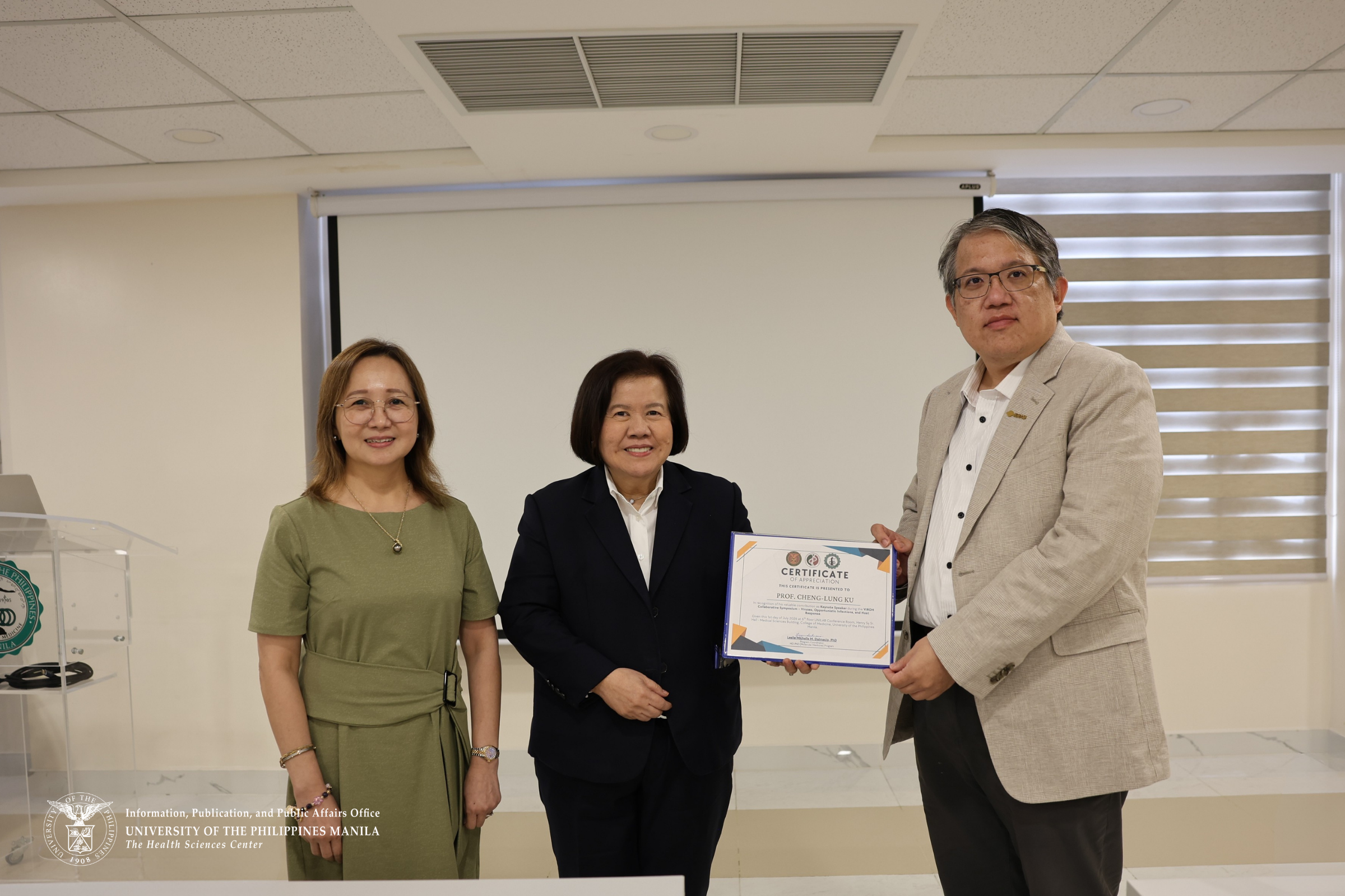
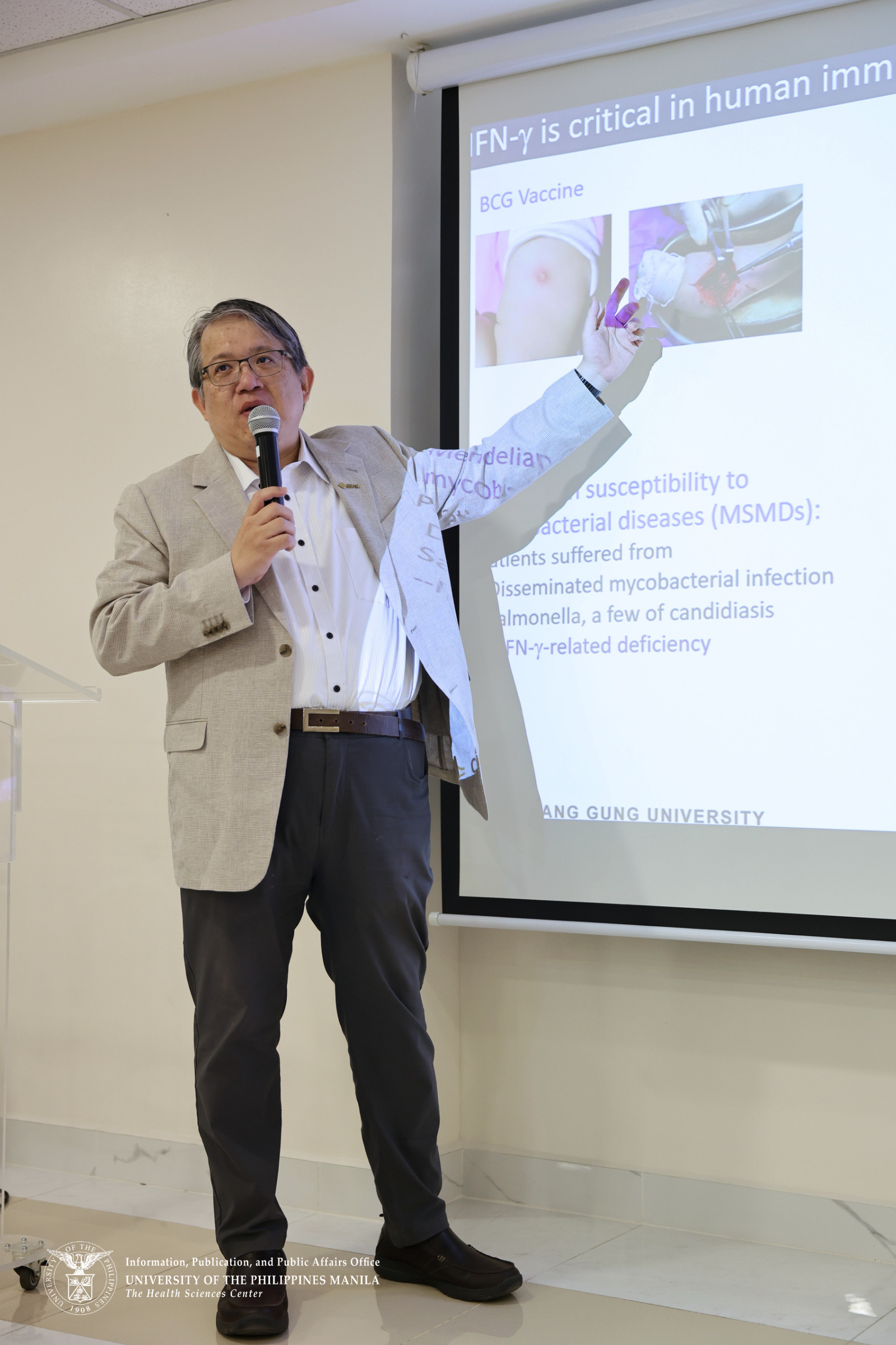
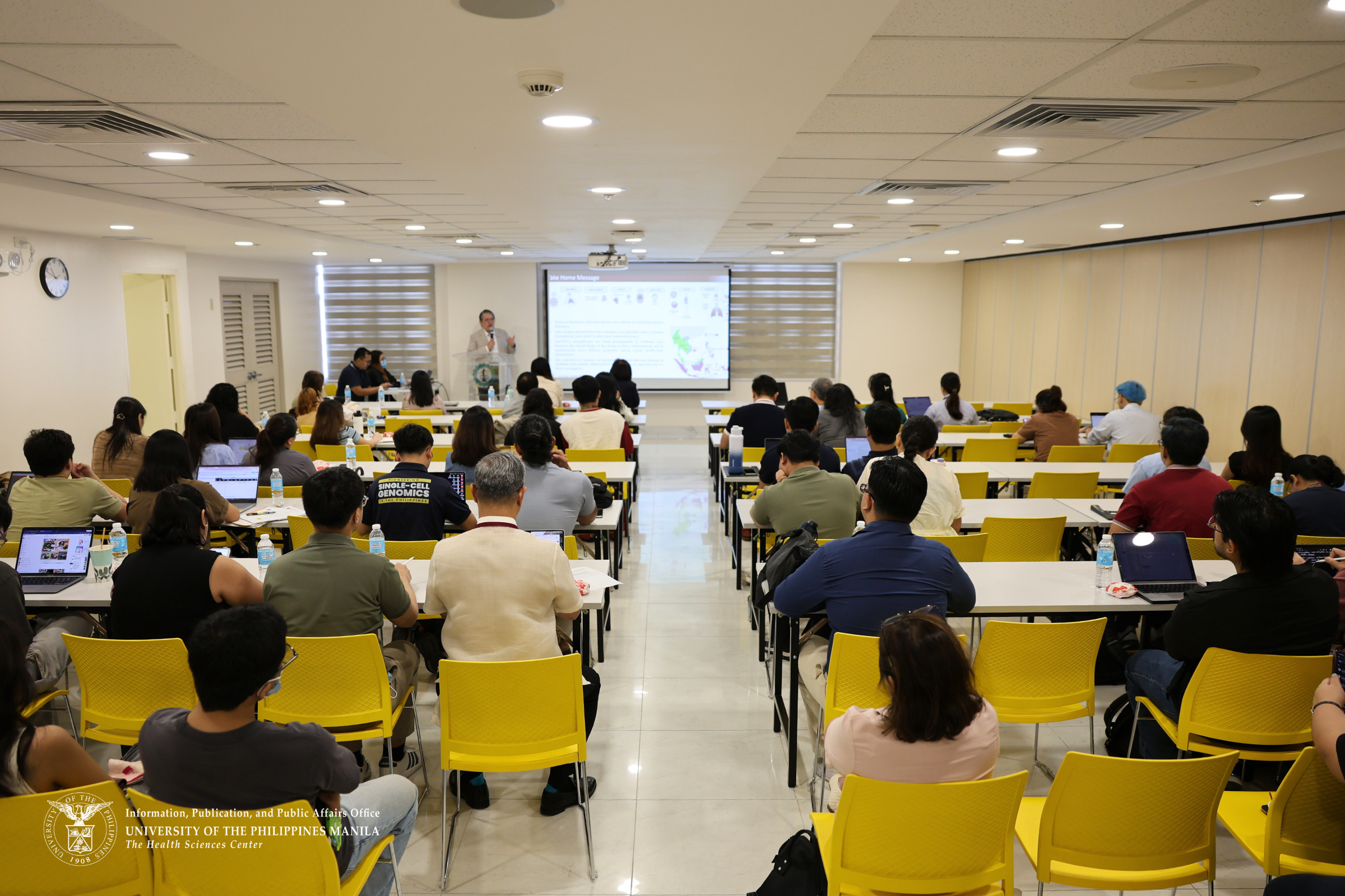
Immunology expert and Professor, Dr. Cheng-Lung Ku of Chang Gung University, Taiwan challenged the conventional view that microbes alone determine the severity of infections during his keynote lecture at the VIROH Collaborative Symposium: Viruses, Opportunistic Infections, and Host Response held on July 1, 2026, at the Henry Sy Sr. Hall, College of Medicine.
His lecture, titled “Anticytokine Autoantibodies as a Novel Etiology of Infectious Diseases,” Prof. Ku noted that viruses do not affect people the same way.
“It’s strange, in the same virus, some people are healthy, some people are dying. Why? We cannot explain it by the microbe. So, what’s happening? It must be a host factor,” Prof. Ku said. “We cannot only consider the microbe. We should consider the host factor.”
To illustrate his point, Prof. Ku pointed to familiar experiences during the COVID-19 pandemic. Despite being infected with the same virus, some people developed only mild symptoms, or none at all, while others required intensive care or died. He explained that the virus alone could not account for these striking differences. Instead, a person’s immune system, or what he called the “host factor,” plays a crucial role in determining how the body responds to infection.
Uncovering the Role of Autoantibodies in Infection
One of Prof. Ku’s most important discoveries involves autoantibodies that block interferon-gamma, a molecule the body uses to fight infections. When this molecule is blocked, otherwise healthy adults can suddenly become vulnerable to severe and unusual infections. What makes the condition especially difficult to detect is that patients may have been healthy for decades before developing recurrent infections in their 40s, 50s, or later. These patients often experience repeated bouts of infections caused by bacteria, fungi, and other microorganisms that do not typically cause serious illness in people with healthy immune systems. Because they have no history of childhood immune disorders, many are initially misdiagnosed.
This discovery, he explained, has changed the way scientists understand infectious diseases. Rather than asking only ‘What microbe caused the infection?’ researchers must also ask ‘Why did this person’s immune system fail to control it?’ By studying both the pathogen and the host’s immune response, scientists can better explain why people experience different outcomes from the same infection and develop more personalized approaches to diagnosis and treatment.
More Studies in Southeast Asia
Prof. Ku explained that his team’s research has shown that these harmful autoantibodies are particularly common among people in East and Southeast Asia, suggesting that genetic factors may play a role in their development. One of the reasons the research is especially relevant to the Philippines is that the first reported patient with anti-interferon-gamma autoantibodies was a Filipino living abroad. Since then, hundreds of cases have been identified in Taiwan, Thailand, China, and other countries in the region. He encouraged Filipino researchers and clinicians to investigate patients with unusual or recurring infections that cannot be easily explained.
“Most infectious disease studies have been done in Western countries,” he said. “We should study what is happening in Southeast Asia because our populations, environments, and disease patterns are different.”
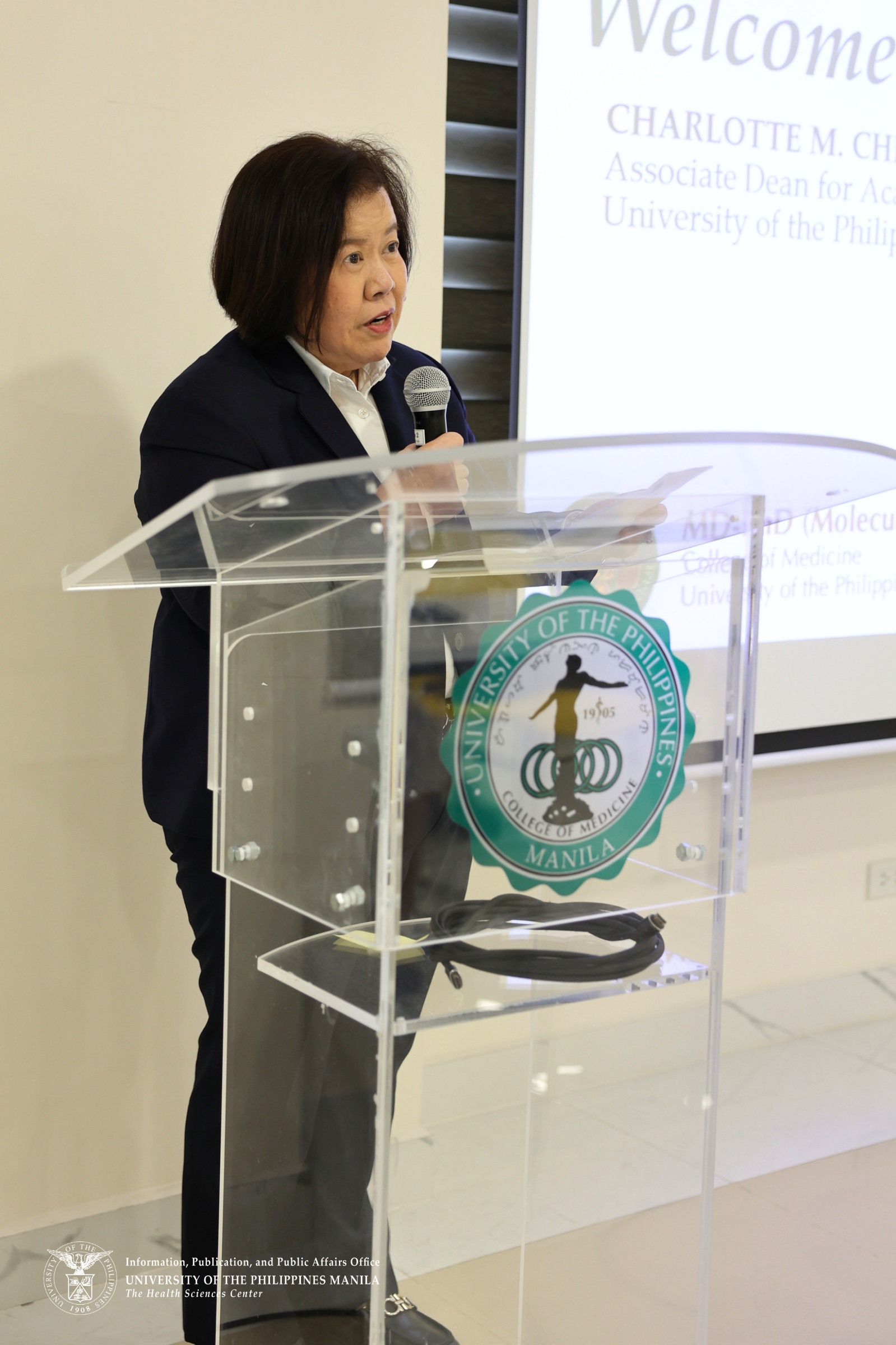
College of Medicine (CM) Dean Charlotte Chiong stressed that while advances in vaccination, antimicrobial therapy, diagnostics, and genomics have greatly improved healthcare, viruses and opportunistic infections continue to pose serious threats, particularly to individuals with weakened immune systems.
“As members of the academic community, we share the responsibility not only to generate knowledge but also to translate this knowledge into better health outcomes for our communities, particularly those who are most vulnerable,” Dean Chiong said.
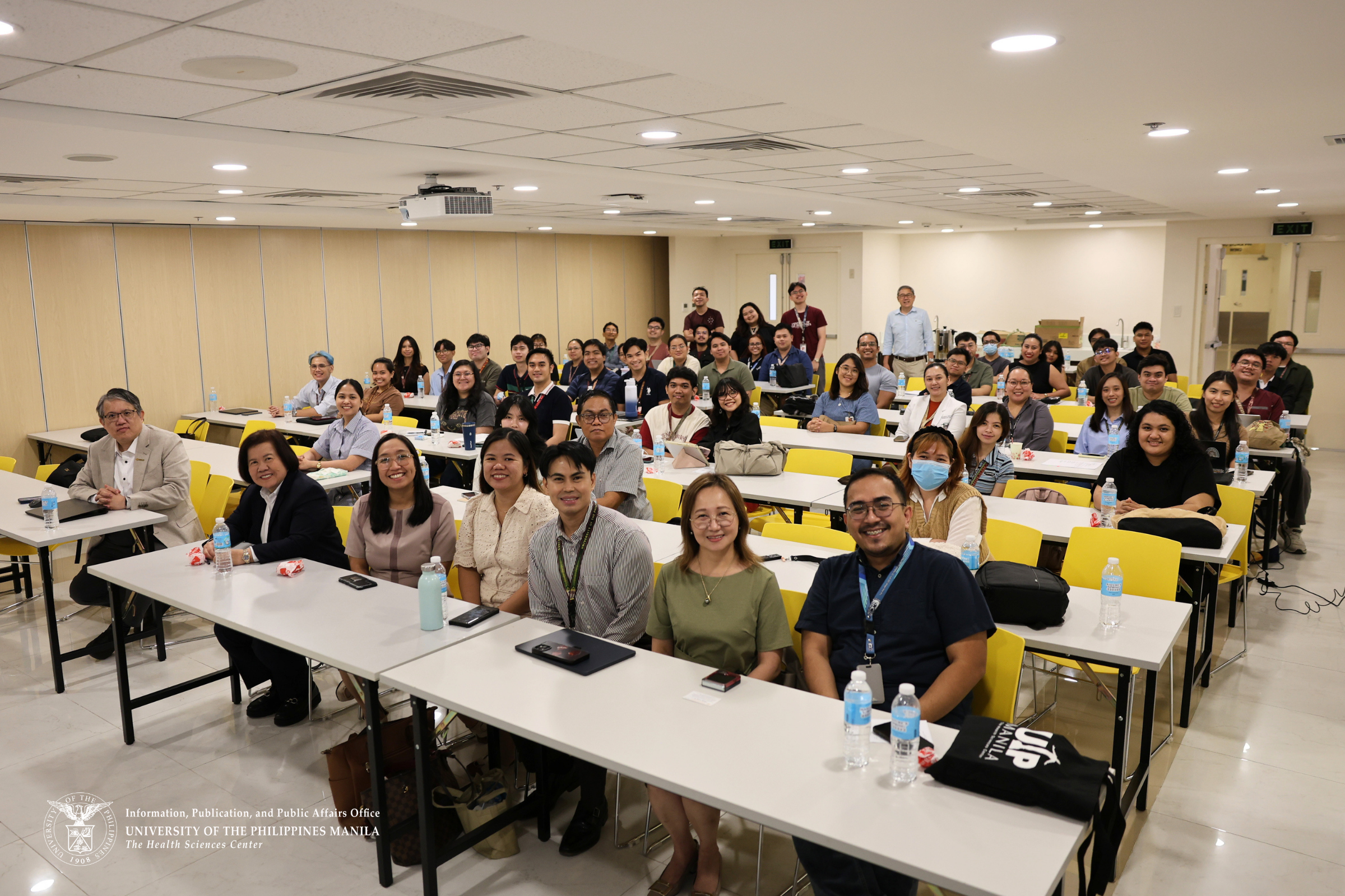
Organized by UPCM through its MD-PhD (Molecular Medicine) Program, the symposium brought together clinicians, researchers, faculty members, students, and collaborators to discuss advances in immunology, virology, molecular medicine, infectious diseases, and translational research.
UP Manila Advances Research That Looks Beyond the Disease
The symposium further demonstrated this broader perspective by showcasing UP Manila-led research that examines infectious diseases from multiple angles—from genetics and the immune system to antimicrobial resistance, viral surveillance, and emerging diagnostic technologies.
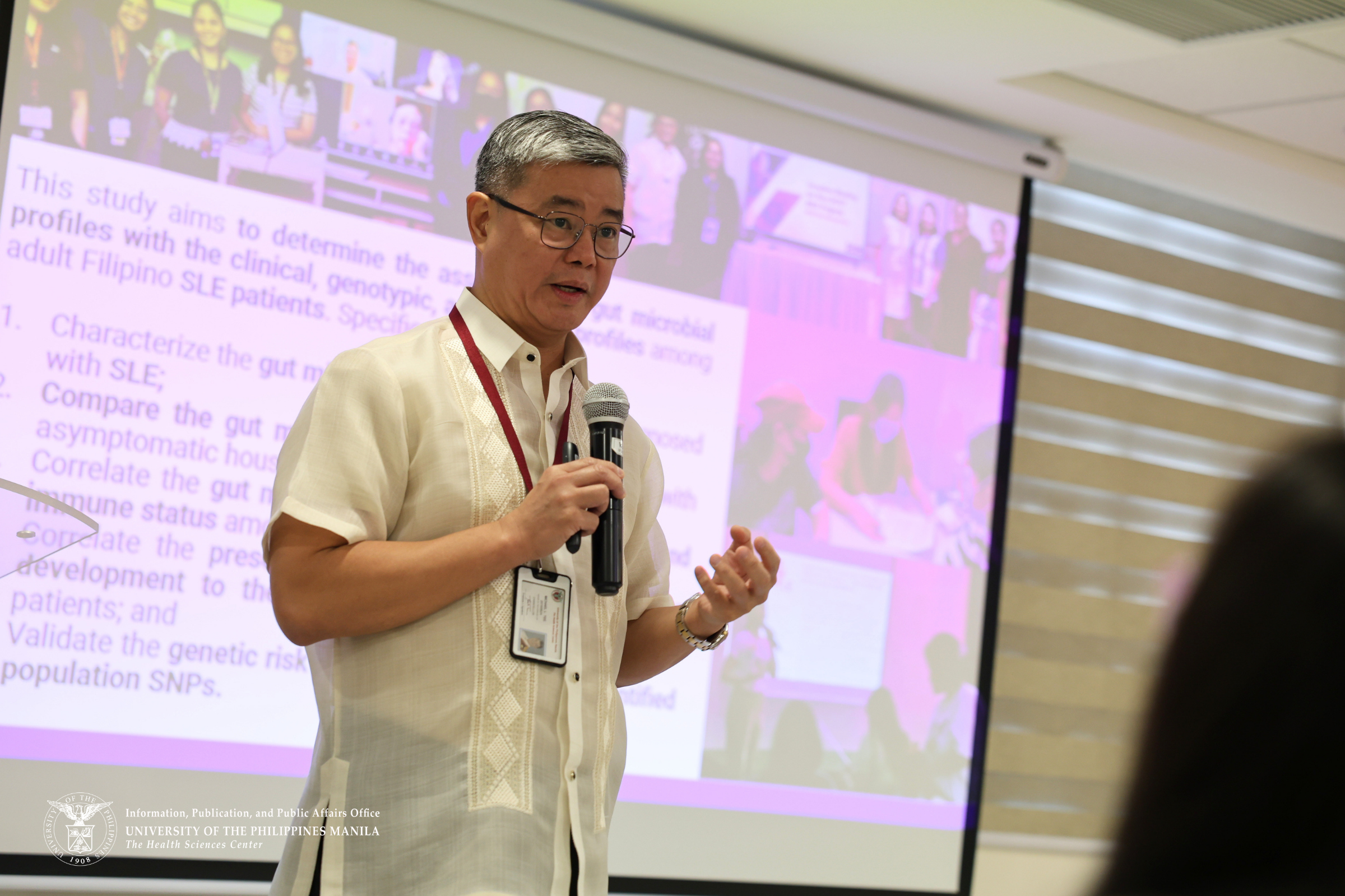
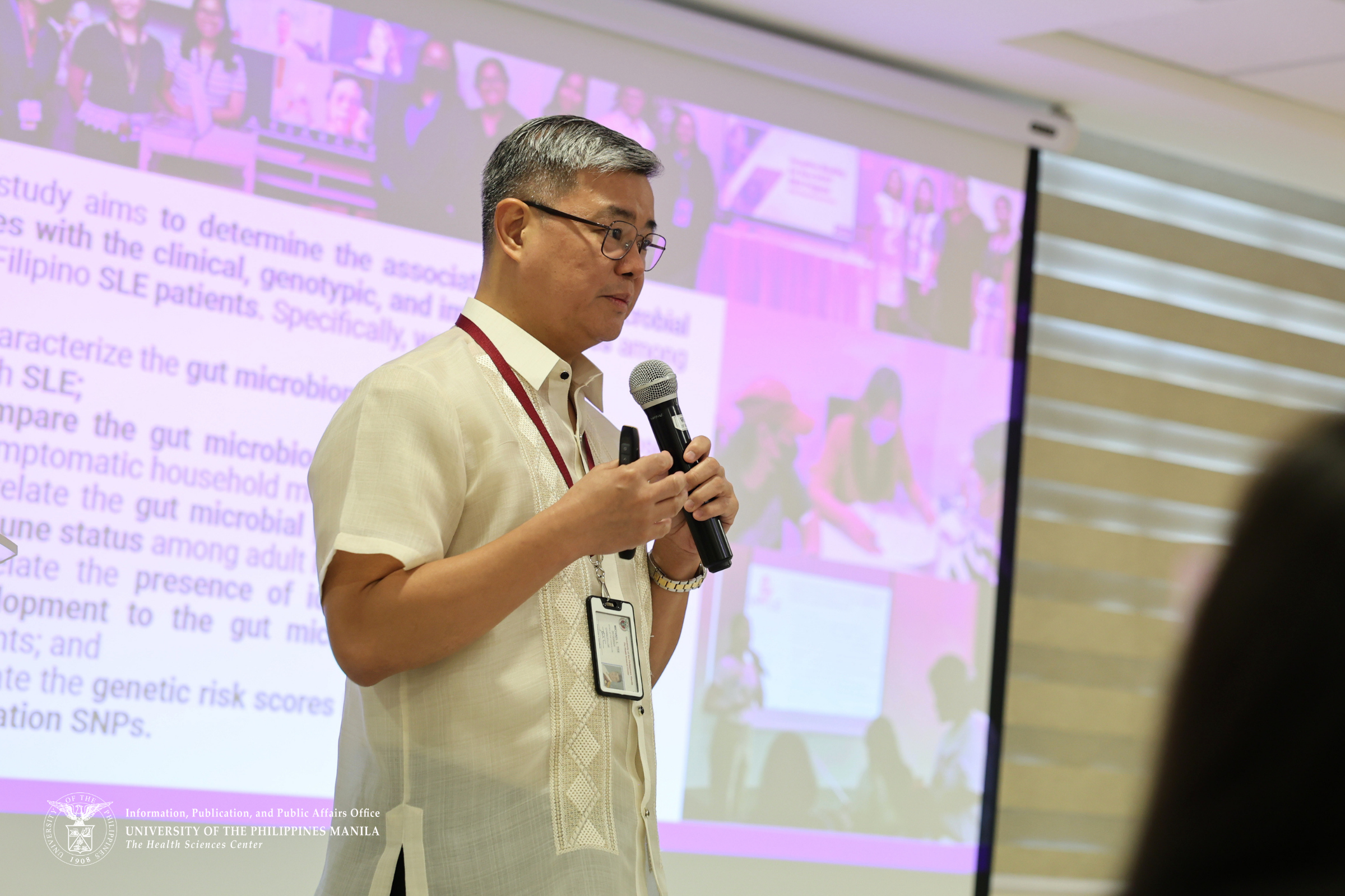
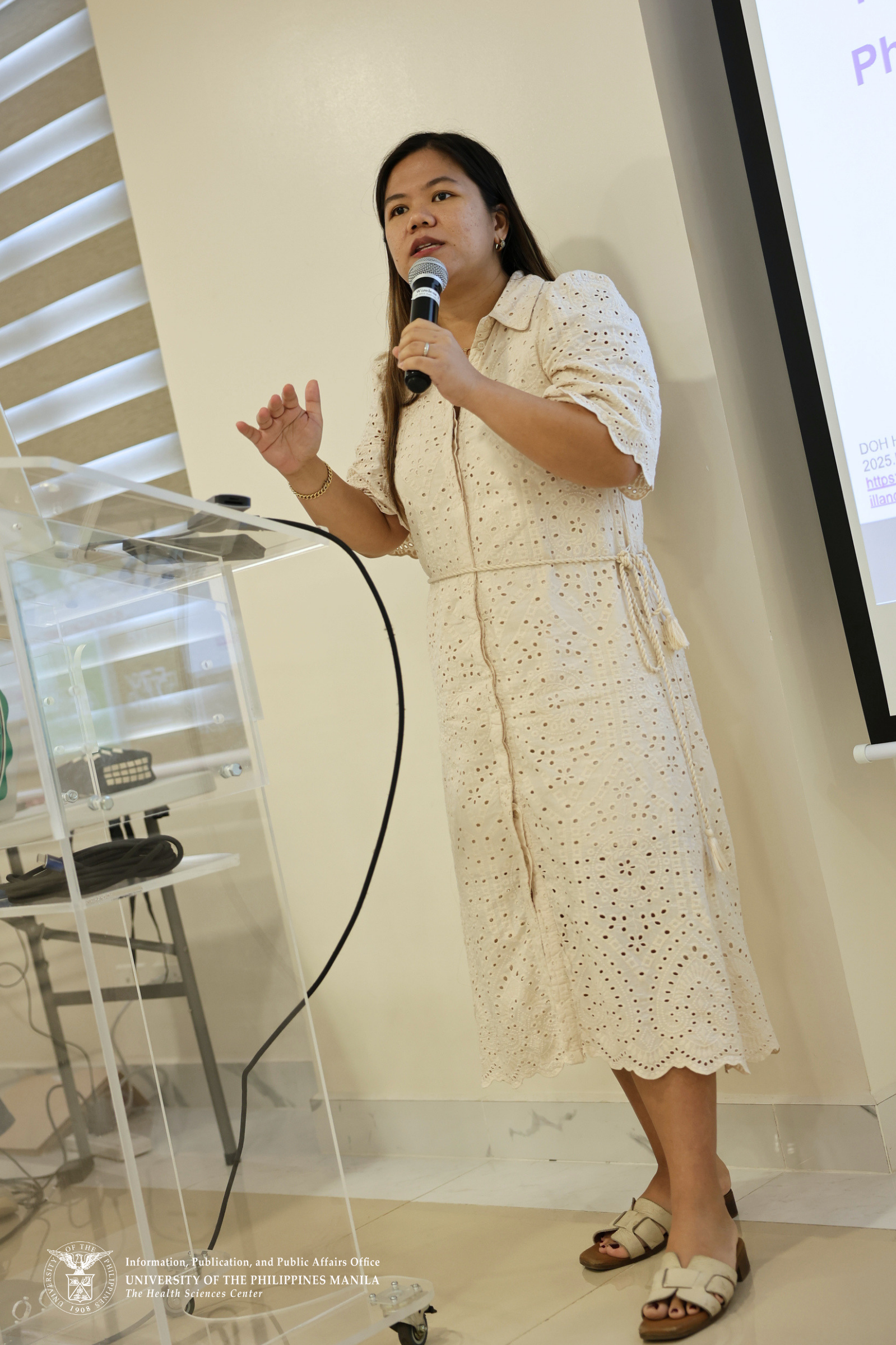
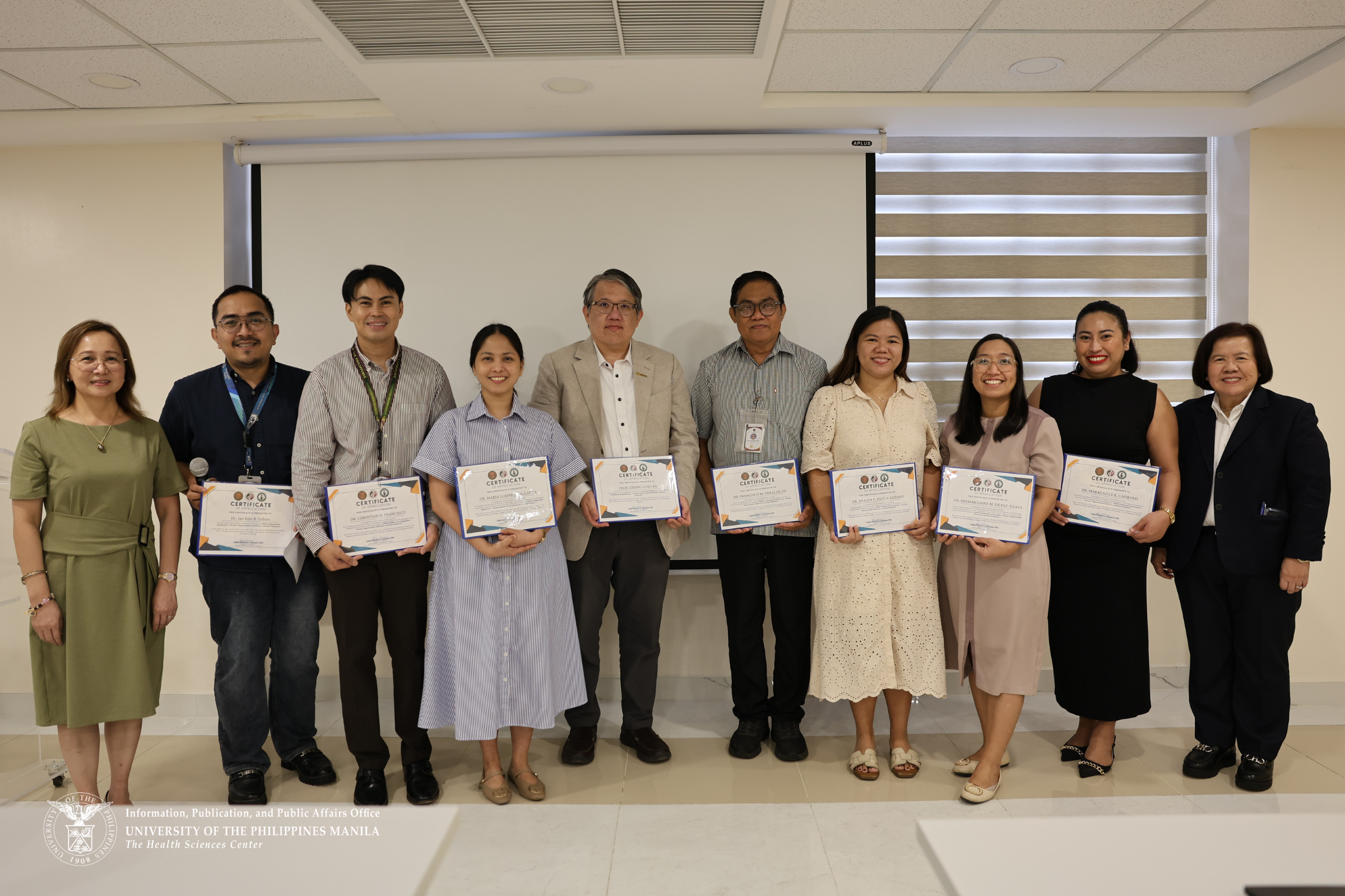
Also in the program, Chancellor Michael L. Tee presented updates from the SMILE Filipino Patients Project, which investigates the relationship between the gut microbiome, genetics, and systemic lupus erythematosus (SLE) among Filipino patients. The project seeks to understand how interactions between host genetics and the gut microbiome influence disease development and progression.
Meanwhile, Dr. Francisco M. Heralde III discussed the molecular aspects of stem cells, biomarkers, and infectious agents, highlighting how advances in molecular medicine can be translated into improved diagnosis and treatment strategies for infectious diseases and other medical conditions.
Addressing another pressing public health concern, Dr. Maragaille R. Capiroso presented the LepARMS Project, which is establishing the country’s first national molecular surveillance network for antimicrobial resistance in leprosy. The research brings together hospitals and research institutions across the country to monitor drug-resistant strains of Mycobacterium leprae, strengthen laboratory capacity, and generate evidence to guide national policies.
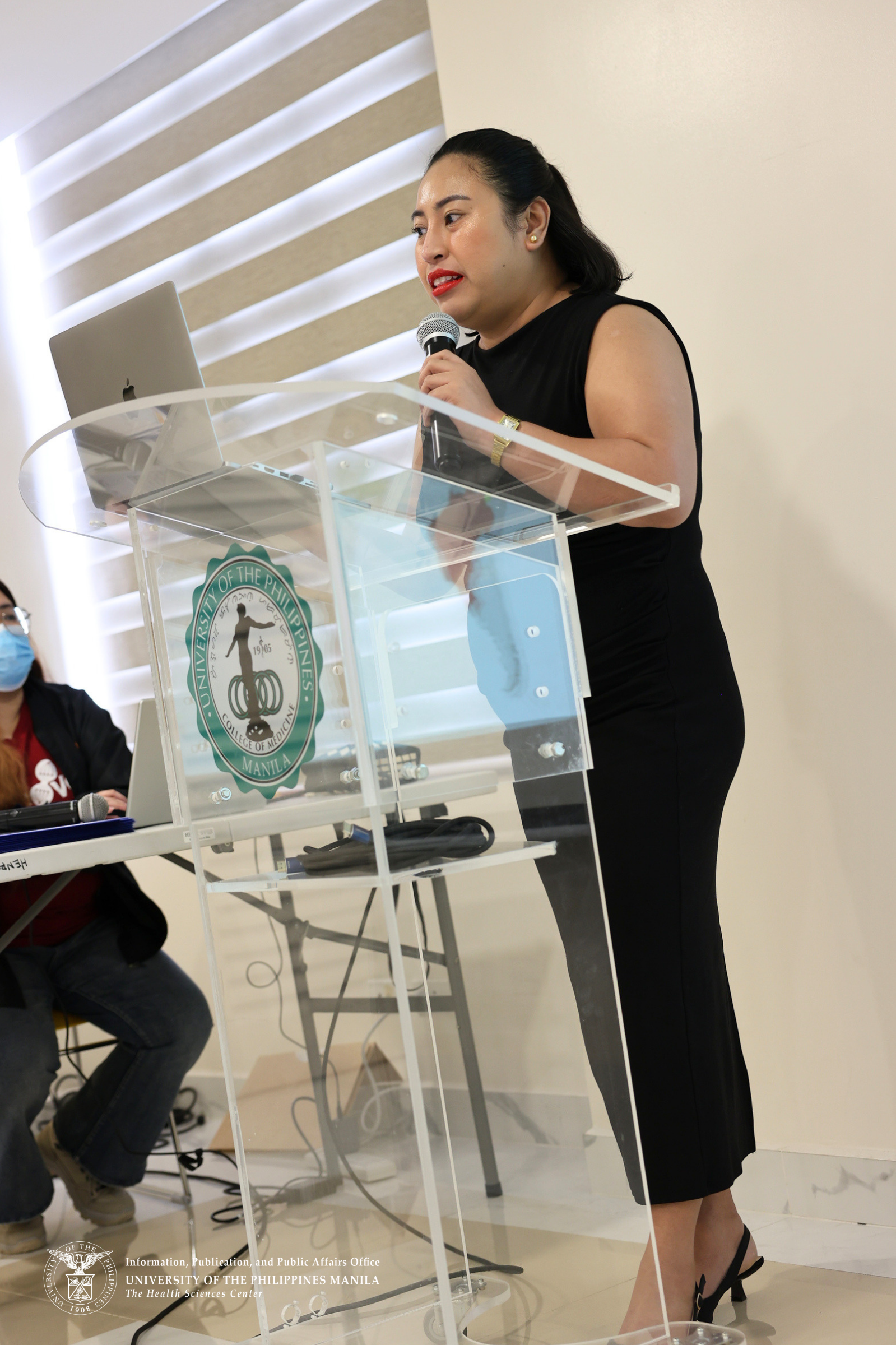
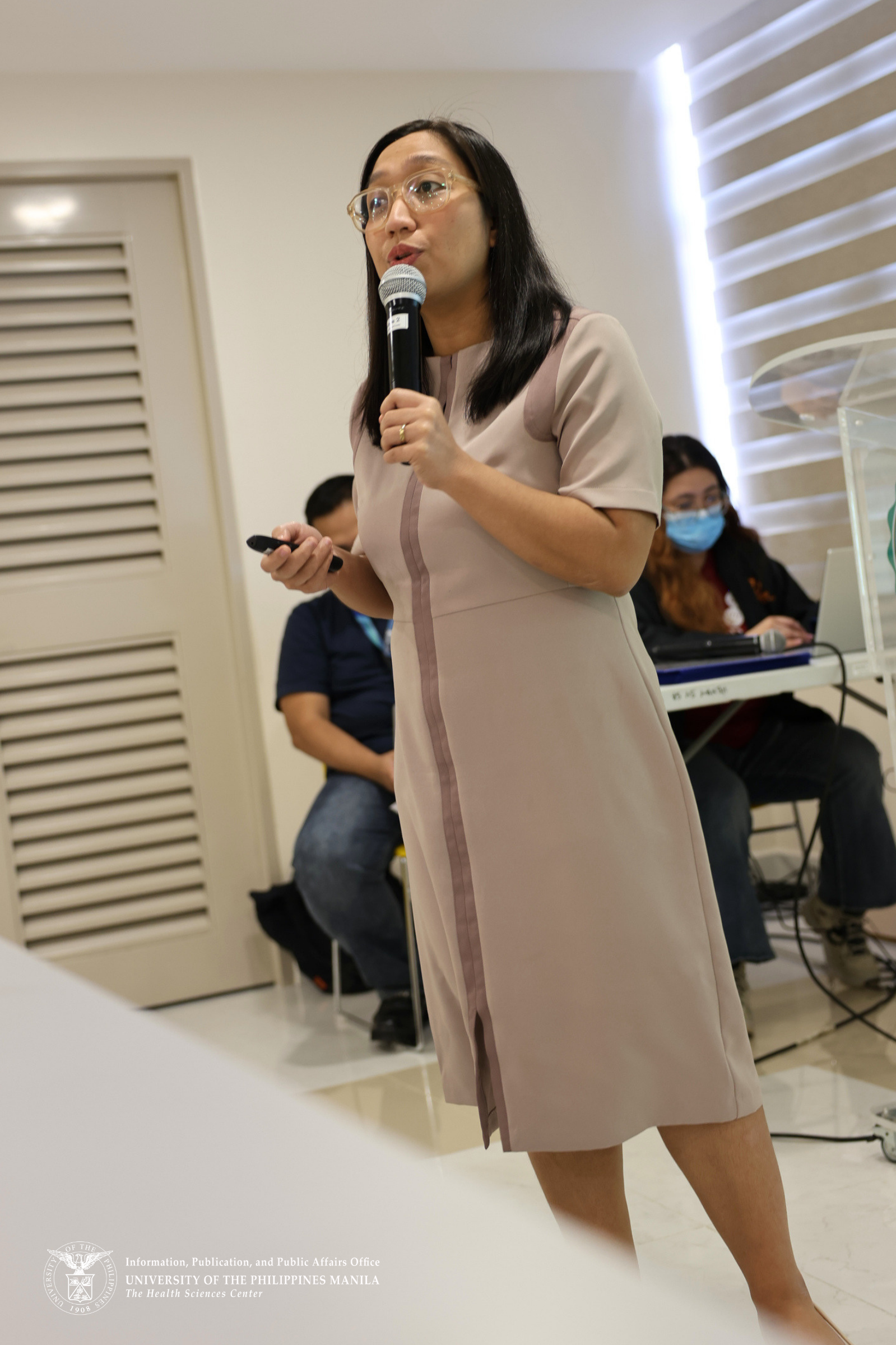
Focusing on prevention, Dr. Sheriah Laine M. de Paz-Silava shared findings from the DEFEAT HPV Study, which investigates the determinants of acquisition, persistence, and clearance of oncogenic human papillomavirus (HPV) infection among Filipino women using a multi-omics approach. The study found that HPV type 52 was the most common genotype among participants, differing from global trends, emphasizing the importance of generating local evidence.
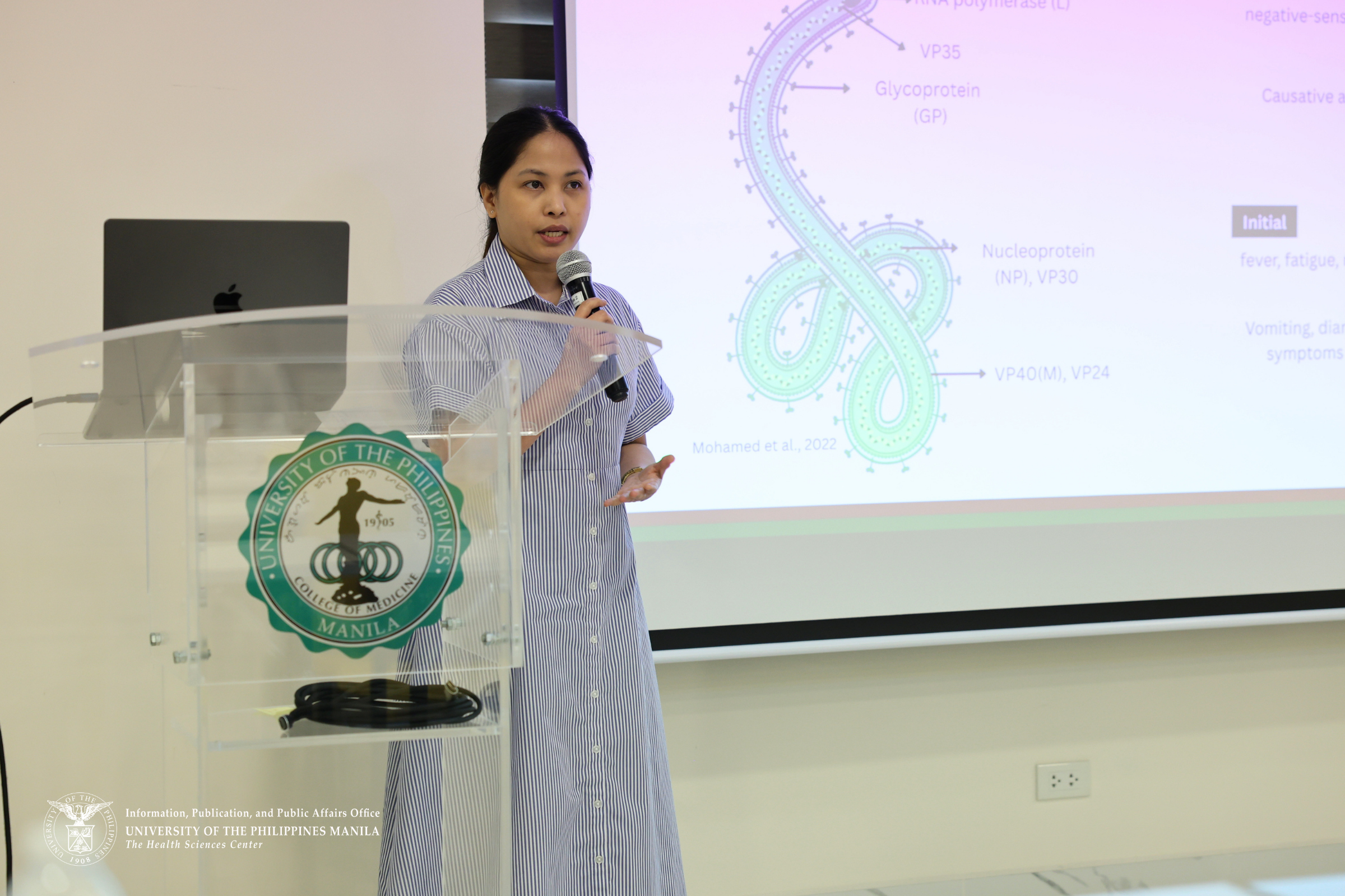
The symposium also featured updates from Dr. Maria Laine J. Callanta on the RESTON-PH Project, which adopts a One Health approach to the surveillance of Reston ebolavirus by examining the interconnected health of humans, animals, and the environment. The initiative aims to strengthen the country’s preparedness against emerging zoonotic diseases through enhanced surveillance and molecular testing.
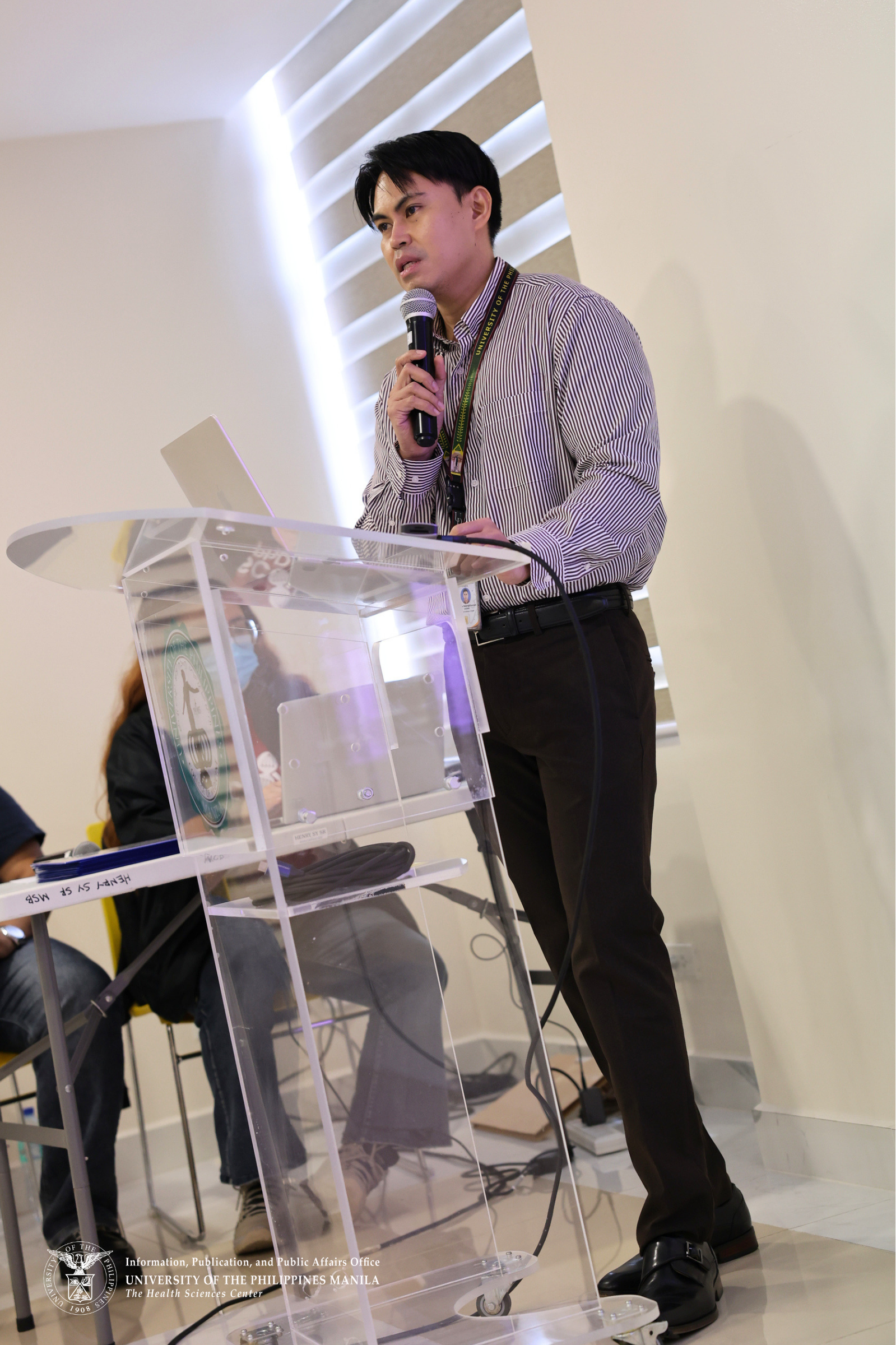
Meanwhile, Dr. Ana Joy P. Padua-Lozano presented research on HIV immunophenotyping to identify potential therapeutic targets, while Dr. Christian N. Francisco discussed the evolving clinical and molecular epidemiology of multidrug-resistant and hypervirulent Klebsiella pneumoniae, highlighting the growing threat of antimicrobial resistance and the need for continuous surveillance.
Shared Vision for the Future of Infectious Disease Research
The presentations echoed Prof. Ku’s central message that understanding infectious diseases requires looking beyond the pathogen alone. By integrating molecular medicine, genomics, immunology, microbiology, and public health, the researchers demonstrated how studying both the microbe and the human host can lead to earlier diagnosis, more effective treatments, and better strategies to prevent disease.
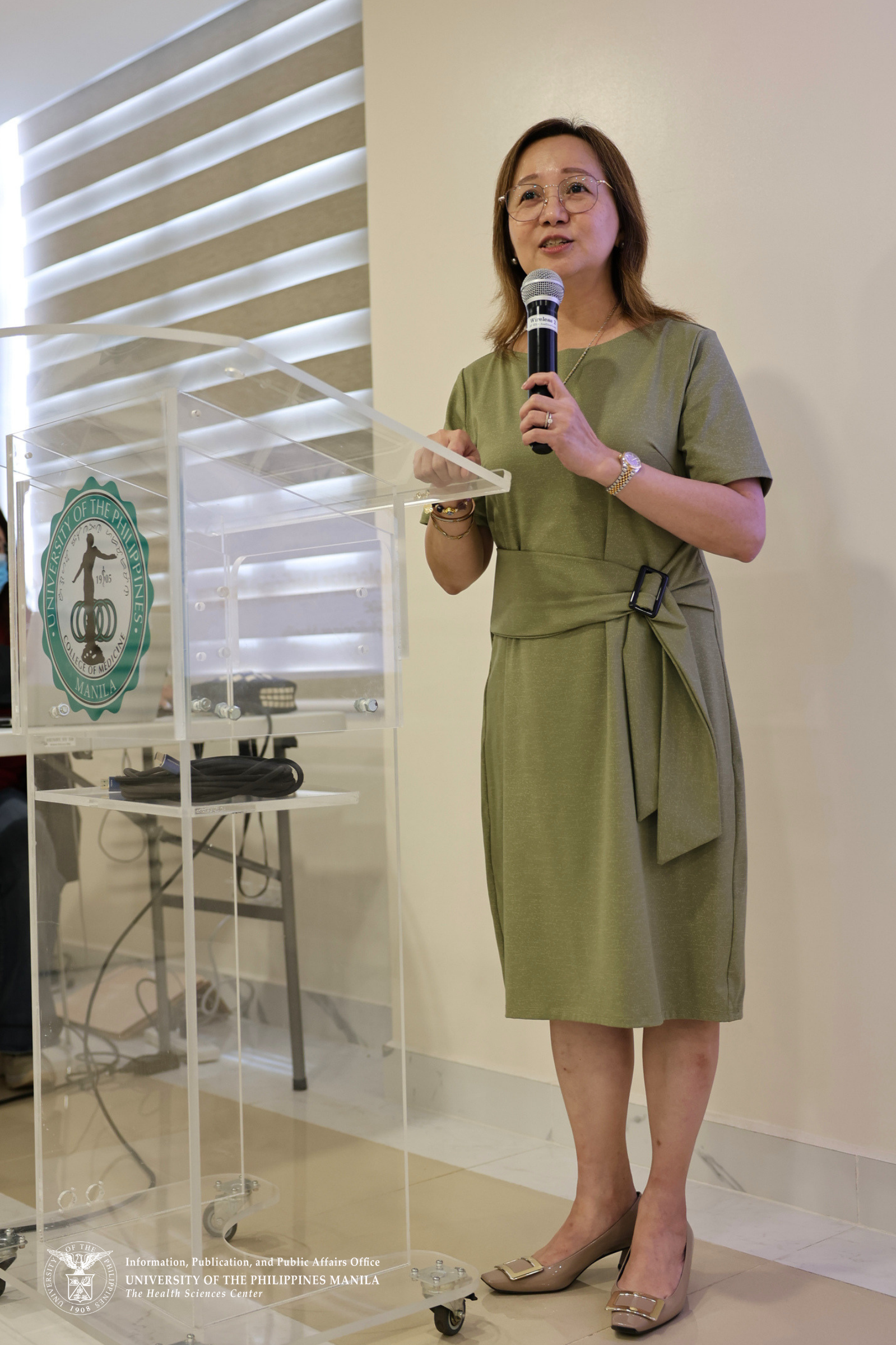
“Today’s presentations remind us that understanding infectious diseases requires more than studying the pathogens themselves,” Vice Chancellor for Research and Extension Leslie Michelle Dalmacio said. “It calls for collaboration across disciplines, innovative research, and a deeper understanding of the human body so that our discoveries can ultimately improve lives.”


READ MORE:
#FP1 #discoveryandresearch