


Text by Beatrice Layog, MD
Photos by College of Medicine
The Lourdes Manahan Lectures in Rheumatology (LMLR) returned this year with the theme “Digi-Rheum: Digital Revolution in Rheumatology.”
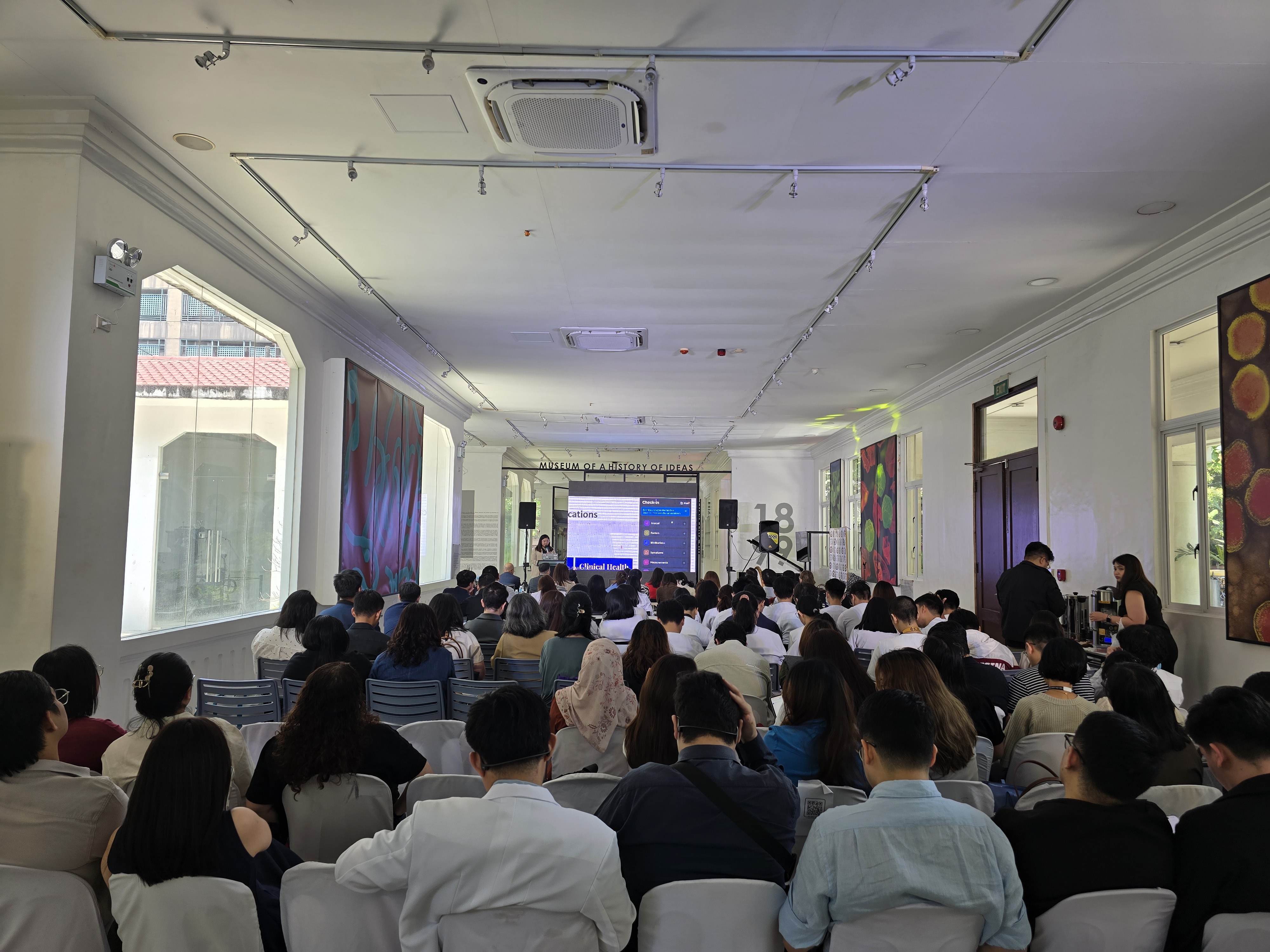
In honor of Dr. Lourdes Manahan, the woman behind rheumatology in the Philippines, the event was held on April 24, 2026, at the UP Manila Museum of History of Ideas, and focused on how the digital landscape is reshaping rheumatology practice beyond our clinic walls and conference halls. It included discussions on artificial intelligence-assisted tasks monitoring, social media education, and telemedicine.
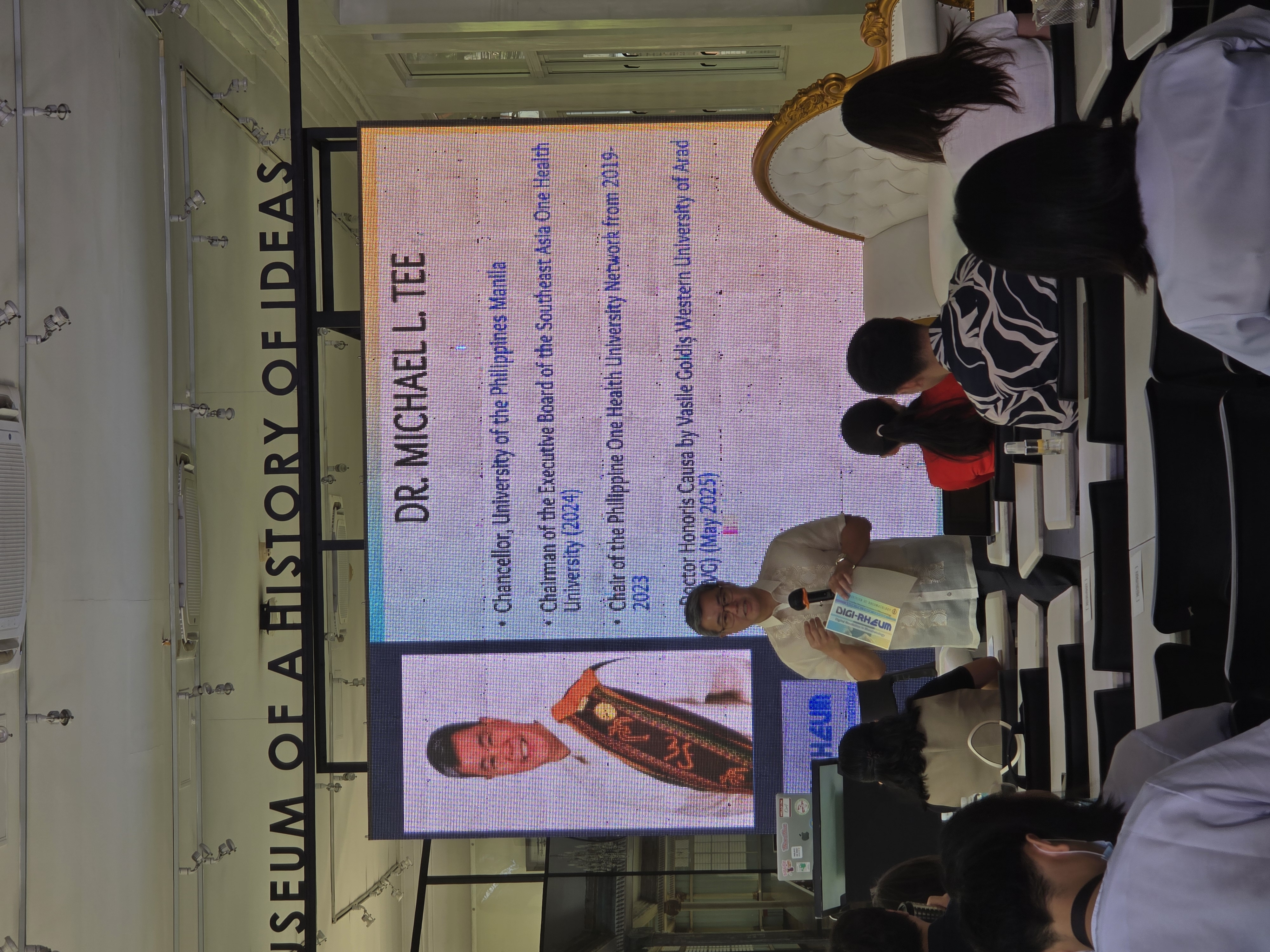
Professor and Chancellor Prof. Michael Tee, opened the lectures by emphasizing that Digi-Rheum is not about losing to technology, but about giving patients access and empowering physicians, especially rheumatologists. He invited young doctors to pursue rheumatology, learn and appreciate the big picture, and dig deep into the molecular level of rheumatologic diseases.
The first session, “Teaching the Future: Utility of AI in Training and Research,” by Dr. Iris Isip-Tan, opened with a resounding “Artificial Intelligence will not replace humans,” and emphasized that it is not really about the AI tools but the “whys” behind these tools. She explored the emerging role of artificial intelligence in medical education and academic work. Discussions focused on how AI can assist in literature review, data synthesis, research productivity, and personalized learning. She also discussed the importance of responsible AI use, reminding participants that technology should support, not replace, critical thinking, ethical judgment, and clinical expertise.
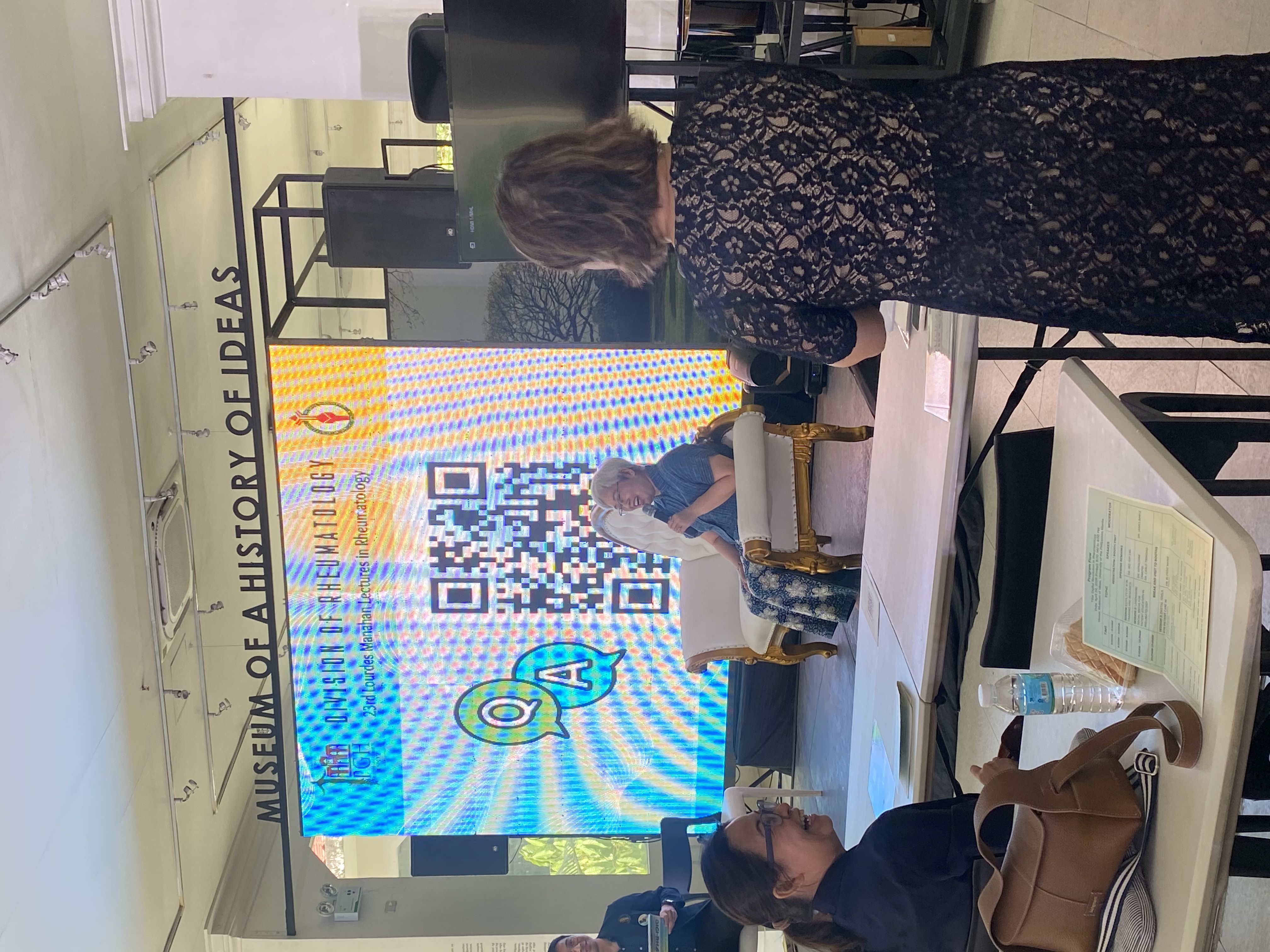
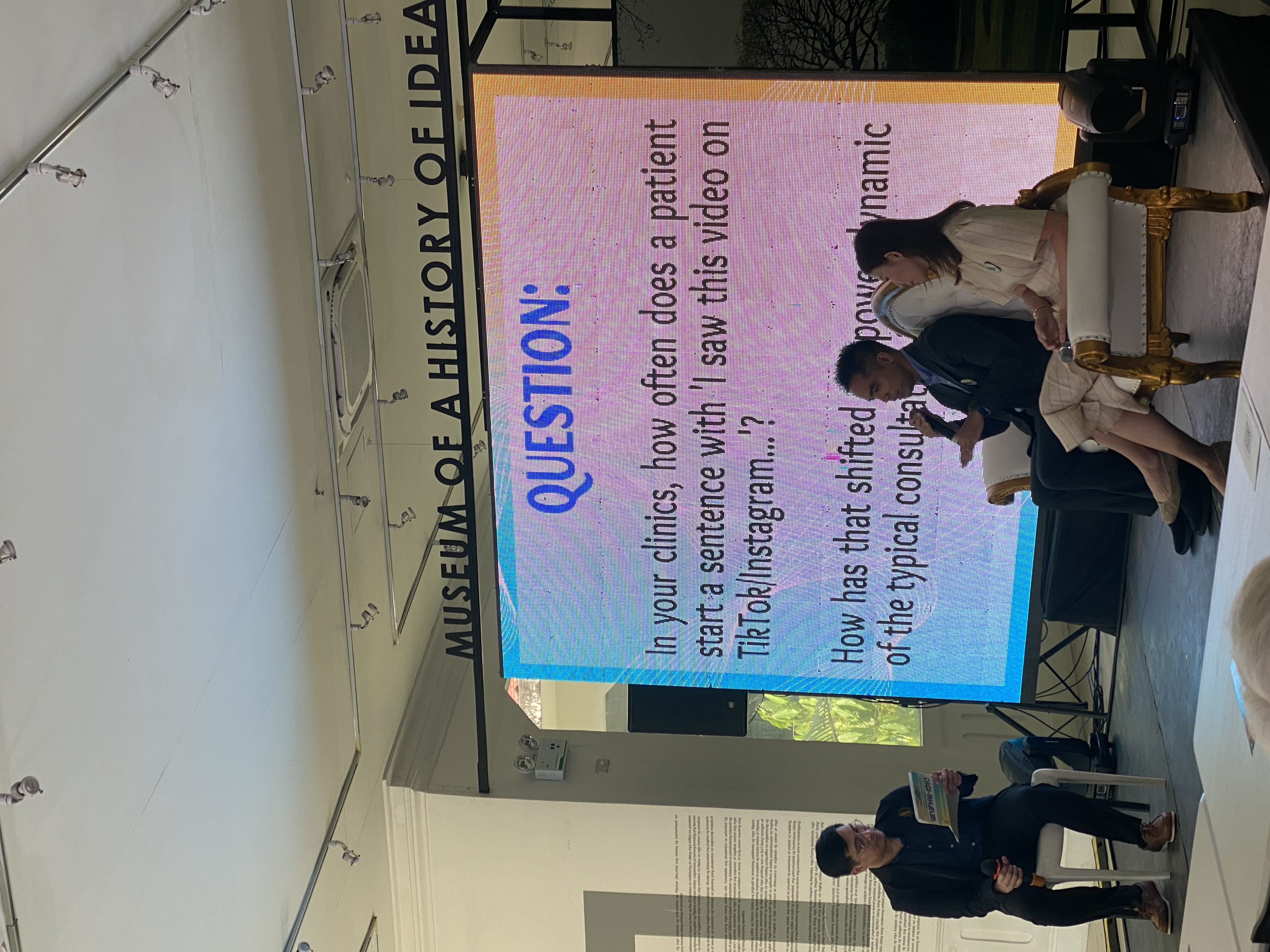
In “Scroll, Share, Learn: Use of Social Media for Patient Education in Rheumatology,” Dr. Geraldine “Ging” Zamora and Dr. Carlo Trinidad, aka “KidneyMD”, shared how social media has reshaped their practice as physicians. Dr. Trinidad acknowledged that digital platforms have made him a faster, more connected clinician by helping him better understand where patients are coming from. Meanwhile, Dr. Zamora mentioned that social media has, at times, allowed her to learn from her own patients. Social media has become an effective avenue for clarifying complicated rheumatologic conditions, combating misinformation, and building patient communities. The challenge is to create evidence-based, accessible, and ethical content while maintaining professional boundaries online.
Dr. Blessie Marie Perez showcased various digital innovations and apps that support chronic disease management in the third session, “Click to Care: Digital Tools for Patient Care in Rheumatologic Conditions.” These technologies, from symptom trackers and medication reminders to wearable devices and electronic monitoring tools, have the potential to empower patients and improve long-term care. Discussions also acknowledged ongoing issues, including computer literacy, accessibility, and data privacy.
As medicine becomes increasingly visible online, “From Profile to Professionalism: Building a Professional Online Presence” addressed the importance of cultivating a credible, responsible digital identity and of how one “packages” oneself. Together with speakers Dr. Ronald Eullaran, Dr. JB Besa, and Dr. Ella Masamayor, the session highlighted how healthcare professionals can use online platforms for education, advocacy, collaboration, and public engagement while upholding professionalism and patient trust. In their words, the online sphere “democratizes medicine” by giving people ways to connect and providing access to the global medical arena.
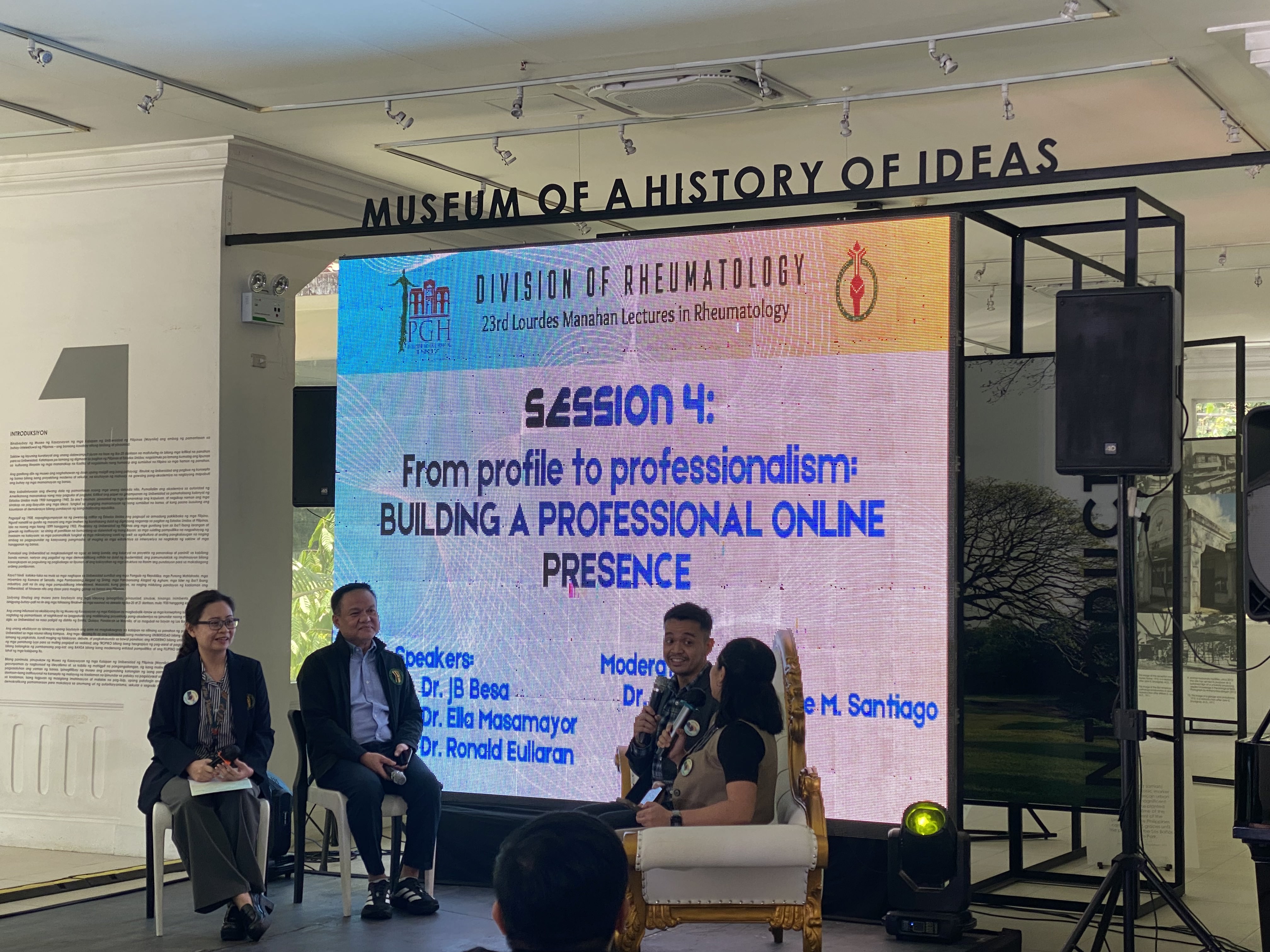
caption: From Profile to Professionalism: Building a Professional Online Presence was discussed in the event.
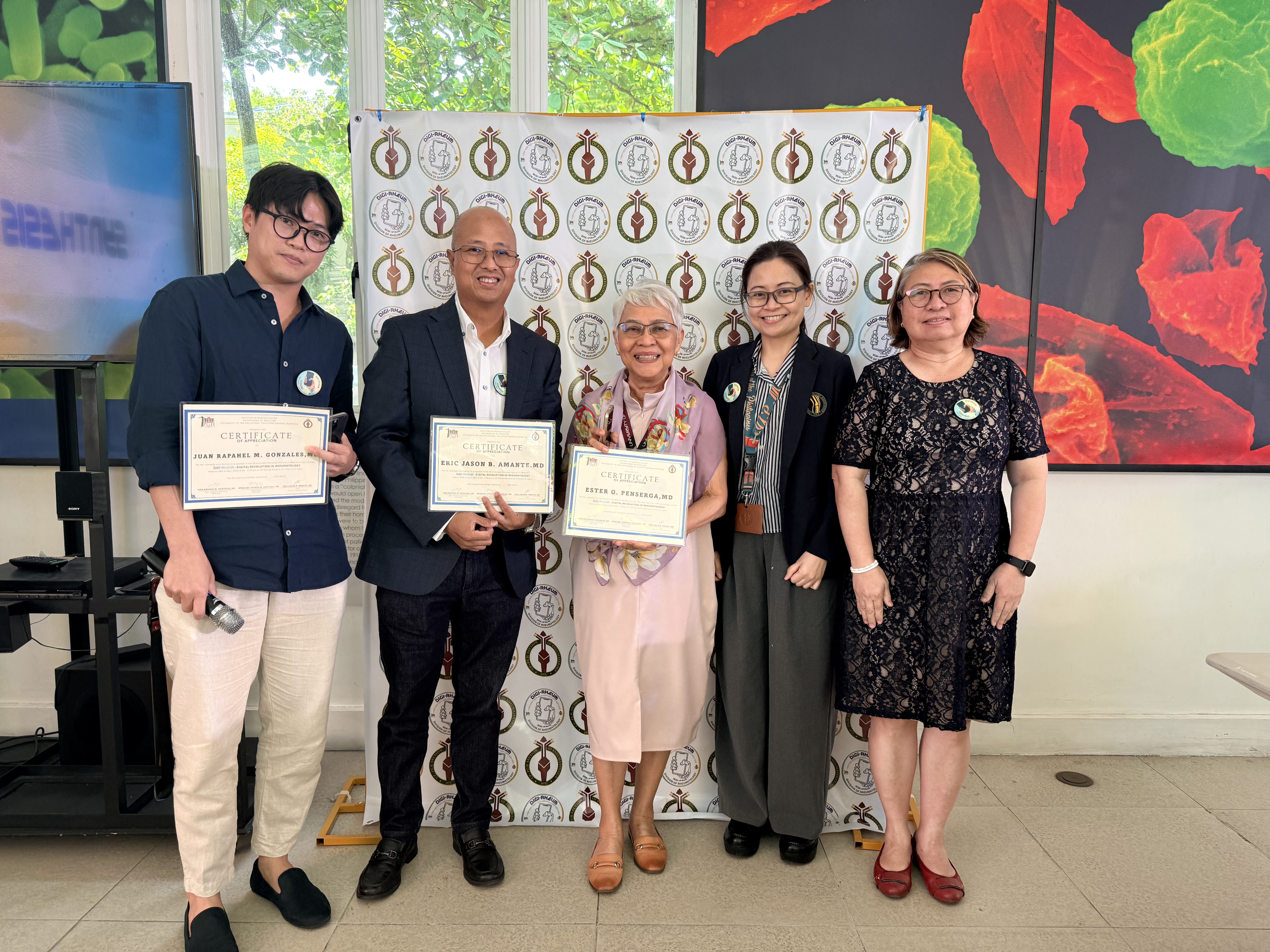
Finally, the panel discussion “TeleRheuma,” with APLAR Master Dr. Ester Penserga, Division Chief Dr. Eric Amante, and Dr. Juan Raphael Gonzales, explored the expanding role of telemedicine in rheumatology practice. Telemedicine consultations have become valuable tools for improving access to specialist care, especially for patients in geographically underserved areas. While acknowledging limitations such as the inability to perform comprehensive physical examinations remotely, the session emphasized how combined models of care may shape the future of rheumatology.
More than a discussion on technology, Digi-Rheum served as a reminder that innovation in medicine must remain grounded in empathy, ethics, and patient-centered care. As digital tools continue to transform healthcare, the challenge for future rheumatologists is not only to adapt to these innovations but also to use them thoughtfully to strengthen human connection and improve patient outcomes. In an era when healthcare increasingly intersects with technology, Digi-Rheum brought to light an important reality: the future of rheumatology is not only clinical—it is also digital.
Google Drive for other images: April 24, 2026 Event Pictures
#FP6 #UPManila #AcademicExcellence