


Text by Charmaine A. Lingdas
Photos by Institute of Social Innovation in Health
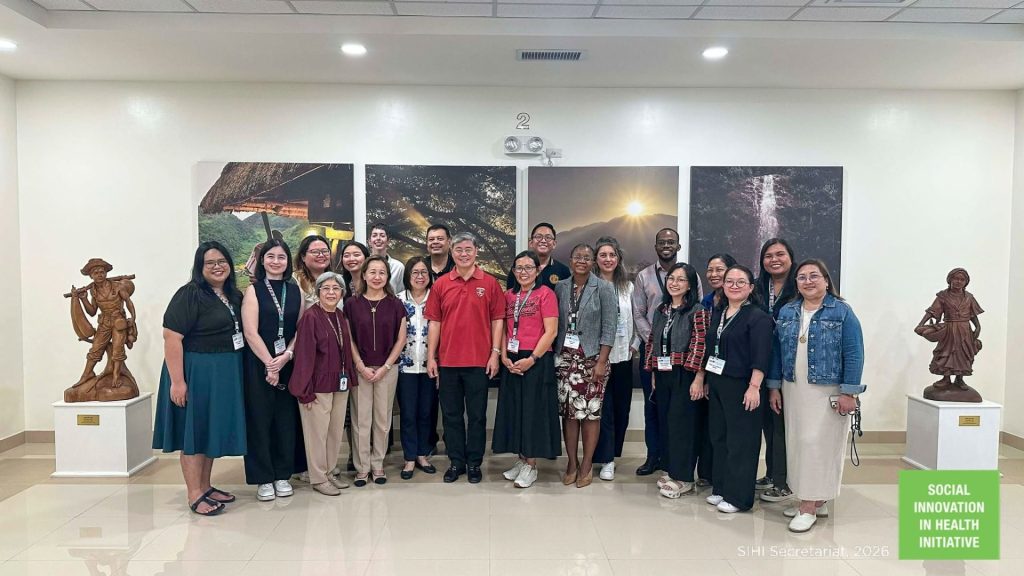
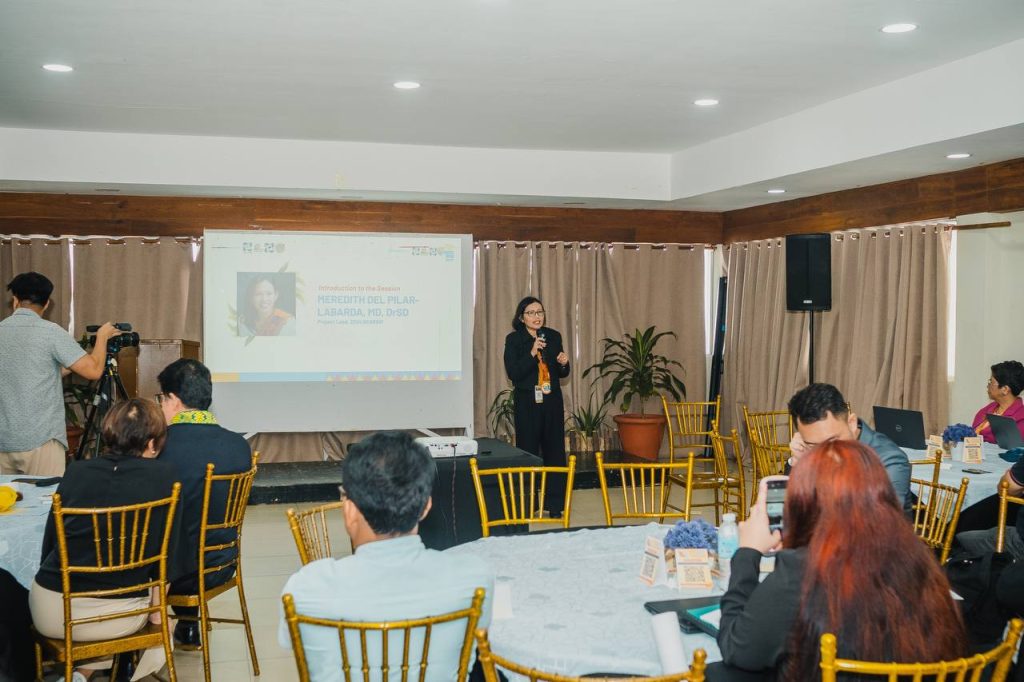
The Social Innovation in Health Initiative (SIHI) Philippines was renamed the Institute of Social Innovation in Health (ISIH) under the UP Manila National Institutes of Health (NIH) following the UP Board of Regents’ (BOR) approval of its establishment during the latter’s 1411th meeting on Aug. 26, 2026. In the same meeting, the BOR named Dr. Meredith del Pilar-Labarda as its founding director.
Road to ISIH
For Dr. Labarda, the establishment of ISIH continues a vision that began nearly a decade ago with the Social Innovation in Health Initiative (SIHI) Philippines. ISIH is mandated to advance locally developed health solutions through research and capacity building.
“When SIHI Philippines was established in 2017, the vision was already quite ambitious: to become the leading institutional partner in transforming the Philippine healthcare system through social innovation,” Dr. Labarda said in an interview.
She said the initiative was designed to go beyond identifying promising projects. Its mission included research, capacity building, partnership development, and influencing health systems to strengthen solutions emerging from communities and local health systems.
SIHI Philippines was launched in 2017 with support from the Special Programme for Research and Training in Tropical Diseases (TDR) and was initially hosted by the Department of Clinical Epidemiology of the UP College of Medicine. Its early work included identifying and documenting social innovations in health and building opportunities for innovators, researchers, government agencies, and communities to learn from one another.
SIHI Philippines was established in response to persistent health inequalities, especially in geographically isolated and disadvantaged communities. Dr. Labarda noted that health innovations were often concentrated in urban areas and driven by technology or the private sector. SIHI also saw that government agencies, universities, innovators, communities, and other sectors often worked separately rather than together.
“The fundamental question was: How do we recognize and strengthen solutions that already emerge from communities and local health systems, rigorously study why they work, and help them become part of the broader health system?” the SIHI official said said.
That question continues to define the work of SIHI.
The approach places communities at the center of the innovation process—not simply as beneficiaries, but as people who can originate, design, implement, evaluate, and sustain solutions to health problems.
“Communities are not merely beneficiaries of social innovation; they are often its originators, co-designers, implementers, and owners,” Labarda said.
This orientation was evident from SIHI Philippines’ first national call for innovations in 2017. Among the five recognized innovations were an inter-island health referral system using a health service boat, a health governance initiative, a national telehealth system, a community financing mechanism, and a community-based adolescent HIV nursing program.
The projects demonstrated that innovation in health does not necessarily begin with sophisticated technology. It can emerge from communities responding to practical problems using the resources, relationships, and knowledge available to them.
From Discovery to Ecosystem Building
SIHI Philippines’ development is divided in several stages.
The first was discovery and proof of concept, when SIHI identified social innovations across the country and documented them through research and case studies.
The second was expansion and ecosystem building, as the initiative developed relationships with agencies and organizations including the Department of Science and Technology-Philippine Council for Health Research and Development (DOST-PCHRD), the Department of Health, the Department of the Interior and Local Government-Local Government Academy, other UP units, civil society organizations, and innovators.
The SIHI increasingly saw the need for what Dr. Labarda described as a “system integrator”—one capable of connecting researchers, innovators, social entrepreneurs, government agencies, communities, and opportunities for scaling.
The third stage was institutionalization.
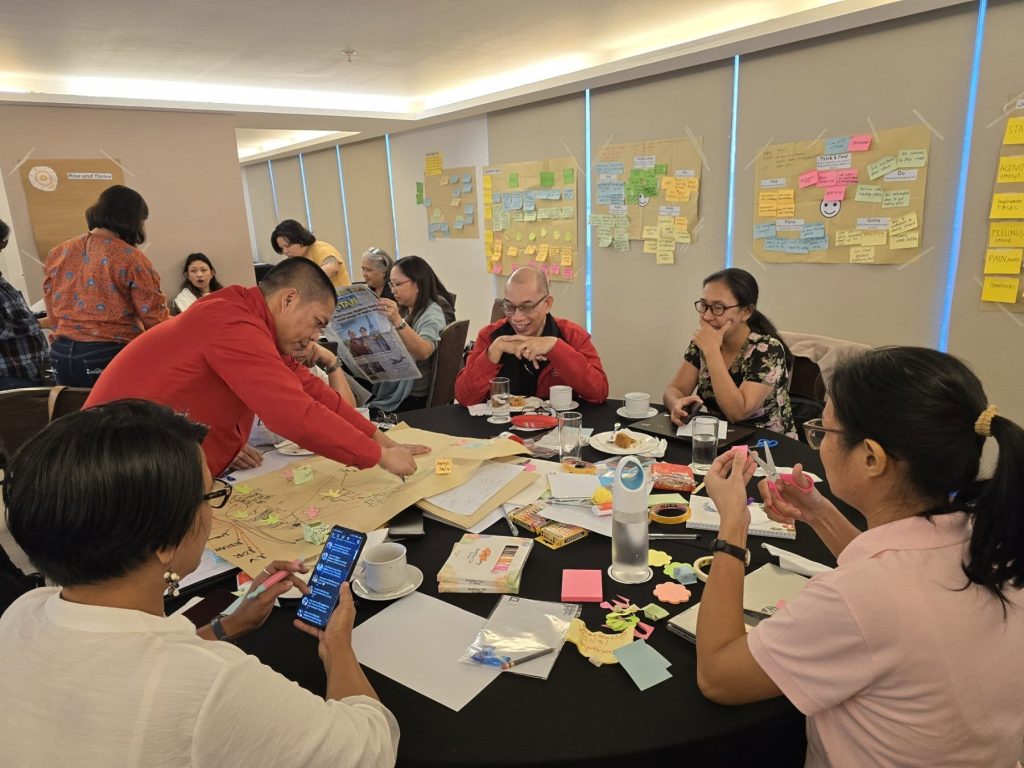
In 2024, SIHI Philippines transitioned into the Program for Social Innovation and Entrepreneurship in Health under the Institute of Clinical Epidemiology of the UP Manila NIH. The transition placed social innovation more firmly within the University’s research, training, and public-service infrastructure.
The final stage came with the BOR’s approval of ISIH in August 2026.
“In summary, we journeyed from a Hub to ecosystem builder to NIH program to Institute of Social Innovation in Health,” Dr. Labarda said.
“What remained constant throughout that evolution was the idea that solutions to complex health-system problems can emerge from communities themselves, while the University’s role is to bring research rigor, capacity building, convening power, knowledge translation, and pathways to scale.”
Building evidence around community solutions
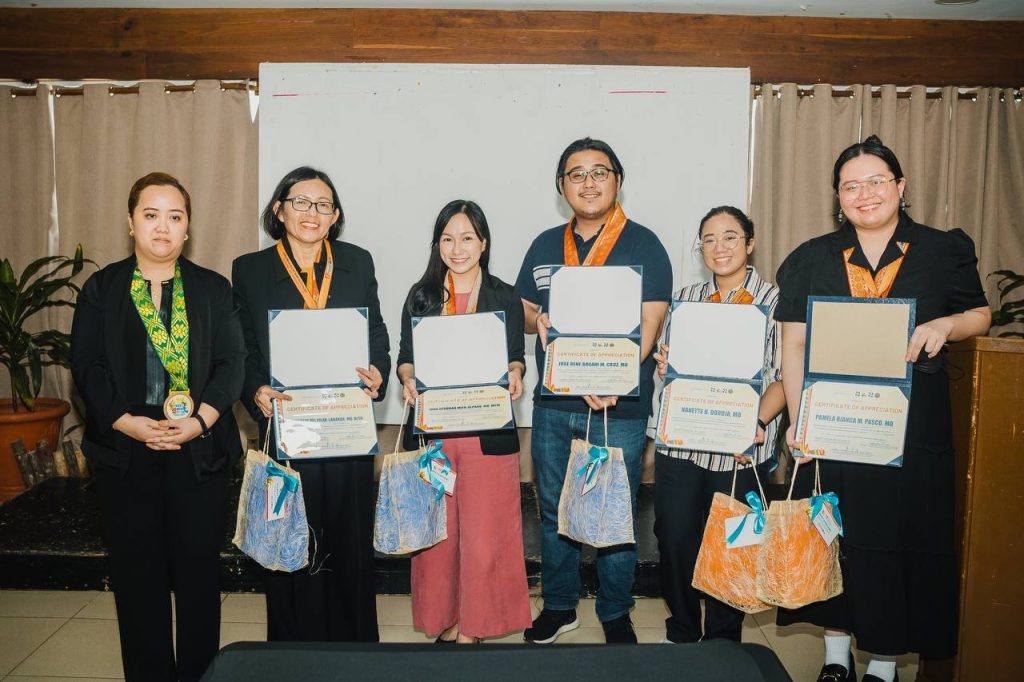
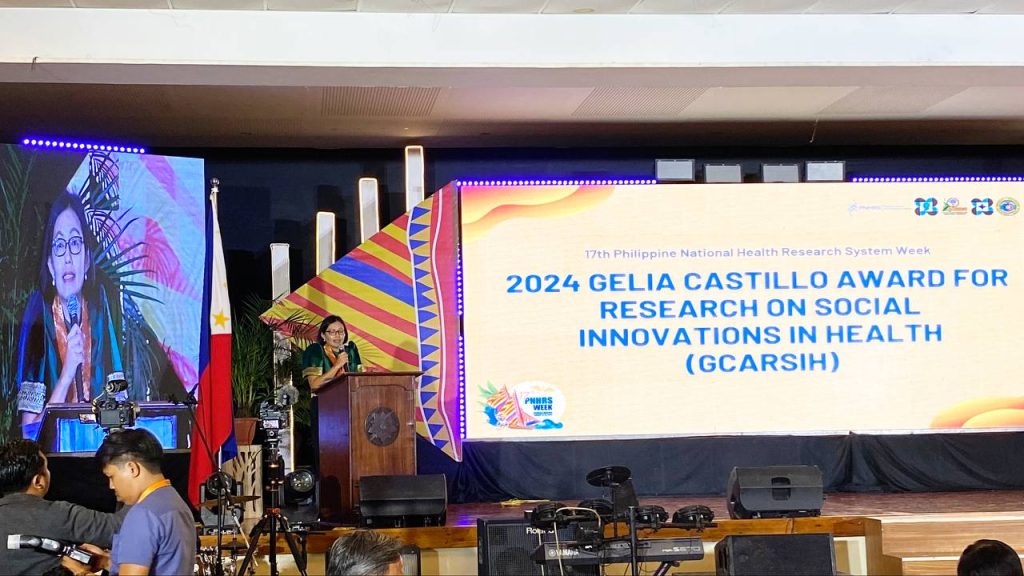
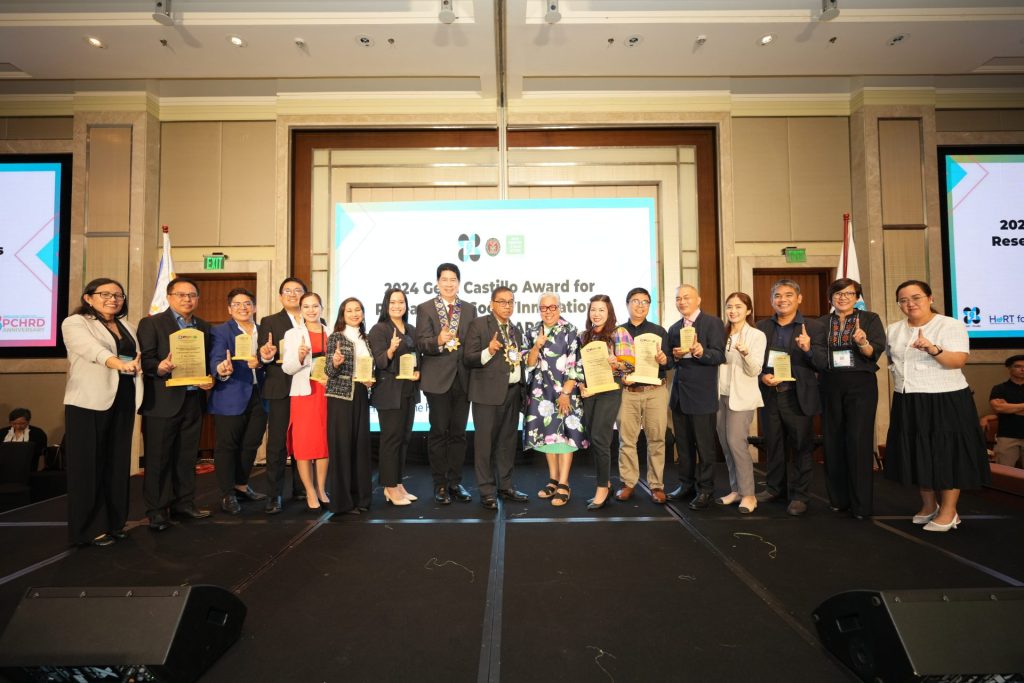
A major milestone in the development of the field was the creation of the Gelia Castillo Award for Research on Social Innovations in Health (GCARSIH) with DOST-PCHRD. Named after National Scientist Dr. Gelia T. Castillo, the award recognizes Filipino social innovators developing community-driven responses to health challenges. It also provides research training and opportunities for research and development support. The award helped move social innovation beyond being a concept to becoming part of the country’s health research architecture.
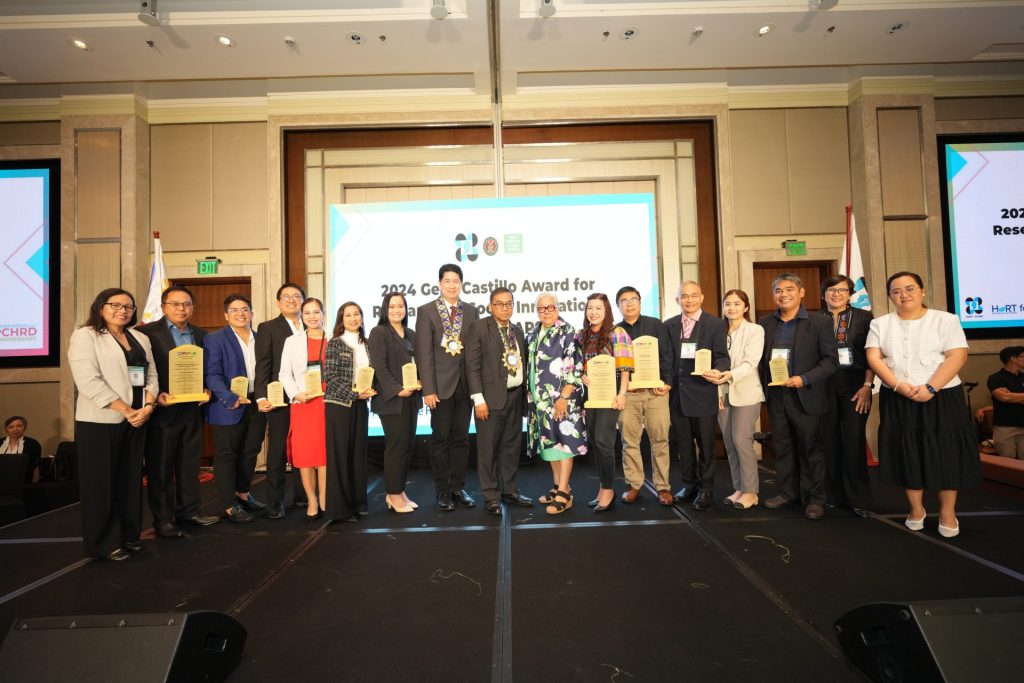
The SIHI team also developed functions encompassing research and capacity building, connecting and convening, advocacy and influence, and institutionalization. The establishment of the SIHI Global Secretariat at UP Manila in 2020 further expanded the University’s role, from hosting a Philippine hub to contributing to coordination across a global network. UP Manila later became a venue for international discussions on the sustainability and institutionalization of social innovation in health.
A collective effort
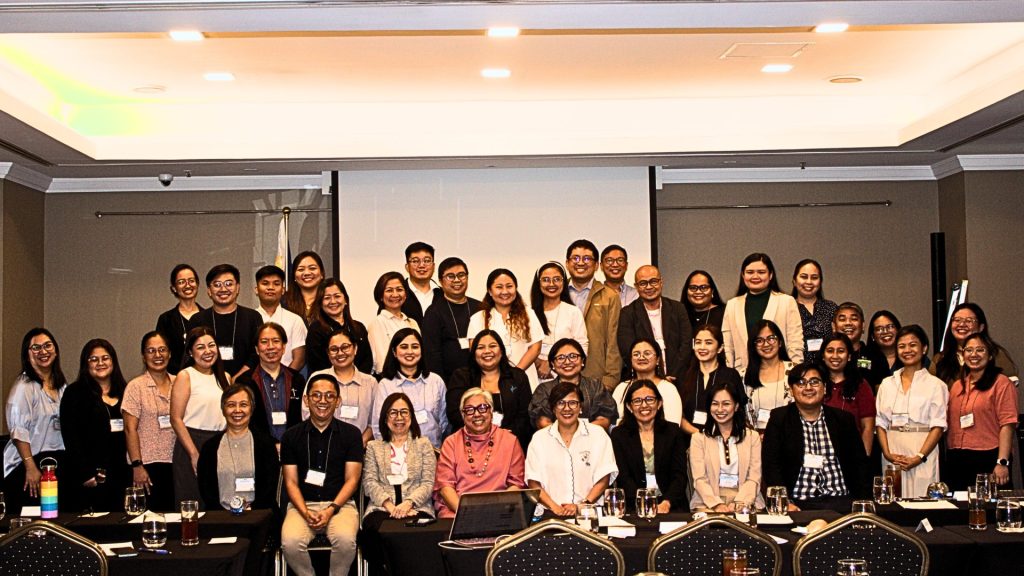
Dr. Labarda stressed that the institute is the product of a collective effort rather than the work of a single person or institution.
She identified the late Dr. Noel R. Juban as a foundational figure in establishing SIHI Philippines. Dr. Juban led the initiative in its early years, alongside a multidisciplinary team that included Arturo Ongkeko, Dr. Harroun Wong, Jean Barcena, and Pamela Tagle.
Dr. Mary Ann Lansang also served as a technical adviser and champion of the initiative.
At the international level, Dr. Labarda cited Dr. Beatrice Halpaap of WHO-TDR and former TDR Executive Director Dr. John Reeder, along with other SIHI champions, for their roles in developing the global initiative and supporting the establishment of SIHI hubs in different countries.
TDR provided support for SIHI’s establishment and growth, while the broader global network provided opportunities for collaboration and shared learning, and DOST-PCHRD, DOH, and DILG-Local Government Academy were among the key government partners.

Communities as co-creators of knowledge
For ISIH, community participation is not simply an engagement strategy added after an innovation has been developed.
Dr. Labarda said many of the solutions documented by SIHI began outside universities, when people confronted practical problems in their own communities and developed responses using available resources.
She cited the inter-island health service boat as one example. Women living on islands needed access to facility-based delivery, prompting a solution that brought together transportation, health-service organization, PhilHealth financing, local governance, and community participation.
This approach also changes the role of research.
“Research therefore becomes something done with communities rather than merely on communities,” Dr. Labarda said.
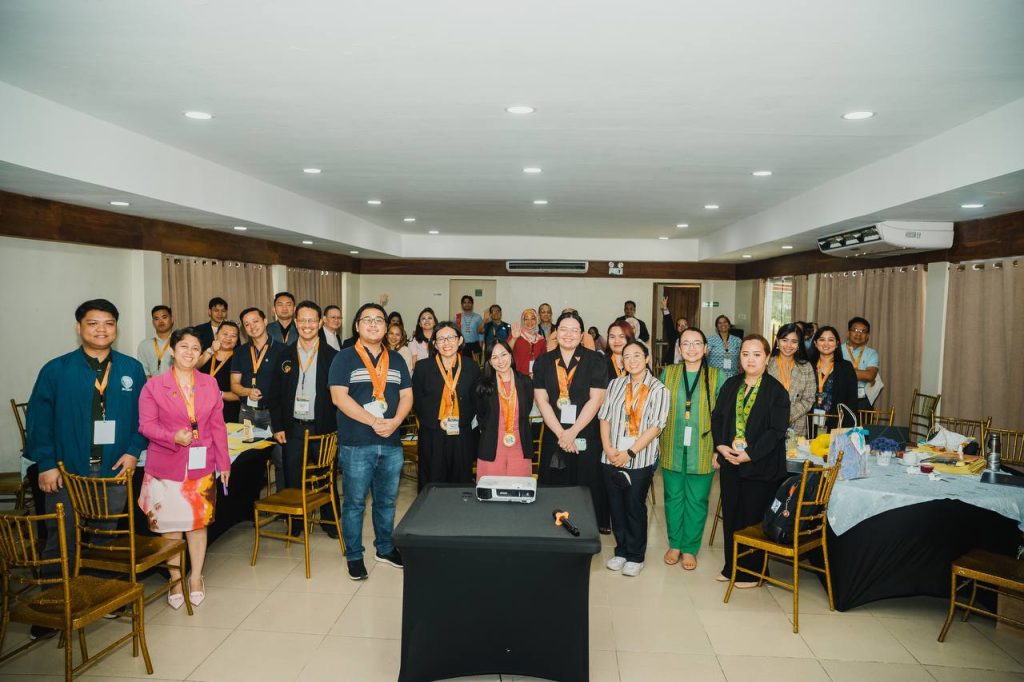
The principle has been reflected in SIHI’s research and capacity-building activities. At the 2025 GCARSIH culmination, she similarly emphasized that community members should be treated as co-investigators rather than simply research subjects.
Priorities for the new institute
ISIH’s research agenda will focus on identifying, evaluating, implementing, sustaining, and scaling social innovations, with particular attention to Universal Health Care, the Sustainable Development Goals, and health equity.
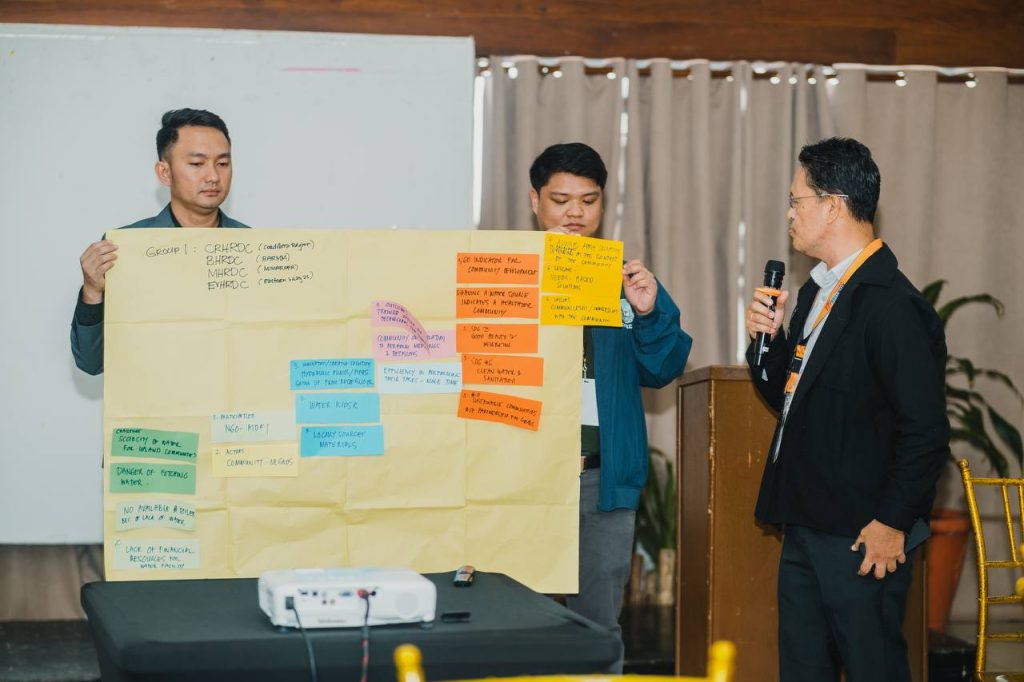
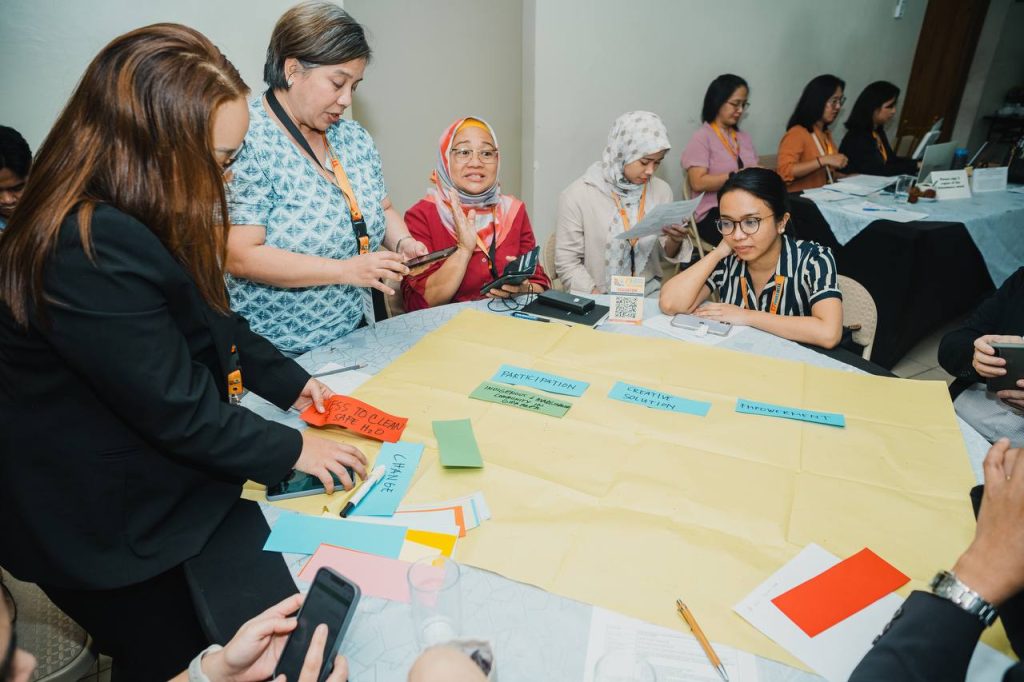
Capacity building will seek to develop a wider pool of researchers, health professionals, policymakers, innovators, students, community leaders, and local government actors who can understand and rigorously evaluate social innovation.
The Institute will also strengthen knowledge translation through case studies, policy briefs, learning exchanges, and other mechanisms that make research findings usable by decision-makers and communities.
Dr. Labarda described ISIH’s role as that of a connector and convener, bringing together government, academia, civil society, communities, social enterprises, funders, international partners, and the private sector.
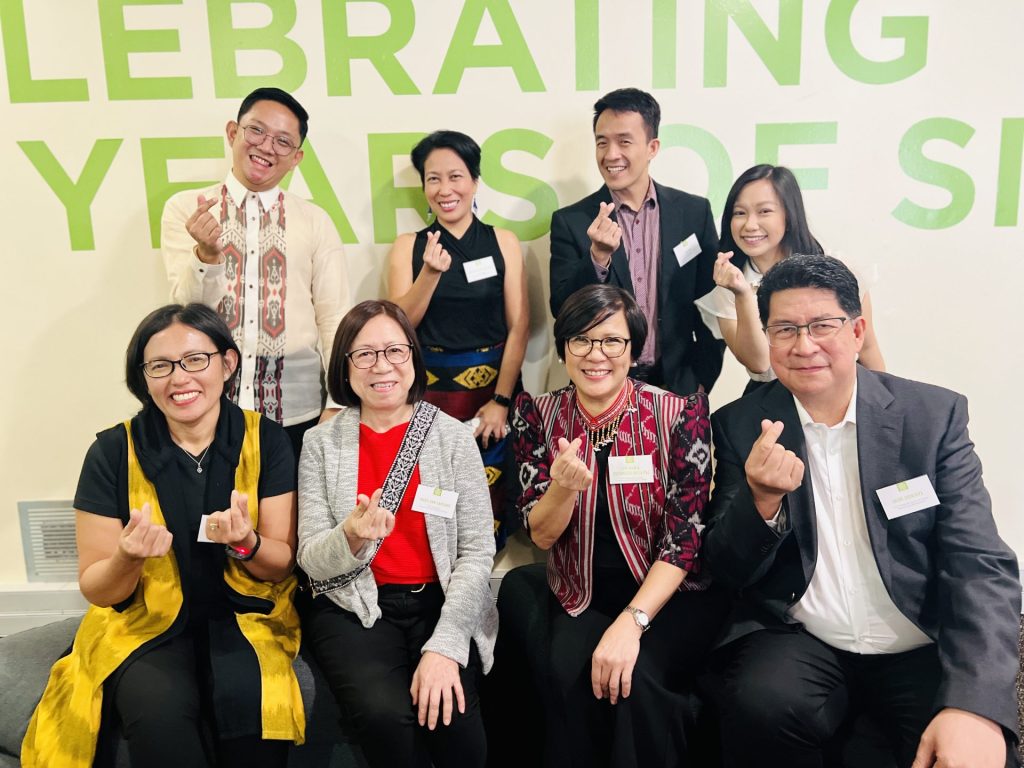
From Institutionalization to Responsibility
For Dr. Labarda, the new status brings both opportunity and responsibility. The institute, she said, provides a permanent institutional home but also creates higher expectations for the work.
ISIH must demonstrate that institutionalization can lead to stronger research, partnerships, community engagement, and health outcomes while ensuring that communities remain at the center of the process.
Dr. Labarda hopes that, over the next five to 10 years, ISIH will contribute to a national environment where good health solutions can emerge from anywhere, particularly from communities experiencing health challenges, and have a credible pathway toward evidence, improvement, and scale.
She envisions a national ecosystem connecting innovators, communities, universities, government agencies, funders, and civil society; a stronger body of Philippine research on what social innovations work and under what conditions; and a new generation of Filipino researchers, practitioners, and community leaders equipped through training, fellowships, mentorship, and experiential learning.
She also hopes the Institute will strengthen the translation of innovations into policy and practice, particularly in local health systems and Universal Health Care implementation.
For Labarda, the measure of success will extend beyond publications, projects, conferences, or grants. It will be reflected in whether communities—especially those historically left behind by the health system—experience better access to care, greater agency, greater equity, and better health.
“We must continue serving communities and keeping them at the heart of the work,” Dr. Labarda said.


READ MORE: