

Text by Charmaine A. Lingdas
Photos by Jericho Paolo L. Mabansag
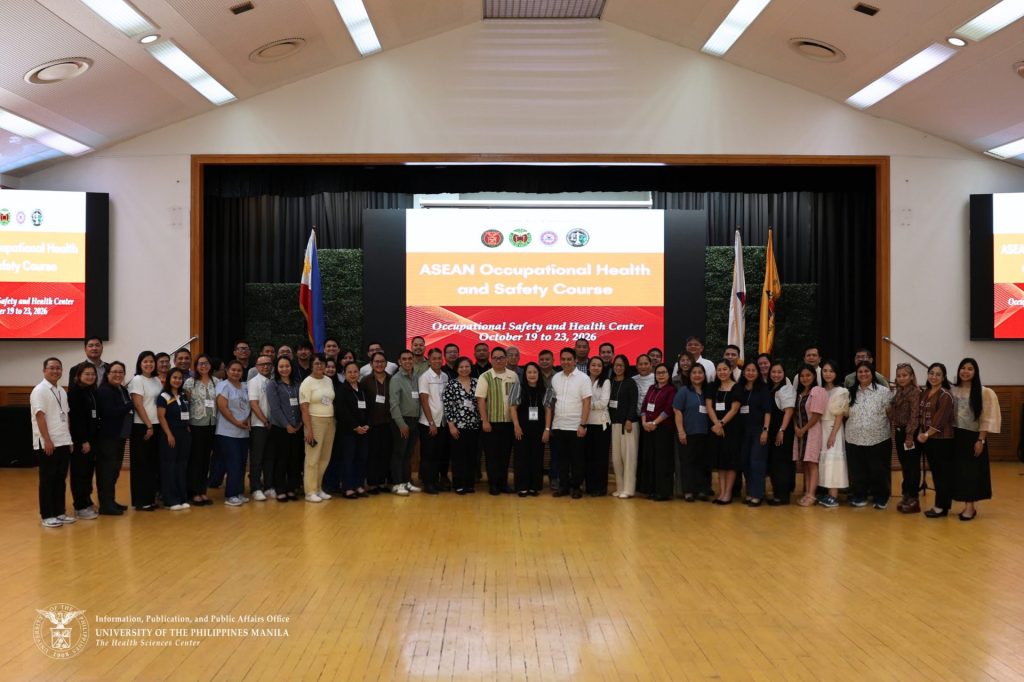
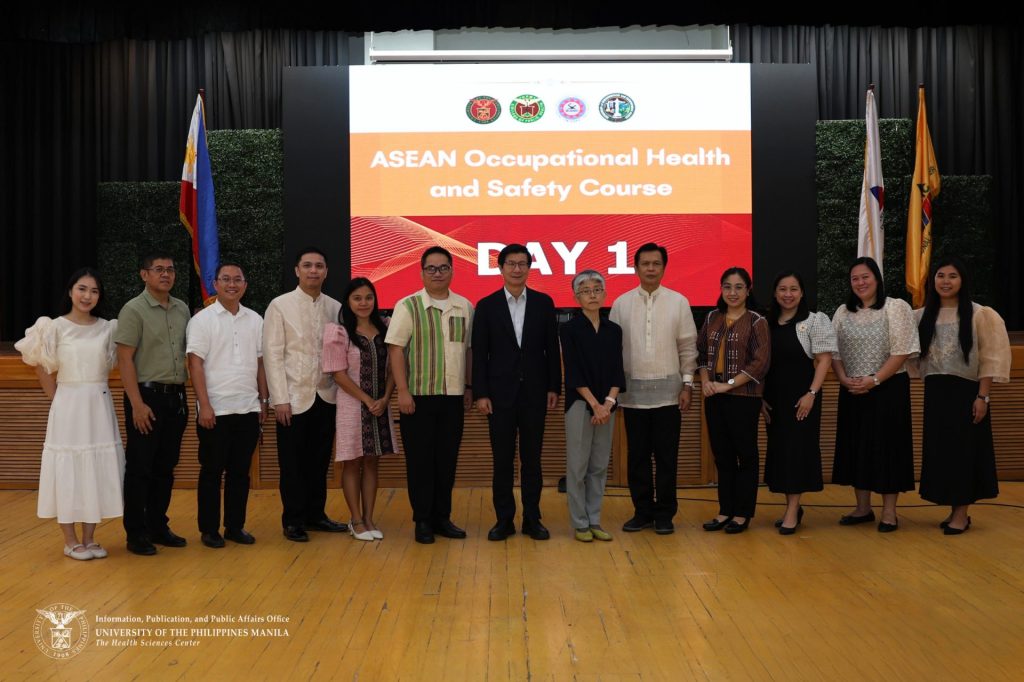
The University of the Philippines Manila College of Public Health (UPM-CPH), through its Department of Environmental and Occupational Health, conducted a five-day ASEAN Occupational Safety and Health (OSH) Course on Oct. 19–23, 2026, at the Occupational Safety and Health Center in Quezon City.
The 40-hour program brought together professionals from different industries to strengthen their knowledge of workplace hazards, occupational health risks, safety standards, and preventive measures. Through plenary lectures, workshops, and case studies, participants examined approaches to planning, implementing, monitoring, and evaluating occupational safety and health programs.
The course drew on international frameworks and standards, including those of the International Labor Organization (ILO), the World Health Organization (WHO), and ISO 45001, which specifies requirements for occupational health and safety management systems.
Promoting safe and healthy work
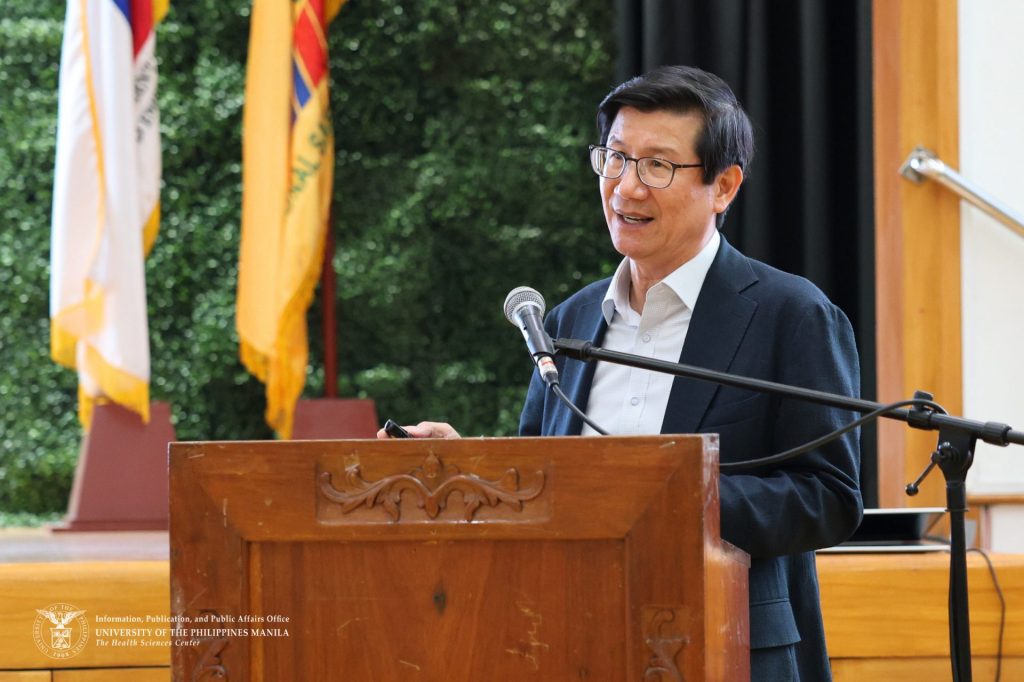
Dr. Yuka Ujita, an occupational health specialist at the ILO Regional Office for East Asia, discussed the global occupational safety and health situation, epidemiological trends, and international frameworks and standards.
“For me, decent work is safe and healthy work,” Dr. Ujita said, underscoring the need to protect workers’ health and safety as an essential part of decent employment.
She explained the ILO’s role in advancing workers’ rights and improving working conditions through cooperation among governments, employers, and workers. She also outlined the four dimensions of decent work: rights at work, decent employment, social protection, and social dialogue.
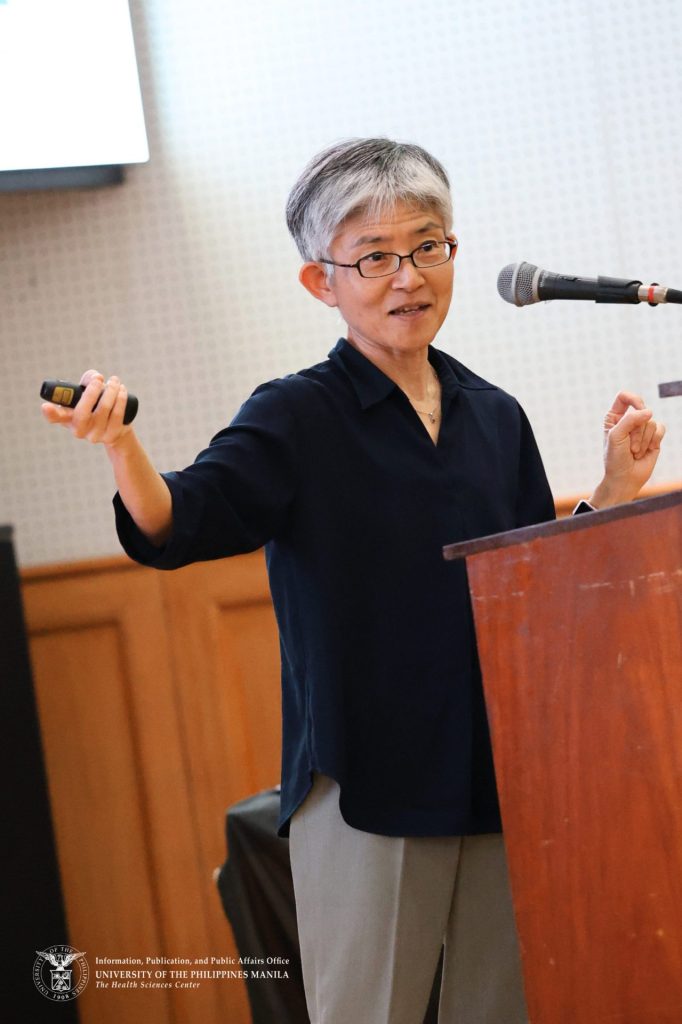
Dr. Ujita highlighted the continuing burden of work-related deaths and diseases, along with persistent and emerging workplace risks. These include long working hours, air pollution, climate change and excessive heat, and mental health concerns. She emphasized the need for preventive approaches and stronger occupational safety and health systems to reduce work-related harm.
Examining workplace hazards and risk management
The course covers physical, biological, and chemical agents, ergonomic risk factors, occupational toxicology, and occupational diseases. These topics help participants identify workplace exposures and understand their potential effects on workers’ health.
Sessions on industrial hygiene complement these discussions by examining methods for recognizing, evaluating, and controlling harmful workplace exposures. Participants also explore risk assessment and management, occupational safety, and accident and incident investigation to better understand how workplace hazards can be identified, assessed, and addressed before they cause harm.
The program also examines occupational injuries and rehabilitation, as well as injury prevention and loss control management. These sessions connect individual worker protection with organizational systems for managing risks, preventing injuries, and minimizing losses.
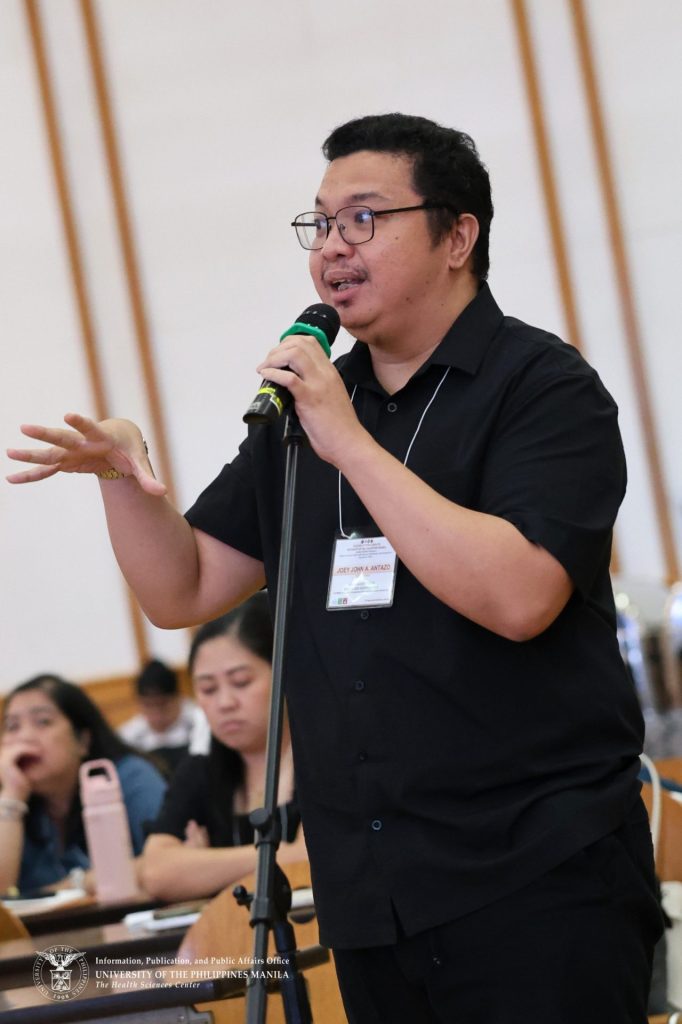
Participants applied concepts from the course during a risk assessment and management exercise, working through practical workplace situations. Group activities, case studies, and panel presentations also provide opportunities to develop proposed solutions, discuss approaches with fellow participants, and learn from the experiences of other professionals.
Integrating occupational health and public health
Beyond workplace safety and industrial hygiene, the course addresses broader public health and environmental concerns that affect workers. Sessions include outbreak investigation, workplace sanitation, and industrial pollution control, expanding the discussion to conditions that may expose workers to health risks.
The program also covers health surveillance and workplace health promotion. Scheduled topics include healthy lifestyles, cancer prevention and control, tuberculosis prevention and control, climate-resilient occupational safety and health programs, and disaster risk reduction and management.
These topics highlight the need to integrate occupational health into broader preventive health strategies, particularly as workplaces face evolving risks associated with infectious diseases, environmental hazards, climate change, and emergencies.
The course further examines international occupational safety and health frameworks, their implementation and enforcement in different countries, and the use of established standards to guide workplace programs. Through technical discussions and practical exercises, participants are expected to strengthen their capacity to develop and implement evidence-based measures that prevent occupational injuries and diseases.
Diverse industries and professions
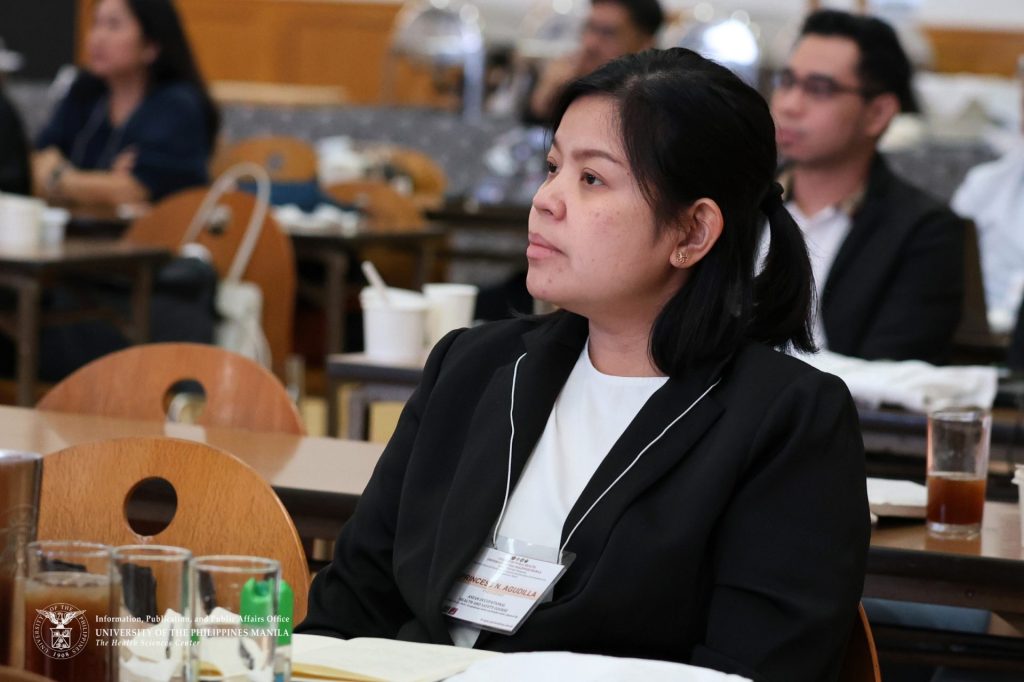
The course gathered 47 participants from various professional backgrounds and industries, including healthcare, mining, property development, renewable energy, fuel, finance, information technology, construction, logistics, pharmaceuticals, and humanitarian aid.
Nurses were the largest professional group who participated in the course, followed by occupational safety and health practitioners and officers, and physicians. Safety officers, engineers, a medical technologist, a sanitary engineer, an environmental specialist, and a health educator also finished the course.
Strengthening regional cooperation for safer workplaces
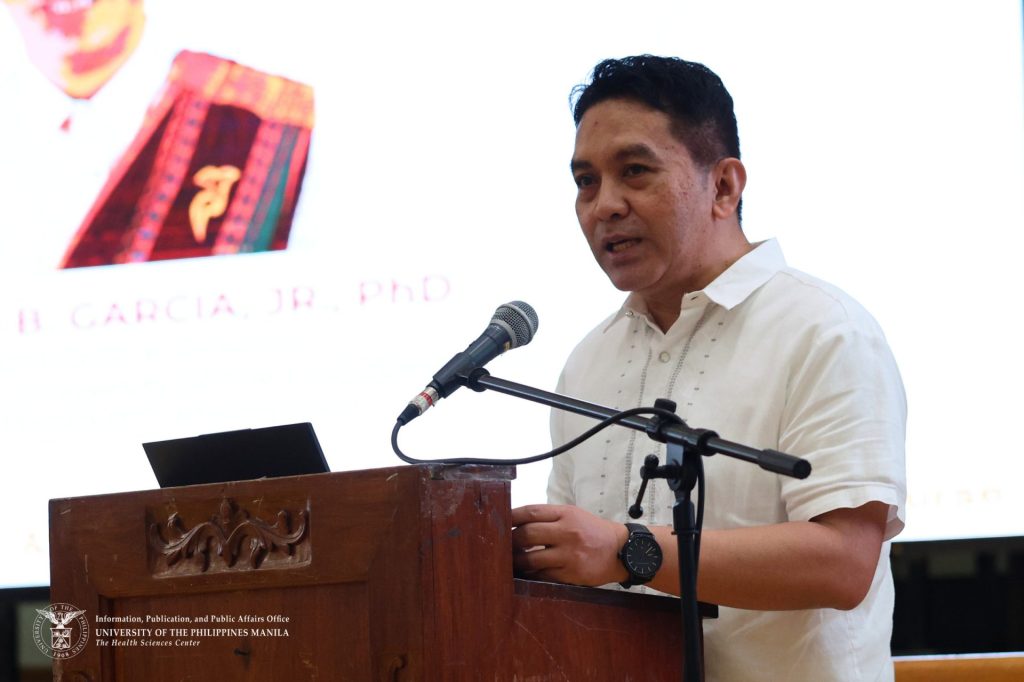
UPM-CPH Dean Fernando B. Garcia Jr. emphasized that occupational safety and health is a shared responsibility across professions and sectors. He stressed that workers should not have to sacrifice their health and safety to earn a living.
Dean Garcia encouraged participants to apply the knowledge gained from the course in their respective institutions and countries, emphasizing that policies can make a difference only when translated into action in actual workplaces.
As UPM-CPH approaches its centennial in 2027, Dean Garcia reaffirmed the college’s commitment to building healthier and safer communities in the Philippines and across the ASEAN region.
READ MORE:
https://www.upm.edu.ph/cpt_news/safe-inclusive-and-equitable-workplaces-discussed-in-8th-eoh-forum
#AccesibleUPLeadership