
Text by Charmaine Lingdas
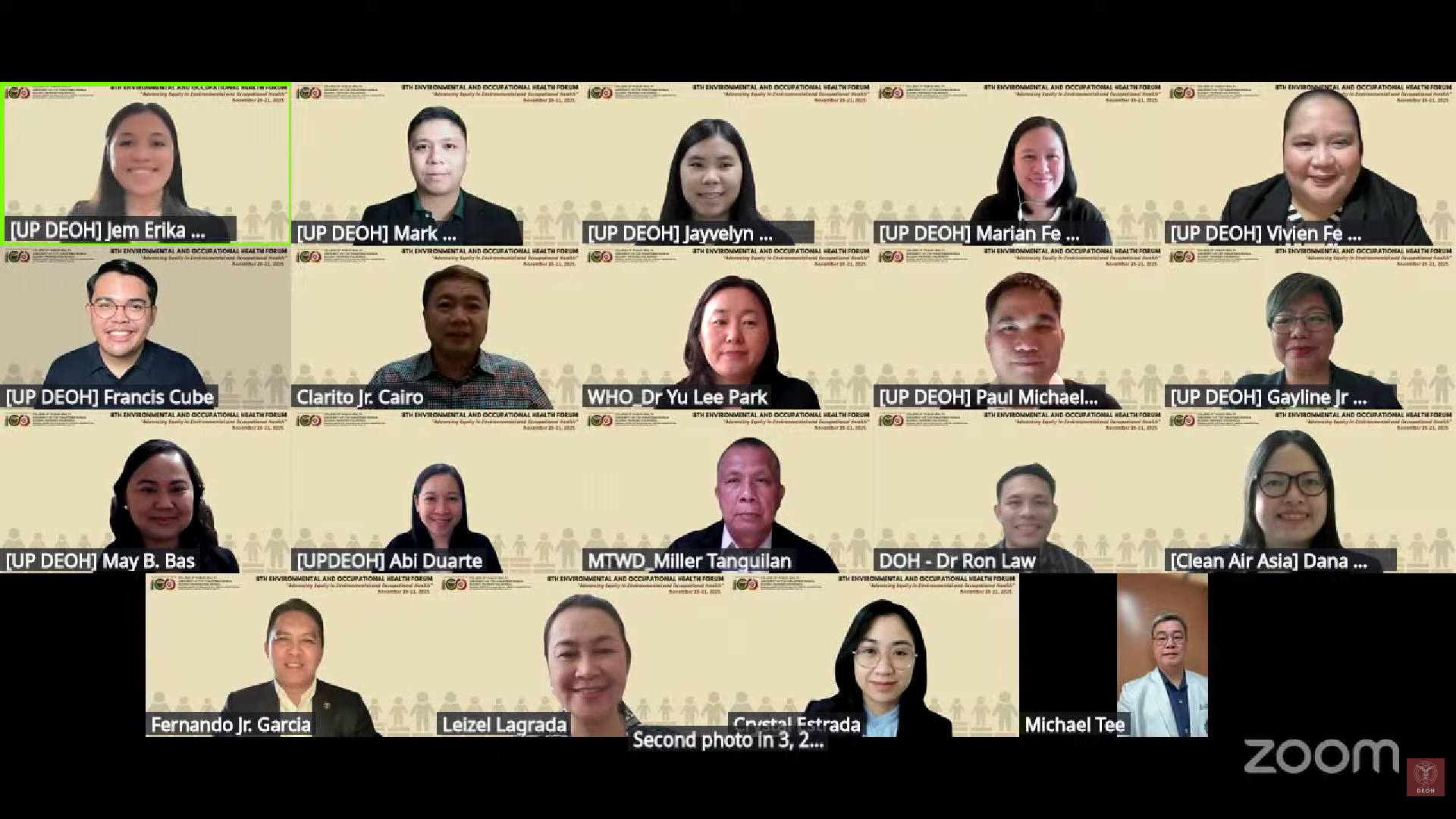
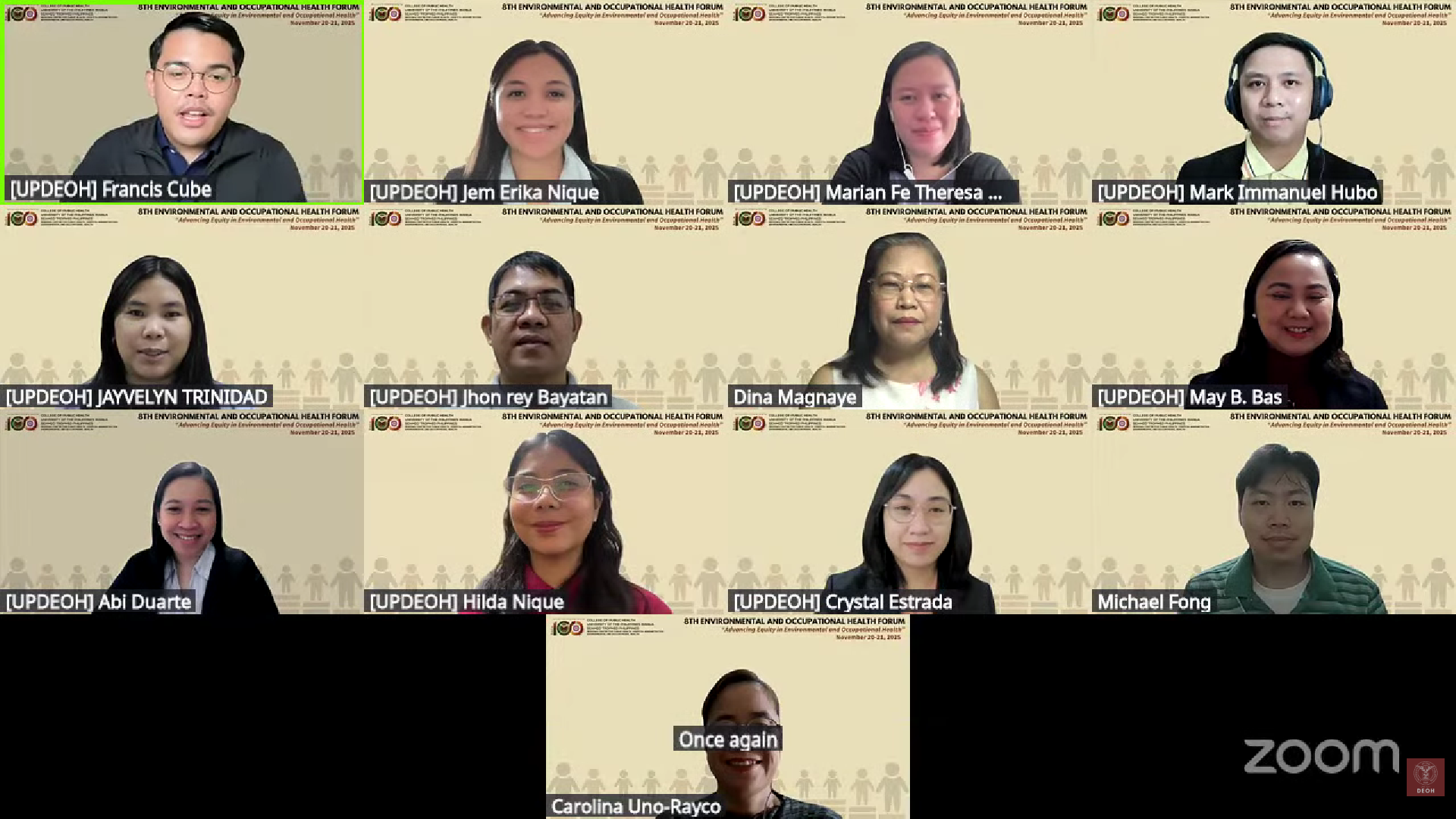
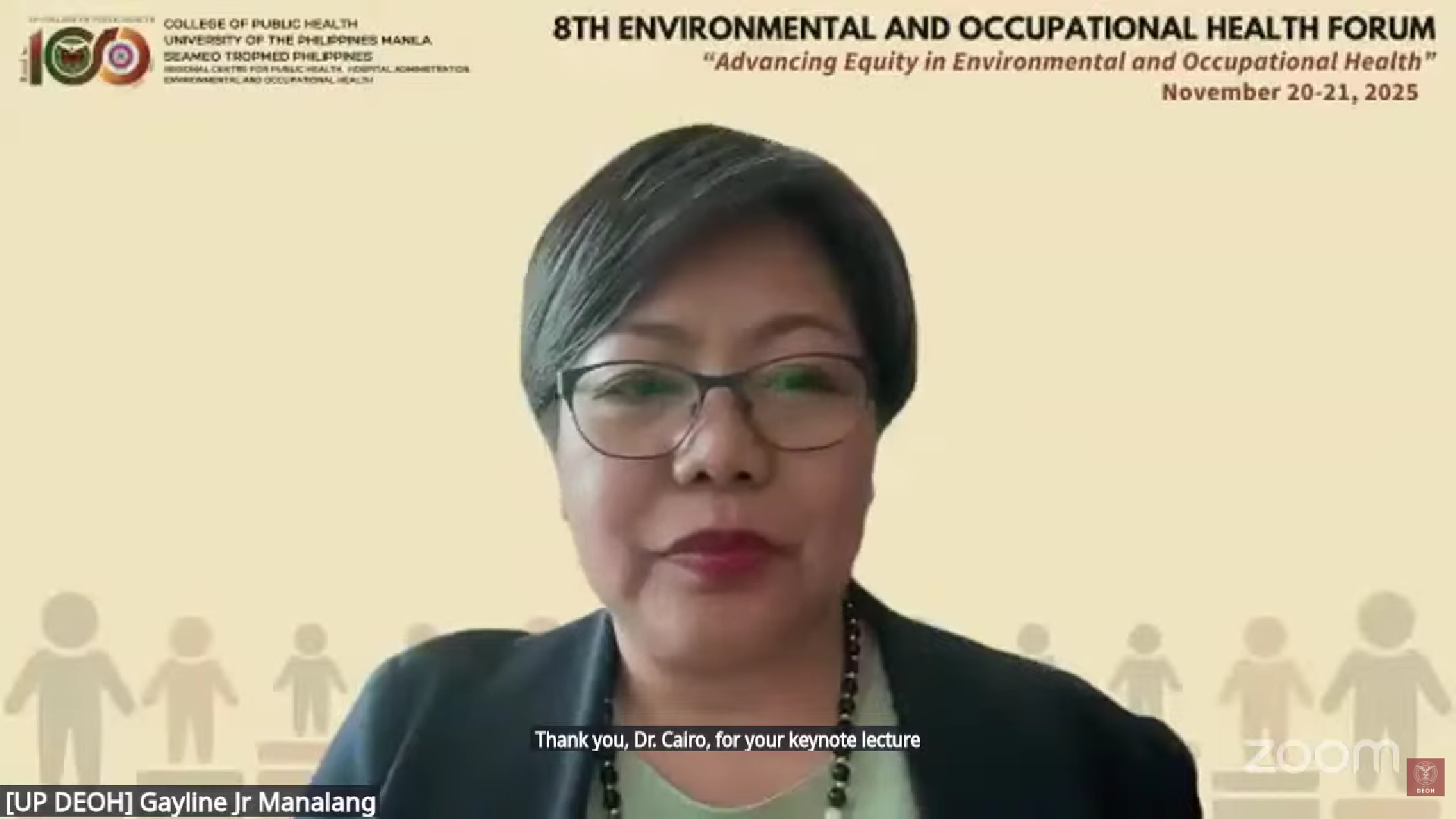
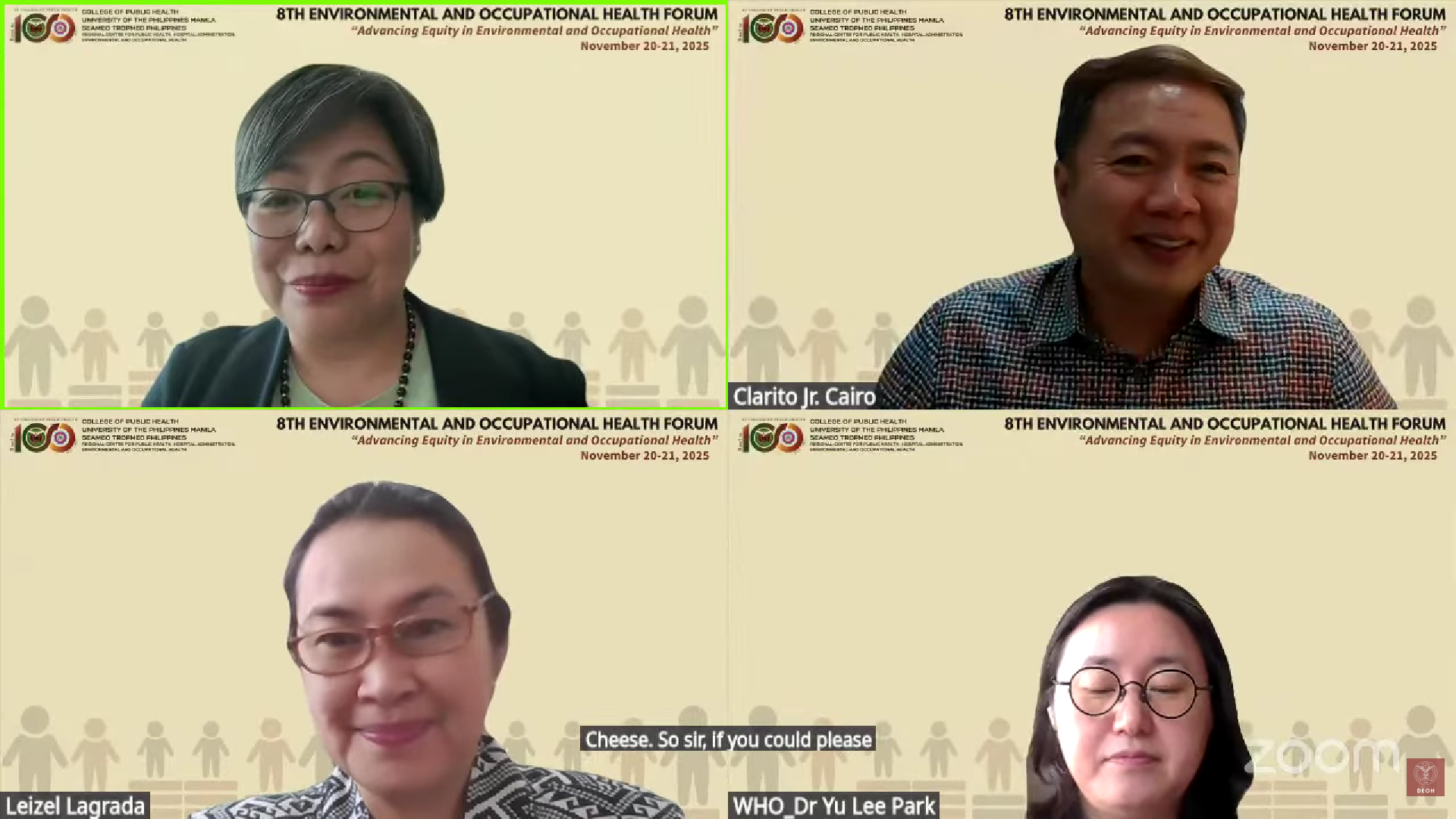
The importance of providing holistic care to the working population was highlighted at the 8th Environmental and Occupational Health (EOH) Forum, which brought together subject-matter experts under the theme, “Advancing Equity in Environmental and Occupational Health.”
Urban Planning
Organized by the Department of Environmental and Occupational Health (DEOH), the two-day forum on Nov. 21–22, 2025, tackled issues affecting workers across various sectors.
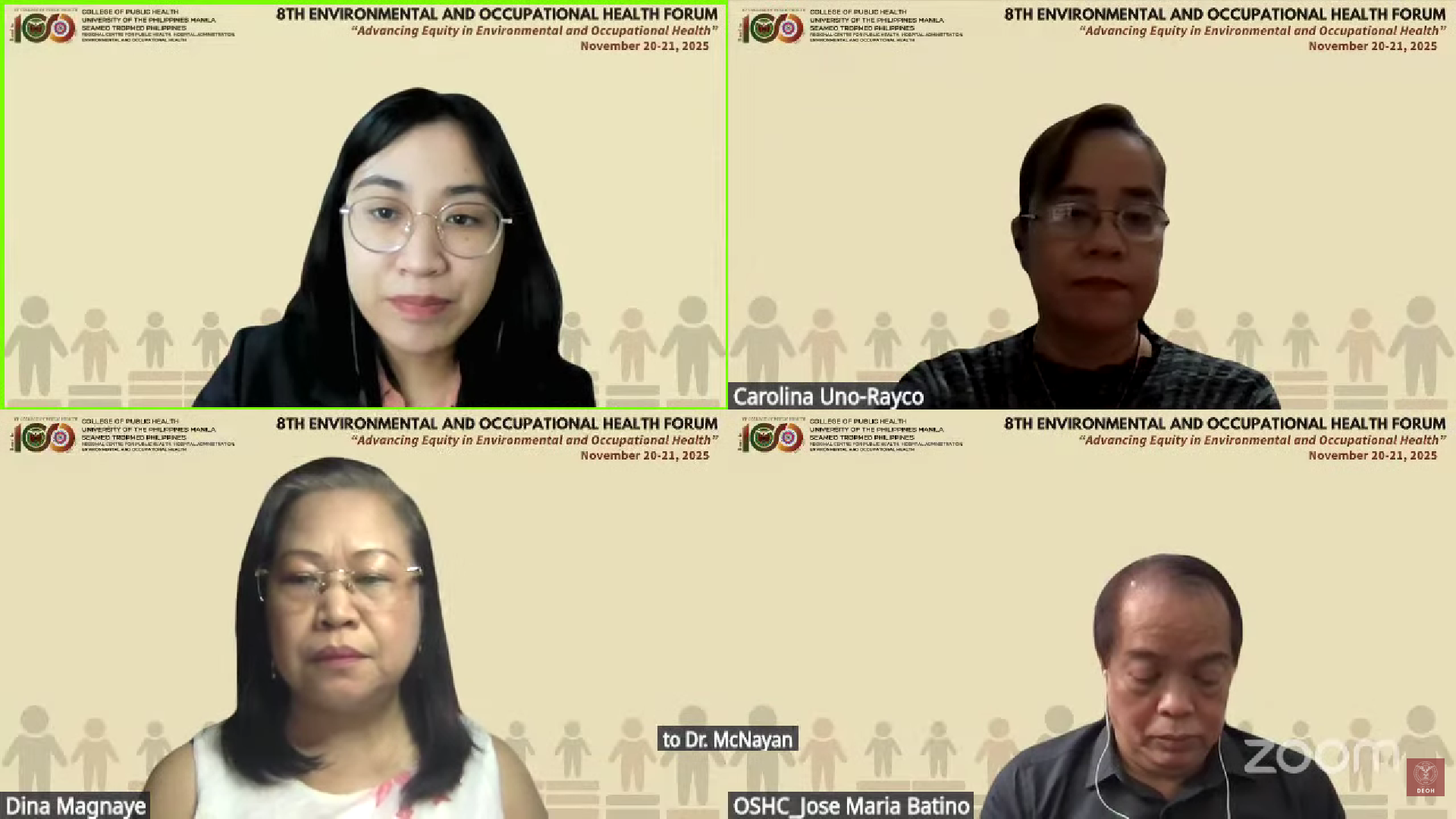
Dr. Dina Magnaye, Professor and Dean of the UP School of Urban and Regional Planning, stressed on the importance of the proximity of industrial zones to residential areas and the transportation options available to workers. When areas are poorly planned, communities may experience long commutes, greater exposure to industrial hazards, and unsafe crossings or transit corridors, she noted.
One example of this is the city of Manila, which is known for having a significantly larger population during daytime because of the number of commuters, students, and workers, traveling to the capital city from the nearby provinces. This makes Manila one of the most congested cities in Southeast Asia.
“Urban design influences worker safety and dignity, especially by providing safe pedestrian access to workplaces, quality worker amenities, safe loading areas, and design that directly reduces occupational risks in construction sites, industrial work, informal markets, and transport hubs,” Dr. Magnaye said.
Building healthy and inclusive cities begins with recognizing that a city is a living organism, a system of interconnected environments. “With this understanding, we can create cities that are better for everyone,” she pointed out.
Closing Gender Gaps
Women still earn significantly less than men.
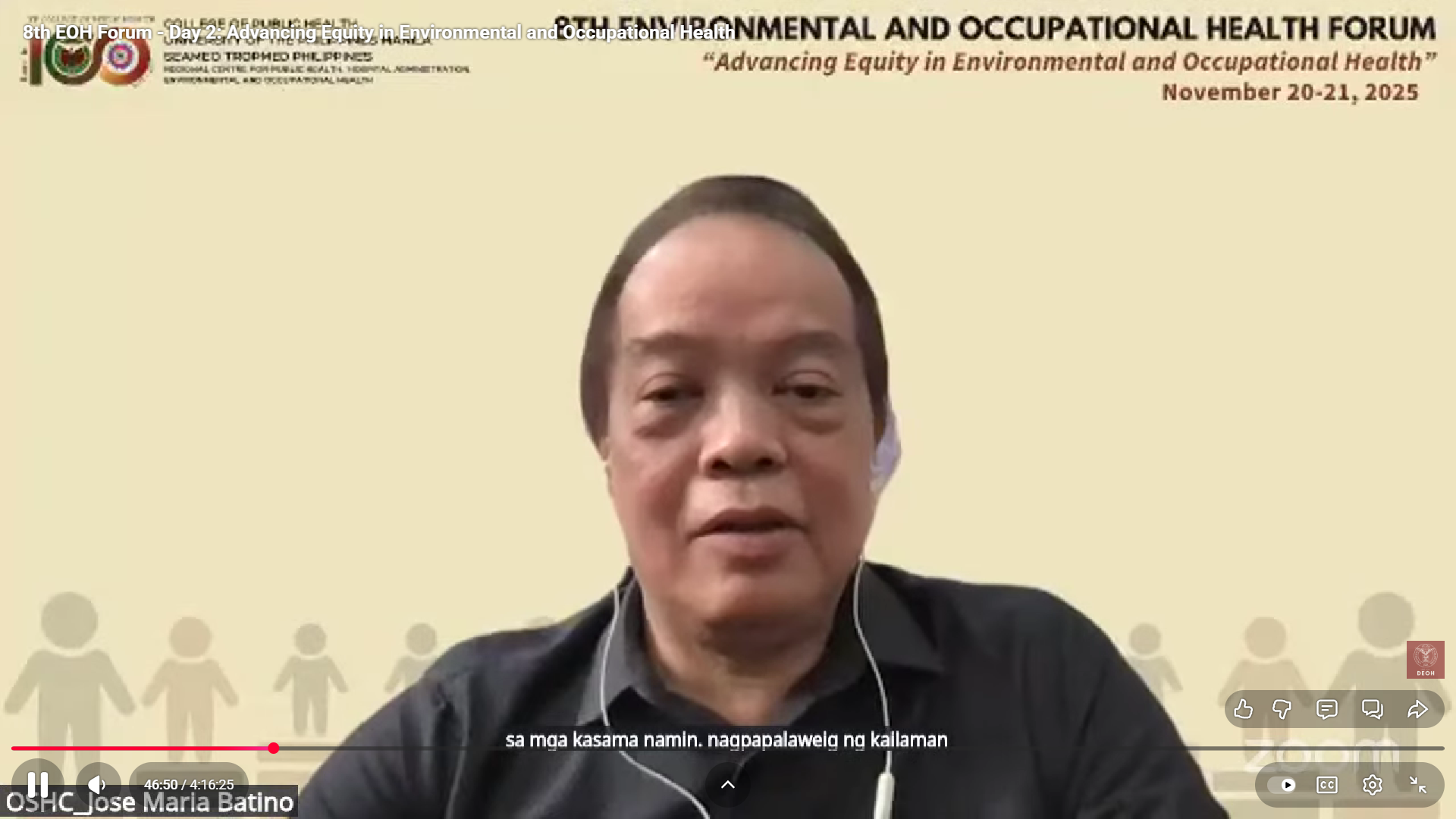
This notable gap was discussed by Engr. Jose Maria Batino from the Occupational Safety and Health Center (OSHC). Citing International Labour Organization (ILO) studies, he revealed that women often work longer hours due to unpaid care responsibilities—tasks like taking care of children, elderly family members, cooking, and managing the household. These are essential but not compensated. He noted women’s continued underrepresentation in leadership and in occupational safety mechanisms. He also revealed the lack of properly fitted personal protective equipment (PPE) as a notable gap.
“Occupational safety and health were historically designed around a male reference model,” he explained, adding that most PPE standards are still performance-based, not gender-specific. He also emphasized the need for gender-responsive programs, gender-sensitive research, violence and harassment policies, and better work-life balance support.
Mental Health as Core to Workplace Equity
“You cannot have good mental health if you are not happy with your work, or if your work does not provide you a sense of worth,” Carolina Uno Rayco, National Executive Director of the Philippine Mental Health Association stressed.
Under the Mental Health Act, all workplaces must now establish mental health policies. These must include awareness programs, support systems, benefits and compensation mechanisms, and leadership-driven culture shifts. Programs, she stressed, must be responsive: “The first step is to conduct a needs assessment… programs and policies should be relevant and address the actual mental health needs of employees.”
Citing World Health Organization (WHO) data, she shared that 15% of working-age adults worldwide had a mental disorder even before the pandemic, and anxiety and depression increased globally by 25% in 2020. Mental health conditions, she emphasized, have a high social and economic cost of an estimated ₱70 billion combining direct and indirect impacts.
Advancing Equity for Informal Workers
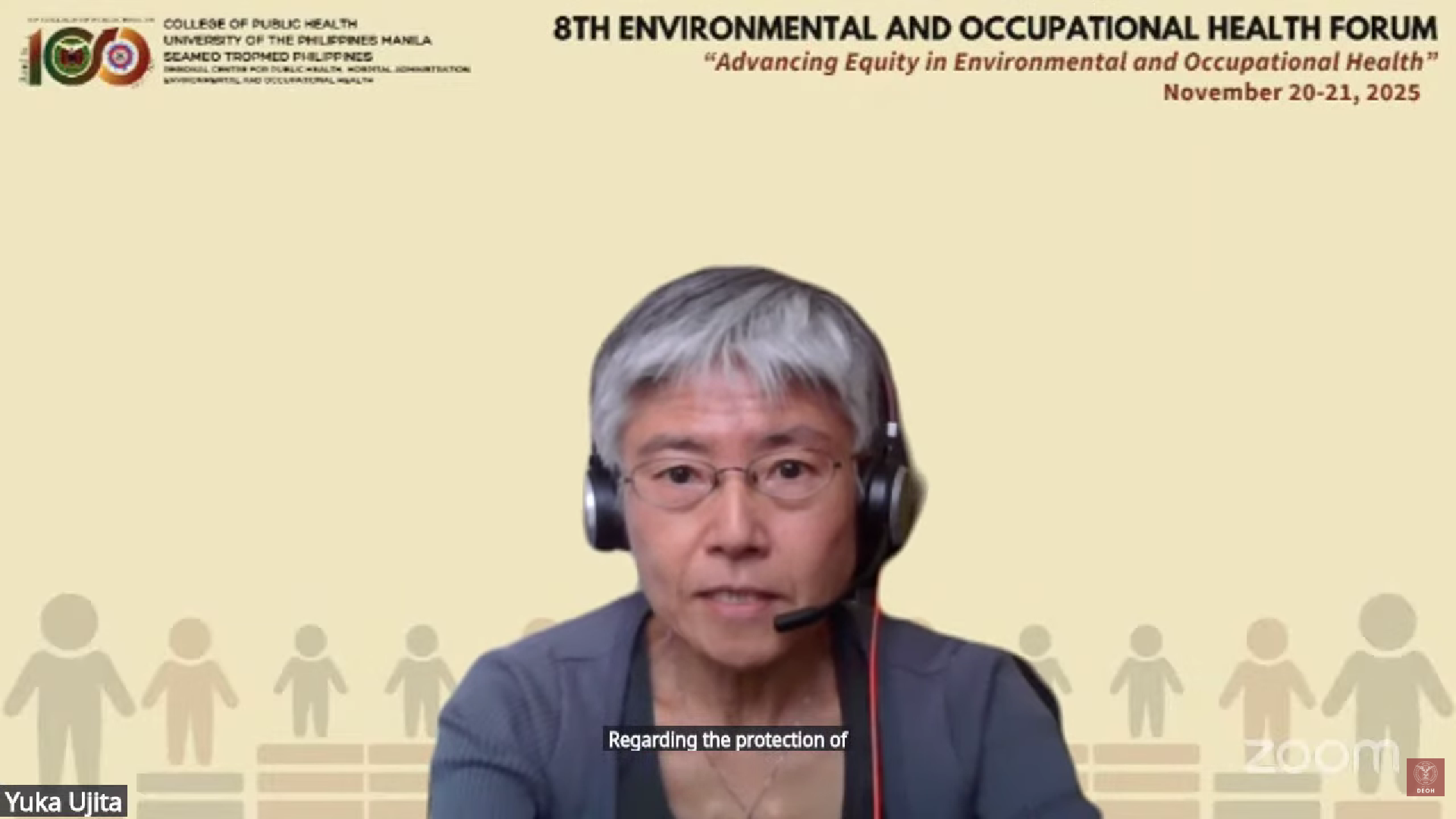
Dr. Yuka Ujita of the International Labour Organization (ILO) highlighted global and local efforts to protect informal workers, noting that informal workplaces often lack established safety systems. She emphasized that “safe and healthy workplaces are a basic right for all workers,” regardless of employment type.
She introduced ILO tools for small enterprises and informal sectors—action-oriented training methods implemented in countries like Indonesia and the Philippines. These focus on practical, low-cost solutions that workers can adopt immediately to reduce risks.
Championing Health Equity in the Public Sector
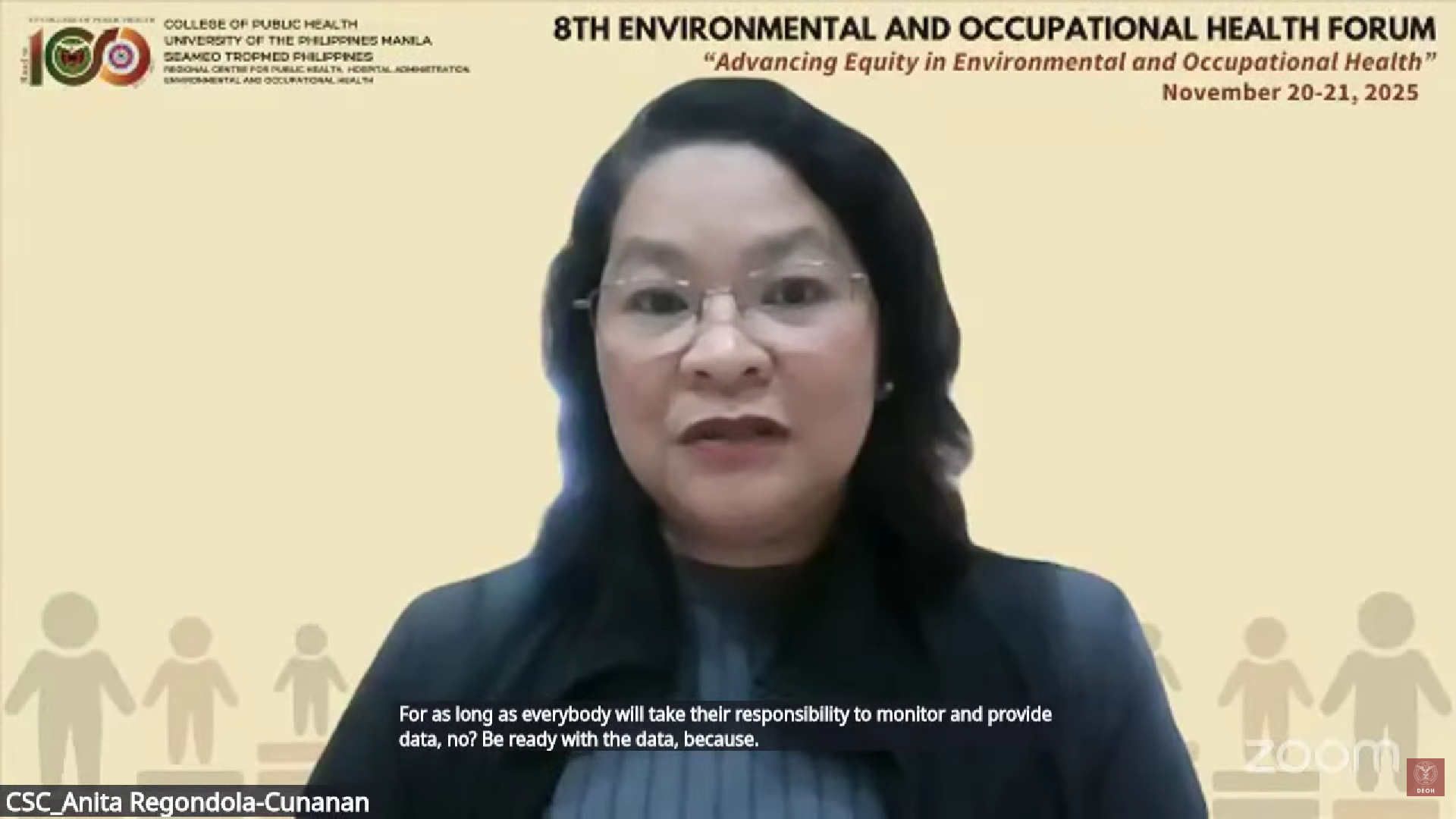
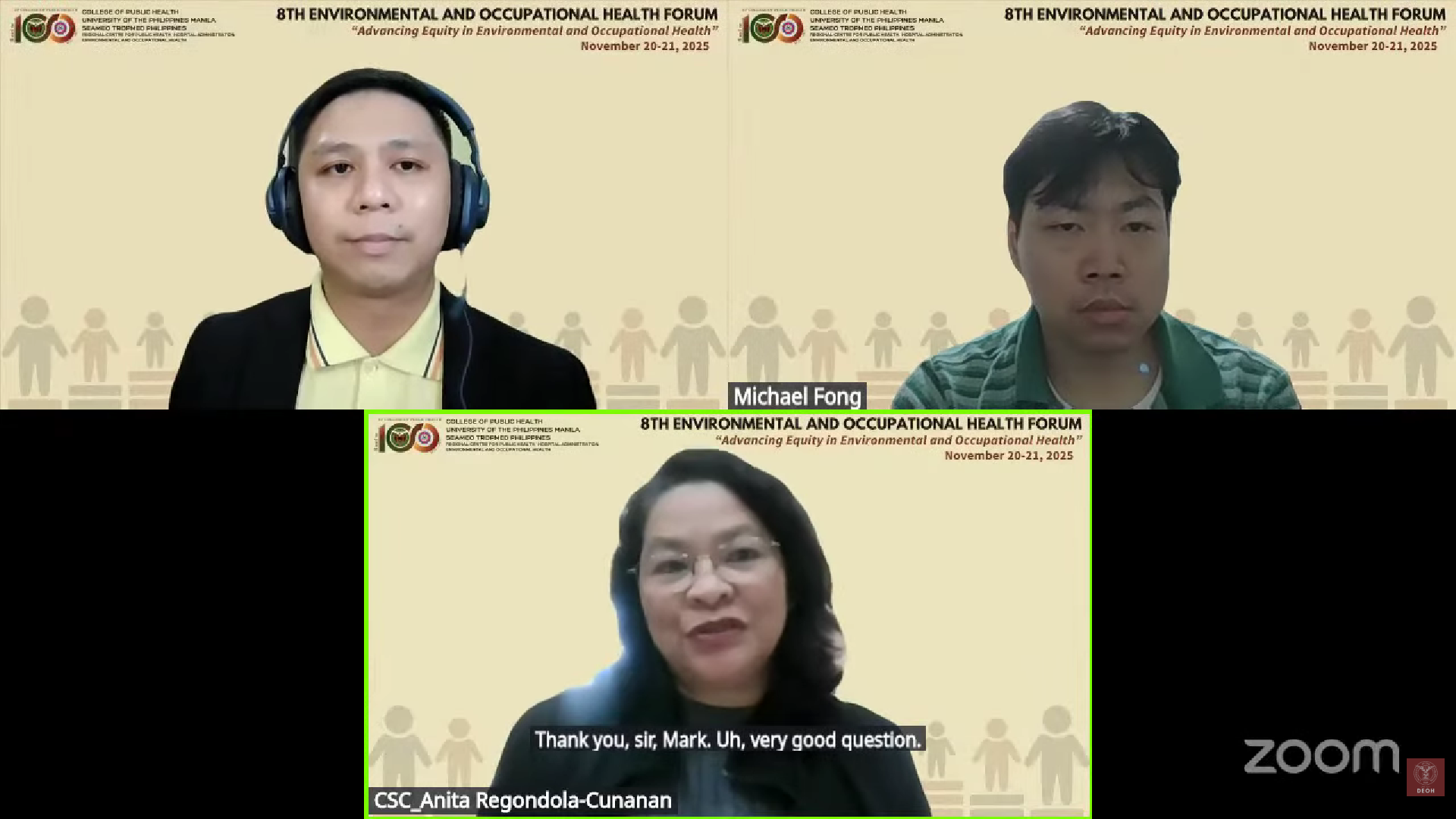
Anita Regondola-Cunanan, Head of the Human Resource Relations Office at the Civil Service Commission (CSC) presented the agency’s decades-long work in improving workplace health and safety in government. CSC highlighted its policies on wellness, mental health, HIV and AIDS education, flexible work arrangements, breast-feeding support, and a landmark joint CSC–DOH–DOLE policy ensuring workplace safety in the public sector.
One major challenge, however, is the lack of public-sector-specific data on occupational injuries and diseases—an issue that has persisted for decades. CSC urged continued collaboration and pushed for long-term goals, including the establishment of plantilla safety officer positions and legislation for a dedicated public sector OSH law.
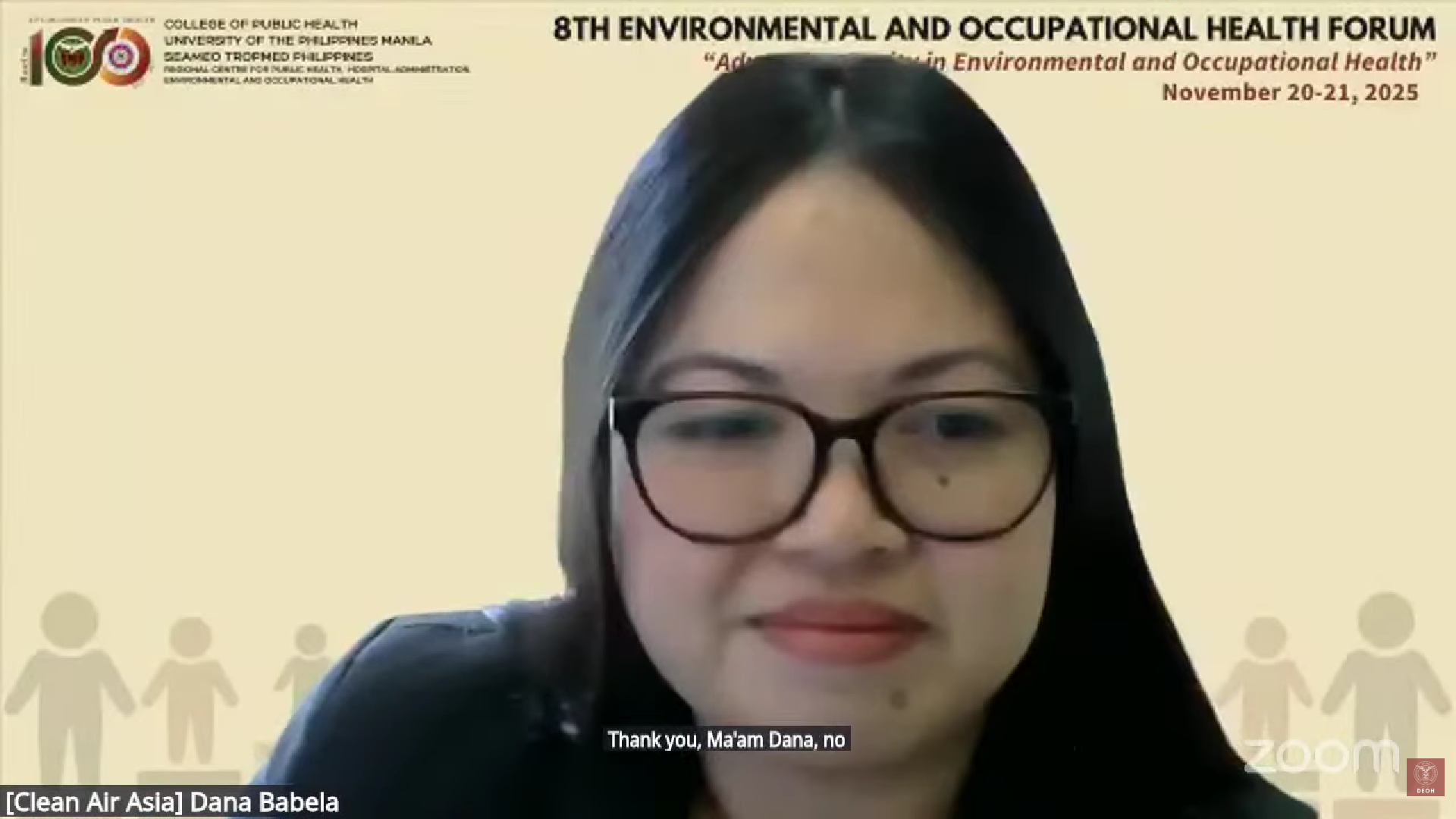
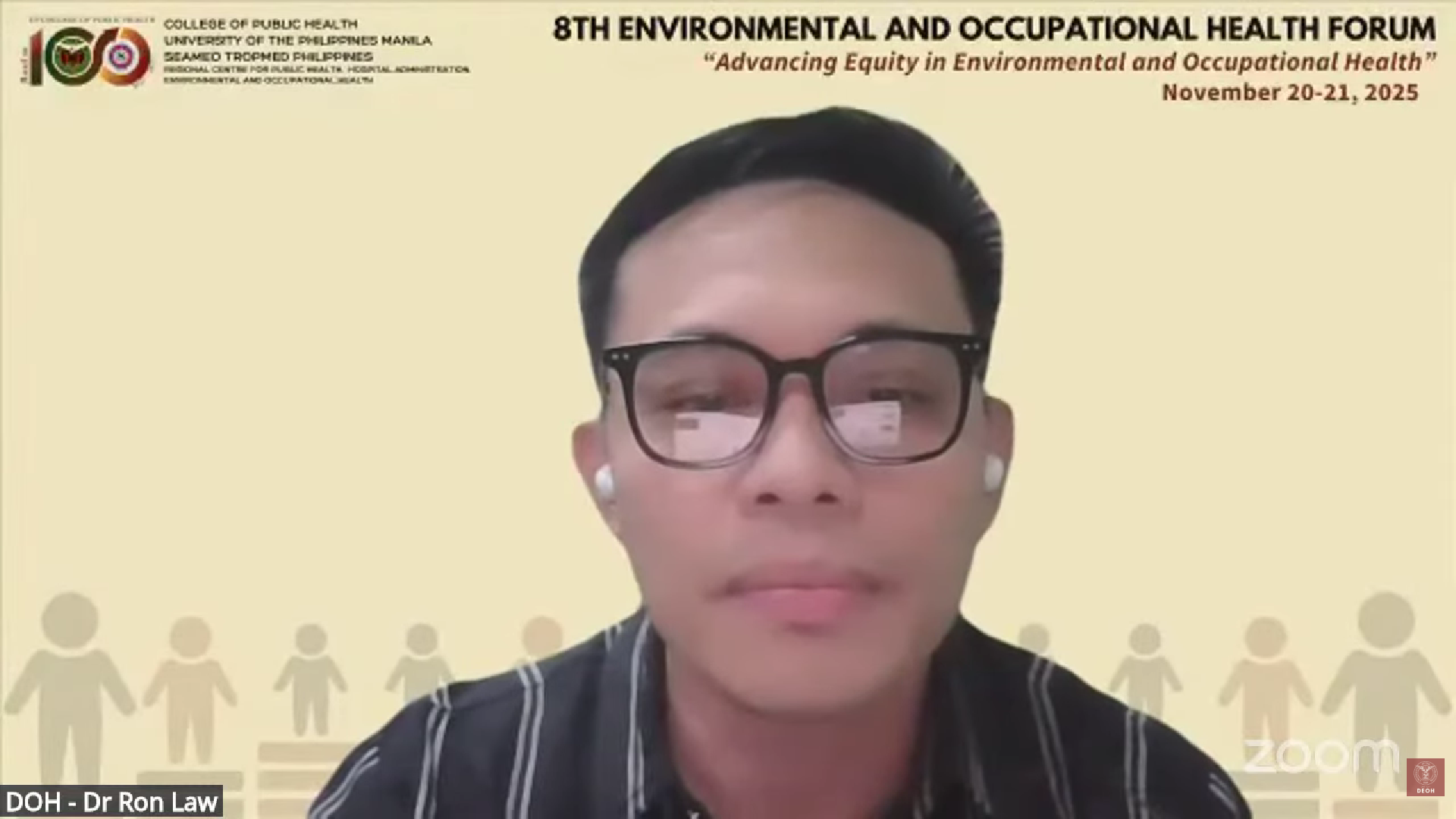
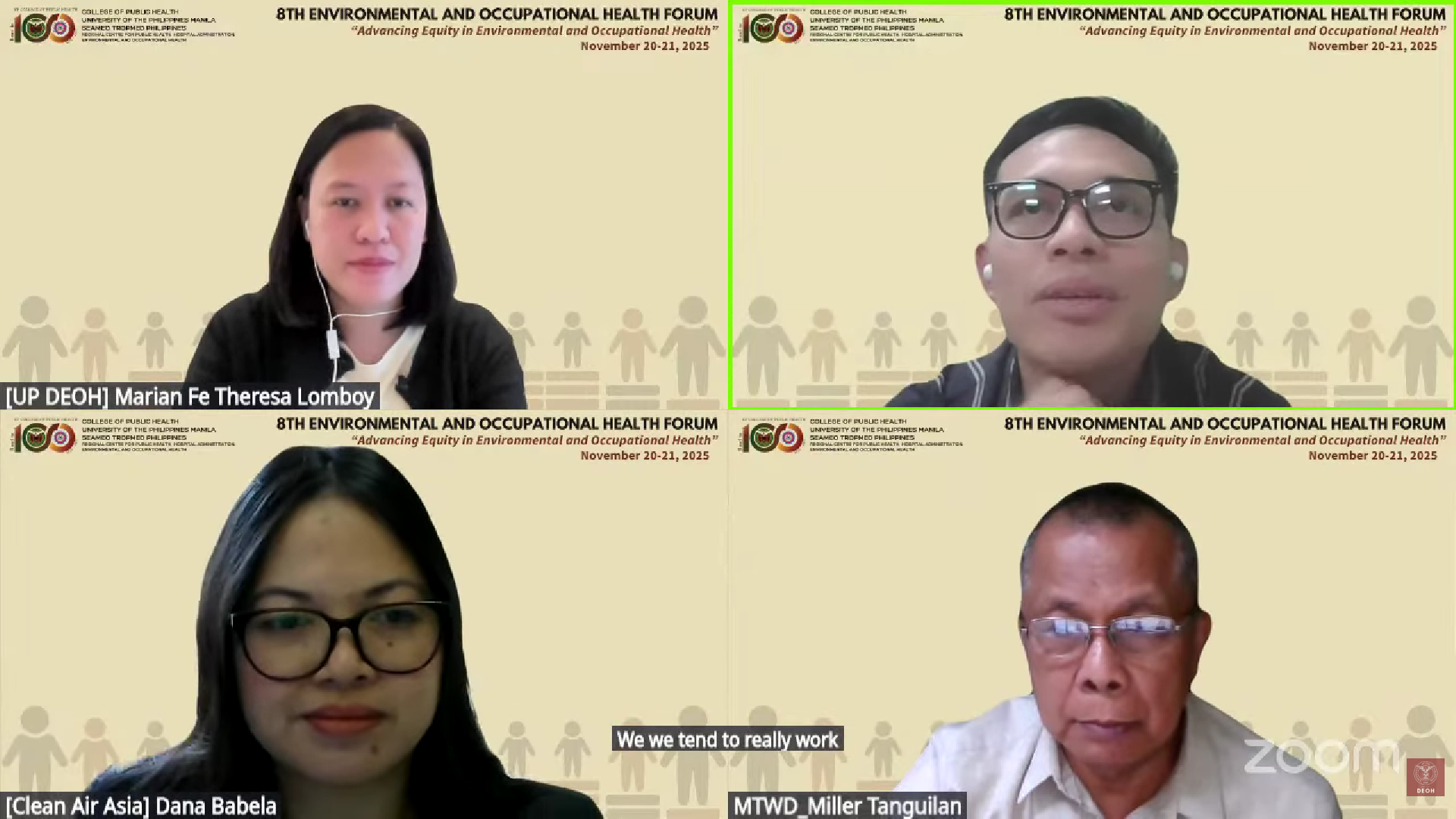
The forum also highlighted insights on air quality, safe water, and resilience. Dana Lightha Babela, Sustainable City Specialist at Clean Air Asia, called for targeted pollution reduction and improved community access. Engr. Miller C. Tanguilan, General Manager of the Metropolitan Tuguegarao Water District, emphasized stronger systems to ensure safe and reliable water. Dr. Ronald P. Law, Director of the Department of Health’s Health and Climate Change Office, outlined priorities for resilience—strengthened surveillance, community preparedness, and climate-resilient health facilities.
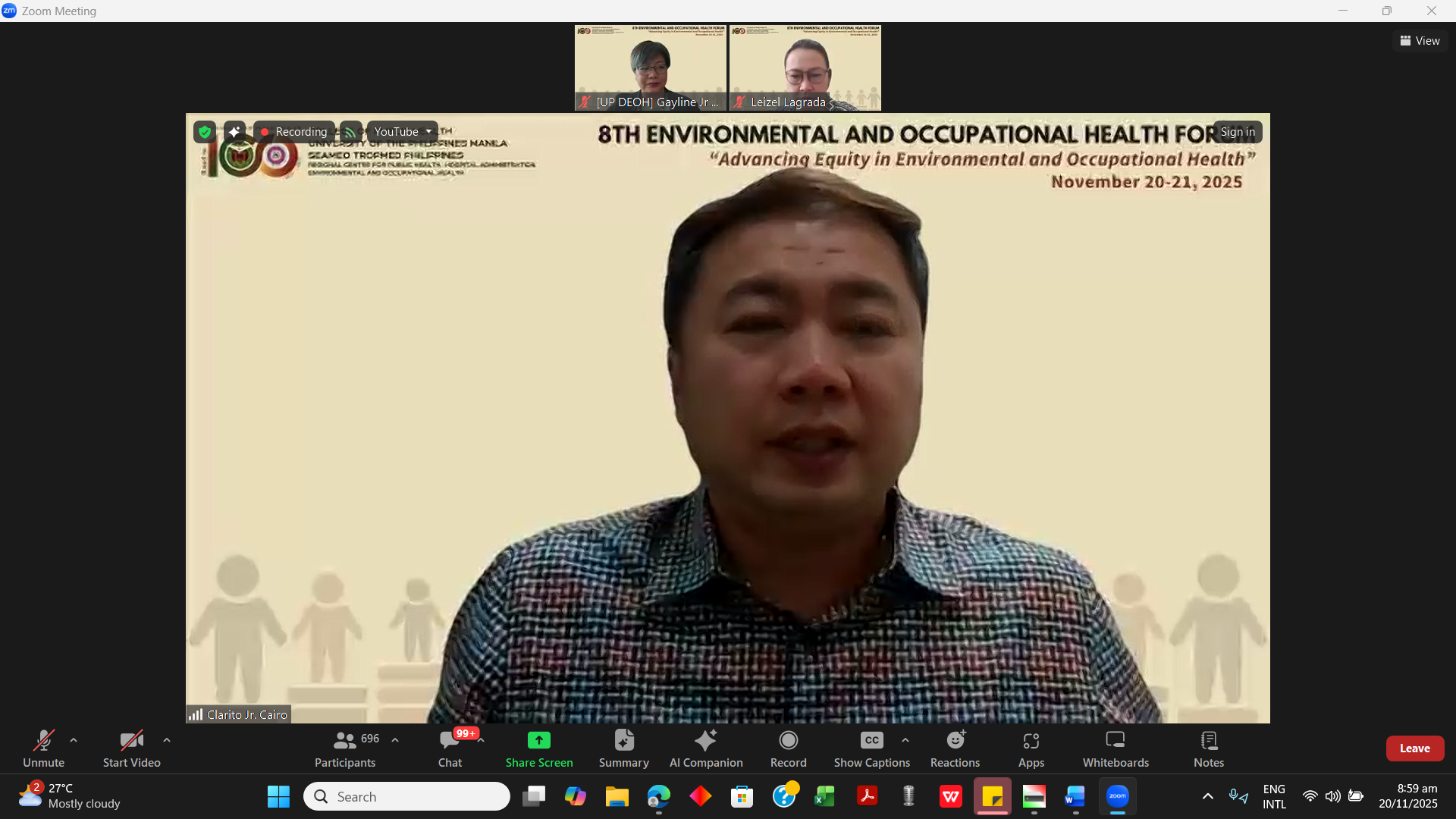
Also in the forum, Dr. Clarito U. Cairo Jr., OIC-Chief of the Environmental and Occupational Health Division of the Department of Health (DOH) presented the newly launched Philippine Roadmap on Health and Climate Change and stressed that “environmental and occupational health is non-negotiable.”
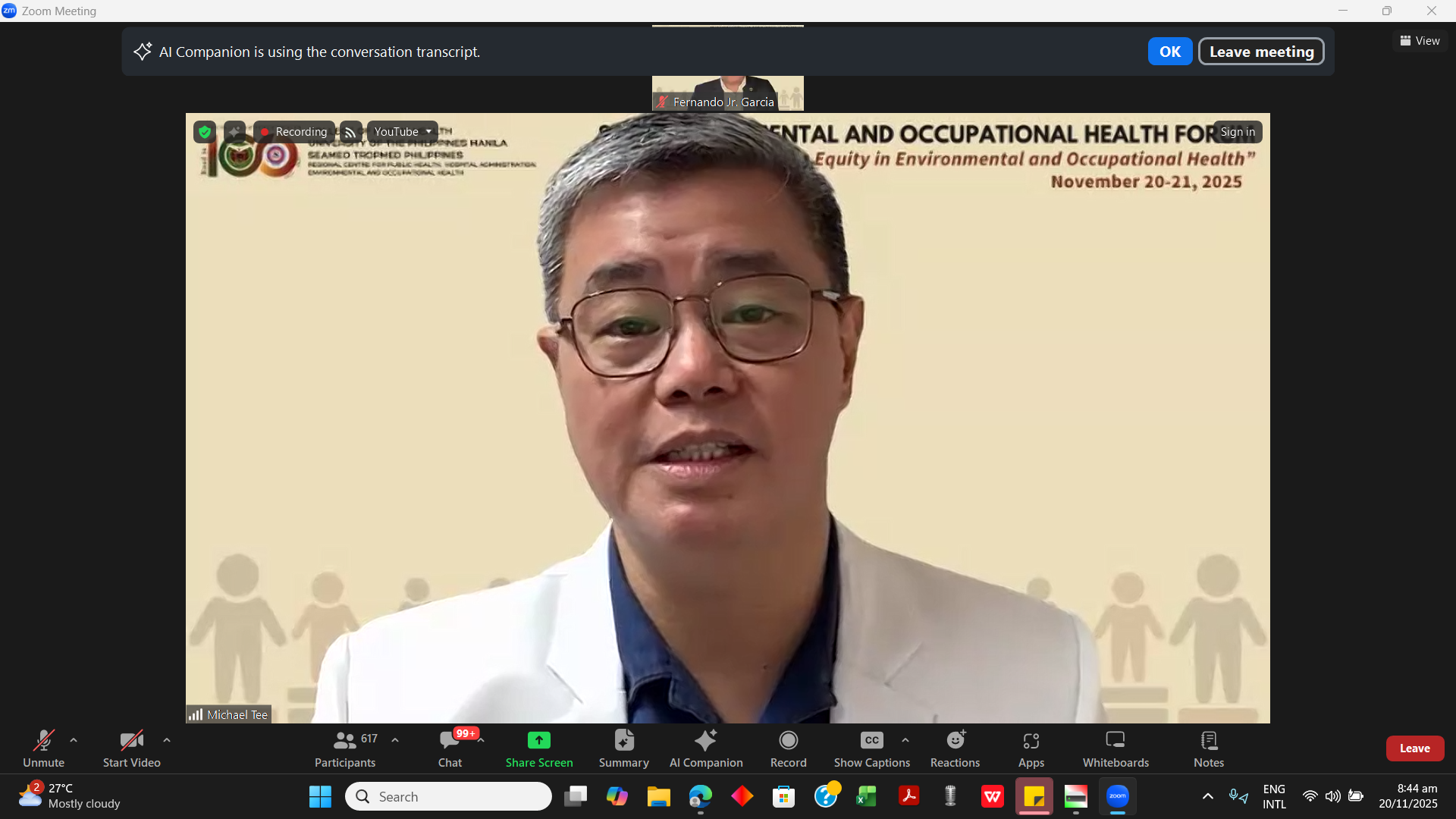
Meanwhile, Chancellor Michael Tee underscored the need for more services that will benefit the working population.
Watch the Livestream here:
8th EOH Forum – Day 1: Advancing Equity in Environmental and Occupational Health
8th EOH Forum – Day 2: Advancing Equity in Environmental and Occupational Health
READ MORE: