

Officials of the University of the Philippines Manila expressed gratitude to the Manila Health Department (MHD) for swiftly implementing an action plan following a study conducted by the College of Public Health that found certain drinks sold by street vendors in Tondo were contaminated with antimicrobial-resistant bacteria, a global threat that could lead to deaths if left untreated.
In response to the findings, the MHD deployed sanitary inspectors to monitor food safety practices and launched public awareness campaigns aimed at educating vendors and consumers on proper hygiene and sanitation.
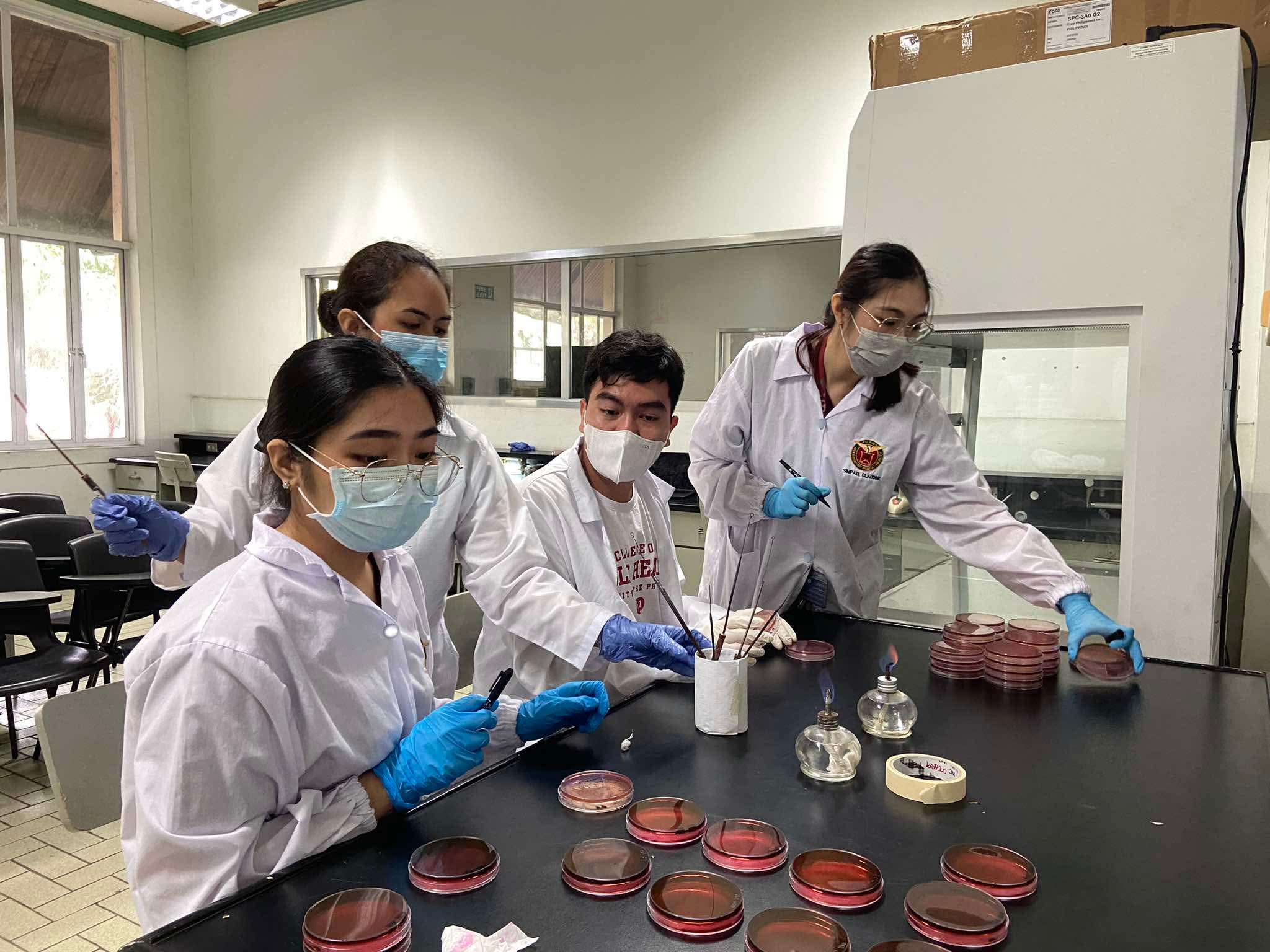
Conducted in 2024, the study“Sip or skip?: Microbiological Assessment for Antimicrobial Resistant Bacteria in Beverage Contents, Containers, and Palm Swabs of Vendors in Tondo, Manila” was made by BS Public Health students under the supervision of Associate Professor Geraldine Dayrit and Assistant Prof Raycha Lei Sabandal in collaboration with One ARM Project 3 of the Department of Medical Microbiology of the College of Public Health. The research was supported by the Department of Science and Technology (DOST) and Southeast Asia One Health University Network (SEAOHUN). This covered nine palamig vending stalls in three different locations in Tondo, Manila. The study involved vendor palm swabs, cup swabs, and separate tests for water, ice, and the beverage itself.

Laboratory analyses showed unsatisfactory results, indicating that the samples were heavily contaminated with different bacteria. Notably, high loads of antimicrobial-resistant gram-negative bacteria were detected, including strains carrying extended-spectrum beta-lactamase (ESBL) genes (blaSHV, blaTEM, blaCTX-M). These organisms can cause various diseases and pose a serious public health threat because they can spread infections and develop resistance to commonly used antibiotics.
All liquid samples, including beverages, water, and ice, registered bacterial counts above the allowable limits set by the Food and Drug Administration (FDA) for powdered beverages and by the Philippine National Standards for Drinking Water (PNSDW) for potable water. This indicated widespread microbiological contamination across commonly consumed drinks and was deemed unfit for human consumption.
“Palamig contaminated with not just any bacteria but antibiotic-resistant bacteria can cause serious illness. What’s concerning is that these aren’t just technical findings. They represent real, invisible threats that can quickly turn a manageable infection into a life-threatening one,” Dr. Dayrit said.
“Once a patient is hospitalized, the economic impact can be severe, from high medical costs to lost income due to prolonged hospital stay, affecting not just the individual but their entire household and even the wider community,” she warned.
The World Health Organization (WHO) considers antimicrobial resistance (AMR) as one of the top global public health development threats. Aside from contaminated food and beverages resulting from unhygienic food-handling practices, AMR also spreads through contaminated processing equipment or storage facilities in slaughterhouses. Also, animal waste may contain drug-resistant germs and may contaminate fruits and vegetables.
AMR is estimated to have caused 1.27 million global deaths in 2019. Furthermore, AMR or “Superbugs” are projected to cause 10 million deaths by 2050, according to the WHO.
“AMR puts many of the gains of modern medicine at risk. It makes infections harder to treat and makes other medical procedures and treatments – such as surgery, caesarean sections and cancer chemotherapy – much riskier,” WHO said.
Experts from the WHO emphasize a “One Health” approach in reducing the impact of AMR. This approach entails coordinated actions across human, animal, and environmental sectors for improving hygiene practices, maintaining wellness, and responsible antibiotic use.
“The coordinated action across these sectors for the One Health approach can effectively reduce the spread and impact of resistant bacteria,” she said.
“There is a need to educate the concerned sector and help them see the importance of maintaining a positive, ethical mindset in selling—one that goes beyond earning income to include social responsibility and consistent adherence to proper food safety standards in vending,” Dr. Dayrit emphasized.
The research team also assessed market vendors’ knowledge, attitudes, and practices on food safety and AMR. Results showed that the vendors have limited or no formal training on AMR and food safety. Some had basic knowledge, but translation to daily practice was weak.
Press Release
April 30, 2026