

Text by: Charmaine A. Lingdas
Photos by: Sarah Hazel Moces S. Pulumbarit
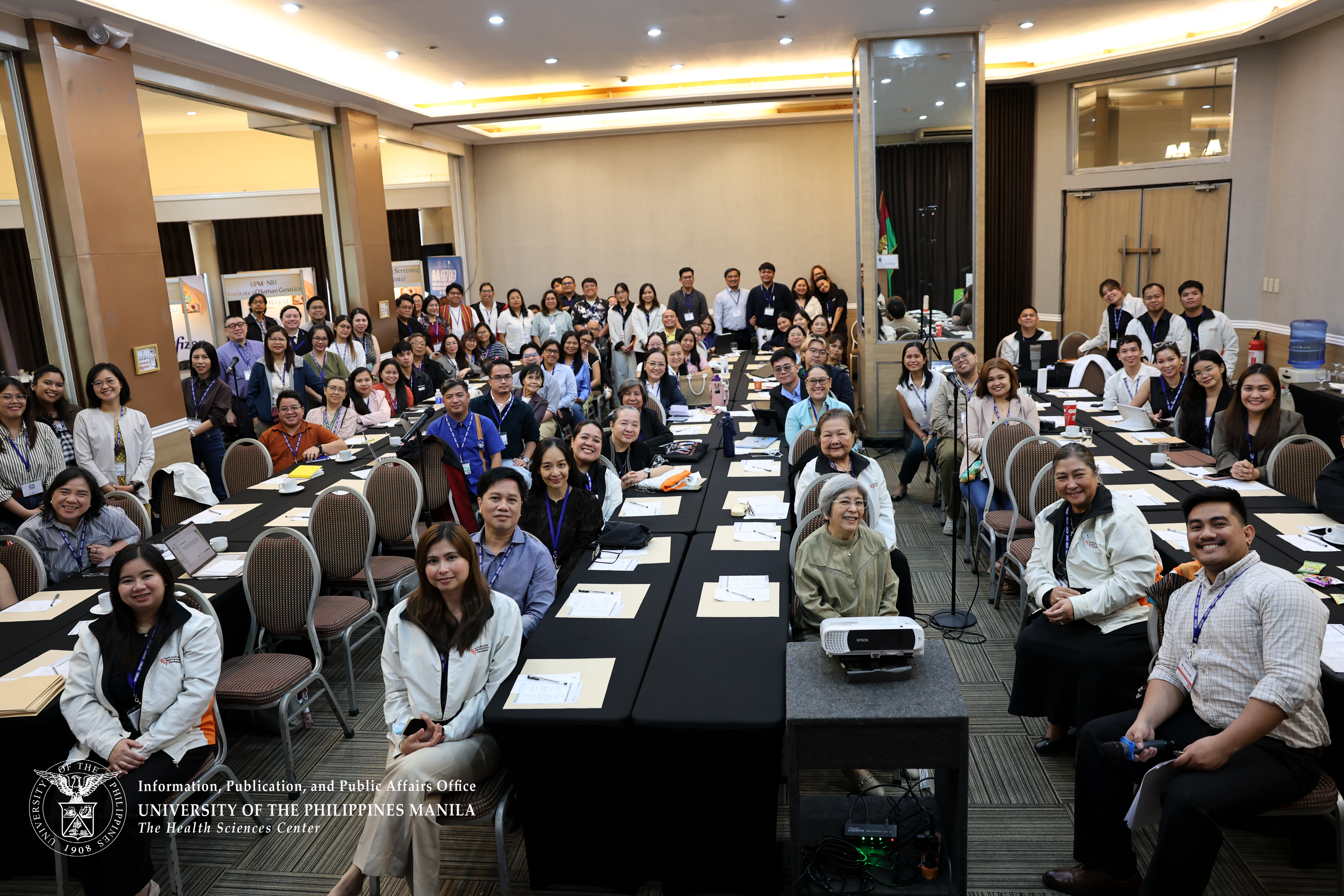
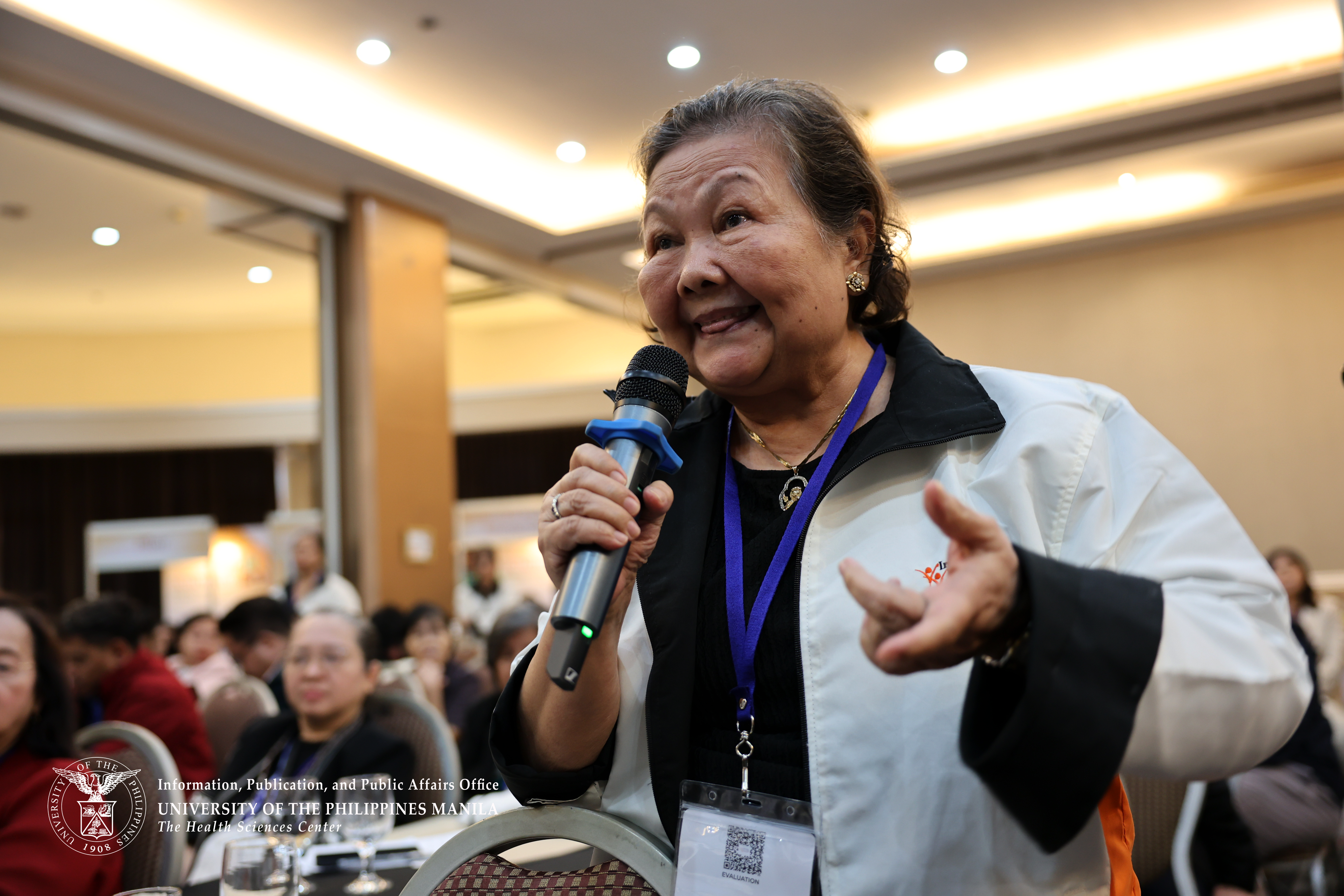
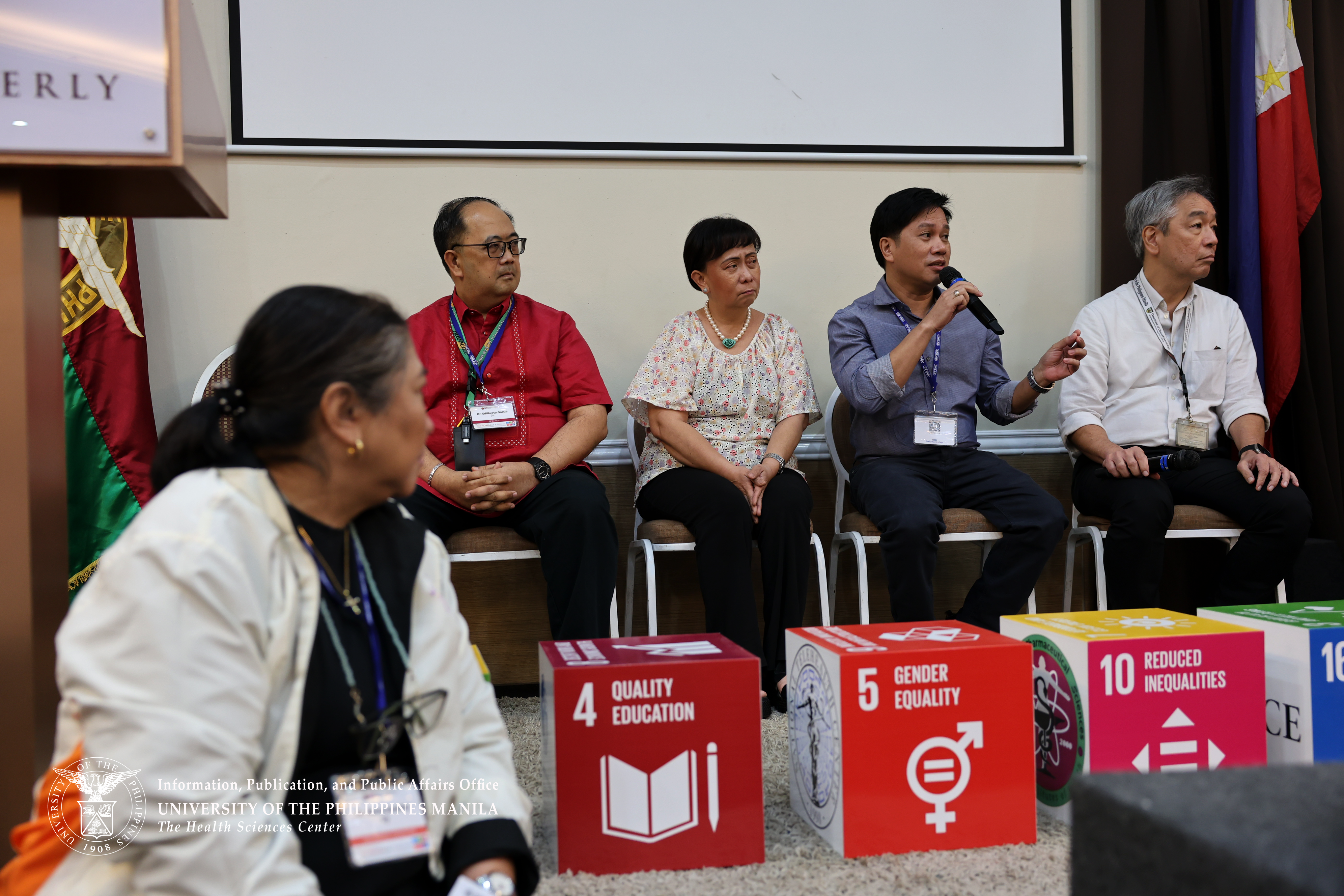
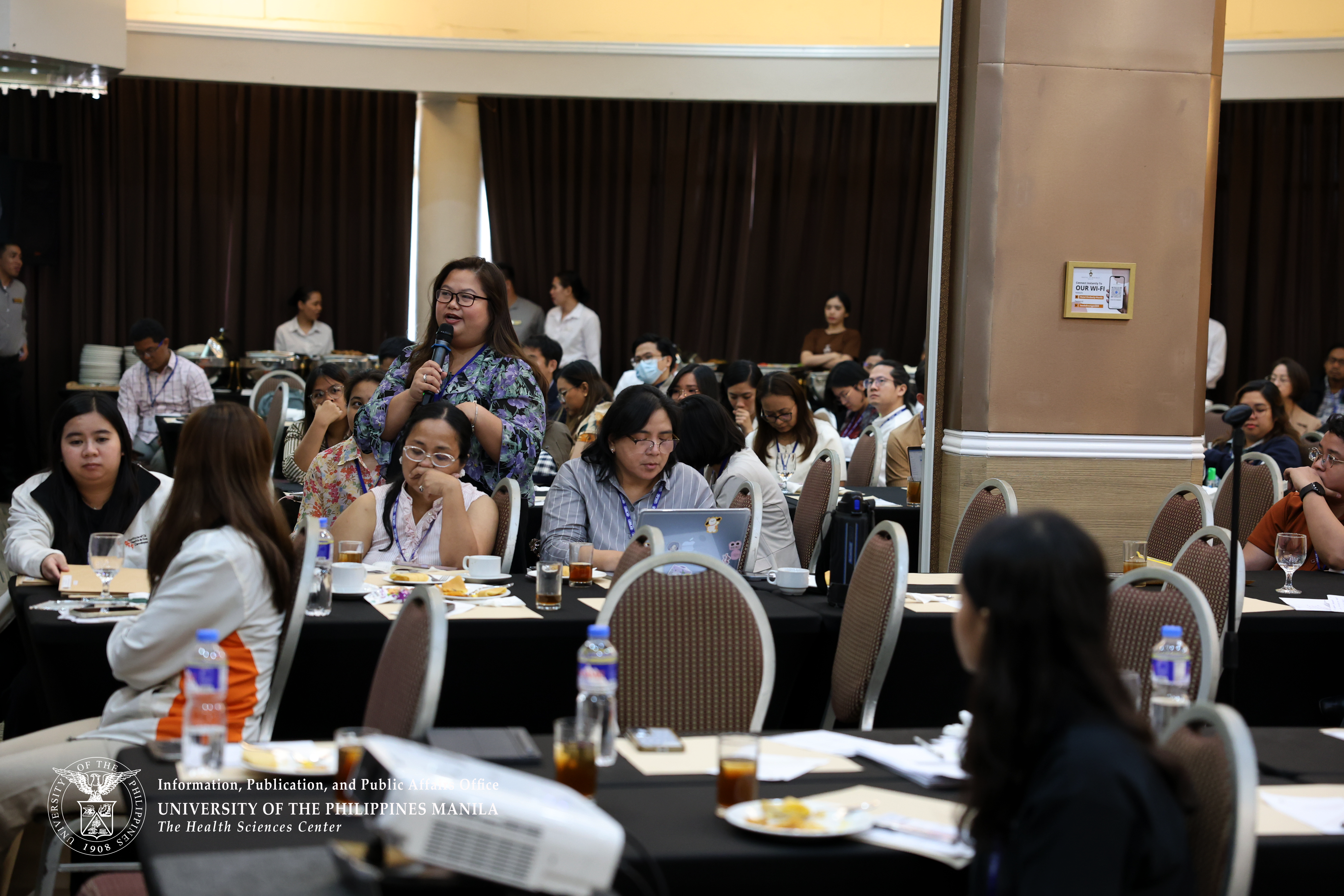
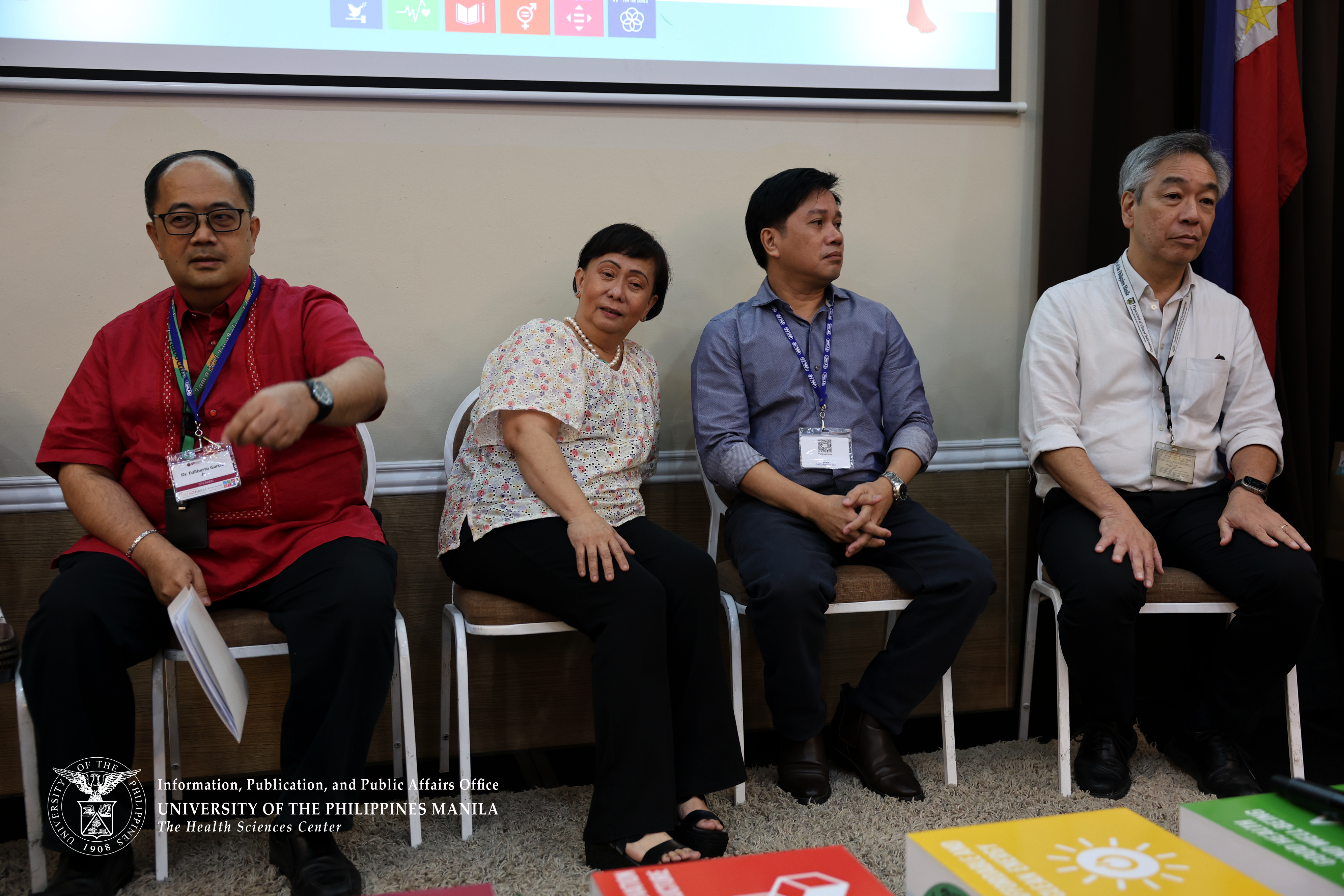
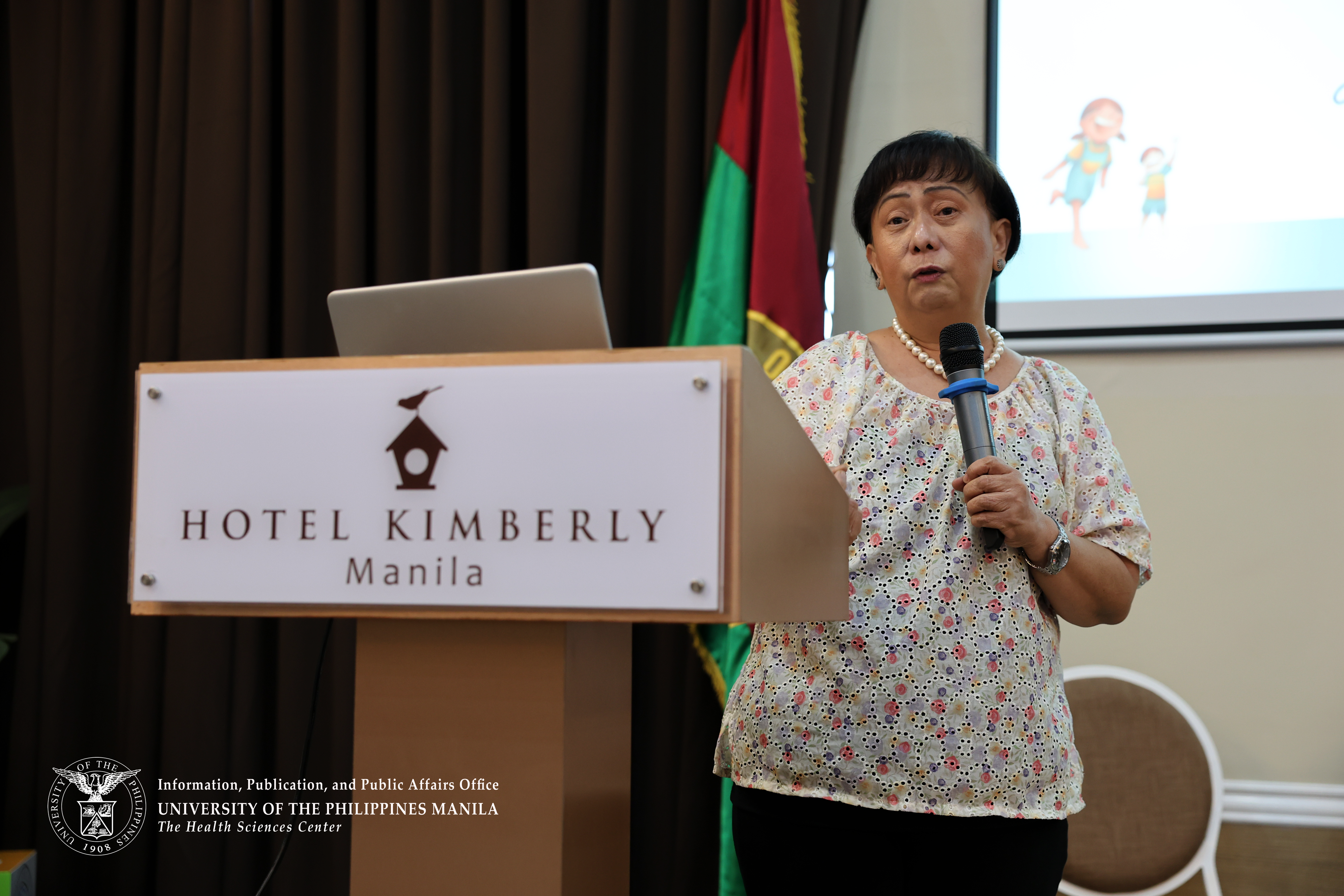
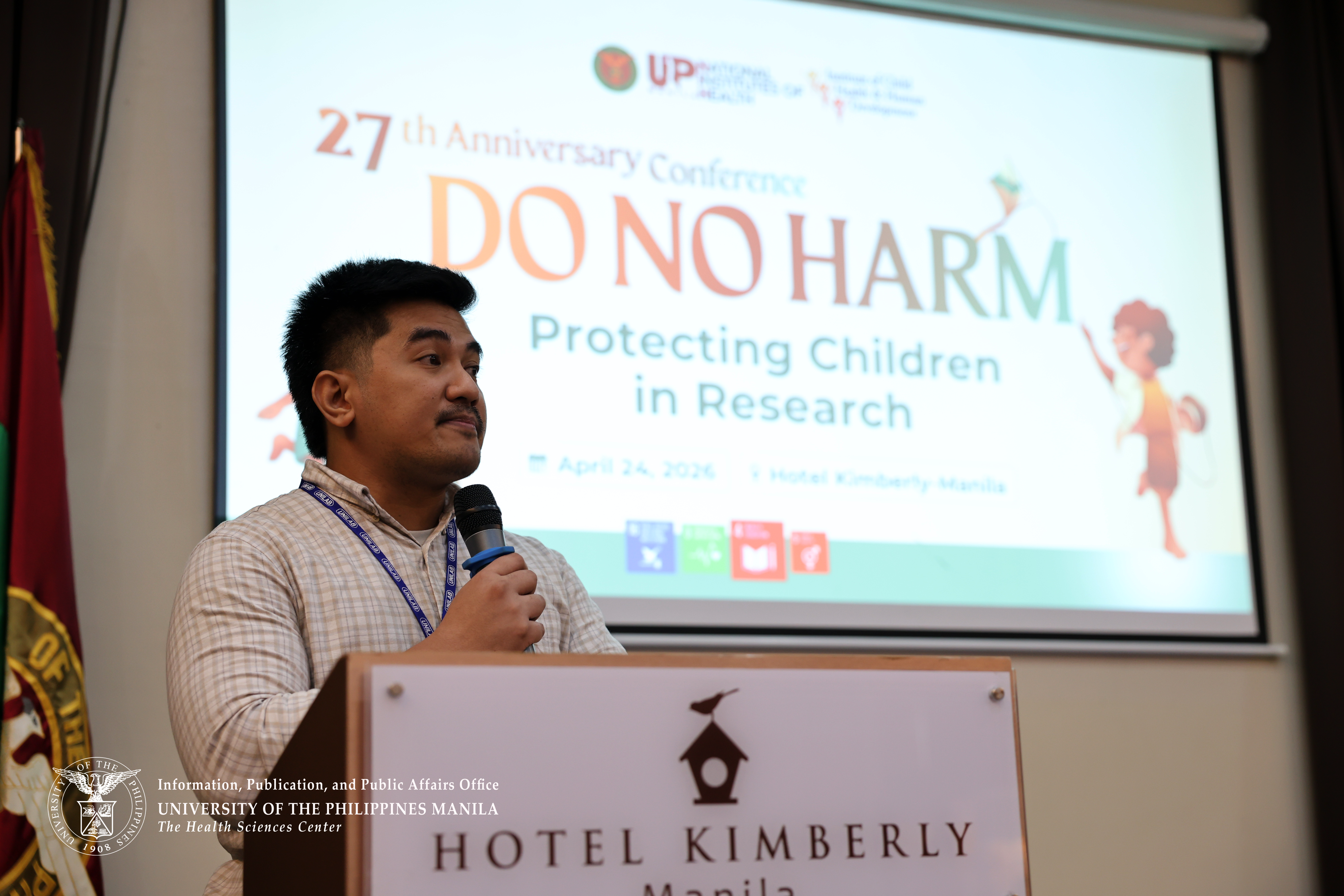
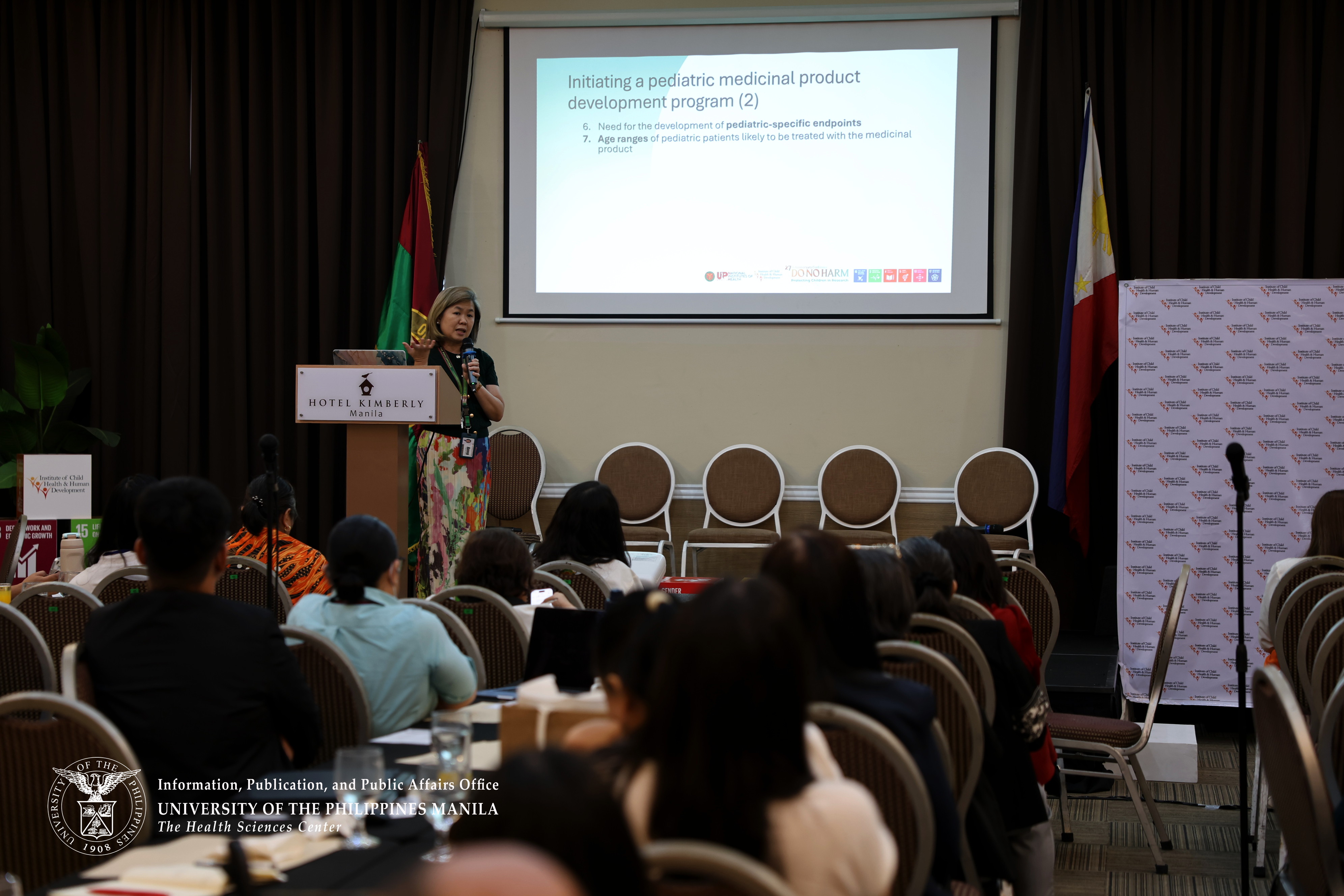
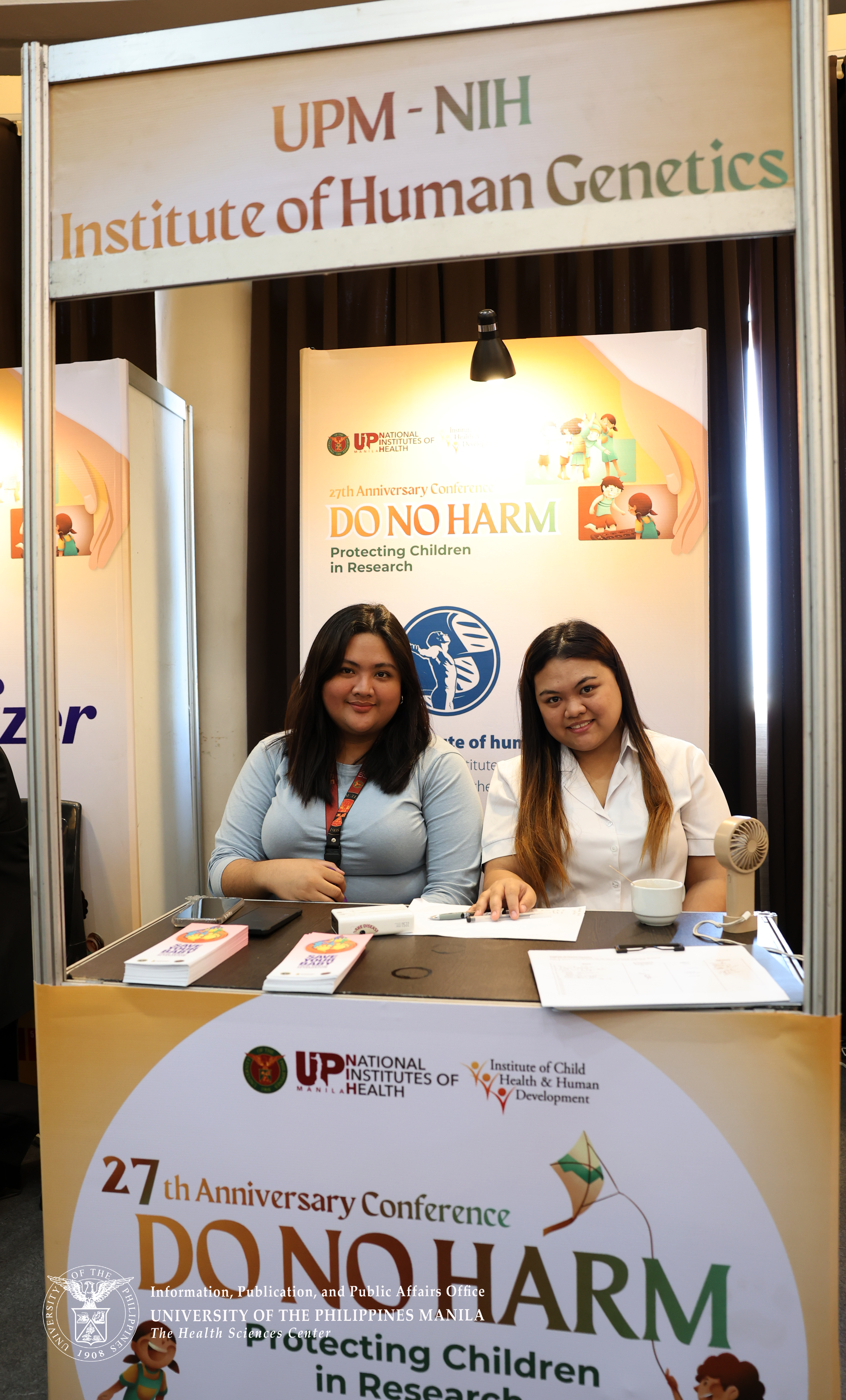
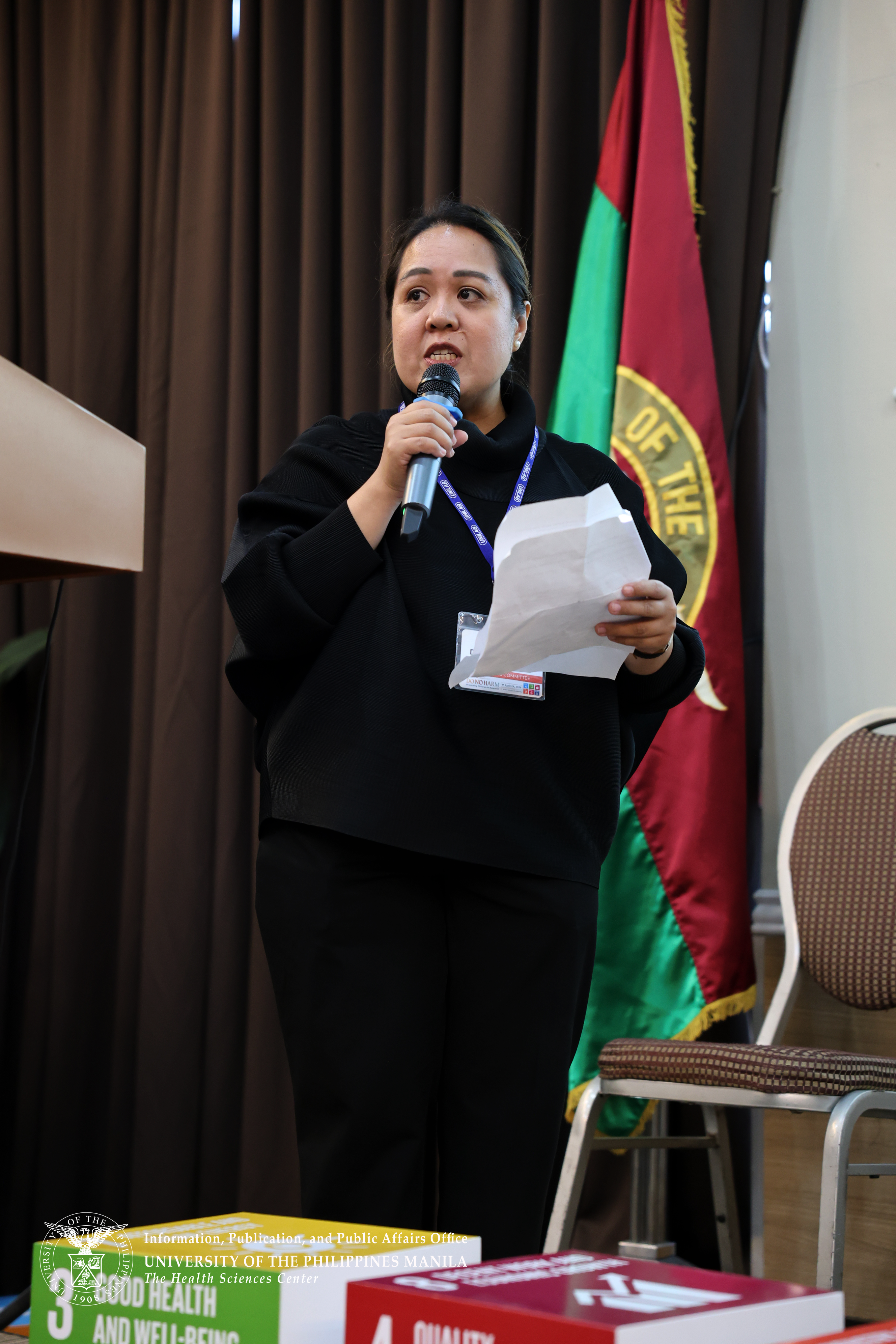
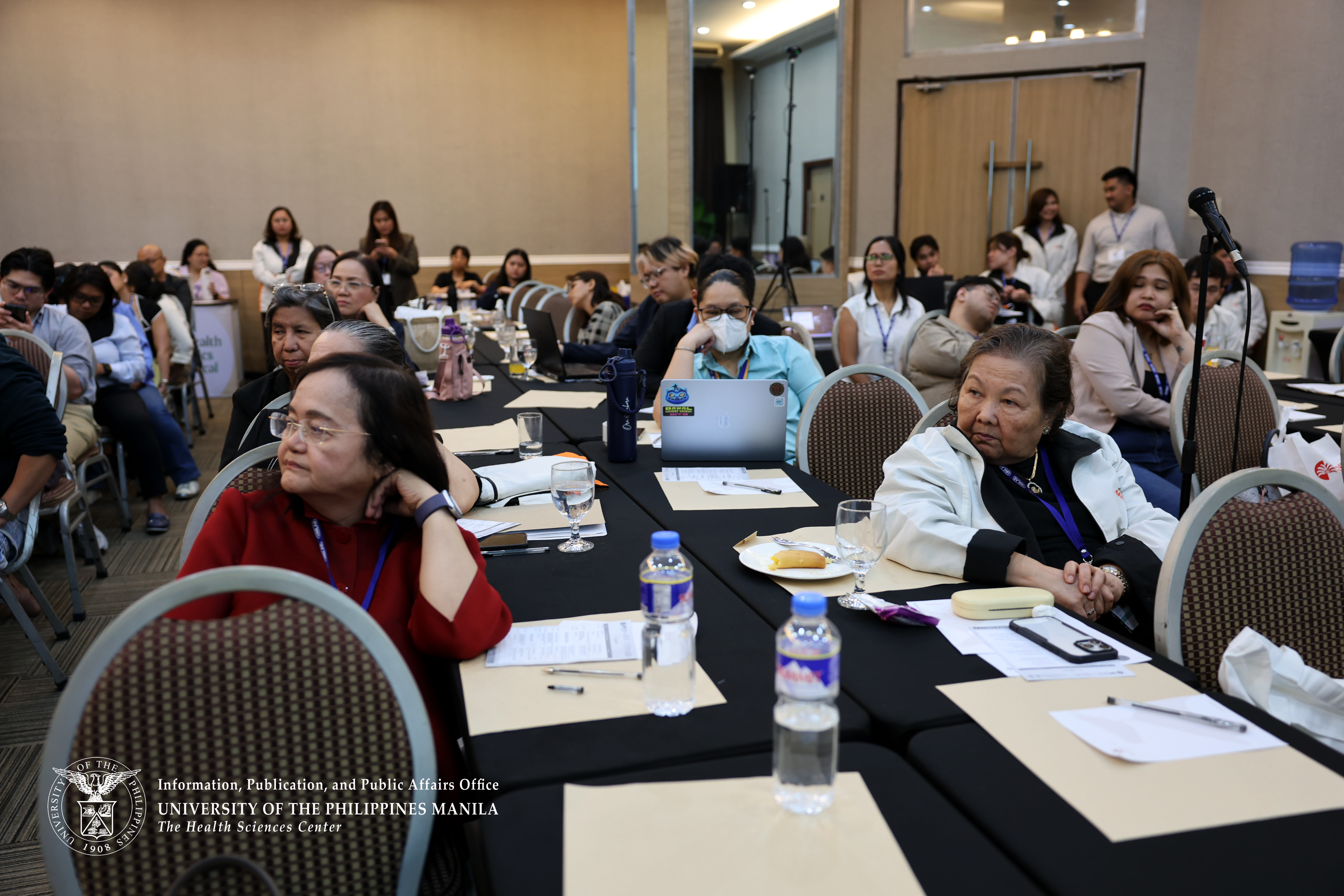
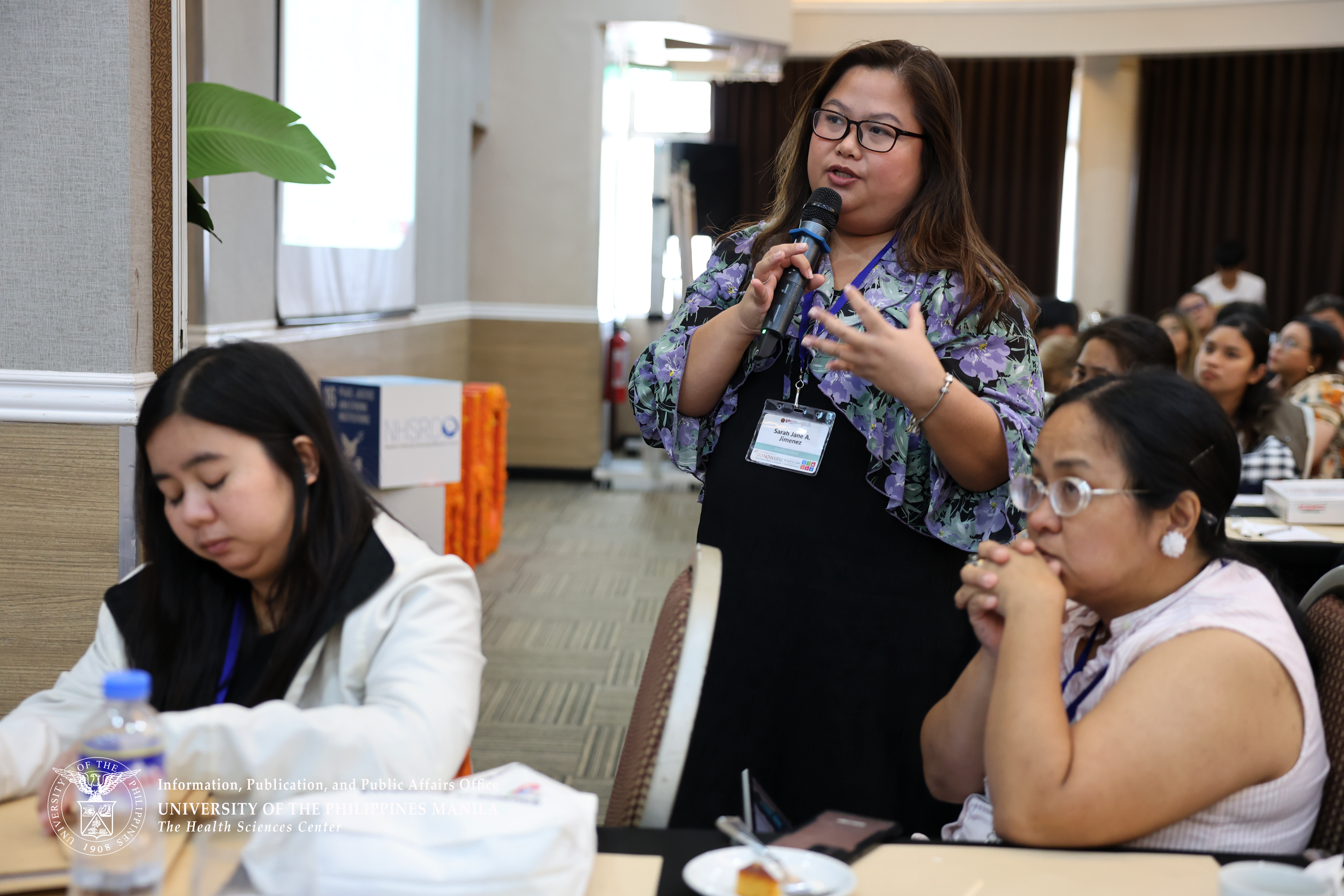
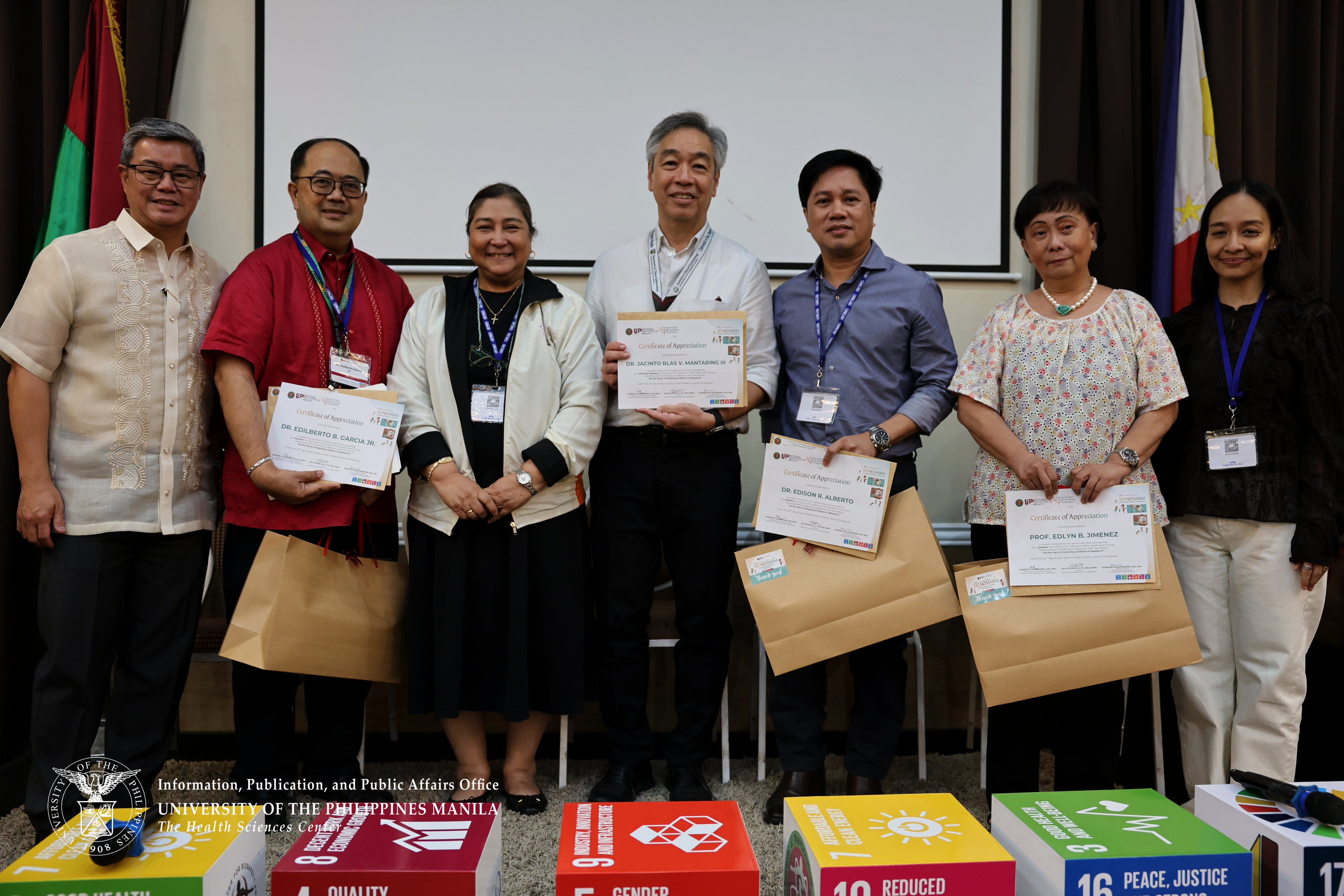
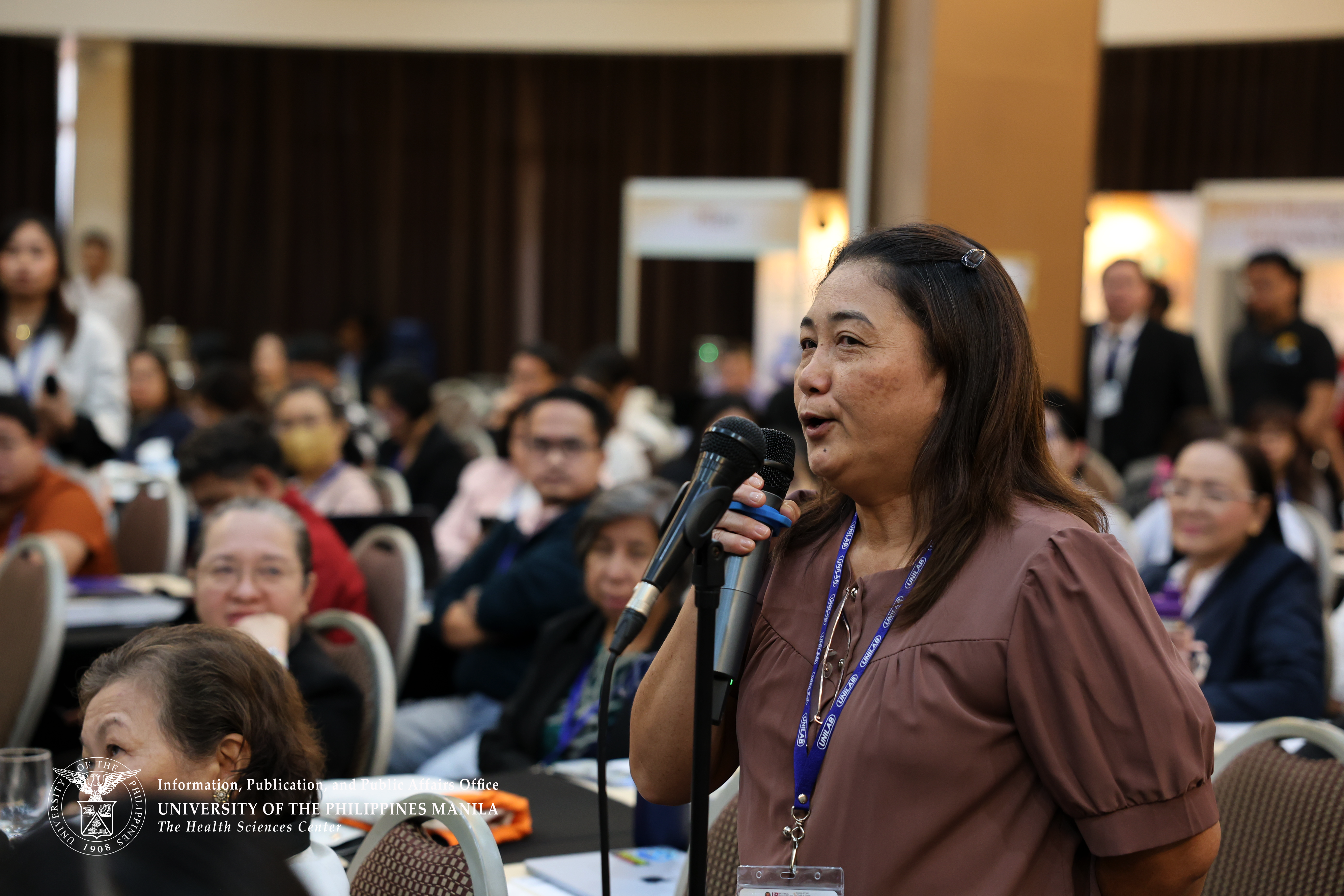
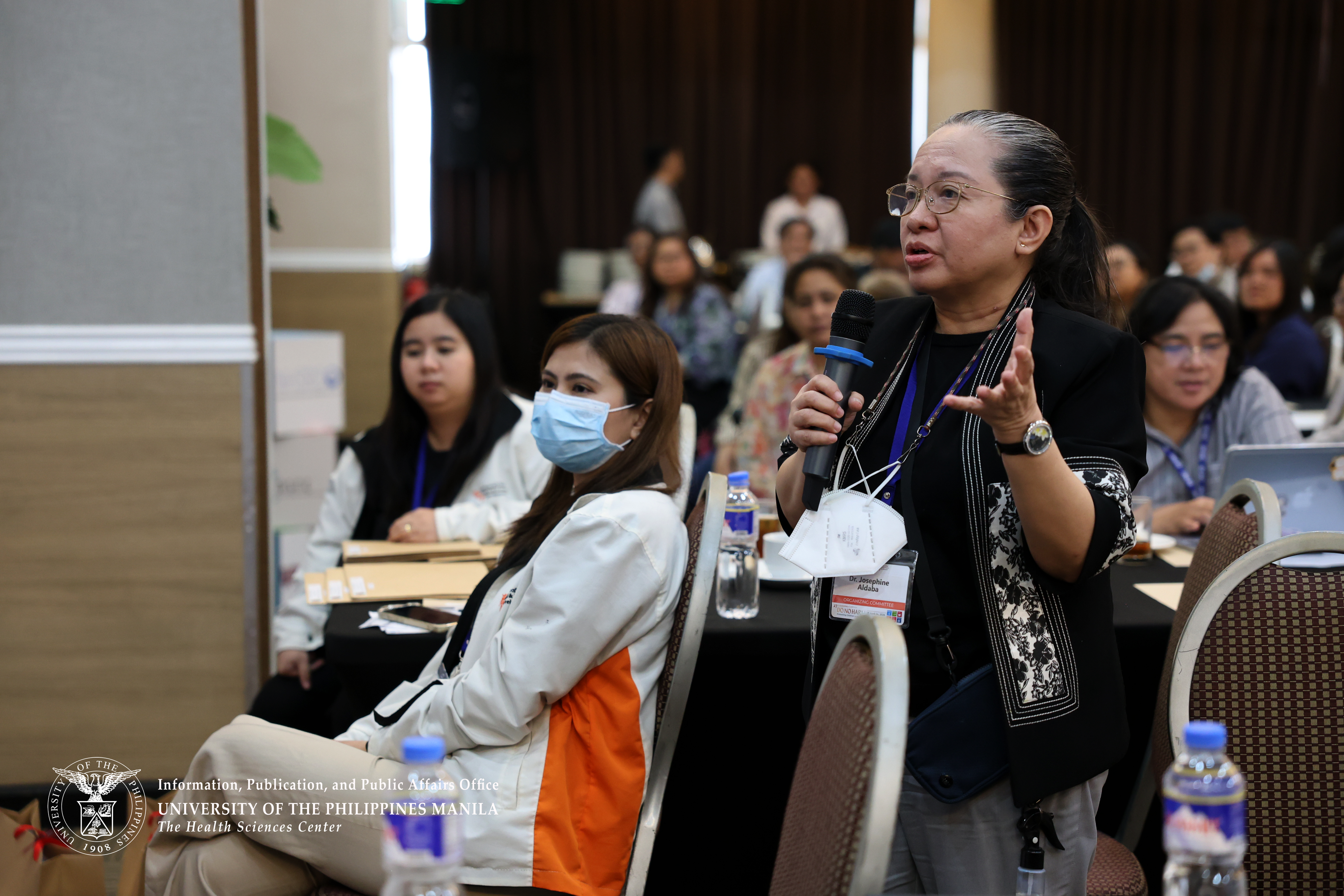
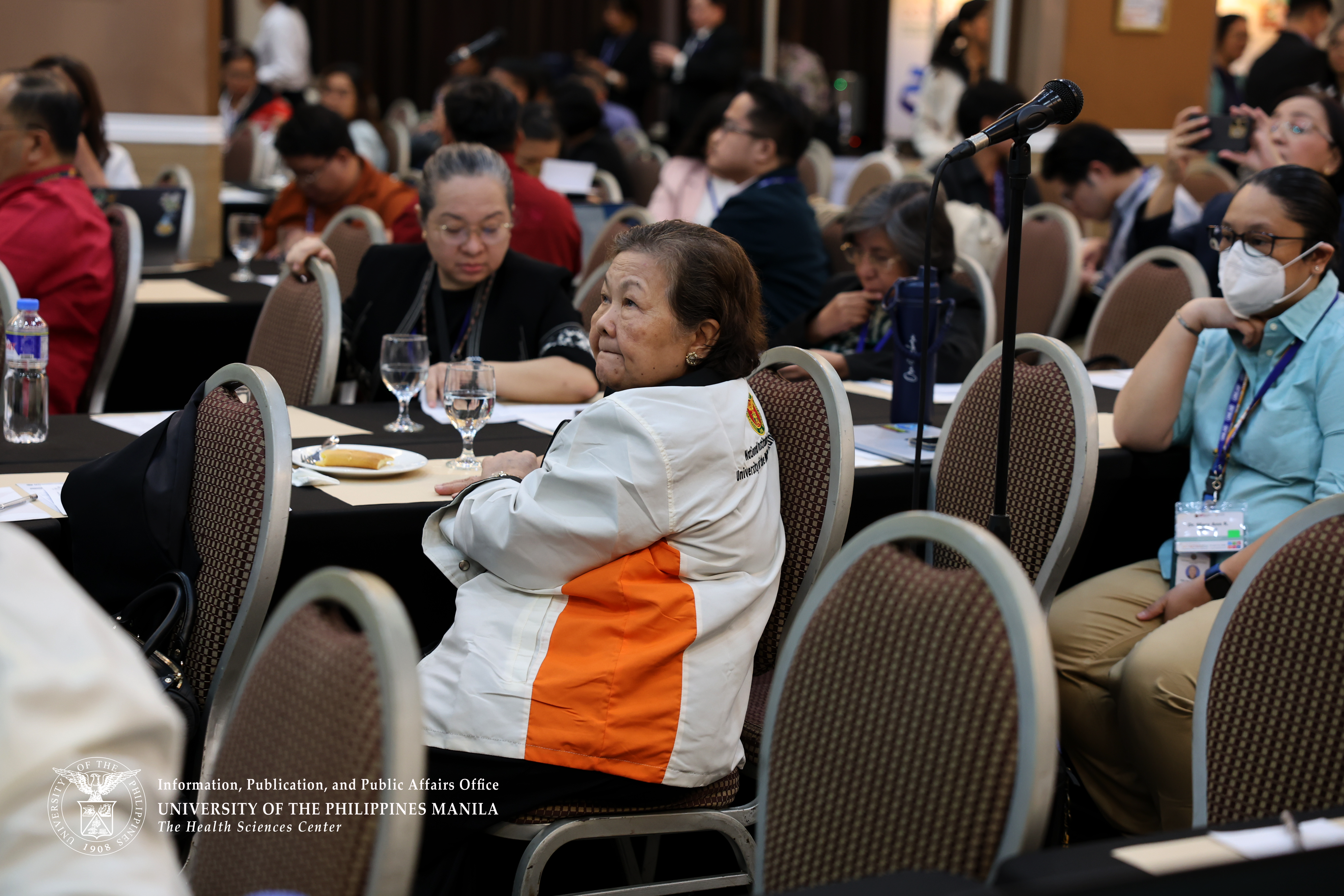
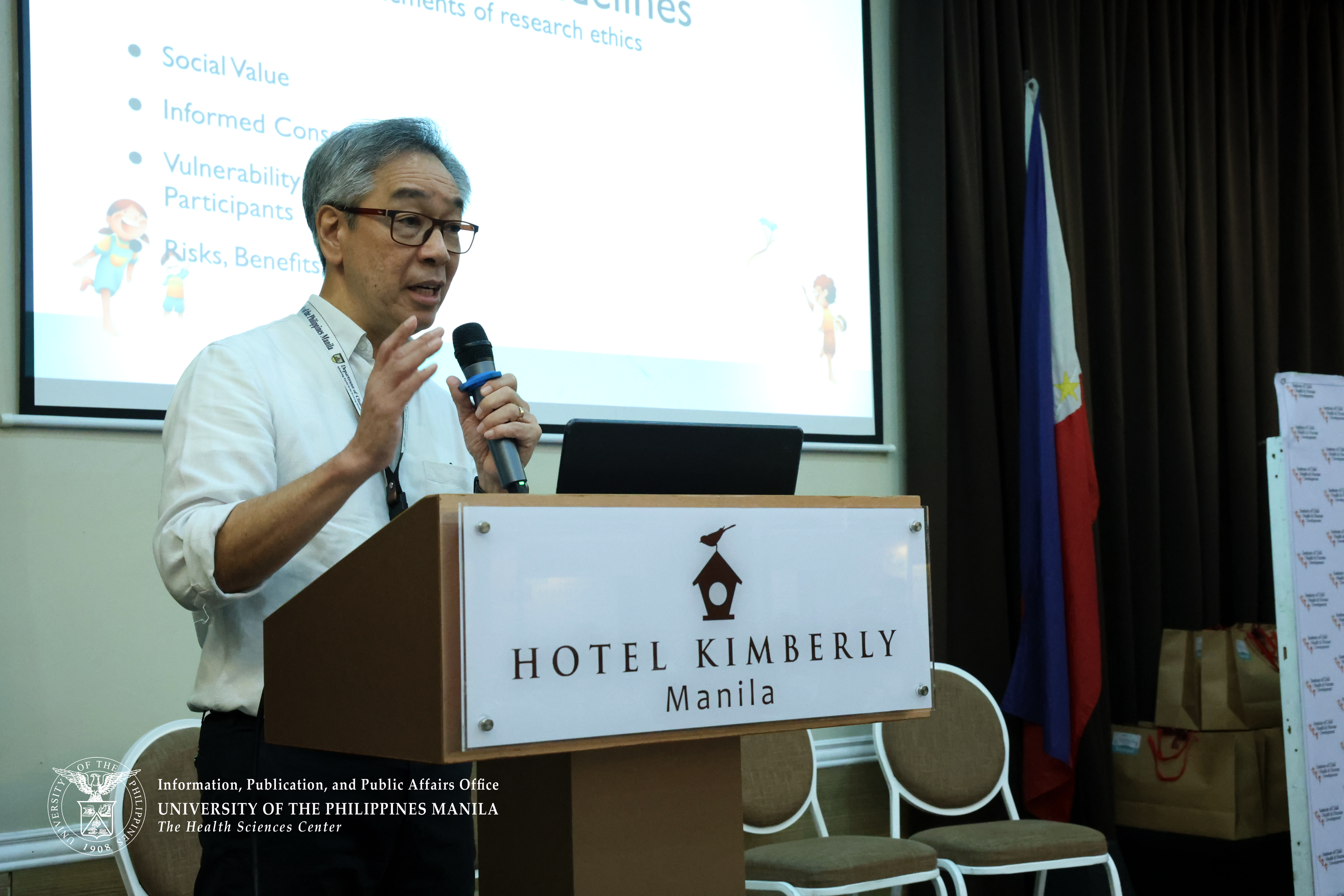
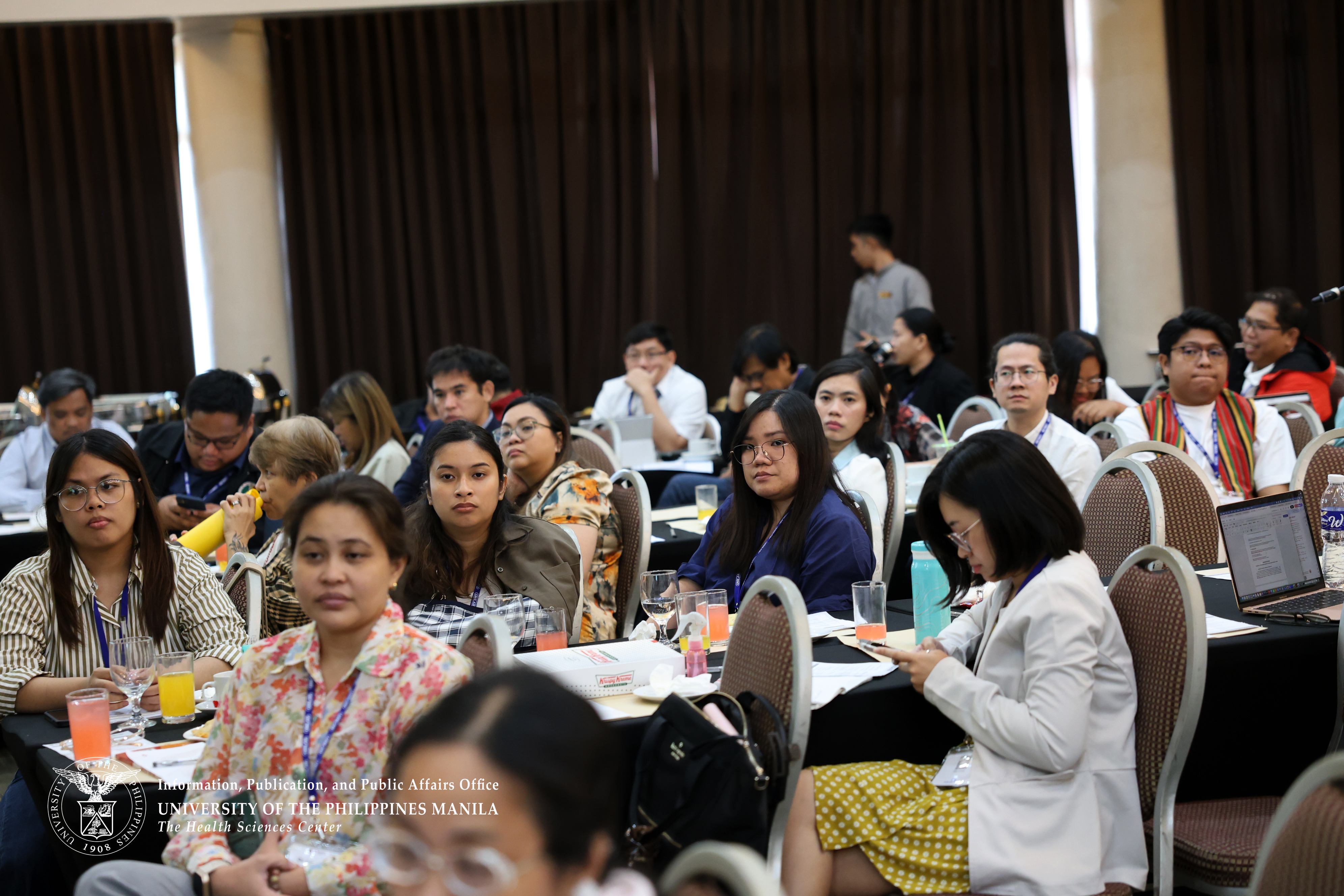
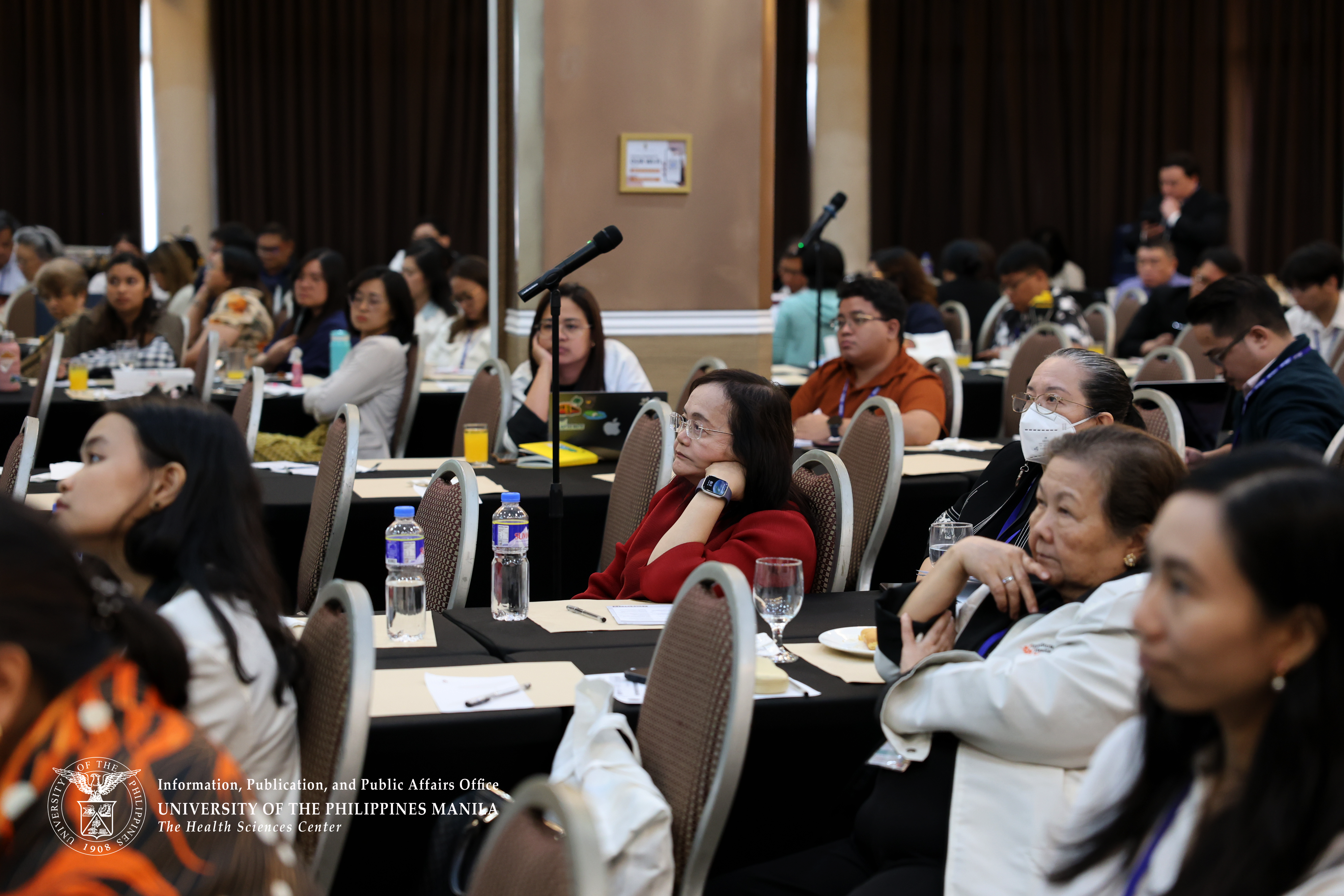
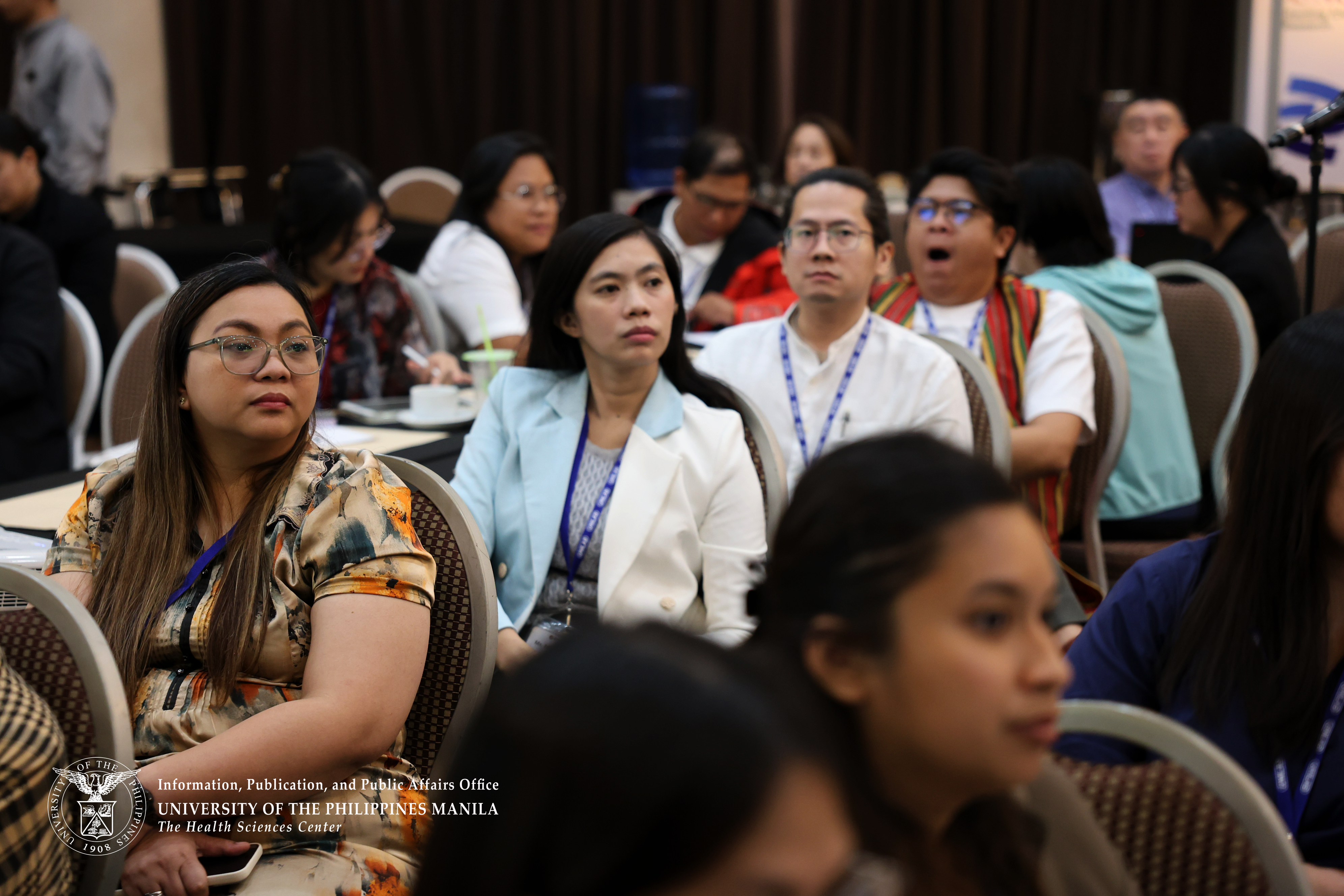
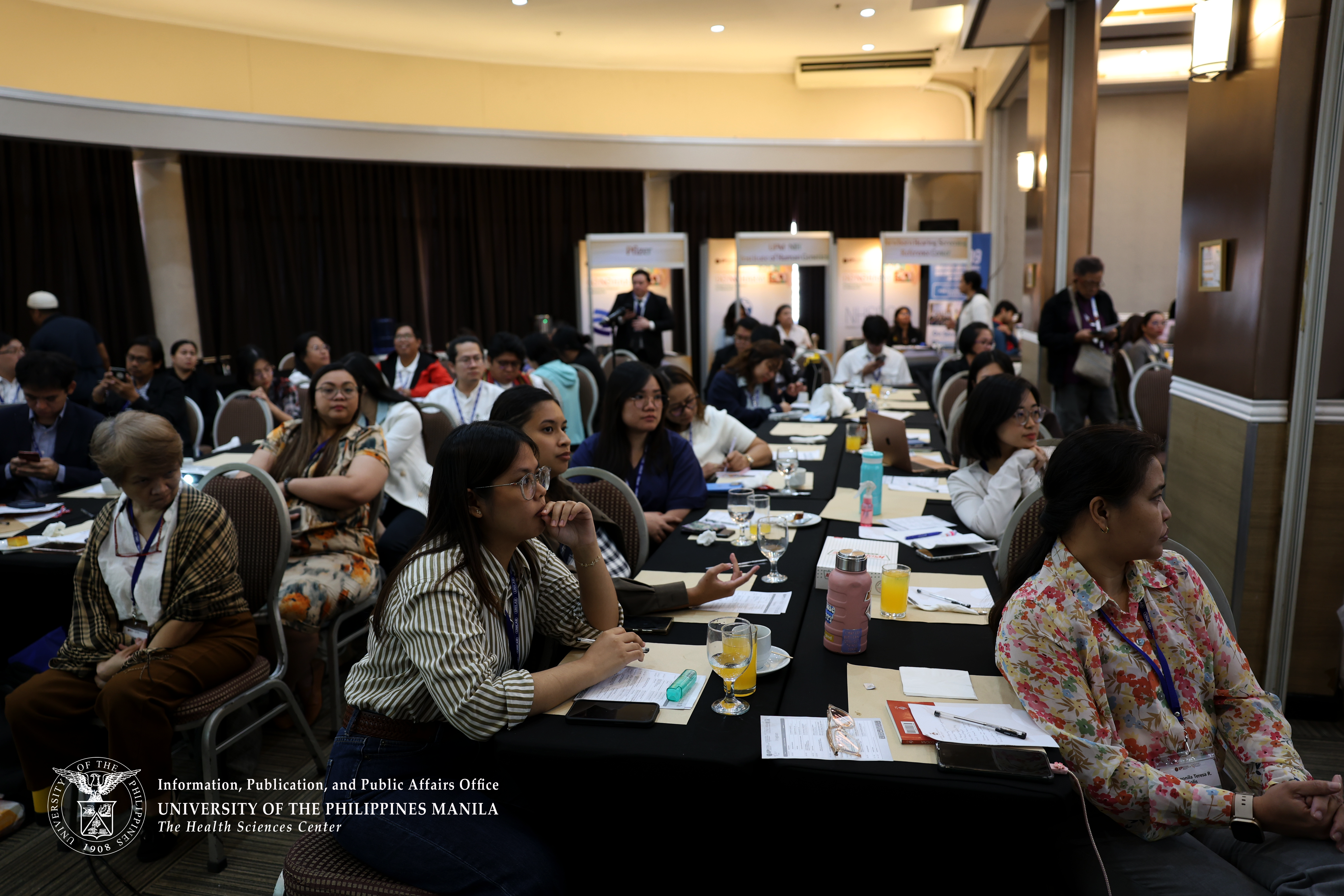
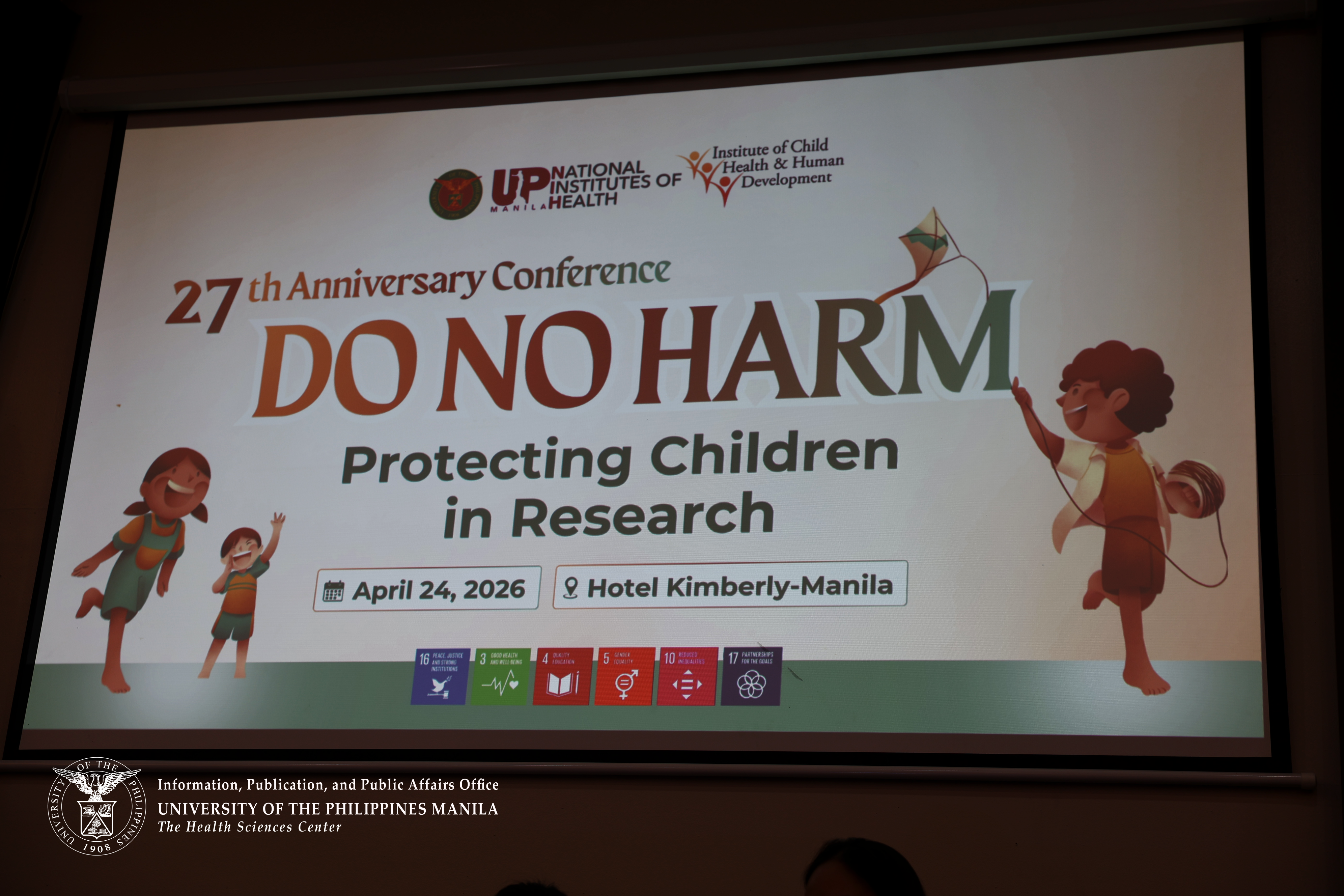
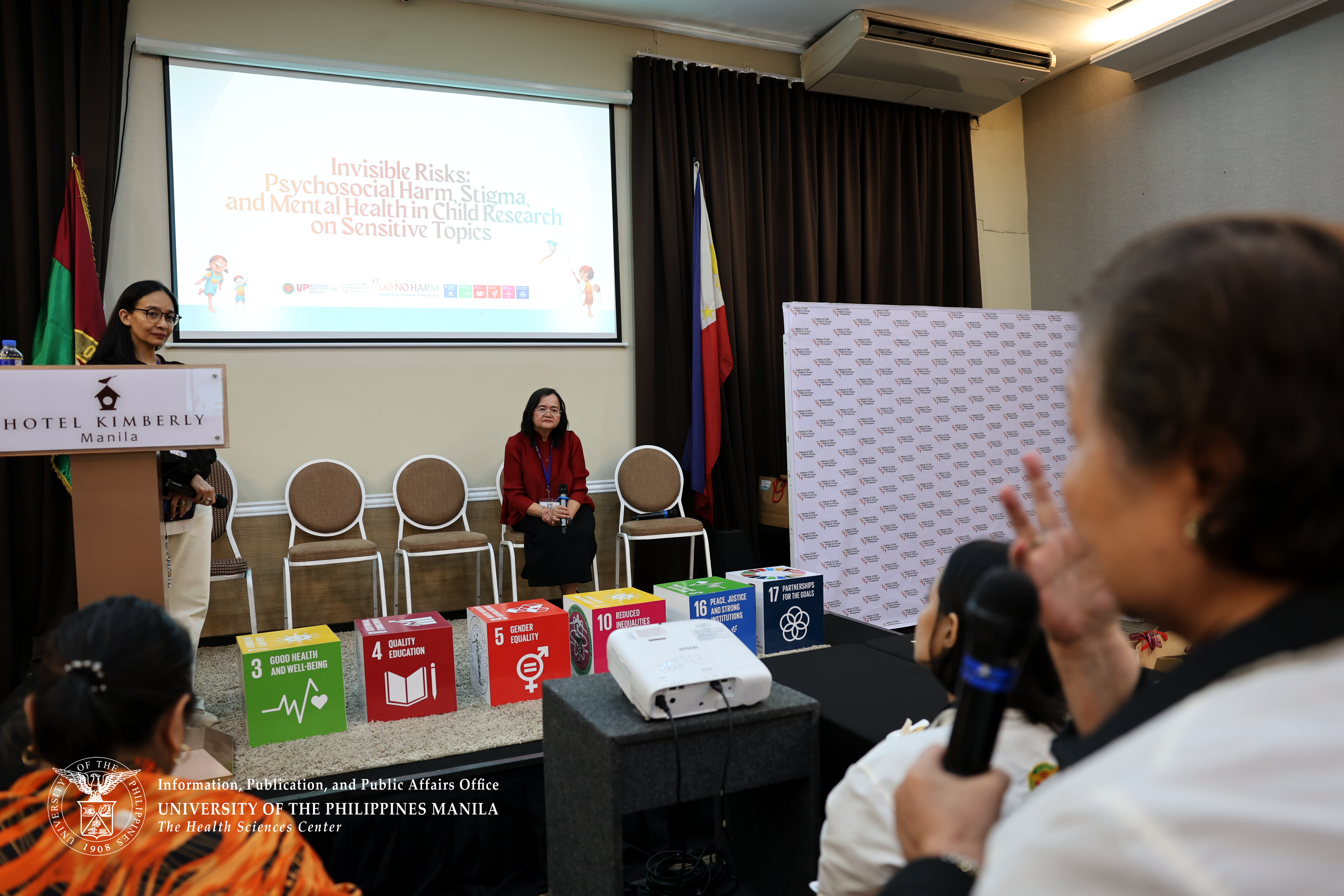
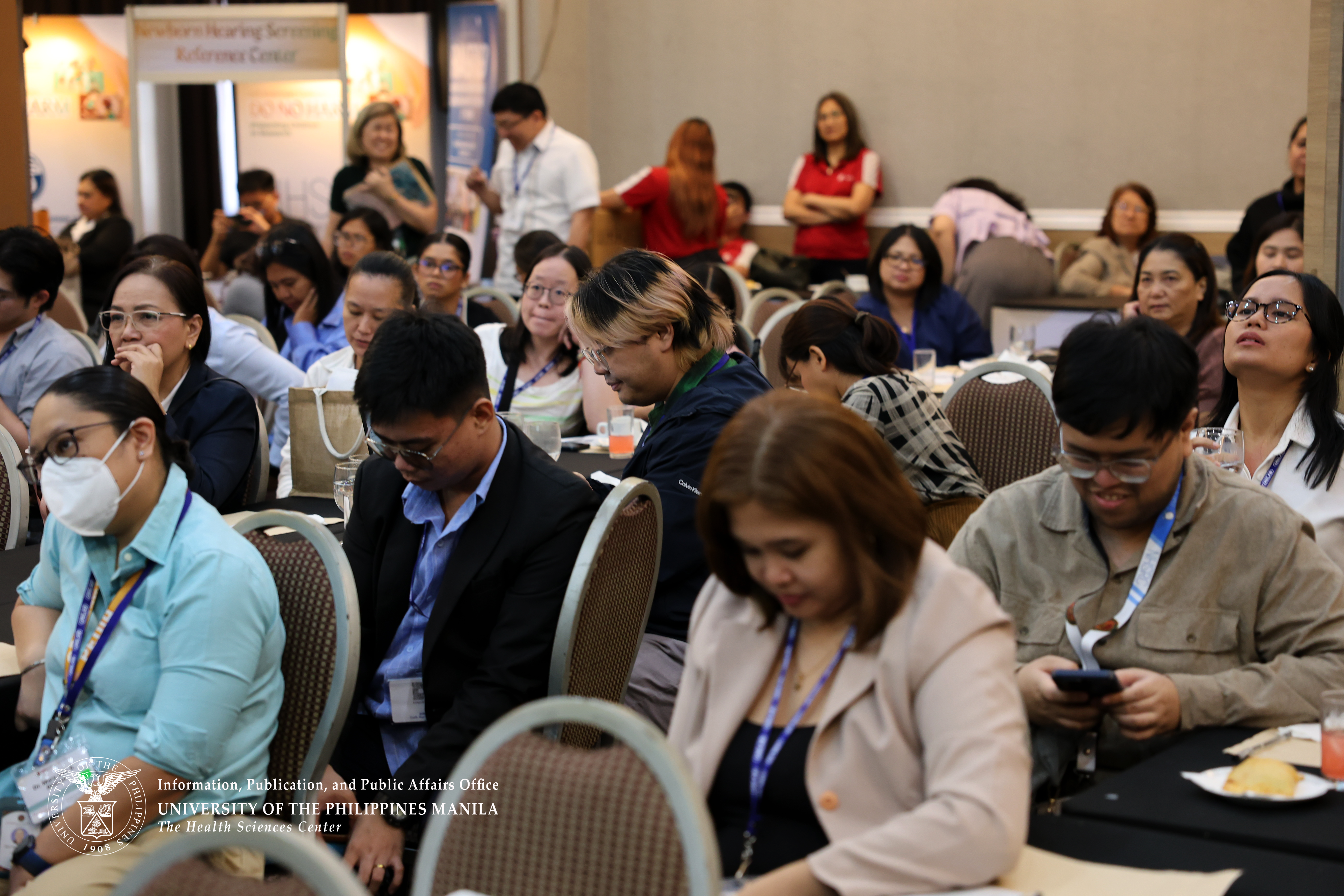
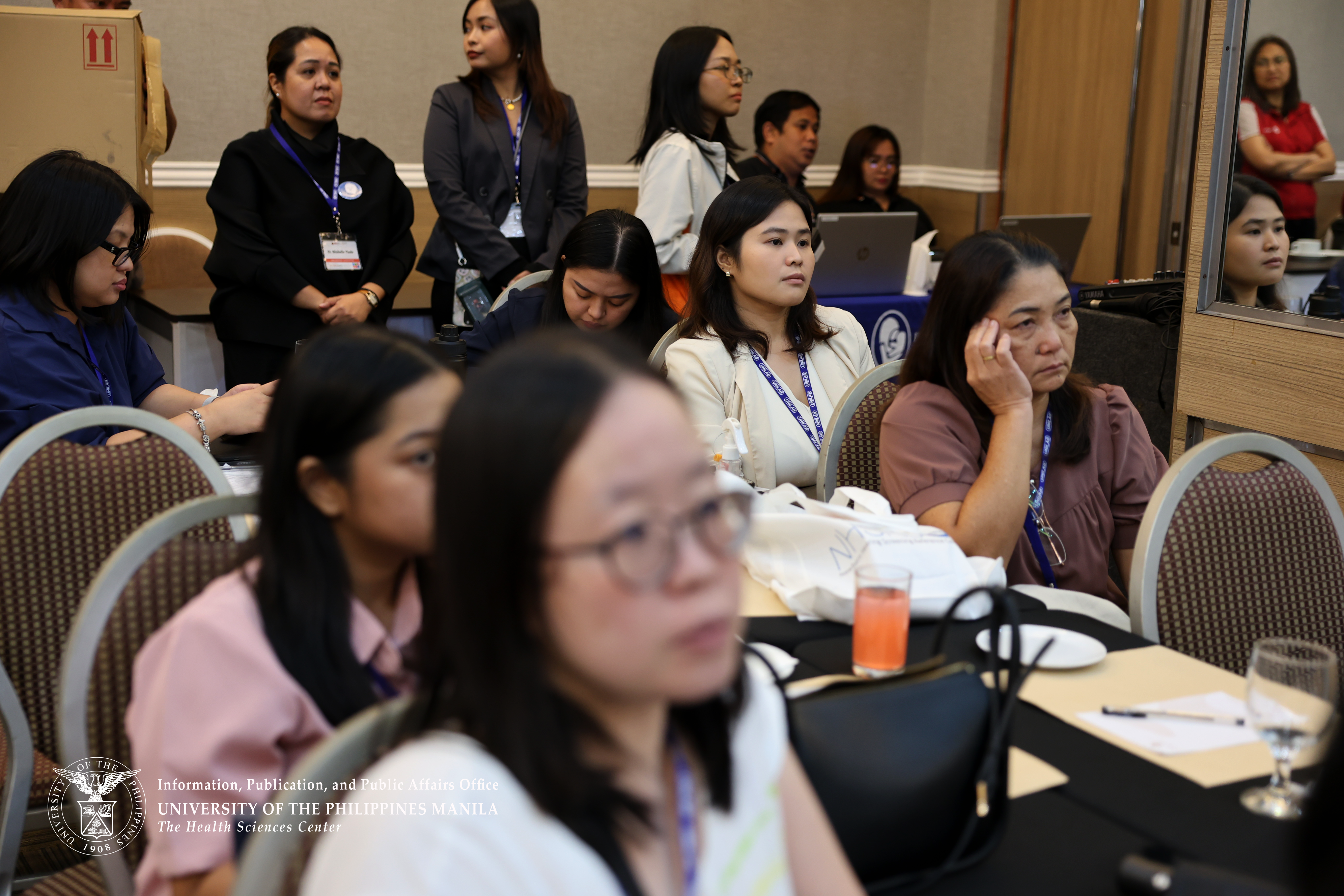
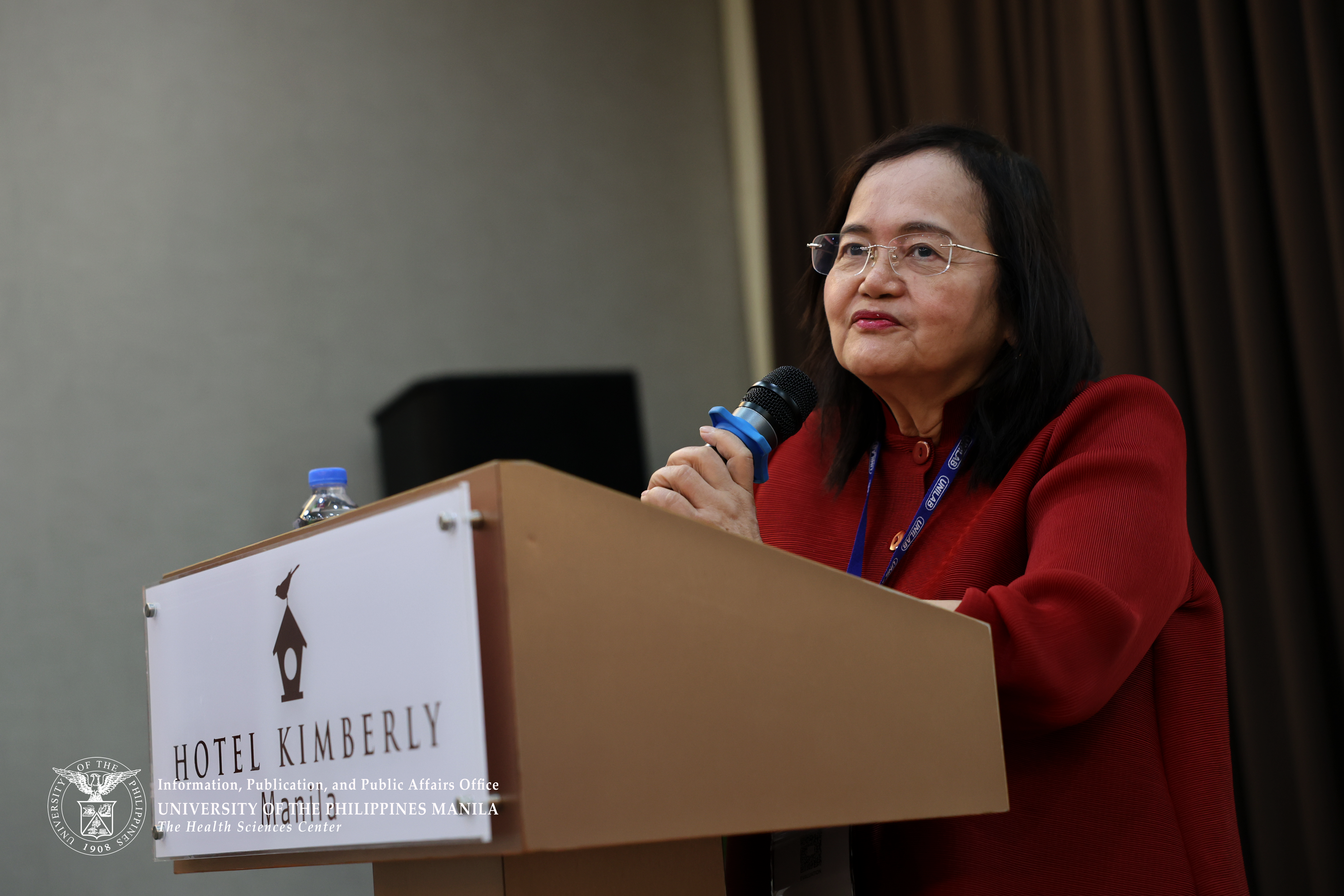
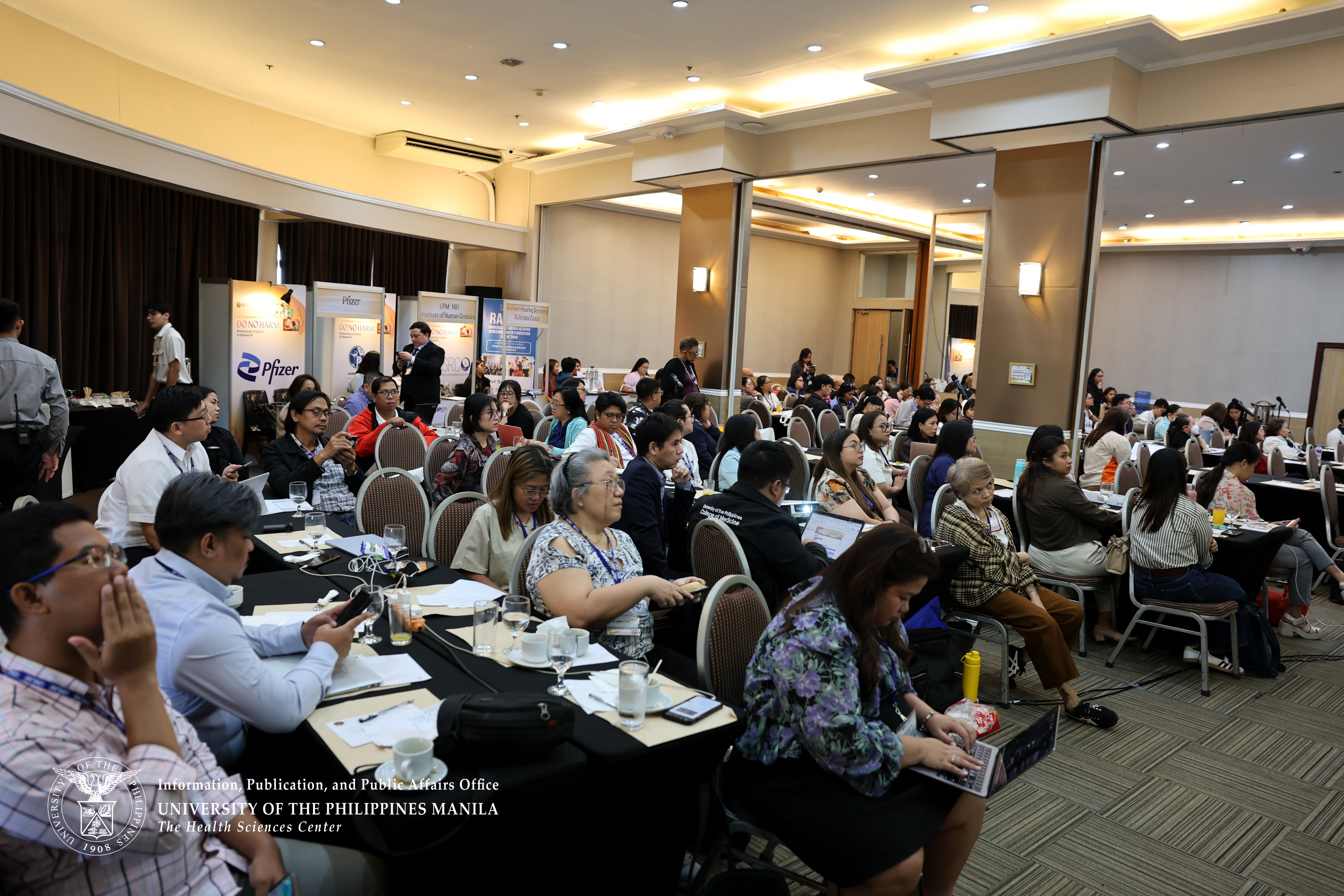
Undertaking research involving children is essential, but it must be conducted ethically to safeguard their welfare and ensure they reap the full benefits of scientific advancement. This was emphasized during the 27th Anniversary Conference of the Institute of Child Health and Human Development (ICHHD) on April 24, 2026, at the Kimberly Hotel Manila. Held under the theme “Do No Harm: Protecting Children in Research,” the event brought together clinicians, researchers, ethicists, and legal experts to examine the responsibilities involved in conducting research with children.
ICHHD, one of the 16 institutes of the National Institutes of Health, promotes the health and welfare of children through research and innovation, policy and advocacy, and training. Its programs span from vaccine development, child abuse and neglect, tuberculosis in children, the first 1,000 days, neonatal health, including bilirubin studies, as well as neuroscience and, more recently, climate change. “Our mission remains to ensure that all Filipino children are born healthy, survive, and live optimally,” said ICHHD Director Dr. Ma. Esterlita Uy.
Reframing primum non nocere in pediatric research
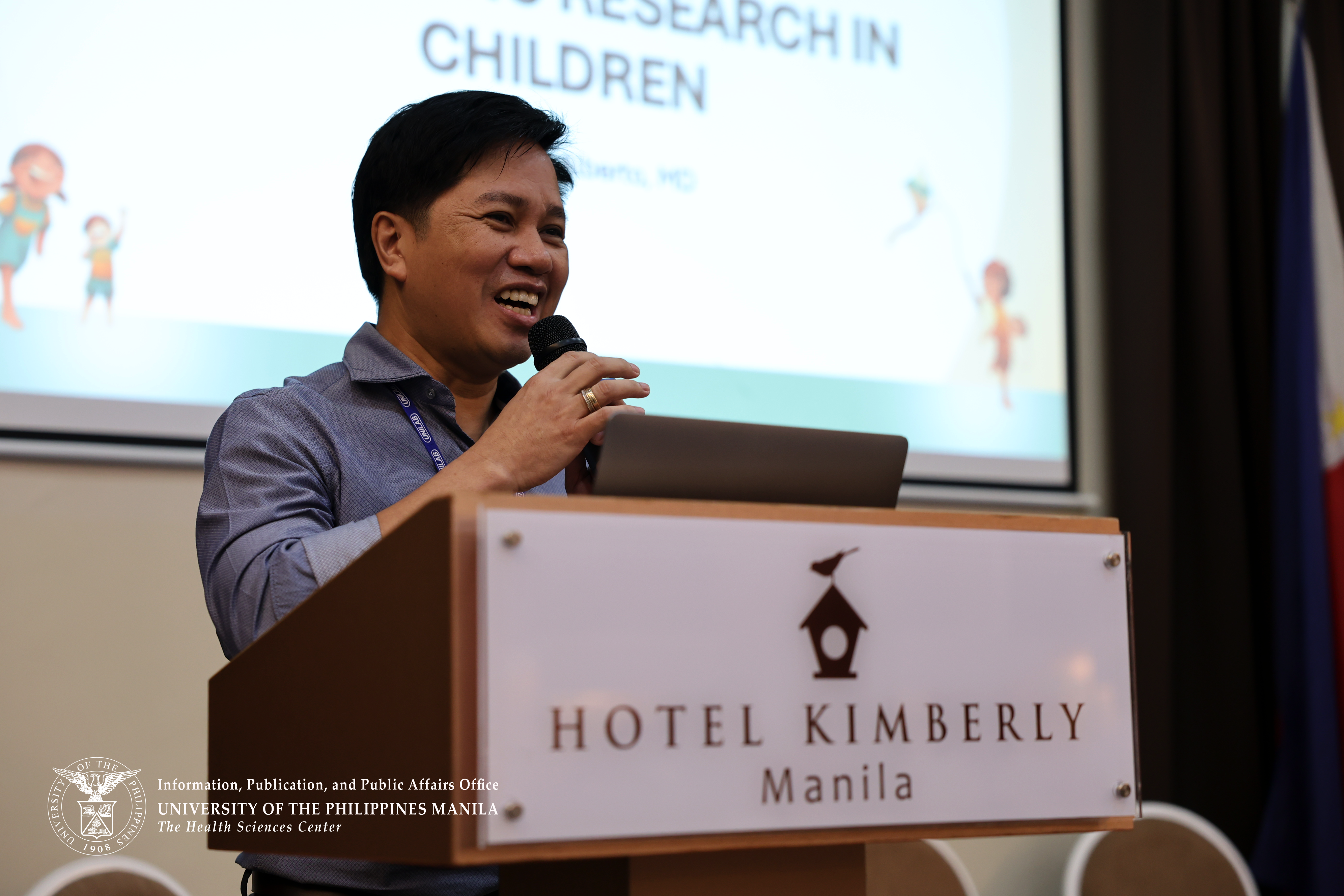
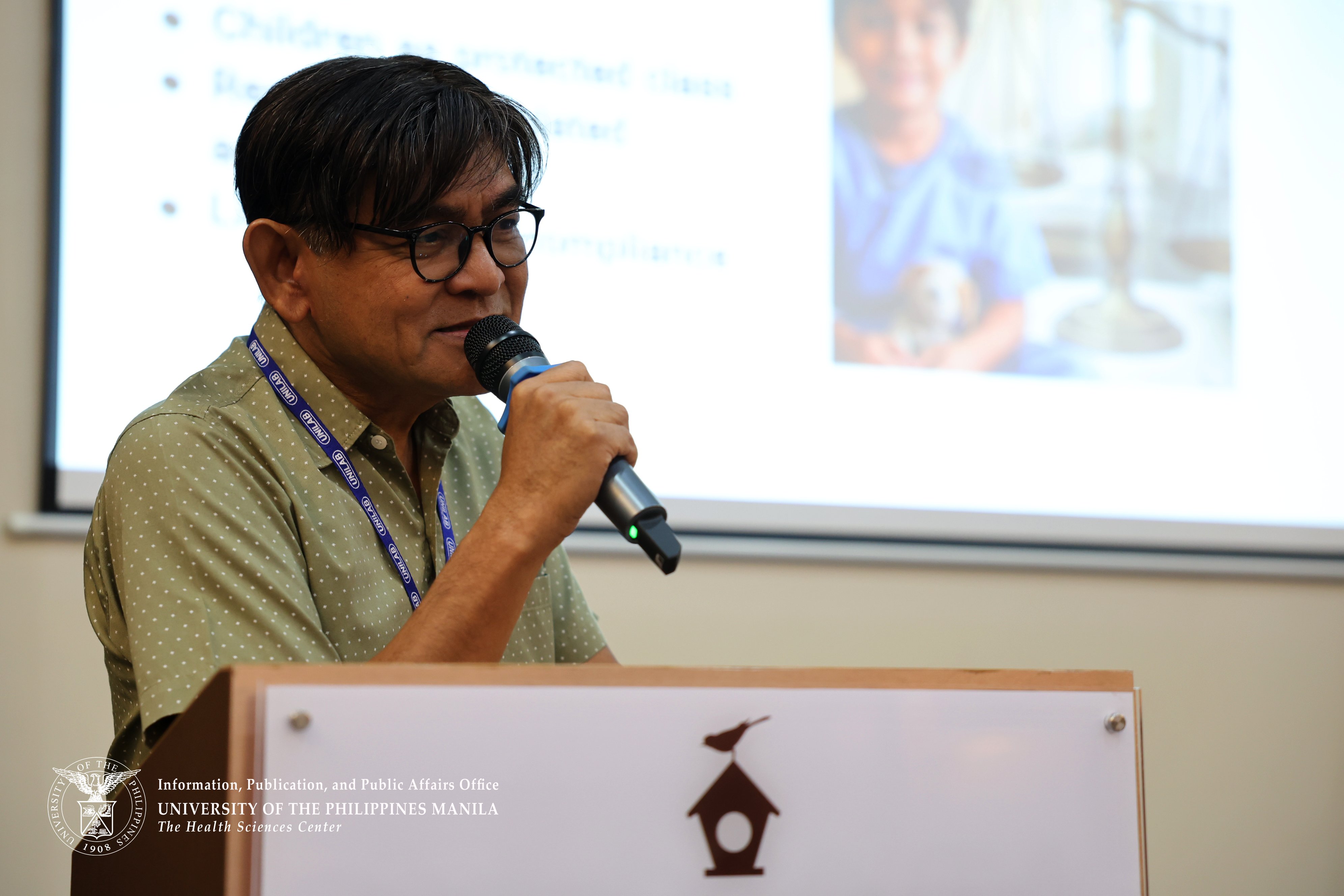
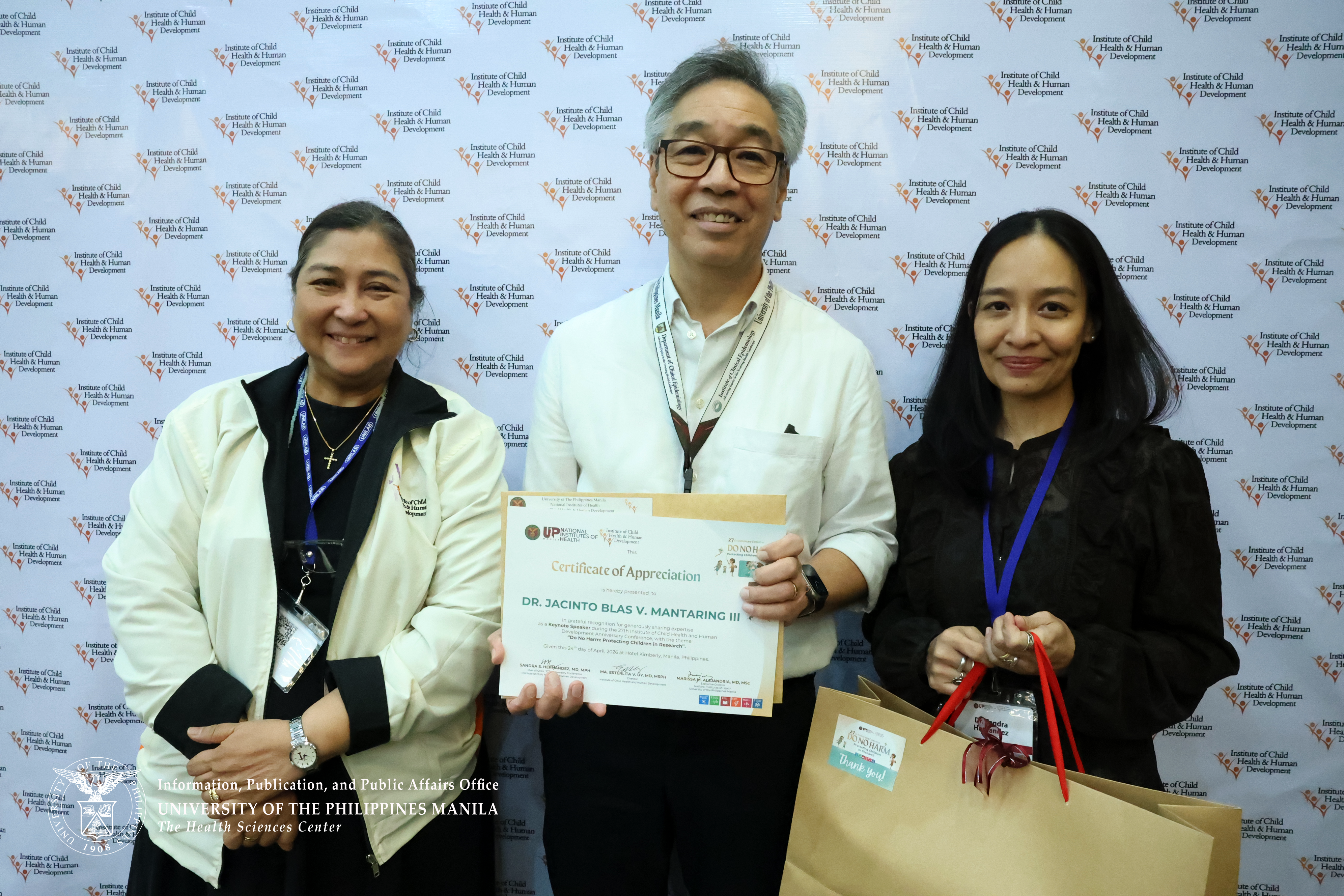
The enduring principle of primum non nocere—“first, do no harm”—grounded Dr. Jacinto Blas Mantaring III in his keynote speech. Tracing its roots to over two millennia of medical tradition, he emphasized that its relevance has not diminished; rather, it has become even more valuable not only in clinical care but also in research involving children.
As Chair of the Single Joint Research Ethics Board of the Department of Health, Dr. Mantaring stressed that this principle demands concrete action: “the comfort and welfare of the child must take precedence over the objectives of the study.” This framing set the tone for the conference, positioning child protection not as a secondary consideration but as the primary obligation of all researchers.
“Ethical research demands that researchers continually reflect on their practice well beyond any formal ethical review requirements, and this requires ongoing attention to the assumptions, values, beliefs, and practices that influence the research process and impact on children,” said Dr. Mantaring.
Lessons from history: the legal dimension of ethical research
To underscore the importance of ethical vigilance, Dr. Mantaring revisited well-documented cases of ethical failure, including the 1956–1971 Willowbrook hepatitis studies, where scientific progress was pursued without adequate safeguards, resulting in significant harm. These abuses ultimately shaped modern ethical frameworks such as the Belmont Report, which established the enduring principles of respect for persons, beneficence, and justice. These standards continue to guide research, particularly those involving children.
Highlighting the inseparability of ethics and law, Atty. James Dennis Gumpal, former Chief Legal Officer of UP Manila, stressed that “if it is not legal, it is not ethical.” He explained the parens patriae doctrine, where the state assumes the role of protector for vulnerable populations, and pointed to key legal safeguards such as RA 7610 (Anti-Child Abuse Law) and RA 9262 (Violence Against Women and Children Act), which are designed to protect minors.
Reinforcing these protections, the 2022 National Ethical Guidelines for Research Involving Human Participants (NEGRIHP), adopted by the Philippine Health Research Ethics Board (PHREB) under RA 10532, provide comprehensive standards to safeguard the physical, mental, and social well-being of research participants.
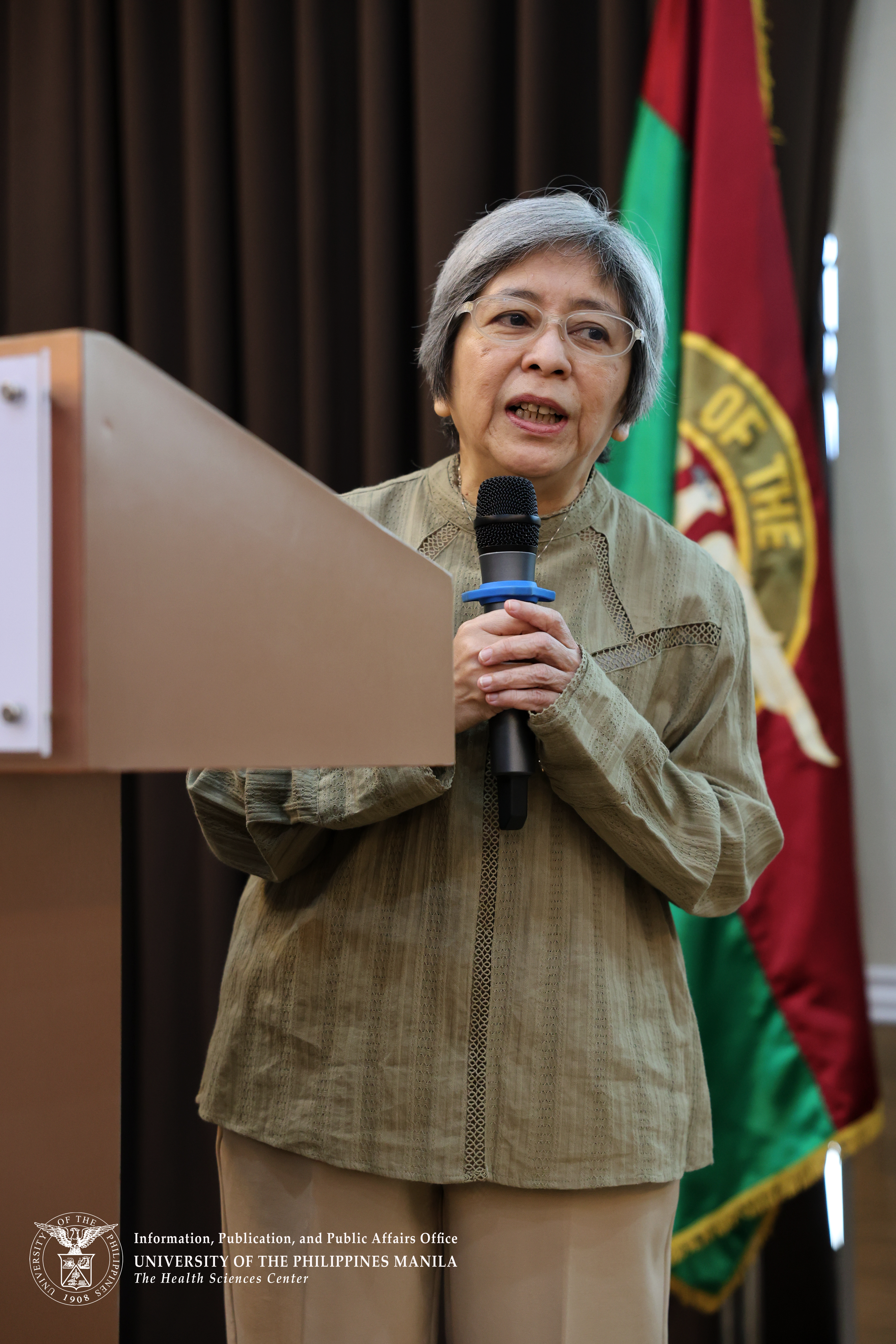
Within this framework, Dr. Edlyn Jimenez, Coordinator of the UP Manila Research Ethics Board, described ethics review as an expert process that evaluates both scientific soundness and ethical acceptability in accordance with national and institutional requirements. In the Philippines, all studies must undergo review by a PHREB-accredited Research Ethics Committee, with Level 3 required for clinical trials.
The review covers key elements, including research design, informed consent, risk–benefit assessment, privacy and confidentiality, vulnerability, compensation and undue influence, study-related care, community considerations, researcher qualifications, conflict of interest, and regulatory compliance. The committee determines whether a study holds social value, ensuring it addresses a genuine health or social need rather than personal interest.
Understanding the child as a unique research participant
Dr. Mantaring explained that children are fundamentally different from adult research participants. Variations in physiology, pharmacokinetics, cognitive development, and disease response require specialized methods and heightened ethical care. He also emphasized that children are a highly heterogeneous population, from neonates to adolescents, making broad inclusion criteria such as “0–18 years” inappropriate. Instead, studies must be tailored to specific developmental stages. He cautioned against treating children as “small adults,” noting that adult findings do not necessarily translate to pediatric populations.
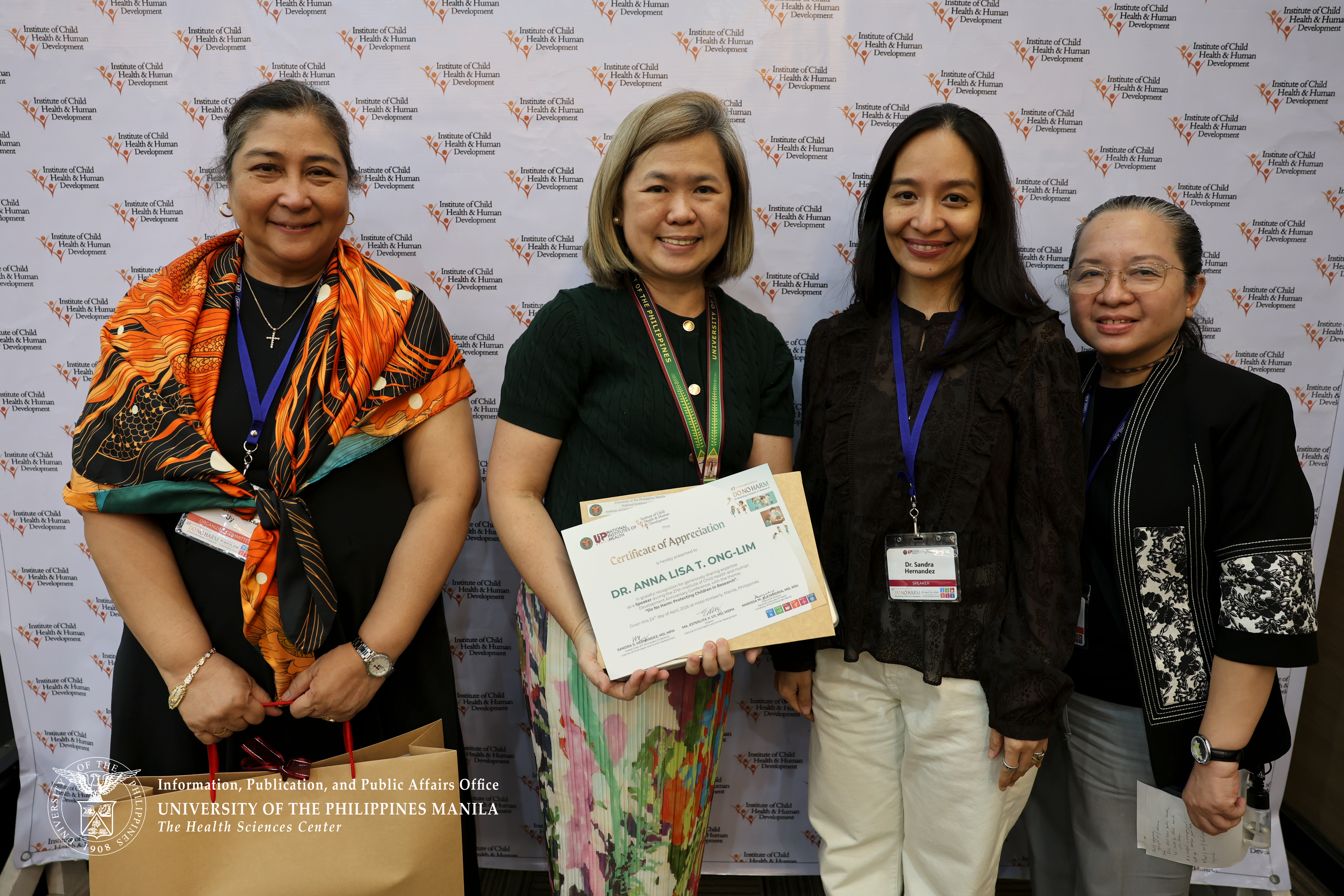
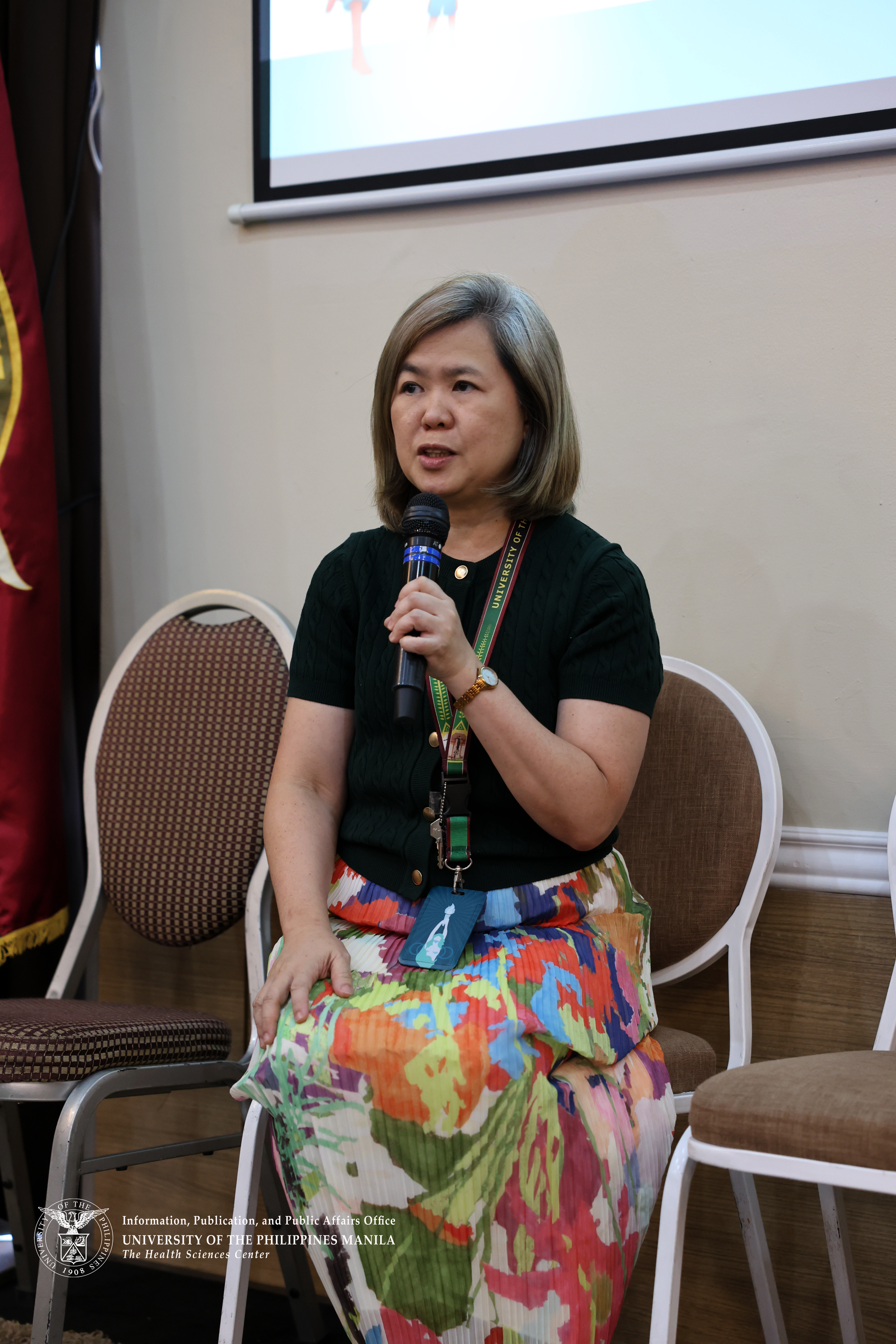
Because of limited pediatric safety data, many medicines remain unlicensed for children and are often used off-label, where adverse drug reactions are more common. This was also pointed out by Dr. Anna Lisa Ong-Lim, Chief of the Division of Infectious and Tropical Disease in Pediatrics at the Philippine General Hospital. “Napipilitan kaming gawin yun kasi wala na talagang ibang magamit, and we share the information that we get out of those clinical use scenarios to the larger public and the scientific community para makinabang ang ibang bata. But that is really coming from experience,” she asserted. Drug development programs often face a dilemma because of the inherent risks involved in pediatric research and other vulnerable populations. As a result, many drug developers prefer to exclude them altogether, so that pediatric populations are left out.
This concern was echoed by Dr. Edison Alberto, chairperson of the Philippine Health Research Ethics Network (PHREN). He noted that research involving children carries greater emotional weight and requires heightened protection and caution, often attracting intense public scrutiny. He highlighted a key dilemma: “As much as we want to protect children, baka minsan na-o-overdo natin, kaya in doing so, na-e-exclude natin ang pediatric population sa research na dapat sana ay kasama sila.” This contributes to the continued underrepresentation of children in clinical trials, resulting in gaps in evidence directly applicable to their care.
He further noted that pediatric research is often difficult to approve due to ethical and regulatory complexity, raising practical questions on recruitment, consent processes, and adequacy of safeguards.
Safeguarding in practice: systems that protect
Dr. Mantaring emphasized that research must begin with a clearly defined purpose. Proposals should uphold the integrity of the child and respect for autonomy, while carefully weighing benefits against risks.
In the Philippine context, Dr. Alberto explained that national ethical guidelines provide a clearer structure for consent processes, including how much weight a child’s dissent should carry against parental permission and when adolescents may be considered capable of independent decision-making. The legal age is set at 18, with defined assent categories: 7–11 years (verbal assent), 12–14 years (simple assent), and 15–17 years (written assent). However, he emphasized that “we should not assume that children are incapable of providing consent because of their age. There is a need for increased focus on obtaining meaningful assent from children, rather than just parental consent.”
In the same light, Dr. Edilberto B. Garcia Jr., Chair of the Department of Pediatrics at PGH, discussed the concept of the “evolving capacities of the child,” introduced in Article 5 of the UN Convention on the Rights of the Child. This recognizes that children’s abilities, competence, and agency increase over time. He explained that for children under 7, they are generally too young to fully understand research decisions, so information is simplified while legal consent rests with parents; for ages 7 to 12, children can grasp basic explanations, making assent important and requiring that persistent dissent be respected, especially in non-urgent research; and for ages 13 to 17, adolescents can reason more like adults about risks and their own bodies. While still legally minors, their views carry greater ethical weight, particularly in areas such as sexual and reproductive health, HIV, mental health, and low-risk studies. These distinctions reflect the ongoing balance between parental authority and the child’s emerging autonomy.
“Let’s build a culture where children are not just research subjects or patients, but partners in decisions that shape their lives,” he said.
Beyond data collection: safeguarding children at every stage
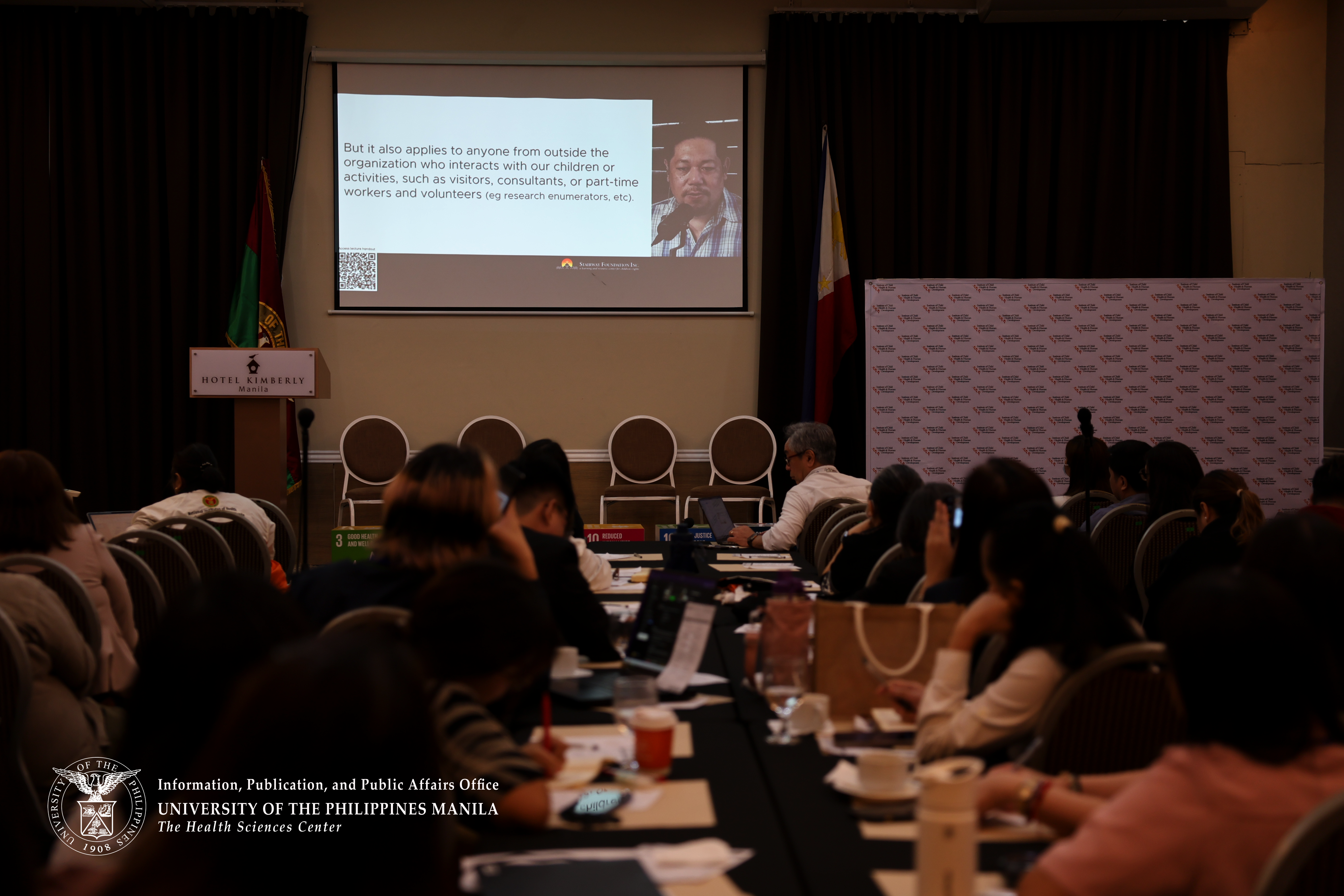
Ysrael Diloy, a child protection and online safety specialist, emphasized that researchers’ responsibilities extend beyond data collection and highlighted the duty of care they assume. “Whenever a child is participating in our research activity, those children are already under our care.” He noted that this responsibility goes beyond preventing harm to actively minimizing risks, requiring institutions to establish robust, localized, and responsive child safeguarding and protection policies.
Meanwhile, Dr. Norietta Valderama emphasized that in the practice of research, there is always a risk of further traumatizing children by inadvertently triggering past experiences. Triggers, or stimuli that remind a child of previous trauma, may surface during interviews, underscoring the need for trauma-informed research design. She stressed that investigators must be trained to engage children sensitively and that studies should ensure immediate access to psychologists or counselors when needed.
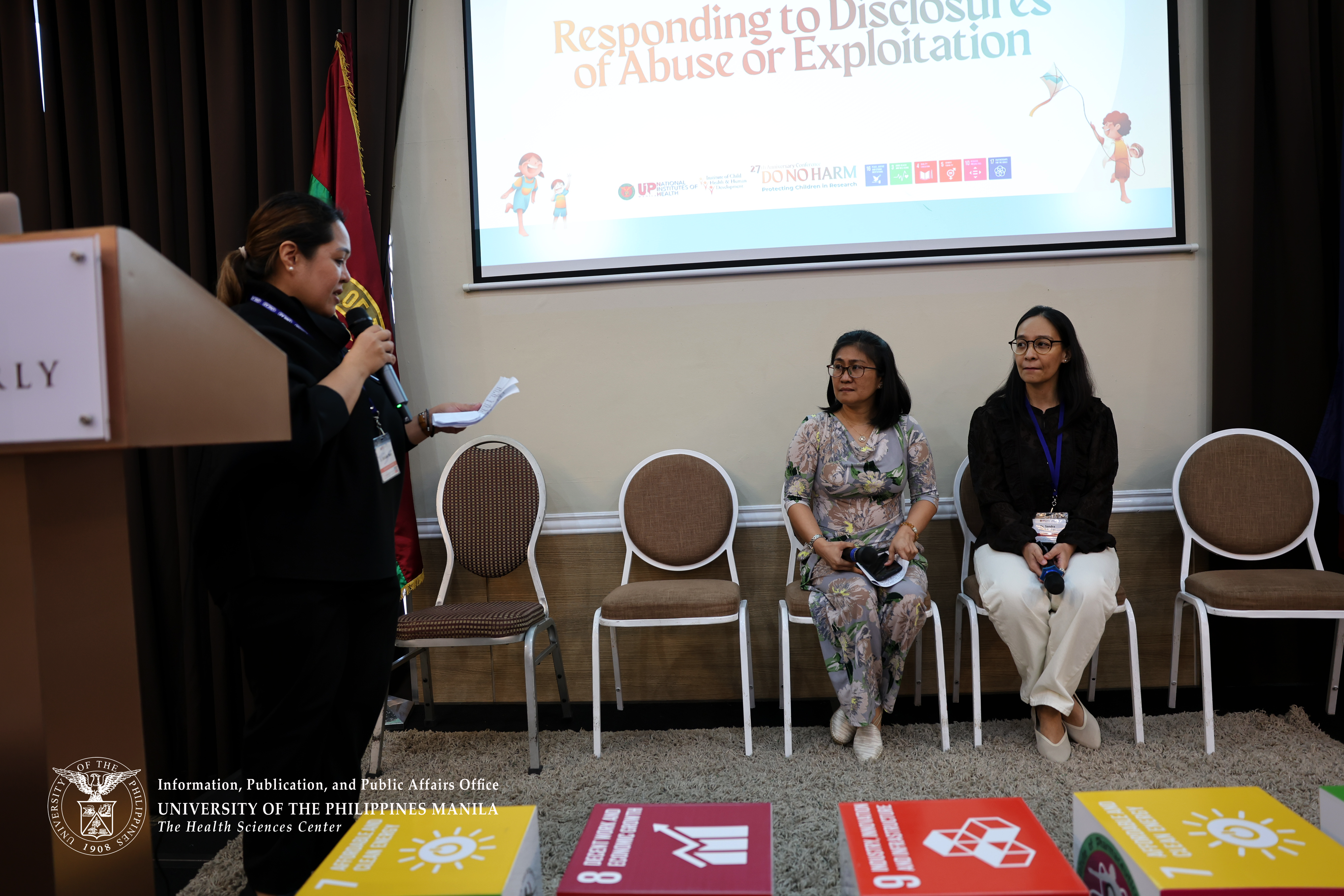
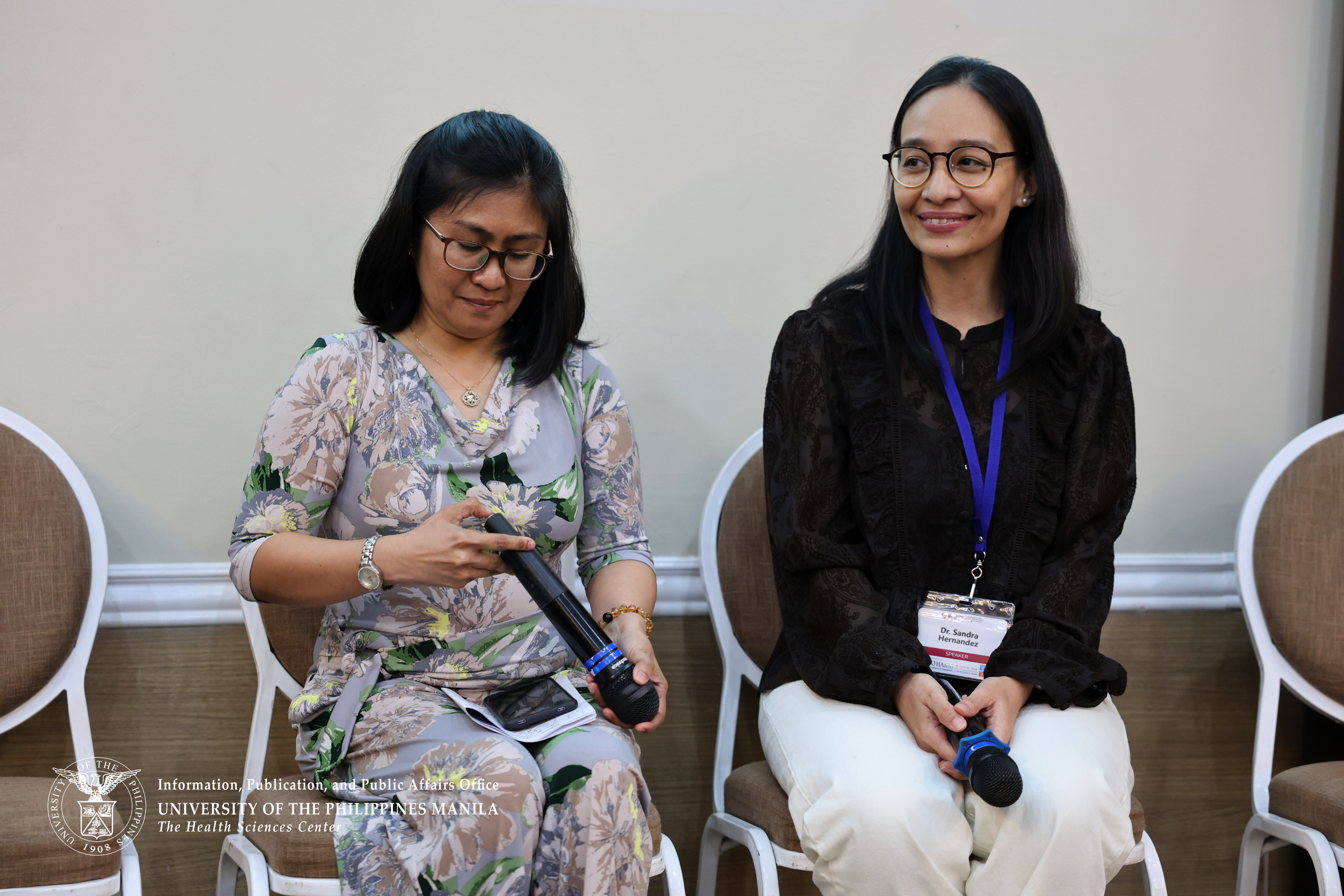
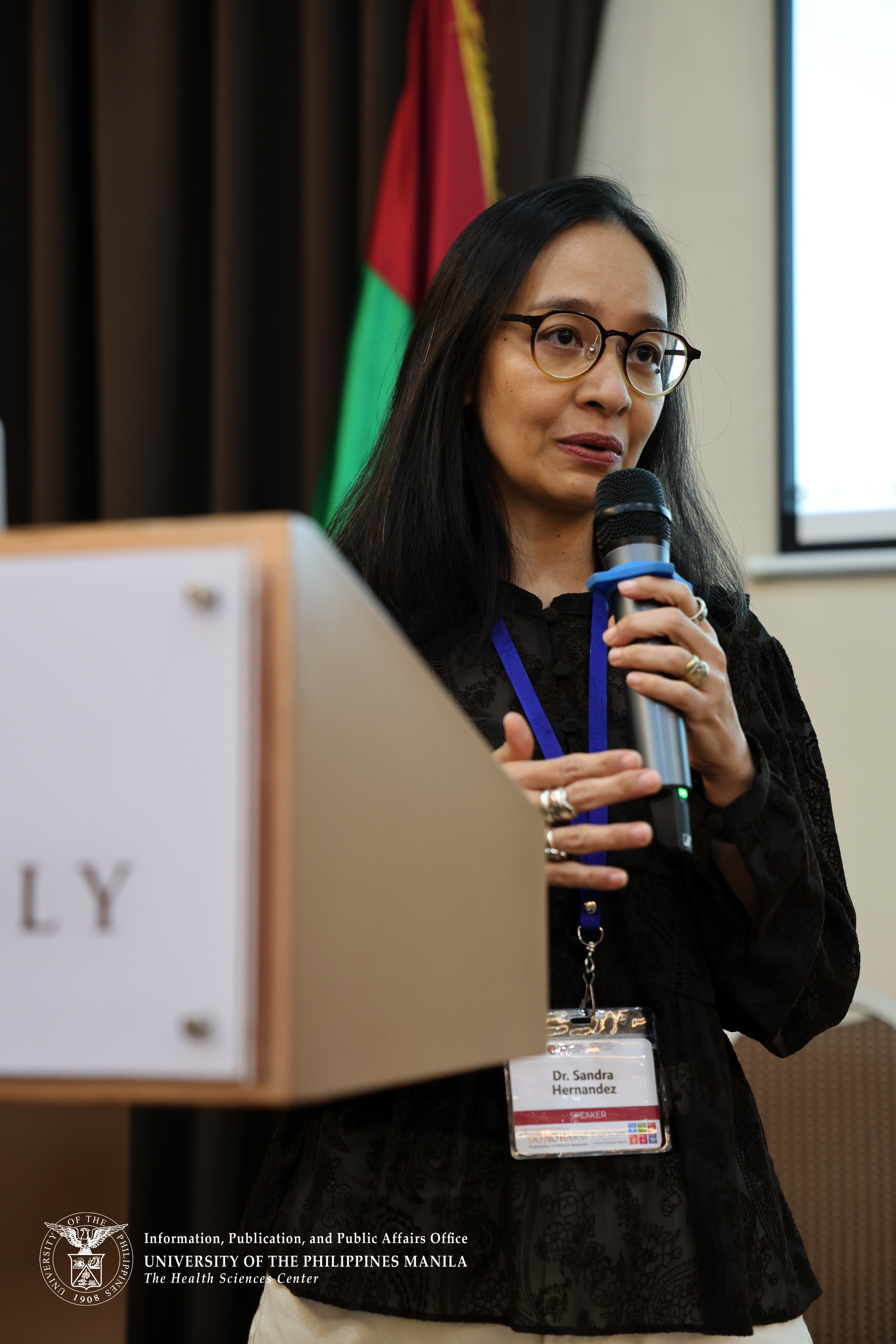
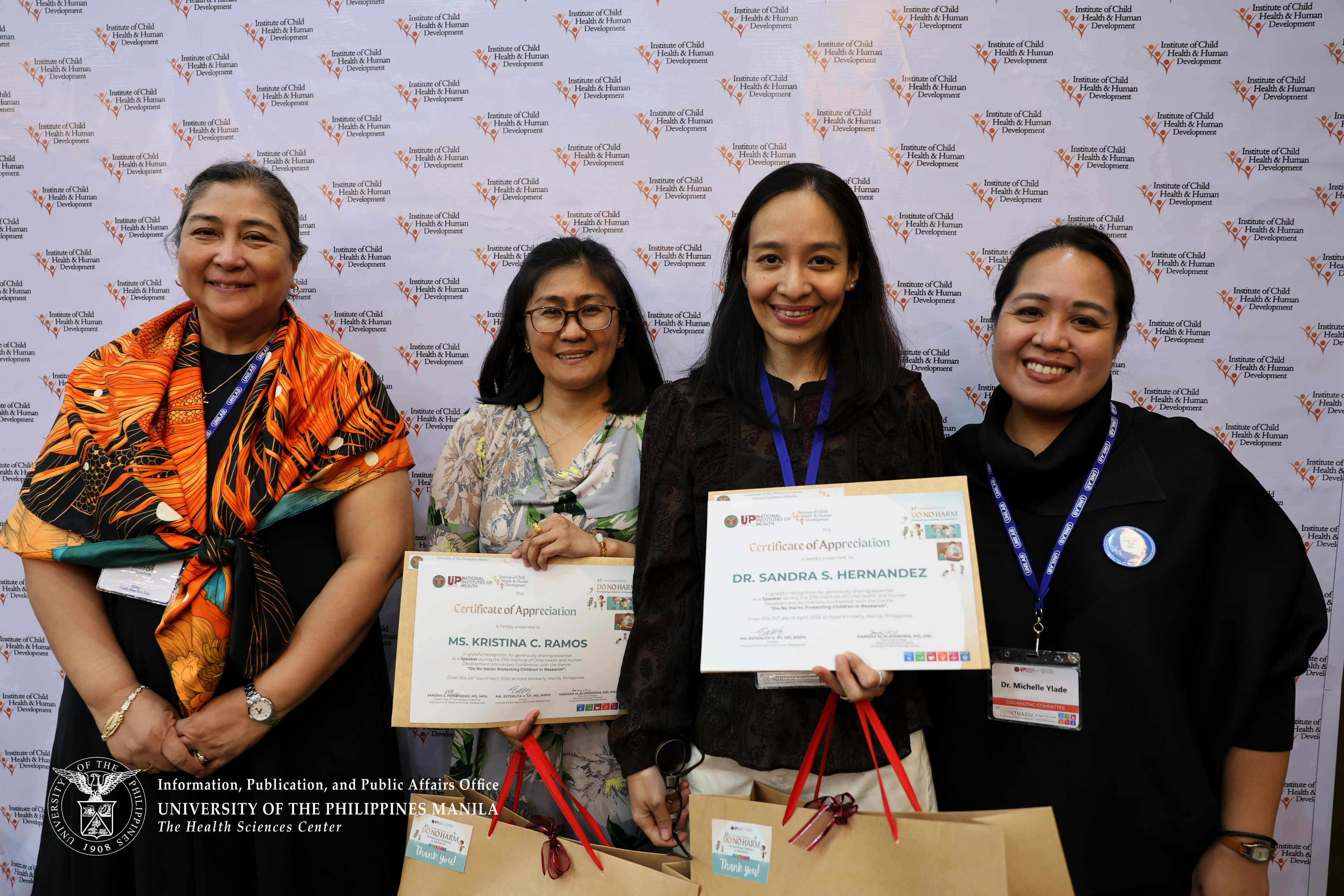
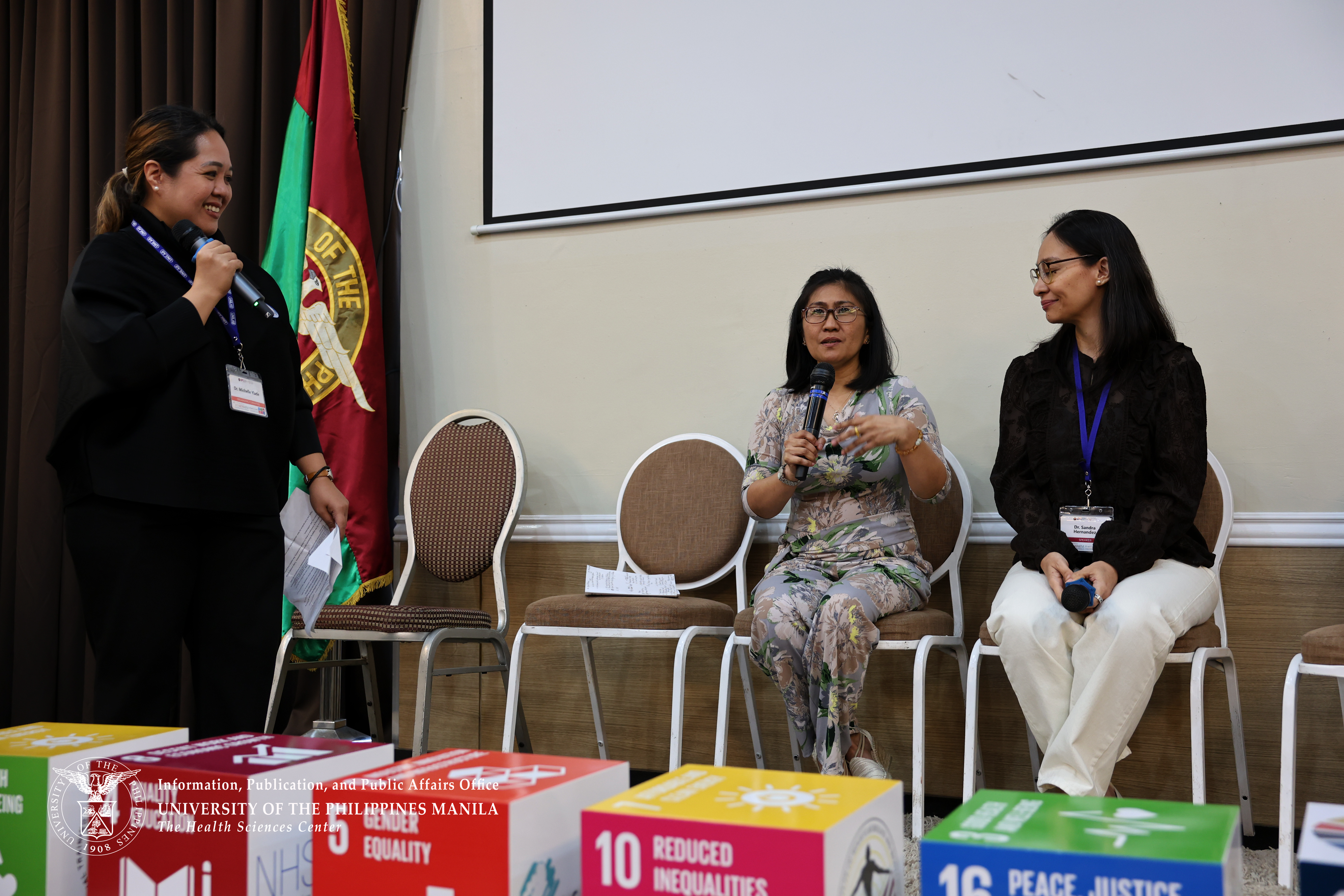
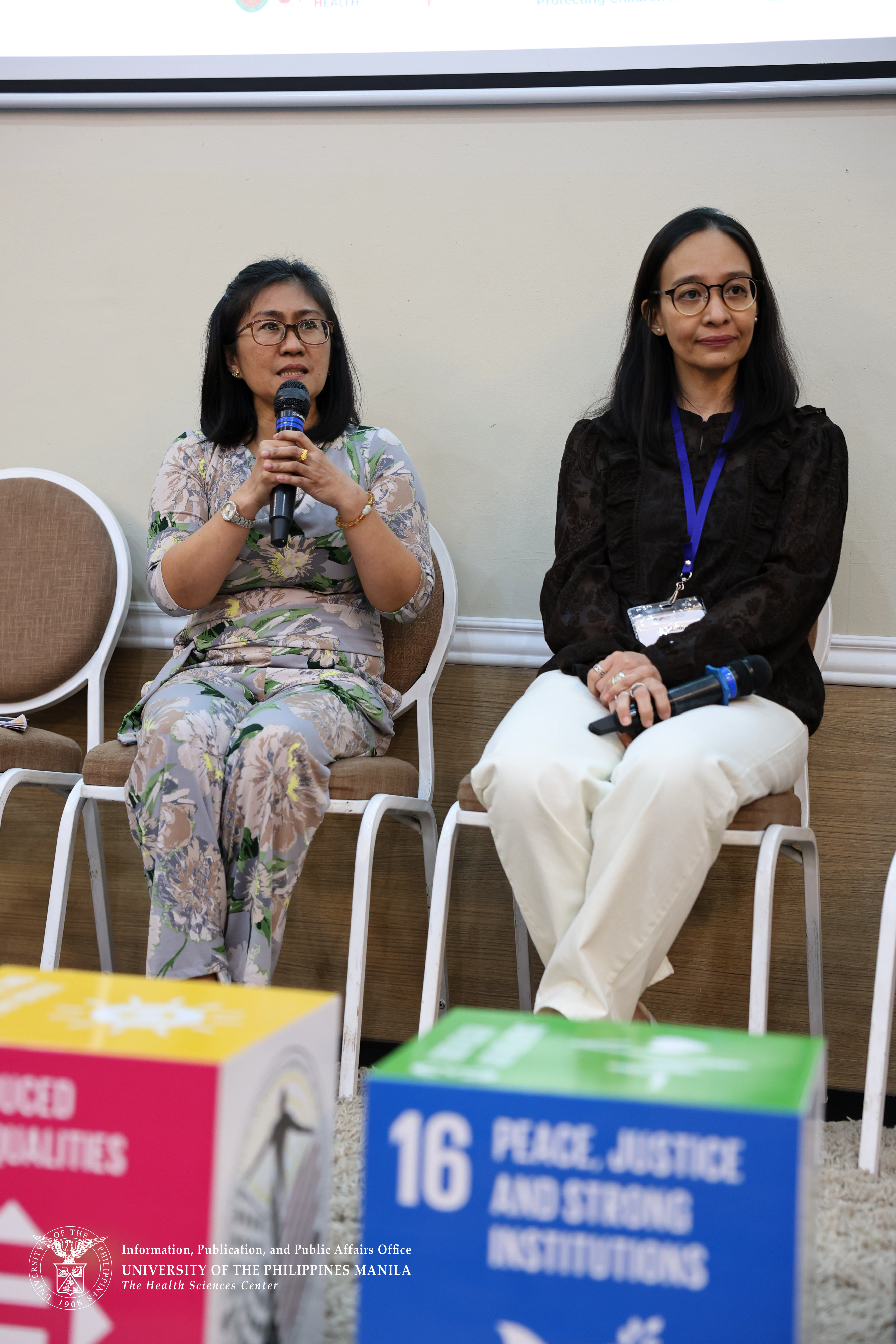
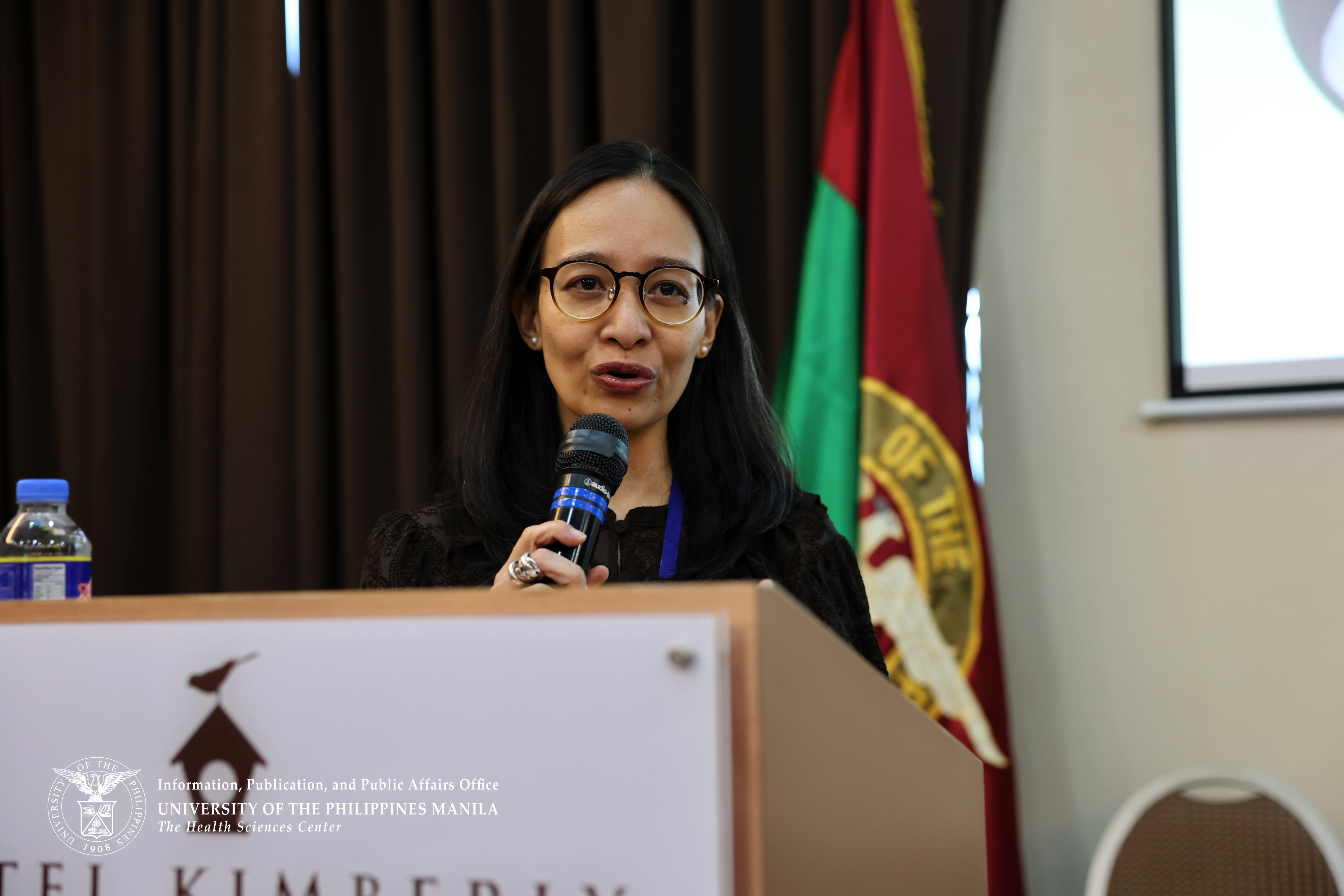
Building on this, Dr. Sandra Concepcion Hernandez highlighted that studies must be designed to respond appropriately to disclosures of abuse or neglect, even when the topic is not explicitly sensitive. “Your research should be designed to handle a disclosure,” she noted. “It is our responsibility to address protection and child safety concerns and implement a response plan.”
A continuing commitment to do no harm
Citing the International Charter for Medical Research Involving Children, Dr. Mantaring underscored that research involving children must be grounded in a firm ethical commitment that respects their dignity, rights, and well-being. He outlined seven guiding principles: upholding the highest ethical standards; respecting children’s evolving capacities; ensuring justice and fair treatment; maximizing benefits while minimizing risks; justifying the inclusion of children; obtaining assent alongside parental consent while respecting dissent; and continuously reflecting on and strengthening ethical practice beyond formal review. These principles reinforce that protecting children in research is not a one-time requirement, but a sustained ethical obligation at every stage of the process.

















Read More:
#FP1 #discoveryandresearch