

Text by: Jose Emmanuel G. Gana, MD, and Evelyn O, Salido, MD
Photos by: Chryz Bagsic, Nielsen Lim, Genquen Carado
The Middle East war has very clearly shown the importance of petroleum and fossil fuels in our daily lives. Our country faces a serious level of energy insecurity, a reminder of how dependent we are on external energy sources. This state of vulnerability does not only result from wars. Vulnerability is a disease resulting from climate change, and so are disasters. Ineffective communication, system failures, and failure of leadership are its triggers.
The Philippines is among the most climate-vulnerable countries, facing diverse and intensifying health risks from extreme heat, air pollution, severe typhoons, flooding, vector-borne diseases, food insecurity, and disaster-related displacement. These hazards are amplified by underlying social and health system vulnerabilities among already marginalized populations.
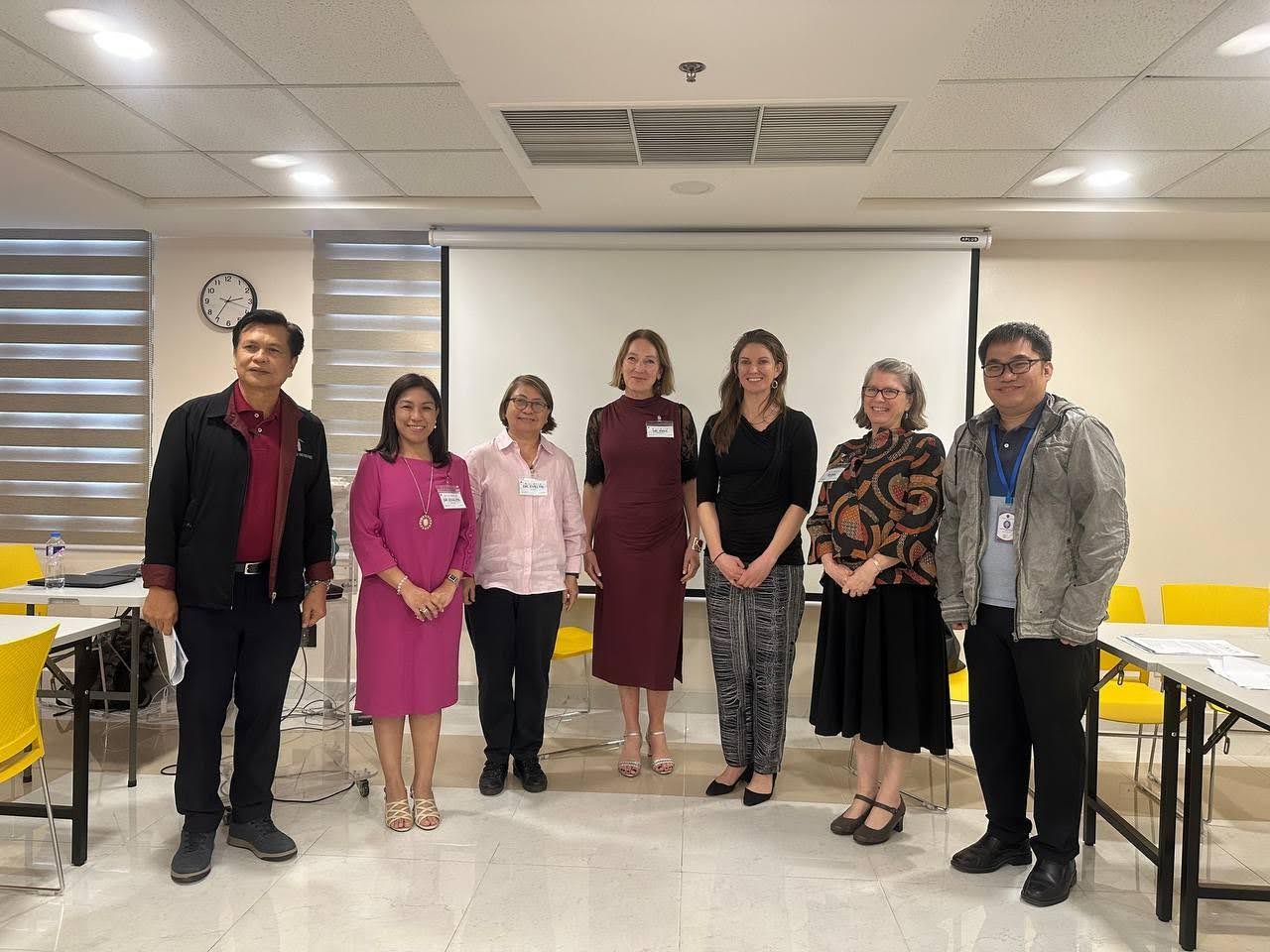
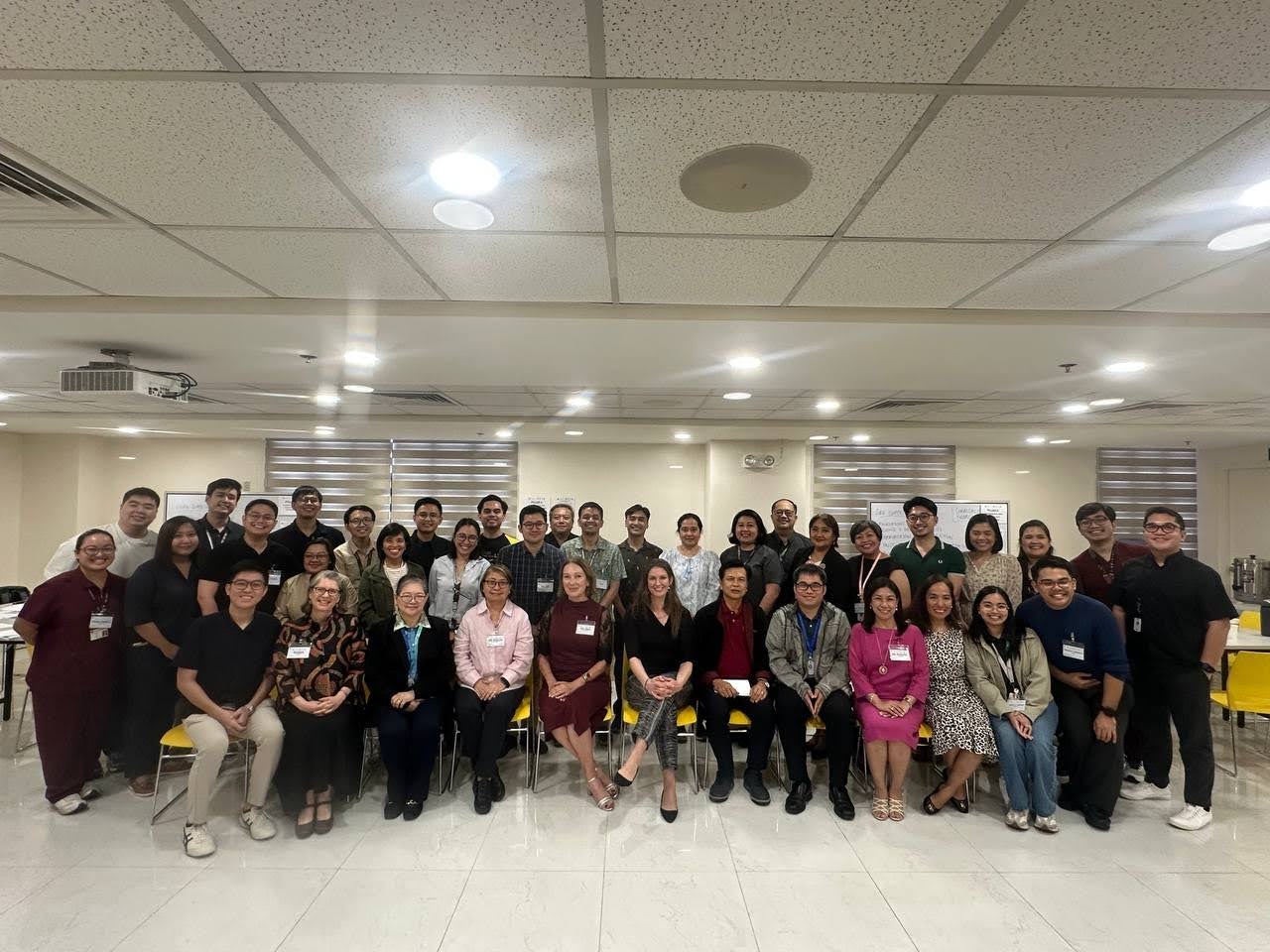
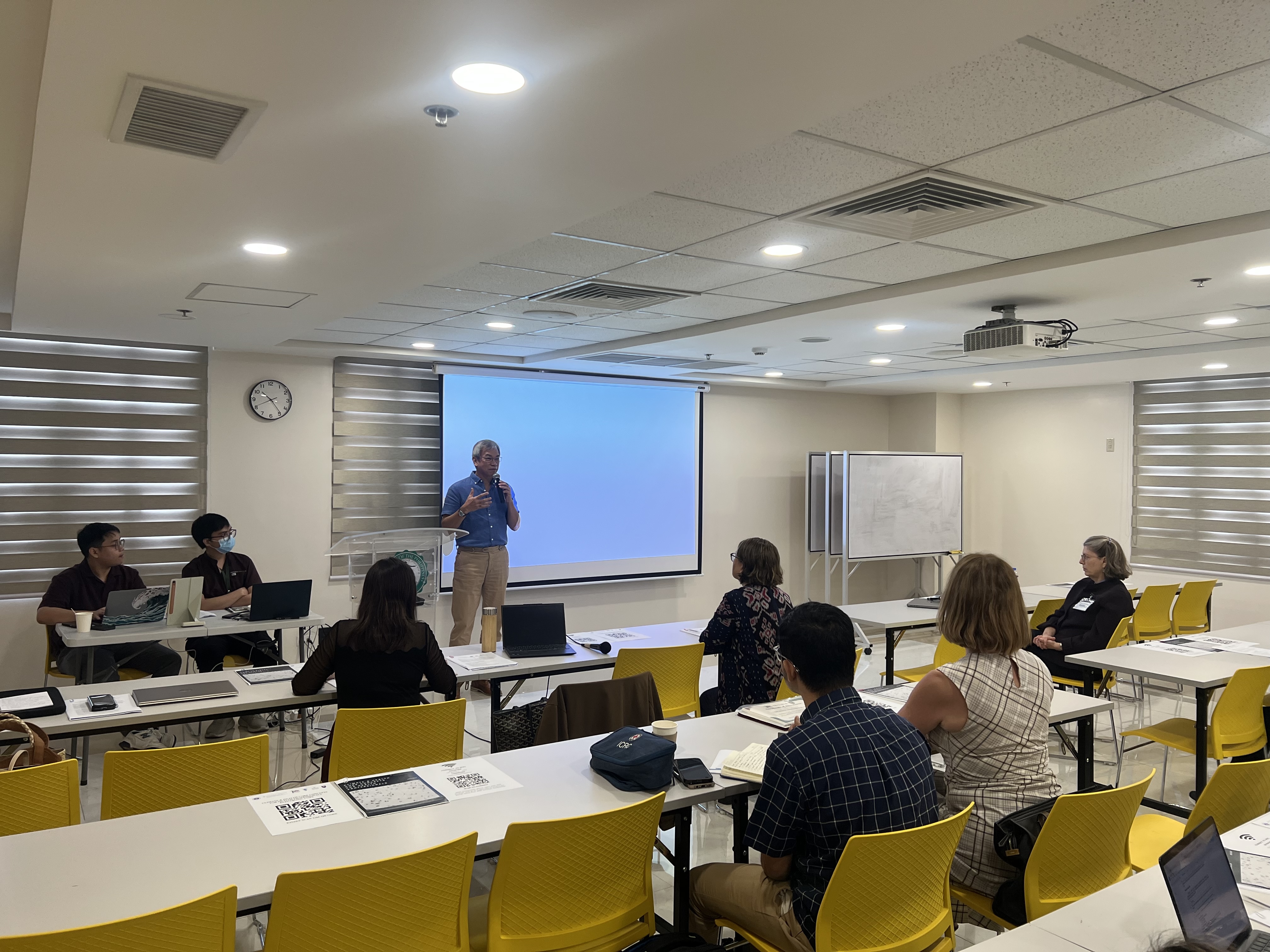
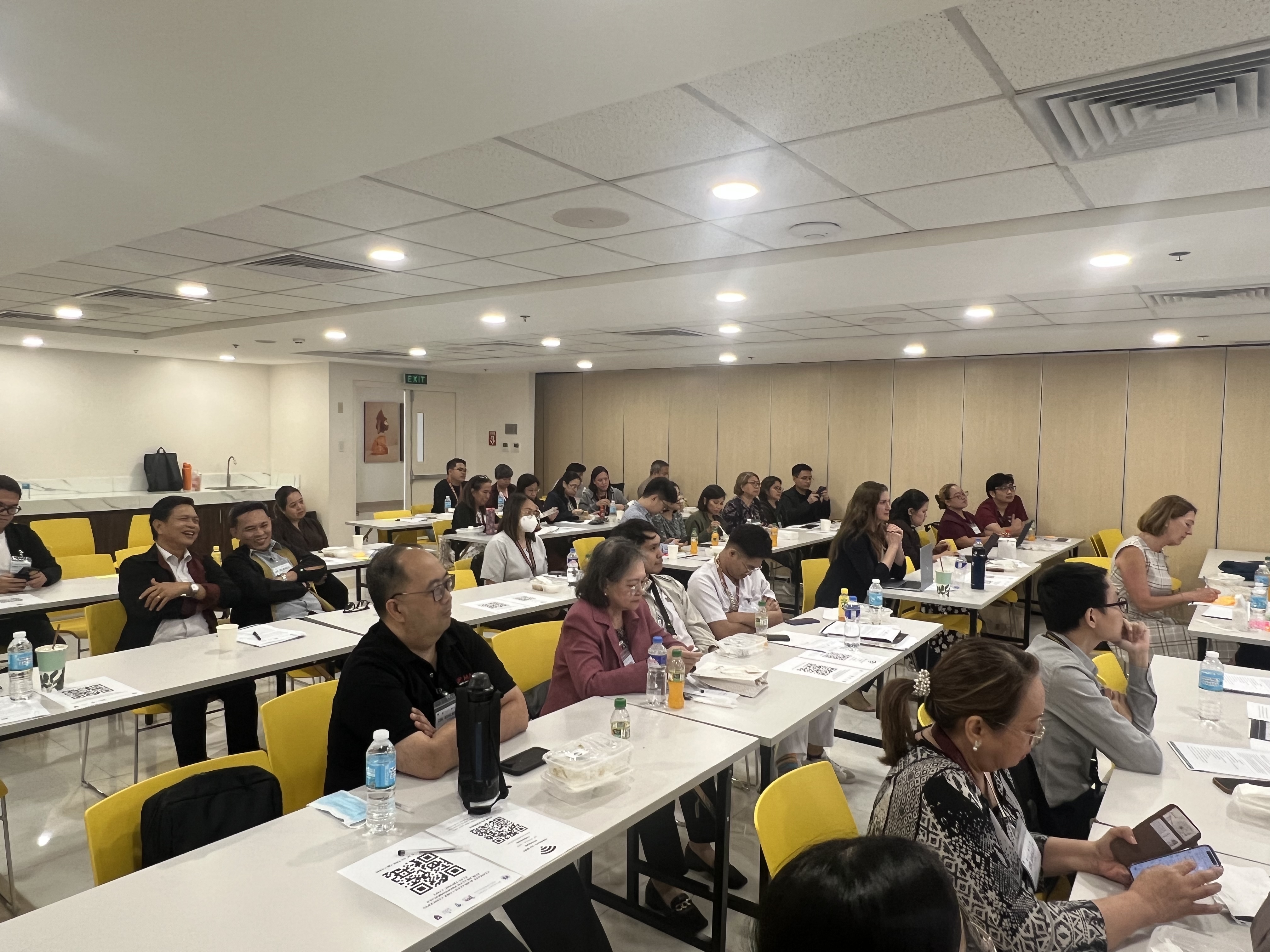
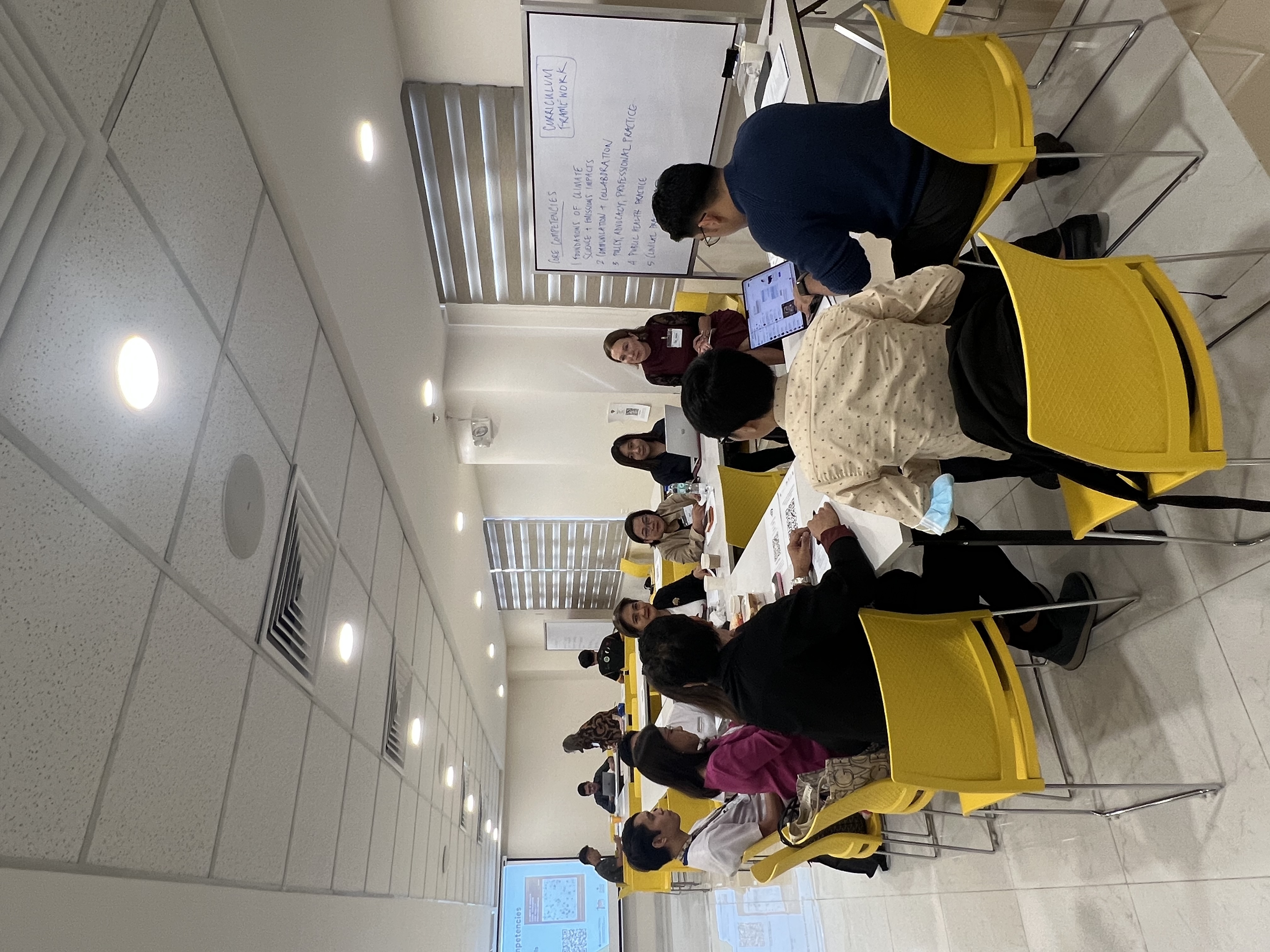
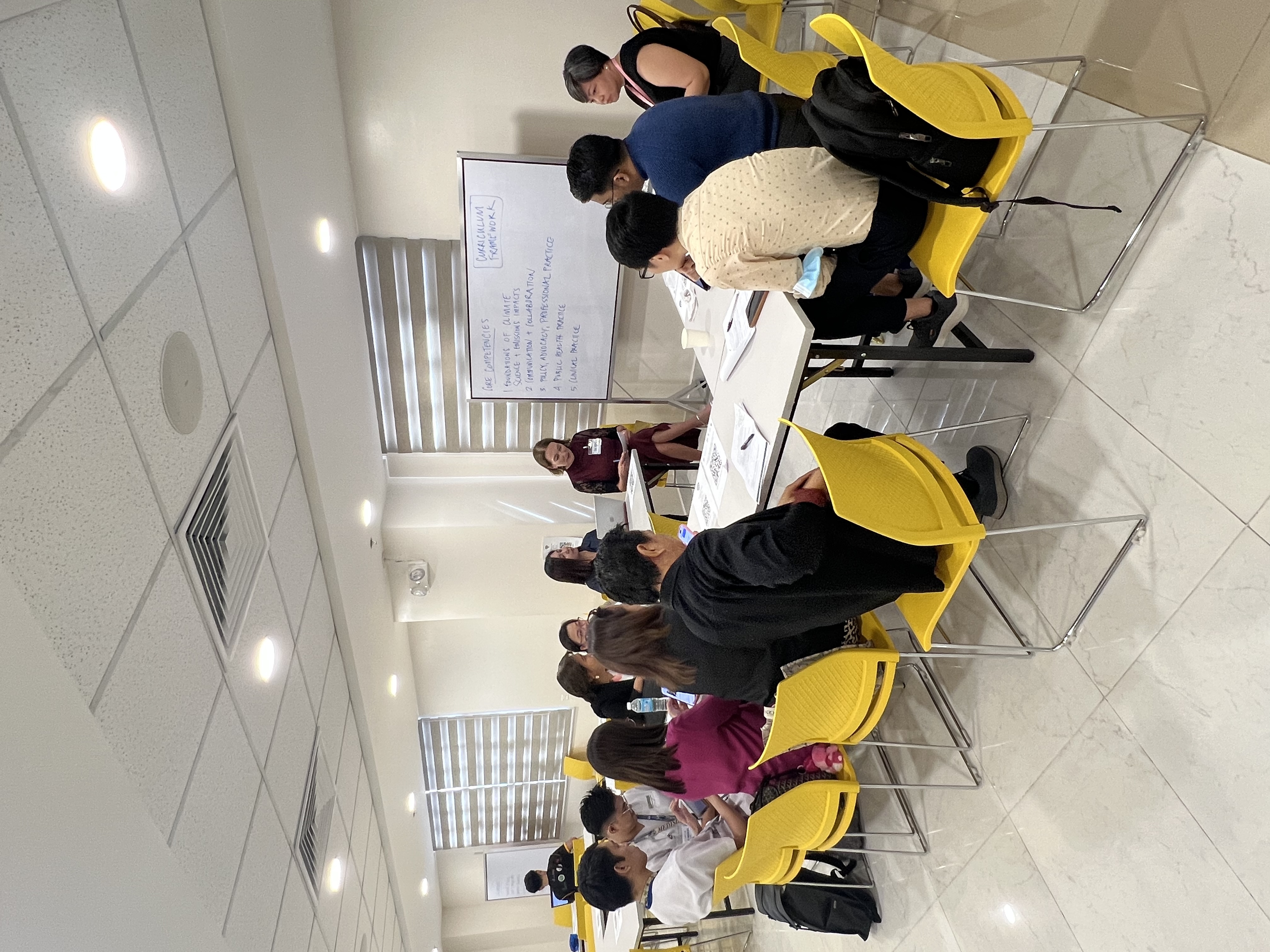
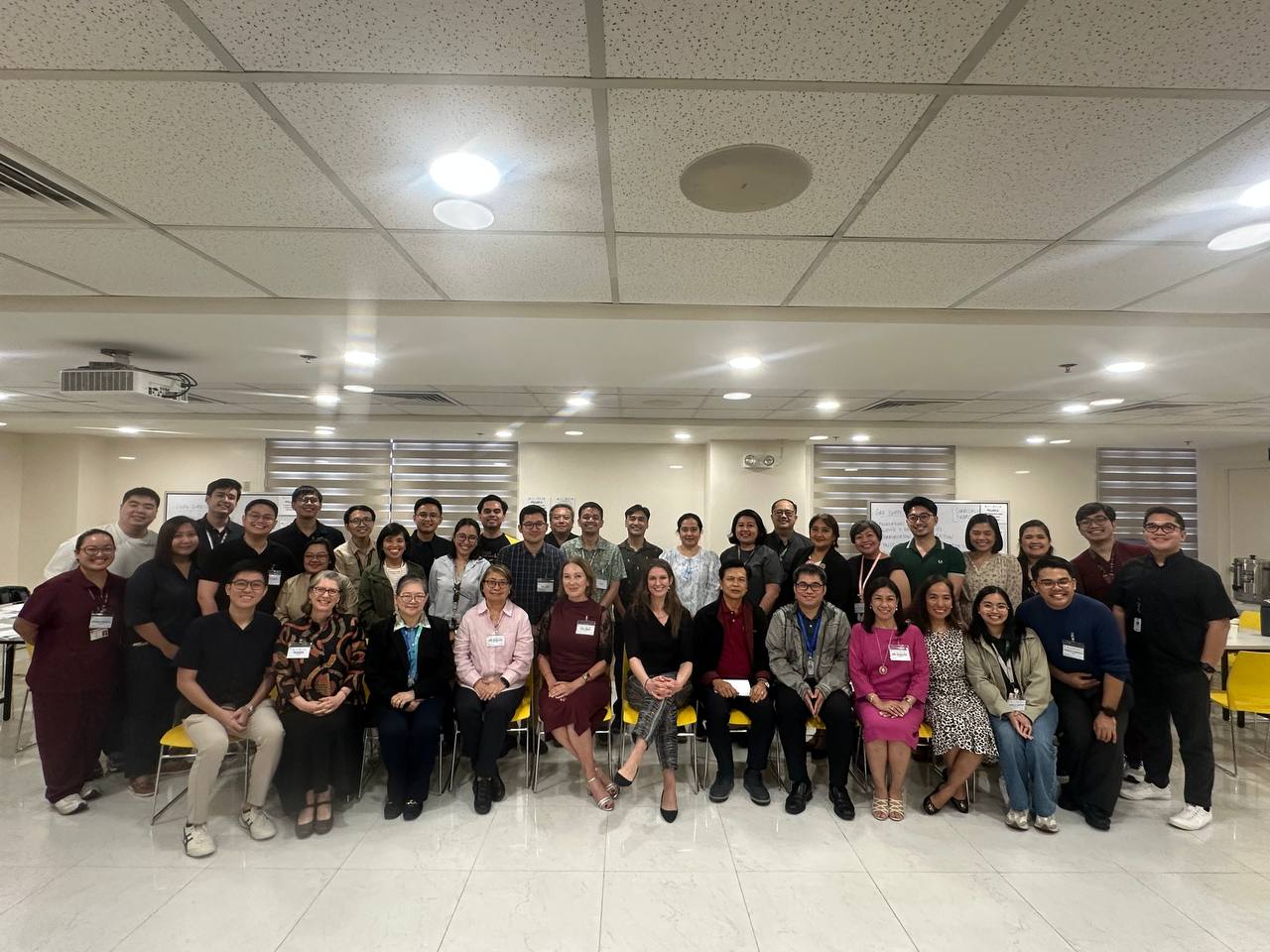
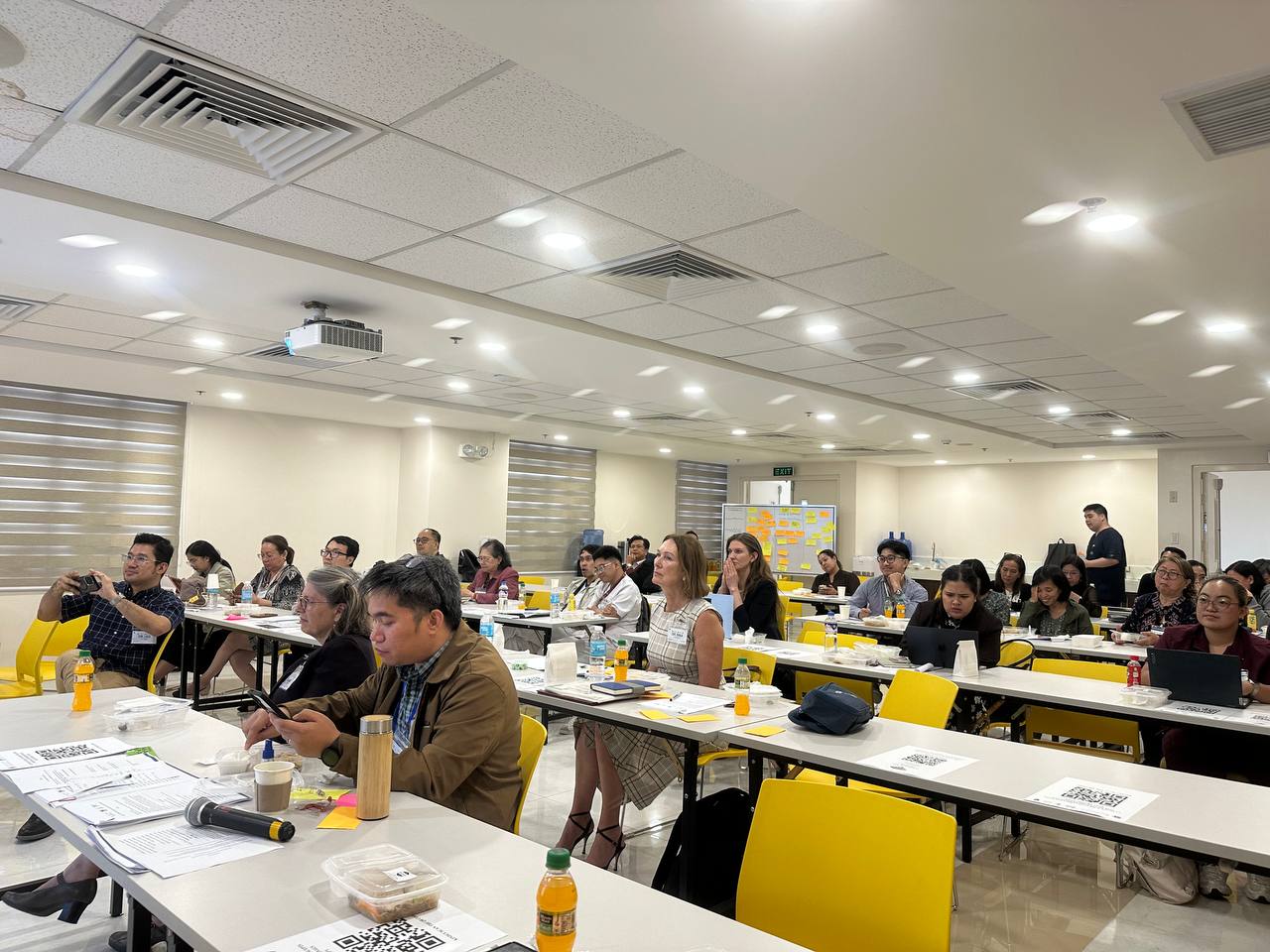
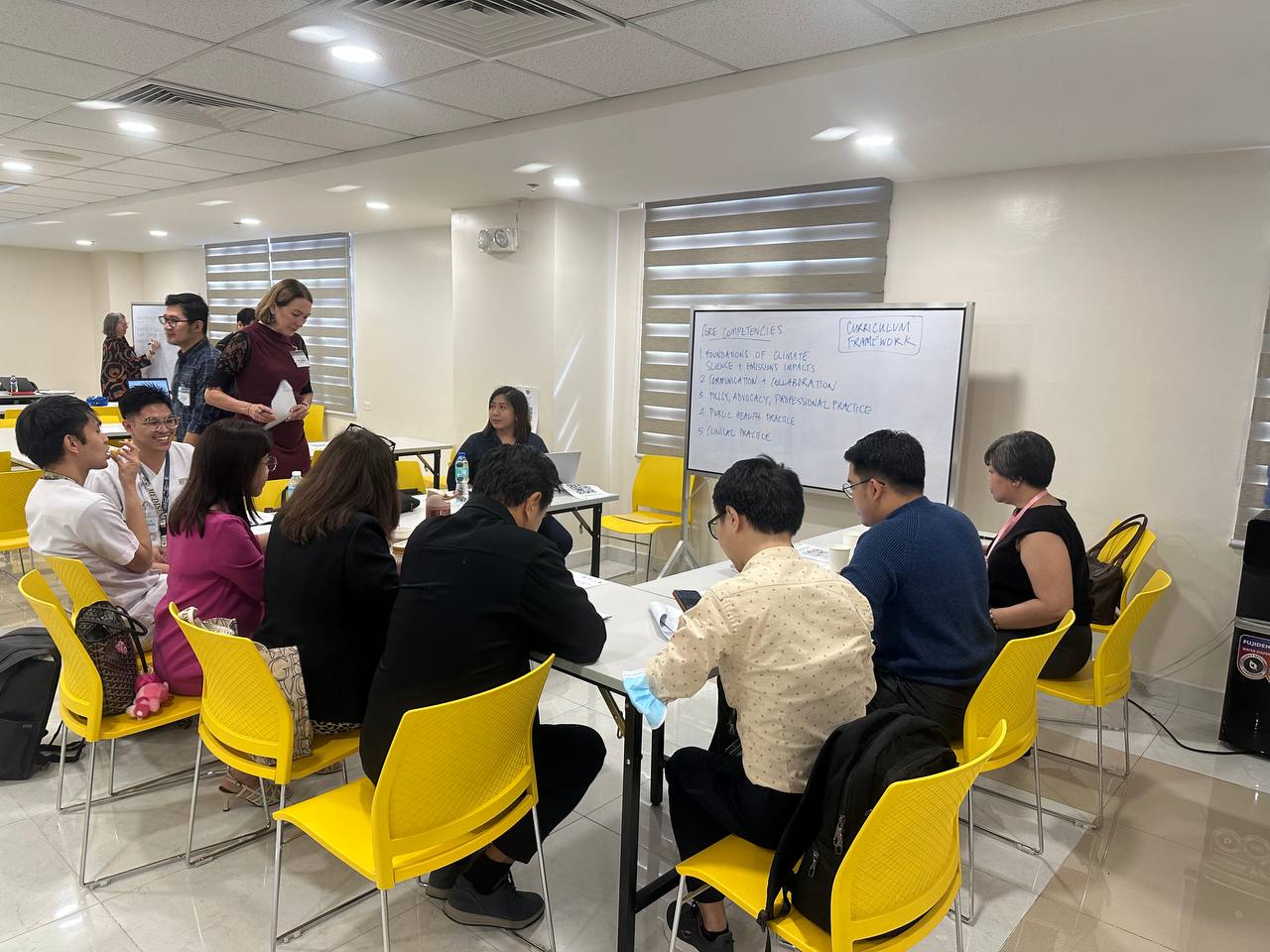
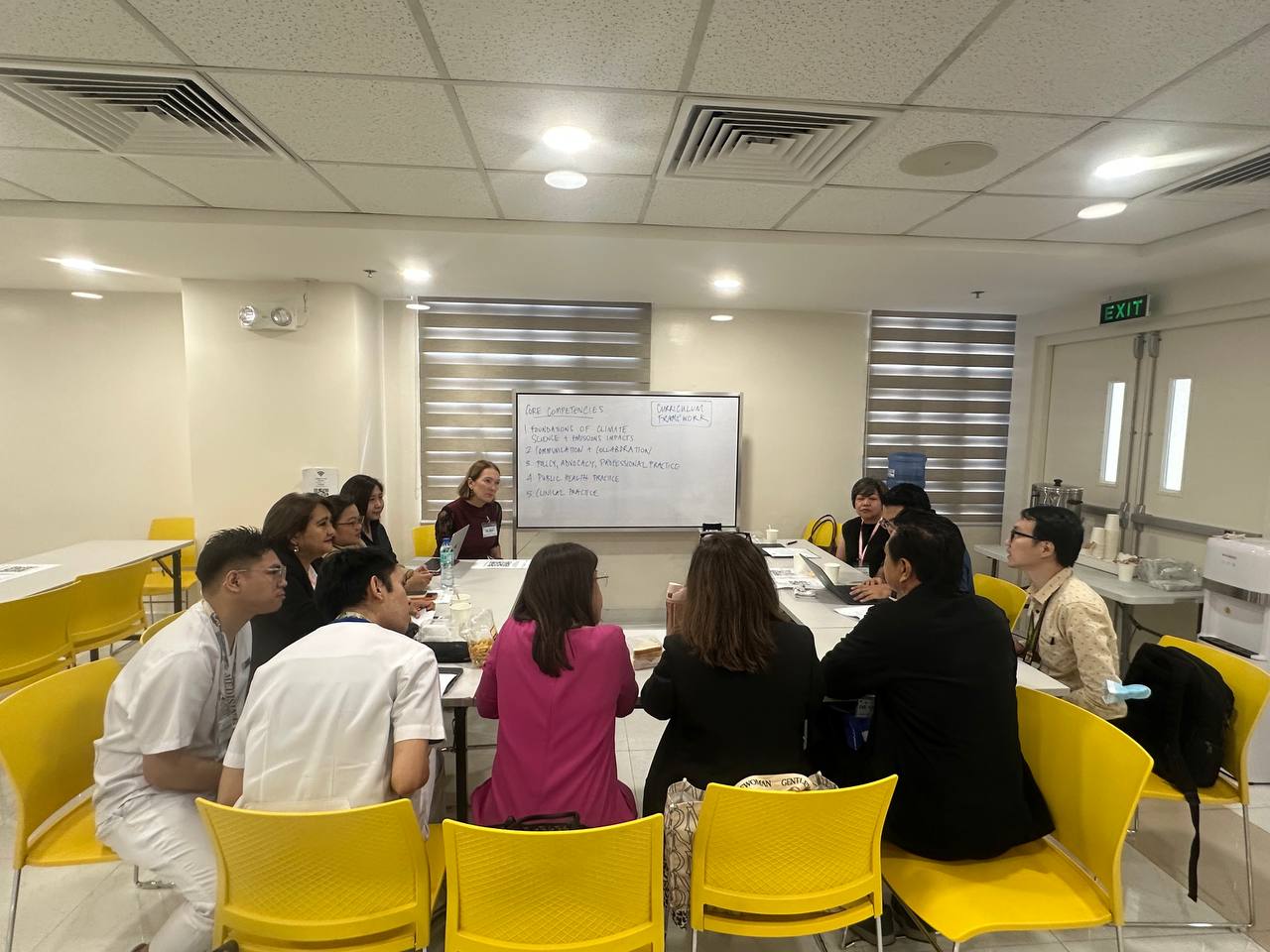
It was under this milieu that a multidisciplinary gathering was held on March 17 to 18, 2026, at the Henry Sy Medical Sciences Building, University of the Philippines College of Medicine. This meeting was spearheaded by representatives from the Colleges of Medicine, Public Health, and Nursing and the Philippine General Hospital, in partnership with the American International Healthcare Alliance through its Executive Director, Dr. Inna Jurkevich. Dr. Ronald Law, Director of the Health and Climate Change Office of the Department of Health, and Dr. Noel Miranda, Advisor for Global Health Security and One Health Global Health Technical Assistance and Mission Support Project, graced the occasion. The two-day planning meeting created a framework to integrate climate medicine into the undergraduate and postgraduate curricula of the University.
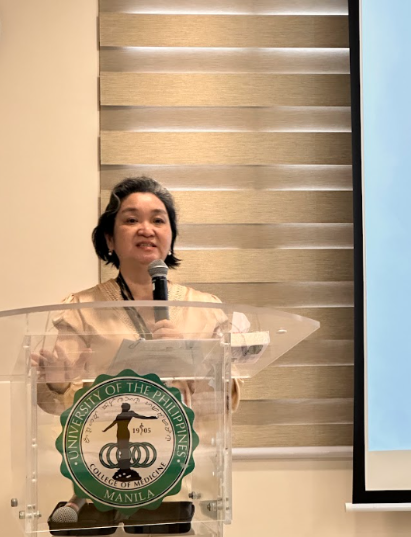
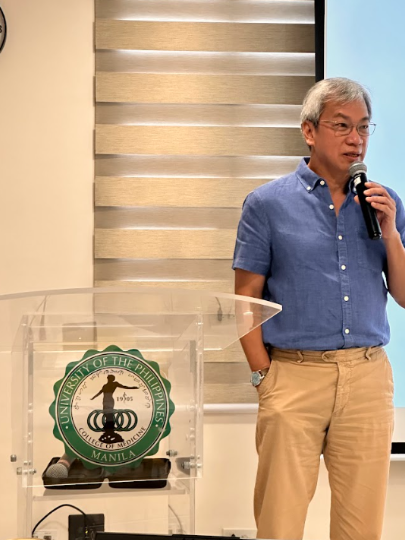
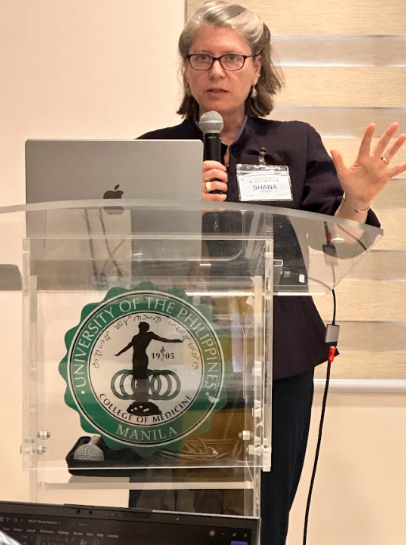
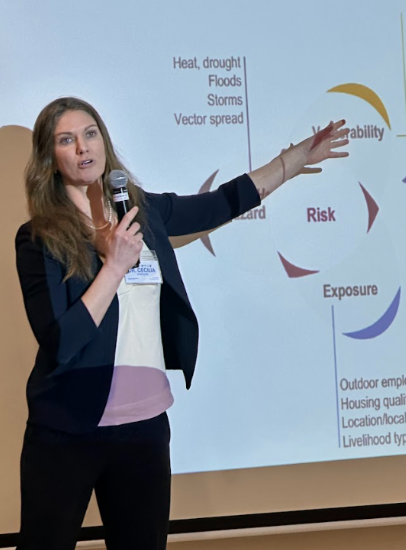
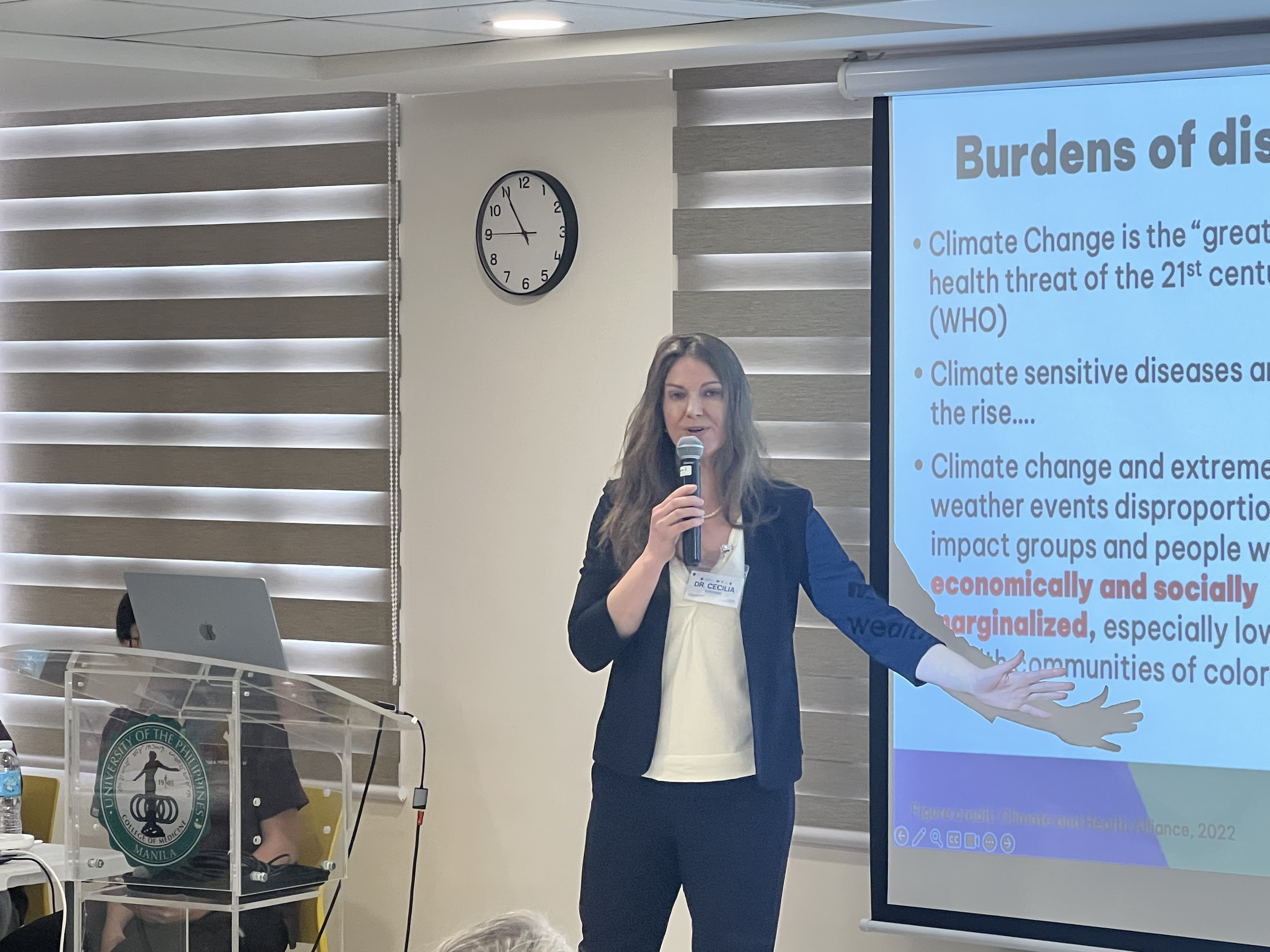
After a formal welcome from Vice Chancellor for Academic Affairs Dr. Bernadette Heizel Reyes and PGH Director Dr. Gerardo Legaspi, Dr. Jay Lemery, Professor at the University of Colorado, succinctly laid the groundwork for the rest of the sessions by stressing the urgency and the importance of incorporating climate medicine into curricula, as well as sharing his own experiences in successfully starting a climate medicine program at his institution. Several presentations by Dr. Cecilia Sorensen, Director, Global Consortium on Climate and Health Education at the Mailman School of Public Health, Columbia University, Ms. Shana Tarter, Managing Director, Diploma in Clinical Medicine, University of Colorado Anschutz, and guests from Harvard Medical School and the National University of Singapore demonstrated how climate health education has been integrated into the undergraduate and postgraduate curricula and established as a separate degree course composed of stackable mini-courses.
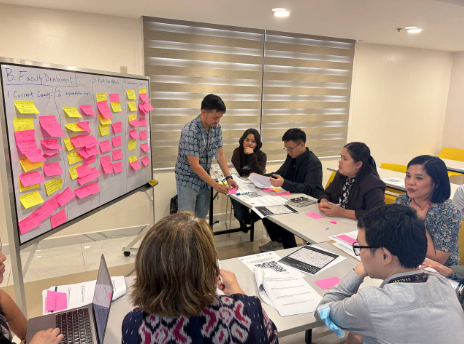
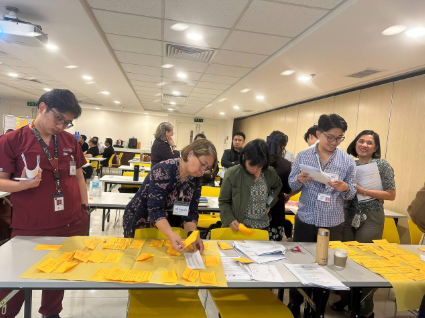
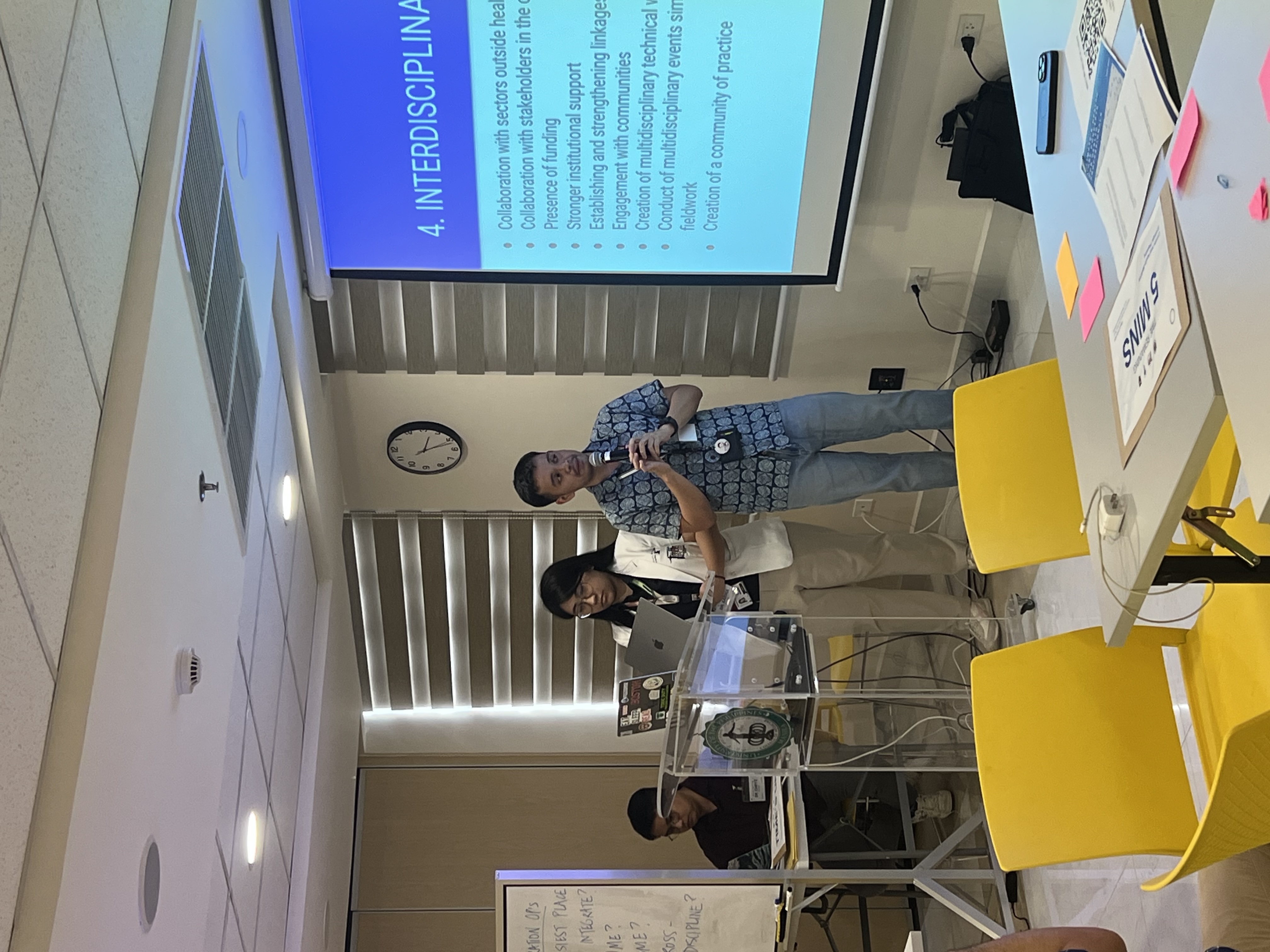
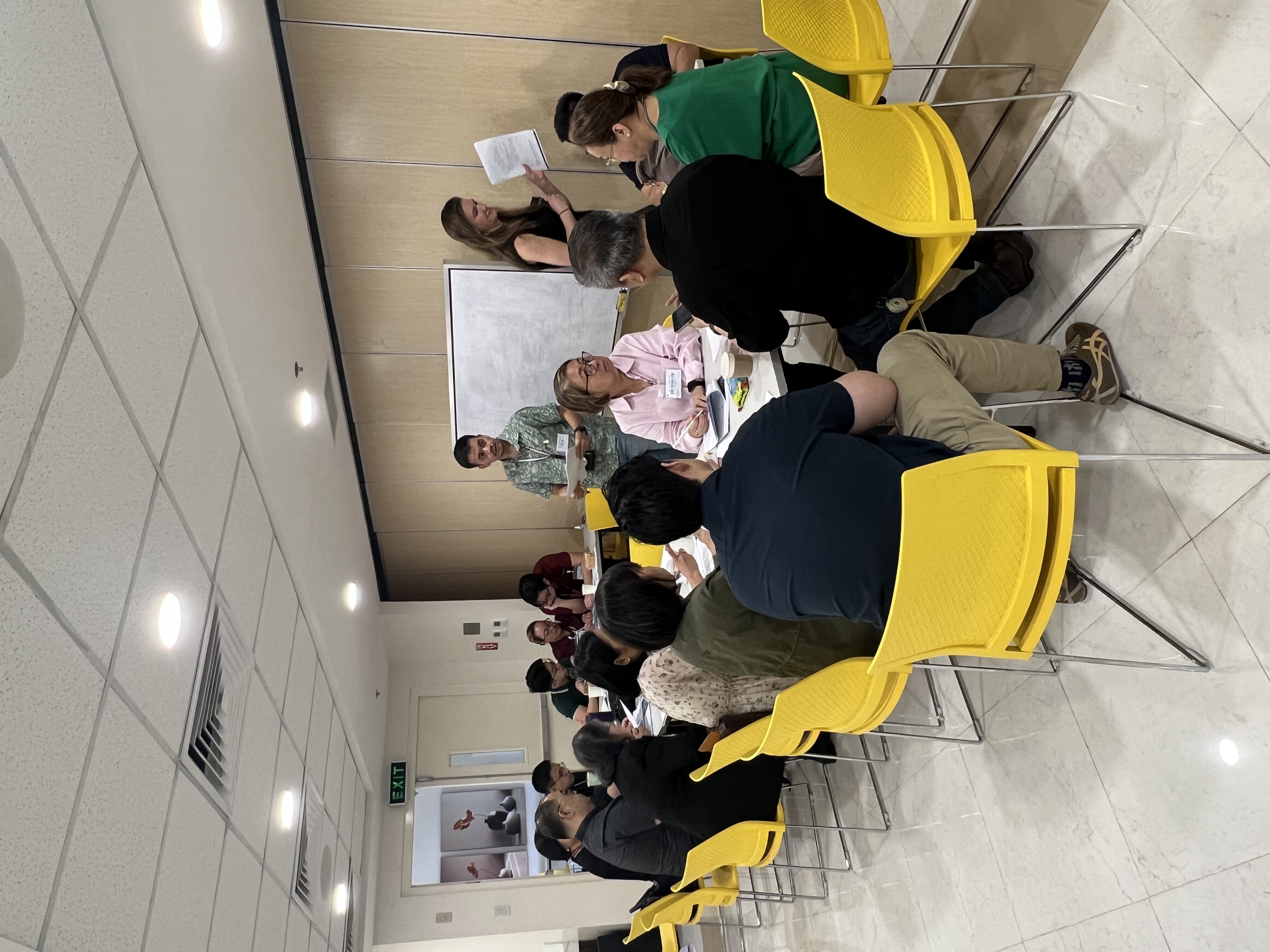
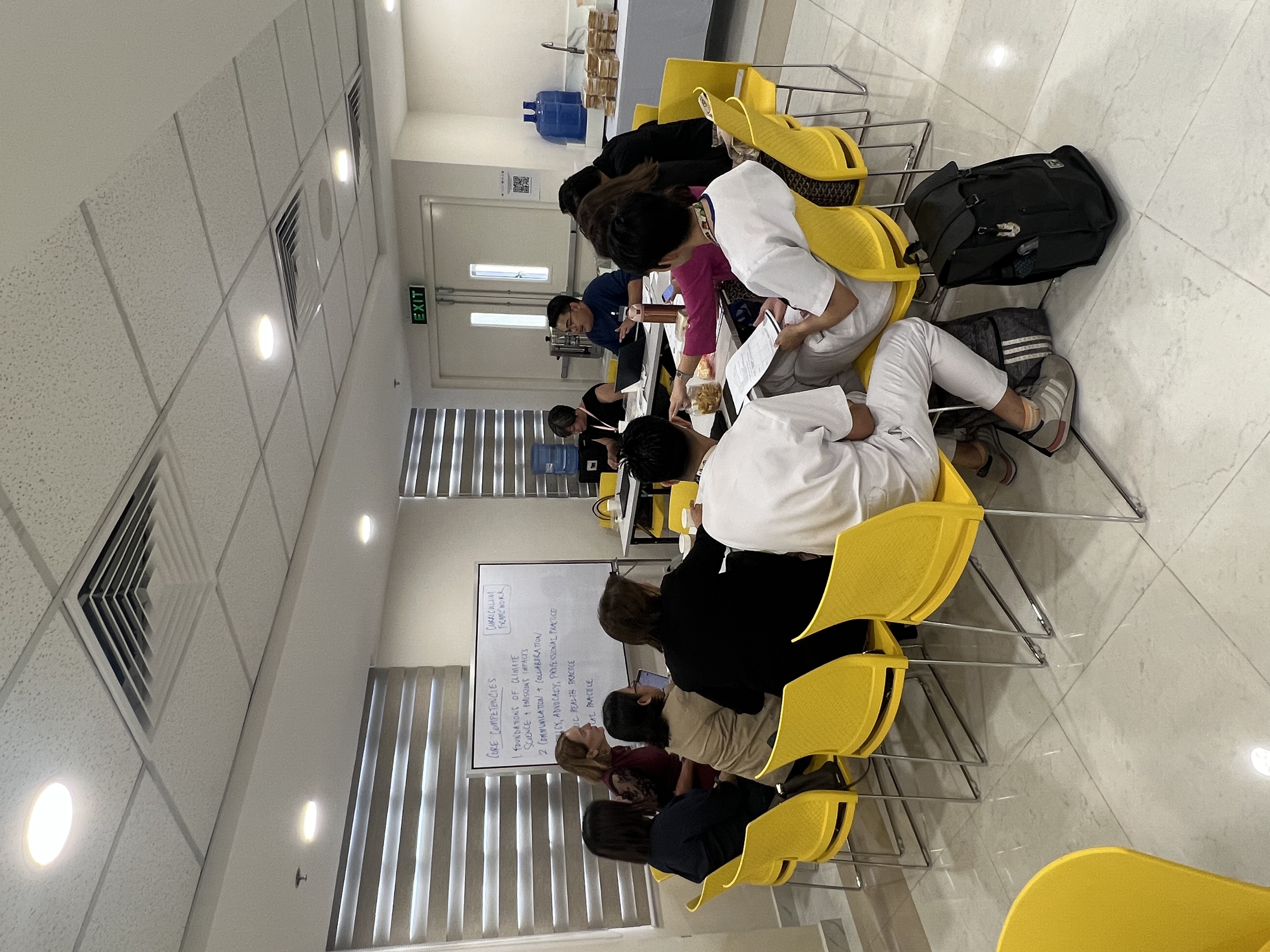
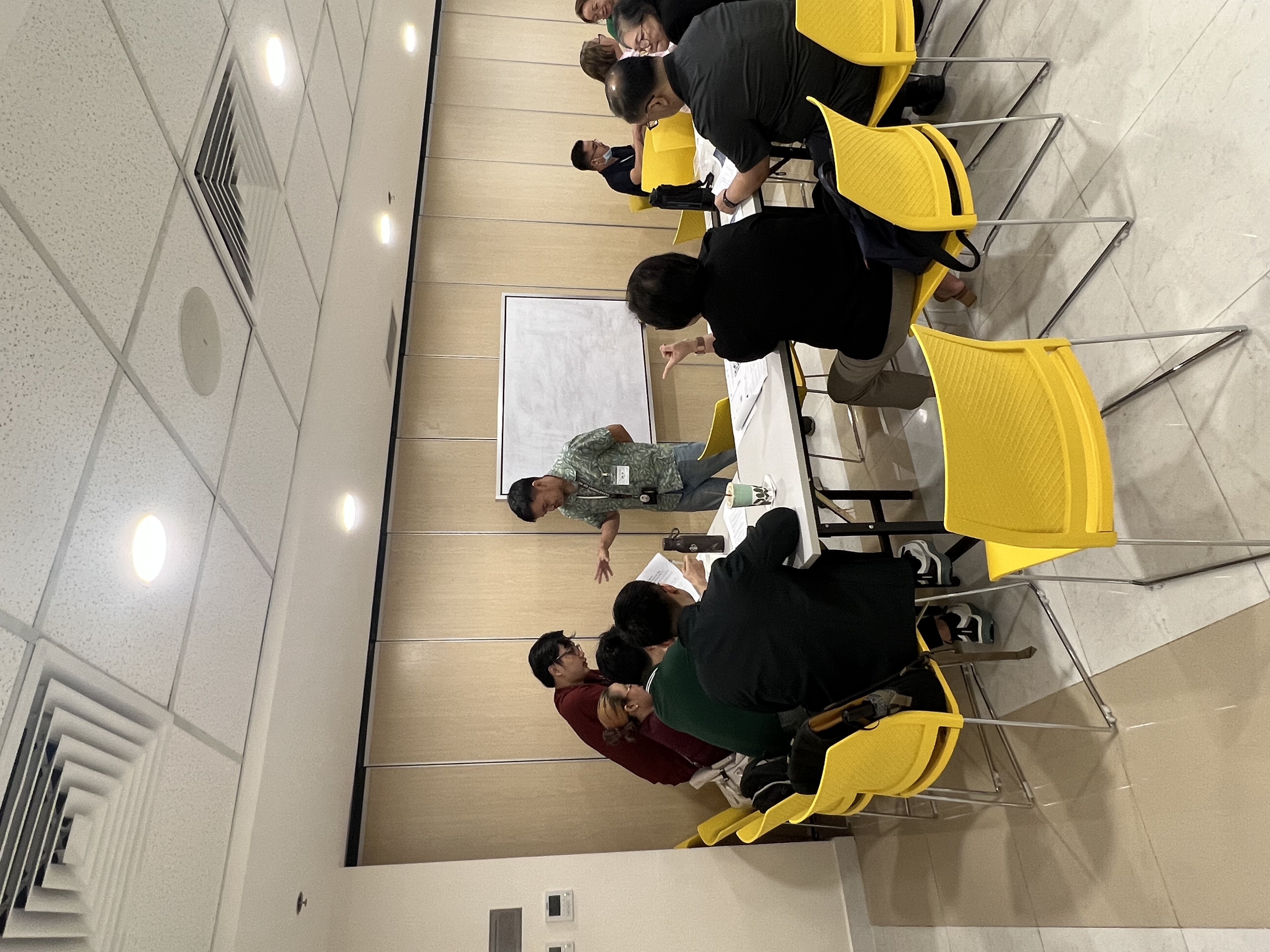
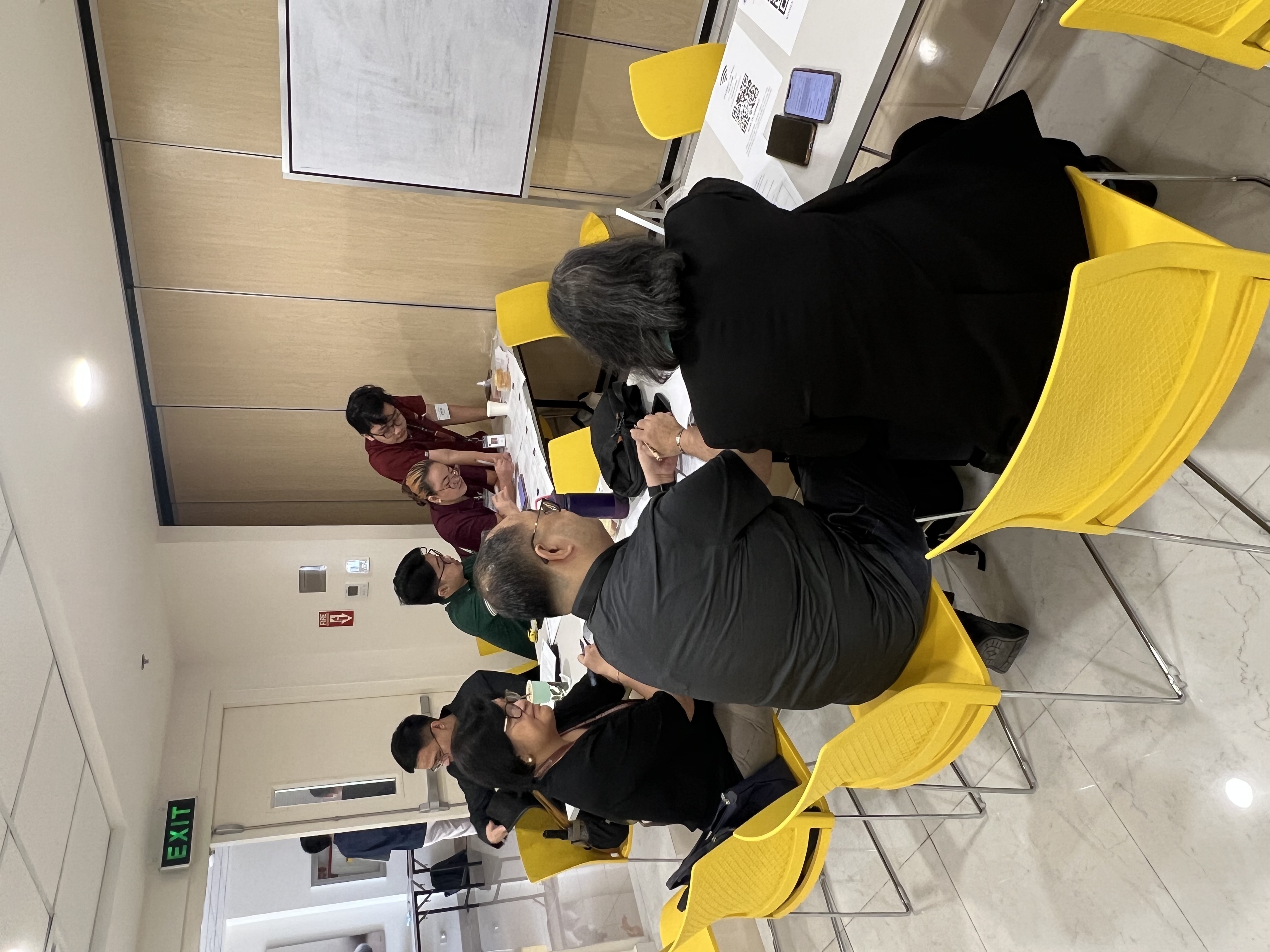
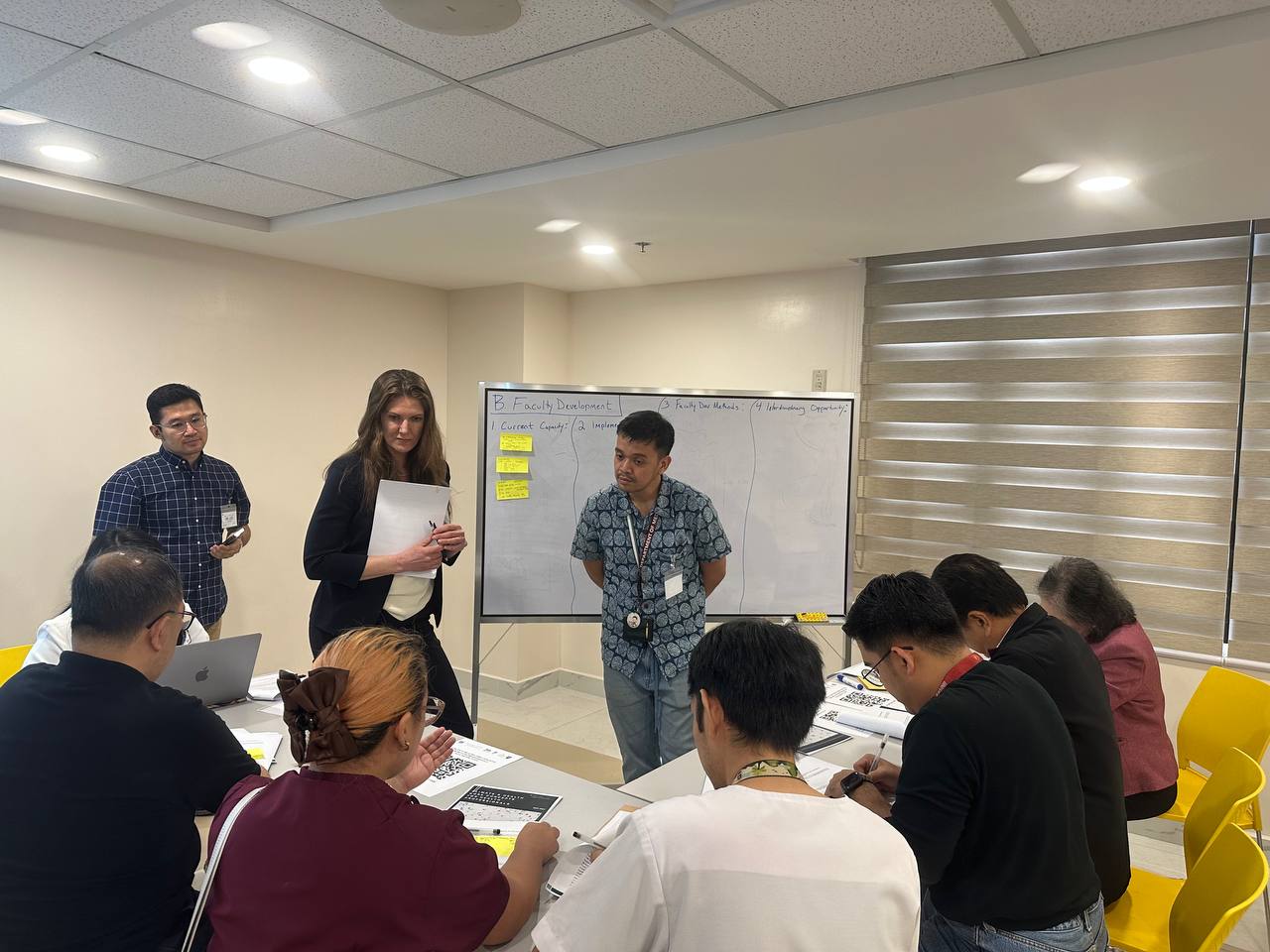
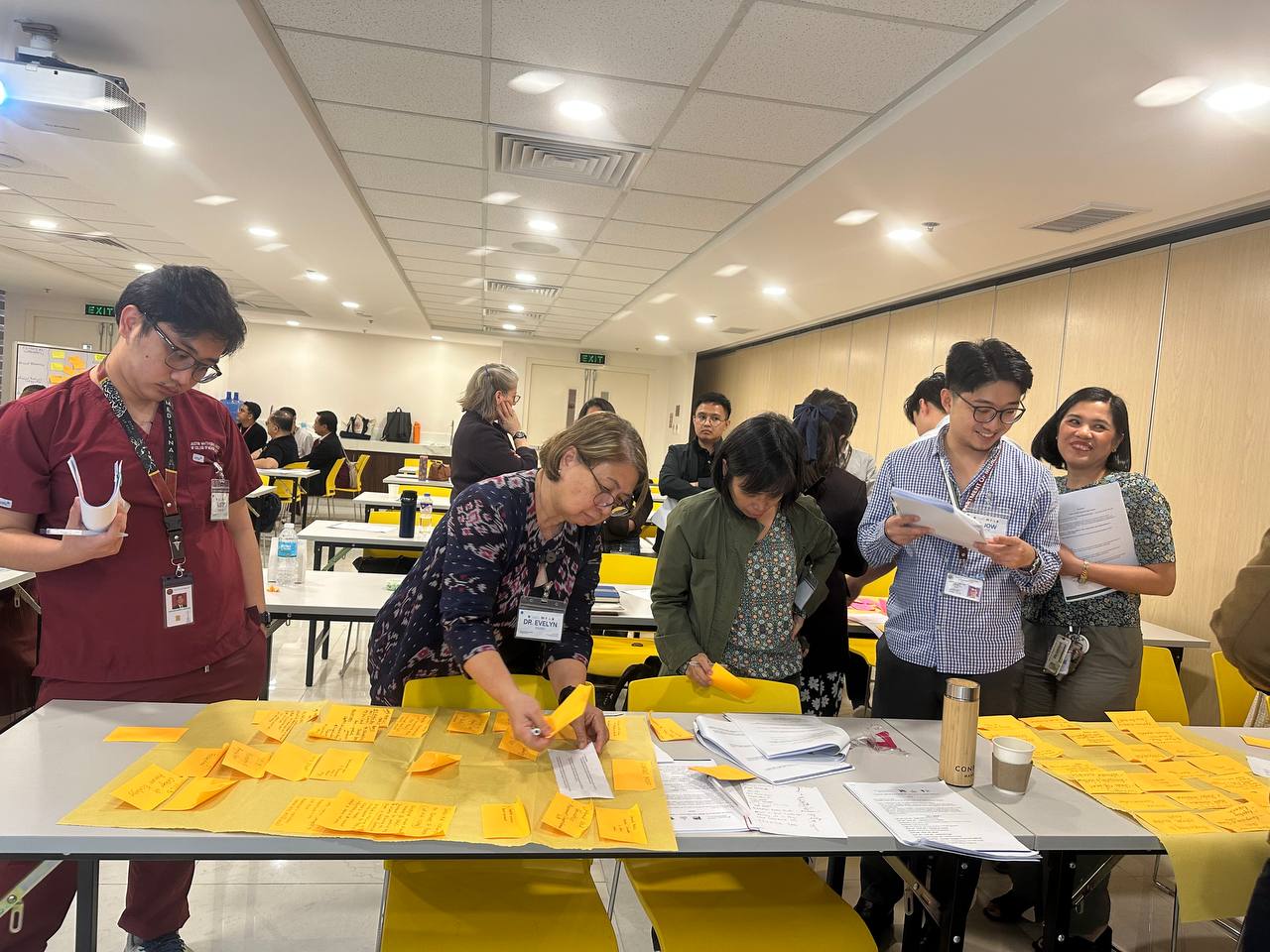
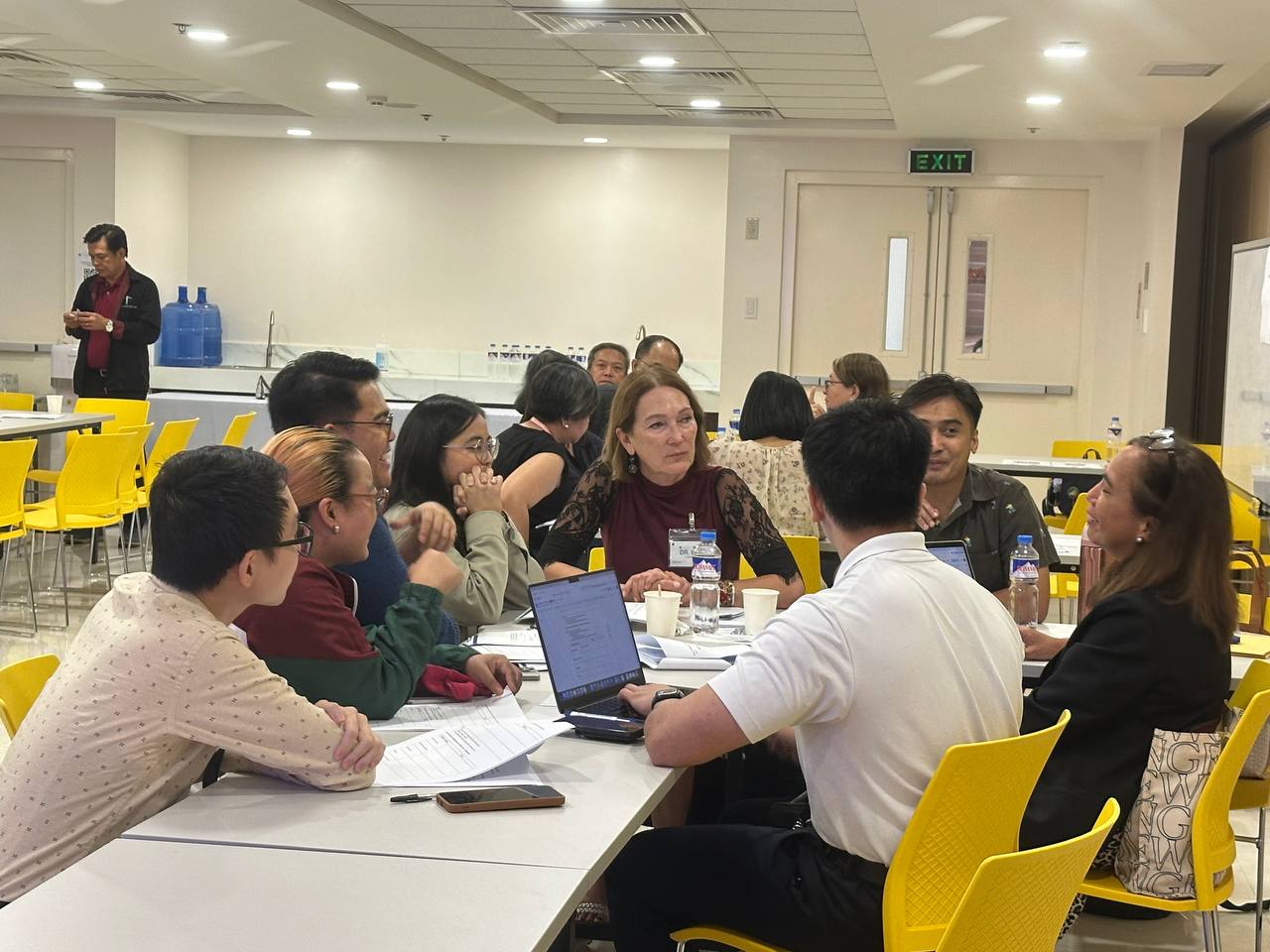
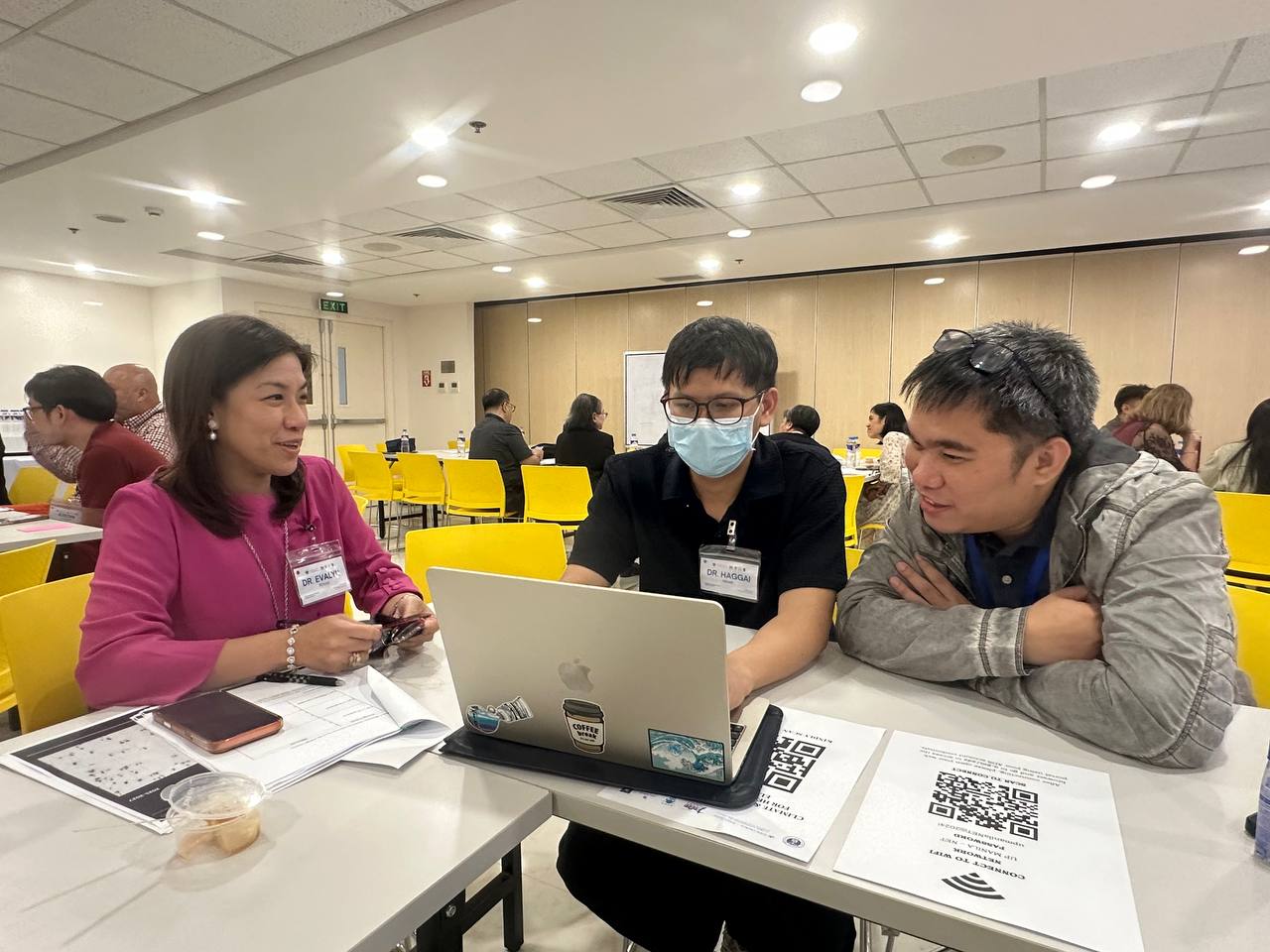
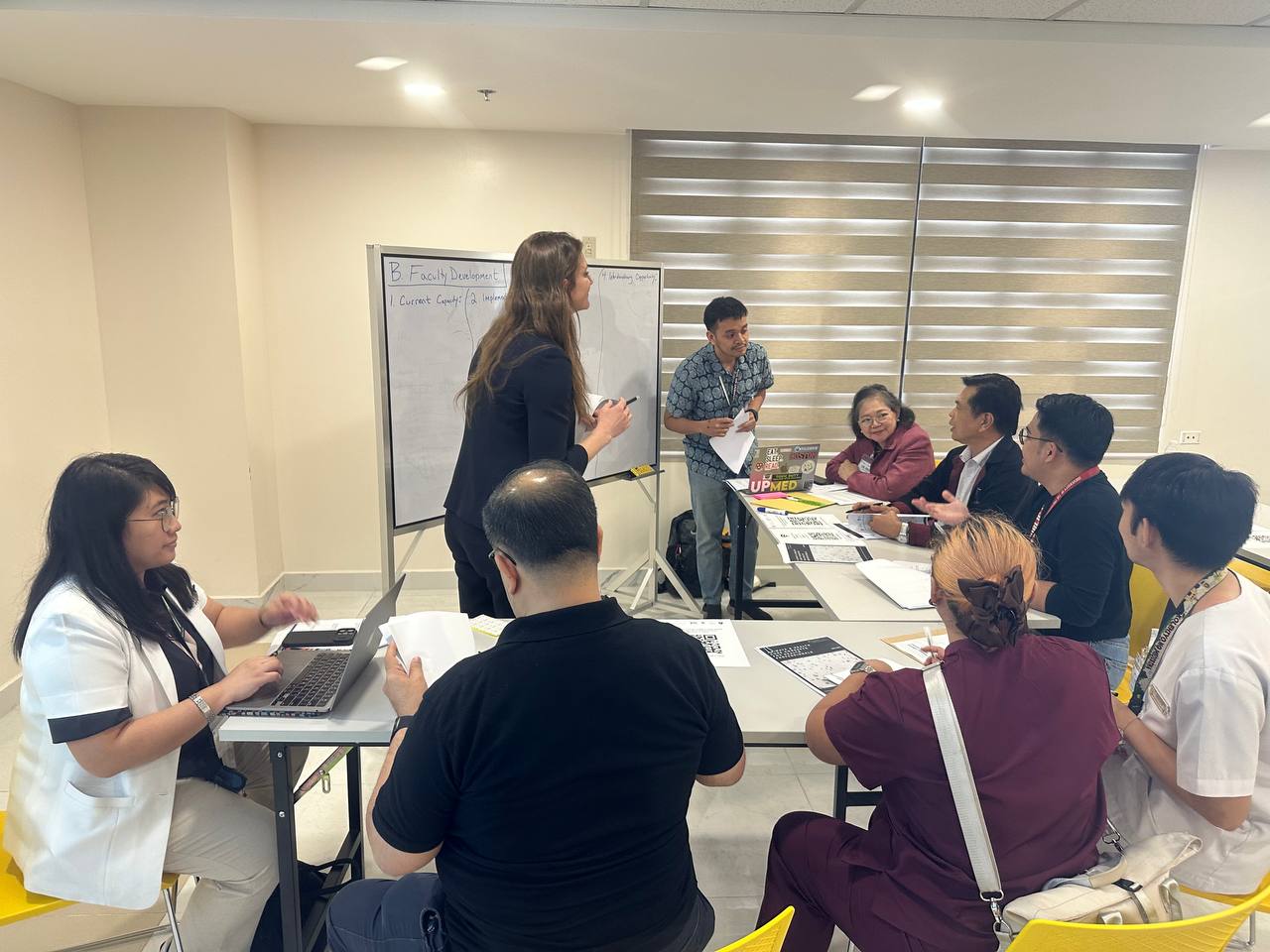
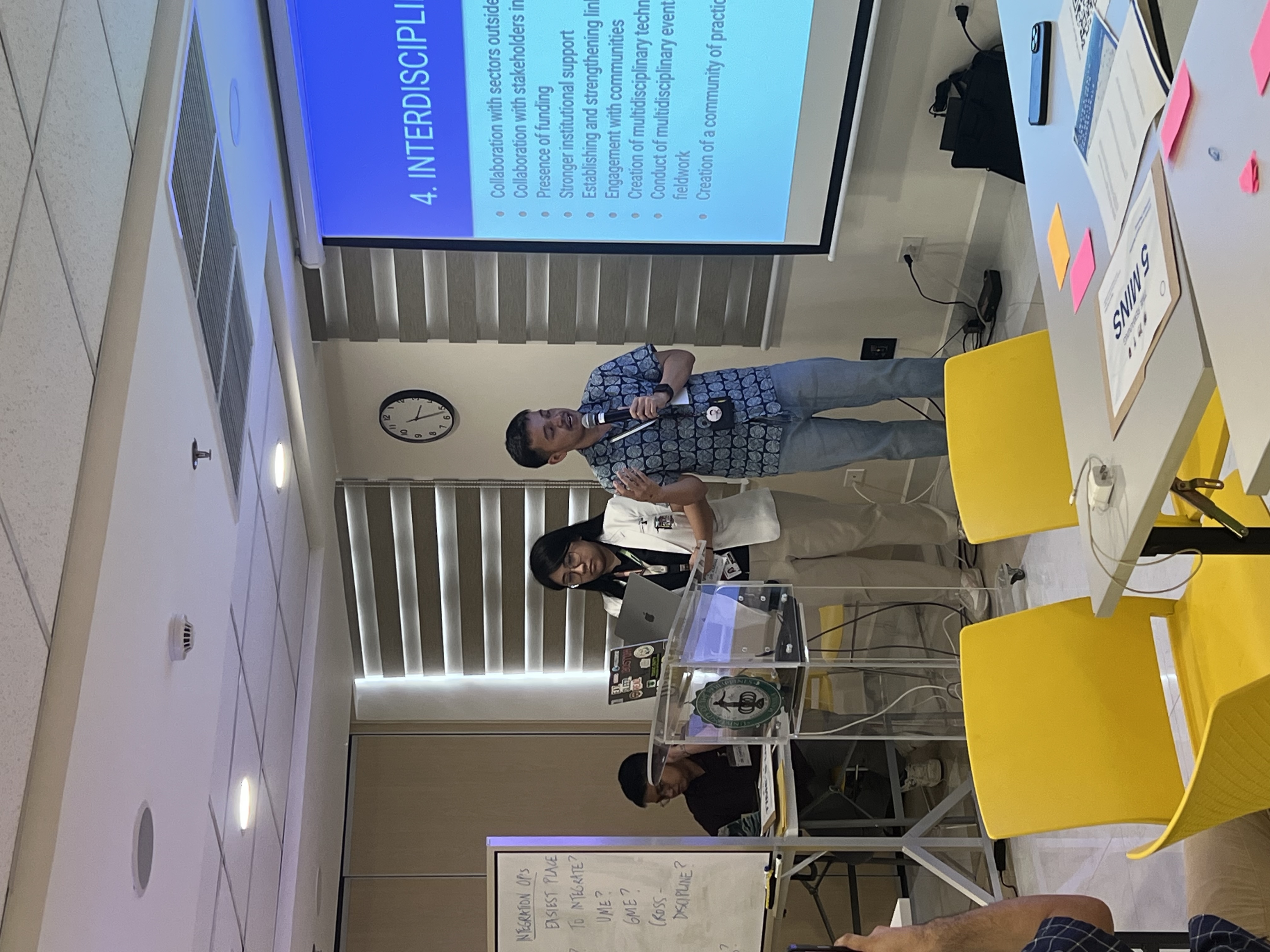
A series of breakout sessions gathered participants’ ideas and experiences on how to best adapt the existing programs to our particular cultural and environmental context. Multiple themes were identified during the session, including interuniversity and intersectoral collaboration, flexible learning opportunities, and benchmarking of existing programs. Discussions arose on the integration of climate medicine at multiple levels of education tailored to specific disciplines, utilization and mapping of existing assets and resources to facilitate development of the curricula, as well as a focus on faculty training as a core component in the implementation of the program. The workshop culminated with a 5-year roadmap envisioning concrete steps and resources needed to successfully launch climate medicine as a discipline of training.
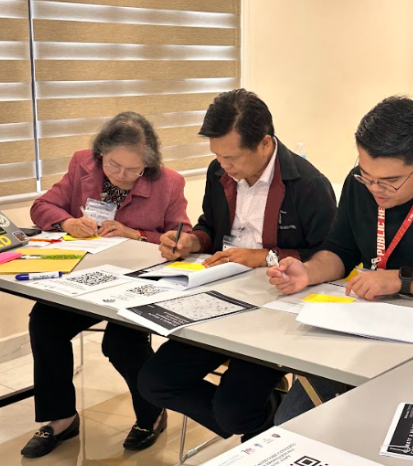
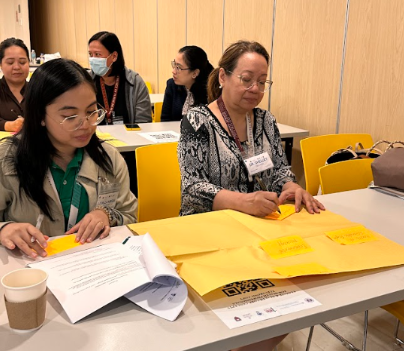
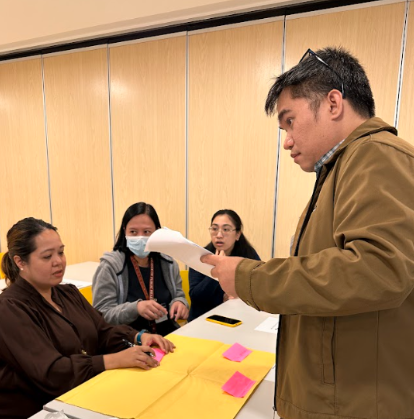
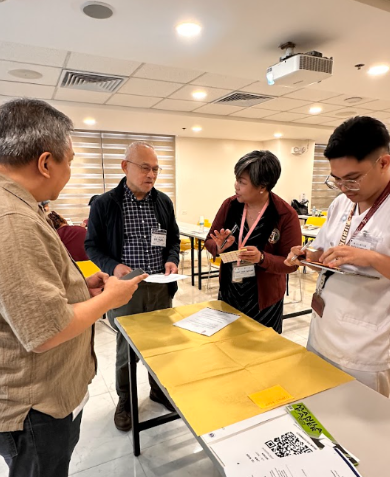
The event was seen by many of the participants as a success and an exciting first step into a field that is rapidly growing in both importance and relevance. While the fruits of this initiative remain to be seen in the coming years, the great show of support that the university and its leadership showed to both the event and its ultimate vision portends a good outcome for Climate Medicine at the University of the Philippines.
#FP6