

Text by: Charmaine A. Lingdas
Photos by: Sarah Hazel Moces S. Pulumbarit
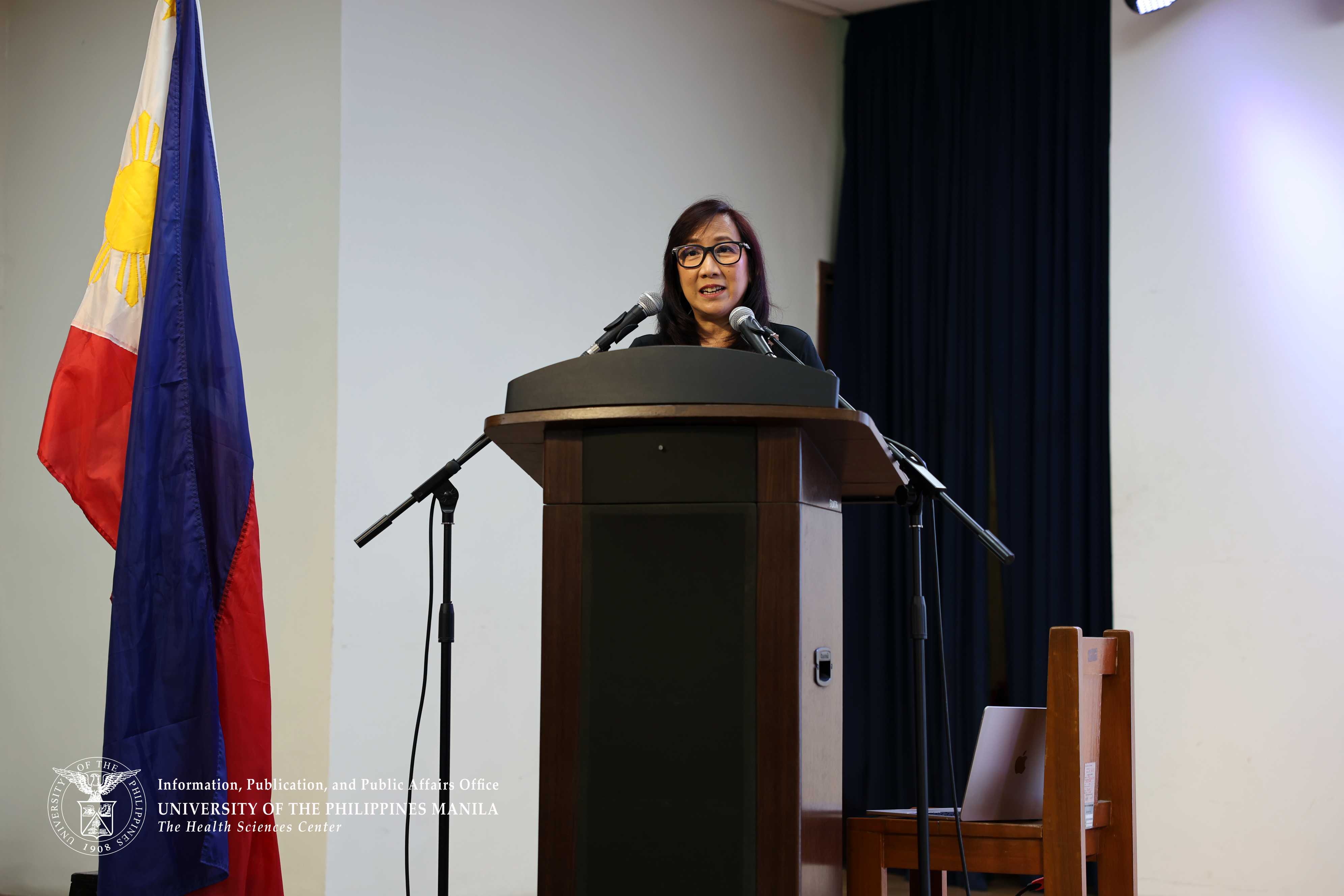
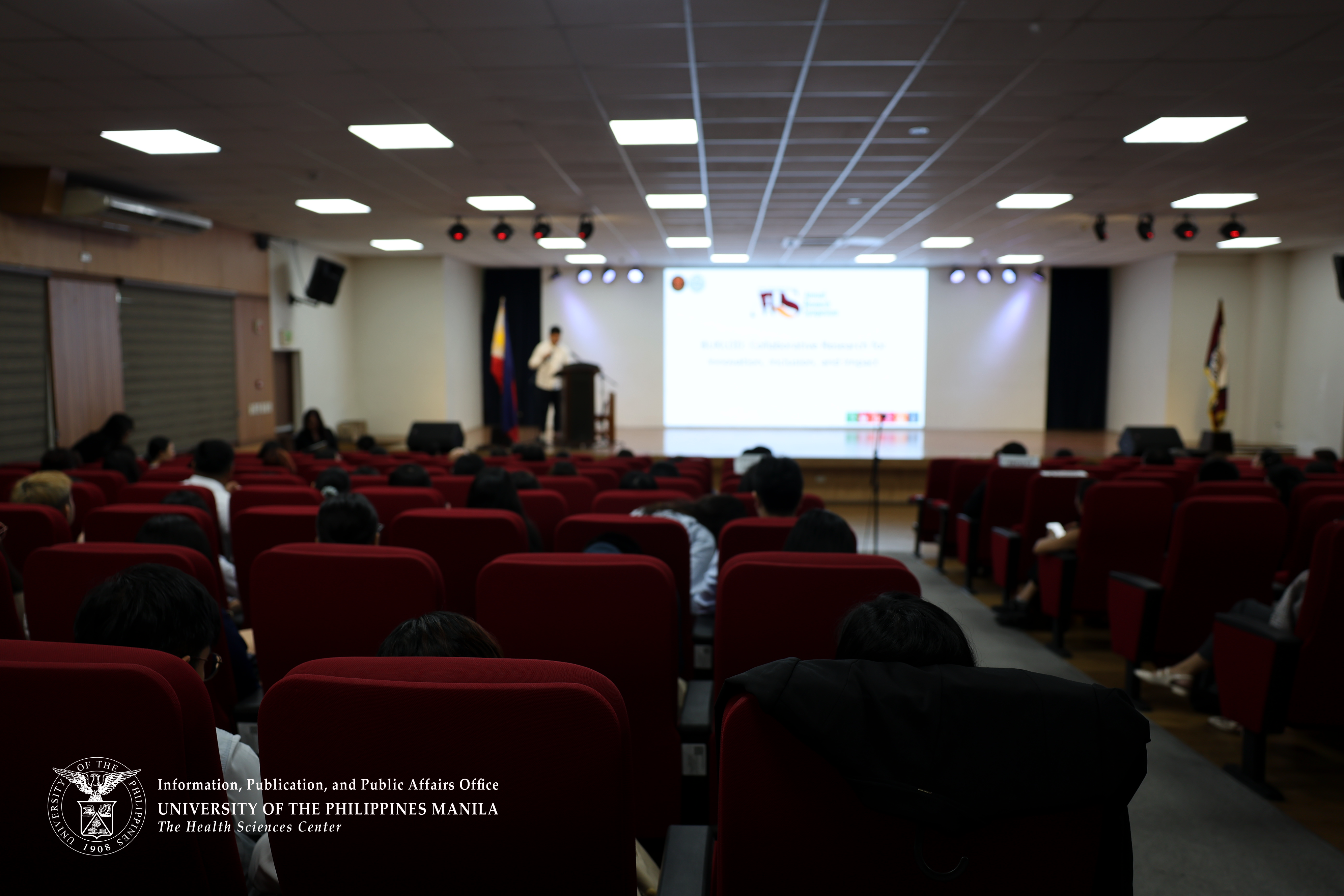
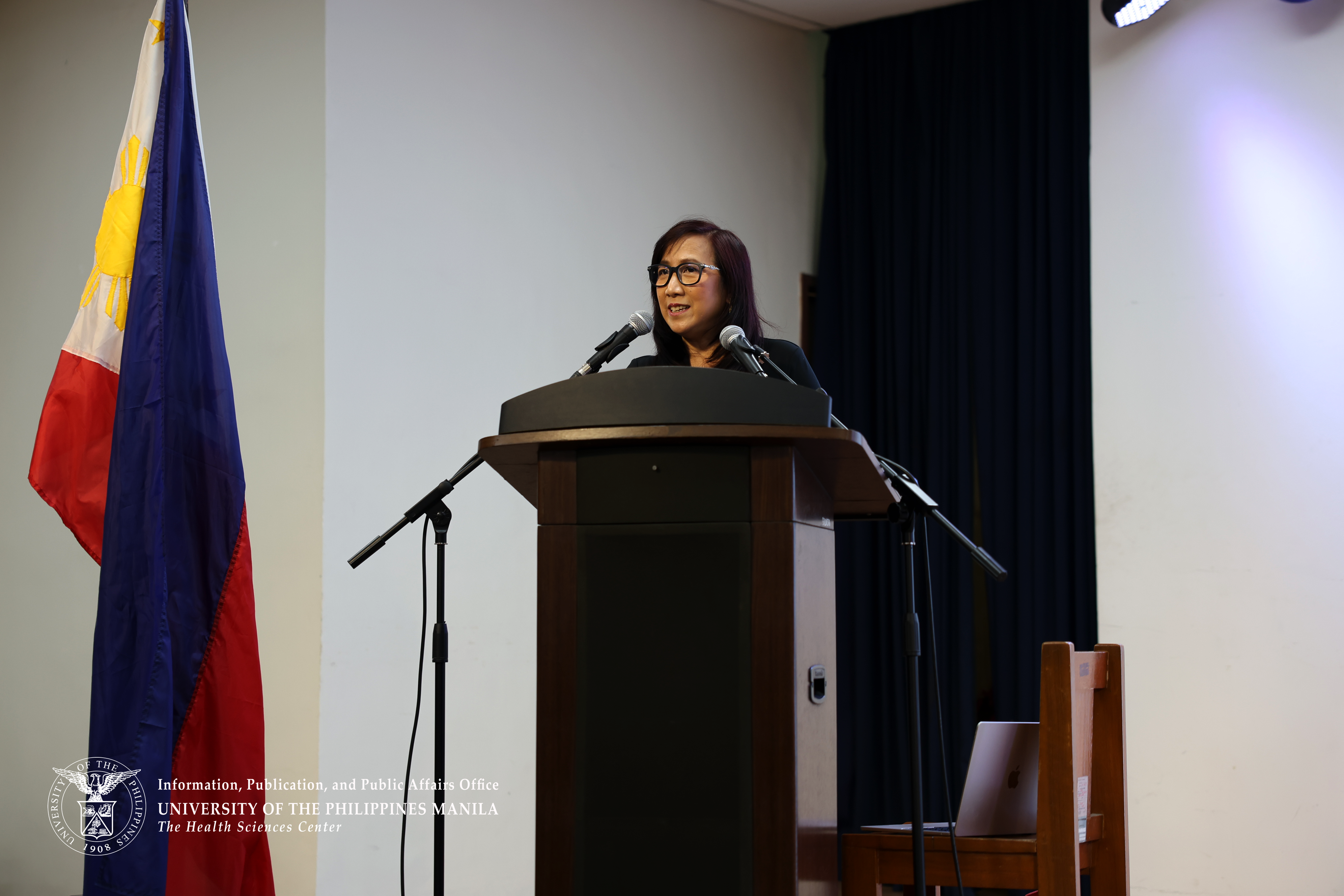
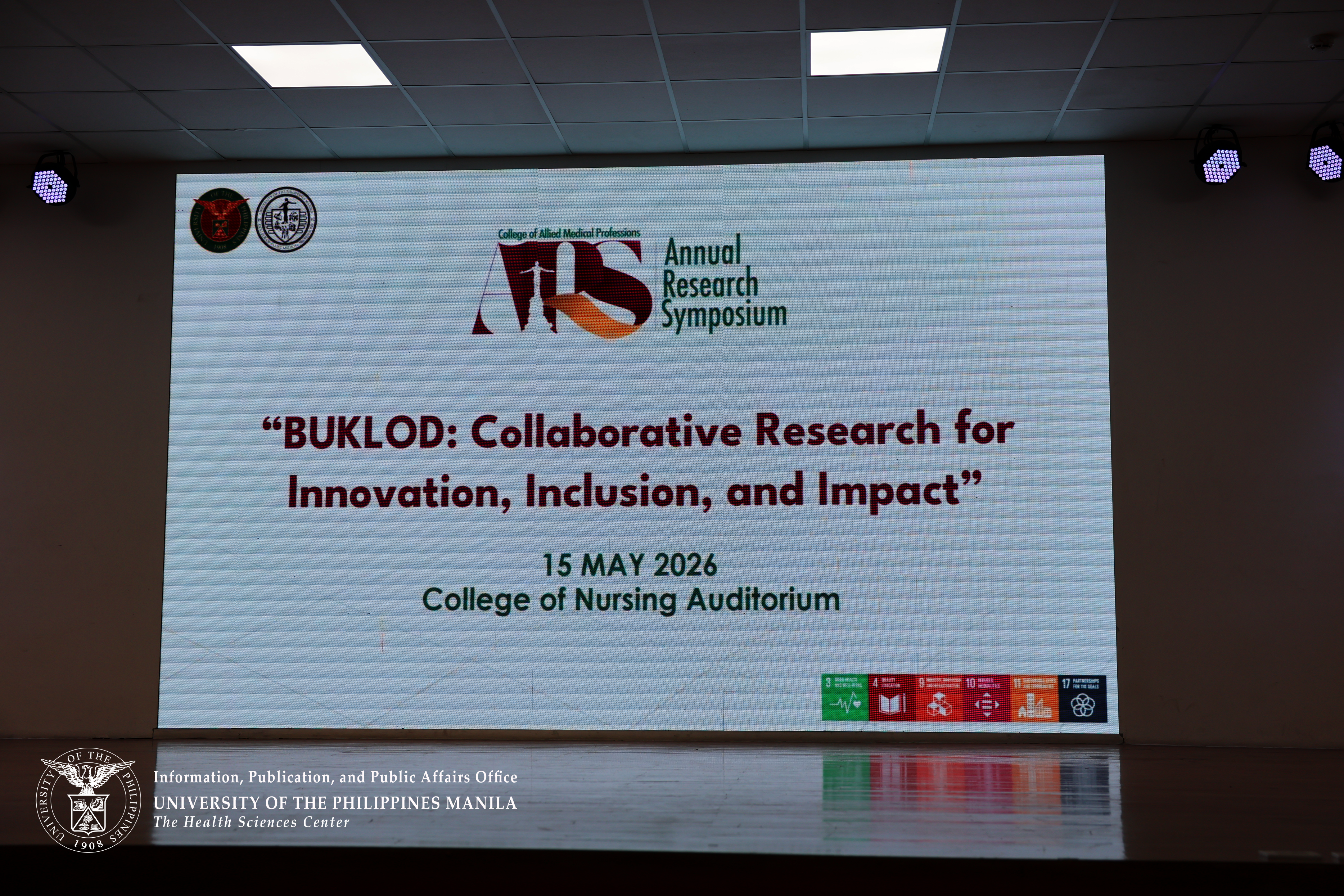
Carrying the theme “Buklod: Collaborative Research for Innovation, Inclusion, and Impact,” the University of the Philippines Manila College of Allied Medical Professions (CAMP) hosted the CAMP Annual Research Symposium 2026 held on May 15, 2026 at the UP Manila College of Nursing Auditorium. The event gathered faculty members, students, researchers, and health professionals to showcase research initiatives that address gaps in healthcare, rehabilitation, and community service.
The event underscored how research in occupational therapy, physical therapy, speech-language pathology, and clinical audiology can move beyond academic requirements and contribute to improving lives through innovation and interdisciplinary collaboration.
Building a stronger research culture
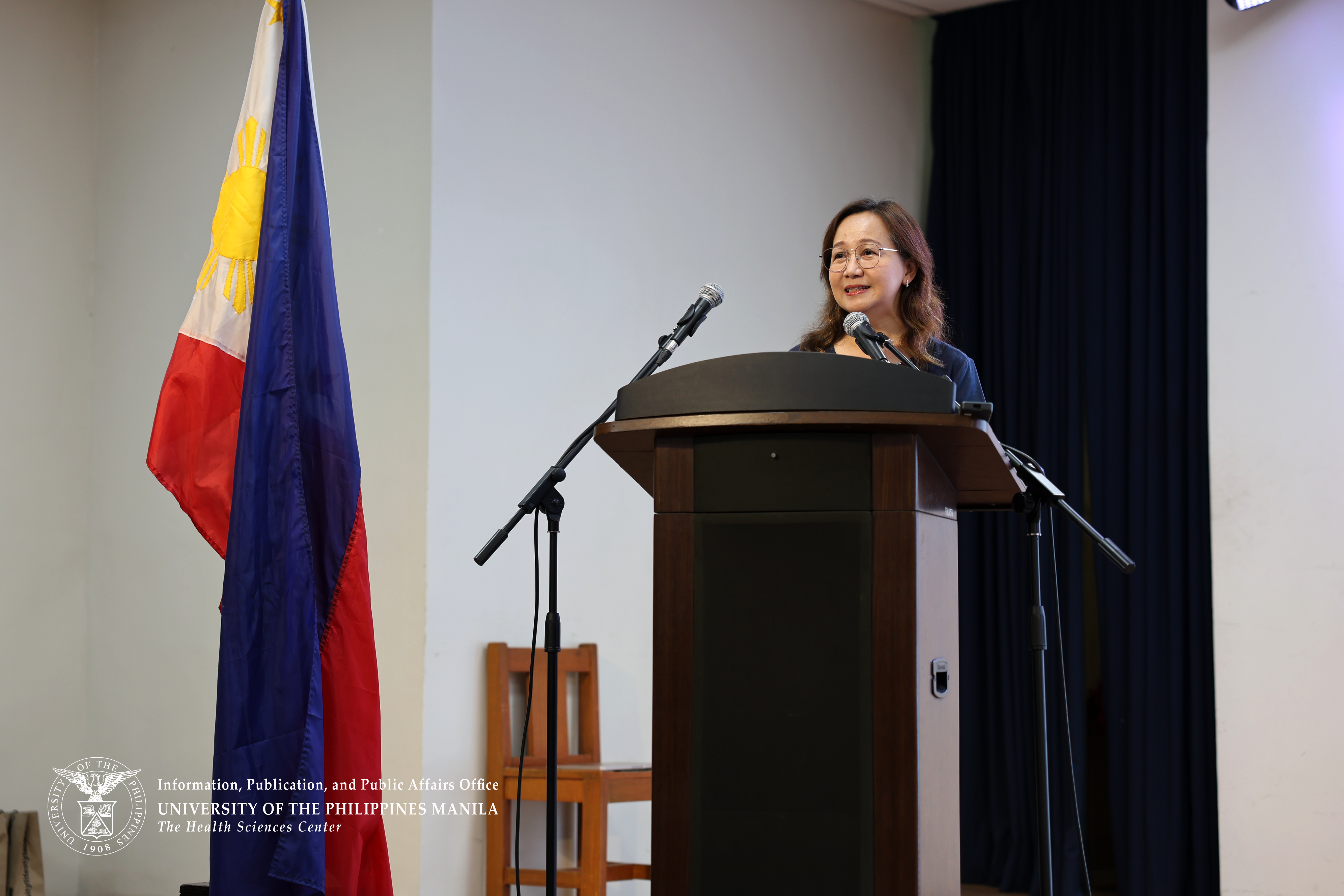
CAMP Dean Esmerita Rotor emphasized that while research remains challenging, it is essential in making health disciplines more responsive to people’s needs. She underscored the importance of bridging creativity and impact in research by encouraging students to imagine, create, and develop solutions that can improve the lives of clients while ensuring that these ideas translate into meaningful real-world applications.
She highlighted CAMP’s growing research culture, noting that the college has maintained “a prolific pace of 12 publications per year” since 2024 and has expanded collaborations with institutions such as Brown University and the University of Sydney, as well as local partners including the Department of Science and Technology and the Philippine Council for Health Research and Development.
Vice Chancellor for Research and Extension Leslie Michelle Dalmacio echoed the importance of collaboration in advancing healthcare research and innovation. She shared that CAMP recorded 235 research projects in the Research Development and Administration Office database over the last decade, averaging around 20 projects annually.
Dalmacio also linked the symposium’s theme to UP Manila’s research agenda, ARUGA or ‘Advancing Health through Research Utilization and Global Alliance.’
“You are doing more than just completing a requirement. You are extending a scientific and compassionate form of ARUGA to our Filipino people,” she told the students.
Research rooted in real-world problems
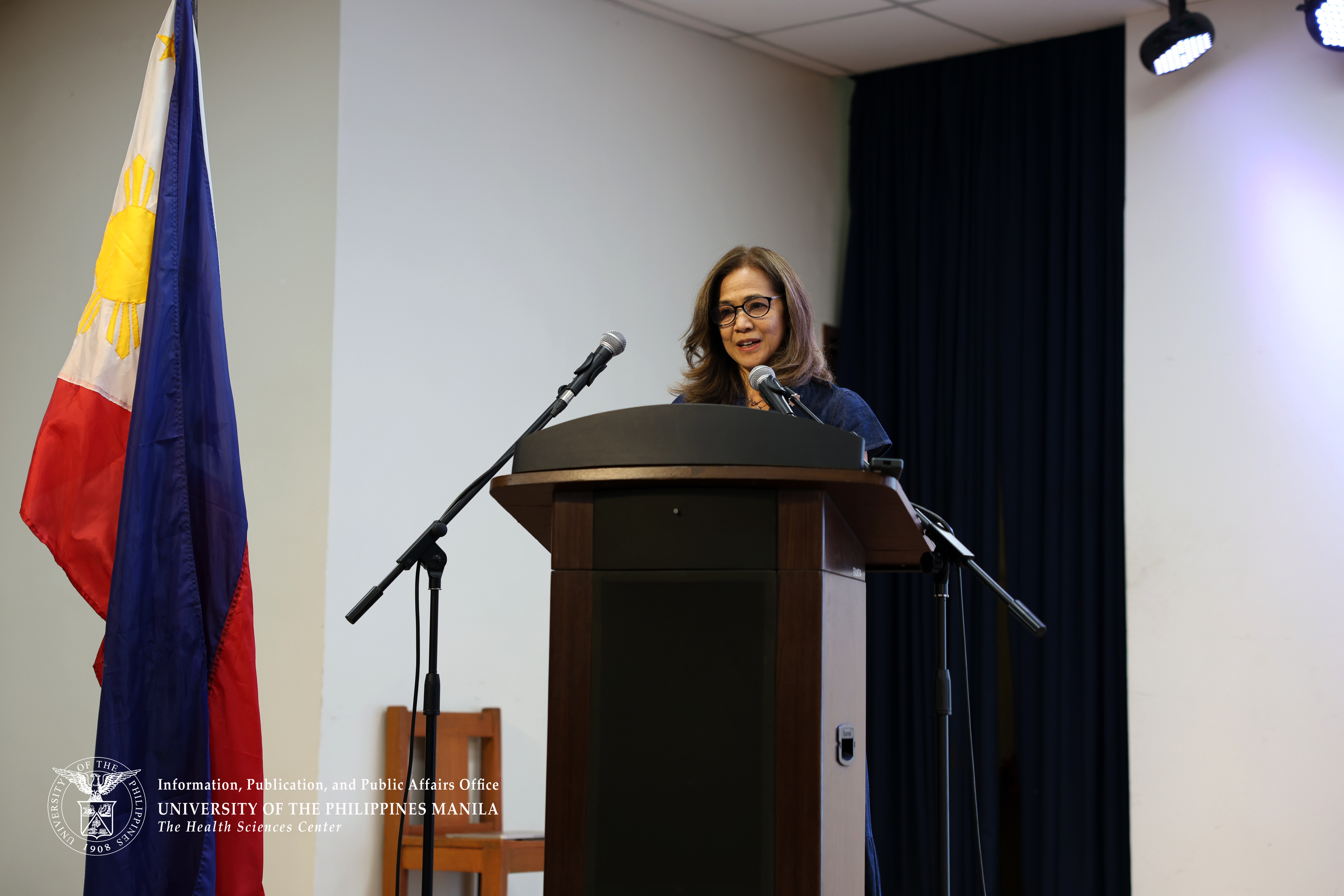
Rehabilitation scientist and former CAMP Dean Maria Eliza Aguila encouraged students and researchers to ground their studies in real-life problems. She emphasized that innovation does not begin solely from technology or laboratories but from carefully observing the realities faced by patients and communities.
“As occupational therapists, physical therapists, speech-language pathologists, and clinical audiologists, what we do makes a difference in clinical practice and community service. And this is where research begins — in noticing friction. We notice problems that do not fit, things that do not work well enough, or realities that are not yet fully understood. When research begins this way and is designed within real contexts to solve complex challenges, this is innovation. It does not begin from ideas alone, from a laboratory, inside a computer program, or even from the latest technology. Innovation begins in noticing and observing,” she said.
Prof. Aguila discussed the importance of inclusion and co-creation in research, particularly involving persons with disabilities and their support networks in designing interventions and solutions. Drawing from her interdisciplinary work on immersive gamification technologies for rehabilitation, she shared how patient feedback reshaped their virtual reality rehabilitation projects. Although the initial games were technically functional, children and caregivers found them unrelatable, prompting the team to redesign the system based on users’ lived experiences. She stressed that patients and communities should not simply be subjects of research but active contributors in shaping meaningful interventions.
Prof. Aguila also highlighted the long-term impact of research beyond journal publications and academic requirements. She cited their child-finding initiative in the Bangsamoro region, which reached more than 22,000 children and eventually contributed to the establishment of the first Inclusive Learning Resource Center in Maguindanao del Sur and the development of inclusive education initiatives in the region.
“Meaningful research does more than solve a problem,” Prof. Aguila said. “It builds that ladder of opportunities, step by step, for persons with disabilities and their support network so that development, inclusion, and impact become inseparable.”
Workplace wellness study
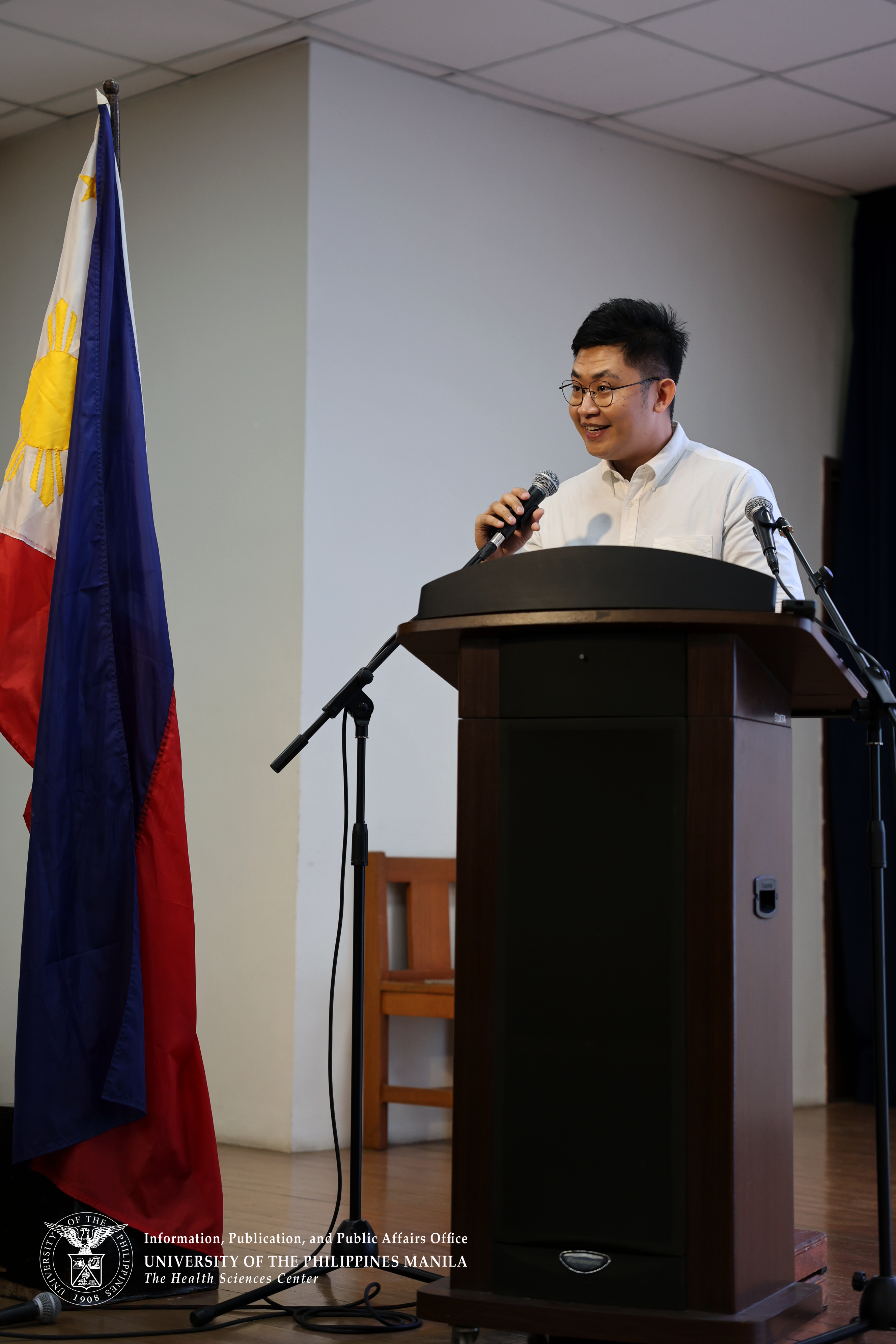
Assistant Professor Carlos Dominic Oligario from the Department of Physical Therapy presented his study titled “Development and Evaluation of HOP-IN and Let’s Get Moving,” a workplace physical activity program developed for employees of a Philippine government financial institution. His study addressed sedentary lifestyles among office workers using behavior change frameworks. The eight-week program combined fitness assessments, group exercise sessions, and educational workshops to encourage healthier lifestyle habits.
Although participation rates were modest, the study demonstrated that workplace wellness programs can improve motivation, physical activity, and social connectedness among employees.
“What Hop In and Let’s Get Moving showed us, in its success and its shortcomings, is that the science is ready,” Oligario said. “What we need now is for institutions, managers, policy makers, and researchers to treat physical activity not as a program to offer, but as a condition to create.”
Experts emphasize systems-based wellness approaches
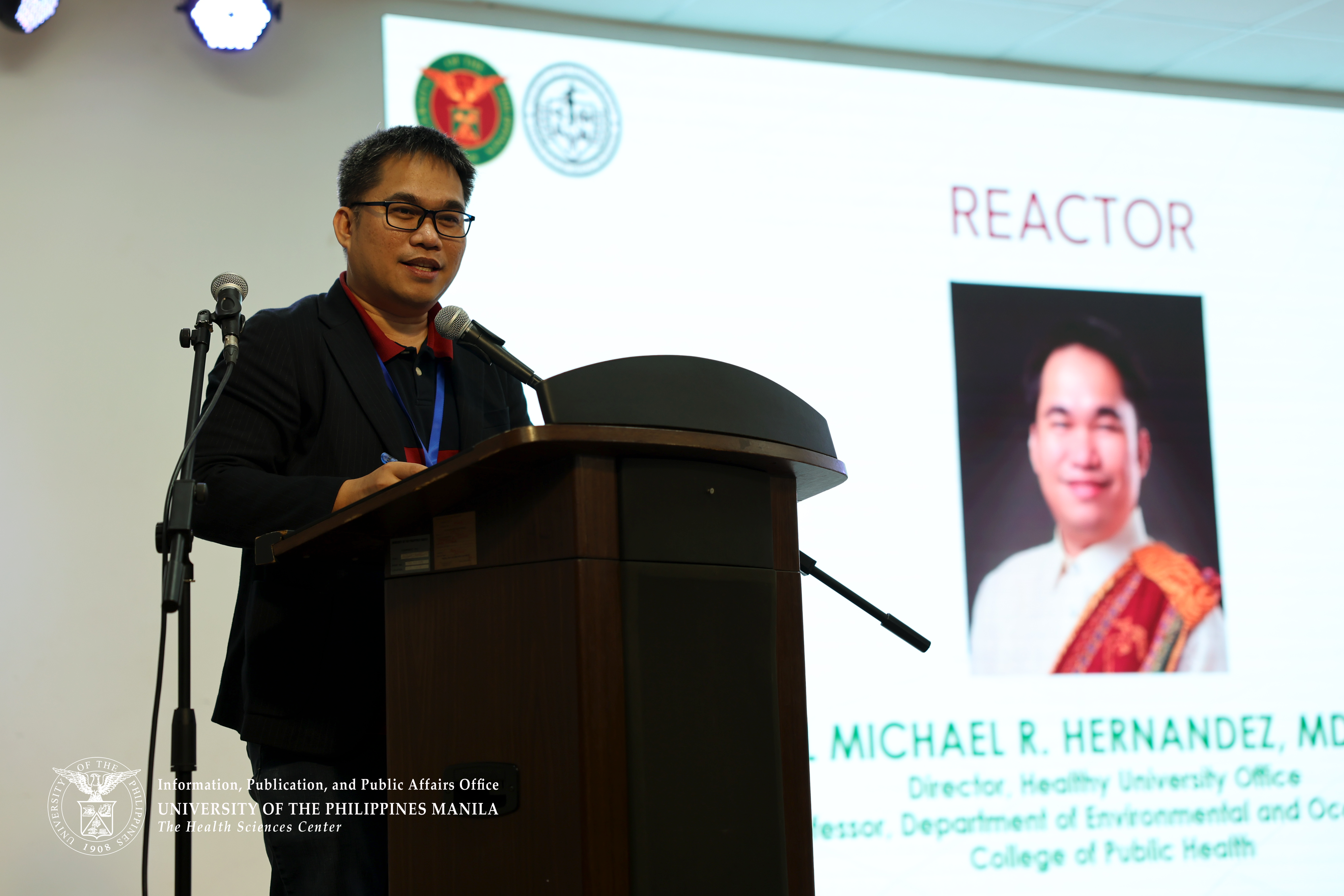
Reactors Dr. Paul Michael Hernandez, director of the Healthy University Office, and Dr. Michaela Cabungcal-Ramos from the Occupational Health Unit of the Land Bank of the Philippines highlighted the importance of organizational support and systems-based approaches in sustaining workplace wellness programs.
Dr. Hernandez discussed the importance of creating urgency, sustaining engagement, and redesigning services based on participant feedback. He also emphasized the role of social interaction in encouraging participation in physical activity initiatives.
Meanwhile, Cabungcal-Ramos pointed out that health behavior in workplaces is shaped not only by individual choices but also by institutional and environmental conditions, particularly in highly structured public-sector environments.
She noted that management support, organizational culture, and workplace policies are critical in integrating physical activity into daily routines and sustaining occupational health programs.
Research beyond the classroom
The symposium concluded with parallel student research presentations.
Throughout the event, speakers emphasized that research should not remain confined within academic settings but should contribute to meaningful changes in healthcare, education, rehabilitation, and community development.
As Prof. Aguila reminded participants, “Innovation is not separate from practice; it begins in it. Inclusion is not separate from research; it shapes it. And impact is not the end of research; it is what continues after it.”

READ MORE:
#FP1 #discoveryandresearch