


Text by: Charmaine A. Lingdas
Photos by: Sarah Hazel Moces S. Pulumbarit
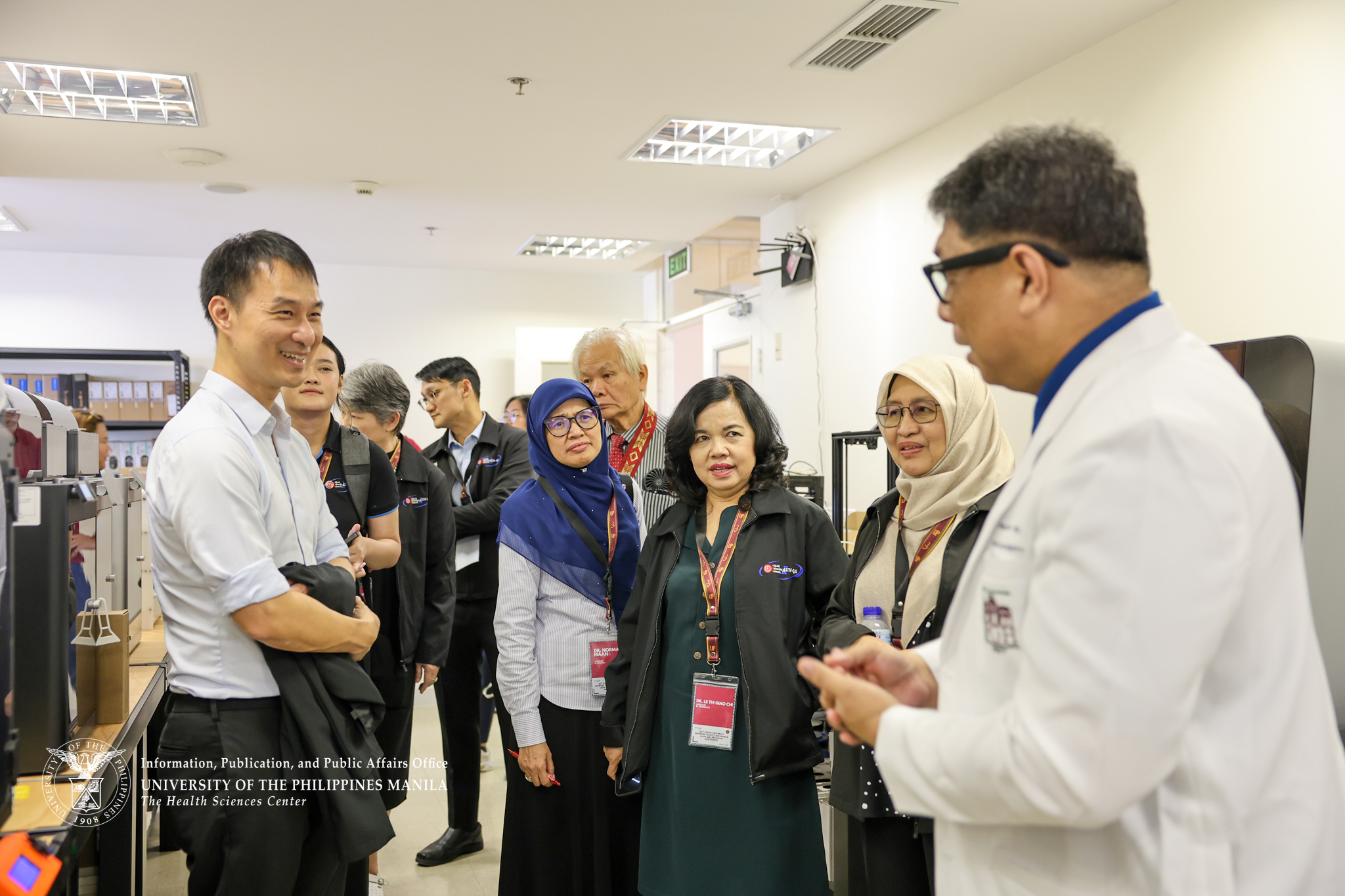
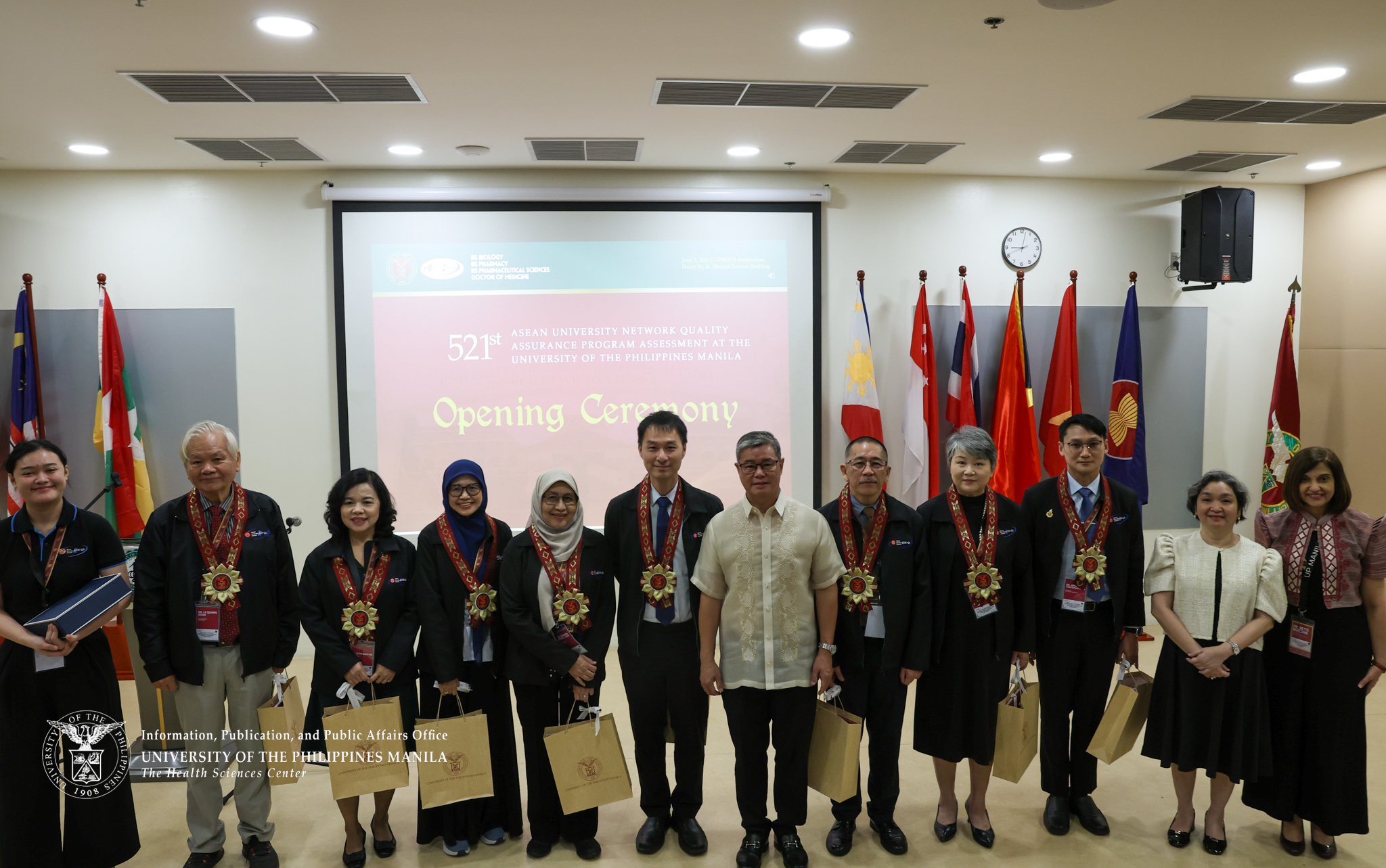
The University of the Philippines Manila welcomed a panel of international assessors for the 521st ASEAN University Network-Quality Assurance Program Assessment, setting off a comprehensive evaluation of the campus’s core health and science fields. The high-stakes review puts four flagship programs under the spotlight: the Bachelor of Science in Biology under the College of Arts and Sciences (CAS), the Bachelor of Science in Pharmacy alongside the Bachelor of Science in Pharmaceutical Sciences under the College of Pharmacy (CP), and the Doctor of Medicine program under the College of Medicine (CM).
The evaluation serves as an opportunity for UP Manila to anchor its role as a guide for higher education across the country. Welcoming the visitors, Chancellor Michael Tee looked past immediate campus borders, stating that the university aims to use the insights gained from this exercise to help other state universities, colleges, and private institutions upgrade their own educational frameworks.
Front and center of this massive institutional undertaking was a coordinated effort by the university’s academic leadership. Chancellor Tee specifically recognized the vital role of CM Dean Charlotte Chiong, CAS Dean Ma. Teresa G. De Guzman, and CP Dean Mac Ardy Gloria, whose guidance anchored the preparatory work within their respective disciplines. This college-level dedication was matched by the strategic direction of the Vice Chancellor for Academic Affairs Bernadette Heizel Reyes and the steering leadership of the Quality Assurance Office Director Bhabita Murjani, who managed the complex task of aligning institutional operations with rigorous international benchmarks. For months, faculty and staff across these units spent grueling hours refining learning outcomes, overhauling curricula, and upgrading campus support structures to better meet the daily challenges of modern education.
To explain this philosophy of adaptive teaching, Chancellor Tee turned to a classic narrative from Confucius’ Analects. He recounted the story of the impulsive disciple, Zilu, who asked the master if he should immediately put a newly learned teaching into practice. Confucius urged restraint, reminding him to first consult his father and elder brothers. Moments later, a quieter student, Ran Qiu, approached with the exact same question, but Confucius gave the opposite reply, telling him to act immediately.
When a third disciple, Gongxi Hua, grew confused by the contradictory advice, Confucius clarified his strategy: Ran Qiu is naturally timid and requires a push forward, while Zilu is overly rash and needs to be held back.
Chancellor Tee tied this classical lesson directly to the heart of outcomes-based education. True quality assurance, he explained, is not a rigid assembly line. Instead, it relies on an institution’s ability to recognize the diverse, shifting needs of individual learners and pivot its support systems to meet them where they are.
While this parallel reflects an adaptive, student-centered learning style, Tee emphasized that the true success of the assessment will show up decades down the line in the legacy of the university’s alumni. Pointing to UP Manila’s recent recognition as a five-star healthy university—a title earned by focusing heavily on student and staff well-being—he looked toward a future where graduates continue to shape the health sciences sector a century from now, supported by the infrastructure and faculty built today.
The international assessment team, led by Chief Assessor Professor Dr. Tan Chin Hon, met this vision with a focus on regional growth. The panel—which includes Lead Assessors Associate Professor Dr. Le Quang Minh, Professor Dr. Rohaida Mohd. Saat, and Professor Dr. Ing. Ir. M. Eng Herman Parung, alongside a specialized team of regional assessors and secretariat representatives—shifted the conversation toward long-term positioning.
Professor Tan explained that the panel arrived with the baseline confidence that UP Manila operates well above the regional average. The real goal of the 521st assessment is to observe how the premier health sciences university benchmarks itself against international standards to lead the rest of the Philippine educational landscape.
As the assessment opened, the formal interactions between the auditors and the campus community focused on a shared educational mandate. Leaving the university with a final charge, Tan noted that the pursuit of academic distinction has no final destination, marking the assessment as a mutual walk down a continuous road of improvement. (CMLT)
READ MORE:
#FP1 #innovationsforlifelonglearningdedicatedtoservice