

Text and Photo by Luisa Gabriela
This graduation season, I cannot help but take longer, lingering, last looks at the university.
Students are dressed in white, scattered throughout the pillars of Rizal hall. With a Sablay on their shoulder and a bouquet of sunflowers, they set off into a mission to preserve their memories through photos across campus grounds.
It comes with bittersweet longing knowing that there is no next semester to enroll for. No more slots to beg for, no more wondering what electives to fight over. No more advising periods, pre-enlistment races, nor a Form 5 with an amount payable of ₱ 0.00.
“Anak, buti na lang UP ka, ‘no? Laking kagaanan ‘din sa gastusin,” my mother would note almost every semester, never getting used to being a beneficiary of free tuition education. To her, my studies in the University of the Philippines (UP) Manila were a sign of her reaping over a decade of sacrifice and countless hours spent working overtime just to provide me with quality education.
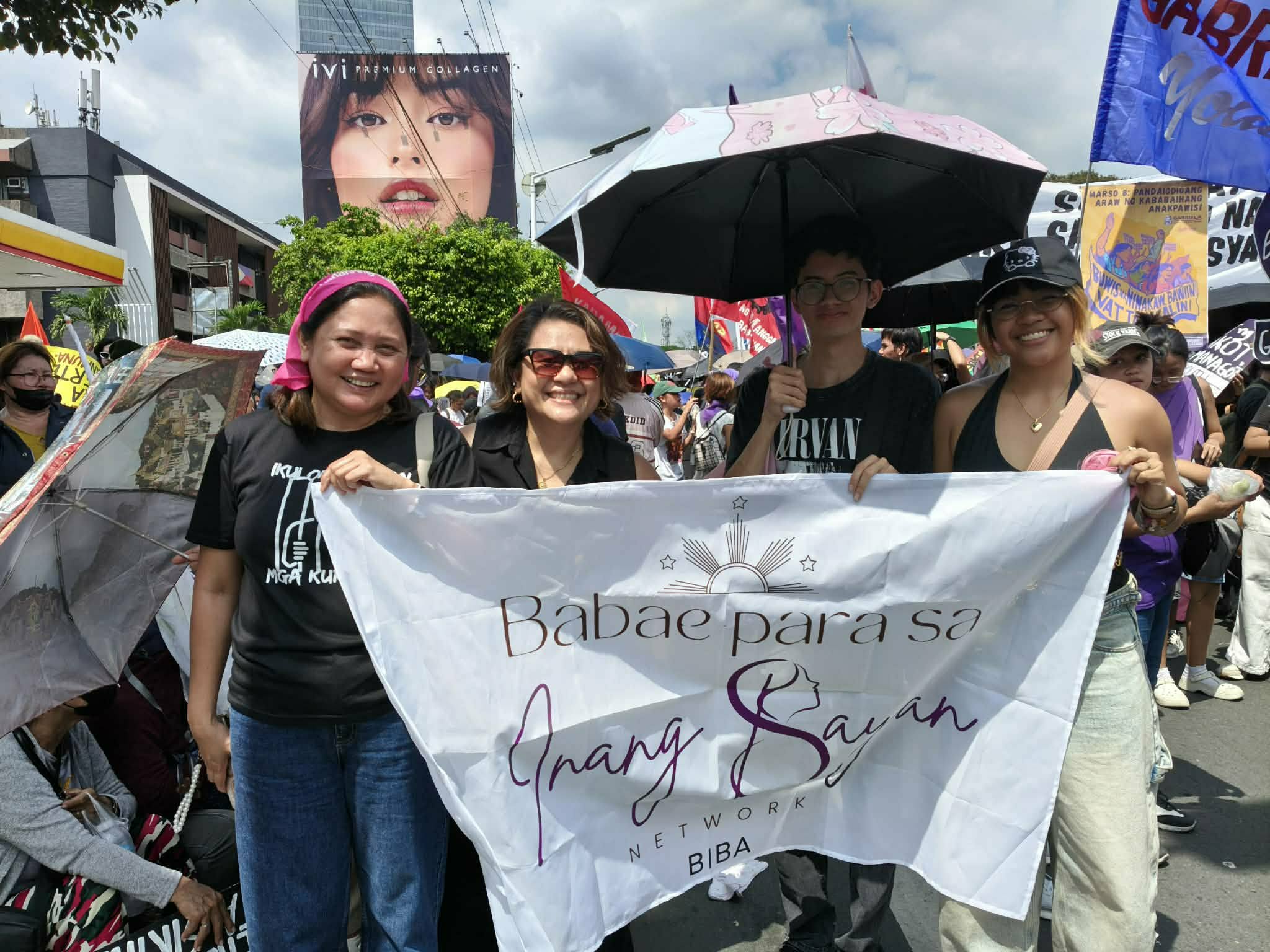
To many, UP is the gateway to a better future not just for students, but for their entire family as well. However, the sad reality is that it was not always like this.
My mother would tell me stories of family members that studied in UP decades ago, when the free tuition was not universalized yet. In her recollection, one of my family members was still a beneficiary of the Socialized Tuition and Financial Assistance Program (STFAP) where students were coded into brackets of their family’s income that would determine the fees that they would have to pay. That family member was coded into E2, the lowest bracket, and enjoyed free tuition.
Despite this, they were asked to stop going to school because of poverty. The added costs of sending a child to school was still far too much of a sustained expense for a struggling family. Today, nearly 40% of college students drop out of school because of financial constraints and pressure of employment.
Even with socialized tuition, students have to look for workarounds in order to provide for their holistic needs. As such, some students apply to more third-party scholarships, others beg for distant family members to assist them, while most take on the crushing burden of being a working student.
But no student should have to go through that. No student should have to go the extra mile for financial aid or even prove that they are not fortunate enough just to be able to study.
And so, students fought.
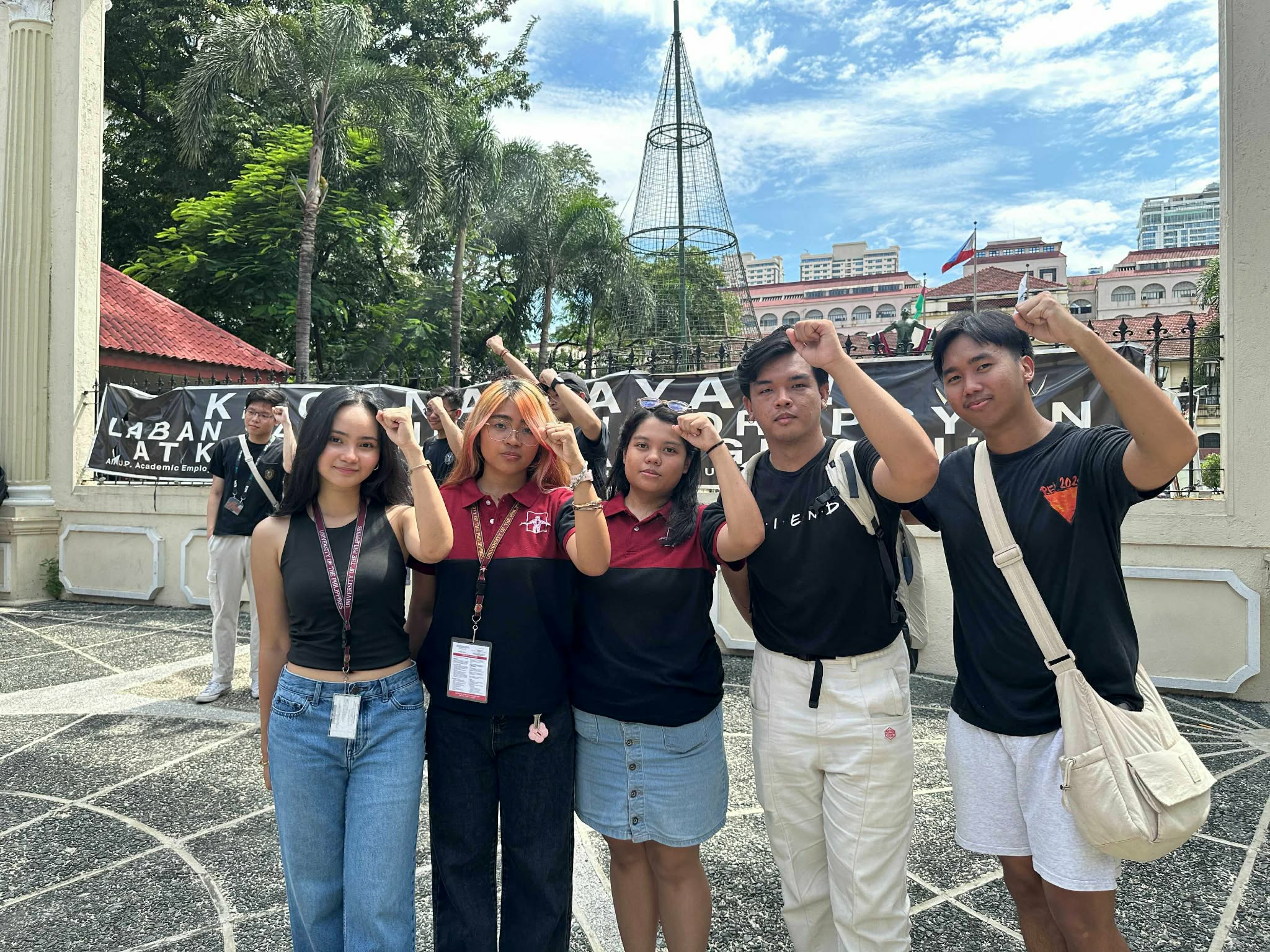
It was only through the sustained fight of the generations that came before me that I was able to enjoy four years of free quality education – a basic human right as UNESCO describes it. If not for the students of yesterday that protested and championed my future right to education, I would not be able to inherit UP’s critical thinking and soul for service to the nation.
Born out of the fight was Republic Act 10931, better known as the Universal Access to Quality Tertiary Education Act or Free Tuition Law. Enacted in 2018, the law aims to make education accessible for all students regardless of socioeconomic status by investing resources into tertiary education in state and local universities and colleges (SUCs and LUCs).
Today, SUCs and LUCs are given subsidies for students’ tuition fees and other education-related expenses. Following this, the Philippine Institute for Development Studies (PIDS) estimates that enrollment in higher education units from 2009-2019 “grew by 4% annually.”
But just last year, the UP system received a historical low budget of P22.70 billion from the 2025 General Appropriations Act that affected over 66,248 of its students. Despite the law providing a legal basis for free education, many SUCs still face attacks through frequent and large budget cuts that directly impact the quality of education students receive and the livelihoods of educators involved.
Moreover, many students, especially those in public higher education institutions (HEI), are still unable to receive sufficient financial aid and opportunities in education to this day. Just like my family member who struggled with the STFAP, many students today are not given equitable access to education despite the Free Tuition law in place.
In 2020, nearly 25% or one in every four students aged 6 to 24 did not attend school. On top of geographical inaccessibility, many children reported that they stopped schooling due to the persisting high cost of education. As such, they were given the responsibility to work in order to help provide for the family instead. Evidently, free education does not equate to just free tuition.
One thing is clear: the fight for free quality education for all is not over.
Just like how those who came before me selflessly fought for my place in the university, the students of today could also contribute to the fight for students of tomorrow. In the short-term, opposing budget cuts that slash SUCs’ and Philippine General Hospital’s facilities and service delivery will help amplify the needs of many students nationwide. Secondly, funding for student development should not be isolated to the tertiary level, but as well as the primary and secondary levels so that students are well-equipped early on.
More importantly, in the long-term, we must demand for the state to invest in a holistic nourishment of children within and beyond their classrooms. Students should not have to fight for slots in scholarships and enrollment to prove that they are less fortunate and more deserving of the opportunity. Instead of dehumanizing the learner, we must set up systems that cultivate their inquisitive spirit to build a stronger and more resilient society.
UP is regarded as the bastion of quality education. To many of its stakeholders, the education it provides is the greatest equalizer and the gateway to many opportunities for a better future. While its liberating culture empowers students to pursue greater milestones, it also calls its students to look back and reflect on where they came from.
Blistering heat or smashing floods, Oble stands firm: a constant and unwavering symbol of wholeheartedly offering one’s self to the community.
Ultimately, I realize that the final look at the university should not stop at reminiscing: it is a reminder that upon leaving its four confines, every student it nurtured carries the sustained fight for the right to free and quality education. Not just for the best-of-the-best students in every batch, but simply for every learner.
About the author:
Luisa Gabriela Jarabe is a BA Political Science graduate of the University of the Philippines Manila and former features correspondent of The Manila Collegian. Now writing for IBON Foundation, Luisa continues to write for pro-people socioeconomic issues.