
Text by: Charmaine A. Lingdas
Photos by: Jericho Paolo L. Mabansag
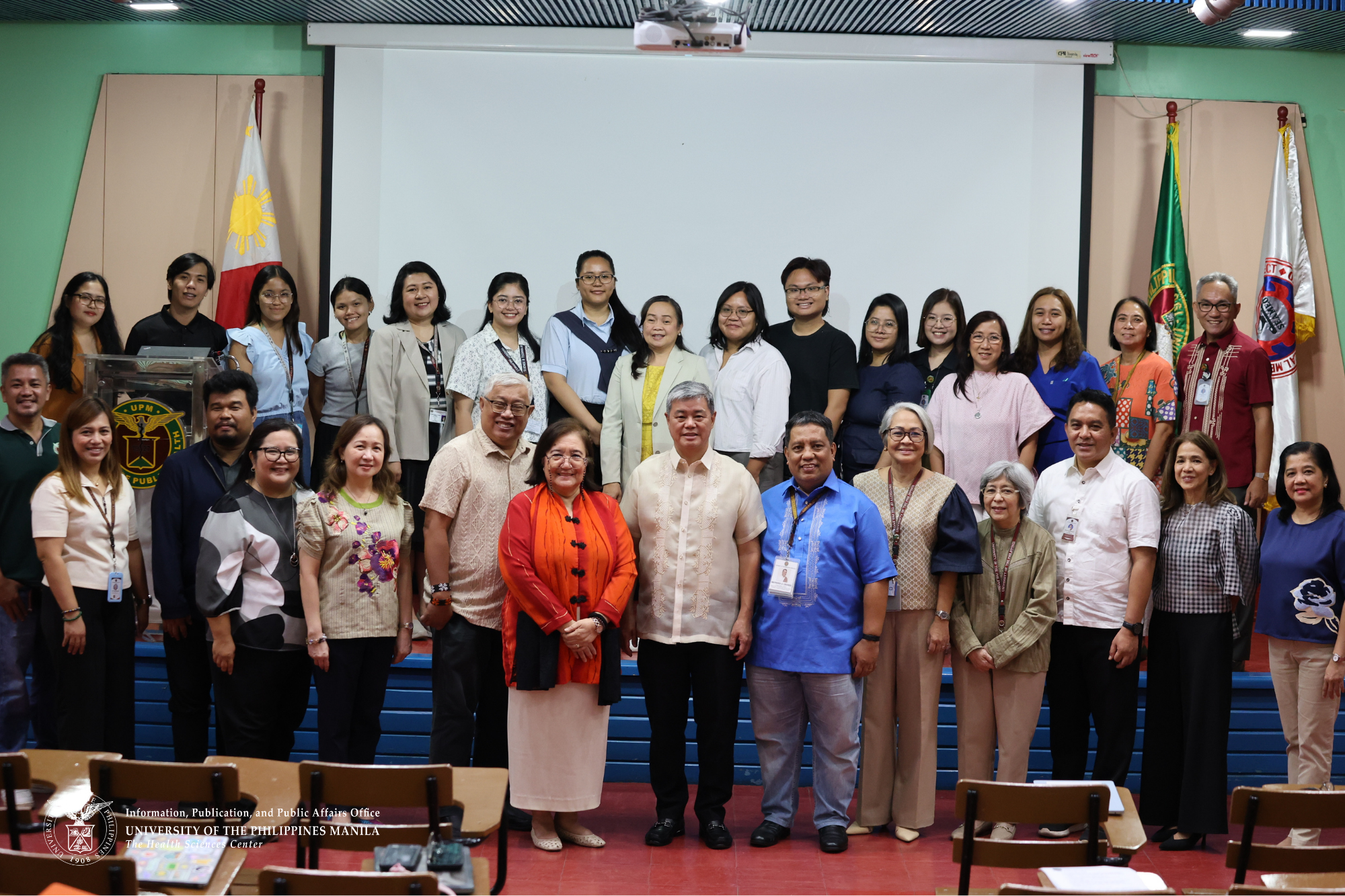
The University of the Philippines Manila reaffirmed its commitment to advancing inclusive and community-centered development in the Bangsamoro region through a forum highlighting the initiatives, partnerships, and collaborative programs under the UP Bangsa Development Initiative (UPBDI).
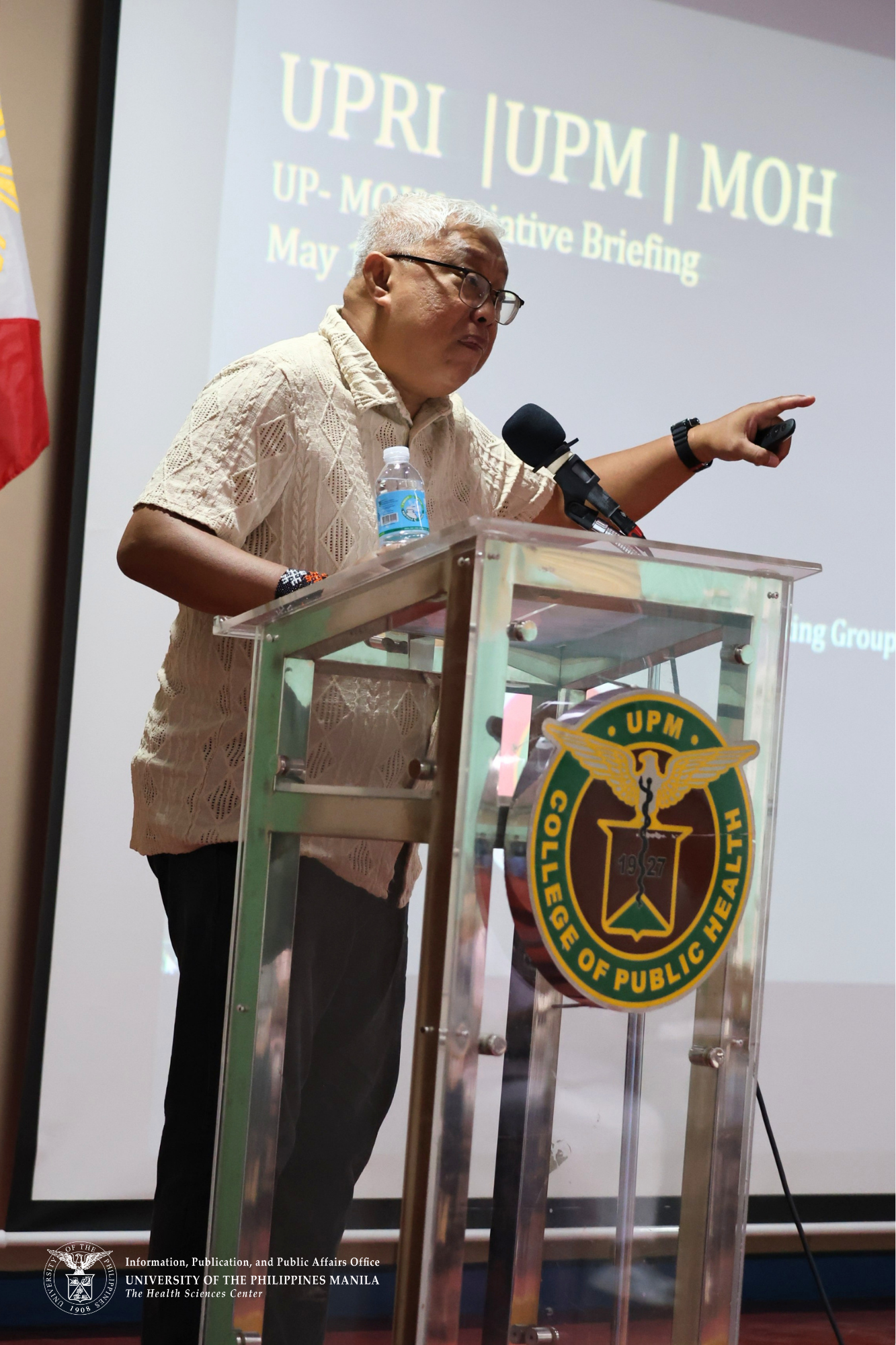
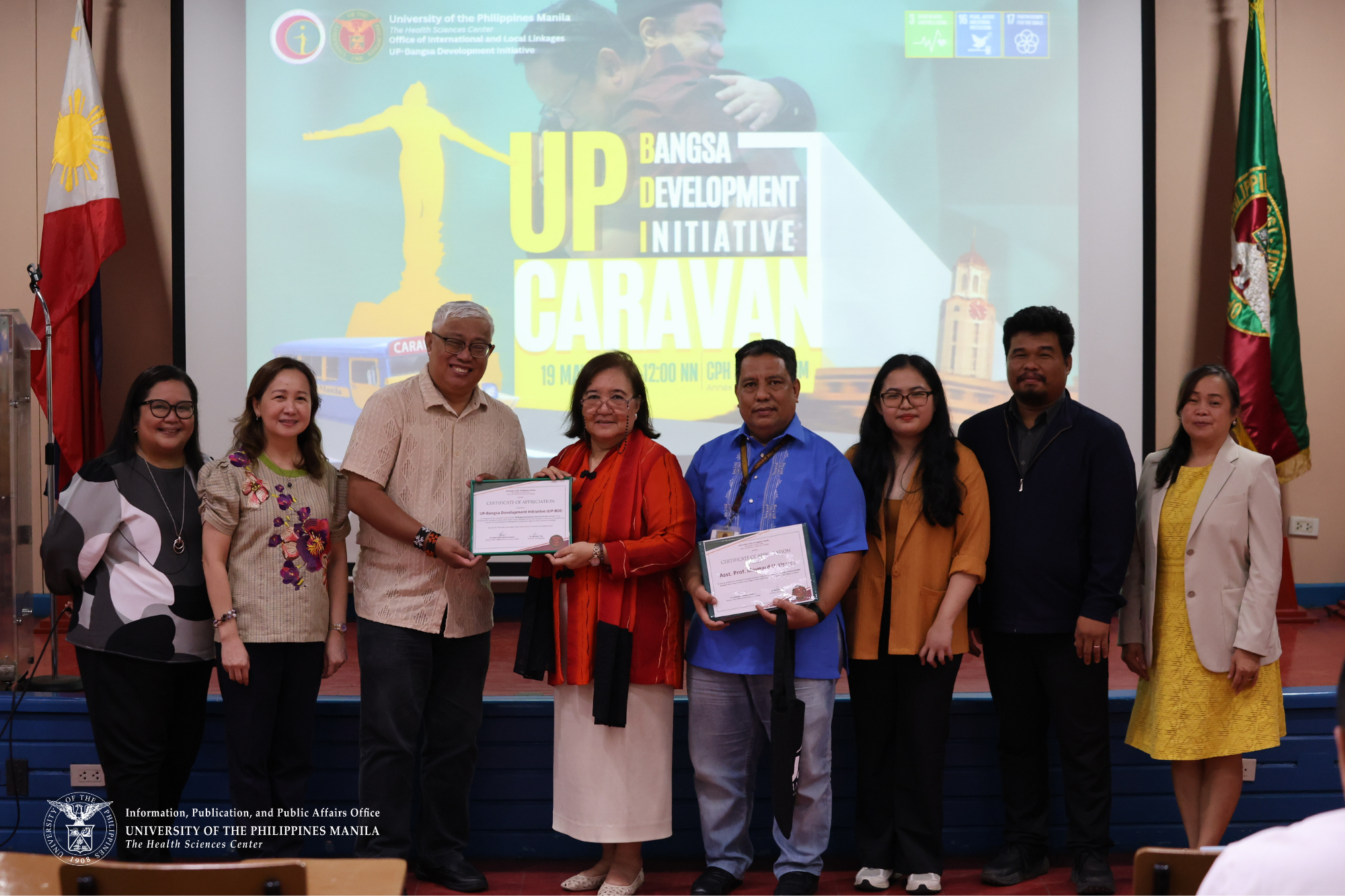
The UPBDI Caravan served as both an introduction to the UPBDI and a platform for sharing experiences and lessons learned from engaging with Bangsamoro communities. The event aimed to inform UP Manila on how UPBDI can help facilitate ongoing and proposed initiatives in health, education, agriculture, governance, and community development in the Bangsamoro Autonomous Region in Muslim Mindanao (BARMM).
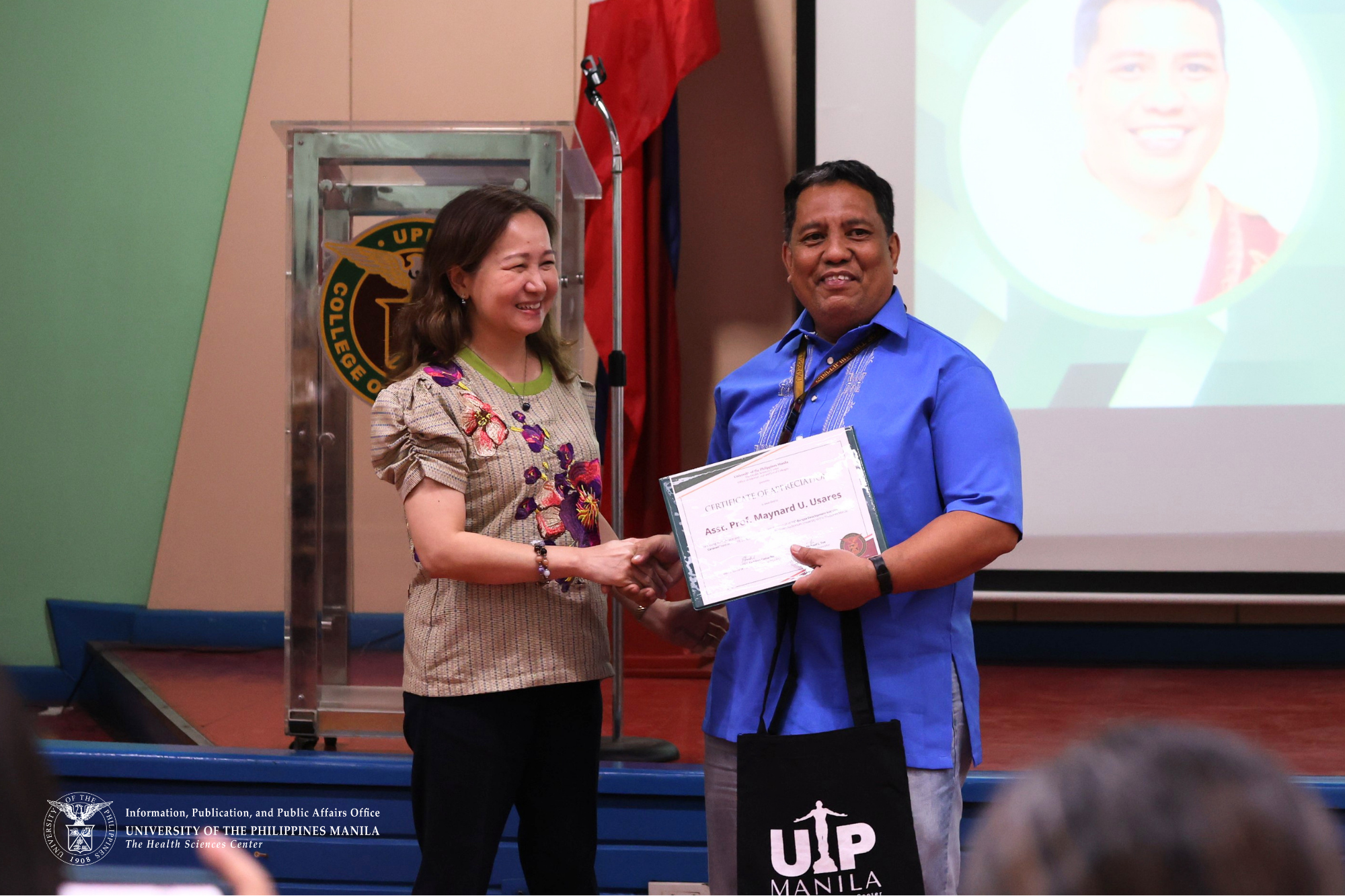
UPBDI Program Coordinator Asst. Prof. Maynard Usares explained that the UPBDI was created under the leadership of UP President Angelo Jimenez to strengthen the University’s engagement with the unserved and underserved areas (UUAs) in Mindanao. According to Asst. Prof. Usares, the initiative aims to bring together the expertise, resources, and programs of various UP units to contribute to the development of Bangsamoro communities through collaborative and inclusive approaches. UPBDI functions primarily as a convener and bridge among UP constituent universities, Bangsamoro ministries, local government units, and communities.
“Bilang National University, mag-initiate tayo na i-pool ang ating mga resources at expertise para makagawa tayo ng mga programa at makapag-ambag sa kaunlaran ng rehiyon ng BARMM,” he said.
He also noted that the term “Bangsa” was intentionally chosen to include not only Bangsamoro groups from mainland Mindanao but also communities from Sulu and Tawi-Tawi.
Peace Through Development
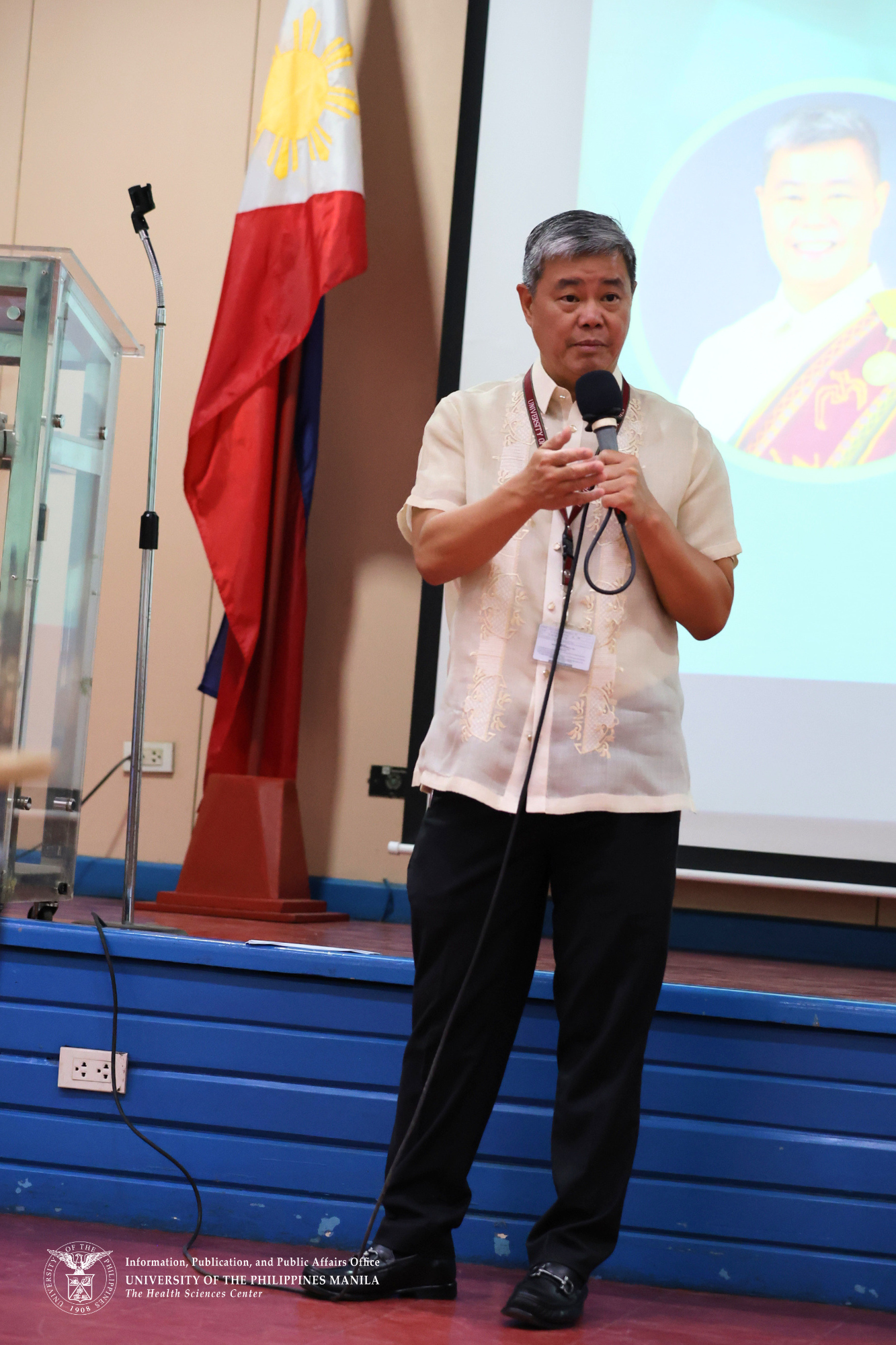
Chancellor Michael Tee emphasized the role of higher education institutions in promoting peace and development in Mindanao. He stressed that UP Manila’s contribution to the Bangsamoro region lies primarily in health and strengthening health systems.
“Para sa UP Manila, tayo’y naniniwala that a healthy population is a productive population and will be able to generate the kind of employment and productivity that our people will need. And for that reason, when requested by the UP President to assist, and when requested by the Commission on Higher Education to assist, we willingly extended our hands at UP Manila,” he added.
He cited UP Manila’s continuing support for the establishment and development of health education programs in Mindanao, particularly its assistance in developing the curriculum framework for the newly-established UP Mindanao School of Medicine.
According to Chancellor Tee, UP Manila also intends to strengthen research, public health programs, and socially relevant initiatives in the region through collaborations involving the National Institutes of Health (NIH), the College of Public Health, and the School of Health Sciences.
Telemedicine for Geographically Isolated Communities
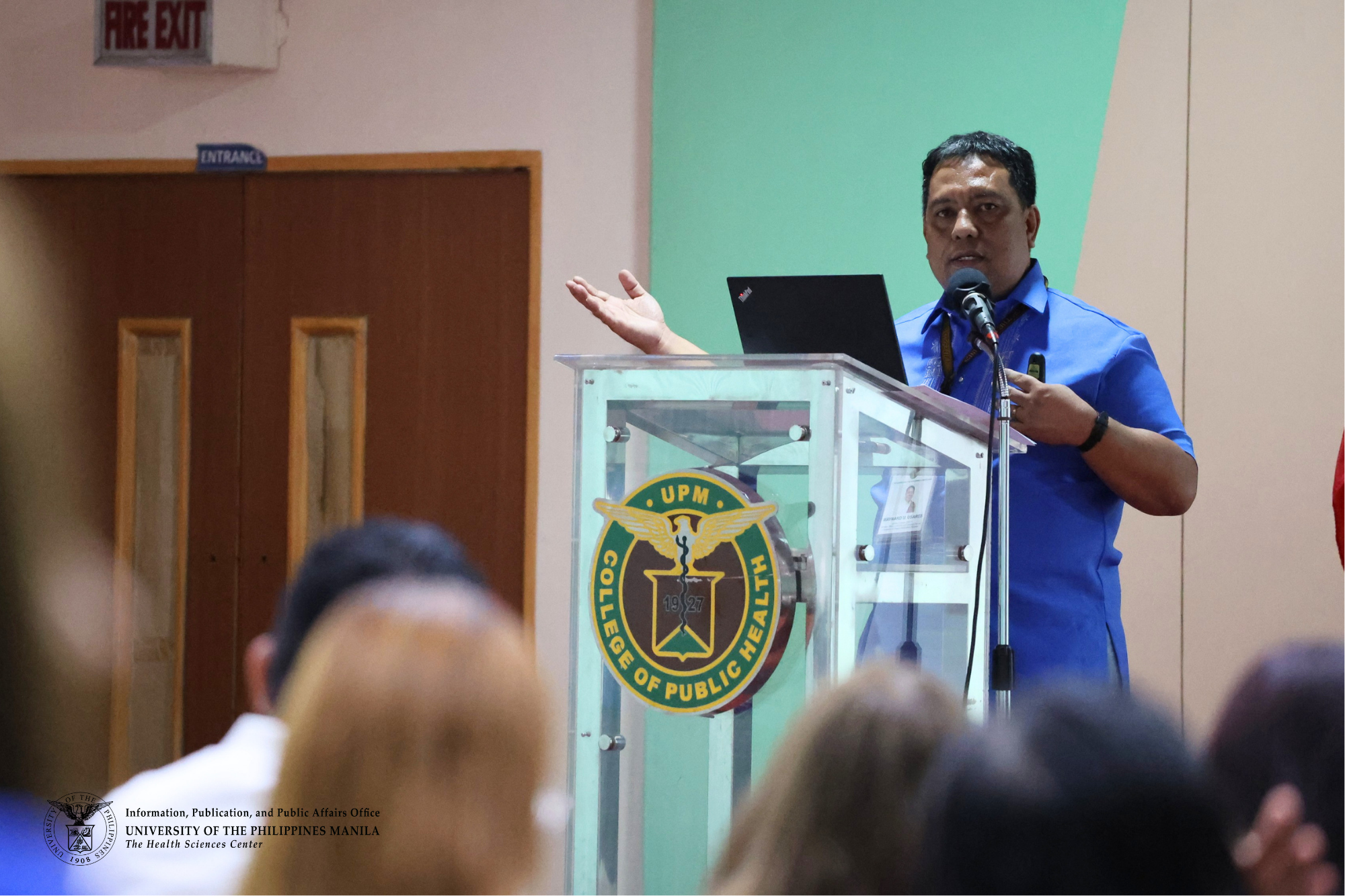
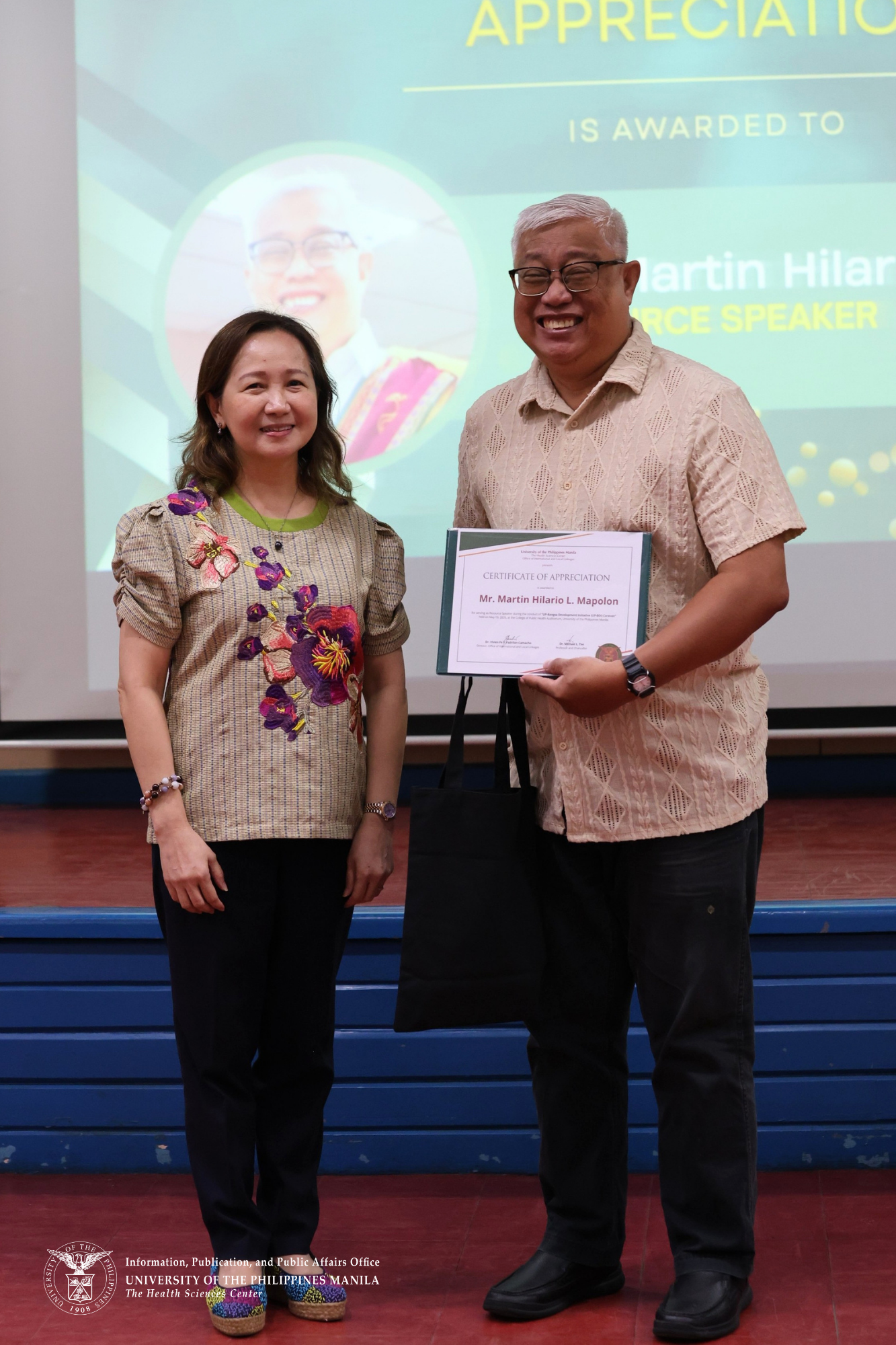
One initiative discussed during the forum was the proposed telemedicine program for Tawi-Tawi, presented by UPBDI Technical Working Group member and Linkage Coordinator Martin Hilario Mapolon. He shared that the initiative seeks to improve healthcare access in geographically isolated and disadvantaged areas through telemedicine and digital health technologies. The project, which involves partnerships among UP Manila, the UP Resilience Institute, BARMM’s Ministry of Health, and the GIDA Initiative, aims to connect rural health units and communities in Tawi-Tawi with medical specialists through remote consultations.
Beyond consultations, the project also seeks to integrate research and public health monitoring.
“One of the things we realized is that if we are already collecting health information through telemedicine, we can also partner it with research,” he explained.
Among the identified research priorities is childhood stunting, which remains a major public health concern in underserved communities. He also discussed the broader health challenges identified in BARMM, including a lack of healthcare workers, mental health concerns, nutrition and sanitation issues, teenage pregnancy, and digital health infrastructure gaps.
He emphasized that the engagement strategy in BARMM must be rooted in collaboration, complementation, co-creation, and mutual respect.
“We never say, ‘Kawawa naman kayo, tutulungan namin kayo.’ Instead, we say, ‘We will work with you and partner with you,’” he said. According to him, understanding the cultural, political, and social dynamics of the Bangsamoro region is crucial in building meaningful and sustainable partnerships.
Inclusive Education for Bangsamoro Learners
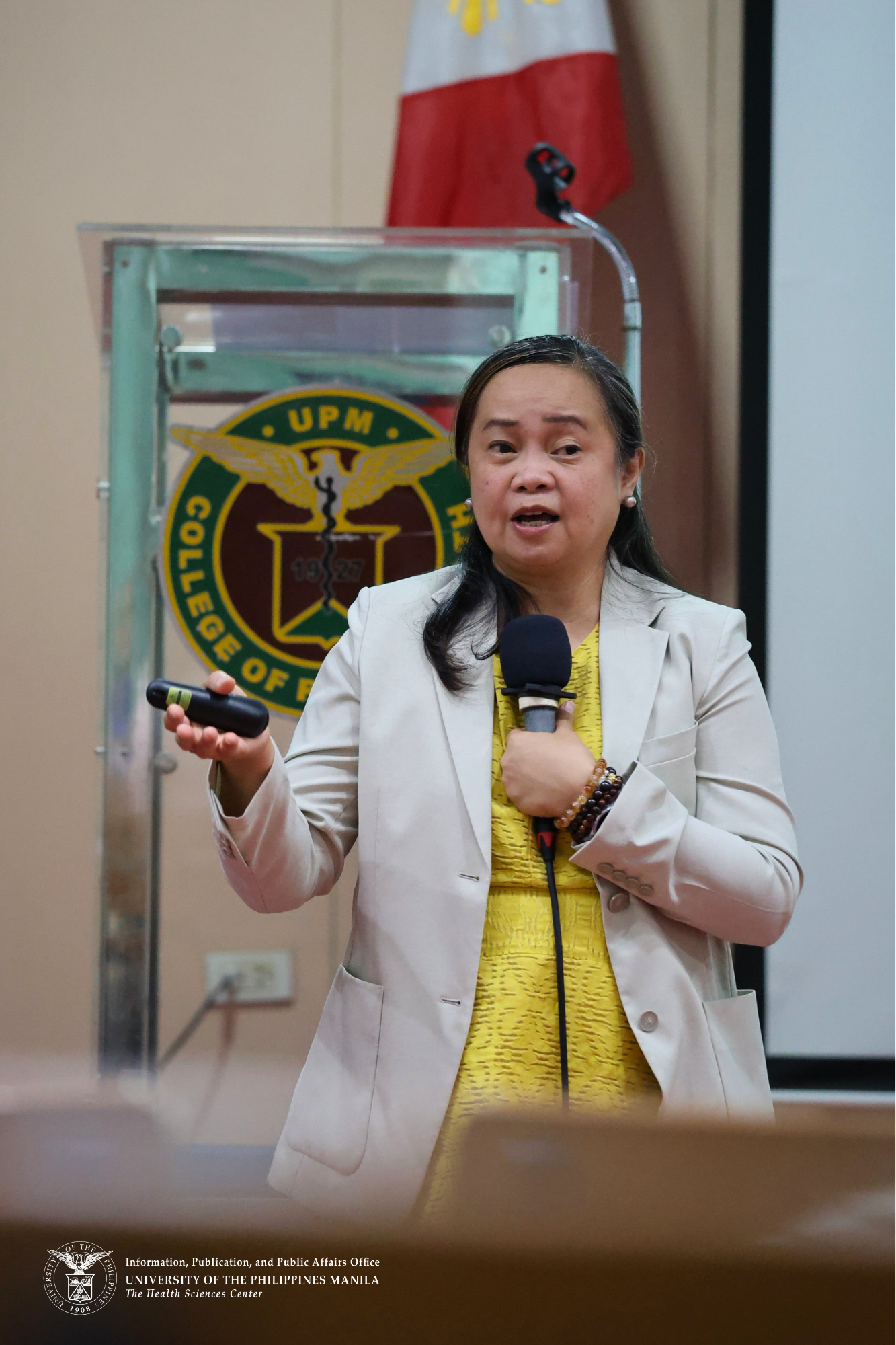
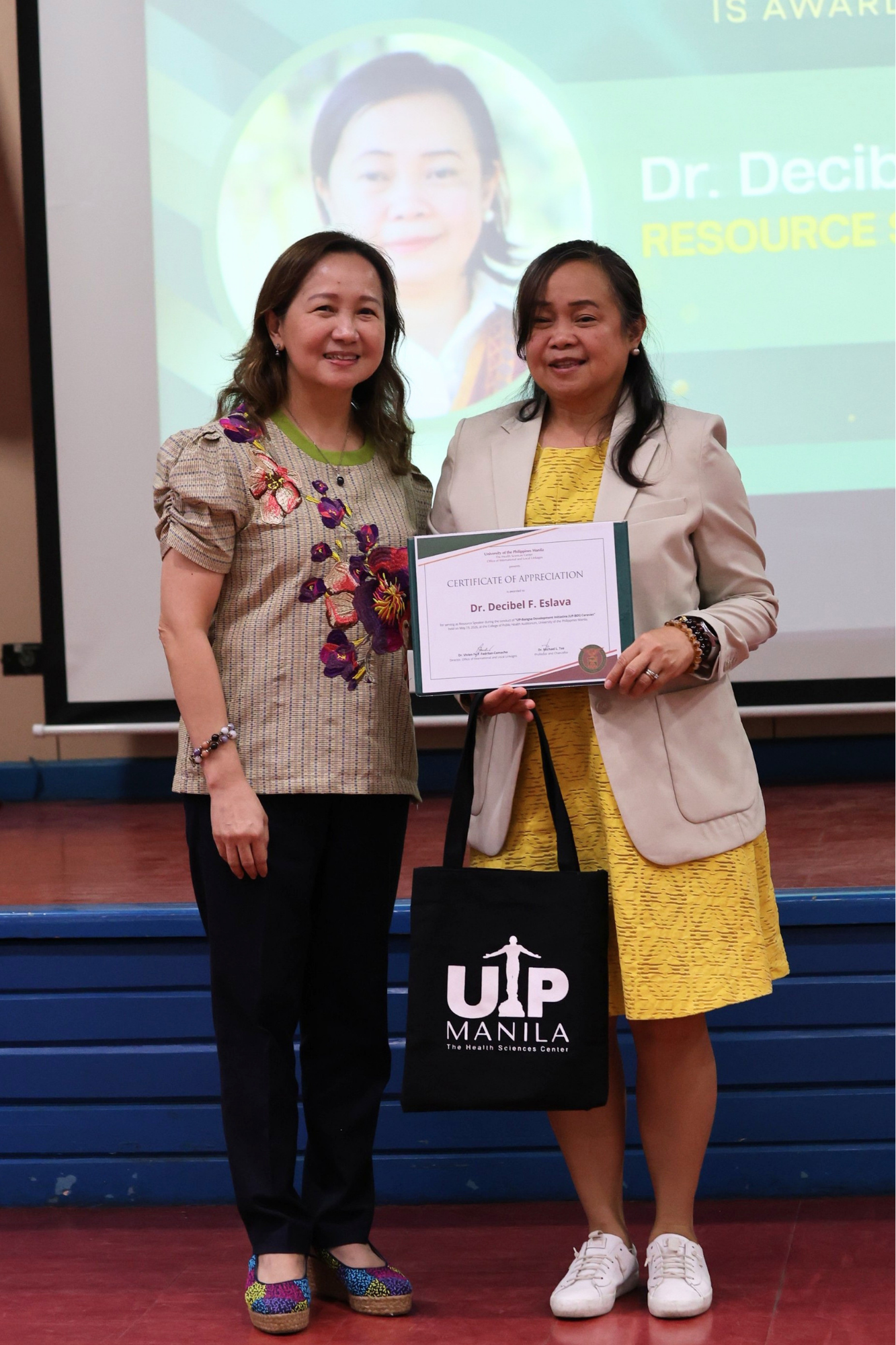
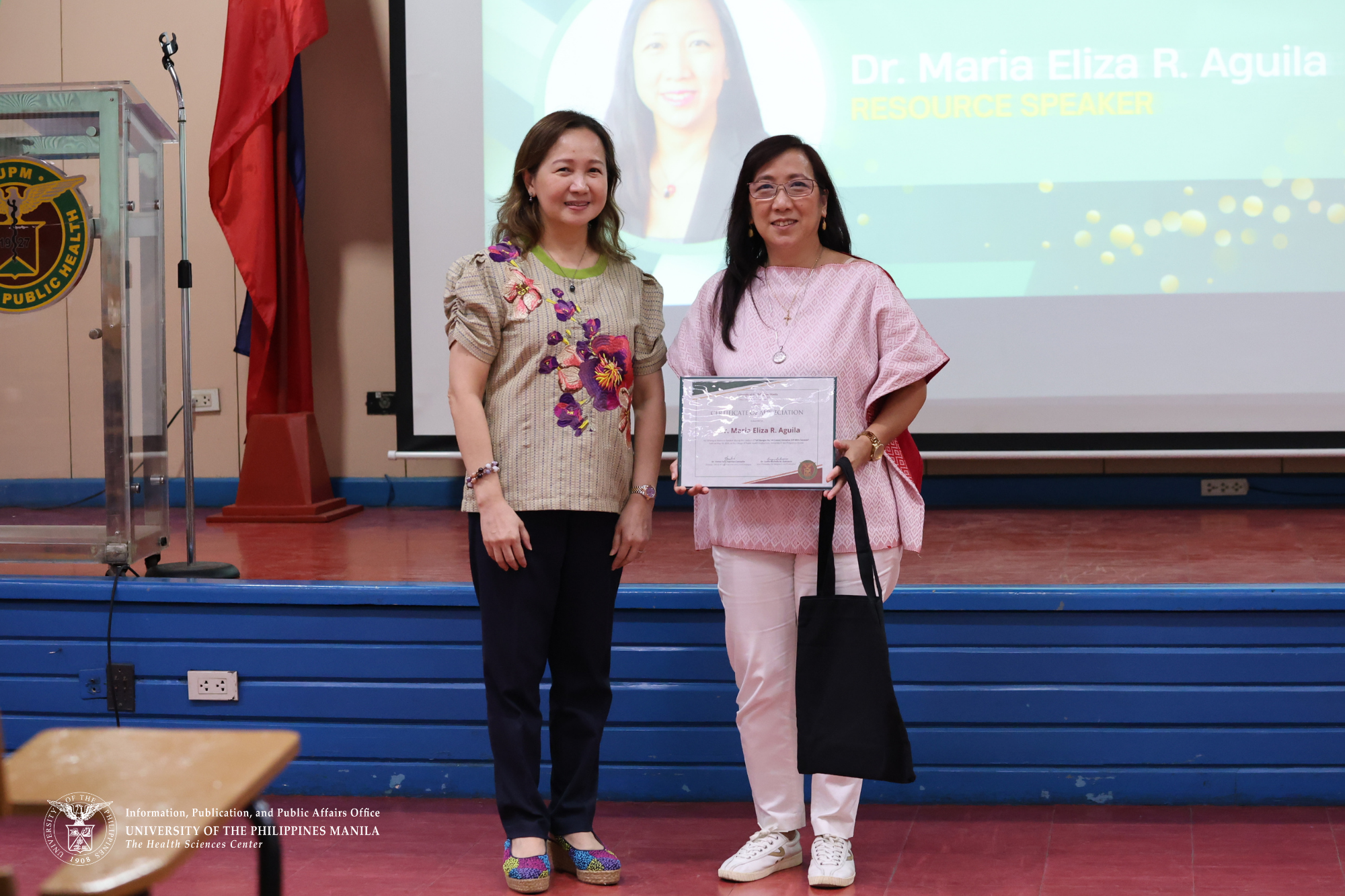
Former College of Allied Medical Professions Dean Maria Eliza Aguila also shared UP Manila’s experiences in supporting inclusive education initiatives in BARMM. Her presentation focused on the “Reach Every Child” campaign, a large-scale child-finding initiative aimed at identifying learners with functional difficulties and disabilities across the region. The initiative was made possible through Education Pathways to Peace in Mindanao, a flagship project of the Australian Government through the Department of Foreign Affairs and Trade (DFAT). The project was implemented in collaboration with the Ministry of Basic, Higher, and Technical Education (MBHTE), the Teacher Education Council–Regional Center, ACT-RC, and the UP Manila College of Allied Medical Professions. The project surveyed more than 22,000 children across the BARMM region to better understand their educational and developmental needs.
Prof. Aguila explained that the initiative evolved from a simple data-gathering project into a broader community-based and policy-driven effort promoting inclusive education. As a result of the initiative, the first Inclusive and Supportive Center for Learning was established in Maguindanao del Sur even before the implementation of the Inclusive Education Act, Republic Act 11650.
She highlighted that the project demonstrated the value of co-creation and stakeholder engagement, with teachers, parents, local leaders, and community members all contributing to the development of culturally responsive educational programs.
Toward a Unified UP Engagement in BARMM
The forum also identified ten priority areas for possible collaboration between UP constituent universities and BARMM institutions. These include health systems strengthening, medical and public health education, inclusive and special needs education, agriculture and food security, telemedicine and digital health, mental health and psychosocial support, disaster risk reduction and resilience, research and data governance, environmental sustainability, and capacity-building for local communities and institutions. Speakers emphasized that these areas reflect the diverse and interdisciplinary expertise within the UP System and highlight the shared goal of developing community-driven and culturally responsive programs that directly address the needs of Bangsamoro communities.
Vice Chancellor for Research and Extension Leslie Michelle Dalmacio shared that UP Manila has already begun talks in developing a collective and interdisciplinary program for Tawi-Tawi in partnership with the GIDA Initiative and the UPBDI. She revealed that several meetings had already been conducted with UPBDI representatives to discuss the proposed initiative. According to Dalmacio, the program aims to bring together experts from various fields within UP Manila to contribute to community-responsive interventions in the region. She added that the proposal would be formally presented later that day and that the initiative would remain open for participation from other faculty members and units across the University.
Dalmacio also emphasized the importance of ensuring that proposed health and development interventions are culturally acceptable and grounded in the realities of local communities. She explained that while UP Manila intends to contribute to areas such as maternal and child health, these efforts must also consider the social and cultural contexts of the communities involved. To support this approach, the UP Manila Technical Working Group includes representatives from public health, anthropology, and research institutions.
Meanwhile, UPBDI TWG member and Mindanao State University Regent Grace Jacinto Ali emphasized that the UPBDI Caravan in UP Manila represented more than a presentation of existing initiatives and partnerships. She described the gathering as a meaningful step toward strengthening a genuine “One UP” approach that unites the expertise, compassion, and commitment of the entire UP System in responding to the needs of vulnerable and underserved communities in BARMM and the Sulu Archipelago.
#FP1 #AccessibleUPLeadership
Read More: