

Text by Charmaine A. Lingdas
Photos by Information, Publication, and Public Affairs Office
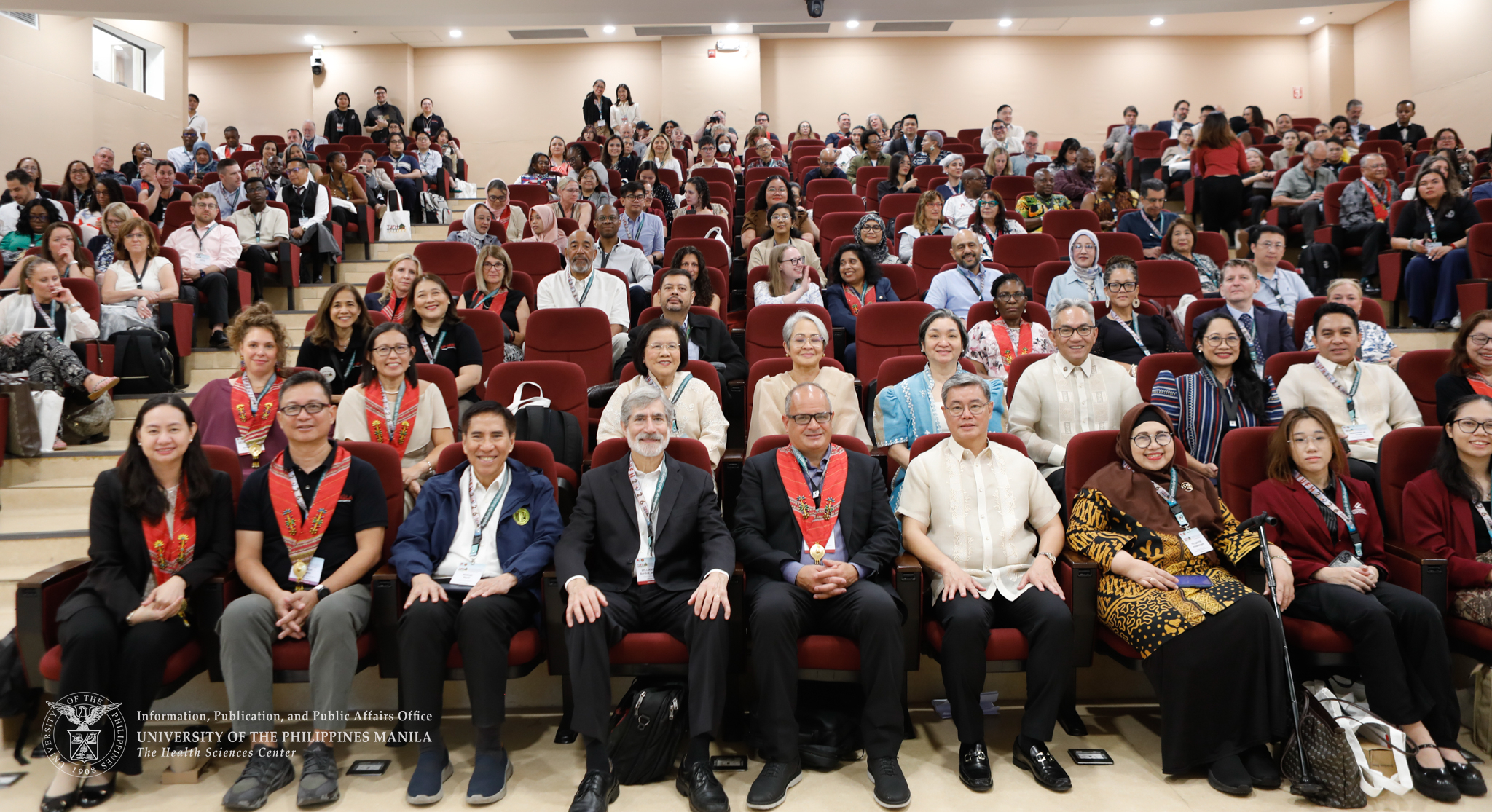
For four days in Manila, health professionals, educators, students, researchers, and health experts from around the world did more than exchange ideas on health equity. They experienced the Philippines. They visited communities and health programs, listened to local experiences, joined discussions on the future of the health workforce, shared Filipino food, watched cultural performances, and built relationships that extended beyond the conference rooms. Through it all, one Filipino idea kept returning to the center of the gathering: Bayanihan.
The Network: Towards Unity for Health (TUFH) 2026 conference, held Aug. 4–7, 2026 at the Henry Sy Sr. Medical Sciences Building of the University of the Philippines Manila, brought together 377 participants from 37 countries under the theme, “Bayanihan for Health Equity: Co-Creating Social Innovations for Responsive & Resilient Health Systems.” TUFH 2026 was jointly hosted by The Network: Towards Unity for Health and UP Manila, with Mapúa University, Ocugen, TDR/SIHI, Woods System of Care, and the University of the Philippines College of Medicine among its conference partners.
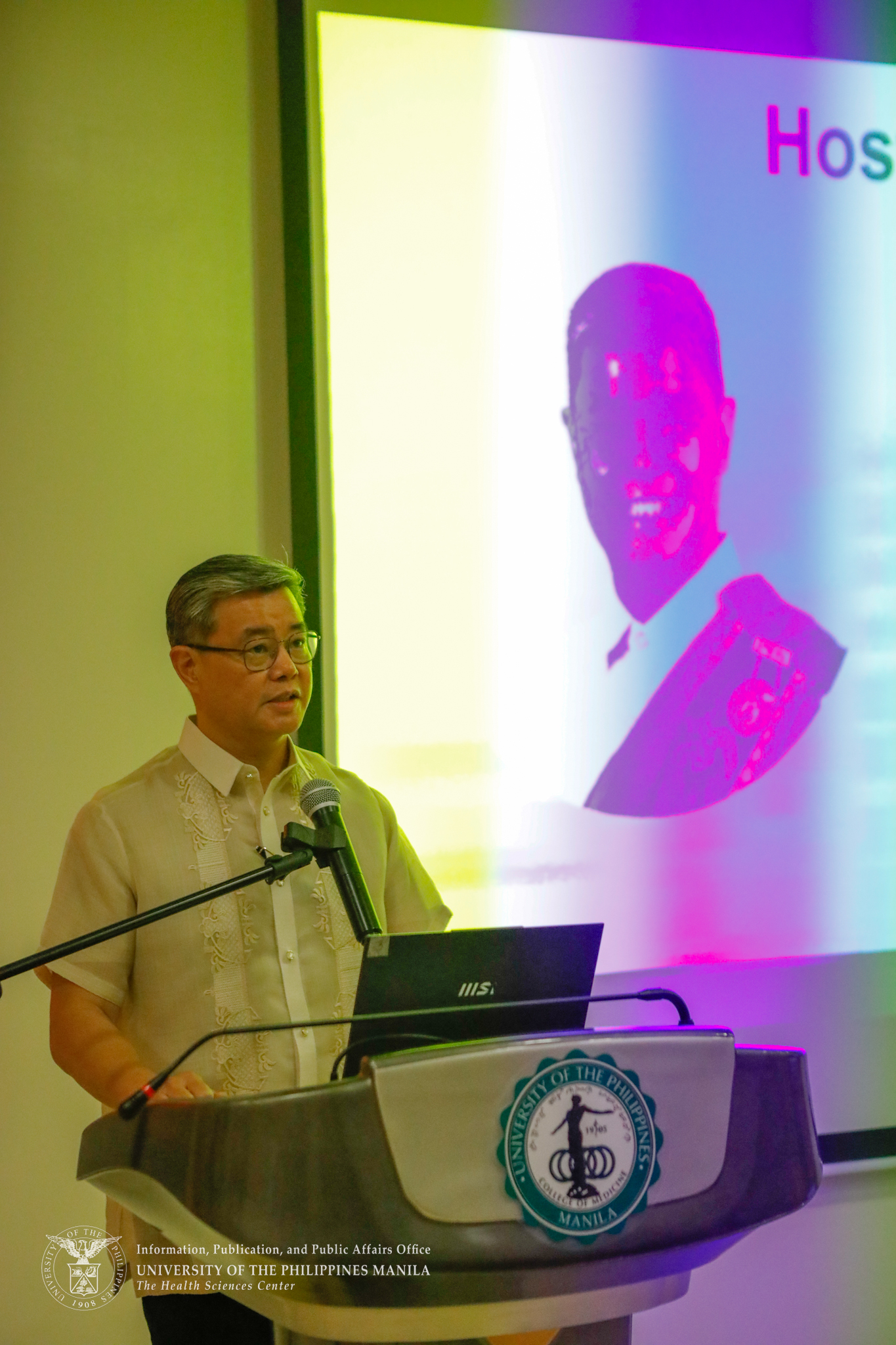
UP Manila Chancellor Michael Tee described conferences such as TUFH as a form of bayanihan and a vital space for scientific exchange.
“Conferences like this are a form of bayanihan—a true engine of scientific progress, drawing us from diverse contexts to meet face-to-face, interact deeply, and forge people-to-people partnerships that transcend screens and borders. Let us embrace this bayanihan spirit, connect authentically, and co-create the health equity our world demands,” he said.
Students speak alongside global health leaders
The keynote program deliberately put students beside established global health leaders. Each major keynote session began with a student speaker, allowing young health professionals to frame the discussion from their own experiences.
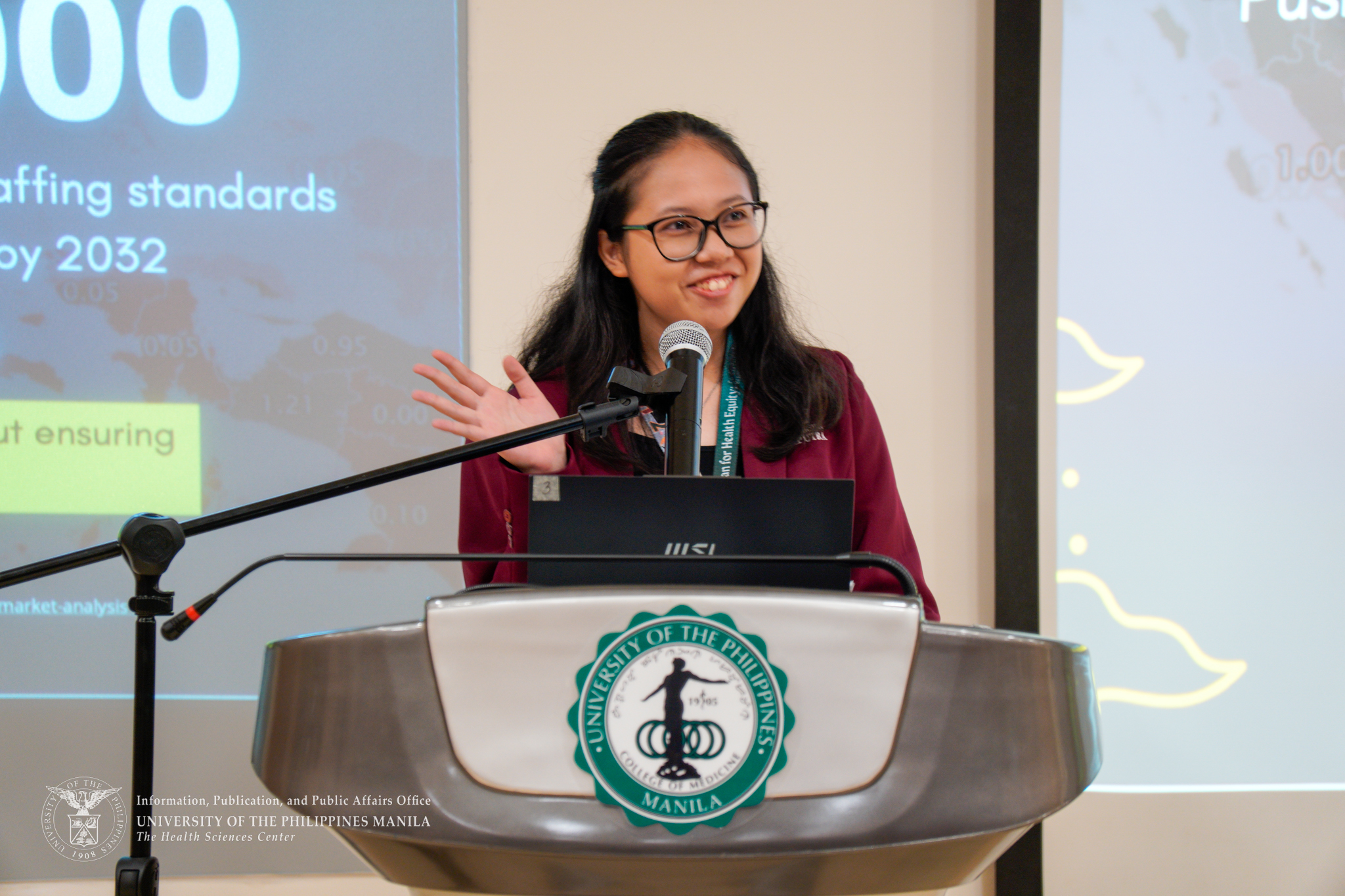
Jennifer Tantadiputra, a third-year medical student at Universitas Gadjah Mada in Indonesia, emphasized that improving health goes beyond delivering medical care. She highlighted the importance of listening to communities and working with them to develop solutions that fit their realities. Drawing a parallel with the Filipino concept of bayanihan, she described gotong royong, Indonesia’s tradition of mutual cooperation, as a similar expression of collective action in health.
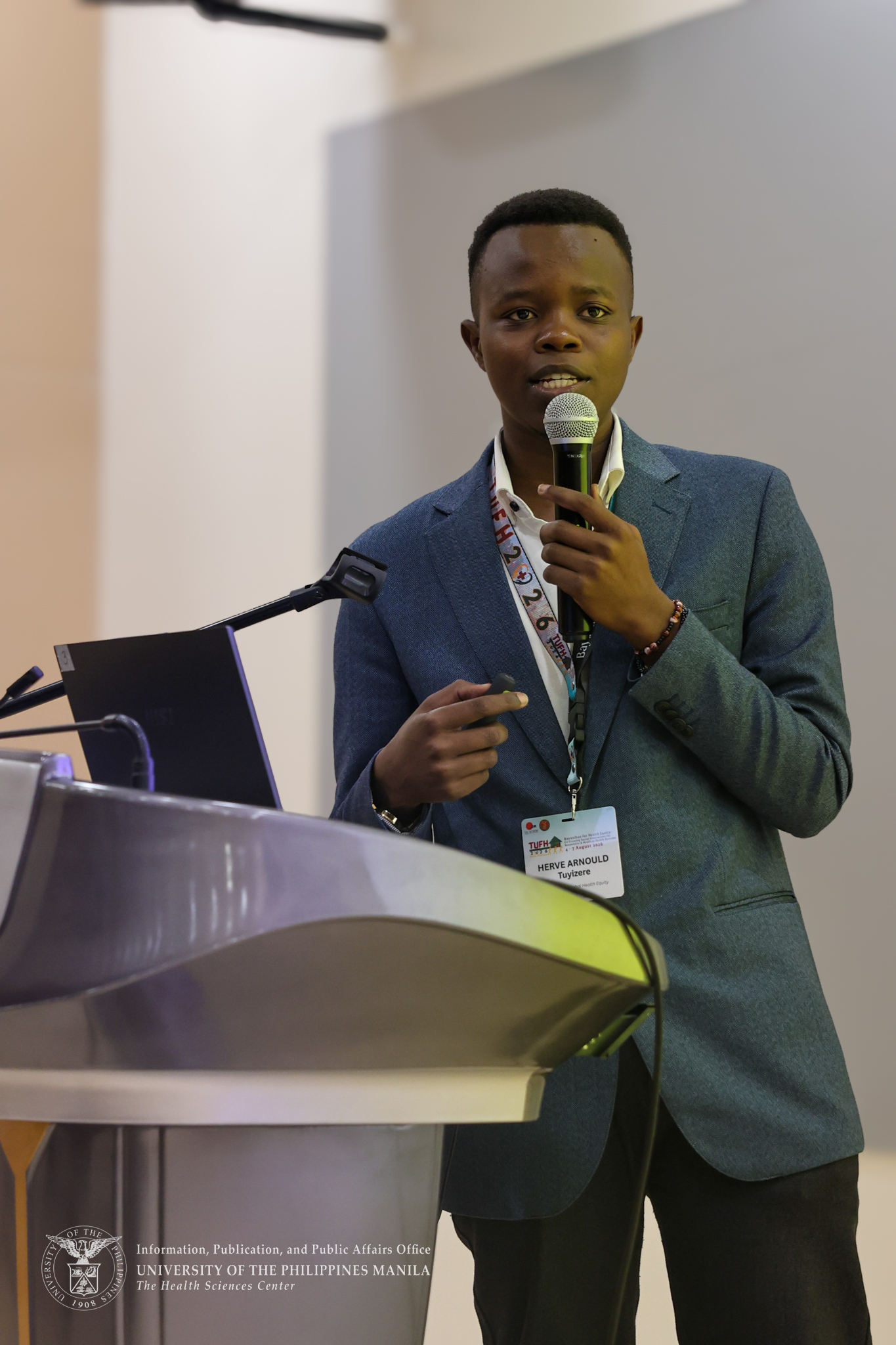
From Rwanda, Arnould Herve Tuyizere, a clinical intern at the University of Global Health Equity, shared lessons from his country’s health system. He pointed to Rwanda’s decentralized approach, investments in infrastructure and human resources, universal health care coverage, and focus on communities as key factors in the country’s progress in health outcomes.
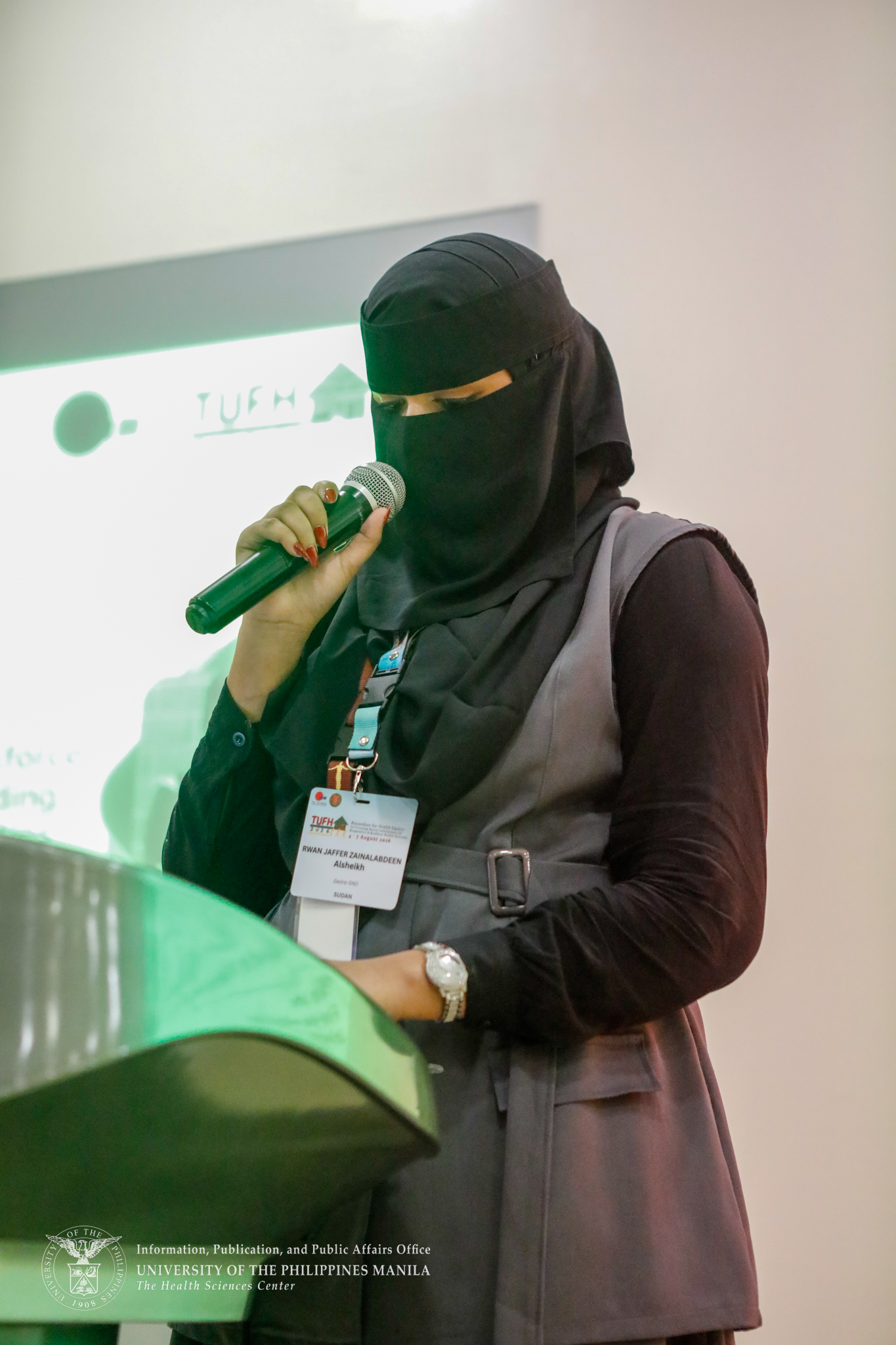
Rwan Jaffer Zain-alabdeen Alshiekh, a medical student at the University of Gezira in Sudan, brought the discussion to the patient experience. She reflected on the responsibility of health workers who are entrusted with patients during some of the most vulnerable moments of their lives. Her perspective emphasized seeing patients not simply as medical cases, but as people whose health affects their families, hopes, and futures.
Representing UP Manila, Naomi Claire Estavillo, a public health student, highlighted the work that happens behind the scenes in implementing health programs. She stressed that effective public health interventions require patience, careful understanding of community needs, and evidence-based research, particularly when health problems are rooted in complex and interconnected factors.
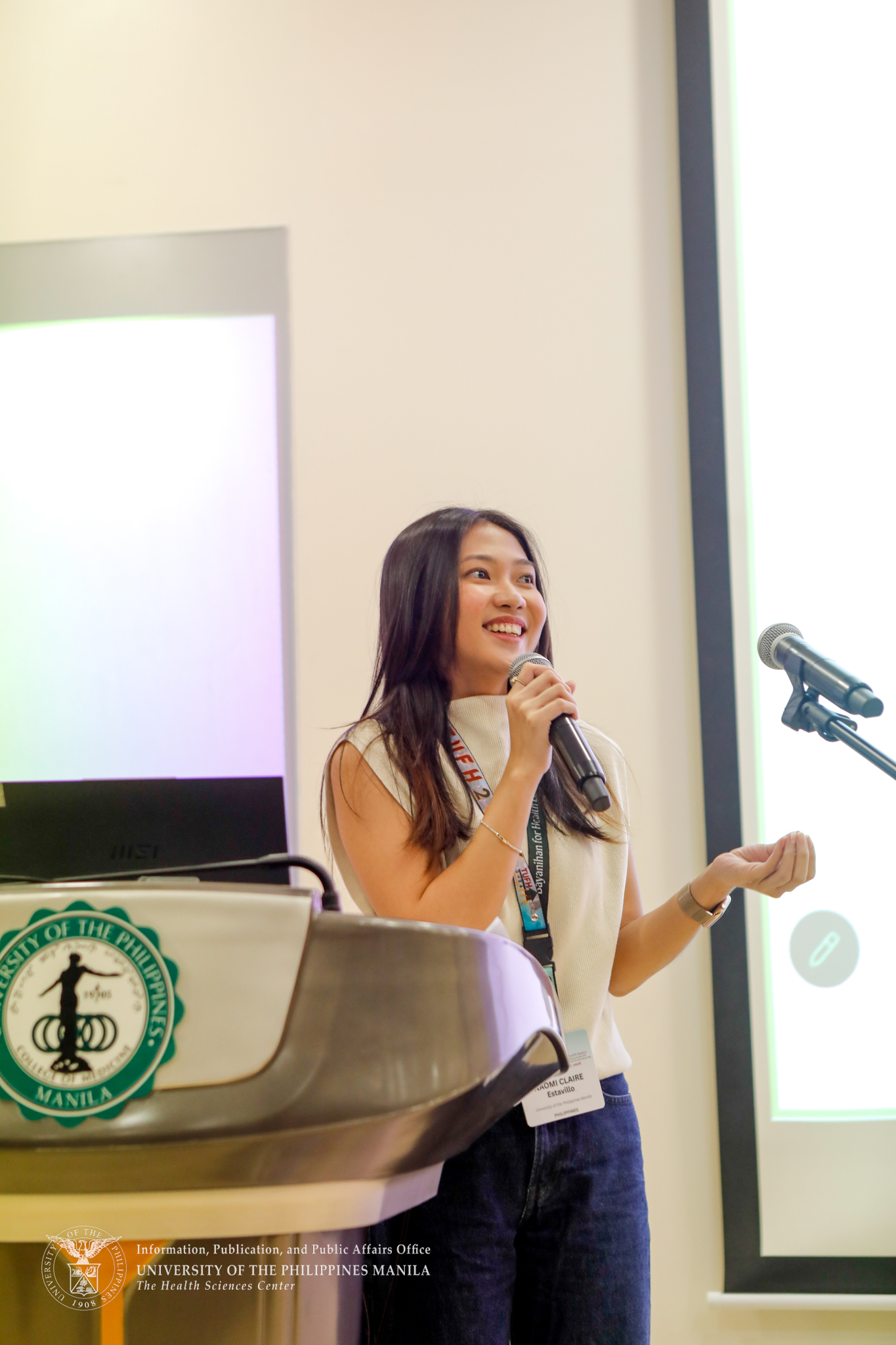
Together, their perspectives reinforced a central message of the conference: improving health requires listening to communities, understanding their realities, and working with them to create solutions that can last.
Global health leaders take the stage
The conference brought together four major keynote speakers whose work spans health workforce policy, community-driven health systems, global health equity, and medical education.
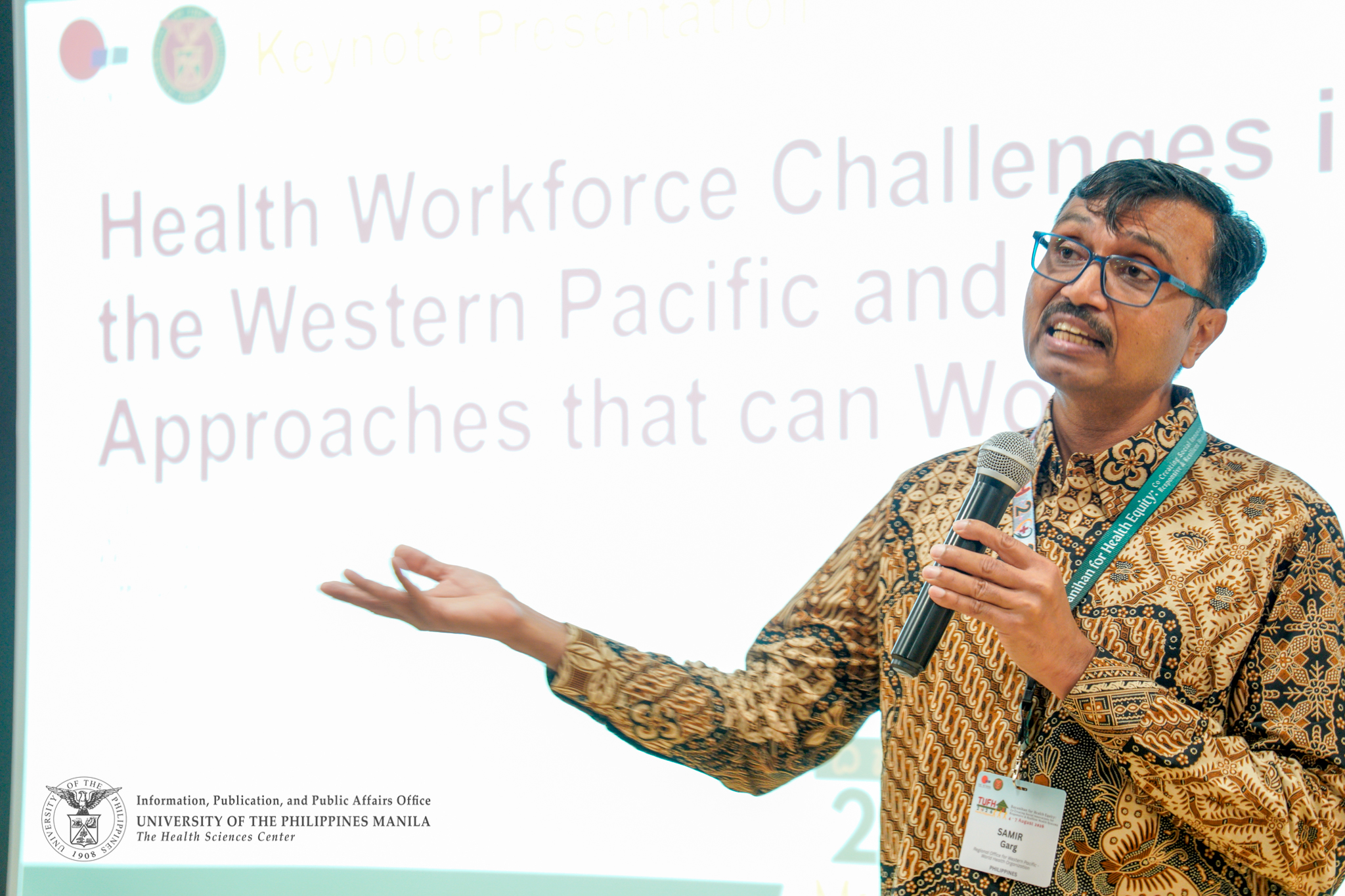
Samir Garg, Health Workforce Policy Expert and Technical Officer for Health Workforce Policy at the World Health Organization Regional Office for the Western Pacific, opened the keynote series. His keynote examined the health workforce challenges facing the Western Pacific and questioned whether conventional approaches focused on training, recruitment, and retention are enough to build equitable and resilient health systems.
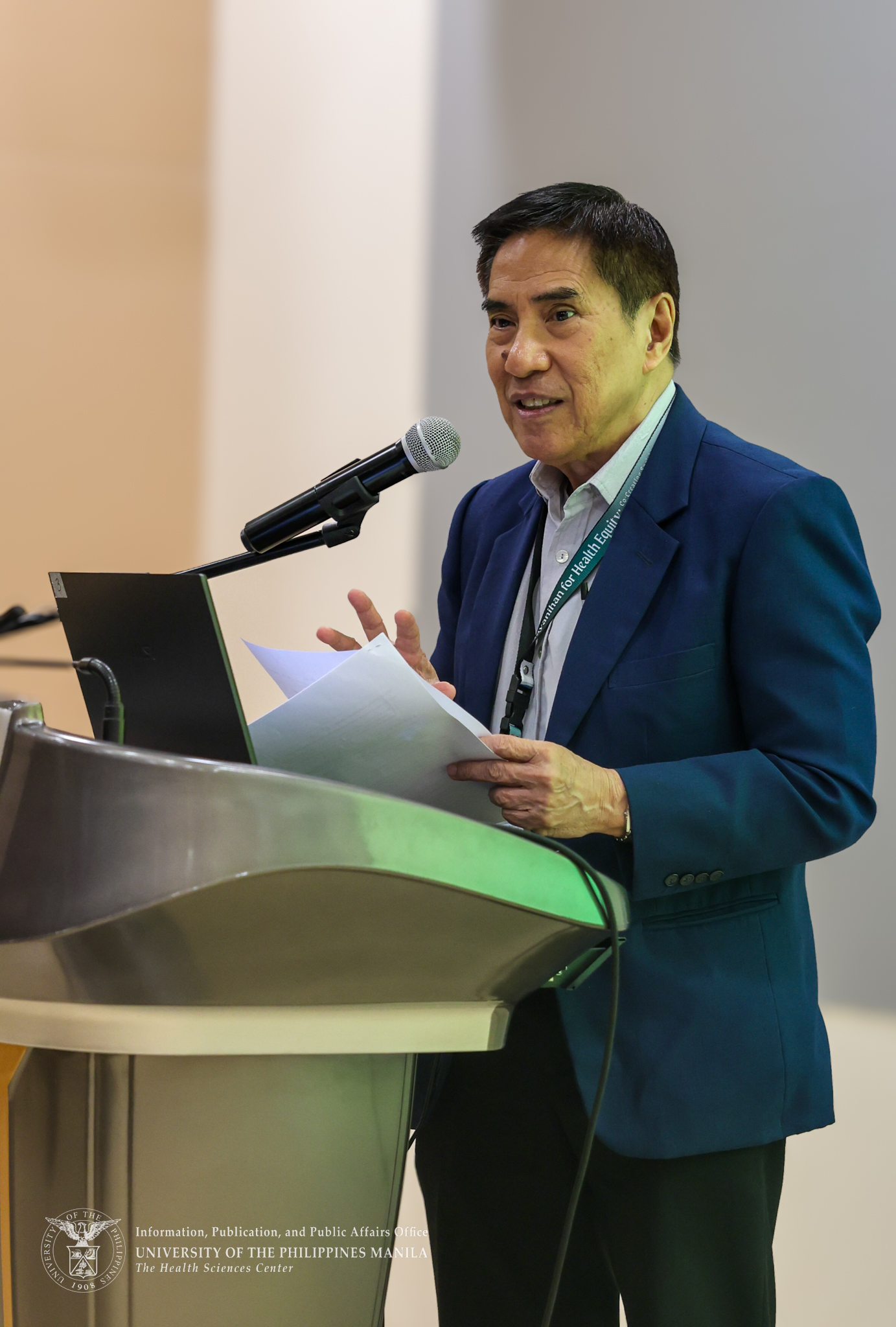
Dr. Manuel Dayrit, chair of the Zuellig Family Foundation and former Philippine health secretary, discussed Bridging Leadership, an approach that brings communities, governments, institutions, and other stakeholders together to take collective ownership of health challenges and develop solutions.
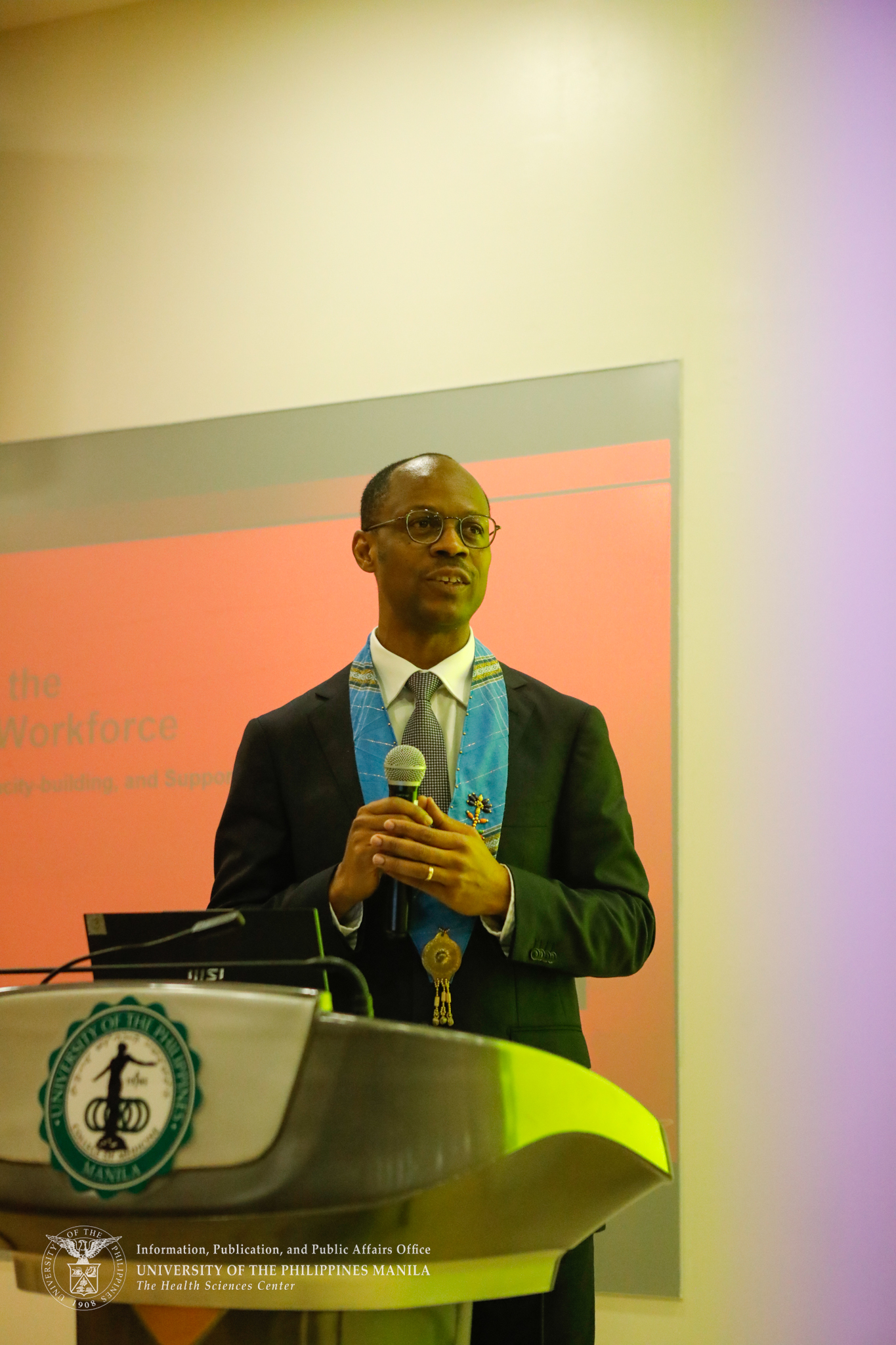
Dr. Kenneth Yakubu, a family physician and research fellow at The George Institute for Global Health, discussed health worker mobility, human rights, equitable workforce distribution, and community-led approaches to recruitment, retention, and capacity-building.
Meanwhile, Prof. Titi Savitri Prihatiningsih, professor in medical education and bioethics at Universitas Gadjah Mada, Indonesia, and president of the Southeast Asia Regional Association of Medical Education, examined why policies can fail to translate into meaningful improvements in communities.
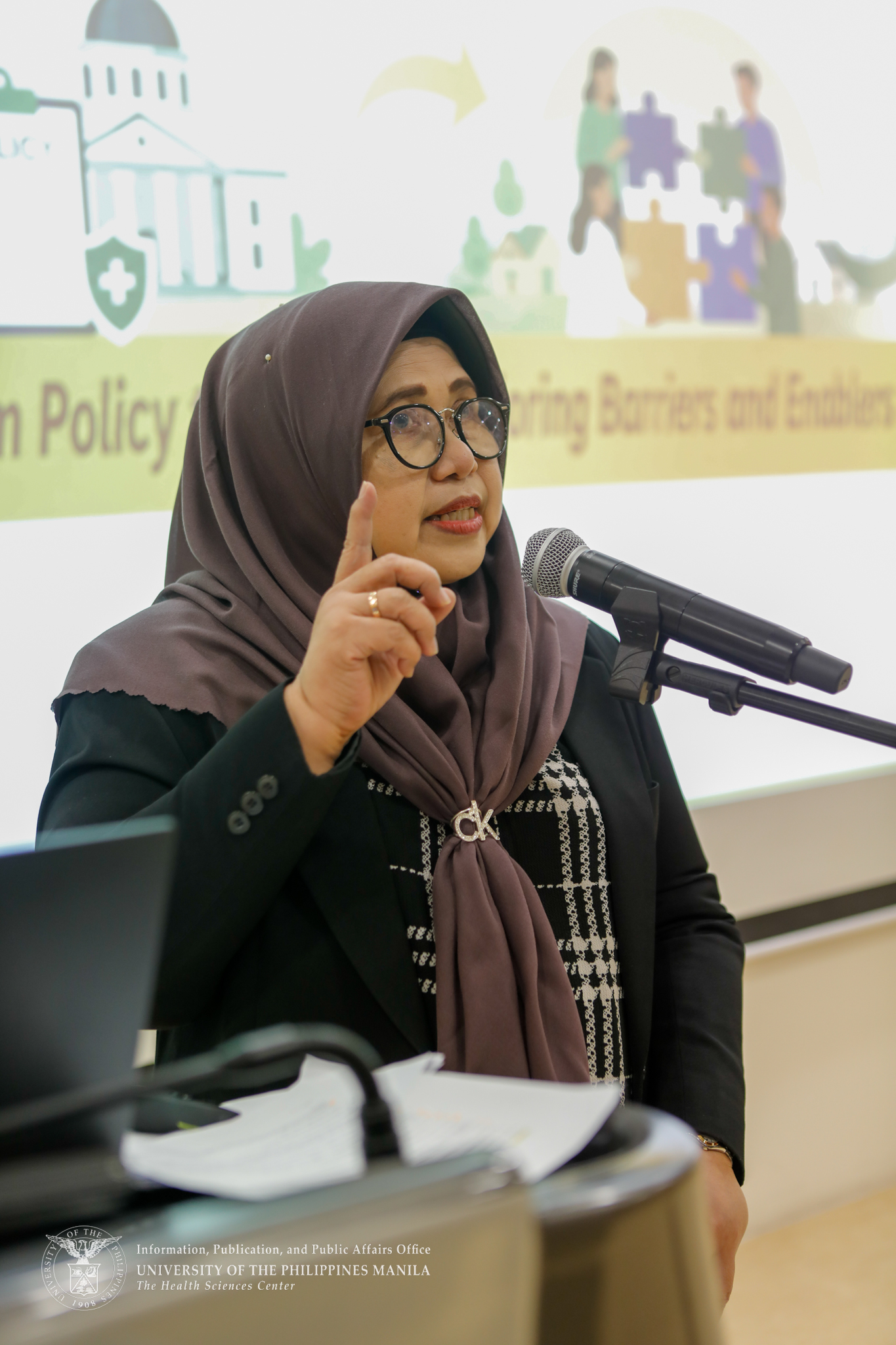
Conference on the move takes delegates into communities
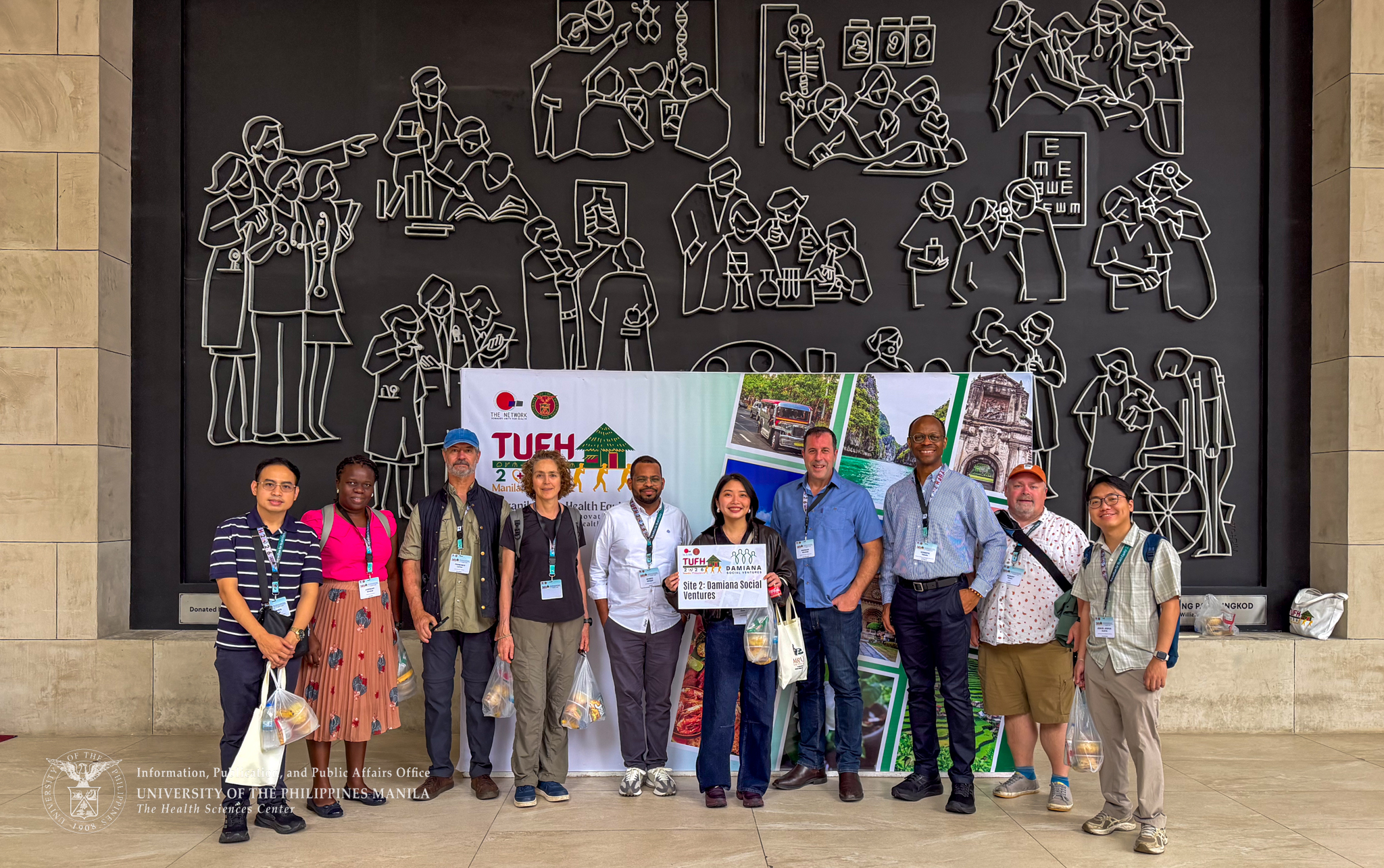
On the second day, TUFH 2026 moved beyond the conference venue through Conference on the Move, a full-day activity that allowed delegates to experience bayanihan and co-creation in communities and health settings. Participants visited several sites: the UPCM Clinical Simulation Laboratory, UP Surgical Innovation and Biotechnology Laboratory (UP SIBOL) and UPCM Anatomy Laboratory in Manila; Damiana Social Ventures and Quezon City Kabahagi Center for Children With Disabilities in Quezon City; Kalinga Health in Mandaluyong; UP Diliman Psychosocial Services (PsycServ) in Quezon City; the 2026 Healthcare Innovation Forum at Sheraton Manila Bay; and the Cavite-MAGNAMARTE-UP Program in Cavite.
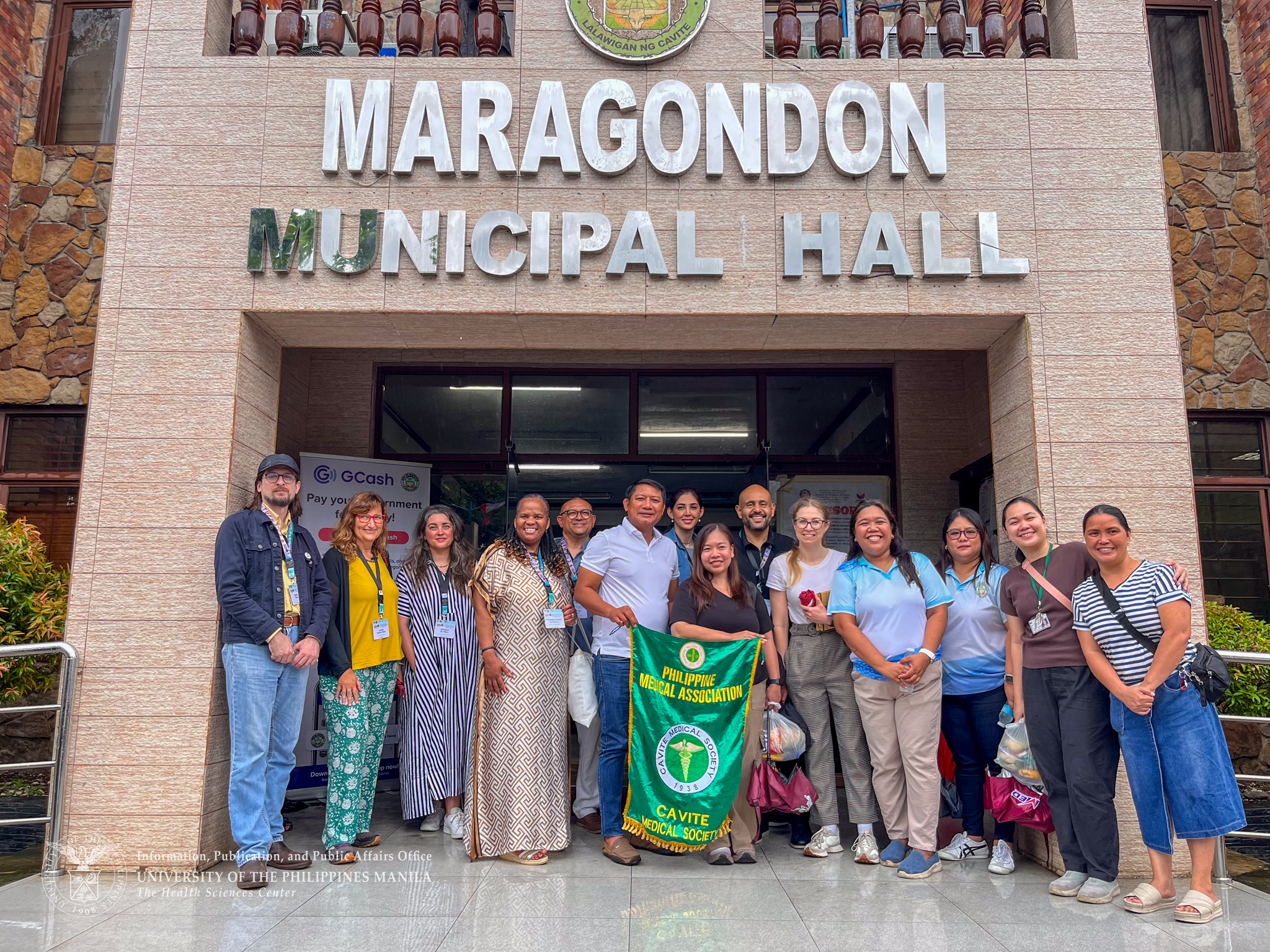
The visits exposed delegates to different approaches to health and social development, from laboratory and university-based innovation to social enterprises, mental health and disability services, and community partnerships.
Six summits, six lenses on health equity
The event featured six specialized summits alongside the keynote sessions, giving delegates opportunities to examine health equity through different populations and settings.
The IDD, Autism, and Integrated Behavioral Health Summit focused on integrated care for people with intellectual and developmental disabilities, autism, and behavioral health needs, while the Women’s Health Summit explored women’s roles in communities and health systems and the factors shaping women’s health outcomes and community resilience.
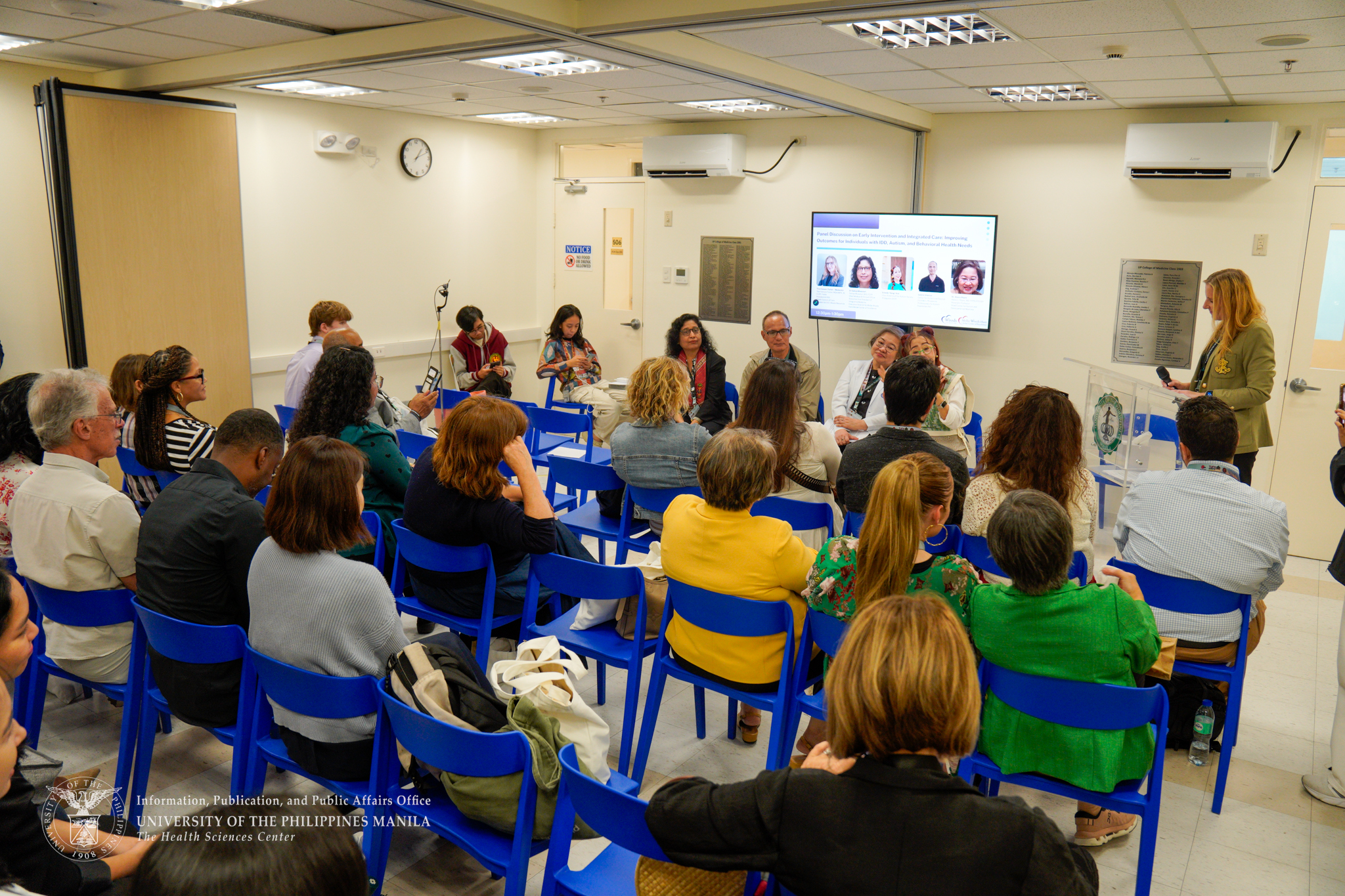
The Rural and Remote Health Summit addressed challenges in delivering health services in underserved and geographically isolated communities through presentations, discussions, and a panel, while the Mental Health and Disaster Preparedness Summit examined disaster mental health and community needs assessment.
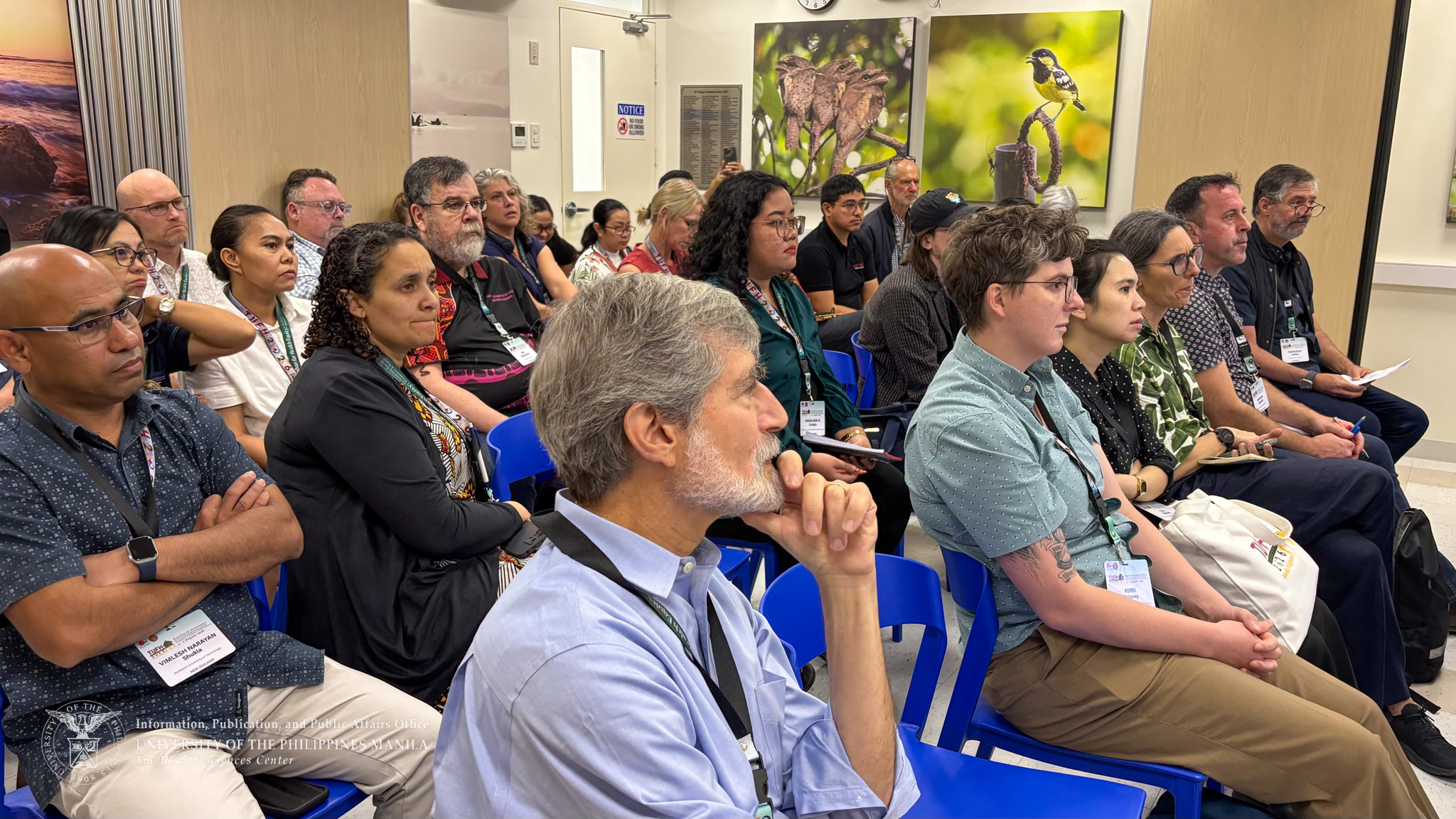
The Aging Health Summit focused on the health needs of older populations through presentations and an interactive workshop. Meanwhile, the Social Innovations in Health Summit explored social innovation through presentations, discussions on the Innovex platform, and a participatory workshop on co-creating local solutions.
Together, the six summits expanded the conference’s discussions on social innovation, community participation, and resilient health systems, bringing specialized perspectives into the broader conversation on health equity.
Experiencing the Filipino culture
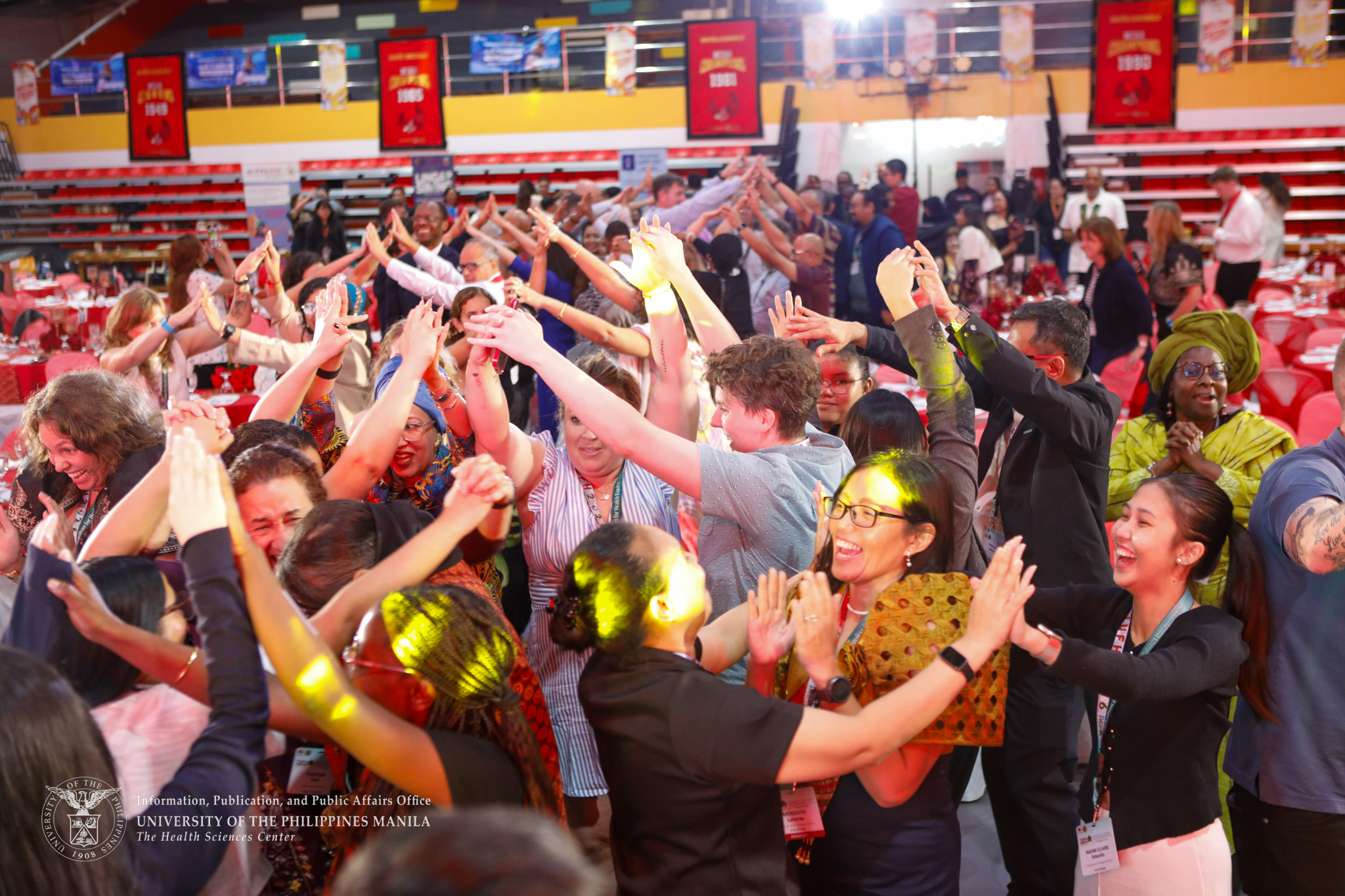
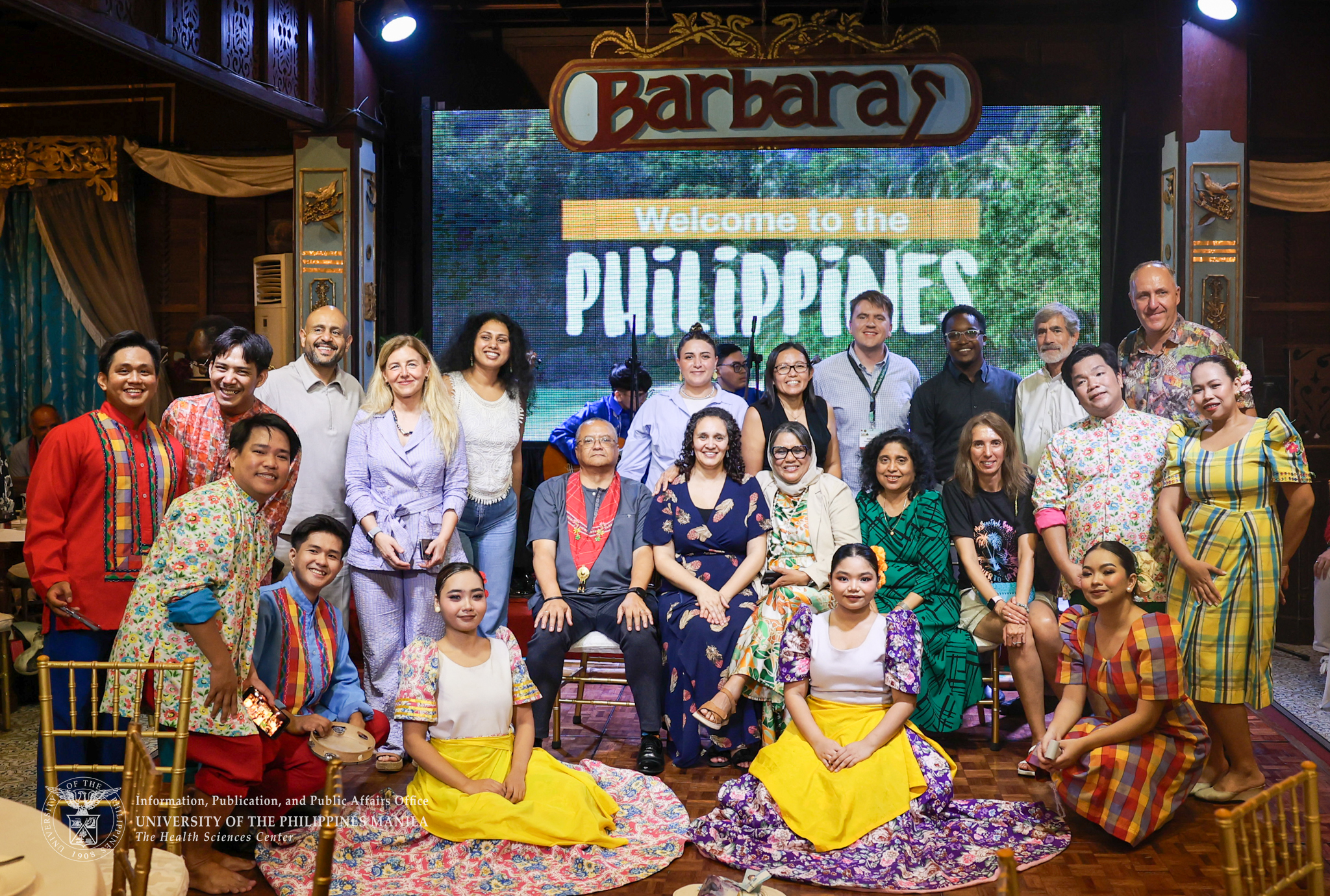
After the summit sessions, delegates traveled to Mapúa University’s main campus in Intramuros for the cultural dinner, where they experienced Filipino food, music, performances, and traditional activities prepared by the host team. After several days of discussions on health workforce challenges, policy implementation, and social innovation, the evening offered a chance for delegates to connect in a more relaxed setting. Tinikling, the traditional Filipino bamboo dance, was one of the highlights, with participants who joined the activity later receiving certificates. The cultural night became another memorable part of their experience in Manila.
Research recognized
The conference also recognized participants whose research and presentations stood out among the submissions. The scientific committee selected winners for both virtual and physical poster presentations after reviewing a large number of applications.
For the Best Virtual Poster, first place went to Asiyah Khafiyya, Fika Ekayanti, Adeline Firdaus, Sarah At Tauhidah, and Ahmad Azmul Asmar Irfan for “When Performance Targets Meet Clinical Reality: Frontline Implementation of Hypertension Policy in Indonesian Primary Care.” Second place was awarded to Charne Christians for “Exploring Attraction and Retention Strategies for Speech-Language Therapists Working in the Rural Eastern Cape,” while third place went to Niaz Ahmed for “Community Members’ Perception Regarding Comprehensive Primary Health Care Service Delivery of Lady Health Workers in Rural Areas of Balochistan, Pakistan.”
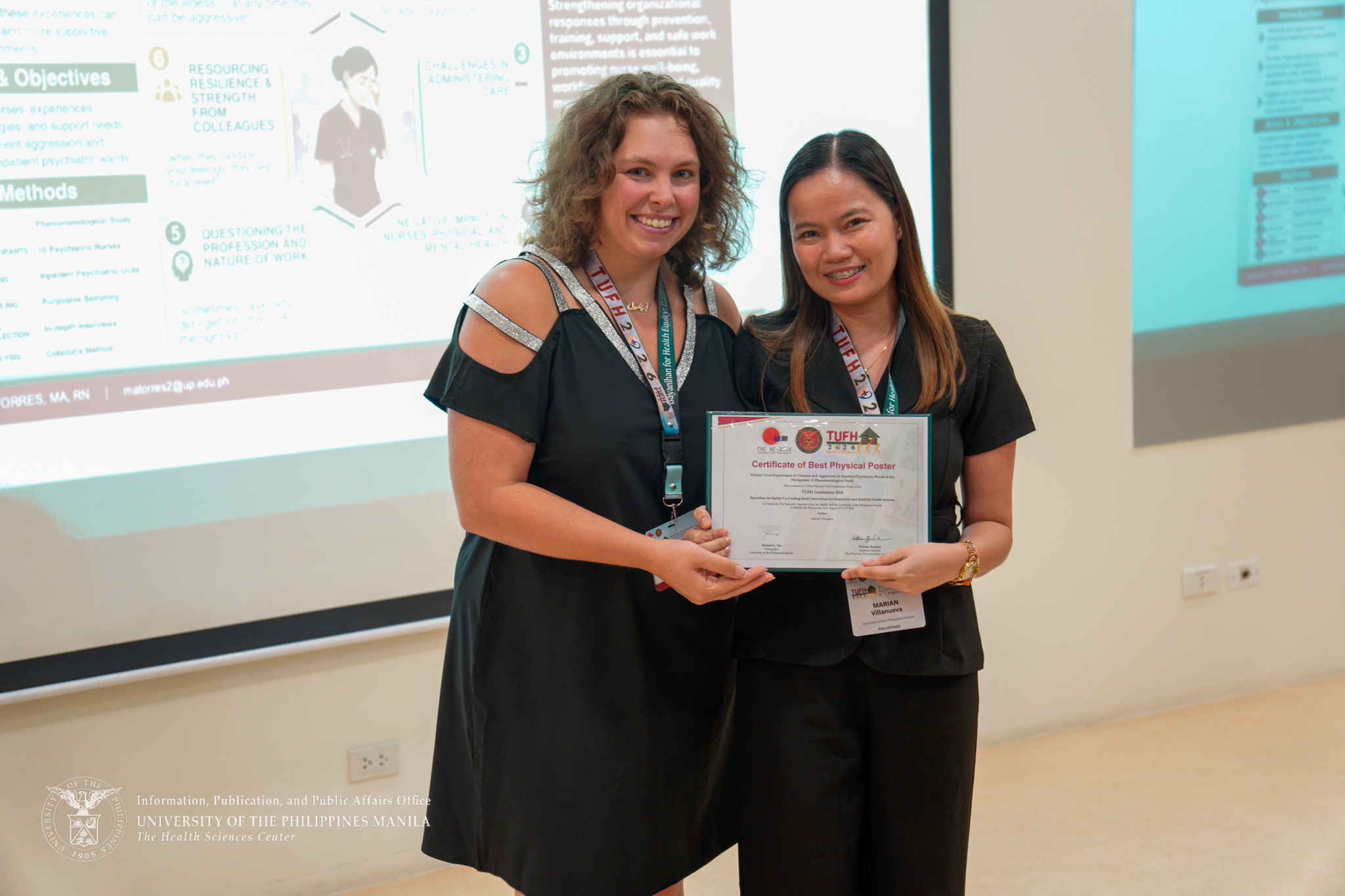
For the Best Physical Poster, Marian Villanueva took first place for “Nurses’ Lived Experiences of Violence and Aggression in Inpatient Psychiatric Wards in the Philippines: A Phenomenological Study.” Leonard Javier placed second for “Centering Worker Narratives to Advance Socially Accountable Occupational Health Education: A Proposed Curriculum Innovation at the University of the Philippines Manila.” Third place went to Kent Tristan Esteban, Meredith Del Pilar-Labarda, Belen Dofitas, Jana Deborah Mier-Alpaño, Jose Bagani Cruz, Pamela Bianca Pasco, Pauline Marie Tiangco, and Jemimah Gyra Escote for “Implementing and Sustaining a Community-Based Integrated Skin Health Program: The CommSkin Playbook.”
A declaration for what comes next
TUFH leaders presented the TUFH 2026 Manila Declaration, titled “Bayanihan for Health Equity: From Commitment to Action,” as a framework for turning the conference’s discussions into concrete steps. It reaffirmed health equity as a shared responsibility and called for action in four areas: community-driven health systems, equity by design, strengthening the global health workforce, and moving from policy to practice. The declaration urged participants to involve communities in planning and decision-making, design technology and innovations with equity and inclusion in mind, strengthen and support health workers in underserved areas, and build partnerships that can translate policies into local action.
The declaration also issued a 12-month call to action, asking every participant, institution, partner, summit, student group, and community represented at TUFH 2026 to make at least one concrete commitment before leaving Manila and act on it within the next year.
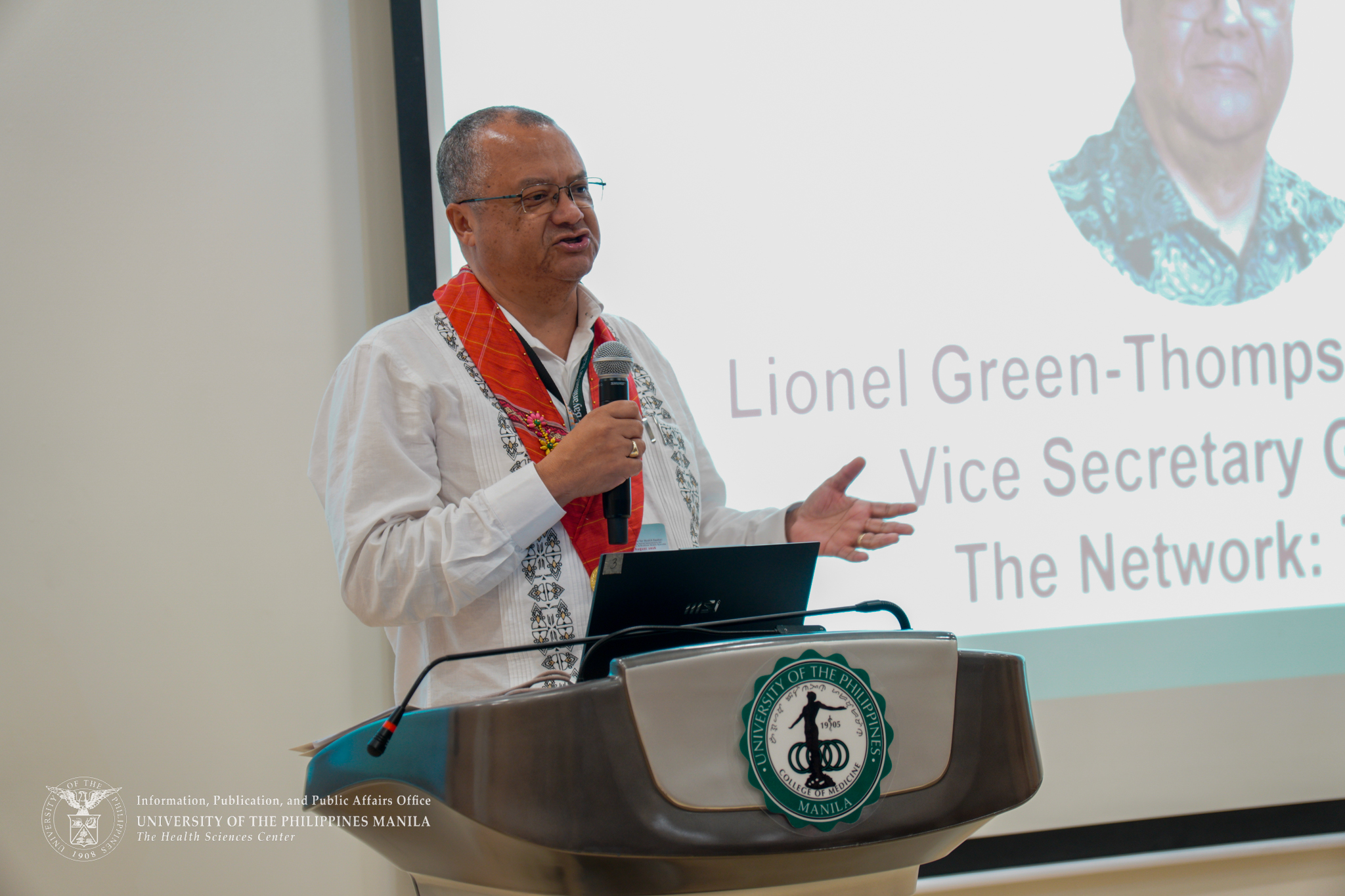
Participants were encouraged to return to TUFH 2027 in Recife, Brazil, prepared to share what they had done, what had changed, and what still needed to be addressed. Prof. Lionel Green-Thompson challenged participants to continue the relationships they had formed in Manila by reaching out to at least one person they had met and pursuing a research collaboration, proposal, or idea discussed during the conference. “Bayanihan, it’s not just a conference scene. It’s a follow-up email you actually sent,” he said.
The declaration closed with a commitment to track progress through evidence of change, from greater community participation and stronger health workforce support to more equitable innovation and policies that translate into improvements in people’s lives. It framed the journey from Manila to Recife and toward TUFH 2032 as a continuing effort to build health systems that are responsive, resilient, socially accountable, and grounded in the communities they serve.
A monsoon, an earthquake, and resilience in practice
The Philippines also introduced delegates to something that could not be rehearsed. TUFH 2026 began amid monsoon rains and ended with an earthquake that affected the final day. For some international participants, the weather became part of their experience of the Philippines.
But keeping the conference on track required more than adapting to the weather. Faculty, staff, and volunteers worked behind the scenes to ensure that the program continued, with some taking on additional responsibilities when colleagues could not report.
UP Manila Vice Chancellor Bernadette Heizel Reyes thanked the faculty and staff who stepped up to fill the gaps.
“That is how we do things here at the university. This is what we are as Filipinos. The only reason why we survived the typhoons, the flooding, the earthquakes … is because it’s very Filipino that when systems fail, we look out for each other.”
She emphasized that their work gave practical meaning to the conference’s theme of bayanihan: when circumstances changed, people stepped in to support one another and keep the work moving.
Aricia De Kempeneer, Vice President of Programs and Operations of The Network: Towards Unity for Health (TUFH), acknowledged the Information, Publication, and Public Affairs Office (IPPAO) for its thorough documentation of the TUFH 2026 conference. She expressed appreciation for the dedication of IPPAO staff Sarah Hazel Moces S. Pulumbarit, January Kanindot, Jericho Paolo L. Mabansag, Louie Andrei Magtibay, Raymart N. Sagpang, Erlyn May U. Pareja, Charmaine A. Lingdas, and Darren Jay Salgado in documenting the conference and capturing its key moments and activities.
More than a conference
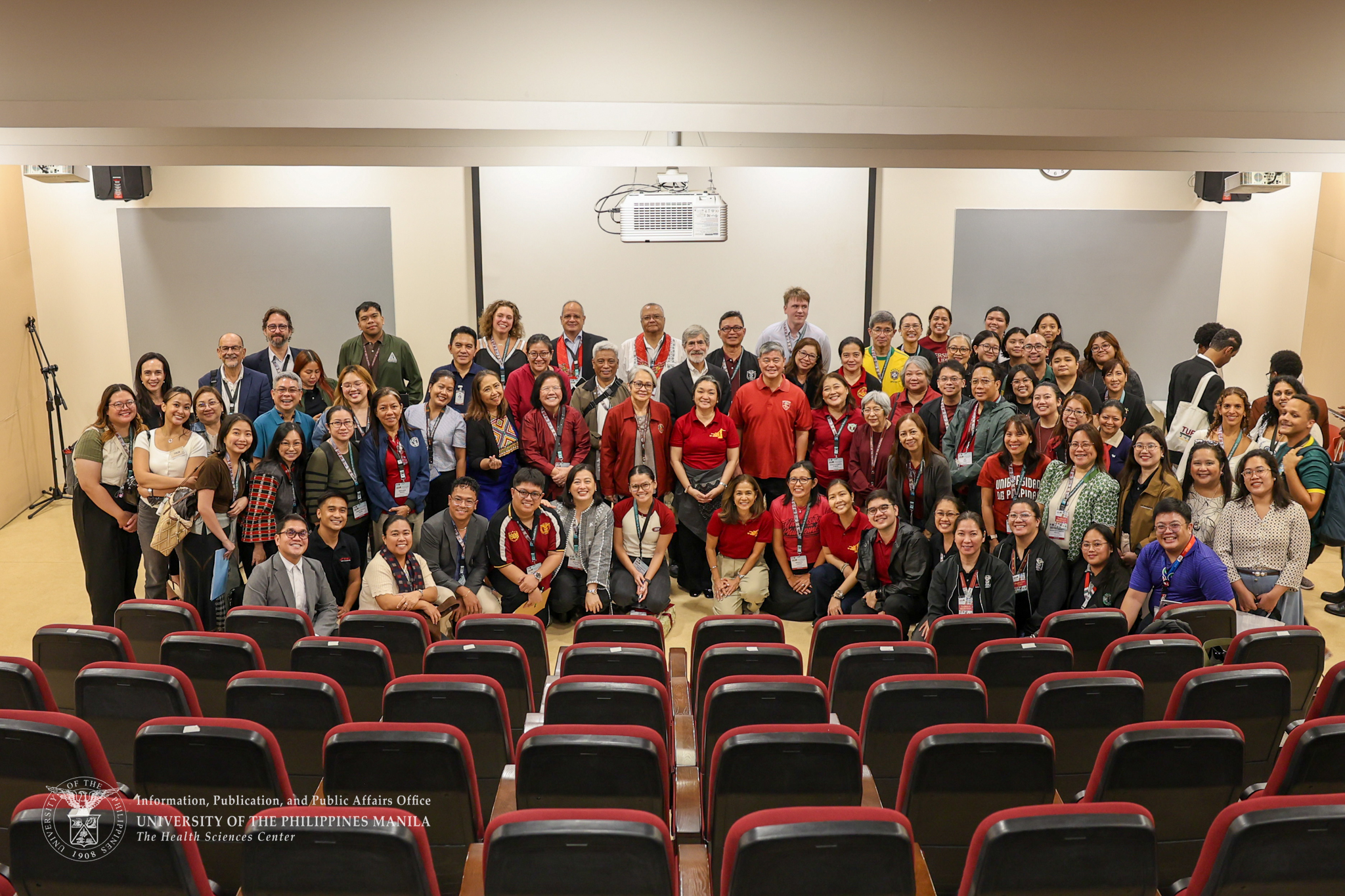
Beyond the sessions and presentations, the conference showed that health equity is built through relationships—by listening to communities, sharing responsibility, valuing different perspectives, and working across institutions and borders.
Delegates saw bayanihan in practice: in communities welcoming visitors, students sharing their perspectives, staff stepping in when needed, and participants continuing despite the monsoon rains and earthquake.
For TUFH 2026, bayanihan was more than a theme. It was about helping one another move toward somewhere better (with photo contributions from Sophitia Cello Victoria Y. Salaguinto, Cherie Anne C. Grospe, Xia R. Salazar, Arabella Grace V. Ludovice, Elaissa B. Bautista, and Naomi Jewelle Eejarin).
READ MORE:
#FP1 #innovationsforlifelonglearningdedicatedtoservice