


Text by Jericho Paolo L. Mabansag
Photos by Sarah Hazel Moces Pulumbarit
While routine medical journals capture the ongoing research discourse, special issues possess the rare power to move a field forward, shaping the future of research and medical practice.
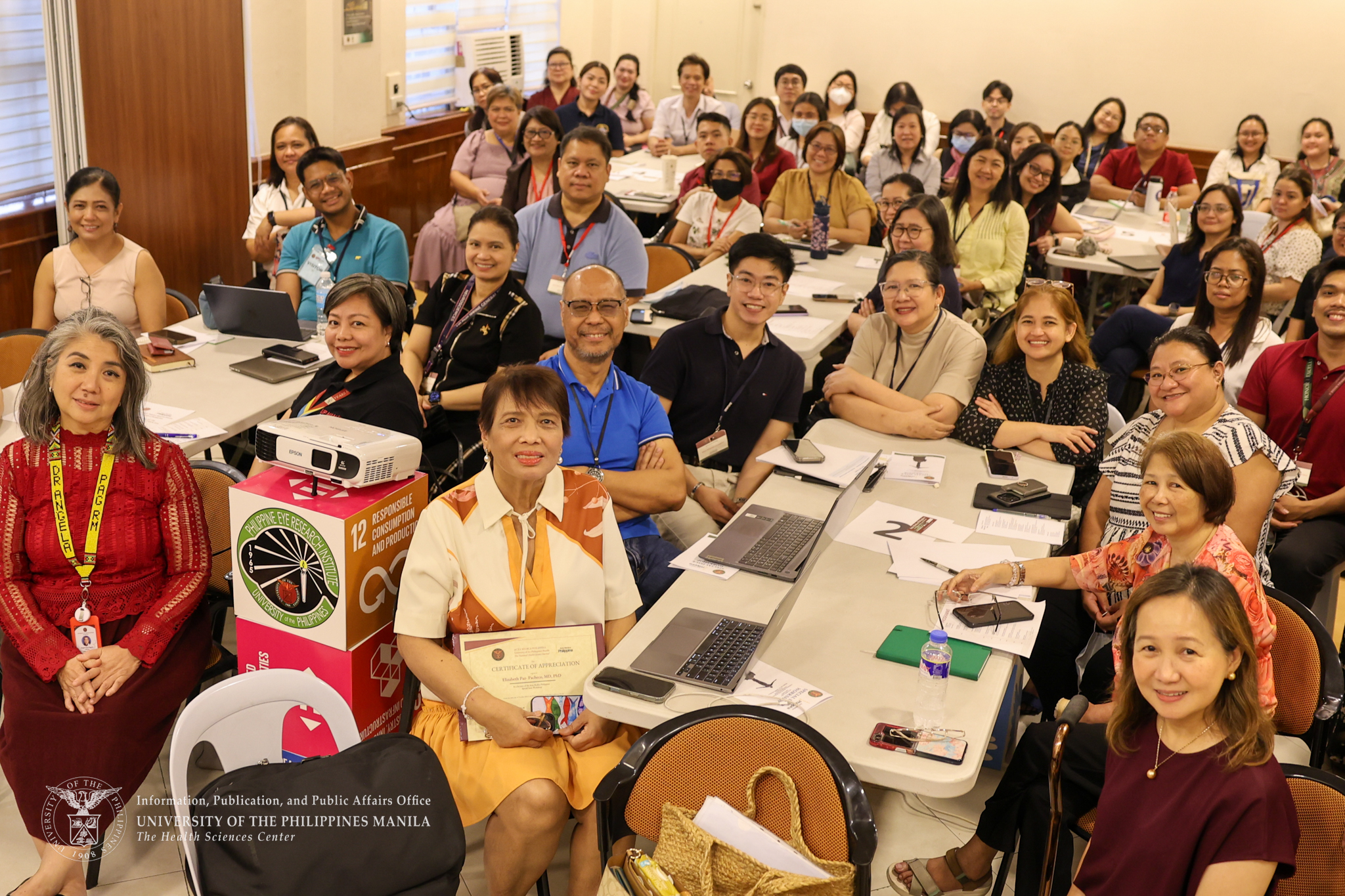
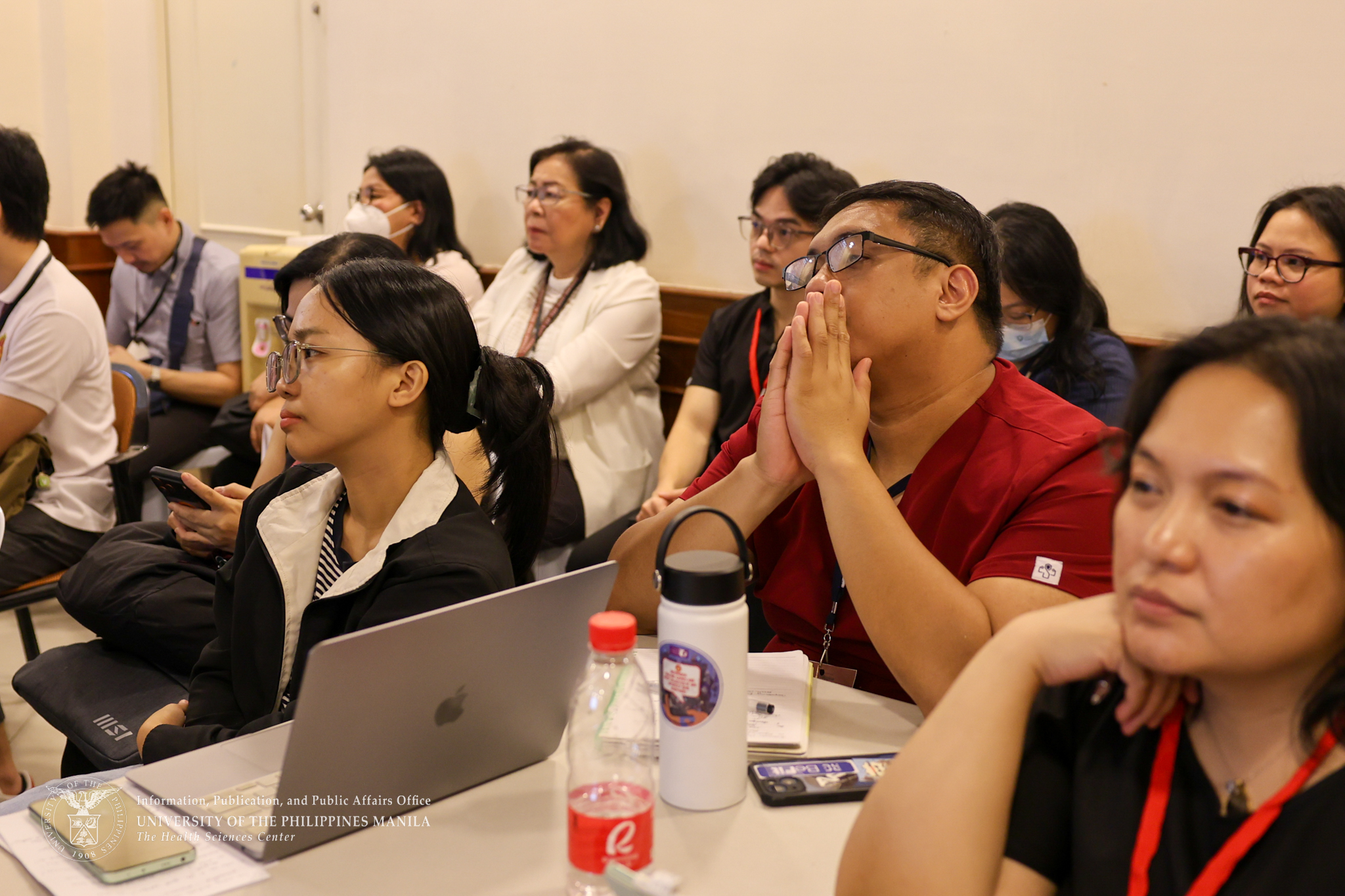
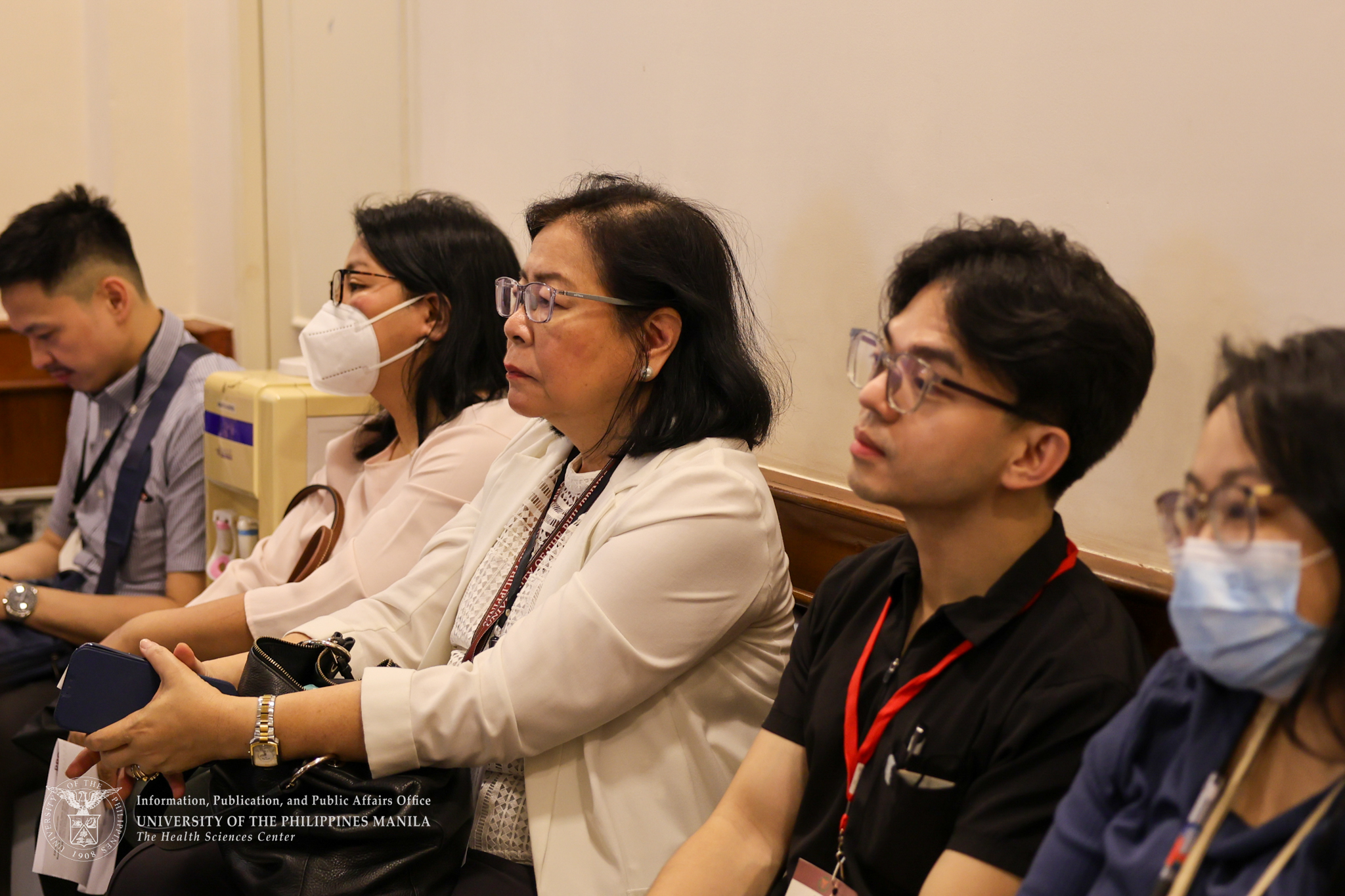
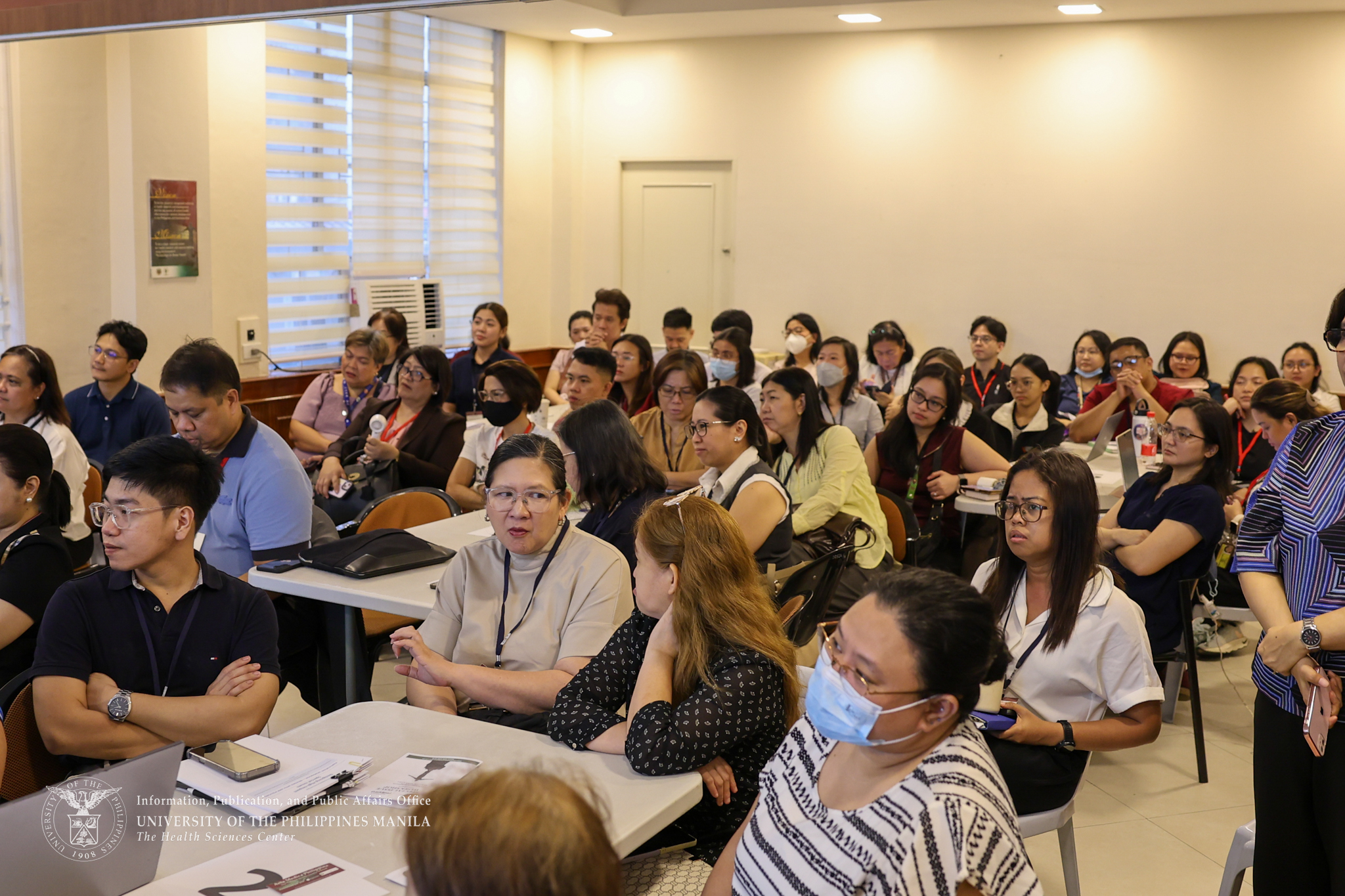
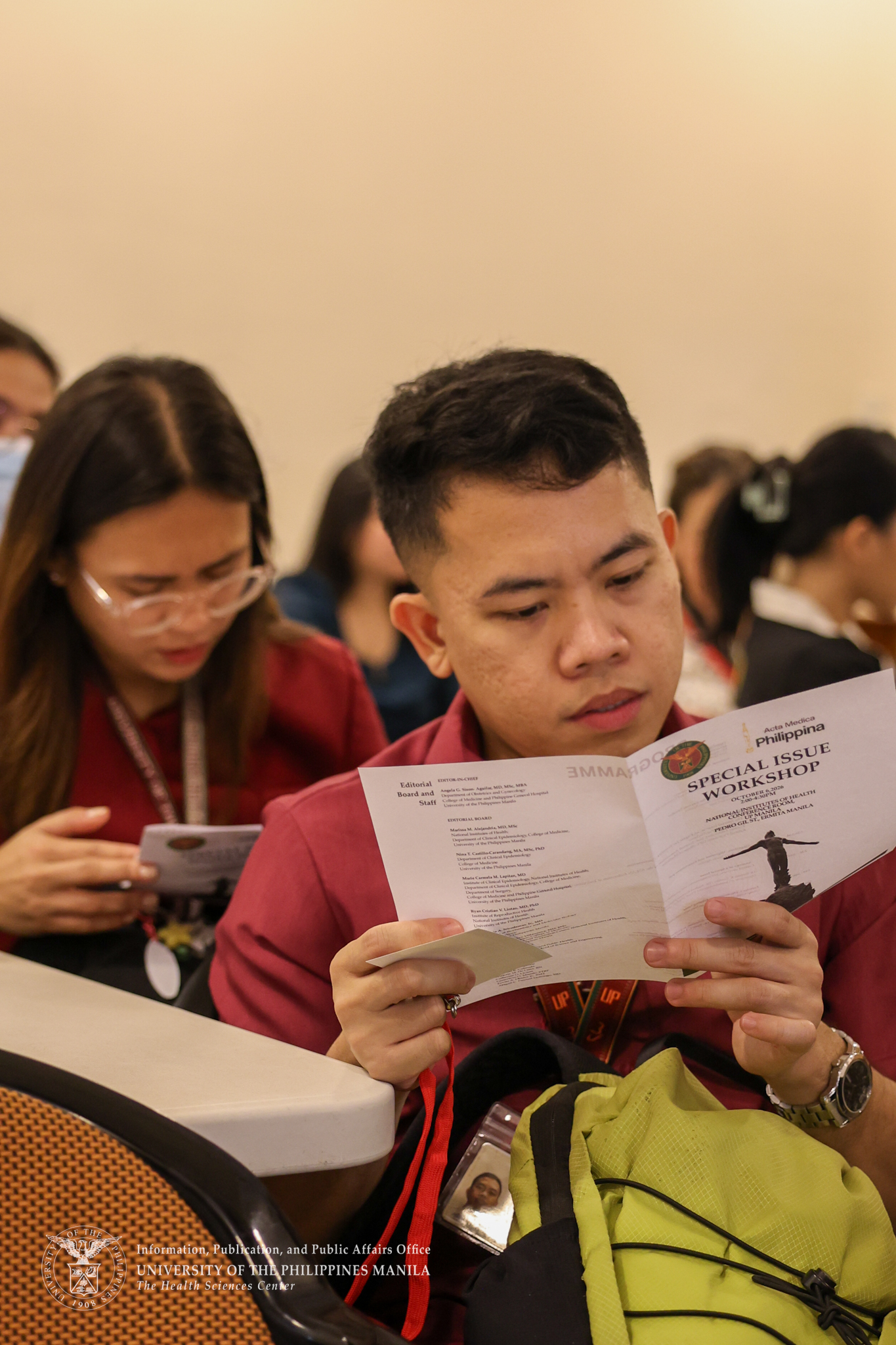
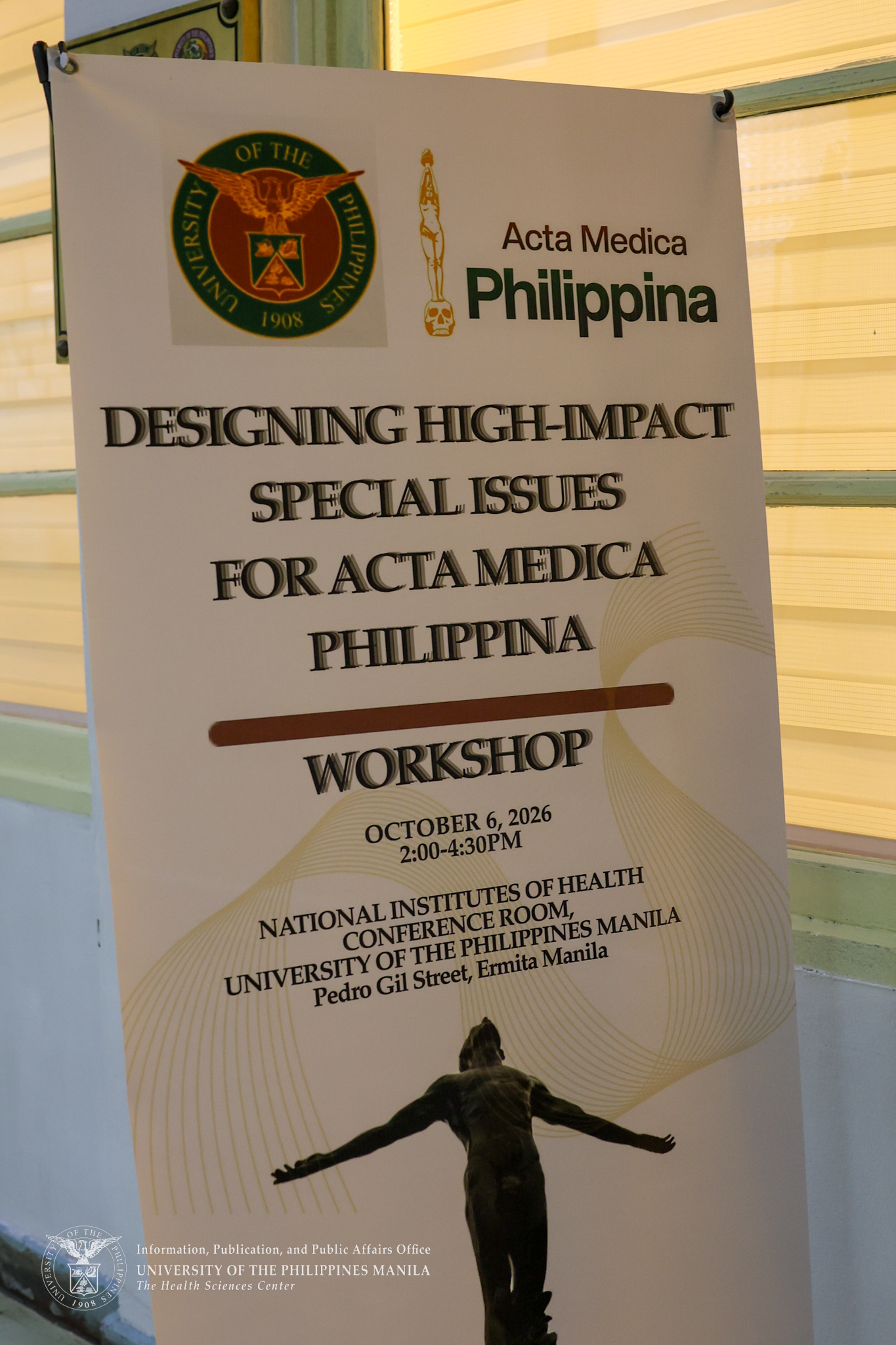
That distinct vision brought together researchers, journal editors, and department chairs at the National Institutes of Health Conference Room at the University of the Philippines Manila for the Special Issue Workshop on Oct. 6, 2026. Hosted by Acta Medica Philippina, an international peer-reviewed, open-access, Scopus- and PubMed-indexed monthly medical journal published by UP Manila, the event served as both a strategic symposium and a practical workshop aimed at redefining how academic literature shapes healthcare policy and clinical practice.
The gathering drew leaders from across the nation’s academic and medical landscape, including representatives from the University of Santo Tomas, De La Salle University, National University, Far Eastern University, San Juan de Dios Hospital, the Philippine Society of Medical Oncology, and the Philippine Journal of Health Research and Development (PJHRD), among others.
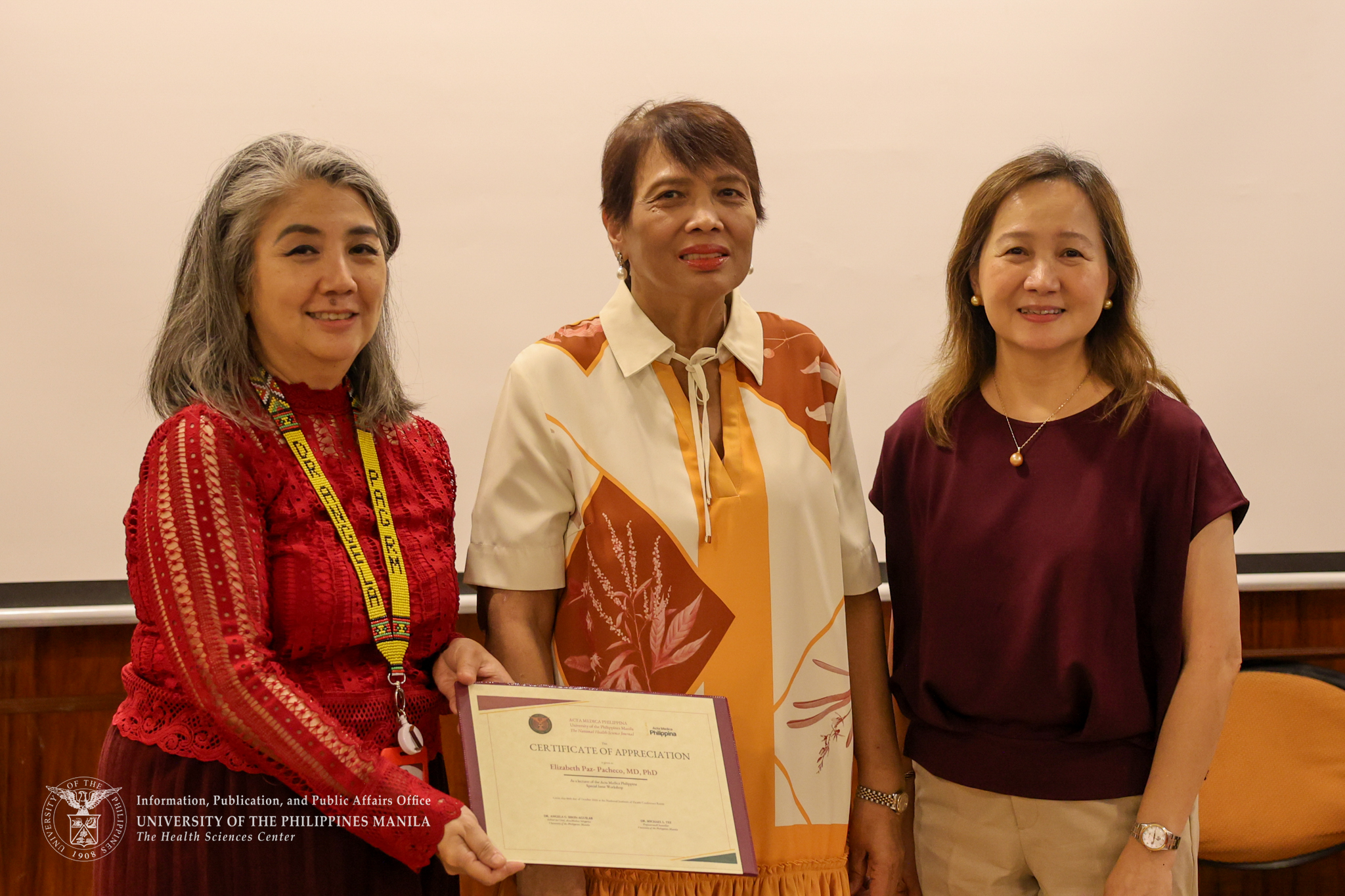
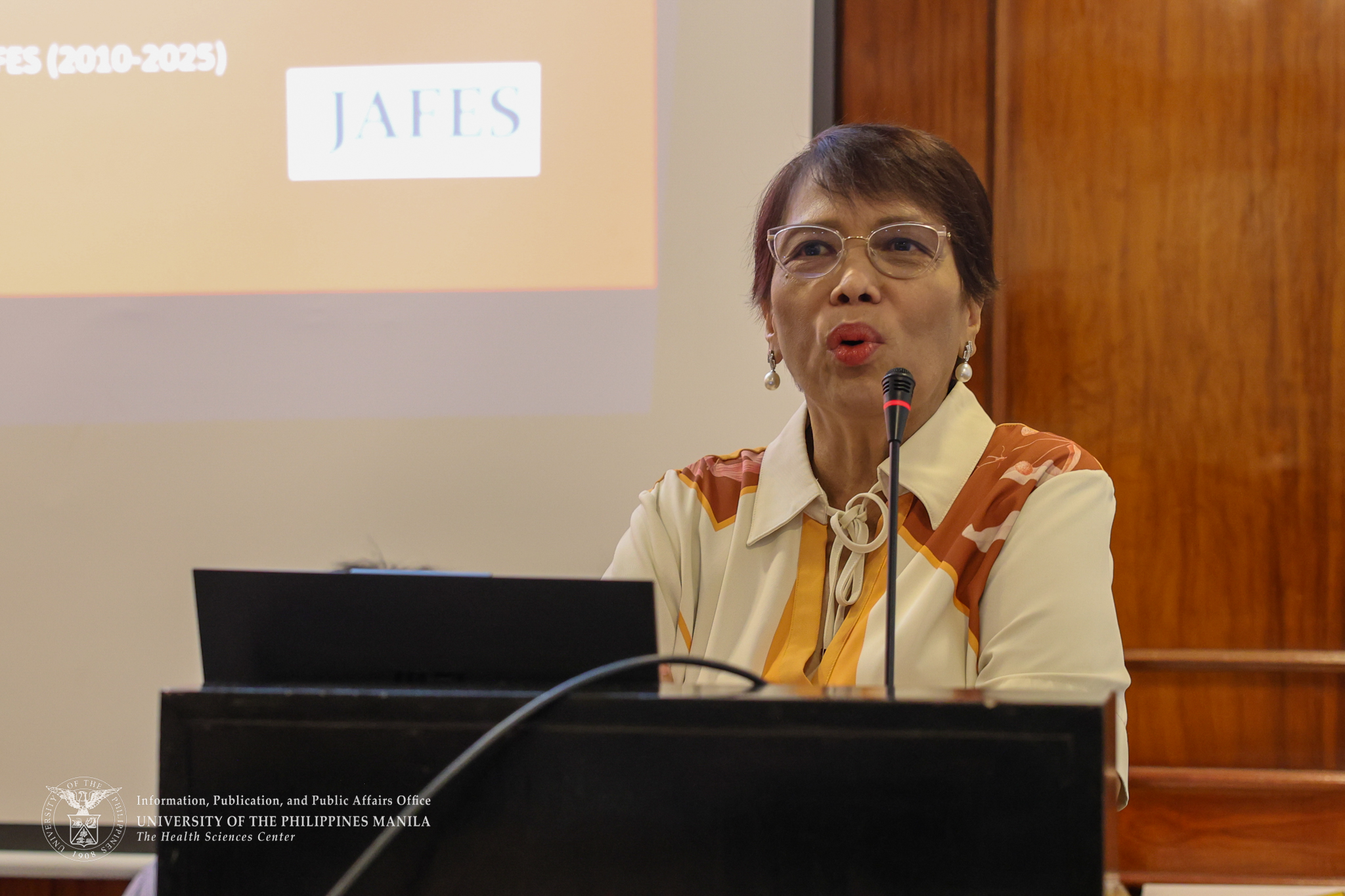
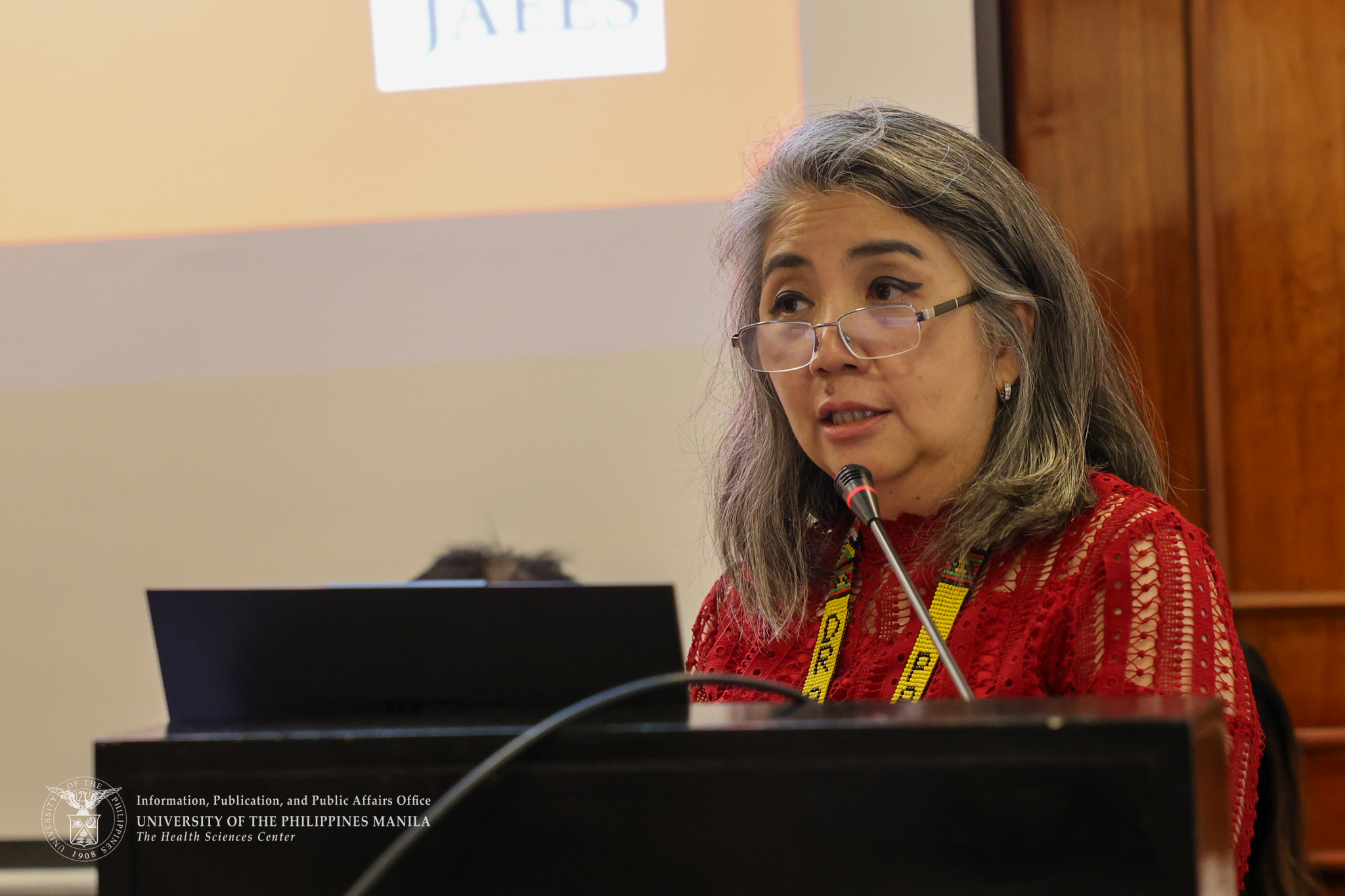
“To focus attention, to bring people together, to move a field forward. These are the reasons why a journal needs a special issue despite it having a regular issue,” Dr. Elizabeth Paz-Pacheco noted during her keynote address. “A regular issue reflects what researchers are submitting. A special issue can help shape what researchers are thinking about.”
Dr. Elizabeth Paz-Pacheco — Professor at the UP College of Medicine, Past President of the Philippine Society of Endocrinology, Diabetes and Metabolism (PSEDM), and Fellow of both the Philippine College of Physicians and the American College of Endocrinology — anchored the program with lessons drawn from her 15-year tenure as Editor-in-Chief of the Journal of the ASEAN Federation of Endocrine Societies (JAFES). During her leadership from 2010 to 2025, Paz-Pacheco guided an international Asian editorial team through a comprehensive overhaul that successfully re-integrated JAFES into major global indexing databases.
Dr. Paz-Pacheco articulated the transformative role thematic publishing plays over conventional volumes.
“Create a shared agenda: Question, community, papers, dialogue, agenda. Researchers ask what we don’t know yet,” Dr. Paz-Pacheco said. She emphasized that special issues construct scientific networks by connecting senior and early-career investigators, bedside clinicians, basic scientists, epidemiologists, and cross-border institutions.
“A strong journal connects bench, bedside, and population, rather than isolating them,” Dr. Paz-Pacheco added.
The workshop segment focused on aligning institutional stakeholders across four operational pillars: planning thematic frameworks, governing editorial oversight, streamlining production workflows, and maximizing clinical dissemination.
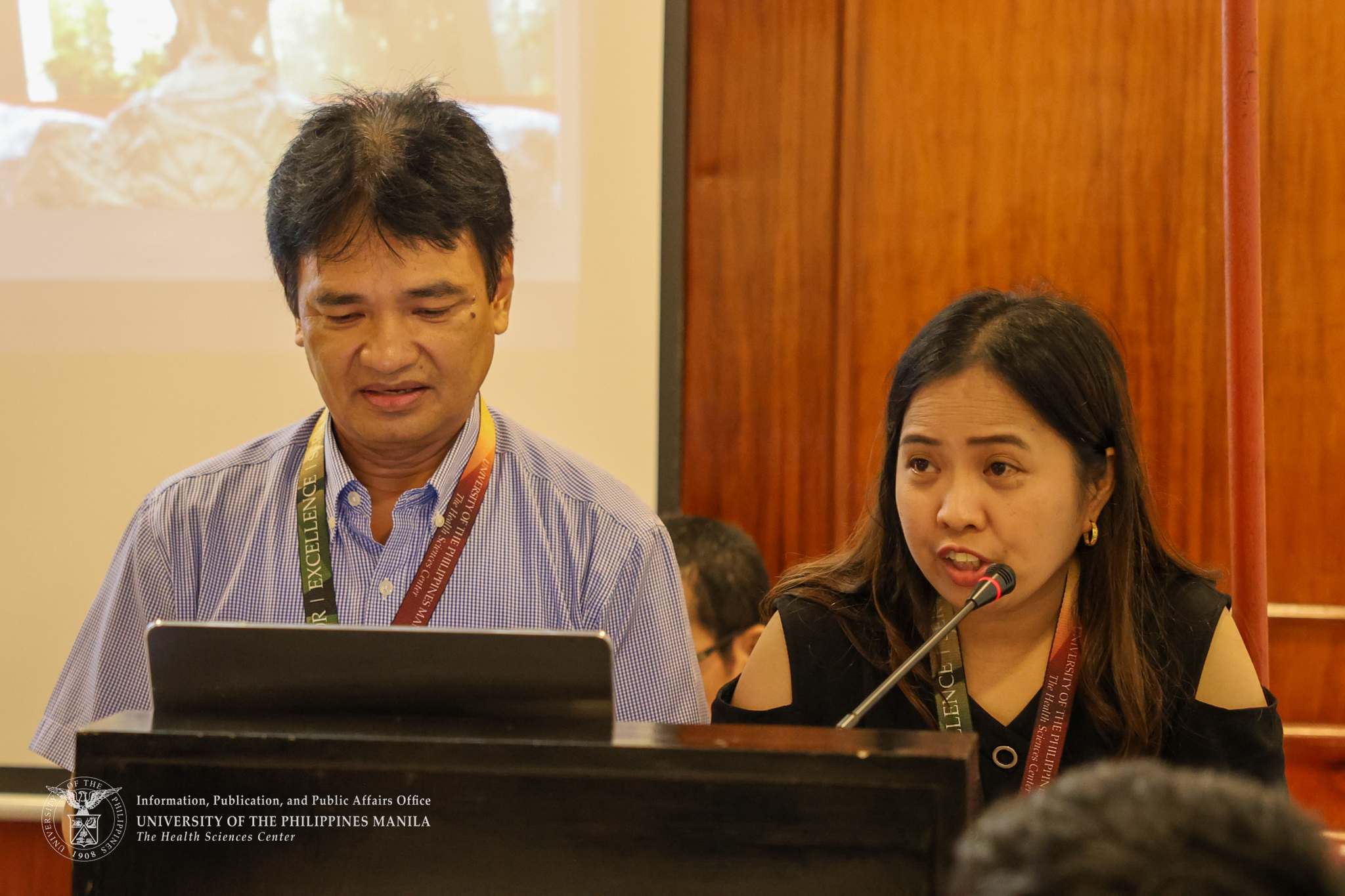
Dr. Teresita R. Castillo and Dr. Andrea Kristina Monzon-Pajarillo, experts from the Department of Ophthalmology and Visual Sciences at the UP College of Medicine – Philippine General Hospital, guided attendees through the structural governance and execution of a special issue.
Unveiling a five-phase lifecycle model, the pair mapped out the linear workflow required to take a special issue from concept to impact. The process begins with conceptualization — defining core themes, evaluating strategic fit, and drafting initial concept notes. It then moves into governance, which involves establishing terms of reference, appointing guest editors, and conducting strict conflict-of-interest screenings.
From there, the architecture phase focuses on designing table-of-contents skeletons, setting timelines, and issuing public calls for papers. The editorial and review stage follows, managing Open Journal Systems submissions, executing single-blind peer reviews, and processing revisions. Finally, the workflow culminates in production, where editors secure final decisions, complete copyediting and layout, and assign DOIs for global indexing.
By equipping academic leaders and medical societies with this blueprint, Acta Medica Philippina aims to shift regional medical publishing from passive record-keeping to active future-shaping.

















Read more:
#FP1 #FP6 #FP8 #AccessibleUPLeadership