

Dengue and other mosquito-borne diseases have remained a major public health concern in the Philippines. For a tropical country where mosquitoes thrive year-round, protection against mosquito bites has become part of daily life for many Filipino families.
At the University of the Philippines Manila, retired professor Dr. Gracia Fe Yu strived to create a safer and more sustainable solution through a plant-based mosquito repellent and insecticide technology developed from natural extracts. A former full-time professor from the Department of Biochemistry and Molecular Biology of the UP College of Medicine, she remained deeply committed to developing innovations that could directly benefit communities.
A Continuing Threat
Mosquito-borne diseases continue to threaten communities worldwide through the bites of infected mosquitoes, with dengue remaining the most common vector-borne viral disease globally and causing thousands of deaths annually. Although the Department of Health reported a 75% decrease in dengue cases earlier this year compared to the previous year, deaths linked to the disease continue to be recorded.
The Philippines remains highly vulnerable to mosquito-borne diseases because of its tropical climate, which creates favorable conditions for mosquito breeding. Aside from dengue, other mosquito-borne diseases present in the country include malaria, chikungunya, Japanese encephalitis, and lymphatic filariasis, all of which continue to pose public health risks, particularly in tropical and rural communities.
To help prevent dengue and other mosquito-related illnesses, the DOH continues to promote environmental control and personal protection measures such as eliminating stagnant water, maintaining clean surroundings, using mosquito nets, wearing protective clothing, and applying mosquito repellents.
Developing a Safer Alternative
The idea for the invention grew from a simple but important concern: many mosquito repellents available in the market rely on synthetic ingredients, raising questions among parents and consumers looking for gentler alternatives.
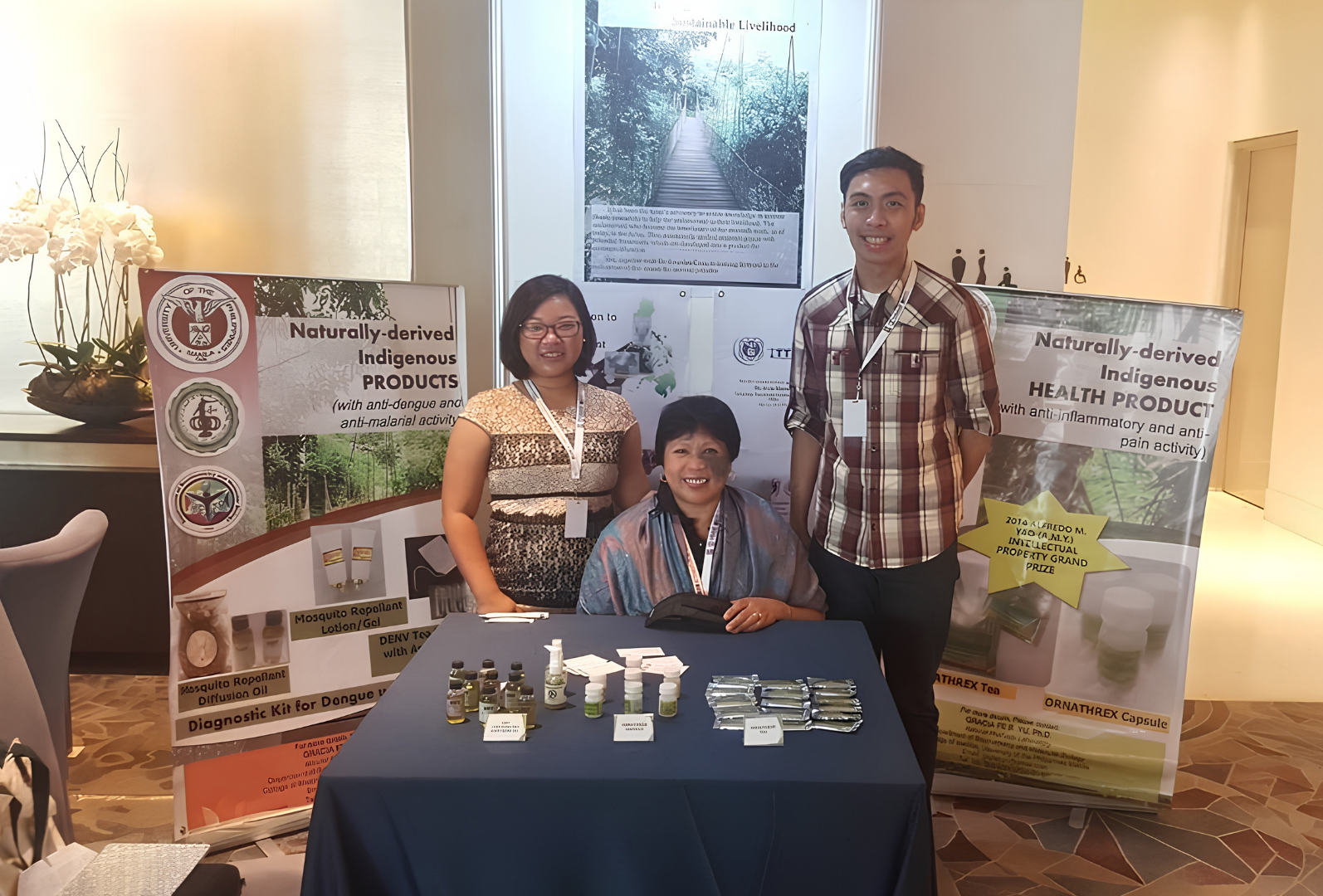
“I was once asked, ‘Can we have a plant-based mosquito repellent? Because I am considering the children, I want them to be protected from the synthetic components,’” she recounted during TeknoLusugan 2026, held on May 14, 2026, at the PICC Complex. That question became the starting point of years of experimentation.
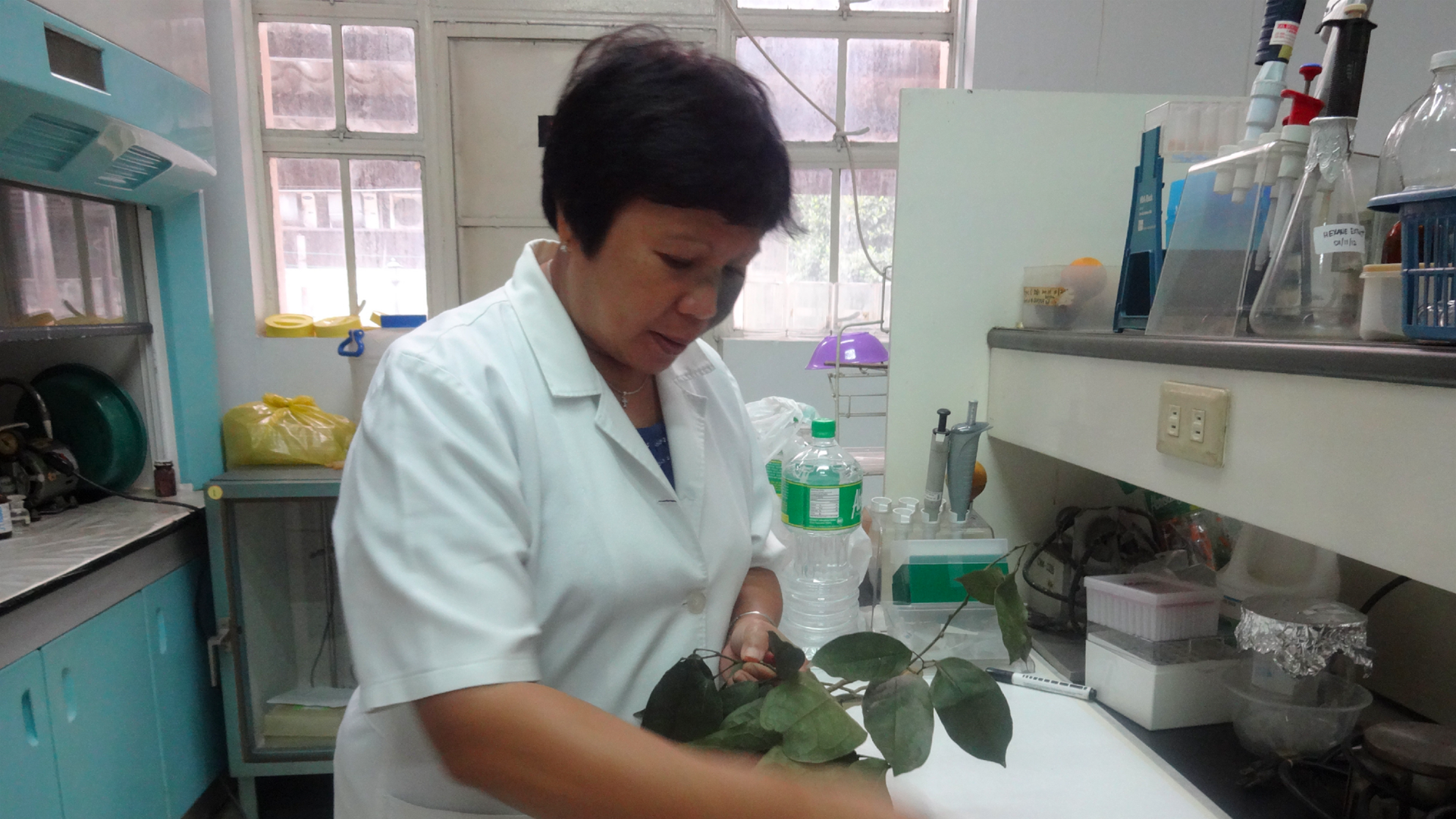
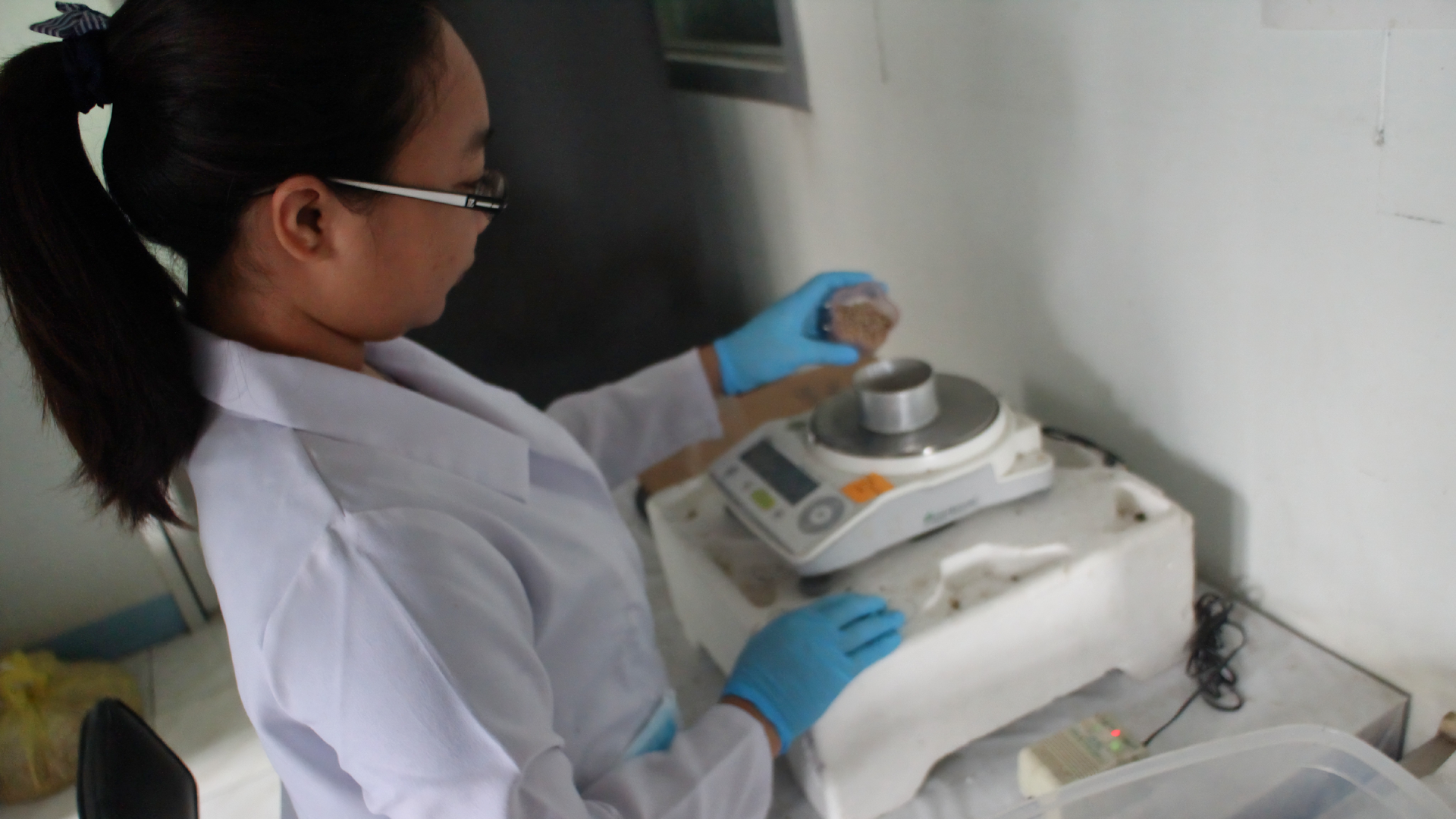
Dr. Yu and her team tested several plant samples believed to possess anti-mosquito properties. Their goal was not only to repel mosquitoes but also to create a product that would be safe for regular use.
After conducting several laboratory studies using animal models, their study showed promising results. Mosquitoes consistently avoided areas treated with the plant extract-based spray they developed, while untreated areas remained vulnerable to bites. Further tests using mosquito traps confirmed that mosquitoes stayed away from the extracts.
The researchers also explored their formulation’s insecticidal properties. In topical application tests, higher concentrations of the plant extract caused mosquitoes to die within minutes of exposure.
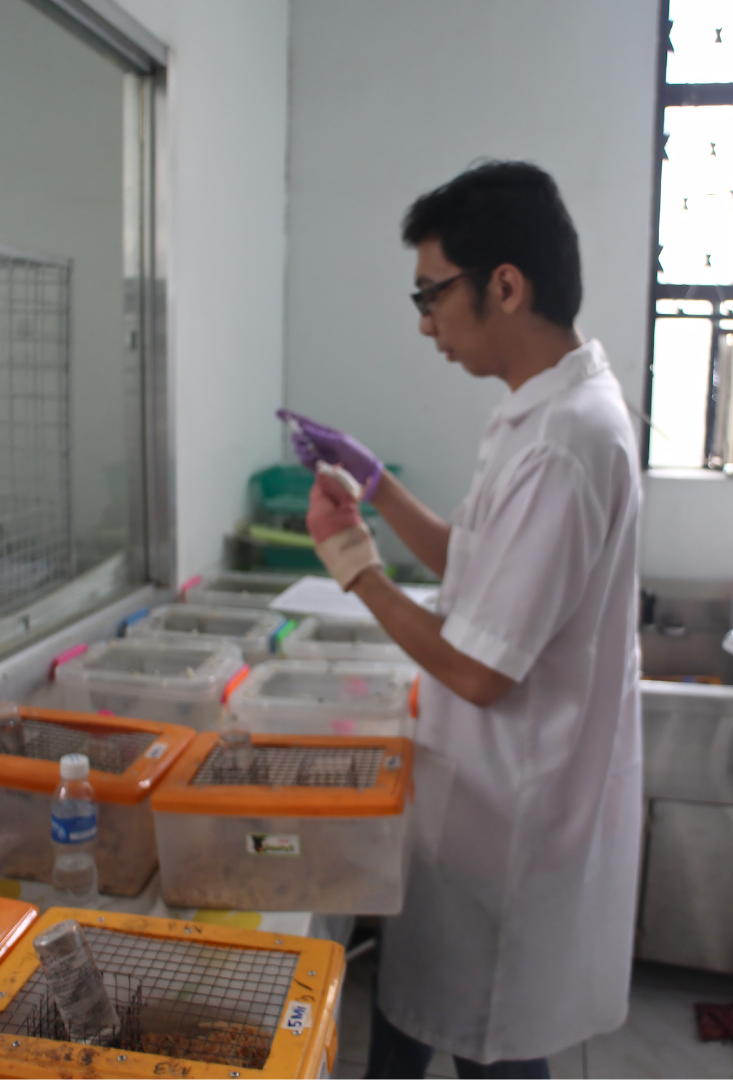
“We tested several concentrations of the extract, and within 10 minutes, the lotion with 15% and 20% extract already showed mosquito mortality. After 20 minutes, around 80% of the mosquitoes had died, and after 40 minutes, all of them were dead,” Dr. Yu explained.
Equally important for Dr. Yu was ensuring the product’s safety. Skin irritation tests yielded negative results, suggesting that the formulation was safe for topical use.
From Research to Real-World Application
Inspired by the findings, the team developed “Mox Oil,” short for “Mosquito Away Oil,” a plant-based mosquito repellent designed as a natural alternative to synthetic products. Their technology was later expanded into lotions, sprays, and other possible applications.
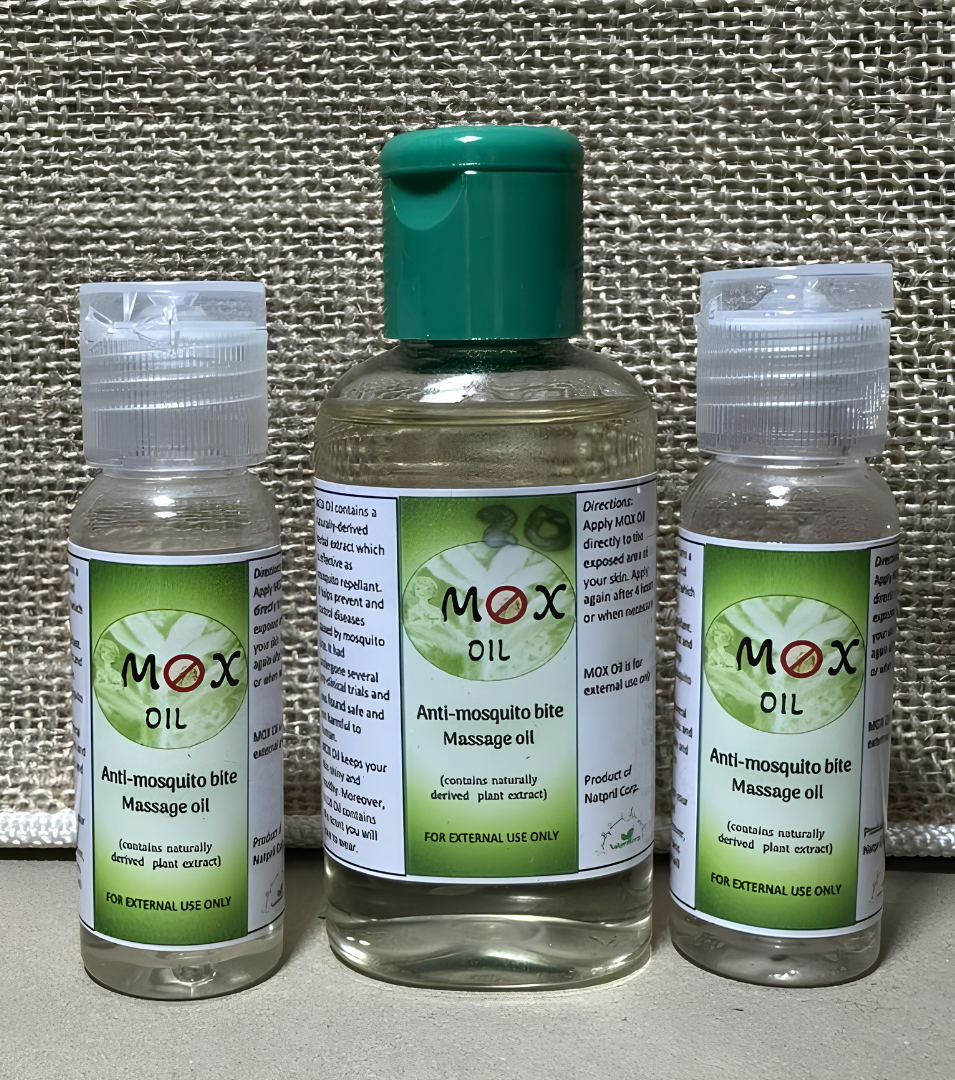
The formulation also demonstrated effectiveness against ants and other insects, broadening its potential household use.
For Dr. Yu, however, the invention represents more than a mosquito repellent. It reflects her long-standing advocacy for community-oriented healthcare, sustainability, and the use of indigenous resources in developing practical health solutions. The innovation also supports indigenous and local communities, including Aeta groups involved in cultivating medicinal plants and sourcing raw materials, by creating livelihood opportunities and encouraging their participation in the development of locally made herbal health products.
“We are ready for collaboration. We have a potential market here in the Philippines because there are many mosquitoes in the country. Filipinos need Mox Oil, and for this, we are ready to collaborate with you,” she said, inviting potential partners for the manufacturing and commercialization of the product.
As UP Manila continues to strengthen research that responds to national health challenges, innovations such as Mox Oil demonstrate how locally developed technologies can help protect Filipino communities while promoting safer and more sustainable alternatives.

Text by: Charmaine A. Lingdas
Photos courtesy of Dr. Gracia Fe Yu
For further details on the MOX Oil, please contact:
UP Manila Technology Transfer and Business Development Office
2/F UP Manila Main Building, Joaquin Gonzales Compound,
Padre Faura Street, Ermita, Manila, Philippines
Open Mondays to Fridays 8:00 AM to 12:00 NN & 1:00 PM to 5:00 PM
Tel.: (632) 88141293 | Email: ttbdo.upm@up.edu.ph
For other inquiries:
UP Manila Information, Publication, and Public Affairs Office
Email address: upm-ippao@up.edu.ph
READ MORE: