

Text by: Charmaine A. Lingdas
Photos by: Jericho Paolo Mabansag
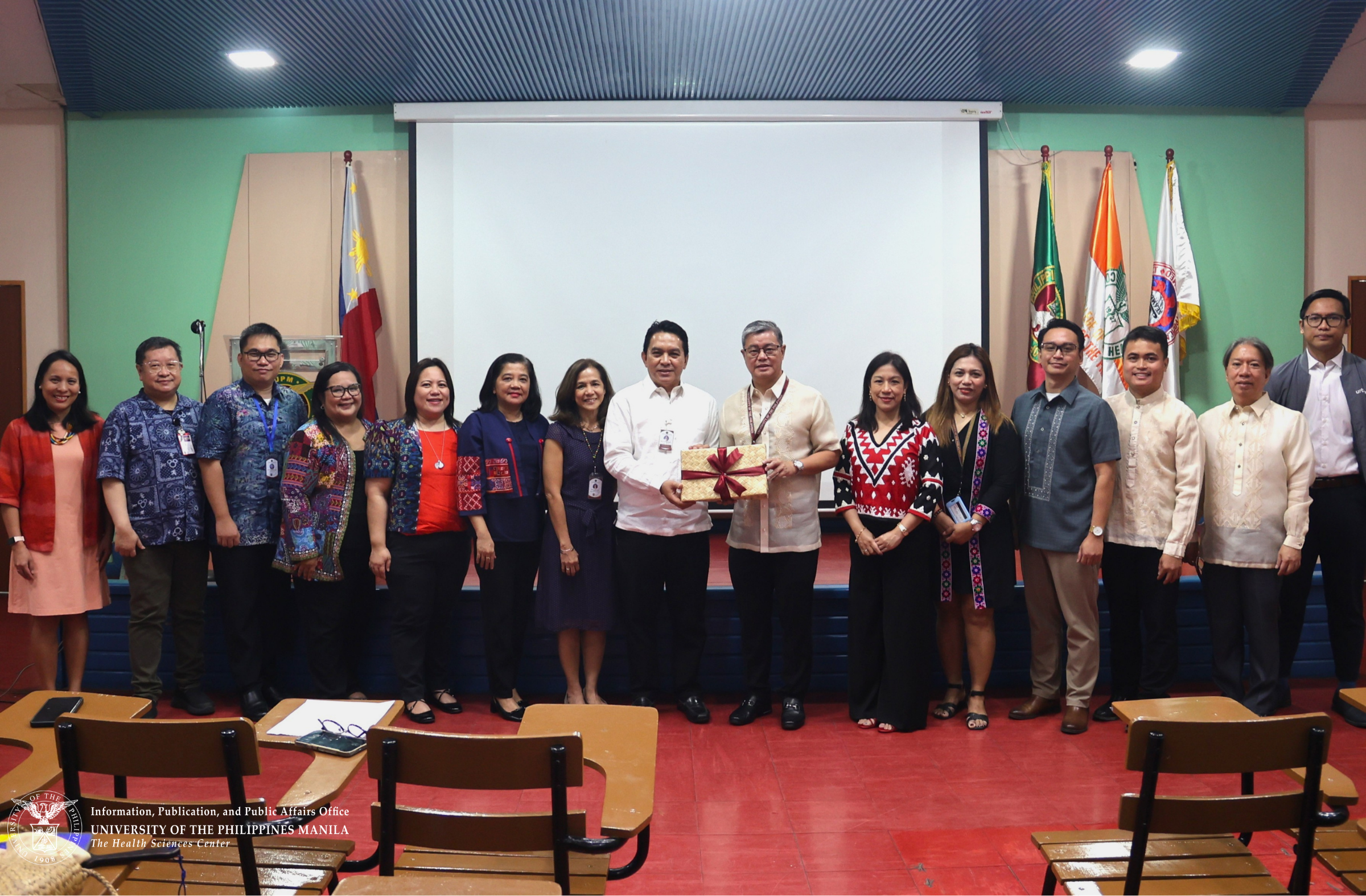
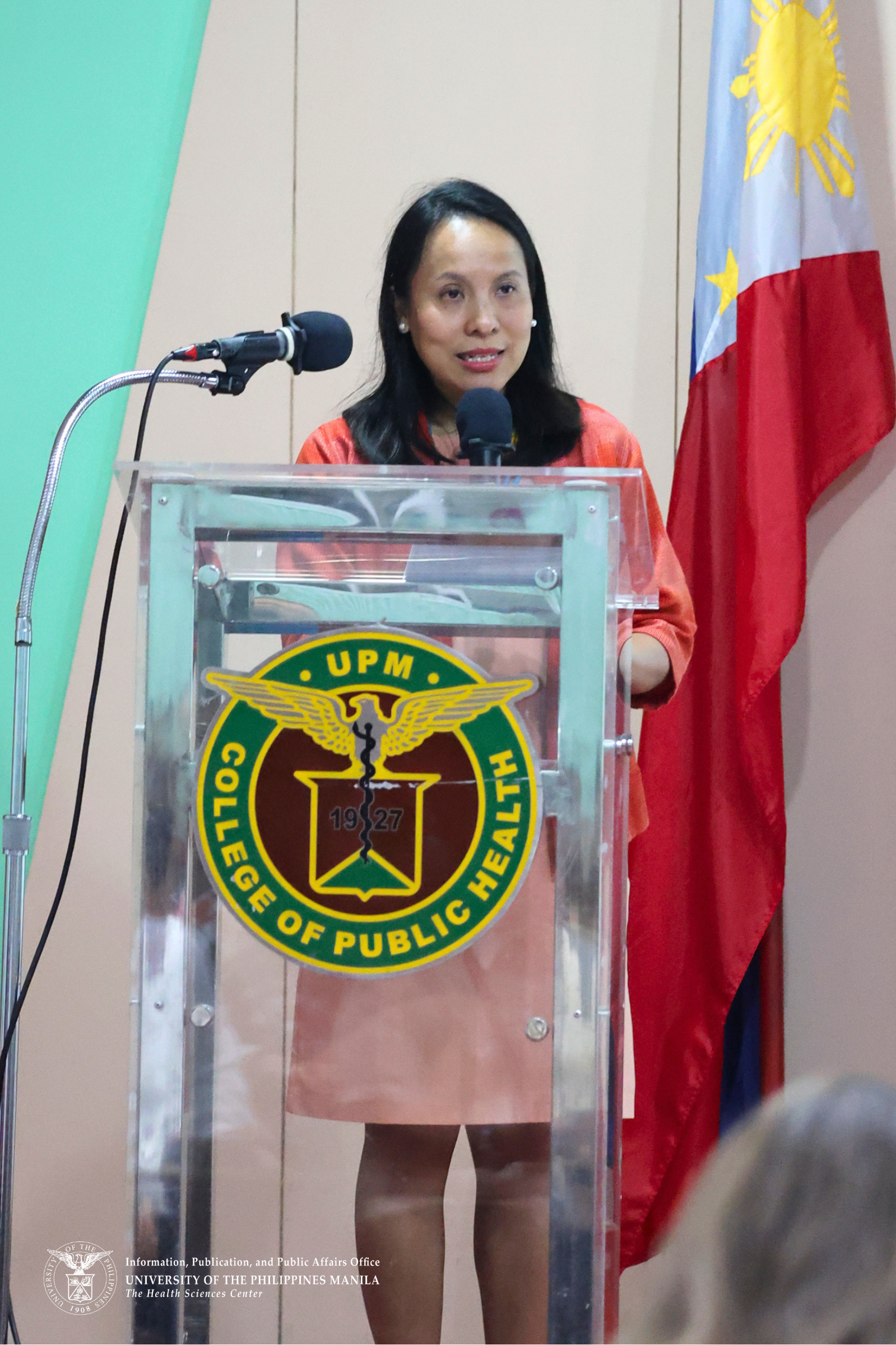
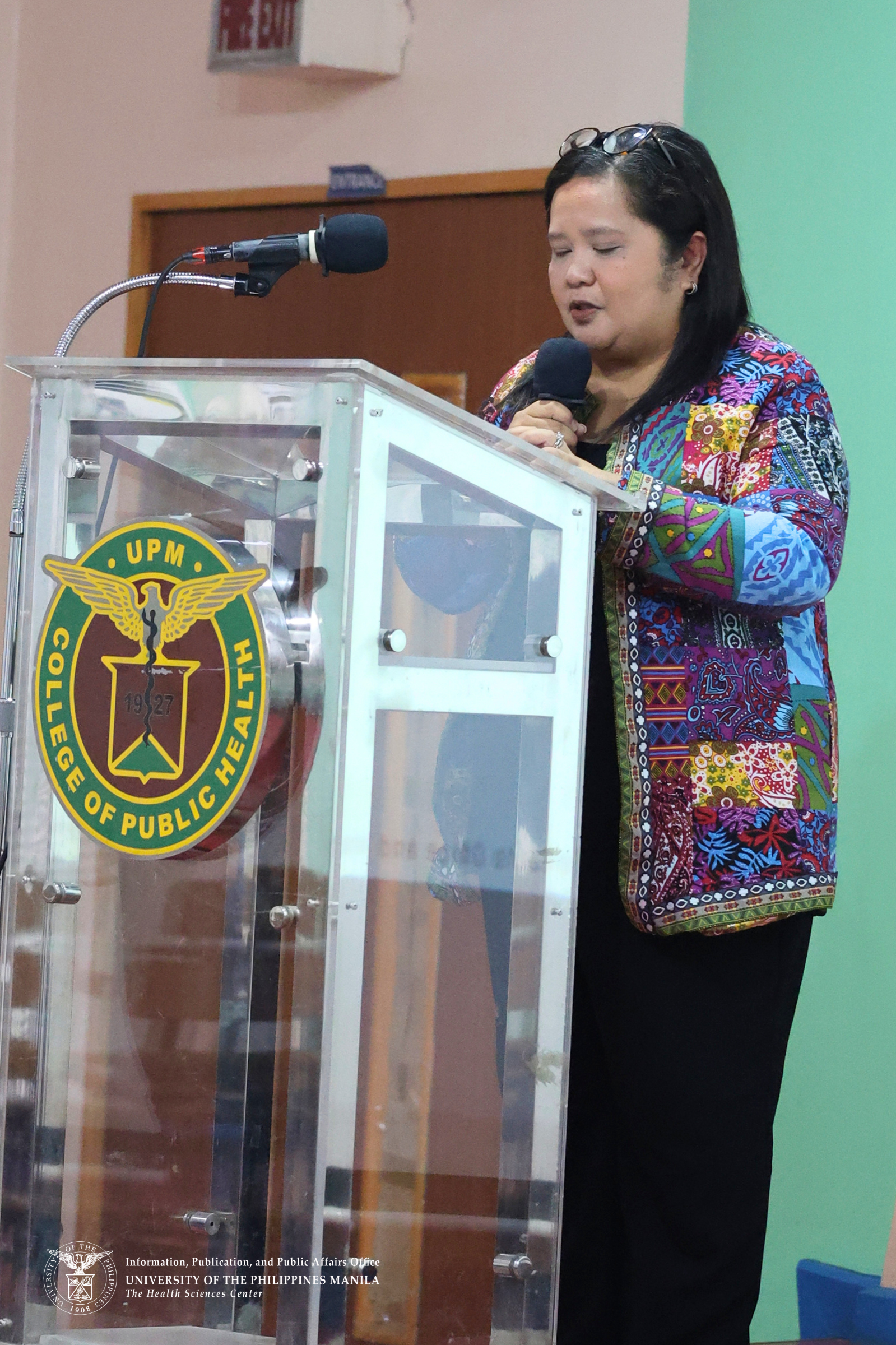
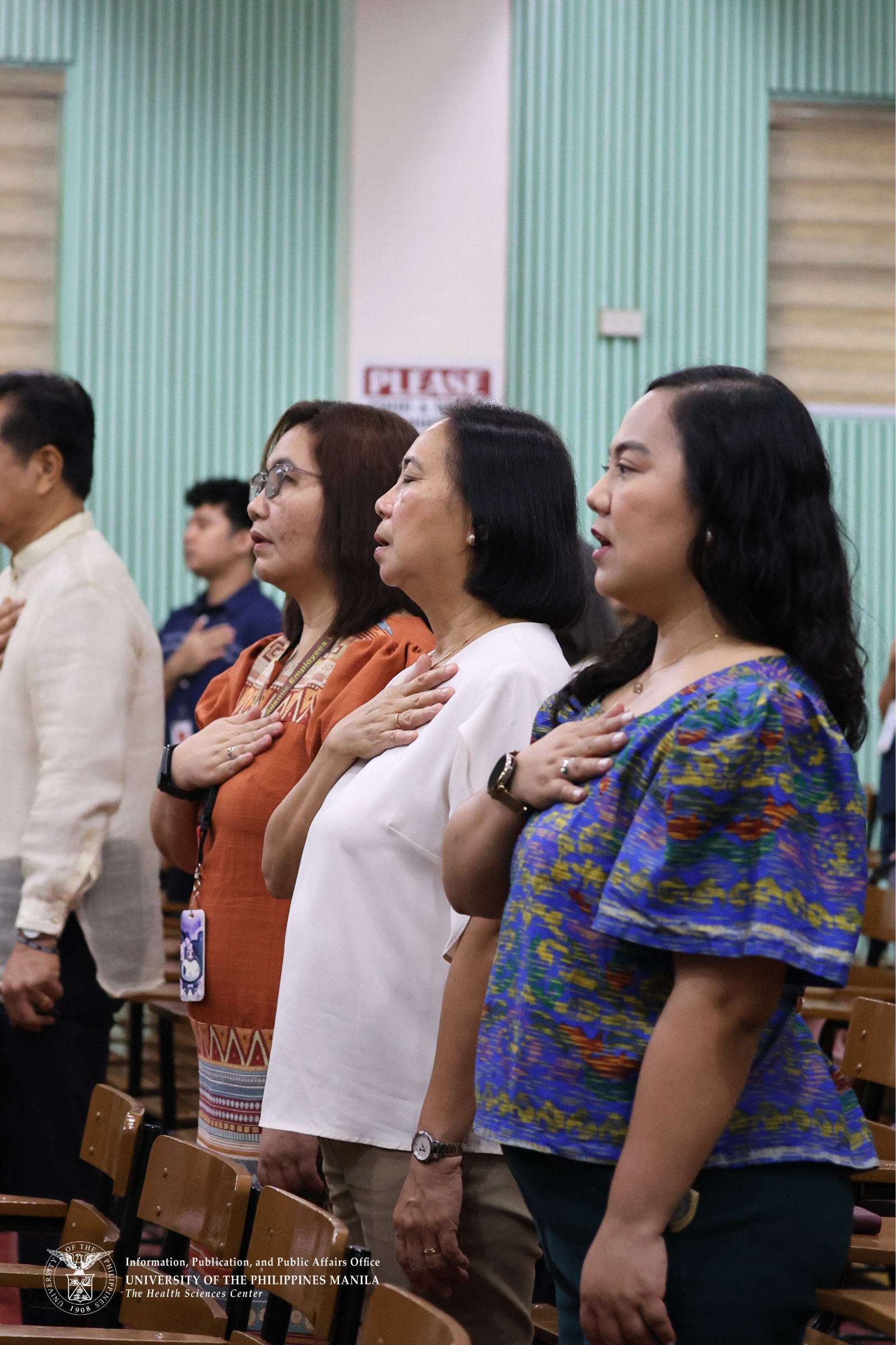
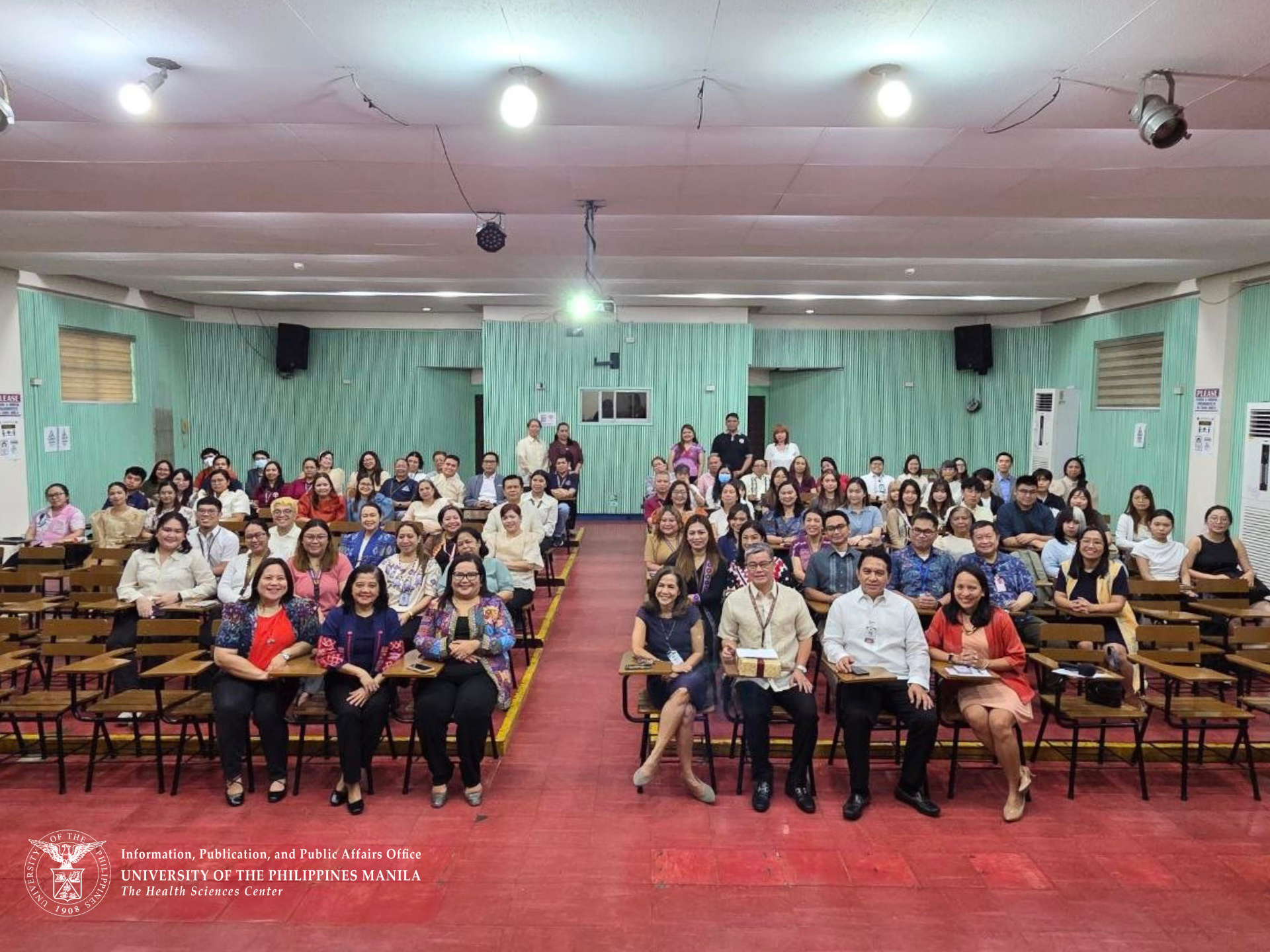
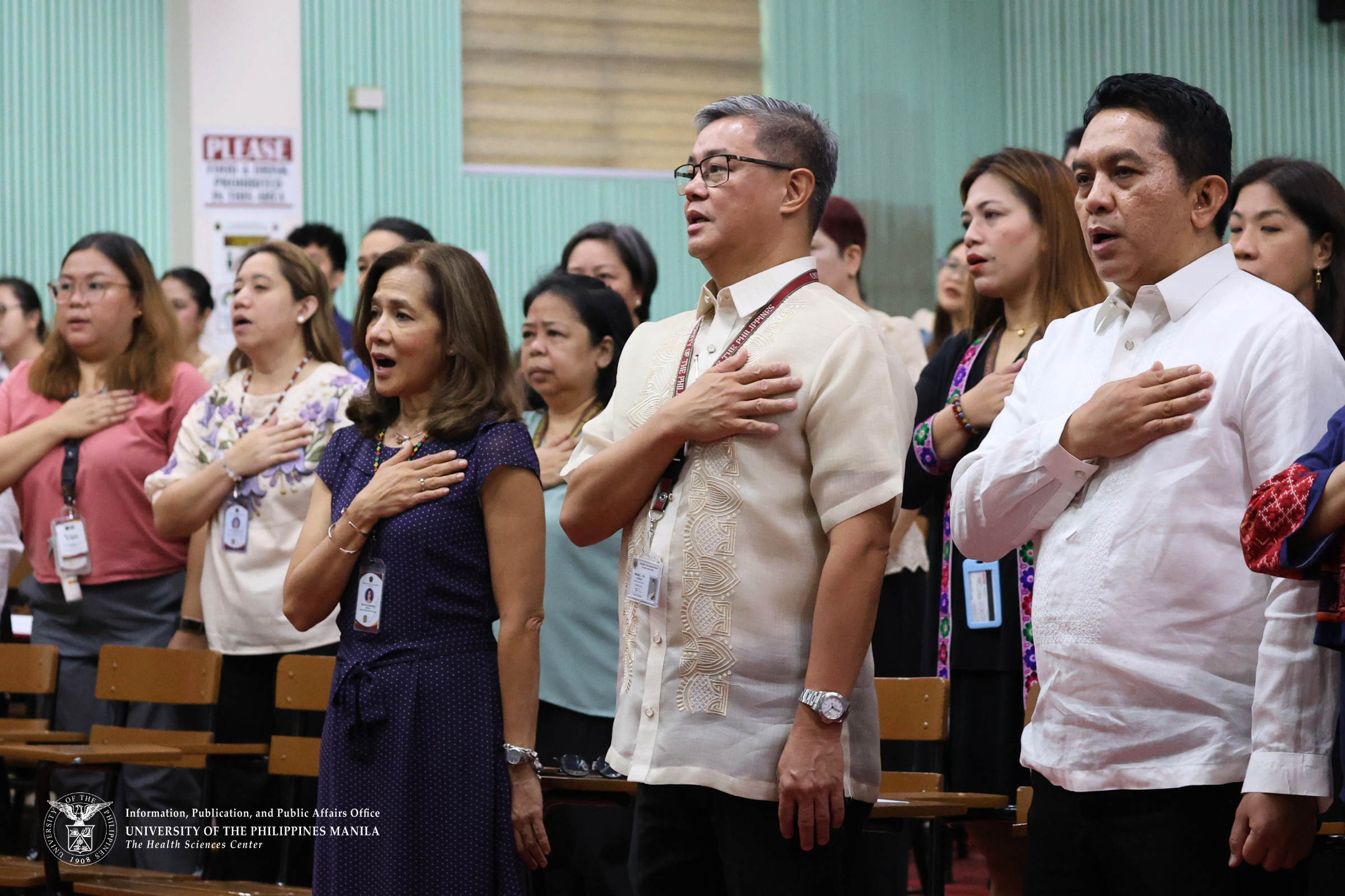
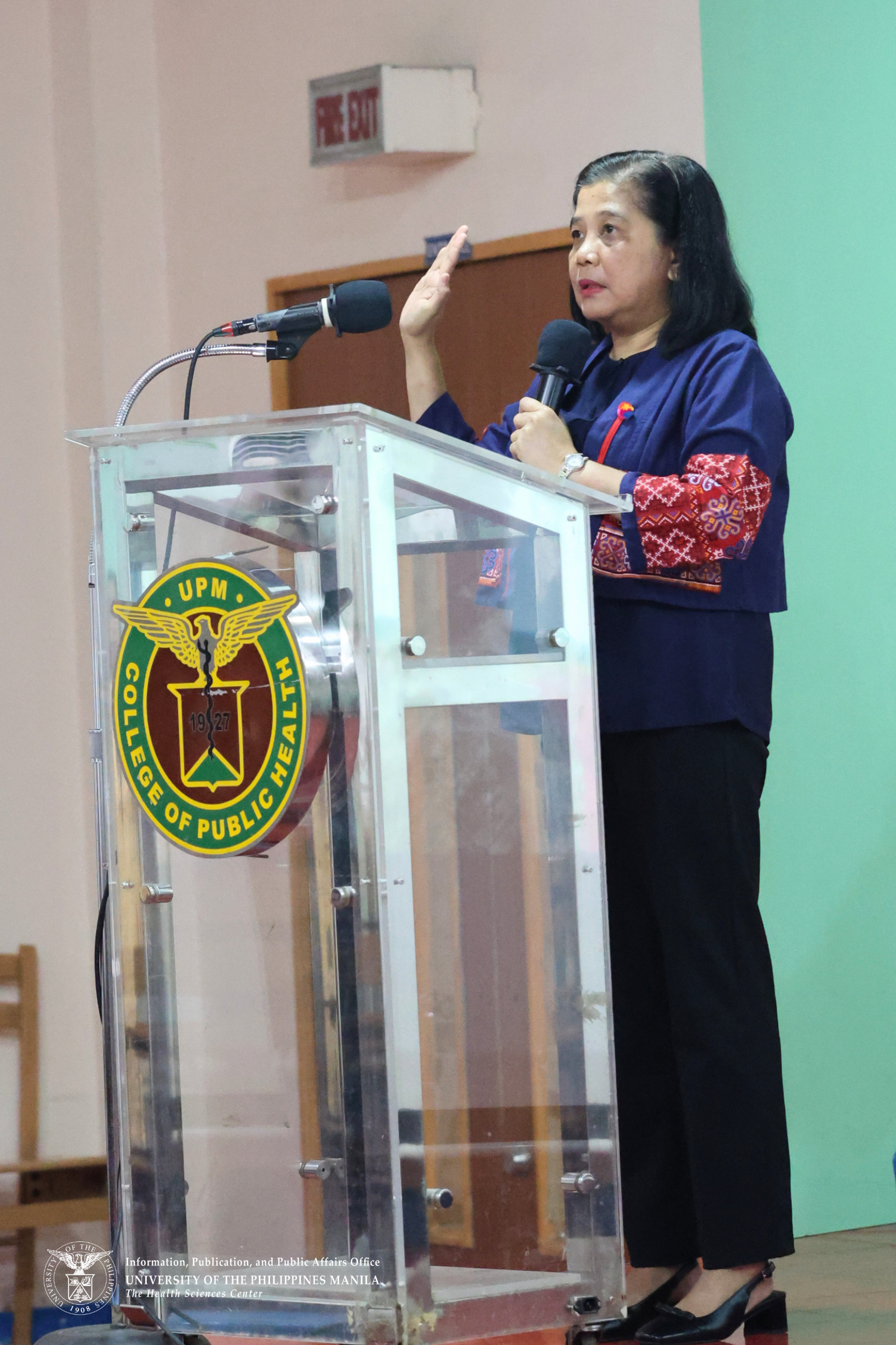
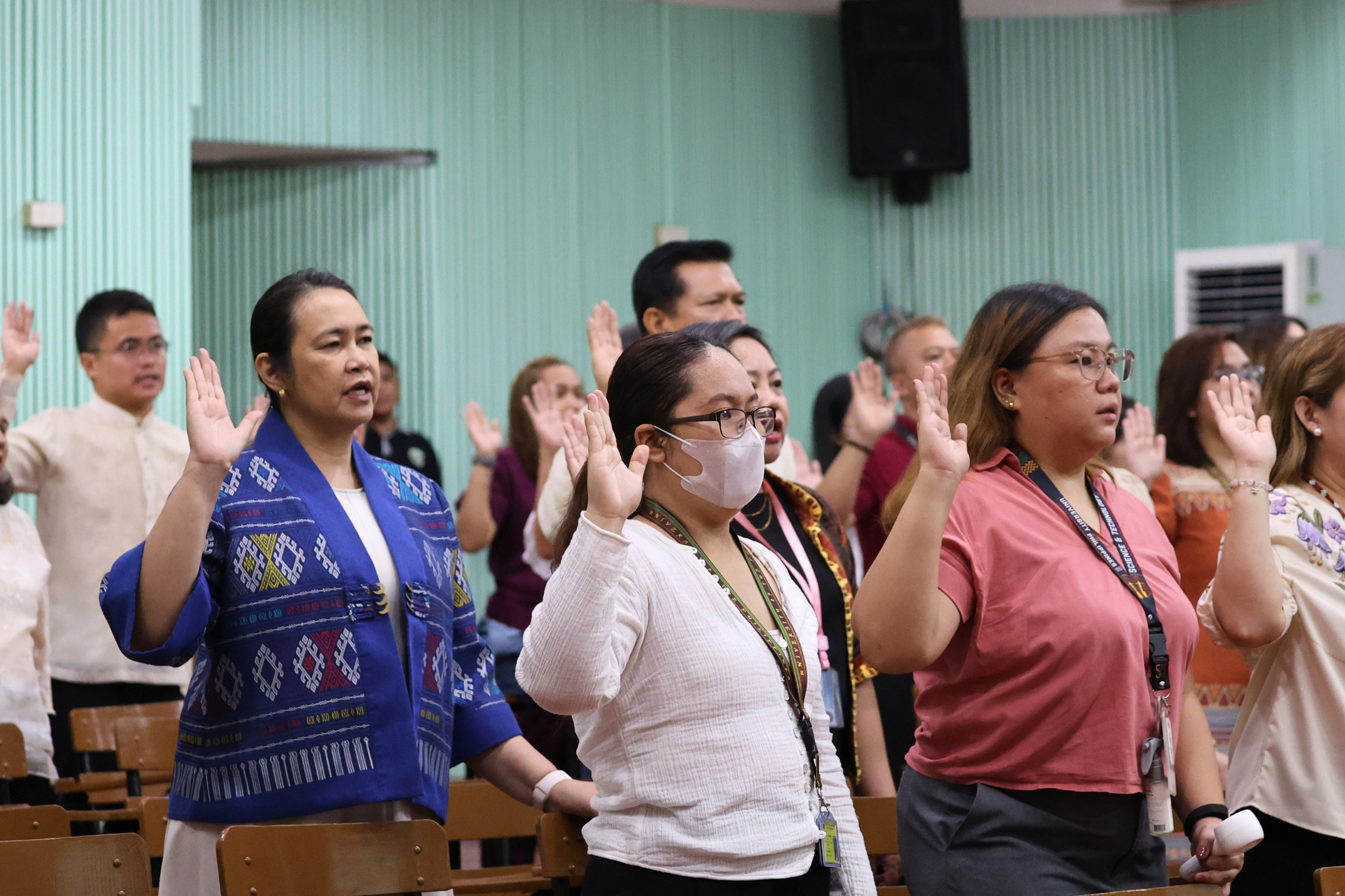
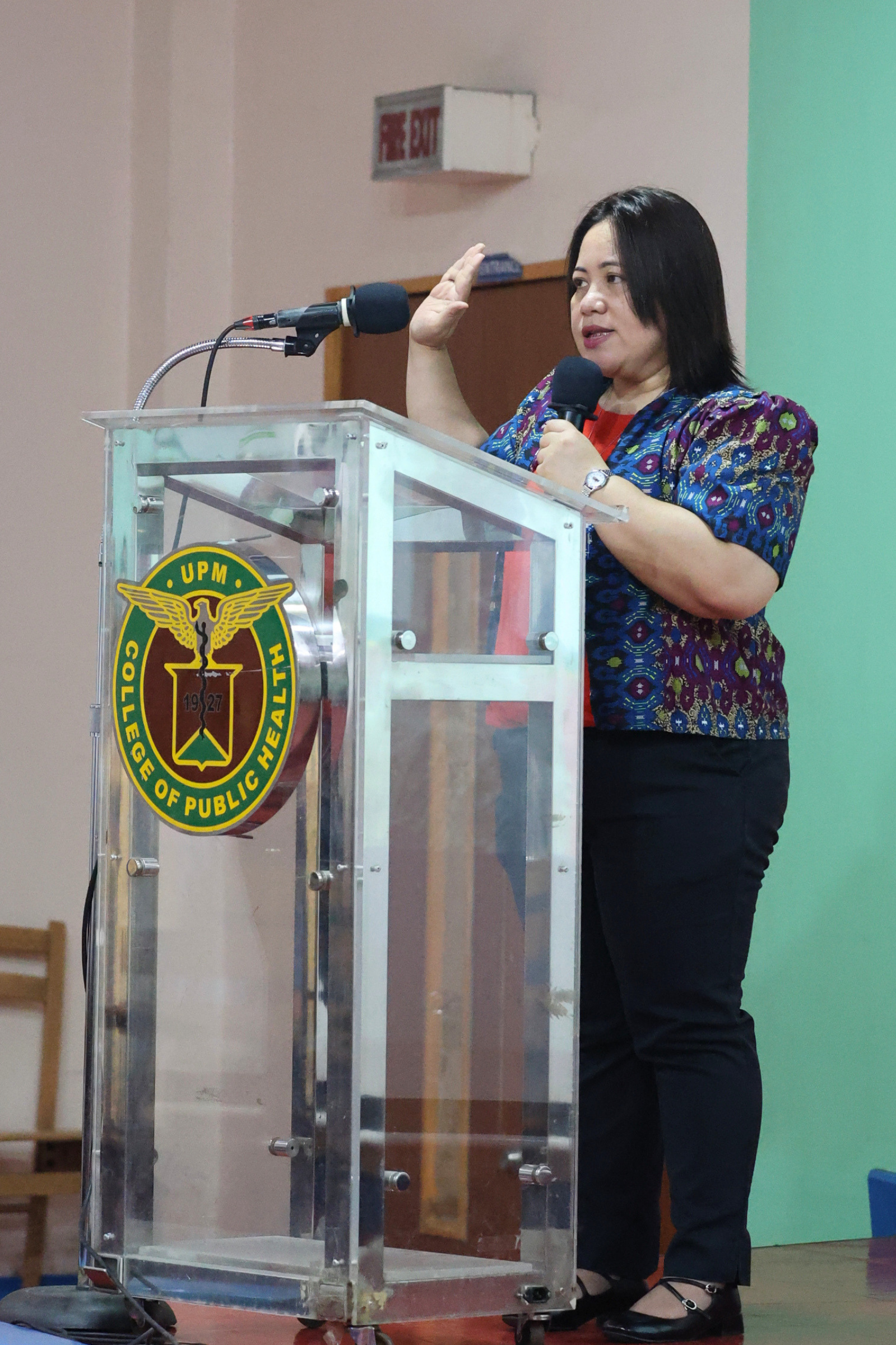
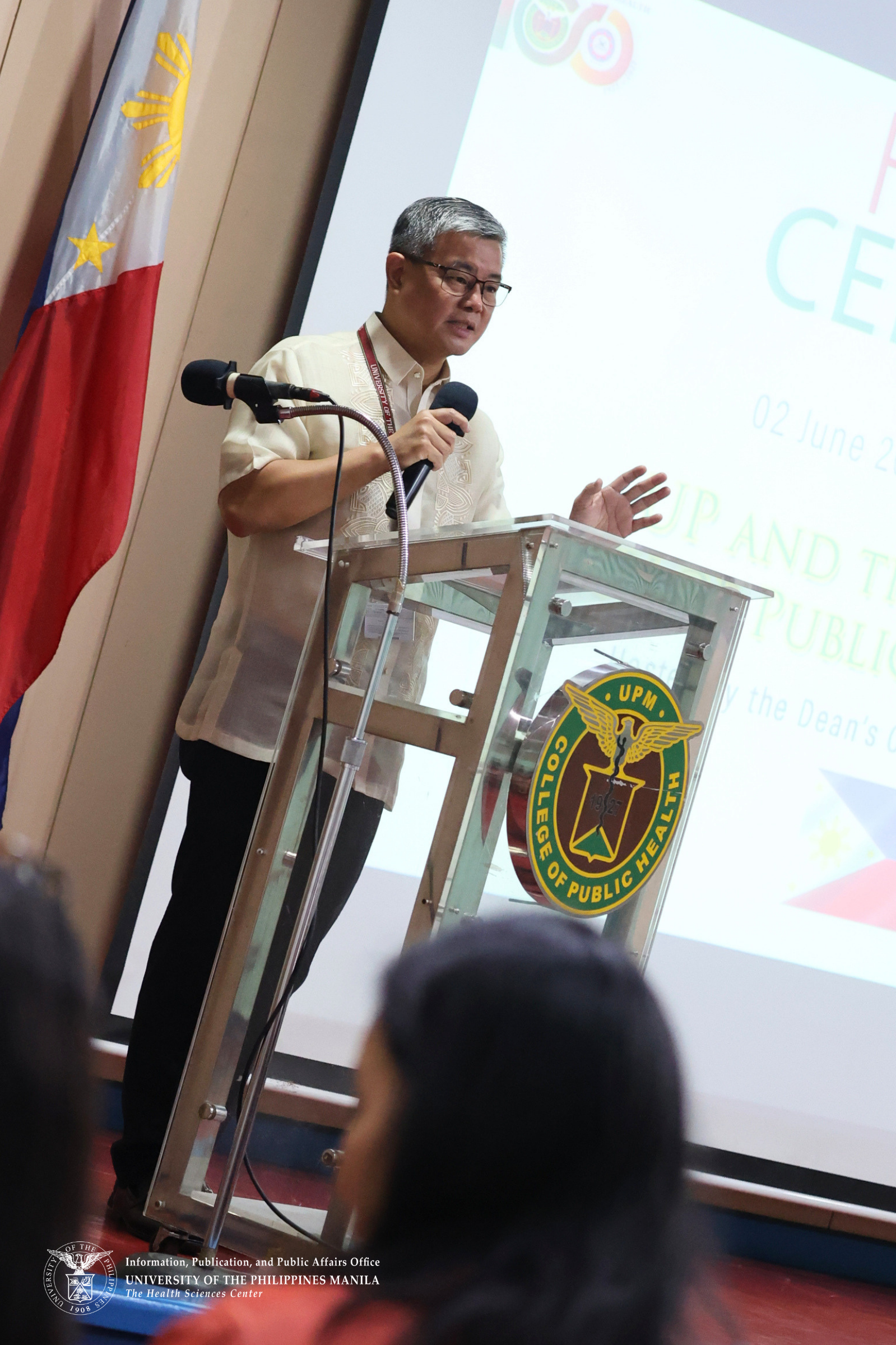
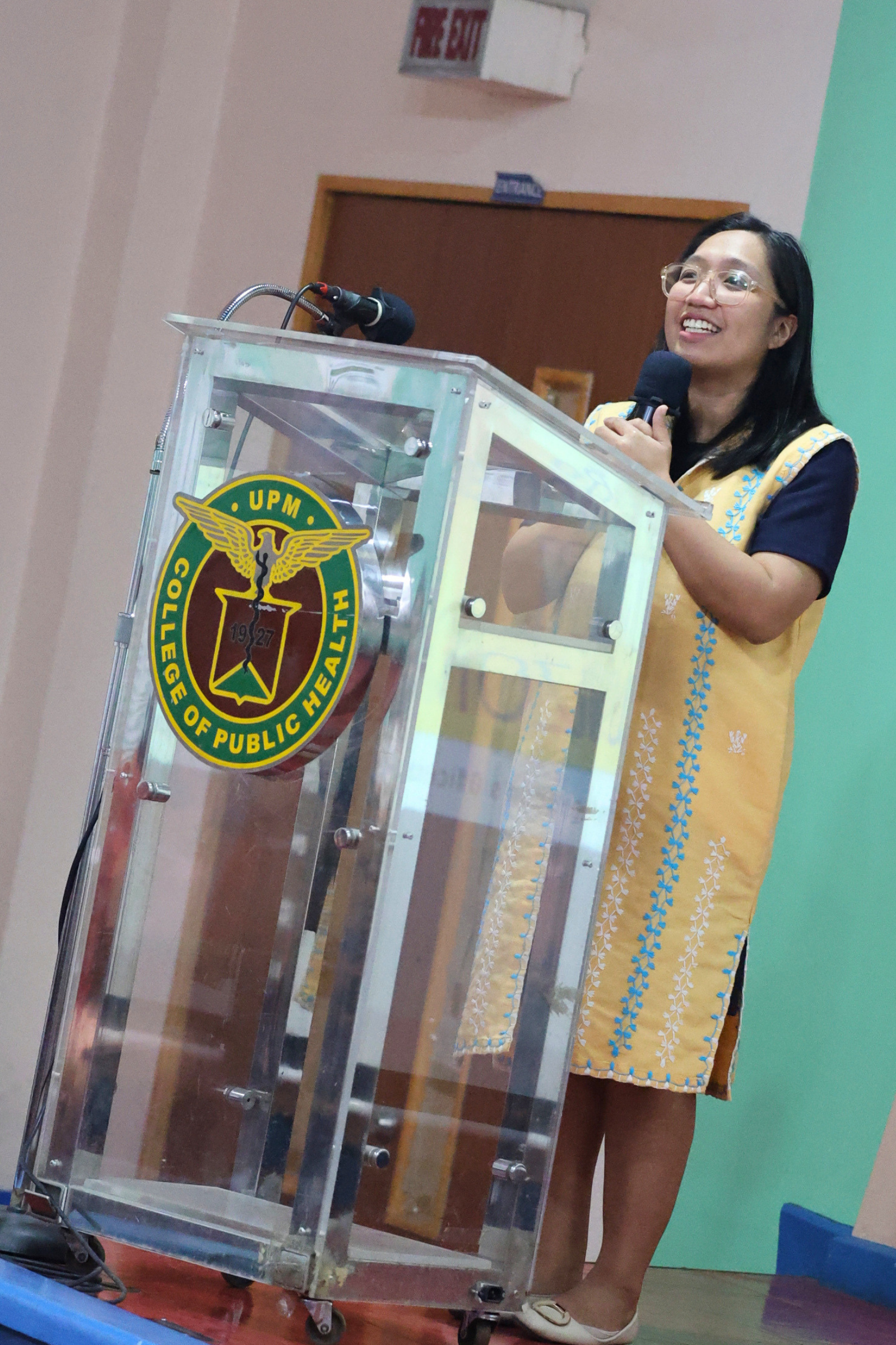
“What legacy are we cherishing today?” This question was posed by UP Manila College of Public Health (CPH) Dean Fernando Garcia Jr. as he addressed faculty, staff, students, and guests during the university-wide flag-raising ceremony hosted by the college as part of the University Month celebration on June 2, 2026 at the College of Public Health (CPH) Auditorium.
As the College of Public Health prepares for its centennial year in 2027, Dean Garcia reflected on the theme, “UP Manila and the Continuing Legacy of Public Health Leadership,” he emphasized that the occasion was not only an opportunity to honor the achievements of past generations but also a call for the present community to actively shape the future of public health .
Dean Garcia reflected on the significance of flag-raising ceremonies, recalling how they were once viewed as a routine part of school life. Over time, however, he came to appreciate their deeper meaning. He said that the flag-raising ceremony was “never really about the flag alone. It was about reminding us, reminding ourselves, that we belong to something bigger than ourselves.” For him, that sense of belonging is particularly meaningful within the College of Public Health, whose history is rooted in decades of service, scholarship, and leadership dedicated to improving the health of Filipinos.
Dean Garcia paid tribute to the generations of faculty, researchers, students, staff, and alumni whose dedication and service helped shape the College of Public Health into a leading institution in the field. He emphasized that the college’s present achievements are built upon the contributions of public health leaders who devoted their lives to improving the health and well-being of Filipinos.
As the college prepares for its centennial celebration in 2027, Garcia challenged the CPH community to recognize that leadership is built not only through major accomplishments but also through everyday acts of commitment and service.
“Every lecture we deliver, every research project we complete, every administrative task we finish, every student that we mentor, and every community that we serve contributes to that legacy that we will be building,” he said.
He highlighted the collaborative nature of public health leadership, noting that no single individual possesses all the expertise needed to address today’s complex health challenges. He added that leadership in public health as “a team sport, a team effort,” emphasizing the importance of working together toward a common goal of improving health outcomes for communities.
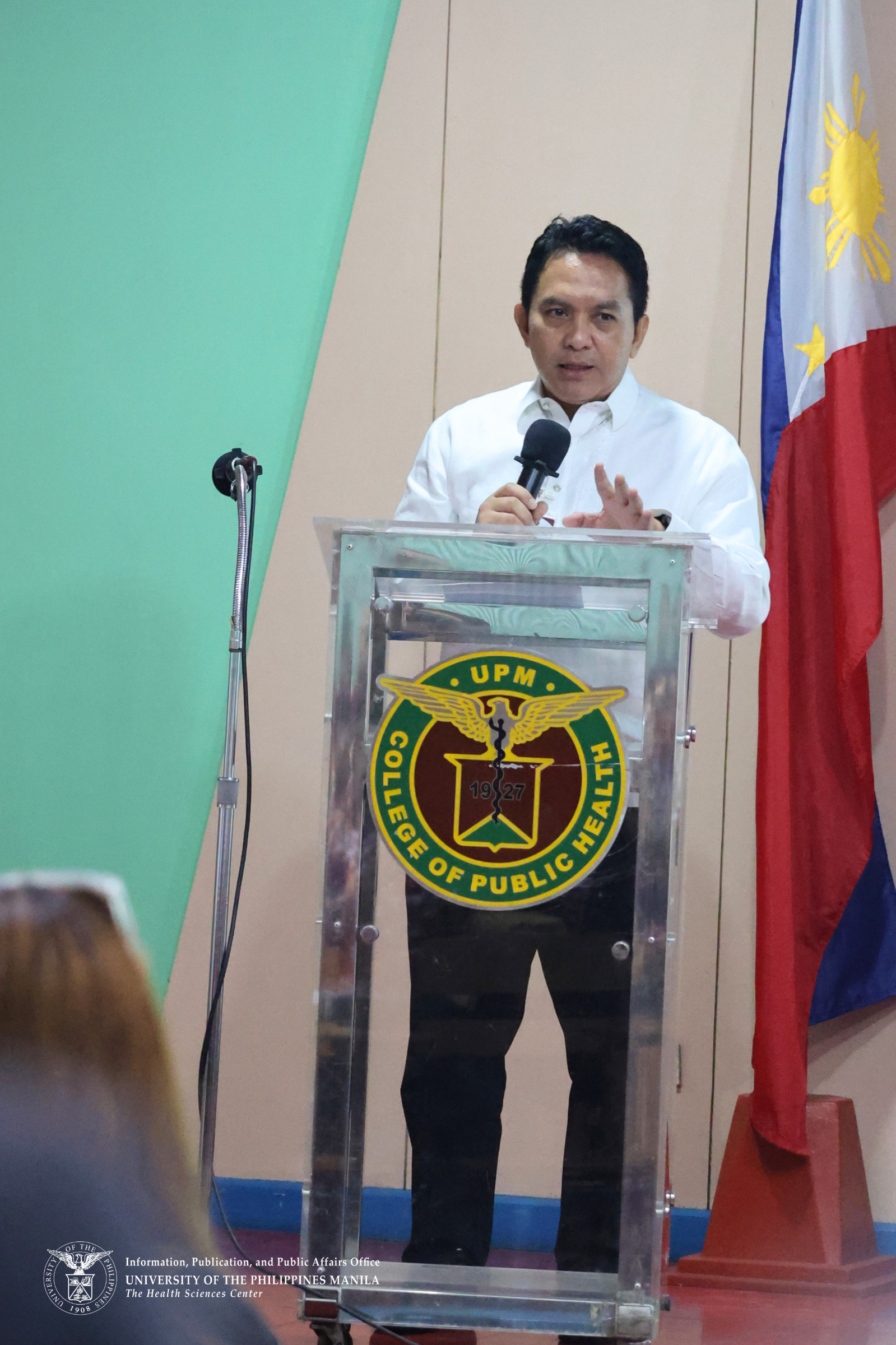
Meanwhile, Chancellor Michael Tee emphasized that leadership is about influence. He reflected on the university’s role as the country’s national center for the health sciences and emphasized the responsibility of public health institutions to shape policies and improve the health of communities. He traced the origins of the University of the Philippines to the public health crises of the early 20th century, noting that the institution was established in 1908 in response to pressing health concerns such as malaria, cholera, and other tropical diseases affecting Filipinos. He emphasized that “the best possible way to solve that is to teach our own people about public health.” He added that the university’s roots in health education eventually led to the establishment of UP Manila as the country’s national center for the health sciences.
Read more:
#FP1 #AccessibleUPLeadership