

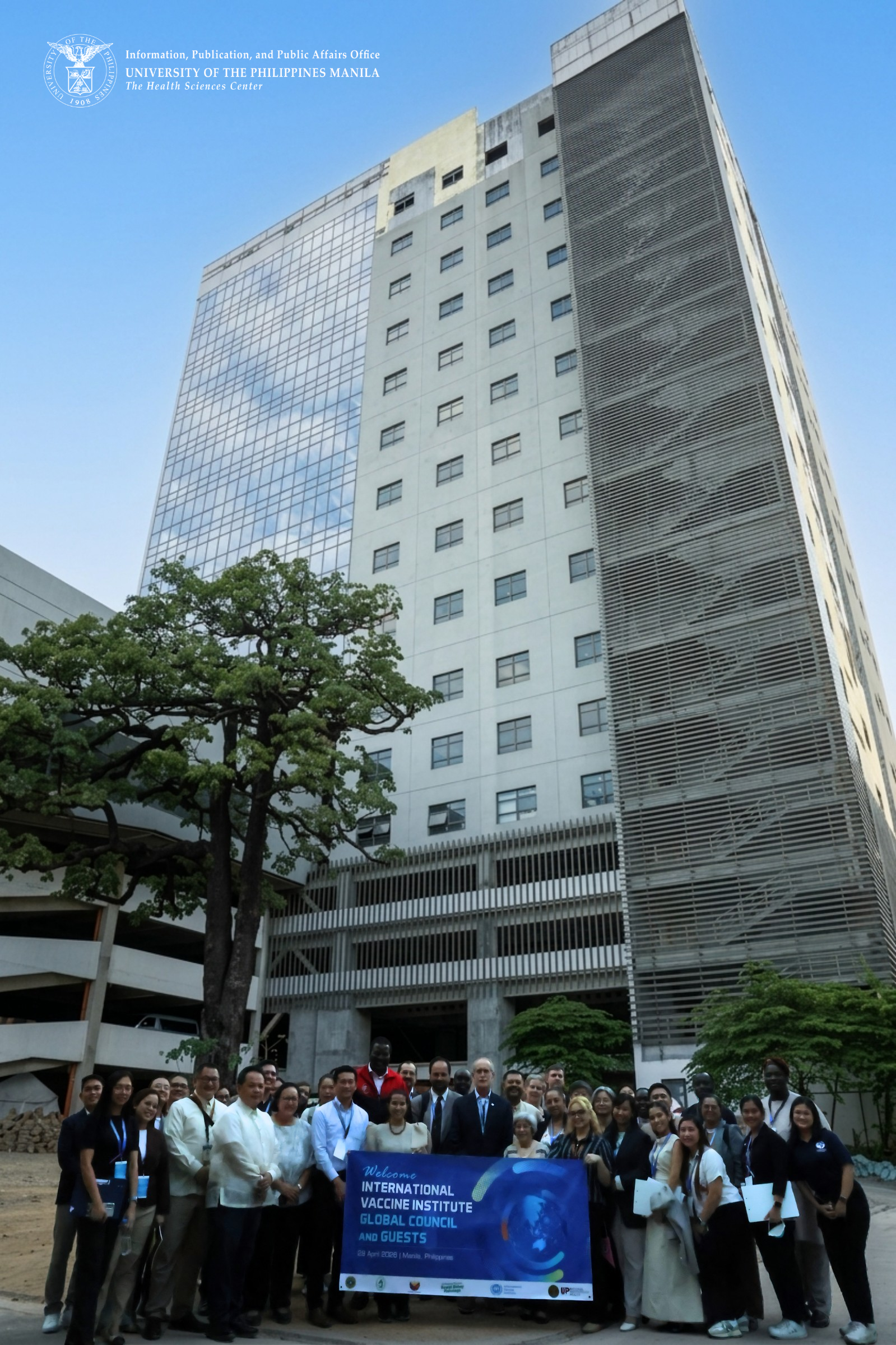
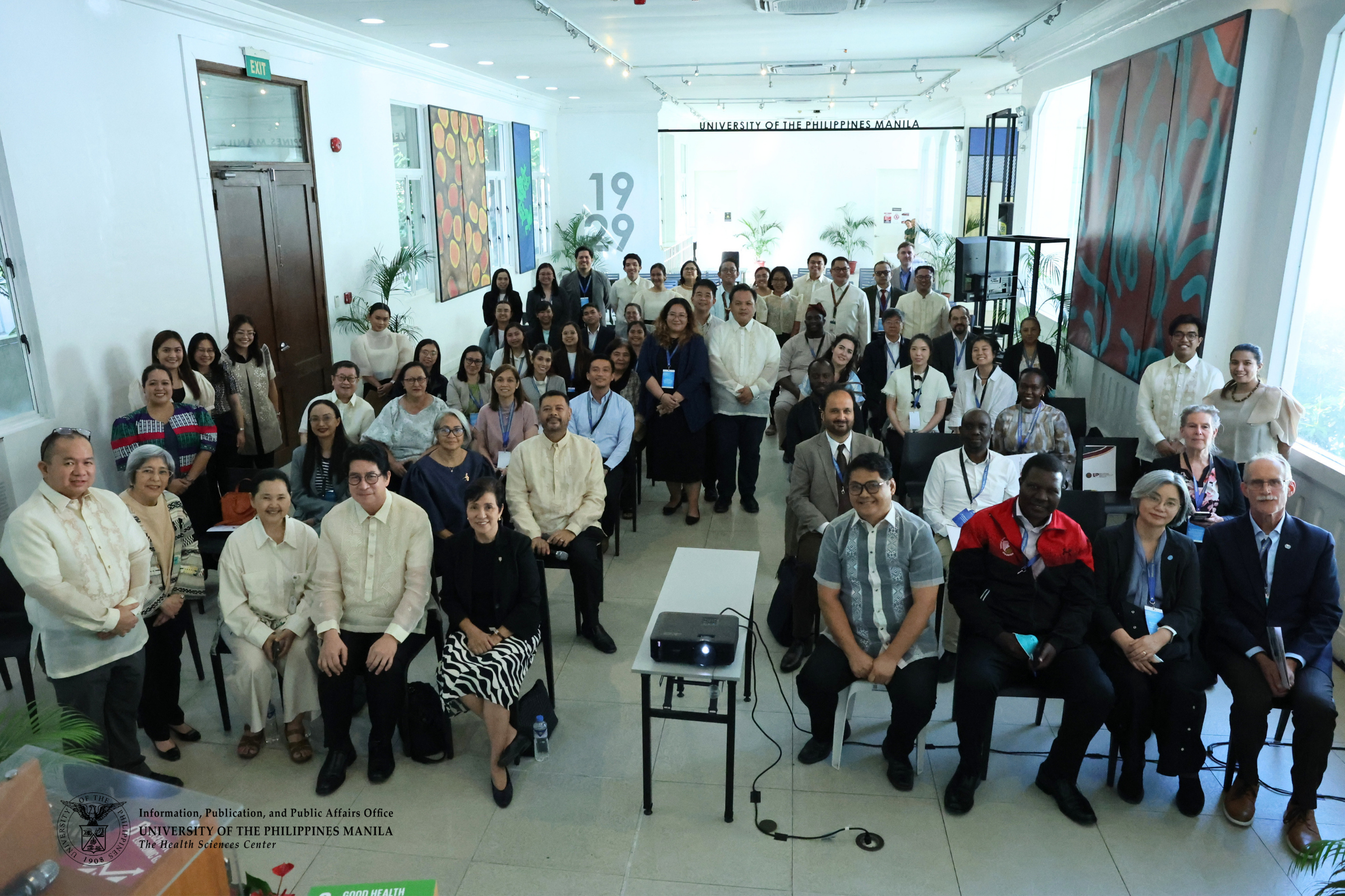
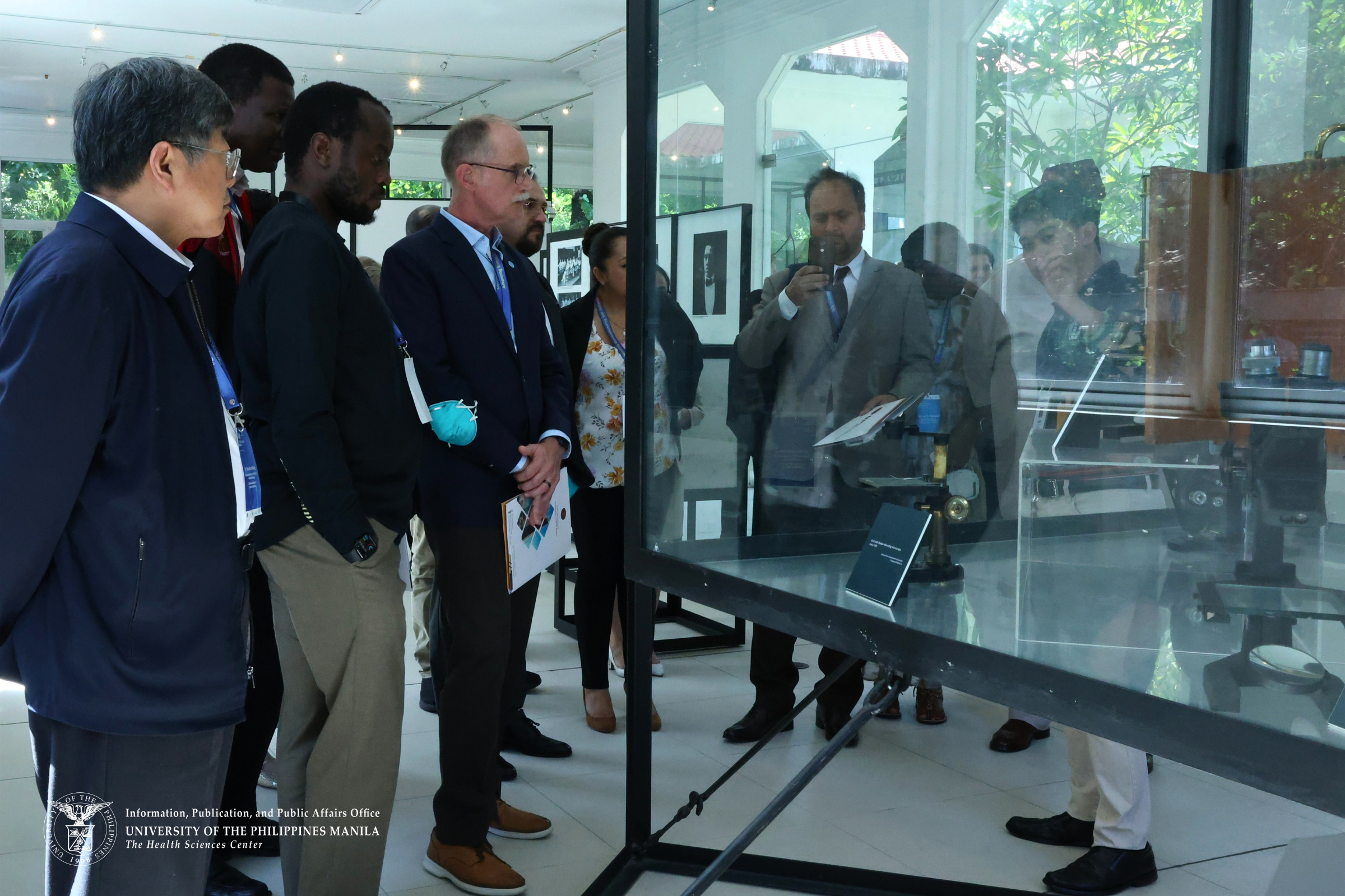
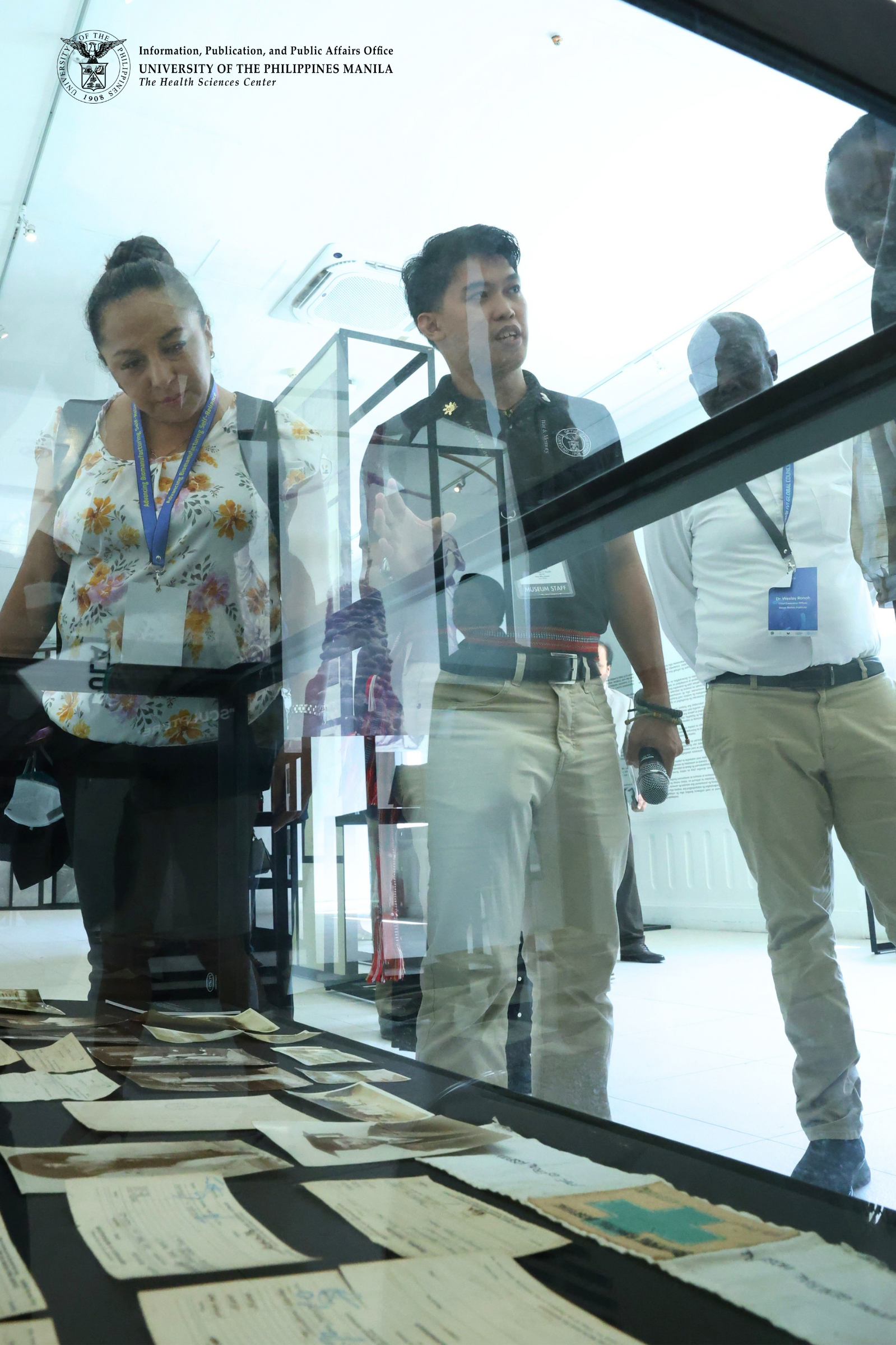
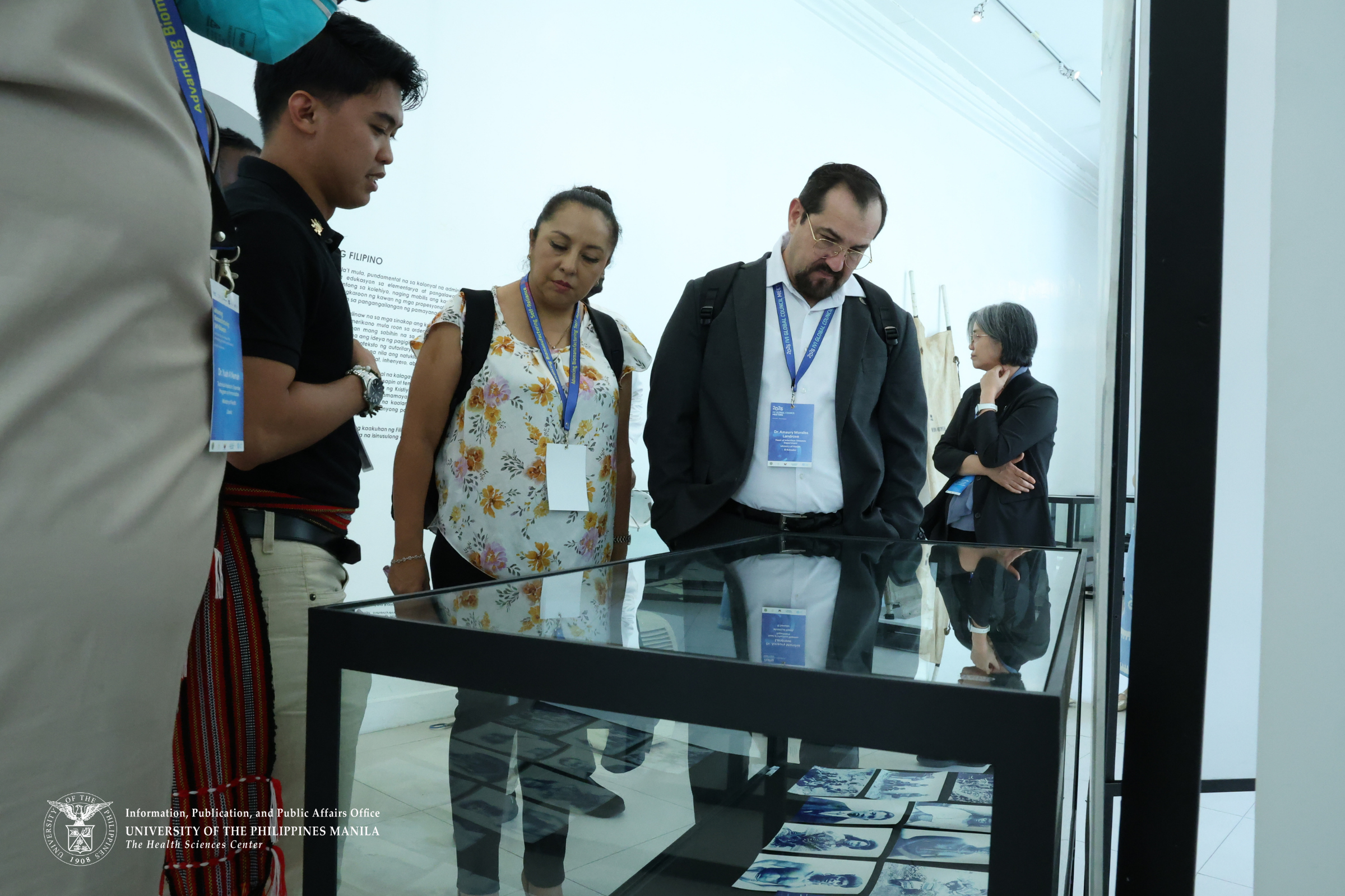
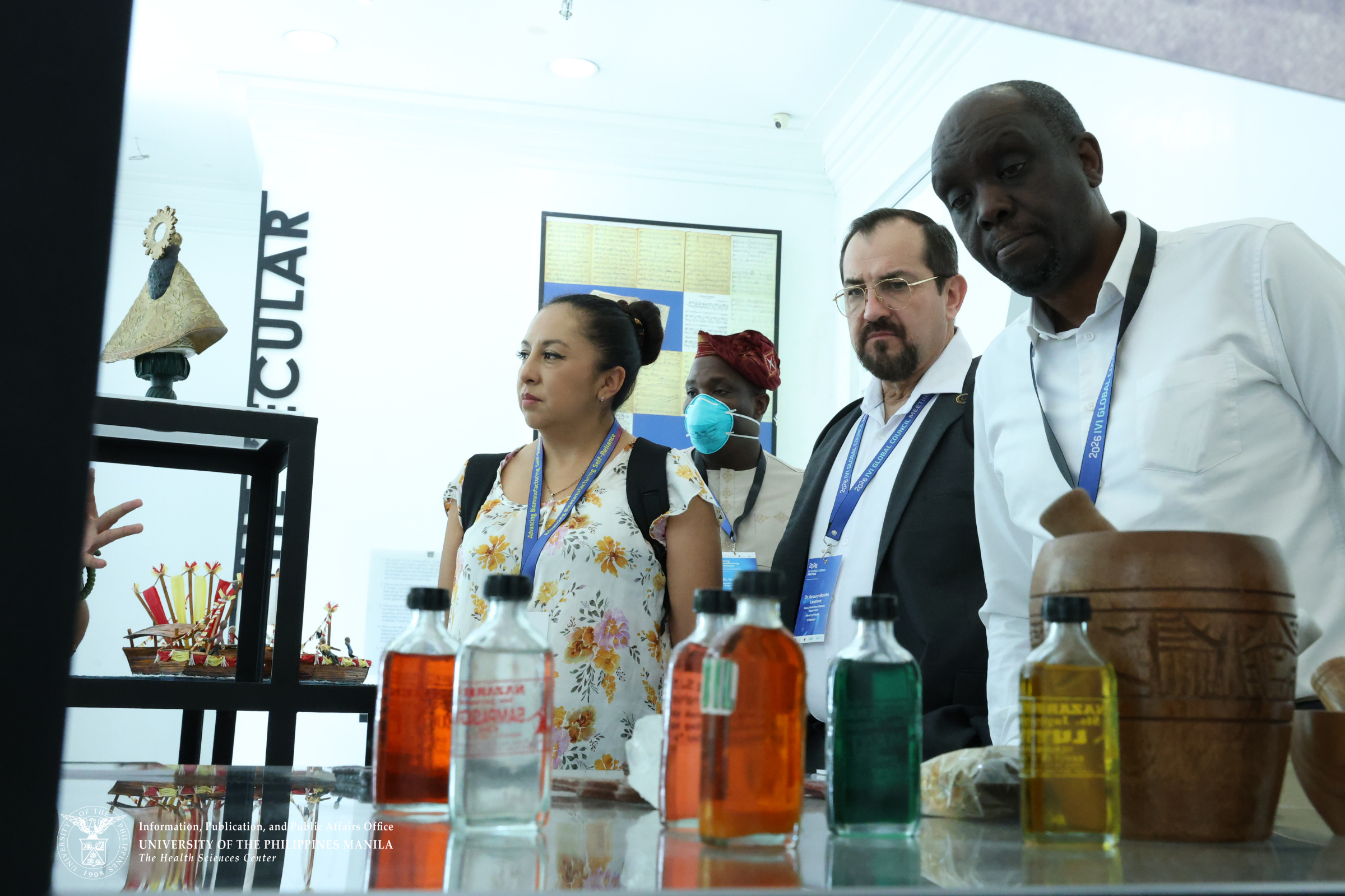
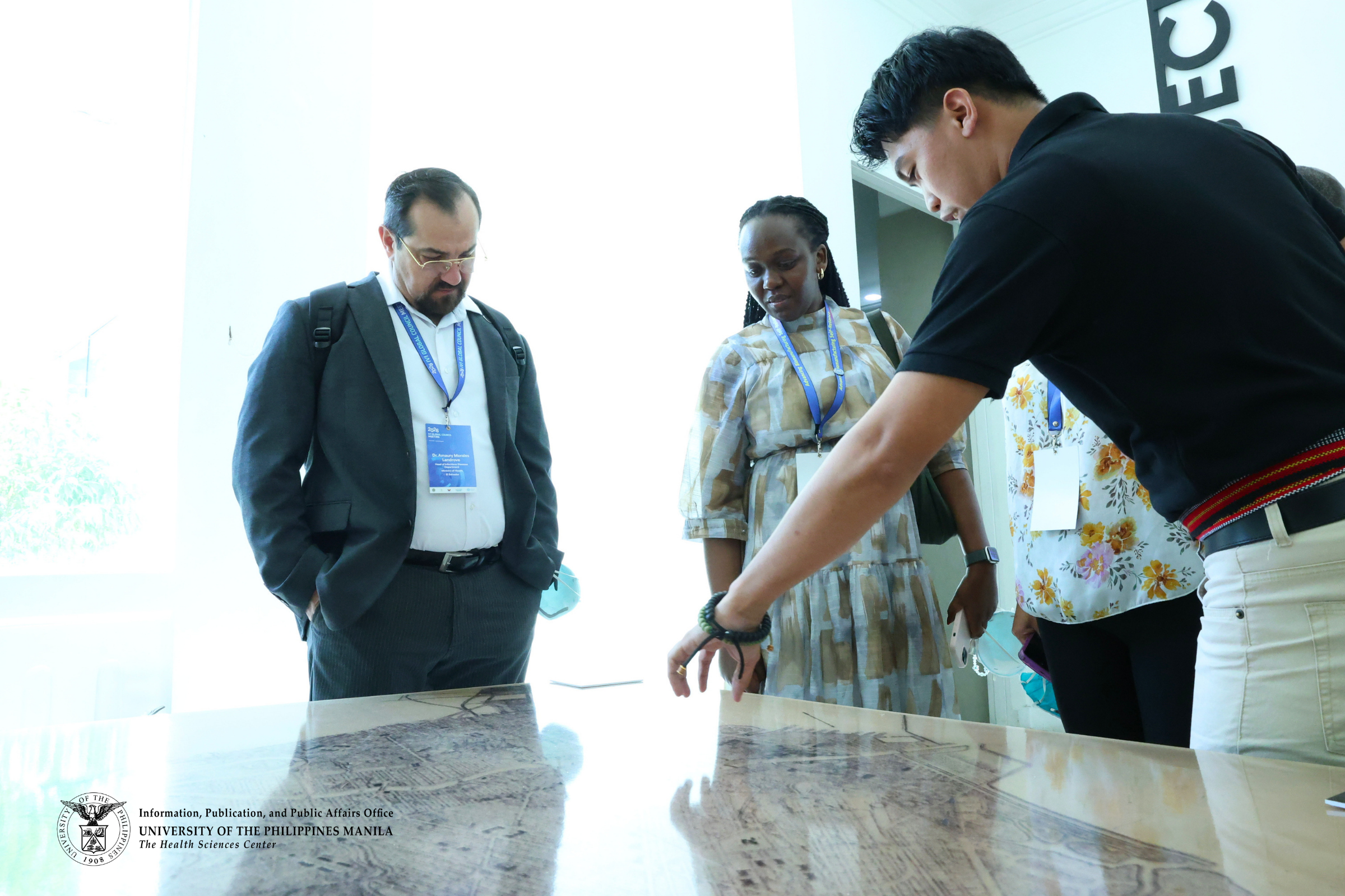
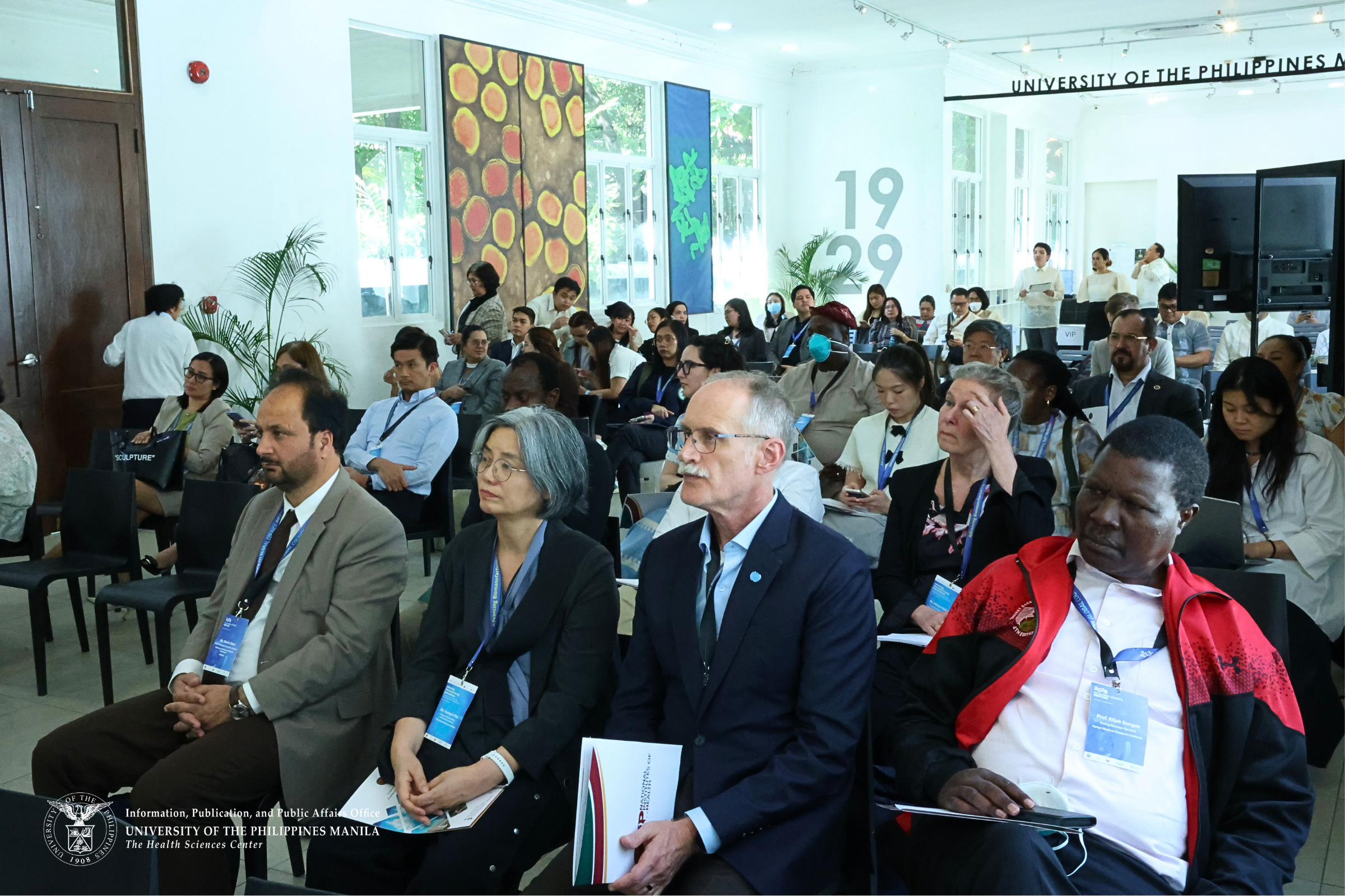
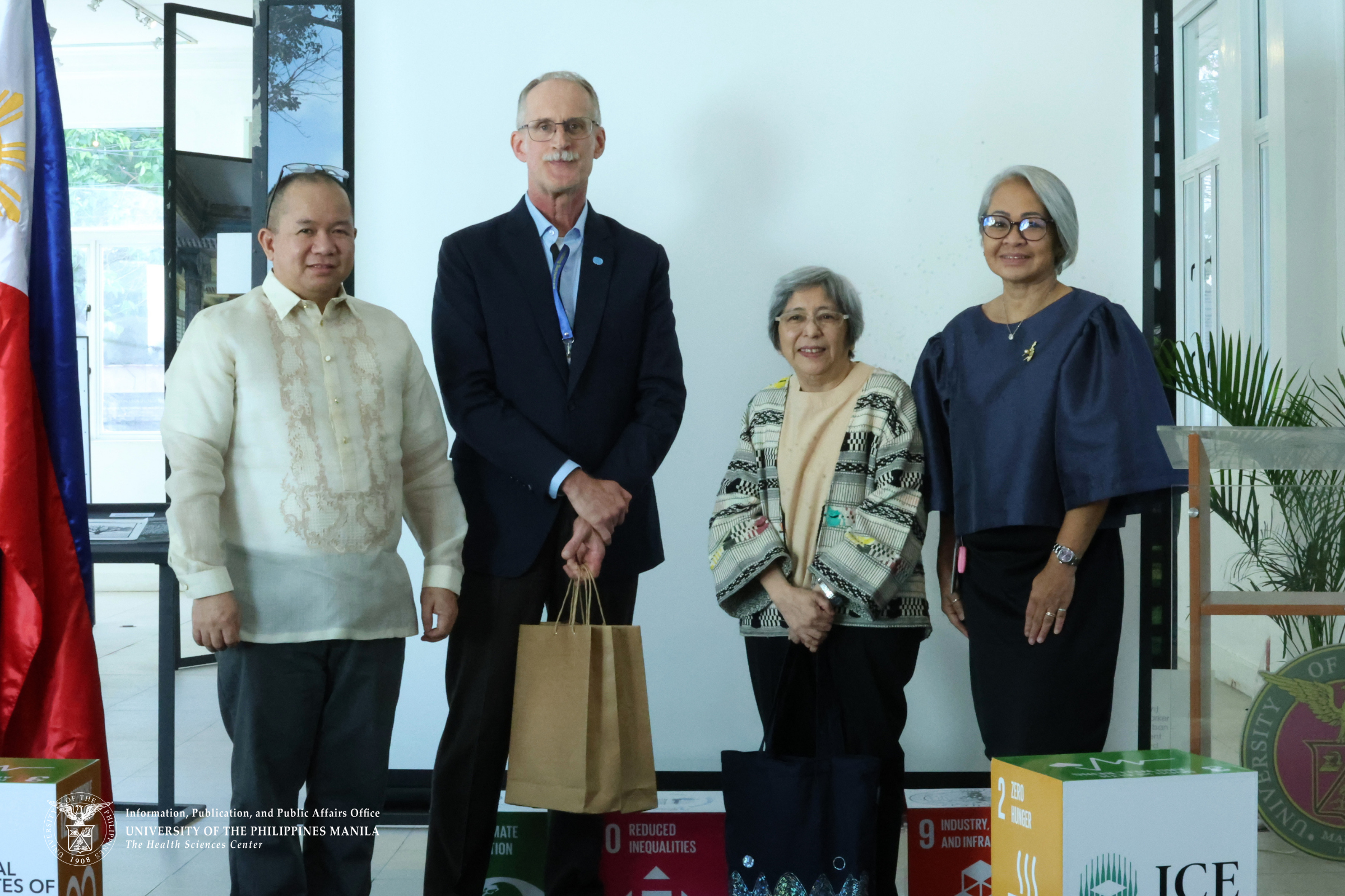
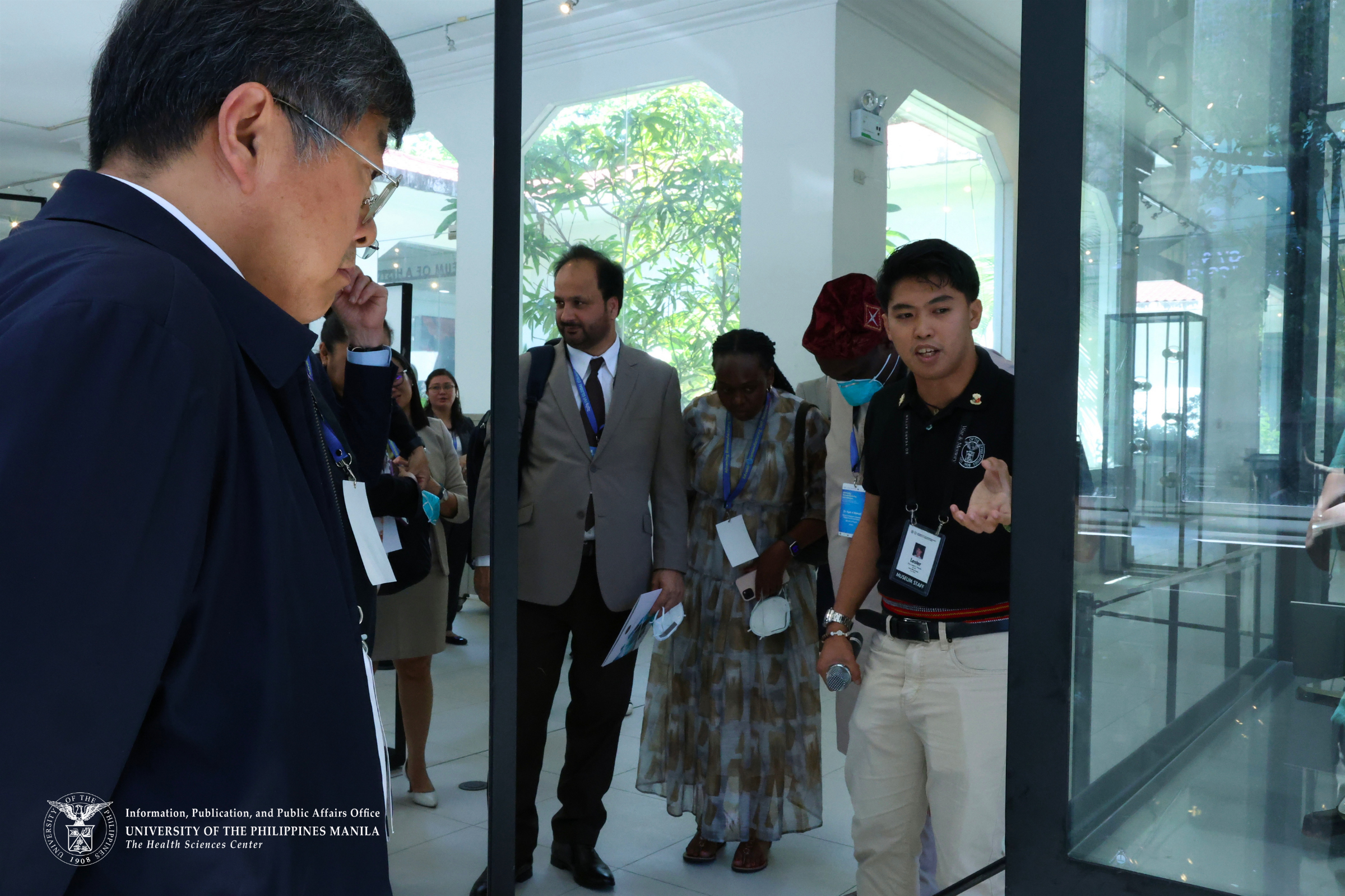
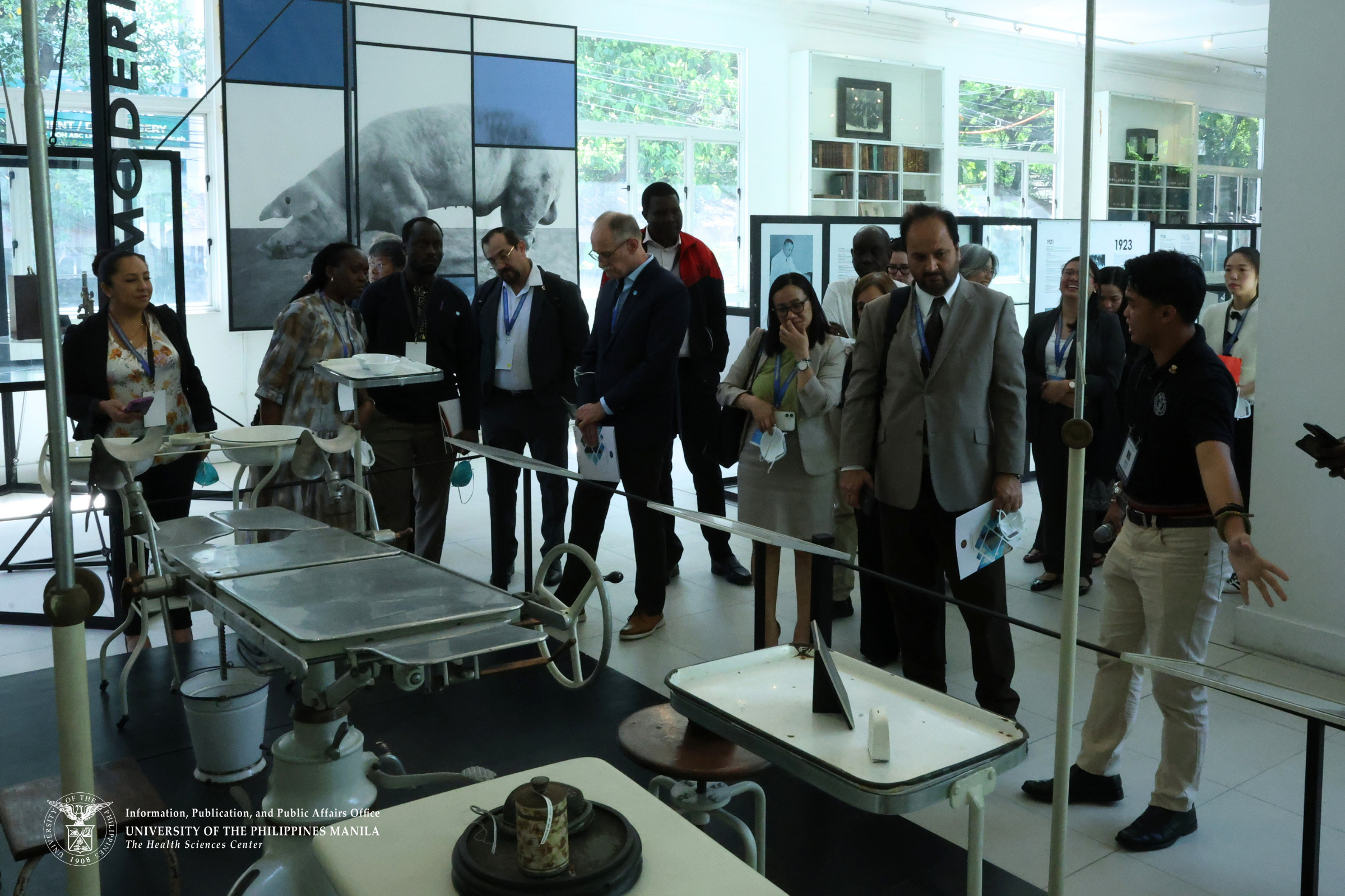
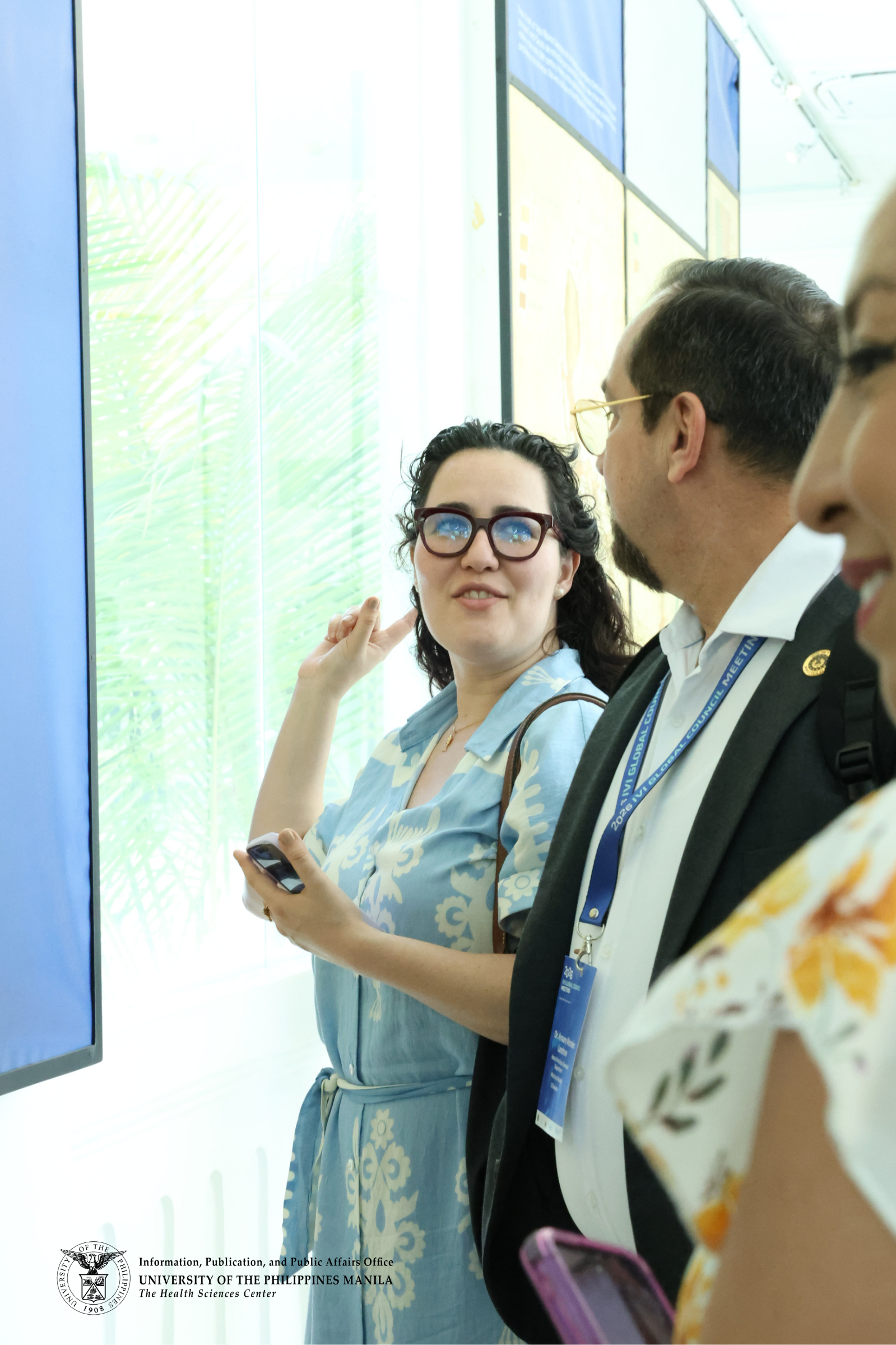
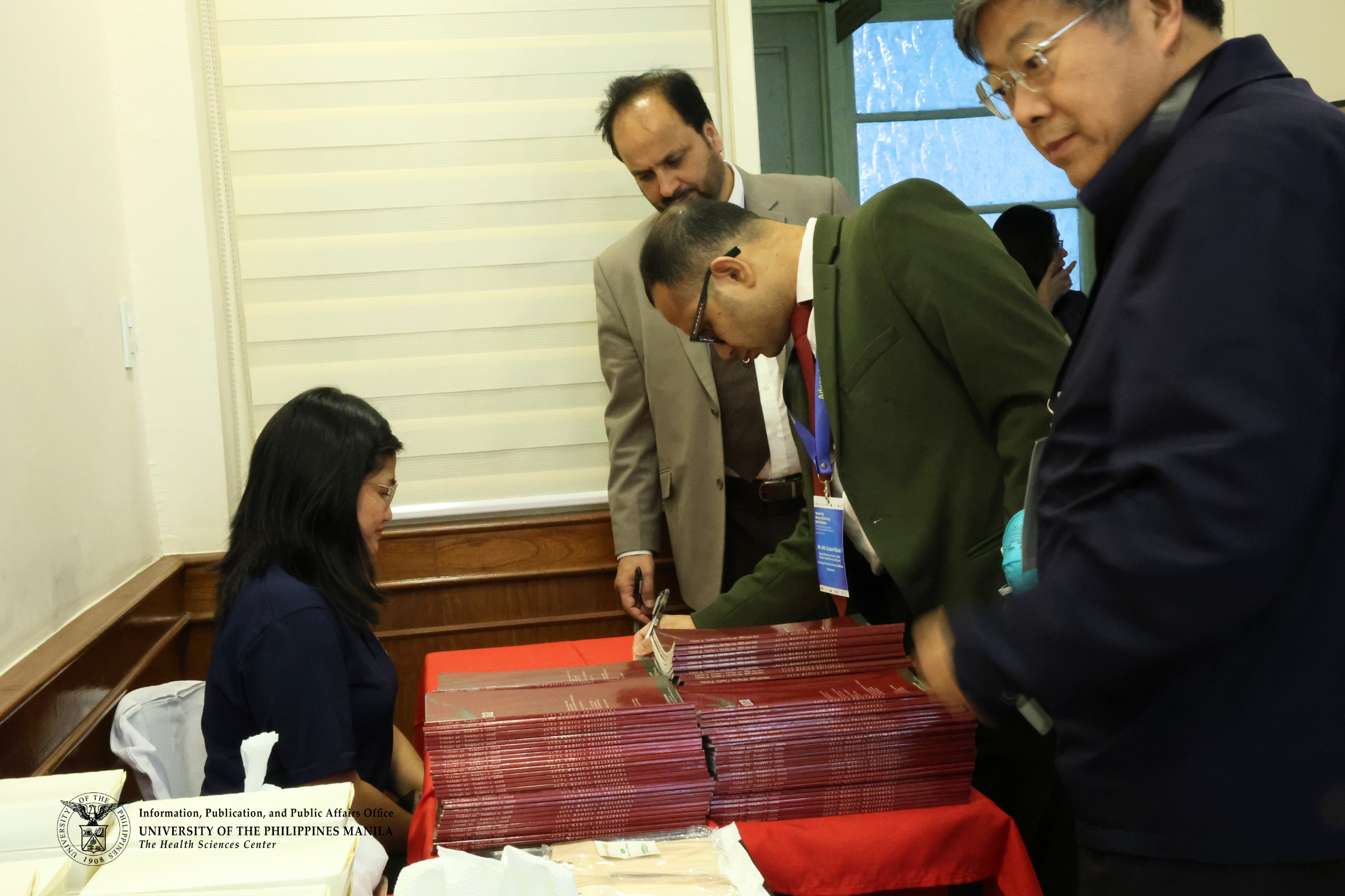
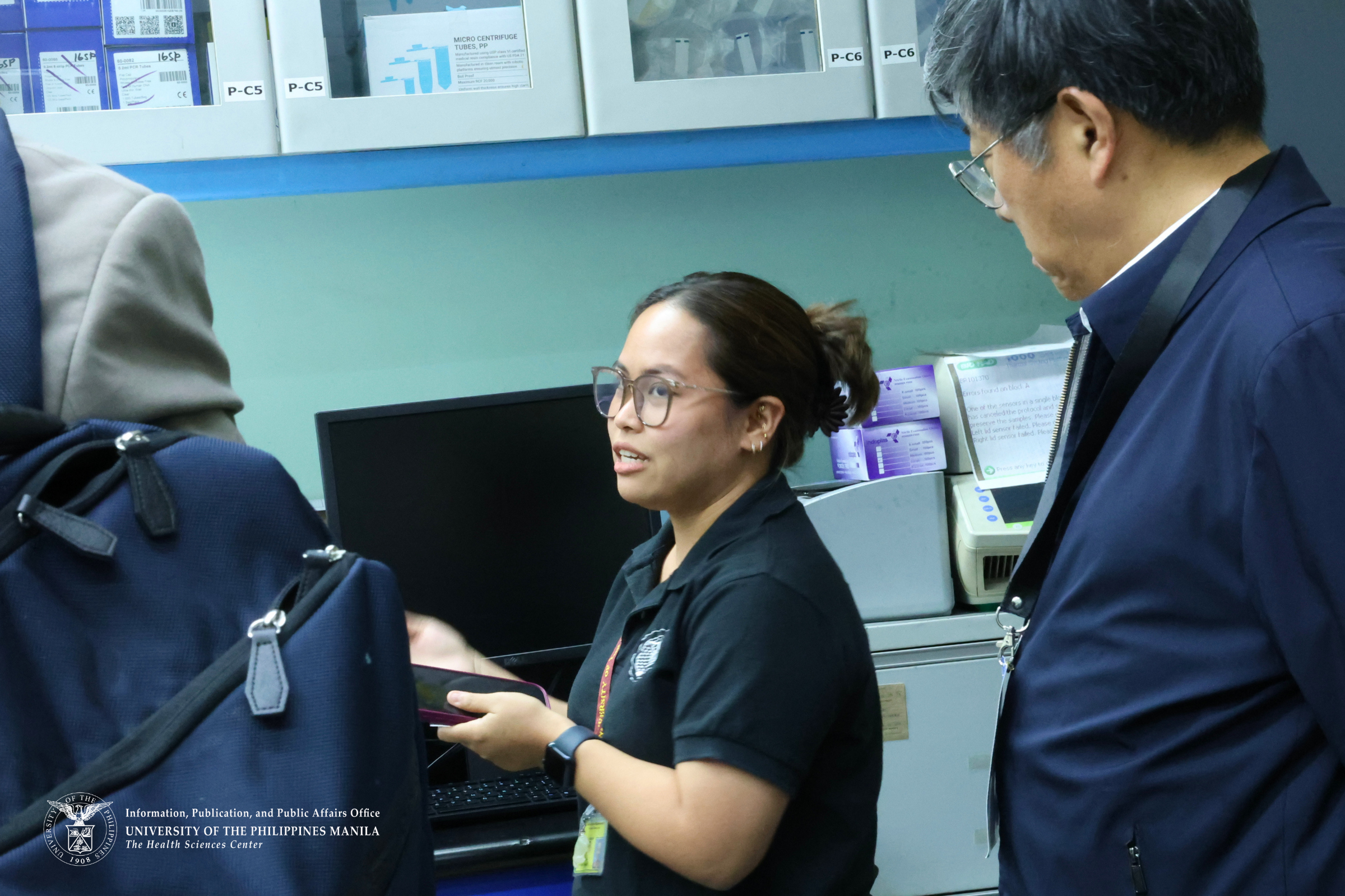
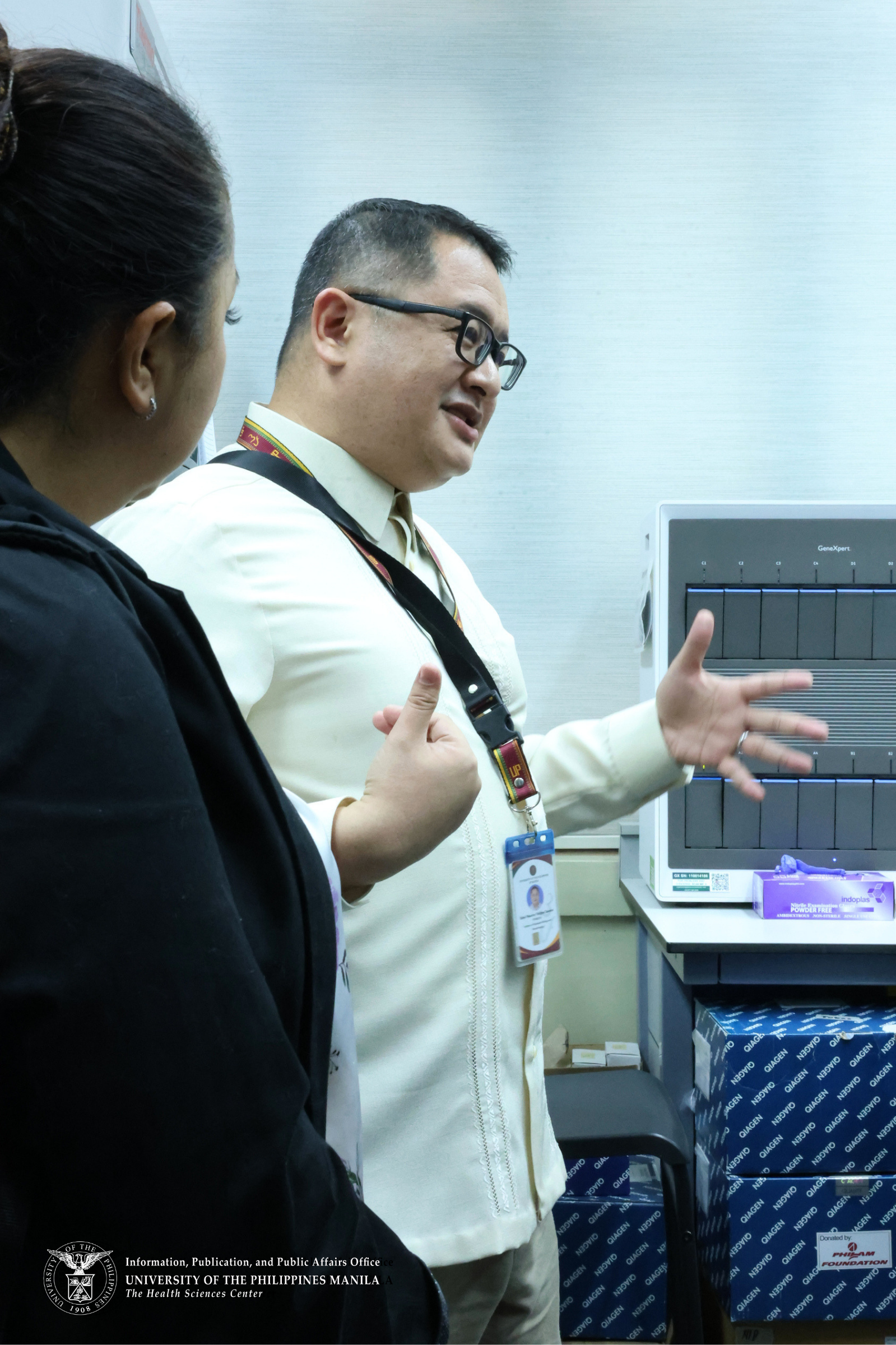
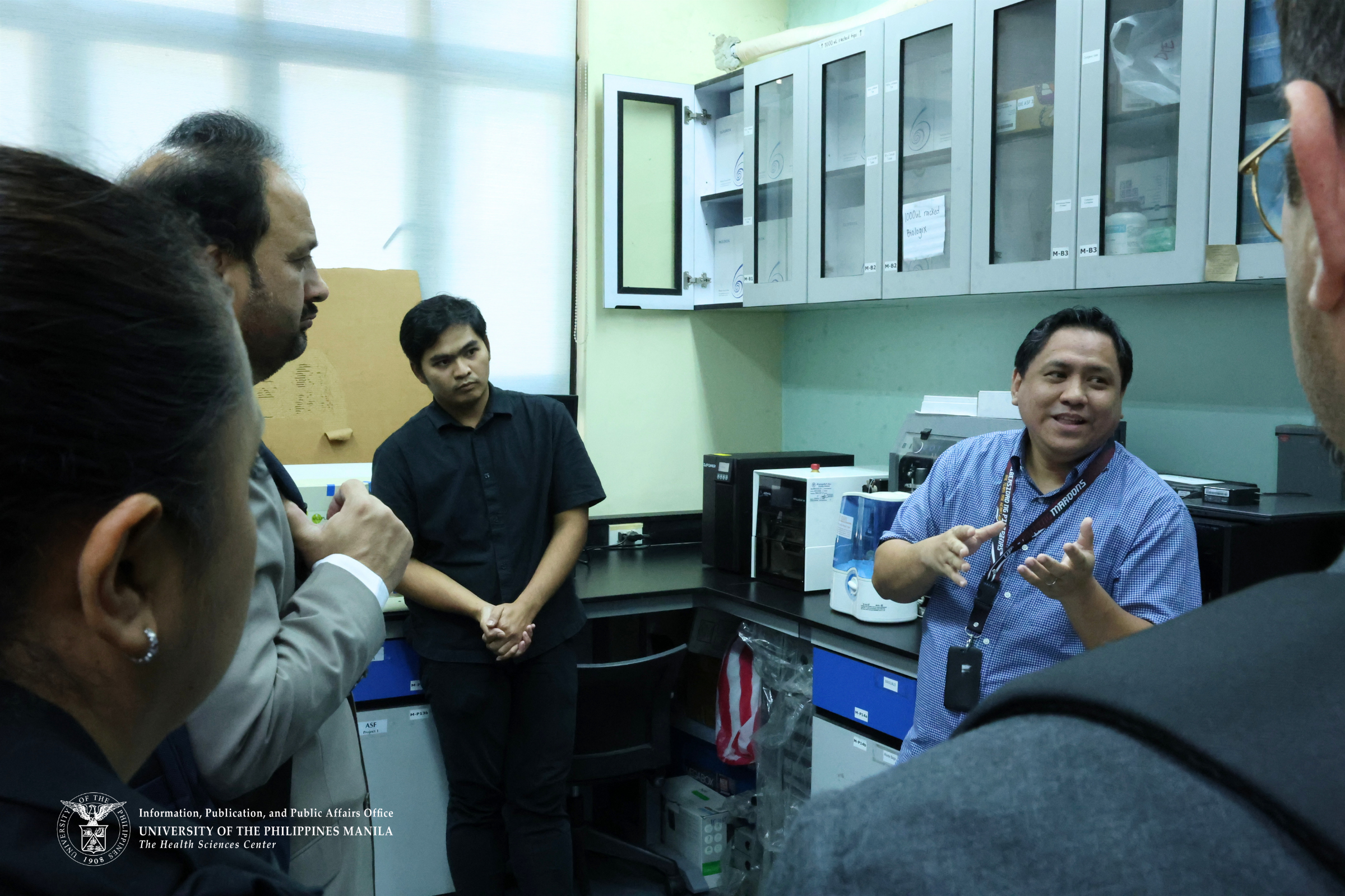
The Global Council of the International Vaccine Institute (IVI) visited the University of the Philippines Manila National Institutes of Health (UPM NIH) on April 29, 2026, as part of a two-day program of their Manila meeting aimed at deepening IVI’s role in advancing vaccine equity and sustainable health security.
The Philippines holds the presidency of IVI Global Council as represented by Department of Health (DOH) Secretary Teodoro Herbosa. The DOH selected the NIH as one of the official site venues to provide participants with a deeper appreciation of the Philippines’ health research, innovation, and implementation ecosystem.
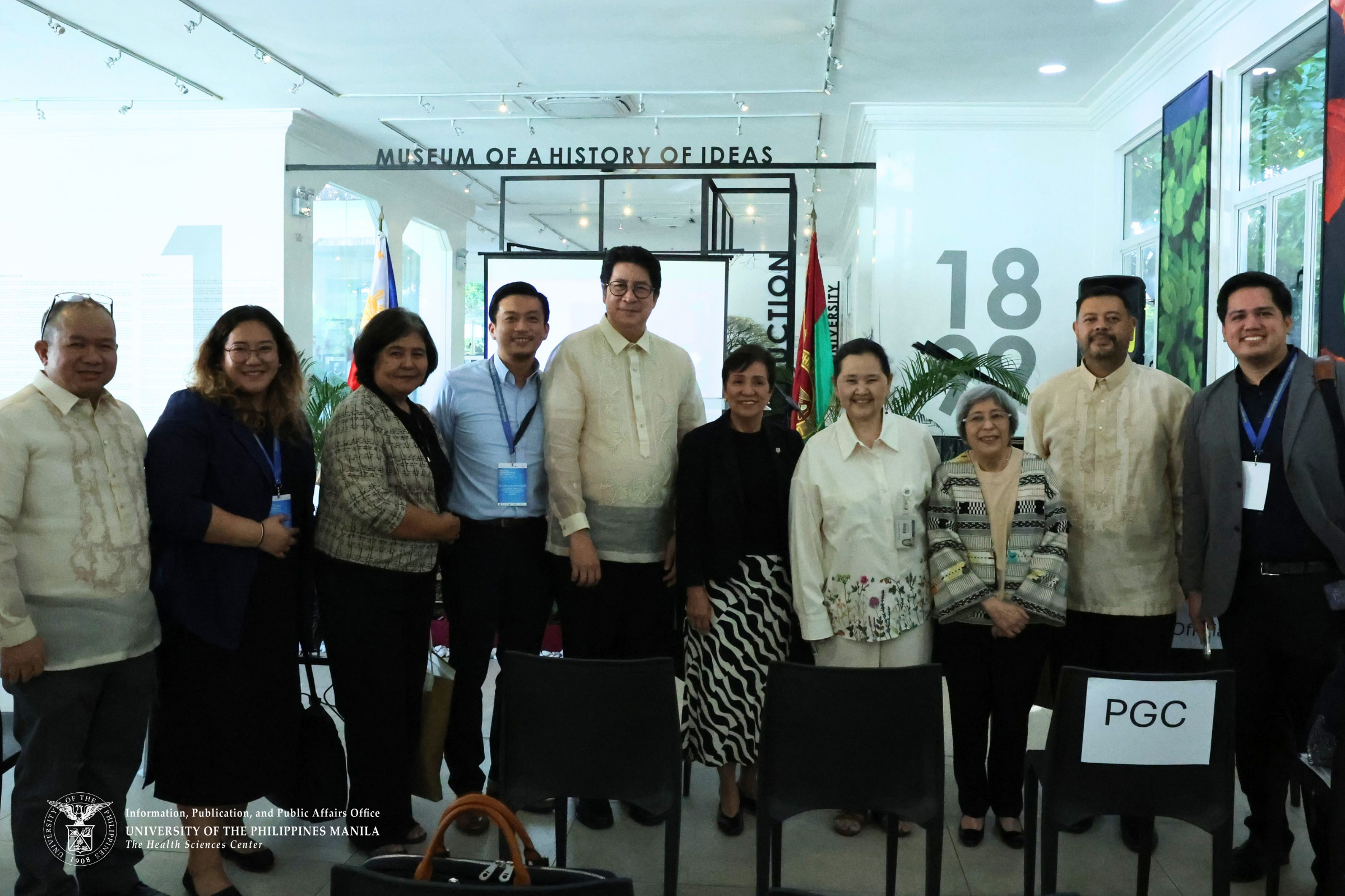
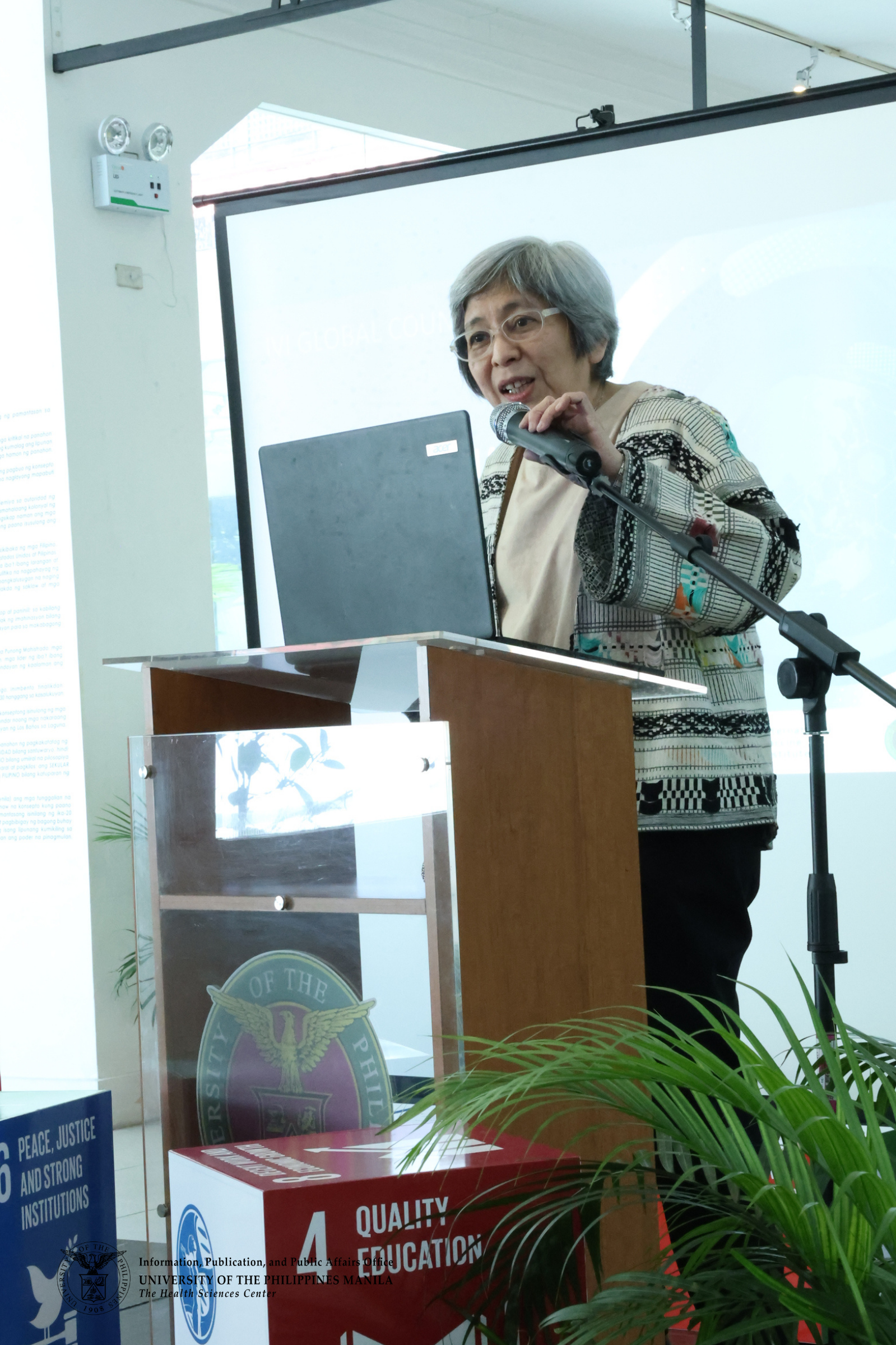
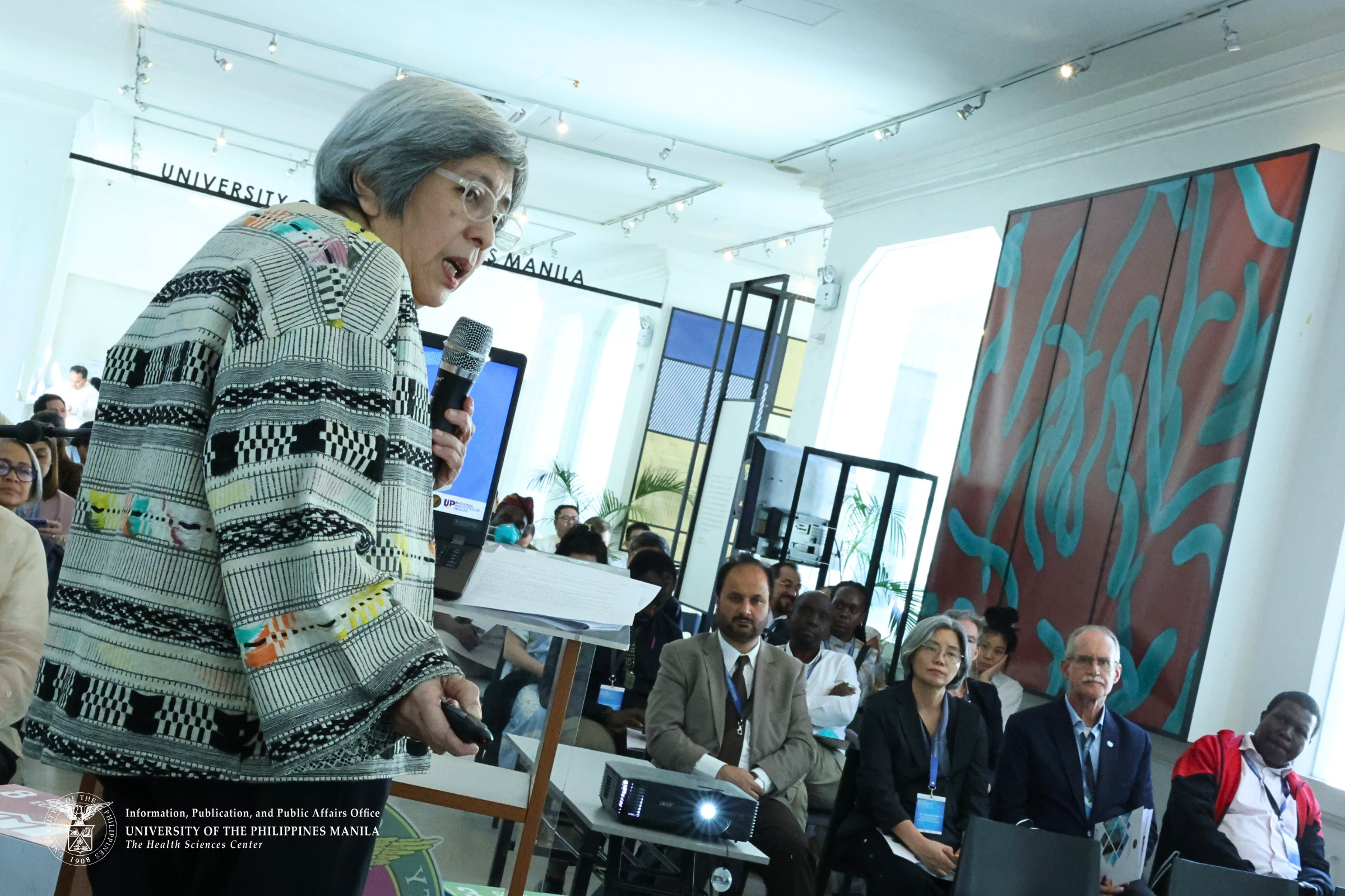
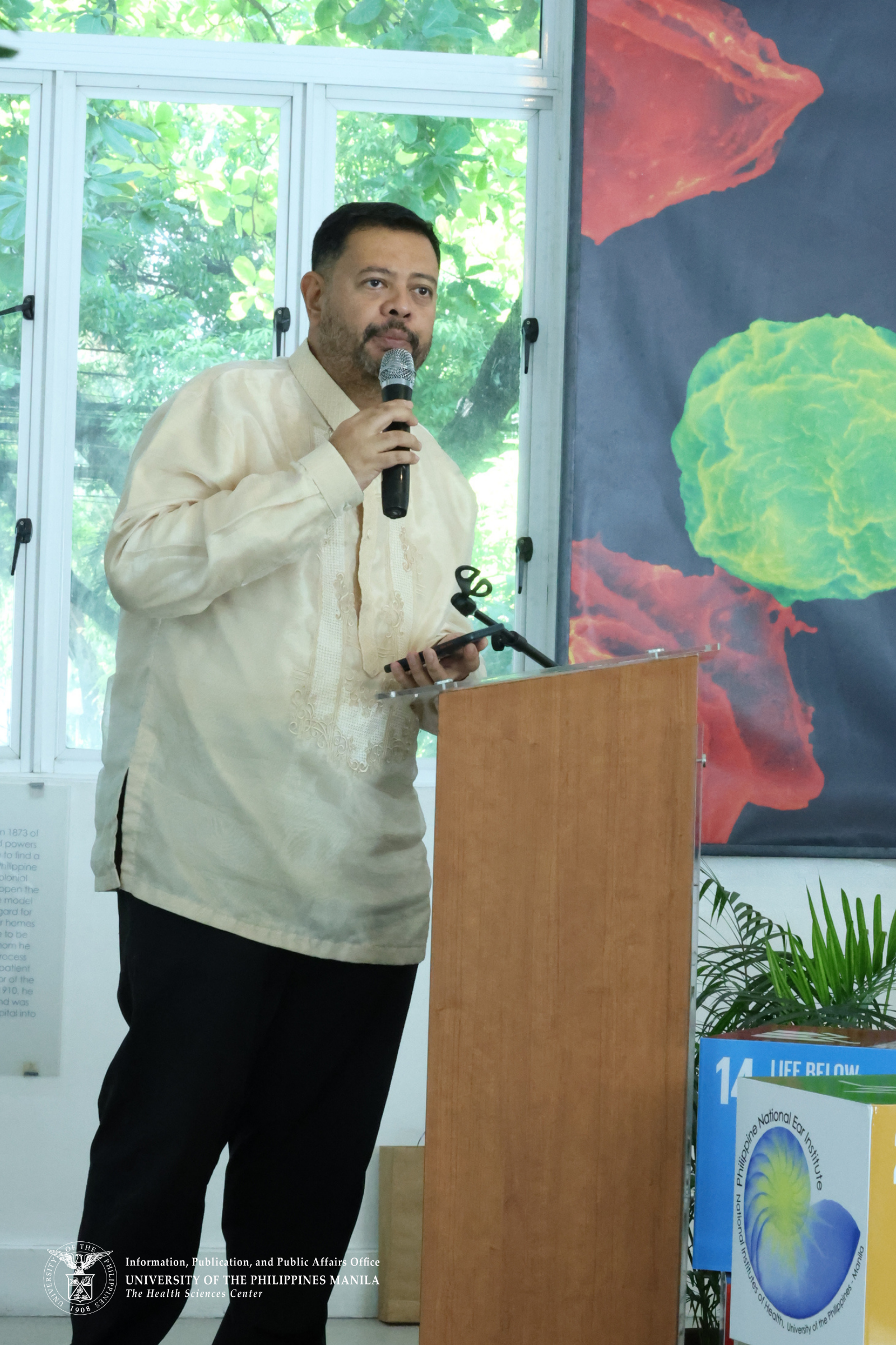
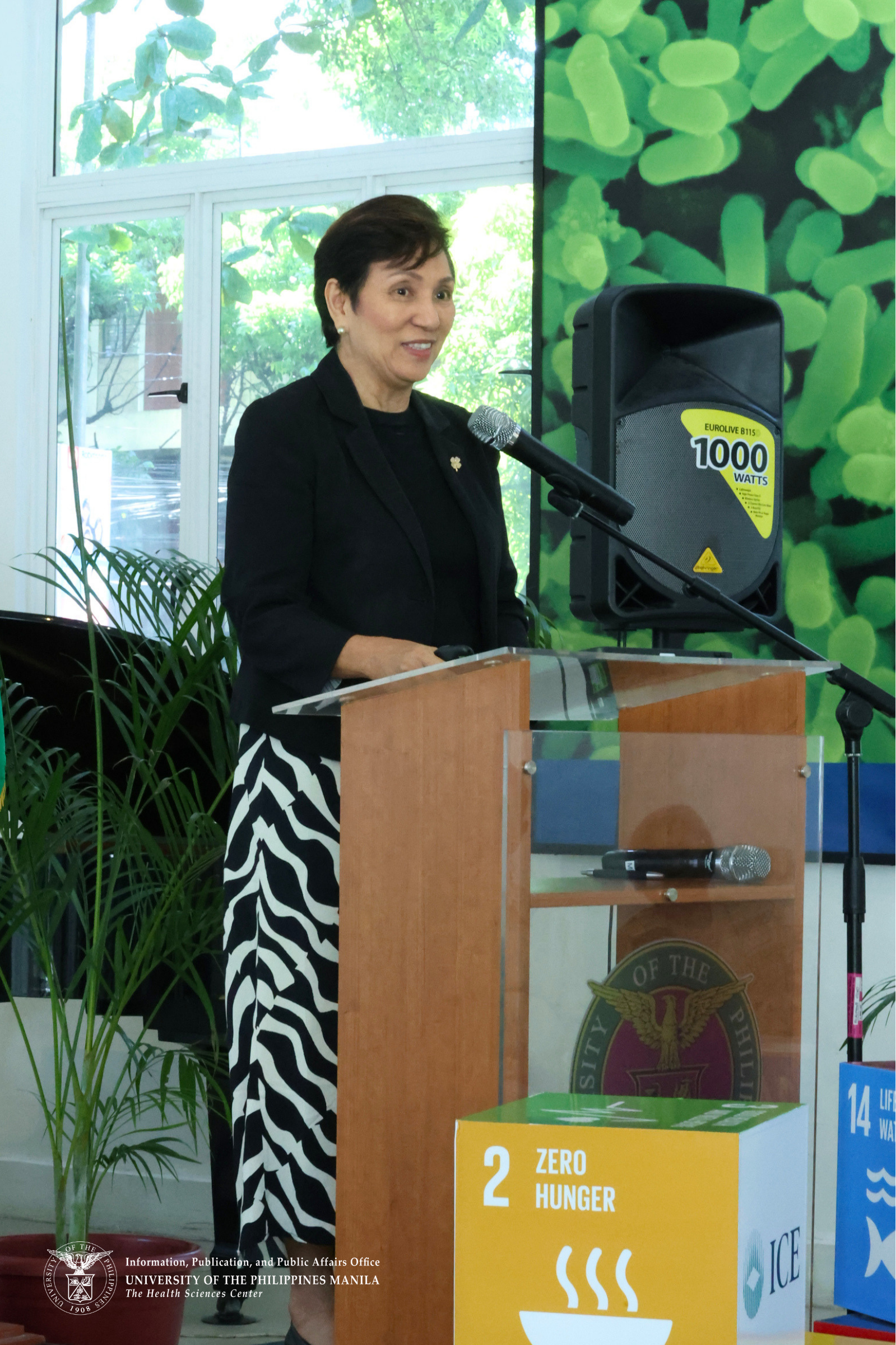
During the visit, UPM-NIH Executive Director Marissa Alejandria, Philippine Genome Center Executive Director Windell Rivera, and Department of Science and Technology Undersecretary for Research and Development Leah Buendia provided overviews of their institutions’ mandates and activities, including strategic priorities, key programs, current research and partnerships, efforts in capacity building and workforce development, and potential areas for global collaboration.
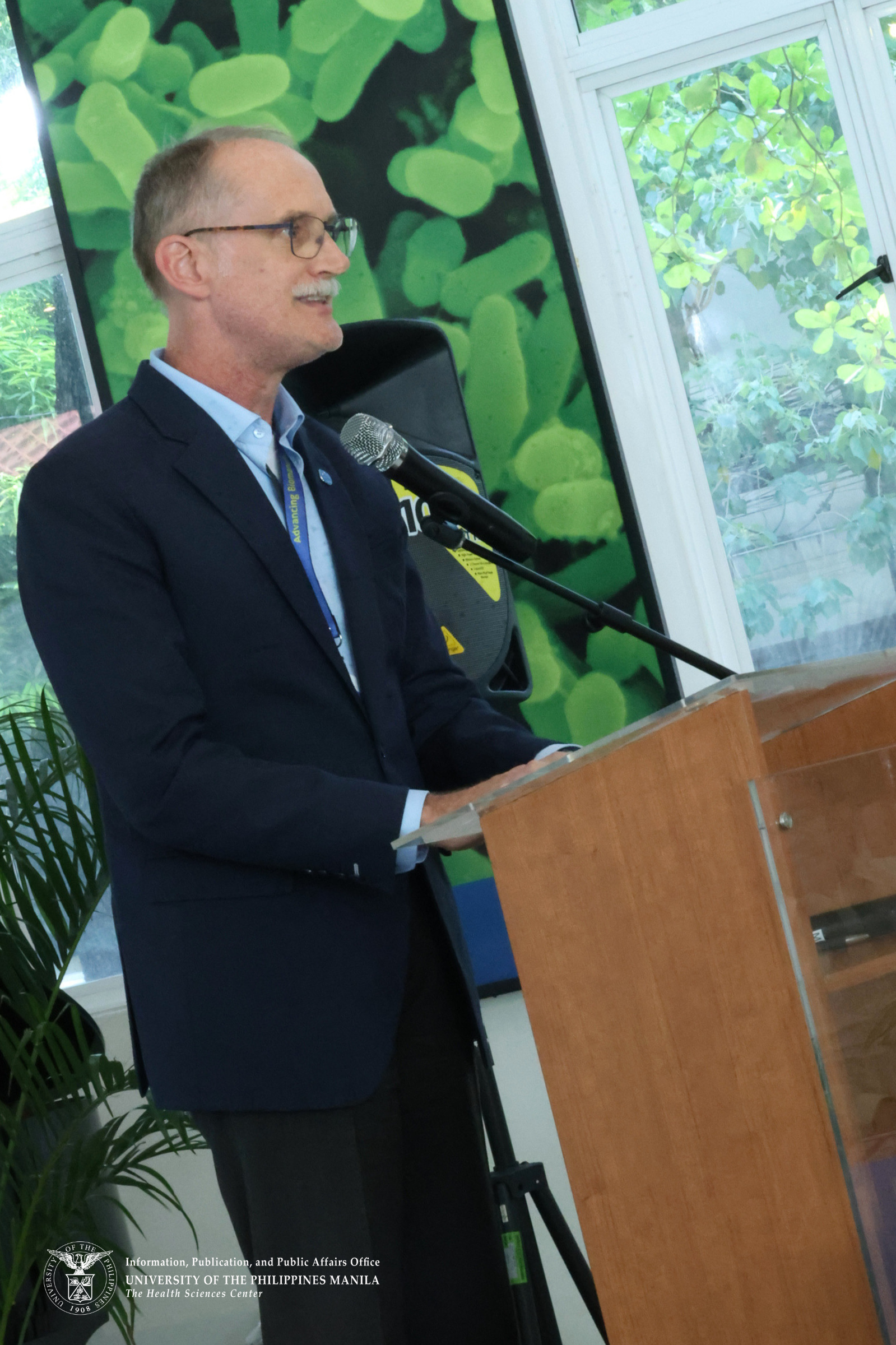
IVI Deputy Director General for Global Affairs and Communications and Special Envoy for Global Health Diplomacy Dr. Douglas Shaffer expressed appreciation to UP Manila, NIH, Research Institute for Tropical Medicine, and DOH for organizing the visit and acknowledged the Philippines’ strong foundations on research, innovations, public health implementation, and workforce development. “Institutions such as NIH and RITM demonstrate how national leadership, scientific excellence, and collaboration can advance both domestic priorities and broader regional public health goals,” he said.
The International Vaccine Institute (IVI) is an independent global organization established in 1997 at the initiative of the United Nations Development Programme. Its mission is to discover, develop, and deliver safe, effective, and affordable vaccines leading to vaccine equity, meaningful impact, and global sustainability.
IVI’s current work includes a range of vaccines at different stages of pre-clinical and clinical development, focusing on infectious diseases that heavily affect low- and middle-income countries. These include cholera, typhoid fever, chikungunya, shigellosis, salmonellosis, schistosomiasis, hepatitis E, HPV, group A streptococcal diseases, and COVID-19. IVI has developed the world’s first affordable oral cholera vaccine as well as a next-generation typhoid conjugate vaccine, both of which have been prequalified by the World Health Organization (WHO).
Text by: Jennifer Manongdo
Photos by: Jericho Paolo Mabansag






#FP6