

Text by: Charmaine A. Lingdas
Photos by: Sarah Hazel Moces S. Pulumbarit
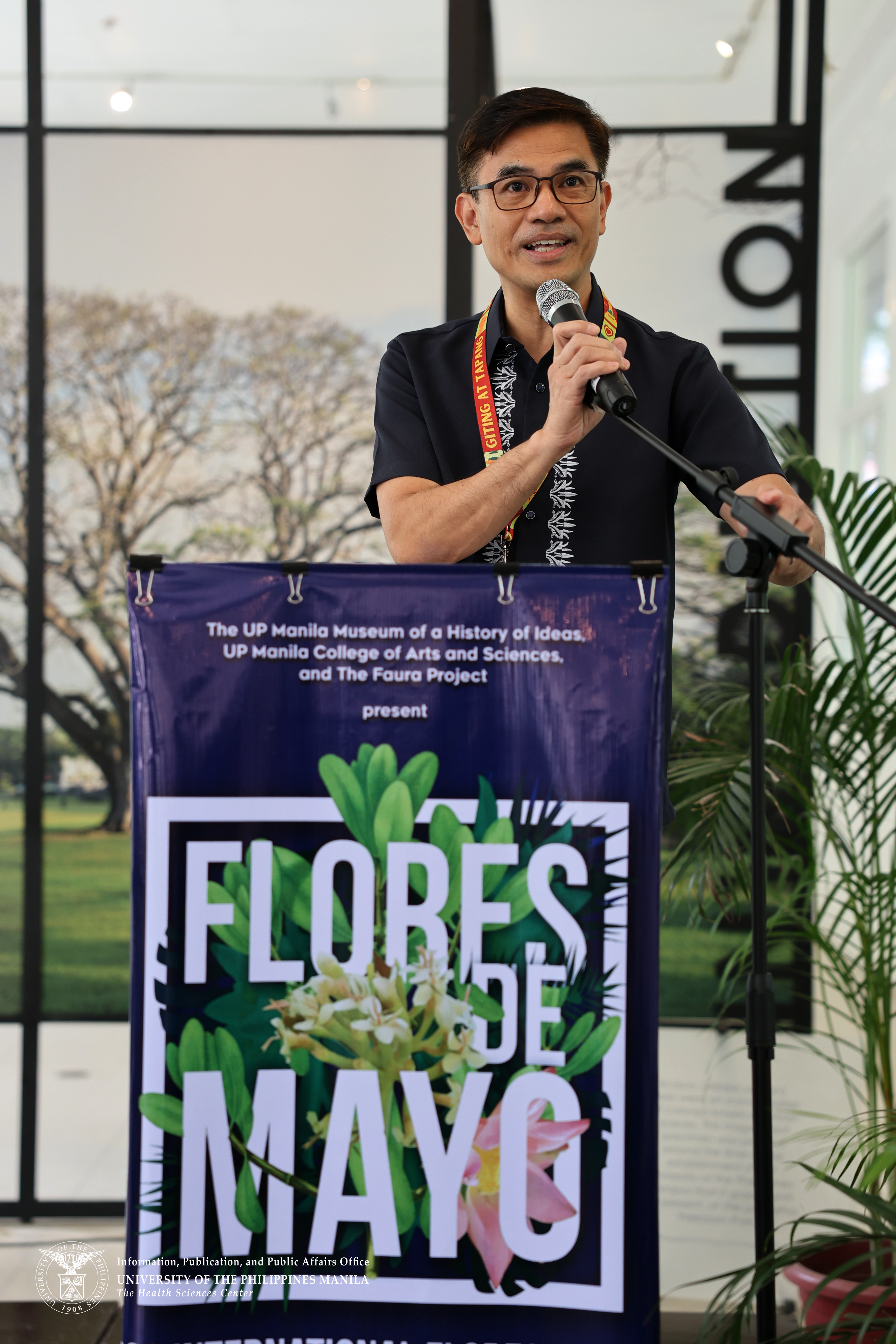
MHI Director Dr. Honey Libertine Achanzar-Labor traced the environmental history of Manila, once defined by extensive mangrove forests, tidal flats, and seagrass beds. These ecosystems, she noted, have been drastically reduced due to pollution and large-scale land reclamation, leaving only a fraction of their original extent.
From over 54,000 hectares of mangroves in the 19th century, less than 800 hectares remain today, placing coastal communities at greater risk from storm surges, flooding, and climate change. She emphasized that mangroves not only protect shorelines but also act as major carbon sinks, while seagrasses sustain fisheries and marine biodiversity.
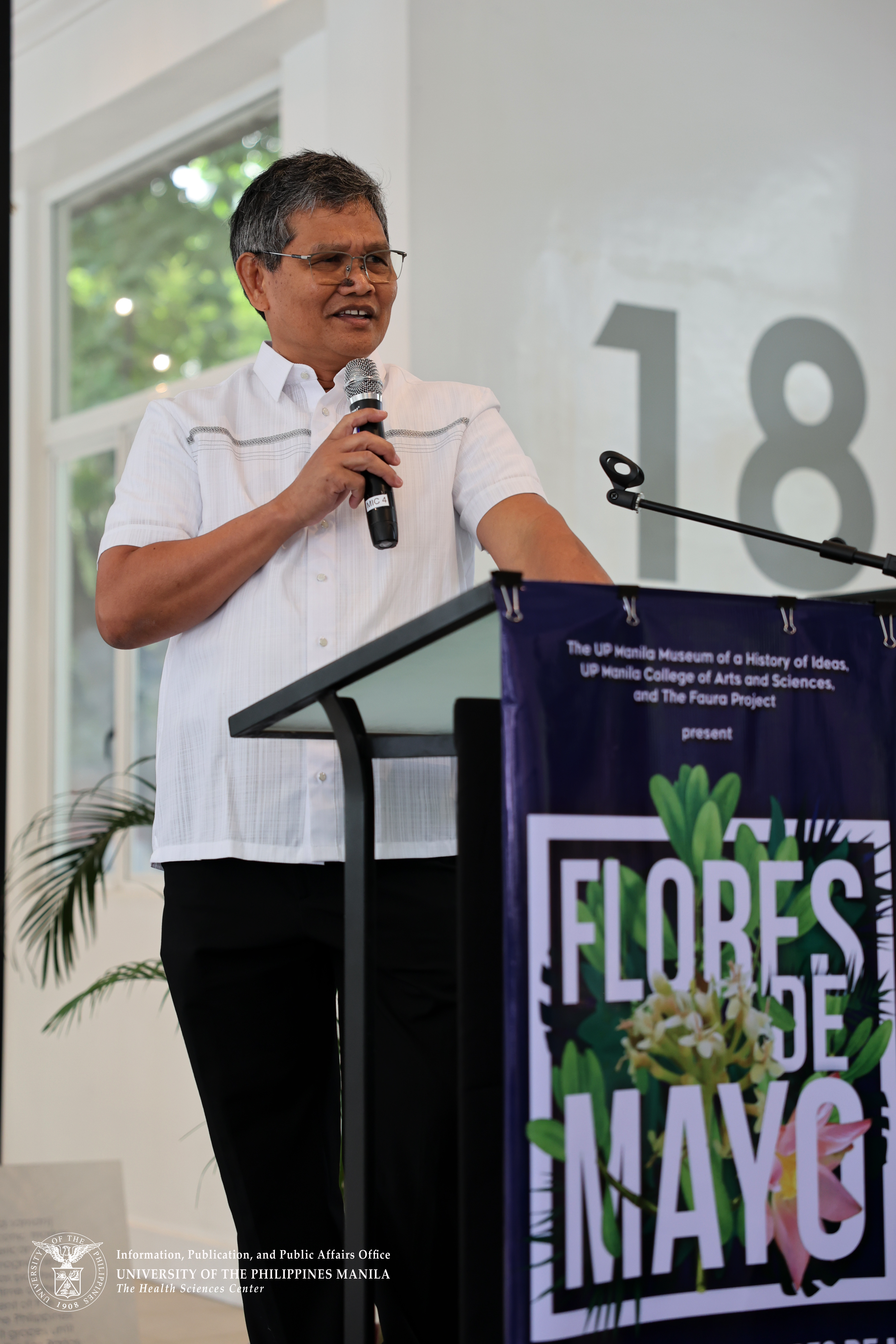
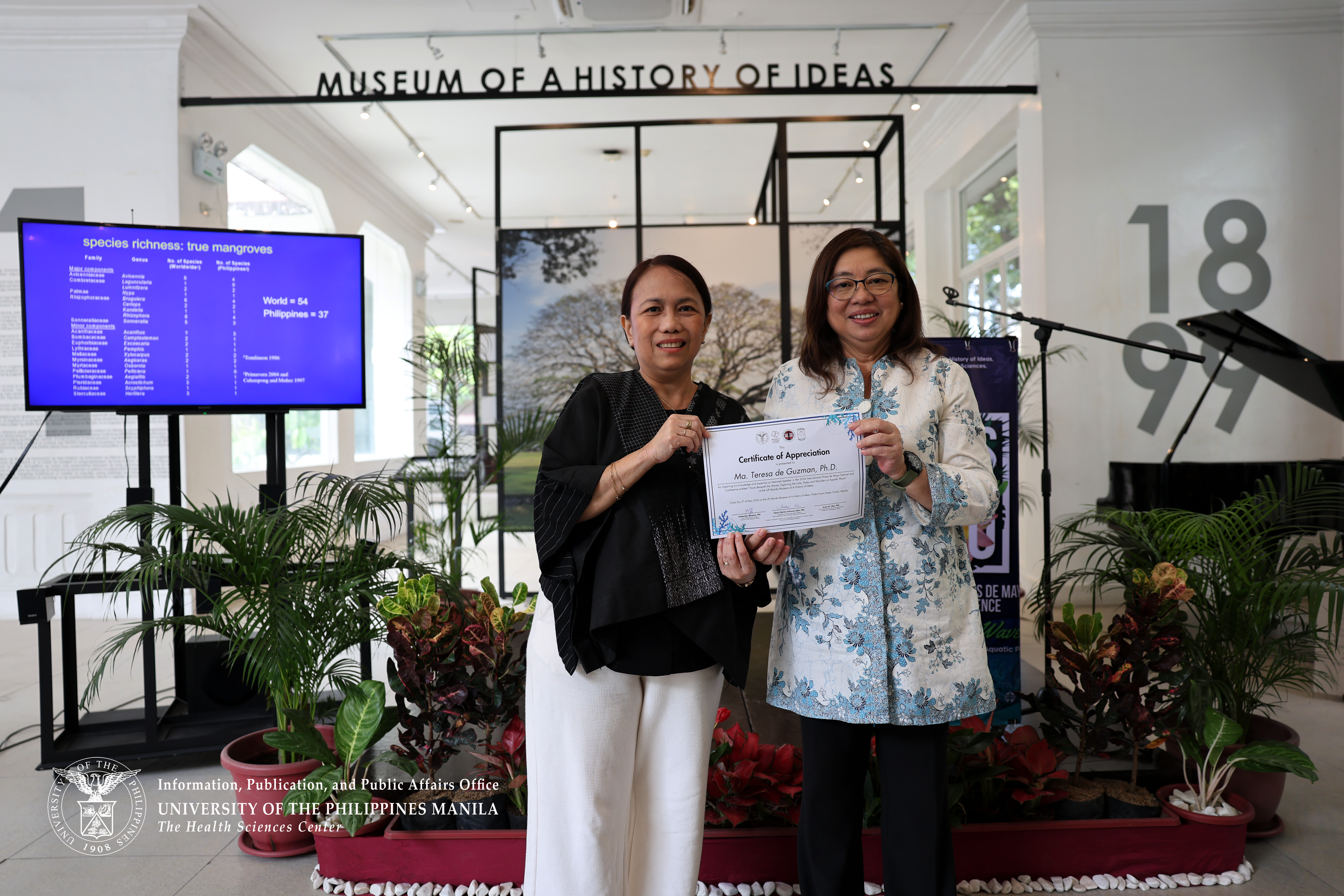
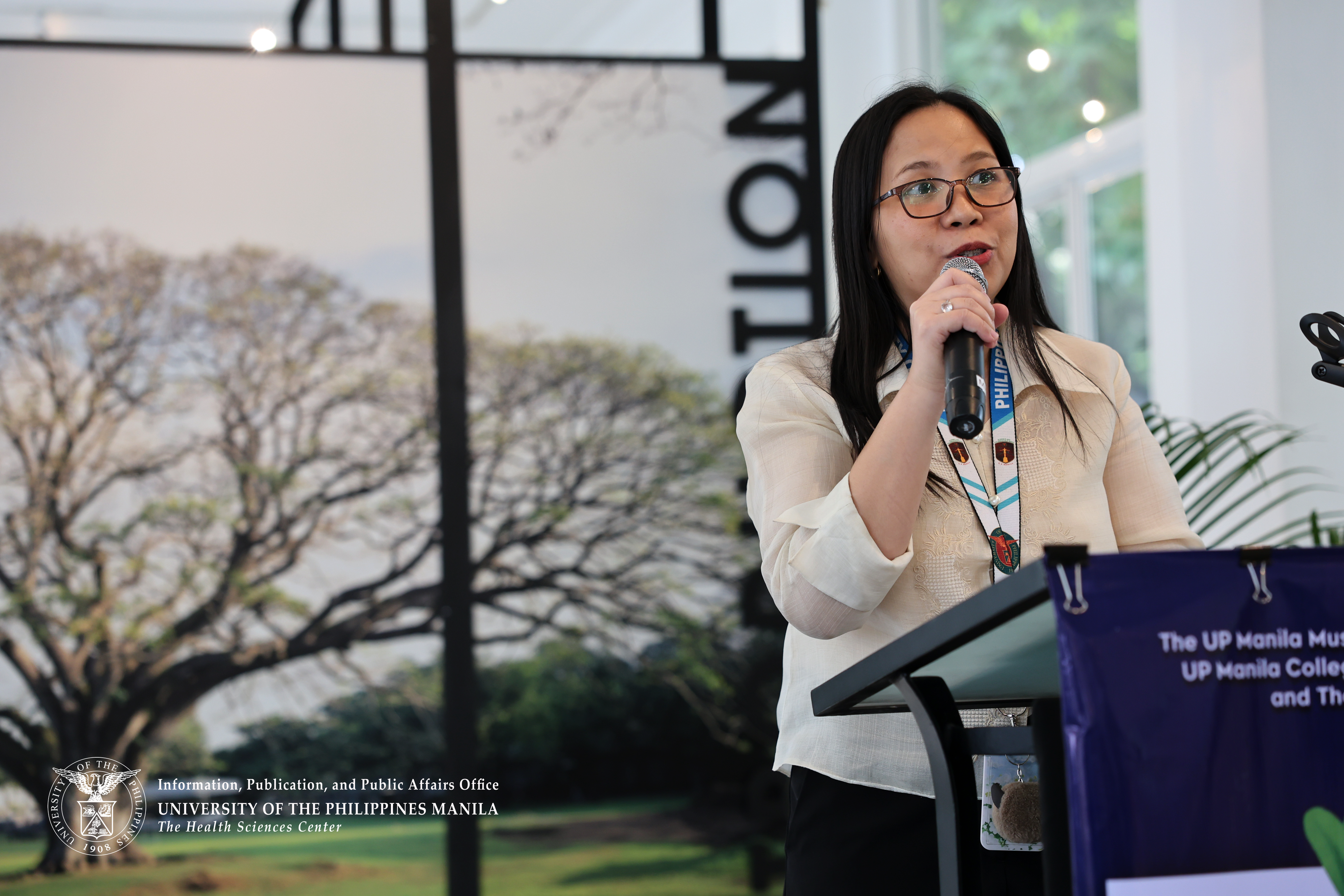
CAS Dean Ma. Teresa de Guzman urged participants to rethink the relationship between people and nature. “Protecting the sea is not only preserving biodiversity, but it is to safeguard identity, it is to ensure continuity, it is to remember who we are,” she said, underscoring that conservation must be grounded in both scientific understanding and cultural memory.
Rethinking Mangrove Rehabilitation
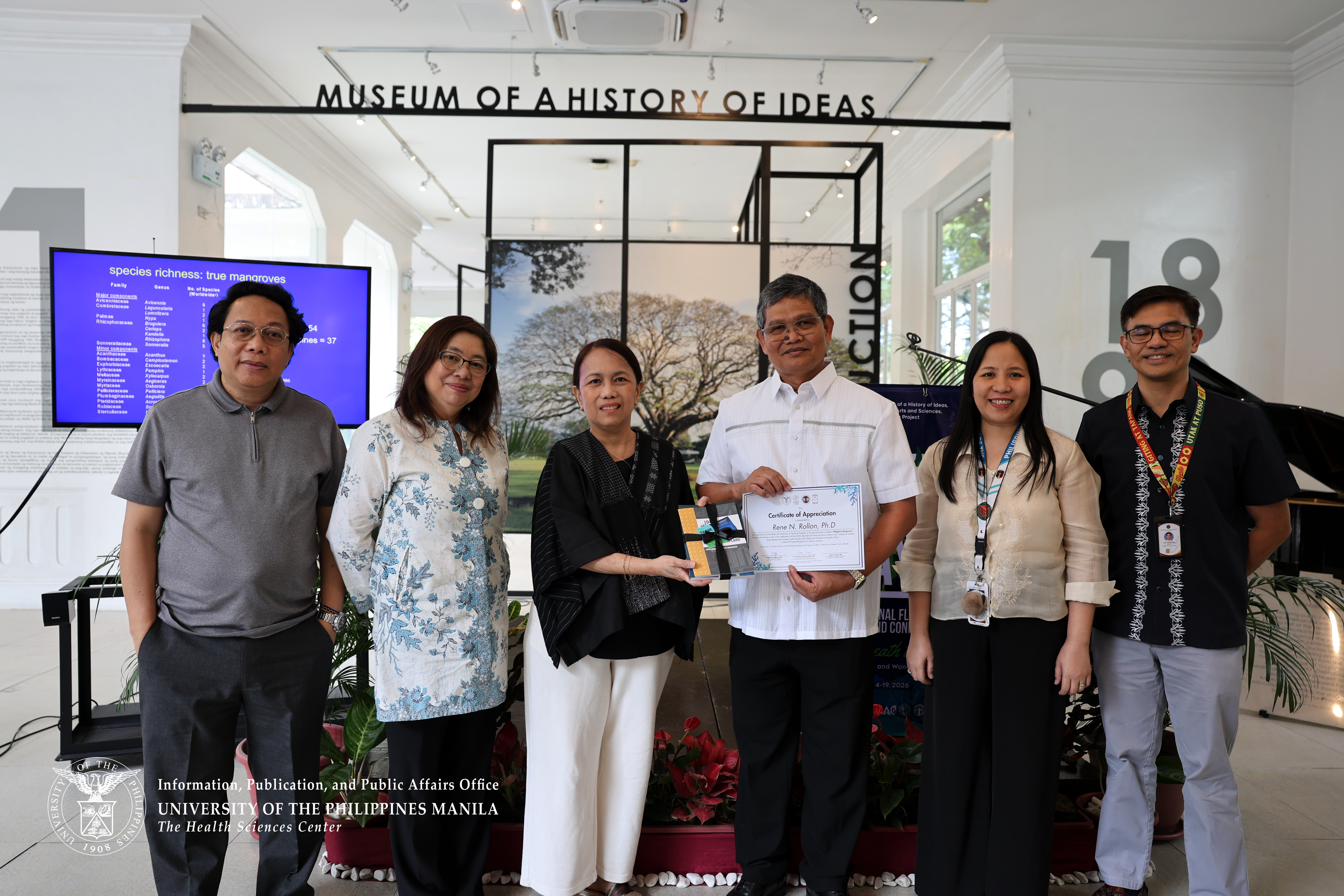
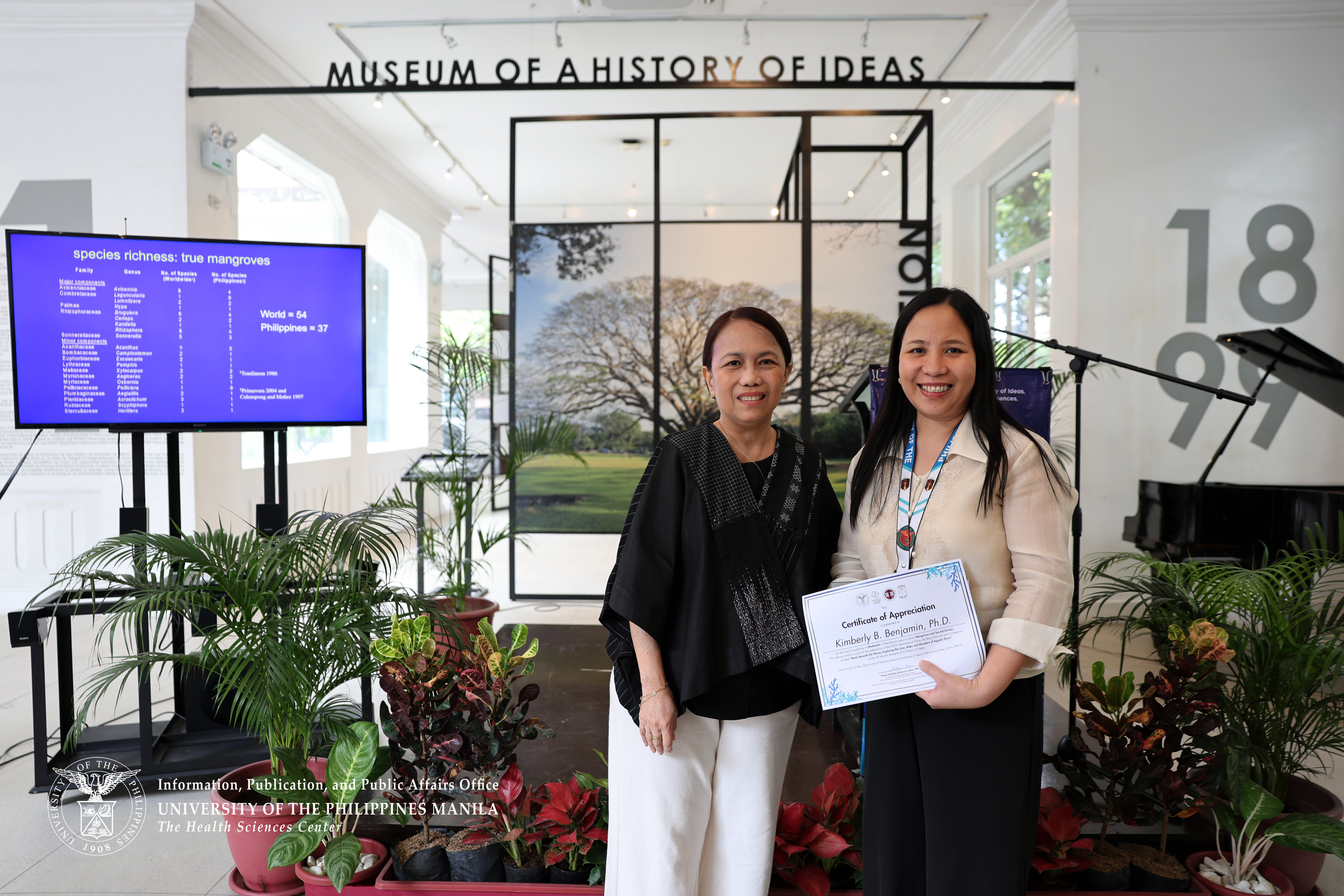
Prof. Rene Rollon, of the Institute of Environmental Science & Meteorology, University of the Philippines Diliman, situated the Philippines within the global context of mangrove biodiversity, noting that there are around 54 mangrove species worldwide, of which 37 are found in the Philippines, a relatively high concentration that underscores the country’s ecological significance. He challenged prevailing approaches to mangrove rehabilitation by arguing that the issue is not simply whether the Philippines is planting enough mangroves but where, how, and at what scale these efforts are undertaken.
At the core of his lecture was a shift from site-based interventions to ecosystem-based management. He explained that many mangrove planting initiatives fail because they treat mangroves as isolated units rather than as part of a broader coastal system that includes seagrasses, coral reefs, tidal flows, and river inputs.
“Mangroves do not exist alone,” he emphasized, pointing to the ecological connectivity that allows fish larvae, nutrients, and energy to move across habitats. Disrupting one component, whether through reclamation, pollution, or poorly planned planting, can destabilize the entire system.
A significant portion of mangrove loss, he noted, can be traced to the expansion of aquaculture, particularly fishpond development from the 1950s to the 1990s. While aquaculture itself is not inherently problematic, its implementation often involved clearing vast mangrove areas.
Originally governed by a 4:1 ratio (four hectares of mangroves for every hectare of fishpond), this balance was not maintained. Over time, mangroves were progressively converted, reversing the intended ratio and leaving ecosystems severely degraded.
Ecosystem Requirements: Beyond Trees
Prof. Rollon outlined three key conditions that define a functioning ecosystem: biological interactions (food webs and species relationships); energy flow (from primary producers to top predators); and nutrient cycling (continuous recycling within the system). Without these elements, he argued, a mangrove site cannot be considered an ecosystem but merely a collection of plants.
“Are we creating ecosystems, or just planting trees?” he asked. This distinction is crucial in evaluating conservation success. A planted area may appear green and thriving, but if it lacks connectivity and ecological processes, it remains ecologically limited.
Prof. Rollon highlighted a critical flaw in current rehabilitation programs: planting mangroves in unsuitable areas, particularly seagrass beds and zones below the appropriate tidal range. He explained that mangroves thrive in specific intertidal conditions; planting them too low (where they remain submerged) or too high (beyond tidal reach) leads to high mortality rates.
In some cases, he noted, mangrove expansion has come at the cost of other ecosystems. “You gained mangroves, but you lost seagrass,” he said, stressing that such trade-offs do not represent true ecological gains.
Rethinking National Priorities
Using spatial data and regional analysis, Prof. Rollon demonstrated that mangrove distribution in the Philippines is uneven. Regions like Palawan and parts of Mindanao retain substantial coverage, while others, particularly Manila Bay, have suffered near-total loss.
He argued that conservation funding and rehabilitation efforts must reflect these realities. Investments should prioritize areas with the greatest ecological deficit and restoration potential. For instance, repeatedly planting mangroves in northern regions with naturally limited coastal plains yields low success, while heavily degraded but historically rich ecosystems like Manila Bay require large-scale, sustained intervention.
Prof. Rollon called for a national roadmap for mangrove conservation grounded in science, scale, and sustainability. He referenced global targets such as increasing mangrove cover by 30% by 2040, but stressed that such goals must be anchored in meaningful baselines and realistic spatial planning.
“Kung walang roadmap, paulit-ulit lang tayo,” he warned, noting that without strategic direction, even well-funded efforts risk becoming cyclical and ineffective.
Coastal Bioshields and Ecosystem Services
Following the keynote, the conference transitioned into plenary sessions that explored applied research and case studies on coastal ecosystems.
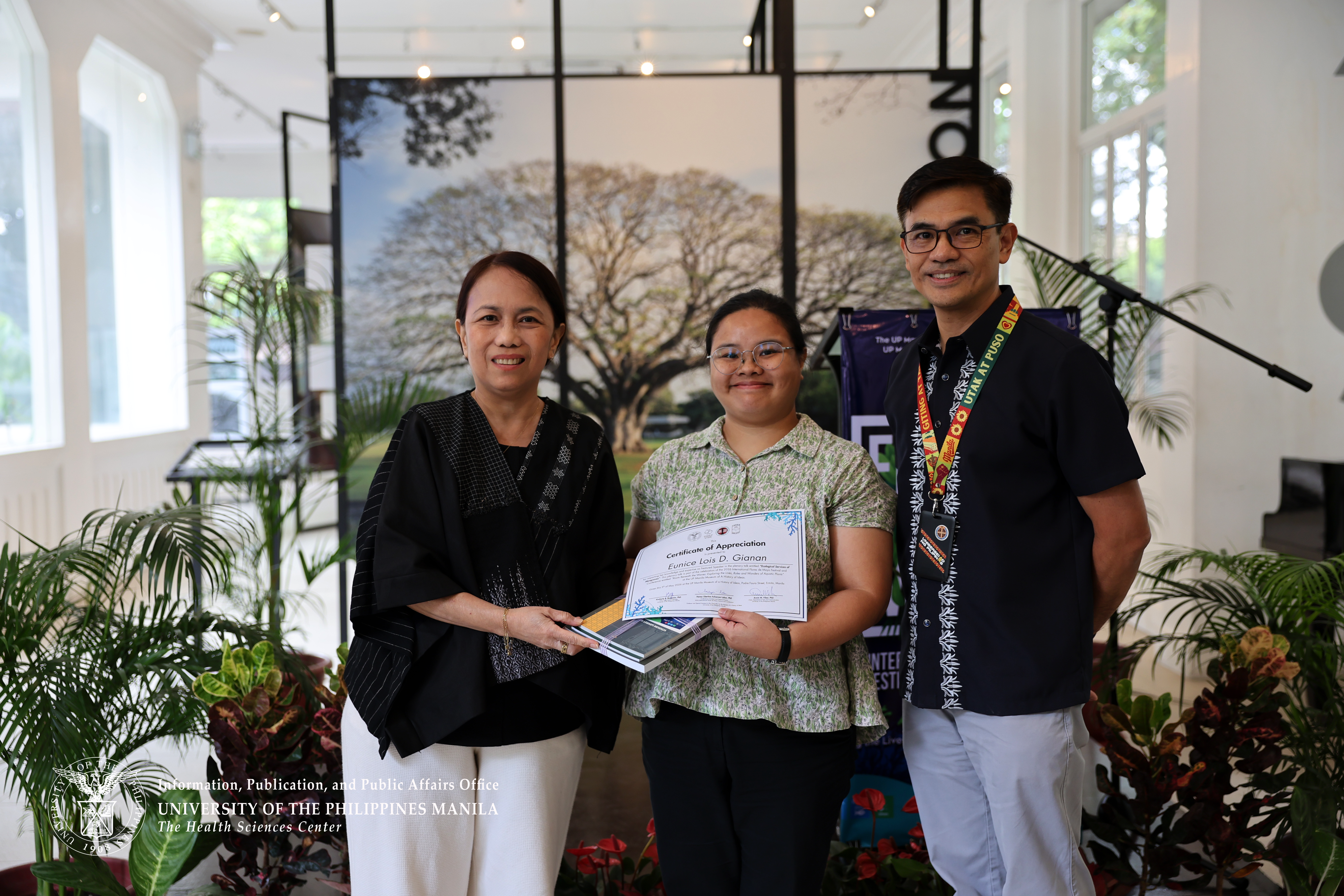
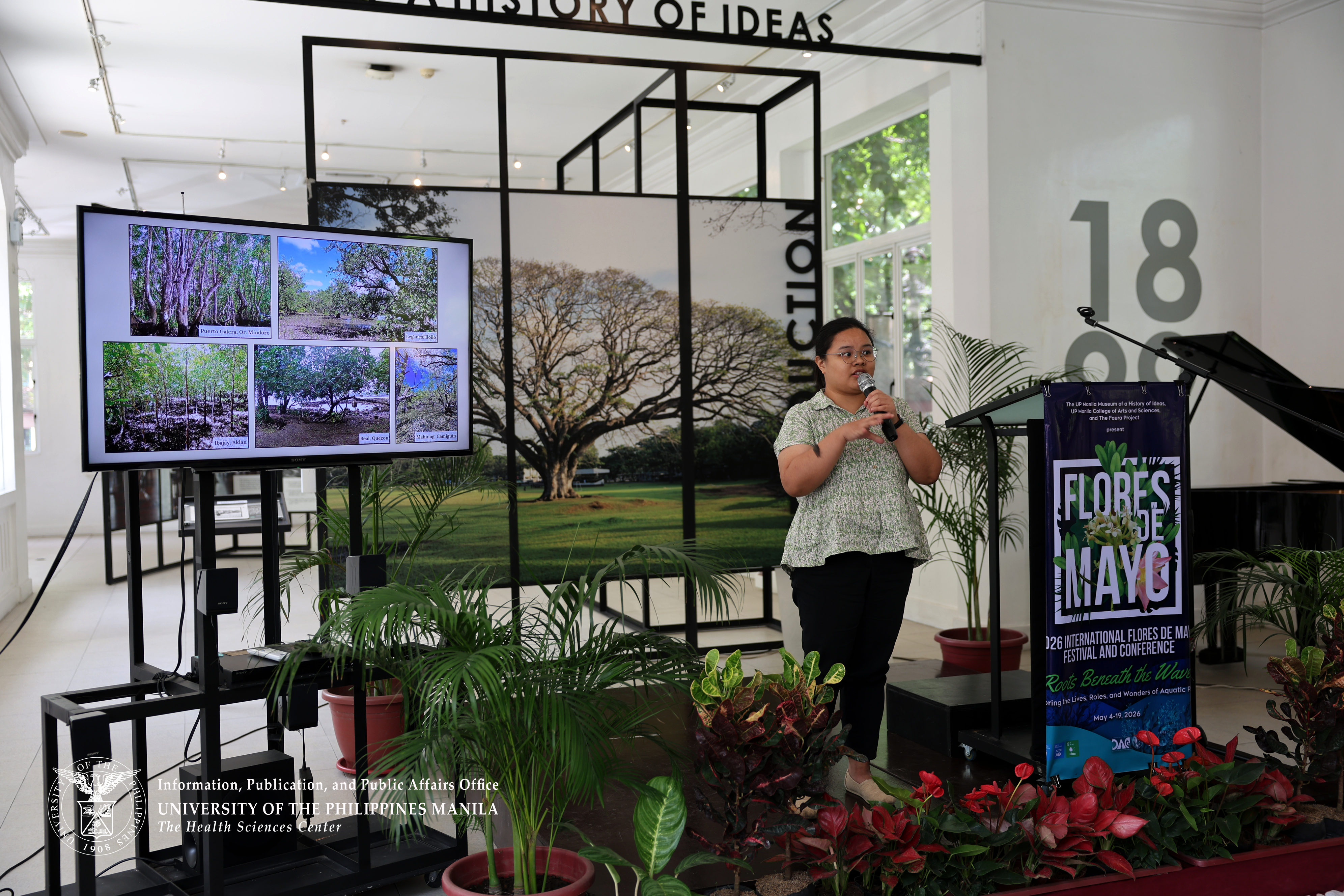
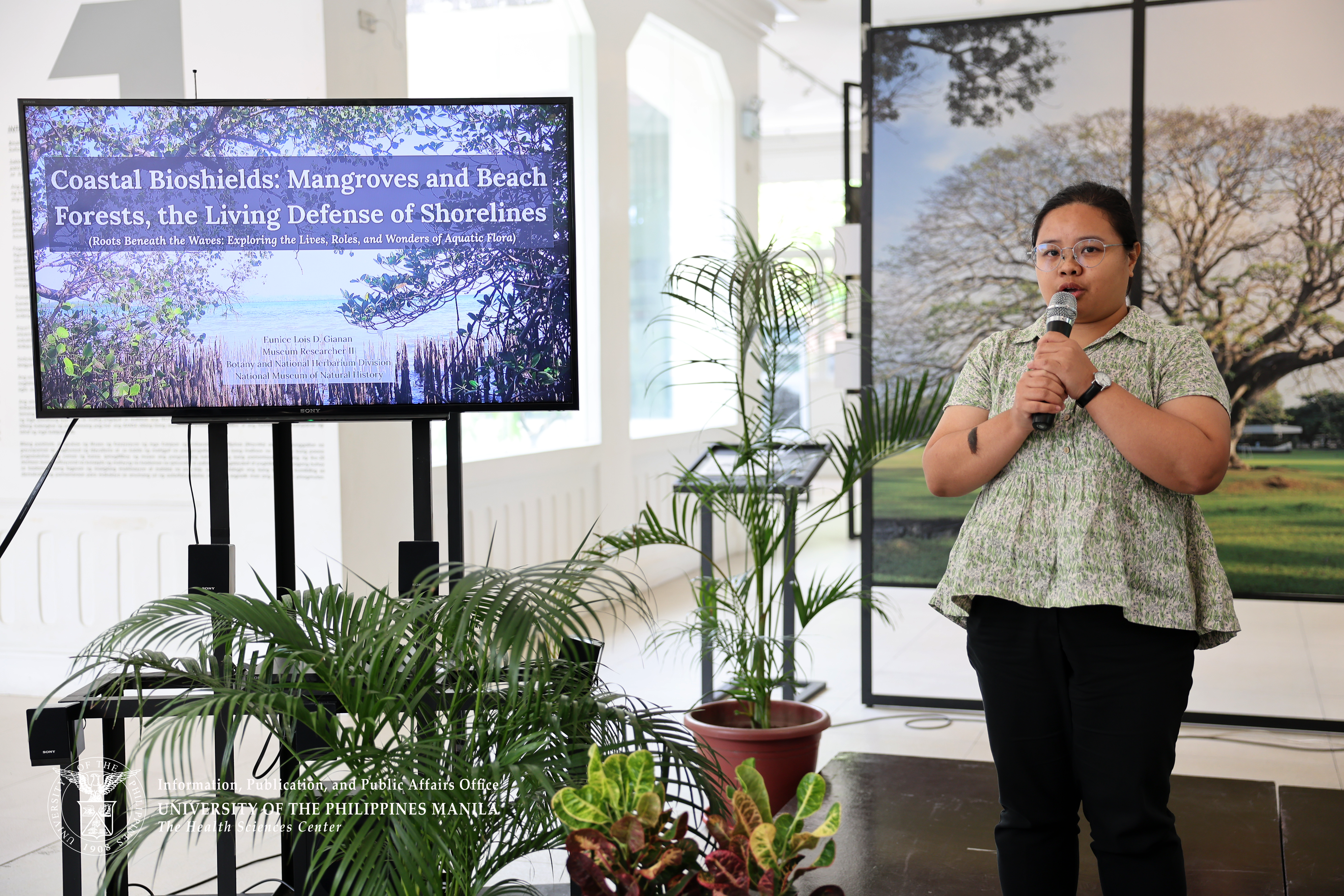
Ms. Eunice Loise Gianan of the National Museum of the Philippines opened the plenary discussions with a presentation on coastal bioshields, highlighting the role of mangroves and beach forests as natural defenses against coastal hazards. She emphasized that these ecosystems function not only as physical barriers but as dynamic systems that support biodiversity, carbon sequestration, and community resilience.
Also featured in the conference is Dr. Derek Monterio of Goa University, one of the plenary speakers bringing international perspectives to the discussion. His participation underscores the global relevance of coastal conservation challenges and the importance of cross-country collaboration in addressing shared environmental threats.
Bridging Culture, Science, and Policy
Throughout the event, speakers emphasized that addressing coastal degradation requires more than isolated interventions. It demands integrated strategies that bridge scientific research, cultural understanding, and policy action. The conference emphasized that research must translate into real action on the ground. By combining indigenous knowledge with scientific approaches, speakers highlighted that effective solutions are both locally grounded and science-based.
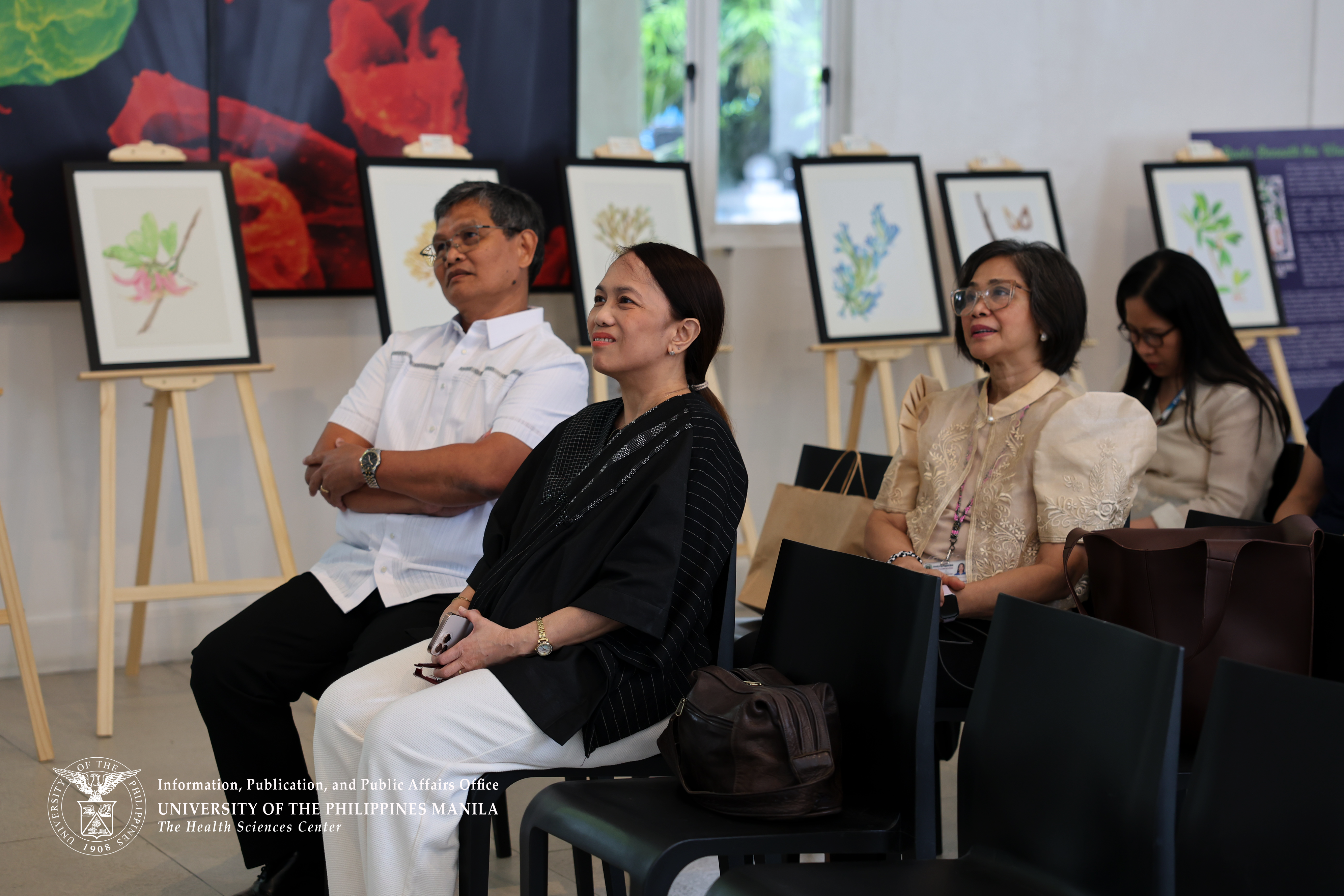
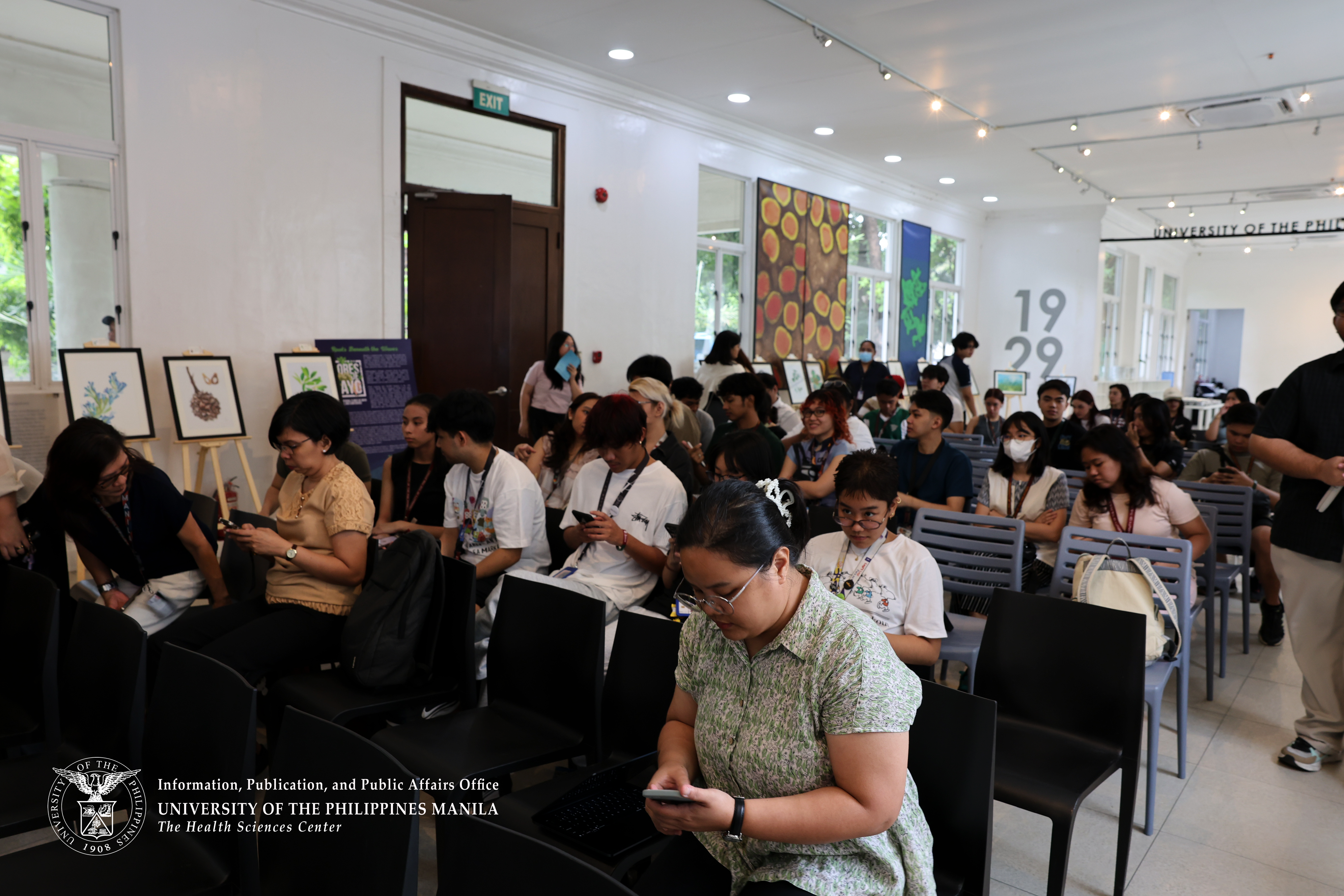
The event also featured an exhibit of native marine flora paintings by members of the Philippine Botanical Arts Society.
READ MORE:
#FP1 #Environmentthatnurturesourmindandbody