

Text by Charmaine A. Lingdas
Photos by Jericho Paolo L. Mabansag
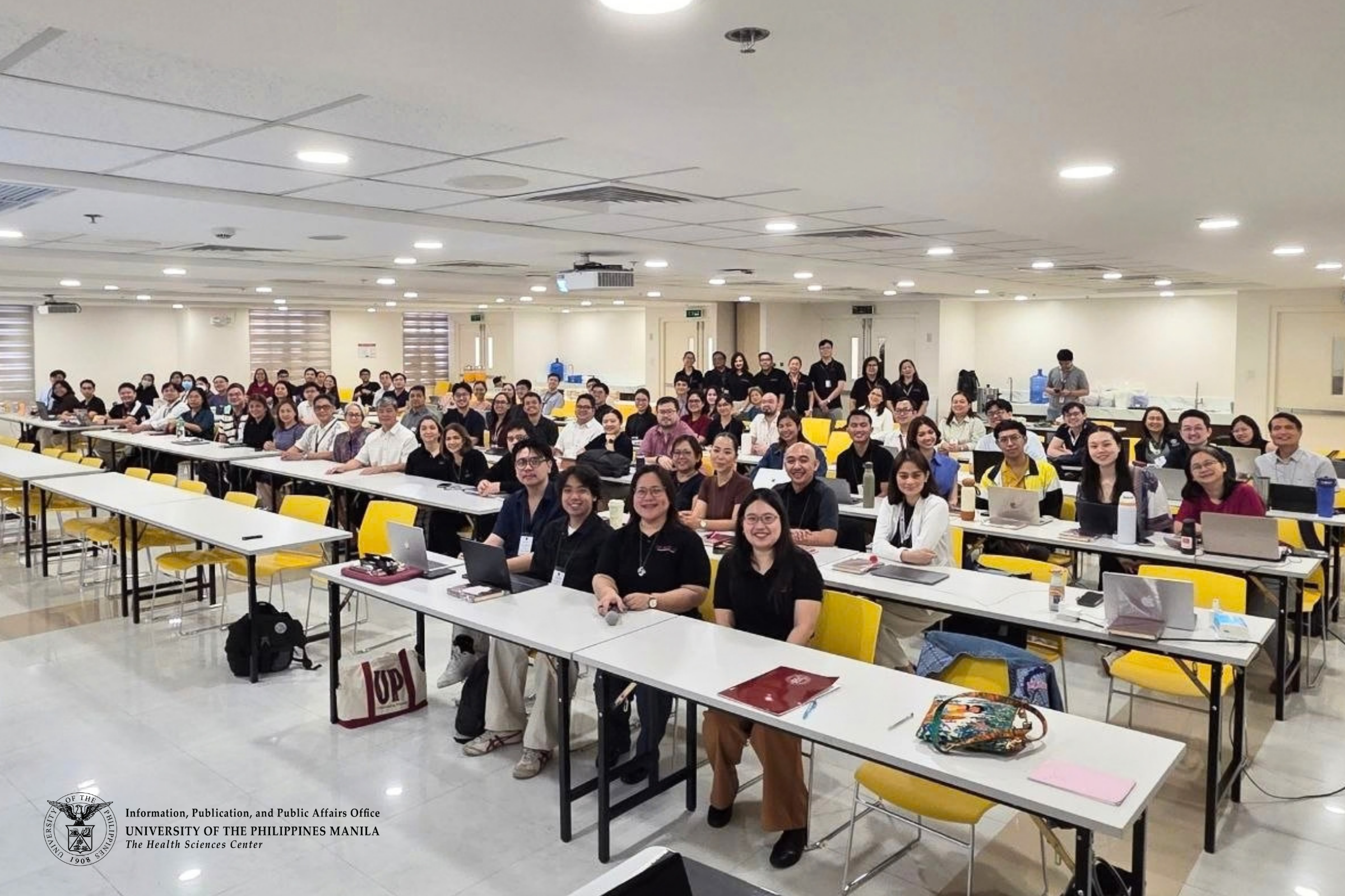
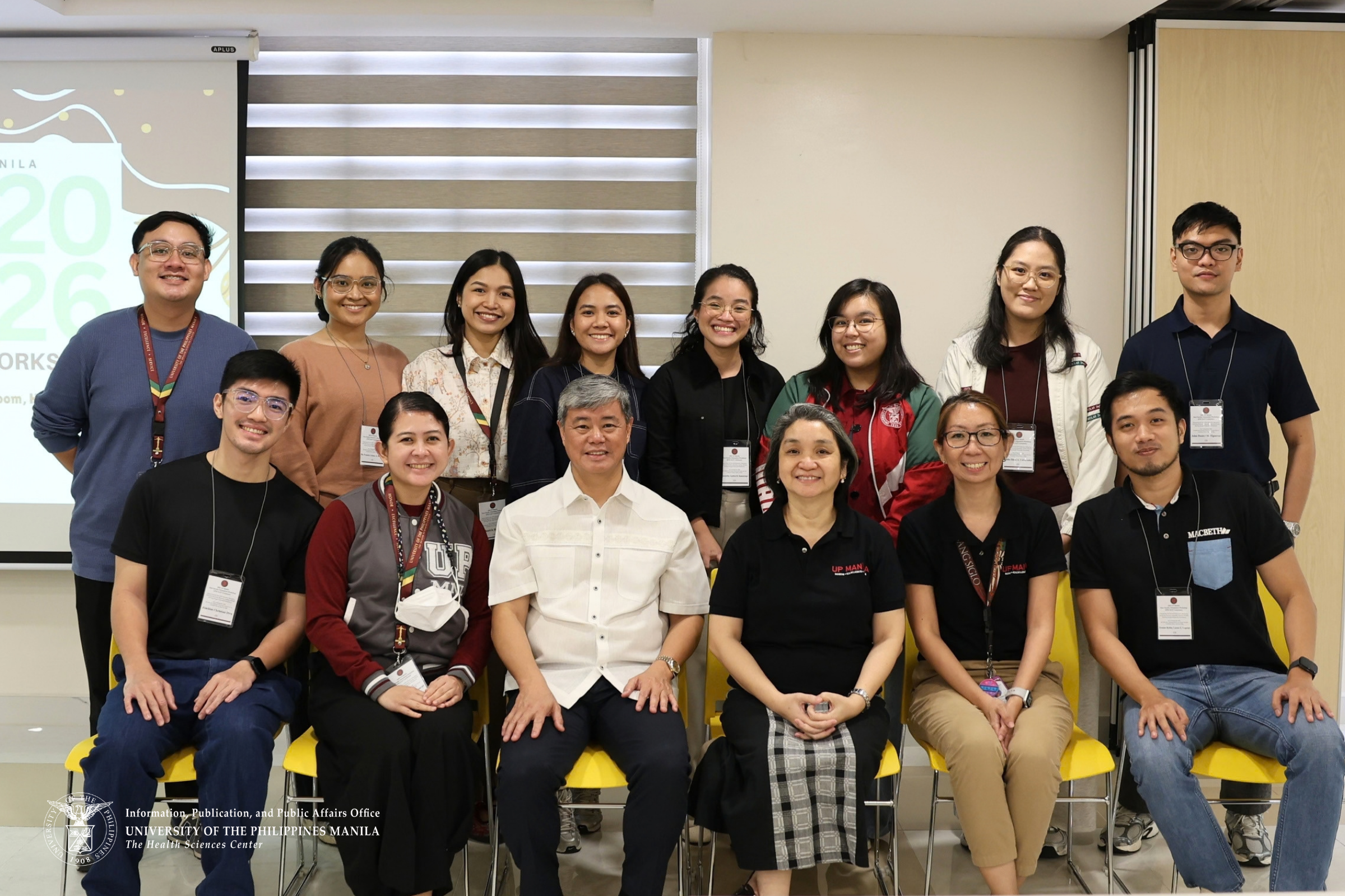
The University of the Philippines Manila welcomed its new faculty members to the 2026 Faculty Orientation and Workshop held on Sept. 28–29, 2026, at the 6th floor of the Henry Sy Building.
Organized by the Office of the Vice Chancellor for Academic Affairs (OVCAA) and the Committee on Instruction, the two-day faculty development program carried the theme “UPM NExT Conference: Empowering the Next UPM Educators: Navigating University Structures, Expanding Teaching Methods, Thriving through Professional Development.”
The event introduced participants to the University’s structures, policies, educational philosophy, teaching frameworks, faculty responsibilities, professional development opportunities, and expectations beyond classroom instruction. It also aimed to help new faculty develop a teaching philosophy, create outcome-based instructional designs, begin a teaching portfolio, and understand the importance of faculty and student well-being.
Faculty as The Foundation of The University
The orientation was intended to help new faculty understand the standards, culture, and educational direction that would shape their work at UP Manila. It introduced participants to UP Manila’s educational philosophy and service-learning framework, as well as the University’s expectations for faculty career development.
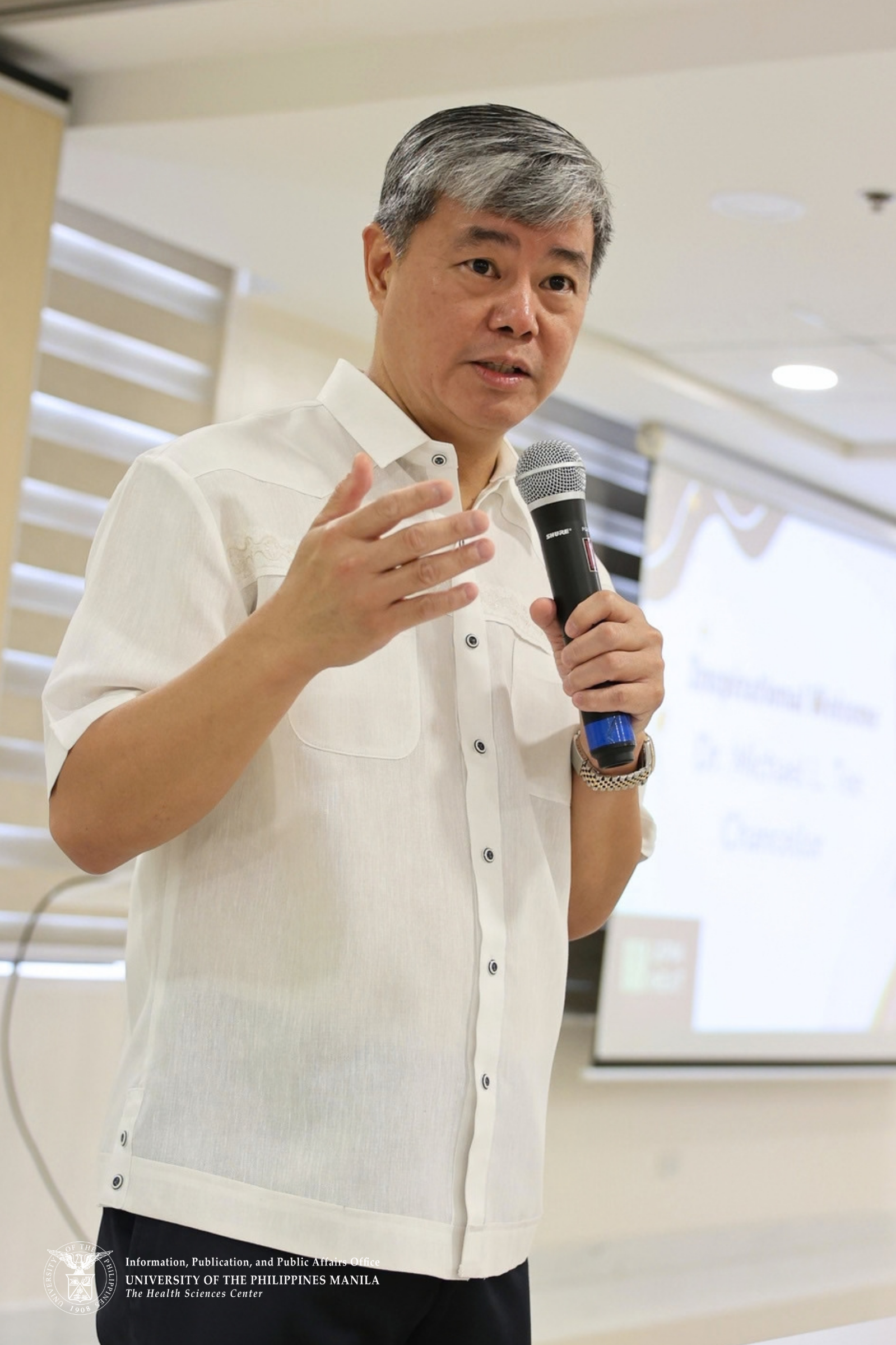
“The only way for UP to deliver what it is supposed to deliver is through the faculty, and we rely on you,” Chancellor Michael Tee said, adding that faculty work extends across teaching, research, self-improvement, and service.
He said understanding these expectations is part of preparing new faculty for their long-term academic careers, from their initial appointments toward higher academic ranks.
The University Council recently approved a set of attributes that UP Manila graduates are expected to embody. These attributes give faculty a shared understanding of the kind of graduate the University seeks to develop.
Navigating the Journey of a UP Manila Faculty Member
The orientation’s first major session turned to the personal dimension of becoming a faculty member. The session was designed to offer practical guidance to new faculty members as they begin their own journeys at UP Manila.
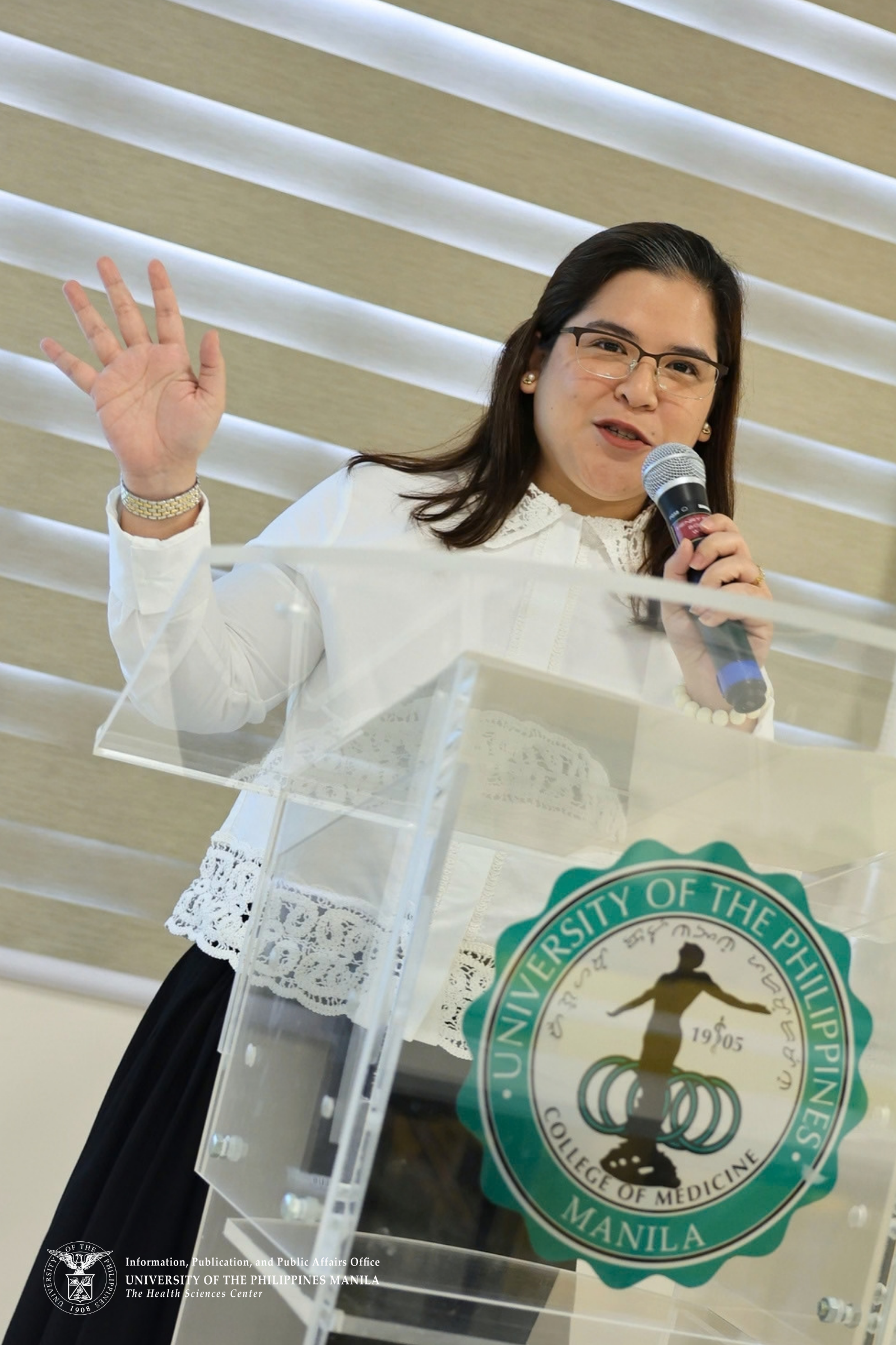
She shared her first experience as a new faculty member in 2011, when she was a fresh graduate, and her later return to the faculty after taking time away for graduate studies and family. The two experiences gave her different perspectives on academic life, from the idealism of a beginning teacher to a more grounded understanding shaped by professional and personal responsibilities.
She encouraged new faculty members to build genuine relationships with colleagues, seek mentors, understand their teams, and connect with people beyond their immediate academic circles.
For Asst. Prof. Bentulan, relationships are an essential part of navigating the University because colleagues can provide support, guidance, collaboration, and encouragement during difficult periods.
She also urged new faculty to be intentional about finding mentors and learning from the expertise already present within the University.
Finding Purpose While Building a Faculty Identity
Another major point in Asst. Prof. Bentulan’s talk was the importance of knowing one’s purpose.
She encouraged faculty members to continually ask why they are doing their work, what they hope to contribute, and whether their work remains meaningful and aligned with UP Manila’s mission.
She cautioned that purpose does not necessarily remain unchanged throughout an academic career.
“Changing your why’s doesn’t mean you’ve lost your way. It just means you’ve grown.”
For new faculty members, she said, it is not necessary to have their entire academic path mapped out from the beginning. Instead, having a sense of direction can help them make decisions as their interests, responsibilities, and opportunities evolve.
Understanding the University and the Faculty Career
Following the keynote, the orientation introduced participants to UP Manila’s executive offices and their respective functions.
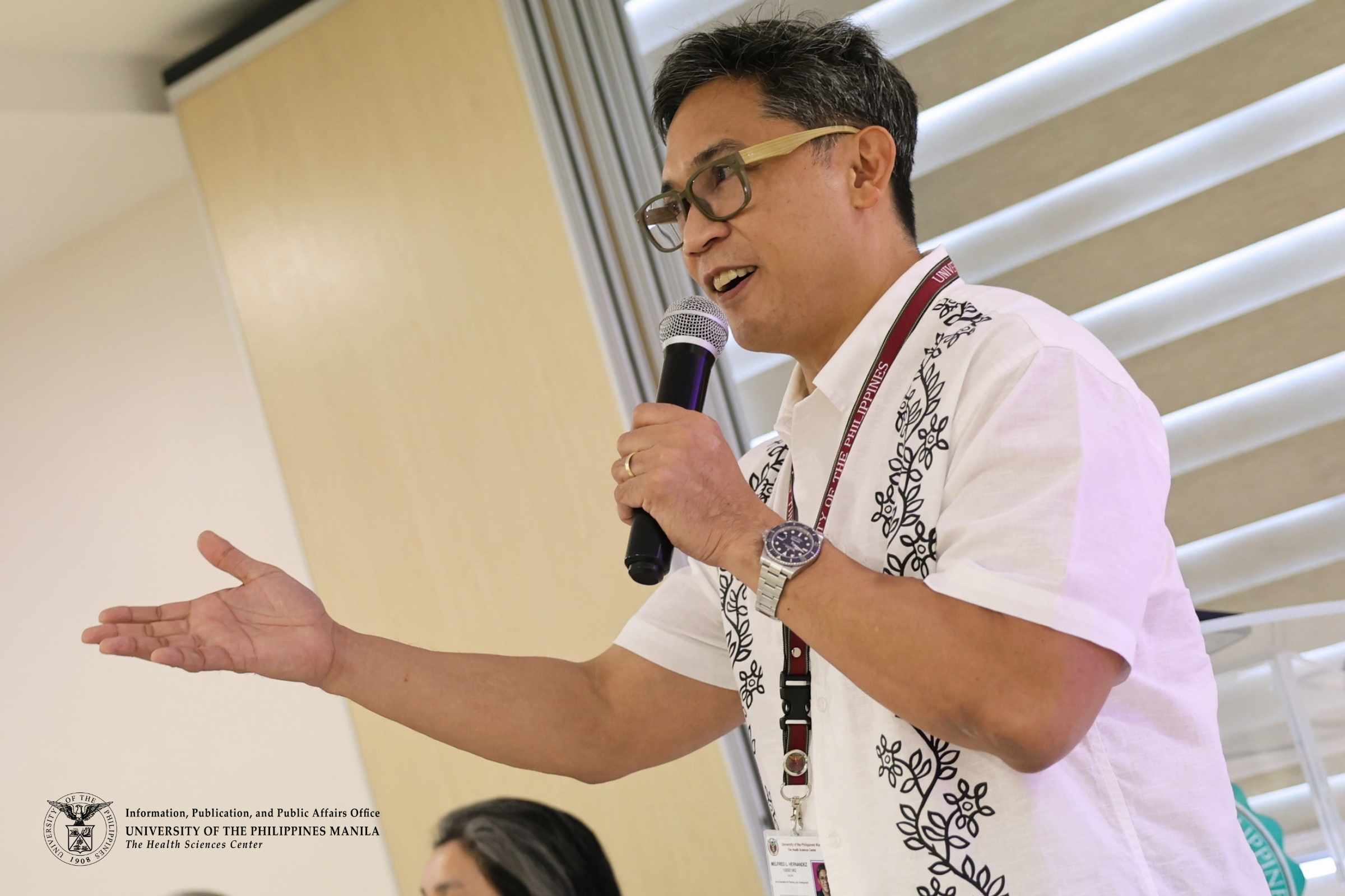
Vice Chancellor for Academic Affairs Bernadette Heizel Reyes, Vice Chancellor for Administration and Finance Johanna Patricia A. Cañal, Acting Vice Chancellor for Planning and Development Melfred Hernandez, Vice Chancellor for Research and Extension Leslie Michelle Dalmacio, and University Registrar Jean Flor Casauay discussed the roles of their offices and the services available to faculty members.
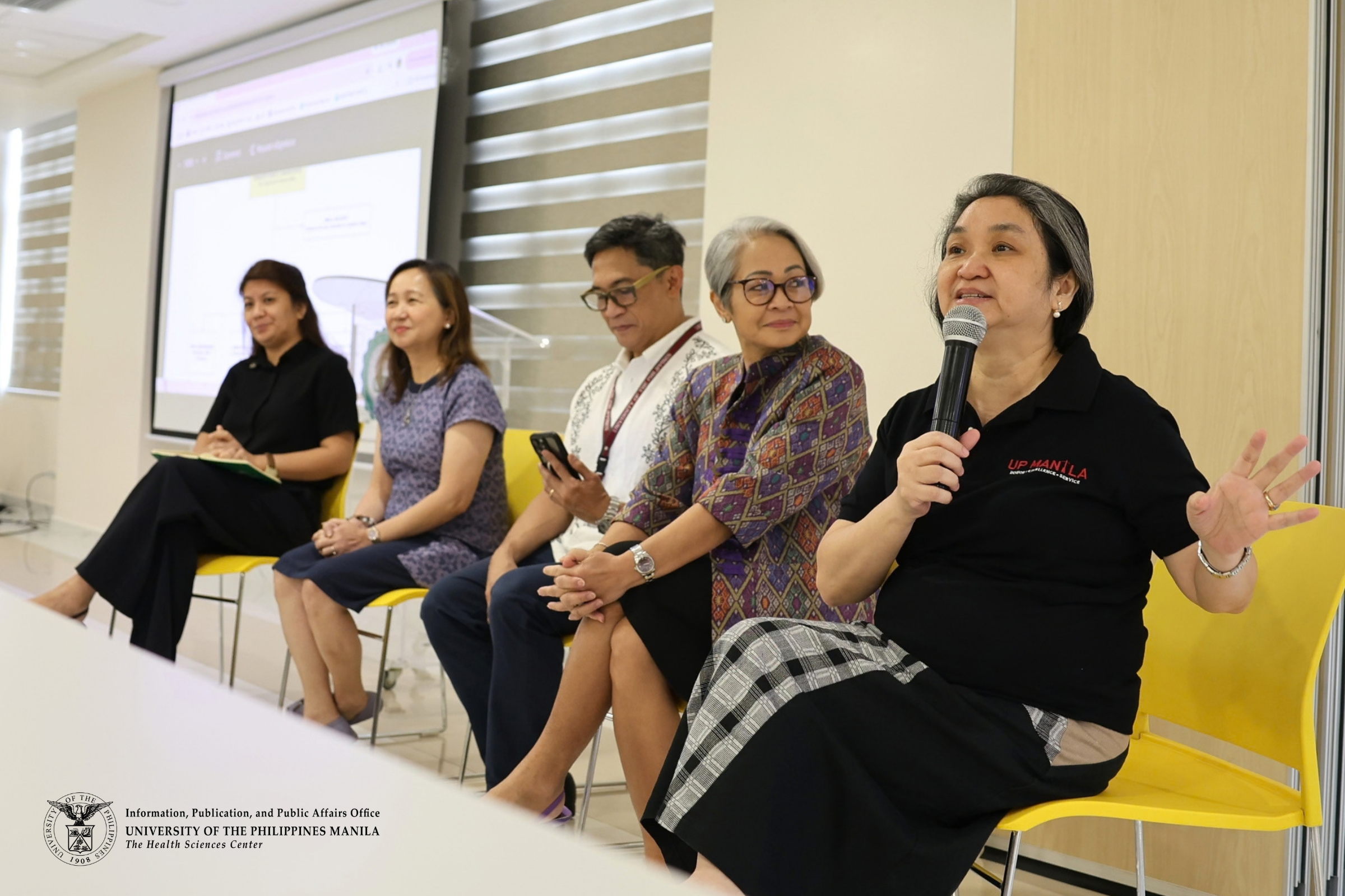
The sessions gave participants a clearer view of the institutional pathways that support faculty members, including academic appointments, promotion, research and extension, administration, planning, and student and academic records.
Vice Chancellor Reyes also discussed the expectations attached to faculty advancement and emphasized that promotion encompasses four areas: teaching, research, public service, and professional development.
“Promotion runs on evidence,” she told the participants.
She encouraged faculty members to document their contributions, including work in curriculum development and other activities that may support their academic progression.
Expanding Teaching Methods for Today’s Learners
The second major component of the NExT program focused on teaching and learning.
The program brief identified outcome-based education, instructional design, teaching philosophy, assessment, learning management systems, artificial intelligence tools, service learning, interprofessional education, and the University’s educational philosophy as key areas of discussion.
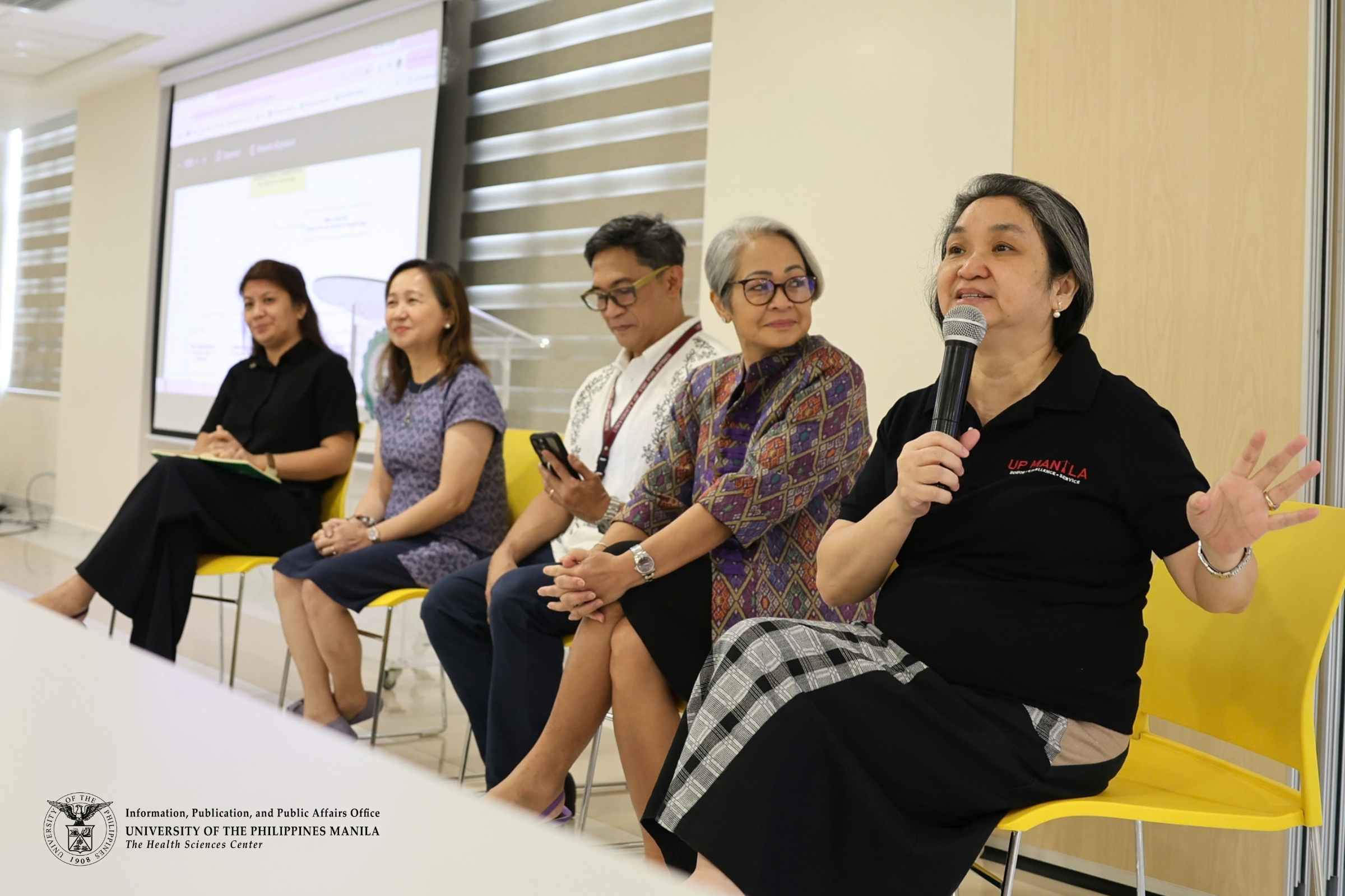
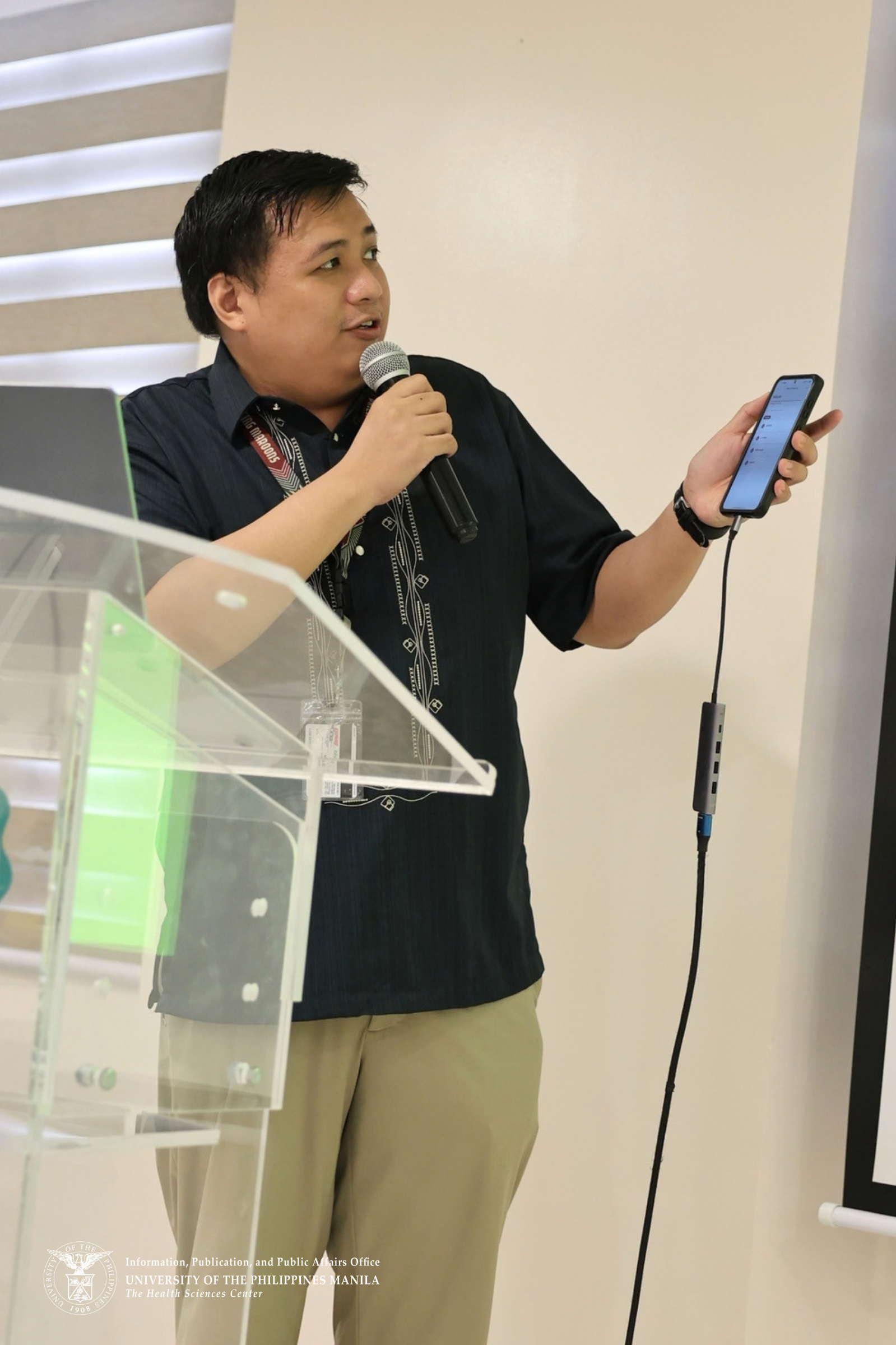
On the first day, participants were introduced to UP Manila’s learning management system, ARAL, as well as the UP Manila AI Framework and tools, including Gemini Notebook. A faculty journey panel also provided perspectives from faculty members from the College of Arts and Sciences, College of Nursing, and College of Allied Medical Professions.
The orientation therefore framed technology as part of a broader teaching strategy, with faculty encouraged to consider how digital platforms can improve learning experiences, engage students, and support different forms of interaction and assessment.
Connecting Teaching with UP Manila’s Educational Philosophy
The second day of the program continued the focus on teaching by examining UP Manila’s educational philosophy and graduate attributes, service learning, interprofessional education, and quality assurance.
Faculty members were also introduced to teaching philosophy, outcome-based education principles, strategies, and assessment.
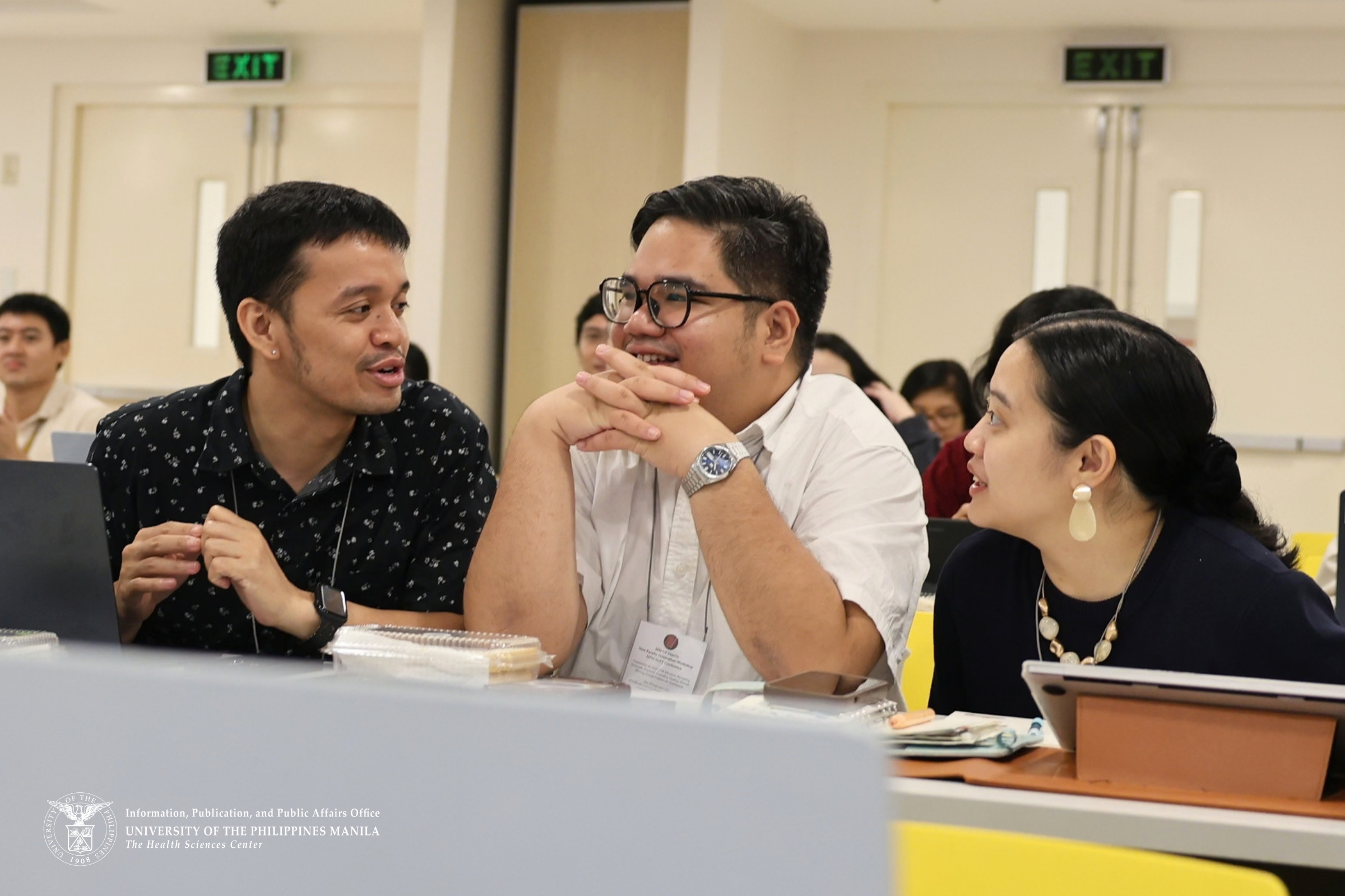
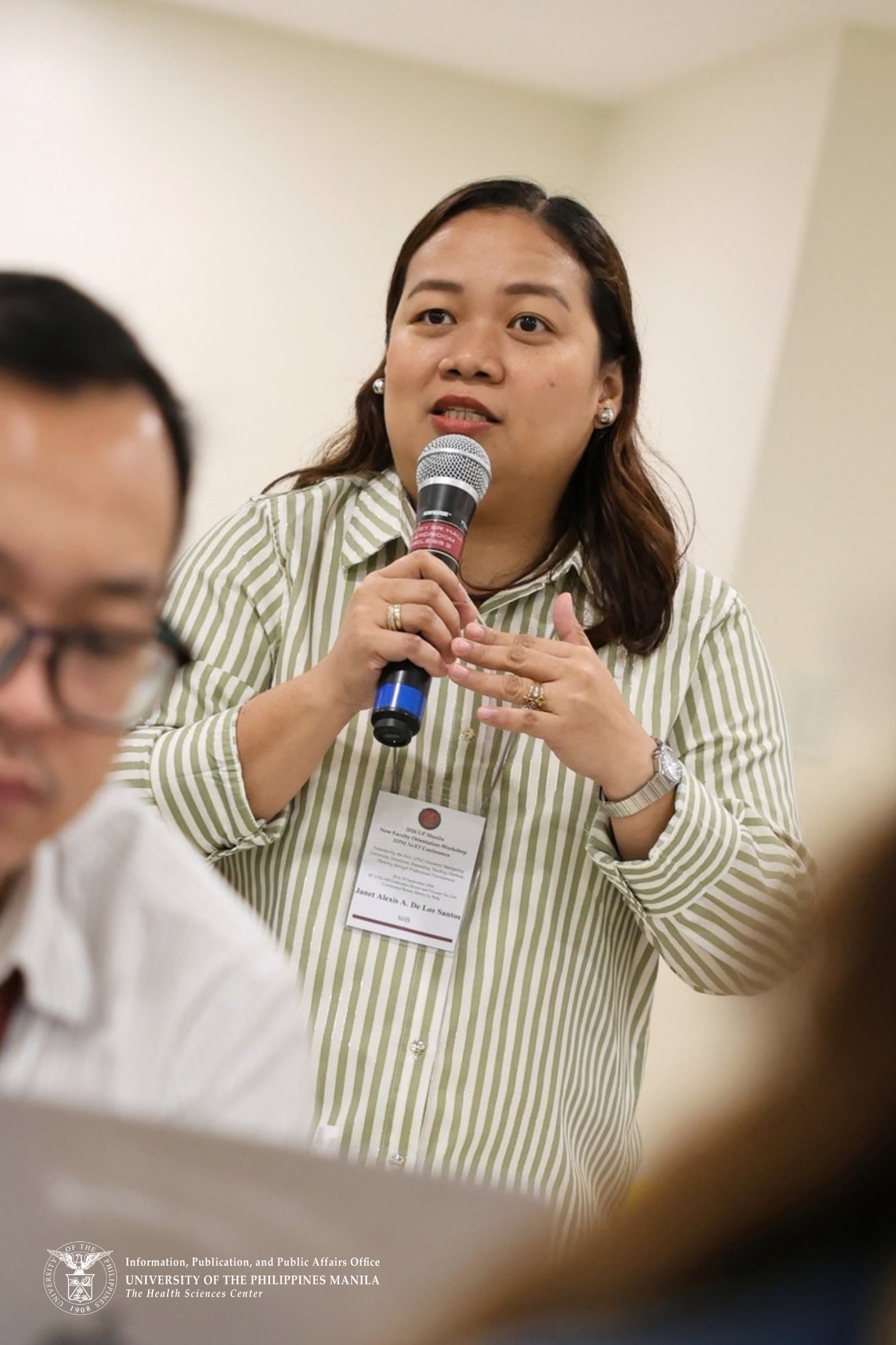
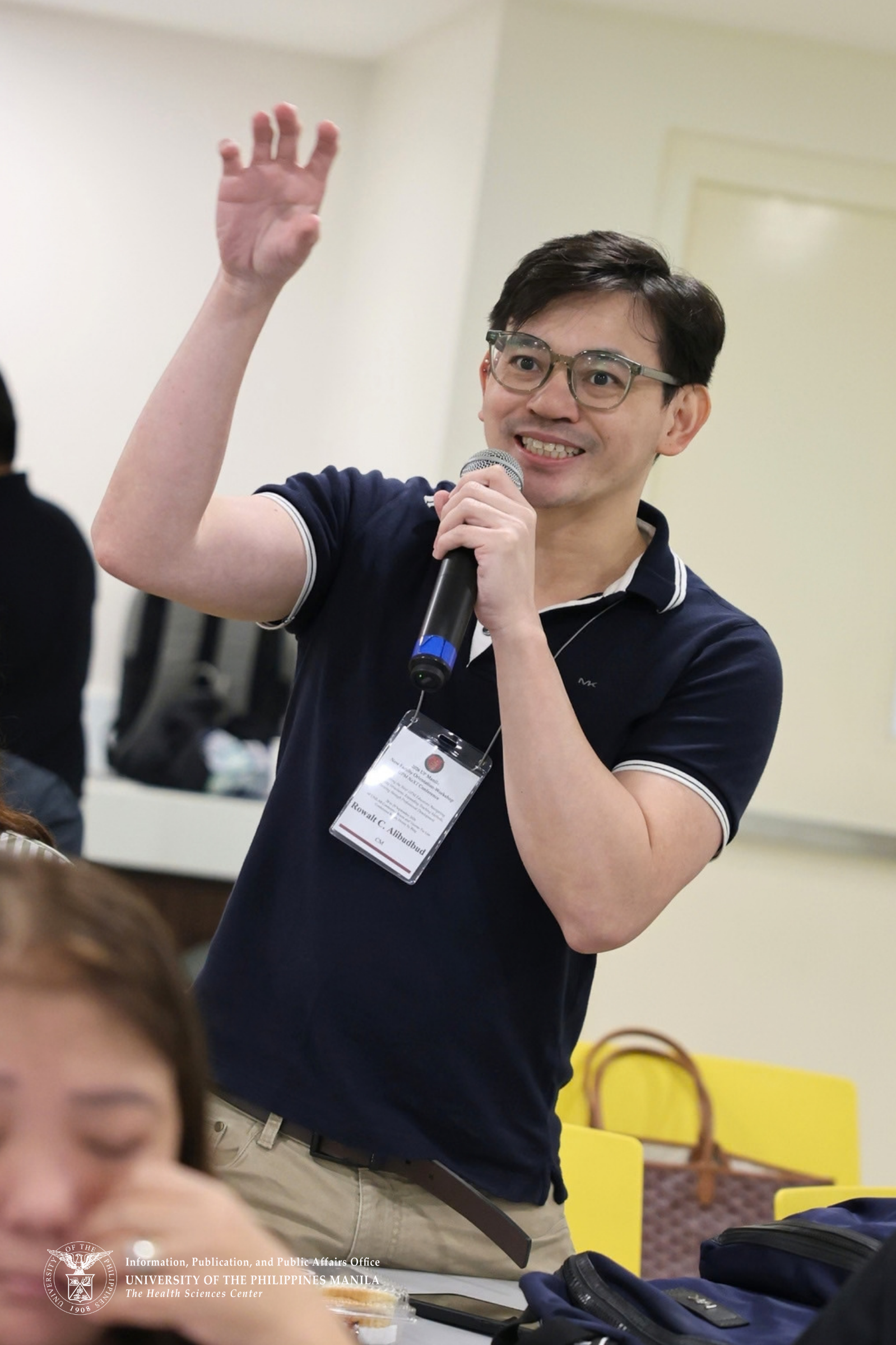
These sessions led into a hands-on workshop on formulating objectives and aligning course content, teaching strategies, and assessment. The workshop culminated in plenary presentations where participants could apply the concepts introduced during the orientation.
By the end of the conference, participants were expected to begin developing a teaching philosophy, an outcome-based instructional design, and a teaching portfolio aligned with UP Manila’s standards and mission.
From new faculty to lifelong educators
Throughout the two-day program, the message remained consistent: entering UP Manila as a faculty member means joining an academic community with responsibilities extending beyond the classroom.
For the University, this includes preparing faculty to teach in ways aligned with its educational philosophy, contribute to research and public service, participate in academic governance and institutional life, pursue professional growth, and support the development of students and future health professionals.
The 2026 UP Manila New Faculty Orientation and Workshop provided new educators with a shared starting point for understanding what it means to teach, serve, collaborate, grow, and belong within UP Manila.
READ MORE:
#FP1 #innovationsforlifelonglearningdedicatedtoservice