

Text by Charmaine A. Lingdas
Photos by Health Promotion Program to Research Institute, IPPAO
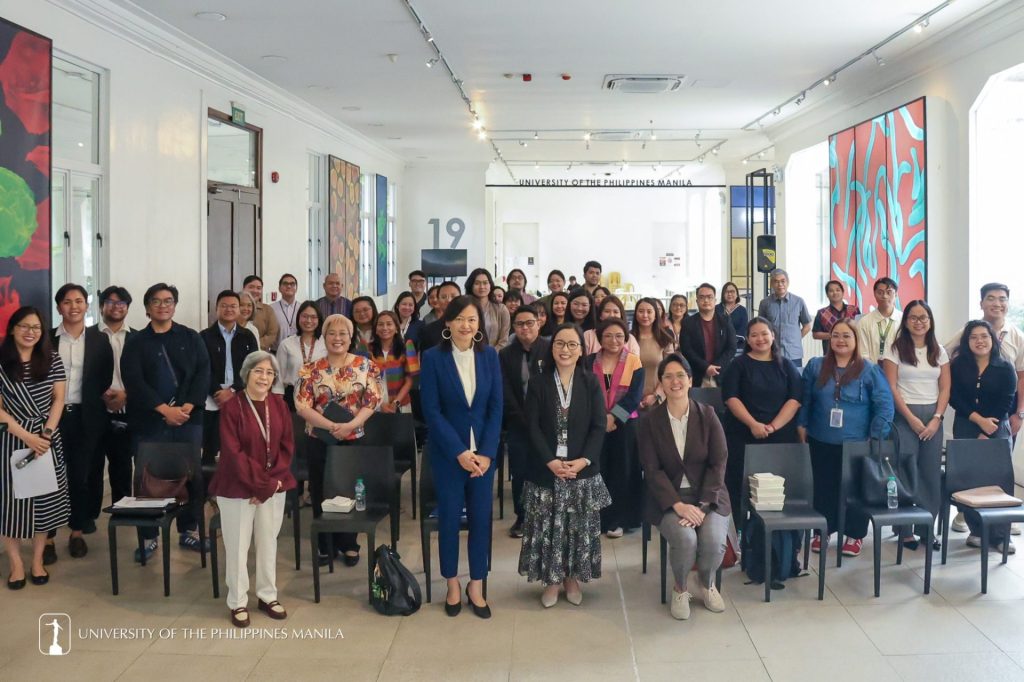
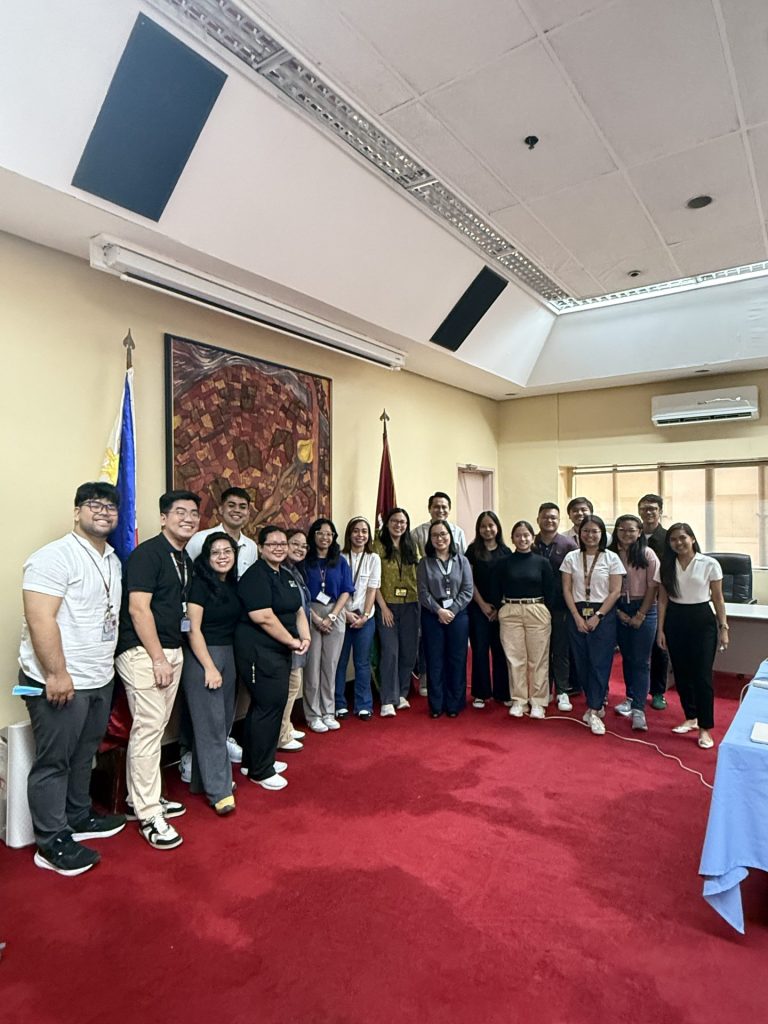
The University of the Philippines Manila National Institutes of Health’s Health Promotion Program (HPP) has expanded its capacity to develop and implement health promotion interventions that improve population health and well-being.
The UP Board of Regents approved its elevation to institute status as the Health Promotion Research Institute (HPRI) during its 1411th Meeting on Aug. 26, 2026. The transition marks a new phase in the University’s efforts to strengthen research that informs health promotion policy and practice in the Philippines.
Evidence-Based Health Promotion
Established in 2023 through a seed grant from the Department of Health (DOH) in collaboration with the UP Manila National Institutes of Health (NIH), the Health Promotion Program (HPP) was created to serve as an independent research partner to the government, generating evidence to guide health promotion policies and programs.
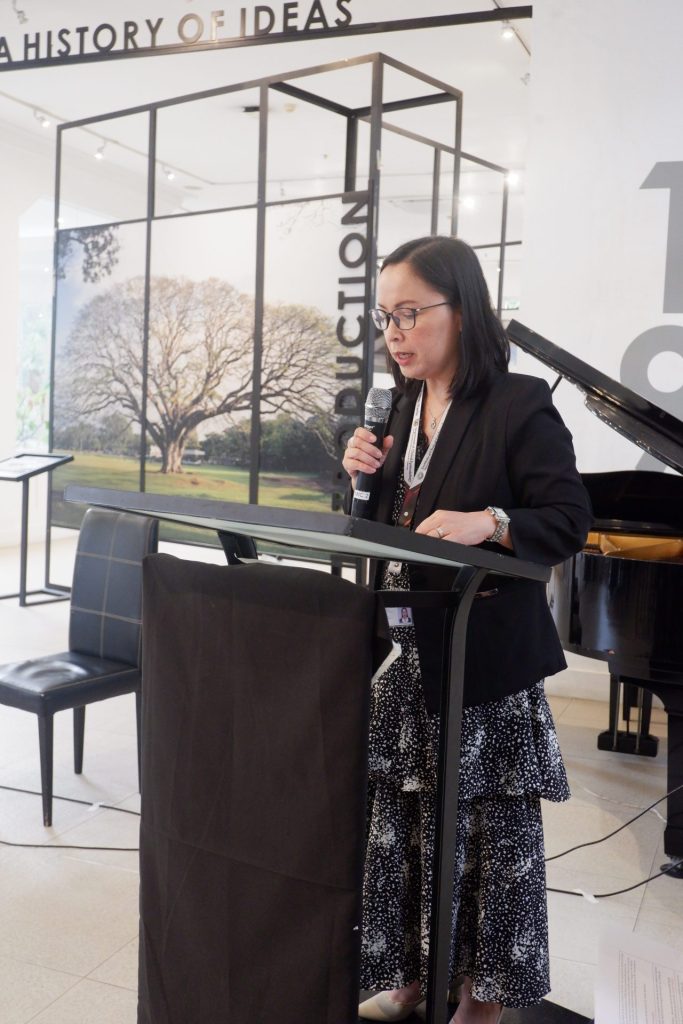
According to HPRI Director Dr. Katherine Ann V. Reyes, the program’s development was shaped by the Universal Health Care (UHC) Act and the DOH Health Promotion Framework Strategy 2030, which emphasize evidence-based approaches to health promotion policies and practices.
Since its establishment, HPP has expanded beyond its initial seed-grant mandate by building multidisciplinary research teams, securing additional funding opportunities, and forging partnerships with stakeholders in health promotion and public health. Its elevation to institute status reflects this growth in research capacity, collaboration, and contributions to policy discussions on the health and well-being of Filipinos.
From Program to An Institute
Several developments demonstrated HPP’s growing capacity to operate at a larger and more sustainable institutional level, including its expanding research portfolio, multidisciplinary collaborations, and ability to secure local and international research grants.
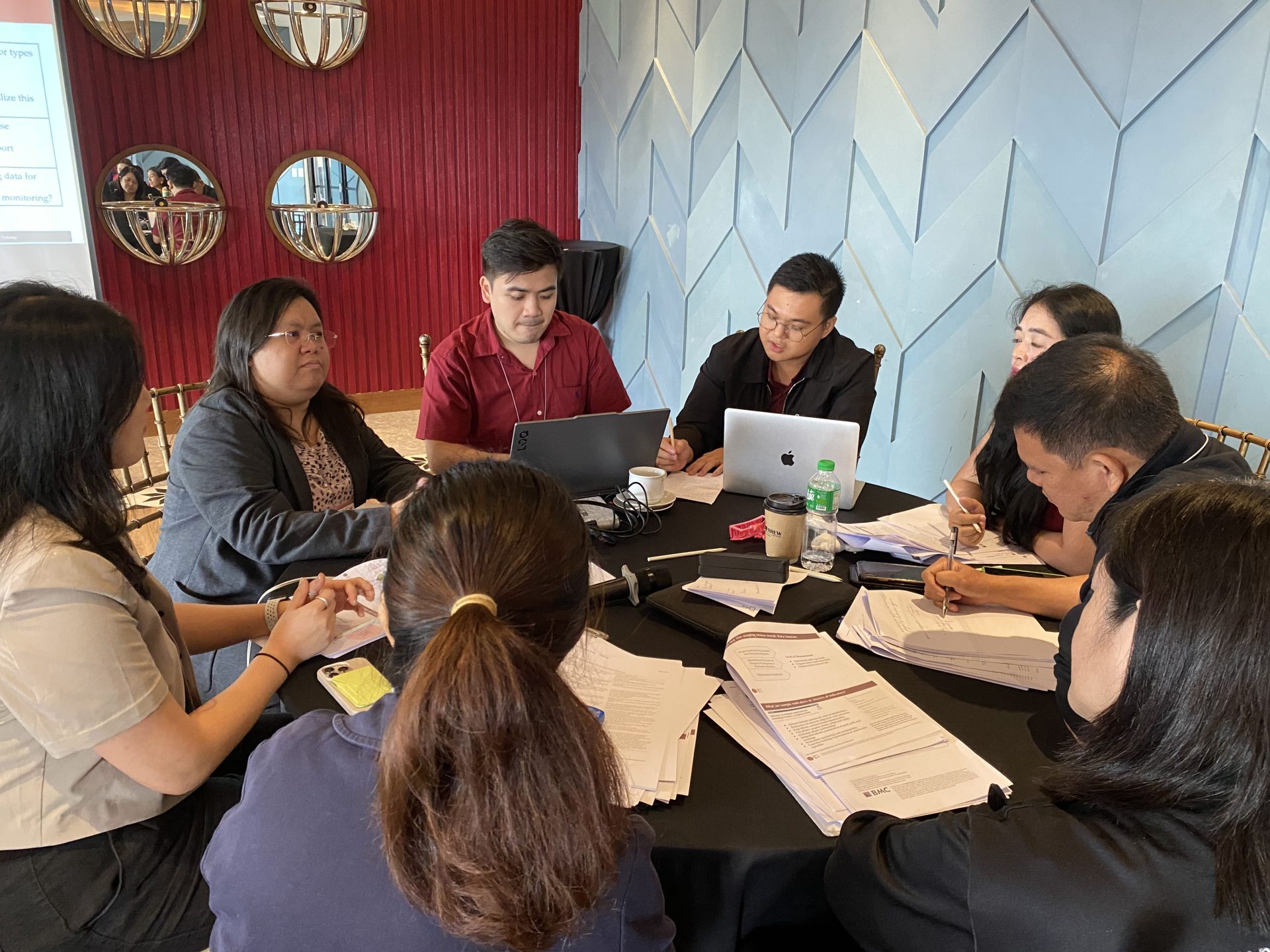
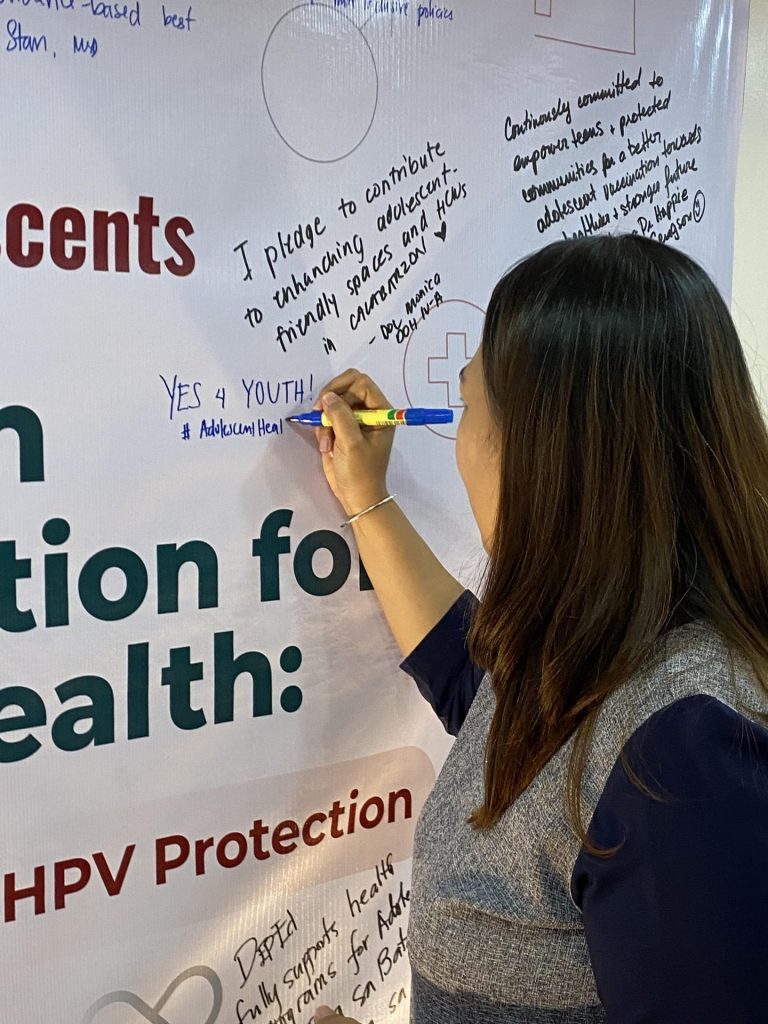
Its research projects address key public health concerns, including improving human papillomavirus (HPV) vaccination uptake among Filipino adolescents through the UPLIFT Adolescents project; examining substance use and related policy issues through the Alcohol, Substances and Addictive Behaviors (ASAB) program; and building community capacity to identify health concerns and develop locally relevant solutions through the RESHAPE Participatory Action Research initiative. In 2024, HPP initiated and managed nine health policy and systems research studies covering alcohol consumption, food safety, tobacco use, and injury prevention. Other projects examined pharmaceutical pollution and antimicrobial resistance, policies promoting rehabilitation for people with substance use disorders, and ways to translate health policy research into practice. These initiatives generate evidence to inform public health policies and strengthen health promotion efforts in the Philippines.
Behind this expanding portfolio was HPP’s ability to bring together multidisciplinary teams with the expertise needed to address different research questions and public health priorities. Its track record of securing local and international research j further supported the growth of its research activities and institutional capacity.
Stakeholders also increasingly recognized the value of targeted health promotion research. According to Dr. Reyes, HPP’s research findings have increasingly informed policy discussions on issues affecting the health and well-being of Filipinos. These developments laid the groundwork for elevating HPP into an institute.
Overcoming challenges
HPP’s development also came with institutional and operational challenges.
Dr. Reyes said extensive consultations with stakeholders helped refine the Program’s vision, mission, and objectives. Turning these plans into concrete activities, however, required the team to establish the HPP’s credentials while developing a shared understanding of what health promotion research encompasses.
One of the foundational challenges was broadening stakeholders’ understanding of health promotion research beyond health communication.
“Demonstrating the true value of health promotion research is essential for long-term sustainability,” Dr. Reyes said.
She shared that HPP also encountered administrative challenges, particularly in navigating bureaucratic processes involved in obtaining approvals and mobilizing funds. These processes sometimes affected the speed at which projects could be implemented.
Rapid expansion brought another challenge: recruitment. Dr. Reyes said that HPP attracted highly qualified and motivated professionals, but noted that occasional mismatches between recruitment and project requirements resulted in setbacks and delays.
Despite these difficulties, the HPP continued to develop its research portfolio and institutional capacity.
A Research Institute for Health Promotion and Prevention
For UP Manila NIH, HPRI fills a distinct role in its research portfolio by focusing on health promotion and disease prevention. Dr. Reyes described the Institute as complementing the NIH’s “brain trust” through research that can support Universal Health Care (UHC) implementation and inform public policy and practice. HPRI will work closely with decision-makers and other users of research evidence while using participatory approaches that involve communities in generating health knowledge and promote more equitable and inclusive research.
Its immediate priority is to establish a stable operational foundation by strengthening internal processes, expanding research capacity, and securing sustainable funding. In the longer term, Dr. Reyes said HPRI aims to build leadership in health promotion research by recruiting and retaining skilled researchers, addressing pressing public health concerns, and contributing to policy discussions. The Institute also seeks to serve as a resource for the health sector and a key partner for researchers working in health promotion, sustaining and expanding research that connects evidence with policy, practice, and community needs.
Leadership, Partnerships, And People
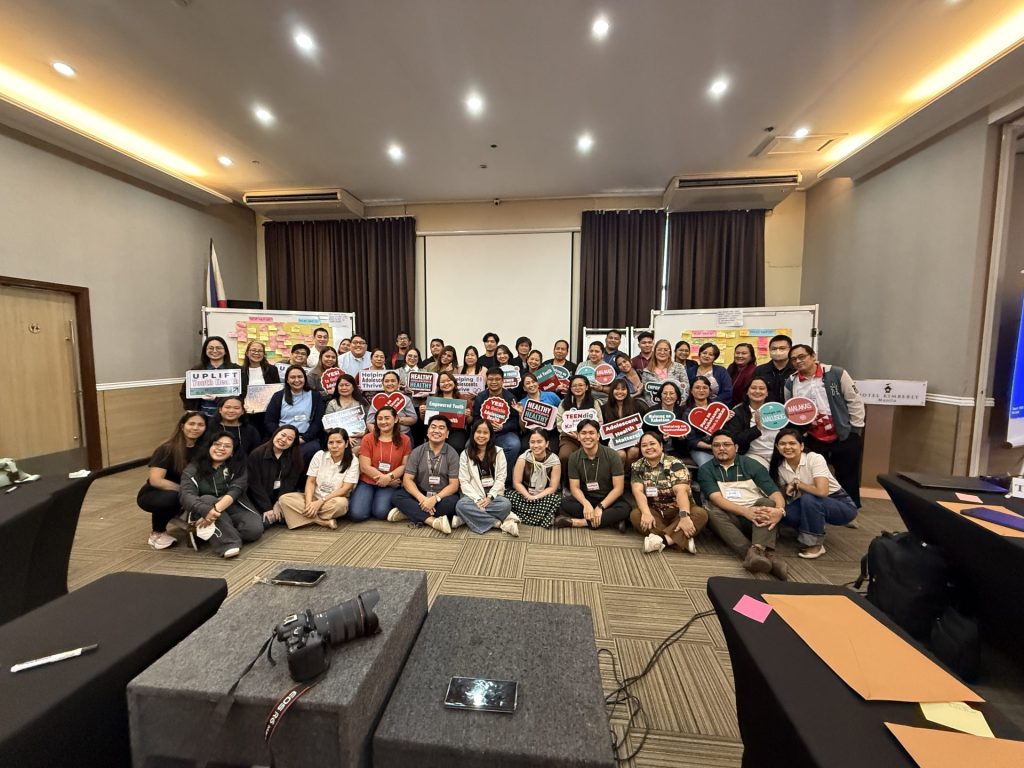
The transition to institute status was supported by leaders within UP Manila and the NIH, as well as by the DOH, research collaborators, and the HPP’s staff.
Dr. Reyes cited former UP Manila Chancellor Carmencita Padilla and former UP NIH Executive Director Eva Cutiongco-de la Paz for their early support, particularly in navigating administrative approvals and securing resources needed to establish the Program.
Current UP Manila Chancellor Michael Tee and NIH Executive Director Marissa Alejandria have sustained this support, providing leadership as the Program moved toward institutionalization.
Financial support from the DOH also provided stability that enabled the team to expand its capacity and pursue additional research grants.
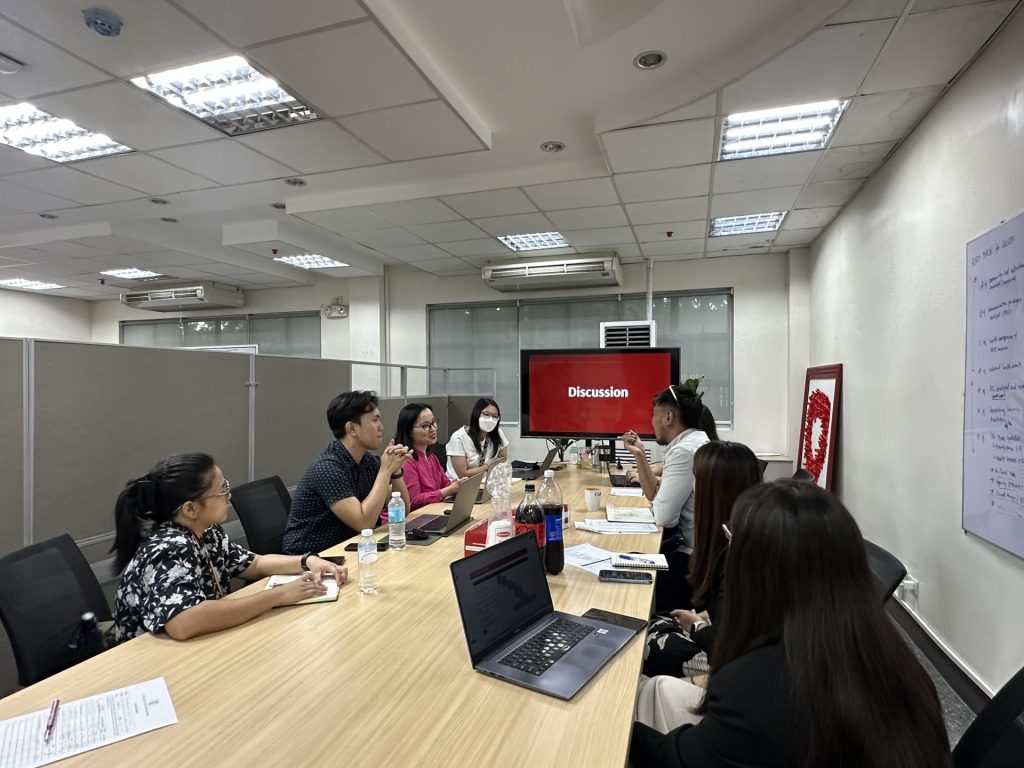
Beyond institutional support, Dr. Reyes emphasized the contribution of the HPP’s network of partners and collaborators, which helped connect its research with a broader community of practice and strengthen links between health promotion research and policymaking.
She also credited the staff, particularly those who had been with the Program since its inception.
“They all went above and beyond to build an institutional legacy for nation-building,” Dr. Reyes said.
Building The Next Generation of Researchers
Among the HPP’s notable achievements, Dr. Reyes cited the professional growth of its junior colleagues and staff, including their admission to graduate programs, conference participation through poster presentations, research publications, awards, and completion of specialized courses. These milestones reflect the Program’s role in helping its team build research credentials and pursue professional development. Another key achievement was the inaugural Health Promotion Research Summit in early 2026, which brought together researchers, decision-makers, and other stakeholders to discuss how health promotion research can address current public and global health challenges. For Dr. Reyes, the milestones reached during the HPP’s first three years reflect the team’s collective effort to create lasting value for society.
The transition to the Health Promotion Research Institute marks the beginning of a new chapter. Dr. Reyes thanked the staff, researchers, partners, and communities who contributed to the Program’s growth and institutionalization.
“To everyone who made this journey possible- our staff, researchers, partners, and communities- maraming salamat for your dedicated support,” she said. As HPRI moves forward, it aims to deepen partnerships, strengthen research capacity, and sustain its contribution to evidence-based health promotion and disease prevention in the Philippines.
READ MORE:
#AccesibleUPLeadership