
Text by Jennifer Manongdo
Photos by Louie Andrei Magtibay
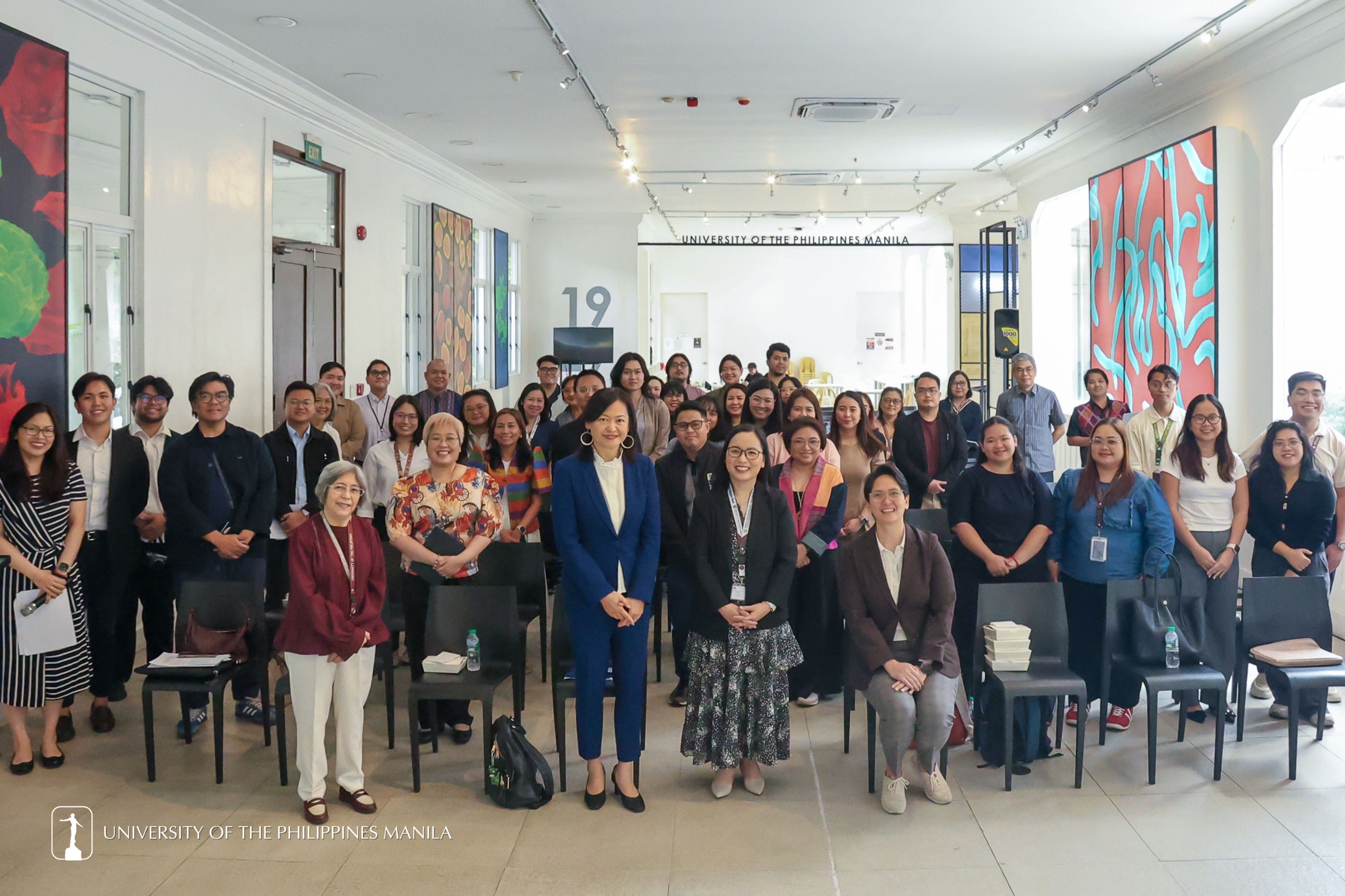
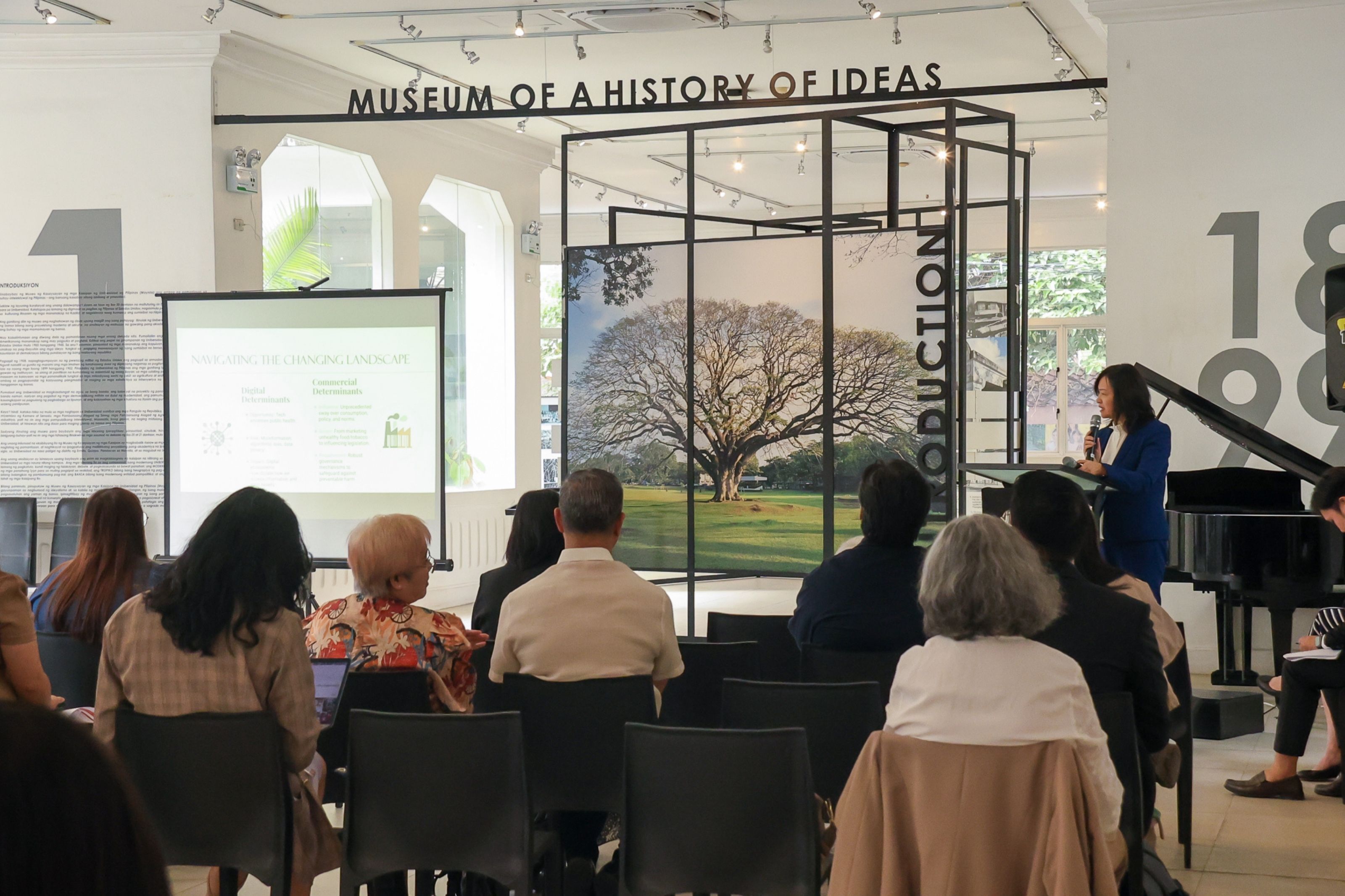
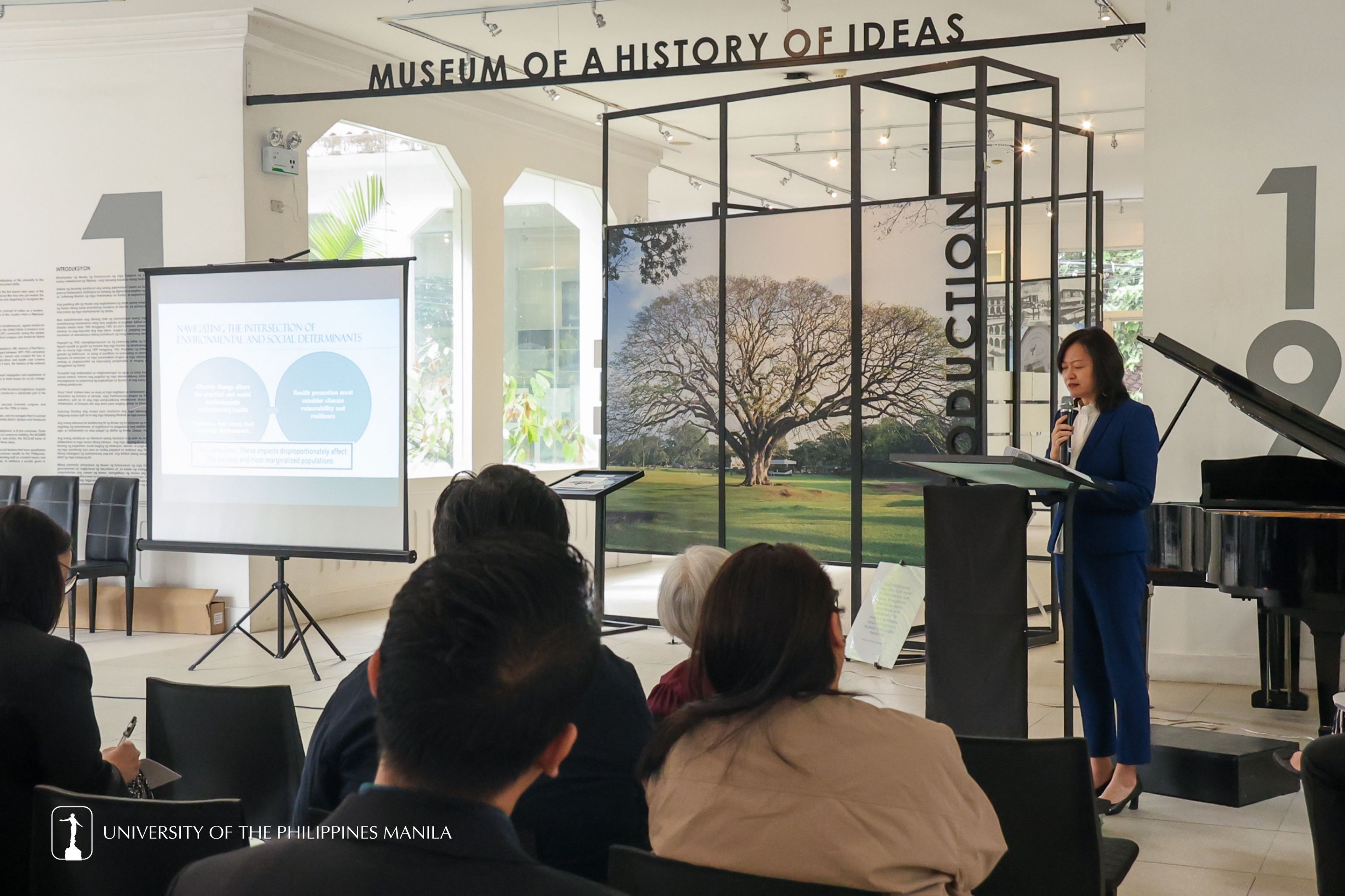
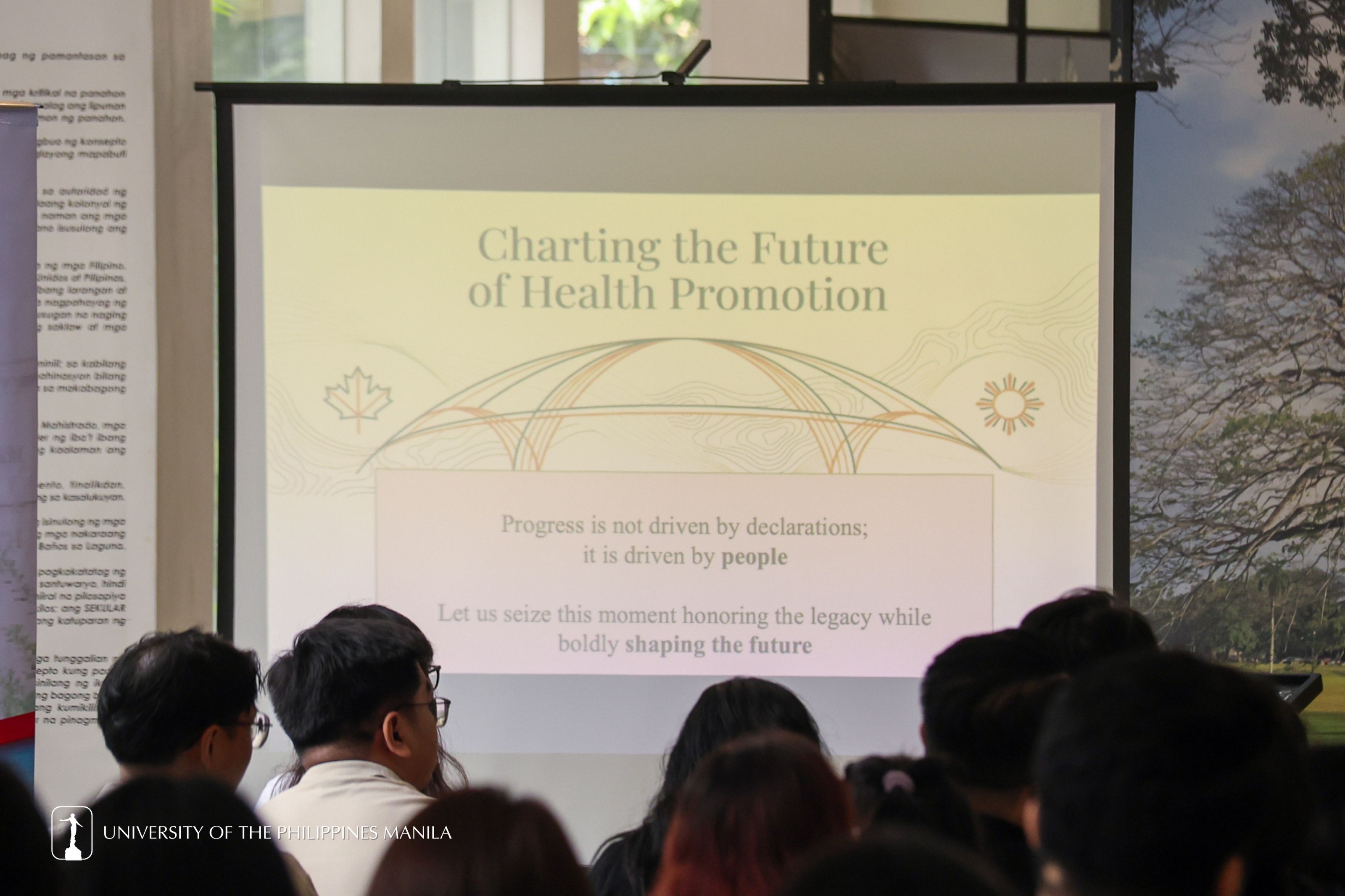
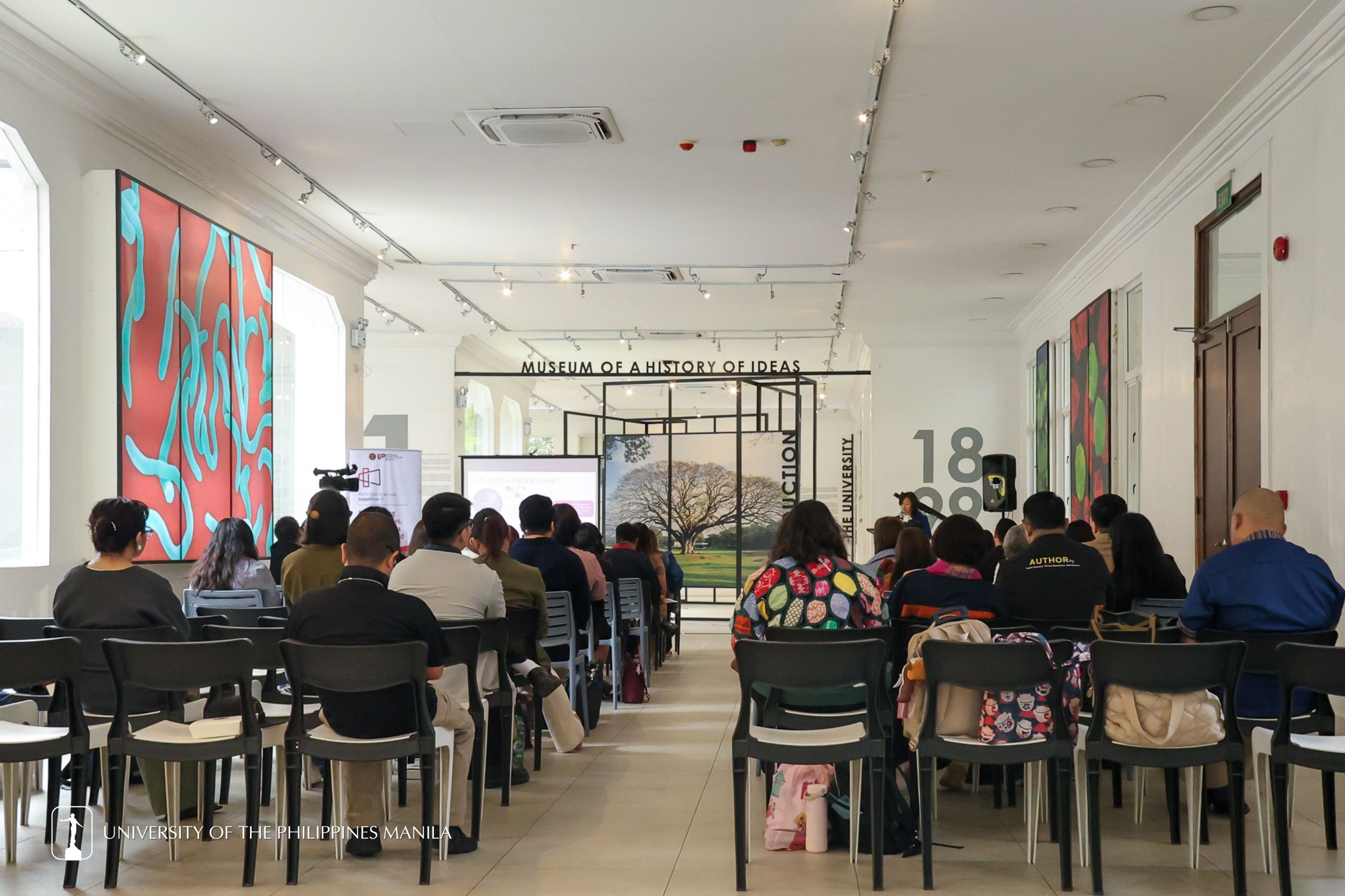
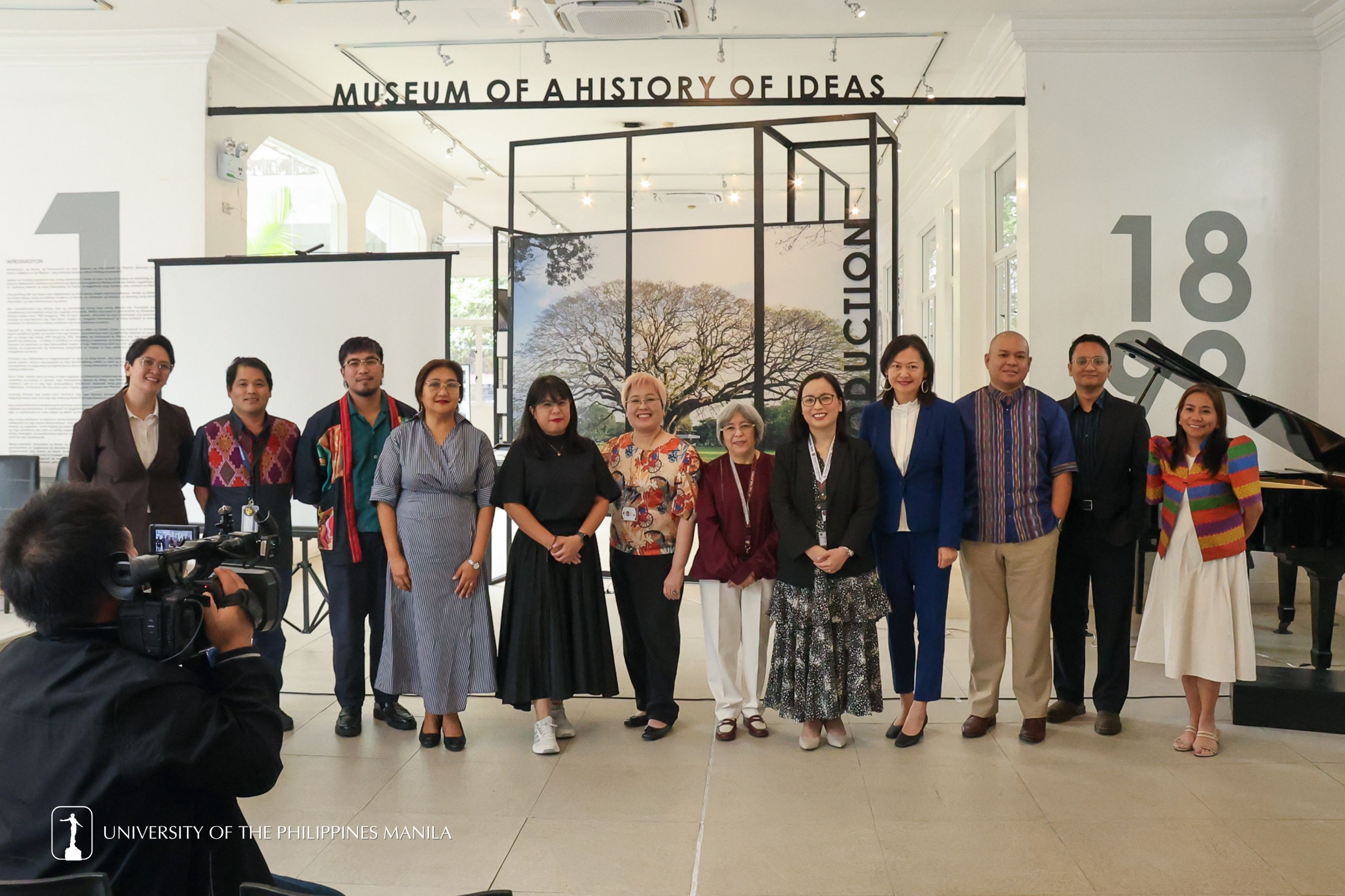
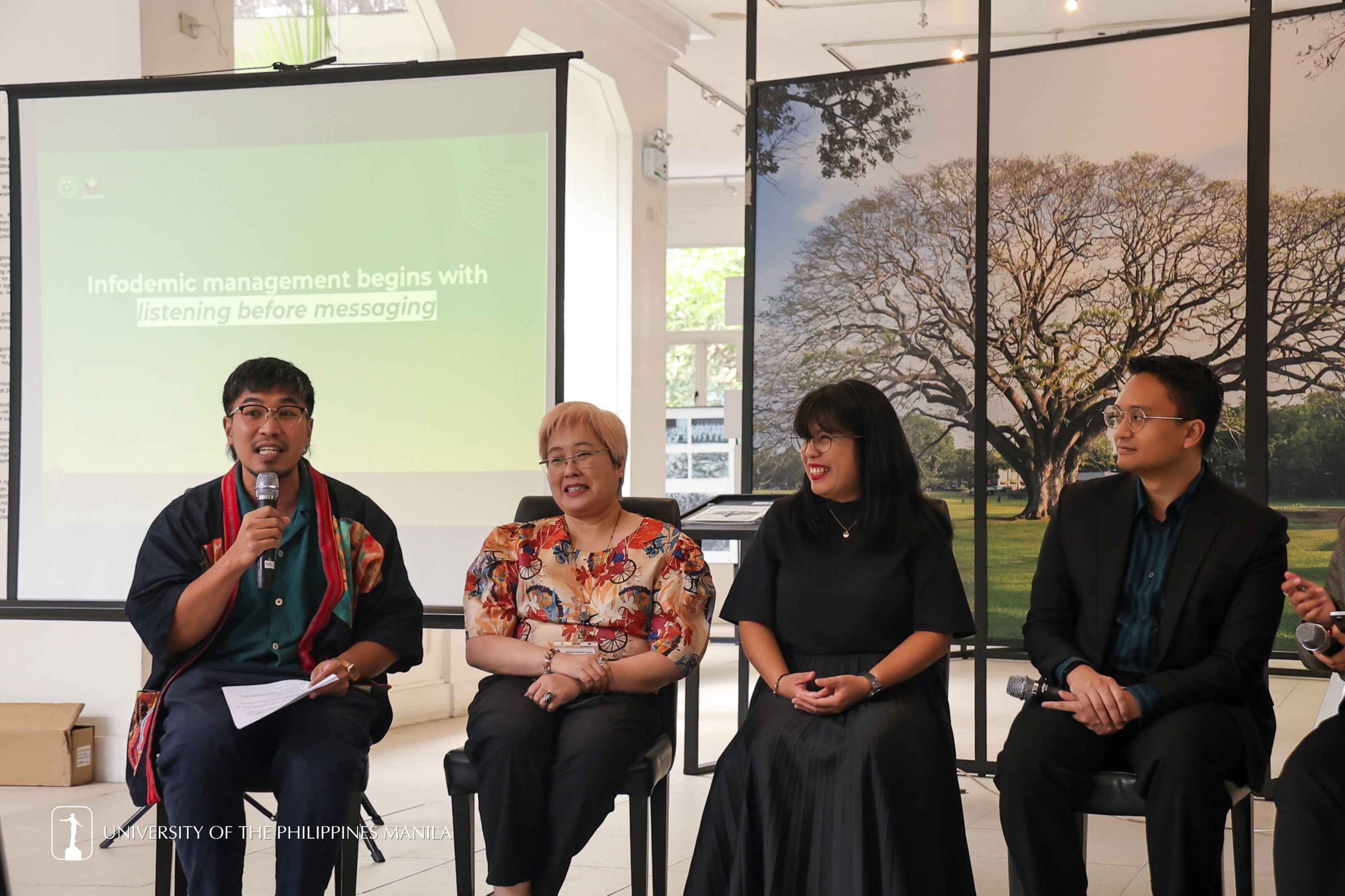
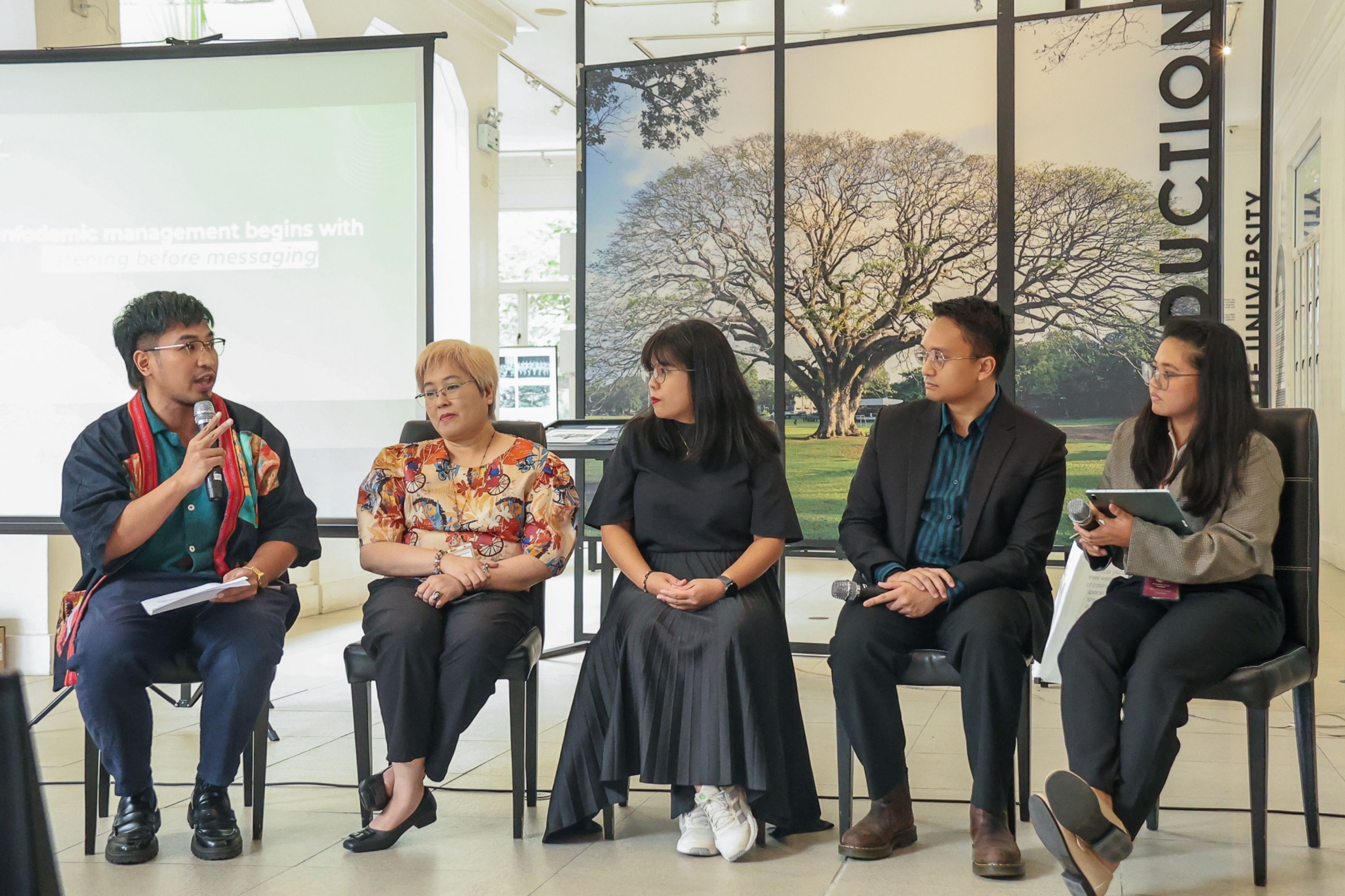
Experts weighed in on the dilemma of misinformation at the Health Research Promotion Summit 2026 held on Feb. 20, 2026, in Manila.
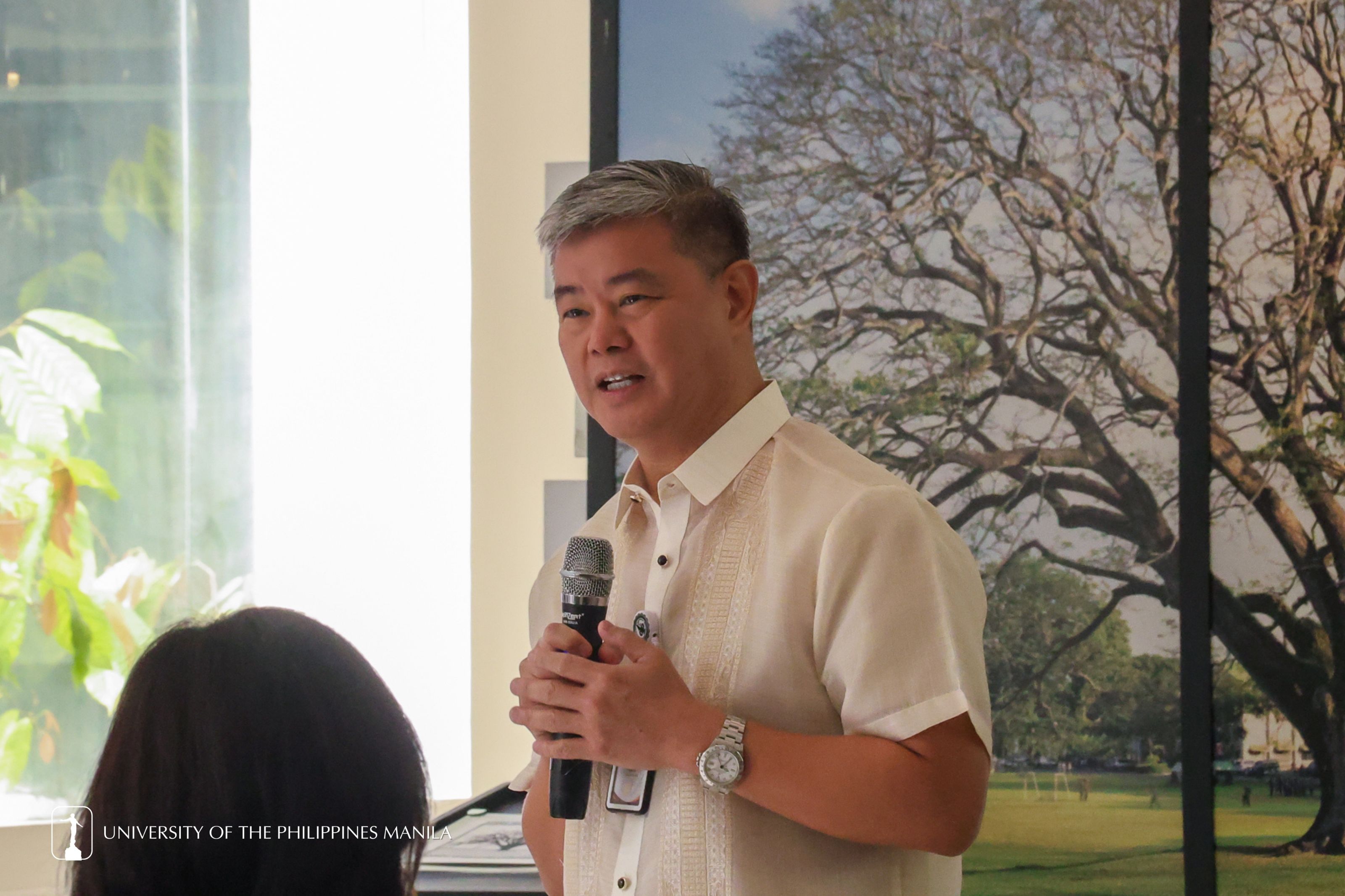
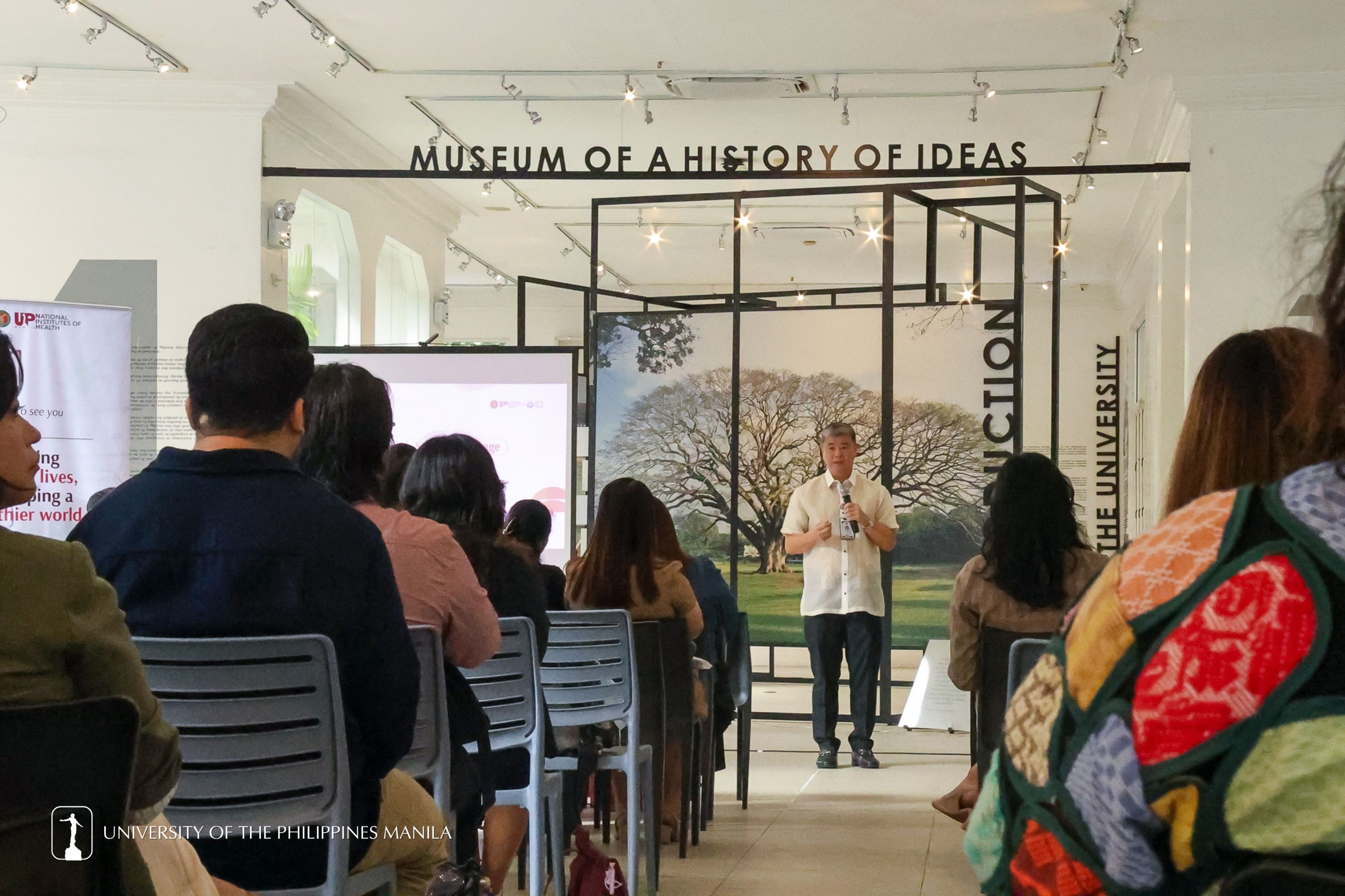
Asst. Prof. Jon Benedik Bunquin from the UP College of Media and Communication opened his discussion with the composite story of “Lillian”, who, like many, was confronted with conflicting information and opinions on the COVID vaccine during the pandemic. An elderly woman, Lillian, used to work in the healthcare industry in the United States. At the height of the pandemic, she lost many of her loved ones. As someone with many comorbidities, Lillian contemplated whether she would get the vaccine or not. She combed through medical websites, listened to podcasts, and consulted friends and family before finally making a decision. Embarking on research before making a decision gave her peace. However, this is not how other people would act when confronted with new information or when an important decision is to be made.
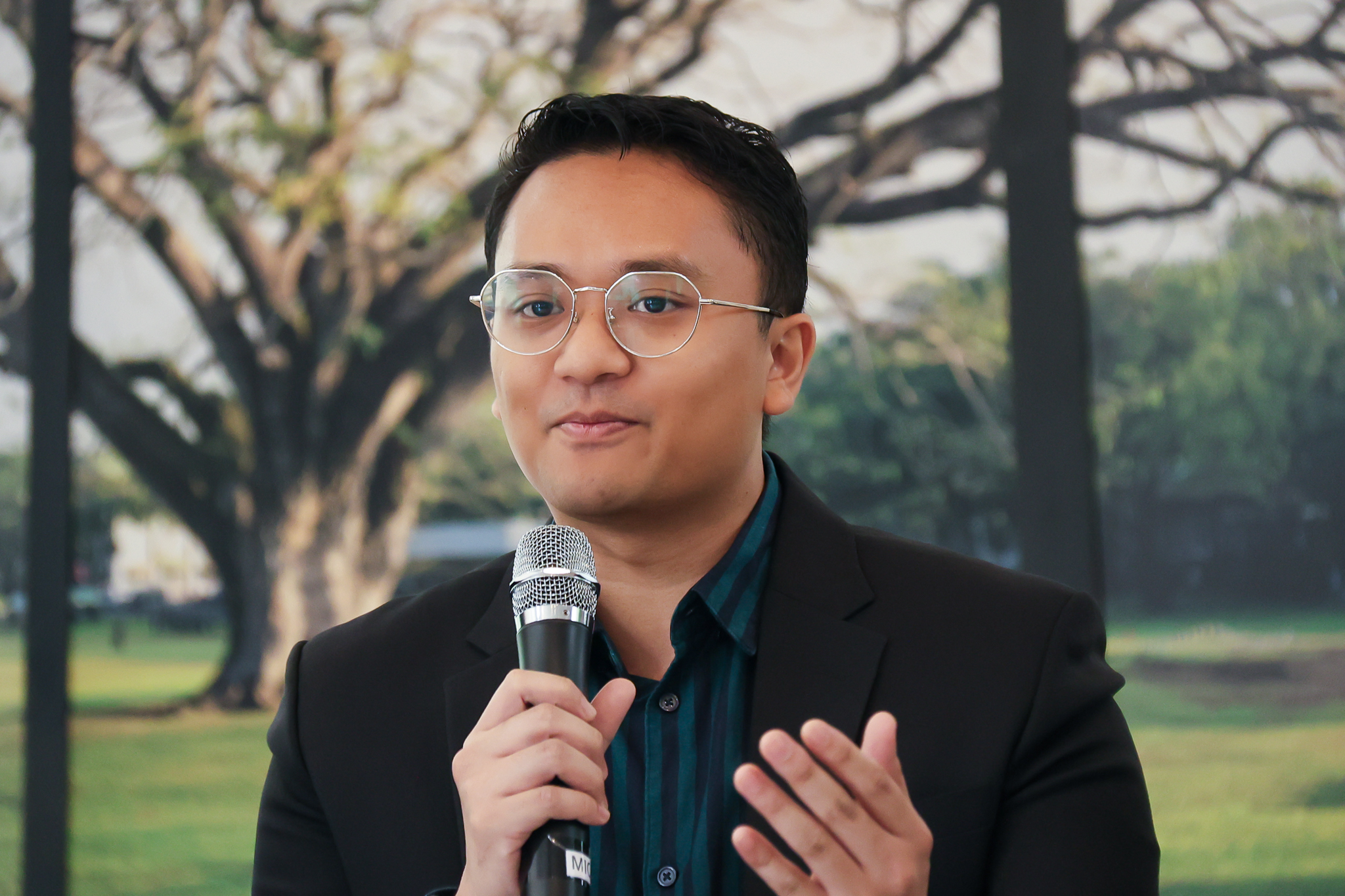
Asst. Prof. Bunquin’s tale shows that people do not make health decisions casually. It has become imperative nowadays to check multiple sources before making decisions. The story shows that people navigate complex information ecosystems before arriving at a decision.
“Indeed, social media has become one of the most important sources of scientific information. It’s a space where people can both actively seek out and be incidentally exposed to scientific data. But it’s also a polluted environment, with falsehoods and narratives of people with unqualified voices and content amplified simply because they’re liked or shared by others,” he warned.
Bunquin, who completed a study on online misinformation as part of his research at the University of Oregon School of Journalism and Communication, as a scholar of the Fulbright Program, said that while social media can empower communities and activism, it can also amplify misinformation.
Infodemic
This has given birth to the larger issue of “Infodemic.”
The World Health Organization (WHO) defines Infodemic as the overabundance of information, accurate or not, in the digital or physical space, accompanying an acute health event, such as an outbreak or epidemic. It results in confusion and distrust, risky health behaviors, and deepens insecurities.
To address this, WHO recommends applying Infodemic Management, the “systematic use of evidence-based risk analysis and approaches to manage the infodemics and reduce any negative impact on health behaviors during emergencies.”
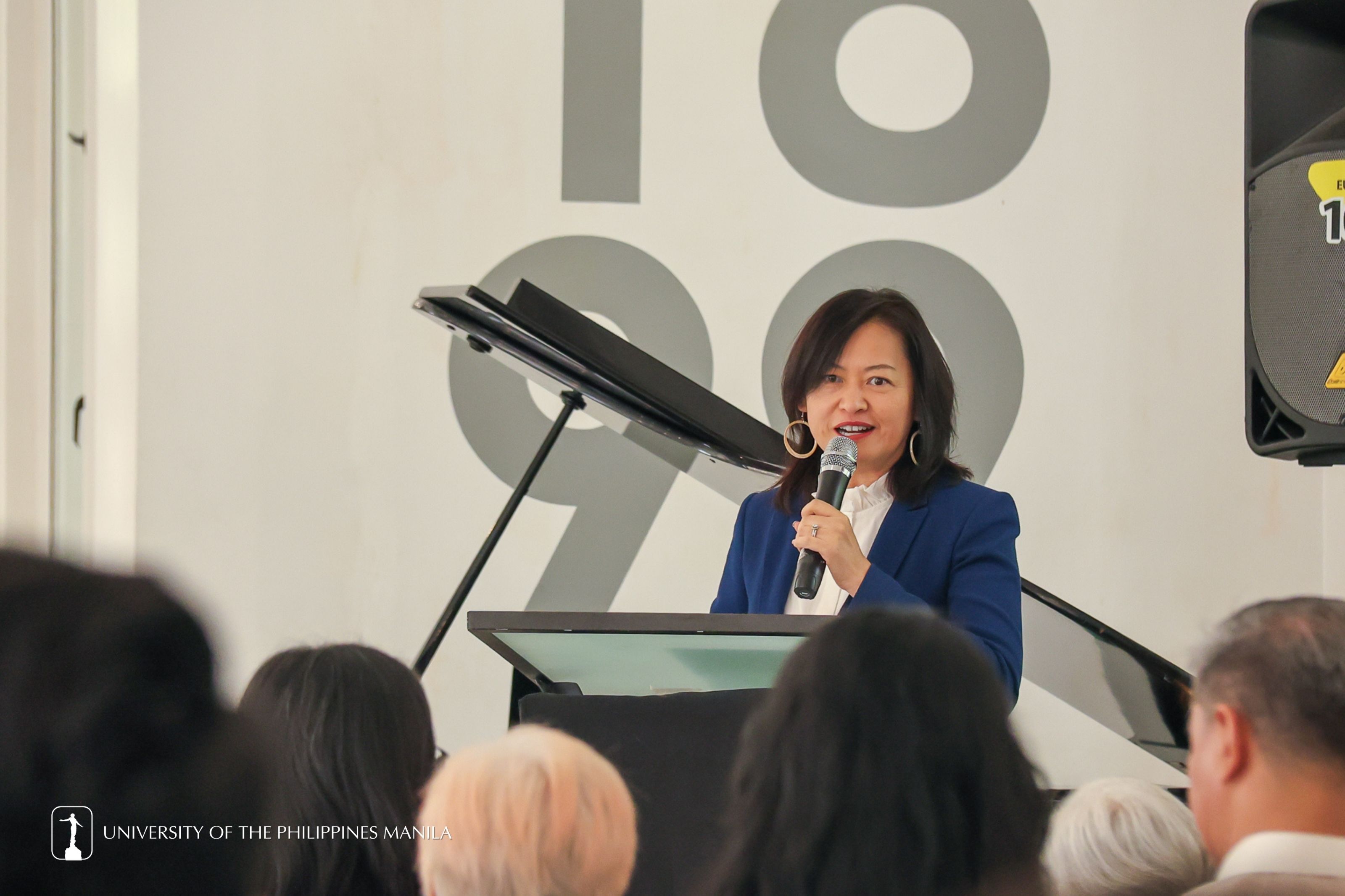
As a practical approach, Dr. Iris Thiele Isip-Tan, professor and chief of UP Medical Informatics Unit, recommends building community capacity for prevention. Societies usually employ Reactive Correction wherein they wait for misinformation to spread before deploying fact checking reactively. This, she said, has limited reach and effectiveness as opposed to Proactive Prevention.
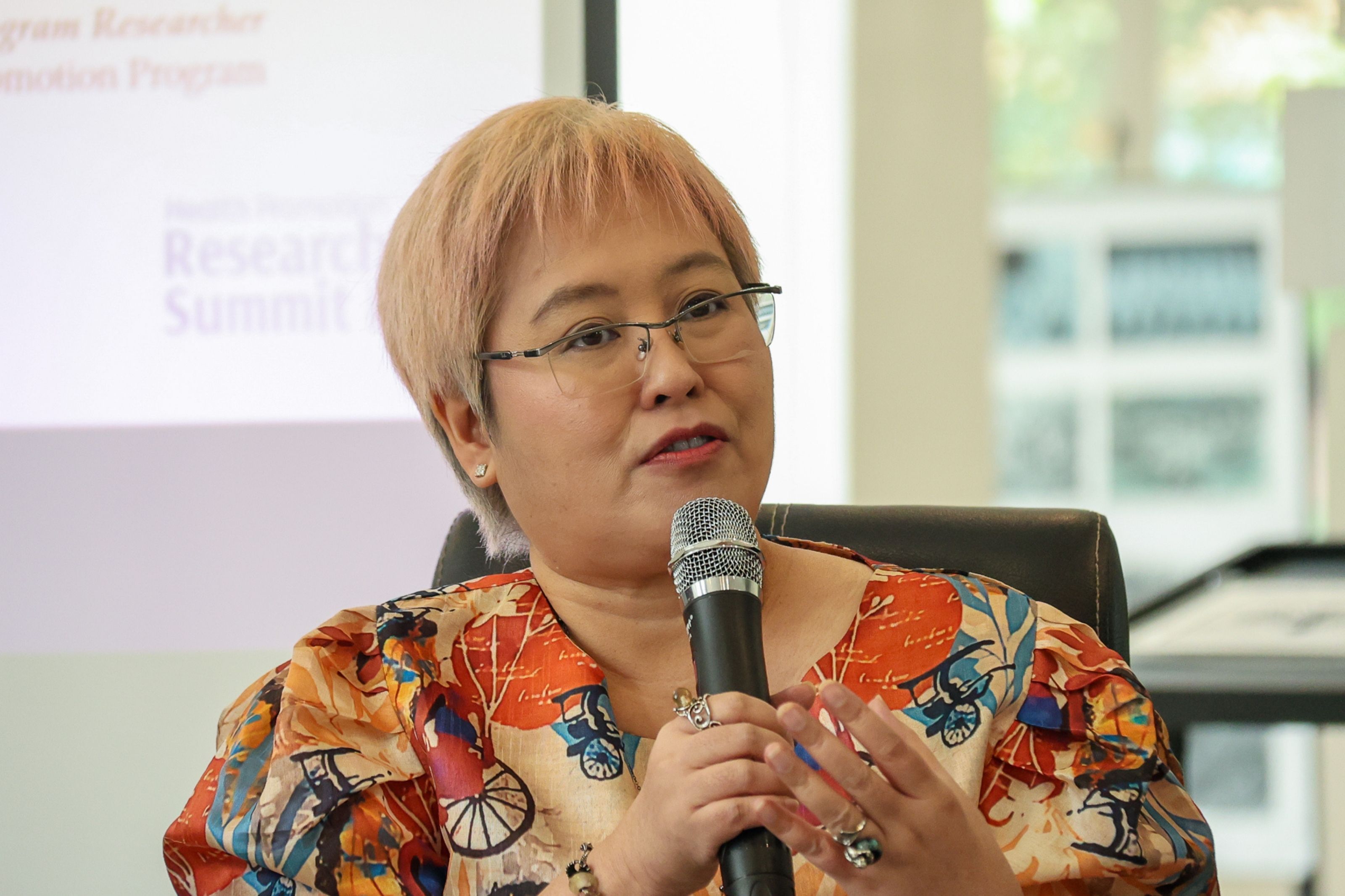
“What is needed is proactive prevention,” she said. “Prebunking means exposing communities to weakened examples of misinformation as a form of inoculation. We need digital health literacy programs at the community level. Filipinos need to build critical evaluation skills,” she emphasized.
She also mentioned the need for barangay health workers to be trained to recognize manipulation tactics “so they can help their communities build antibodies against mis and disinformation.”
Commercial and Political Influences
Also discussed in the summit are ways on how research can fortify health sovereignty against the encroaching influence of commercial and corporate capture.
Reiner Lorenzo Tamayo, co-investigator of the Health Promotion Program discussed the “Analysis of the Regulatory Landscape, Policies, Programs and Sectoral Influences Governing Tobacco and Vape Use in the Philippines;” Prof. Buenalyn Ramos-Mortel held a talk titled “Analysis of Advertising and Promotion of Alcoholic Beverages and their Impact on Youth Alcohol Drinking Behavior: A Metro Manila Study;” and Dr. Klein Fernandez, co-investigator of the Health Promotion Program discussed the “Assessment of the Implementation of the National Policy on the Elimination of Industrially Produced Trans Fatty Acids (iTFA) in the Philippine Food Supply.”
Meanwhile, Atty. Sophia Monica San Luis, executive director of ImagineLaw, talked about the Legal perspectives on food regulation and Filomeno Sta. Ana III, executive director of Action for Economic Reforms tackled the Political Economy of Alcohol Regulation.
Also discussed are the research priorities for strengthening health promotion through climate-adaptive and resilient primary health care.
Dr. Pamela Gloria Cajilig, professorial lecturer of the University of the Philippines Diliman discussed the Methods to Highlight Local Knowledge and Lived Experiences of Climate Health Adaptation at the Community Scale; Dr. Kristal An Agrupis, researcher at the National Institutes of Health discussed the “Recent Trends in Research on the Health Impacts of Climate Change in the Philippines;” Dr. Anthony Geronimo Cordero, director of the UP Community Health and Development Program discussed the Community Health Systems’ Perspectives on Climate Resilience while Dr. Michael Caampued, president of the Philippine College of Public Health Physicians, held a talk on the Workforce Readiness for Climate Change Adaptive Primary Health Care.
As reinforcement to the subject, Dr. Jethri Cruz, director IV of the Health Policy Development and Planning Bureau of the Department of Health discussed the National Priorities for Health Promotion Research while Dr. Jaime Montoya, executive director of the Philippine Council for Health Research and Development of the Department of Science and Technology discussed the role of the agency in Research Agenda Setting.
Read More:
#FP6 #EnvironmentthatNurturesMindandBody #DiscoveryandResearch