

Text by: Charmaine A. Lingdas
Photos by: Sarah Hazel Moces S. Pulumbarit
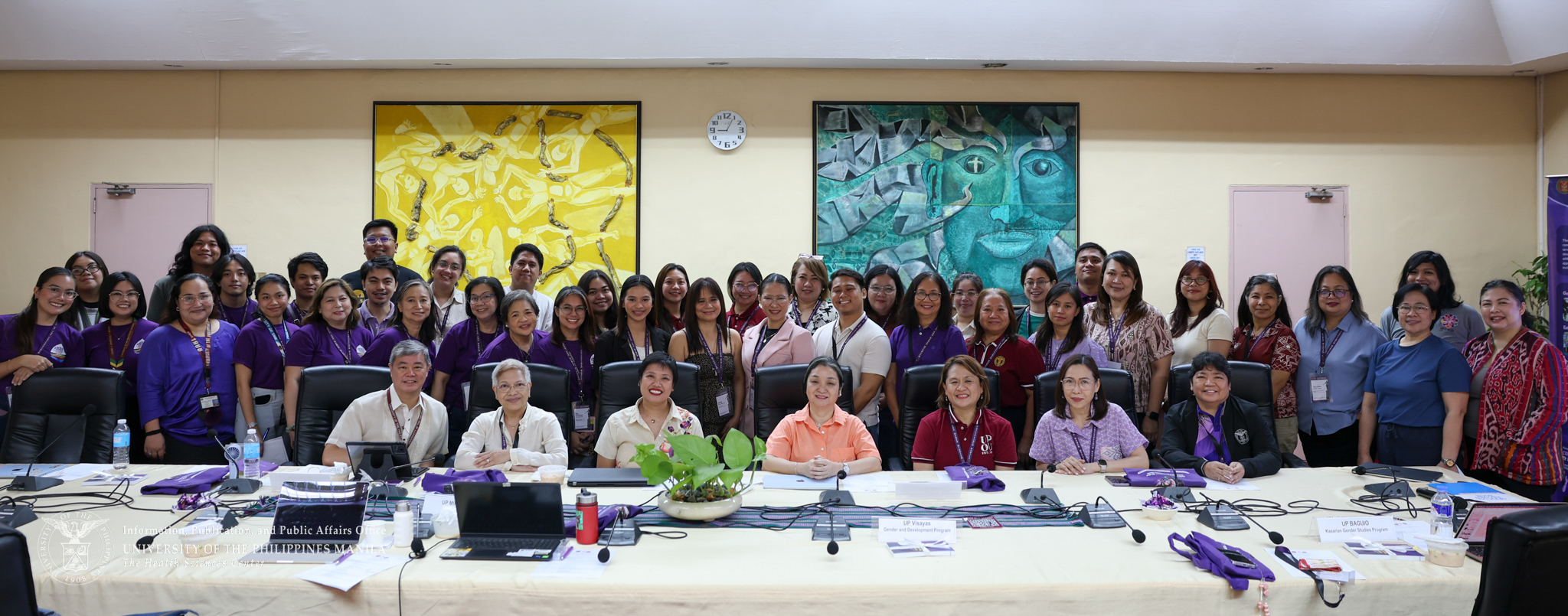
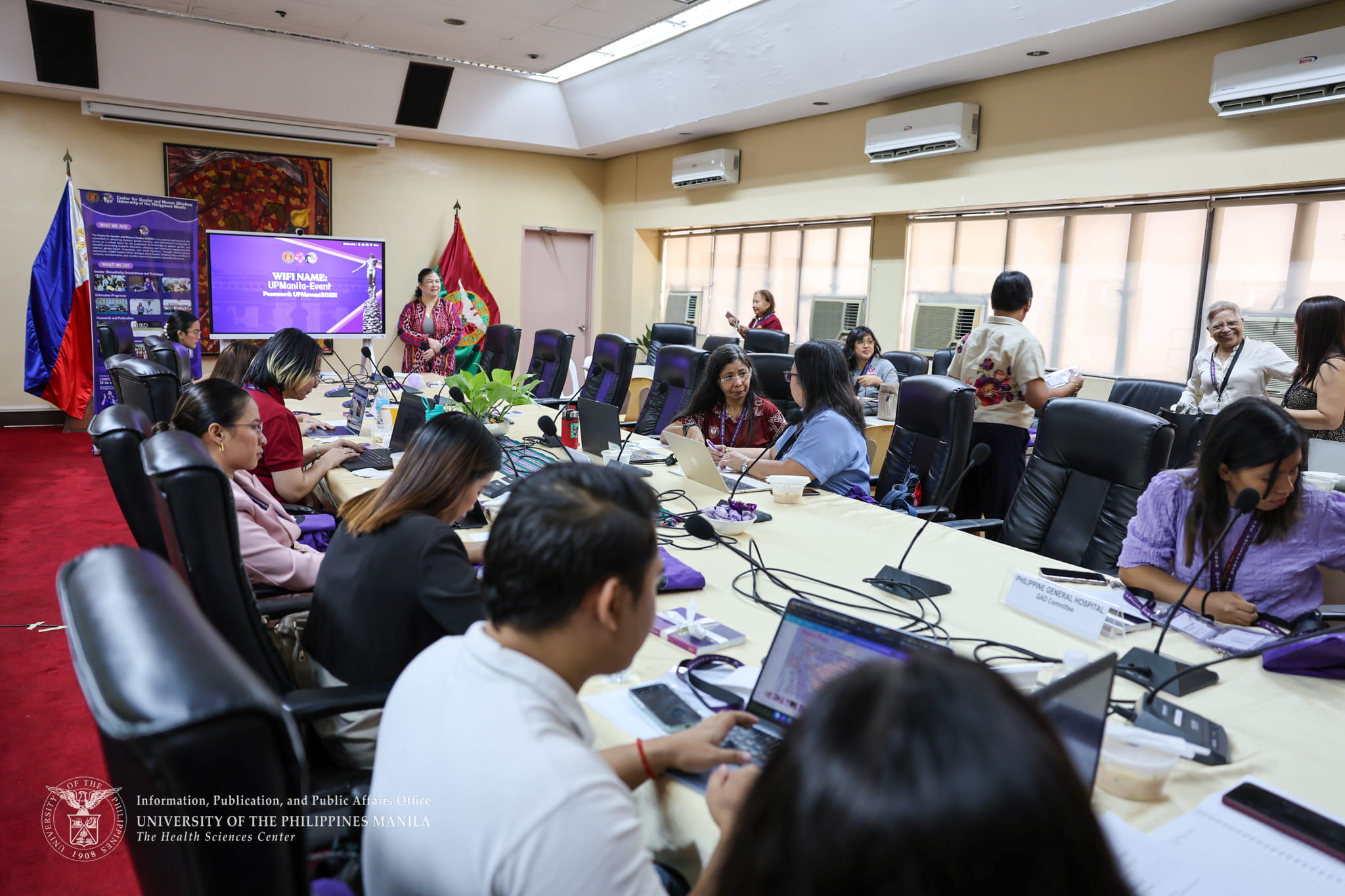
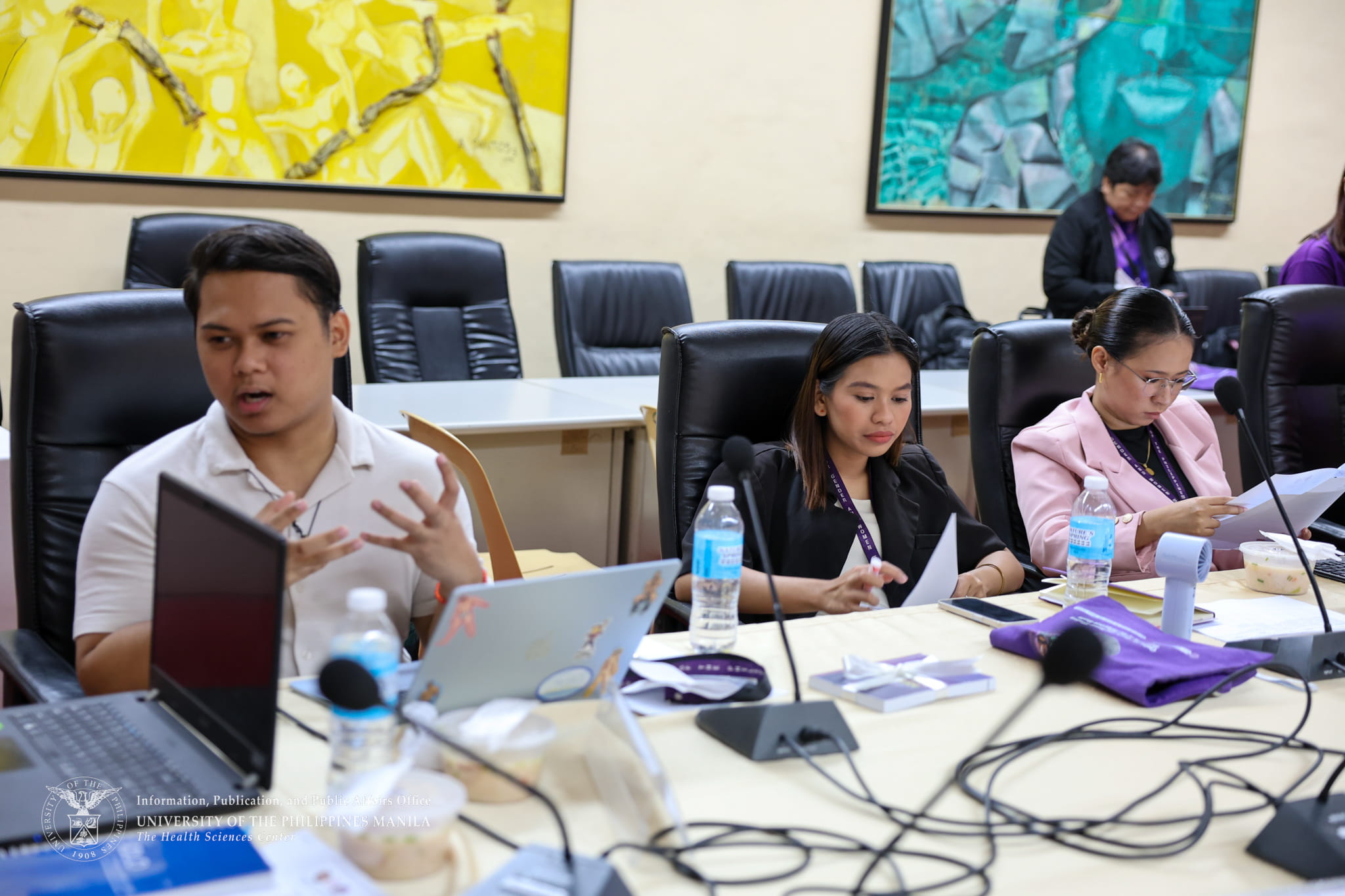
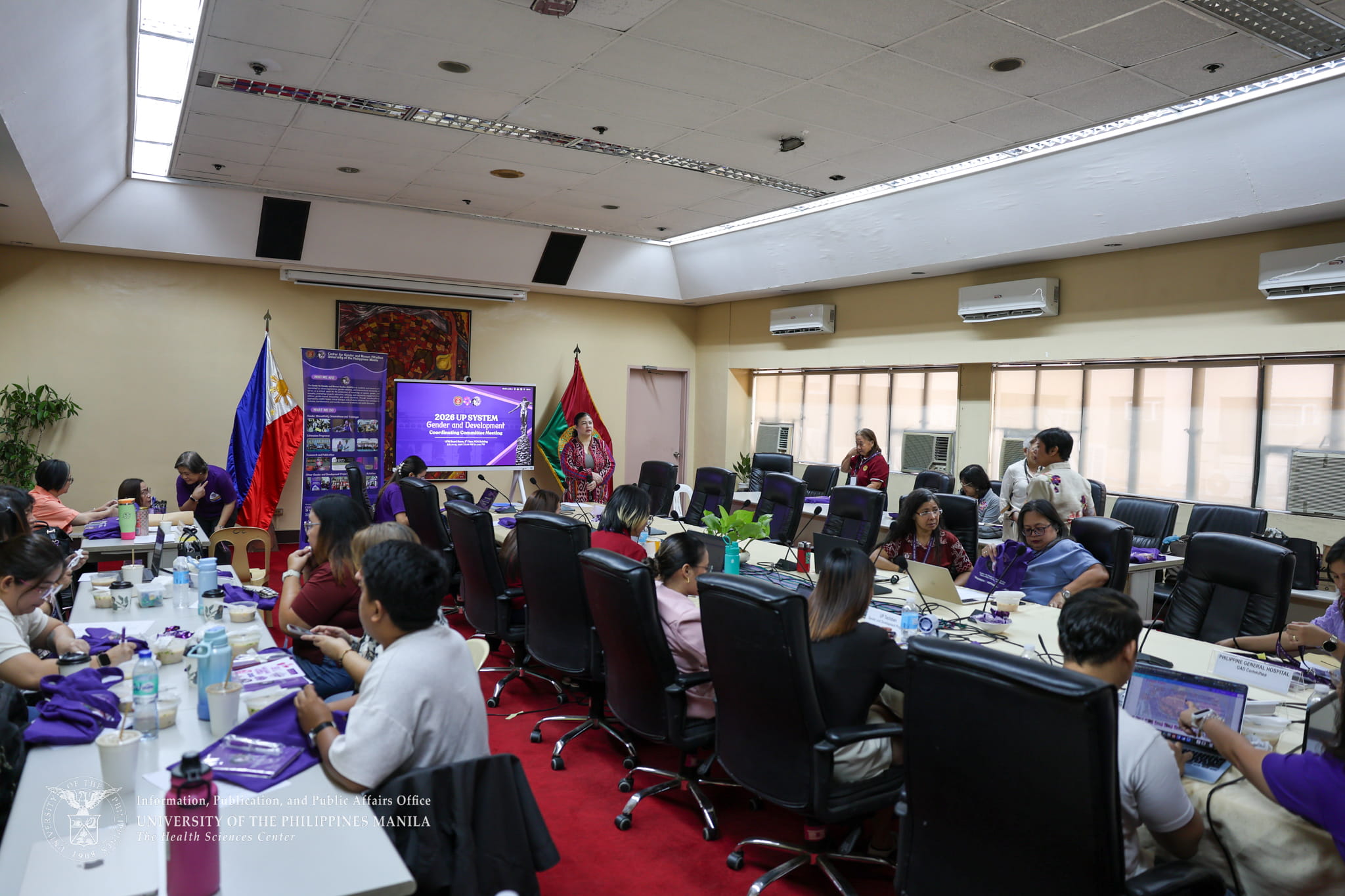
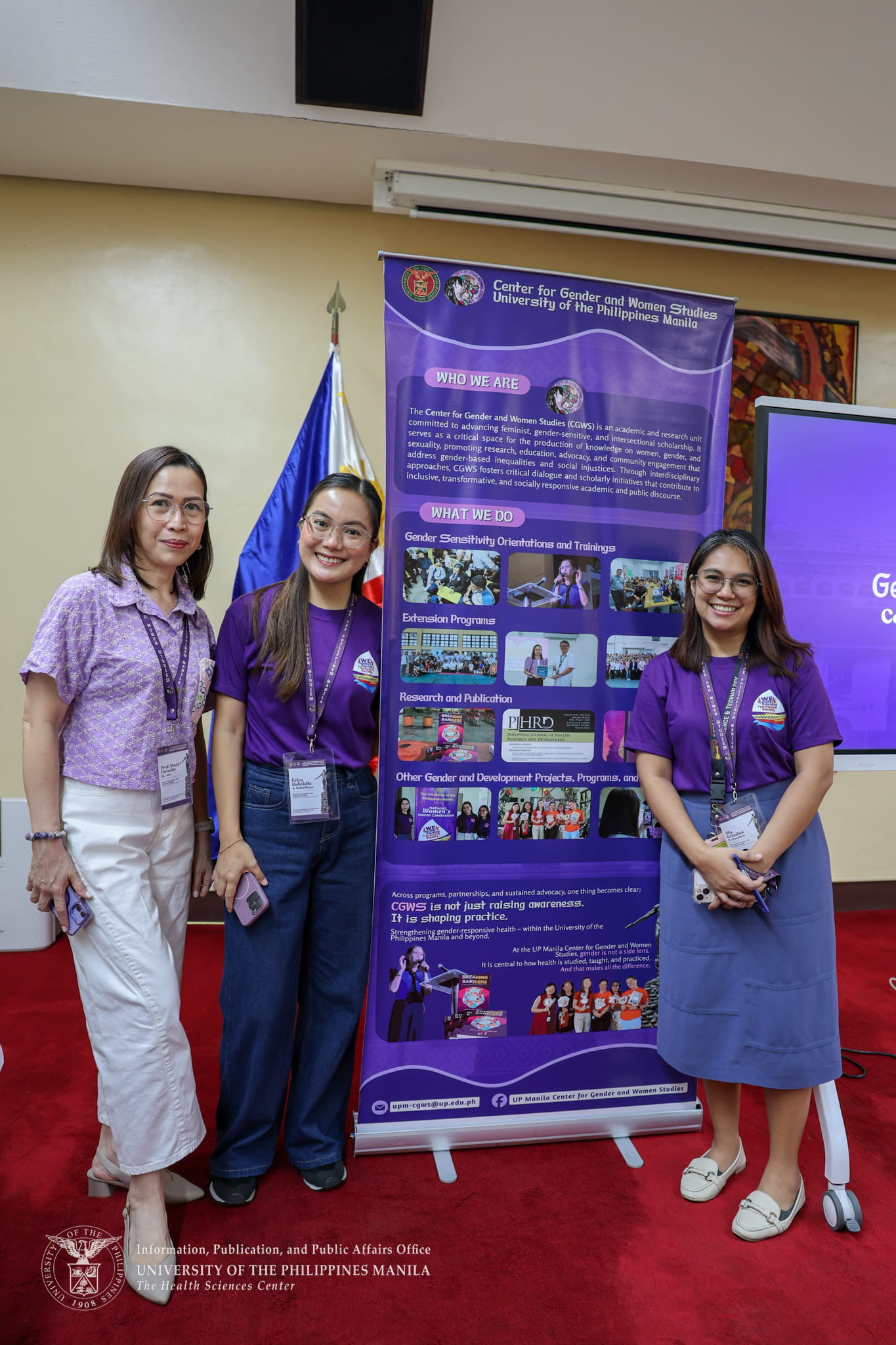
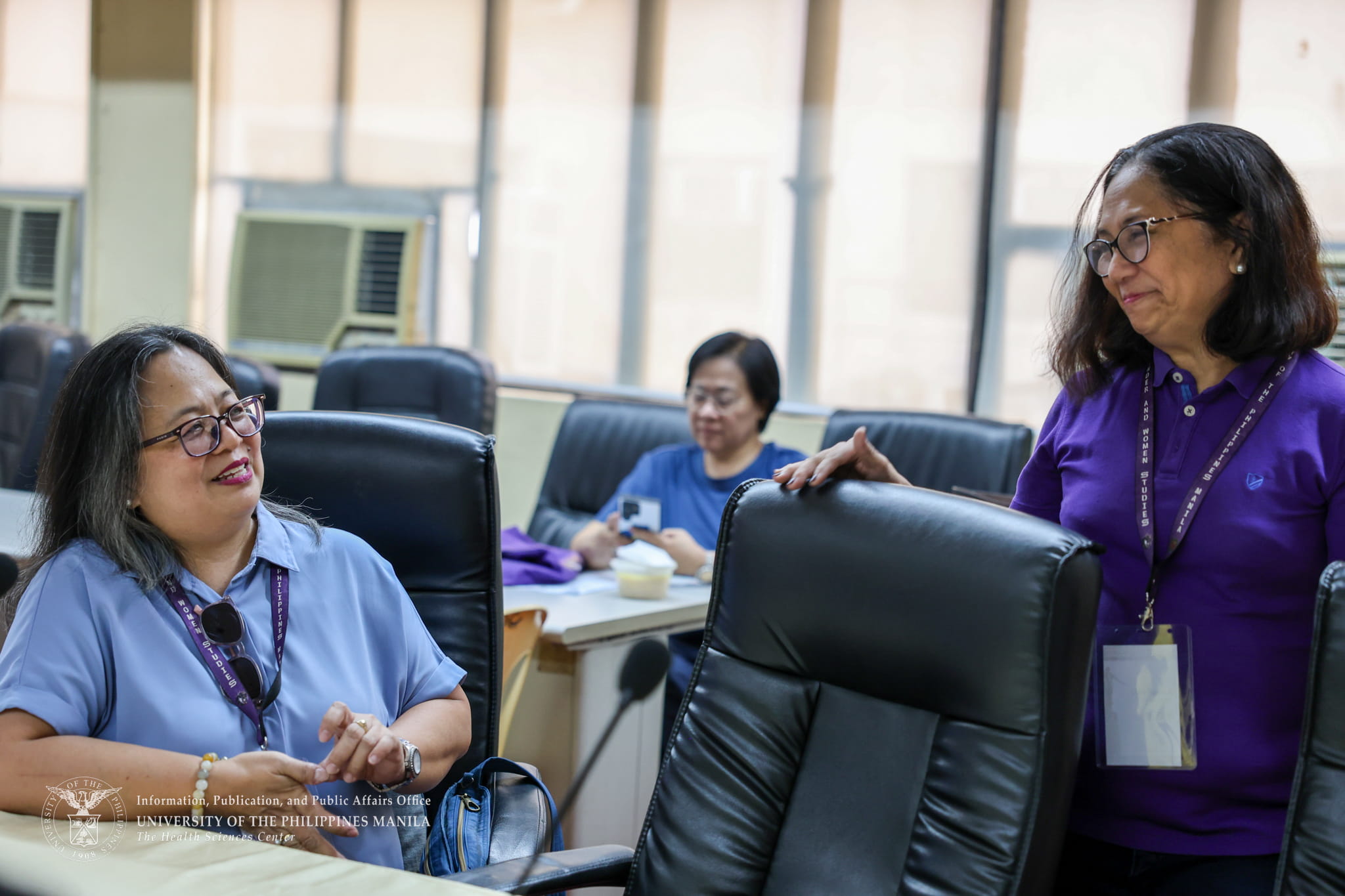
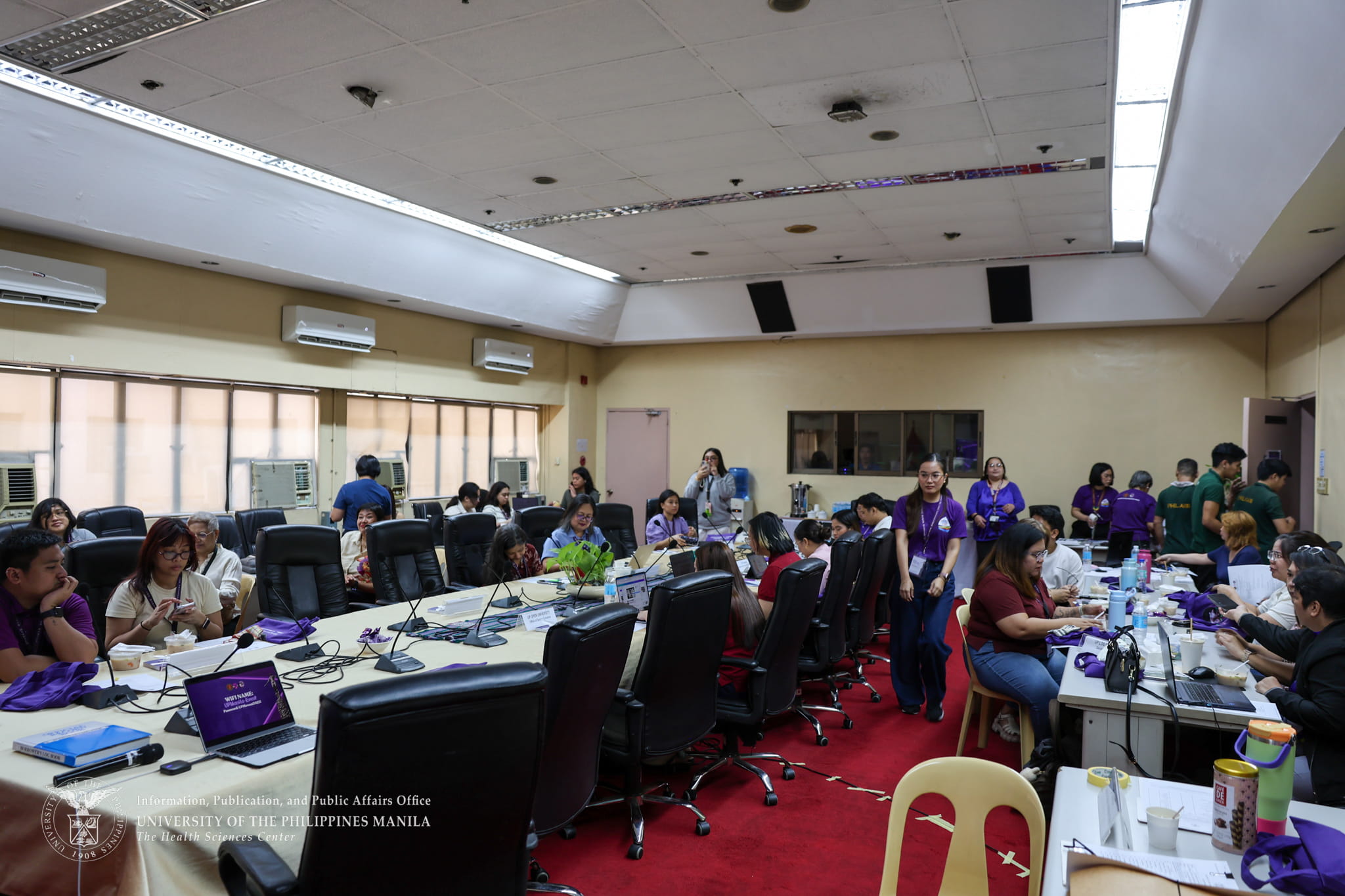
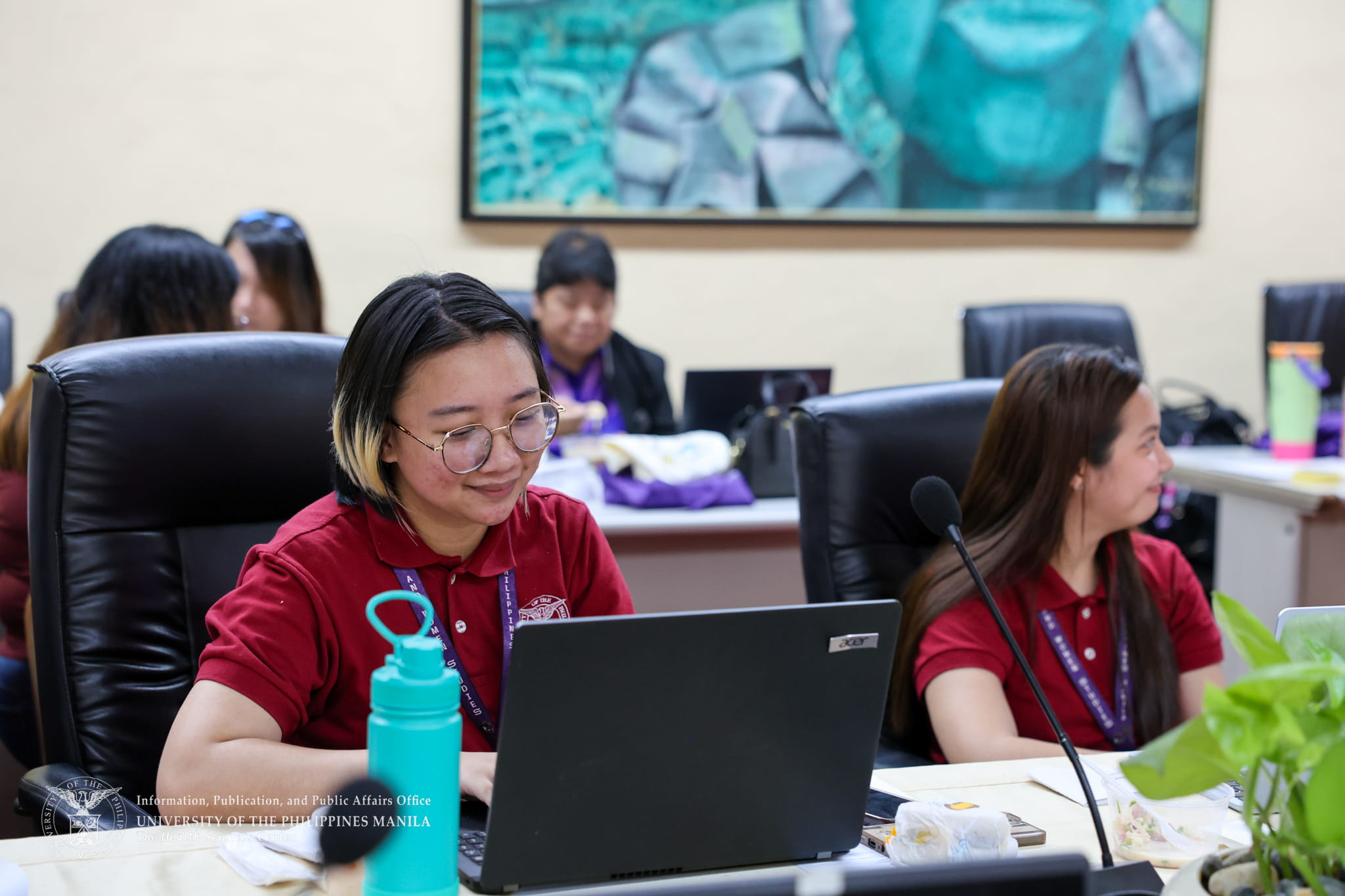
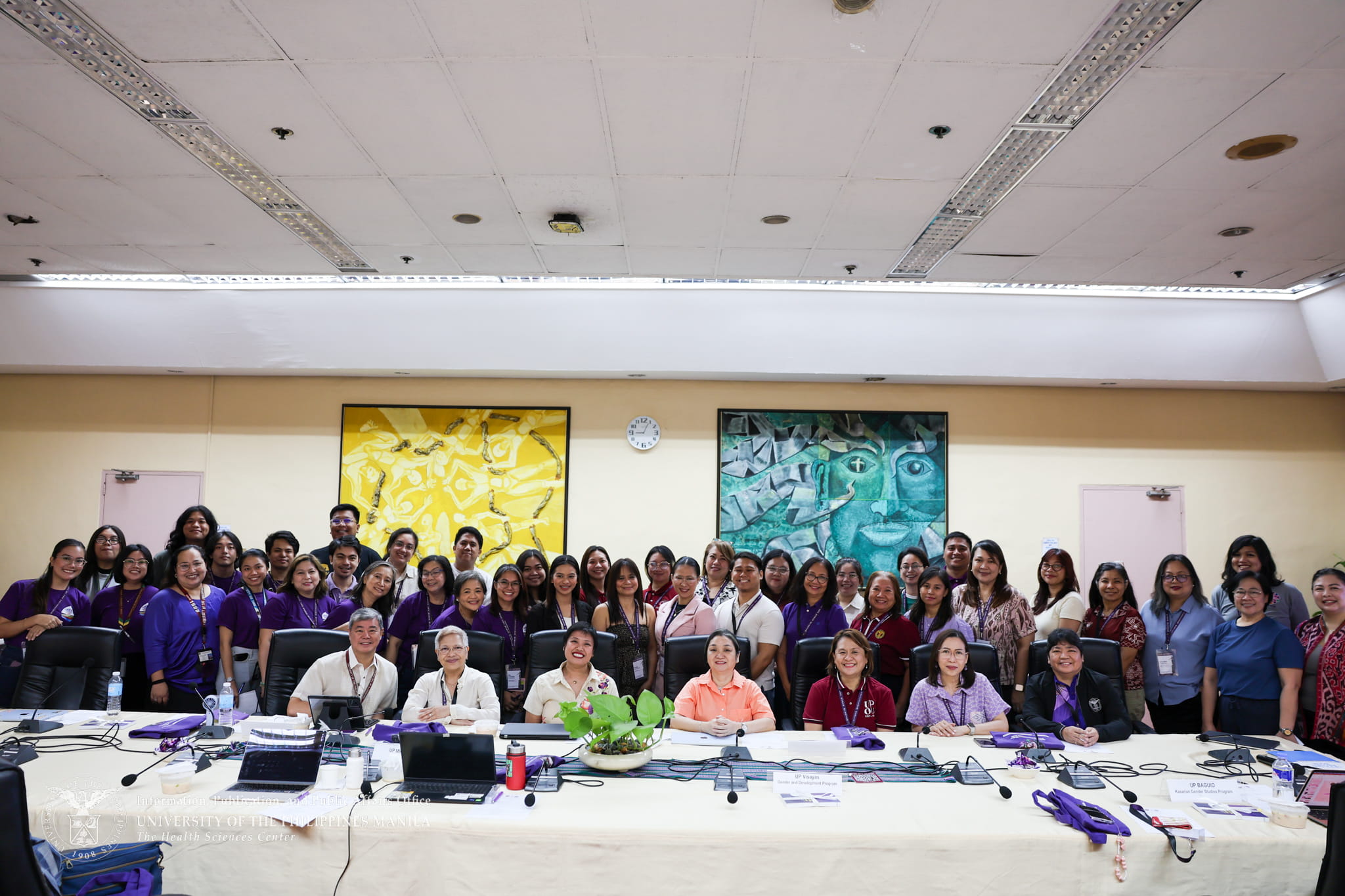
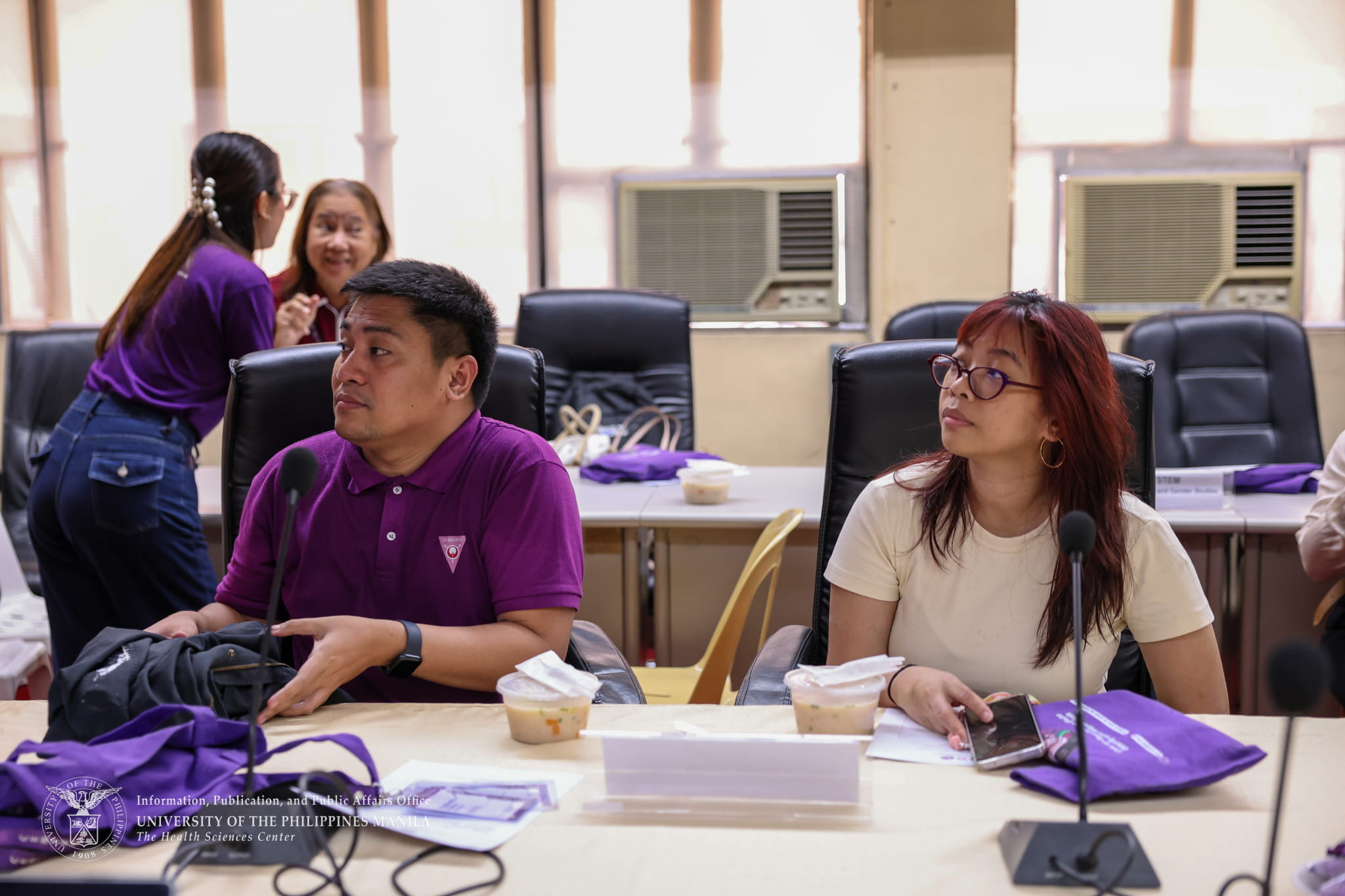
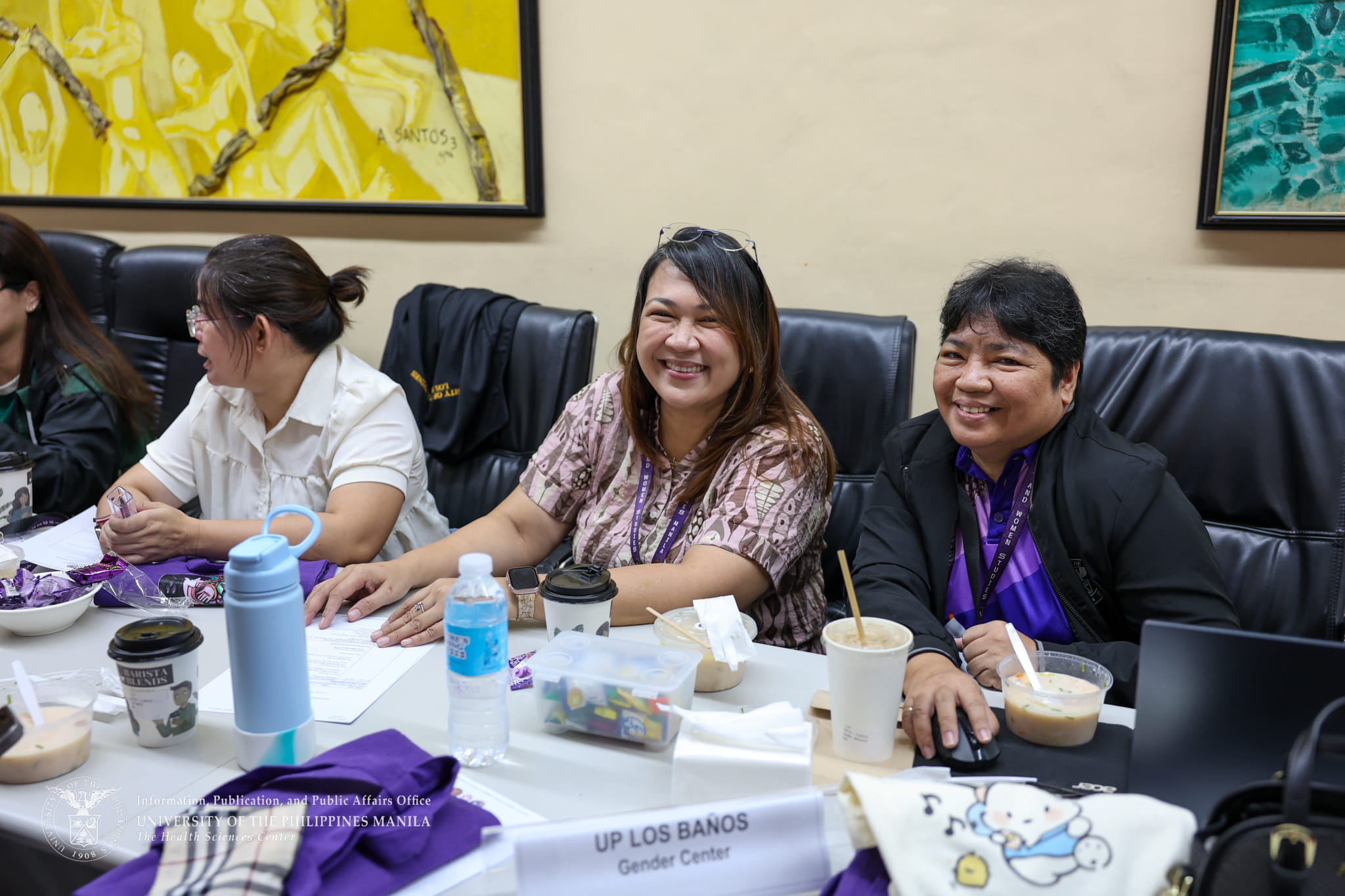
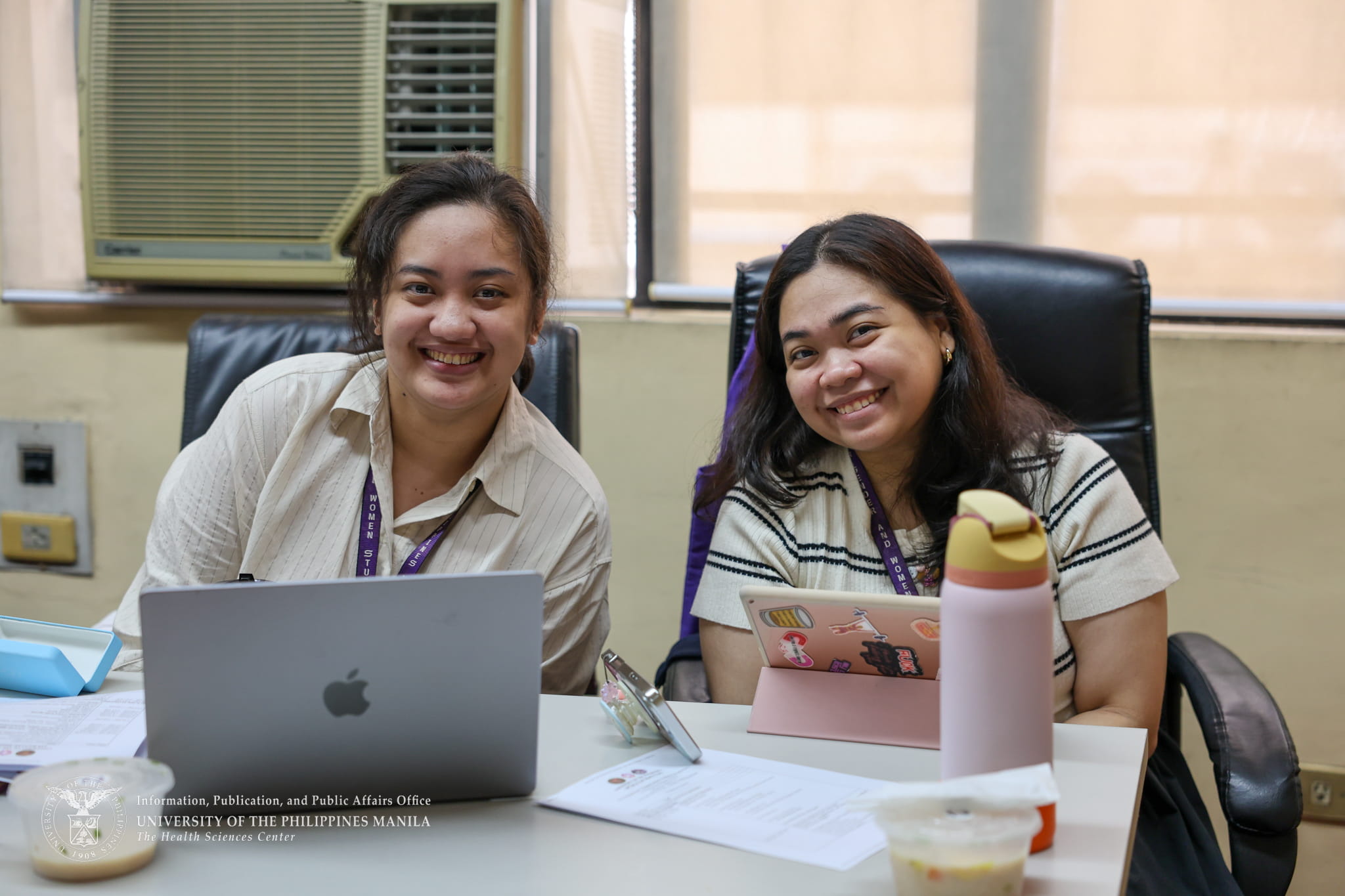
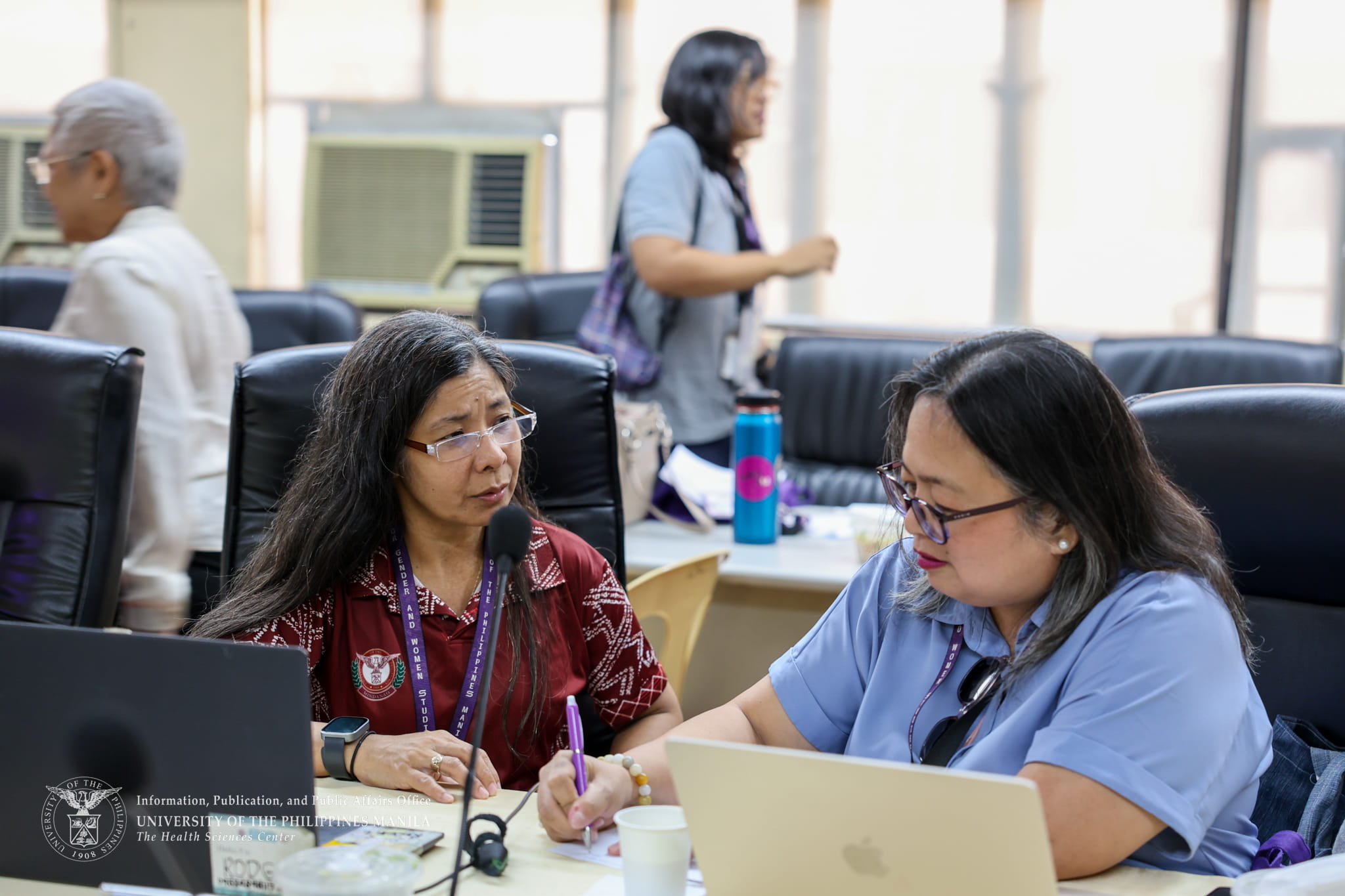
Representatives from the gender offices and centers of the University of the Philippines System gather at UP Manila for the 2026 UP System Gender and Development (GAD) Coordinating Committee Meeting, where they discussed accomplishments, shared best practices, and strengthened collaboration in advancing gender equality and gender-responsive programs across the University’s constituent units.
Representatives from gender offices and centers across the University of the Philippines System gathered at UP Manila on July 22–23, 2026, for the 2026 UP System Gender and Development (GAD) Coordinating Committee Meeting.
Jointly organized by the UP Center for Women’s and Gender Studies (UPCWGS) and the UP Manila Center for Gender and Women Studies (CGWS), with support from the Office of the Chancellor, the meeting brought together representatives from the GAD offices of UP Baguio, UP Cebu, UP Diliman, UP Los Baños, UP Manila, UP Mindanao, UP Open University, UP Visayas, UP Tacloban College, UP Philippine General Hospital (PGH), and UPCWGS.The event focused on reviewing accomplishments, addressing shared challenges, and mapping collaborative strategies to strengthen gender mainstreaming across the University’s constituent units.
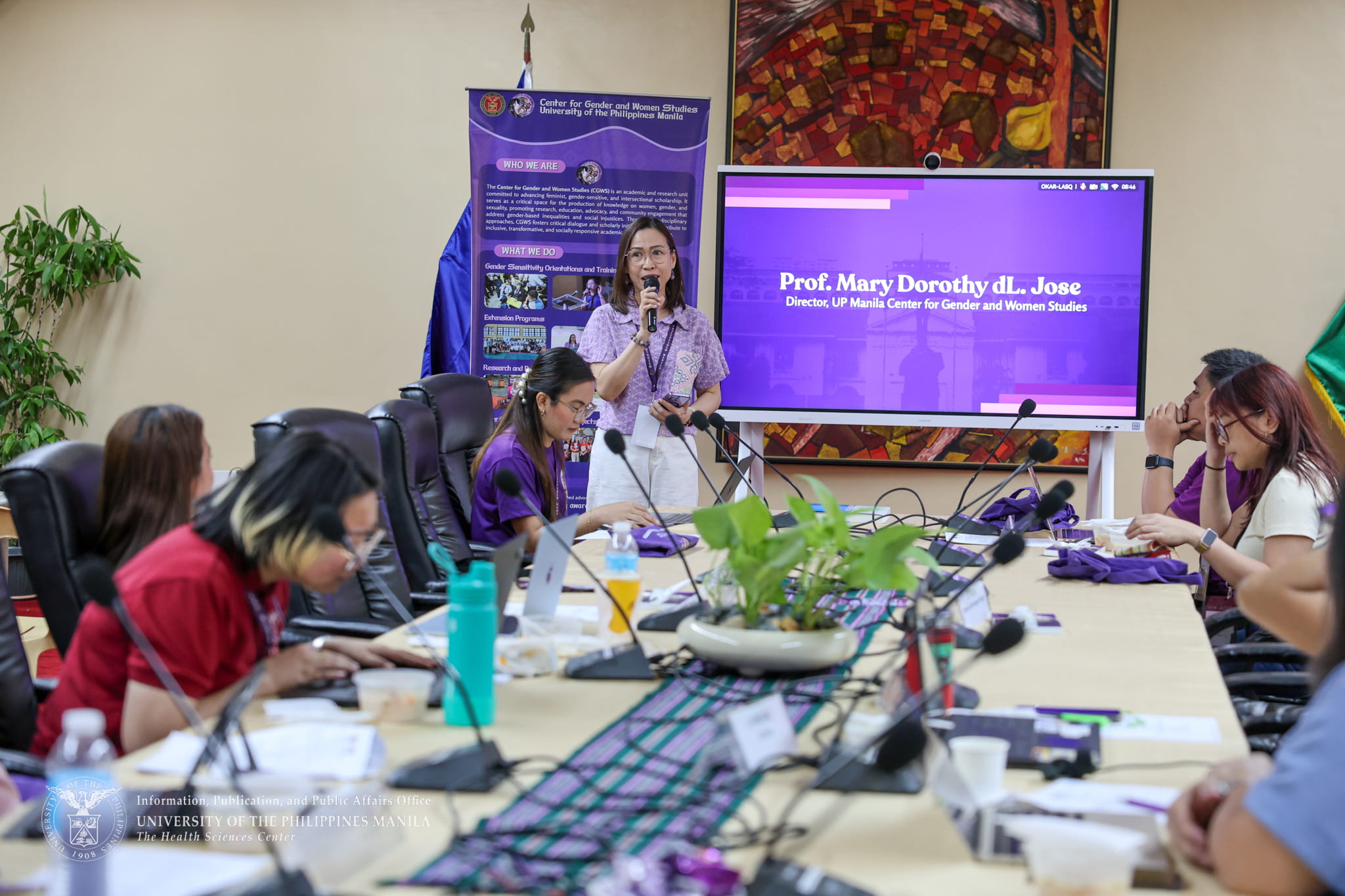
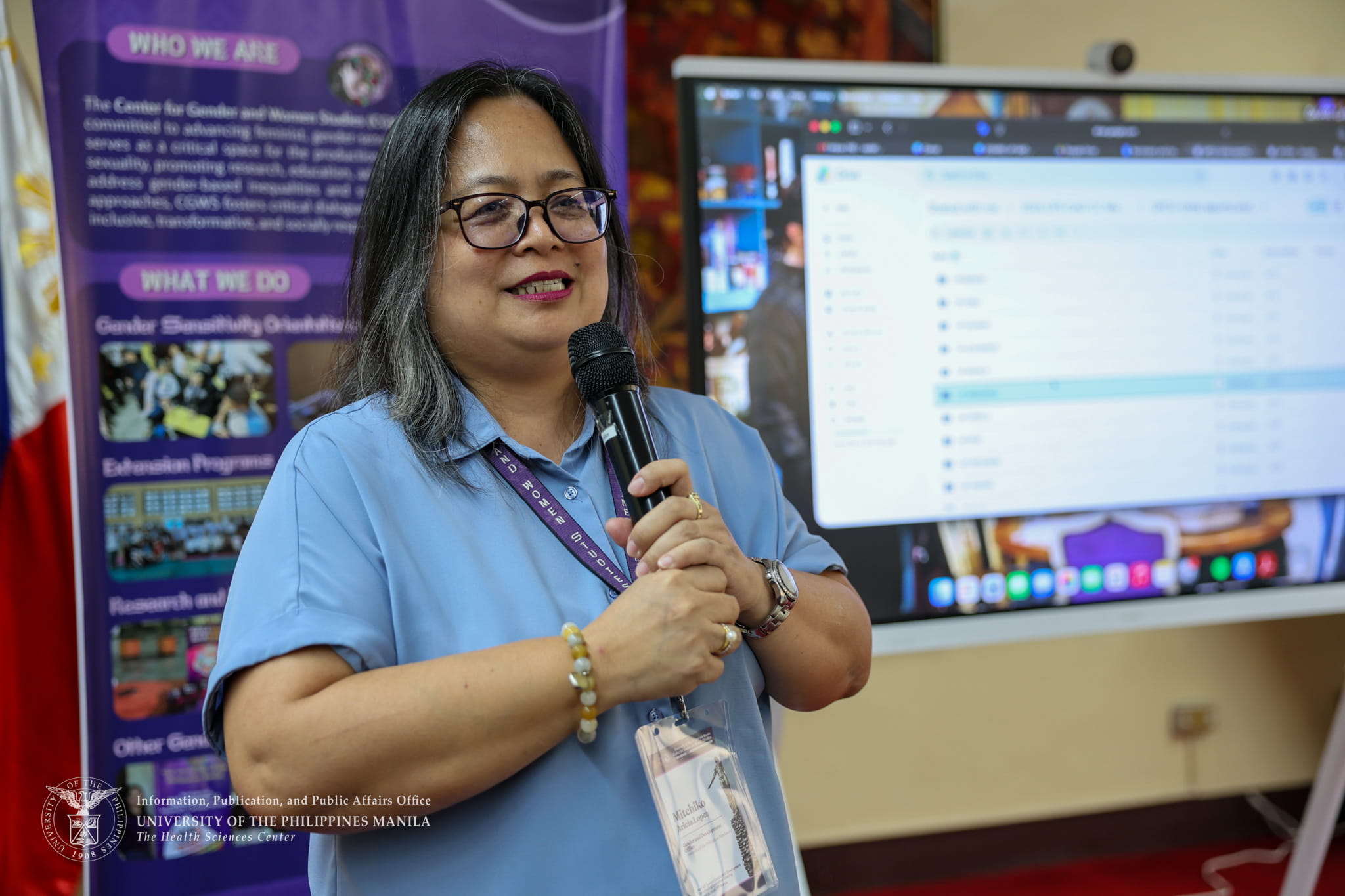
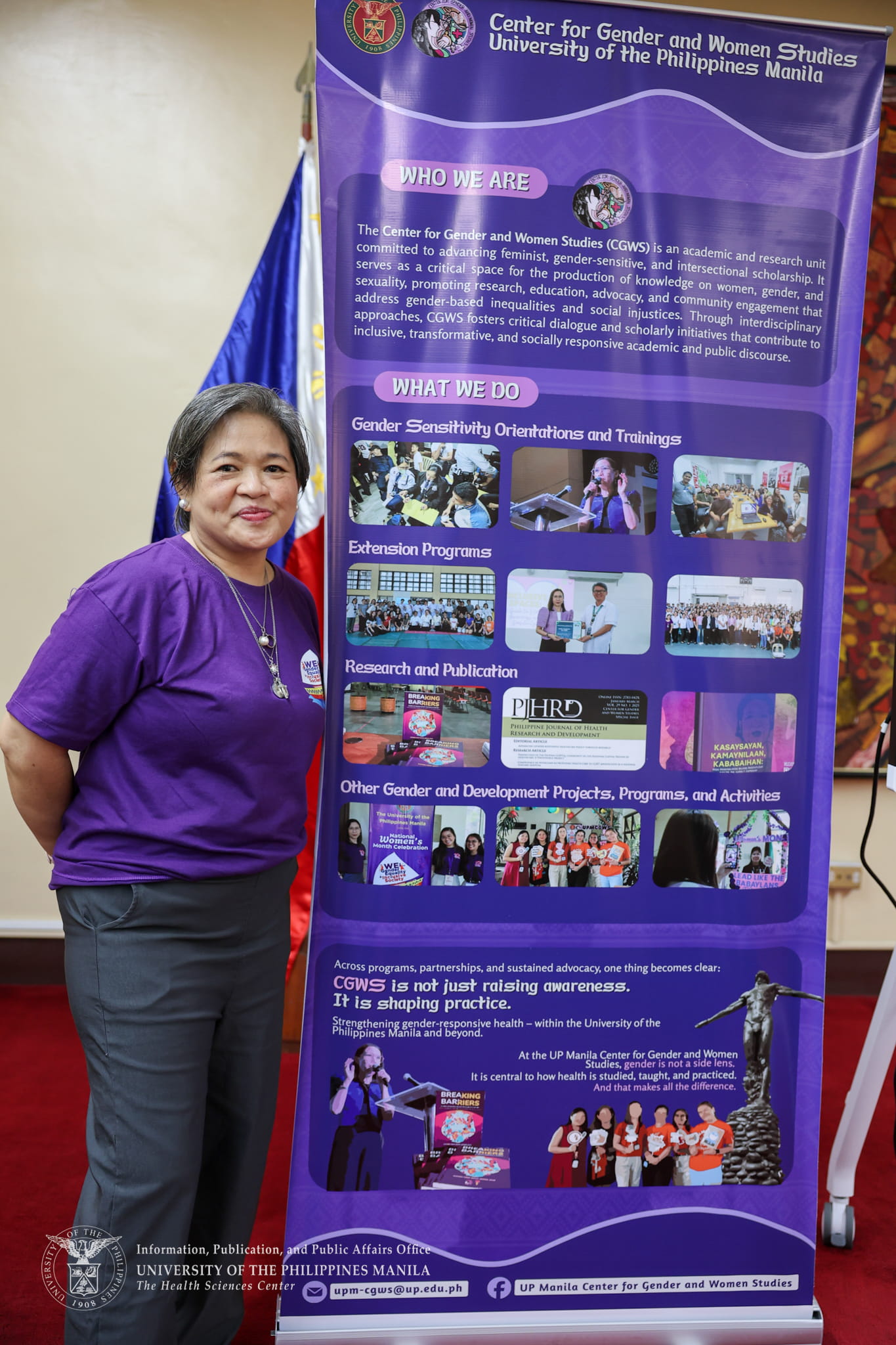
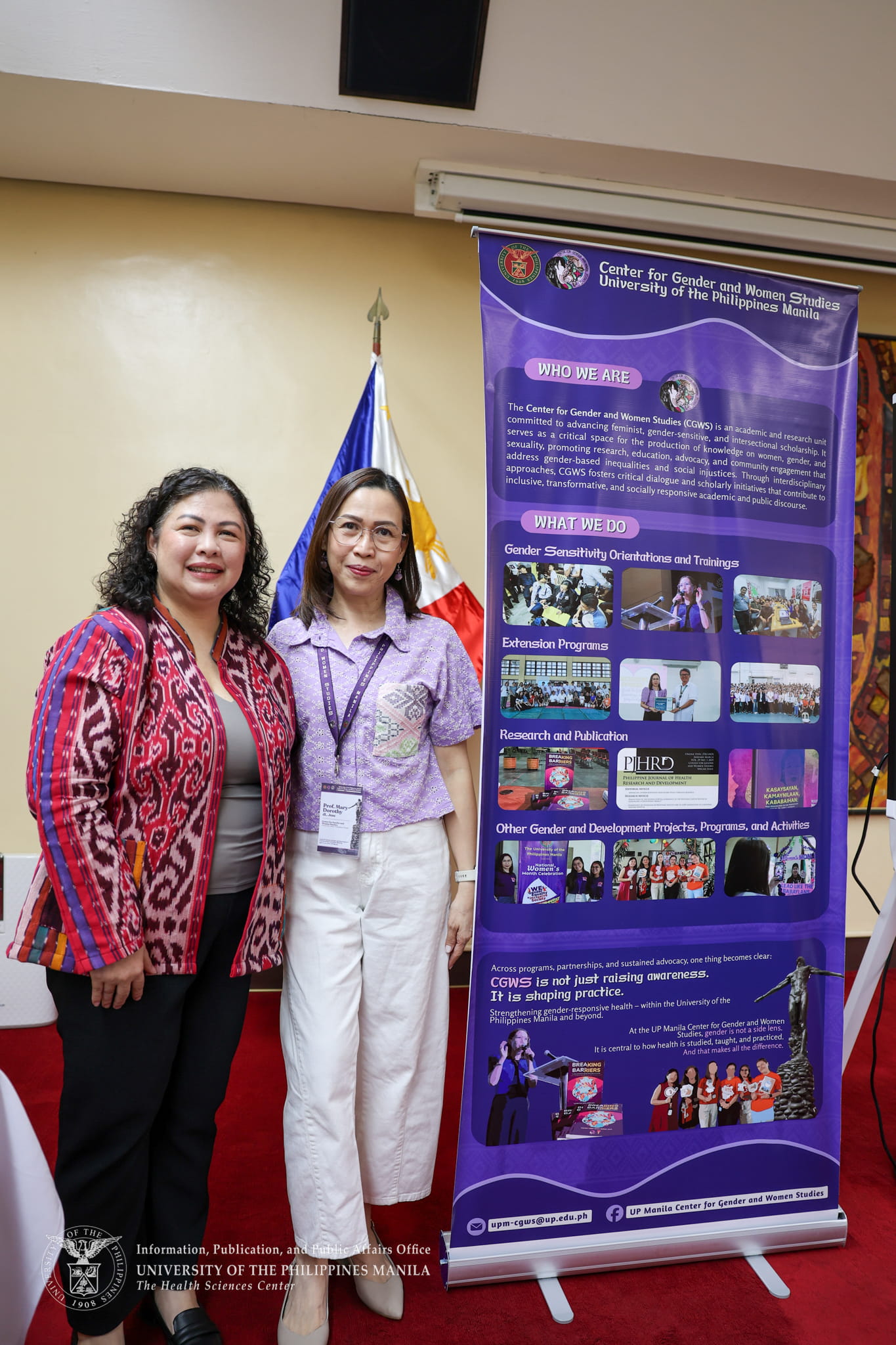
UP Manila Center for Gender and Women Studies Director Prof. Mary Dorothy Jose said the gathering serves as a valuable opportunity for constituent universities to exchange experiences, share best practices, and strengthen collaboration in advancing gender equality and inclusivity throughout the University.
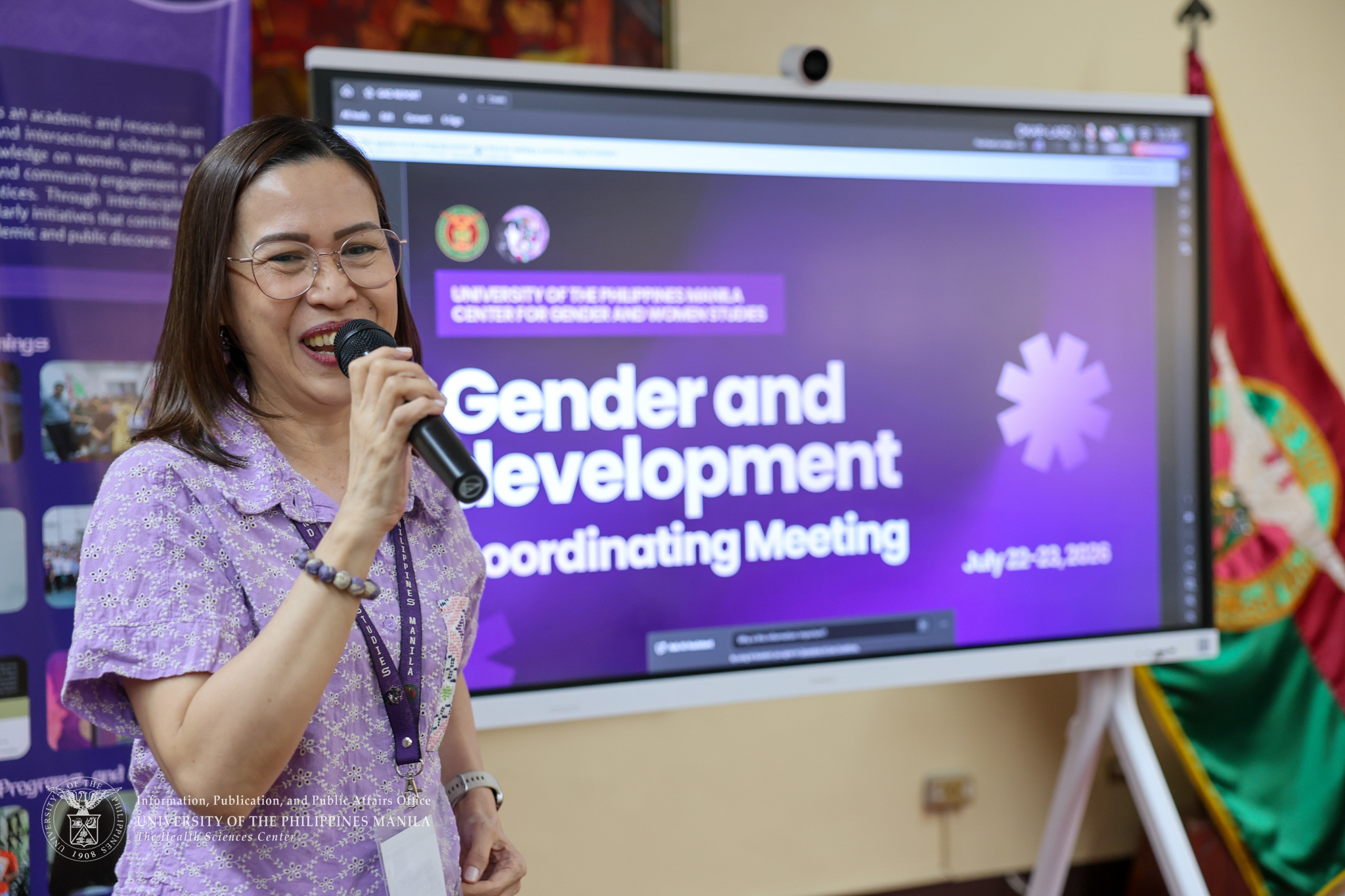
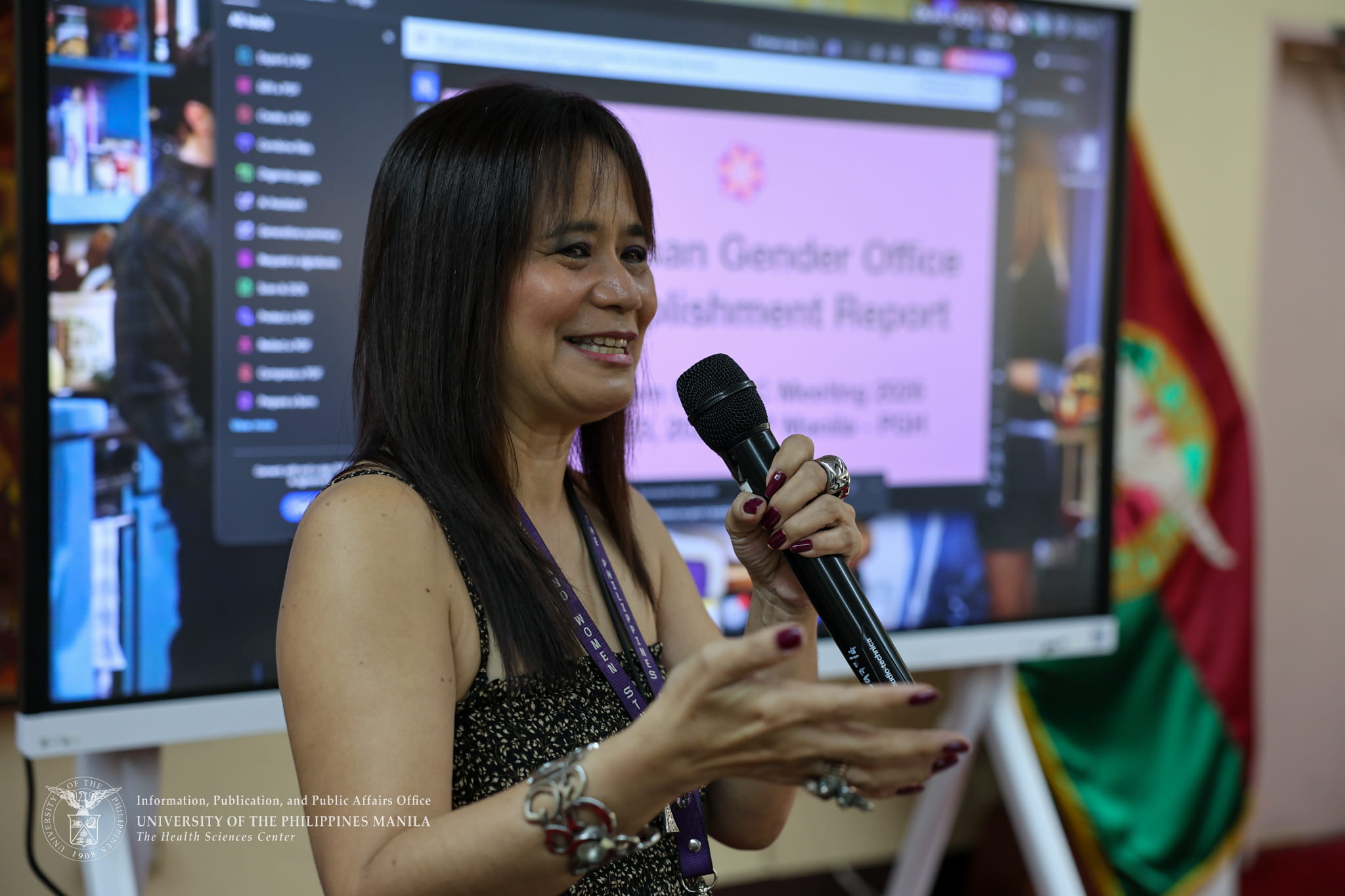
CGWS Director Mary Dorothy Jose of the UP Manila Center for Gender and Women Studies, welcomes delegates to the 2026 UP System Gender and Development Coordinating Committee Meeting.
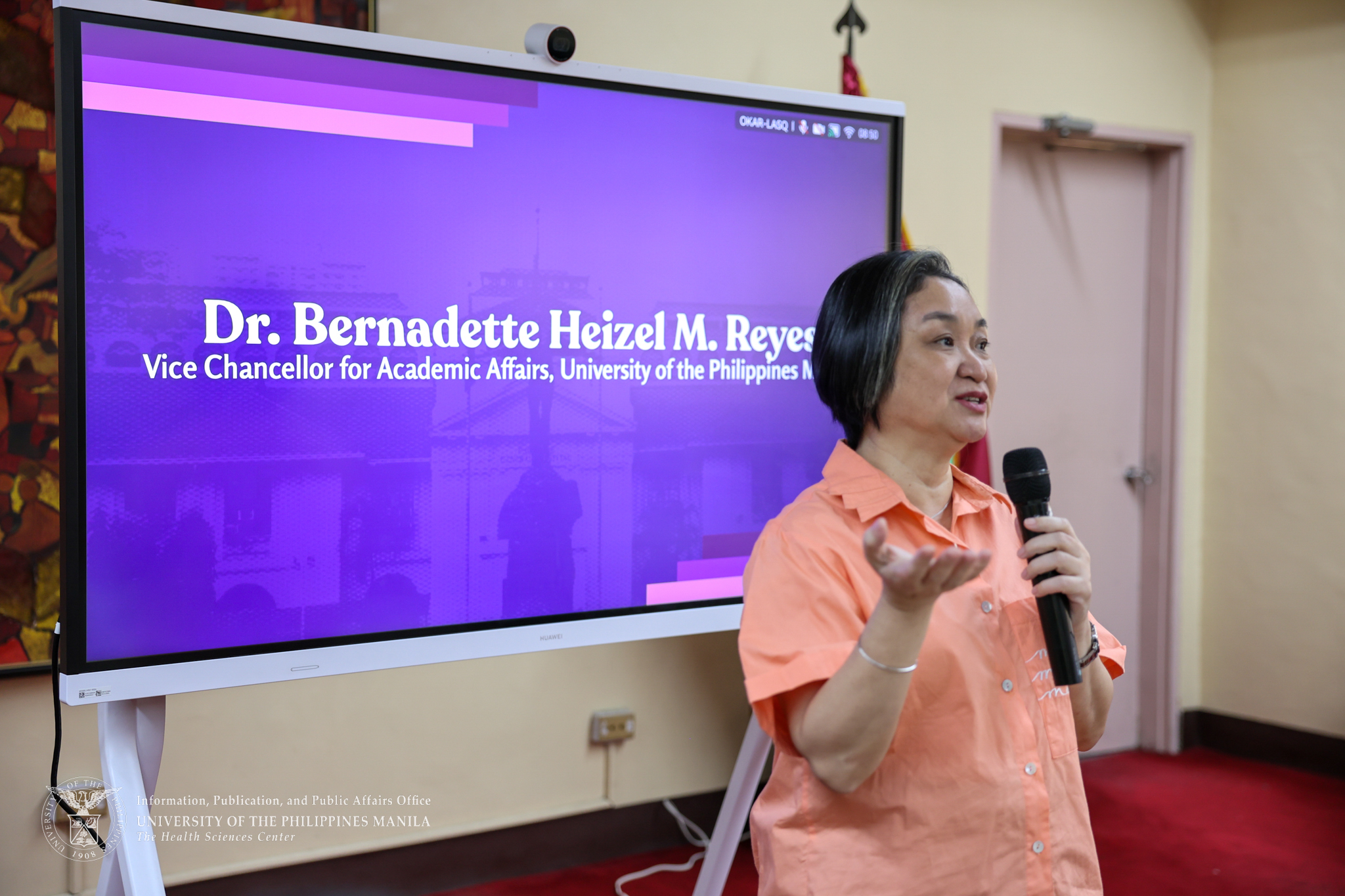
Representing UP Manila, Vice Chancellor for Academic Affairs Bernadette Heizel Reyes reflected on how her experiences studying and working at the University shaped her understanding of women’s leadership. She recalled being mentored by women educators and witnessing women assume leadership roles within the College of Medicine.
While these experiences made gender equality seem attainable within the University, VC Reyes noted that parenthood continues to affect women differently than men, with long-term physical and professional consequences that often go unrecognized. She encouraged participants to maximize the remaining months of the current administration by advancing initiatives that would further institutionalize gender-responsive policies and programs.
Vice Chancellor for Academic Affairs Bernadette Heizel Reyes
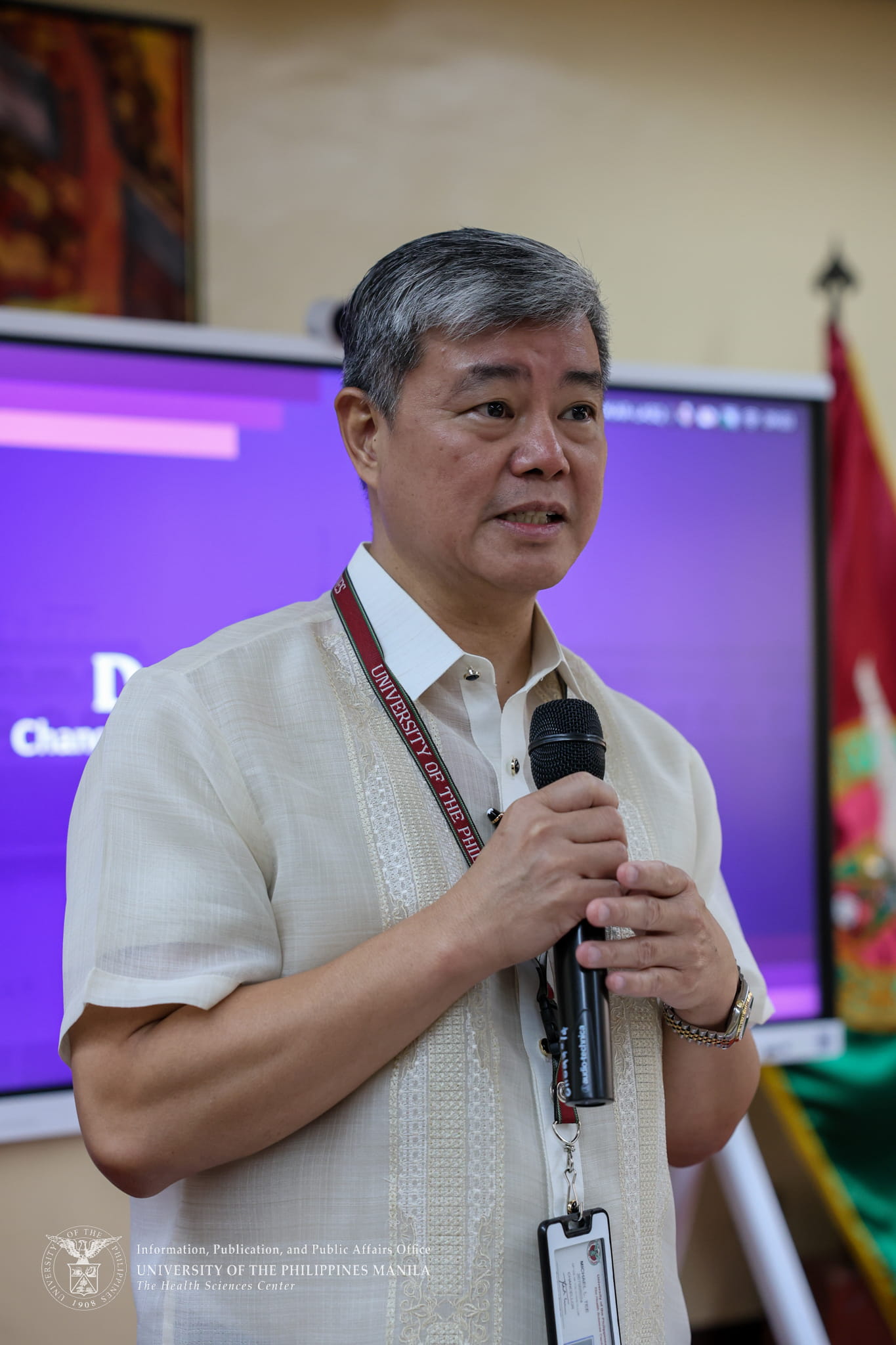
Chancellor Michael Tee reaffirmed the University’s commitment to fostering an inclusive campus environment during his inspirational message. “UP Manila’s commitment is to gender neutrality,” Tee said. “At the same time, we also recognize some ceilings that are unduly experienced by some genders. By working together, I hope we can break the barriers that are historically imposed.”
The first day of the meeting focused on reports from the constituent universities and UP PGH, highlighting initiatives in gender sensitivity training, anti-sexual harassment, and the implementation of the Safe Spaces Act, as well as counseling services, gender-responsive policy development, research, community engagement, and partnerships. Participants also identified common challenges, including staffing, sustainability of GAD programs, institutional support, and reporting requirements, while exchanging practices that could be adopted across campuses.
Workshops followed to consolidate systemwide concerns and formulate action plans, alongside updates from UPCWGS on the submission of the UP System Gender and Development Plan and Budget (GPB), GAD Accomplishment Reports, and Commission on Audit concerns. Delegates also visited the UP Manila Museum of a History of Ideas as part of the program.
The second day featured policy updates on the revised UP Anti-Sexual Harassment and Non-Discrimination Code of 2025 and the revised UP Code on Gender Equality and Non-Discrimination, as well as discussions on the UP System GAD Audit and the “Women and Men of UP” project. Participants also attended seminars showcasing research from UP Manila and UP PGH, including the institutionalization of women’s studies in the UP Manila Area Studies Program, reproductive well-being among women deprived of liberty, and gender-affirming medical transitioning.
The committee convenes twice a year to discuss accomplishments, future plans, and campus- and system-level issues while providing opportunities for capacity building among GAD practitioners. This year’s meeting also marked the first time that UP Manila hosted the event.
With this event, UP has highlighted its commitment to advancing gender-responsive governance and fostering collaboration among the constituent GAD offices, reinforcing the University’s role in promoting safe, inclusive, and equitable learning and working environments. The gathering supports the implementation of the Magna Carta of Women by evaluating gender mainstreaming efforts across the University and identifying strategies to strengthen institutional practices and support systems. It also contributes to the University’s efforts toward achieving the Sustainable Development Goals, particularly SDG 5 (Gender Equality), through coordinated teaching, research, extension, and public service initiatives.