


Text by Charmaine A. Lingdas
Photos by Jericho Paolo L. Mabansag
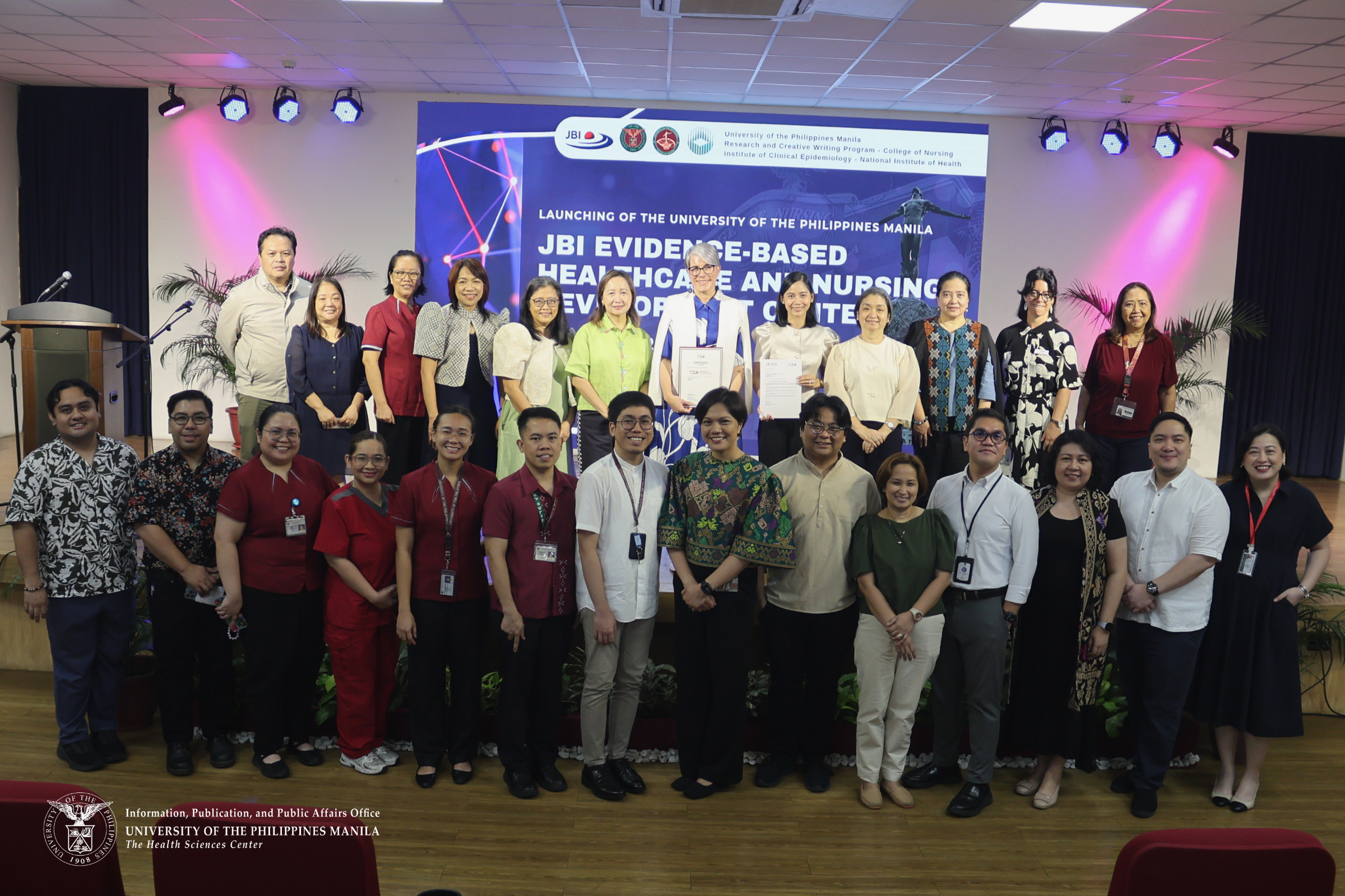
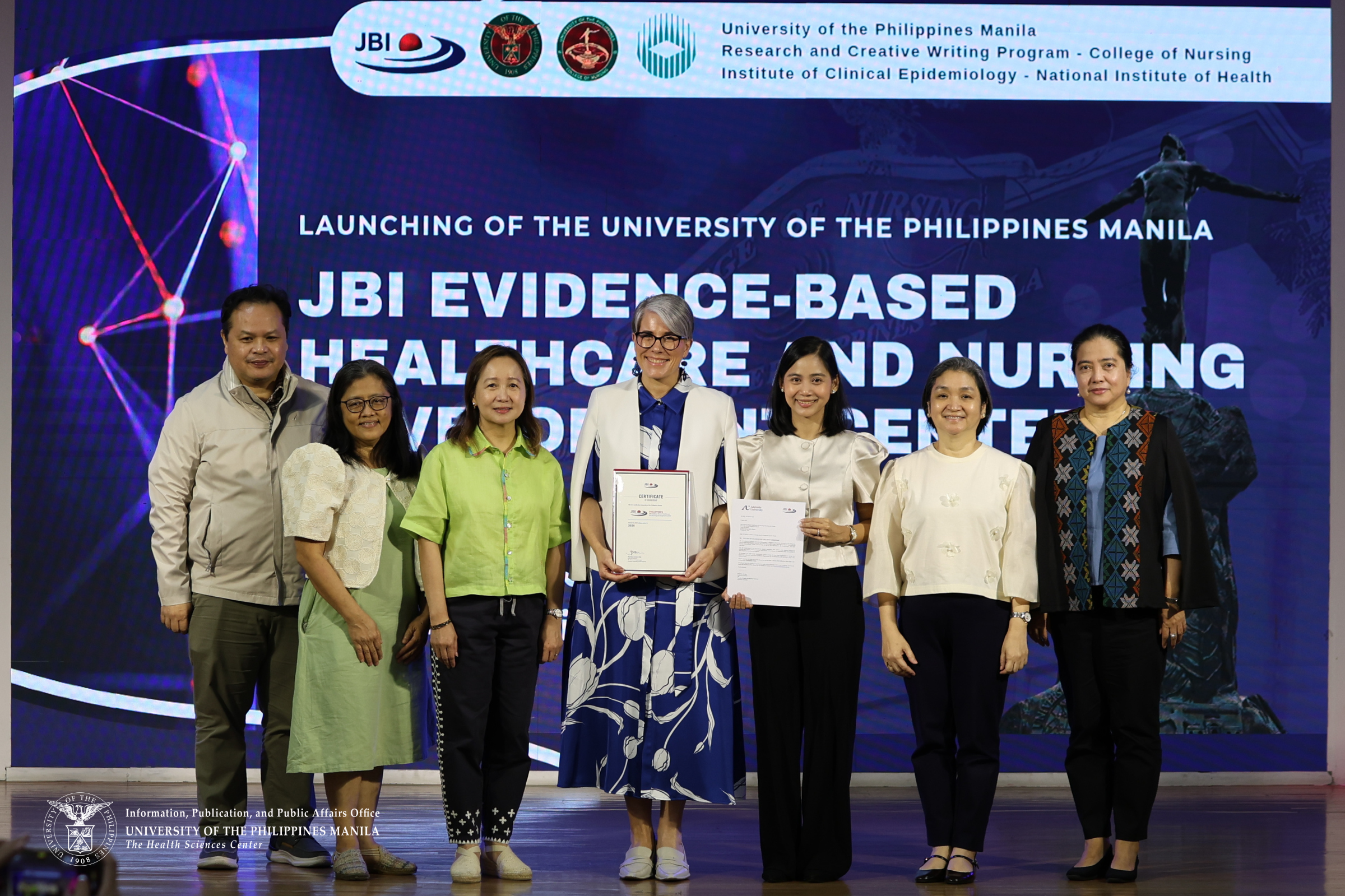
The University of the Philippines Manila formally launched the Joanna Briggs Institute (JBI) Evidence-Based Healthcare and Nursing Development Center on Sept. 7, 2026, at the UP College of Nursing (UPCN) Auditorium.
Jointly led by the College of Nursing and the NIH Institute of Clinical Epidemiology (ICE), UP Manila’s membership in the JBI Collaboration Entity was conferred on April 7, 2026, and is expected to strengthen UP Manila’s role in systematic reviews, capacity-building, and the translation of scientific evidence into clinical practice and health policy. The Philippine General Hospital (PGH) will serve as a key clinical setting for applying these evidence-based approaches, supporting the integration of research findings into patient care and healthcare delivery.
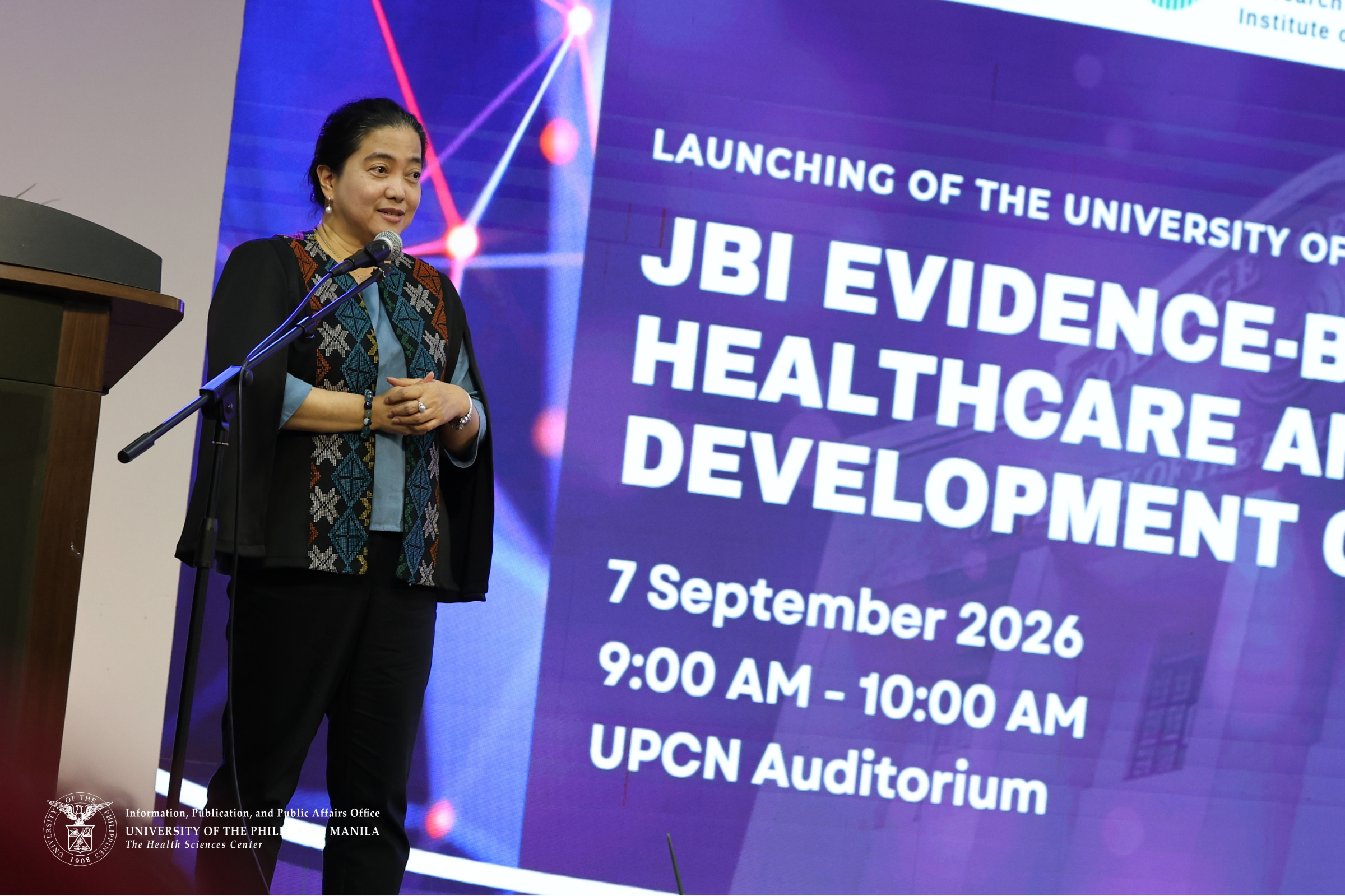
“This center represents an important step in advancing the mission of UP Manila as the country’s health science university. It represents our belief that evidence must move from research to synthesis, from synthesis to translation, from translation to policy, and from policy to practice. And of course, from practice to better health outcomes for Filipino people,” Vice Chancellor for Academic Affairs Heizel Bernadette Reyes said. “Through JBI and our international partnerships, UP Manila has the opportunity to contribute Philippine evidence to global evidence synthesis and bring international evidence home and contextualize it, not just for our healthcare system, but for our societal system.”

Evidence-based healthcare
Evidence-based healthcare.
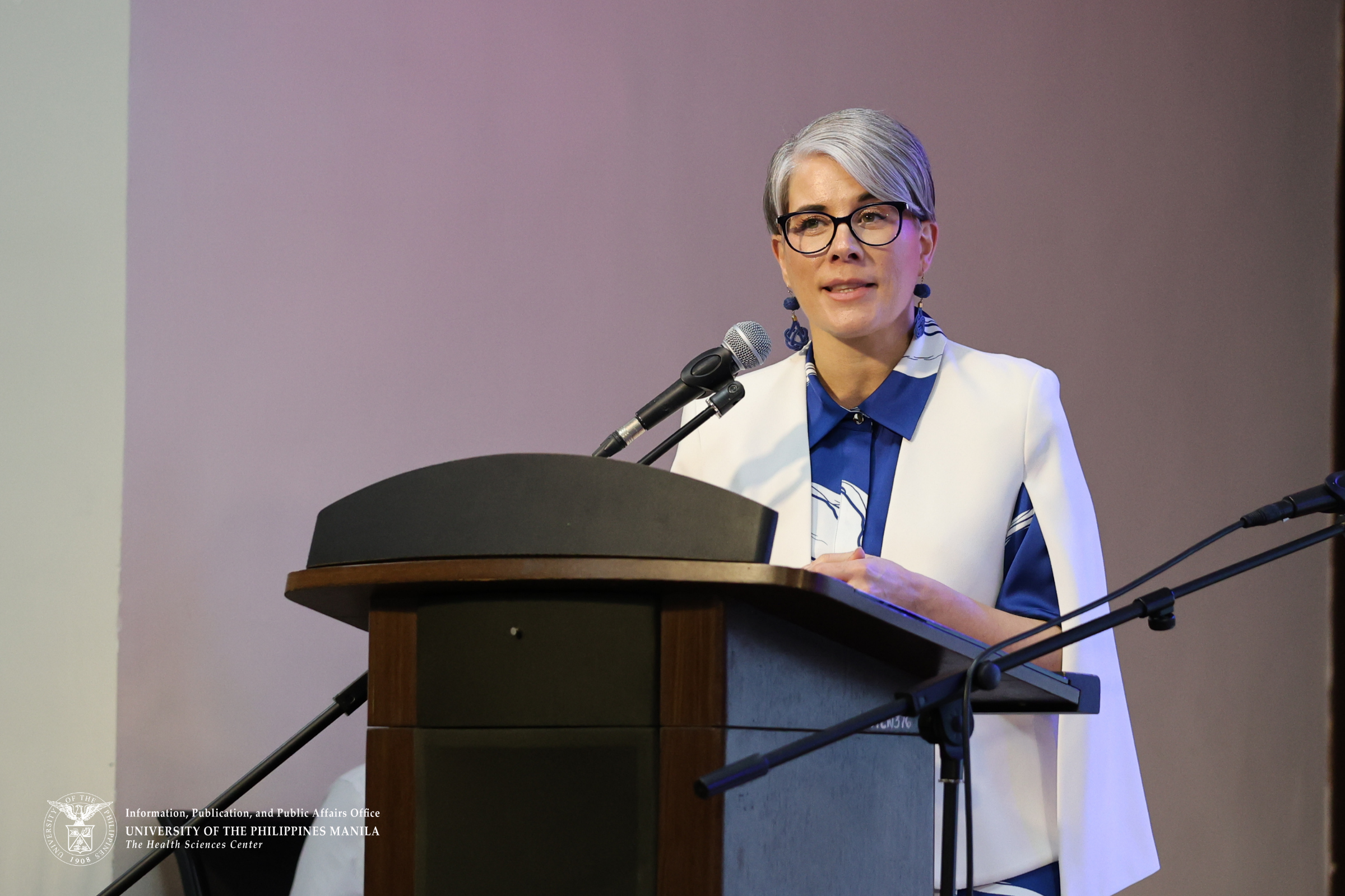
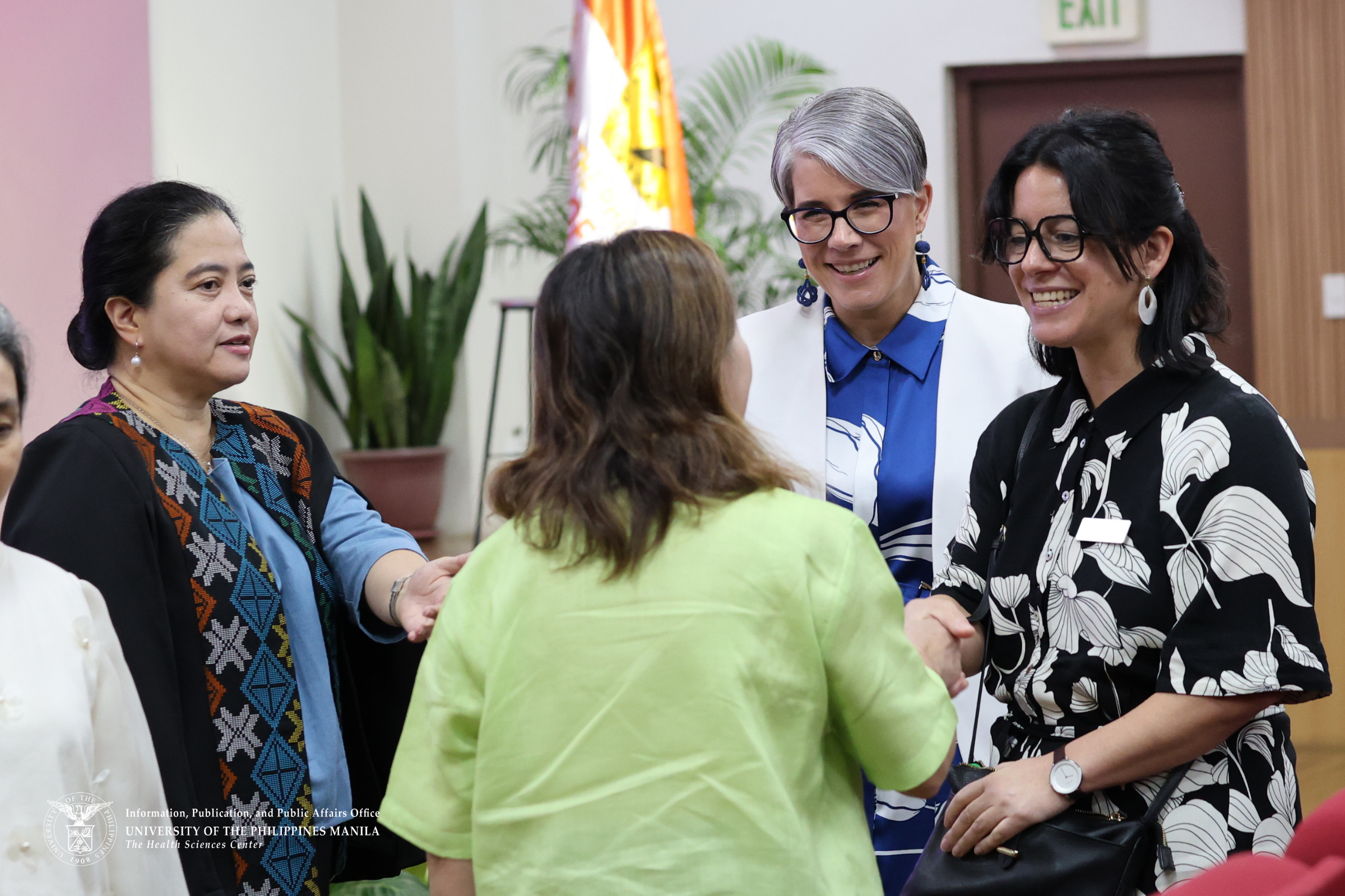
JBI Director of Global RelationsBianca Pilla formally welcomed UP Manila into the JBI Collaboration, highlighting the organization’s mission and the role of its collaborating entities in advancing evidence-based healthcare.
Founded in 1996 to provide better evidence for clinical decision-making and improve health outcomes, the organization initially focused on evidence-based nursing. It has since grown into a multidisciplinary organization supporting evidence-based healthcare across different fields. Despite this expansion, JBI remains committed to promoting and supporting evidence-based healthcare globally.
Dir. Pilla “JBI’s model differs from other models in that we are really focused on what not only is effective, but what is feasible, appropriate, and meaningful in different contexts,” she said.
Dir. Pilla also highlighted JBI’s global collaborative evidence network, which brings together more than 90 universities, hospitals, nongovernment organizations, associations, and research centers worldwide. Through this network, JBI works to ensure that the evidence it generates and implements is culturally inclusive and relevant to the diverse healthcare contexts internationally. UP Manila joins this international network as the JBI Evidence-Based Healthcare and Nursing Development Center.
“Our shared vision is simple: global evidence informing Filipino practice and Filipino evidence shaping global knowledge,” she said.
From evidence to action
UPCN Dean Sheila Bonito described the initiative as an important development for the College as it advances evidence-based nursing and supports the development of advanced practice nursing in the Philippines.
She noted that the College has been working to strengthen access to evidence that can support research, practice, and policy. The partnership could help strengthen not only the production of research but also its use in practice and policy, especially in UPCN’s Master of Science in Nursing program, which requires evidence to support efforts to advance nursing practice in the country.
“Our problem has always been access to databases, to the current studies where we should be basing our interventions. WeW hope that through this partnership, you have access now, not only to the databases, but also to the platform. It will also make us productive in the utilization of research and translating them into practice and policy,” she said, adding that Building a culture of evidence-based practice
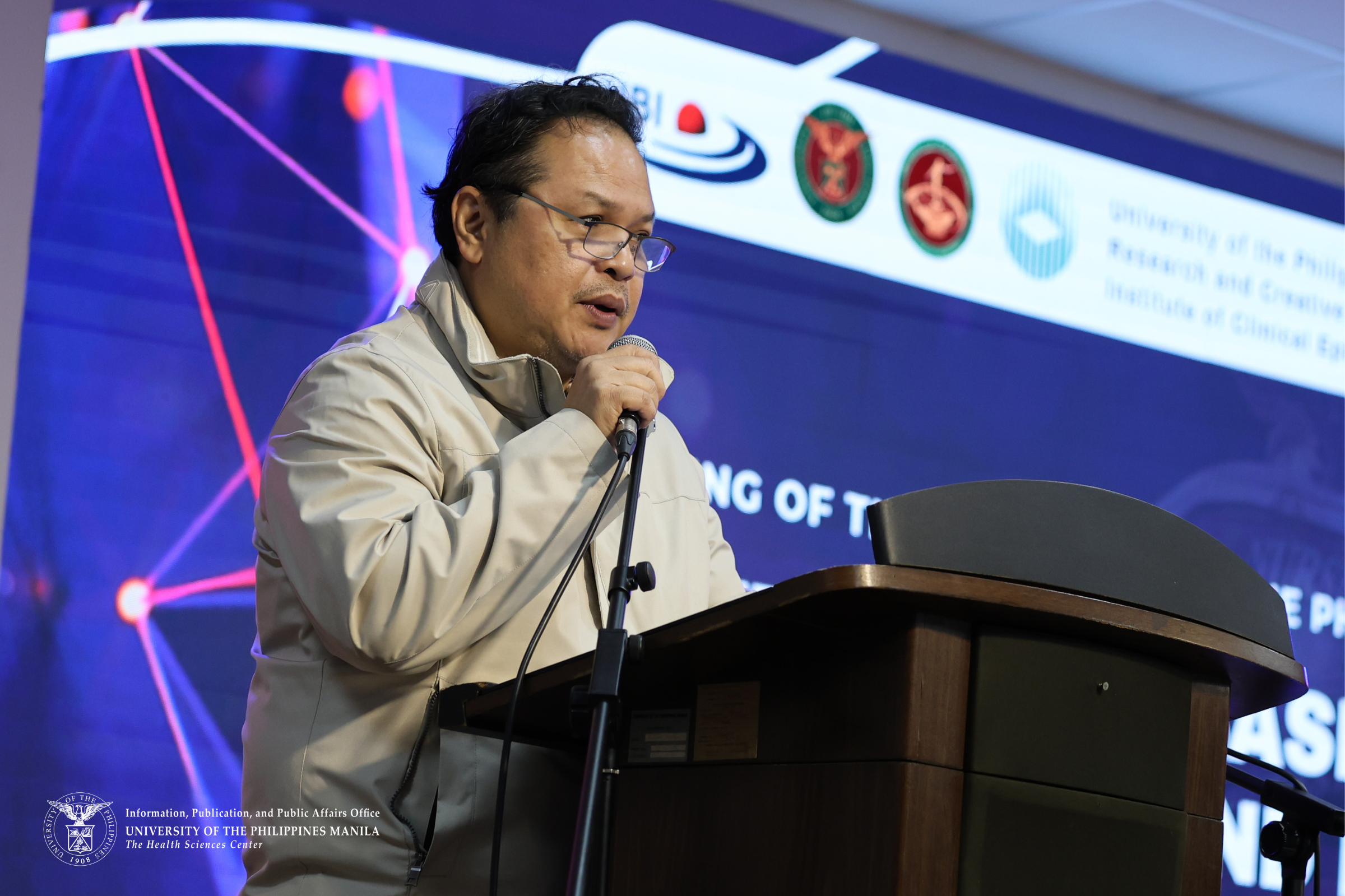
Representing NIH Executive Director Dr. Marissa M. Alejandria, Dr. Emmanuel Estrella highlighted the complementary strengths of UPCN and the NIH Institute of Clinical Epidemiology in advancing evidence-based healthcare.
“The Institute of Clinical Epidemiology of the NIH has long been at the forefront of this work, transforming complex data to actionable national policy through rigorous evidence synthesis and some clinical practice guidelines, in close partnerships with government agencies and professional societies,” Estrella said.
“The College of Nursing brings something ICE cannot provide. Proximity to patients, communities,” he said. “Bringing these strengths together under the JPI framework is as strategic as it is visionary,” he emphasized. , he added.
Estrella also stressed that the Center’s success would ultimately be measured by its ability to produce meaningful evidence and ensure that it reaches decision-makers, health systems, communities, and the policies it is intended to inform.
The launch also marked the beginning of the Center’s inaugural initiatives, including the two-day policy roundtable “Bridging Evidence and Policy for Health: Translating Research into National and Regional Health Action,” scheduled for Sept. 8–9, 2026.
The roundtable discussions aim to address gaps in translating research into policy in the Philippines and across the Western Pacific region.


#FP1 #DiscoveryandResearch
READ MORE: