

Text by Charmaine A. Lingdas
Photos by Jericho Paolo L. Mabansag

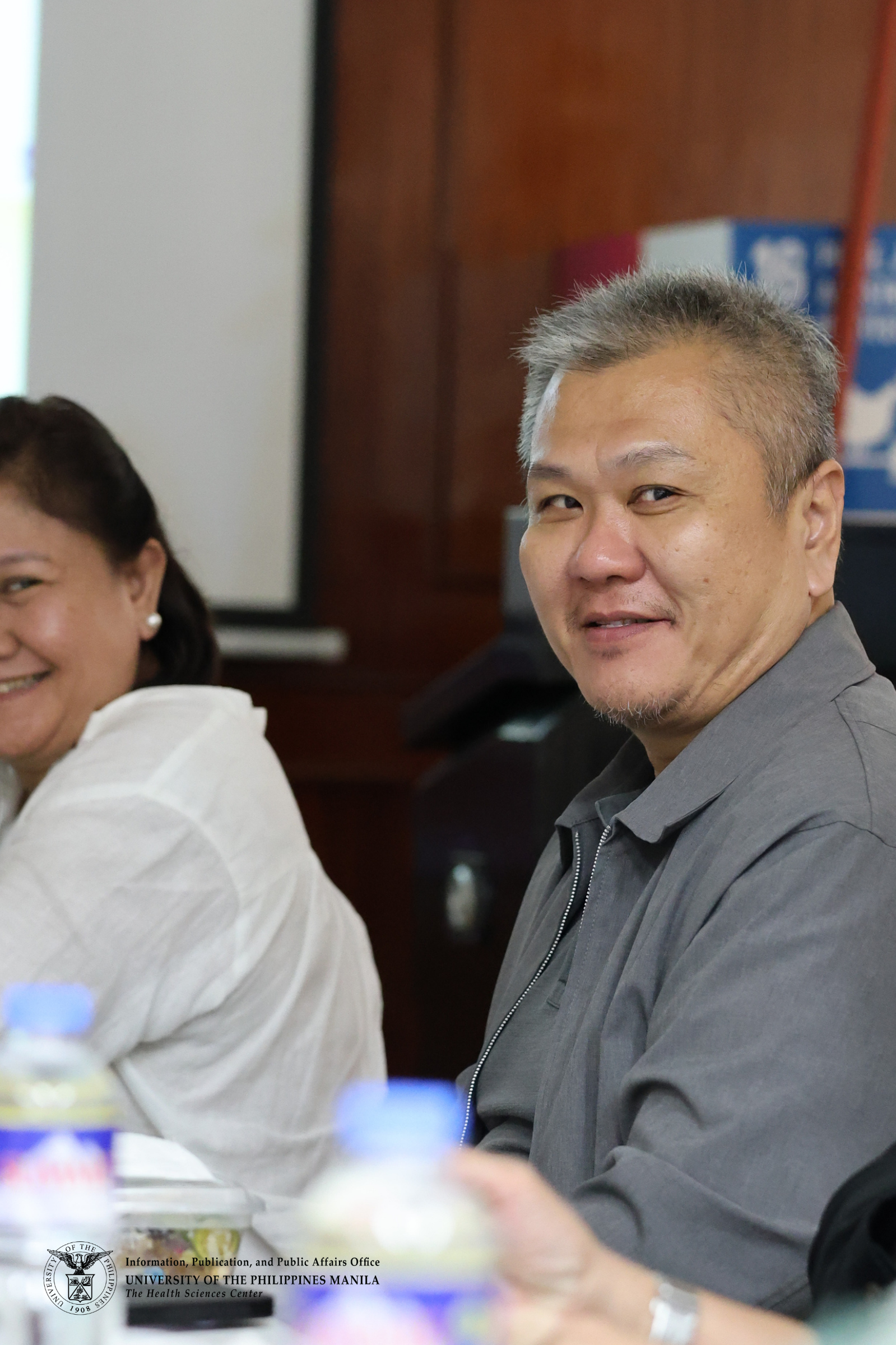
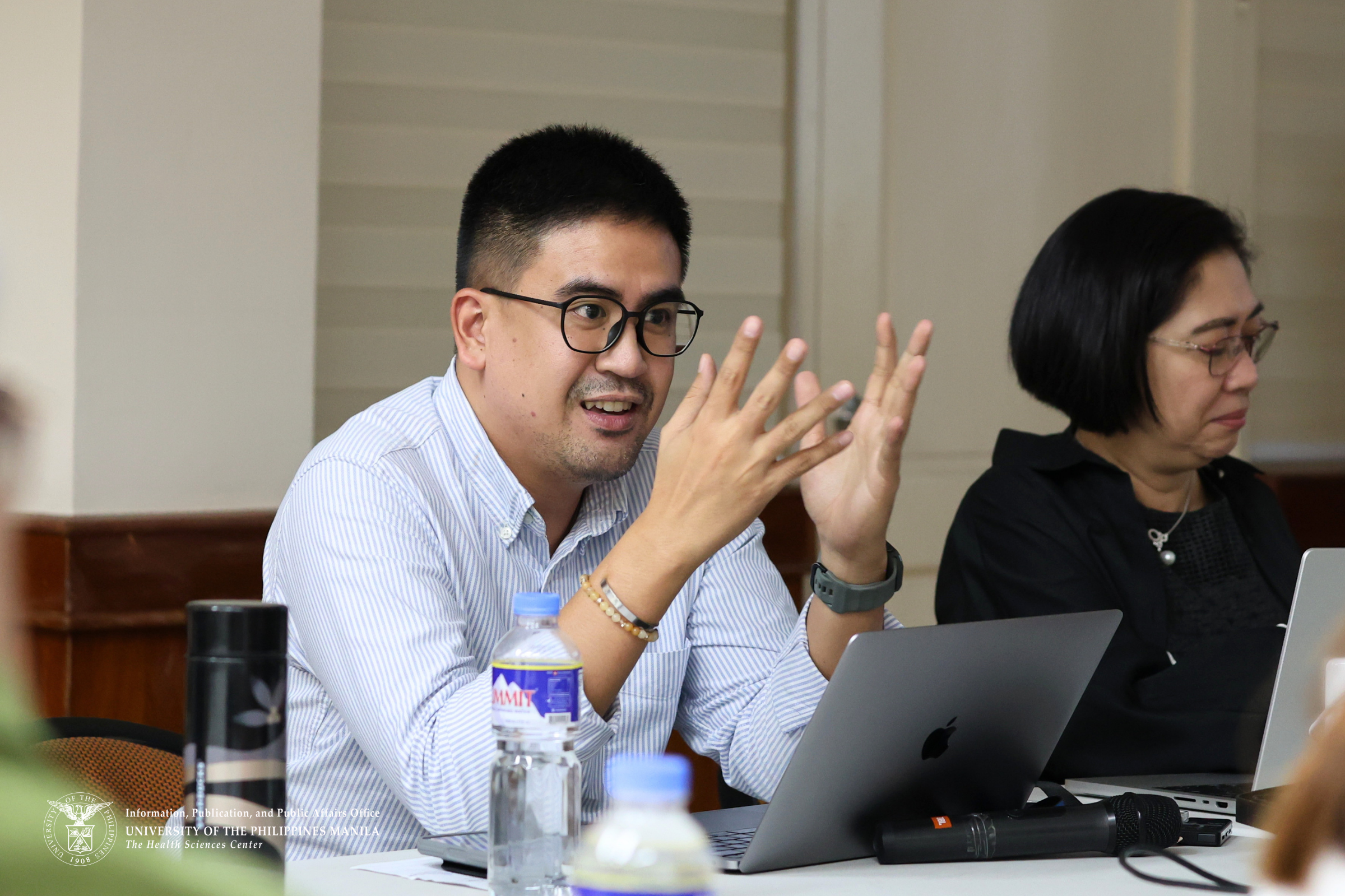
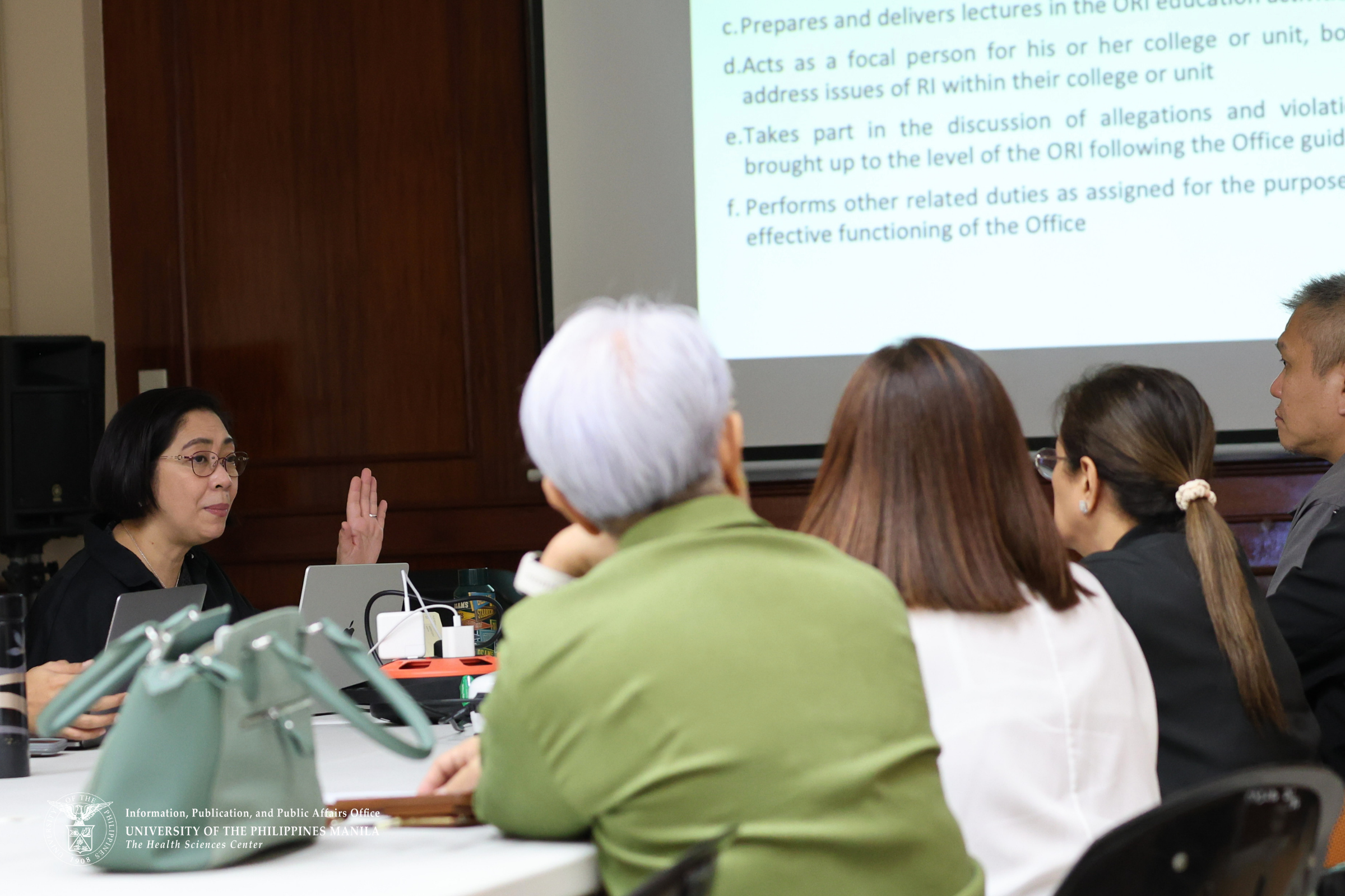
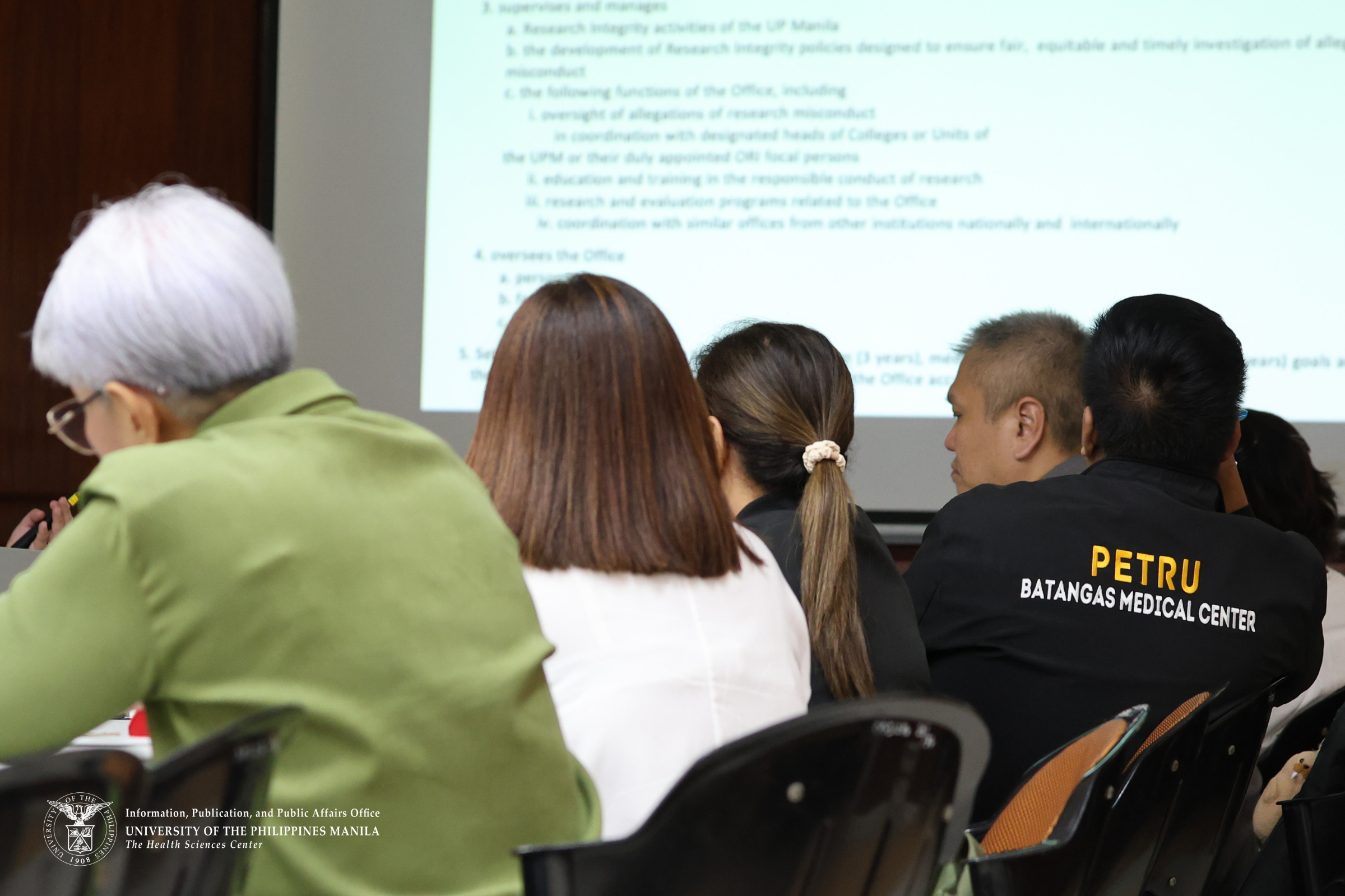
The University of the Philippines (UP) Manila welcomed representatives from Batangas Medical Center (BMC) for a benchmarking visit to the Office of Research Integrity (ORI), showcasing the university’s initiatives in promoting responsible conduct of research and strengthening institutional research governance.
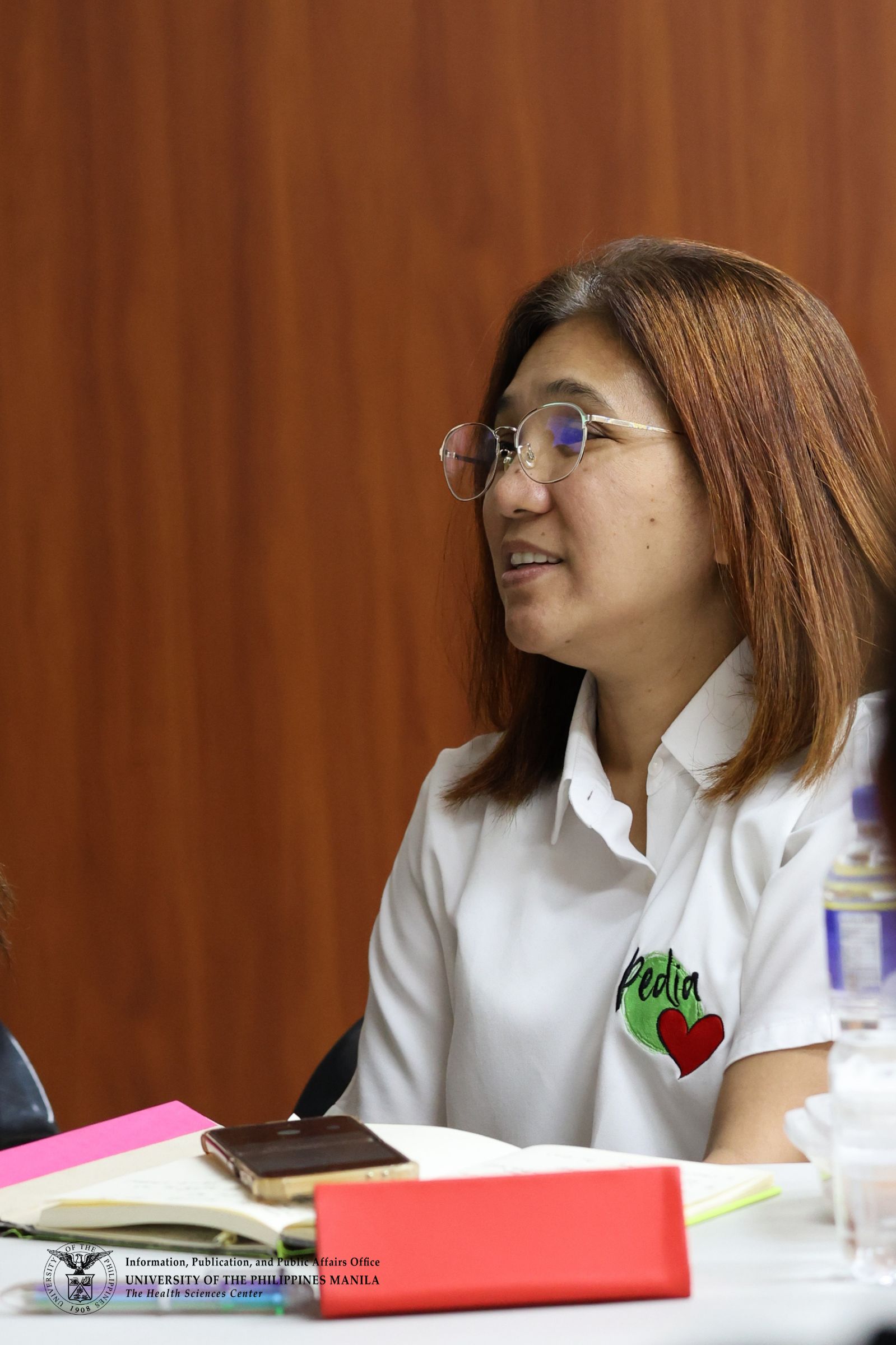
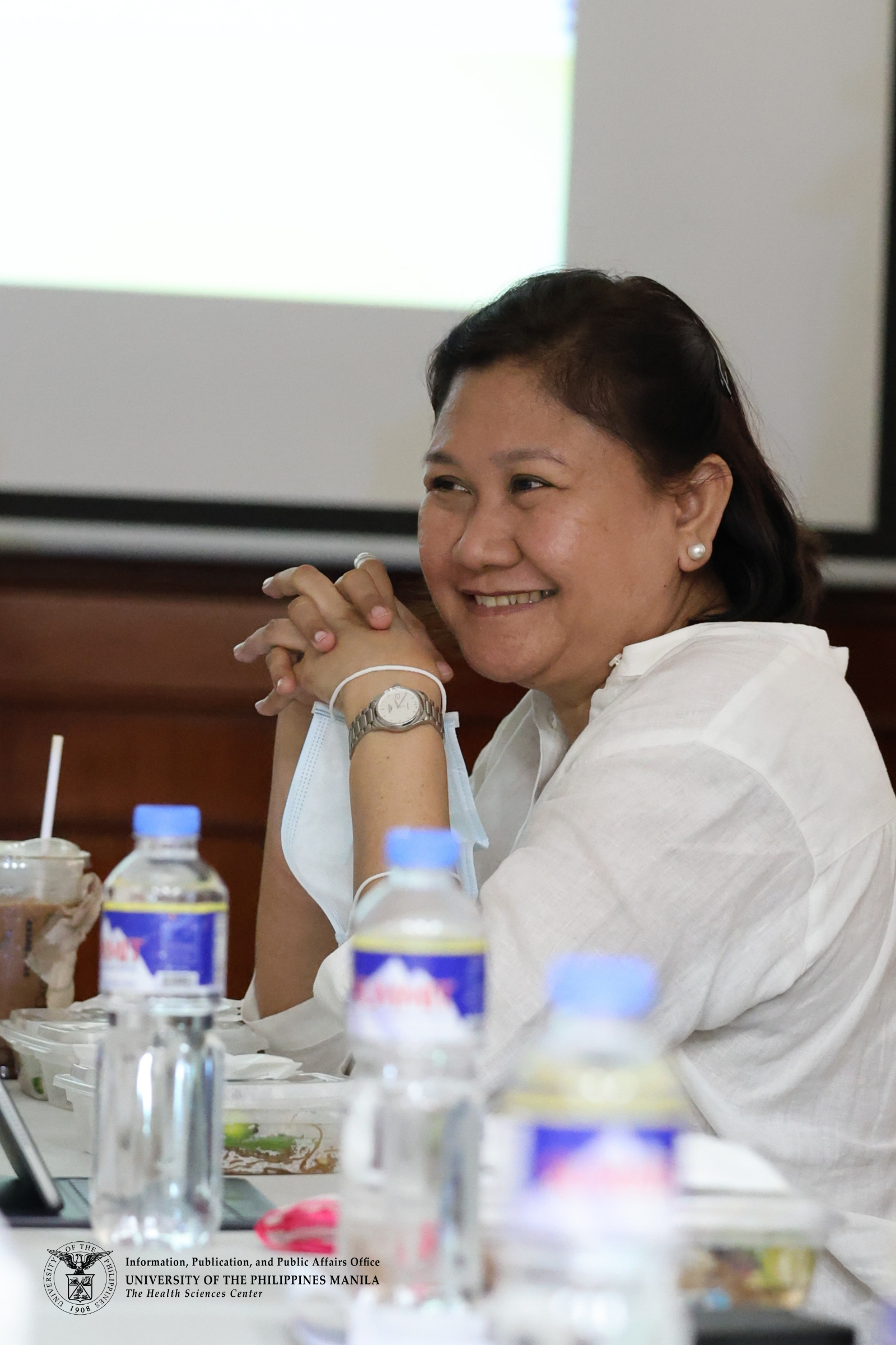
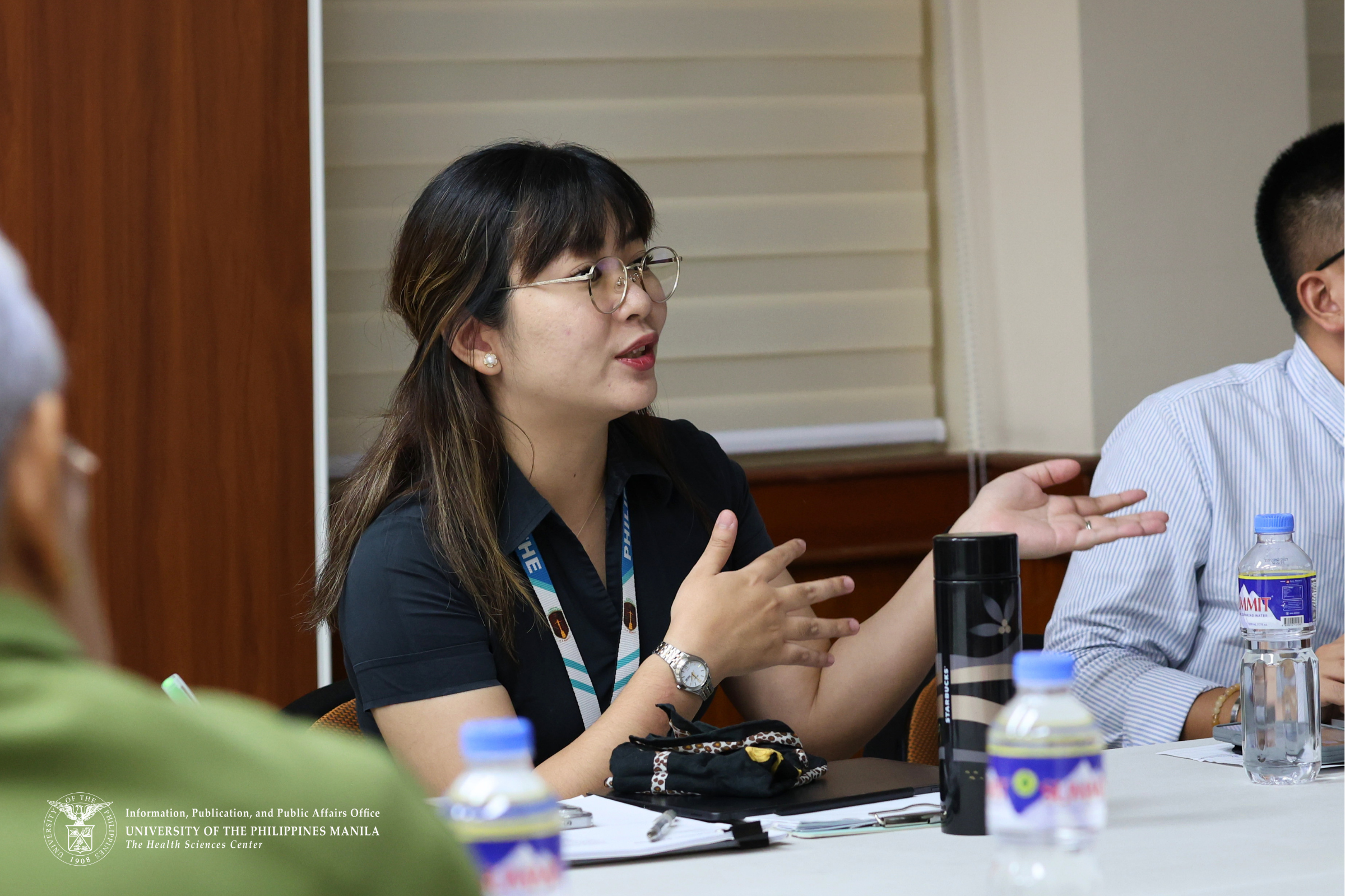
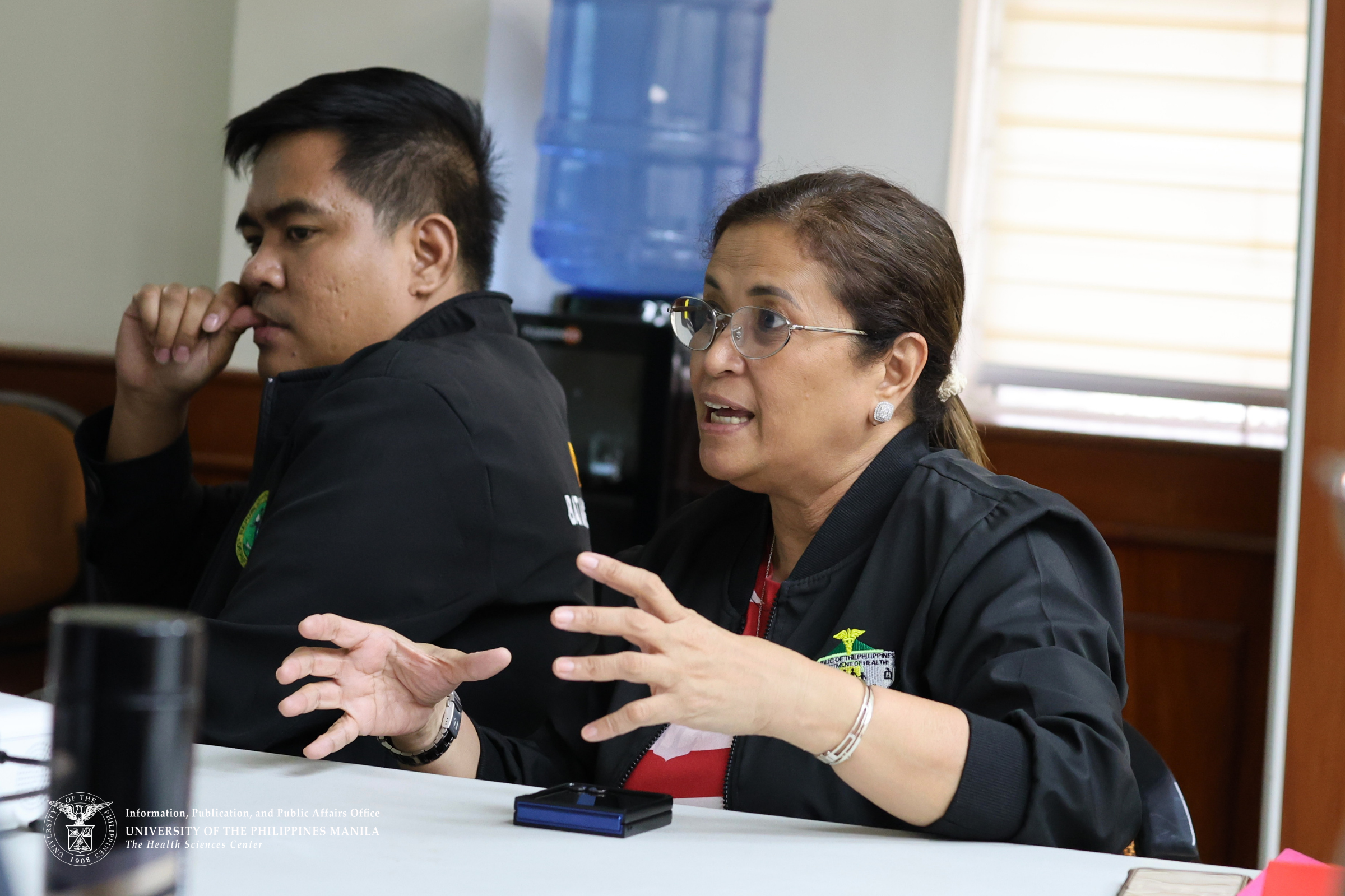
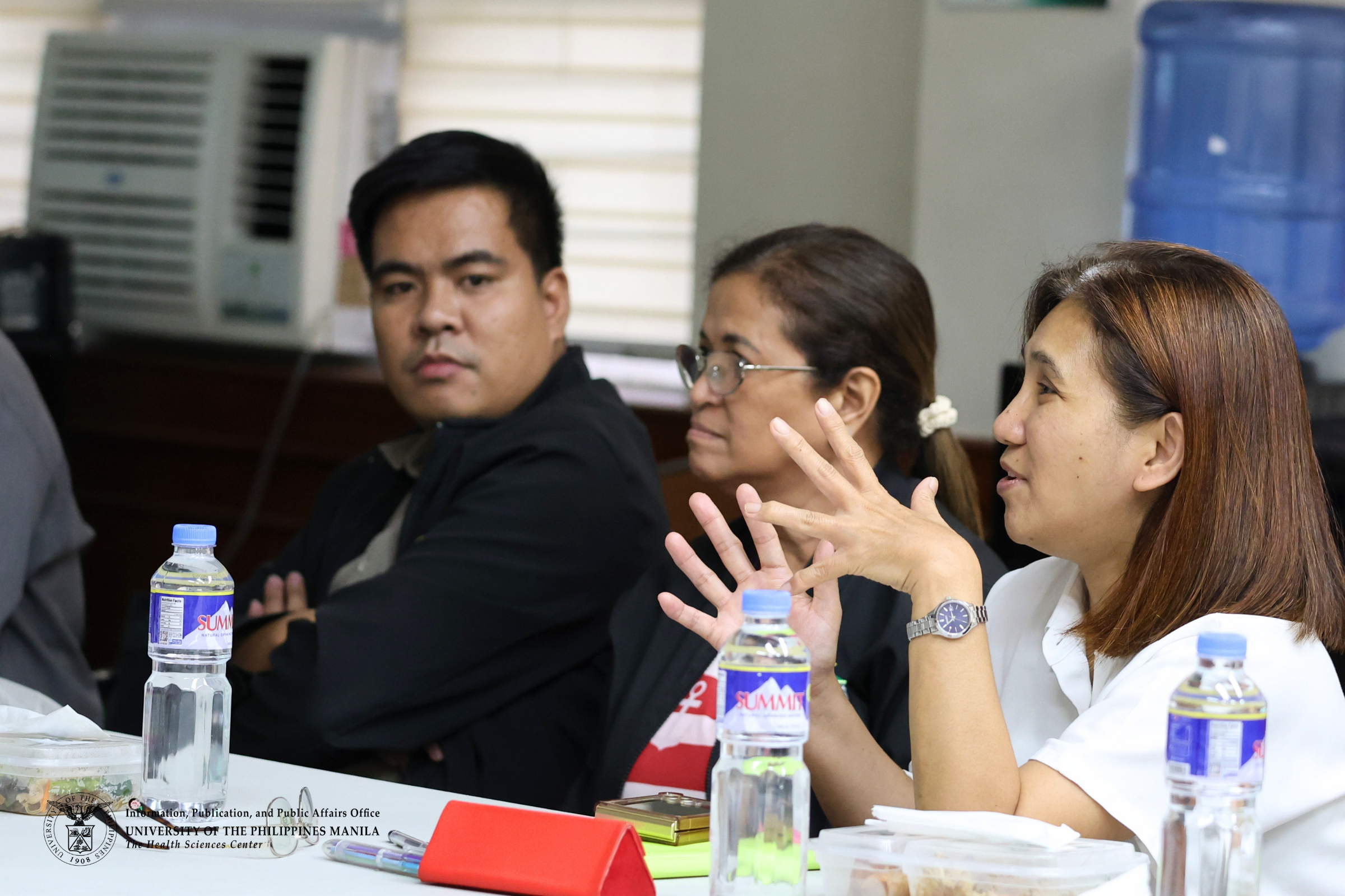
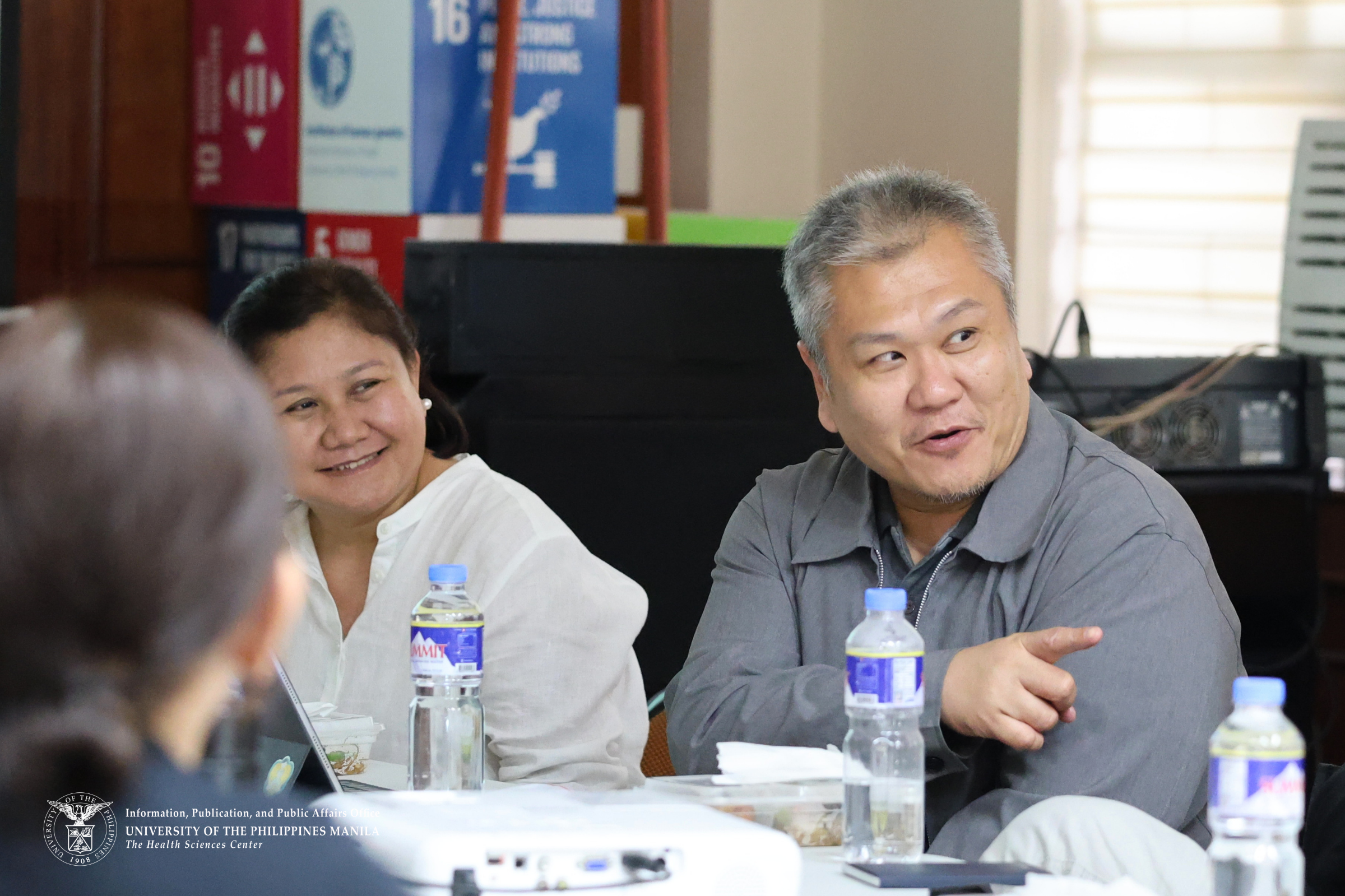
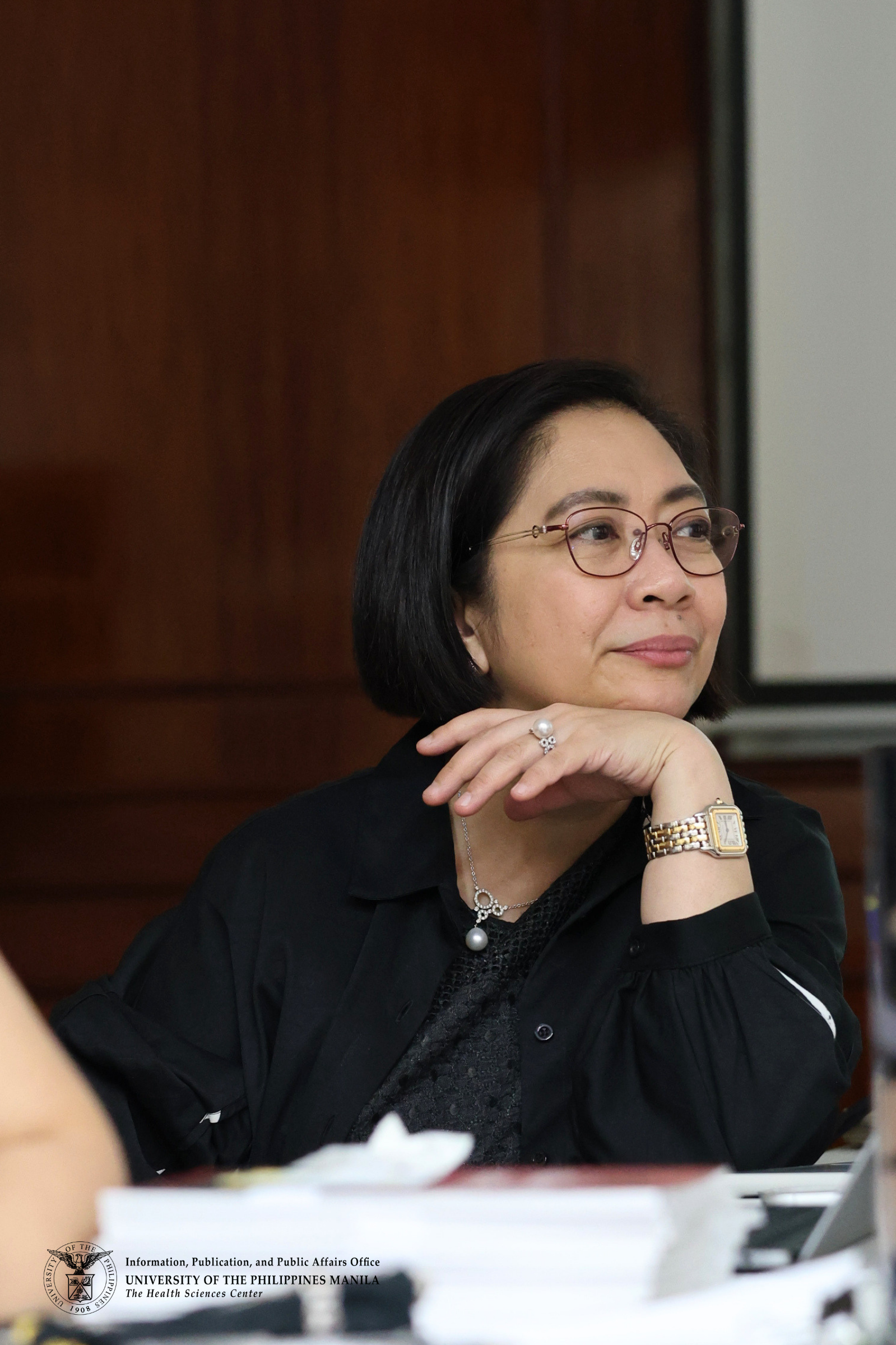
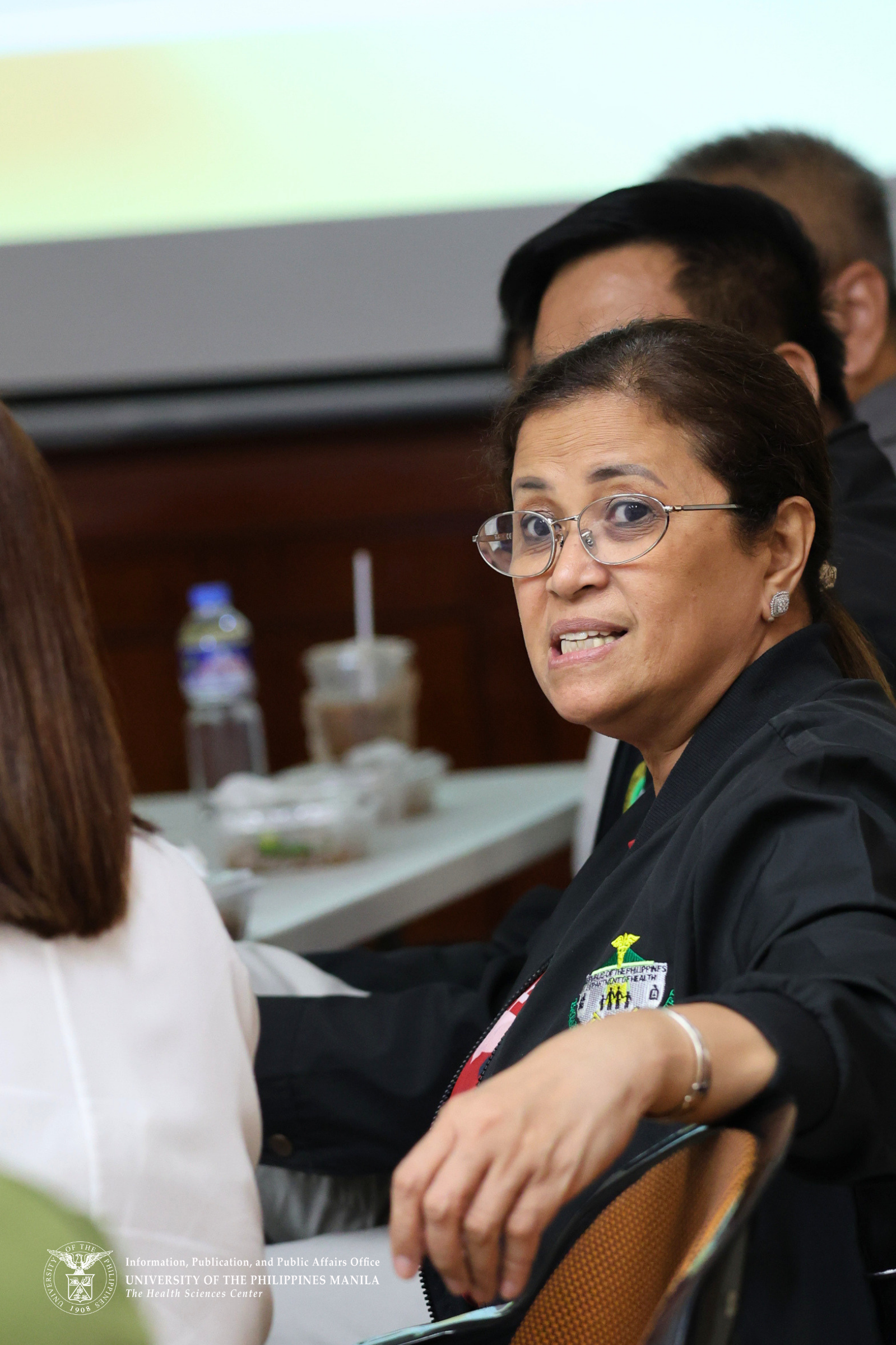
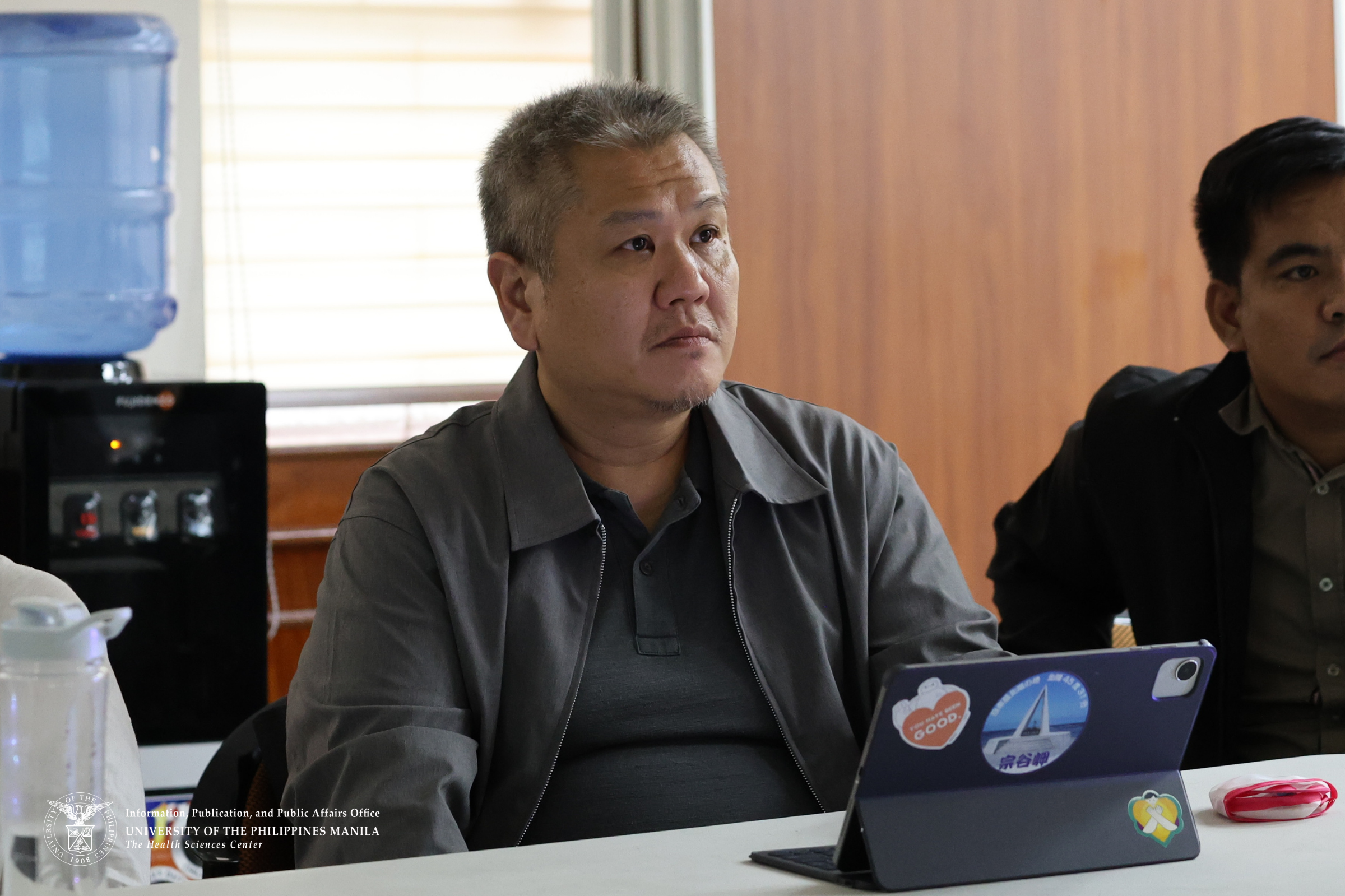
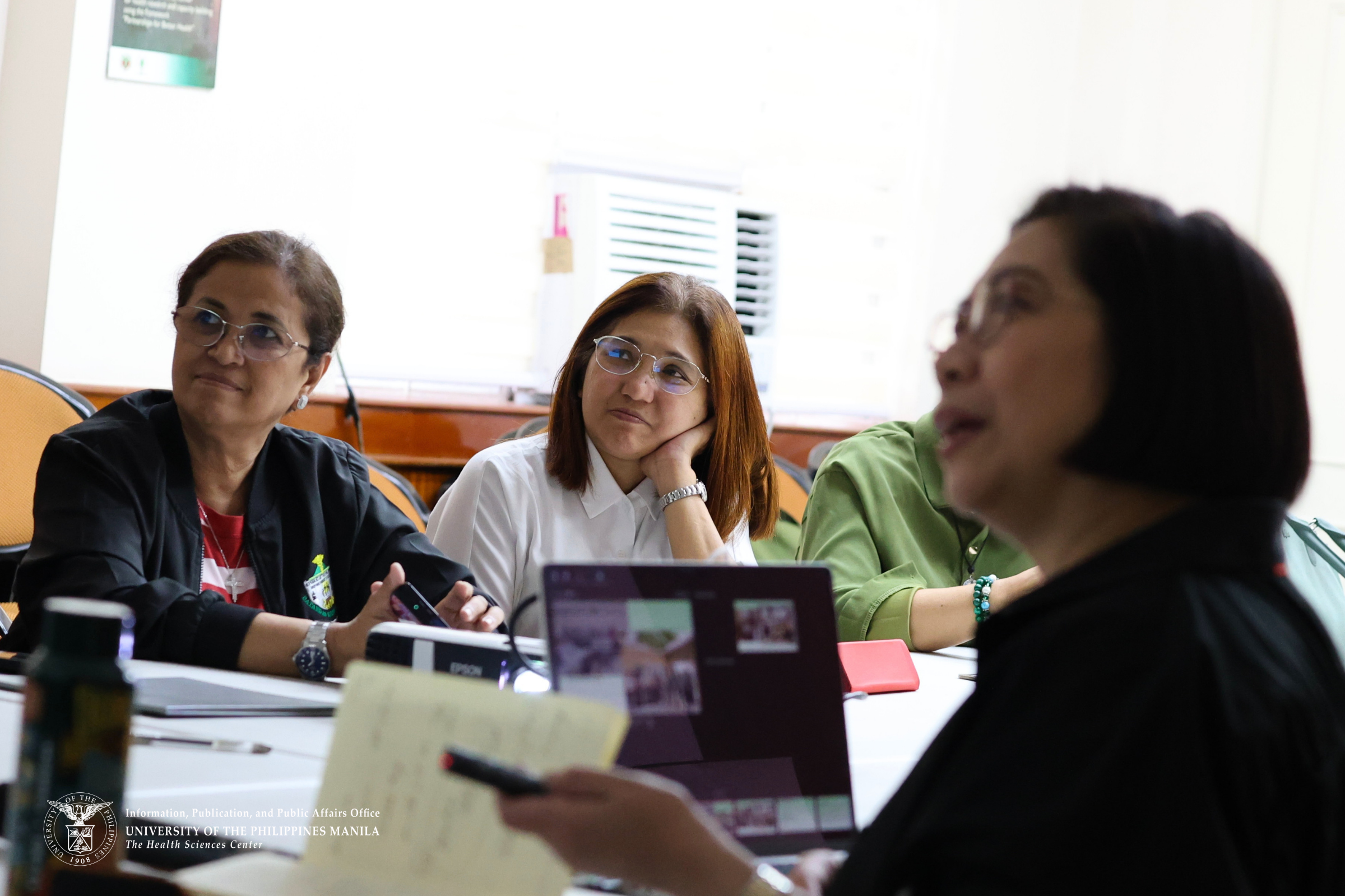
Held at the National Institutes of Health (NIH) Conference Room on July 9, 2026, the activity brought together members of the BMC Research Integrity Committee (RIC), who sought to learn from UP Manila’s experience in establishing and institutionalizing a research integrity office. Discussions covered research integrity education, governance, policy development, research misconduct, and international collaboration.
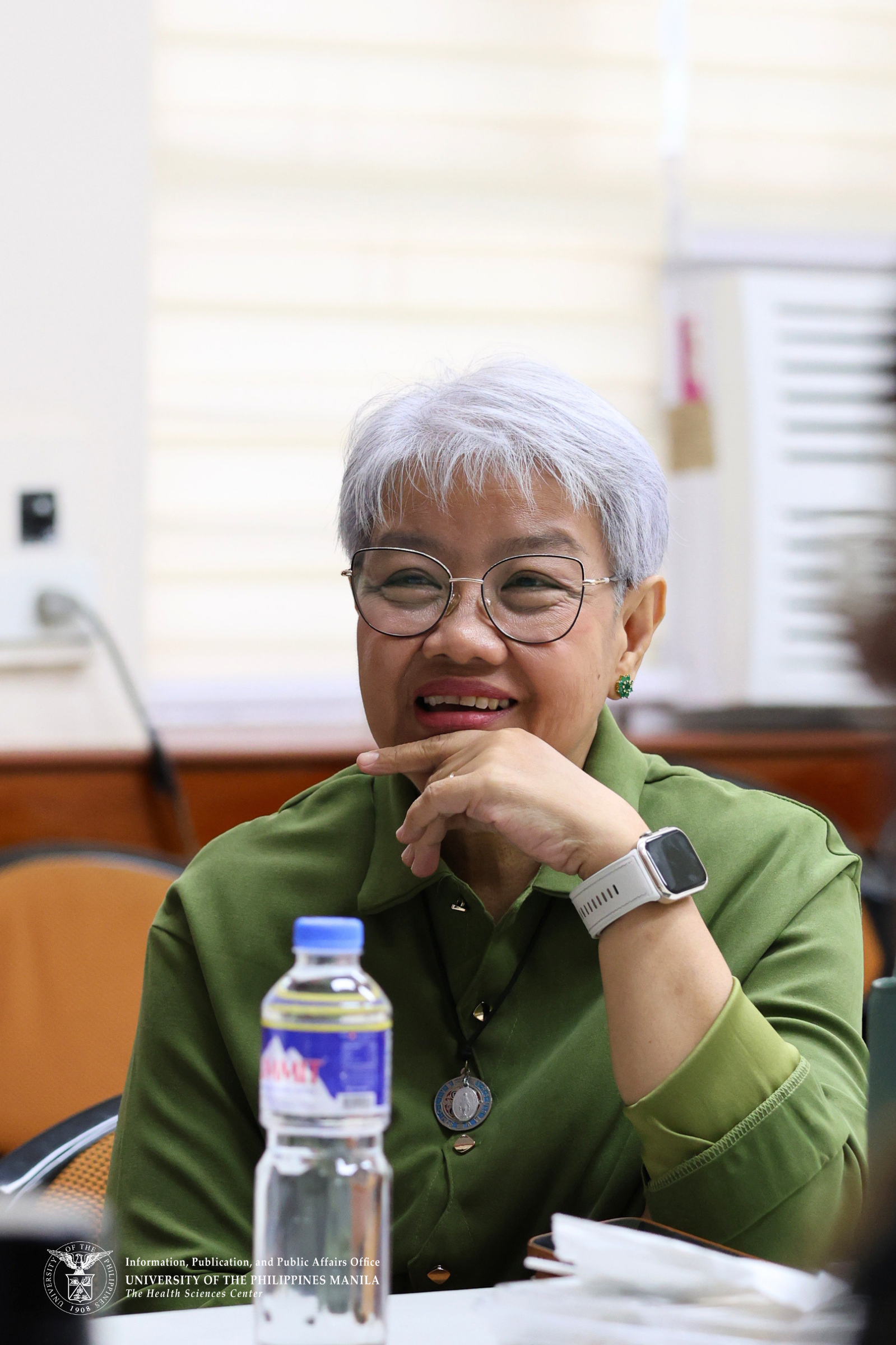
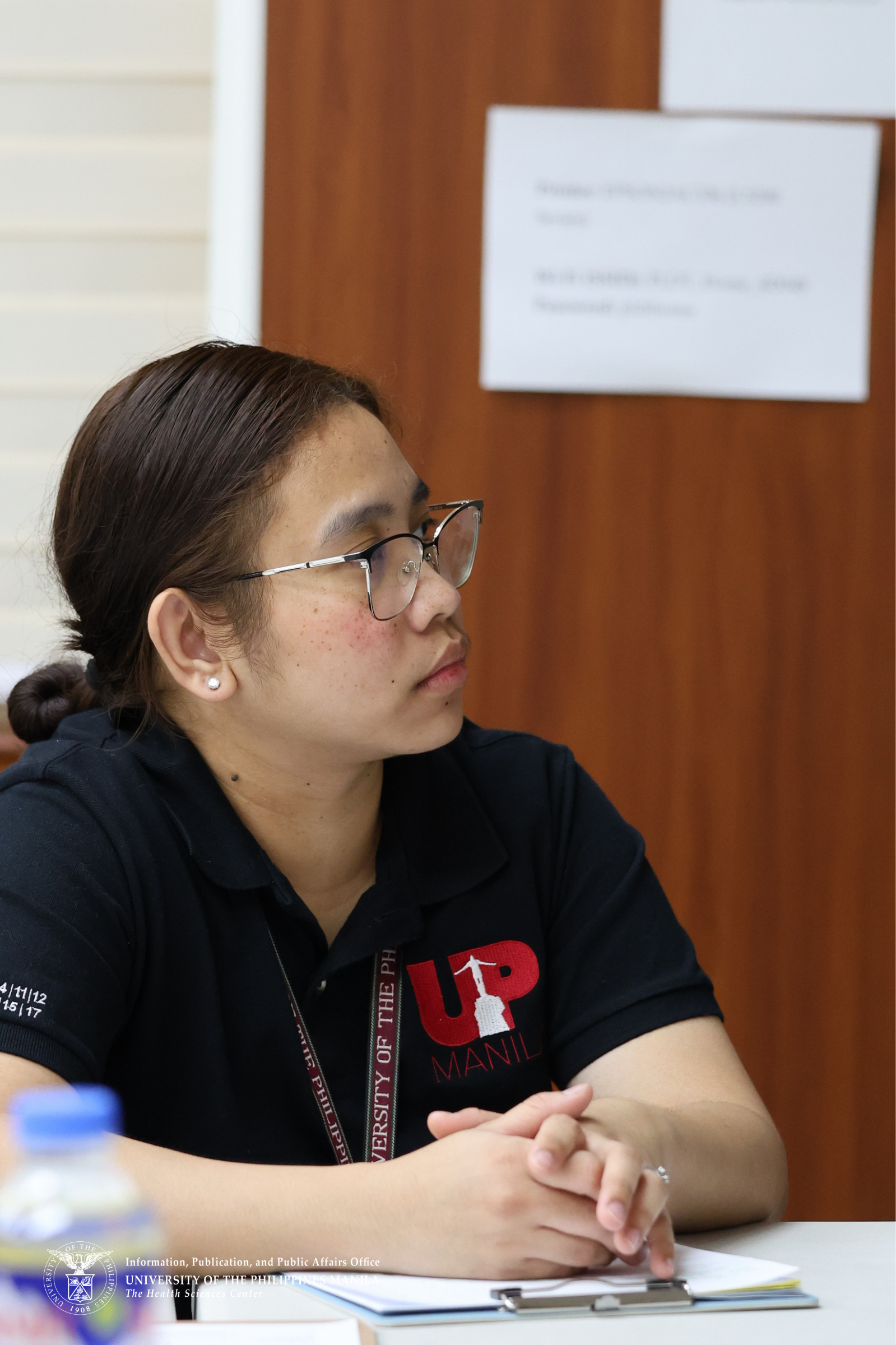
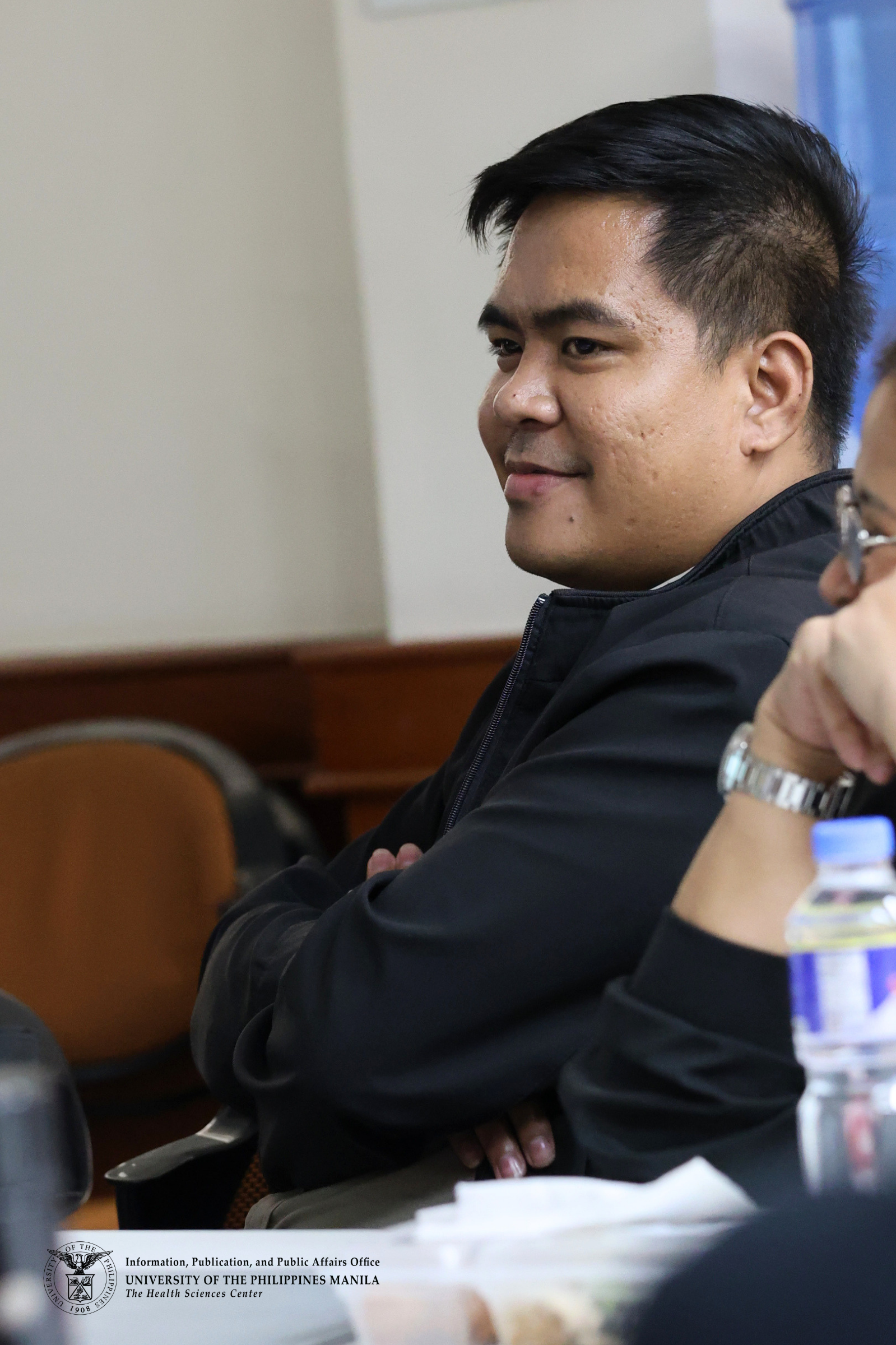
Leading the BMC delegation were Dr. Edralin Vidal, chair of the Research Integrity Committee; Dr. Teresita Risalyn Villanueva, chief of the Professional Education, Training and Research Unit; Dr. Annie Valdez; Dr. Erlynda Masangcay; Dr. Alfonso Syoei Yoshida; and Mr. Joseph Plata, members of the committee. They were welcomed by Dr. Jean Anne Toral, director of the UP Manila Office of Research Integrity, together with Coordinator for Administration Rufus Thomas Addcul; Supervising Office Associate Reiko Ann Turingan; and Senior Office Assistant Micah Glorice C. Tamayo-Garcia.
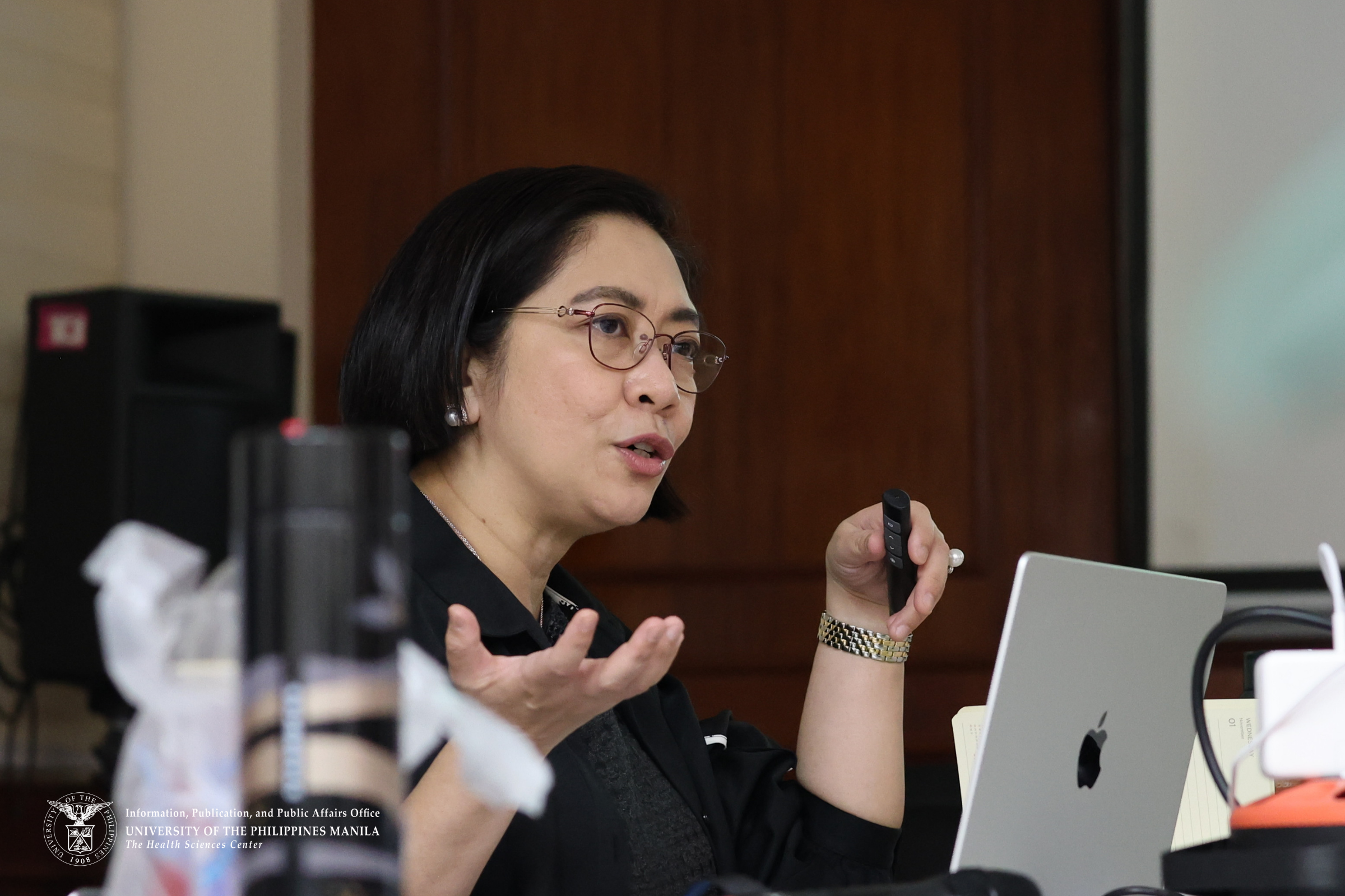
Dr. Toral introduced the ORI, which was established on Oct. 18, 2019, under the Office of the Vice Chancellor for Research and Extension (OVCRE) to advance a culture of responsible and ethical research throughout the university. Today, the office is composed of six coordinators, administrative personnel, and research integrity focal persons representing UP Manila’s colleges, the National Institutes of Health, and the Philippine General Hospital.
She explained that the ORI’s work is anchored on six strategic pillars: education and training, service delivery, governance and policy, external collaboration, research, and administration. At the core of these initiatives is education, which she described as the office’s primary mandate.
“Whenever it’s about protecting human subjects, that’s the turf of the Research Ethics Board. But ensuring that research is conducted responsibly and honestly is with us,” she said. “A study cannot be ethical if there are violations committed by the researchers.”
Among the ORI’s flagship initiatives are the Research Integrity Caravans, which were conducted across UP Manila’s academic units to promote responsible conduct of research. These face-to-face educational sessions have since transitioned to the Virtual Learning Environment (VLE), a mandatory self-paced online course that researchers must complete before conducting research at the university. The VLE features modules on fabrication, falsification, plagiarism, publication ethics, and responsible conduct of research, complemented by lectures, assessments, and certification requirements.
To further strengthen research governance, the ORI developed the UP Manila Code of Responsible Conduct of Research, which was approved in 2020 and adopted by the University of the Philippines System in 2021. Based on internationally recognized principles promoted by the Asia Pacific Research Integrity Network (APRI), the code defines the responsibilities of institutions, researchers, collaborators, and funding agencies in upholding research integrity.
The office also introduced an attestation requirement for all academic and research submissions, requiring researchers to certify that their work is free from plagiarism, fabrication, and falsification, while disclosing the use of artificial intelligence in research and writing.
Recognizing that authorship concerns remain among the most common issues raised by researchers, the ORI published its Authorship Guidelines, developed with contributions from international research integrity expert Prof. Daniel Barr. The guide provides practical direction on determining authorship and resolving disputes in collaborative research.
The benchmarking visit also opened opportunities for future collaboration between UP Manila and Batangas Medical Center. Dr. Toral said the ORI could support the medical center through research integrity lectures and train-the-trainer programs to help build its own pool of resource persons and strengthen its institutional capacity.
The visit concluded with discussions on adapting research integrity policies to the hospital setting, highlighting the shared responsibility of institutions in fostering ethical, transparent, and accountable research practices.


READ MORE:
#FP1 #discoveryandresearch