
Text by: Charmaine A. Lingdas
Photos from: Kryzza Jkah Ramalla, Eden Sakiting, Evz Darelle Gandolfos, Jeliane Gargantilla, Shirly Tenio, And Marie Chris Valdez
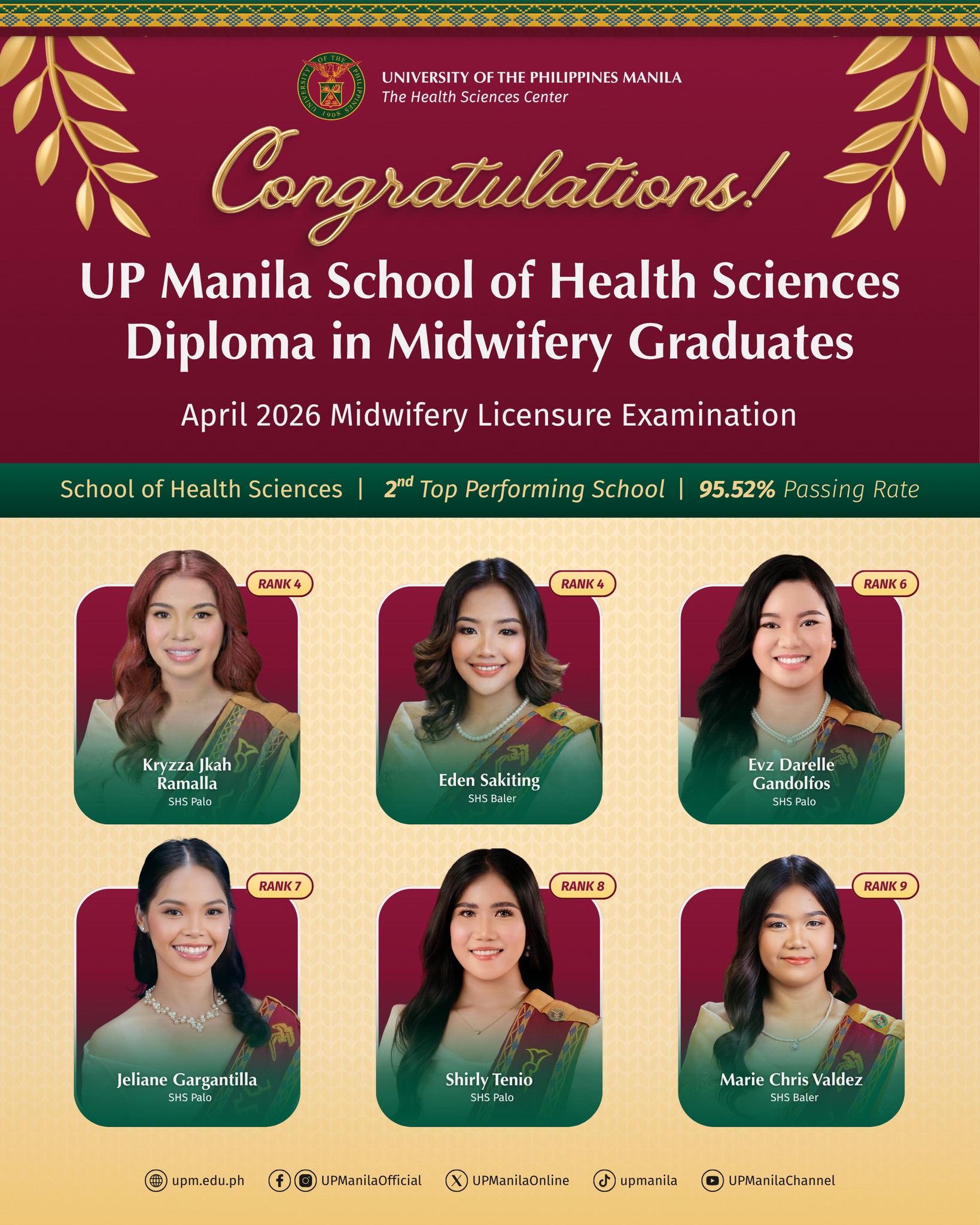
Across coastal towns, remote barangays, and island provinces, six graduates of the University of the Philippines Manila School of Health Sciences (UPM-SHS) came face to face with a difficult truth: for many Filipino families, healthcare remains distant, uneven, and often out of reach. In communities where mothers cross rough seas, travel hours for check-ups, or postpone care because daily survival comes first, these realities became more than stories they witnessed—they became the very reason they chose to serve. For them, passing the April 2026 Midwifery Licensure Examination is not the culmination of a journey, but the beginning of a deeper calling: to return to the communities that raised them, stand beside those at the margins, and help transform healthcare from within.
Rooted in Community Realities
For Shirly Tenio of Hinunangan, Southern Leyte, who ranked eighth in the April 2026 Midwifery Licensure Examination, the decision to pursue midwifery was shaped by the realities she witnessed growing up. Despite the presence of healthcare facilities, access remains difficult for many families. For mothers in far-flung barangays, even a free consultation can mean spending money for transportation, missing a day of work, or traveling long distances just to seek care.
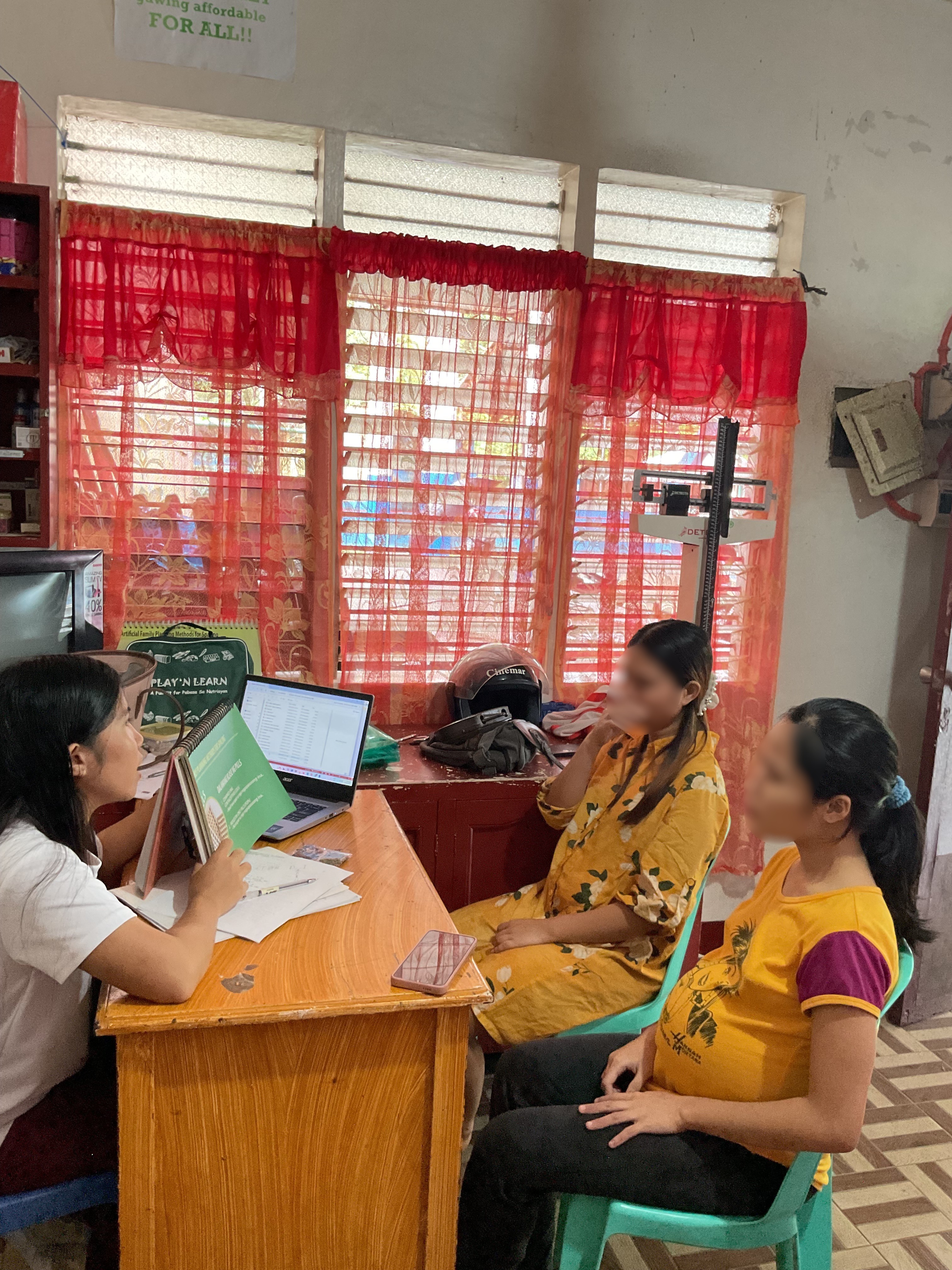
These experiences fueled her desire to serve underserved communities. “I want to be the person who brings care directly to them. I want to be someone who listens, understands, and speaks out for them,” she said.
Like Tenio, seventh-placer Jeliane Gargantilla also from Palo, Leyte, saw how poverty quietly prevents families from seeking healthcare. Through her community experiences, she learned that a patient’s health is deeply tied to their living conditions. “Mothers and families often hesitate to seek care not because they don’t want to be healthy, but because they are terrified of the financial scar dahil talagang mahirap maging mahirap,” she shared. For Gargantilla, the challenge of maternal health is not only medical, but also economic and deeply human.
For fourth-placer Kryzza Jkah Ramalla, healthcare access is shaped by geography. Raised on the island of Limasawa in Southern Leyte, she grew up knowing that reaching a hospital often meant crossing the sea. “During the habagat and amihan seasons, when the sea becomes rough, that journey becomes even more difficult, and at times, truly frightening,” she recalled. Among the experiences that stayed with her the most were mothers enduring dangerous journeys while in labor, with some even giving birth at sea.
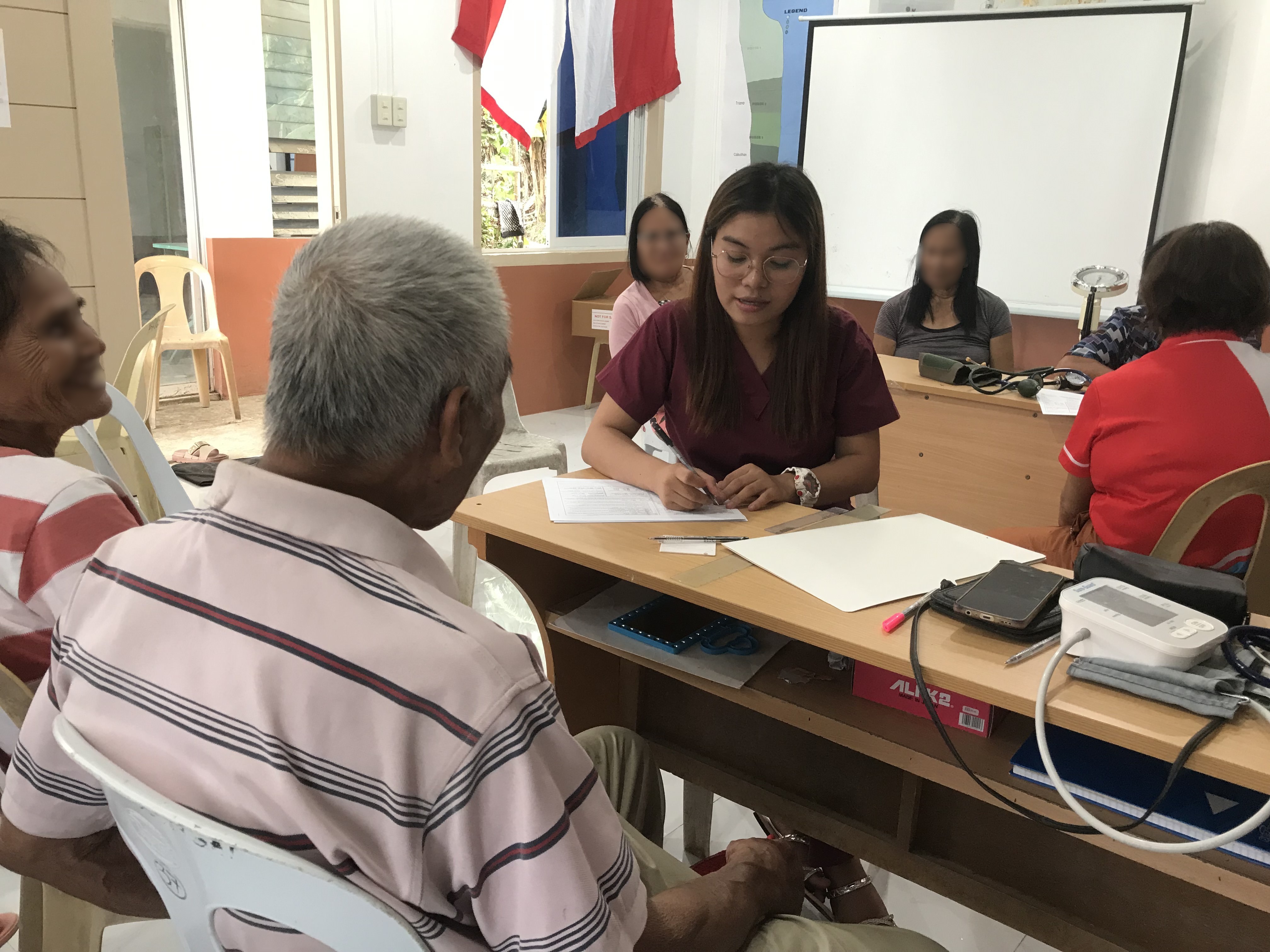
In Dilasag, Aurora, ninth placer Marie Chris Valdez witnessed how poverty influences maternal health decisions. “Many mothers and families are unable to plan their pregnancies because they must prioritize daily expenses like food,” she said. The realities she observed, including the rise in teenage pregnancies, strengthened her resolve to become part of the solution and serve communities like her own.
Fourth-placer, Eden Sakiting, who also graduated in SHS Aurora, described growing up in a community where limited healthcare resources remain a pressing concern. “There are times when facilities lack equipment, supplies, or even healthcare workers,” she said.
A Door Opened by SHS
Unlike the traditional admissions route to UP that requires passing the University of the Philippines College Admission Test (UPCAT), students of UPM-SHS are endorsed by their communities. Slots are allocated through recommendations from local government leaders based on the healthcare needs of their areas, as well as the students’ potential and commitment to return home and serve their communities. For all six graduates, UPM-SHS represented more than an academic opportunity; it was access, trust, and responsibility.
Ramalla described SHS as life-changing. UP Manila School of Health Sciences opened doors for her. With support from scholarships and her local government, she was able to pursue a dream that once felt distant.
On the other hand, Tenio admitted she once doubted her chances. But, through community endorsement and scholarship support, she found her path forward.
“Through the endorsement of my Barangay’s people, RHU, and the municipality, I was given the chance to study and received a scholarship from DOH, which lifted a weight off my mother’s shoulder, and thus allowed me to continue my goals, not thinking much about constantly asking for financial support from my mother,” Tenio said.
For Sakiting, acceptance into SHS symbolized hope not only for herself, but for her community: “It meant that someday, there would be someone from our own community who understands our situation and can provide care.”
Valdez’s journey into SHS came unexpectedly. She wasn’t originally the one first endorsed by her barangay to become a scholar and study Midwifery, but fate provided her the opportunity. “I may not be the first scholar from our town, but I am the very first scholar from our barangay to complete the Midwifery program. Because of this, I truly feel the support and trust of my community.”
Sixth-placer Evz Darelle Gandolfos of Javier, Leyte, emphasized that admission to SHS carried meaning beyond personal success. She said that the application process was both challenging and meaningful.
“It required not only academic readiness but also a clear sense of purpose. Being chosen was not just an achievement. It was a responsibility,” she asserted
Learning Beyond the Classroom
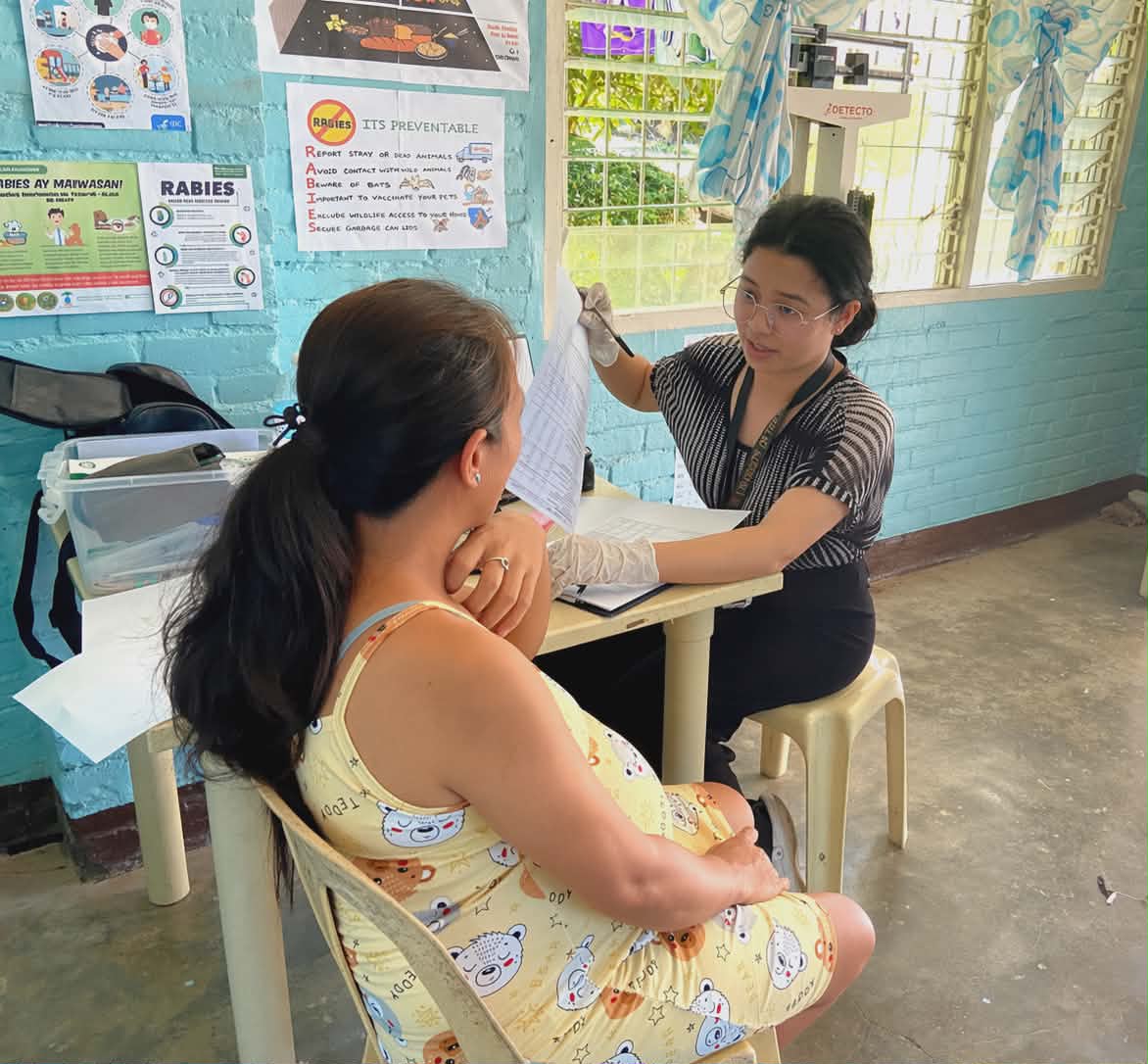
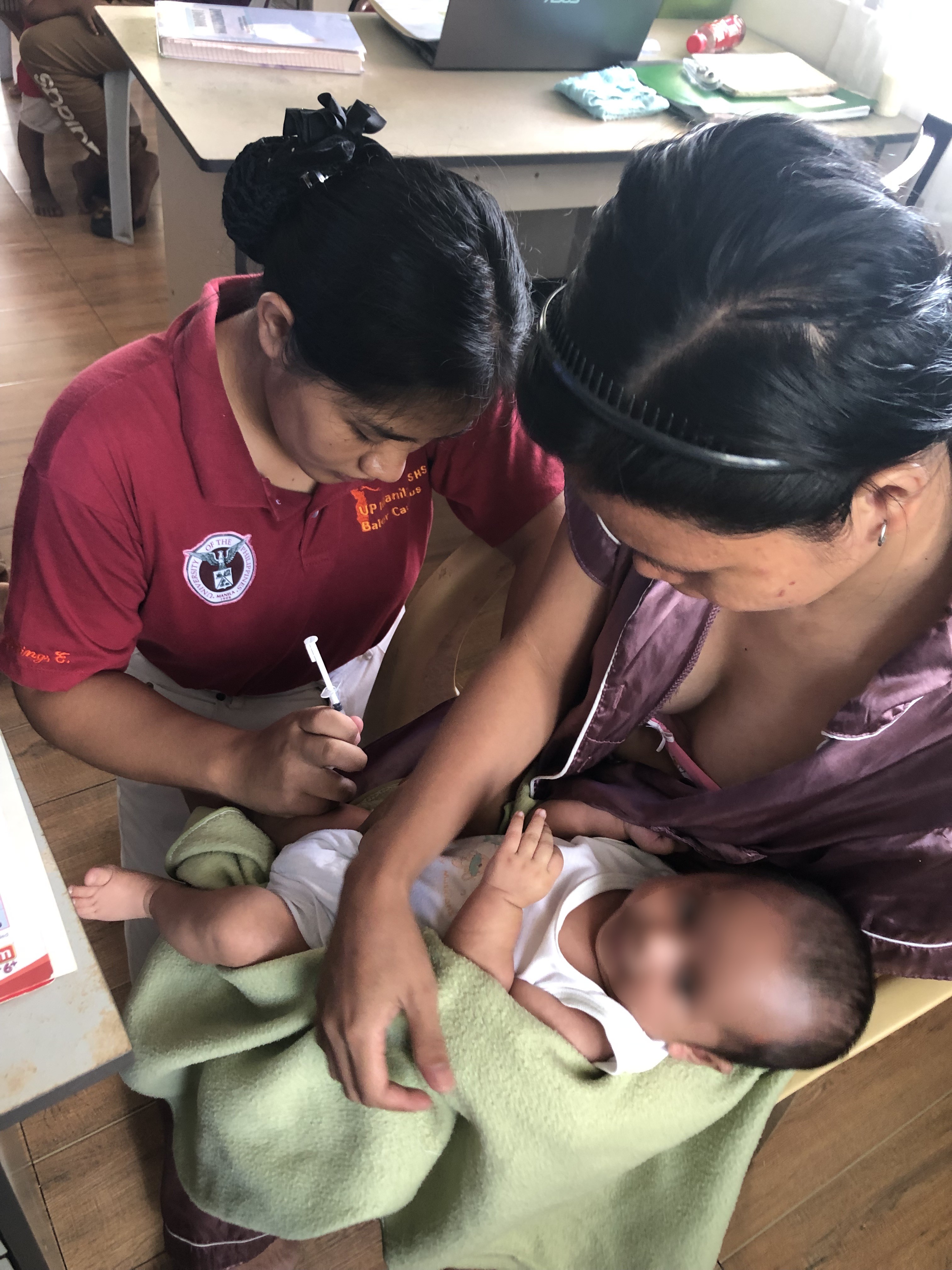
At SHS, education extends far beyond lectures and hospital training. The community becomes the classroom.
“Being a student at the School of Health Sciences is a unique journey where the community serves as the primary classroom,” Tenio explained. Through immersion, she realized that healthcare is deeply connected to social realities.
For Gargantilla, community immersion reshaped her understanding of healthcare, shifting her perspective from simply treating patients to responding to the deeper needs of communities. Ramalla described SHS as an experience that brought her beyond classroom walls and into homes and communities, where she learned that care is not confined to facilities but is rooted in presence, trust, and human connection.
Through home visits, Gandolfos realized that healthcare extends far beyond clinical knowledge and procedures, shaped as much by people’s circumstances as by medicine itself. Valdez, meanwhile, found meaning in both community and clinical exposure, where she witnessed firsthand the importance of collaboration, resourcefulness, and serving wholeheartedly even in difficult conditions.
Sakiting echoed this, emphasizing that immersion changed her perspective entirely. “Being immersed in communities made me realize that effective healthcare must be accessible, culturally sensitive, and rooted in genuine service.”
Values that Shape Service
Beyond technical skills, SHS instills values that define the kind of health workers its graduates become.
Tenio reflected on the deeper lessons she carried with her: “The values from SHS that likely resonate the most are those that center on ‘social accountability’ and the spirit of ‘service’… Clinical skills are only as effective as the trust I’ve earned from the people I serve. SHS emphasizes that health is a human right, teaching us to be advocates for the underserved and to treat every patient with the same dignity, regardless of their status.”
Valdez carried with her the values of genuineness, integrity, and “practicing what you preach,” principles that strengthened her commitment to serve with sincerity. Sakiting, meanwhile, learned that healthcare demands more than technical competence; it requires compassion, humility, and a genuine heart for service.
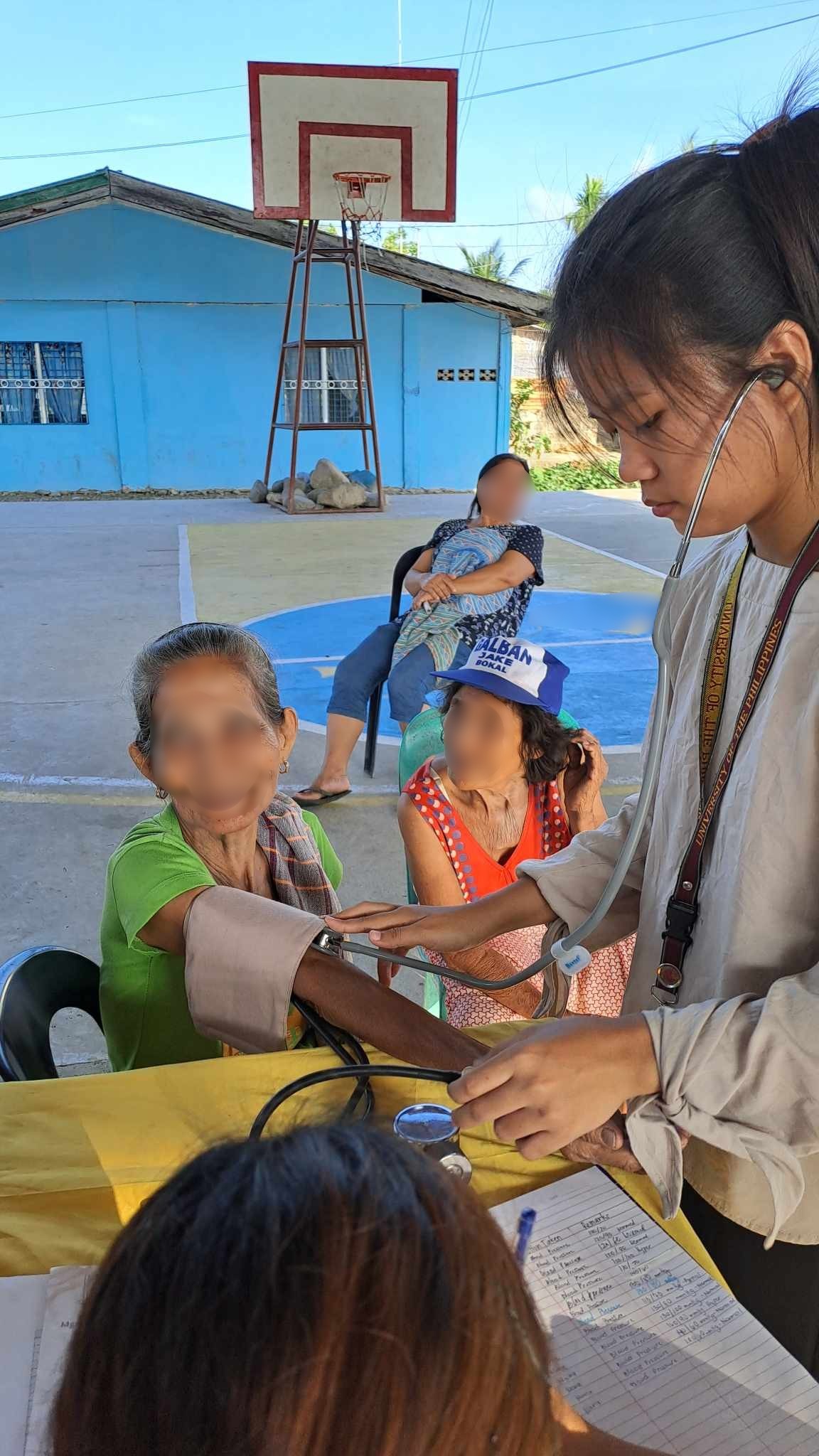
For Gandolfos, healthcare means bridging the gaps between systems and communities, knowledge and practice, fear and trust. Gargantilla similarly realized that becoming an effective midwife begins with listening—understanding the realities families face before offering care. Together, these lessons transformed their view of midwifery into something beyond a profession: a partnership with communities grounded in dignity, empathy, and empowerment.
Returning to Serve
With their licenses secured, all six graduates now look toward the same destination: home. Guided by the communities that shaped them, they hope to return not only as healthcare professionals, but as advocates for more accessible and compassionate maternal care.
Tenio, Ramalla, Gargantilla, and Valdez dream of returning to their community to ensure that “no mother or baby is left behind,” while hoping to continue the step ladder curriculum and study Nursing.
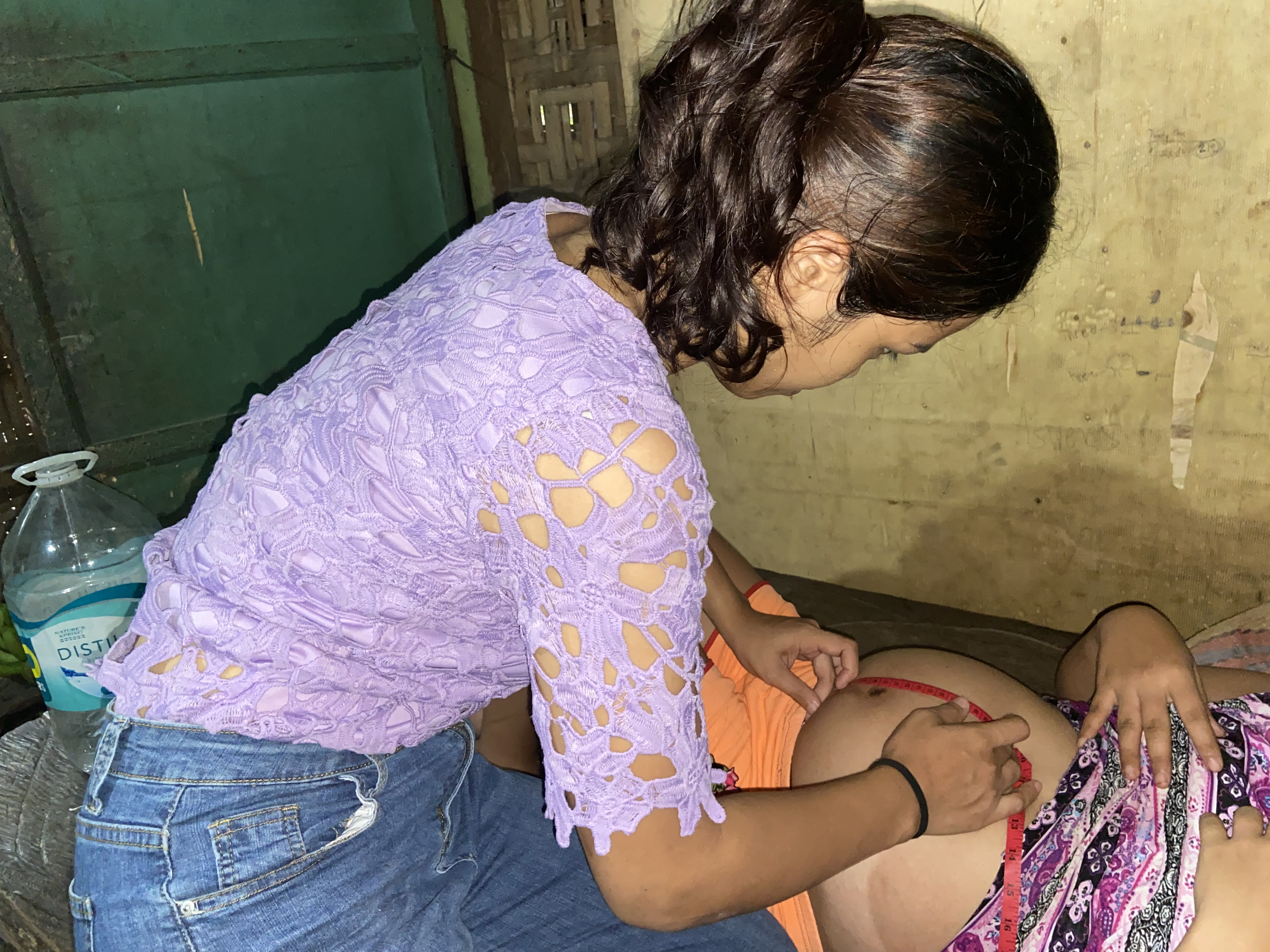
For Gandolfos, the goal is to help build a healthcare system where seeking care is no longer feared or delayed. Sakiting, meanwhile, hopes to strengthen maternal and child health services in underserved communities while continuing to advocate for accessible healthcare for all.
A Shared Mission
Though their journeys began in different places, their purpose is the same.
Their stories reflect the mission of UPM-SHS: to develop health workers who not only serve communities, but belong to them. In their hands, midwifery becomes more than a profession—it becomes a commitment to equity, a response to lived realities, and a promise to stand with every mother and child, wherever they may be.
As Tenio expressed, their work is ultimately about those at the margins: “My mission is to be a healthcare provider who remembers her origins, to ensure that those who are often forgotten are the ones who receive the most compassionate and dedicated care.”
Read more:
#FP1 #innovationsforlifelonglearningdedicatedtoservice