

Text by: Dr. Jean Anne Toral, Jennifer Manongdo, and Ray Nuñez Sagpang
Photos by: Jaira Purificacion
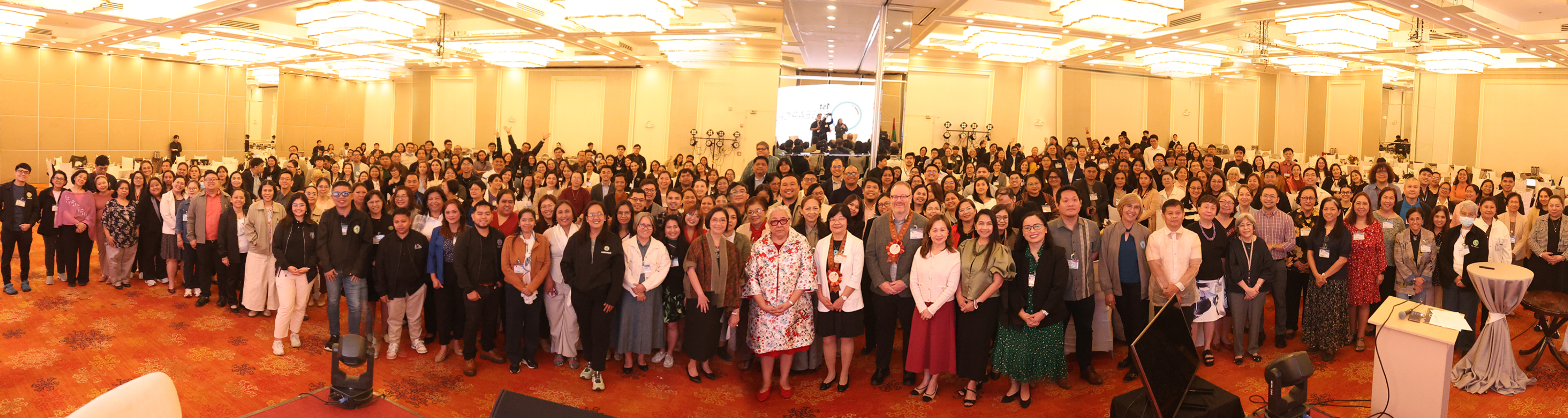
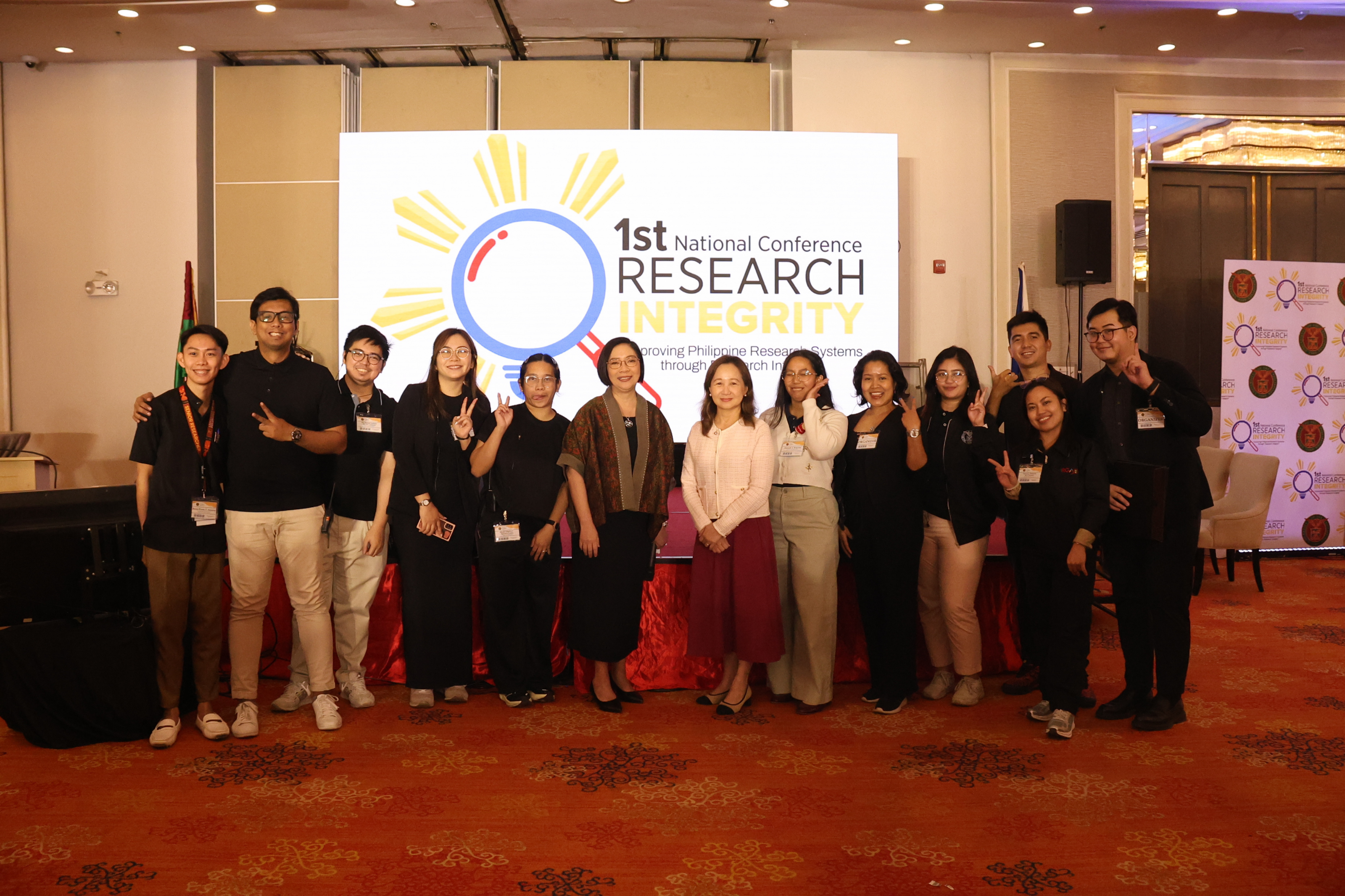
In the First National Conference on Research Integrity on Feb. 12-13, 2026, in Manila, local and international experts outlined the landscape of research practices and issues affecting research integrity.
Under the theme “Improving Philippine Research Systems with Research Integrity,” the conference was attended by more than 300 researchers and experts from various academic institutions across the country and overseas. It featured discussions on relevant topics such as the basic concepts and issues affecting research integrity and promoting research integrity in journals and scientific publications. It also highlighted the role of various stakeholders in promoting awareness and upholding the principles of research integrity.
Research Integrity and the Filipino Values
University of the Philippines Manila – College of Medicine Professor Nina Castillo – Carandang noted how cultural values affect integrity and how institutions can cultivate research ethics through the concept of kapwa or shared identity and mutual dignity. How researchers view each other, whether as kapwa or ibang tao (outsider), affects trust, disclosure, and willingness to report misconduct.
“If the person is ibang tao, I think it’s easier to report their wrongdoing. But if the person is kapwa mo, then you think many times to actually report my best friend or worse, my boss,” she said.
She emphasized that ‘kapwa’ is the core. ‘Hiya’ (propriety),‘utang na loob’ (debt of gratitude), and ‘pakikisama’ (getting along) are 3 Filipino core values that can work both as virtues or as a barrier in promoting research integrity.
Prof. Castillo–Carandang drew from her upbringing as the daughter of a national scientist and an academician when she illustrated how integrity begins with personal accountability. She recounted how her late father, a food scientist, would ask the family to try products he developed in the laboratory, such as yoghurt, ice cream, and cheese.
“I said, ‘Why are we doing this?’ My father replied, “‘If it isn’t good enough for my family, it shouldn’t be good enough for anybody else.’ So that is the benchmark of integrity,” Prof. Carandang-Castillo pointed out.
Framework for Integrity
To maintain integrity in research, Prof. Carandang proposed a culturally grounded framework, emphasizing that researchers should treat one another as kapwa, grounded in dignity and mutual accountability, to be the core principle guiding Philippine Research. On the aspect of hiya (self-control, respect for others), she said it should be framed positively as proper conduct rather than fear of shame. She also recommended global research standards and using Filipino languages in training and policies.
The academician also emphasized support for whistleblowers and rewarding quality over quantity, recognizing ethical mentorship in promotions, and valuing collaborative and replication studies.
Warning Against Ethical Pitfalls and Predatory Publishing
With increasing pressure to publish and growing opportunities for misconduct and exploitation, the conference warned participants about how lapses in integrity can have lasting consequences for individual researchers, their institutions, and the public trust.
Questionable research practices (QRPs) were identified as one of the most common threats to Responsible Conduct of Research (RCR).
Dr. Laurence Lloyd B. Parial, assistant professor at the UP College of Nursing, noted that many such practices stem from “sloppy science” rather than deliberate wrongdoing. He explained that cognitive biases, particularly confirmation bias, can lead researchers to unintentionally distort or selectively interpret evidence, posing risks to research integrity if left unchecked.
“As researchers, we have to know better because we carry a bigger responsibility to screen evidence objectively,” he said.
The issue of responsibility was further emphasized through discussions on authorship, which remains a common source of ethical conflict in academic research. Dr. Valerie Tiempo-Guinto, Office of Research Integrity (ORI) focal person of the Philippine General Hospital (PGH), underscored that authorship should reflect real contribution and accountability.
Beyond internal research practices, participants were also cautioned against external threats such as predatory journals and conferences, which aggressively target researchers by offering fast publication and international exposure. Dr. Evelyn Salido, UP-PGH chair of the Department of Medicine, warned that these platforms undermine scholarly standards and exploit researchers’ need to publish. “If a journal promises quick acceptance with little to no review, then again we should be suspicious,” she said. These practices not only waste research funding but also contribute to widening knowledge gaps, distort health policy, and undermine public trust.
Well-known figures in Philippine scientific research, Dr. Cecilia Nelia Maramba and Dr. Jose Lapeña, who serve as journal editors, discussed how editorial policies and peer review systems serve as safeguards for scientific quality. In their tandem talk, they emphasized that journals are not merely venues for dissemination but active partners in ethical research, bearing the responsibility to correct the record when necessary and to uphold standards that protect both authors and readers.
UP College of Medicine Professor Nemencio Nicodemus highlighted the role of professional societies in cultivating ethical research. He shared that these organizations help shape norms and values, promote accountability, and ensure that ethical conduct becomes the standard rather than the exception.
The Birth of ORI
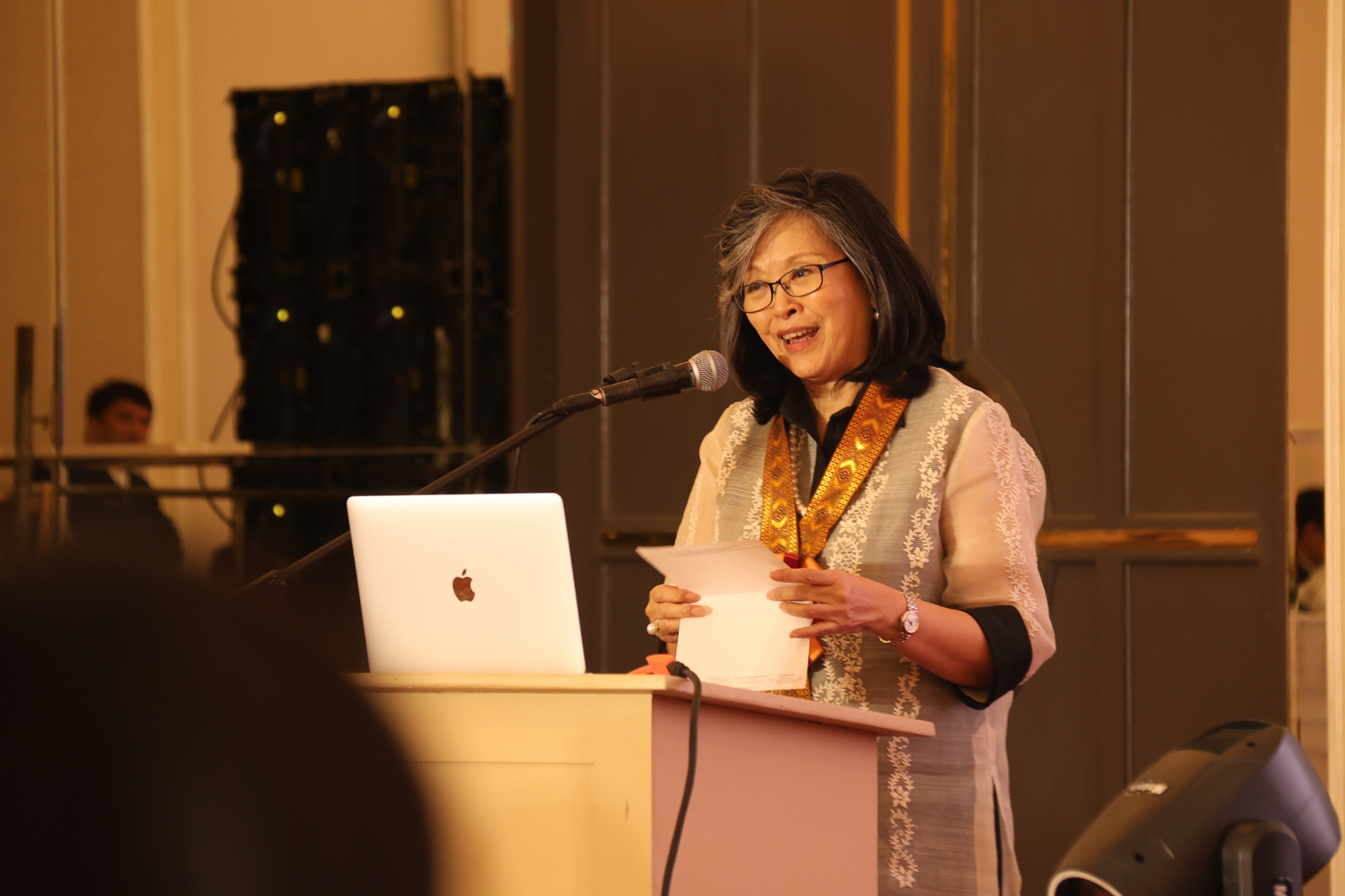
Former University of the Philippines Manila Chancellor and National Scientist Carmencita Padilla served as the conference’s keynote speaker and provided the audience with a look into how the Office of the Research Institute (ORI) was formed.
Realizing the importance of upholding research integrity not only at the personal level but also as a shared institutional responsibility, Dr. Padilla spearheaded the creation of the Ad Hoc Committee on Research Integrity. Consequently, ORI was established in 2016 as a response to the growing need to manage the commercialization of research products. Dr. Padilla recognized the importance of creating a dedicated body to handle research integrity concerns, as these responsibilities were previously lodged under the Office of the Vice Chancellor for Research, then headed by Eva Maria Cutiongco-de la Paz. She also emphasized that research involves deliberately choosing “the right people” for the task.
Informative Discussions
The scientific sessions were divided into six parts depicting the various stakeholders in the research enterprise: the researcher, the institutions, the professional societies and their journals, the funders, and the media.
A tandem talk featuring the Founding Director of ORI, Dr. Edward Wang, the current Director, Dr. Jean Ann Toral, and the Immediate Past Chair of the UP Manila Research Ethics Board, Dr. Jacinto Blas Mantaring III, opened the program, defining the differences and intersectionality in the functions of the Research Ethics Board and the ORI. The tandem talk also highlighted principles of research integrity: honesty, responsibility, rigor, transparency, respect, fairness, professional courtesy, and diversity. The members of the panel agreed that it is only by conducting research responsibly that public trust is gained. Research ethics takes part in research integrity, as a study that is not ethically sound cannot be considered research conducted responsibly.
Research Stakeholders Emphasized
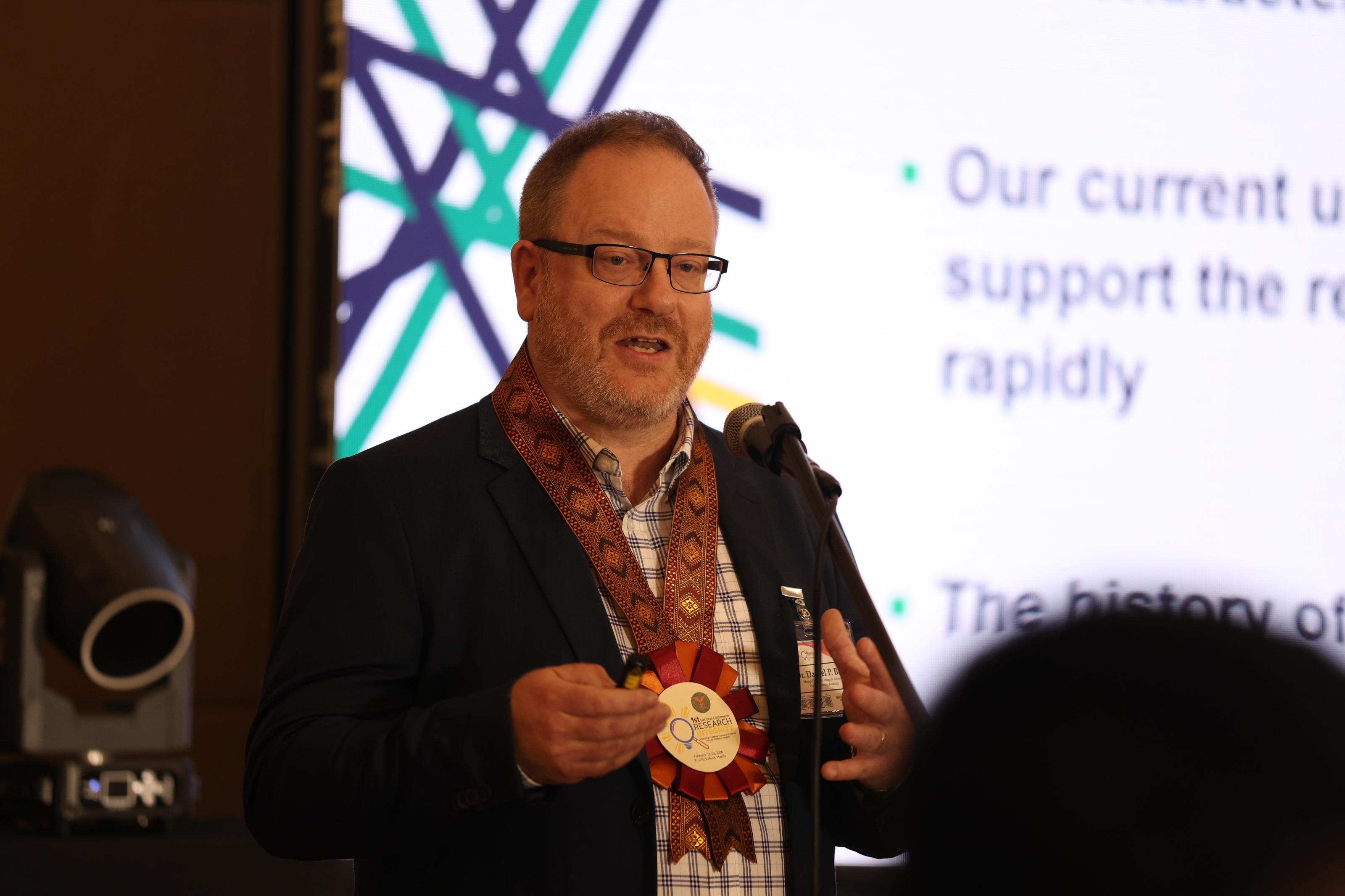
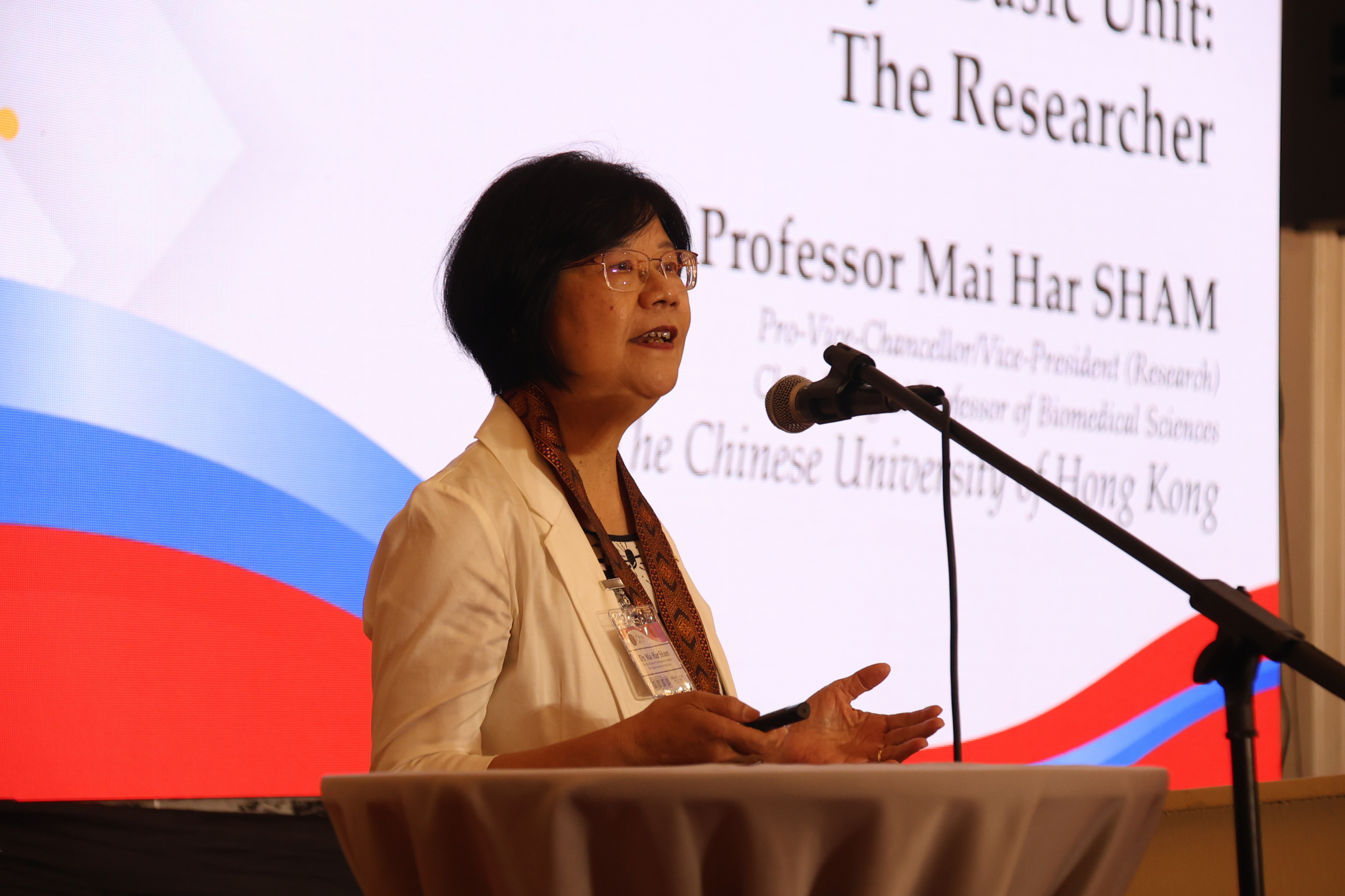
Dr. Daniel Barr, principal research integrity advisor at RMIT University, discussed the historical and global development of research integrity principles and how global conferences have shaped modern standards. Dr. Sham Mai Har, pro-vice-chancellor and vice president of Research at the Chinese University of Hong Kong, delved into research data management and responsible conduct of research within a university setting.
The session on research instructions featured a panel composed of West Visayas State University Chairperson of the Unified Research Ethics Review Committee, Robert Villanueva, and Mindanao State University – Iligan Institute of Technology, College of Computer Studies Dean, Eddie Bouy Palad. They were joined by UP Manila’s Vice Chancellor for Academic Affairs, Dr. Bernadette Heizel D. Manapat-Reyes, Dr. Barr, and Dr. Sham for a discussion on the topic: “Academic and Research Integrity from the Institution’s Viewpoint: the Fundamentals and the Changing Times.” The group collectively agreed that integrity goes beyond the self, and institutions are responsible for fostering a culture conducive to the responsible conduct of research.
As part of the session for research institutions, Rufus Thomas Adducul, UP Manila ORI core member, presented the findings of the UP Manila ORI Study, which showed that while knowledge and attitudes toward research integrity are generally high, a significant practice gap remains—particularly among healthcare workers and physicians in training. The study underscores the need for institutions to establish systems that make ethical practice easier.
Meanwhile, the discussion on “Research Integrity from the Perspective of Research Funders” emphasized that integrity is not only an individual responsibility but a system-wide and stakeholder-driven effort. It was led by Executive Director of the Philippine Council for Health Research and Development (PCHRD), Dr. Jaime Montoya, and the Medical Affairs Lead of Merck Sharp & Dohme Philippines (MSD), Dr. Mary Ann Galang-Escalona. A presentation on “Research Integrity in the Media” was led by Mary Ann Francis Toral, head of the Integrated News Division of ABS-CBN Corporation. She emphasized that the media has a social responsibility and accountability to carry out news that has been fact-checked and vetted multiple times.
The conference also included the ceremonial turnover of UP Manila’s Code of Conduct for Research Mentorship to the Office of the Chancellor.
The First National Conference on Research Integrity was sponsored by UP Manila with support from the PCHRD.
Read more:
#FP6 #Environmentthatnurturesbodyandmind #DiscoveryandResearch