

Text and Photos by Charmaine A. Lingdas
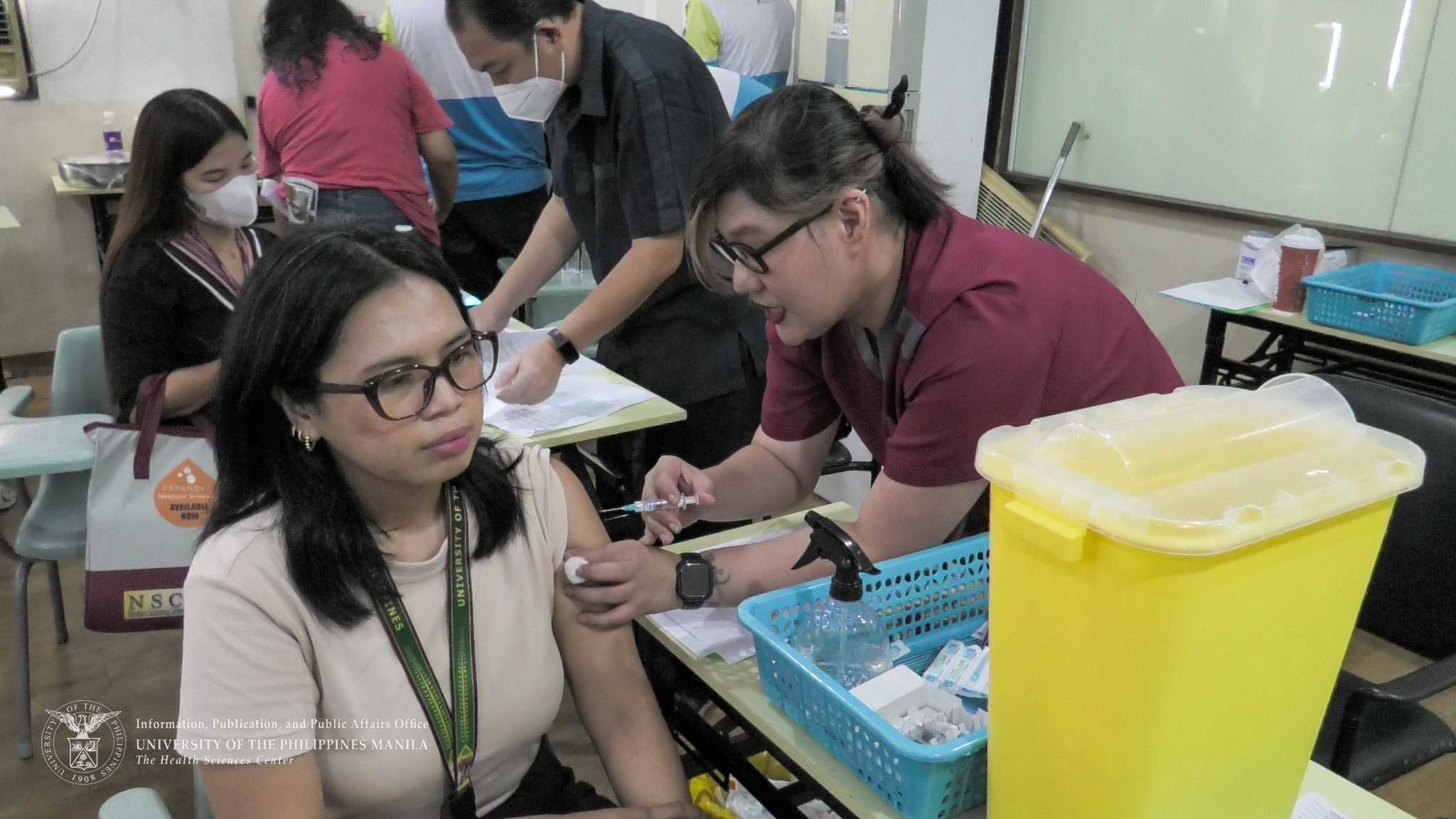
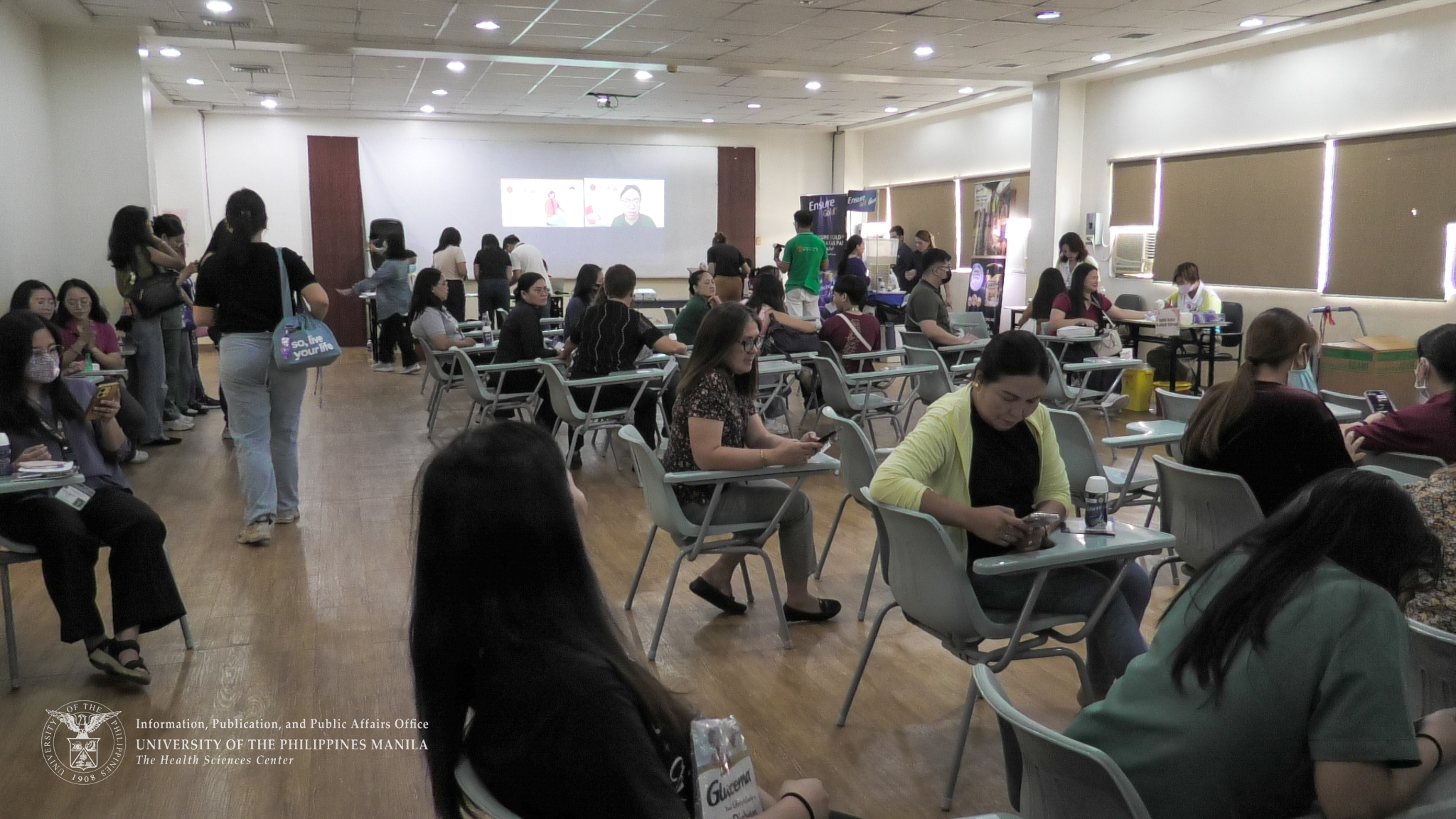
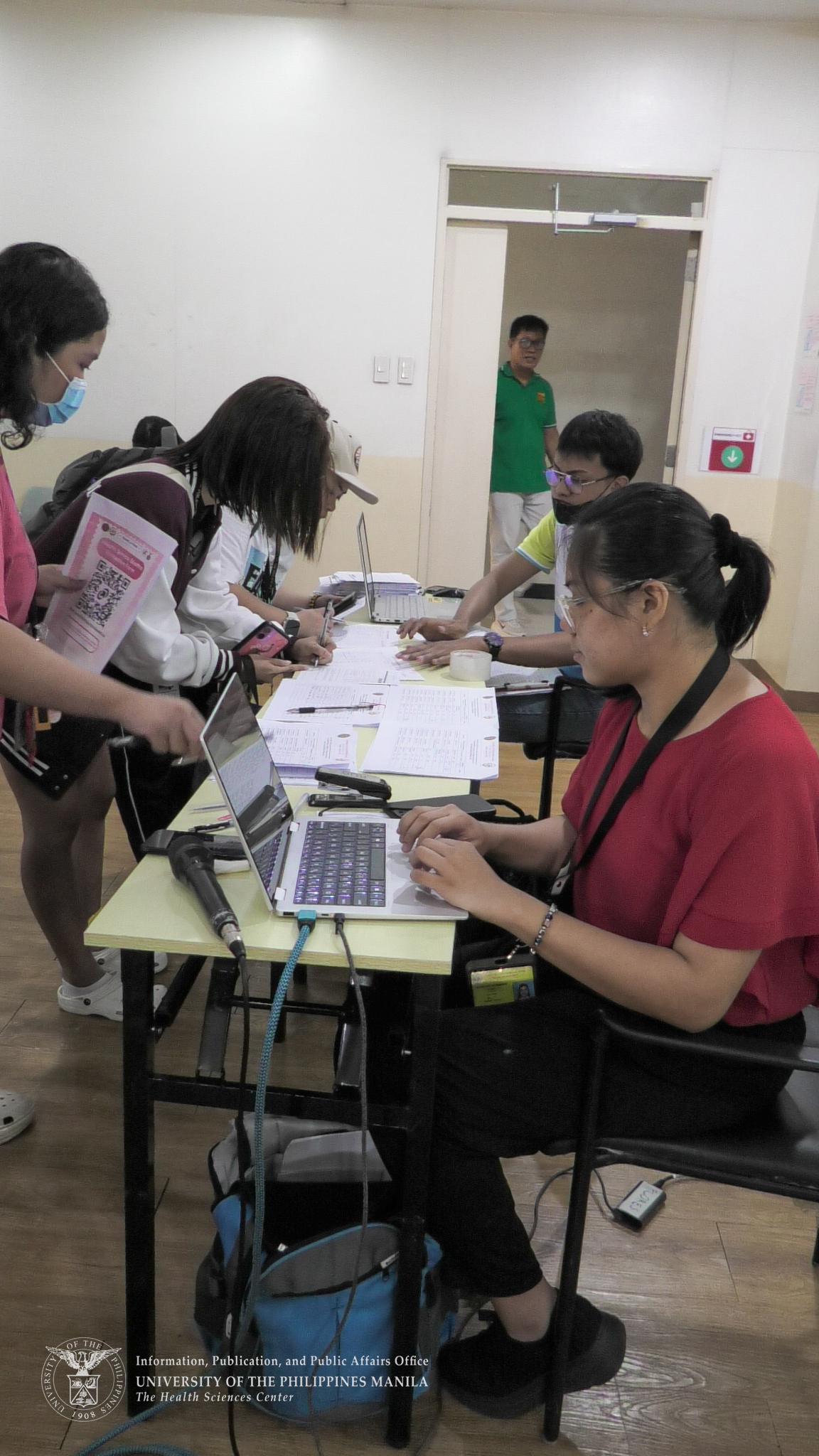
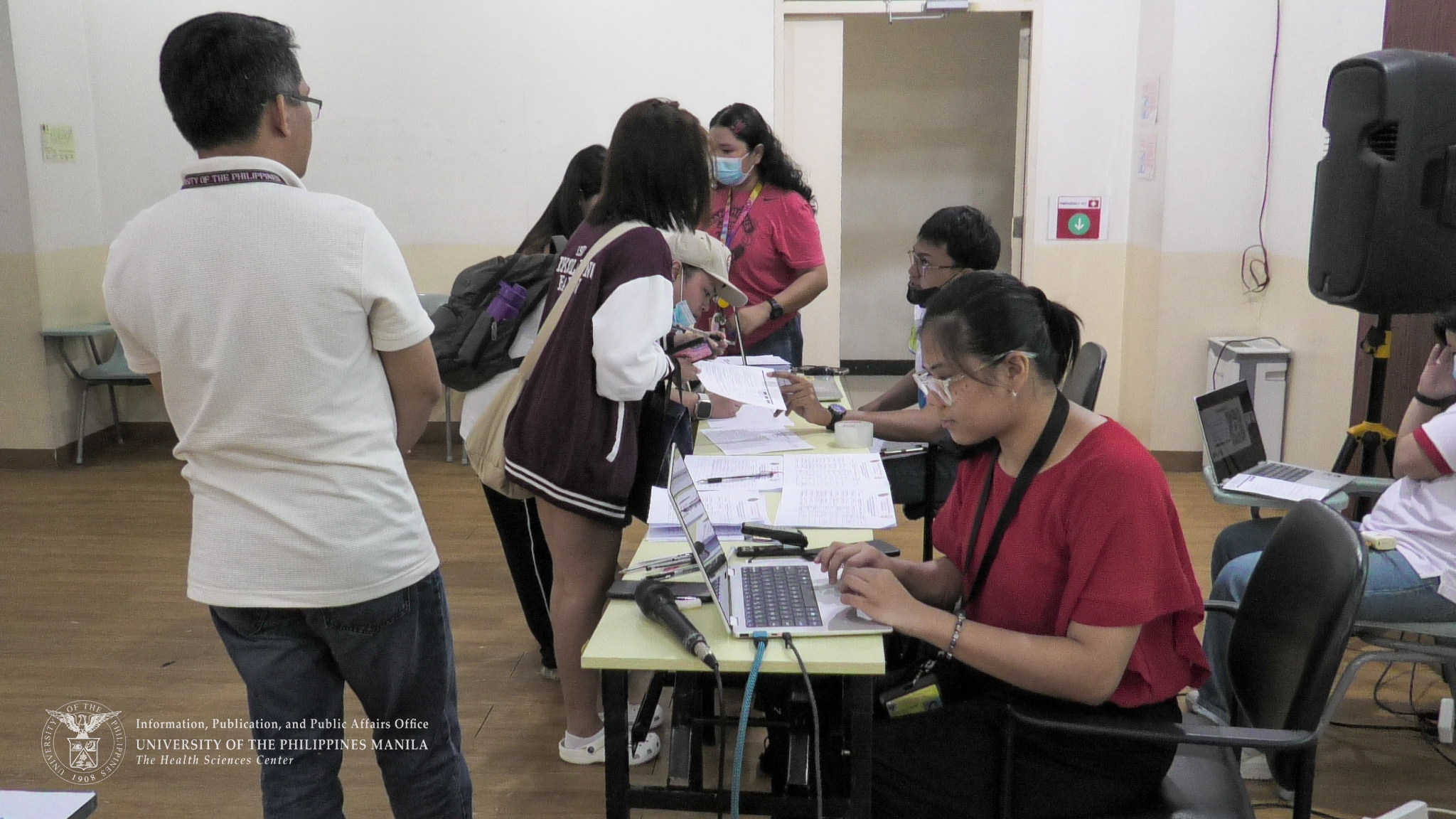
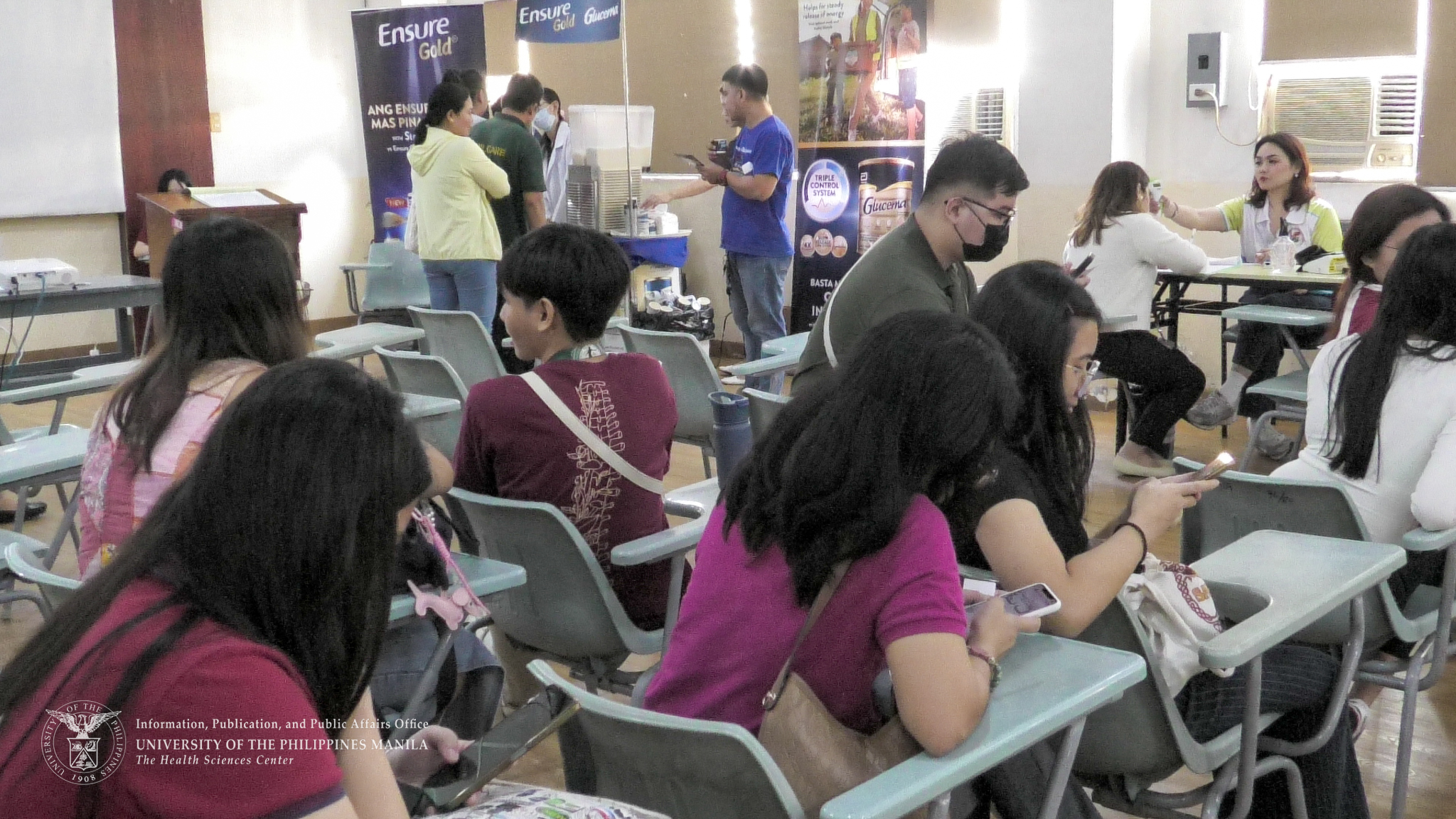
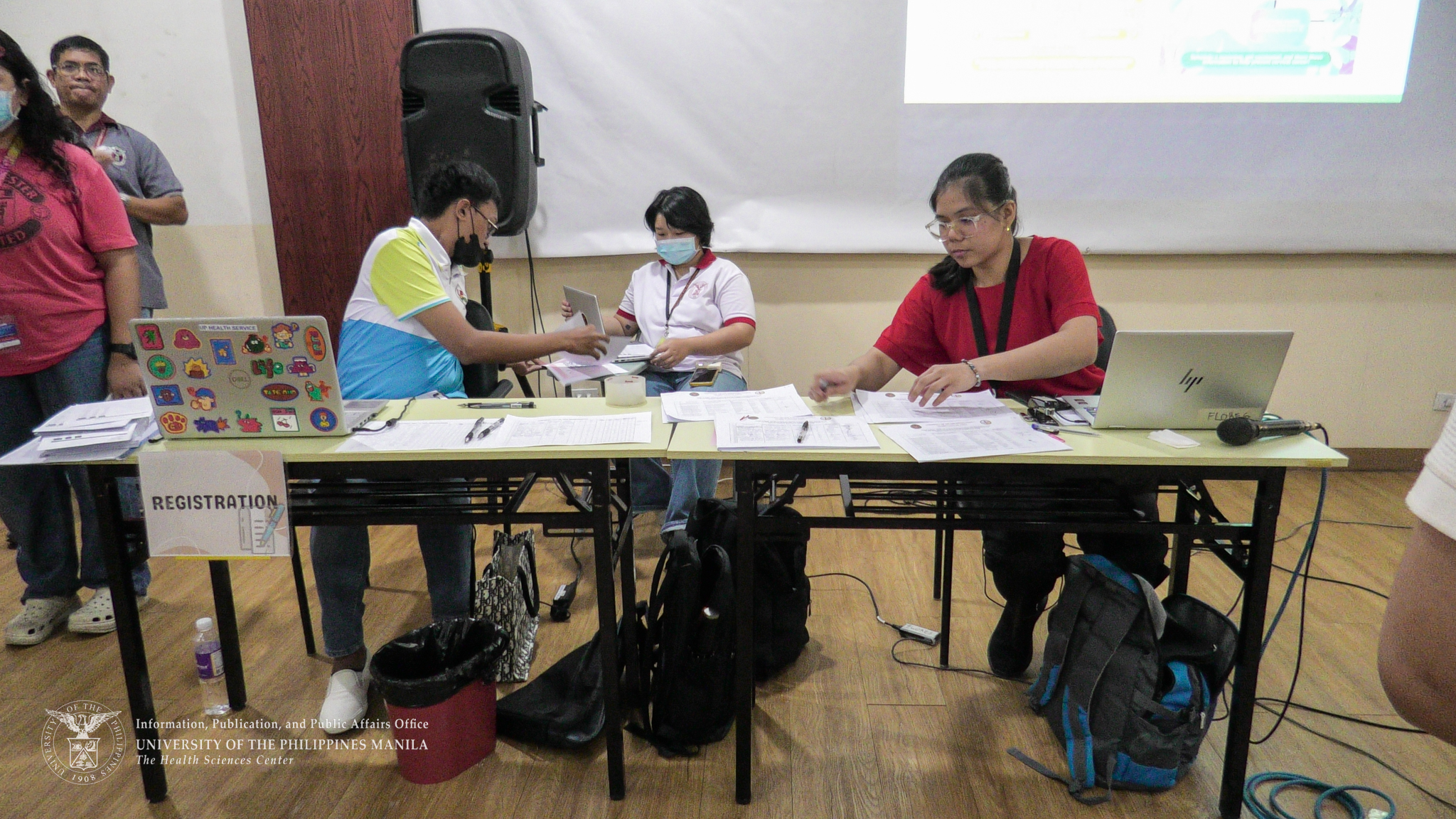
The University of the Philippines (UP) Manila, through its Healthy University Office (HUO), in partnership with the UP Health Service (UPHS) and the College of Dentistry (CD), conducted the Health at Work (HAW): Health Assessment, Testing, Immunization, and Demonstration (HATID) Caravan to promote a healthy and more inclusive workplace for the UP Manila community on July 15, 2026, at the 4th floor of the College of Dentistry. Held in observance of National Disability Rights Week and the 8th anniversary of the Safe Spaces Act, the event combined onsite health services with an online information session that highlighted gender and disability sensitivity and the expanded benefits under the PhilHealth YAKAP Program.
The HAW HATID Caravan is one of the flagship activities under the Wellness Wednesdays Project of the Healthy University Office that supports the implementation of the university’s health and wellness. The HATID Caravan brings essential preventive healthcare services directly to the workplace.
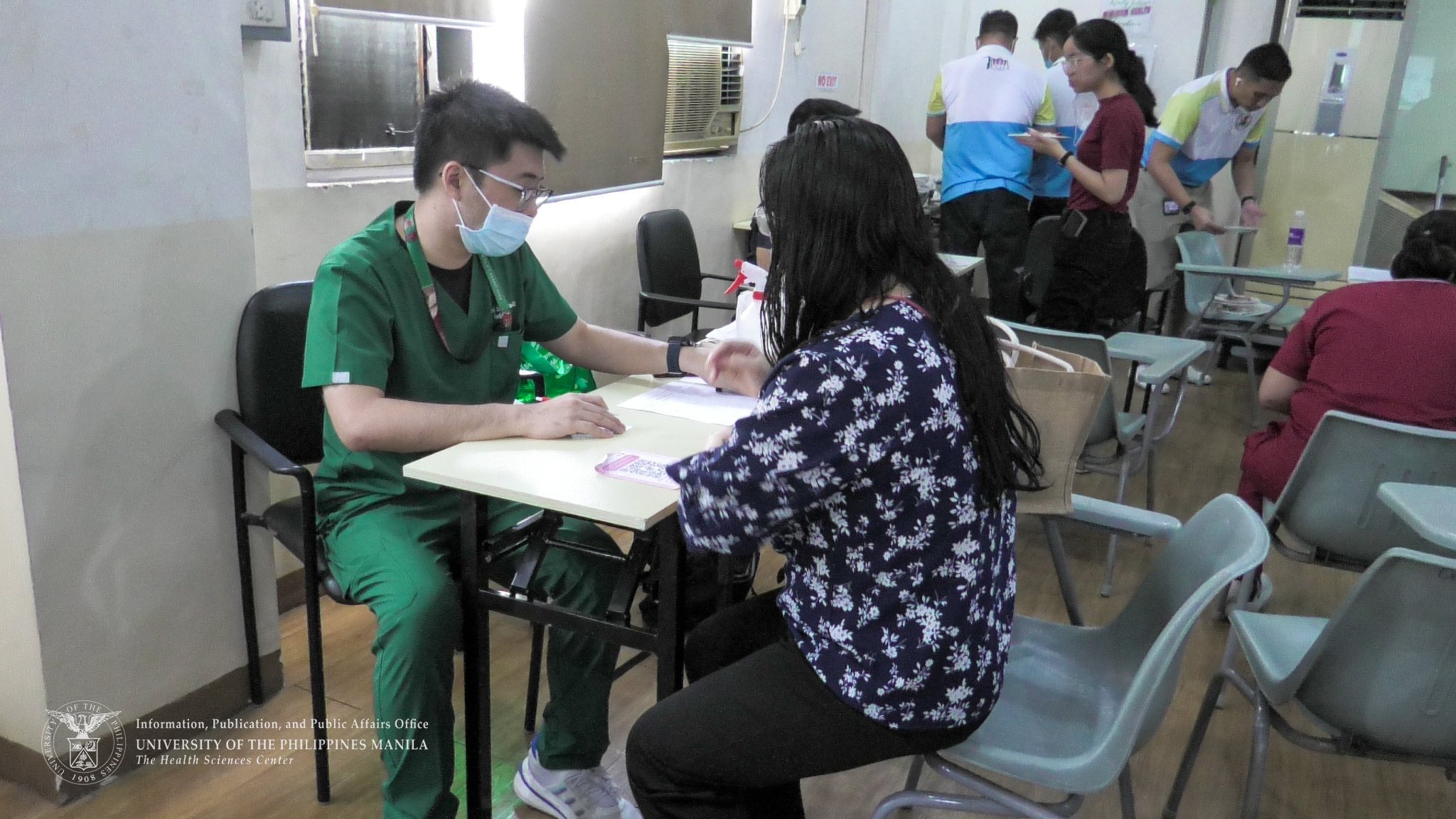
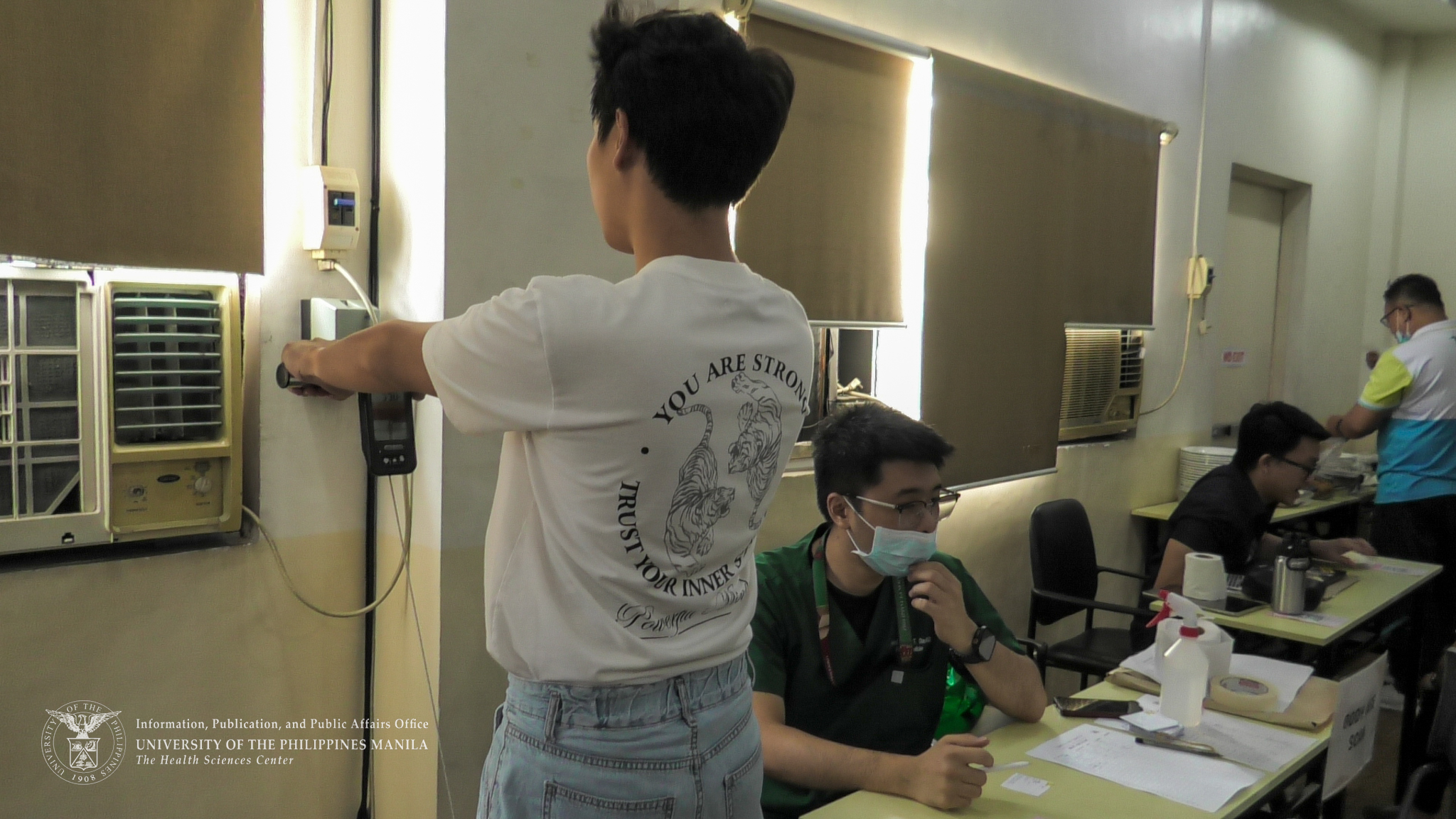
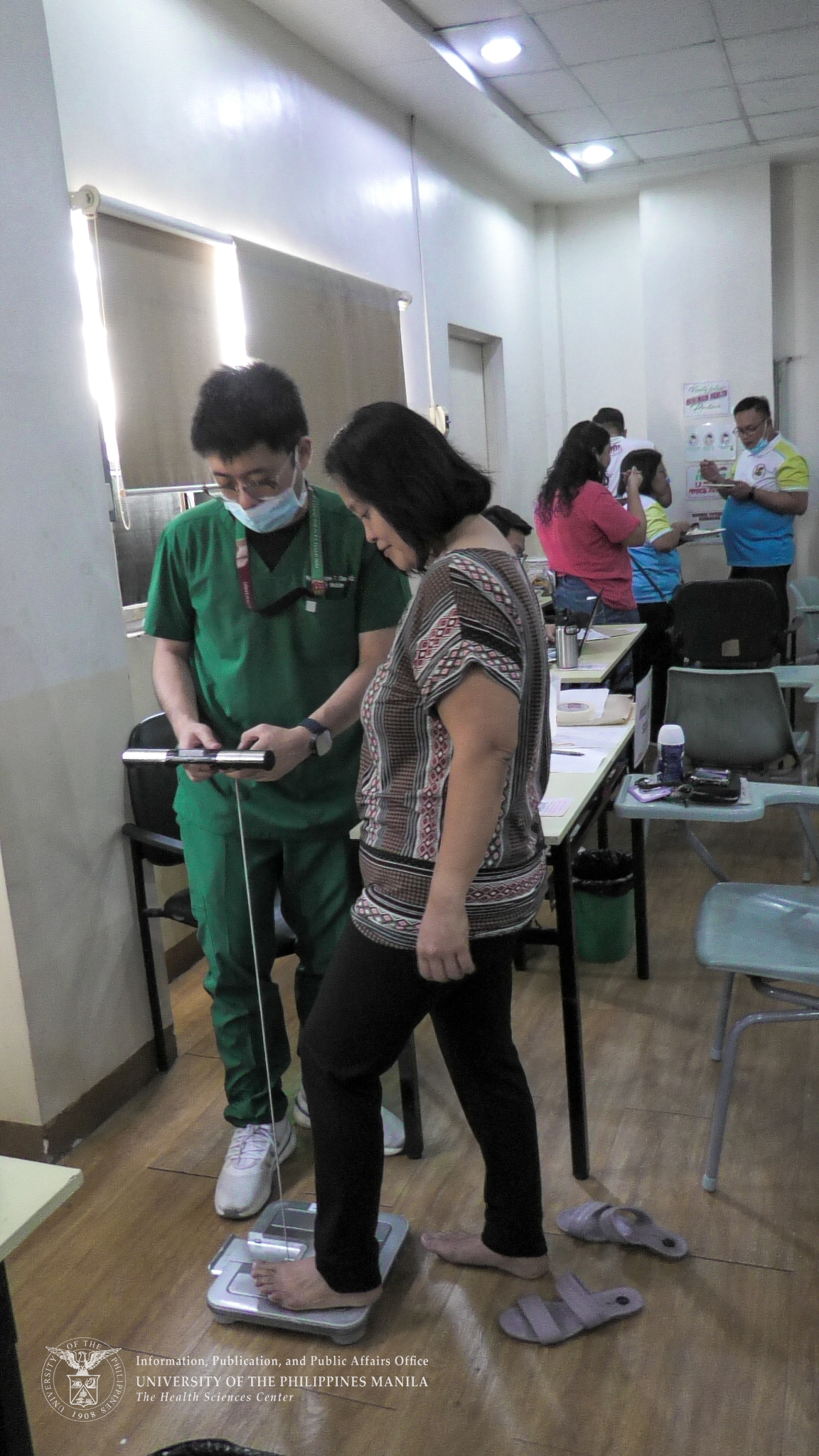
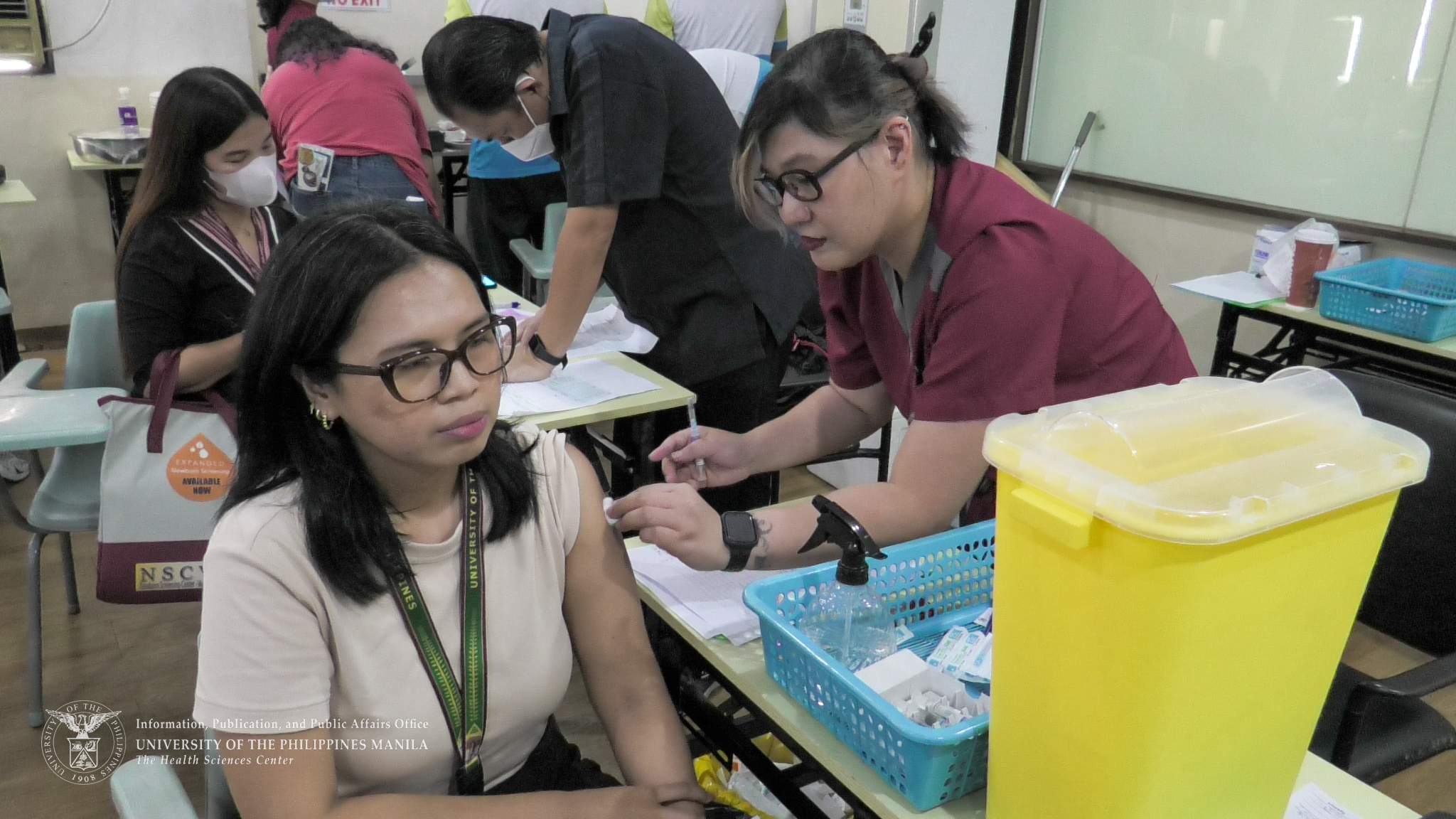
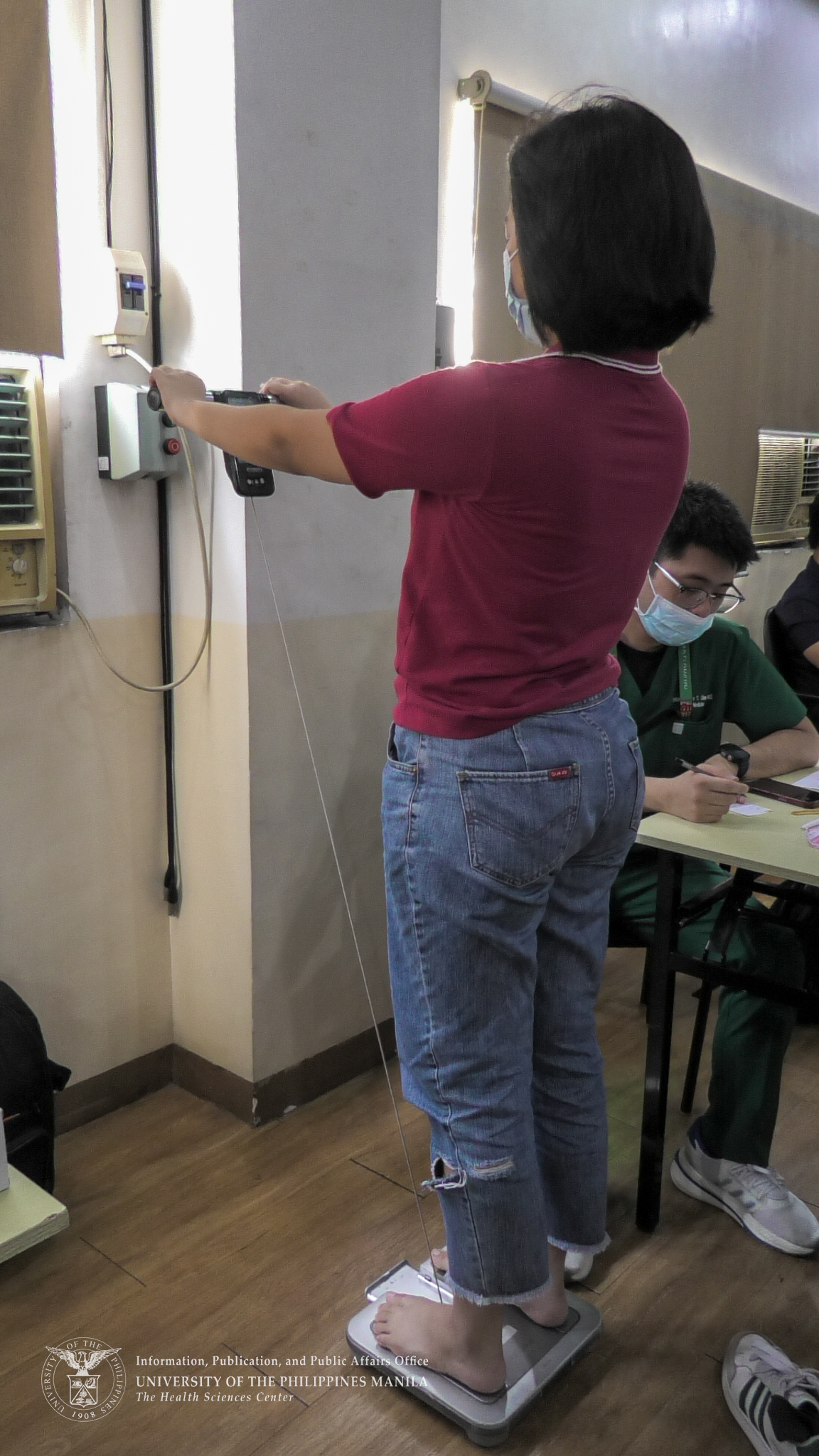
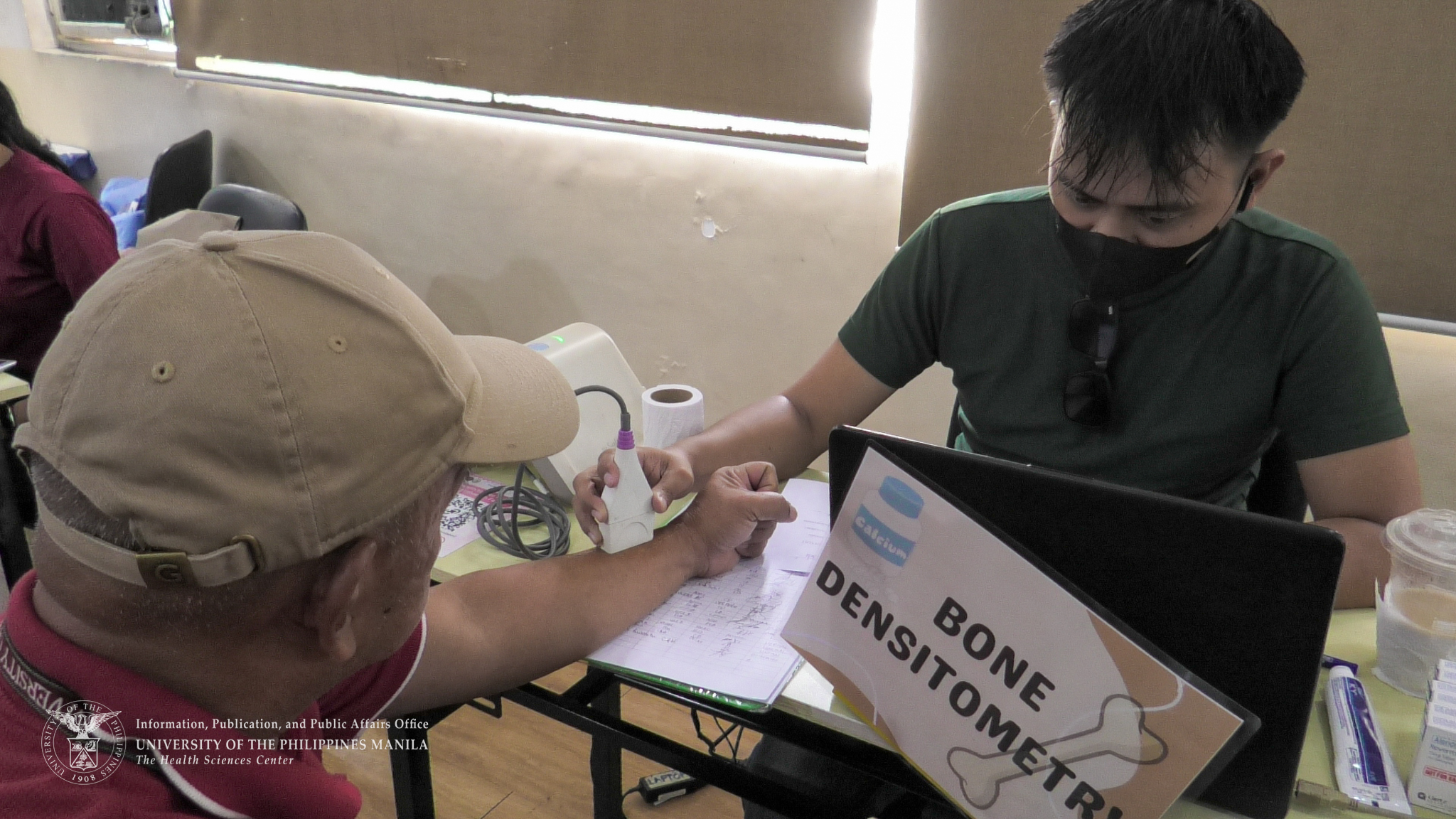
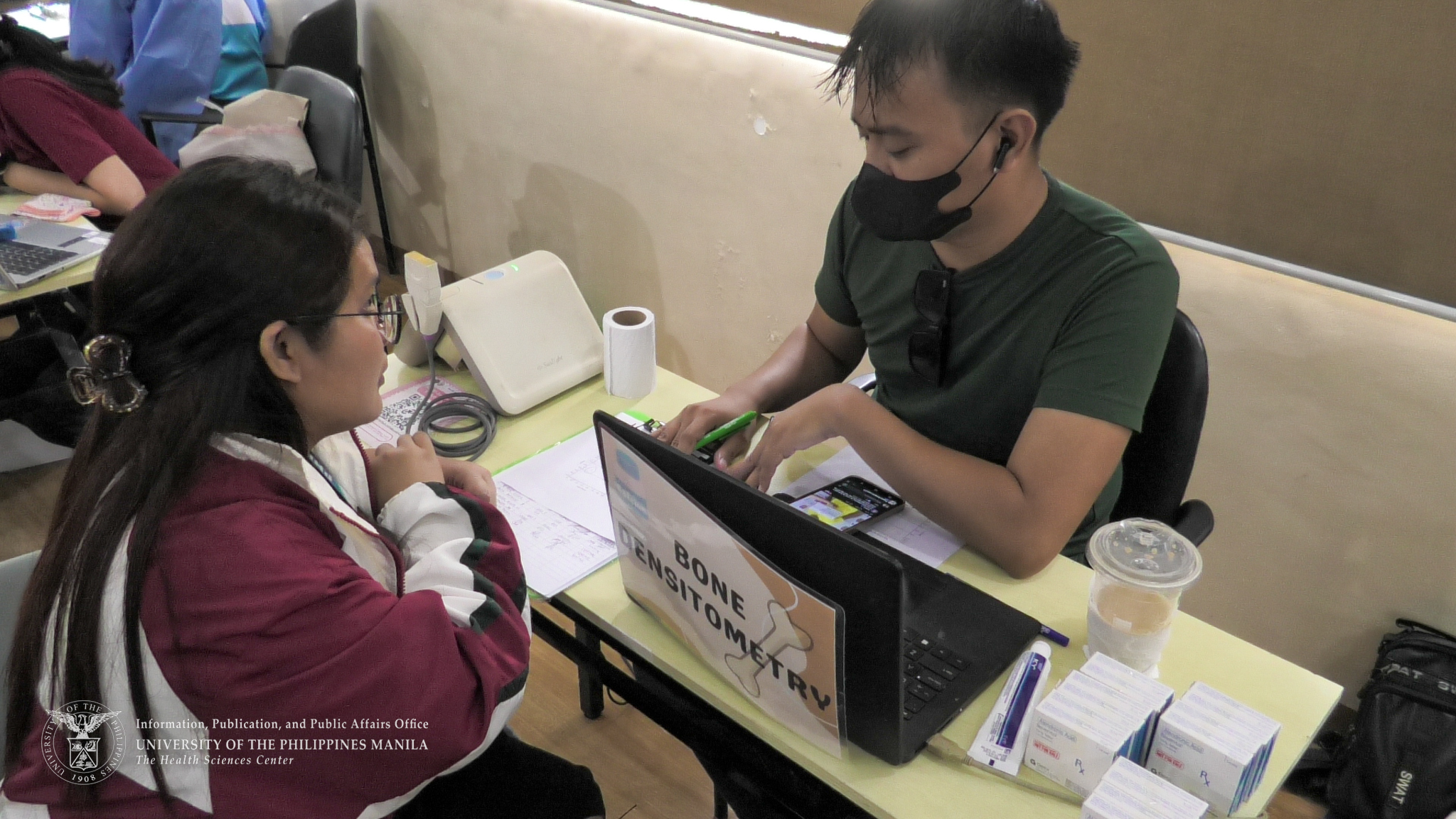
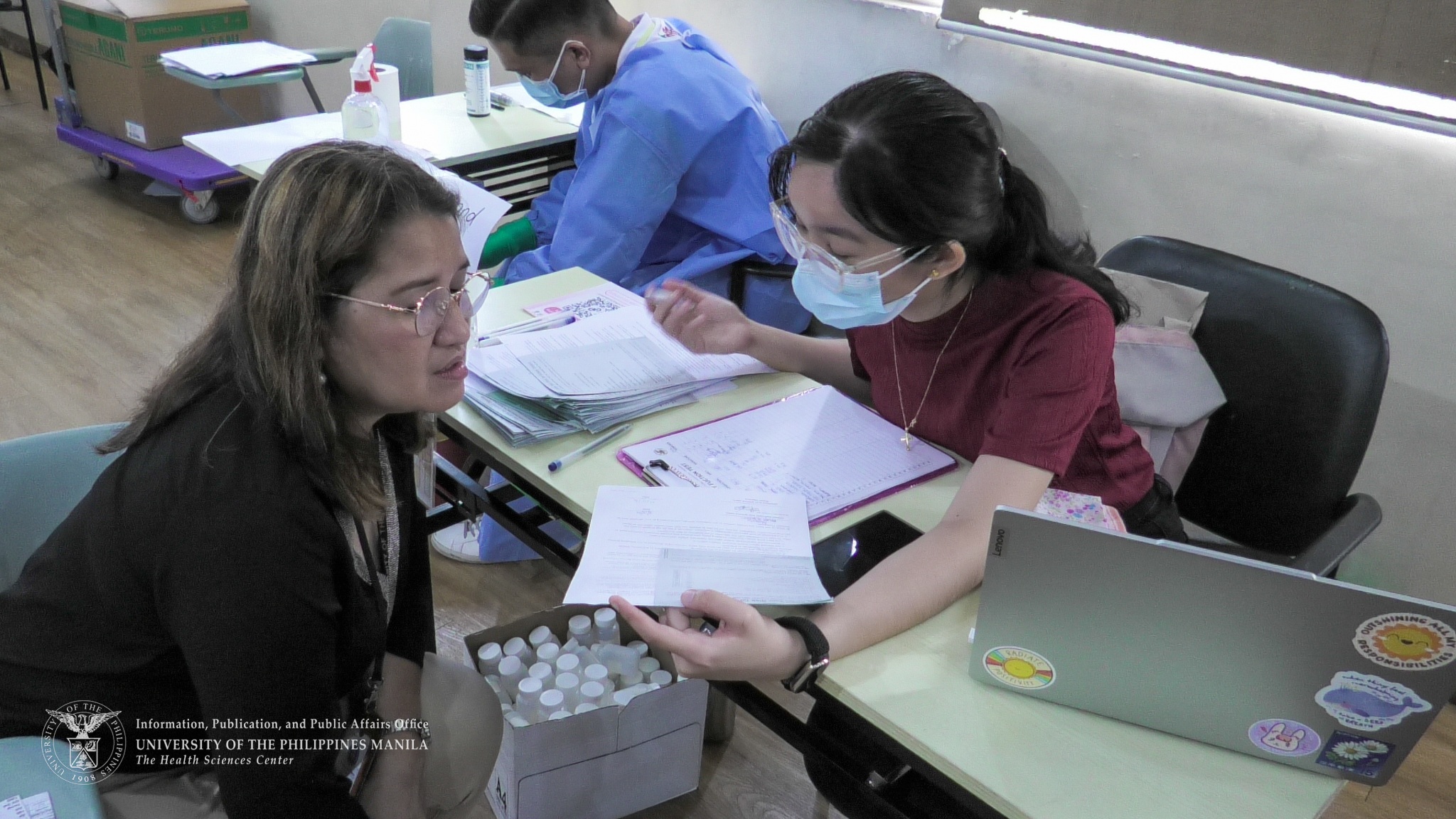
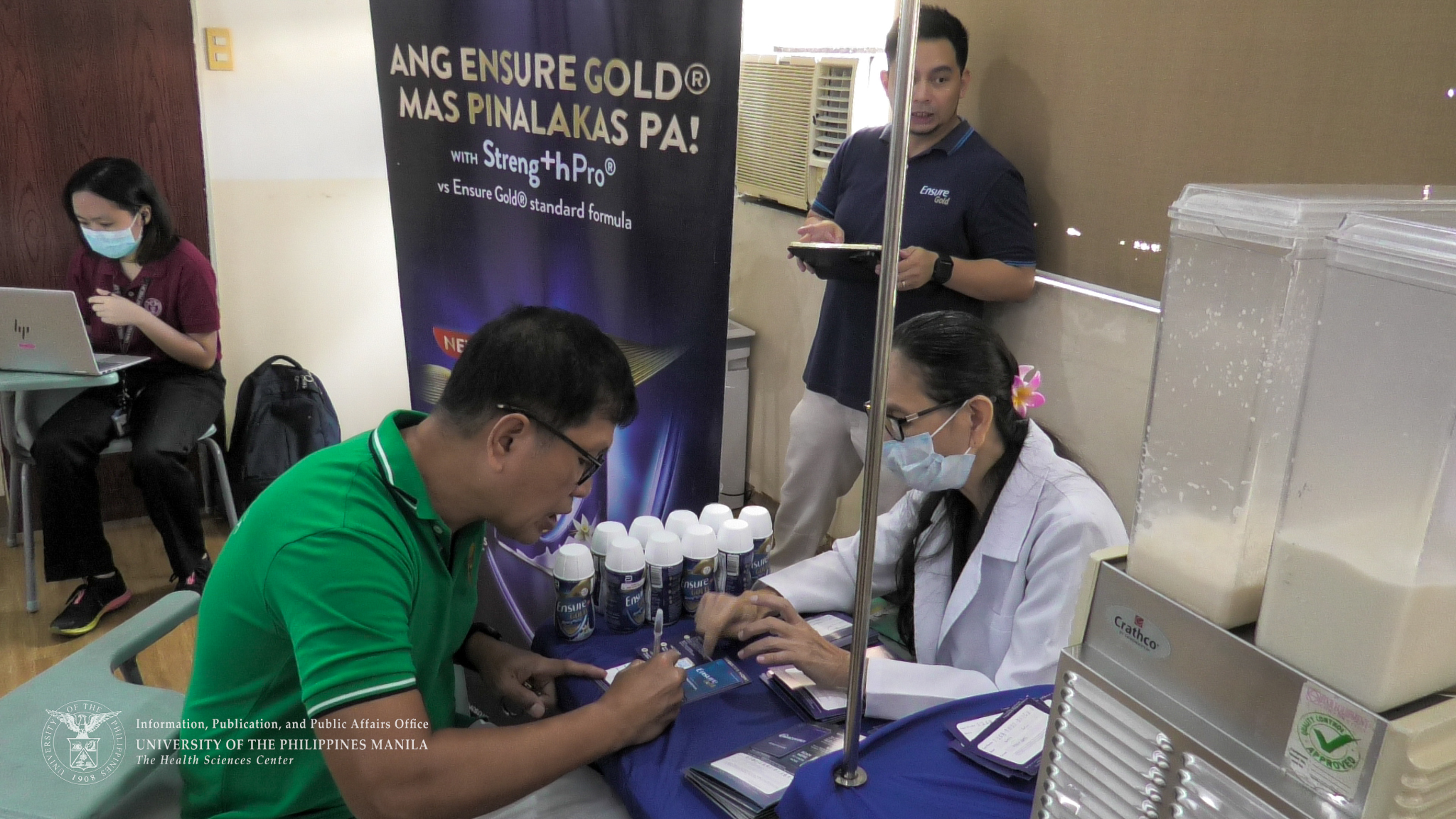
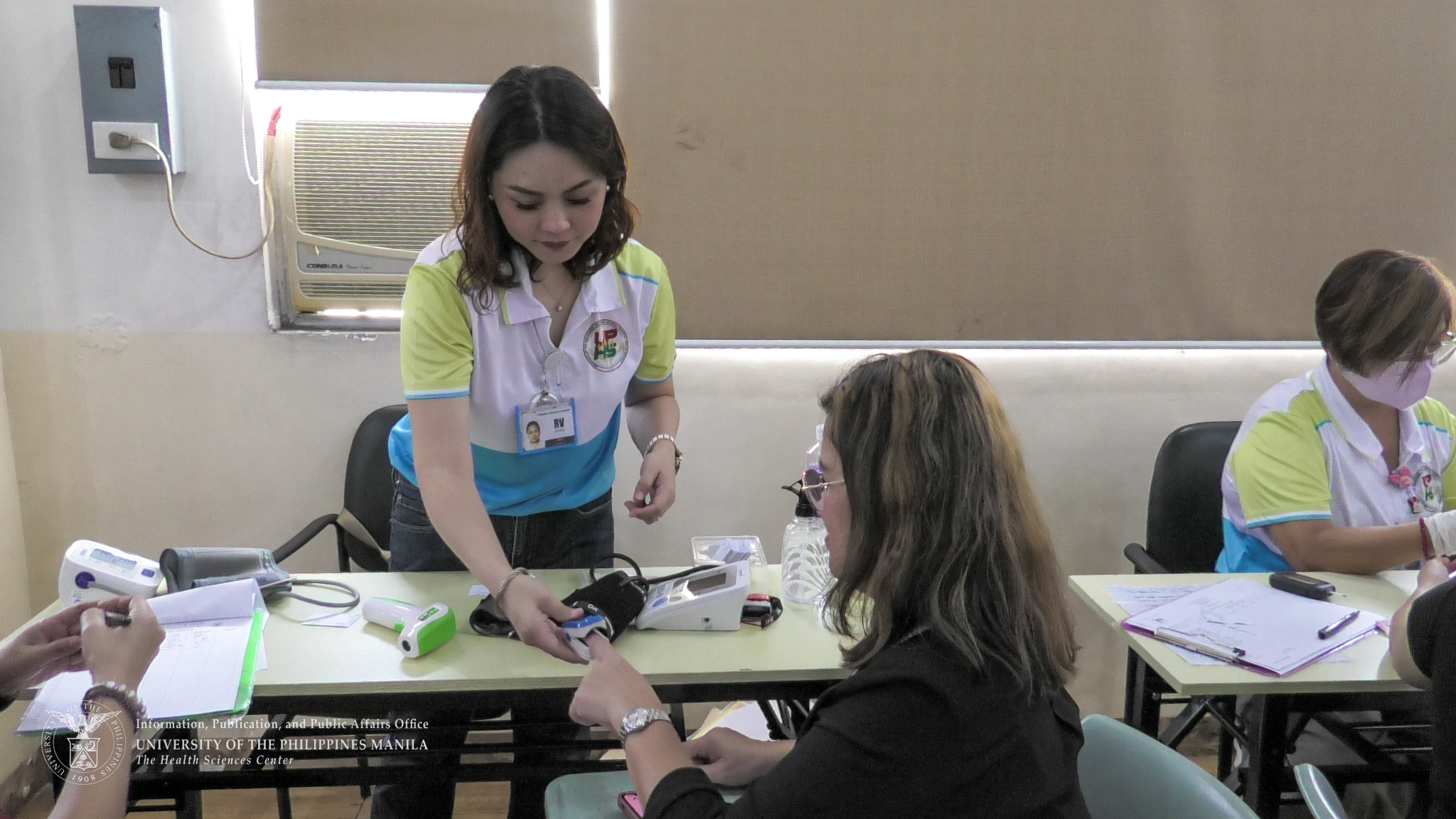
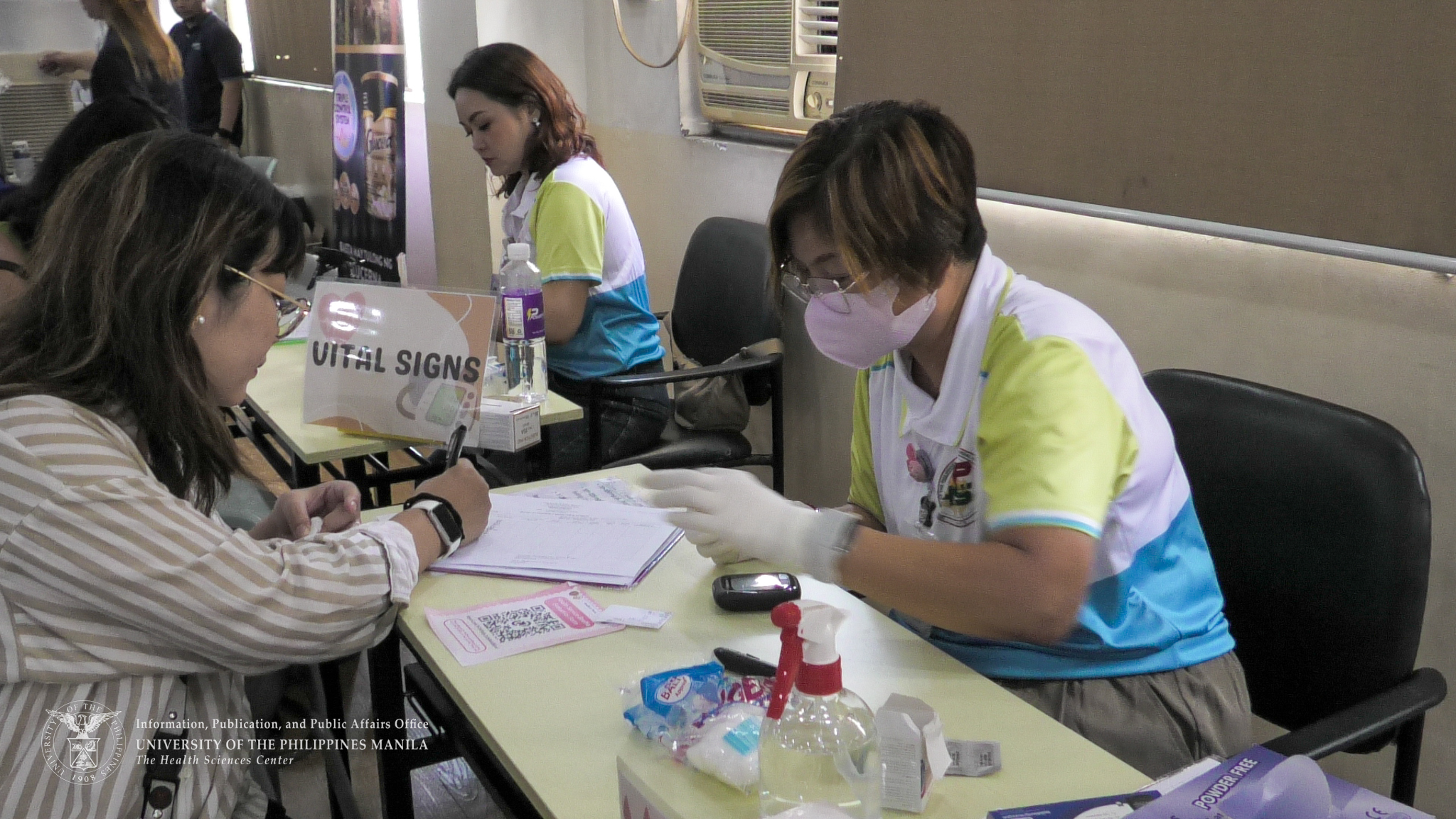
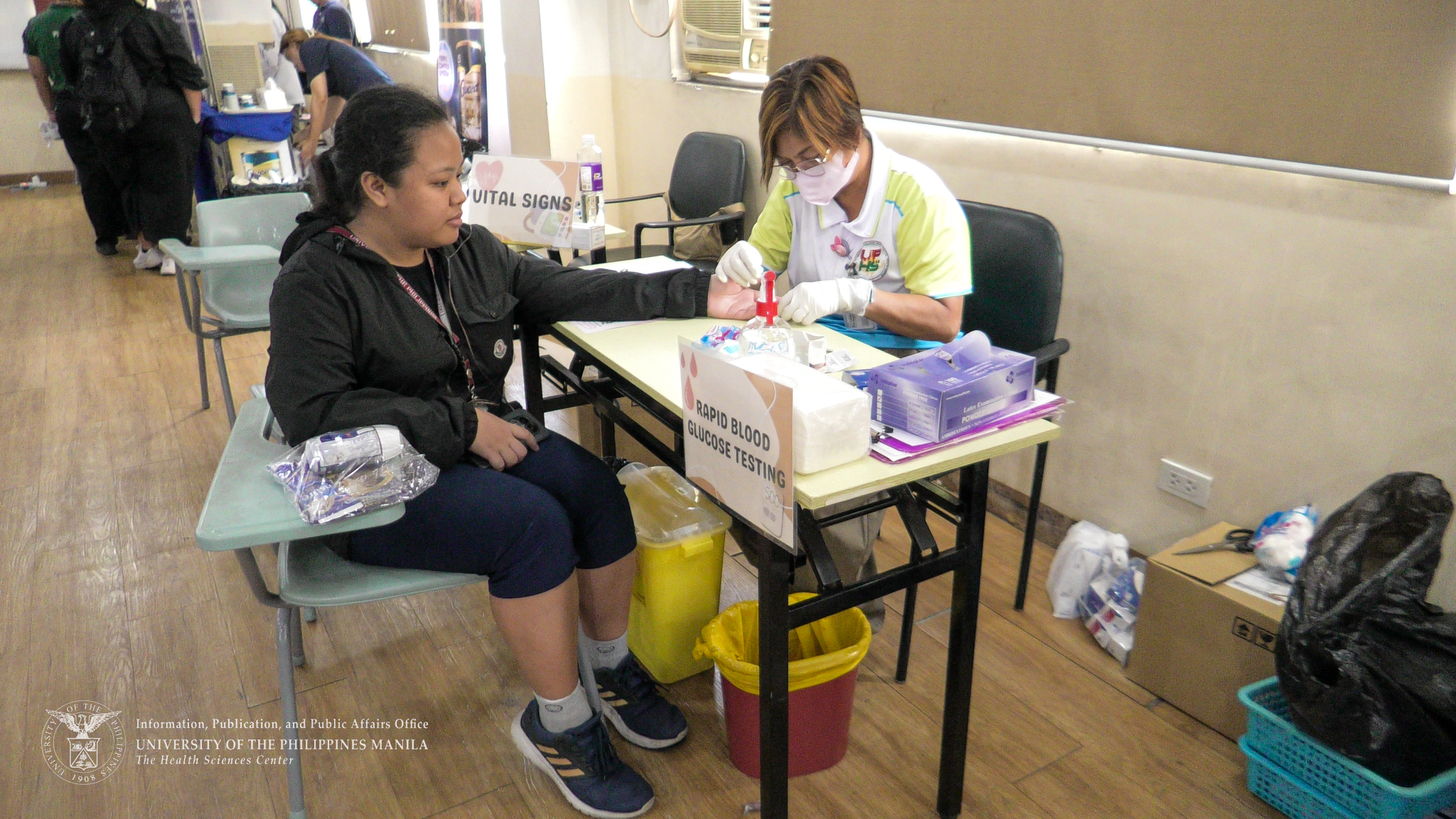
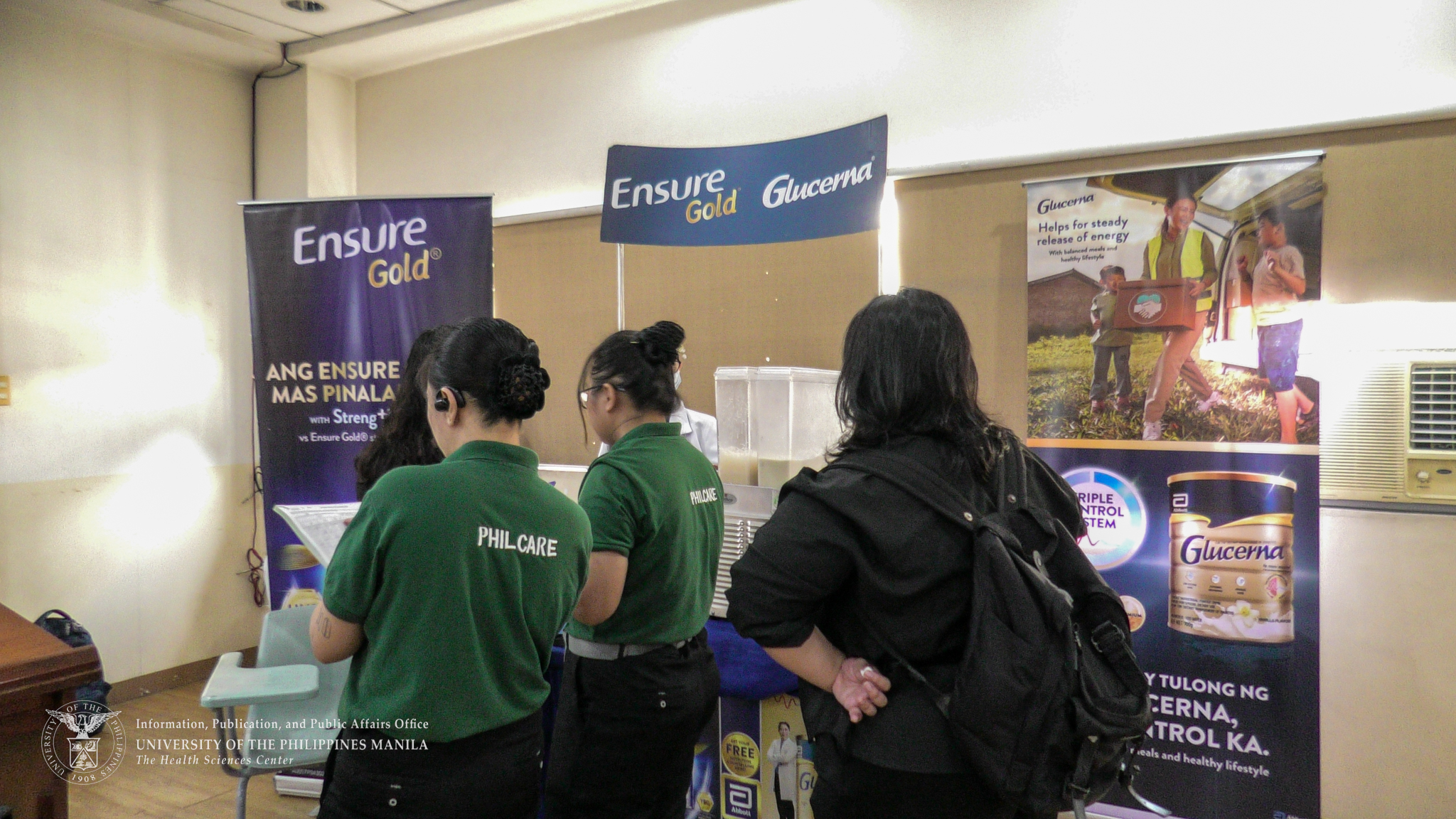
Participants had access to various health service booths offering blood pressure monitoring, blood glucose testing, body age analysis, flu vaccination, bone densitometry, and kidney function assessment.
Dr. Paul Michael Hernandez, director of the Healthy University Office, emphasized that “one of the roles of the Healthy University Office is coordinating health and safety initiatives of UP Manila, particularly recognizing equity for both health and safety programs and services.”
The information session of the Philippines event included two expert lectures addressing healthcare access through the PhilHealth YAKAP Program and gender and disability sensitivity.
The PhilHealth YAKAP Program
The first lecture was delivered by Dr. Marishiel Mejia-Samonte, coordinator of the UP Health Service and Clinical Associate Professor at the UP College of Medicine. She provided participants with an orientation on the PhilHealth YAKAP Program, an expanded outpatient benefit package designed to make preventive and primary healthcare services more accessible.
Dr. Mejia-Samonte explained that while PhilHealth membership is automatic for qualified members, enrollment under the YAKAP Program requires beneficiaries to register with their preferred healthcare provider. She encouraged UP Manila employees and students to consider enrolling with the UP Health Service, allowing them to conveniently access consultations within the University.
She outlined the services available under the program, including free consultations, selected laboratory examinations, maintenance and essential medicines, and expanded outpatient benefits. The YAKAP Program now covers a wider range of medications for hypertension, diabetes, cholesterol management, antibiotics, pain management, allergies, and other conditions, with medicine assistance reaching up to ₱20,000 annually through accredited pharmacies.
In addition to consultations and medications, Dr. Mejia-Samonte highlighted PhilHealth’s expanded cancer screening benefits, which include mammography, breast and pelvic ultrasound, liver ultrasound, colonoscopy, and low-dose chest CT scans for eligible patients based on their physician’s assessment and risk factors.
Creating an Inclusive Space
Dr. Sherri Ann Suplido, Clinical Associate Professor at the UP College of Medicine and Chief of the Division of Sexual Health under the Department of Obstetrics and Gynecology of the Philippine General Hospital presented the benefits of having inclusive spaces for persons with disability and gender sensitive spaces within the healthcare setting.
Dr. Suplido explained that fostering inclusion goes beyond equal treatment and requires recognizing the different needs and lived experiences of individuals. She discussed the concepts of equality, equity, inclusion, and belonging, emphasizing that equitable support allows everyone to participate meaningfully regardless of gender, disability, age, race, religion, or sexual orientation. She discussed that unconscious biases and inaccessible systems create barriers to education, employment, and healthcare, particularly for women, persons with disabilities, and members of the LGBTQIA+ community. She emphasized that healthcare providers and institutions have a responsibility to create environments where every individual feels respected, safe, and welcome.
“We should be able to promote that health service is for everyone. And that it should be equitable, it should be equal, to maintain a person’s dignity and to promote their human rights,” she said.
Dr. Suplido shared examples of how healthcare providers can foster more inclusive environments similar to what she has done in her own obstetrics and gynecology clinic. Recognizing that transgender men may still require gynecologic care for conditions such as myoma or ovarian masses, she reduced the clinic’s predominantly pink décor after realizing that its traditionally feminine appearance could unintentionally make some transgender patients feel uncomfortable seeking care. She also placed rainbow posters in the clinic to signal that LGBTQIA+ patients are welcome. These simple yet intentional changes help create a healthcare environment where patients feel respected and more at ease accessing the services they need.
Dr. Sulpido also discussed the different forms of disability, including physical, sensory, intellectual, psychosocial, and invisible disabilities, and she emphasized that disabilities are not always visible. Accessibility, she noted, extends beyond physical infrastructure and includes equitable access to education, employment, transportation, information, healthcare, and participation in decision-making.
By integrating preventive healthcare services with discussions on inclusivity, accessibility, and equity, the Health at Work HATID Caravan demonstrated UP Manila’s holistic approach to promoting health across its community. The initiative also reinforced the University’s commitment to creating a campus where every individual—regardless of gender identity, sexual orientation, or disability—can thrive in a healthy, safe, and inclusive environment.
READ MORE:
#FP1 #Environmentthatnurturesourmindandbody