


Text and Photos by: Jericho Paolo L. Mabansag
Photo courtesy of: LC44 and the Thailand Leaders Conference
In the modern Philippine digital landscape, the “unparalleled online playground” has begun to look more like a gilded cage. For the Filipino youth, an unlimited supply of viral reels and hyper-targeted memes is no longer just a pastime; it is a silent shadow of a mental health crisis, turning this generation to powerless consumers, entertained into depression.
The trajectory is as clear as it is dangerous. According to a Senate press release dated July 2, 2025, Senator Panfilo Lacson filed a bill regulating the use of social media platforms by minors. In his presentation, Lacson put to the national spotlight an open secret that should alarm every digital citizen: “excessive social media usage is linked to risk for mental health problems, as well as anxiety, depression, and social isolation.” Major US universities and health agencies sounded this alarm, but for many, doom scrolling seems to have become an itch you can’t reach.
In 2025, according to social and consumer intelligence company Meltwater, Filipinos spend an average of 3 hours and 32 minutes daily on social media. This drastically outpaces the global average of 2 hours and 21 minutes, behind only Kenyans and Chileans.
Against this backdrop of dangerous trends and systemic screen addiction, a multidisciplinary team from the University of the Philippines Manila stepped onto the global stage to offer a reprieve.
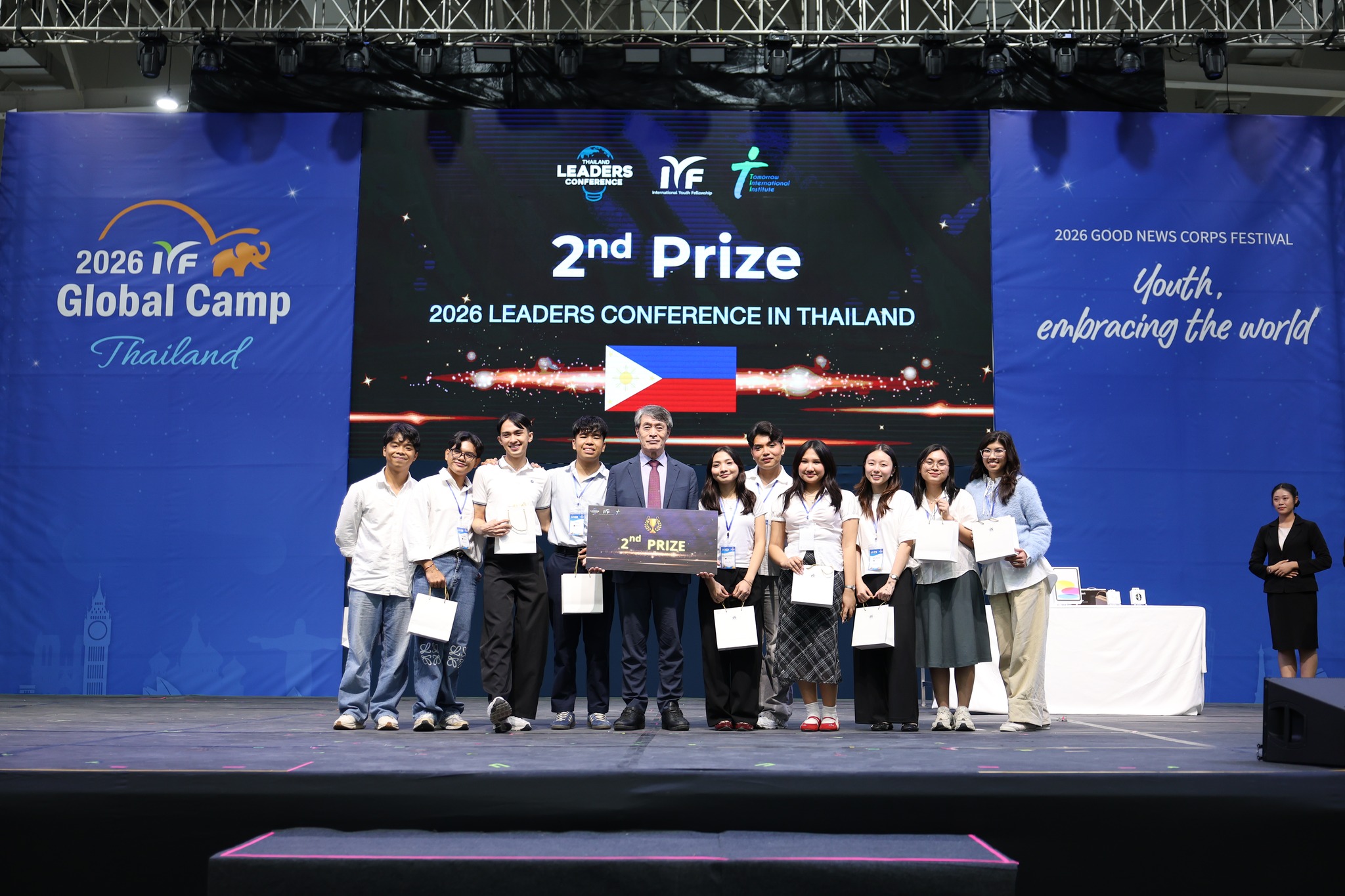
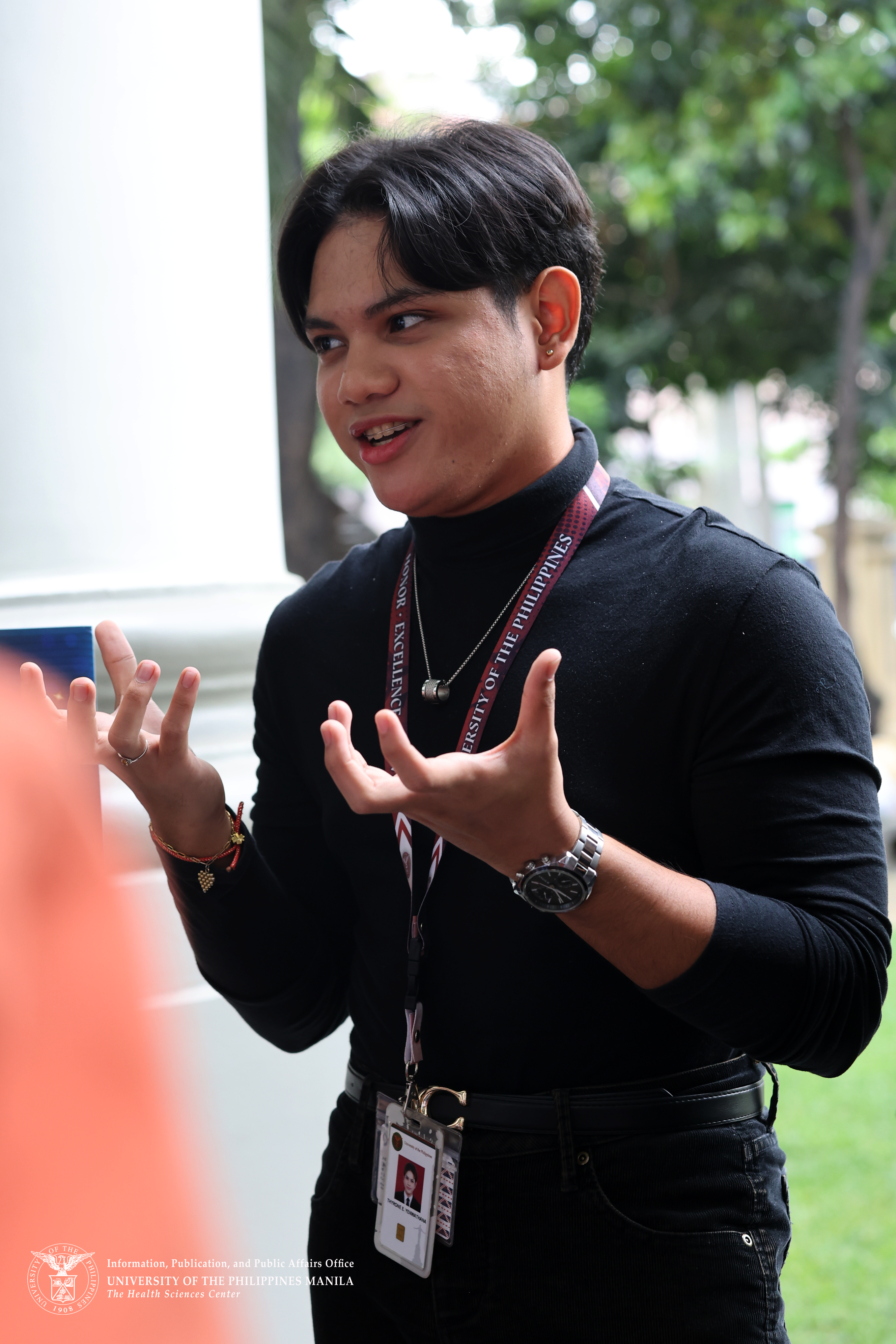
Dubbed “LC44,” the team—comprising seven Organizational Communication majors, namely: Gio Leaño, Jan Lloyd Concepcion, Thyrone Yenwathana, Ser Thomas Rouen Diaz, Jerlinda Reyes, Allyanna Diane Cartas, and Jaren Bricks Cordero; and three Biochemistry students, namely: Min Kyung Lee, Arabella Clarissa Sayat, and Helaena Lorainne Garcia—traveled to Thailand for the 2026 Leaders Conference and Global Camp on Feb. 25–28. Their mission: to pitch “Thai-M to Log Off,” a campaign designed to break the cycle of instant gratification that fuels screen addiction.
Competing under the theme “Youth for Social Change,” the UP Manila delegation bested 51 groups from across the globe, including economically advanced nations like South Korea, China, Indonesia, and Thailand, to secure second place.
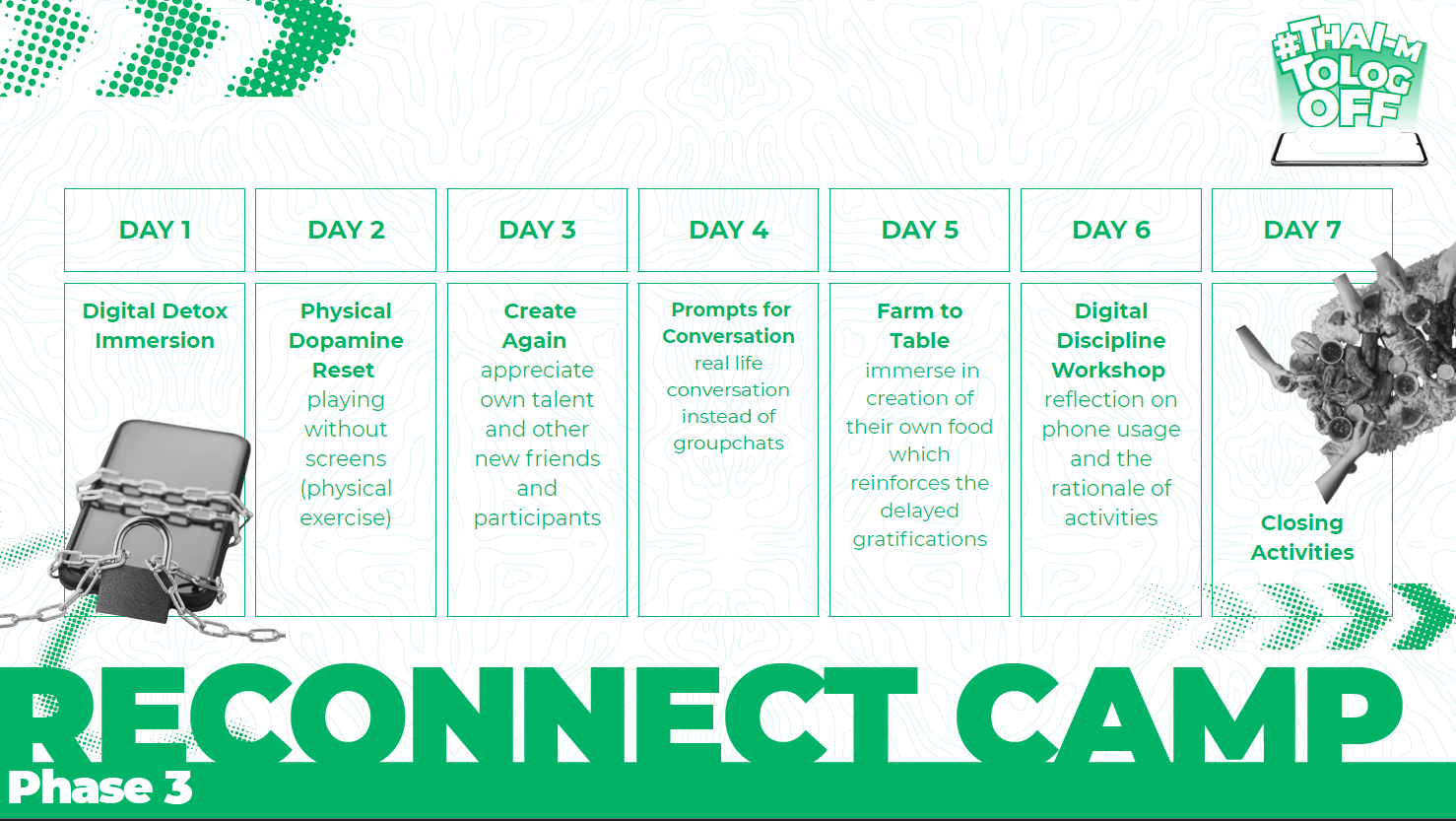
The pitch centers on the “Reconnect Camp,” a seven-day immersion that empowers participants to trade the backlight for the sunlight. A digital detox program that forces participants to disconnect to help them reconnect. Through physical games, garden-to-kitchen cooking, and digital discipline workshops, the program aims to foster sustainable self-regulation rather than just temporary abstinence.
“Every scroll is a choice,” the team declared during their winning pitch. “Every log-off is a reclamation. ‘Thai-m to Log Off’ is not about rejecting technology—it’s about refusing to be consumed by it.” – LC44
The team’s success was not merely a product of idealism, but of the rigorous, intercultural training inherent in a UP education. Team leader Gio Leaño emphasized that the campaign seeks to instill delayed gratification, addressing the root of time mismanagement and anxiety.

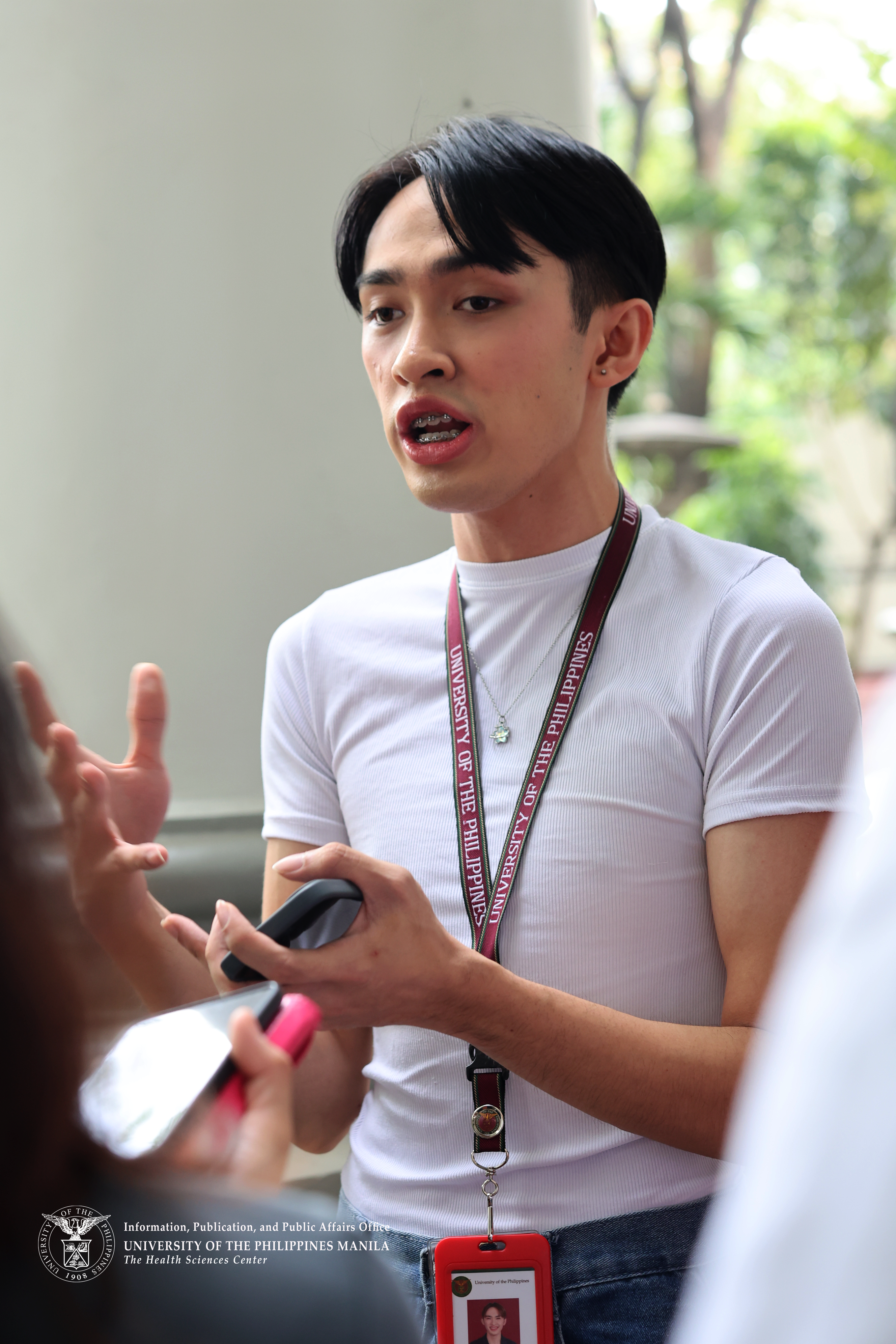
The victory also underscored the power of strategic communication instilled in each organizational communication student. Jan Lloyd Concepcion credited the team’s “detail-oriented” approach in their training in public relations as the key to their winning campaign pitch. “In the Dynamics of Public Relations with Barry Barrientos, it really helped us with the pitch because we knew the content we could put together the right ideas that we could put together in the presentation. We realized that the key message needs to be clear, the program and the execution of the plan are detail-oriented. In class, we realized that if it is not specific, the execution is neither good nor feasible,” Concepcion added.
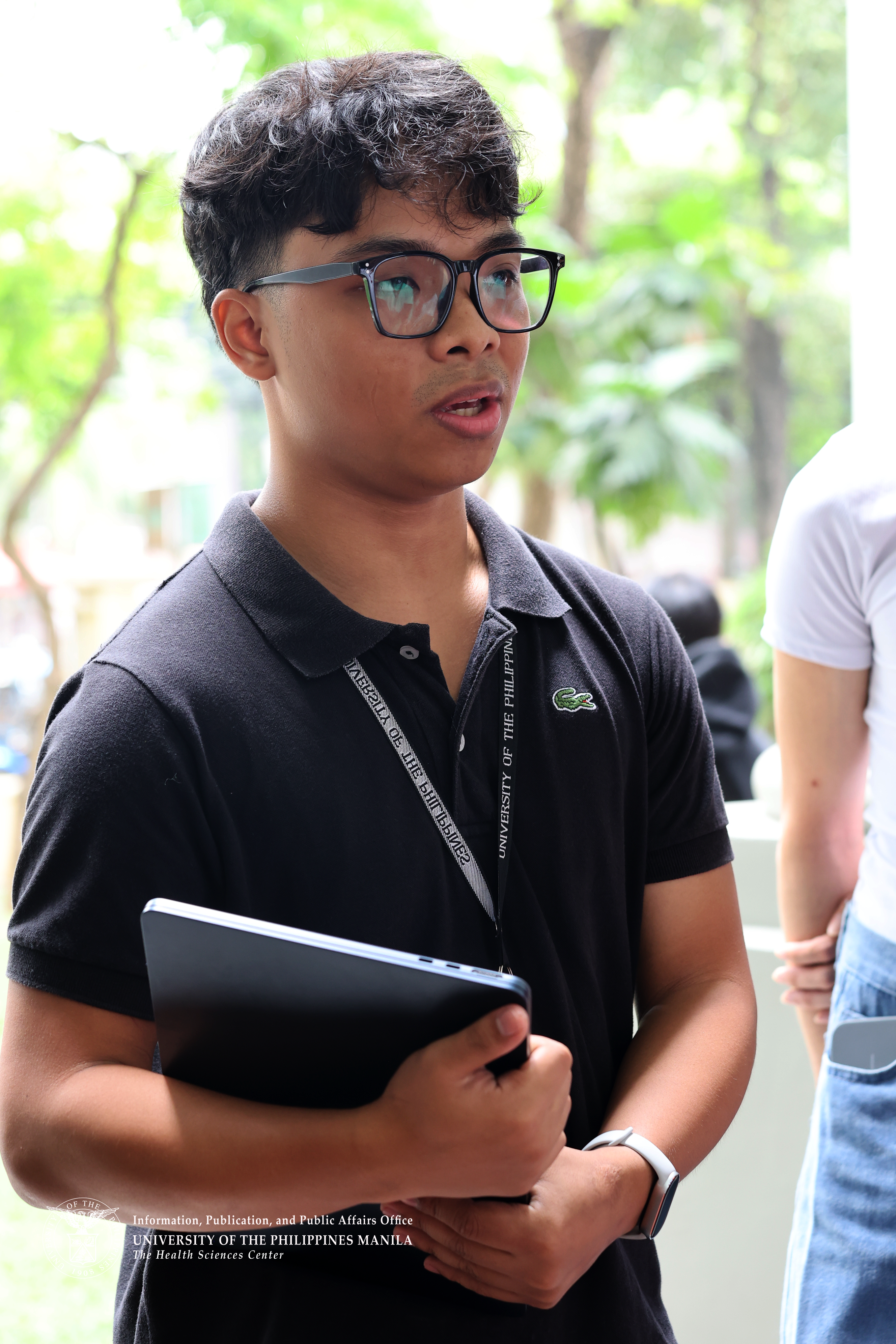
Although the pitch was done in the context of Thailand, the “Filipino” element of the pitch was inescapable but beautiful—it’s being grounded in the Filipino psyche, a blend of “Bongga” (grandeur) and “Tipid” (frugality). While the vision and execution were grand and excellent, the logistics were rooted in the reality of the Philippine setting.
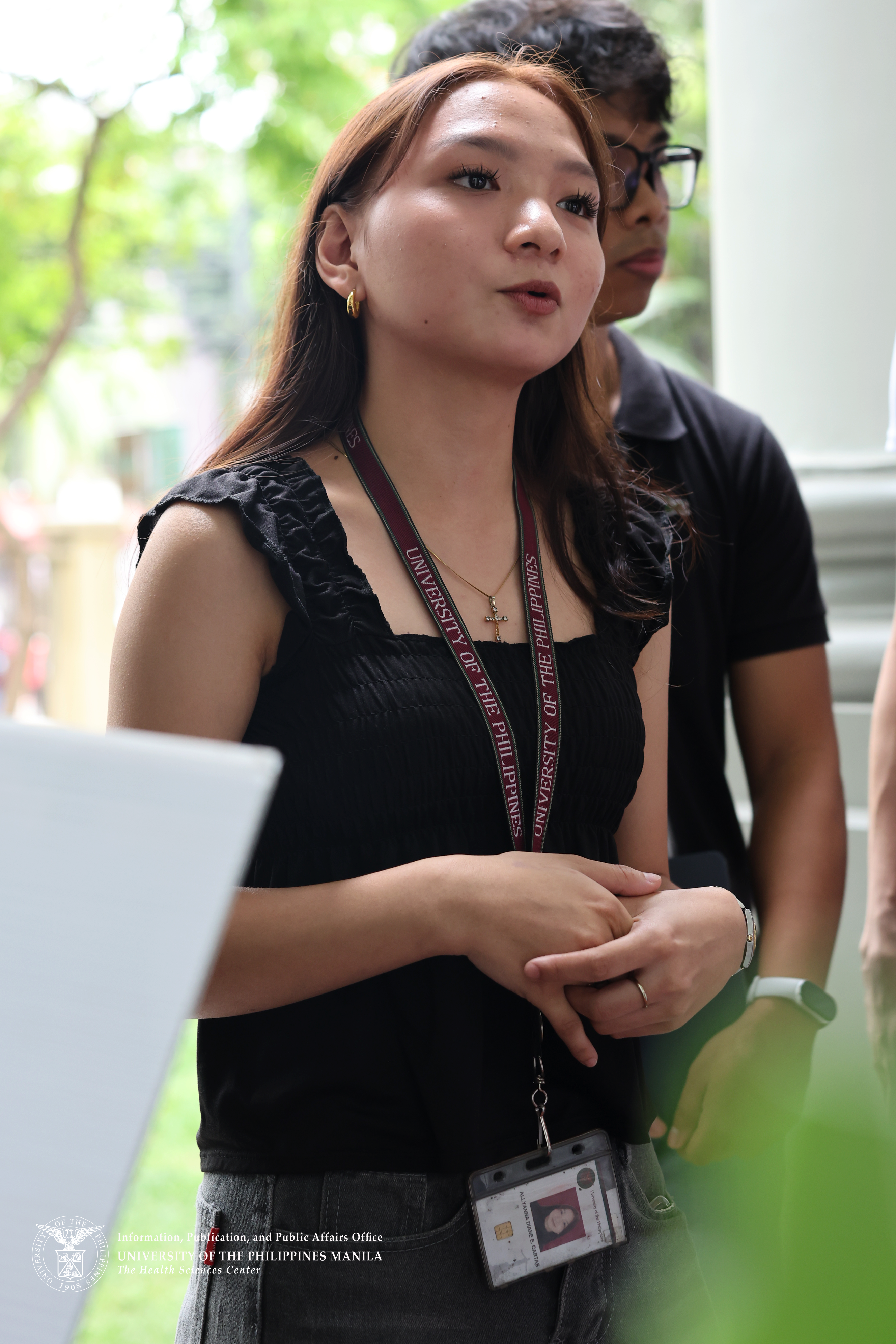
“We were creatively realistic,” said teammate Allyanna Diane Cartas. “It’s an asset of the Pinoy. We go overboard in our dreams, but we keep our feet on the ground, considering exactly what we have in our hands.”
While the University’s constraints are a known reality, they proved no match for the unwavering support of Dachelle Parocha, Ma. Caselyn Morada, Junie Billones, the Ugnayan ng Pahinungod, and other unnamed allies. Their help provided the critical momentum for a priceless victory without the shadow of expected returns.
Reclaiming Social Media
The victory in Thailand serves as a poignant reminder that while the digital world often offers a void of endless content, the physical world offers warm human relationships despite its imperfections. By applying lessons in intercultural communication in organizational communication, assuming differences rather than similarities, the students of LC44 bridged the gap between diverse cultures and a universal issue.
As the 2026 Global Leaders Conference drew to a close, the message from UP Manila remains clear: In a world designed to keep us scrolling, the most radical act of rebellion is to look within and look out for others.
The scroll may be infinite, but our time is not. Reclaiming technology means not being consumed by it, but rather using it for the good of the community.
Read more:
#FP1 #FP6 #FP8 #AccessibleUPLeadership