


Text by Charmaine A. Lingdas
Photos by Jericho Paolo L. Mabansag
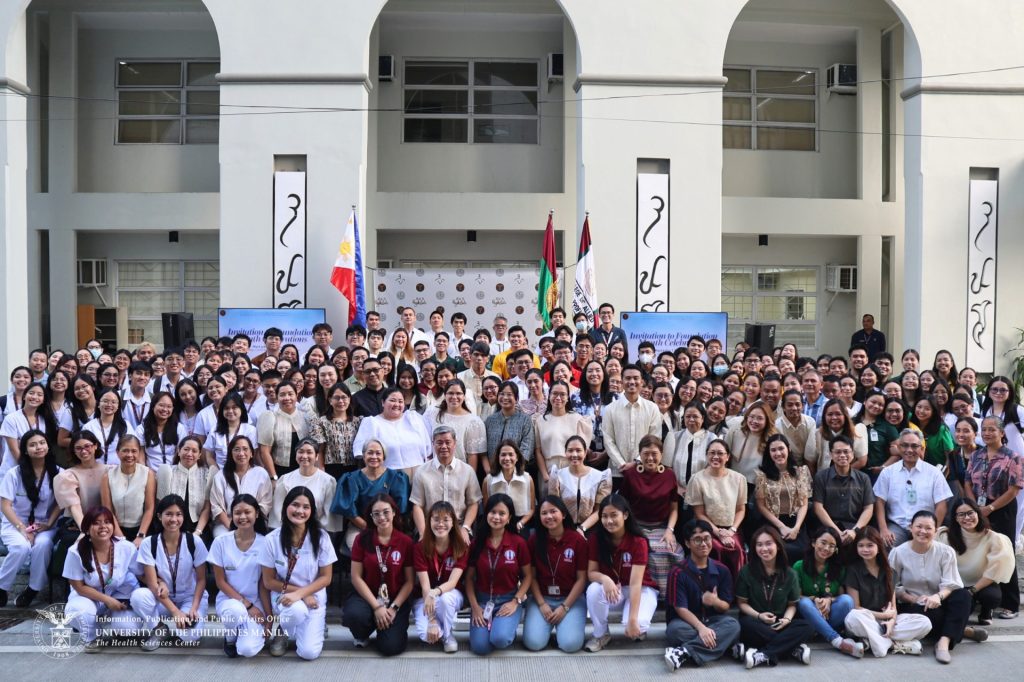
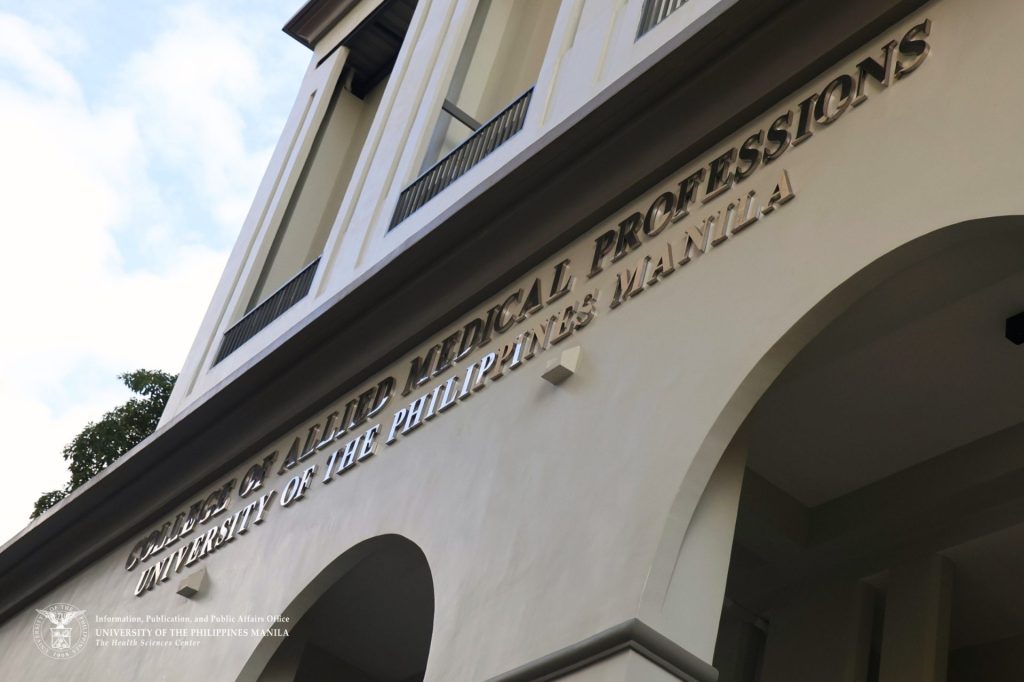
The University of the Philippines Manila College of Allied Medical Professions (CAMP) kicked off its 64th founding anniversary on Nov. 9, 2026. The event coincided with the 30th anniversary of its Clinic for Therapy Services (CTS), celebrating the college’s contributions to allied health education, rehabilitation services, research, and community engagement while setting its sights on expanding its programs to address the country’s growing healthcare needs.
Honoring the pioneers who built CAMP
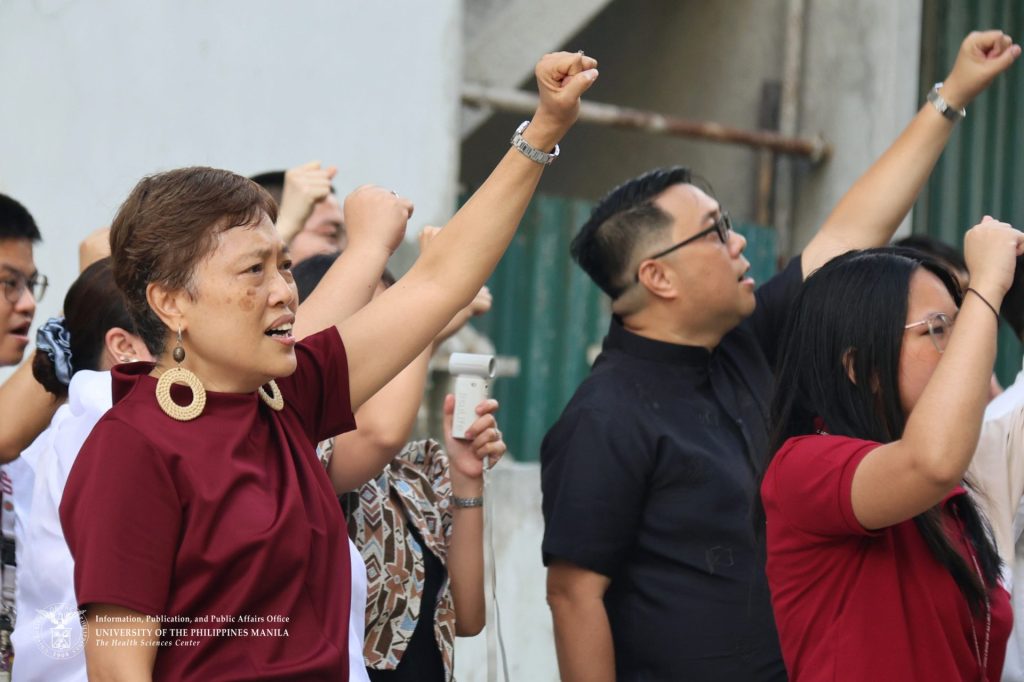
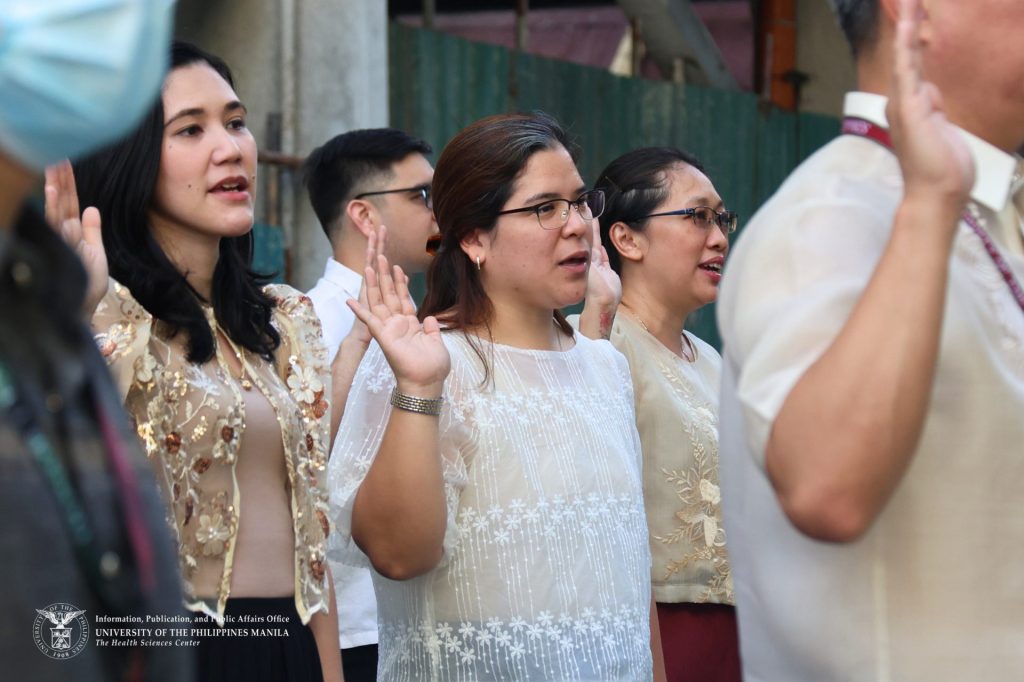
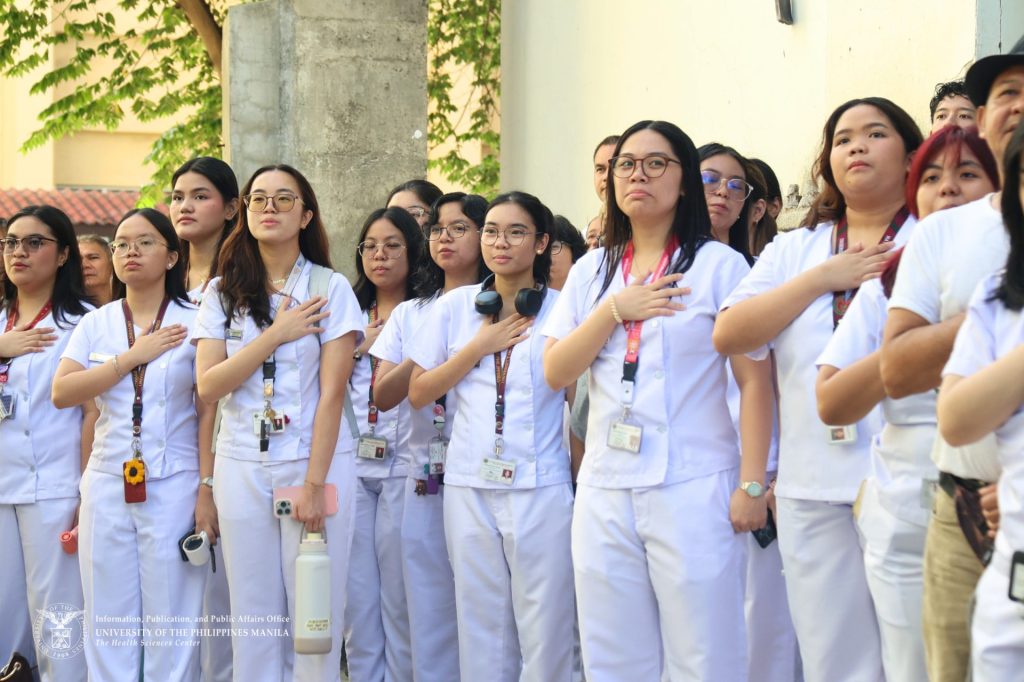
With the theme “Honoring Our Roots and Sustaining Our Care,” the college opened its Foundation Month celebrations through a flag ceremony attended by Chancellor Michael Tee, university officials, college administrators, faculty members, staff, students, and guests.
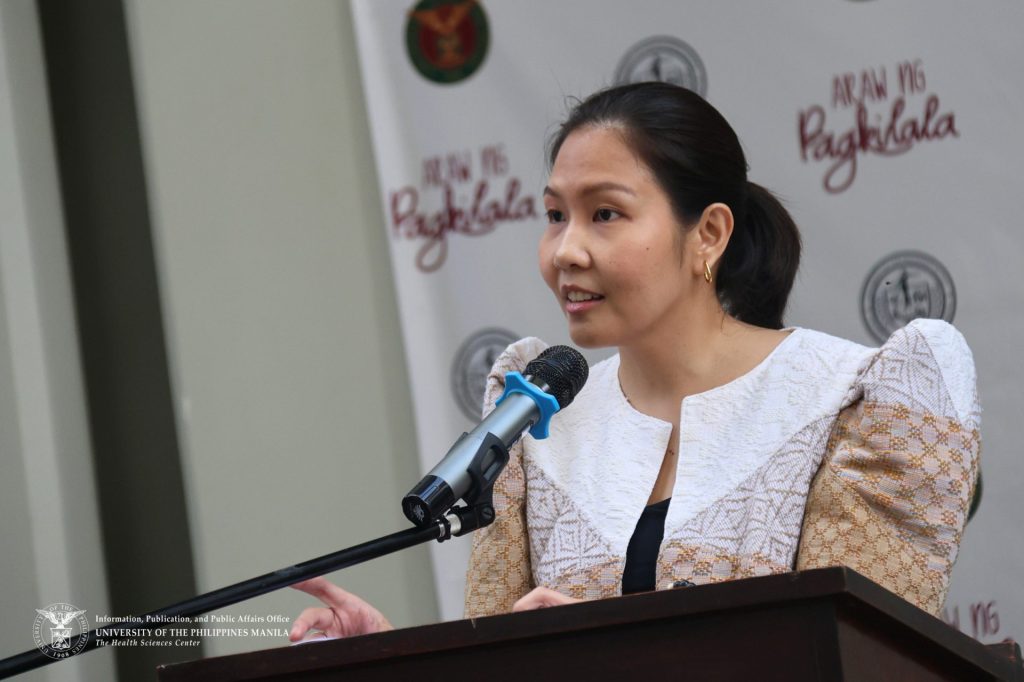
CAMP Dean Professor Esmerita Rotor reflected on the college’s history, recognizing the determination of its pioneers, faculty members, and administrators whose efforts established the foundations of its academic programs, facilities, research initiatives, and community-based services.
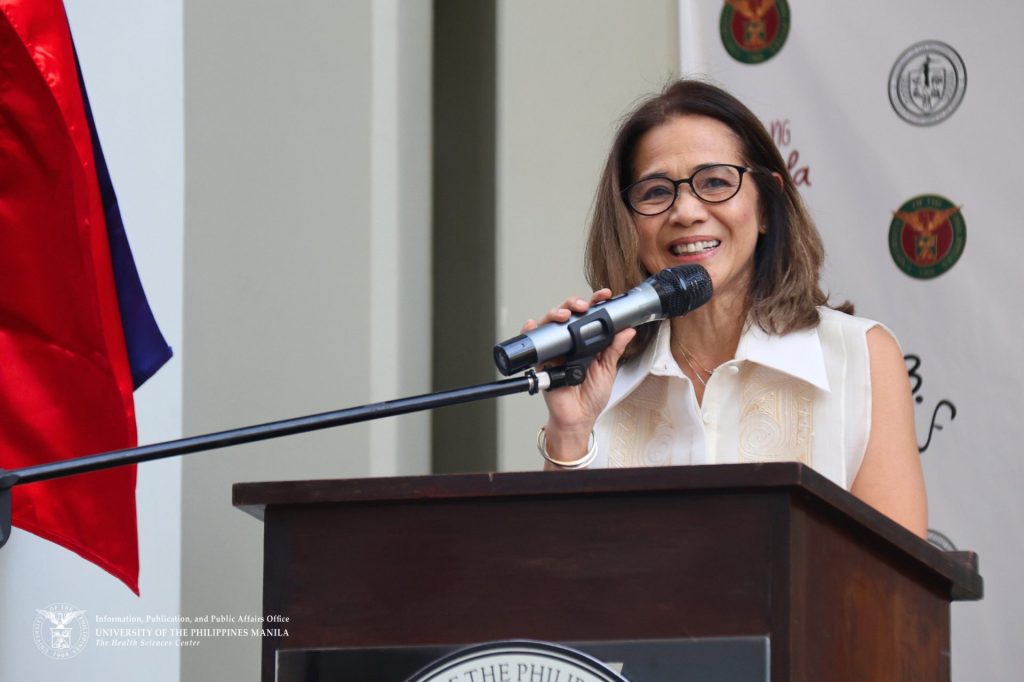
She explained that the anniversary theme draws from the university administration’s call to honor institutional roots while continuing to develop and strengthen the college’s contributions.
She recalled that CAMP spent nearly five decades moving between different locations within the university before acquiring a building of its own. The college moved into its present building in 2010, following years of efforts to secure funding for its construction.
Dean Rotor particularly recognized former Dean Policarpia Magpili for her persistence in obtaining the initial funding needed to establish the building’s foundation. Magpili led the groundbreaking ceremony with then Chancellor Perla Santos Ocampo in the mid-1990s.
The dean also acknowledged the individuals who developed CAMP’s undergraduate curricula, including Dean Charlotte Floro and Mrs. Conchita Abad for Occupational Therapy; Elizabeth Albert and Jacques Roberts for Physical Therapy; and Mrs. Rozella de Jesus-Sutadisastra for Speech Pathology.
The college’s current curriculum development initiatives build on this foundation. CAMP recently submitted revisions to its undergraduate programs in Bachelor of Science in Occupational Therapy (BSOT), Bachelor of Science in Physical Therapy (BSPT), and Bachelor of Science in Speech Pathology (BSSP) to the University Curriculum Committee.
“I think it’s a privilege that we are allowed to improve those programs to make them more responsive to the needs of our stakeholders,” said Dean Rotor, referring to the college’s efforts to better address the needs of students, the healthcare sector, and the communities they serve.
Strengthening research and rehabilitation services
CAMP also marked a milestone in research with the online publication of the first special issue of Acta Medica Philippina dedicated to the college on Oct. 30, 2026.
For Dean Rotor, the publication reflects the progress CAMP has made in developing its research culture. She recalled that producing and publishing research was once considered an unlikely undertaking for the college.
She credited Professors Rolando Lazaro and Catherine Capio, the special issue’s guest editors, for encouraging faculty members to undertake research and publish their work. Rotor also expressed hope that the special issue would become the first of many research publications produced by the college.
The dean also highlighted CAMP’s longstanding community-based rehabilitation and clinical services, particularly its Community-Based Rehabilitation (CBR) Program and Clinic for Therapy Services.
Established through the efforts of Professor Lucia Magallona, the CBR Program has provided opportunities for faculty members and students to work with communities through a service-learning approach. Rotor credited Magallona’s determination for bringing the program into existence and sustaining its work.
In celebration of the 30th anniversary of the CTS, Dean Rotor recalled that when the clinic began, patients, including children with developmental disabilities, were already seeking assistance even before a formal training program had been established. Faculty members from Physical Therapy, Occupational Therapy, and Speech Pathology subsequently organized an interdisciplinary and transdisciplinary training approach to support the clinic’s services. Today, the CTS continues to serve approximately 70 to 80 patients daily, demonstrating the continuing demand for accessible rehabilitation and therapy services.
A Call for Responsive Education and Stronger Allied Health Workforce
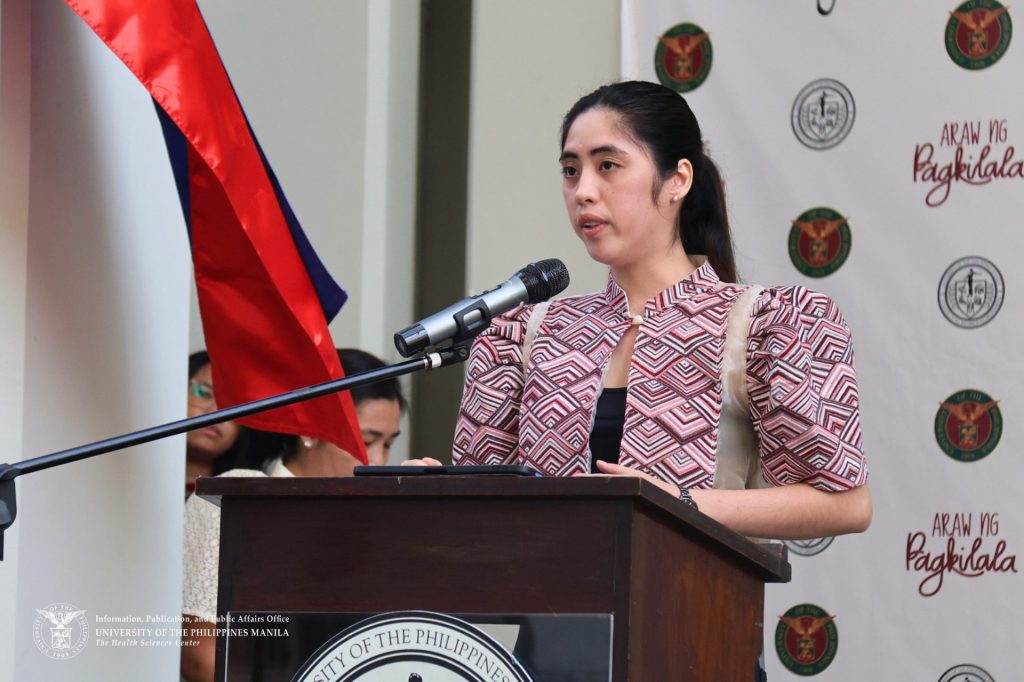
Chancellor Tee emphasized the role of allied medical professionals in the country’s healthcare system and challenged the college to expand its academic programs in response to the shortage of rehabilitation and other allied health professionals.
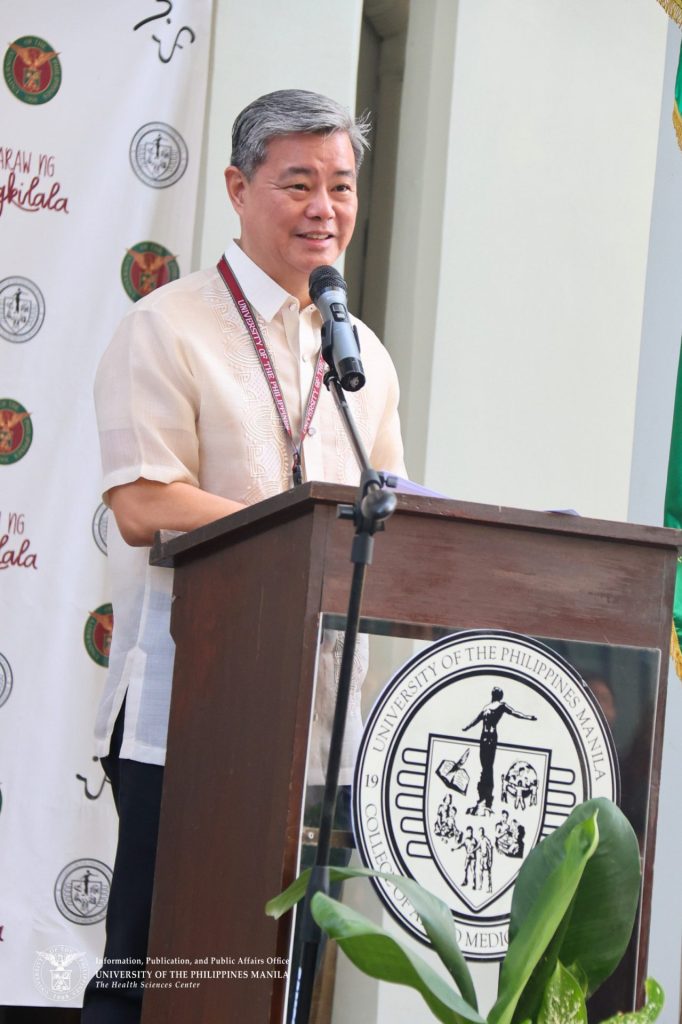
“Mahigit 70% ng healthcare industry ay allied medical professionals. Kaya naman, sinubukan natin na unti-untiing pabutihin at dagdagan ang ating mga kurso.Sa nakalipas na tatlong taon, tayo ay nagkaroon ng mga bagong pag-aaral kung paano pa pabutihin ang ating mga programa,” Tee said.
“Kapag sinabi kasi natin ng edukasyon, kailangan ito ay responsive at accountable sa ating mga kababayan,” he added and emphasized the shortage of allied health professionals who can provide services to Filipinos, particularly children with developmental disabilities.
He cited discussions of the PhilHealth Benefits Committee concerning the Z Benefits Package for Children with Disabilities, which began in 2017 and was implemented in 2018.
Despite the existence of government programs and policies intended to support children with disabilities, he pointed to the limited number of service centers and qualified professionals as significant barriers to accessing care.
“Ang kakulangan ng ating mga kababayang allied medical professionals ang nagiging pinakamalaking balakid upang makamit ng ating mga kababayan ang kanilang mga tinatawag nating access to care,” Chancellor Tee said.
He also affirmed the need to strengthen faculty development and mentoring programs, recognizing their role in improving teaching, research, and the overall quality of the college’s academic programs.
For students, he encouraged a broader understanding of public service and the opportunities available to allied health professionals, particularly in underserved provinces.
Expanding rehabilitation services in Samar
As part of efforts to address the shortage of allied health professionals outside Metro Manila, Chancellor Tee discussed a developing partnership with the provincial government of Samar.
He recalled discussions with the governor concerning the lack of rehabilitation professionals serving children with disabilities in the province, where only one physical therapist was reportedly available to meet the demand.
Through the partnership, Samar has provided scholarships for two students, one in Occupational Therapy and another in Speech Pathology. The initiative is intended to develop professionals who will eventually return to the province and serve its communities.
Chancellor Tee said the scholarship arrangement should be expanded beyond the initial two beneficiaries, with the possibility of supporting additional graduates in succeeding years.
The longer-term vision goes beyond producing individual professionals. The university and the provincial government are also exploring how CAMP’s academic and service programs could be developed and replicated in Samar through a local allied medical professions college.
Advancing academic programs and facilities
Chancellor Tee also outlined several developments and plans intended to strengthen CAMP’s academic offerings and training facilities.
The Bachelor of Science in Radiologic Technology program is among the college’s priorities. Plans include establishing its laboratory, recruiting faculty members, and organizing its internship program.
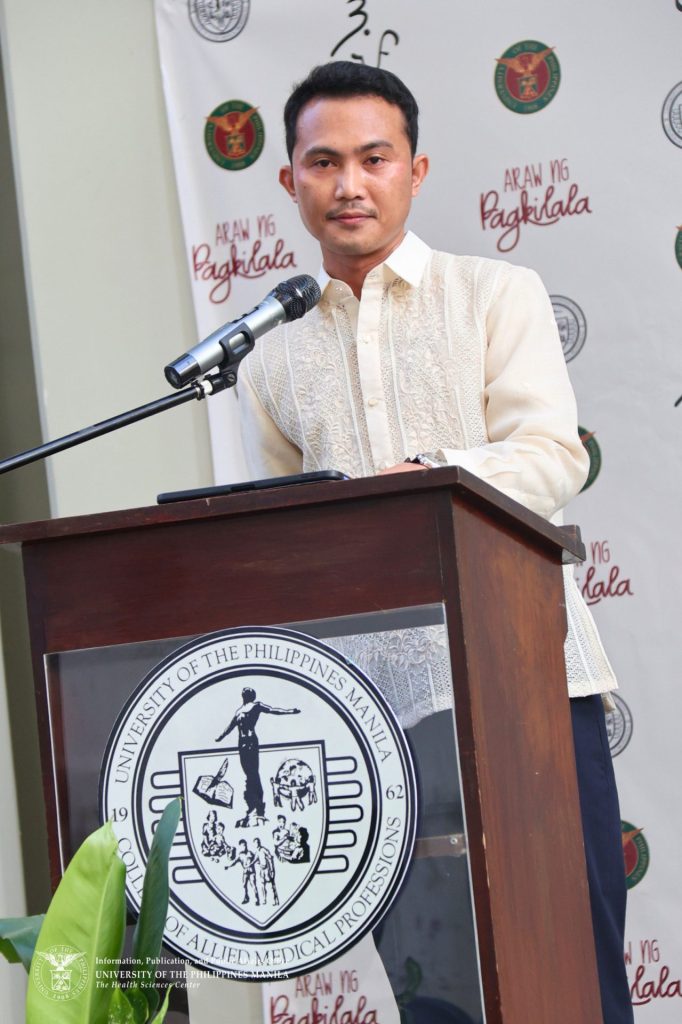
The chancellor reported that the grant requested from the Commission on Higher Education (CHED) for additional equipment had reached the Office of the UP President for signature and endorsement. He also discussed plans to improve an adjacent building, with the assistance of Vice Chancellor for Planning and Development Jose Tecson III, to establish a simulation area for Radiologic Technology students.
The college is also expecting the delivery of six modern ultrasound units and a rehabilitation van to support its academic training and community-based services. Another development involves CAMP’s Optometry program, for which a tripartite memorandum of agreement is nearing completion.
Chancellor Tee emphasized the need to increase the number of optometry professionals in the country, given the continuing demand for eye care services. He also discussed exploring an innovative curriculum that could potentially shorten the existing six-year program by one year, subject to the necessary academic and regulatory requirements.
He described these initiatives as part of a broader effort to expand the college’s academic portfolio beyond its established programs in Physical Therapy, Occupational Therapy, and Speech Pathology, as well as its graduate program in Audiology.
The long-term vision includes developing additional graduate-level opportunities, including doctoral programs, as the college builds its research capacity and produces more allied health professionals.
Sustaining the college’s legacy for future generations
For Dean Rotor, the college’s 64th anniversary is both an occasion to recognize its achievements and an opportunity to identify the work that remains.
Among CAMP’s priorities are strengthening its academic programs, pursuing international quality assessments, improving research initiatives through its Collective Mentorship Program, and responding to the shortage of rehabilitation professionals in government hospitals.
The college is also preparing for an AUN assessment scheduled in 2028 as part of its efforts to benchmark and improve its academic programs.
Reflecting on the people and institutions that made these achievements possible, Rotor underscored the importance of carrying forward the values and commitments established by previous generations.
She further explained the significance of the anniversary theme, connecting the college’s history to its continuing responsibility to serve students, patients, families, and communities.
“We honor our roots. Iyan ang ating pinagmulan. Iyan ang pamana nila sa atin at ipagpapatuloy natin itong paninindigan na ito. And we sustain our care. Patuloy tayong maglilingkod at magmamalasakit. Una, sa isa’t isa, sa ating mga estudyante, at sa ating mga pasyente, pamilya, komunidad na ating pinaglilingkuran,” Dean Rotor said.
Read More:
https://www.upm.edu.ph/cpt_news/up-manila-camp-opens-63rd-foundation-anniversary-celebration
#innovationsforlifelonglearningdedicatedtoservice #AccessibleUPLeadership #FP1