


Text by Jennifer F. Manongdo
Photos by Sarah Hazel Moces Pulumbarit
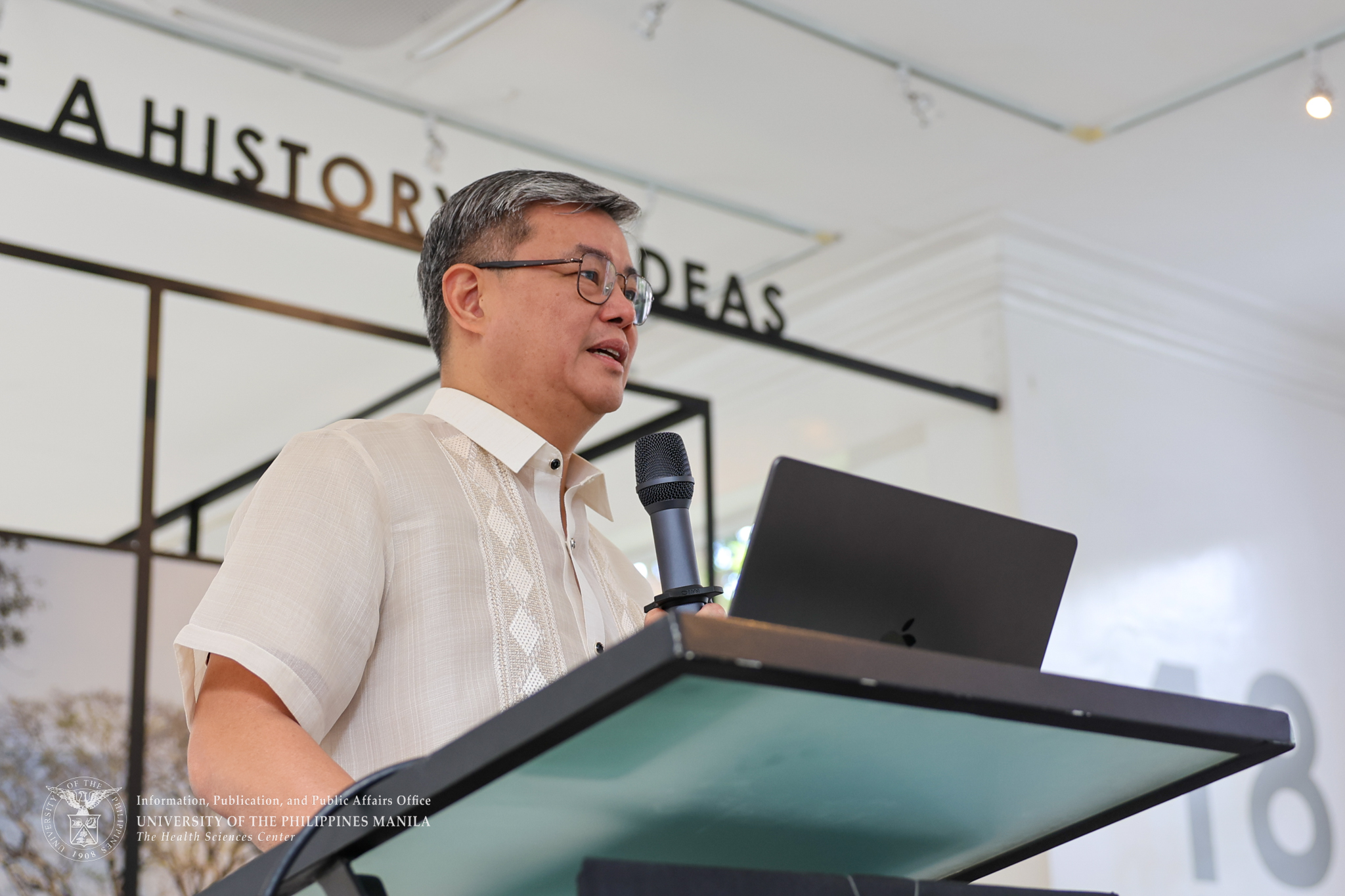
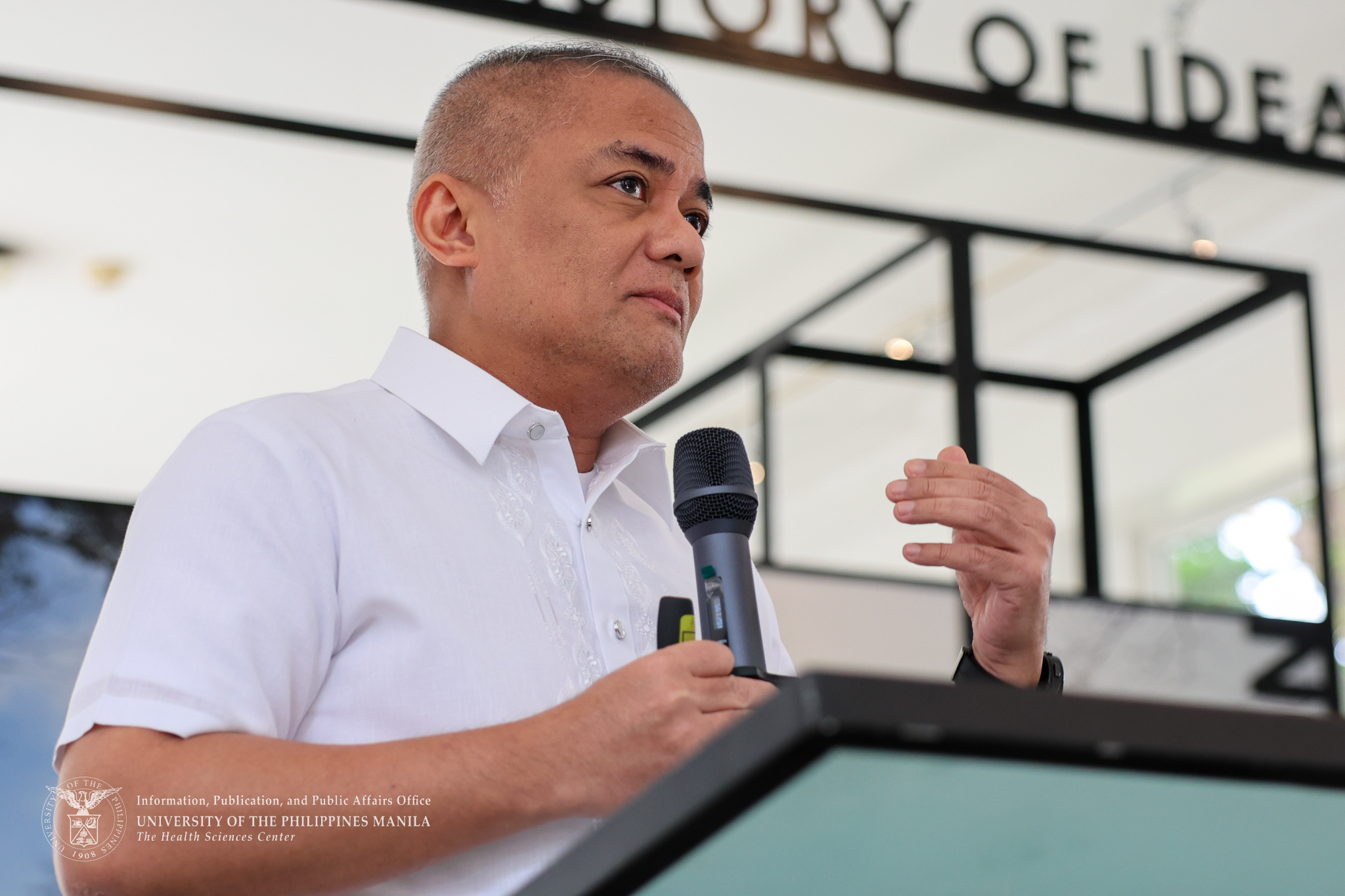
University of the Philippines Manila Chancellor Michael L. Tee underscored the importance of adopting the One Health Action Plan in navigating the health and socio-economic risks brought about by global climate change.
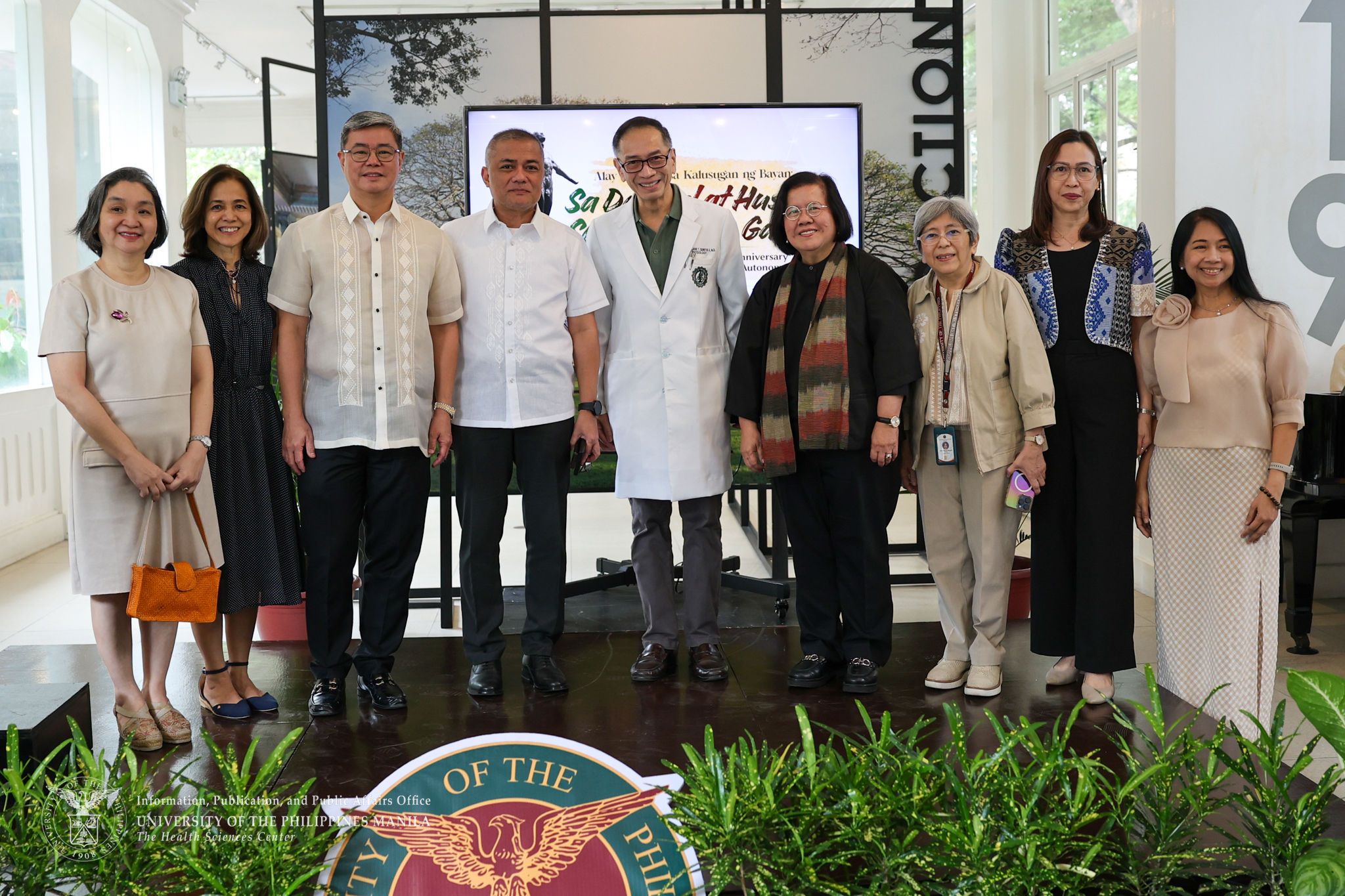
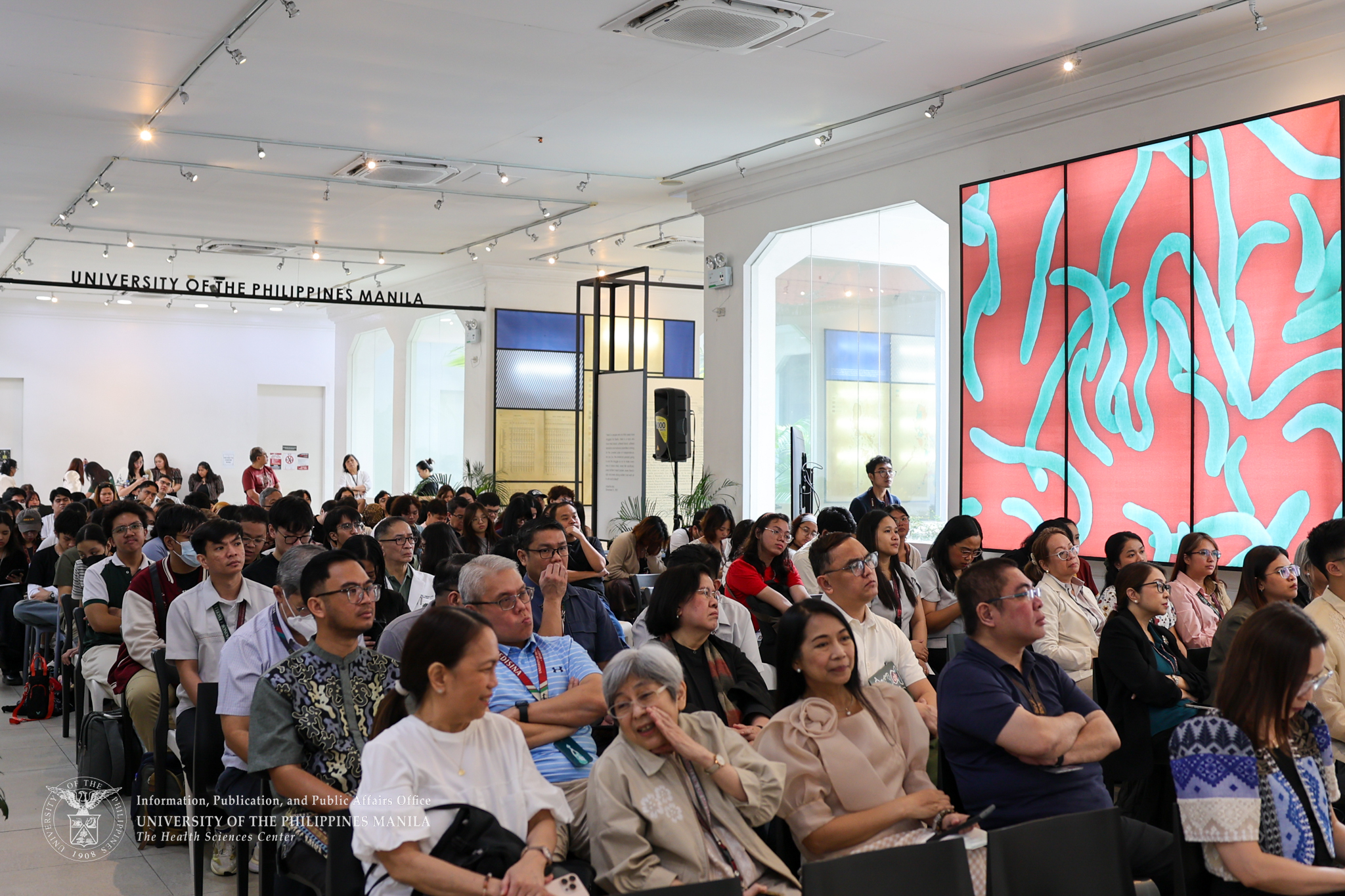
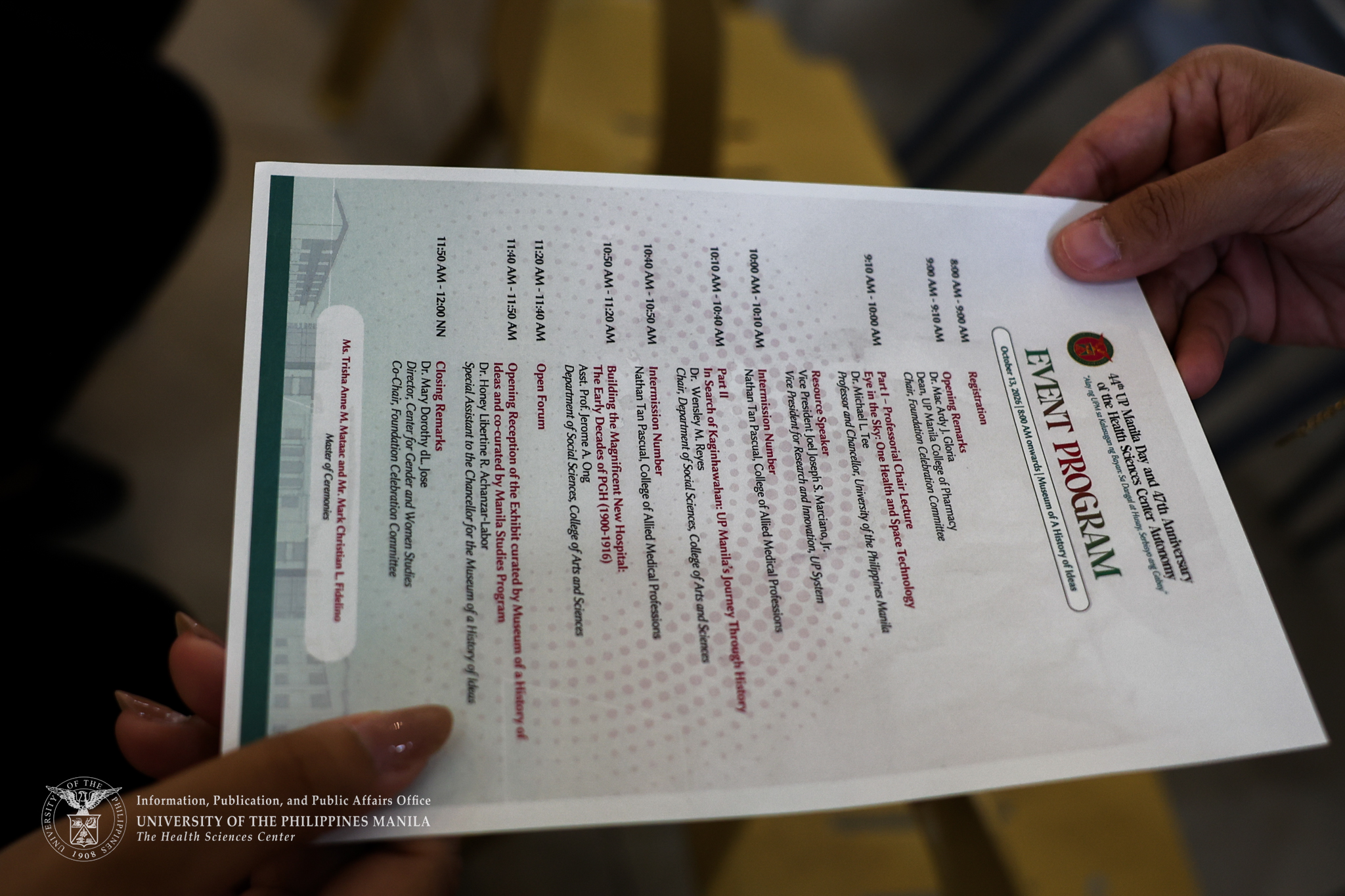
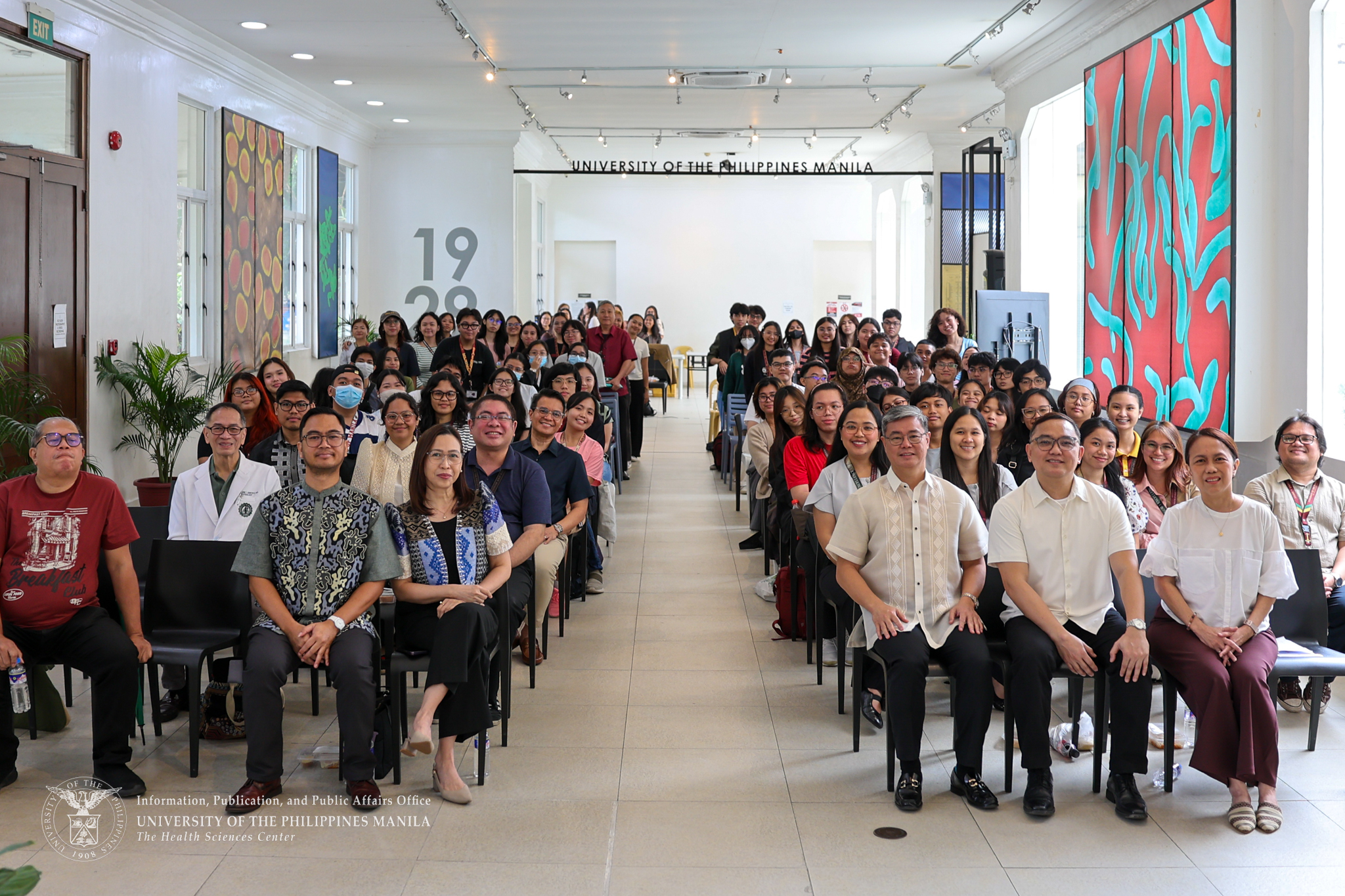
In his professorial chair lecture at the Museum of a History of Ideas on Oct. 13, 2026, for the 44th anniversary of the UP Manila Day and the 47th anniversary of the Health Sciences Center Autonomy, Chancellor Tee underscored the importance of adopting the One Health Action Plan in controlling zoonotic and vector-borne diseases, improving food security, reducing Antimicrobial Resistance (AMR), and integrating environmental monitoring into health systems.
Chancellor Tee, a 2025 Distinguished Researcher awardee of the Philippine College of Physicians, mentioned how global climate change is leading to rising global temperatures, resulting in environmental degradation, vector-borne and zoonotic diseases, warmer temperatures, changing rainfall patterns, losses in livestock and wildlife displacement, scarcity of water resources and agricultural products, as well as reduced marine yields. Global climate change also increases the risk of infectious diseases, heat-related illnesses, and mental health problems caused by heat and environmental stress, and antimicrobial resistance (AMR).
“Dadami ang leptospirosis. Magkakaroon ng mas maraming dengue, cholera, malaria, Salmonella, and even Candida dahil naglalakad tayo sa lugar na may tubig; thermal degradation, vector containment, contamination, at parasitic infection,” he warned.
One health action plan
The One Health approach developed by the Food and Agriculture Organization of the United Nations (FAO), the United Nations Environment Programme (UNEP), the World Organisation for Animal Health (WOAH), and the World Health Organization (WHO) is crucial in preparing and dealing with health crises.
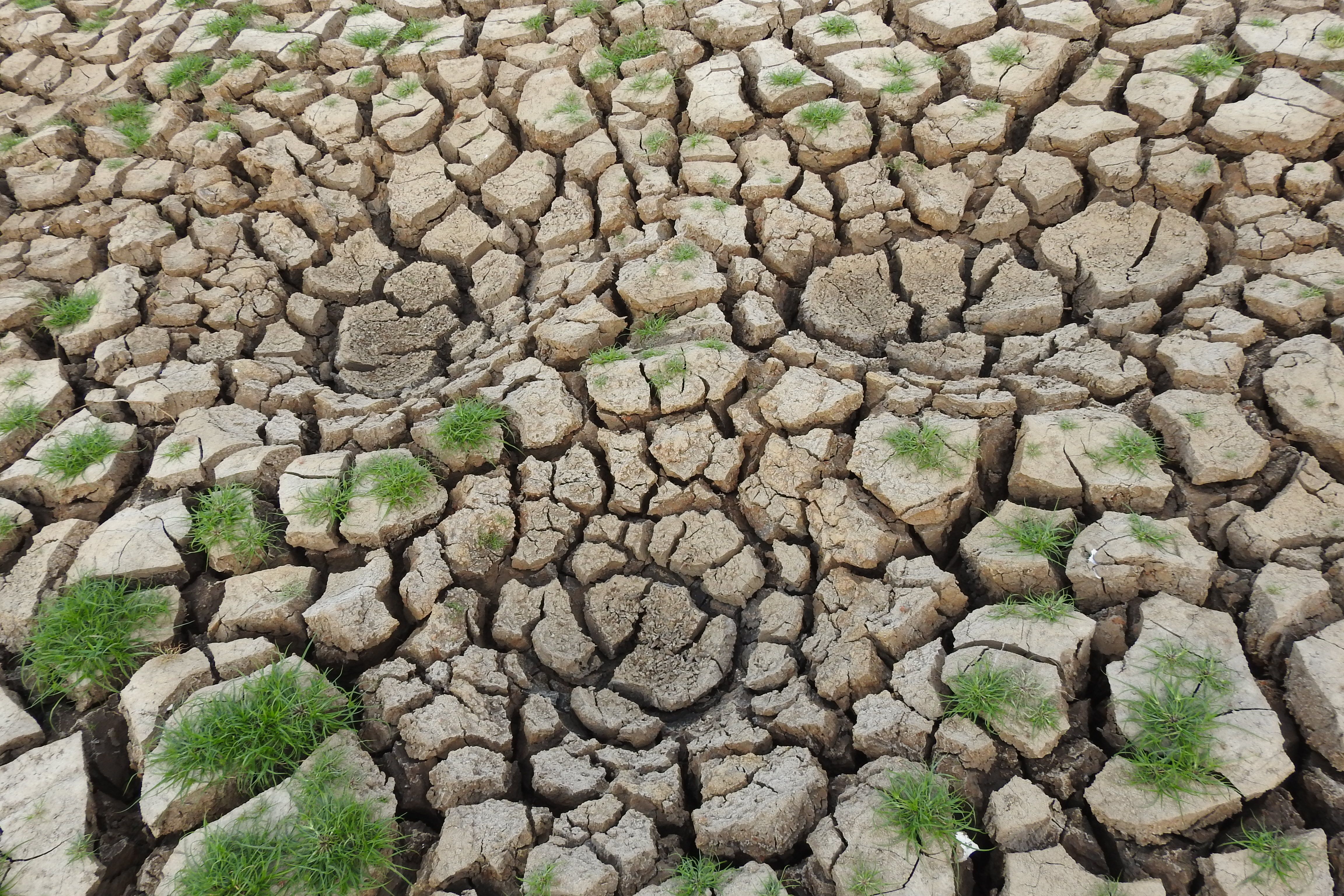
“Ang WHO, FAO, WOAH at UNEP ay nagturo kung paano iangat ang level ng global commitment para sa isang One Health Action Plan na mayroong anim na dapat gawin. Una, palakasin ang One Health response. Pangalawa, ibaba ang tsansa na magkaroon ng mga zoonotic disease ‘o mga sakit na mula sa hayop na maaaring mapunta sa mga tao. Pangatlo, ikontrol ang zoonosis at ang vector-borne diseases. Pang-apat, palakasin ang food security. Panglima, alisin ang tsansa na magkaroon ng antimicrobial resistance, at pang-anim, i-integrate o pagsamahin ang One Health approach sa pangangalaga ng environment,” he explained.
Yamang kalawakan
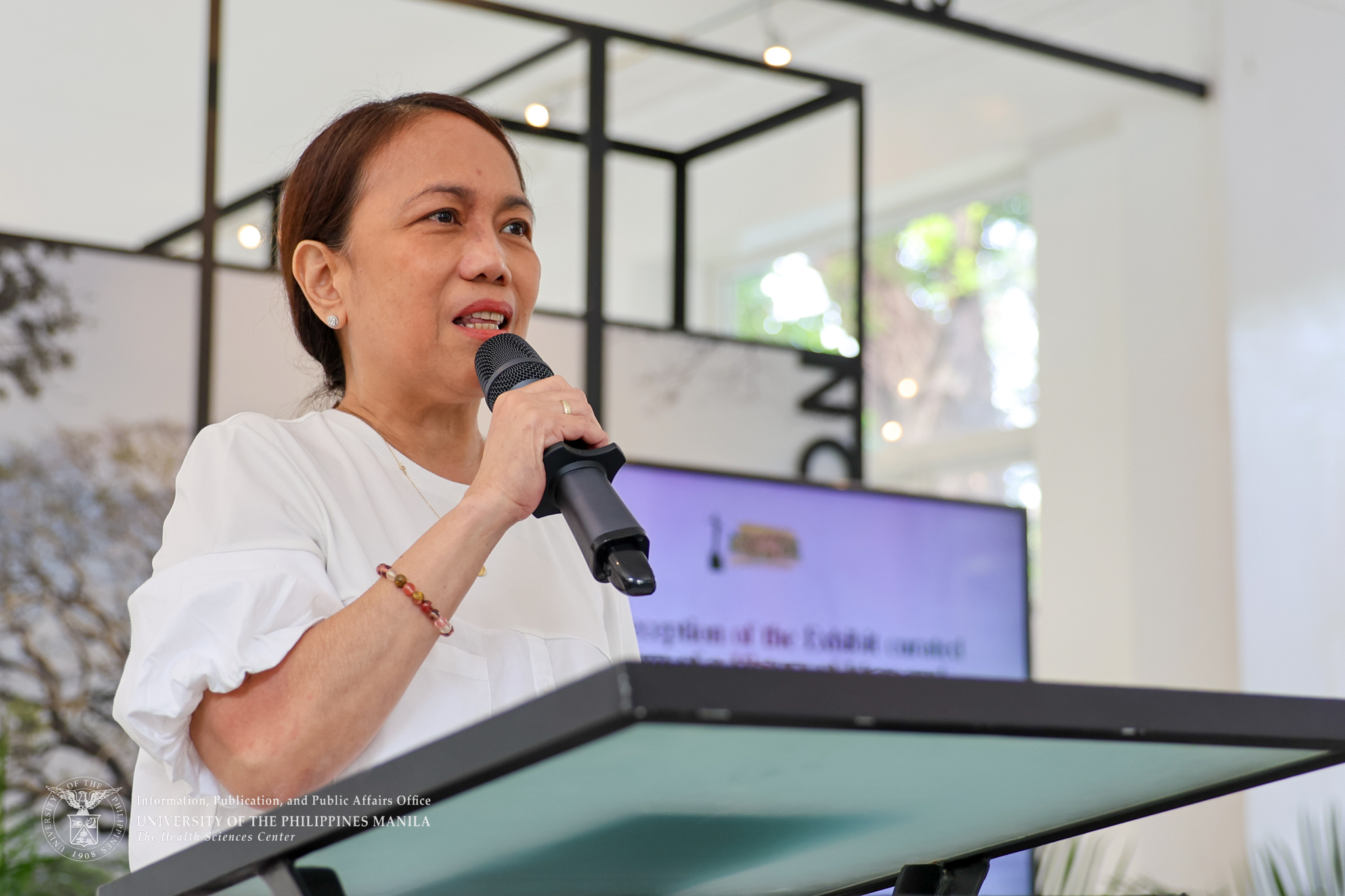
Serving as resource speaker and reactor to the chancellor’s lecture, UP System Vice President for Research and Innovation and the first Director General of the Philippine Space Agency (PhilSA), Prof. Joel Joseph S. Marciano, Jr. explained how satellite technology and artificial intelligence can help mitigate the effects of global climate change and assist in the One Health approach.

He highlighted the vital role of satellites in collecting critical environmental data that ground-based sensors and drones cannot capture as effectively. Space technology is no longer confined to exploring distant galaxies, Prof. Marciano said. Rather, it is becoming an important part of everyday life, driving local economic development, environmental protection, and disaster response.
“We’re putting computers in orbit…It illuminates our knowledge about our environment at a scale that some drones and also ground sensors may not be able to do, but otherwise, they also complement each other.
As an example, Prof. Marciano mentioned a previous partnership between the PhilSA and the Department of Environment and Natural Resources (DENR) on the nationwide mapping of mangroves using satellite imagery and Artificial Intelligence (AI) models. The mangrove map is now displayed at the National Museum.
Aside from this, the Philippine Statistics Authority uses satellite imagery alongside census data to bridge data gaps and compare results with traditional census results. Through satellite images, DENR was also able to shut down an illegal mine. Also, the Office of Civil Defense (OCD) uses PhilSA maps in emergency response, including landslide incidents.
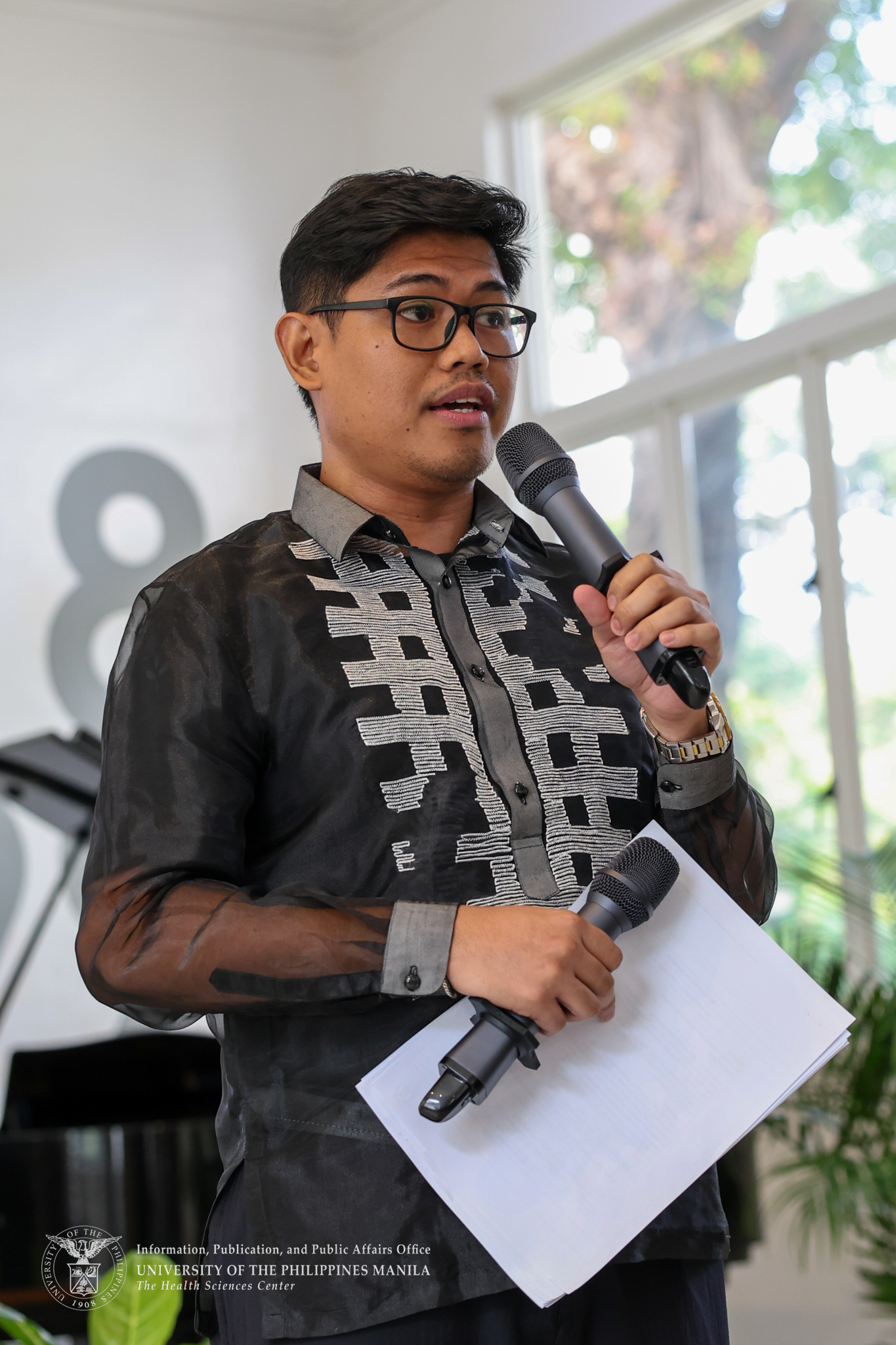
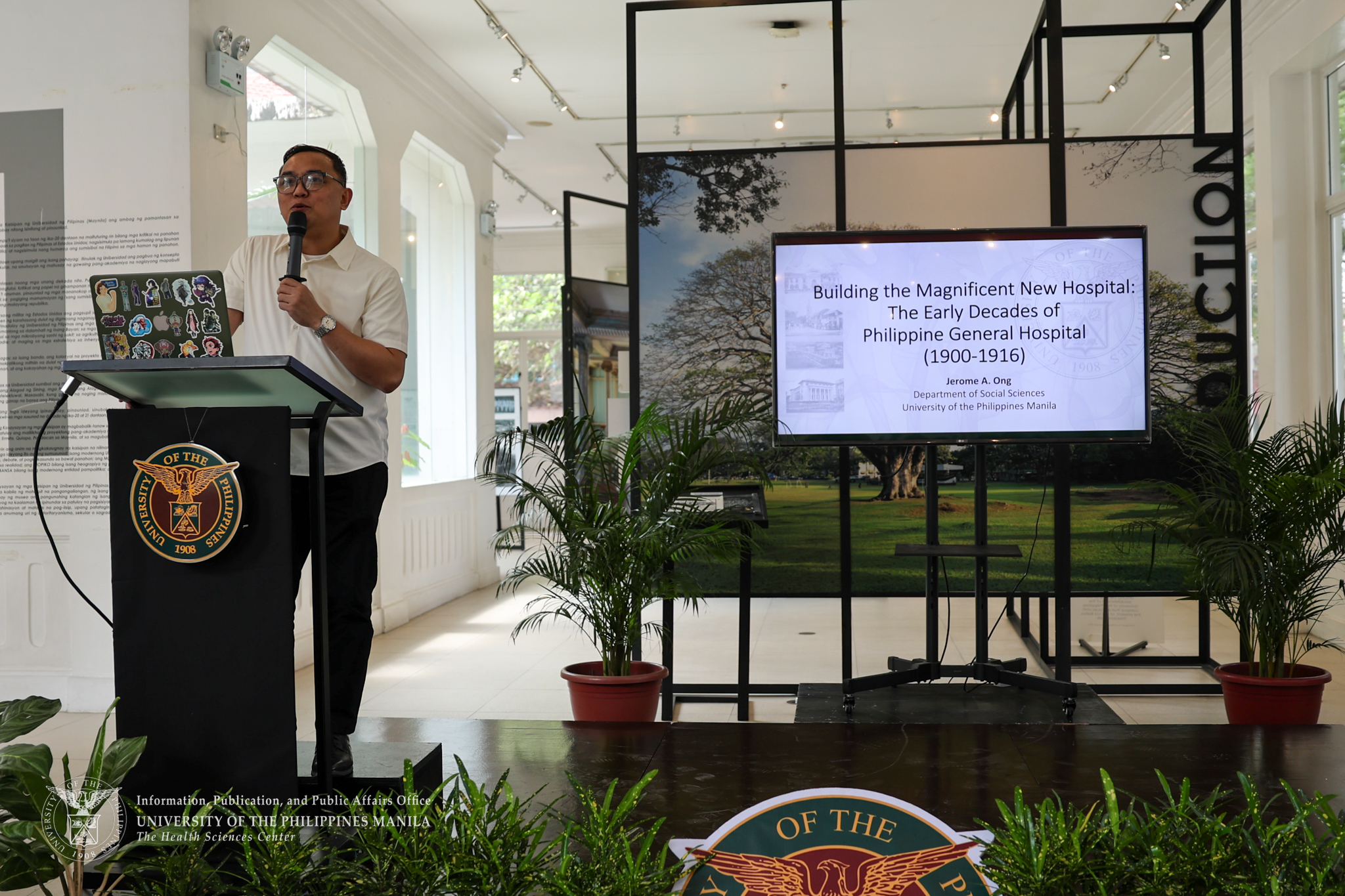
Elsewhere in the program, Prof. Wensley M. Reyes, chairperson of the Department of Social Sciences, discussed UP Manila’s journey through history while Asst. Prof. Jerome A. Ong discussed the early decades of the Philippine General Hospital from 1900 to 1916. He also discussed UP Manila’s efforts to reclaim its original buildings, including the one currently occupied by the Supreme Court along Padre Faura Street.
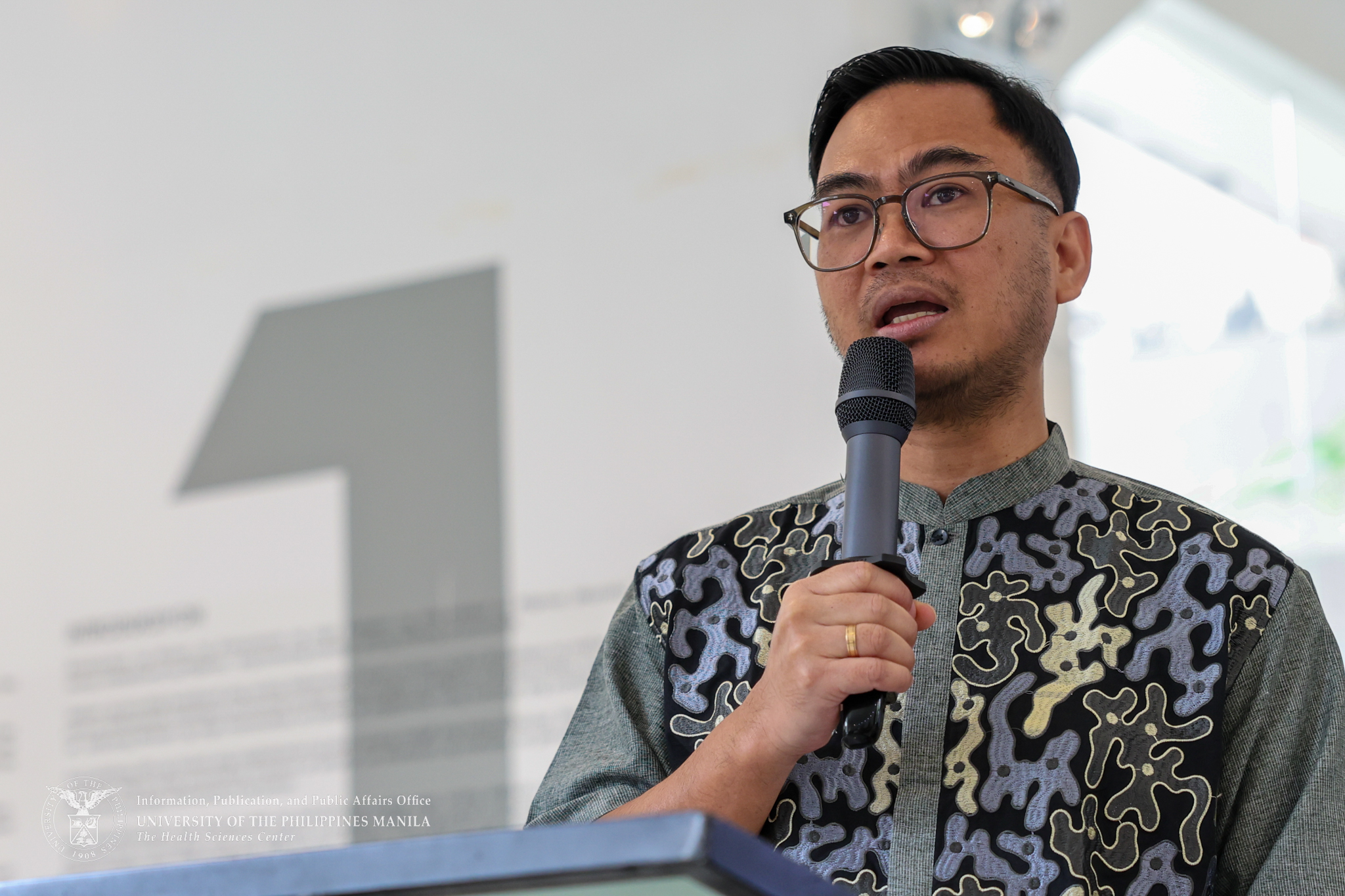
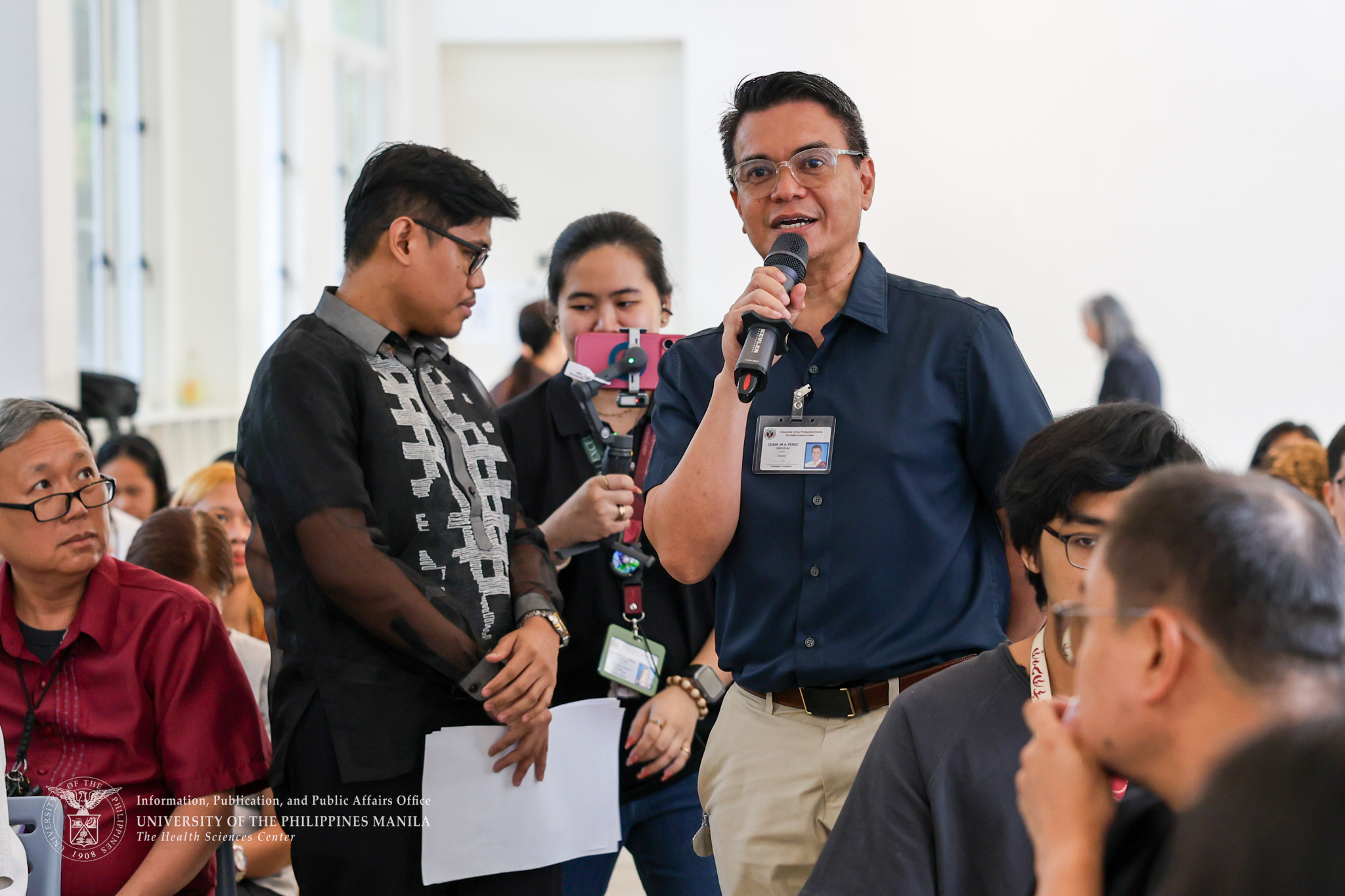
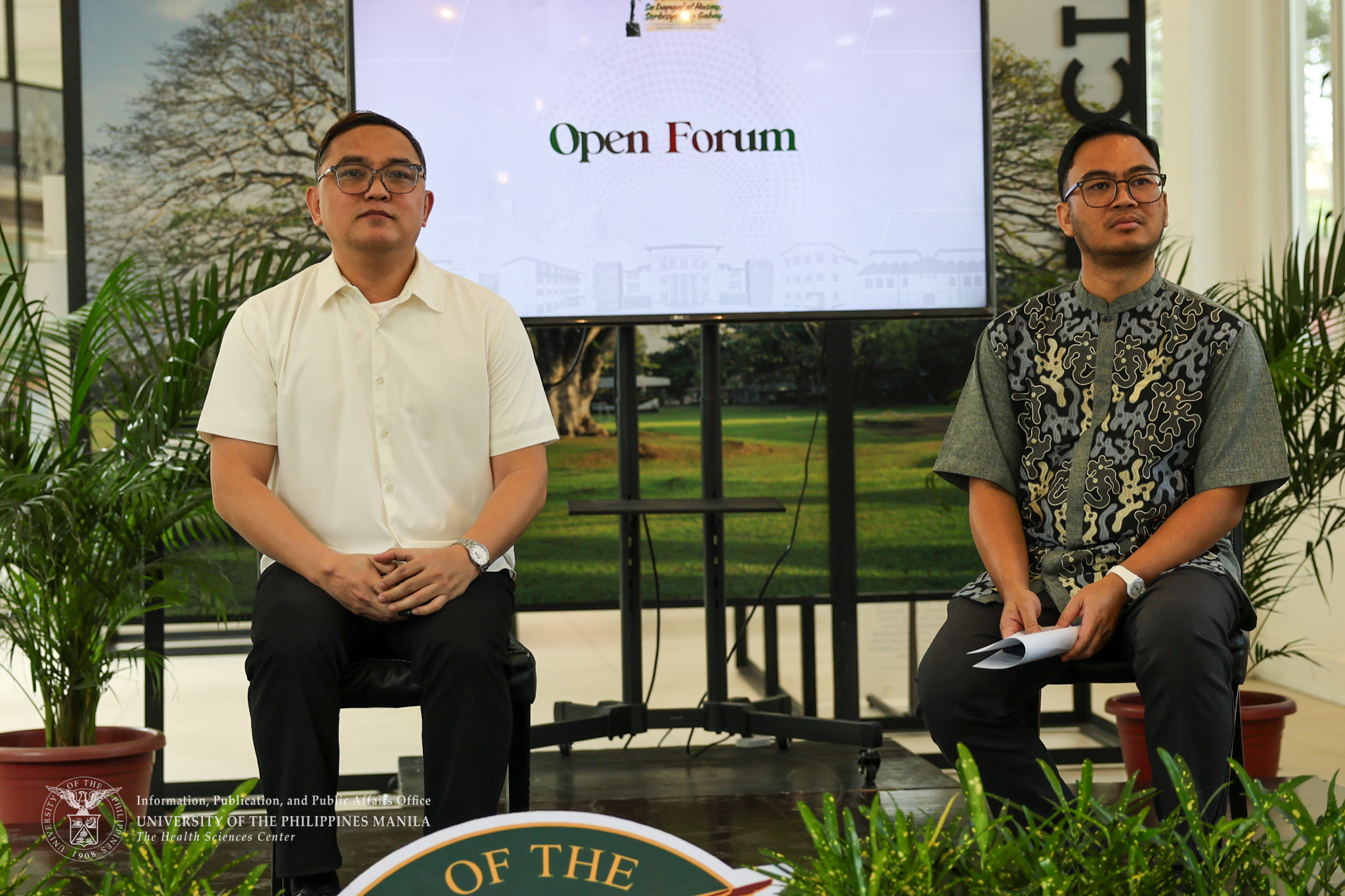
The program also included the opening reception of the exhibit curated by the Museum of a History of Ideas and co-curated by the Manila Studies Program.




Read More:
#FP1 #AcademicExcellence #Environmentthatnurturesmindandbody #UPManila