


Text by Charmaine A. Lingdas
Photos by Jericho Paolo L. Mabansag
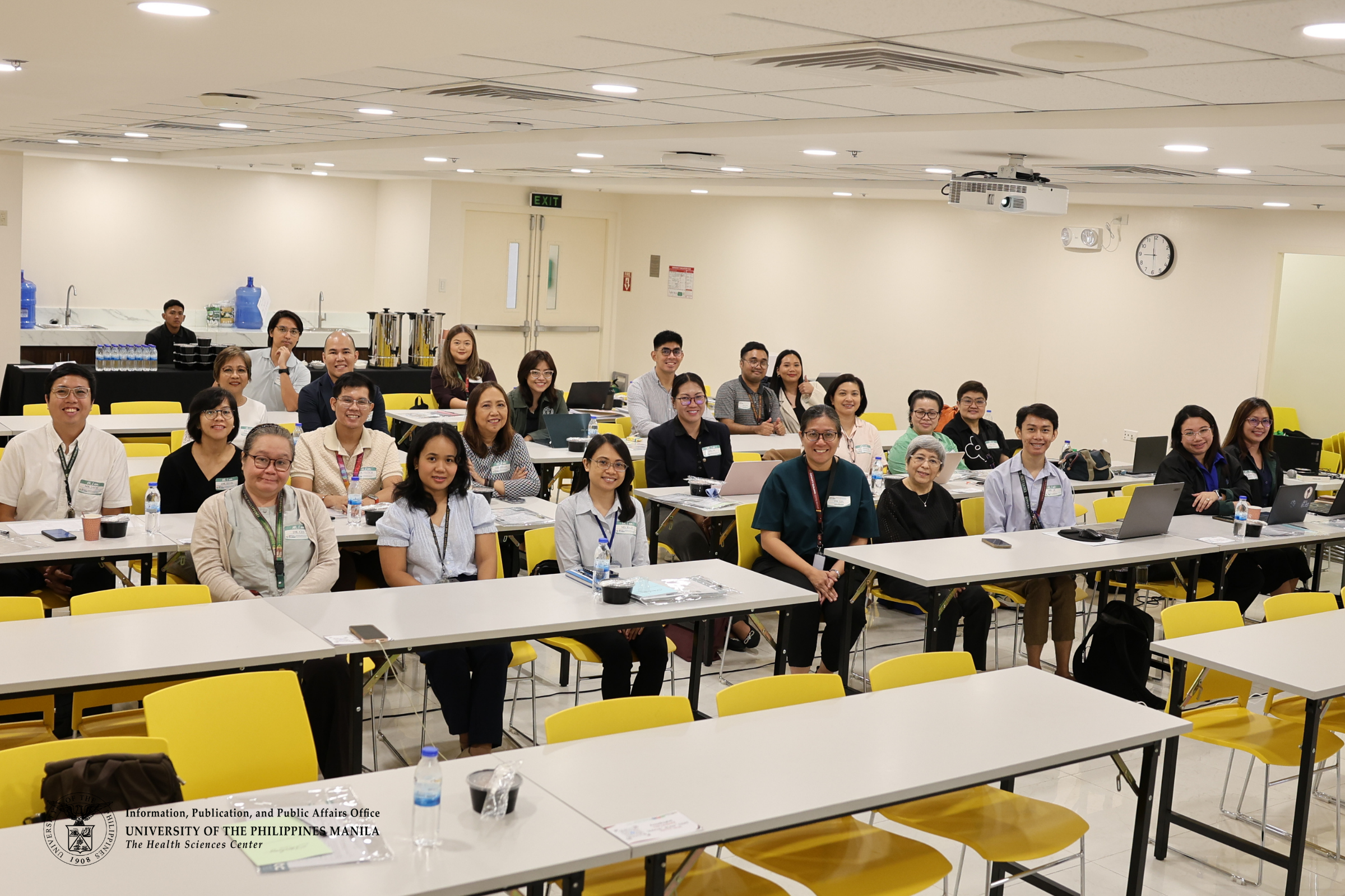
The UP Manila National Institutes of Health (NIH) National Clinical Trials and Translation Center (NCTTC) strengthened efforts to promote safe and ethical clinical research through a two-day training workshop on clinical trial safety oversight, bringing together researchers and other clinical research stakeholders for practical sessions on safety review, signal detection, trend analysis, and risk communication.
The workshop “Enhancing Clinical Trial Safety Oversight: Practical Training on Safety Review, Signal Detection, and Trend Analysis” from Oct. 8-9, 2026, at UPCM Henry Sy Sr. building focused on strengthening participants’ knowledge and practical skills in examining safety data, identifying emerging safety signals, analyzing trends, and making evidence-based safety recommendations.
Protecting Participants at The Center of Clinical Research
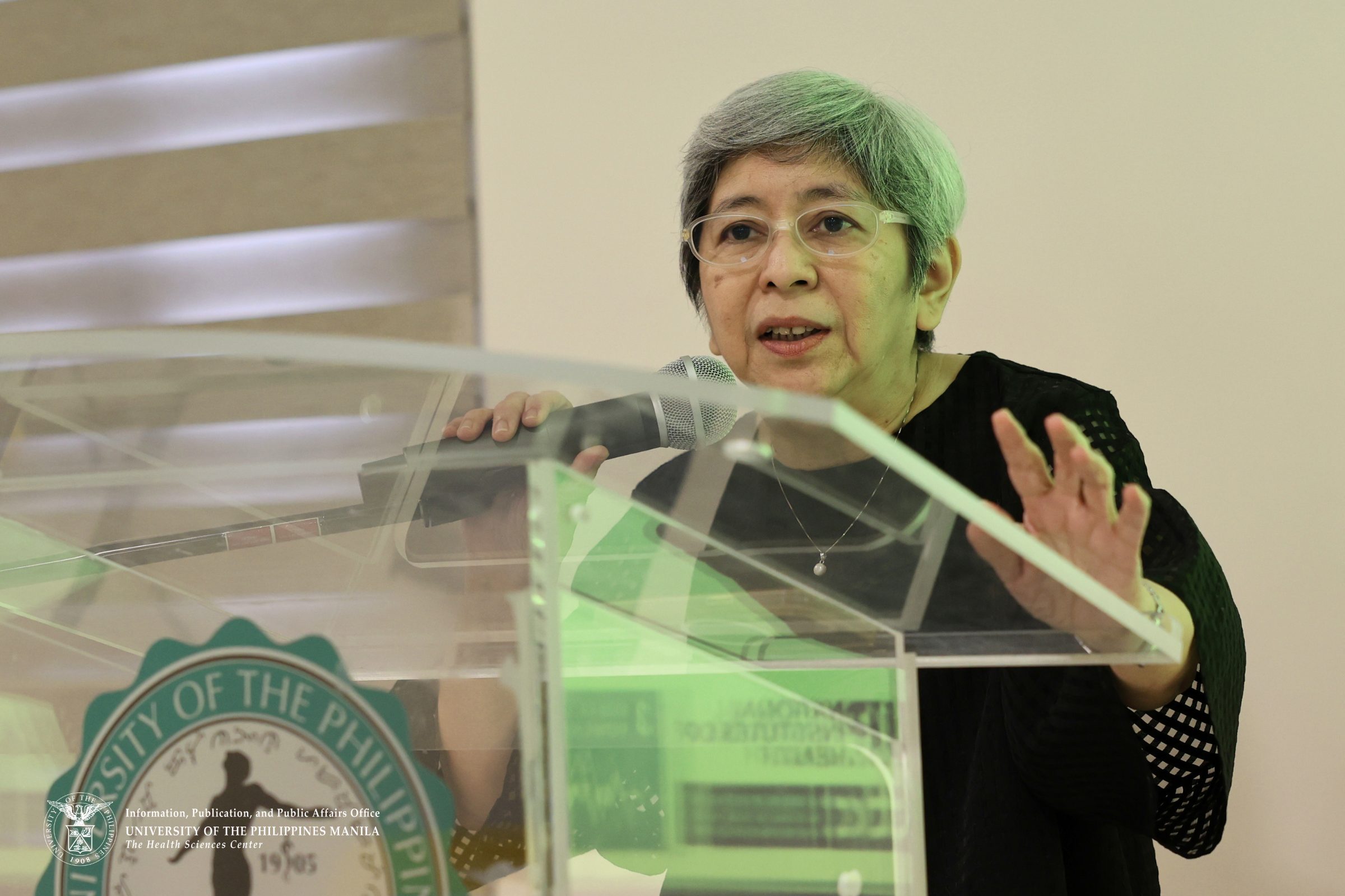
NIH Executive Director Dr. Marissa Alejandria emphasized that clinical trials generate the scientific evidence needed to determine whether new interventions and health technologies are safe and effective.
“While we focus on generating reliable evidence, we must never forget the people who make that evidence possible, our research participants,” Dr. Alejandria said. She stressed that participant safety goes beyond being another component of research. “It is the foundation upon which ethical and credible clinical research is built,” she said.
Dr. Alejandria noted that research participants place their trust in the research team, institution, ethics committee, regulators, and the broader research ecosystem. That trust, she said, carries with it the responsibility to identify risks as early as possible, evaluate safety information objectively, and respond when safety signals or harm are identified.
She also emphasized that safety monitoring involves more than documenting adverse events.
“It requires us to look carefully at the data, understand the clinical context, recognize emerging patterns, evaluate potential signals, and communicate the risk appropriately to our research participants,” she said.
This approach requires researchers and other clinical research stakeholders to ask not only what happened, but also what the findings mean for research participants, the study, and subsequent decisions.
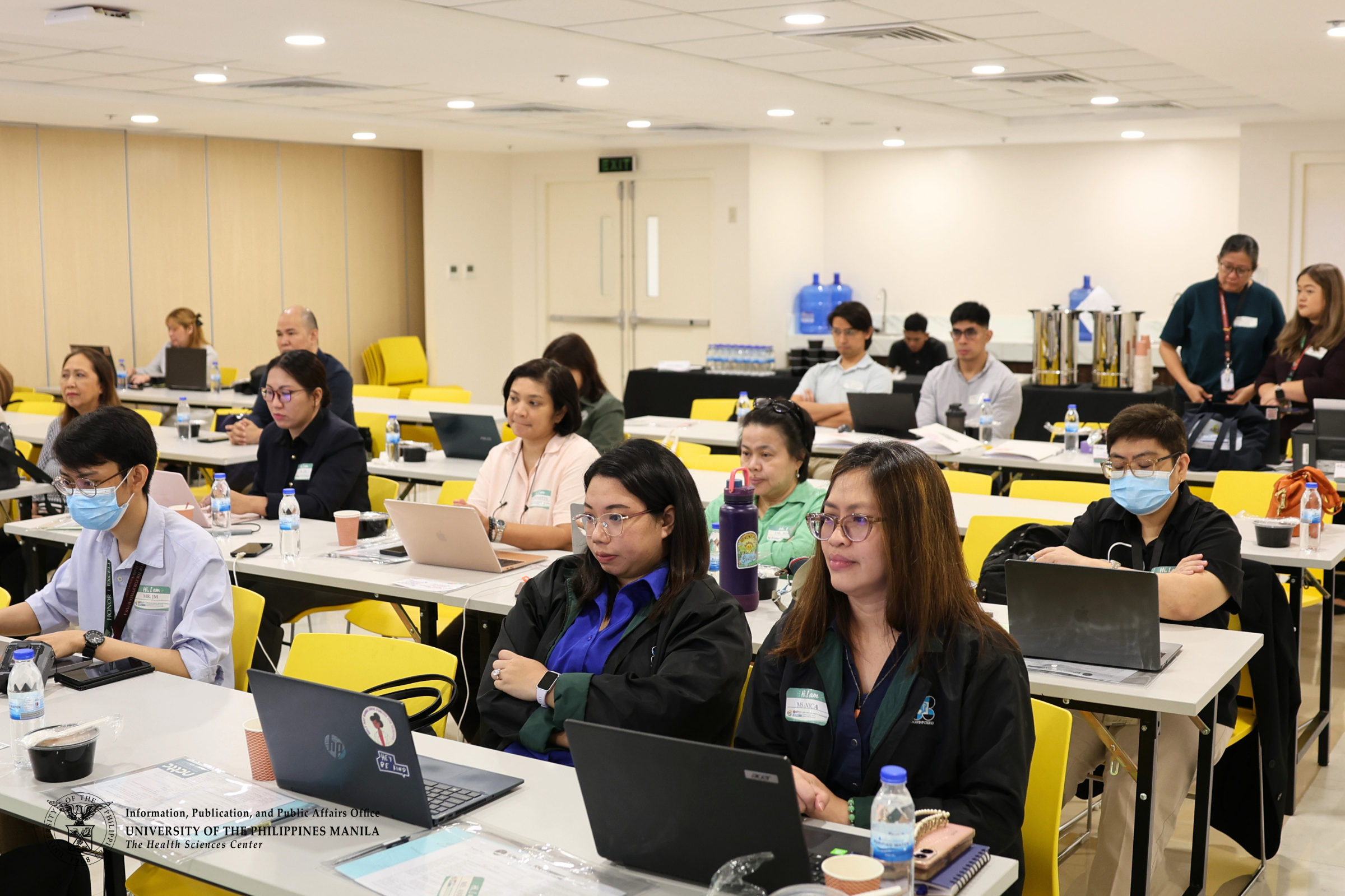
The workshop sought to develop these skills through practical exercises that guided participants in reviewing safety information, assessing potential signals, and determining how findings should inform appropriate action.
Dr. Alejandria also emphasized that effective safety oversight does not happen in isolation. It forms part of a broader research ecosystem that depends on communication, collaboration, accountability, and a shared understanding of the roles of different stakeholders.
From Safety Review to Signal Detection
The first module, Foundations of Safety Review and Clinical Assessment, introduced clinical safety oversight and governance, including the roles of Data Safety Monitoring Committees (DSMCs), ethics committees, investigators, and sponsors.
The module was delivered by Dr. Charissa Salud-Gnilo, whose presentation covered clinical safety oversight, participant protection, accountability, data integrity, regulatory compliance, and the responsibilities of key stakeholders in clinical research.
Dr. Salud-Gnilo explained that pharmacovigilance encompasses the detection, assessment, understanding, and prevention of adverse effects and other problems associated with medicines and vaccines.
She also emphasized that safety should be considered throughout the entire product life cycle rather than only after a product reaches the market. She added that safety information can come from different sources, including clinical trials, spontaneous reports, and real-world evidence. Regardless of the source, safety information goes through a general process of collection, signal detection, and evaluation. The purpose of signal detection is to determine whether new information represents a potential safety concern that warrants further investigation.
Applying Knowledge to Adverse-Event Reporting
Asst. Prof. Edwin Ruamero Jr. presented the UPMREB Reporting Process and Guidelines, focused on adverse events (AEs), serious adverse events (SAEs), and suspected unexpected serious adverse reactions (SUSARs), as well as the WHO-UMC causality assessment criteria. It also provided guidance on completing UPMREB forms and information on iREB.
The lecture was followed by a practical exercise in which participants prepared an SAE and SUSAR report using the UPMREB Form 3(J)2012. The activity combined individual work, group discussion, and plenary presentation.
The exercise translated the principles discussed during the lectures into the actual processes involved in clinical research safety reporting.
Identifying and validating safety signals
The third module, Signal Detection and Signal Validation, moved participants from individual safety reports toward the broader examination of patterns that may indicate potential safety concerns.
Led by Dr. Mercedes dela Viña, the module introduced the WHO and CIOMS definitions of safety signals and discussed different approaches to signal detection, including aggregate data and case reviews, case-series evaluation, and the processes of signal prioritization and validation.
Participants then applied the concepts in a Signal Detection Assessment workshop, producing a Signal Assessment Report through individual work, group discussion, and plenary sessions.
The exercise reinforced the importance of moving systematically from the identification of a possible signal to its assessment and validation before conclusions are made about potential risks.
Turning safety data into decisions
The second day shifted the focus toward Trending Analysis and Safety Decision-Making, with the fourth module covering monitoring of safety data, risk management, and safety communication.
The module, led by Dr. Grace Montepiedra, covered frequency and incidence analysis, time-based trend assessment, site and subgroup analyses, safety dashboards, trend charts, risk matrices, risk analysis, communication, and management.
Participants applied these concepts through a Trend Analysis and Dashboard Review workshop. The expected outputs were a Trend Analysis Report and a Risk Communication Plan.
These activities underscored the progression from collecting safety information to analyzing patterns, assessing risks, communicating findings, and determining appropriate action.
NCTTC Promotes Investigator-Initiated Research
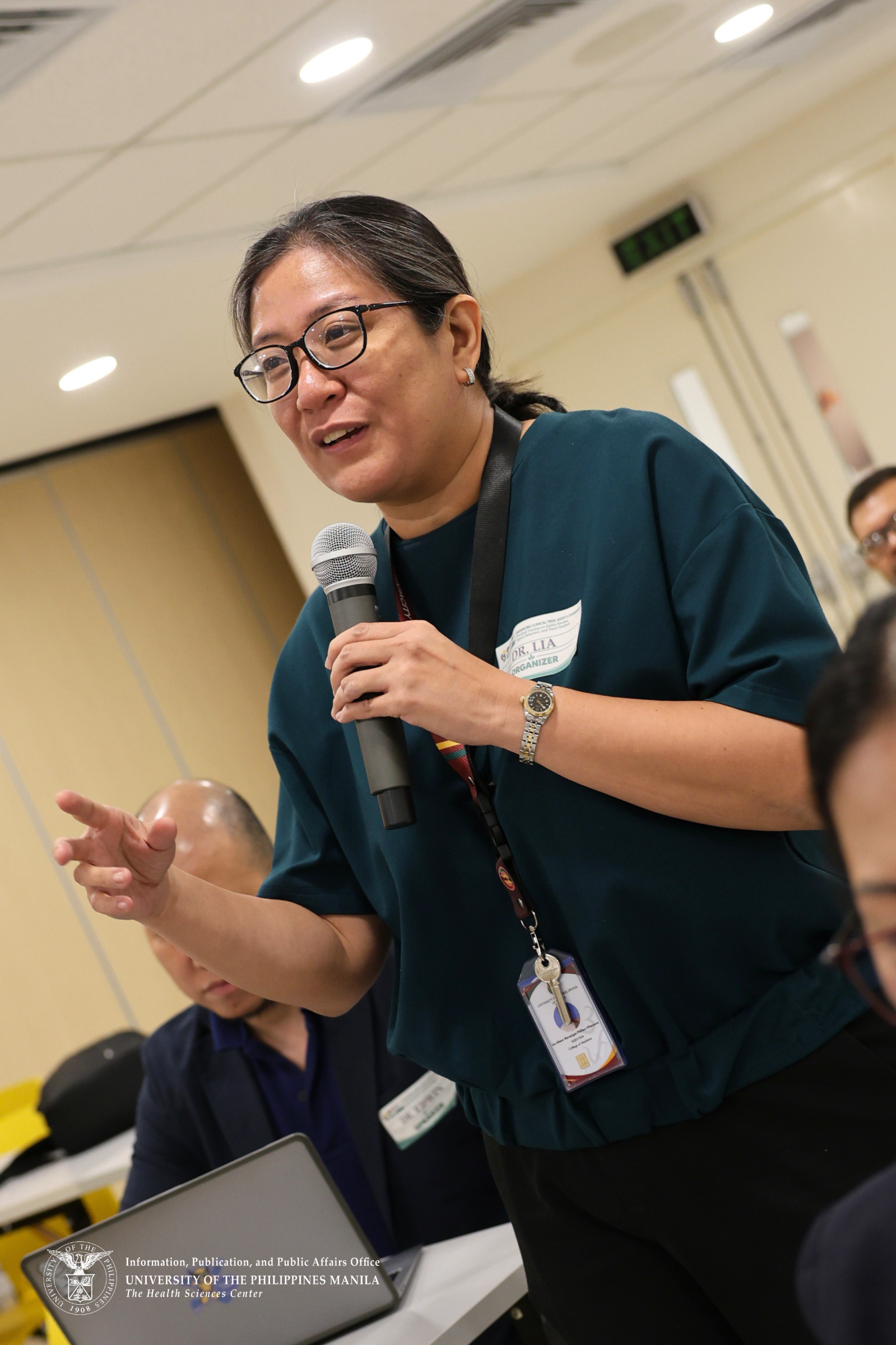
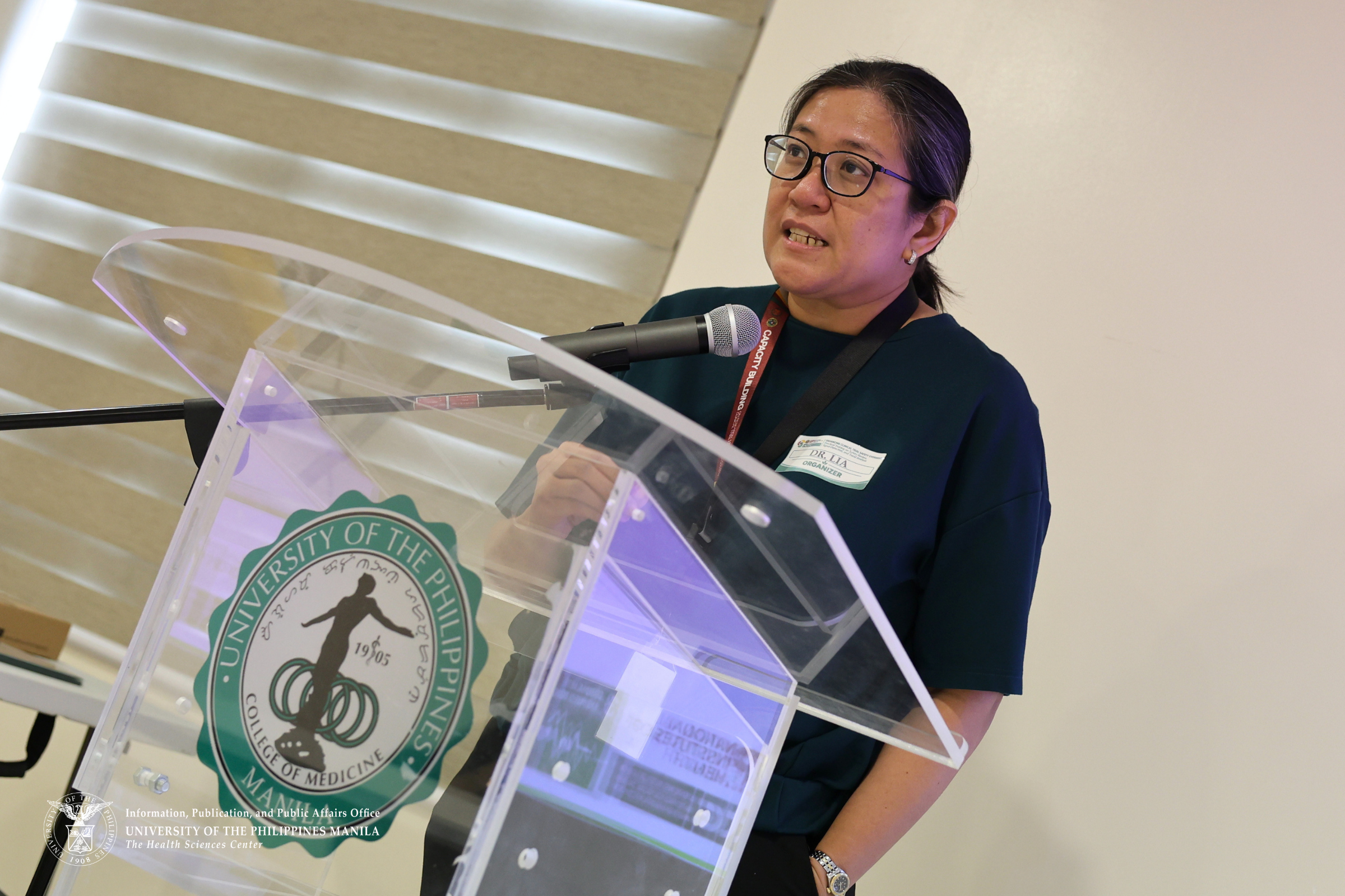
NCTTC Director and Project Leader Dr. Lia Aileen Palileo-Villanueva outlined the center’s broader mandate to contribute to the development of the country’s clinical research ecosystem. She explained that the NCTTC seeks to facilitate and improve clinical trials and clinical research, particularly by supporting and promoting investigator-initiated and investigator-led studies. The center’s work therefore extends beyond individual investigators. It also seeks to build the capacity of clinical research associates, monitors, leaders, managers, and other personnel involved in clinical research.
Dr. Palileo-Villanueva said the NCTTC aims to help institutions conduct clinical trials and clinical research effectively and safely, while meeting international standards. She explained that the workshop was intentionally designed as a hands-on activity, combining lectures with practical exercises.
For the NCTTC, such capacity building is part of a larger effort to strengthen clinical research in the Philippines and help institutions participate more effectively in clinical trials while maintaining participant protection and research quality.



Read More:
#FP1 #DiscoveryandResearch