


Text by Jennifer F. Manongdo
Photos by January Kanindot

Young professional “Jeboy” spends his free hours battling his opponents in his favorite video game. Sometimes, he would scream in frustration at 2 a.m., startling his neighbors, who later became accustomed to his irritating shrieks or shouts of joy whenever he aces the game.
For many people like Jeboy, the video game offers a chance to relieve stress from their daily routines. While some view the game as a way to shake off daily stress, others lose sleep, caught in a cycle of wins and losses as they keep playing in pursuit of the next victory.
Nowadays, addiction is no longer confined to illegal substances. This was discussed in a forum titled “Comprehensive Review of Currently Abused Drugs in the USA and the Philippines,” organized by the Division of Addiction and Recovery Medicine, Department of Psychiatry and Behavioral Medicine, Division of Preventive and Lifestyle Medicine, and Department of Family and Community Medicine on Oct. 2, 2026.
Gaming addiction
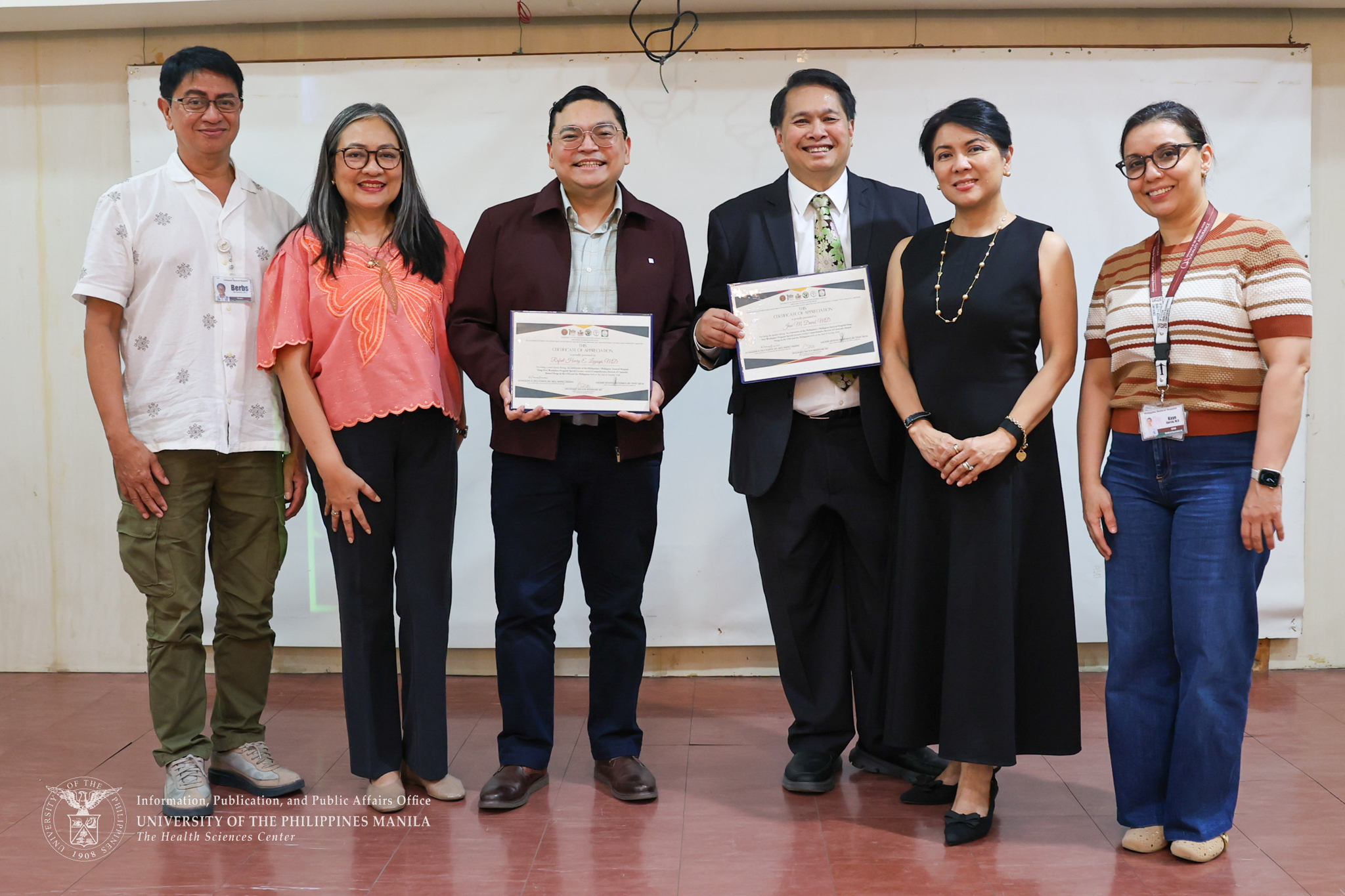
U.S.-based expert, Dr. Jose M. David, Family Medicine and Addiction Medicine specialist, said excessive video game use, food, pornography, and shopping are emerging examples of behavioral patterns that could damage finances, health, and personal relationships. He also pointed to sex and pornography, and excessive internet use as disruptive areas of concern in the U.S.
Dr. David said learning from emerging patterns in the U.S. may help the country anticipate the problems associated with addiction and create relevant interventions reflecting Philippine experience.
“There are different classes of addiction, including caffeine, sedatives, products, stimulants, and so on,” Dr. David said. “What is the cause of this addiction? It is called the pleasure reward pathway. It’s all about the dopamine, the midbrain, and the rapid rise of dopamine levels.”

His presentation also cited that 90% of American children and teens and 65% of adults play online video games excessively.
Locally, authorities have taken action against online grooming resulting in school violence. In September, the Department of Information and Communications Technology announced a ban on the social media platform Discord but lifted the ban less than 24 hours later following successful discussions with its executives on online child safety protection.
Educate young people on perils of illegal drugs
Drug overdose is the 18th leading cause of death in the U.S., attributed to opioids. In the Philippines, Methamphetamine Hydrochloride (shabu) is the most-abused substance followed by marijuana, inhalants, alcohol, opioids, and emerging drug combinations.
Dr. David emphasized the importance of educating young people about the harmful effects of illegal drugs from an early age, particularly as they face increasing exposure to potentially addictive behaviors.
“We have to start educating our community in their early stages, in their early schooling. We start doing those programs, teaching them what drug addiction can do to your life,” the speaker said, stressing the importance of teaching children how addiction can affect their lives.
Drug-Free Workplace
Philippine General Hospital (PGH) Director Gerardo Legaspi underscored the role of the Addiction Medicine Fellowship in leading the drug-free workplace program of the PGH in his welcome remarks during the program.
Meanwhile, PGH Deputy Director for Administration, Dr. Apolinario Ericson B. Berberabe, highlighted the drug-free workplace program of the PGH, which goes beyond testing and includes education, prevention, early detection, intervention, treatment, rehabilitation, and accountability.
“We are not merely a workplace implementing a government requirement. We are a healthcare institution,” PGH Deputy Director for Administration, Dr. Apolinario Ericson B. Berberabe said.
“We see the consequences of substance use in our patients. We study these problems as clinicians and researchers. We participate in prevention and treatment. At the same time, we have a responsibility to ensure that the people entrusted with the care of our patients can work safely,” he added. “If our drug-free workplace program begins and ends with just drug testing, then we have misunderstood what a truly effective program should be, because a drug-free workplace must also be built on education, prevention, early recognition, appropriate intervention, treatment and rehabilitation, and accountability.”

Also in the program, a panel discussion emphasized the importance of combining medical treatment with psychosocial and community support. Dr. Rafael E. Legaspi, training officer at the UP-PGH Division of Addiction and Recovery Medicine, said strong psychosocial and mental health support should be integrated into prevention, policy, education, and treatment within the PGH.

Is “Roblox” pushing children to commit violence?
“There’s no one way to answer that, right? Roblox is not the only factor where some children appear to have problematic behaviors at school,” Dr. Legaspi said in the panel discussion.
While it may not be the sole factor contributing to the recent rise in violence among schoolchildren, he said the practice of Filipino values may need to be examined.
Prof. Archie P. Geneta and Dr. Rowalt Alibudbud also joined the panel discussion.
National Scientist and Former UP Manila Chancellor, Dr. Carmencita Padilla, ended the program by emphasizing the need to generate local data on addiction and encouraged PGH to become the source of data and analysis that could inform future research and national policy.



#fp6 #Environmentthatnurturesmindandbody #UPManila
Read More: