

Text by: Charmaine A. Lingdas
Photos by: Sarah Hazel Moces S. Pulumbarit
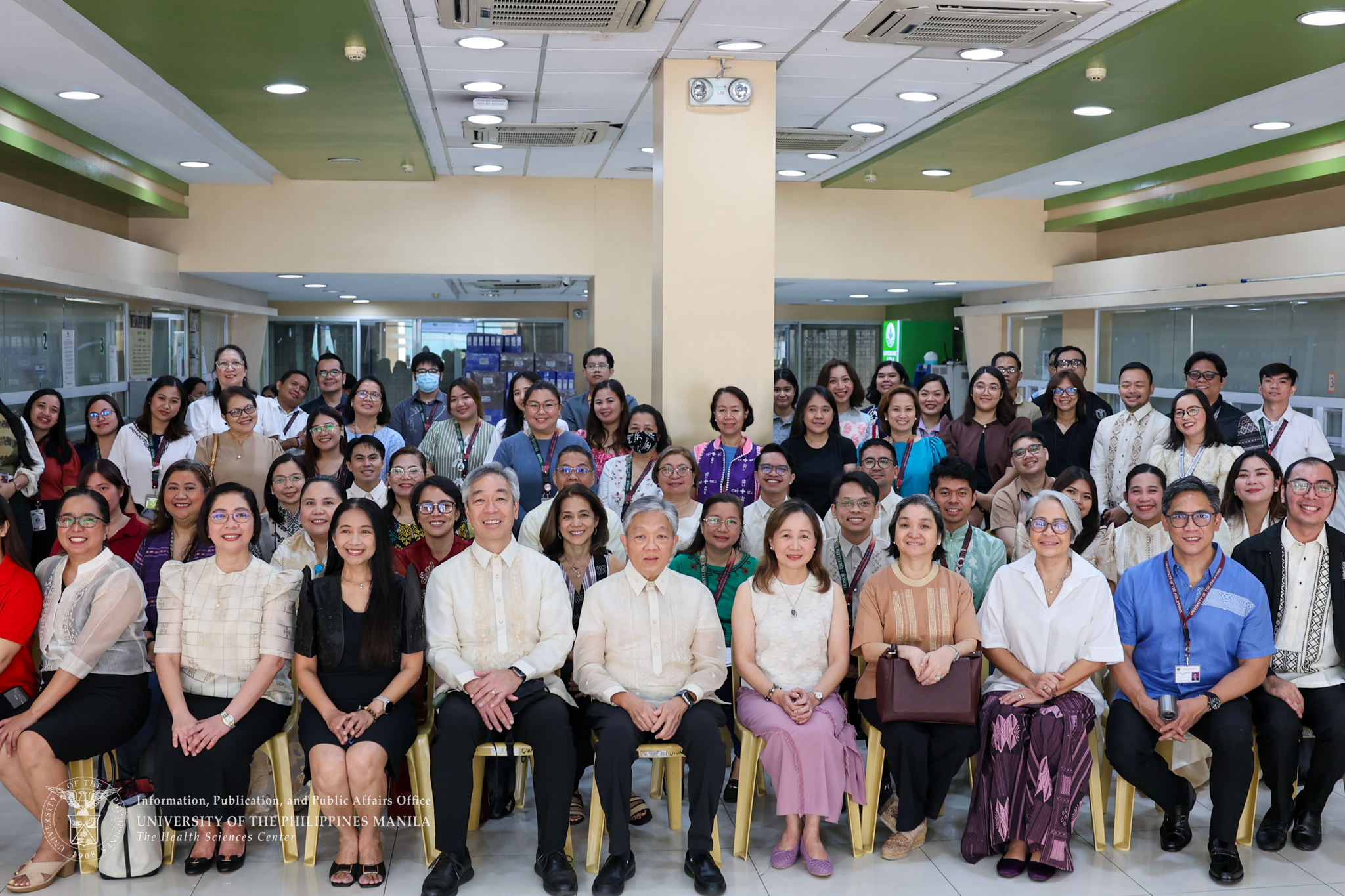
Photo caption:
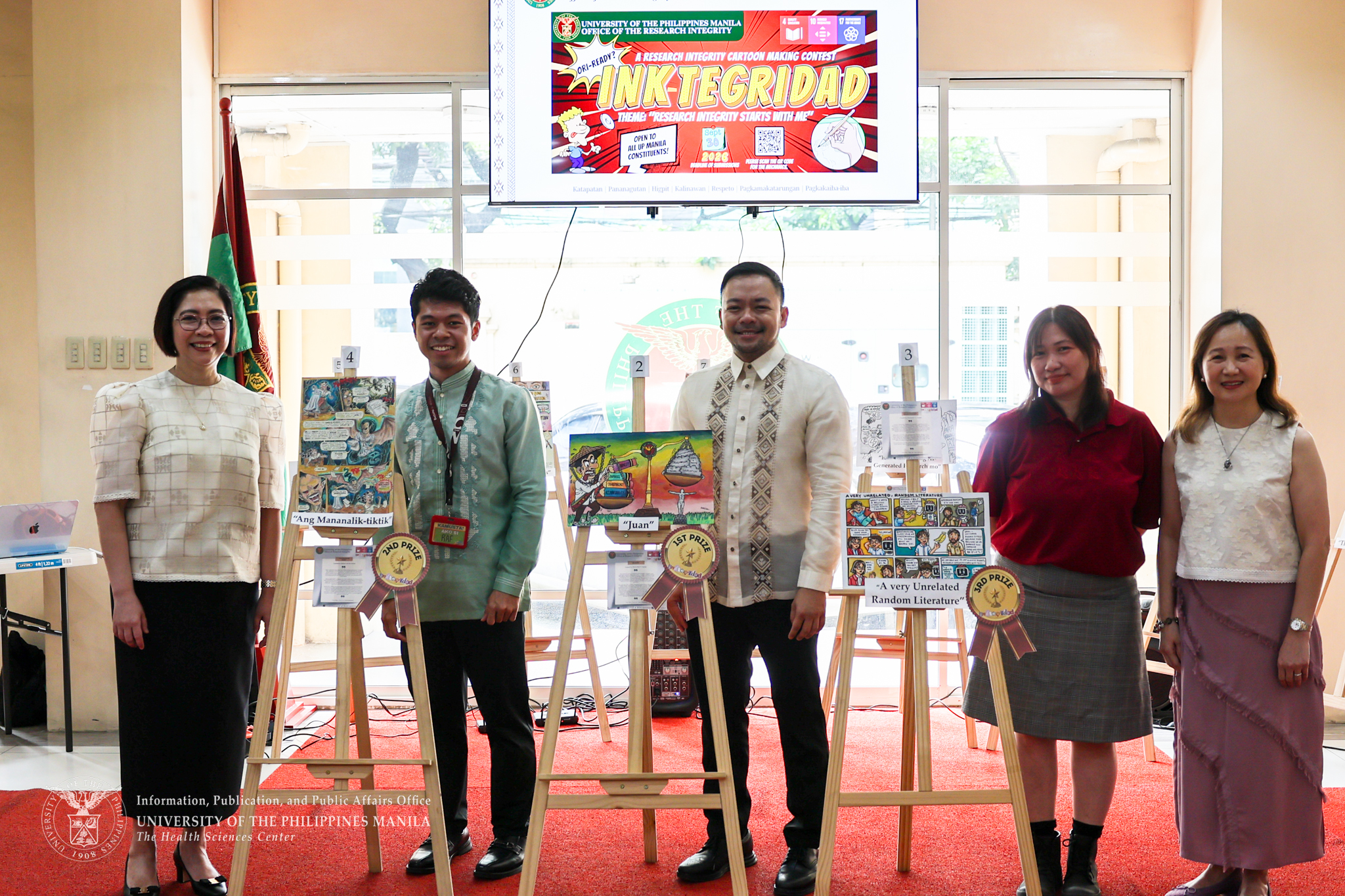
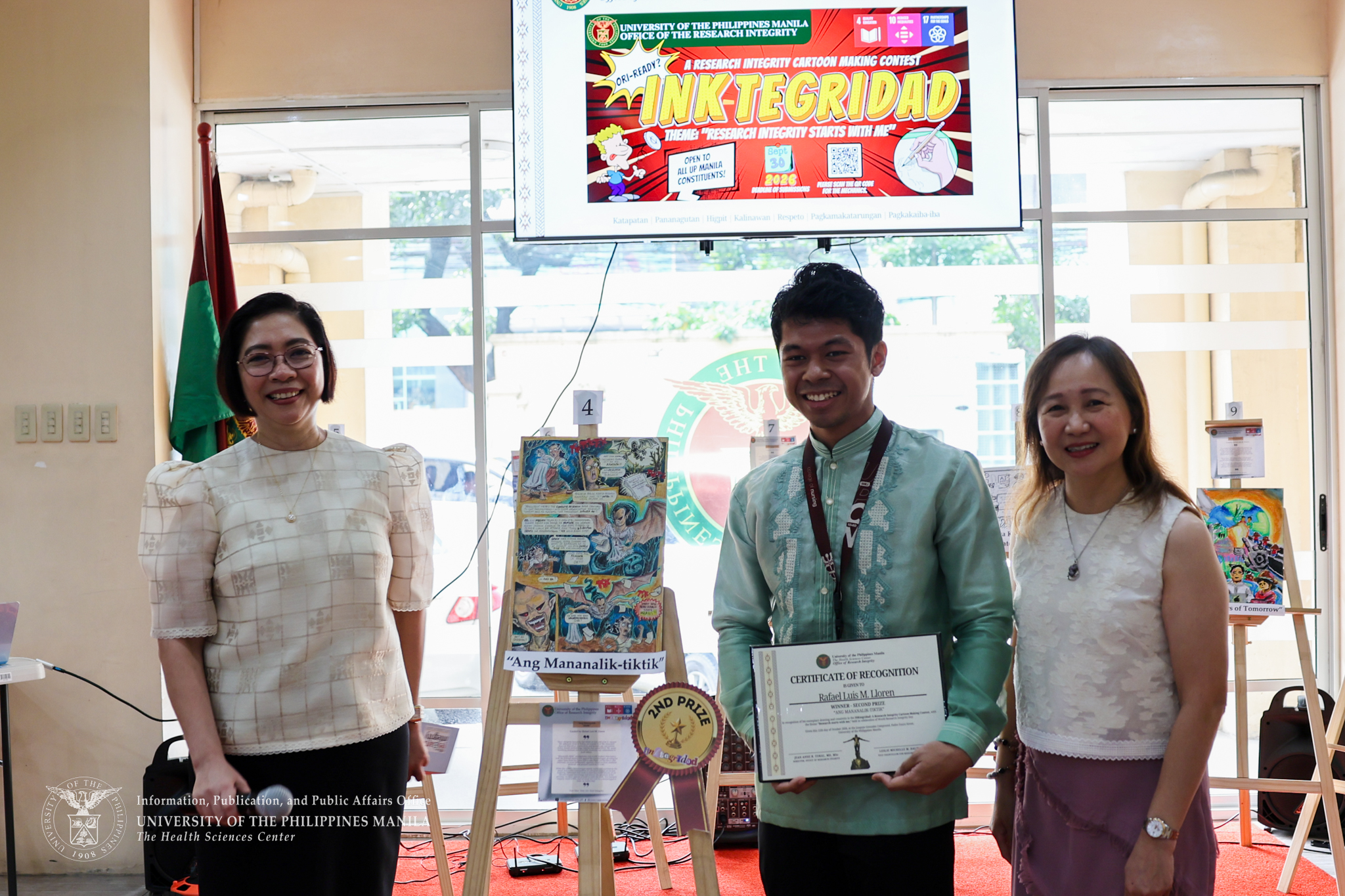
The INKtegridad cartoon-making contest put relevant ethical practices in the spotlight during the Research Integrity Day and 7th Founding anniversary celebration of the University of the Philippines Manila’s Office of Research Integrity on Oct. 12, 2026. Through illustrations tackling different kinds of issues such as plagiarism, fabricated data, improper authorship, and the responsible use of artificial intelligence, the contest encouraged the university community to reflect on honest research practices and to uphold transparency, and accountability.
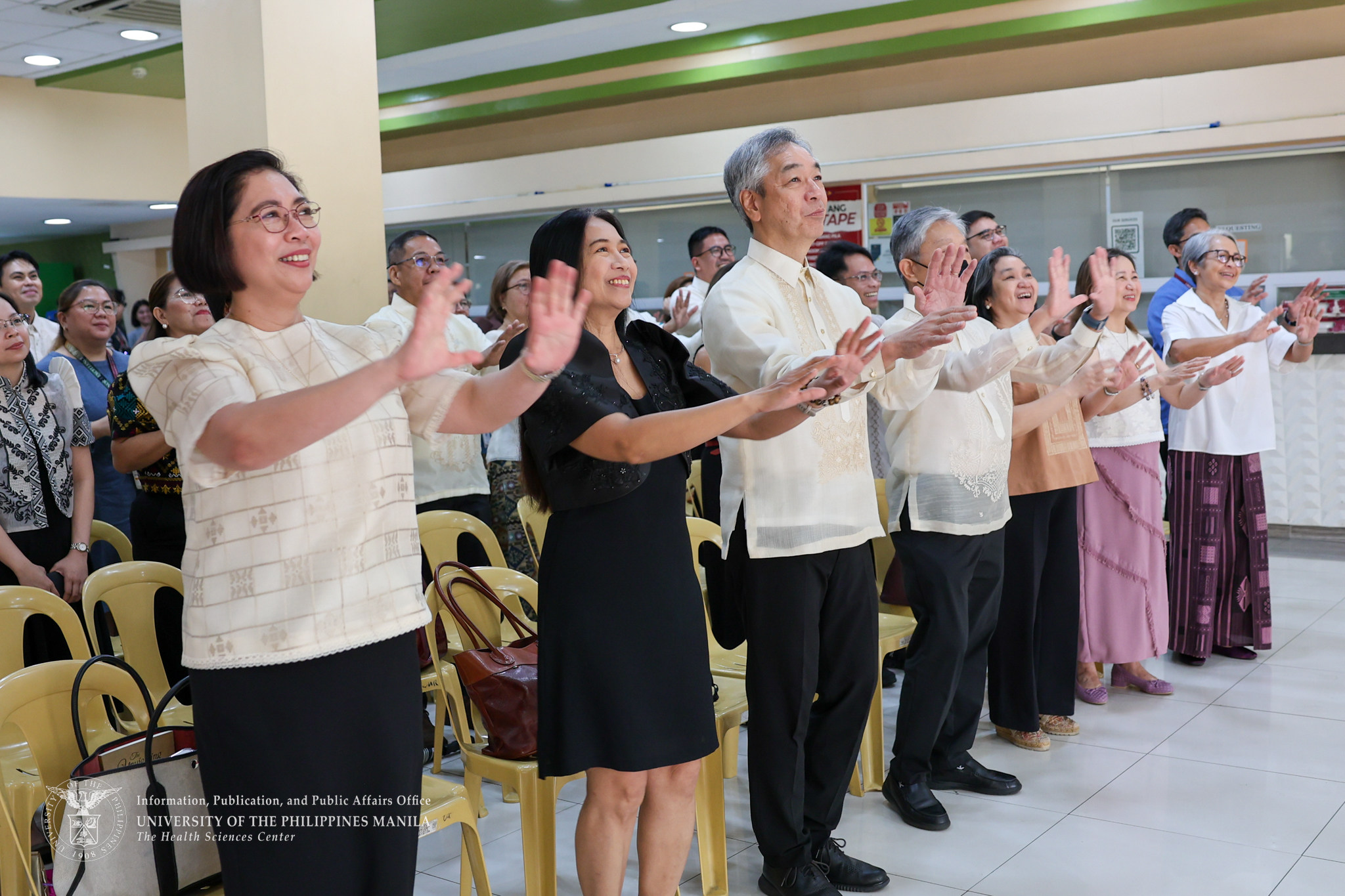
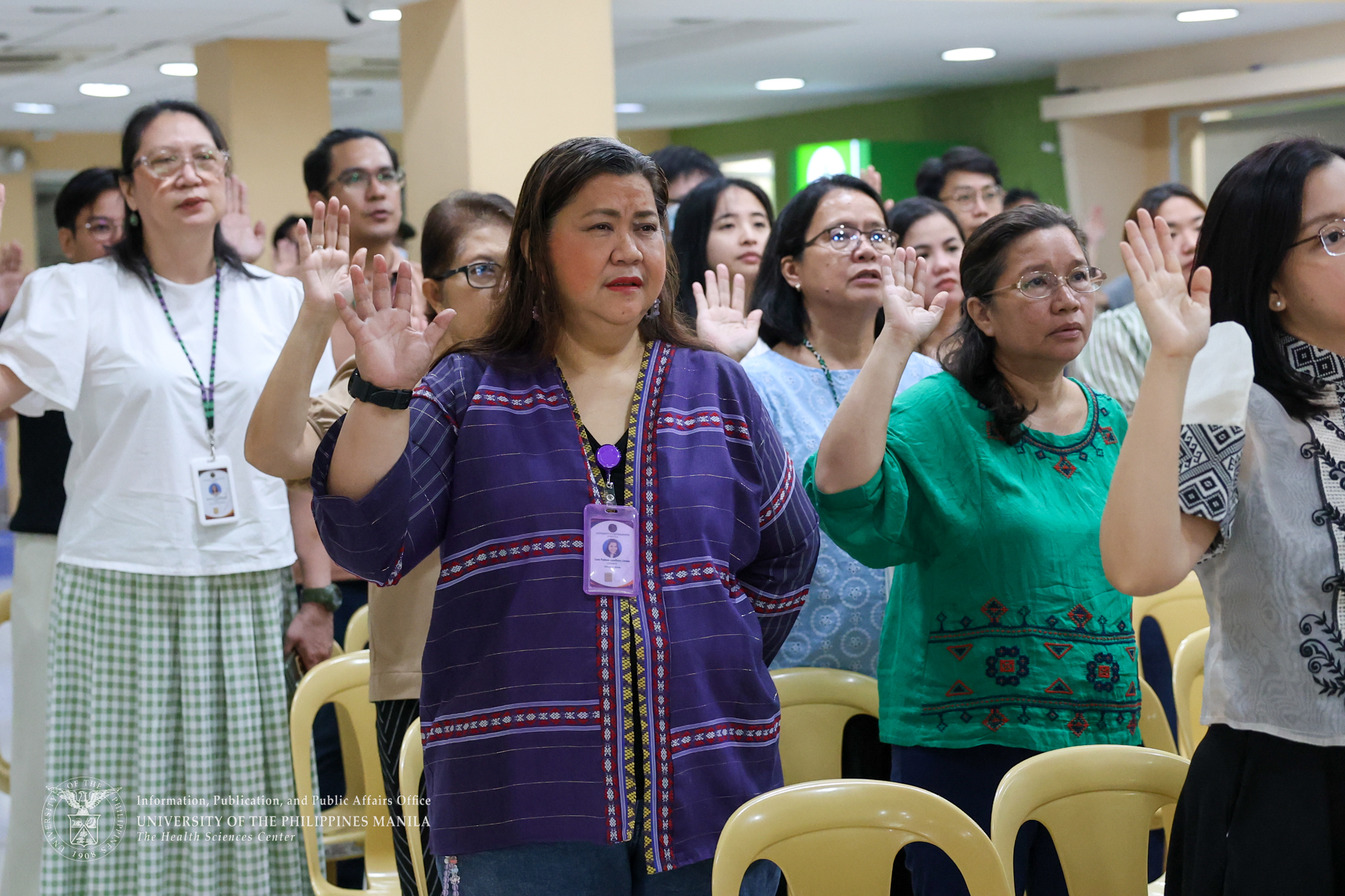
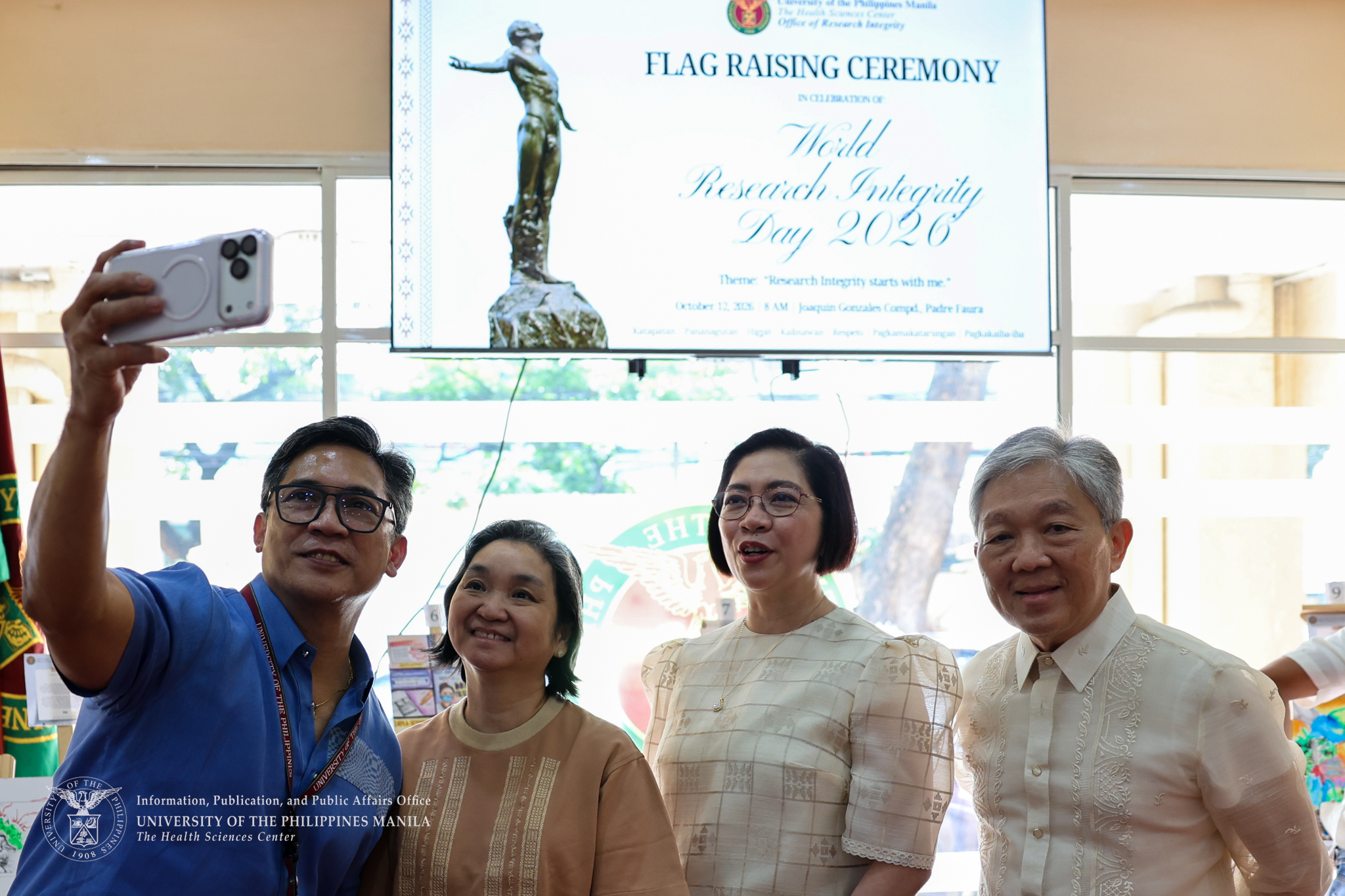
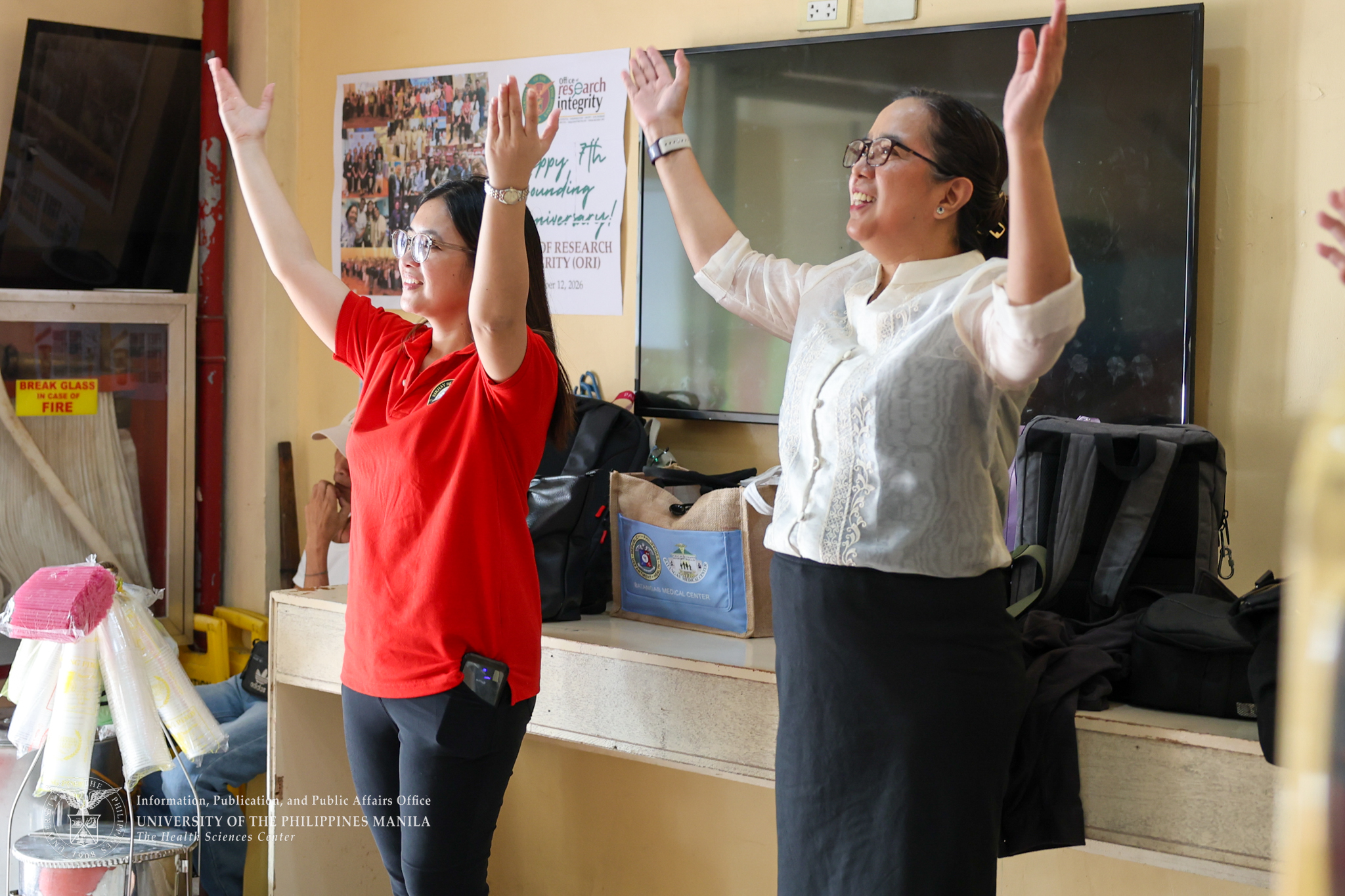
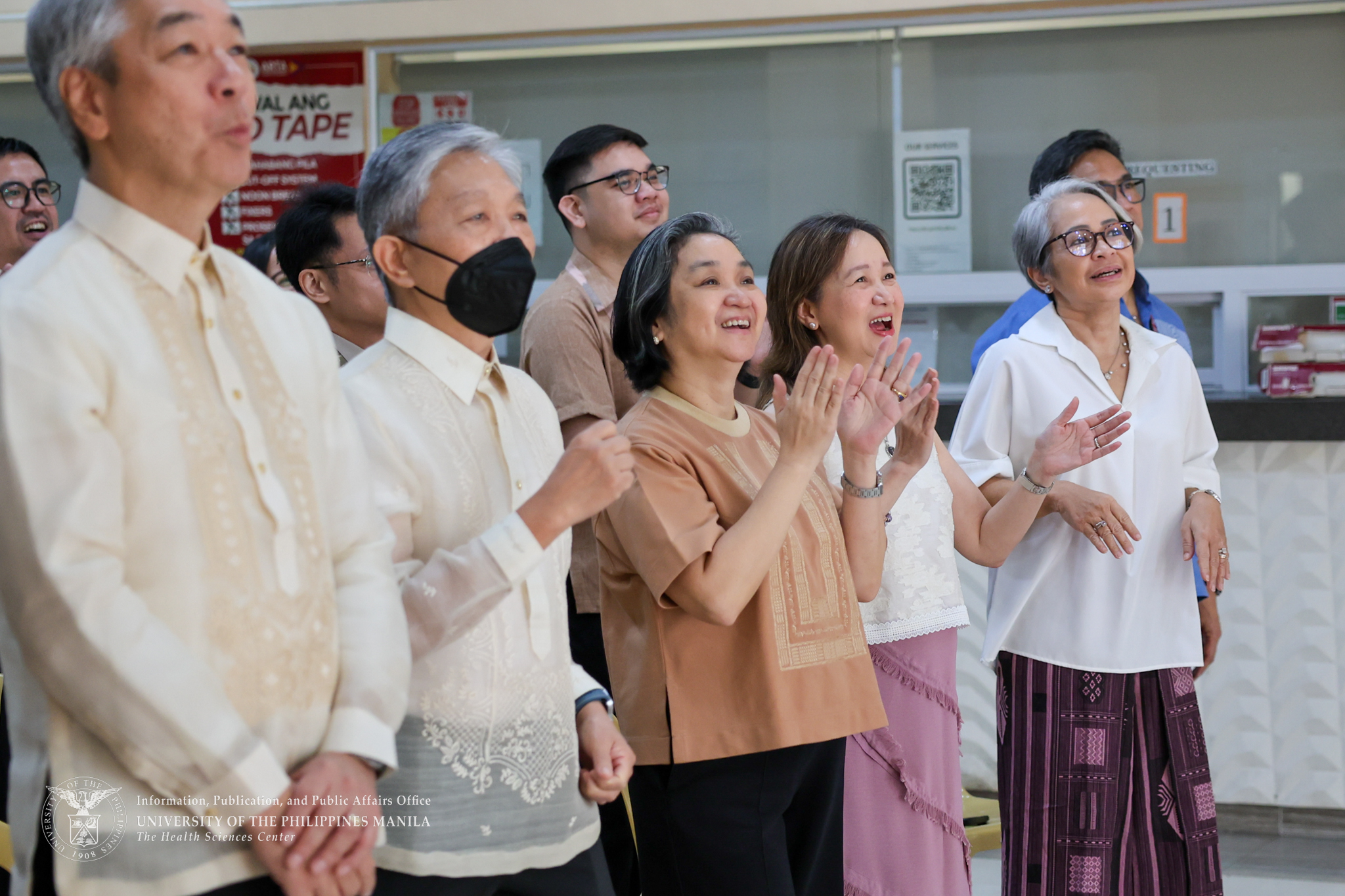
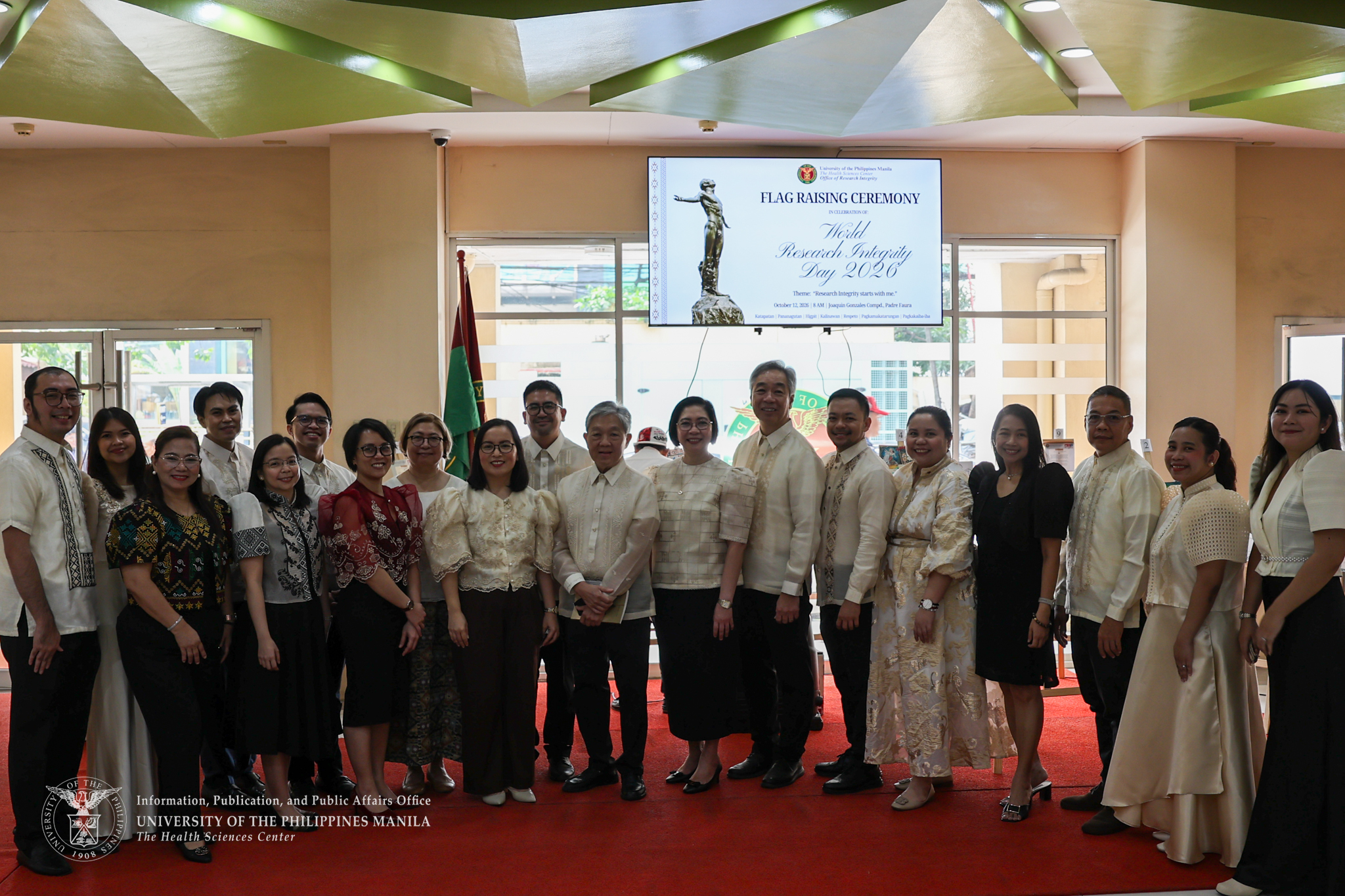
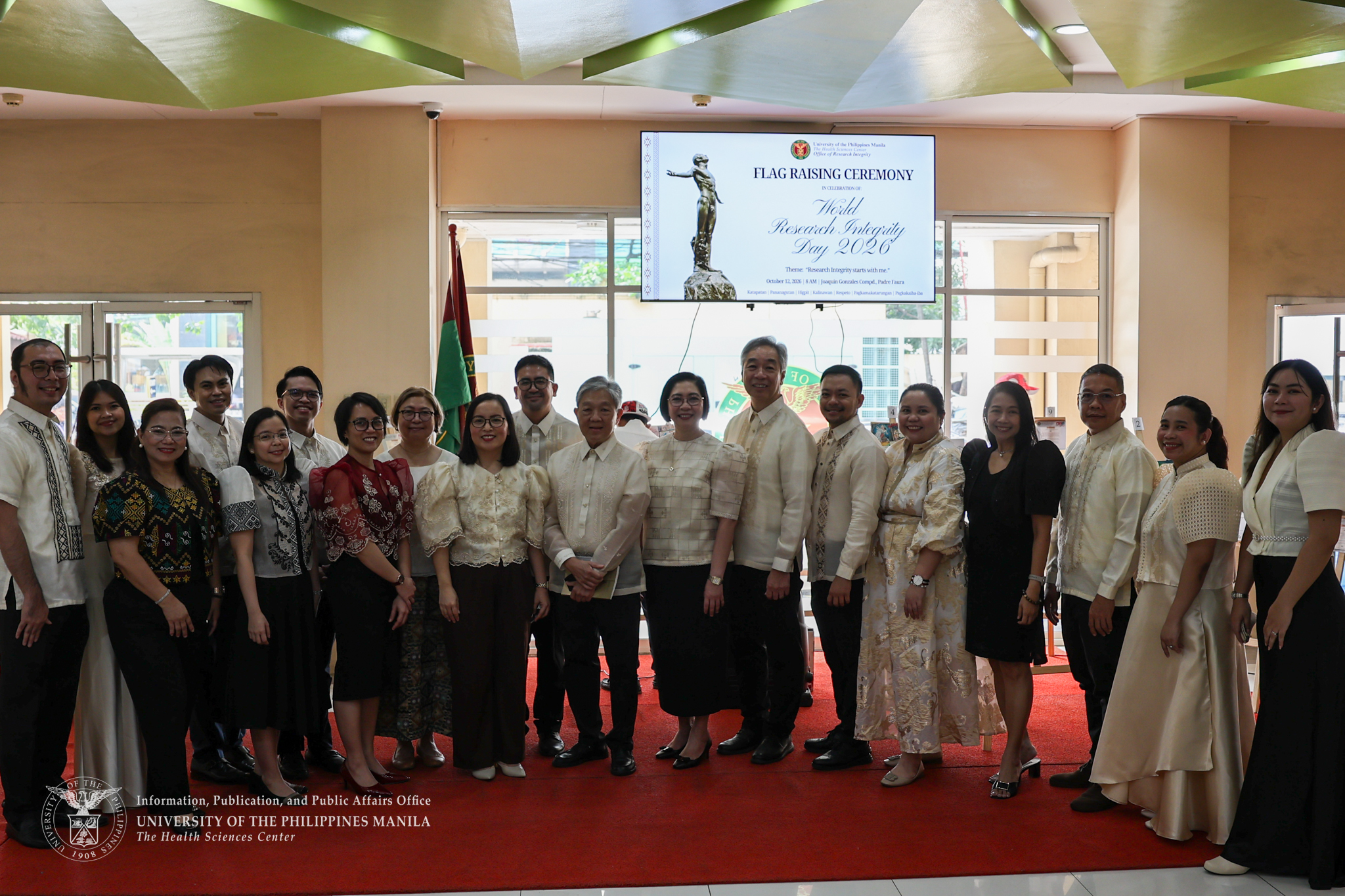
The celebration, themed “Research Integrity Starts With Me,” also featured the launch of updated virtual learning environment courses, the introduction of ORI’s official logo, and the recognition of INKtegridad contest winners.
Cartoons Bring Research Integrity Challenges into Focus
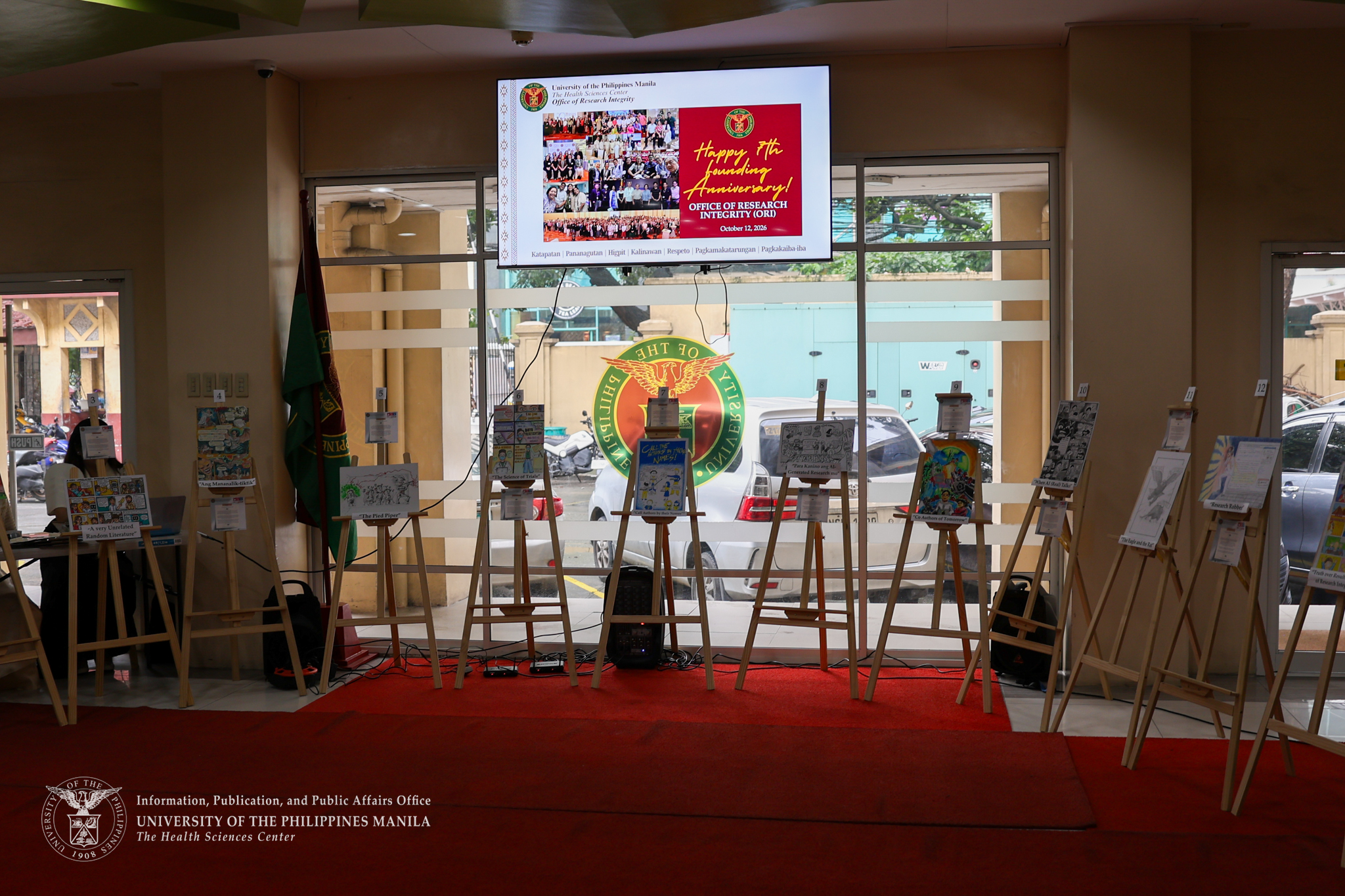
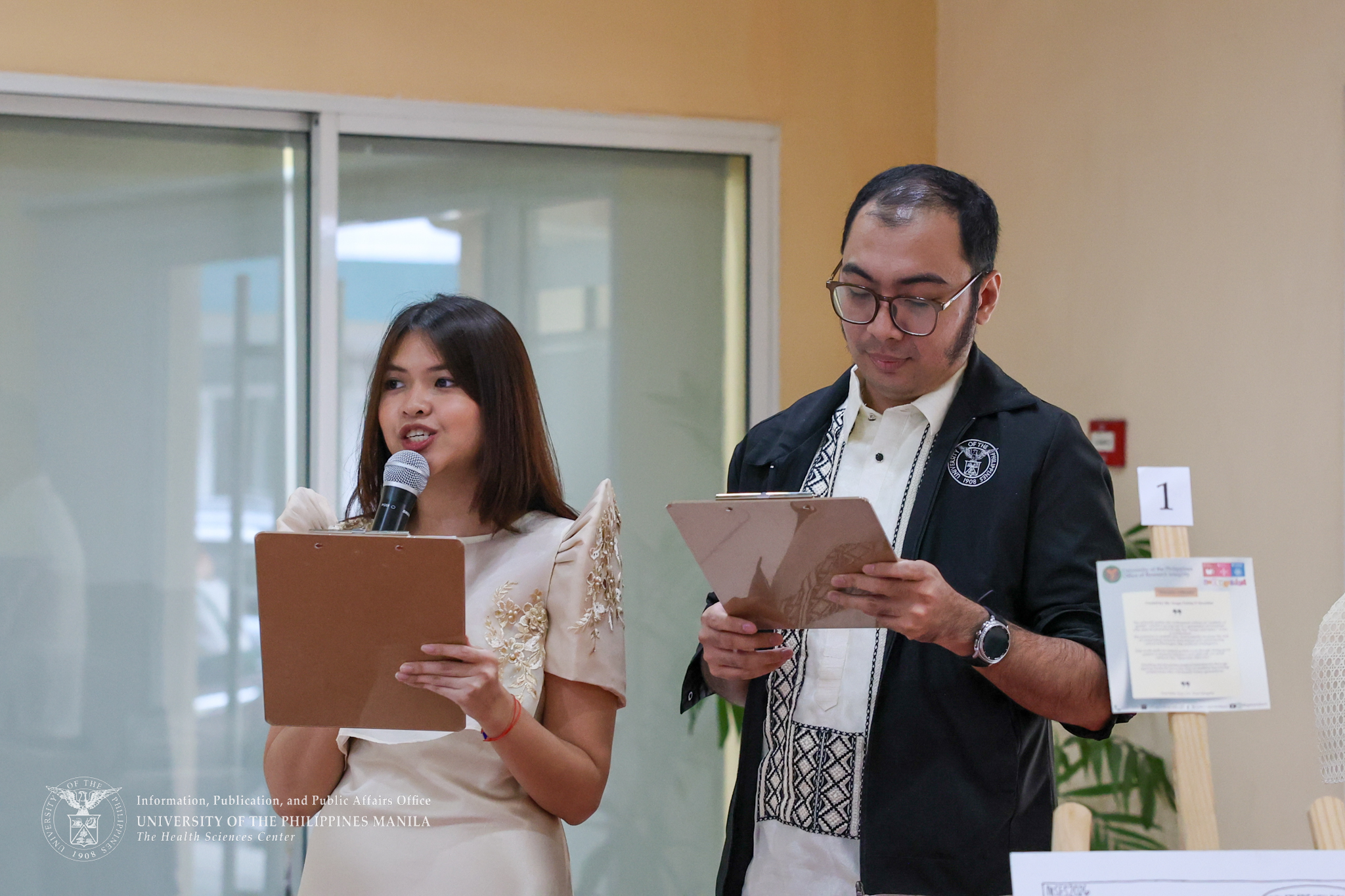
The exhibited entries for INKtegridad tackled issues ranging from plagiarism and inappropriate authorship to fabricated data, the pressure to publish, and the responsible use of AI.
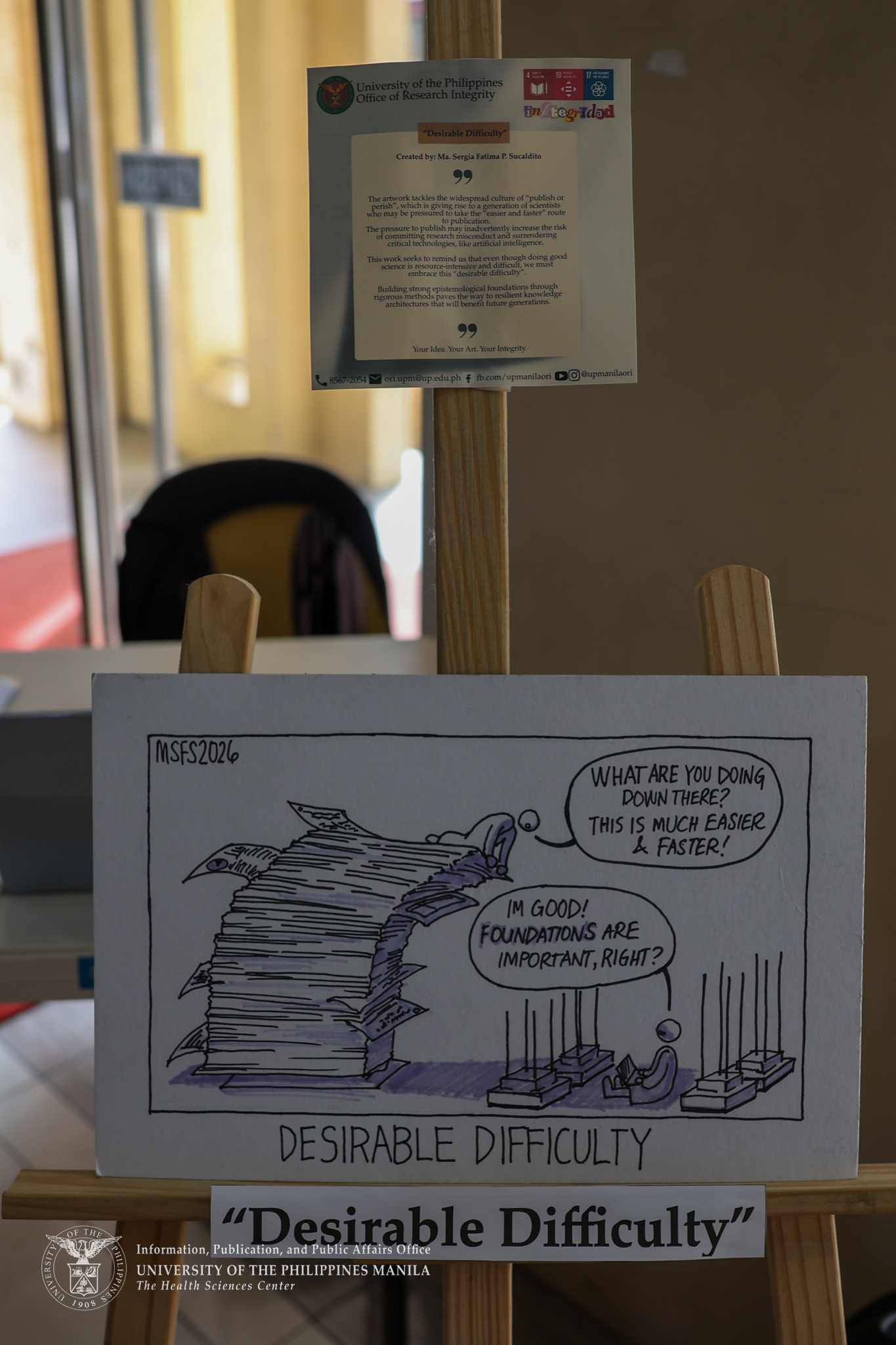
Among the works presented was Desirable Difficulty by Ma. Sergia Fatima Sucaldito, which examined the publish-or-perish culture and the temptation to take shortcuts through the misuse of AI.
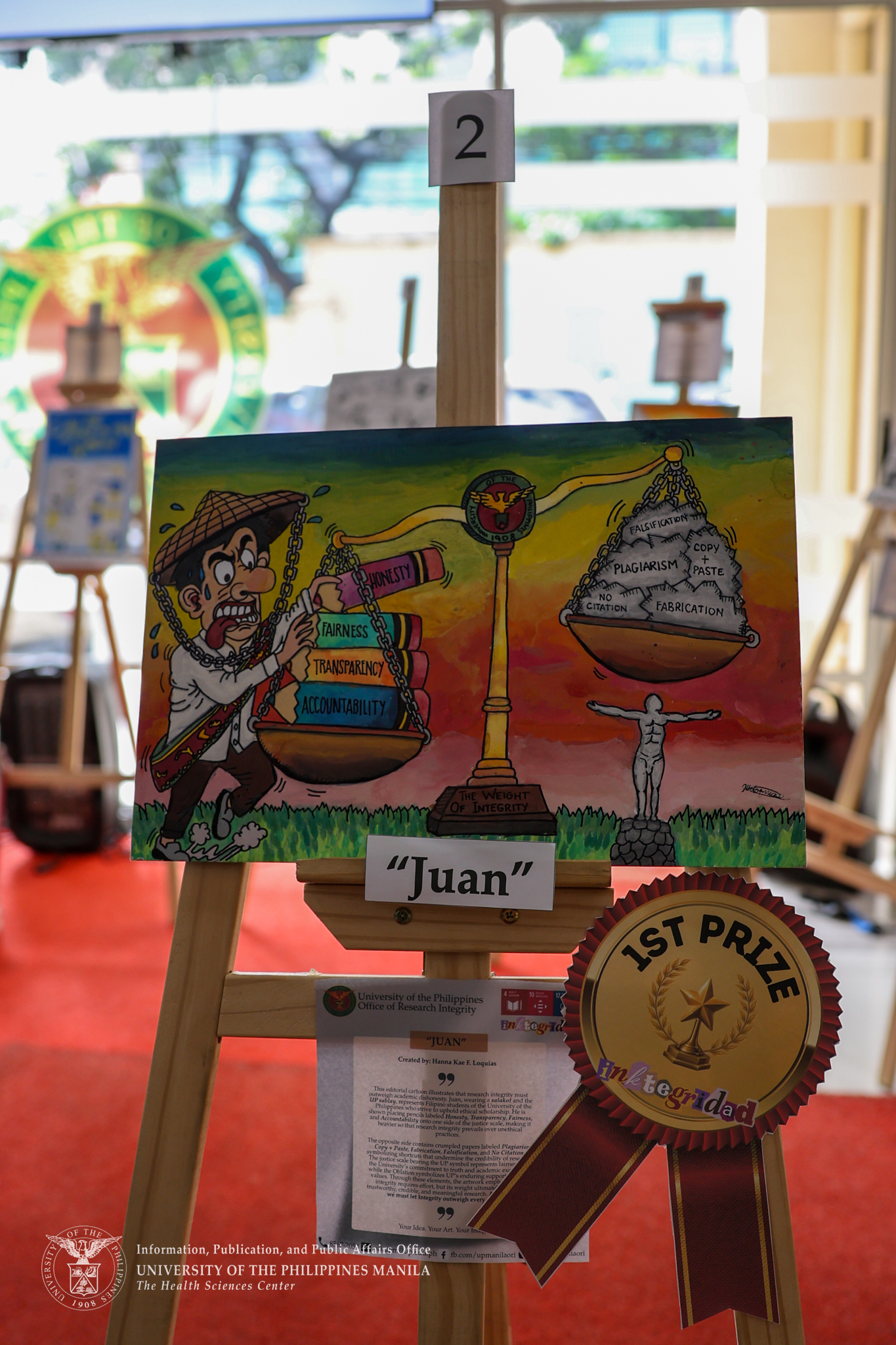
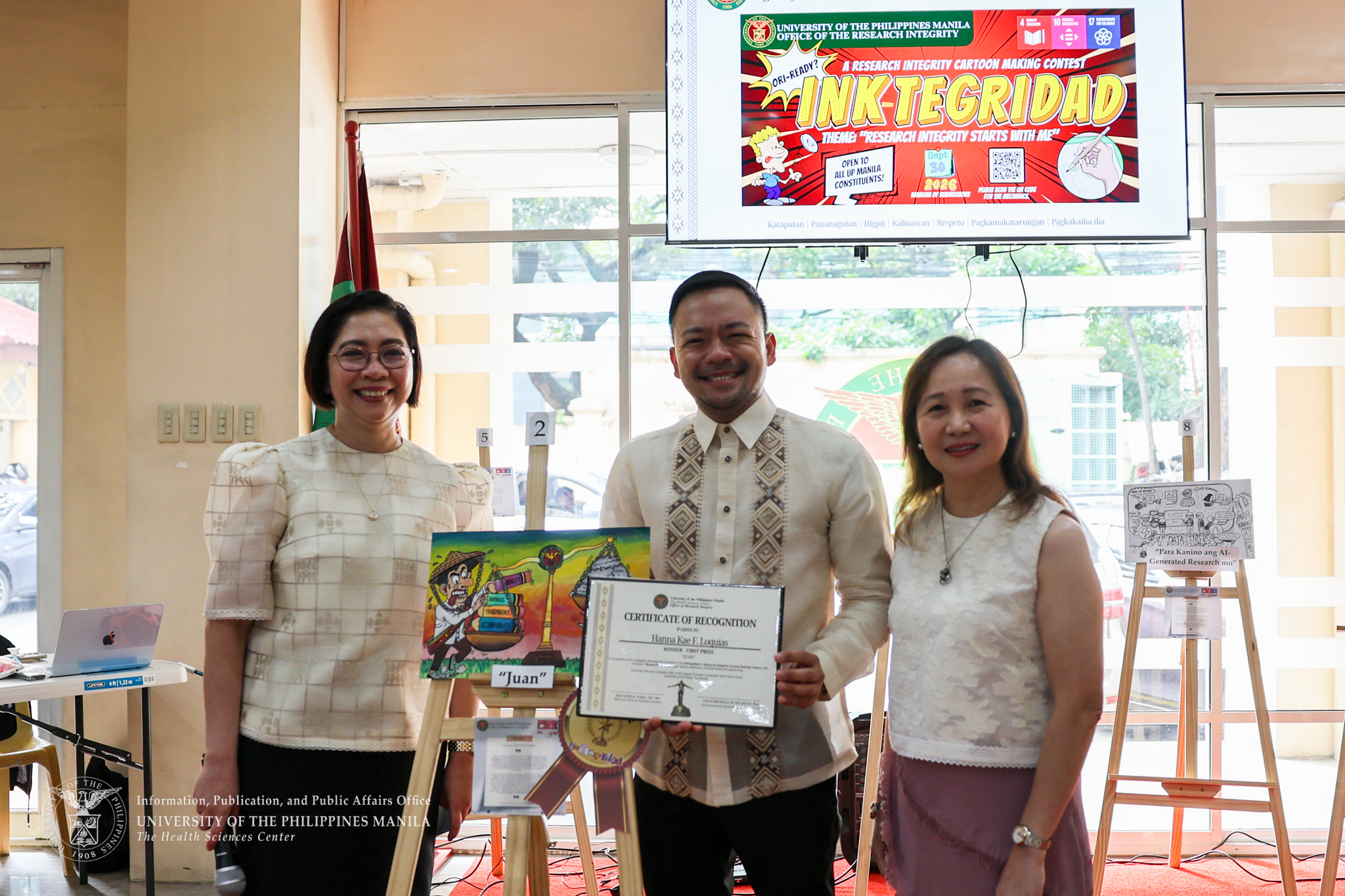
Juan by Hanna Kae Loquias depicted a UP student drawing on honesty, transparency, and accountability to uphold research integrity.
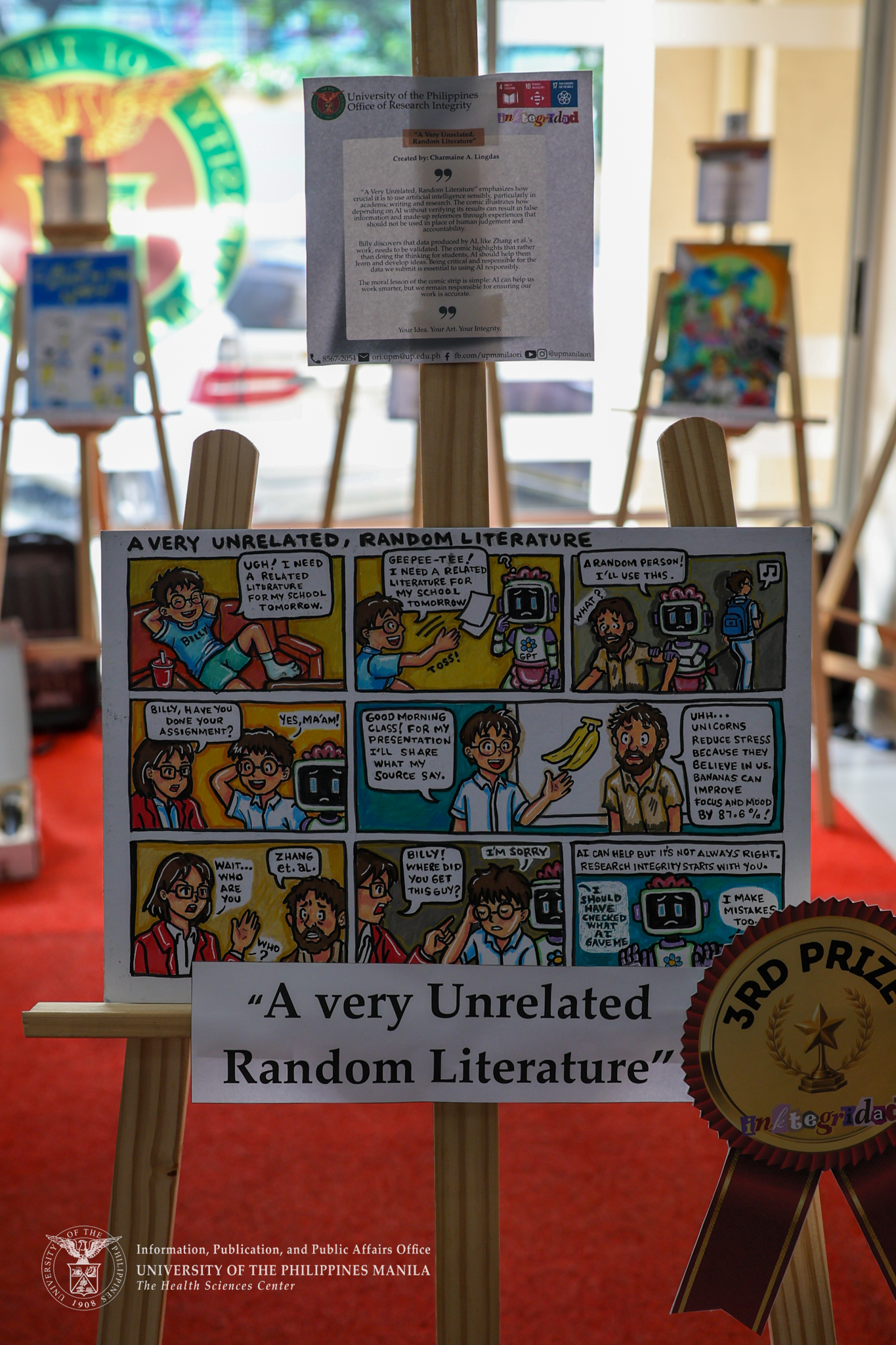
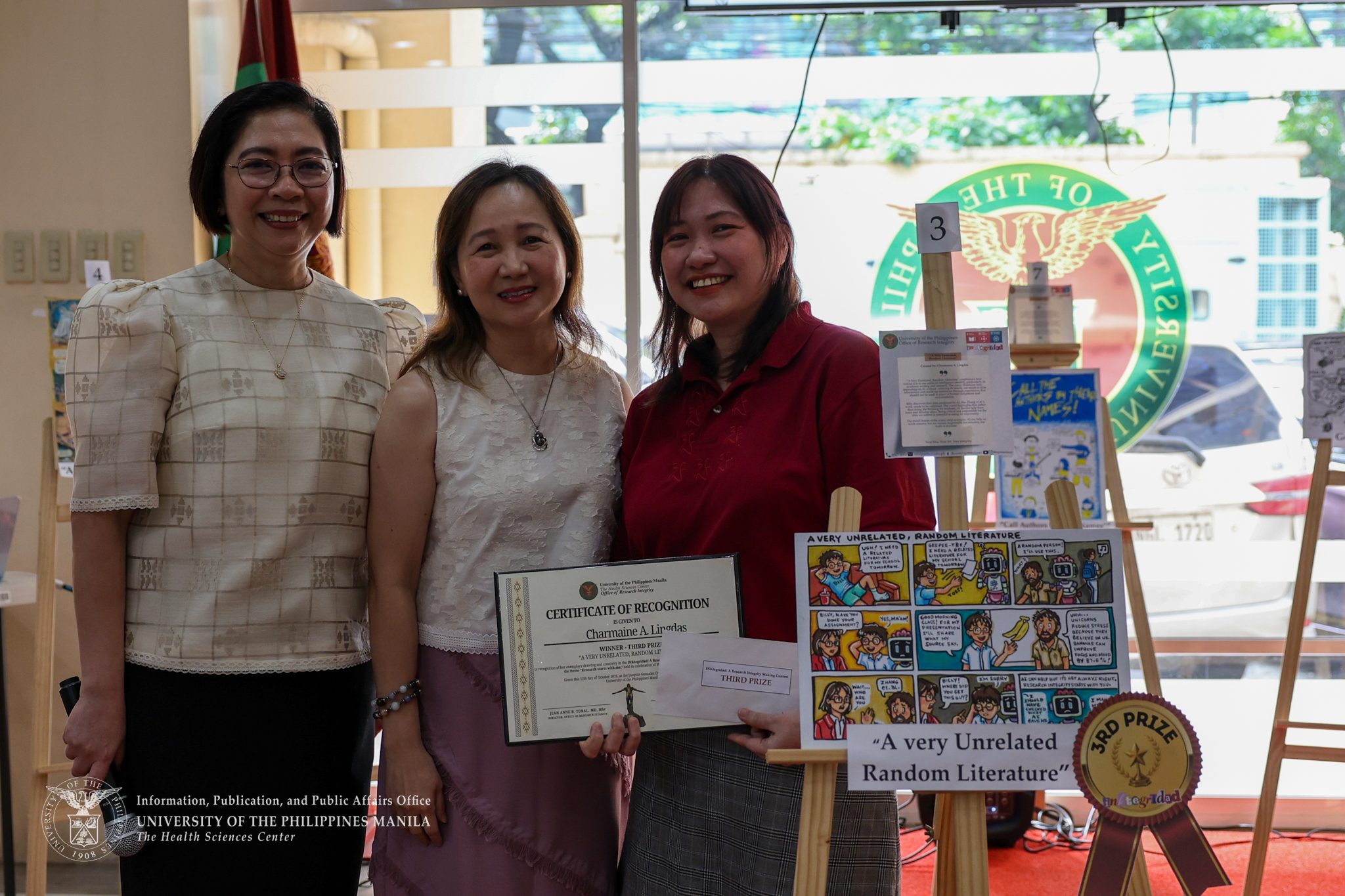
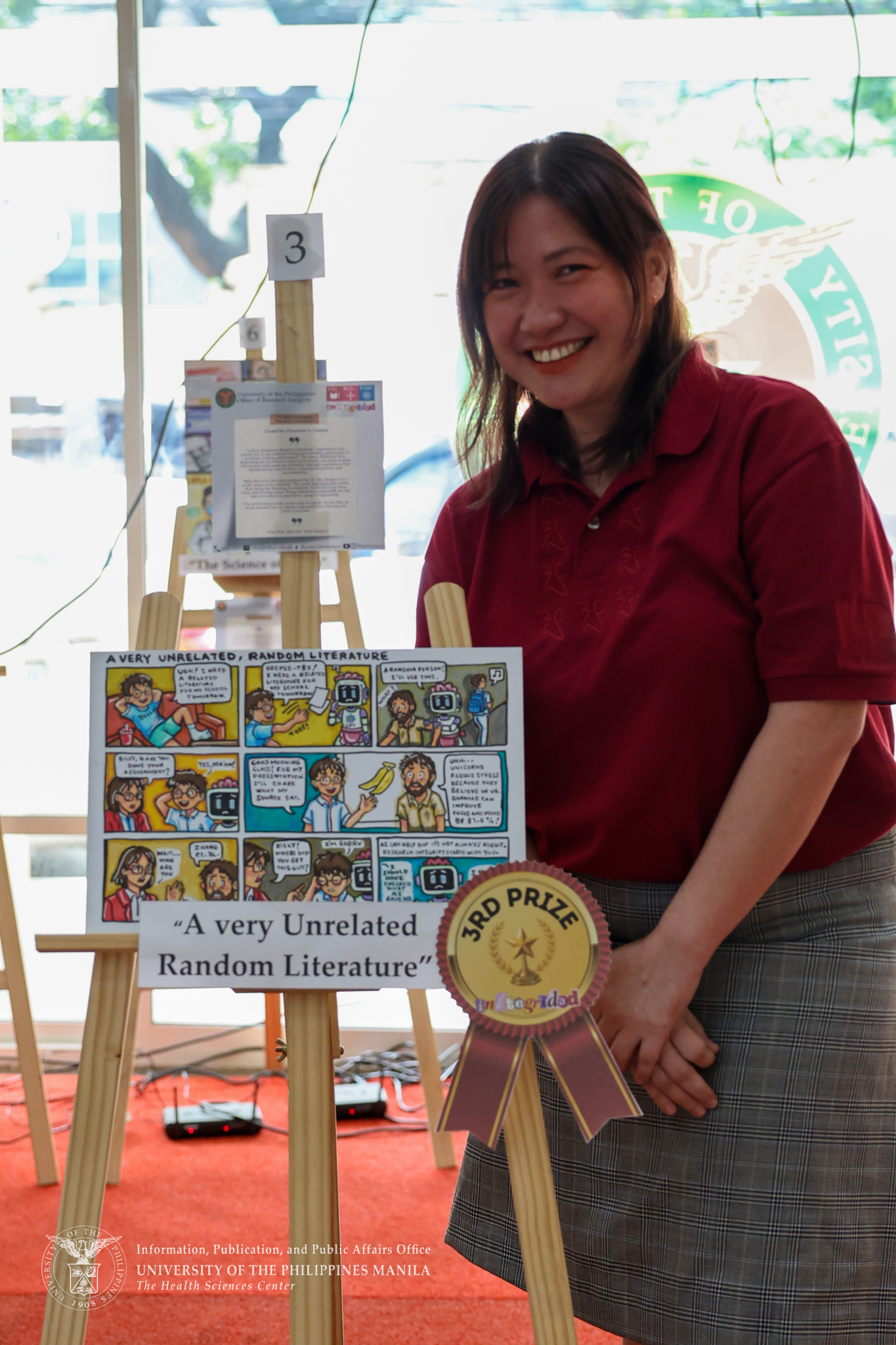
A Very Unrelated Random Literature by Charmaine Lingdas explored the sensible use of AI in academic writing, emphasizing that technological tools should support learning rather than replace human judgment.
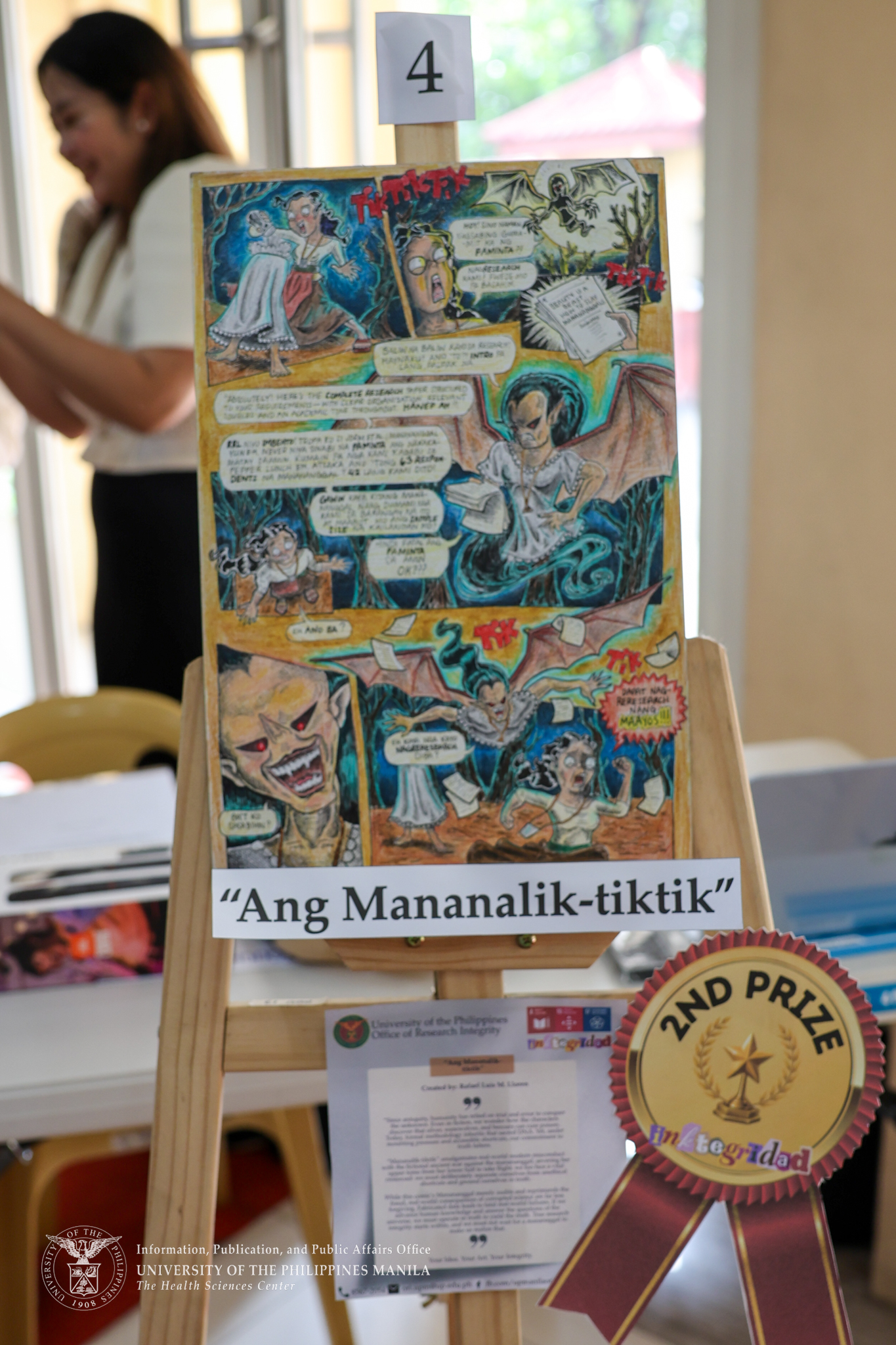
Ang Mananalik-tiktik by Rafael Luis Lloren drew on folklore to warn against ethical shortcuts and fabricated data.
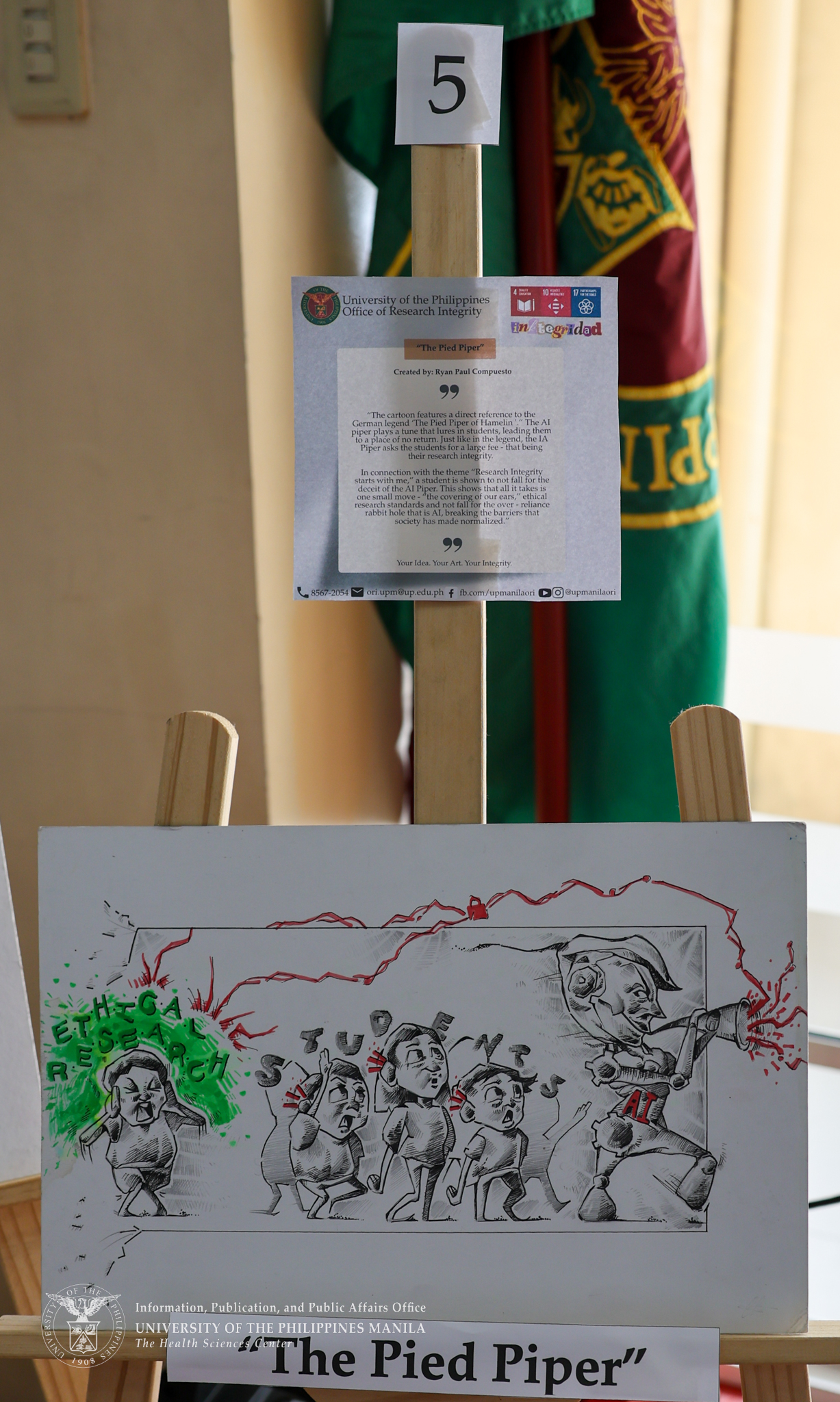
The Pied Piper by Ryan Paul Compuesto illustrated how AI could lead students toward overreliance on technology.
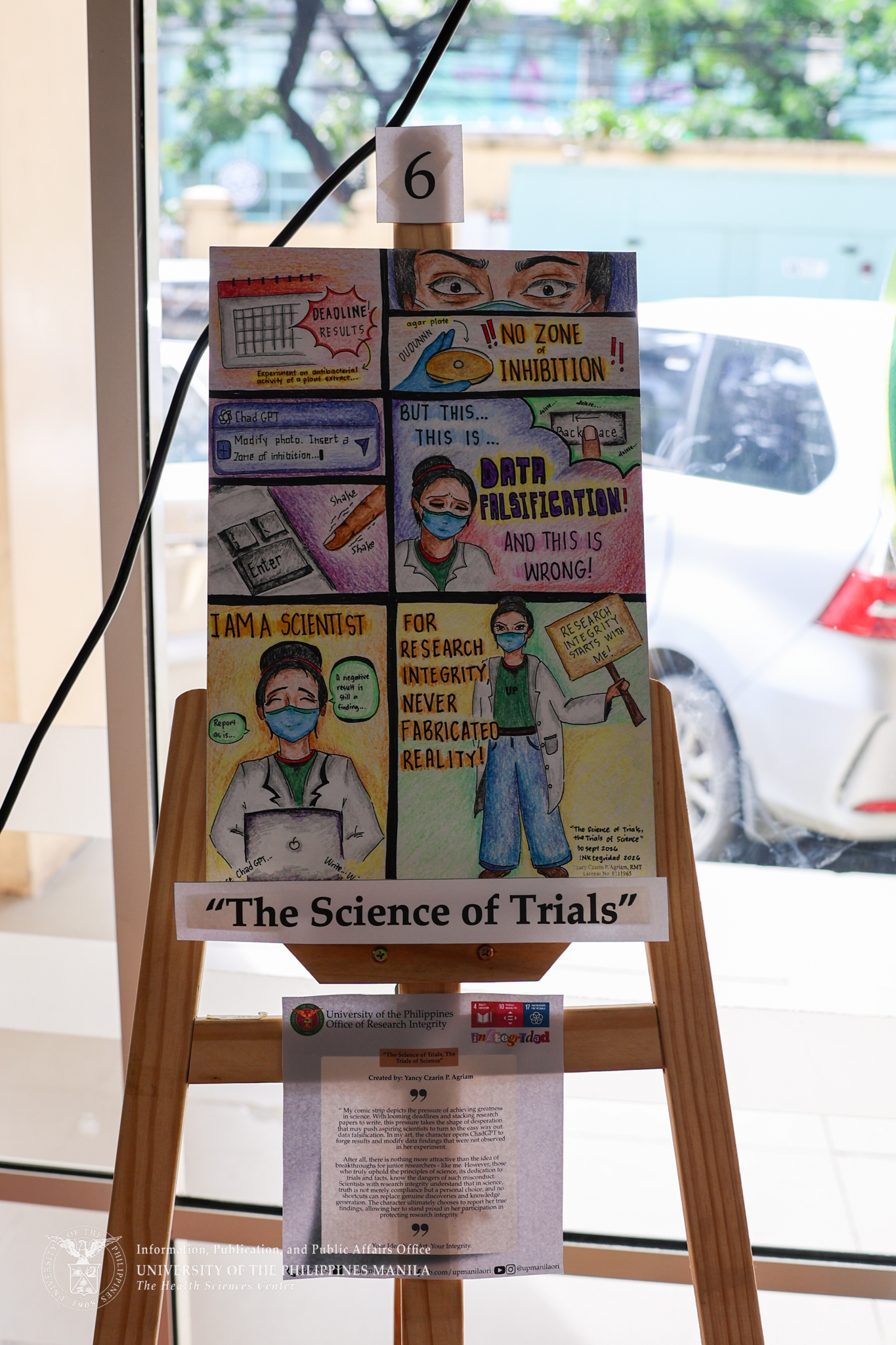
The Science of Trials, The Trials of Science by Yancy Czarin Agriam addressed the pressure and deadlines that may tempt young researchers to falsify data.
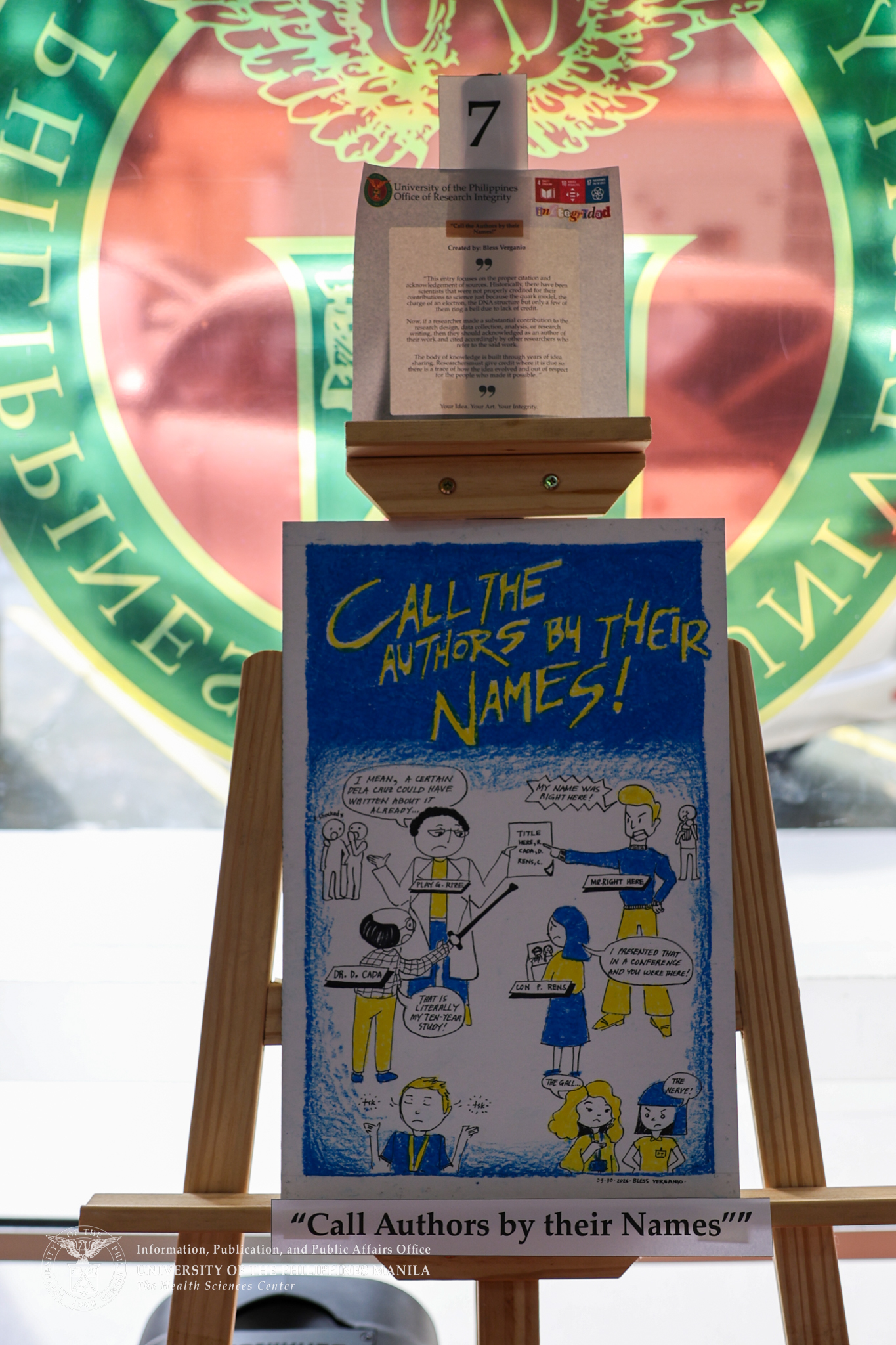
Call The Authors by Their Names by Bless Verganio highlighted proper citation and attribution, emphasizing the importance of recognizing significant contributors and preserving the traceability of scientific discoveries.
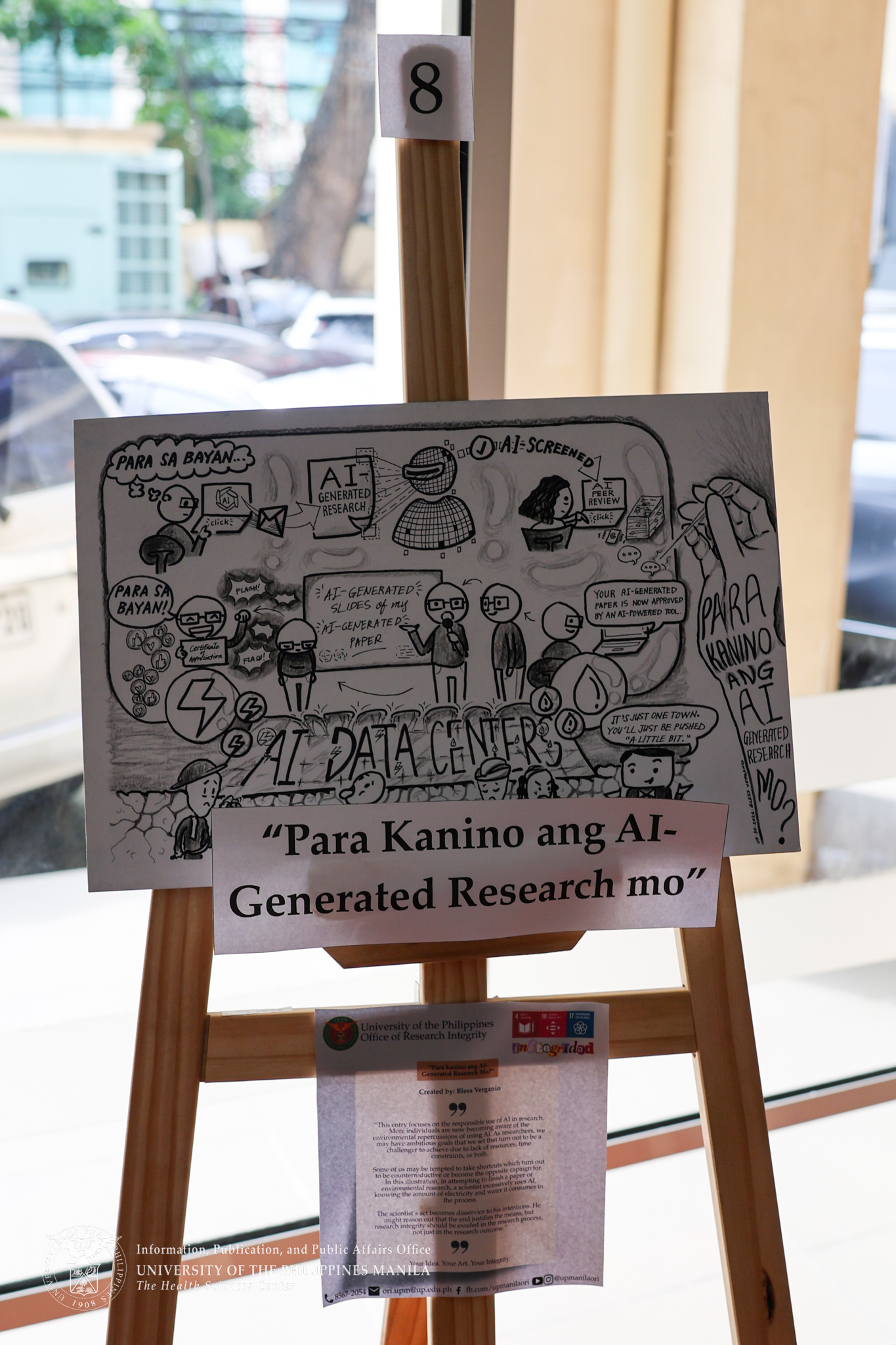
Para Kanino and AI- Generated Research Mo by Bless Verganio considered the environmental costs of AI, including electricity and water consumption.
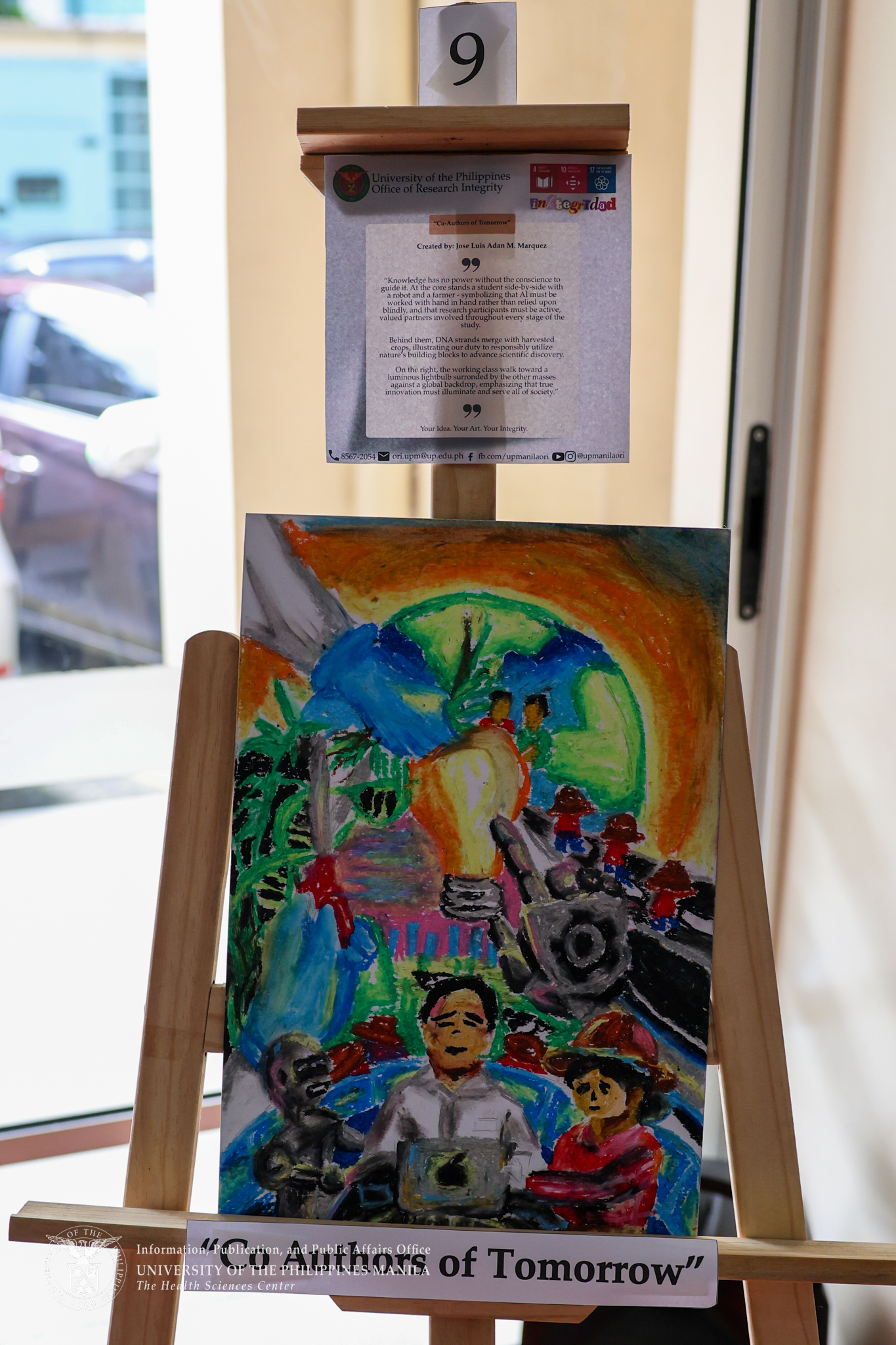
Co-Authors of Tomorrow by Jose Luis Adan Marquez presented AI as a collaborative tool rather than a substitute for human judgment.
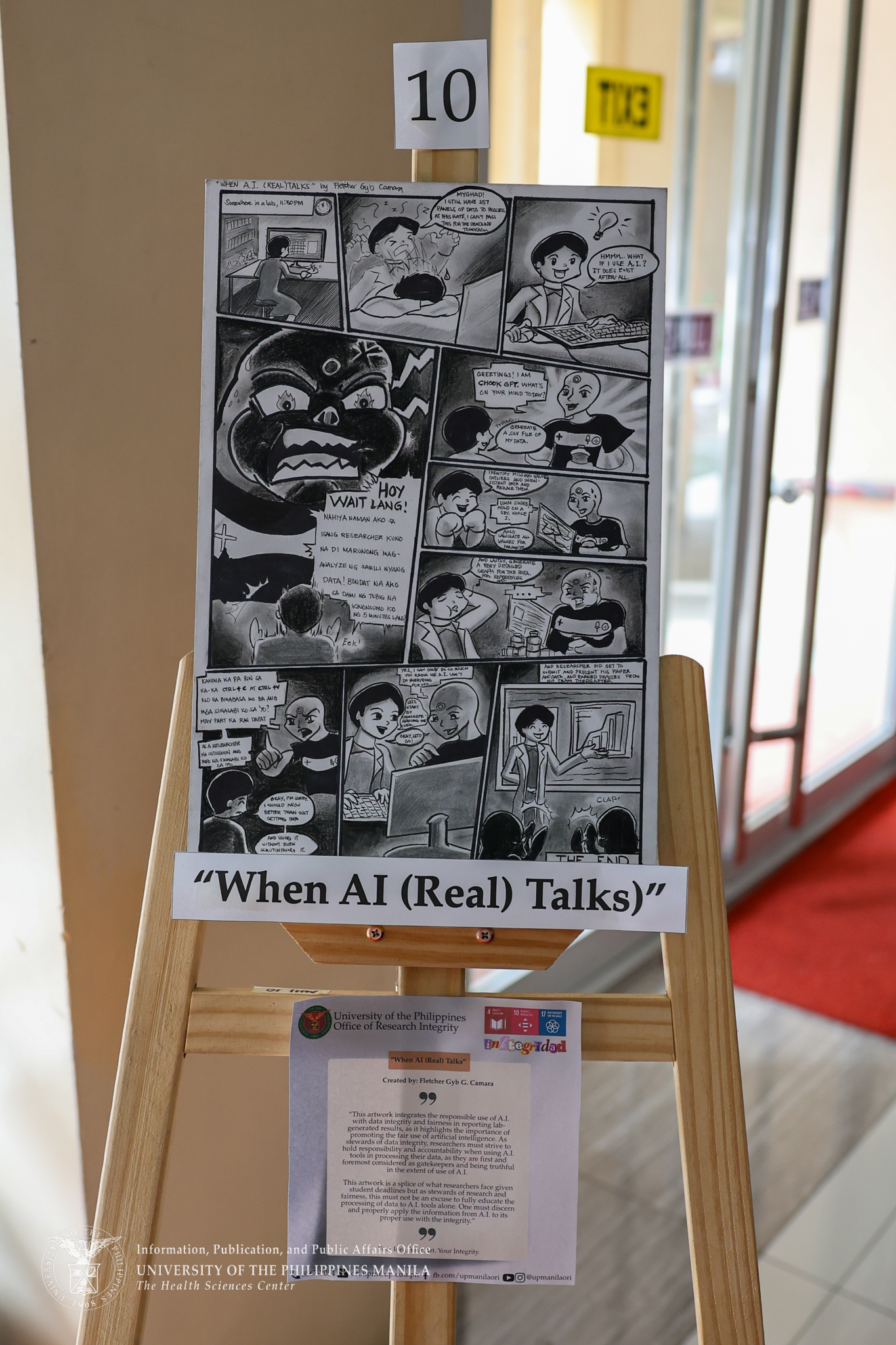
When AI (Real) Talks by Fletcher Gyb Camara underscored the need for data integrity and fairness even under deadline pressure.
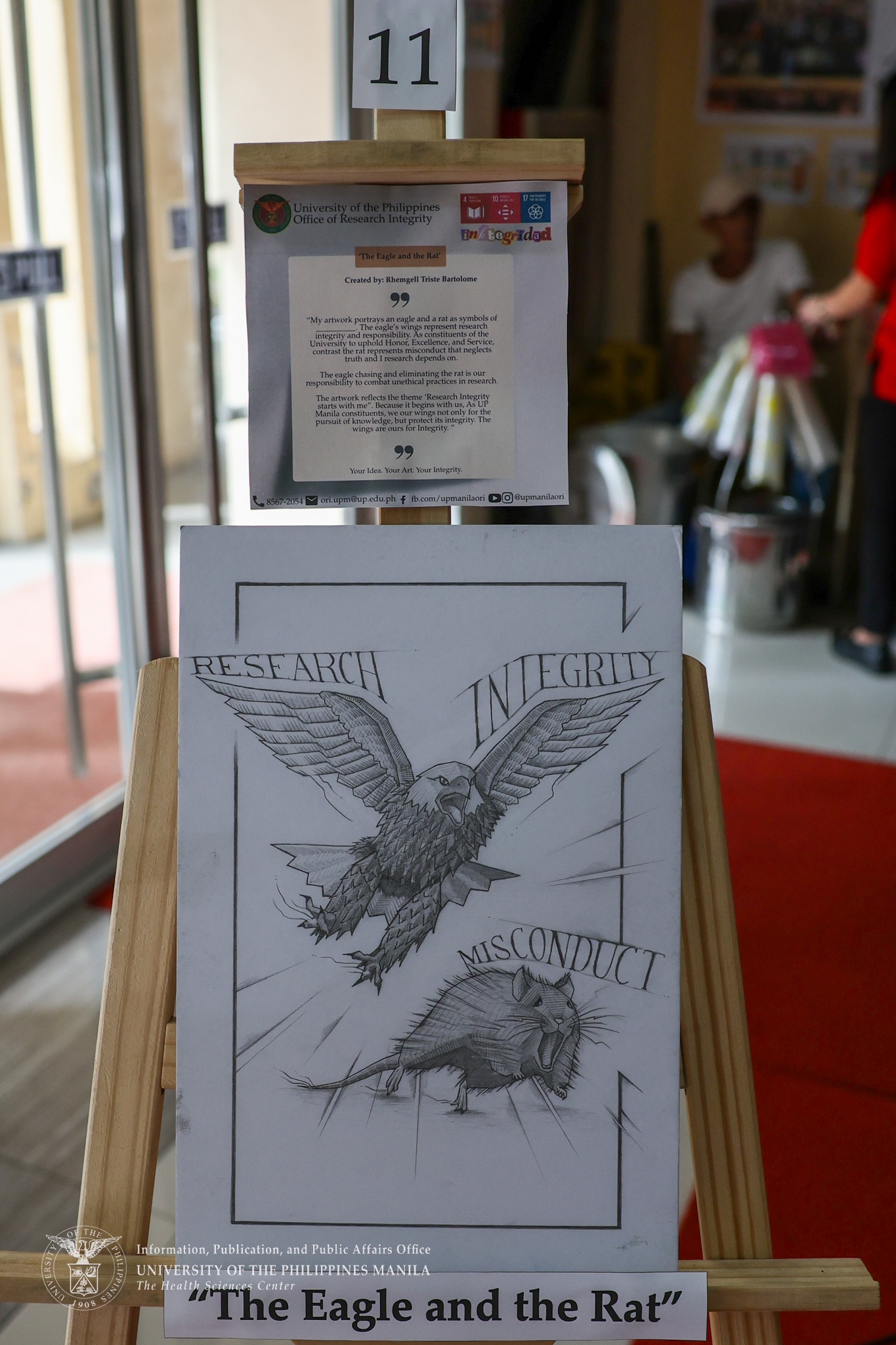
The Eagle and the Rat by Rangel Triste Bartolome uses an eagle representing research integrity and UP values to pursue a rat representing research misconduct, symbolizing researchers’ responsibility to actively combat unethical practices.
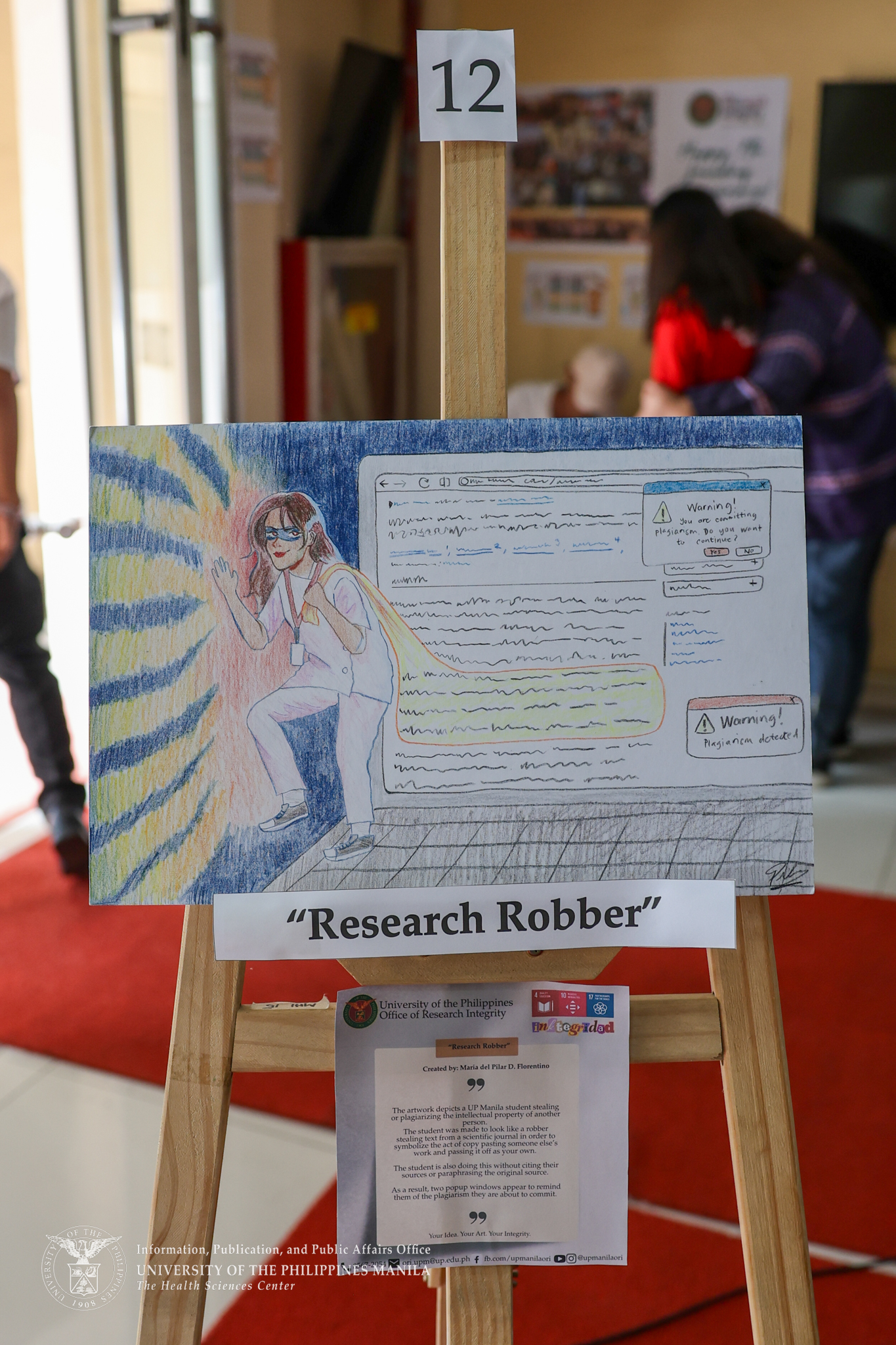
The Research Robber by Maria del Pilar Florentino depicts a student copying text from a journal without proper citation or paraphrasing, with pop-up windows warning against plagiarism.
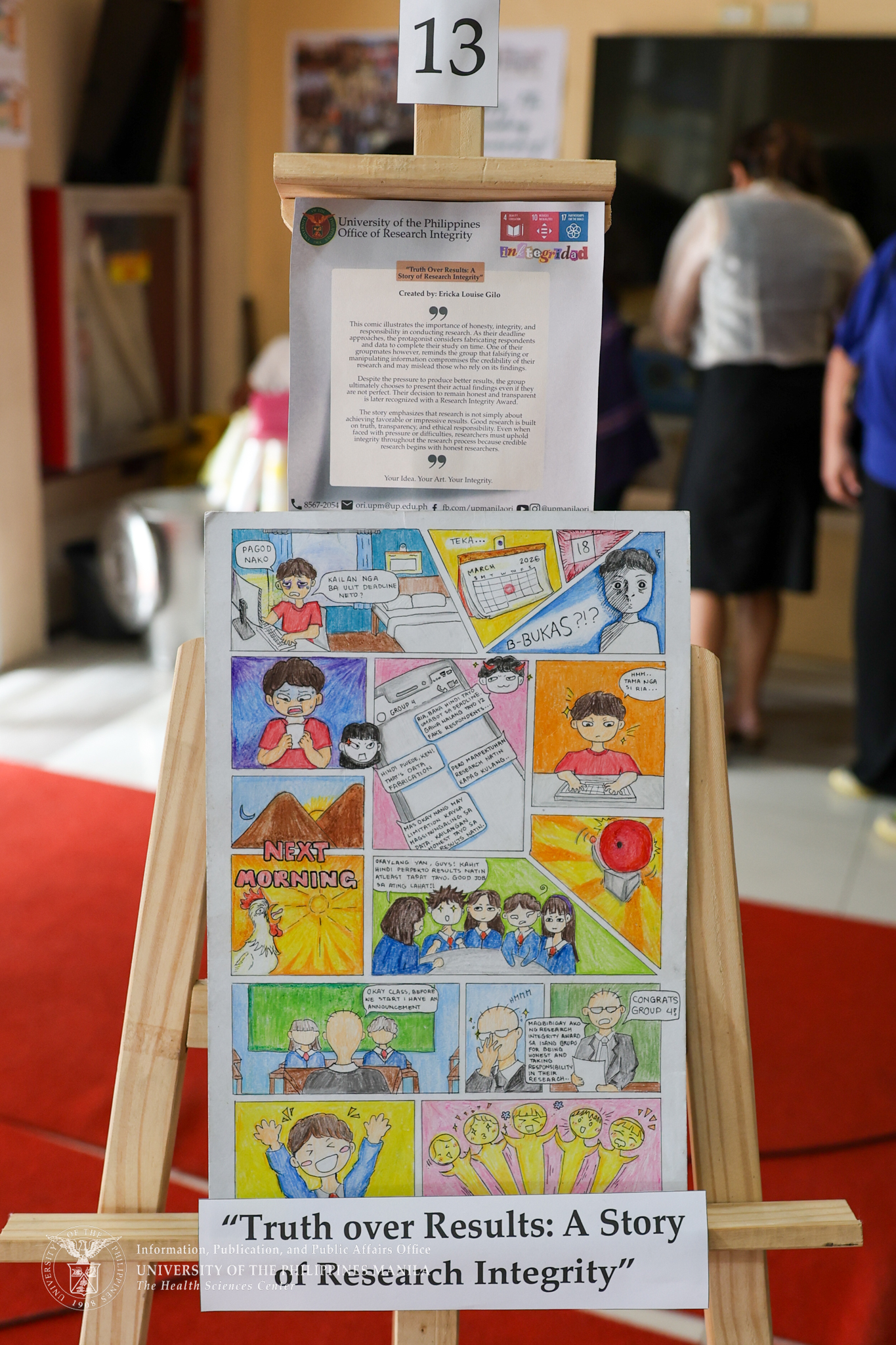
Truth Over Results: A Story of Research Integrity by Ericka Louise Gilo tells the story of a group facing tight deadlines that resists the temptation to fabricate respondents and data, choosing transparent and honest findings over false perfection.
Through these works, participants demonstrated how artistic expression can help make complex research ethics issues understandable to a wider audience.
The contest also gave the university community locally created educational materials that could be used to sustain discussions on responsible research practices.
First prize went to Juan by Hanna Kae Loquias, which received an average score of 94.33. Second prize was awarded to Ang Mananalik-tiktik by Rafael Lloren, with an average score of 91. Third prize went to A Very Unrelated Random Literature by Charmaine Lingdas, which earned an average score of 89.67.
Seven Years of Building A Culture of Research Integrity
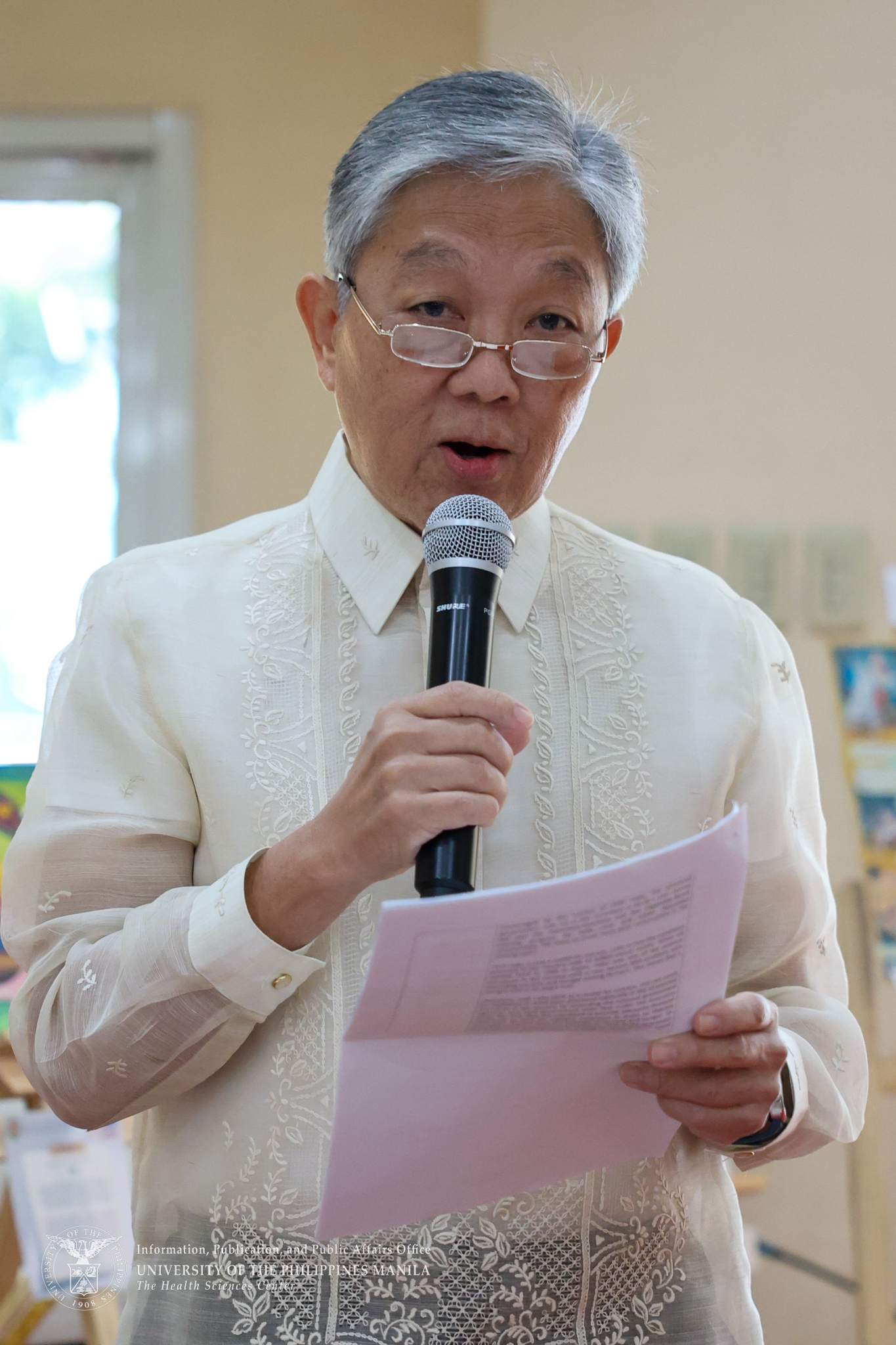
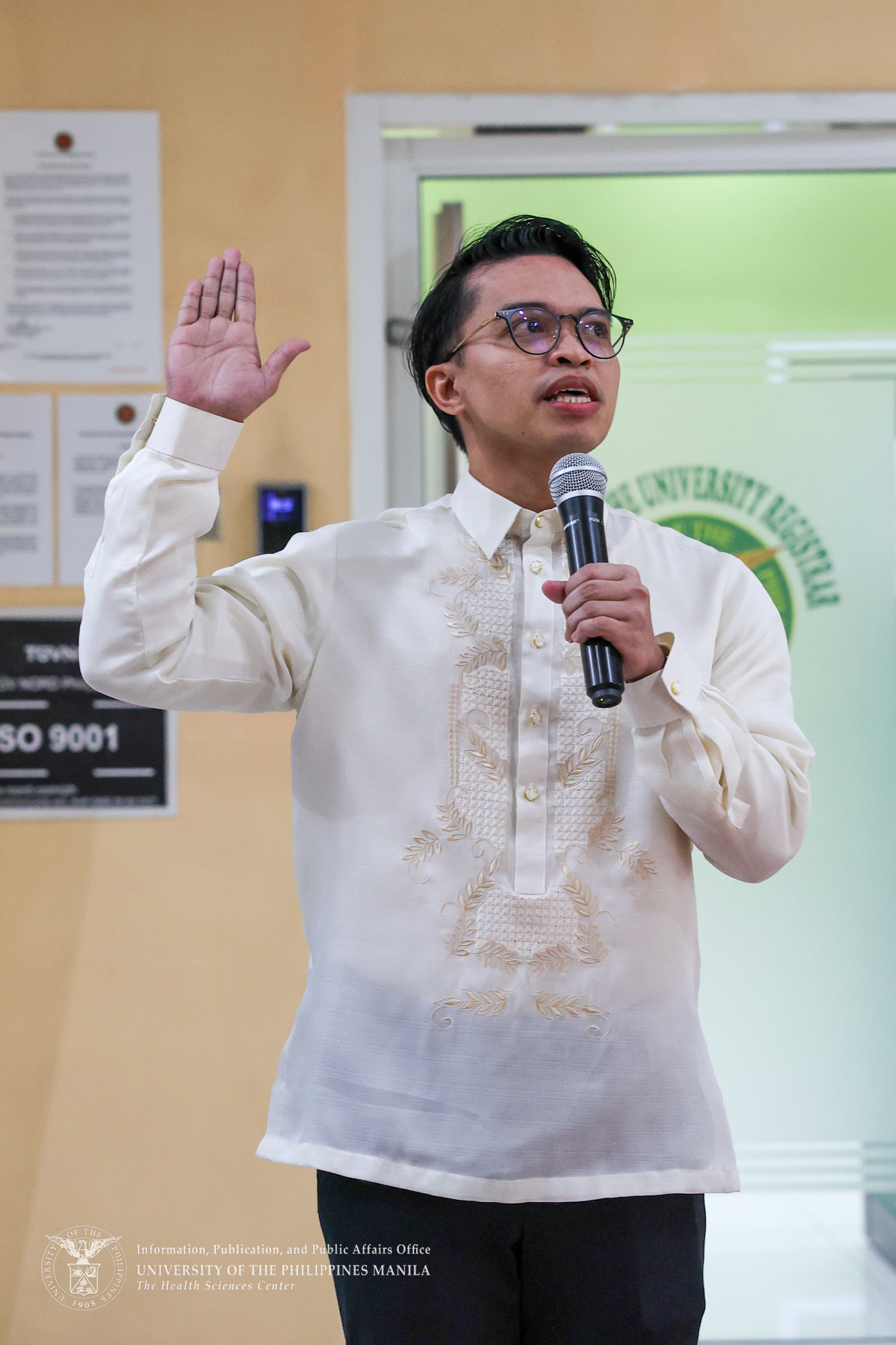
Dr. Edward Wang, ORI’s founding director, traced ORI’s beginnings to Oct. 19, 2019, when then-Chancellor Carmencita D. Padilla issued a memorandum establishing the UP Manila Committee on Research Integrity. The interim body was tasked with laying the groundwork for an institutional office that would promote responsible research practices across the university.
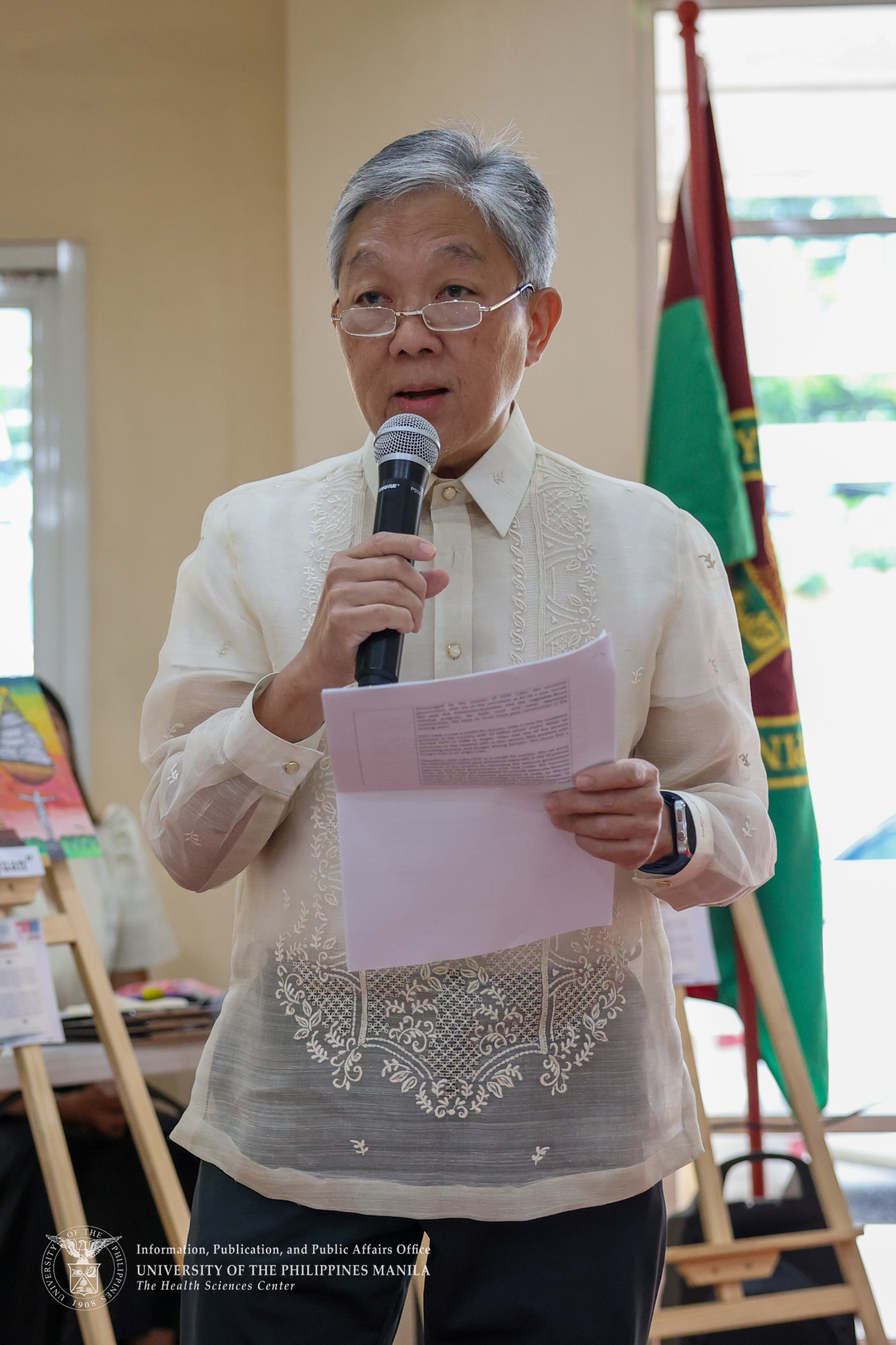
The initiative began with six members (Dr. Jacinto Blas Mantaring III, Dr. Jean Anne Toral, Dr. Katherine Reyes, Prof. Marilen Balolong, Rufus Thomas Adducul, and Edward Wang) who faced the challenge of establishing a research integrity program in a growing academic and research environment.
Dr. Wang explained why a dedicated office was necessary, especially when the university already had mechanisms for research ethics. “Research ethics makes sure no harm comes to the participants in your research,” he explained. “On the other hand, research integrity makes sure the study itself is done honestly.”
He cited concerns involving authorship, data credibility, plagiarism, and other questionable research practices as issues that required a distinct institutional response. These concerns went beyond protecting research participants and extended to ensuring that the research process itself remained honest and accountable.
For Dr. Wang, research integrity carries particular weight at UP Manila because of the university’s role in health sciences.
“We are a premier health science center which many centers emulate,” he said. “So, here, a falsified or fabricated result can hurt a human life.”
He explained that manipulated research data could influence the medicines prescribed to patients, the treatment protocols adopted by hospitals, and the public health programs supported by government funding. Inaccurate findings could also undermine disease surveillance and lead to decisions that affect communities far beyond the university.
The consequences are especially serious for patients who rely on health professionals and scientific evidence but may not have the resources to examine the studies informing their care.
From A University Committee to A National Research Integrity Network
The committee’s early initiatives included orientation workshops for deans and research heads in February 2020, followed by online learning activities when the COVID-19 pandemic disrupted face-to-face programs. When in-person activities resumed, it conducted research integrity caravans across the university.
Wang reported that the committee conducted 14 caravans over the following three years, helping bring discussions on responsible research practices to different parts of the UP Manila community.
One of its significant accomplishments was the UP Manila Code for the Responsible Conduct of Research, approved in 2020 and adopted by the UP System the following year. The code established guidance for researchers and helped extend the university’s work on research integrity to other constituent universities.
In 2024, Dr. Wang turned over the directorship to Dr. Jean Anne Toral, who continued the office’s educational programs and expanded its reach through new learning resources and activities, including its virtual learning environment, discussions on emerging research challenges, and engagement with other institutions seeking to learn from UP Manila’s experience.
The office also convened its first national conference on research integrity in February 2026, attracting more than 300 researchers. Dr. Wang said the gathering led to the formation of the Philippine Research Integrity Network, extending collaboration beyond the university.
New Virtual Learning Courses Address Evolving Research Challenges
ORI introduced updated virtual learning environment (VLE) courses to strengthen the UP Manila community’s understanding of responsible research practices.
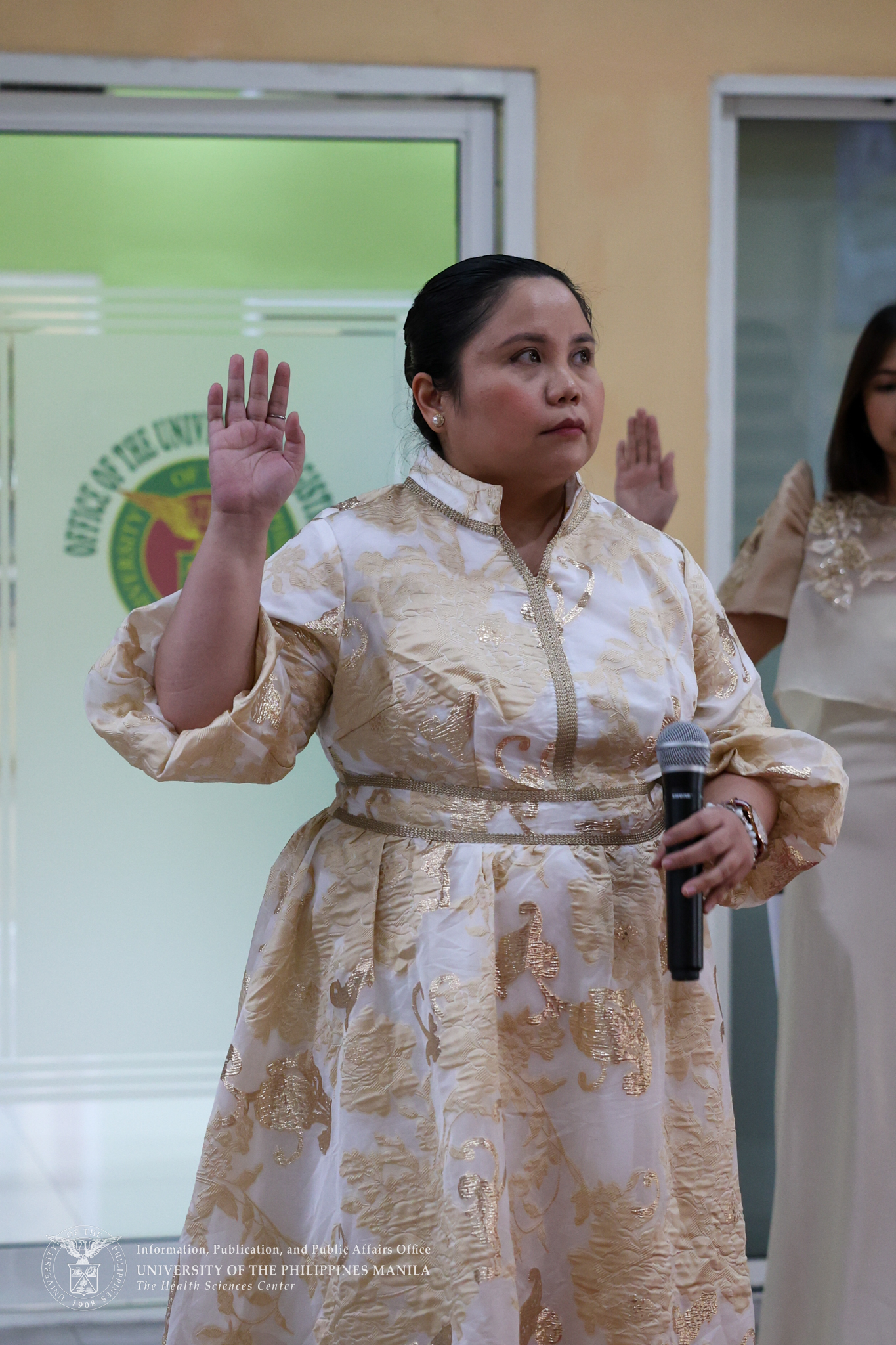
ORI Director Dr. Jean Anne Toral announced the launch of the two courses, which cover basic and advanced topics in research integrity.
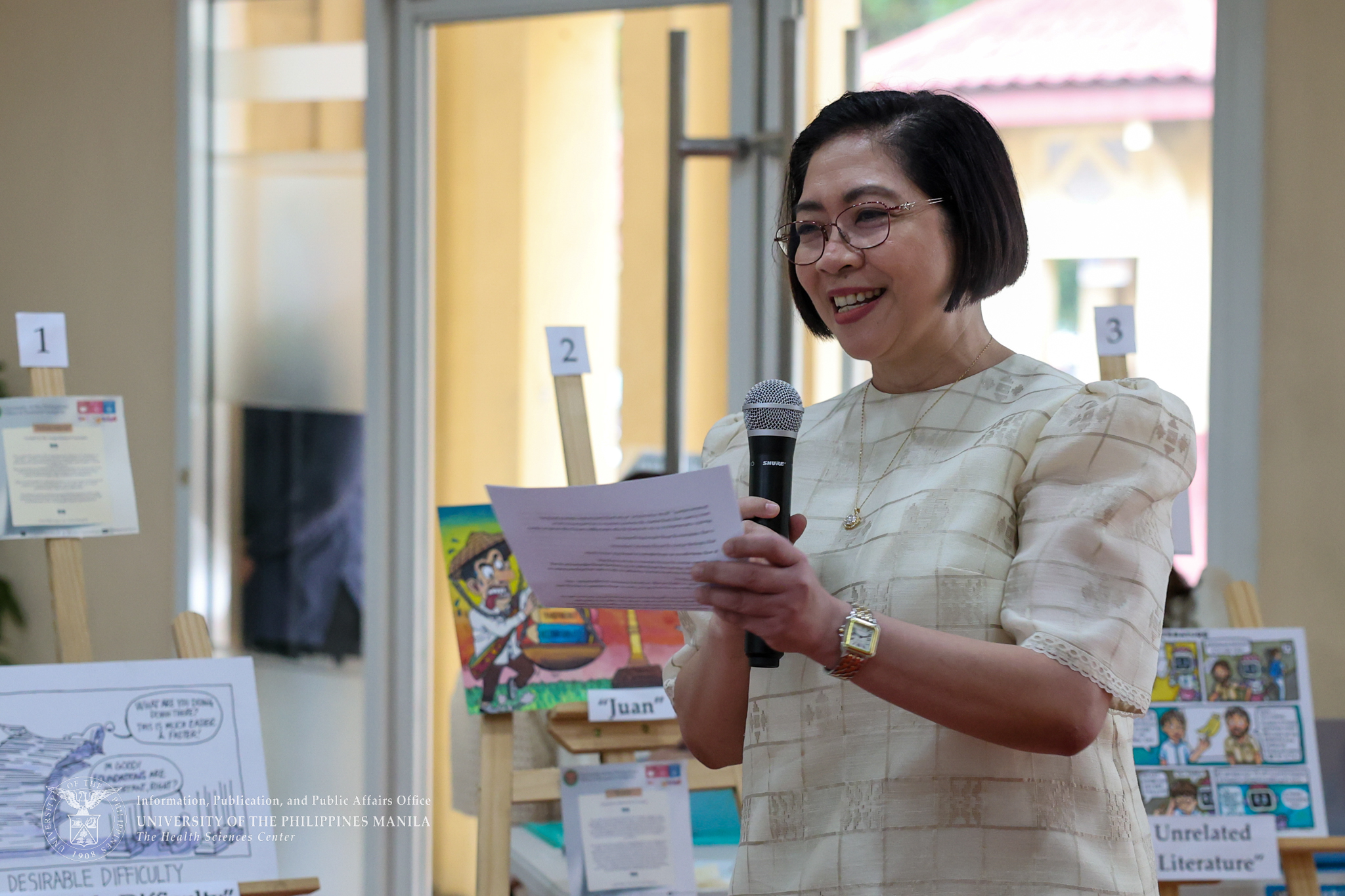
The introductory course covers the fundamentals of research integrity, the responsibilities of researchers, research misconduct, fabrication, falsification, plagiarism, and authorship. Other topics include predatory journals and the responsible use of artificial intelligence.
The second course expands the discussion to more complex areas, including open science, reproducibility, questionable research practices, paper mills, and diversity, equity, and fairness in research contexts.
The new courses are intended to help learners recognize not only serious research misconduct but also practices that may compromise the reliability, fairness, and transparency of scholarly work.
Research Integrity Extends Beyond Research
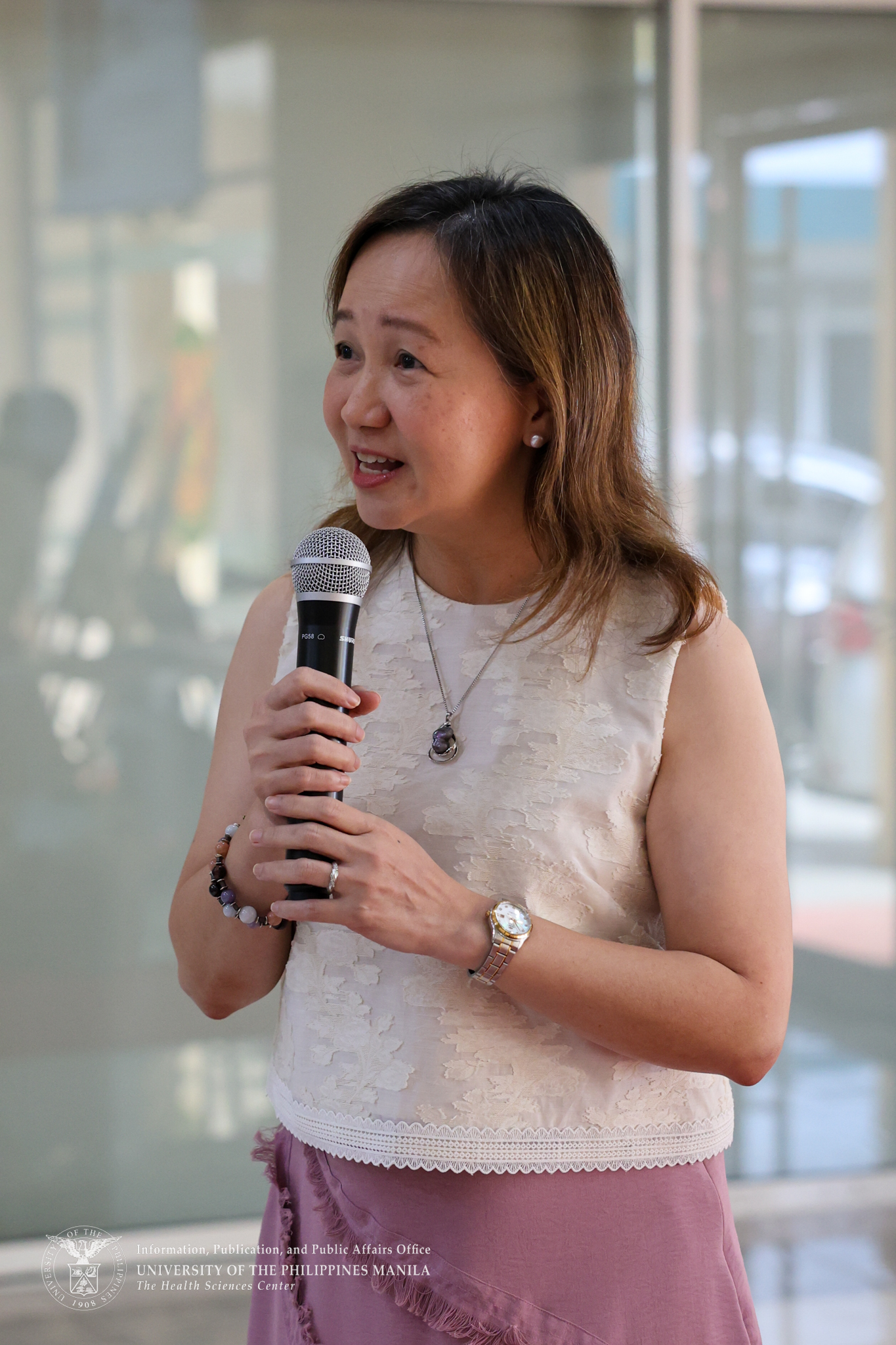
UP Manila Vice Chancellor for Research and Extension Leslie Michelle Dalmacio affirmed the importance of the office’s work in raising awareness of research integrity within the university and across the country.
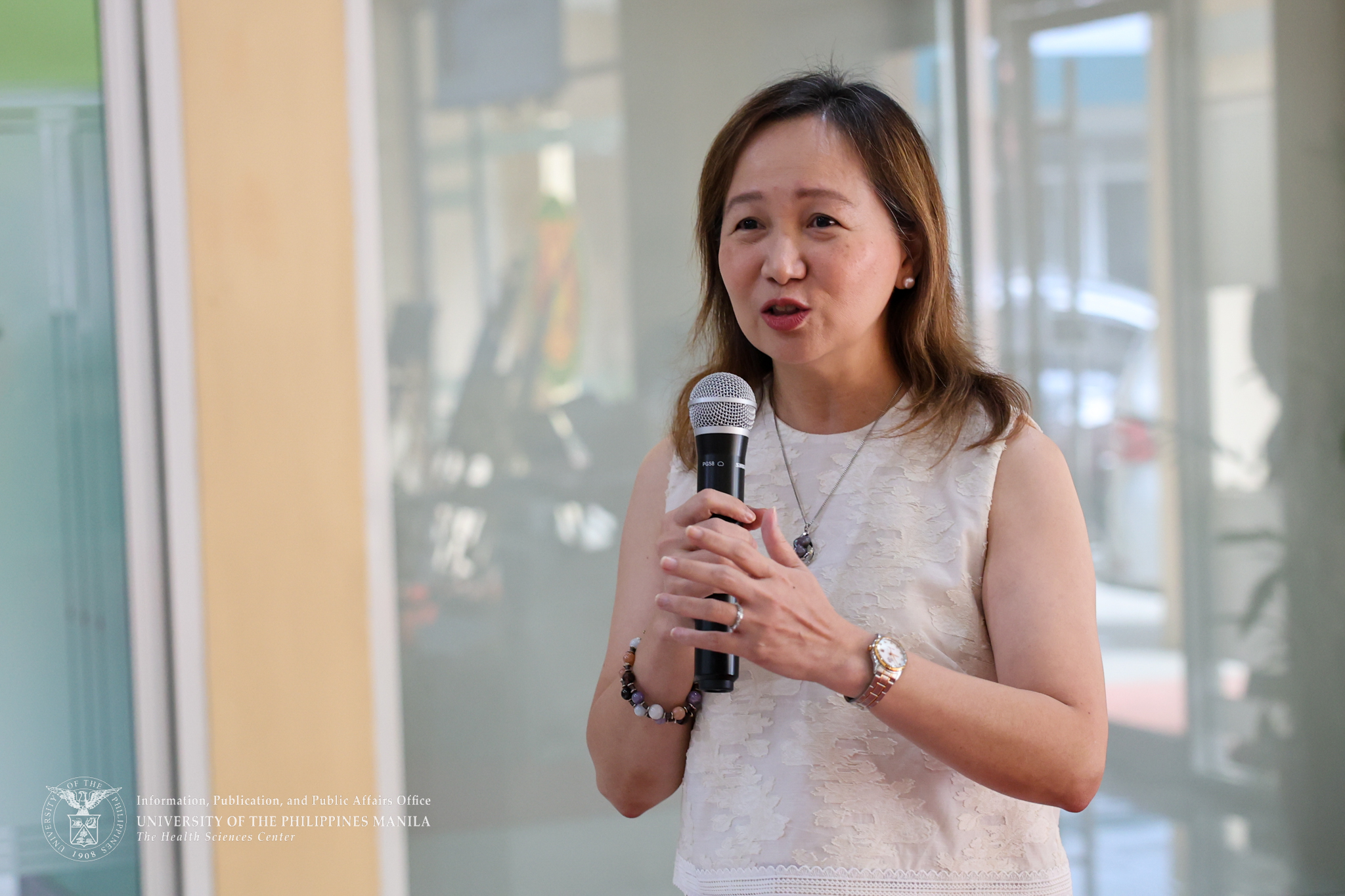
She pointed to the national research integrity conference as an opportunity for universities and government agencies from different parts of the Philippines to exchange perspectives and recognize the importance of responsible research.
She also called on members of the community to remind one another of their shared obligations when lapses in responsible practice occur.
For Vice Chancellor Dalmacio, integrity should not be limited to research activities but should also guide the university’s daily operations and interactions.
She emphasized that the same values of honesty and accountability should inform the way personnel carry out their responsibilities and serve the public.
READ MORE:
#FP1 #DiscoveryandResearch