

Text by Charmaine A. Lingdas
Photos by Jericho Paolo L. Mabansag

The University of the Philippines Manila and the Commission on Higher Education (CHED) formally rolled out Project SINAG, a program designed to strengthen mental health literacy and help higher education institutions build safer, more responsive, and sustainable systems of mental health support, on Oct. 5, 2026, at the Museum of a History of Ideas.
The rollout marks the start of a collaborative effort to extend the initiative beyond UP Manila and support other higher education institutions across the country. Sulong Institusyon sa Napapanahong Aksyon at Ginhawa: Institutionalizing Mental Health Literacy in Higher Education or Project SINAG, is also spearheaded by the University of the Philippines–Philippine General Hospital (UP-PGH) and the Department of Psychiatry and Behavioral Medicine.
To translate the framework into concrete practice, collaborative workshop teams began developing four key modules targeting policy formulation, psychoeducation and curriculum integration, physical and psychological safety, and a four-layer referral system spanning health promotion to specialized care.
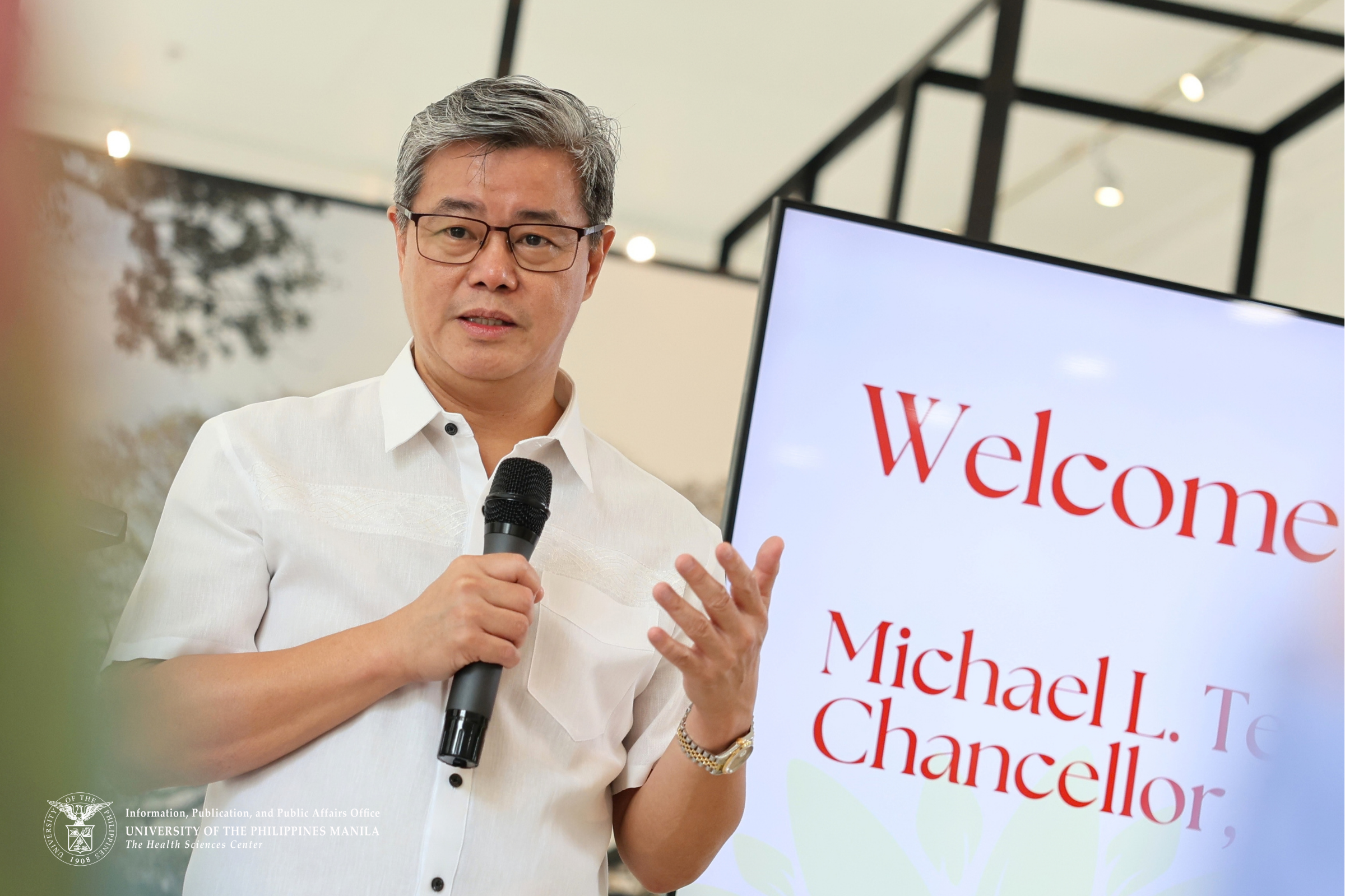
Chancellor Michael Tee emphasized that the scale of the initiative goes beyond the University and is aligned with its mandate to serve Filipino communities.
“It’s big in the sense that we cannot immediately measure the impact of this. But what we can do is, for the Filipino children, for the Filipino people, and that is really aligned with the mission of the university,” he said.
He said SINAG had evolved from an initiative initially envisioned for UP into a program that can reach State Universities and Colleges and other higher education institutions.
“It is our duty as a university to help our people either through policy, through service, or through education,” the Chancellor said.
From Awareness to Action
CHED OIC Director Reyen Sabate said the Commission is supporting SINAG as part of its broader programs for higher education faculty and staff. He described SINAG as a “system-based approach” aligned with the Healthy Learning Institution framework and said CHED had set aside funding to support the project.
“This rollout marks the beginning of a collaborative journey,” Director Sabate said, emphasizing that the initiative is not limited to UP but involves CHED and other higher education institutions. He said the goal is to foster learning environments that are “safer, more inclusive, responsive, and supportive of our mental health.”
Through SINAG, CHED hopes to help institutions assess and strengthen their capacity to establish sustainable mental health initiatives. Sabate said the program seeks to help institutions move “from awareness to action and more to an active preventive approach.”
Building Mentally Healthy Universities
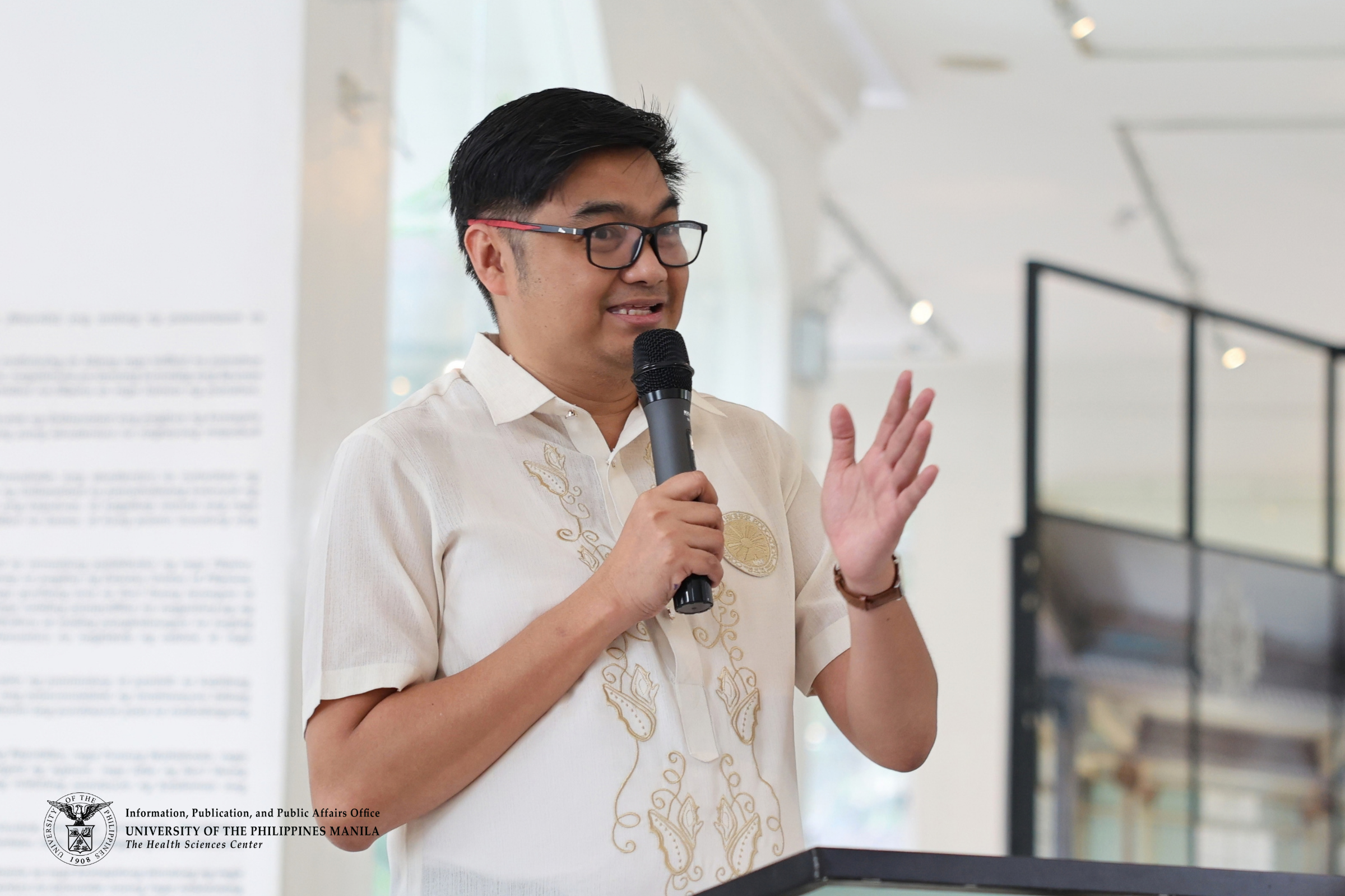
Project leader Dr. Evangeline de la Fuente presented the framework and direction of SINAG, describing its ultimate vision as “mentally healthy universities.”
“These are institutions where students are informed, connected, and structurally supported to overcome challenges and succeed,” de la Fuente said.
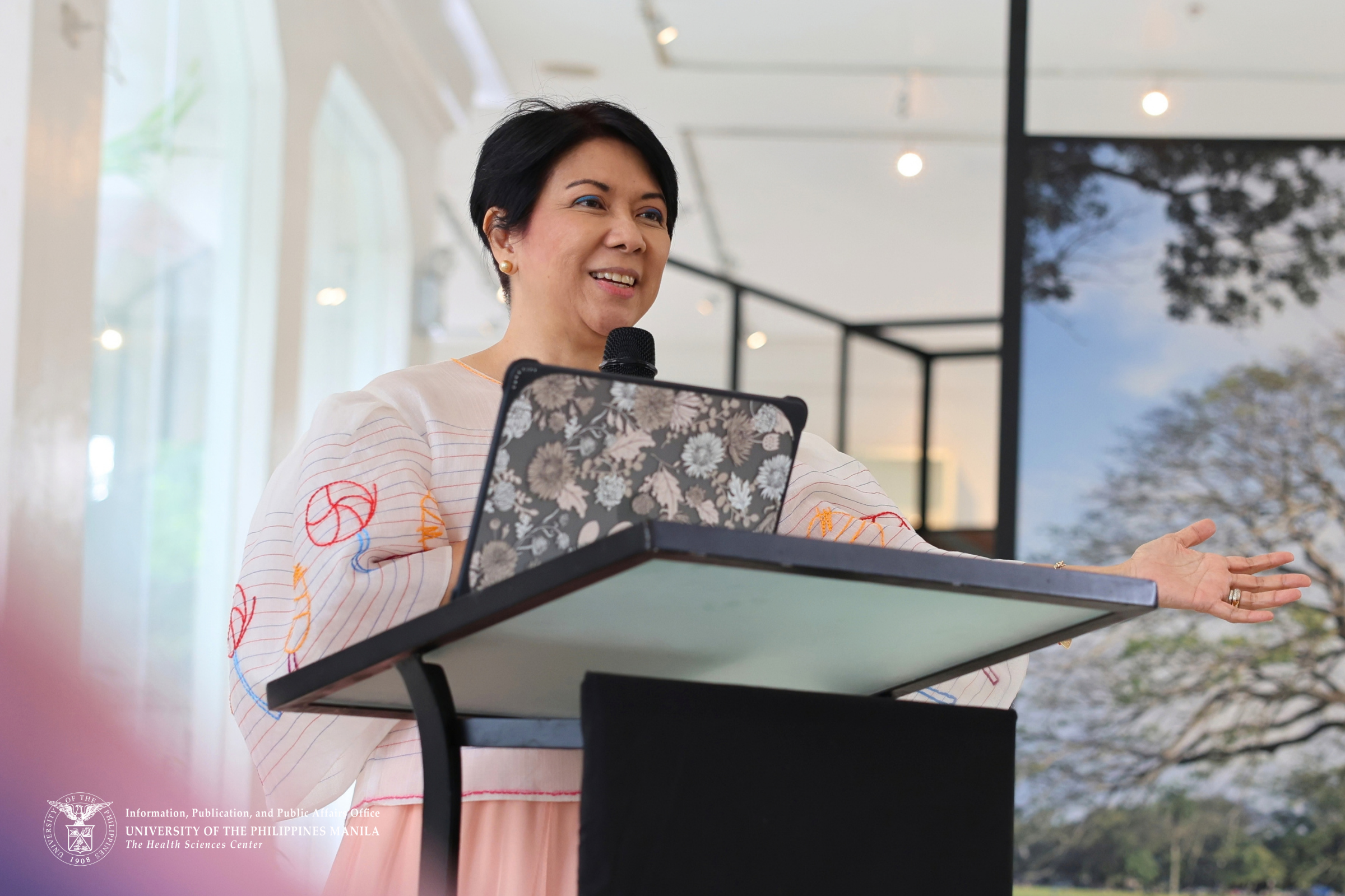
The program adopts a preventive and systems-based approach rather than focusing solely on treatment. Its intended outputs include institutional policies, curriculum-integrated modules and programs, referral systems, and safe spaces.
The framework incorporates the biopsychosocial-spiritual model, psychological safety, inclusivity, physical safe spaces, legal and ethical considerations, neurodiversity, a systems approach, and sustainability.
De la Fuente said the project is designed to reach 181 higher education institutions, with four participants per institution to ensure an intersectoral approach. This would involve 724 core participants.
The program will use asynchronous online lectures and supplementary materials, as well as synchronous online and in-person sessions. The project team will also visit participating institutions to support implementation on site.
Lessons From PGH
The Philippine General Hospital’s experience with mental health challenges also informed the initiative.
PGH Director Gerardo Legaspi recalled that when he assumed the hospital directorship in 2016, the institution faced a crisis involving a series of suicides among residents. This prompted the hospital to turn to the Department of Psychiatry and Behavioral Medicine and begin developing interventions.
“The first step in solving a crisis is realizing there’s one. And second is, knowing the role of the one solving the crisis,” Legaspi said.
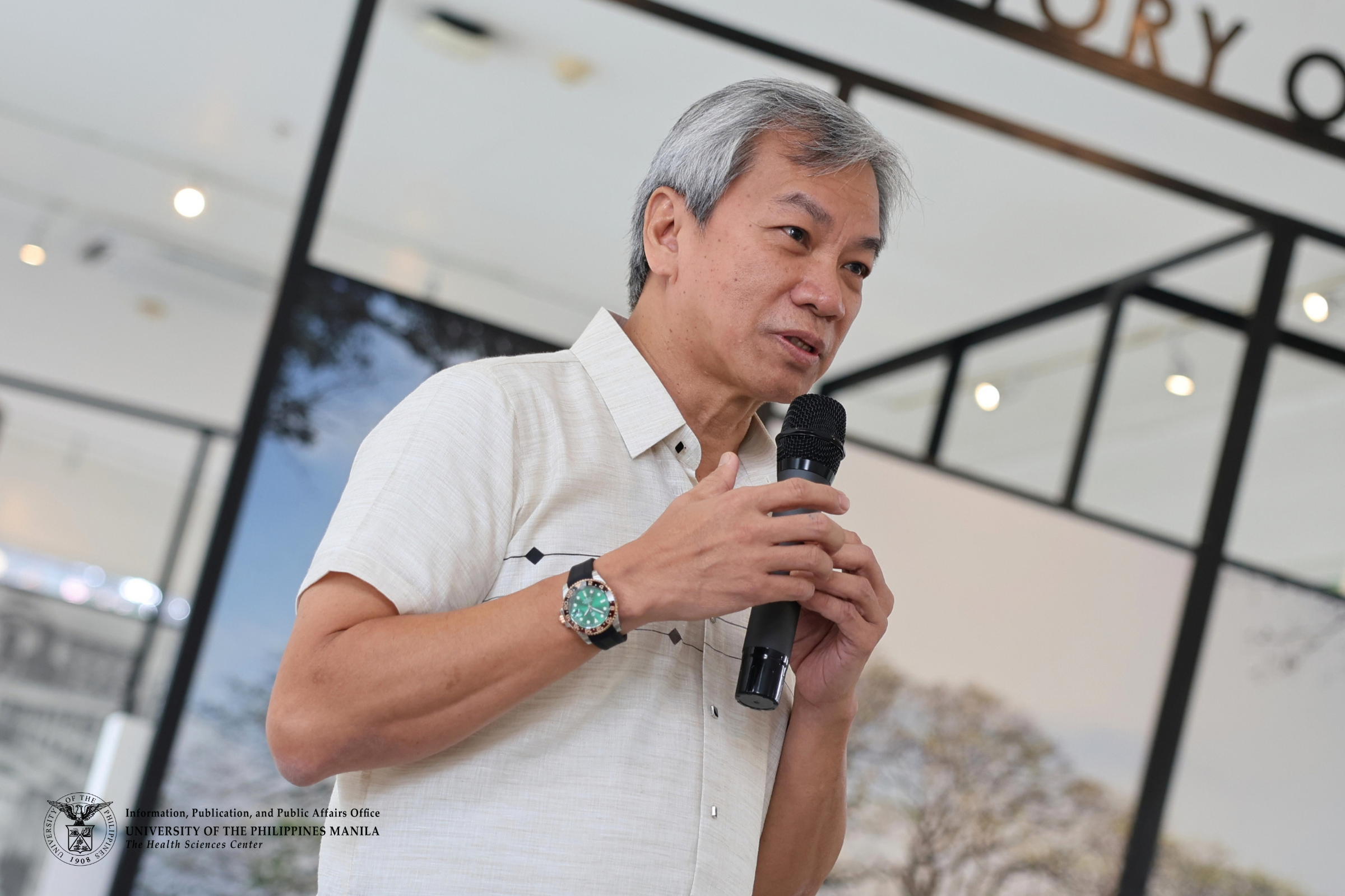
He said the program developed within the Department of Psychiatry eventually spread to other departments, the College of Medicine, and other parts of the University.
“This is just an example of how painful experiences can actually lead to innovations and new modalities of handling situations that will lead to something like this today,” he said.
Legaspi also stressed the importance of bringing mental health interventions closer to communities rather than relying solely on hospital-based services. He pointed to the experience of the COVID-19 pandemic as an example of why community-level interventions matter and said mental health strategies could similarly benefit from greater attention outside psychiatric facilities.
He said PGH supports SINAG and expressed hope that the hospital’s experience in psychiatric clinics could be shared with health services in universities so that interventions can reach students and communities at the ground level.
A National Investment in Student Well-Being
UP College of Medicine Dean Charlotte Chiong described SINAG as an initiative that can help students navigate the pressures and challenges of higher education.
“I think that SINAG is really a ray of light, a light that can perhaps pave the way so that our students will be able to conquer their fears and remind them that they don’t have to walk through their journey here at UP Manila and the other schools alone,” she said. “Project SINAG is therefore, I think, more than a training program. It is really an invitation to build mentally healthier institutions.”
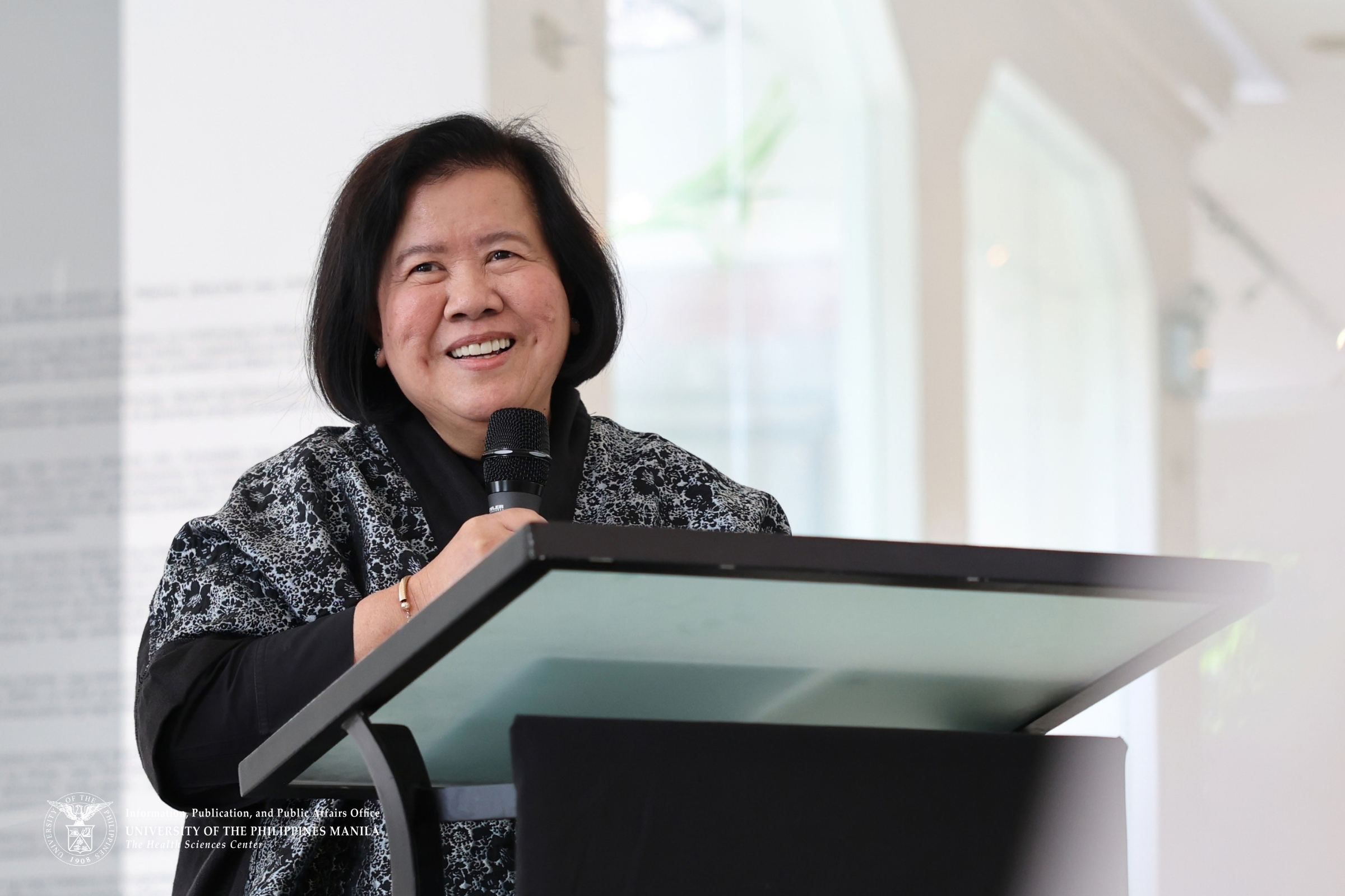
She said the initiative should be viewed as an investment in the future of Philippine healthcare because today’s students will become the professionals who lead hospitals, teach future generations, shape health policy, and serve communities.
Operationalizing the SINAG Framework Through Module Development
Program leader Dr. Dela Fuente guided participants in translating the SINAG framework into concrete learning materials and operational outputs in the second part of the session. The teams were divided into breakout groups as module developers, development partners, and advisors. The groups gave initial feedback on presentations, reviewed workflows, and shared contact preferences for future coordination.
Each group focused on a distinct area: Module 1 handles policy writing regarding mental health definitions and protective factors; Module 2 creates psychoeducation modules and curriculum integration materials; Module 3 designs solutions for physical spaces and psychological peer support; and Module 4 develops a four-layer referral system that views mental health as a continuum ranging from health promotion to specialized care.
The SINAG Program
SINAG is structured as a one-year program, with implementation scheduled from April 1, 2027 to March 31, 2028. The project team will spend the initial months developing the modules, then produce videos, upload them, and pilot-test them before the modules go live.
The initiative will also establish regional training centers with CHED support to help sustain the program beyond the initial training of participating institutions.
For Dr. de la Fuente, the undertaking is demanding, but the breadth of support from mental health, public health, education, architecture, social sciences, and peer-support experts shows a shared commitment to the initiative.
With CHED providing funding and policy oversight and UP Manila leading the project, SINAG seeks to translate mental health literacy into institutional policies, systems, spaces, and practices that can be sustained across higher education institutions.
As the rollout message emphasized, the initiative is intended not simply to raise awareness, but to make help easier to recognize, access, and sustain for students and members of the higher education community.
#universityofthephilippines #UP #UPManila #UPM #FP1 #AccessibleUPLeadership
READ MORE: