

Text by Charmaine A. Lingdas
Photos by Sarah Hazel Moces S. Pulumbarit
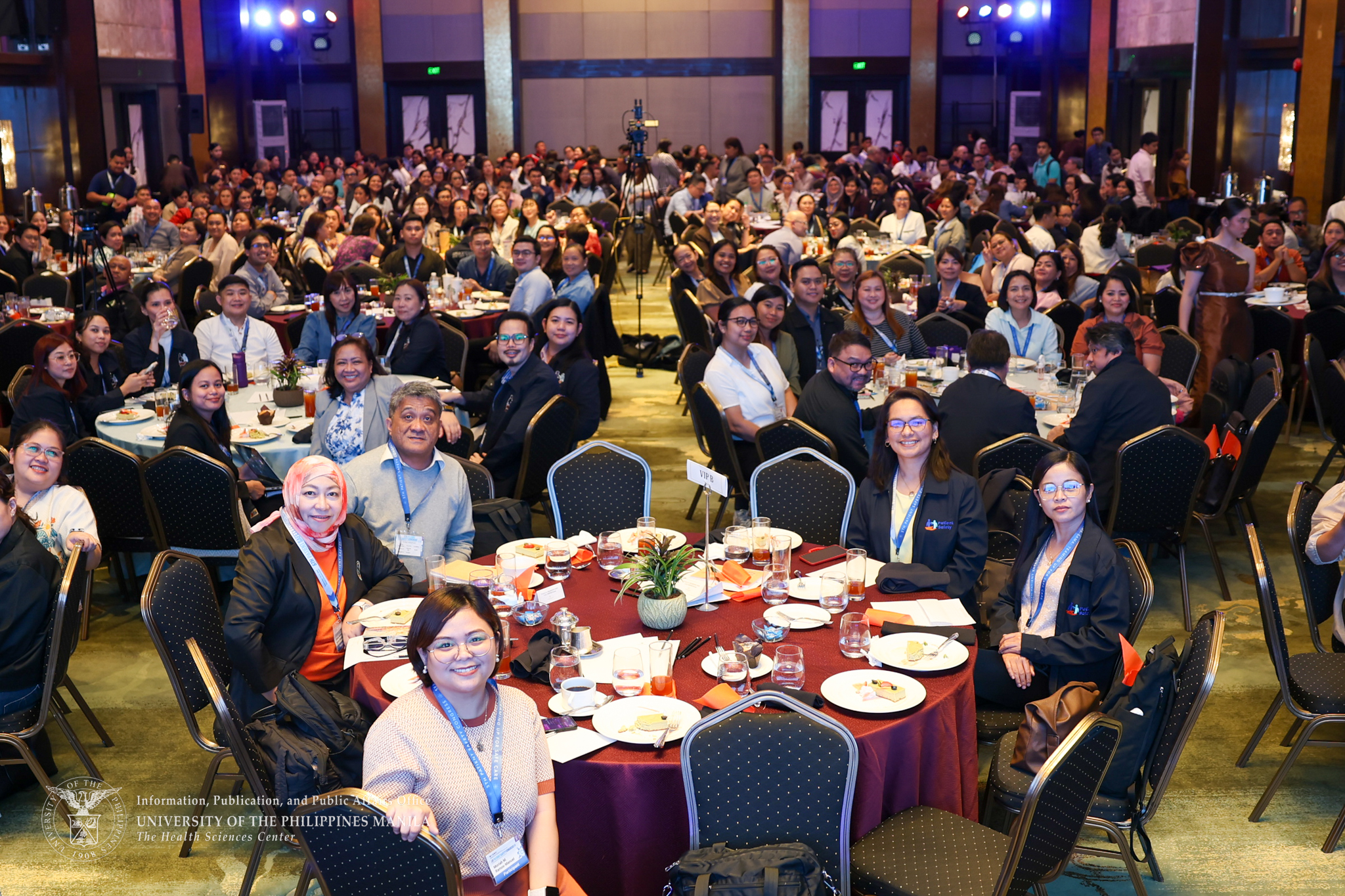
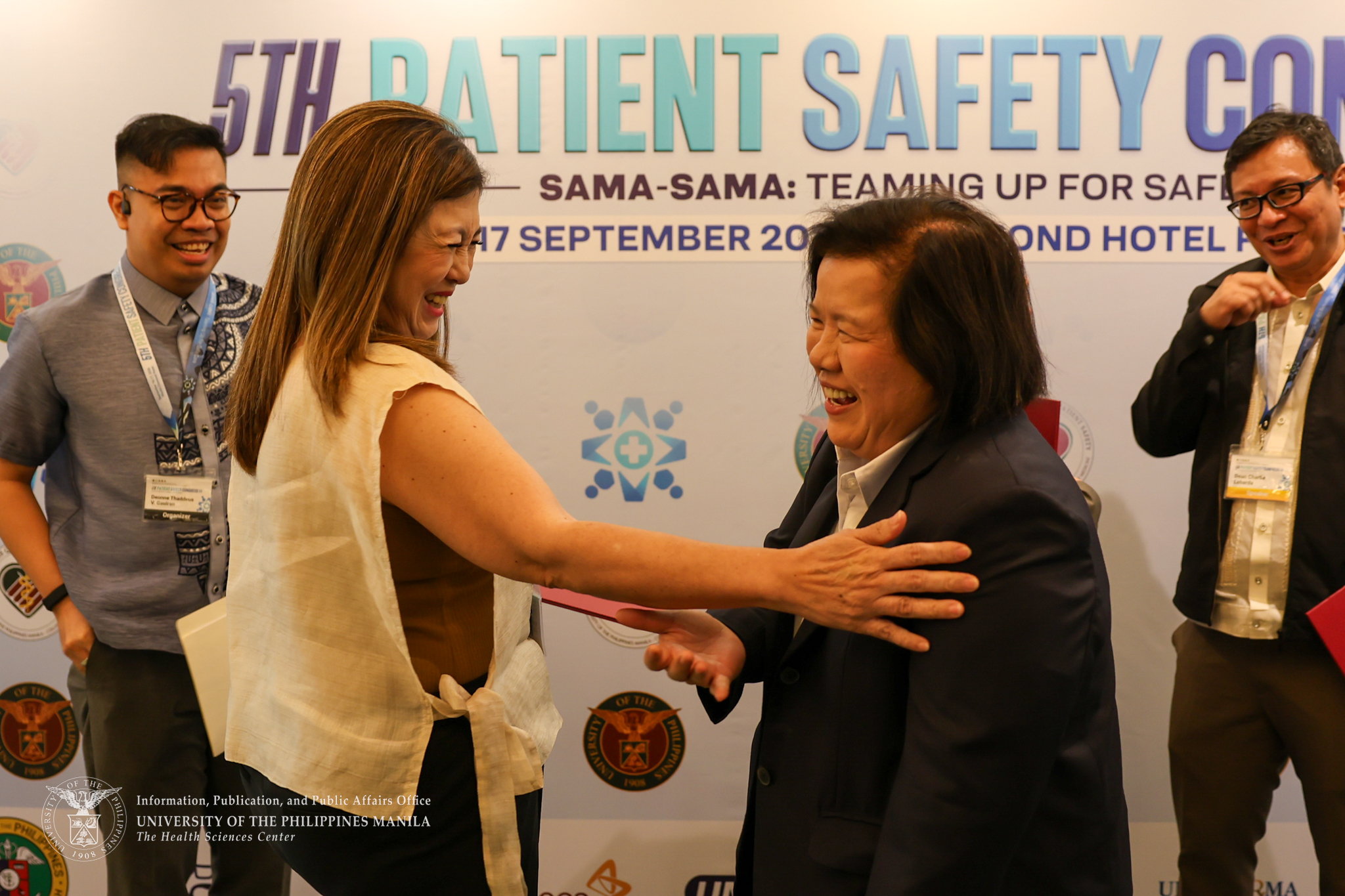
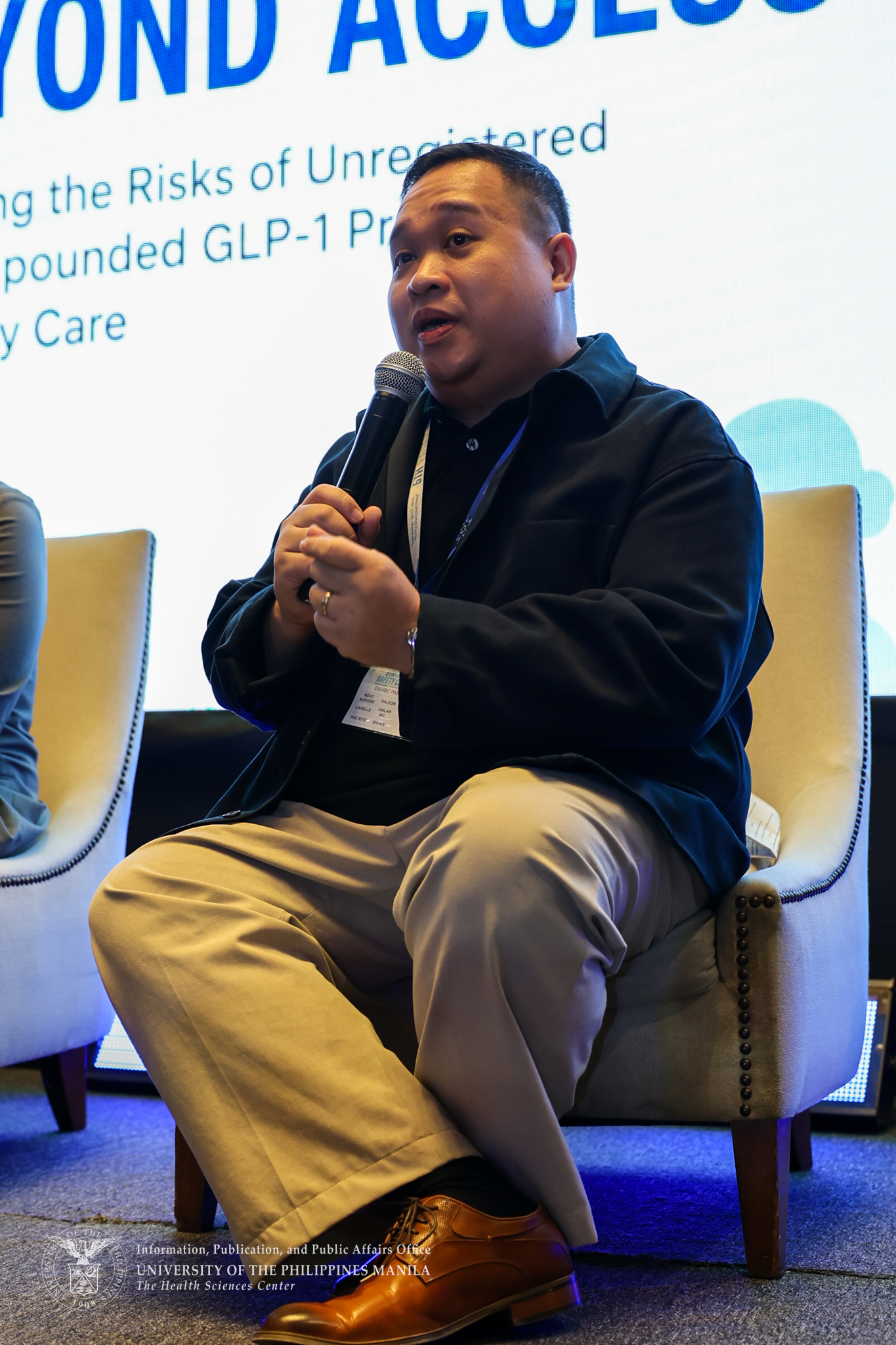
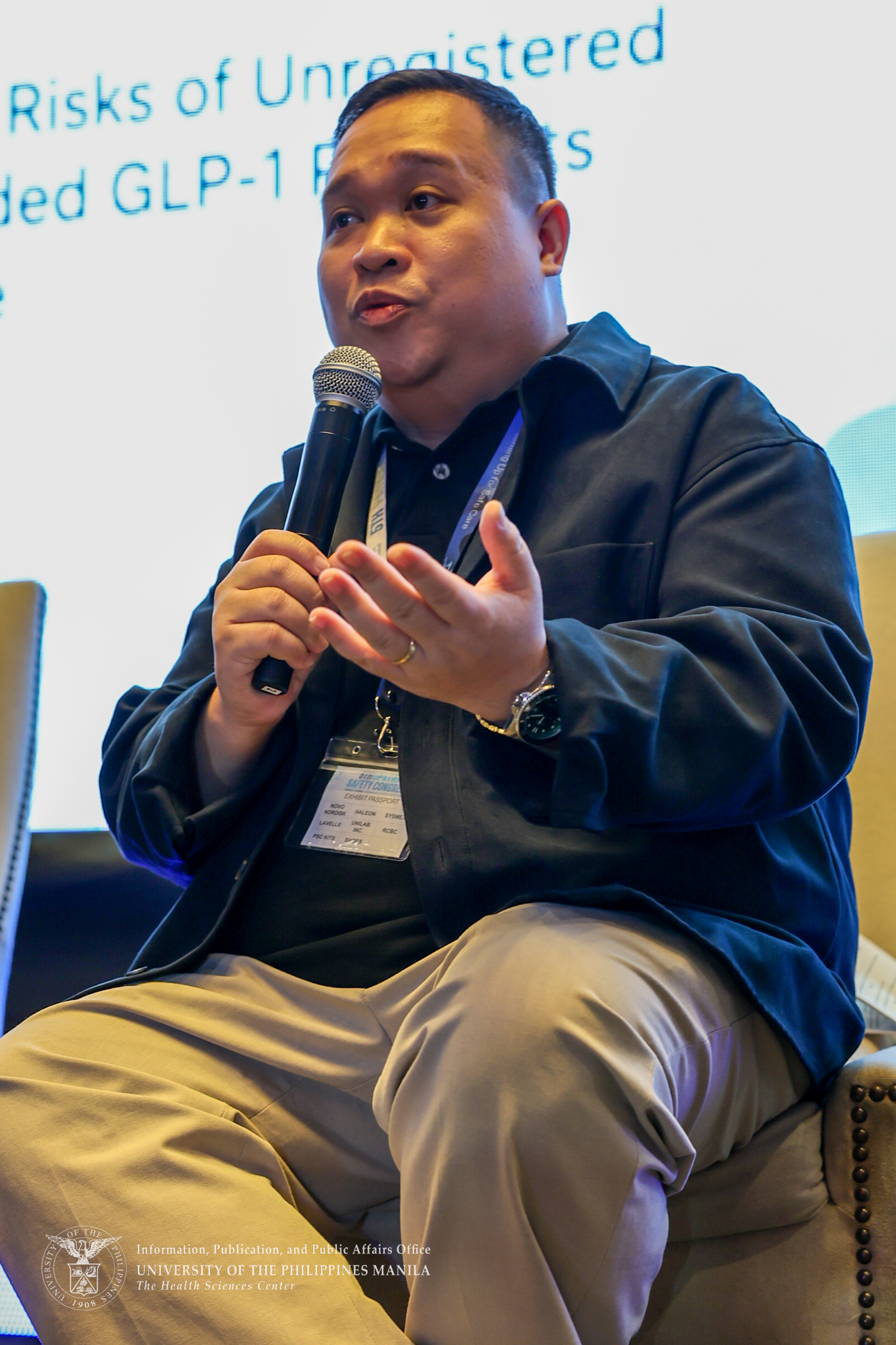
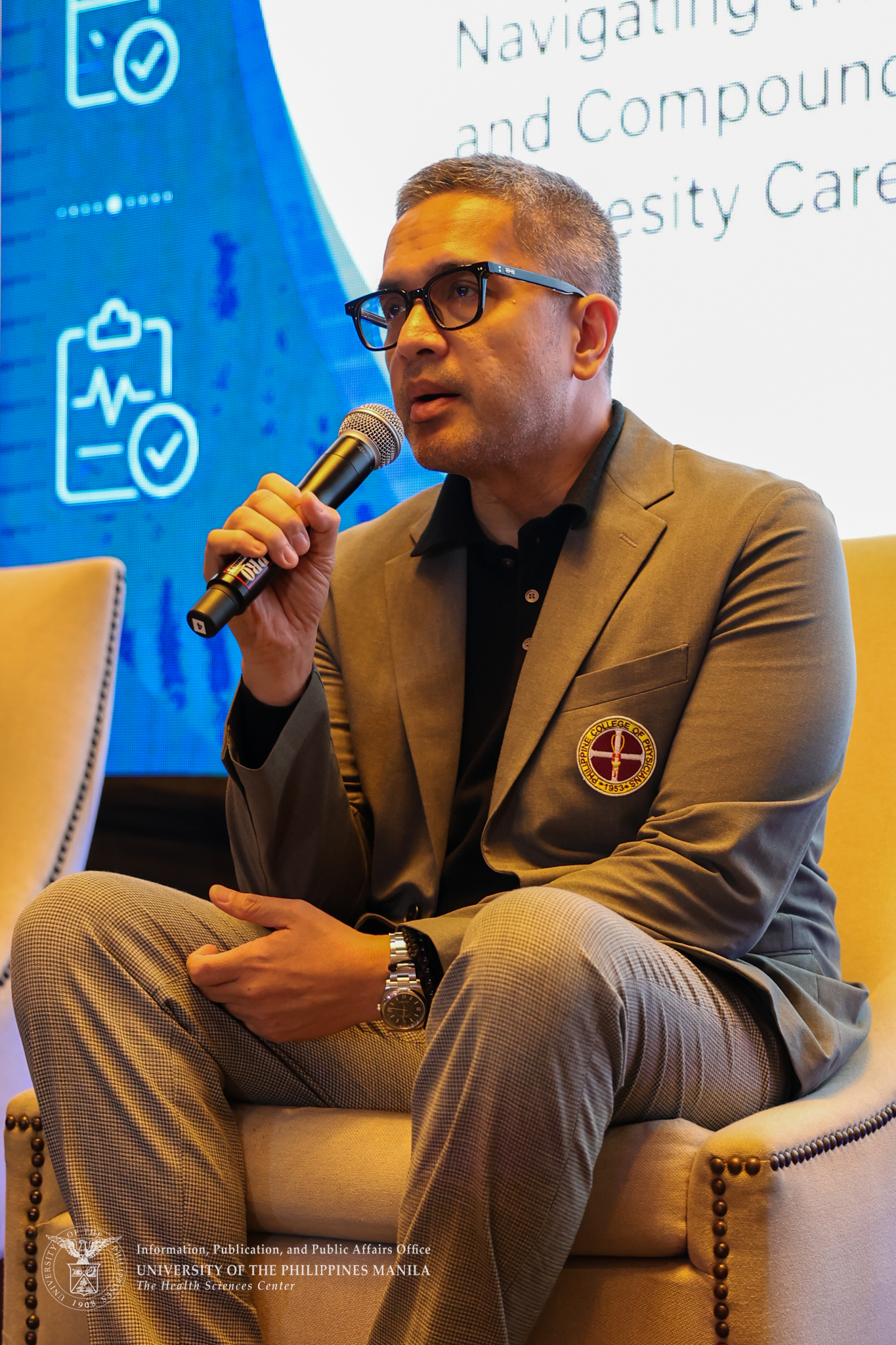
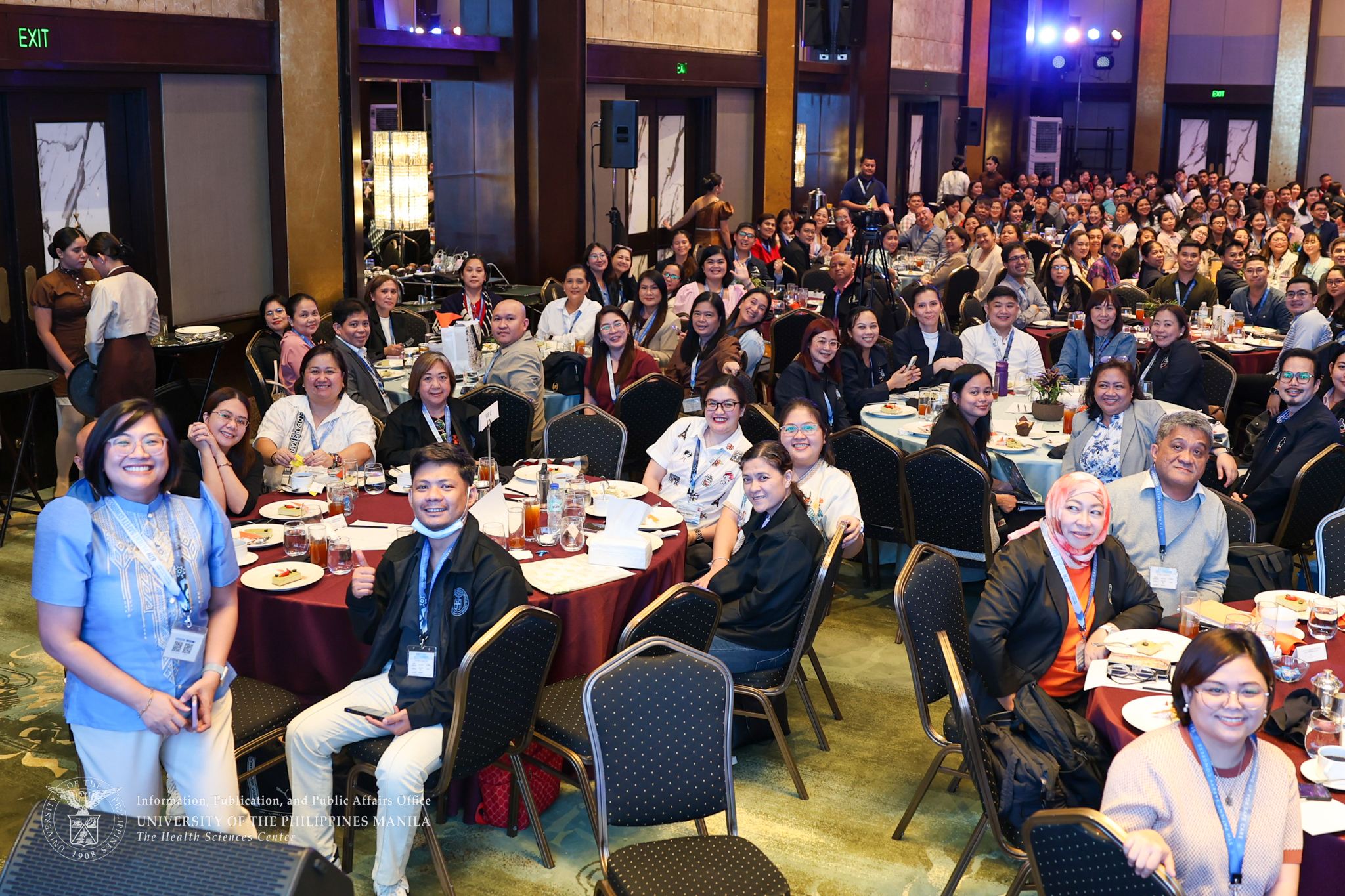
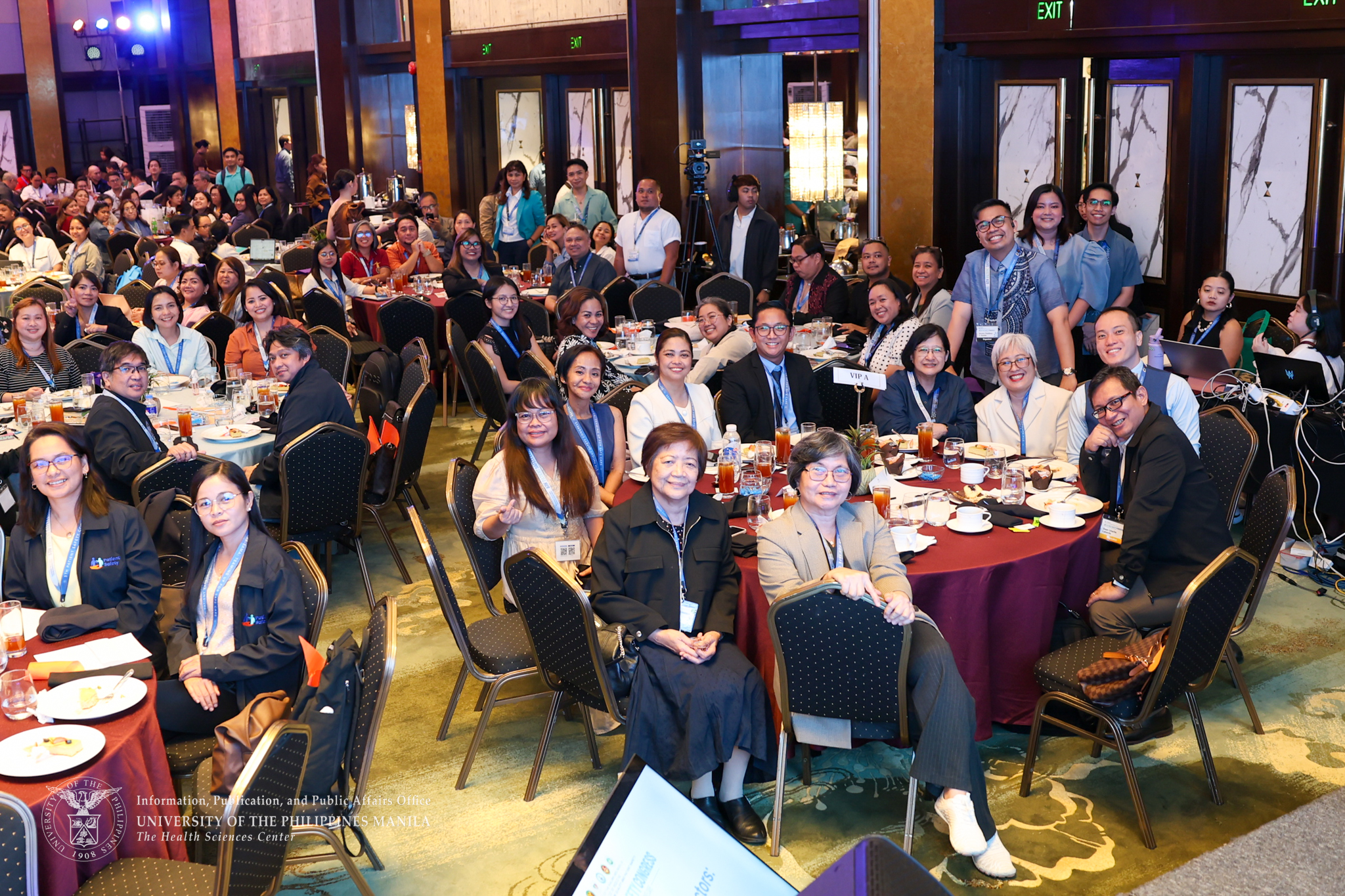
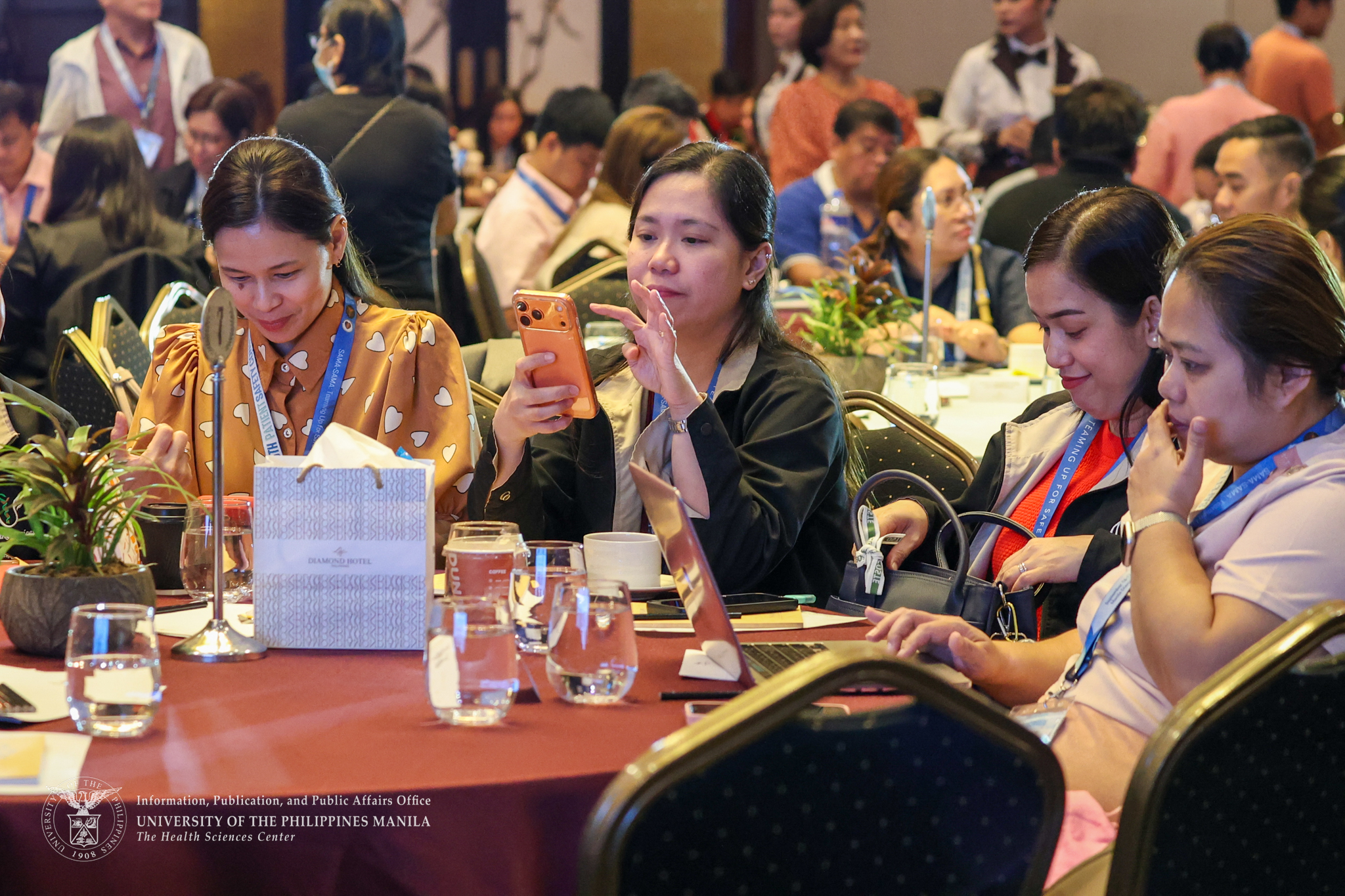
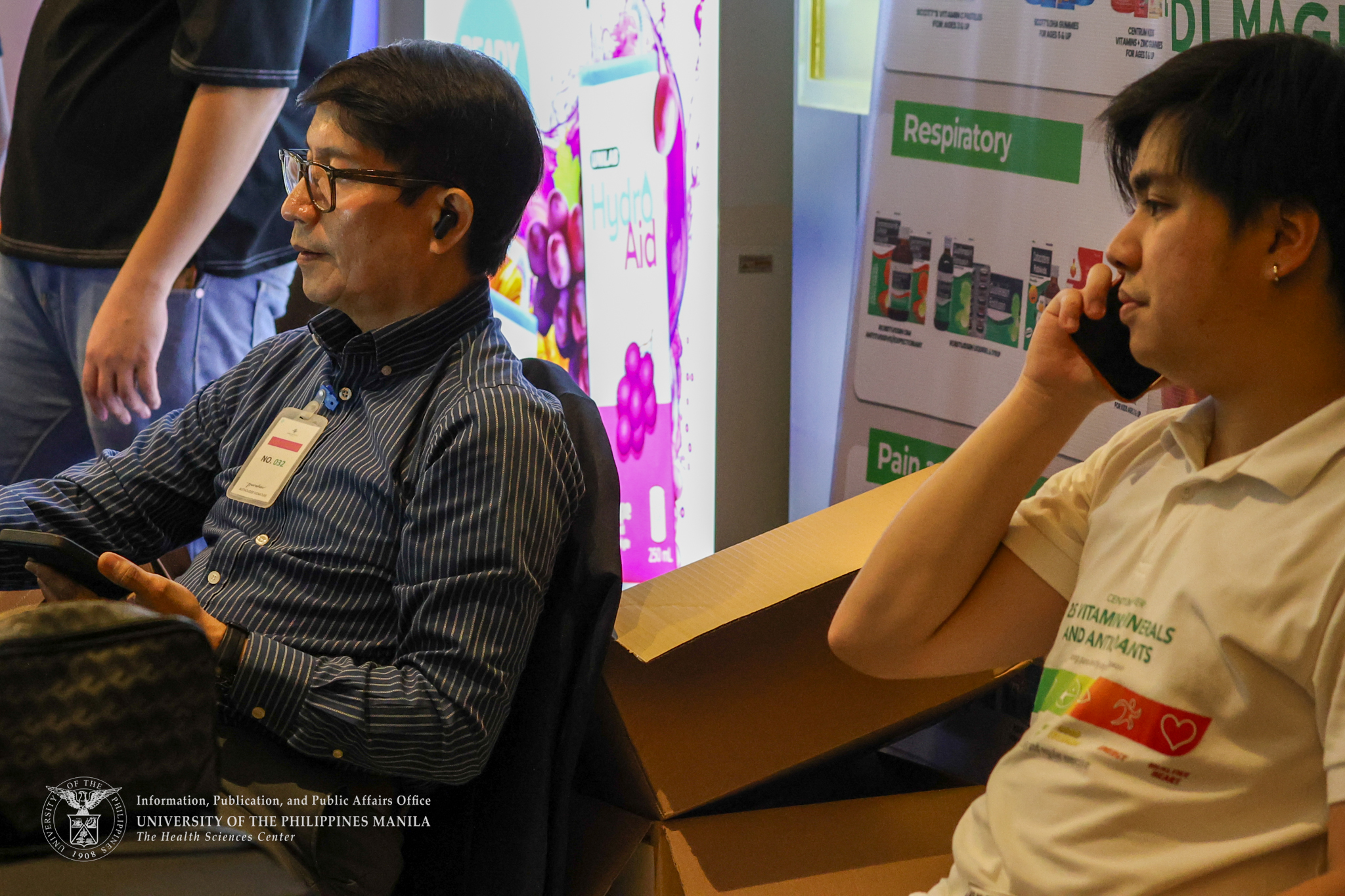
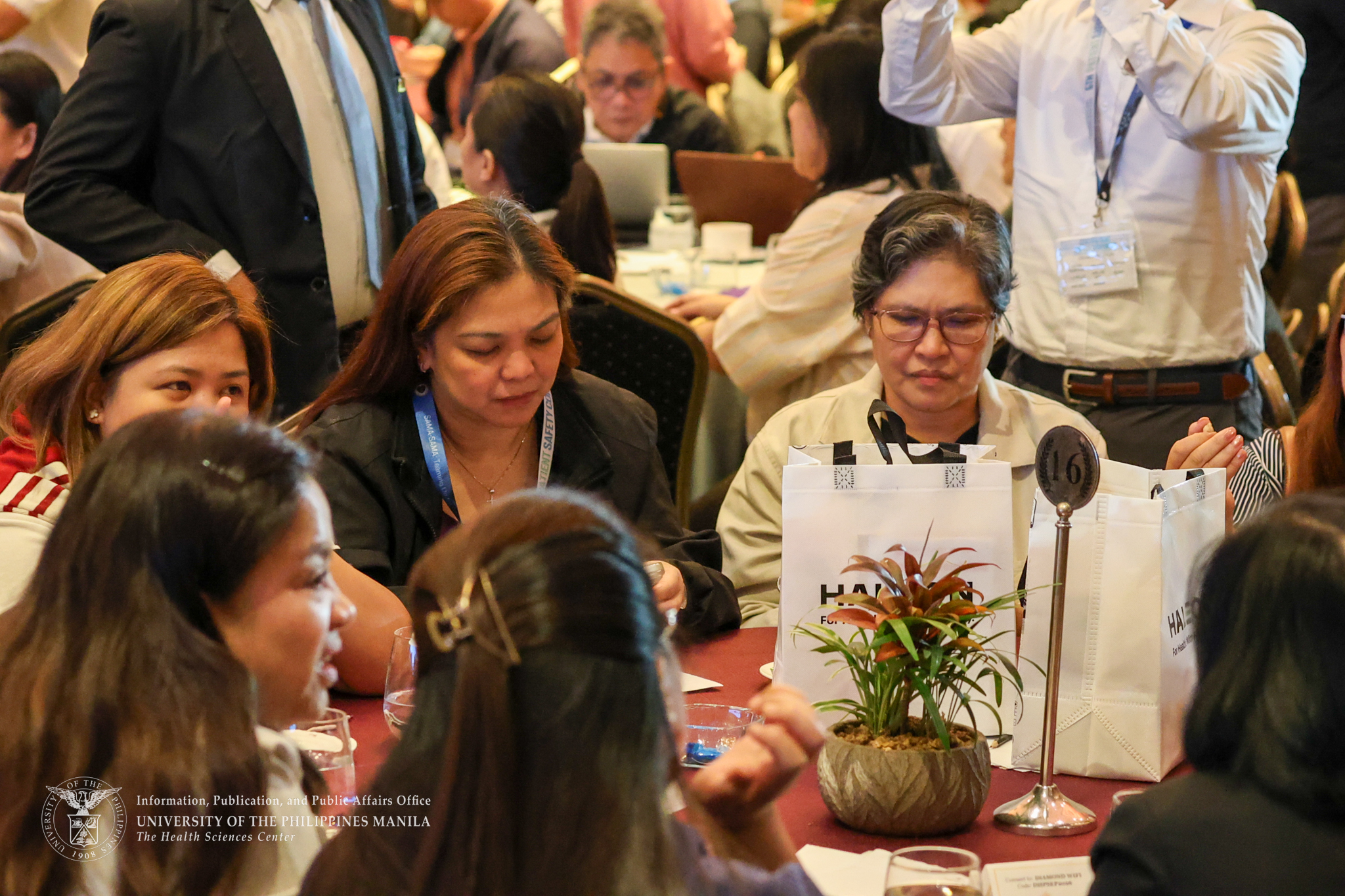
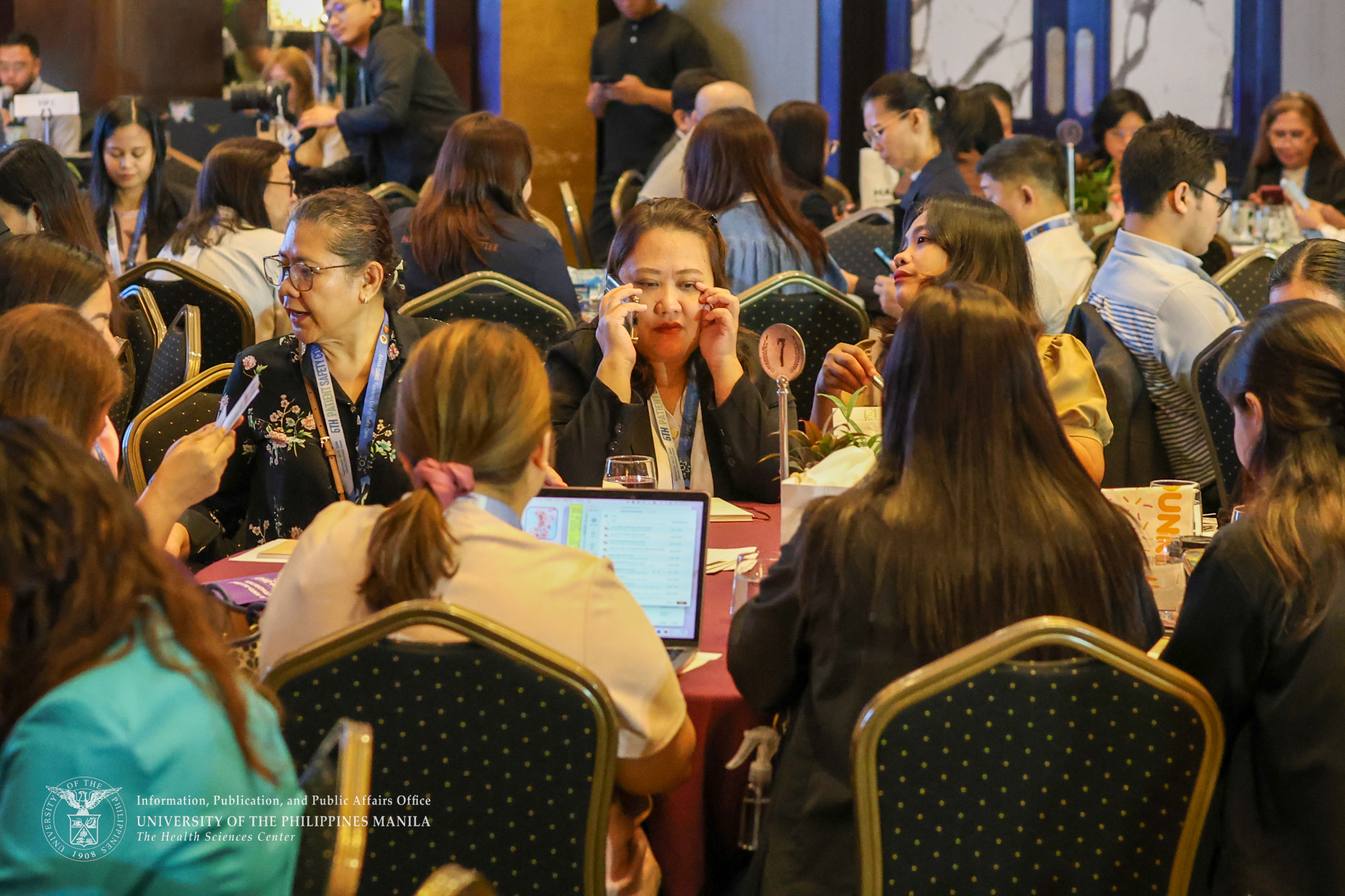
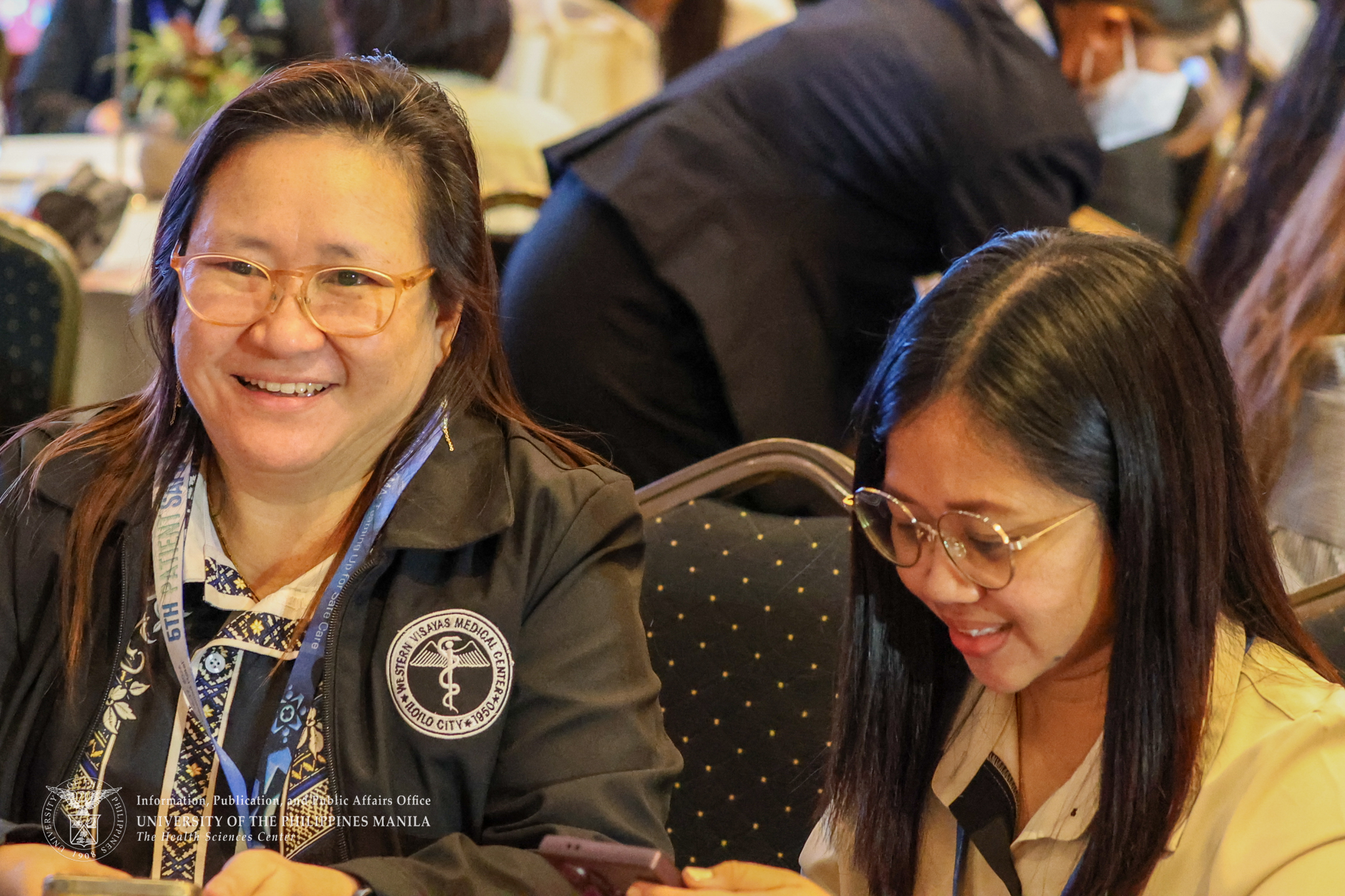
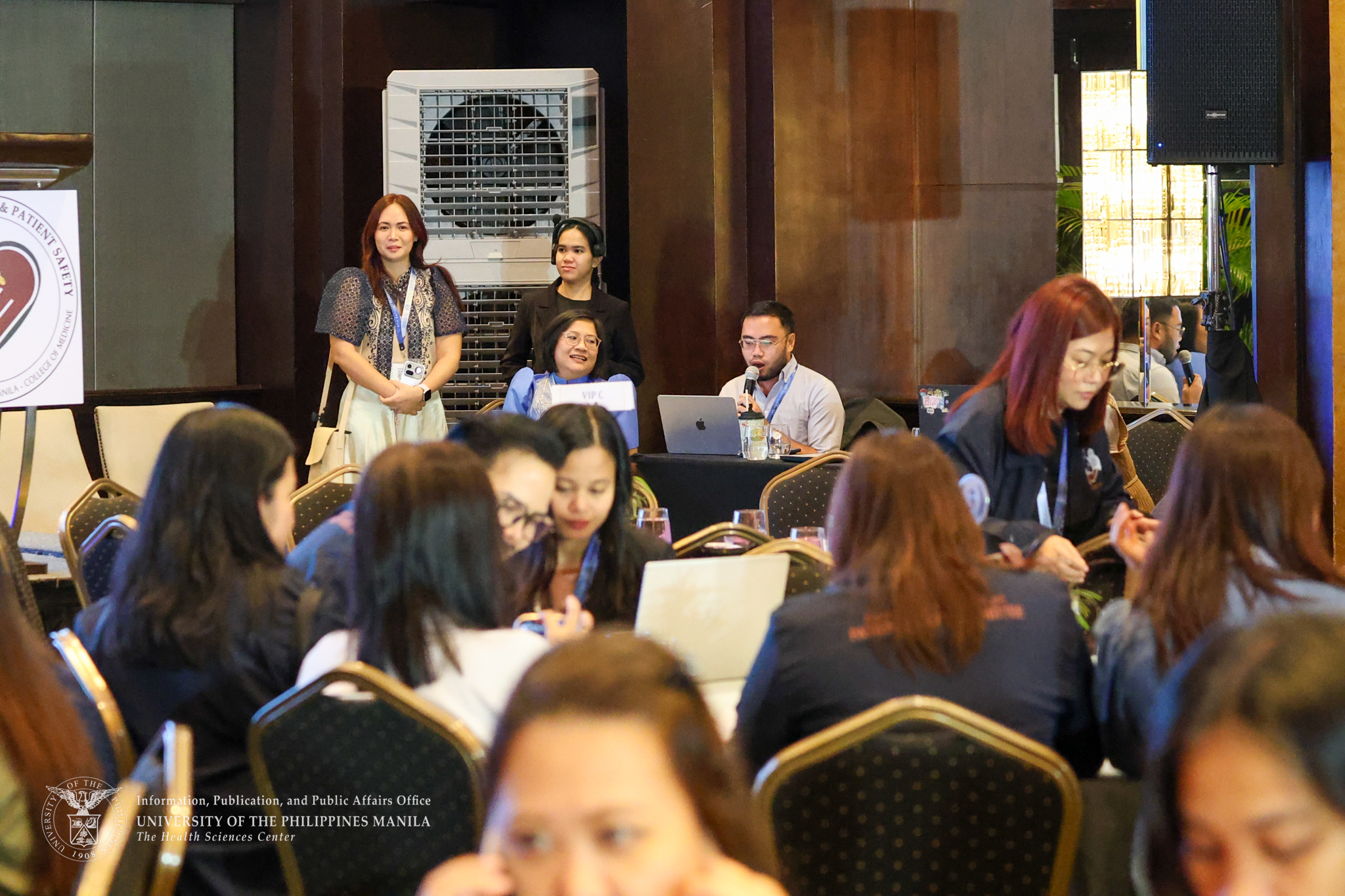
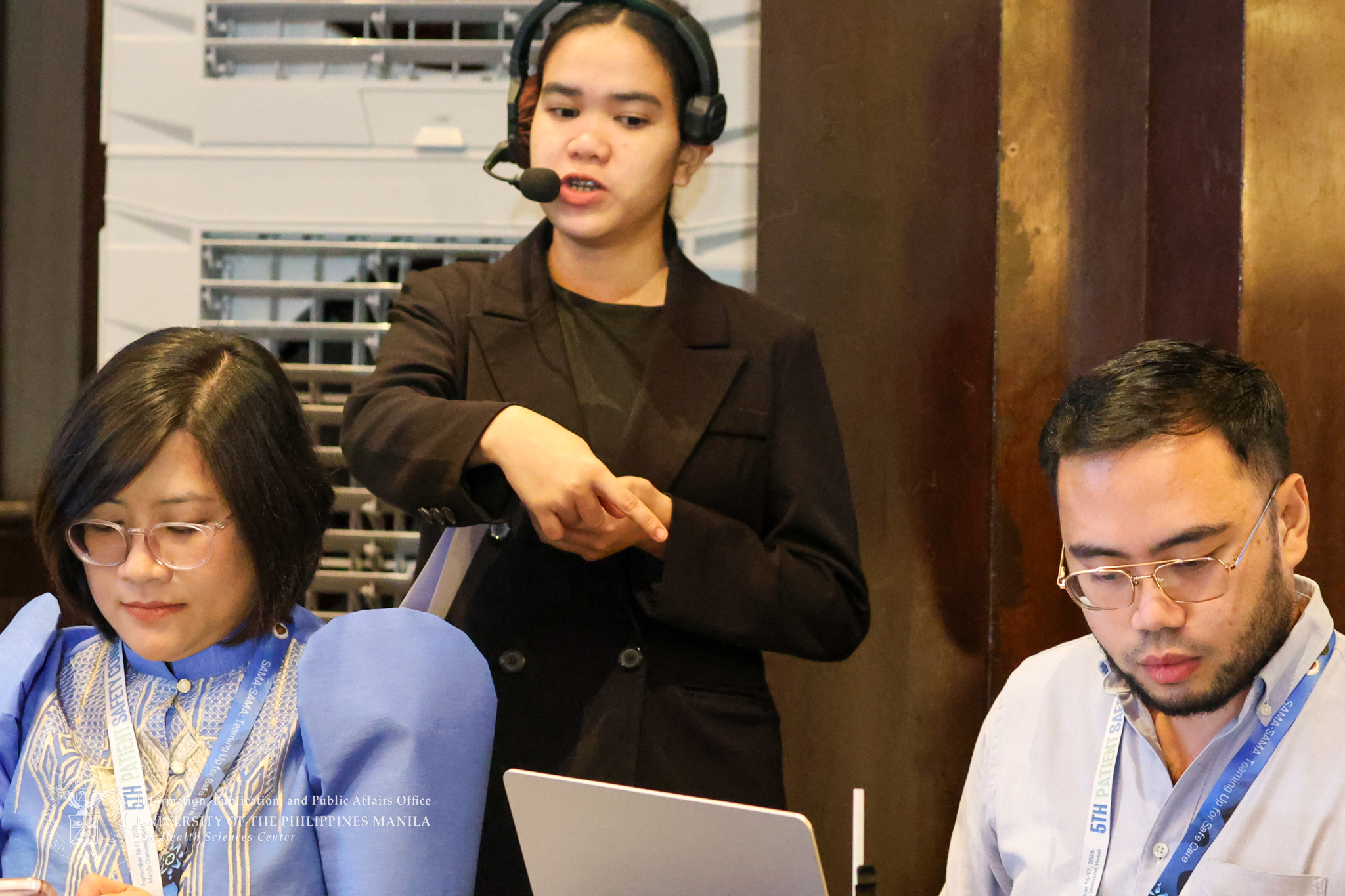
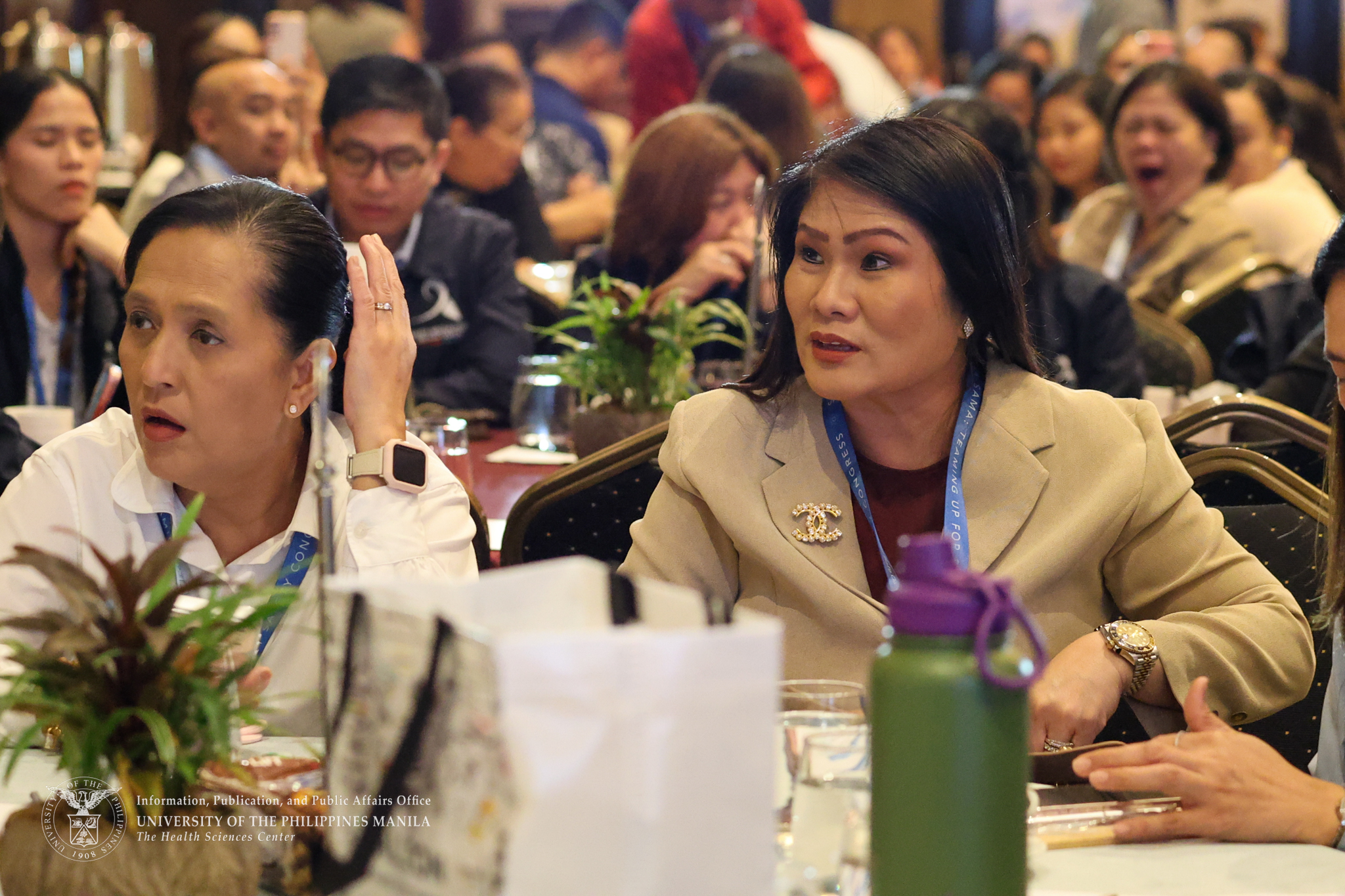
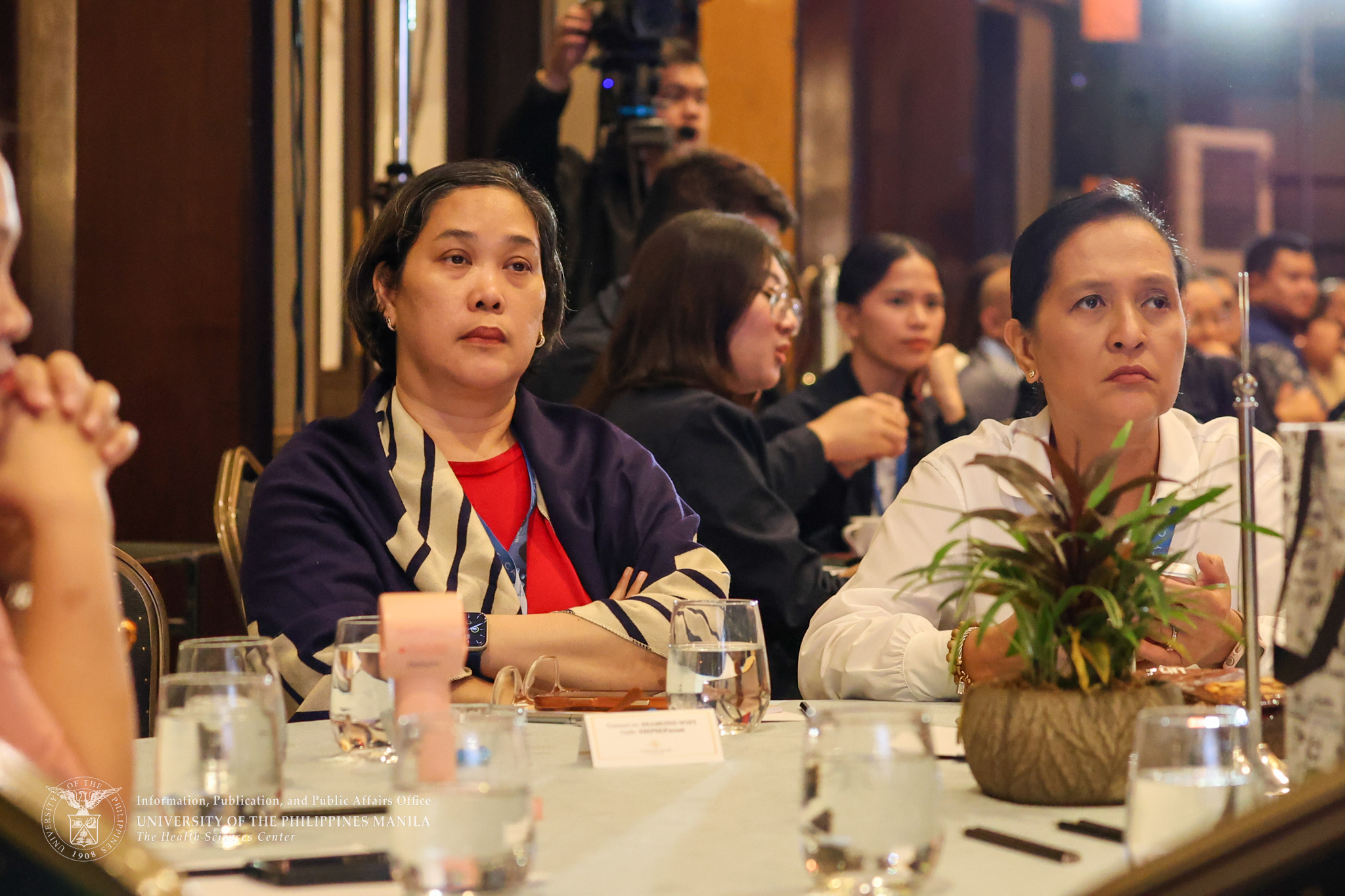
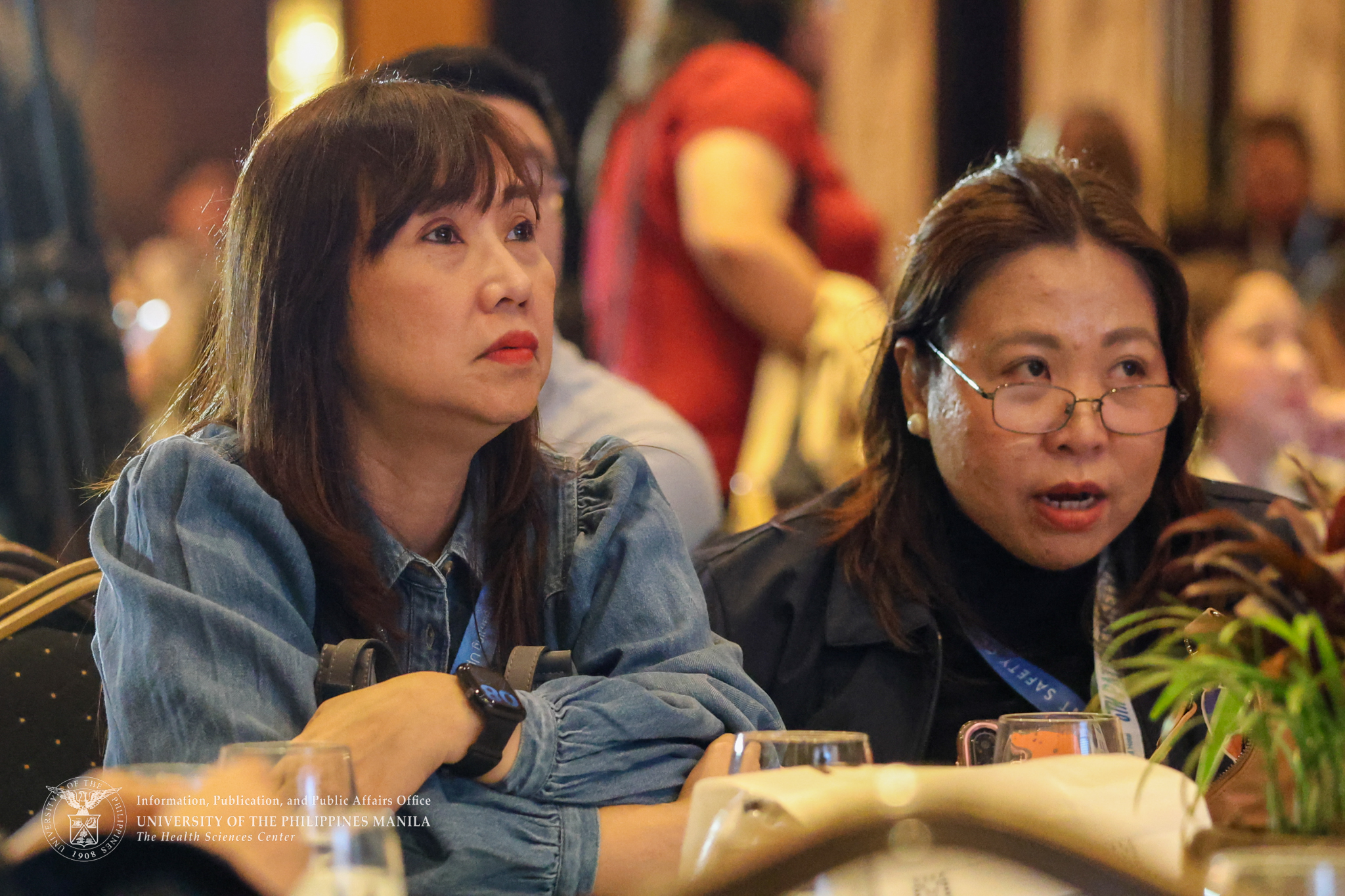
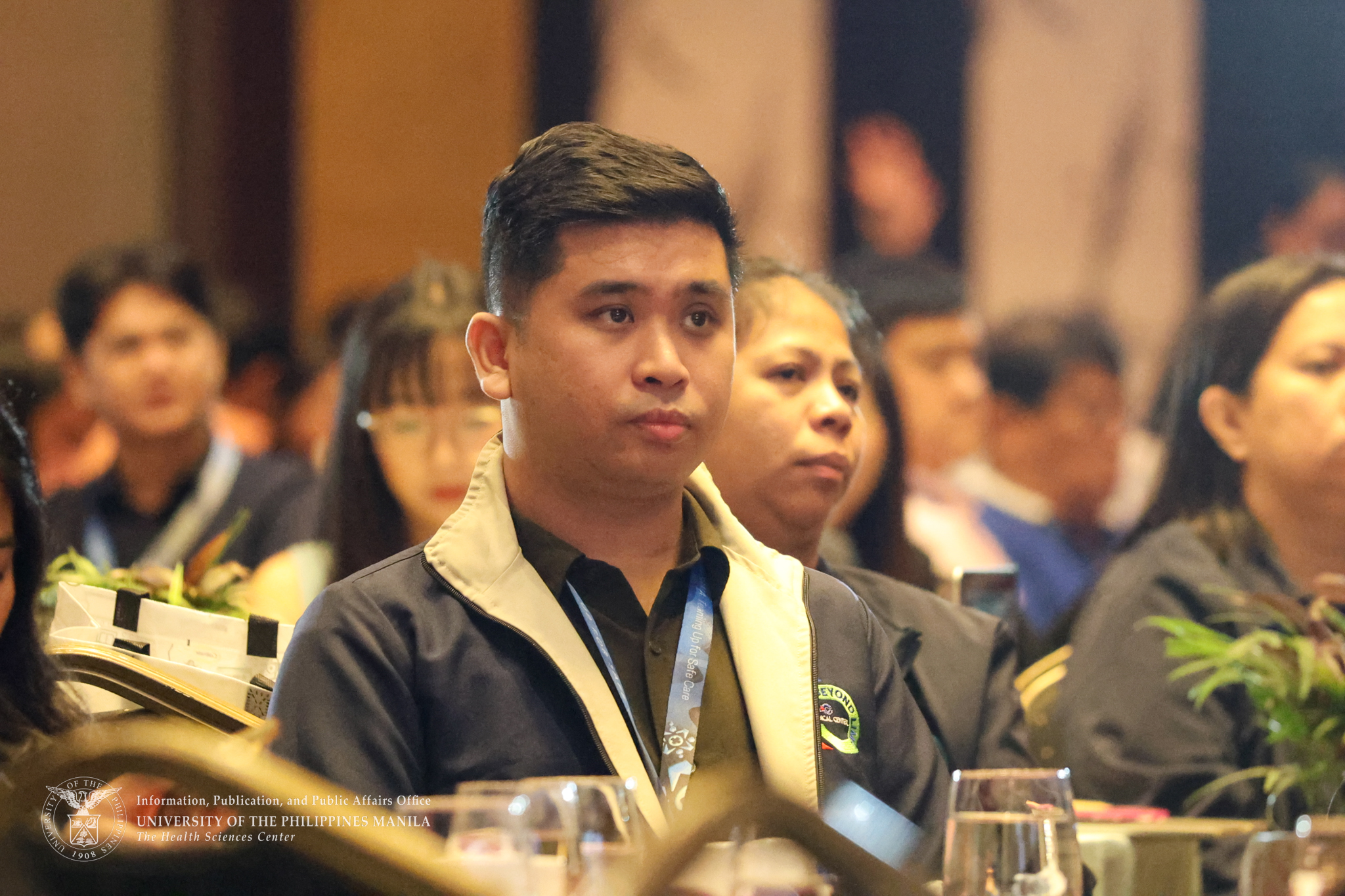
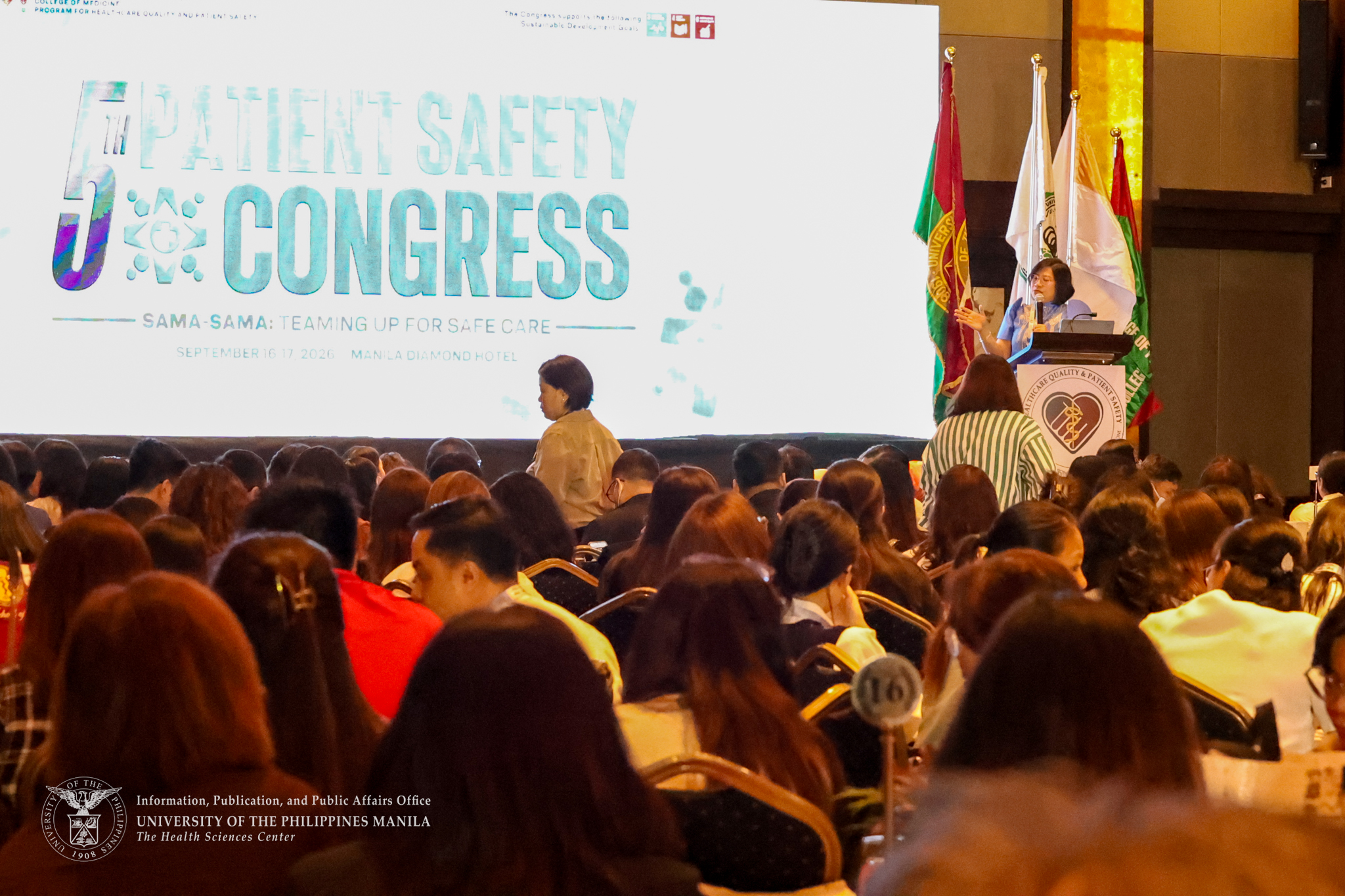
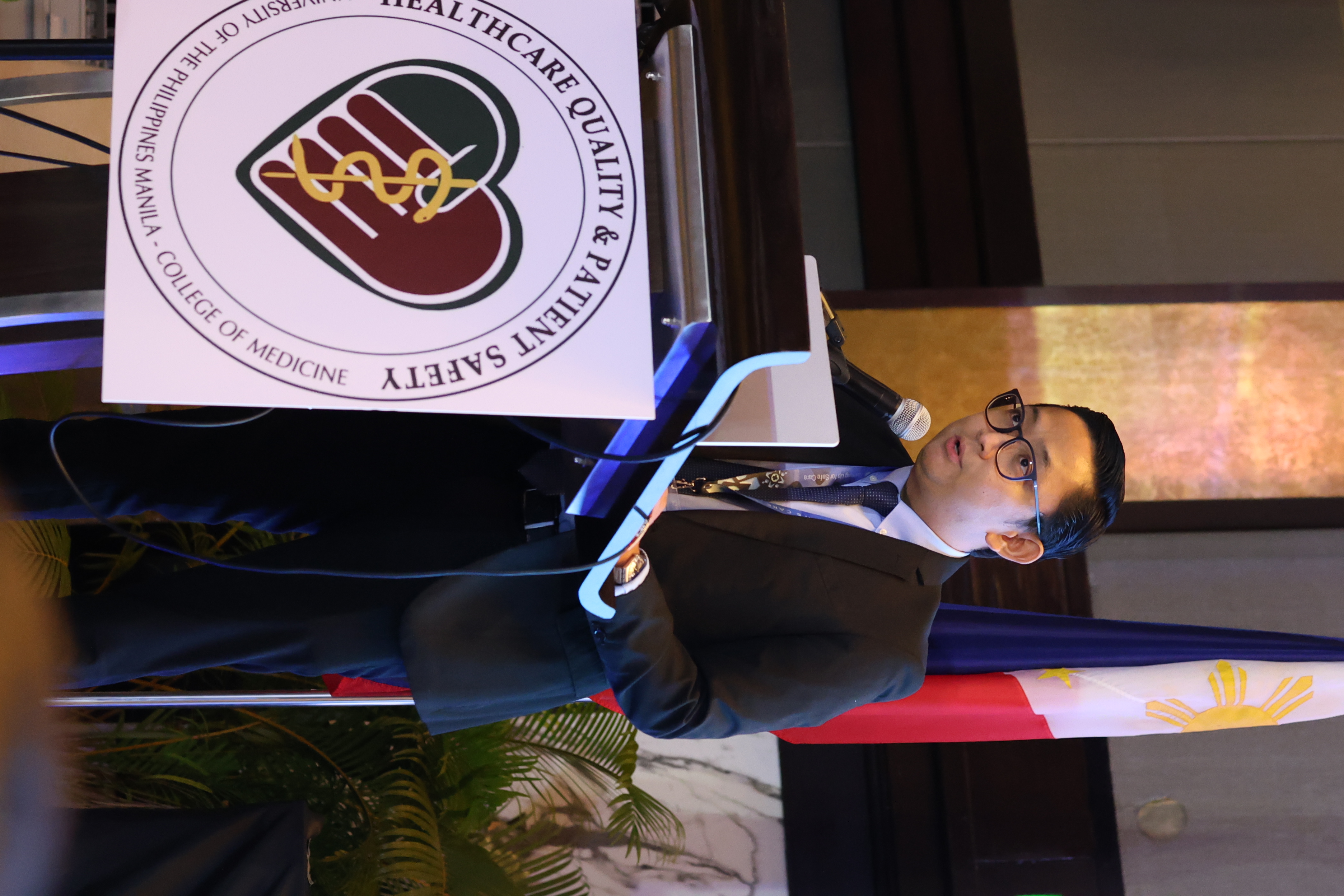
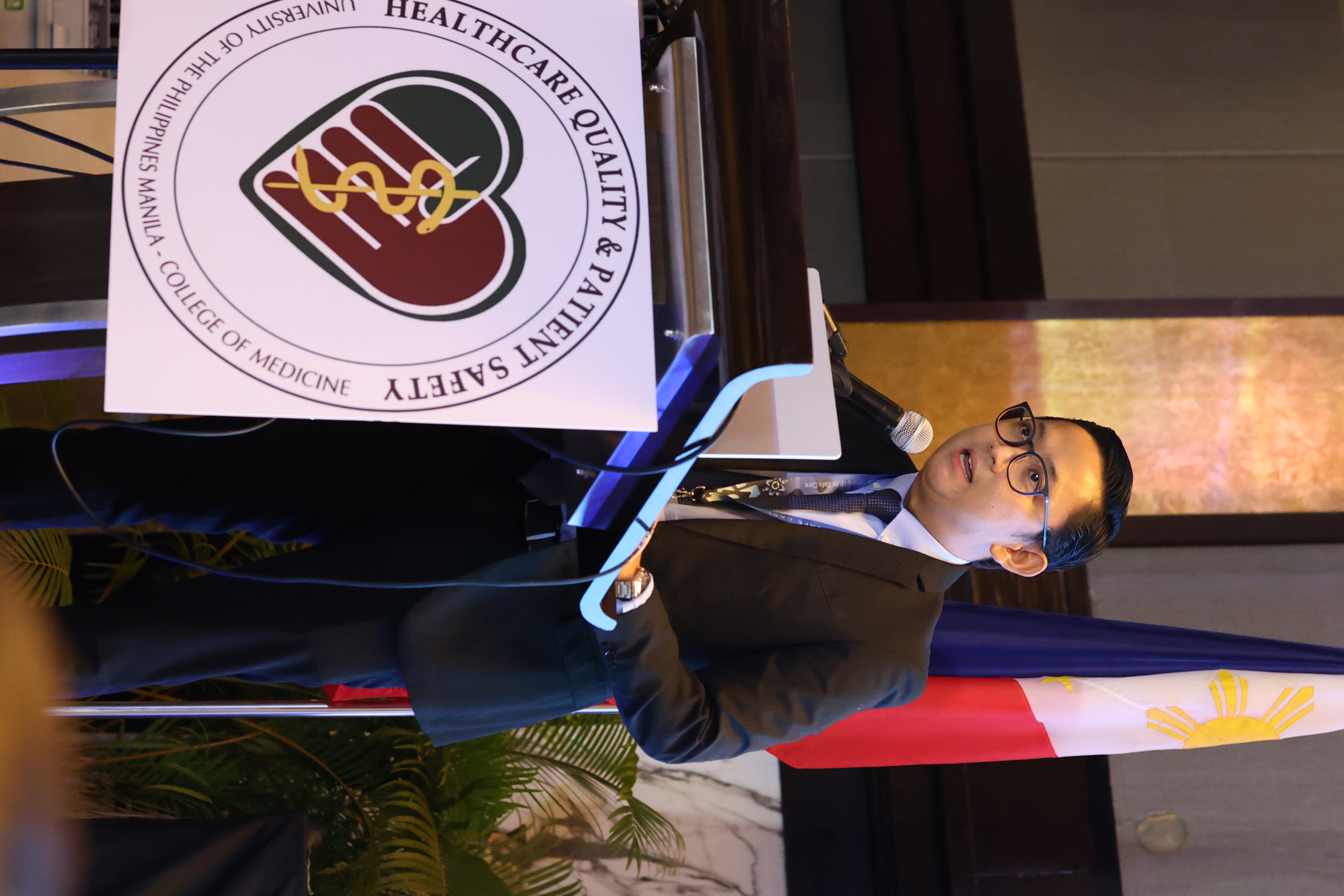
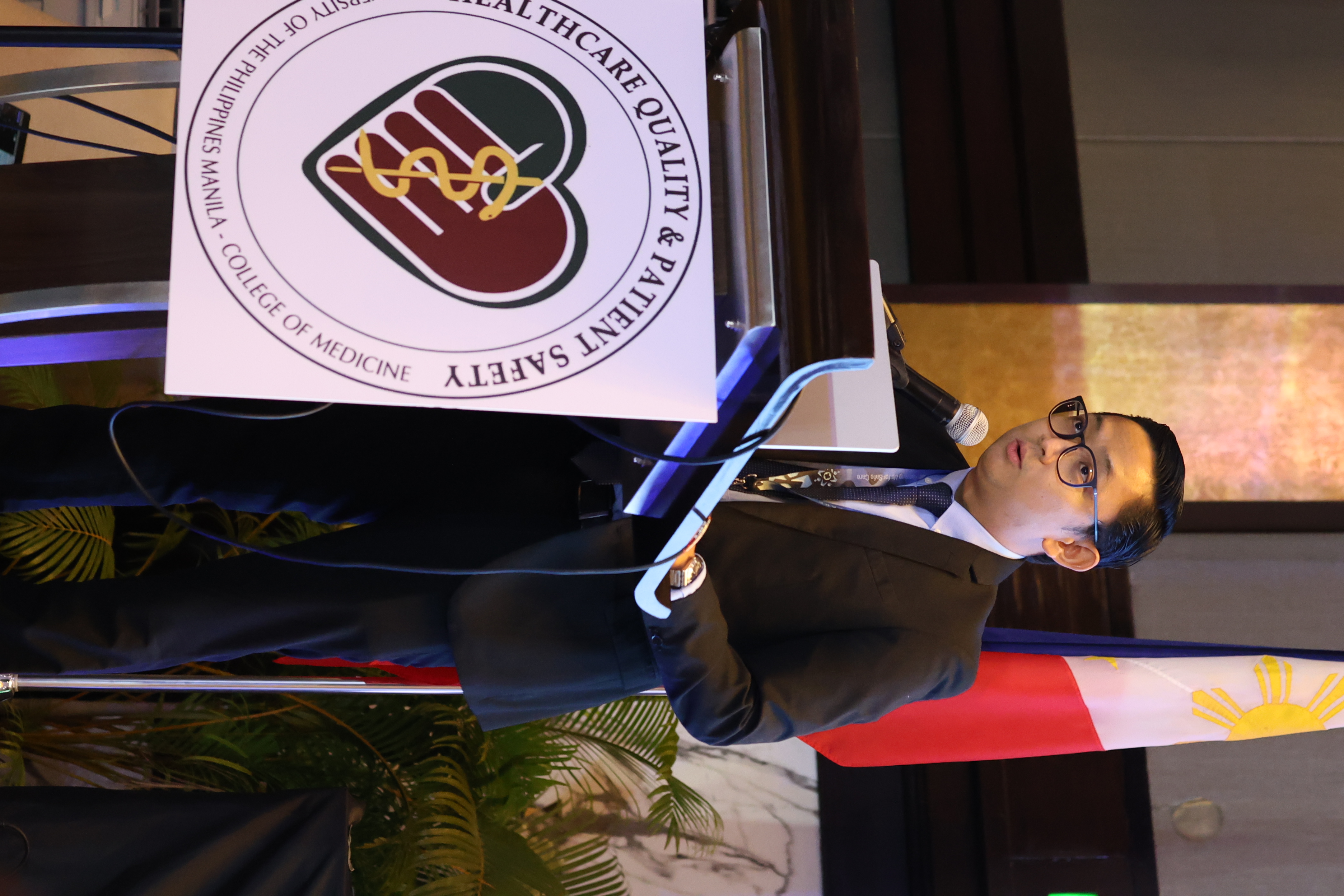
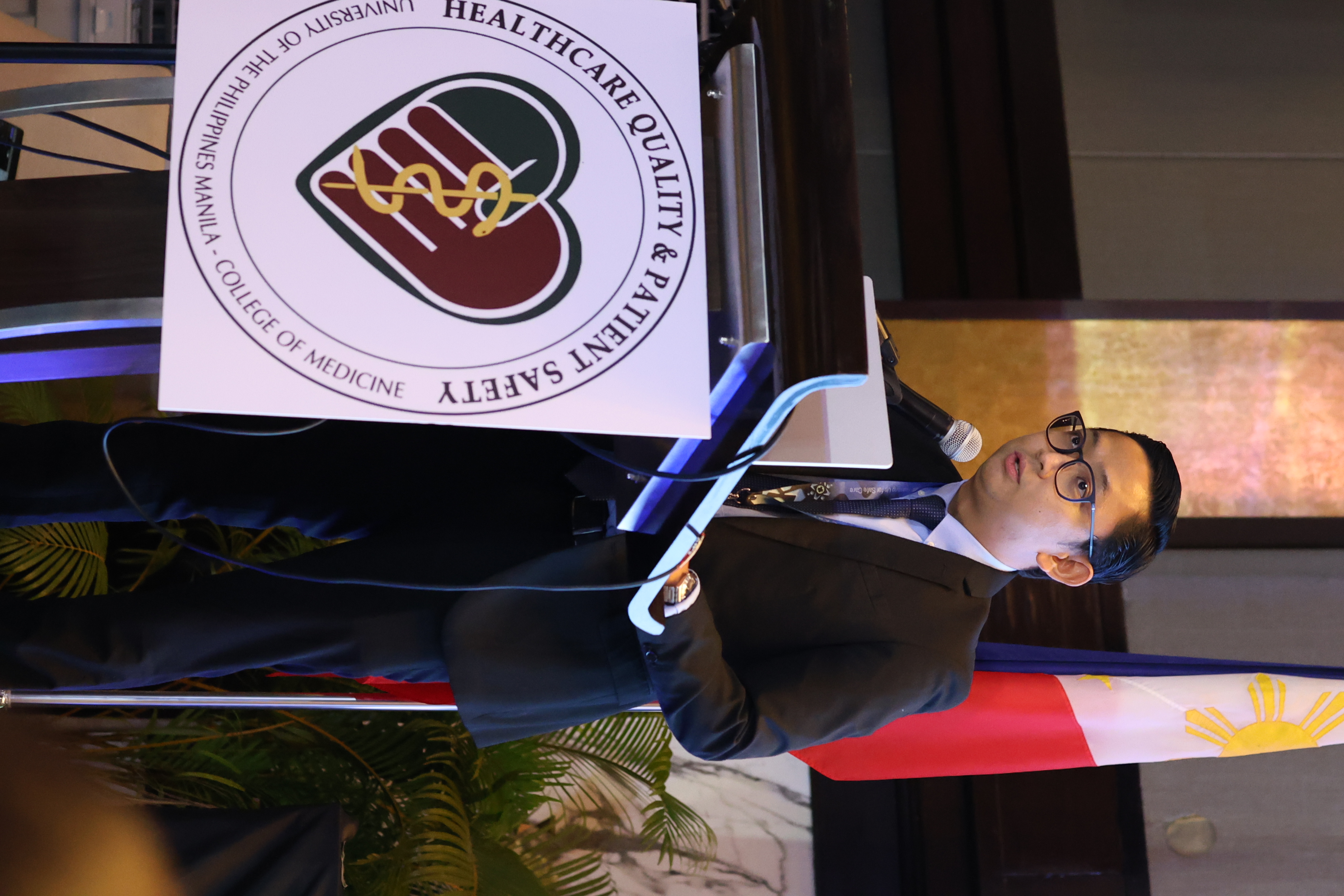
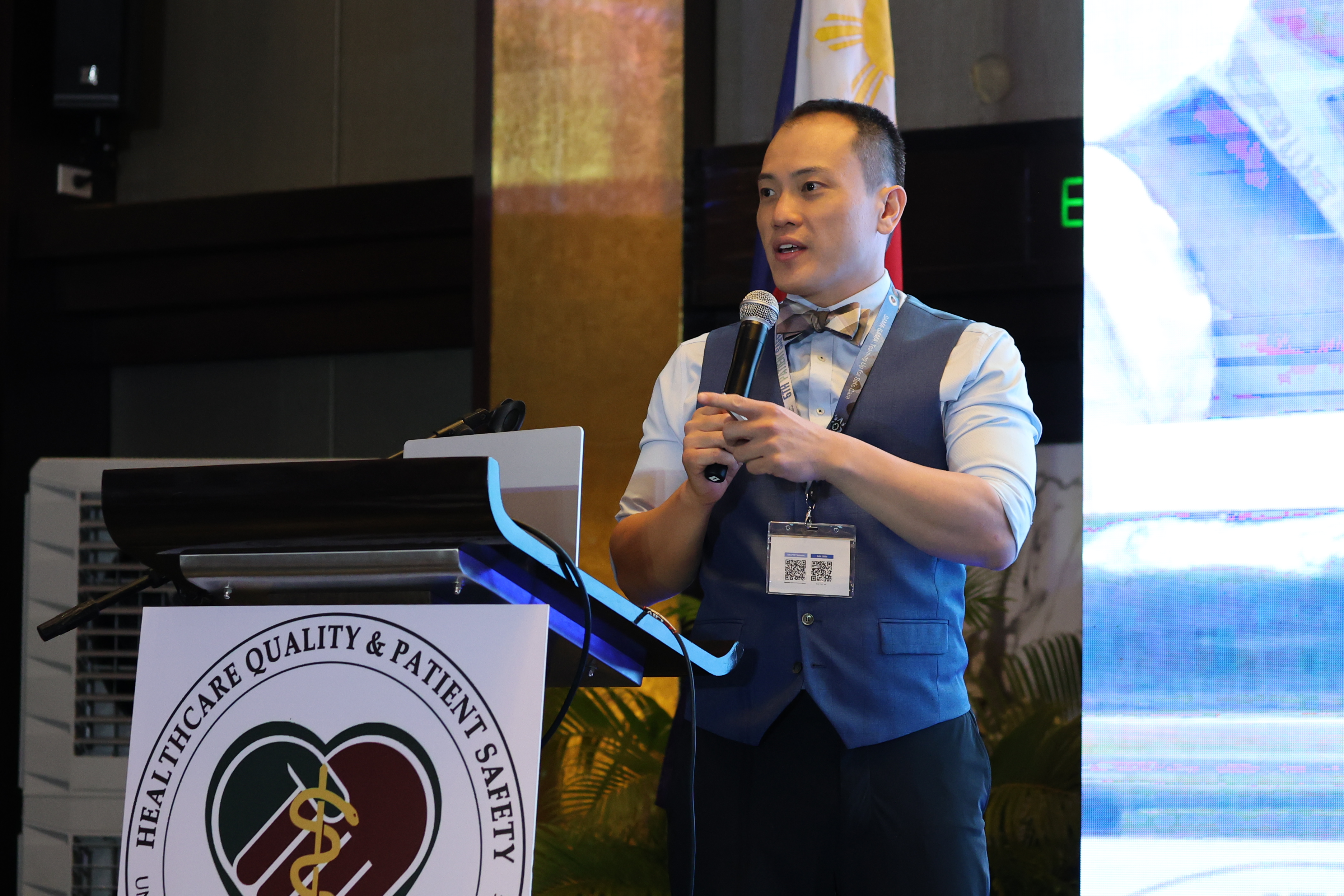
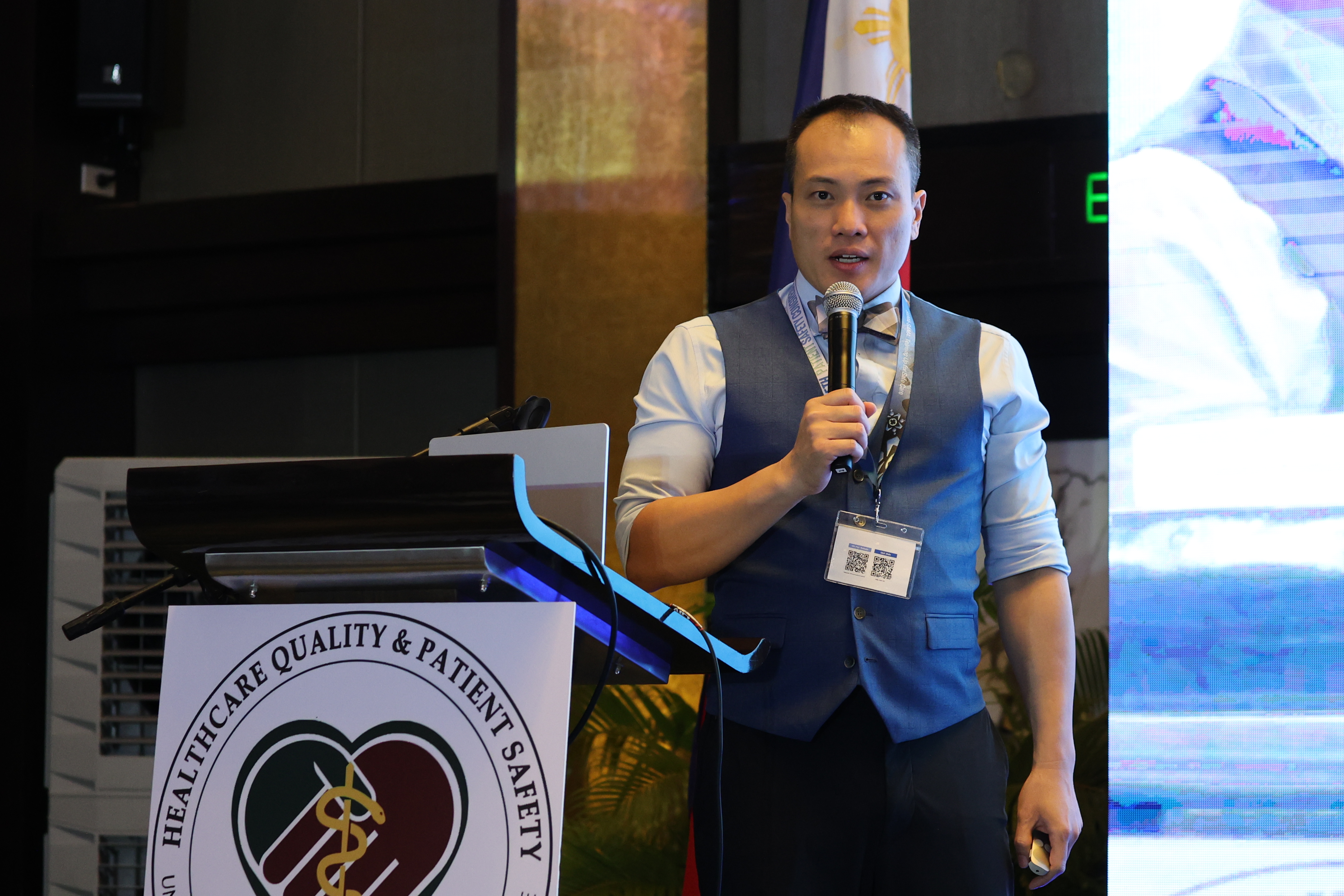
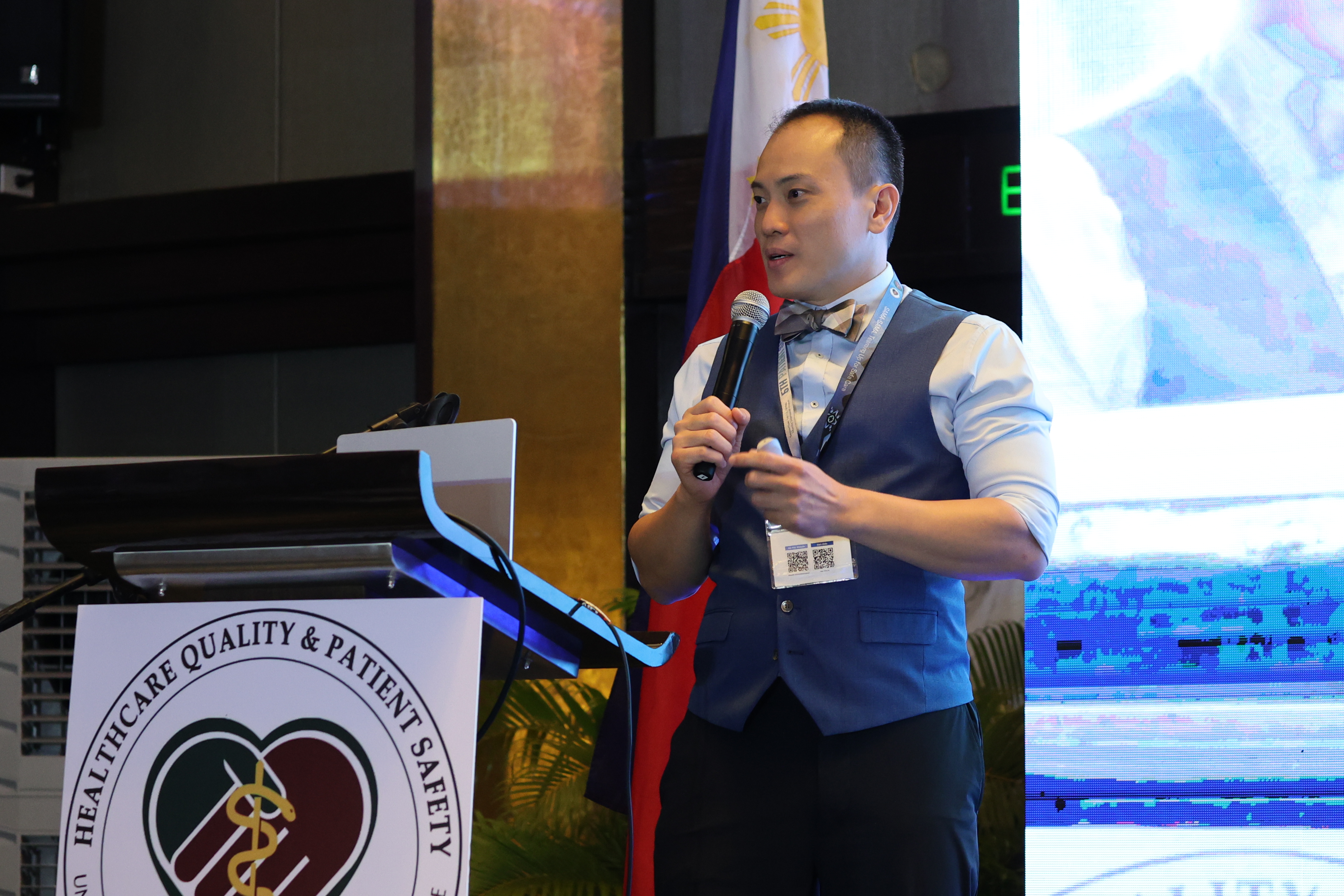
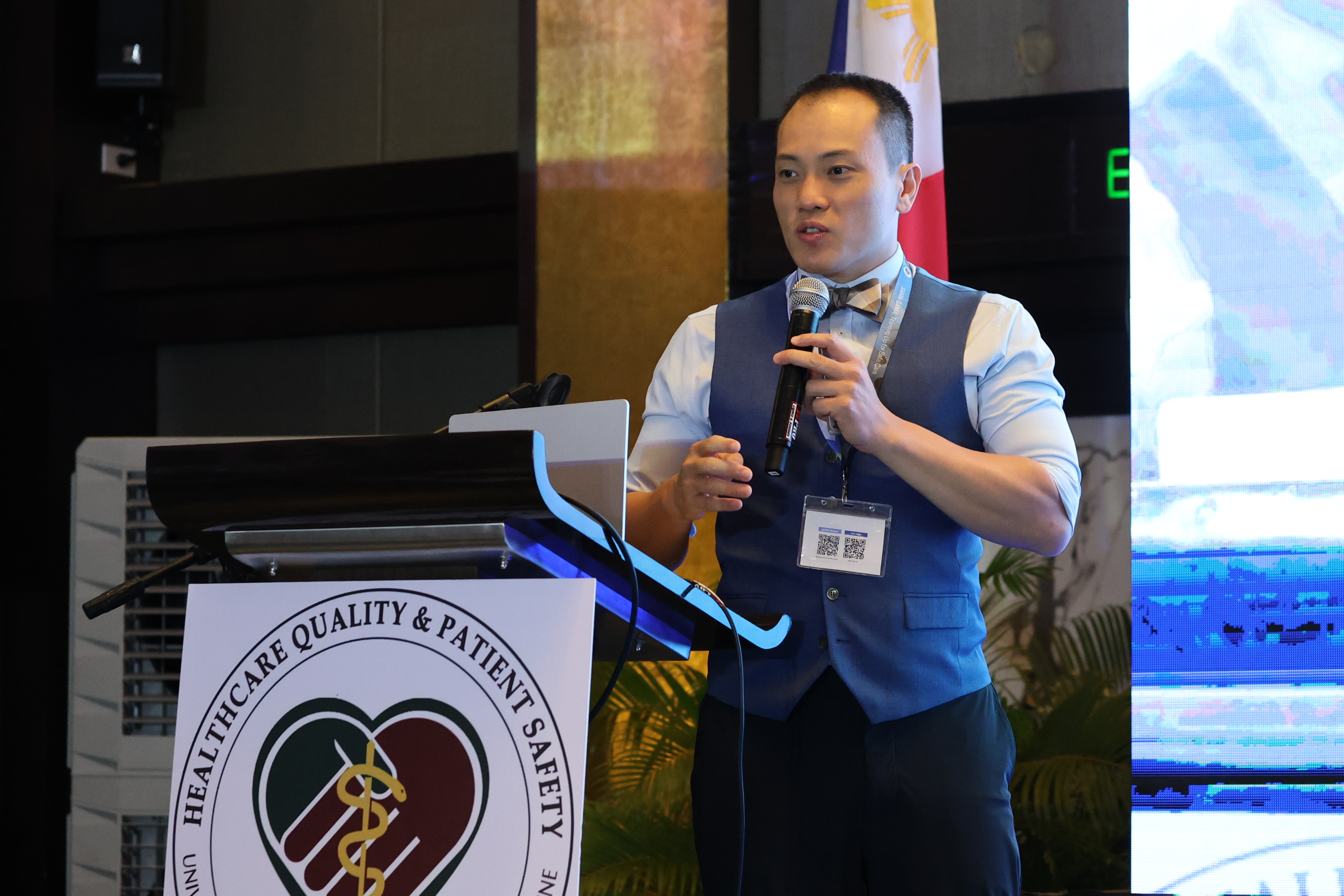
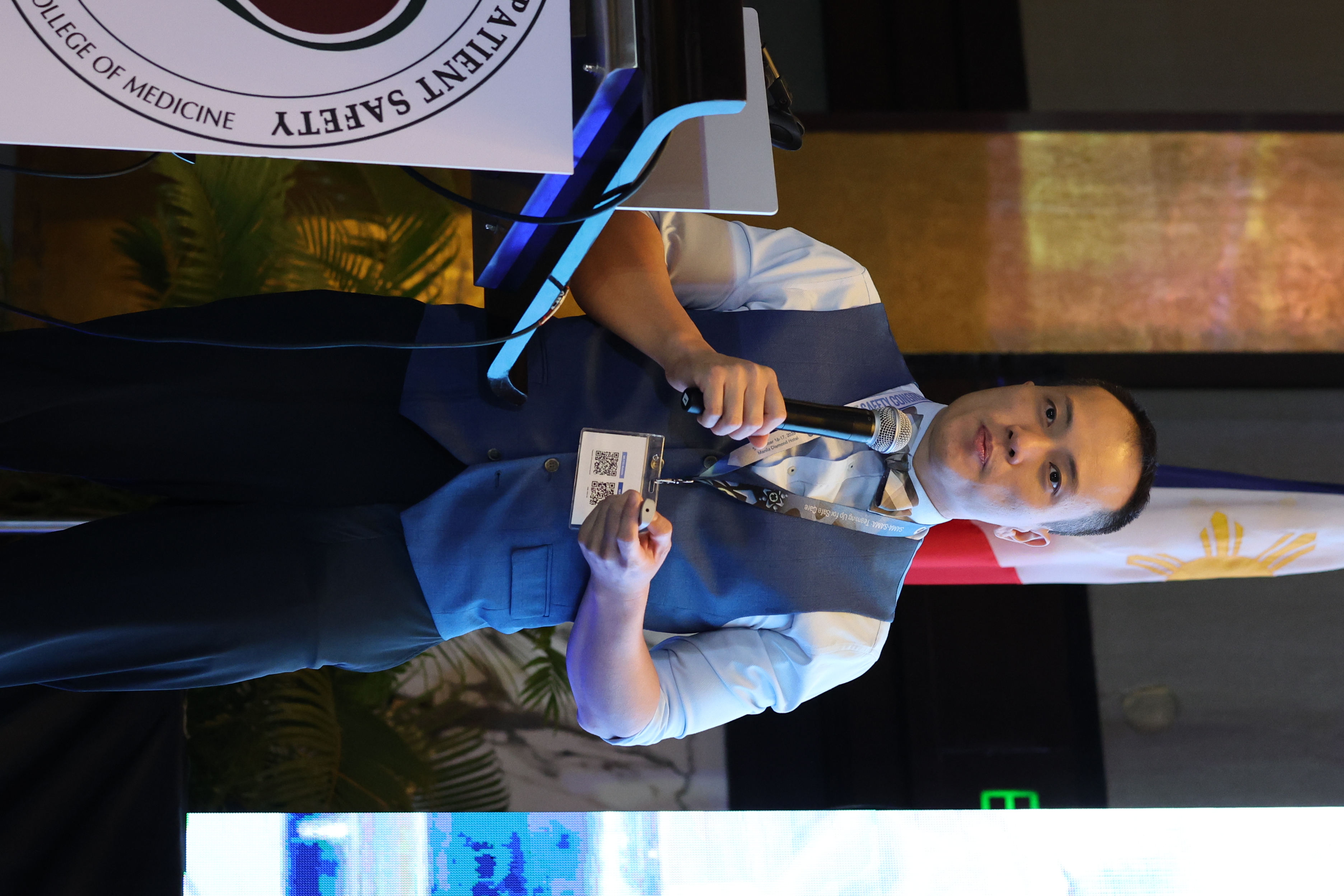
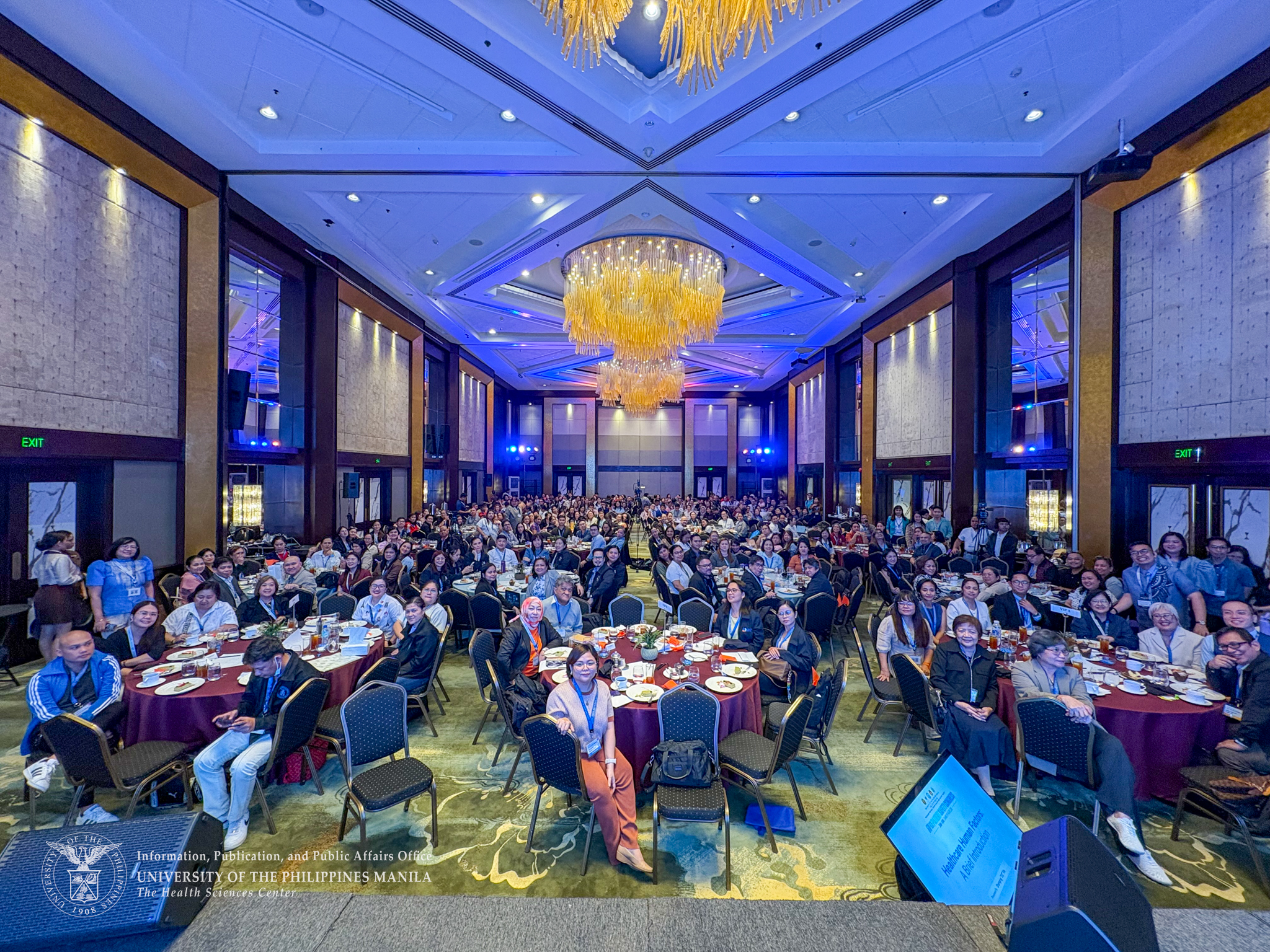
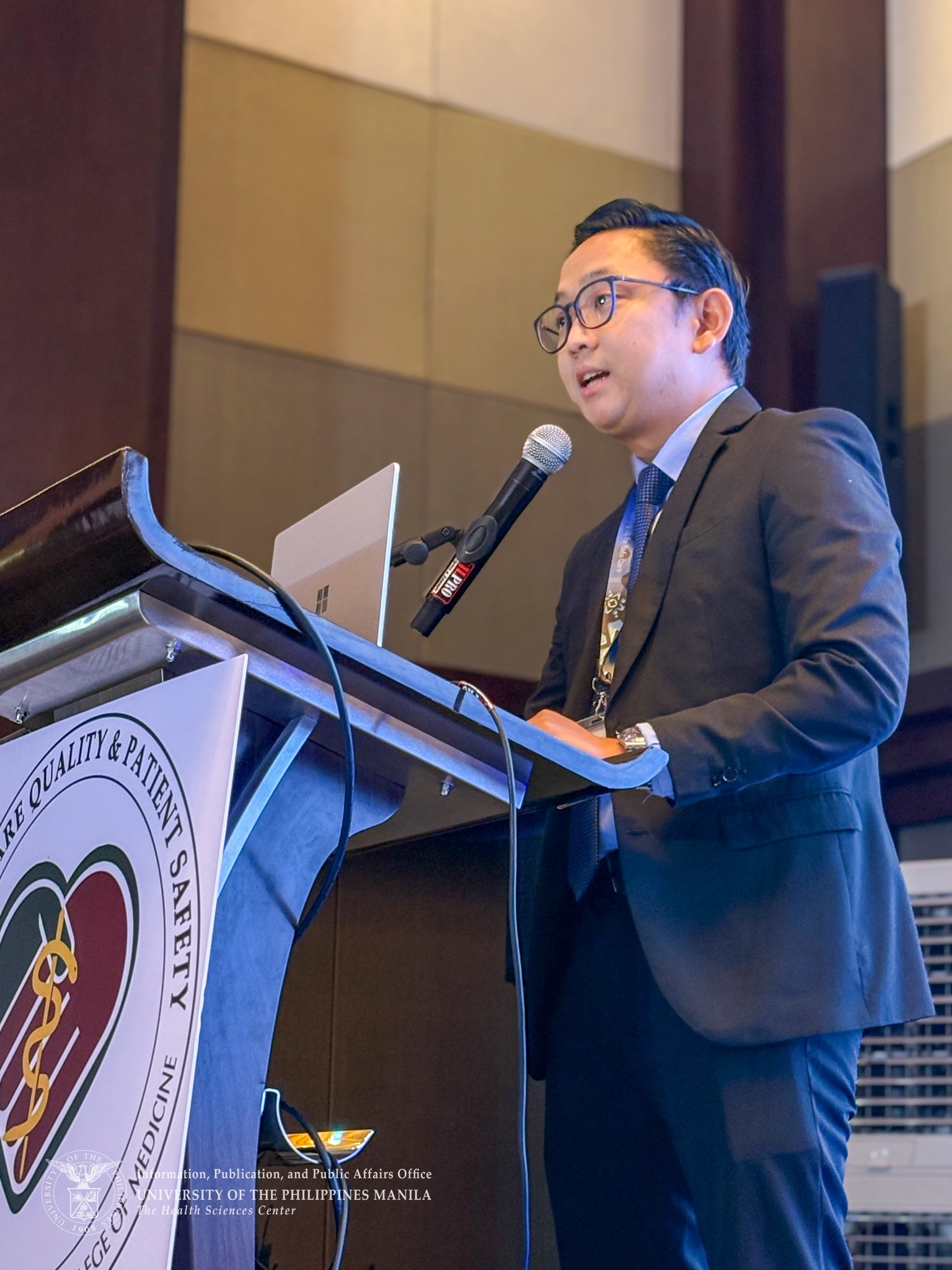
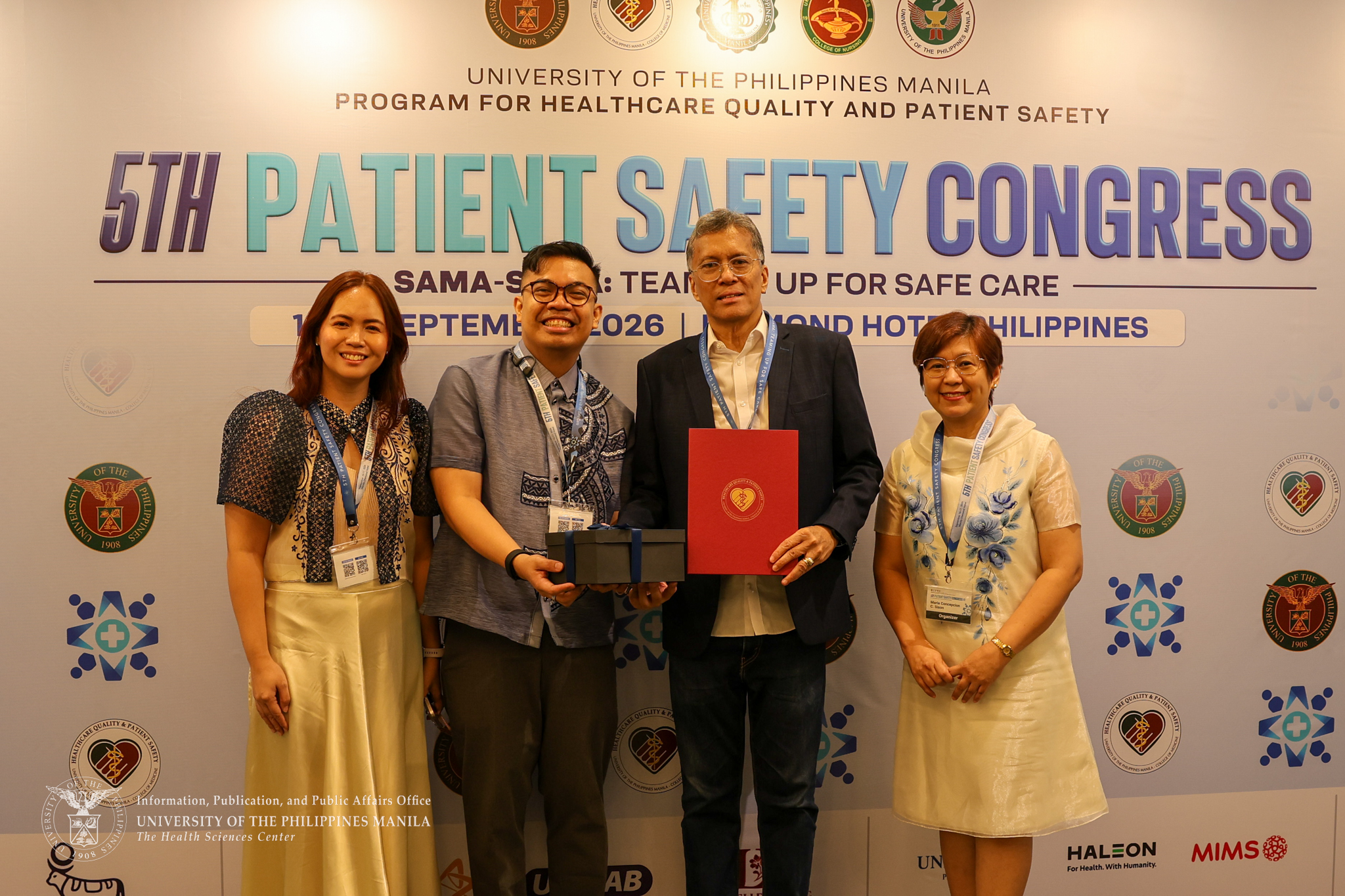
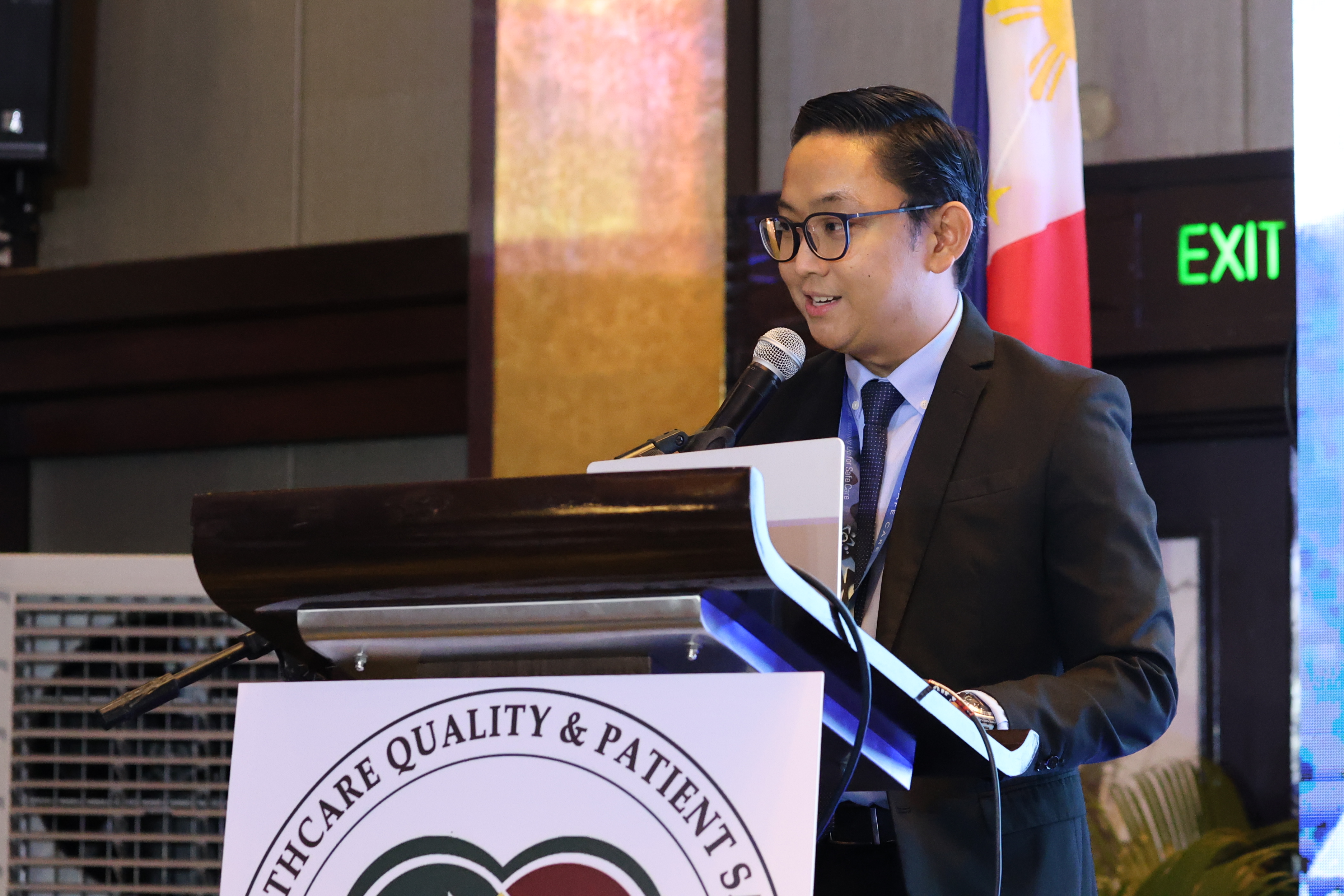
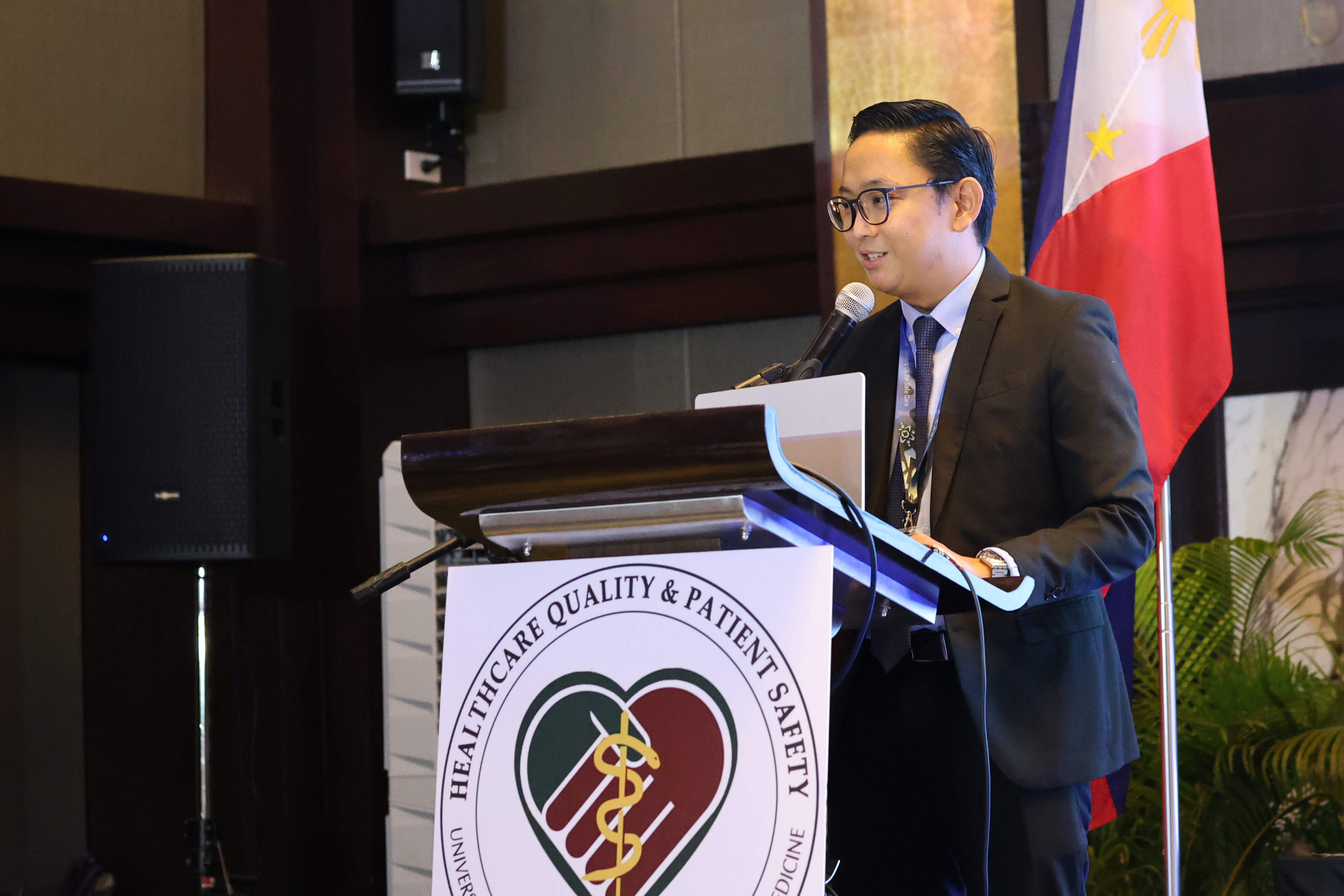
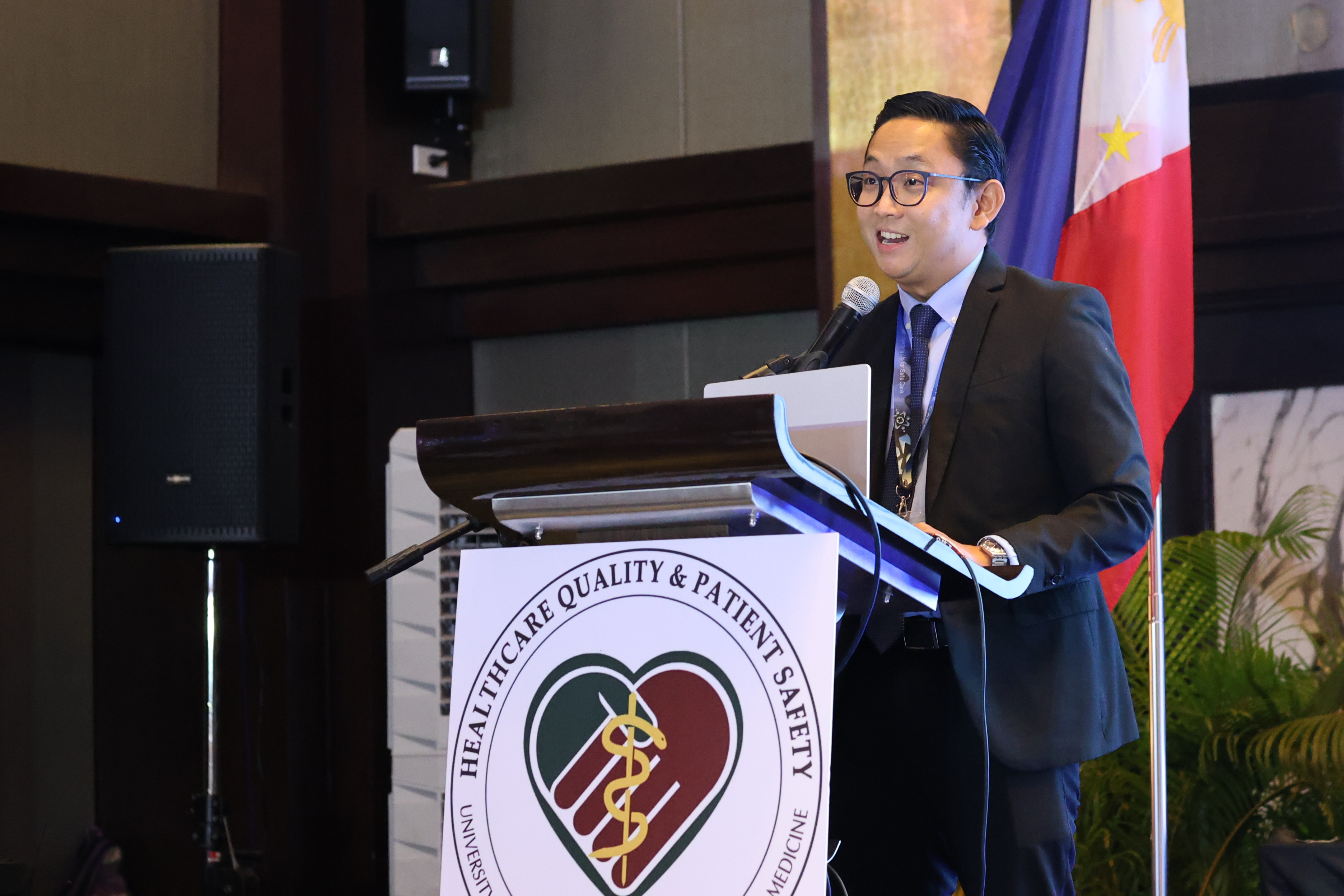
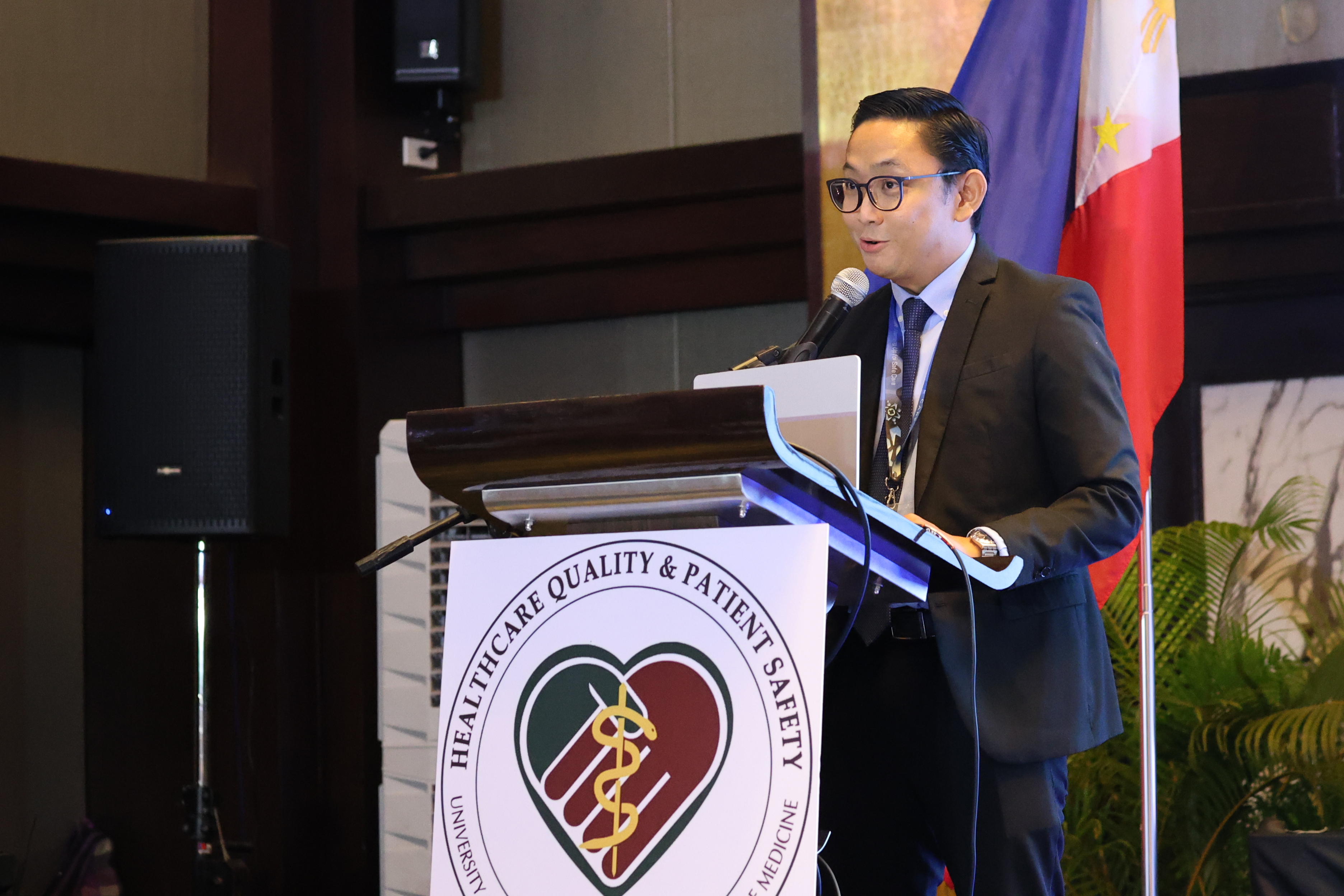
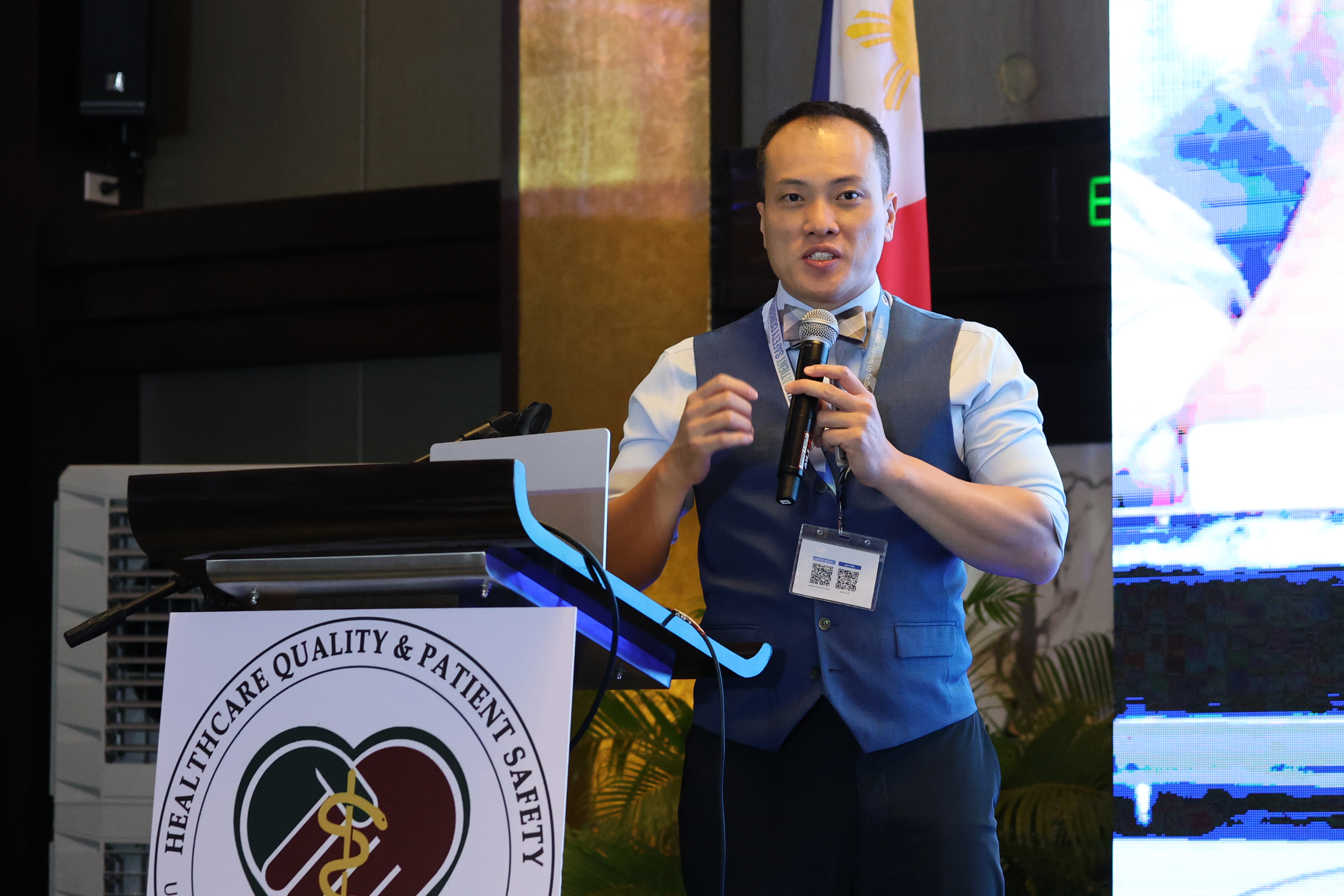
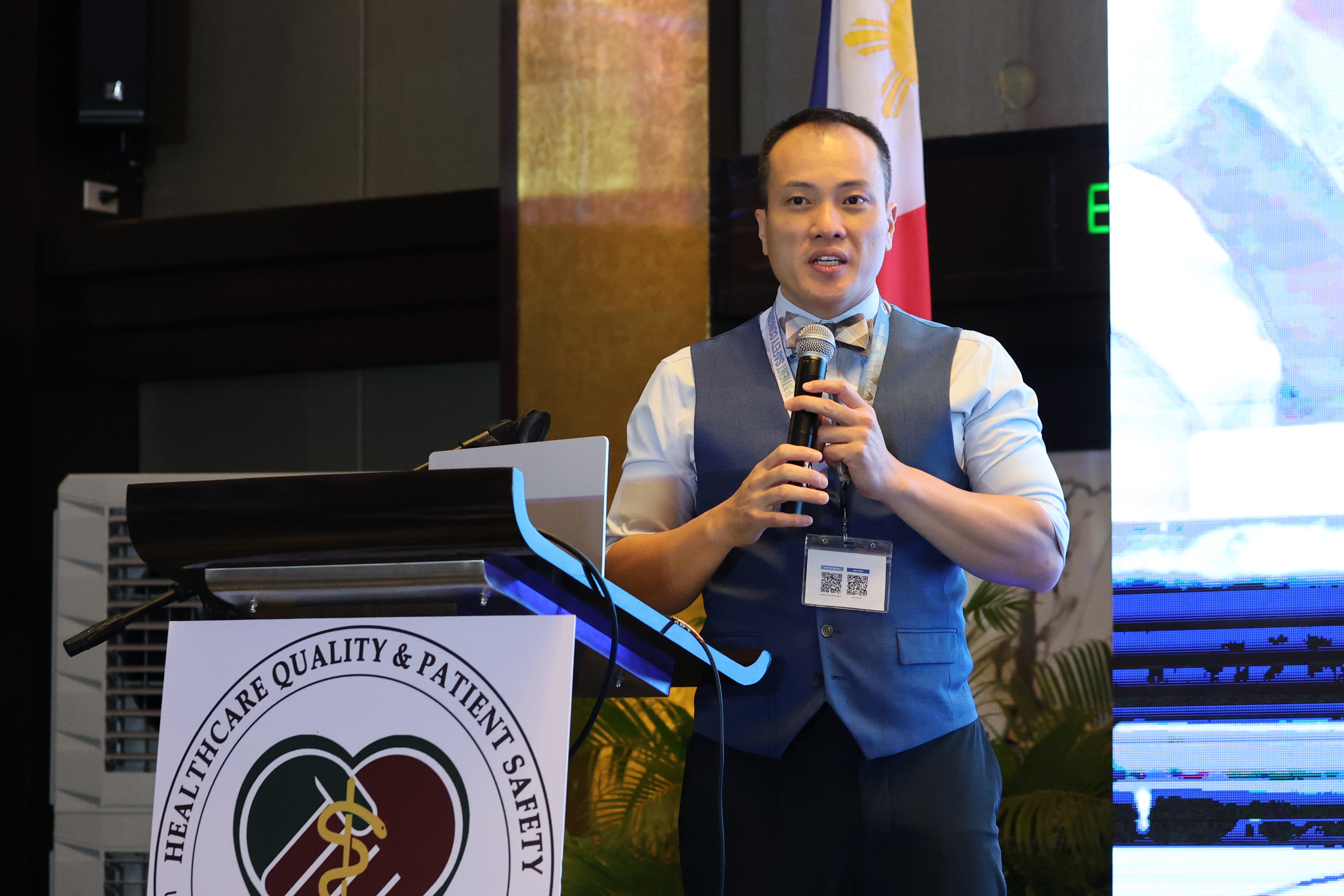
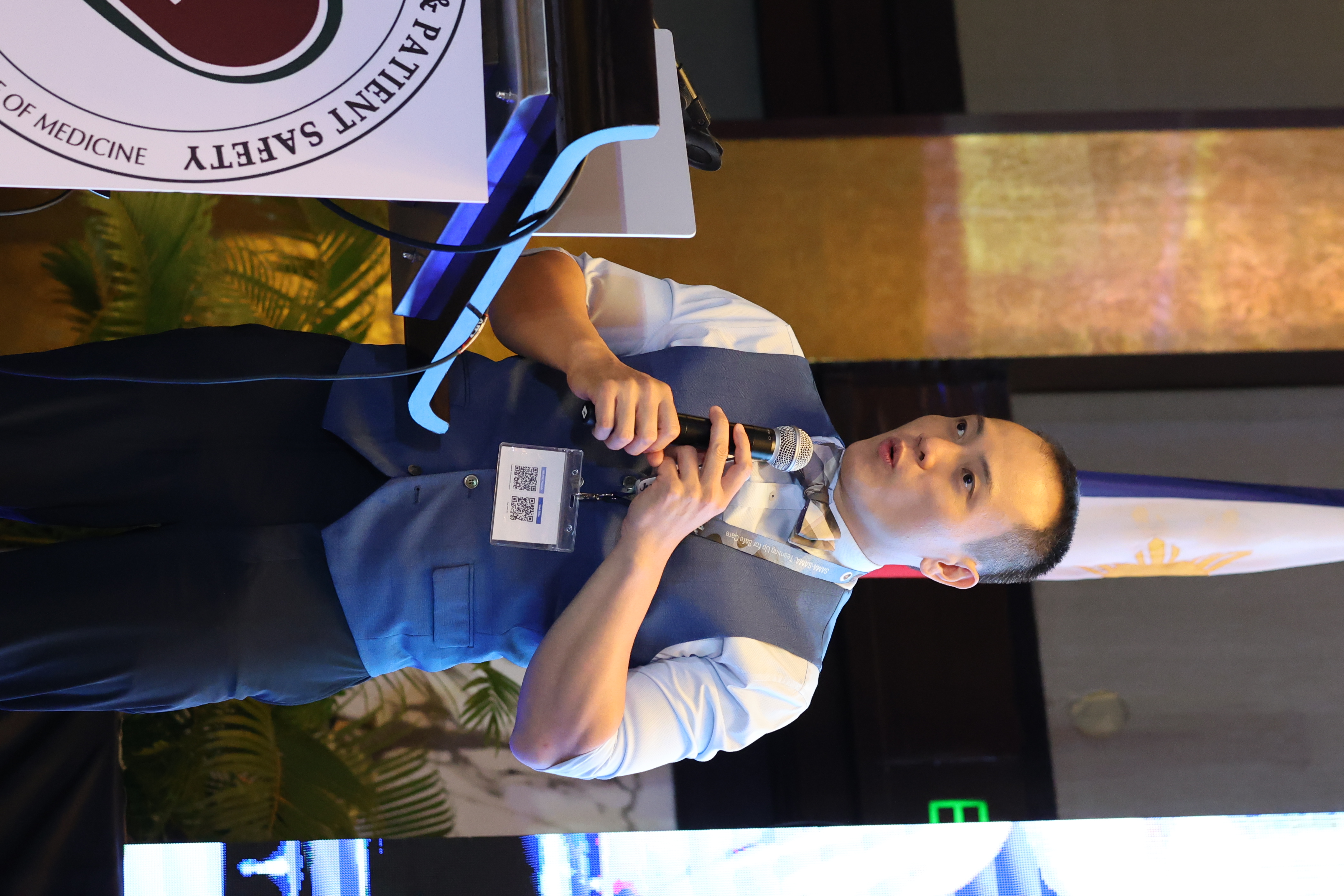
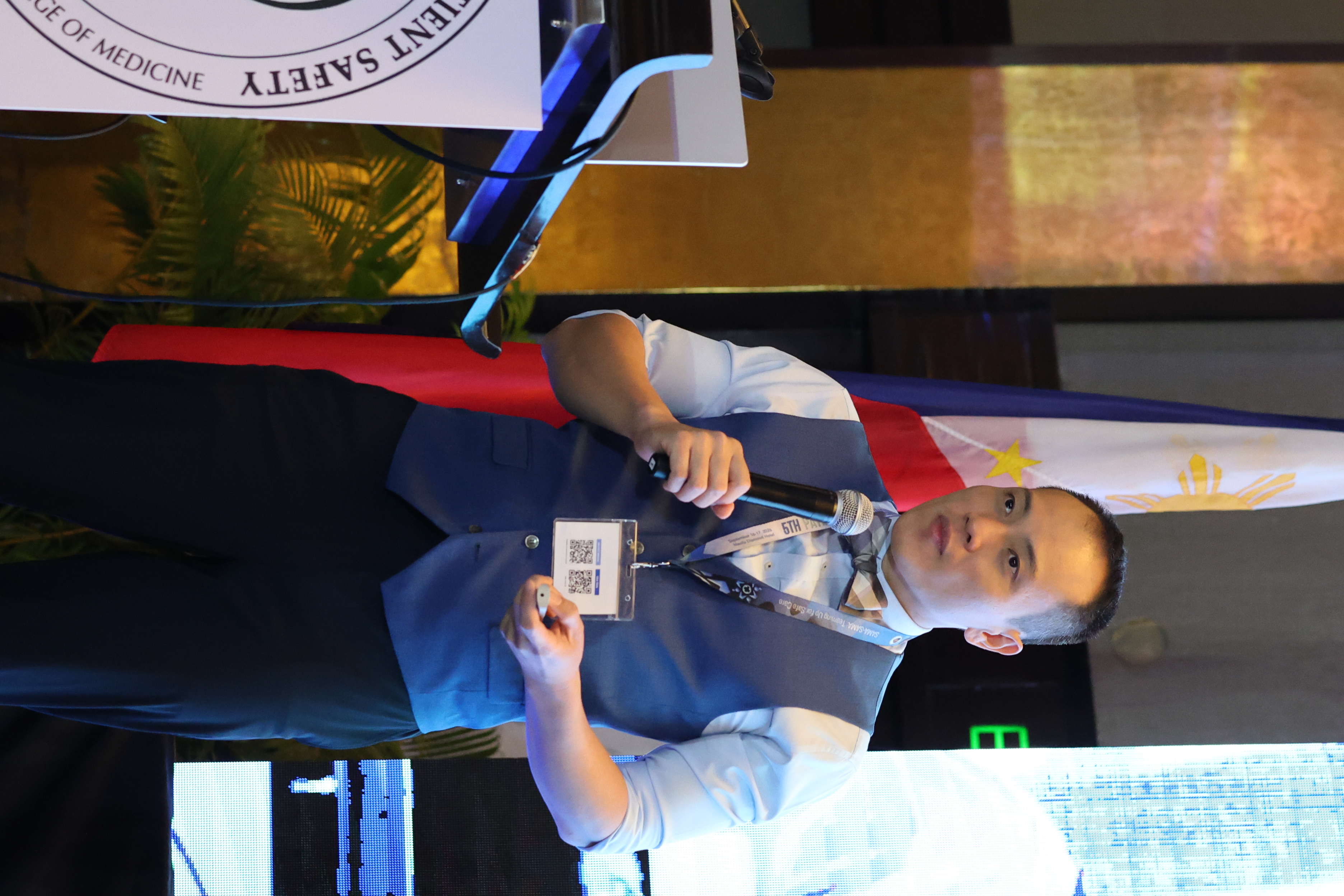
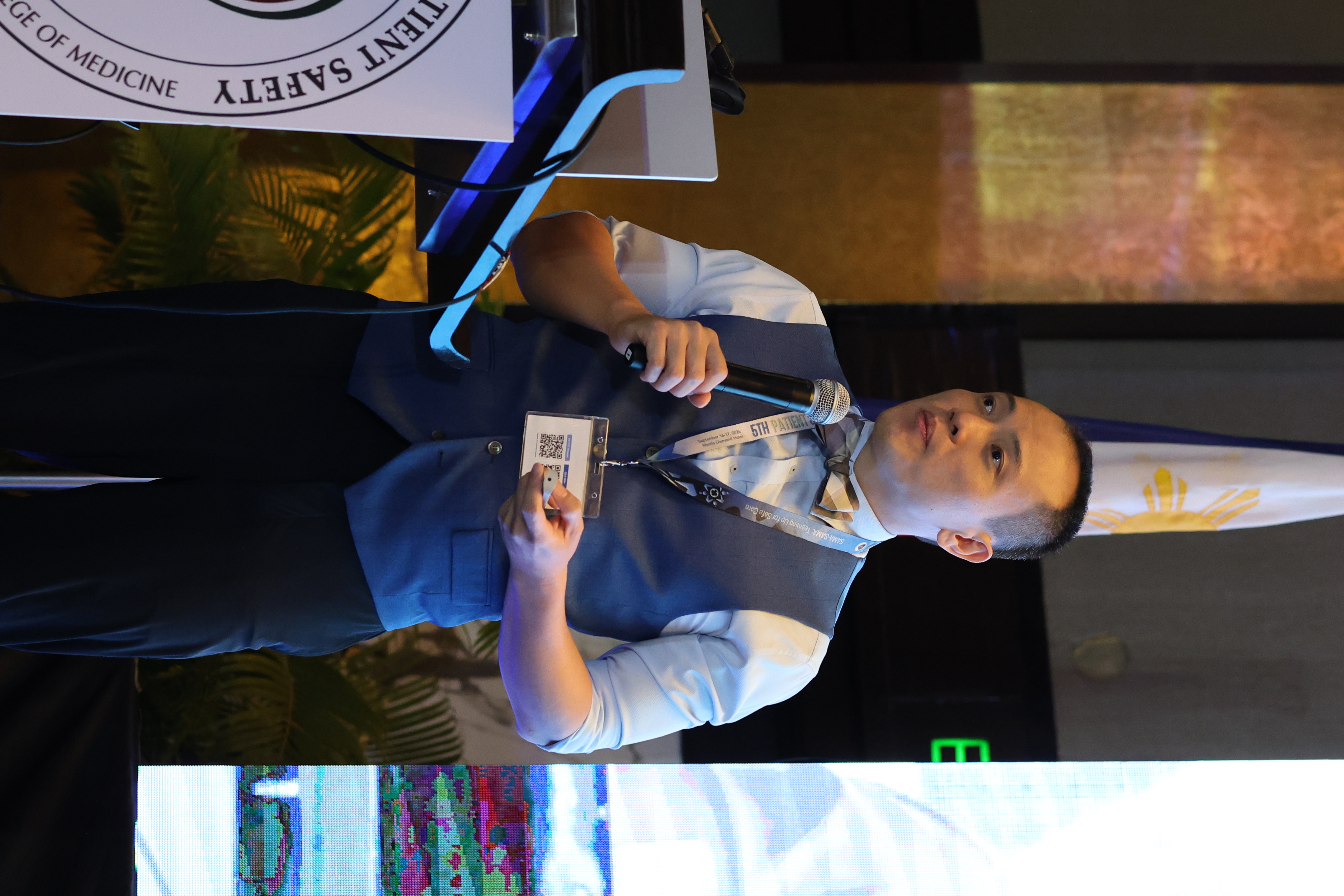
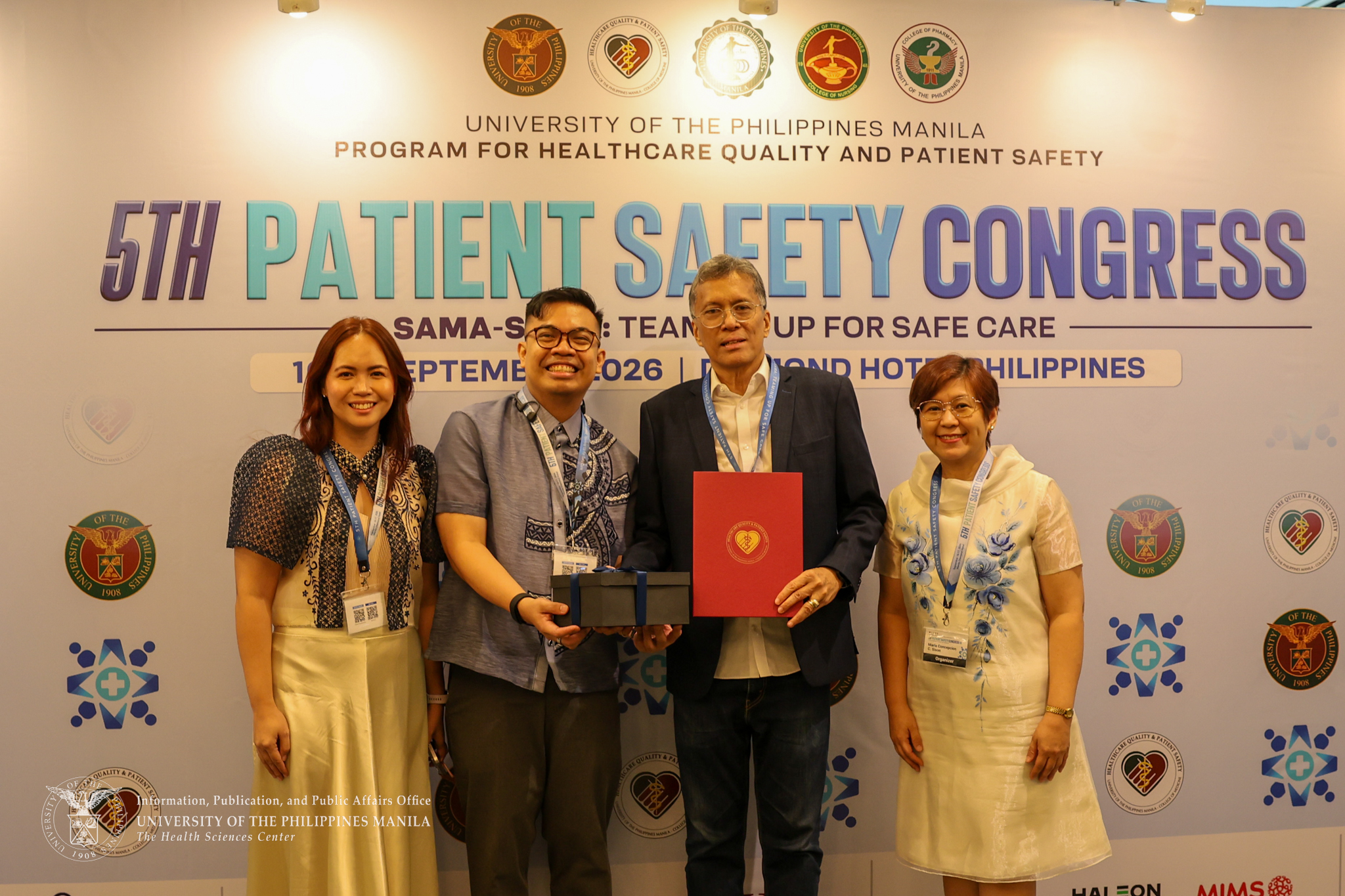
The University of the Philippines Manila brought together healthcare professionals, policymakers, researchers, educators, and advocates for the 5th National Patient Safety Congress on September 16–17, 2026, at the Diamond Hotel Manila, focusing on the shared responsibility of healthcare teams in delivering safe care.
Held in observance of World Patient Safety Day 2026, the Congress carried the theme “Sama-Sama: Teaming Up for Safe Care,” aligned with this year’s global focus on safe care for noncommunicable diseases (NCDs).
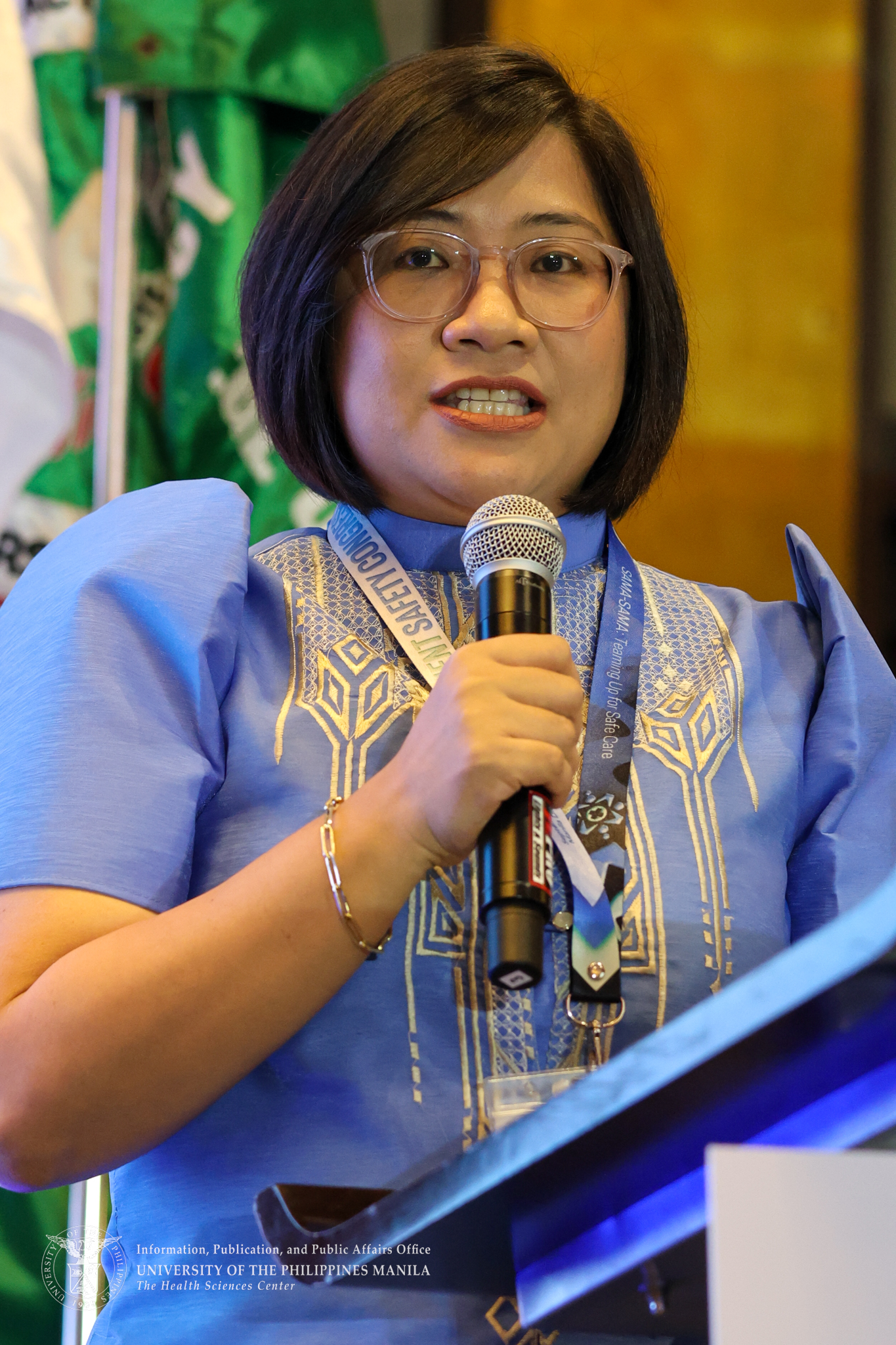
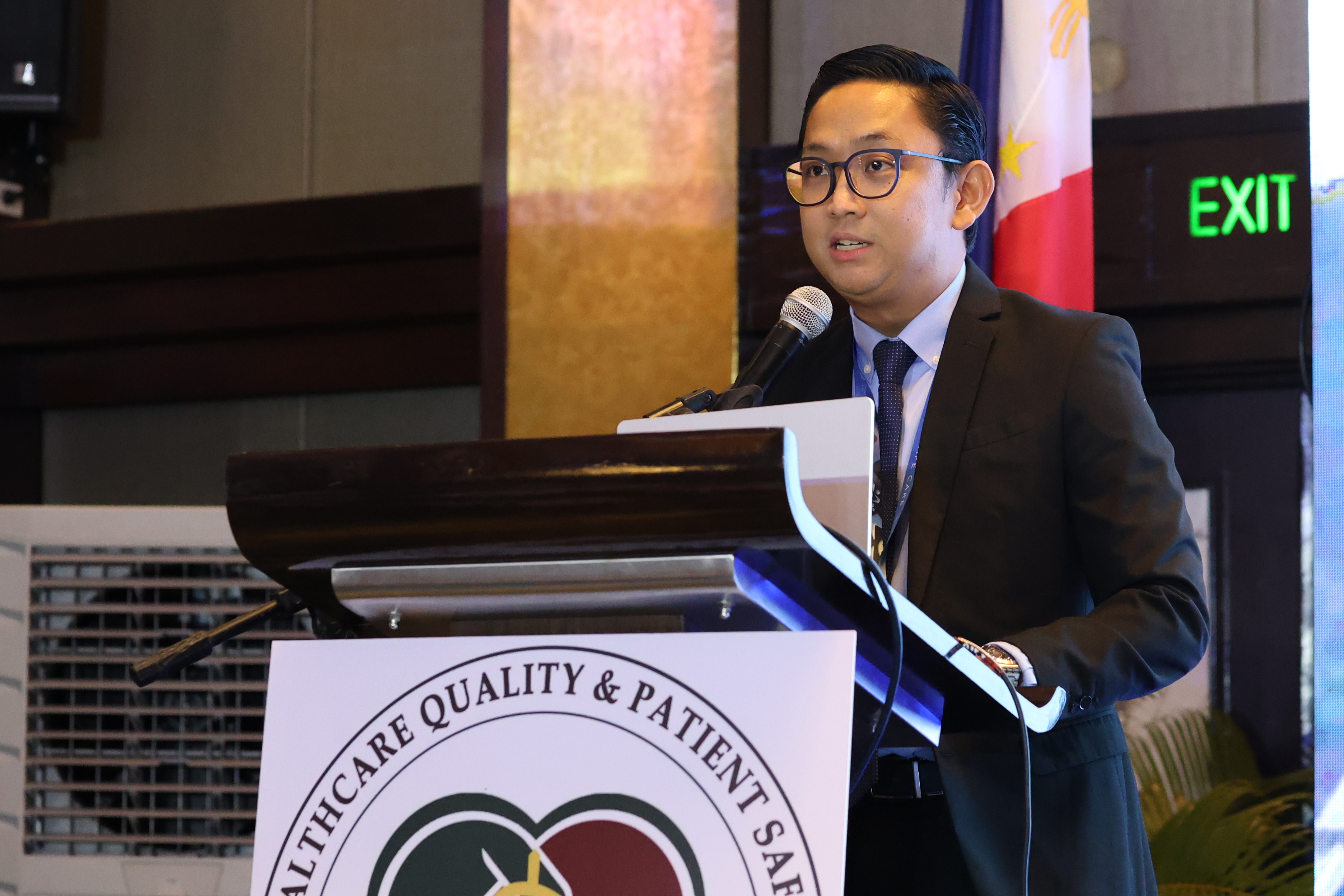
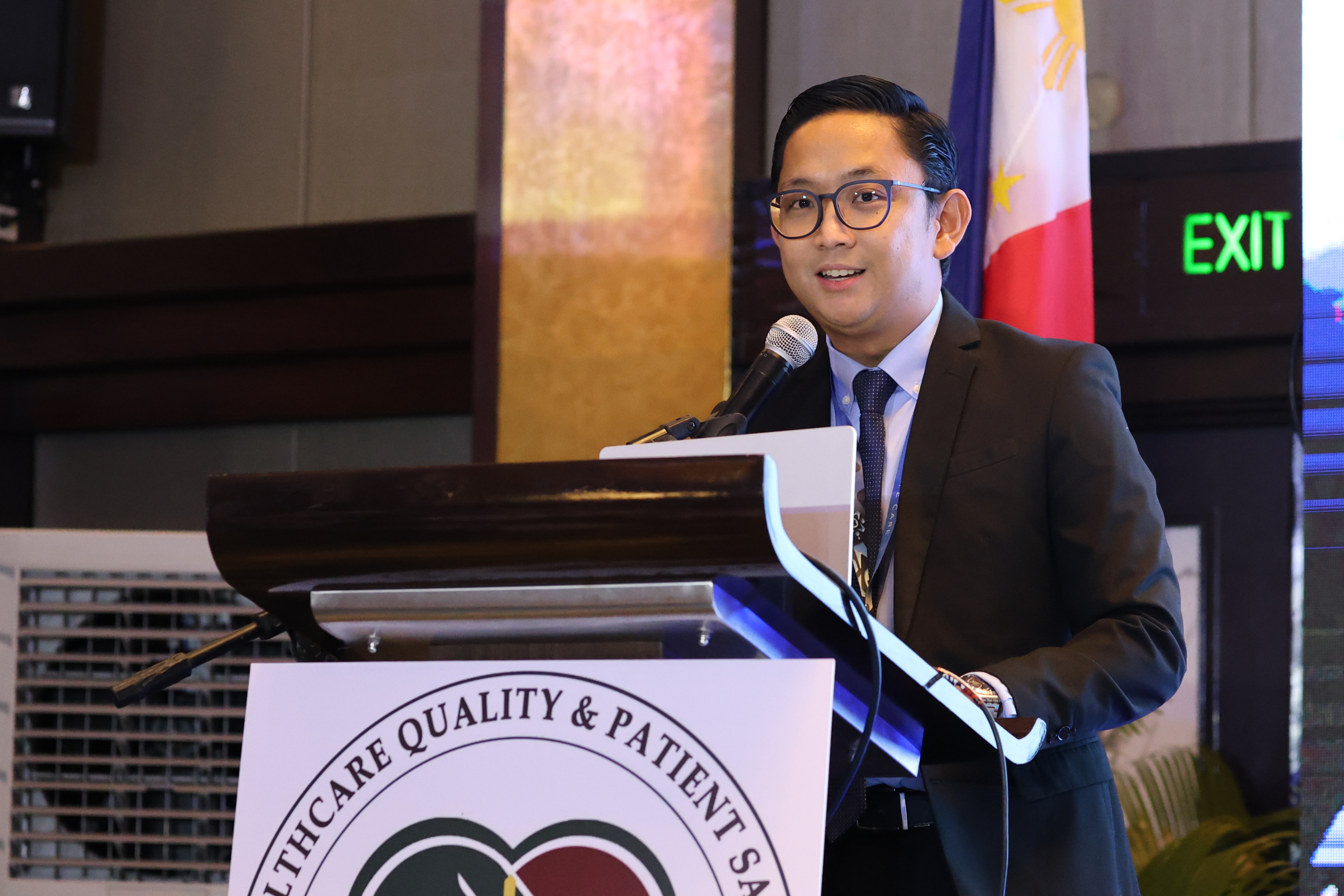
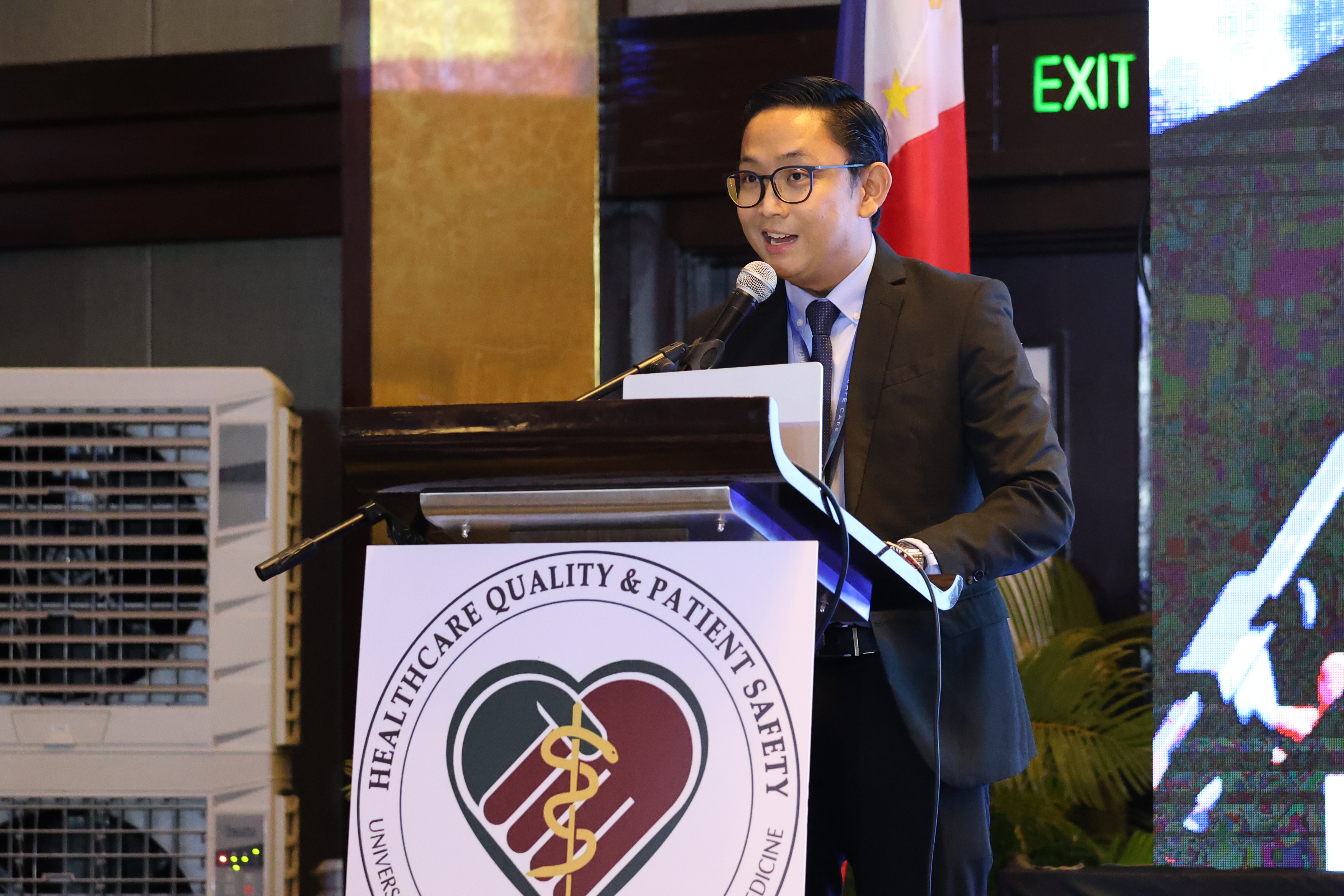
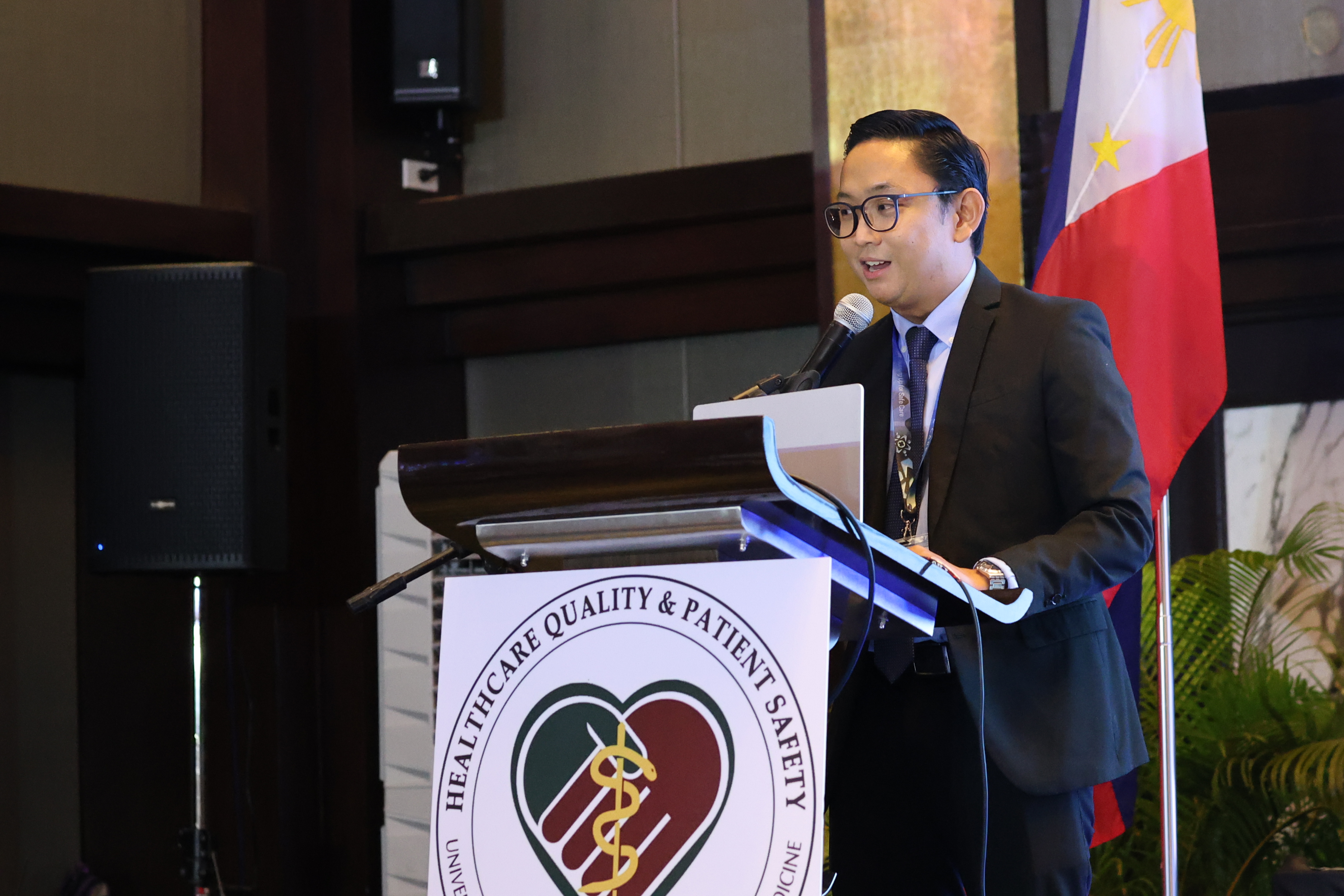
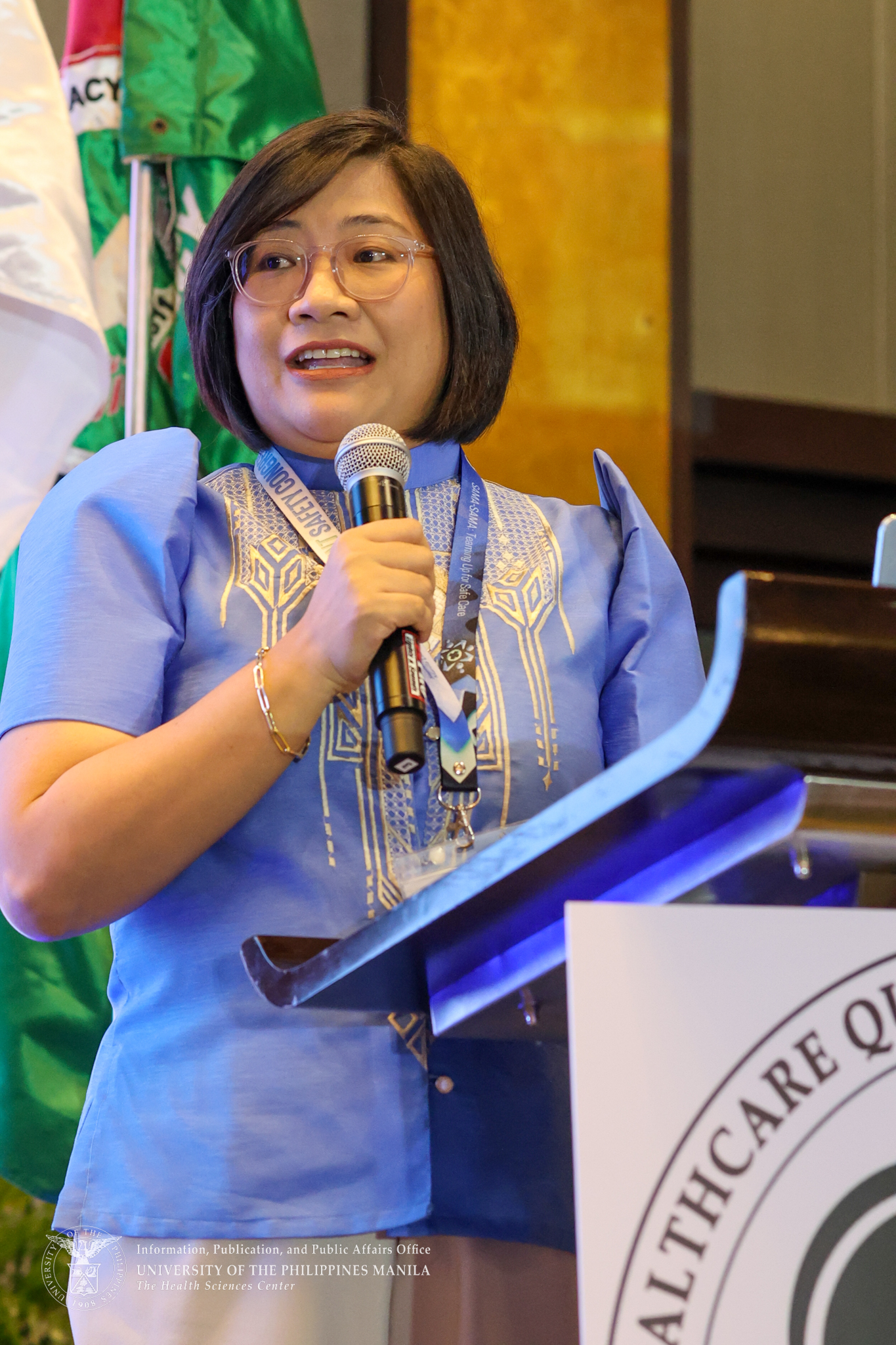
Event Chair Dr. Diaana R. Tamondong-Lachica emphasized that patient safety cannot be addressed by individuals or departments working in isolation.
“Because the failures we are here to address are rarely the failure of one clinician. They are failures of coordination, of silence where someone should have spoken up, of fragmentation where there should have been a bridge, of hierarchy where there should have been a shared voice around the table,” Dr. Tamondong-Lachica said.
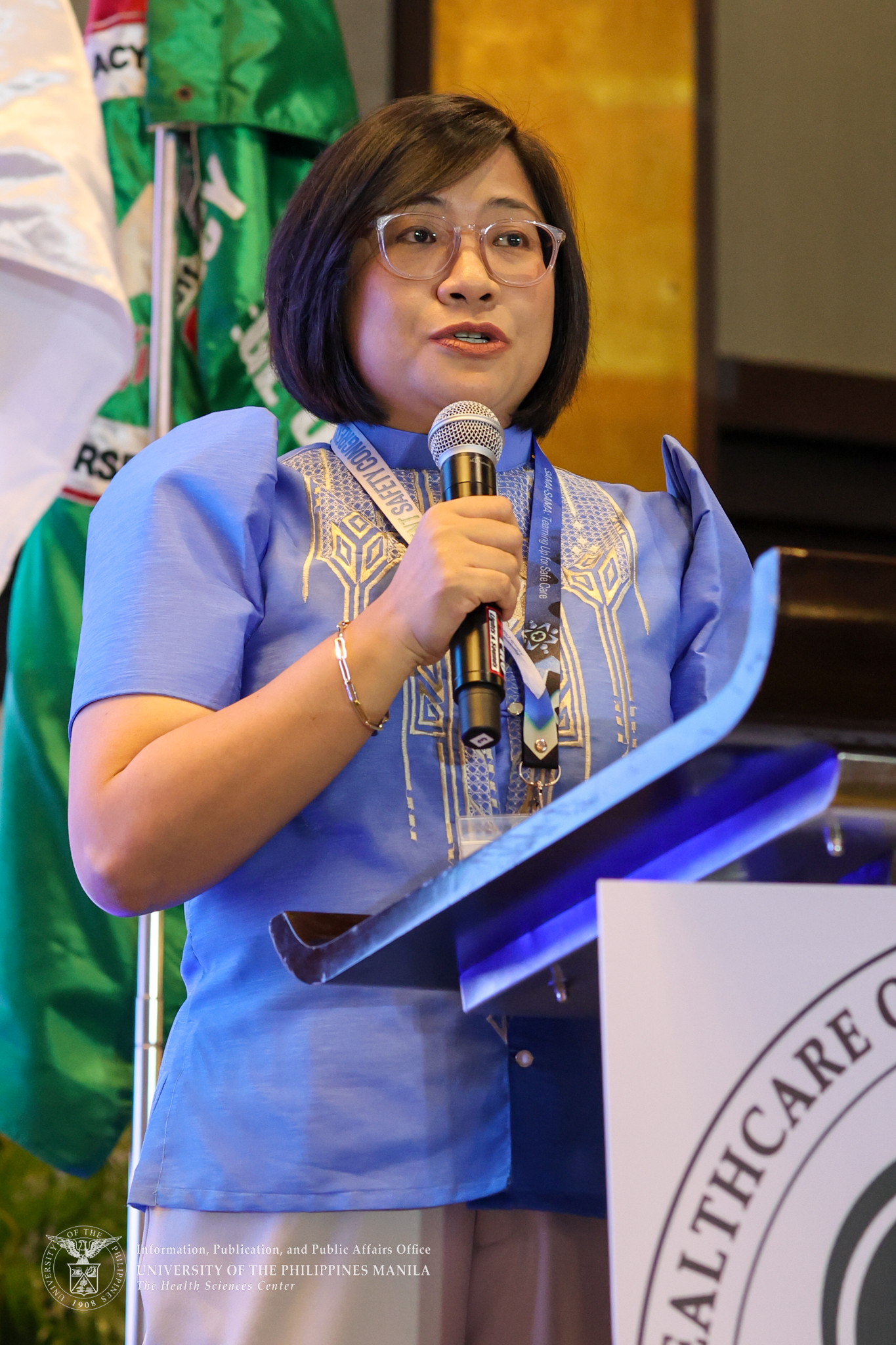
The newly appointed Assistant Secretary of the Department of Health, professor and outgoing program head of the Program for Healthcare Quality and Patient Safety at the UP College of Medicine and Philippine General Hospital Dr. Lachica, who is a newly appointed assistant secretary of the Department of Health and professor and outgoing head of the Program for Healthcare Quality and Patient Safety at the UP College of Medicine and Philippine General Hospital, noted that the Congress was organized around the seven strategic objectives of the WHO Global Patient Safety Action Plan: policies to eliminate avoidable harm; high-reliability health systems; safety of clinical processes; patient and family engagement; education and safety competencies; information and research; and risk management through partnership.
“None of what we commit to in this room stays in this room. A safety huddle that works on one ward, a just culture reporting practice that protects one team, a structured handoff that catches one preventable error. These are not small things. They are the raw material of what eventually becomes national policy, national standards, national systems. The distance between what happens at a single bedside and what happens in a policy document is shorter than most of us think. Which means what we do together these two days is not separate from that larger system. It is how that system gets built, one team, one ward, one commitment at a time,” said Dr. Lachica.
Putting Patients and Families at the Center
The Congress opened its discussions on the lived experiences of patients and families.
The session “Voices from the Bedside: Stories of Harm and the Teams Who Listen” examined the impact of preventable harm and the role of healthcare teams in listening and responding to patients and families.
Keynote speaker Prof. Carol Hemmelgarn, a patient safety advocate, educator, and healthcare leader with three decades of experience, shared her experience with preventable medical error and its impact on patients and families.
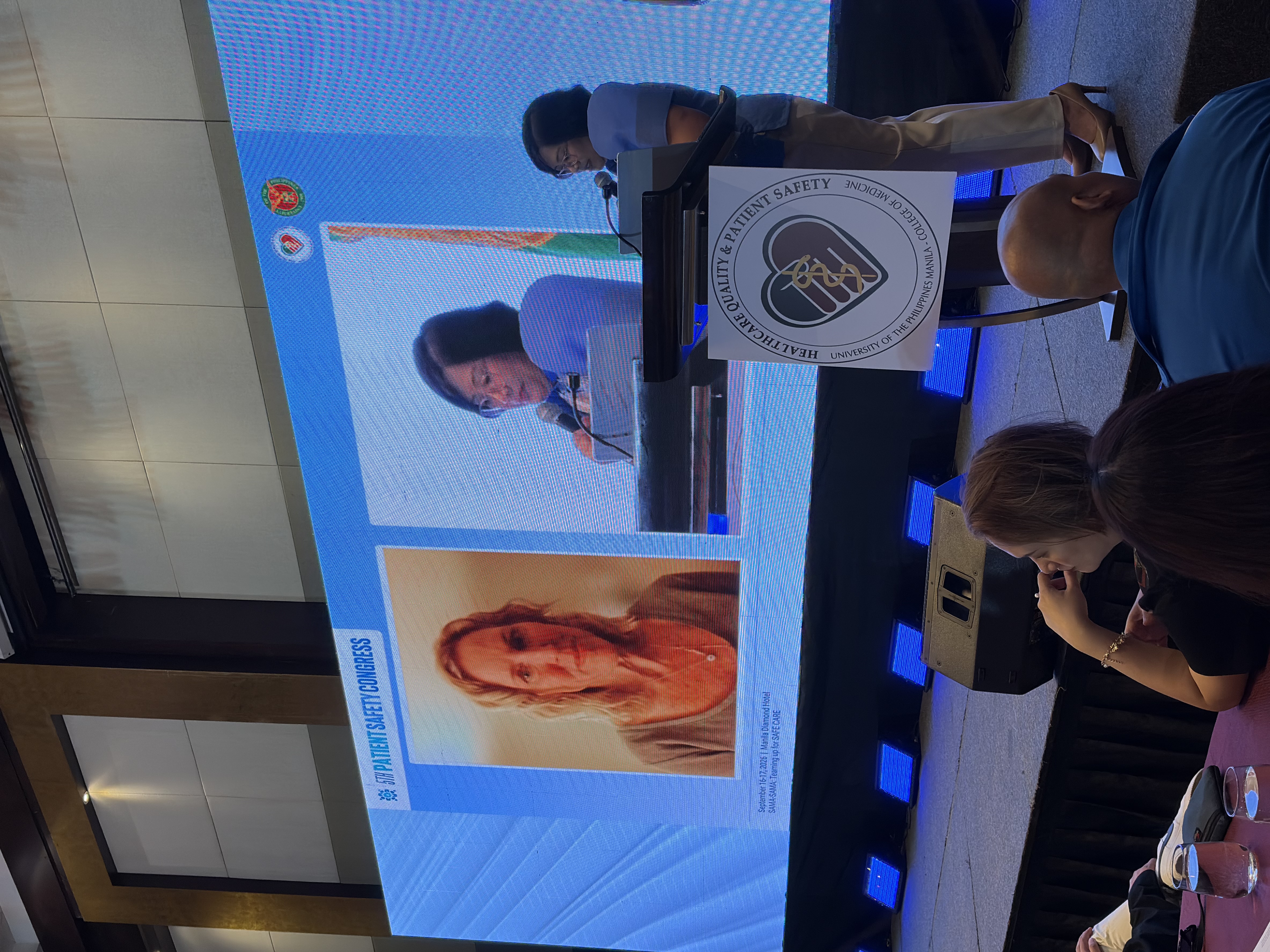
Drawing from her own experience following the death of her daughter Alyssa after multiple medical errors, Hemmelgarn discussed how failures in communication, hierarchy, medical records, and organizational culture can compound the harm experienced by a patient and family.
Her presentation underscored the importance of meaningful patient and family engagement in healthcare organizations. She encouraged institutions to establish patient and family advisory councils, involve patients and families in developing policies and educational materials, and include them in committees and boards.
She also explored what patients and families need after experiencing harm, including transparency, accountability, an authentic apology, learning from the incident, and opportunities to participate in preventing similar harm in the future.
“In healthcare, we typically want our physicians to be very knowledgeable, which is important. But it’s more than just the science. It’s the human element that is so important to patients and families—it’s being able to communicate with us… having that bond when you come in the room,” she said.
Hemmelgarn also connected patient safety with the working environment of healthcare professionals, emphasizing that healthcare workers must feel safe, trained, and supported to provide safe care.
Financing and Governing Safe Care
From patients’ experiences, the Congress moved to the broader systems that shape the safety and quality of healthcare.
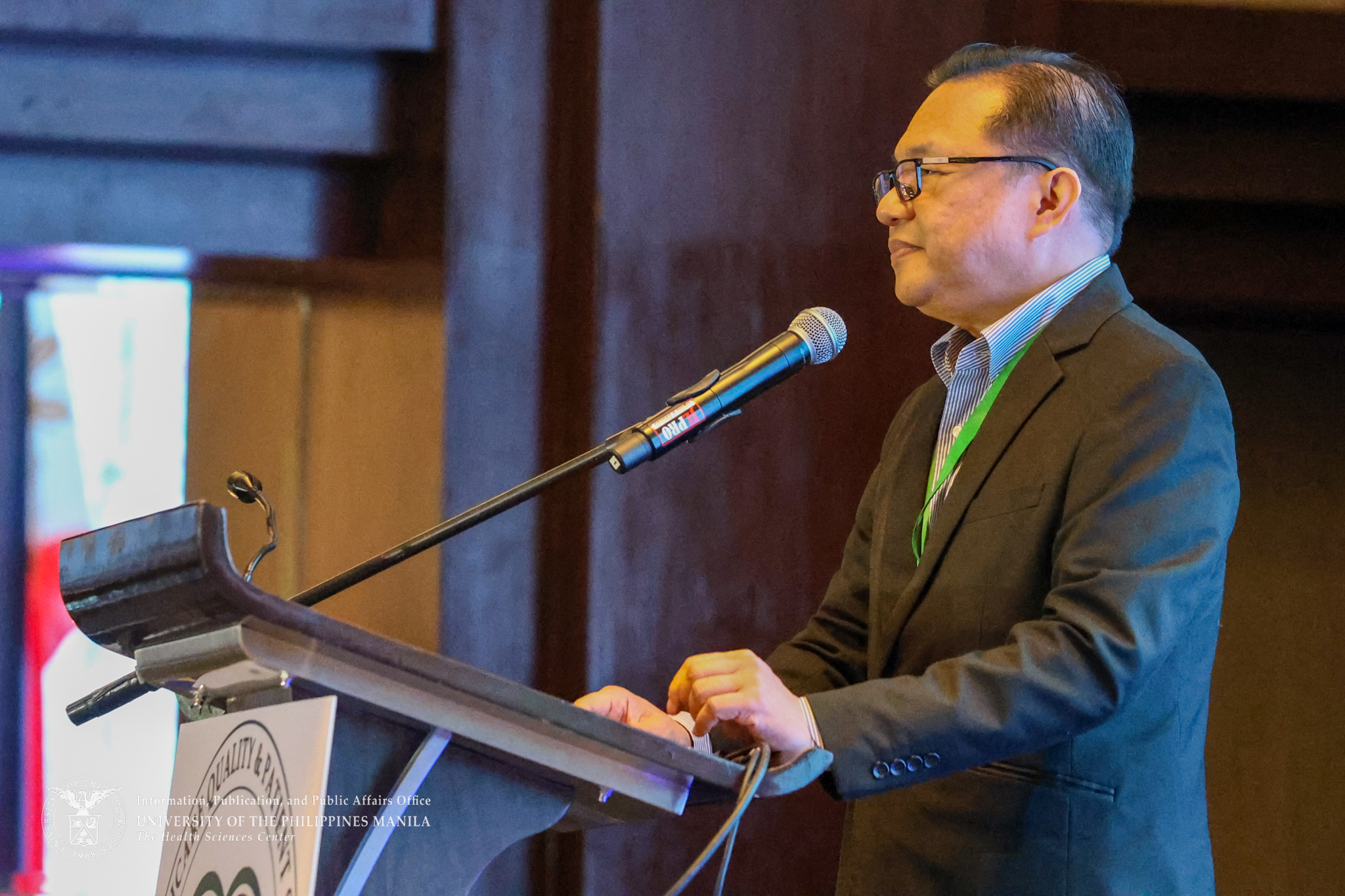
A keynote by Dr. Carlo Irwin Panelo on PhilHealth’s role explored how the national purchaser of health services can incorporate quality and safety considerations into health financing and payment systems.
“Unsafe care and preventable adverse events are not only clinical failures—they represent a multi-billion-peso drain on national health resources that should be funding primary care for every family,” Panelo said.
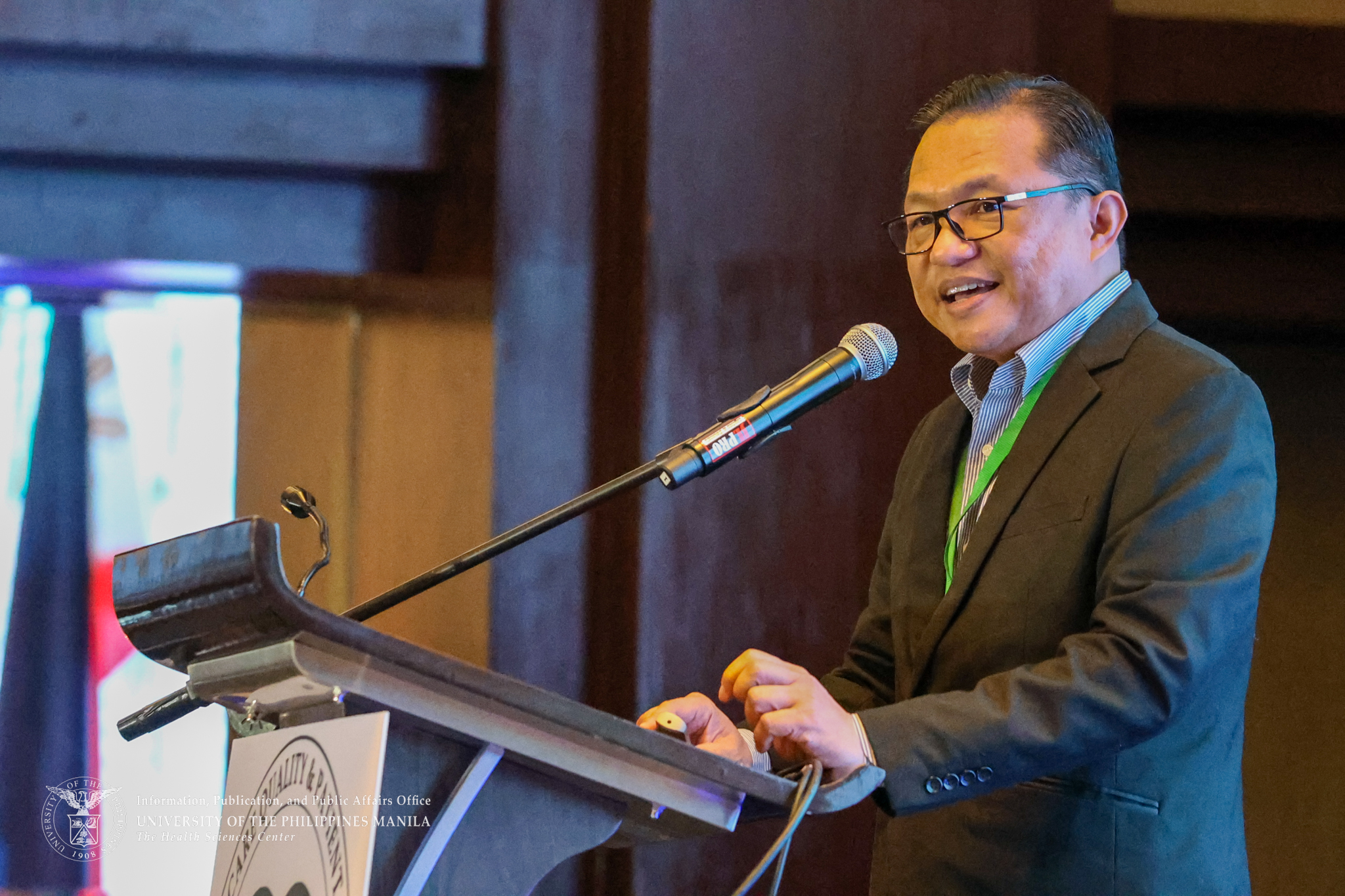
The discussion connected patient safety with health financing and policy, particularly the need for mechanisms that support quality healthcare delivery and reduce preventable harm.
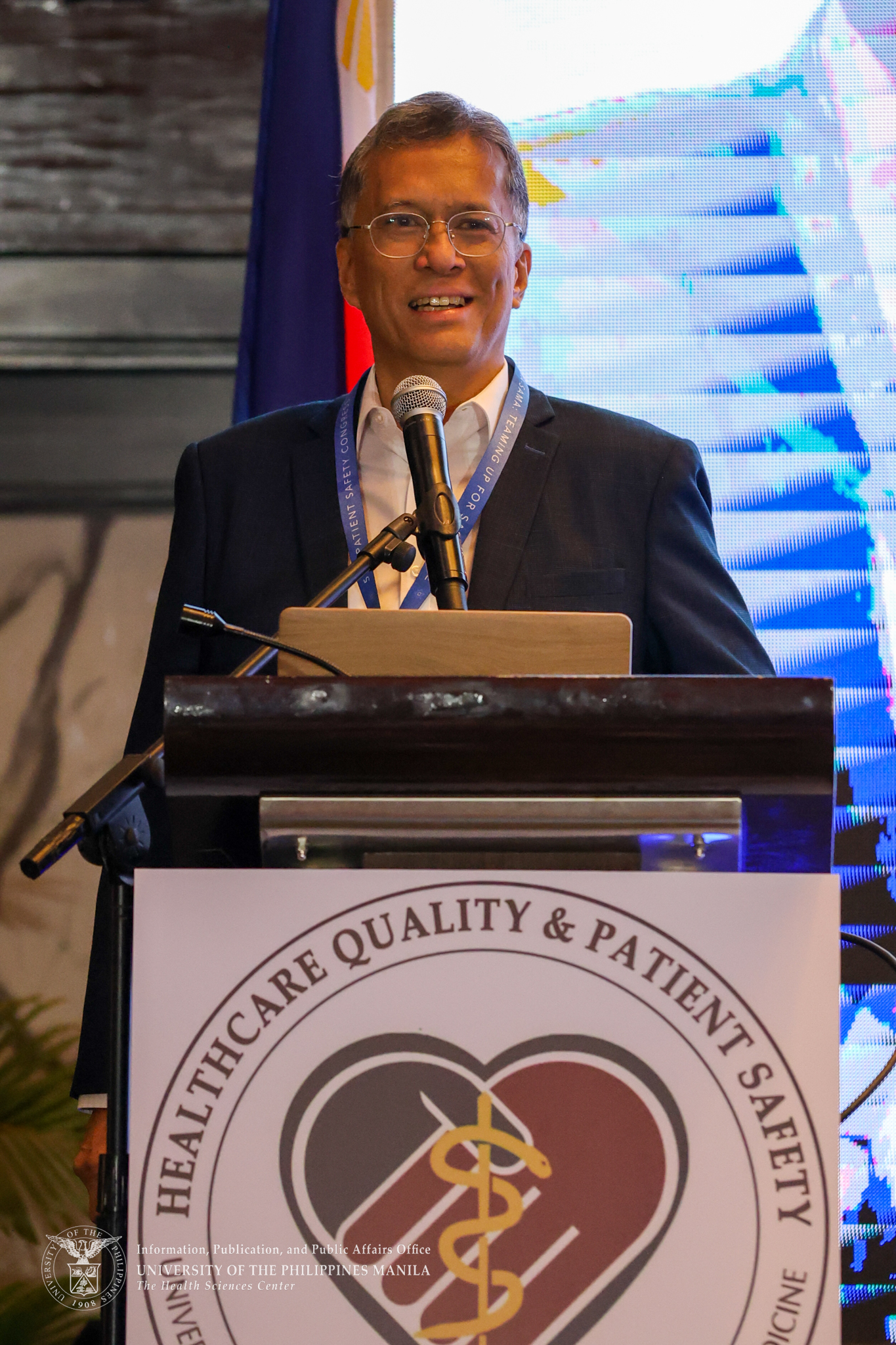
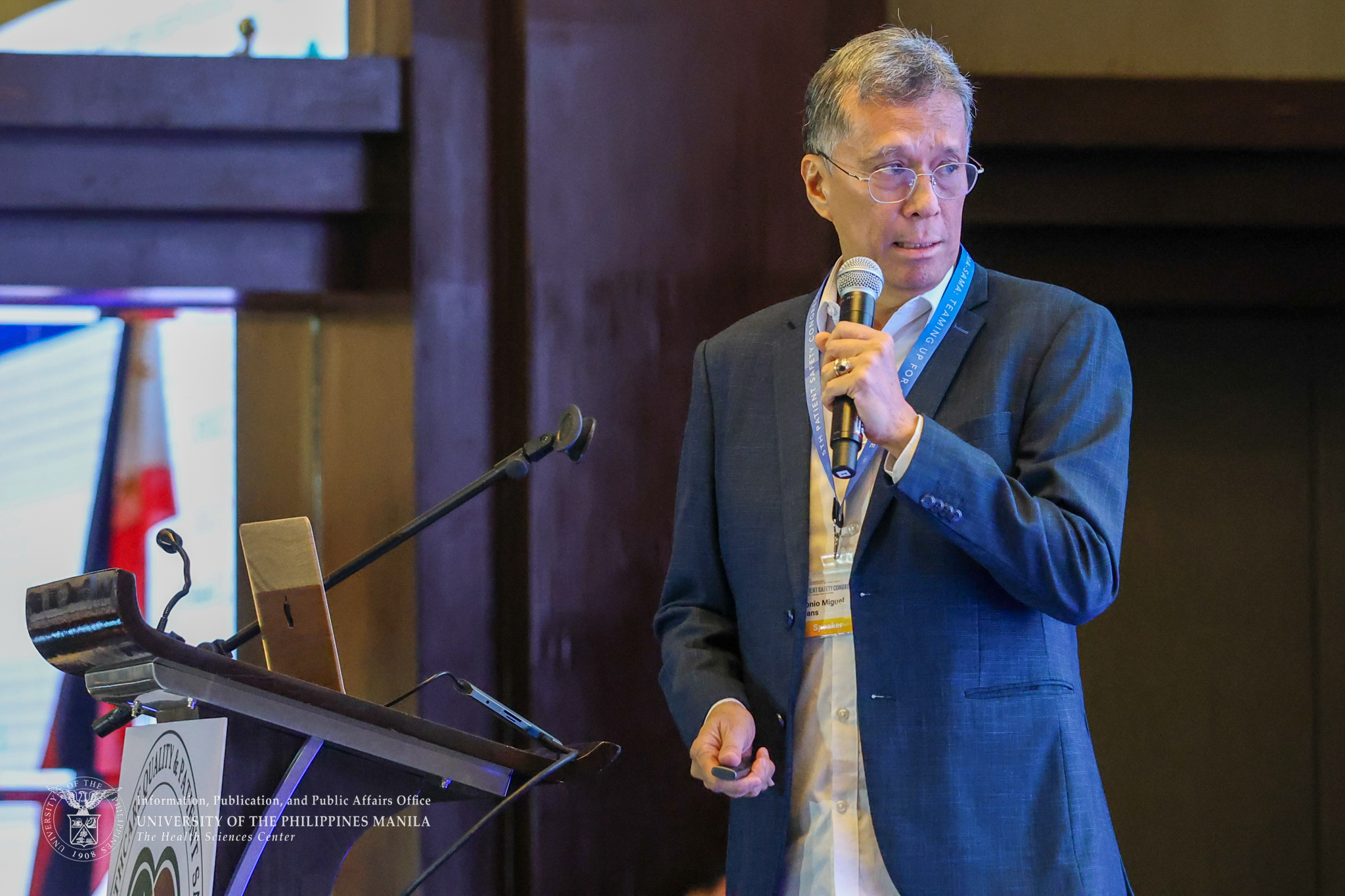
The Congress also examined health equity and the unequal burden of NCDs in the Philippines through a keynote by Dr. Antonio Miguel Dans, Academician at the National Academy of Science and Technology and Professor Emeritus at UP Manila.
Dans discussed equity, research, and advocacy, highlighting how evidence can be used to identify health inequities and support policy and systems changes. His presentation included research on NCDs, hypertension, diabetes, medication use, quality of care, and other health concerns.
He also emphasized the relationship between research and advocacy, encouraging healthcare professionals and researchers to recognize injustices experienced by patients and communities as potential areas for research and action.
Teamwork as a Patient Safety Strategy
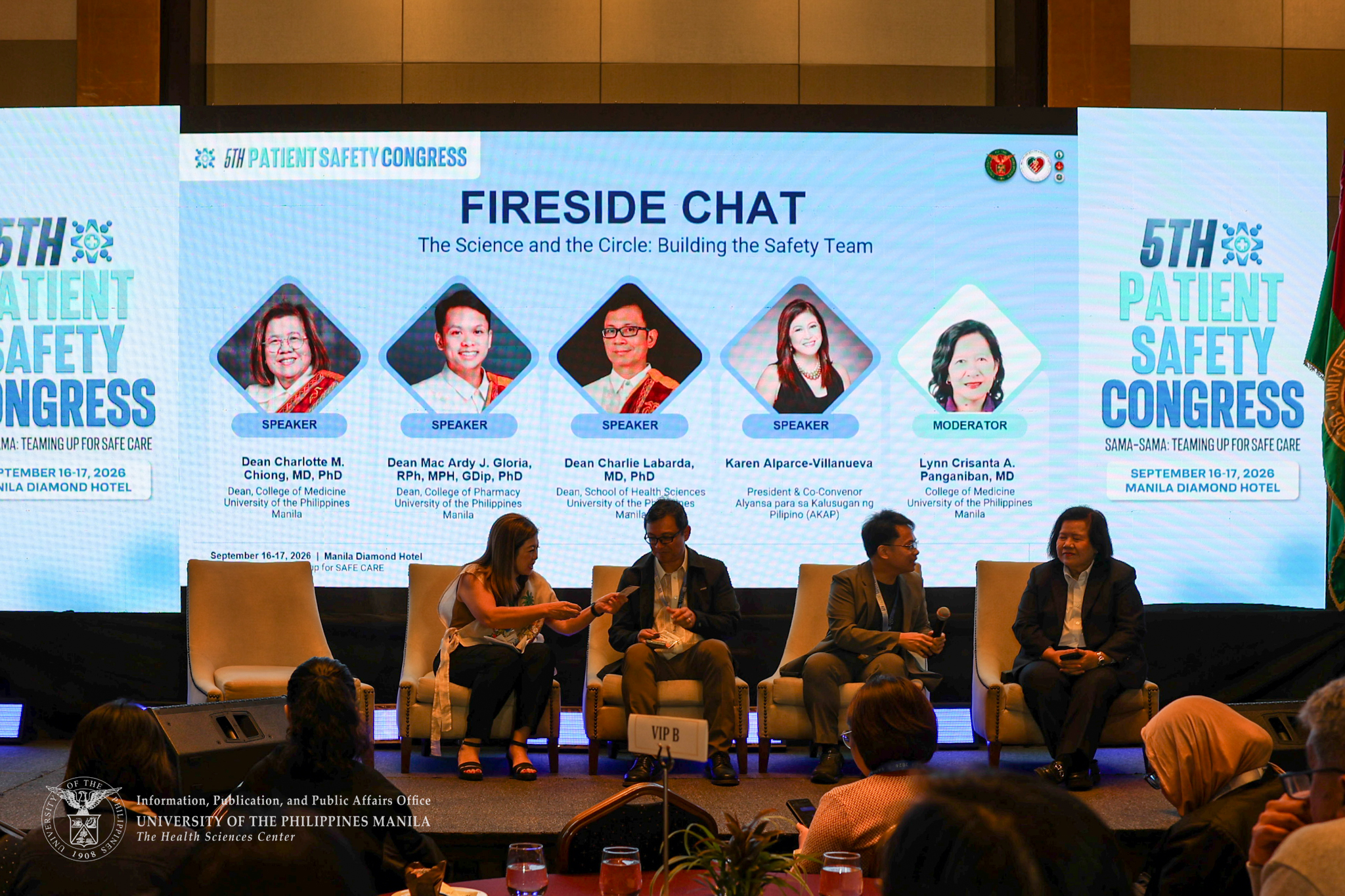
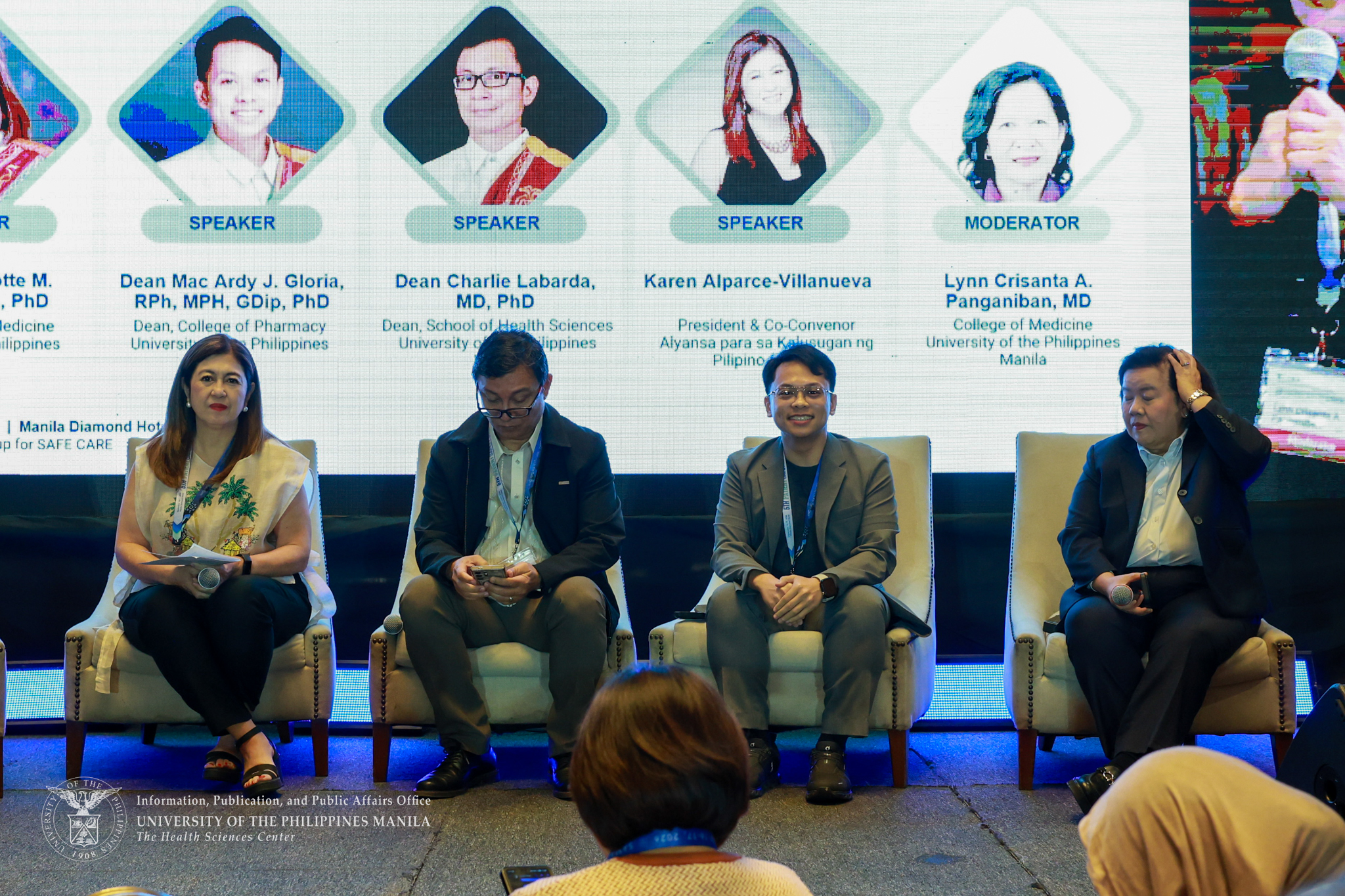
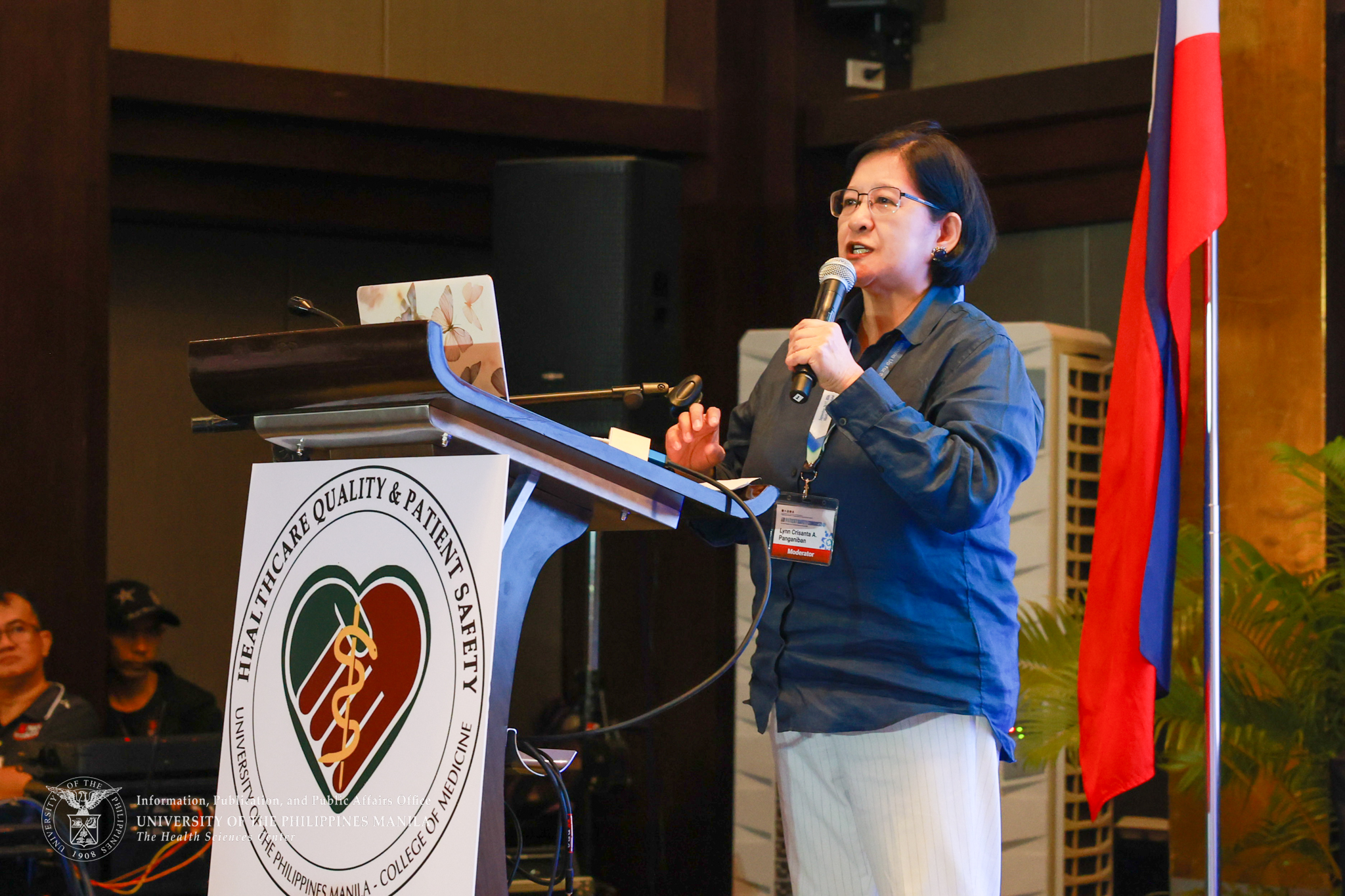
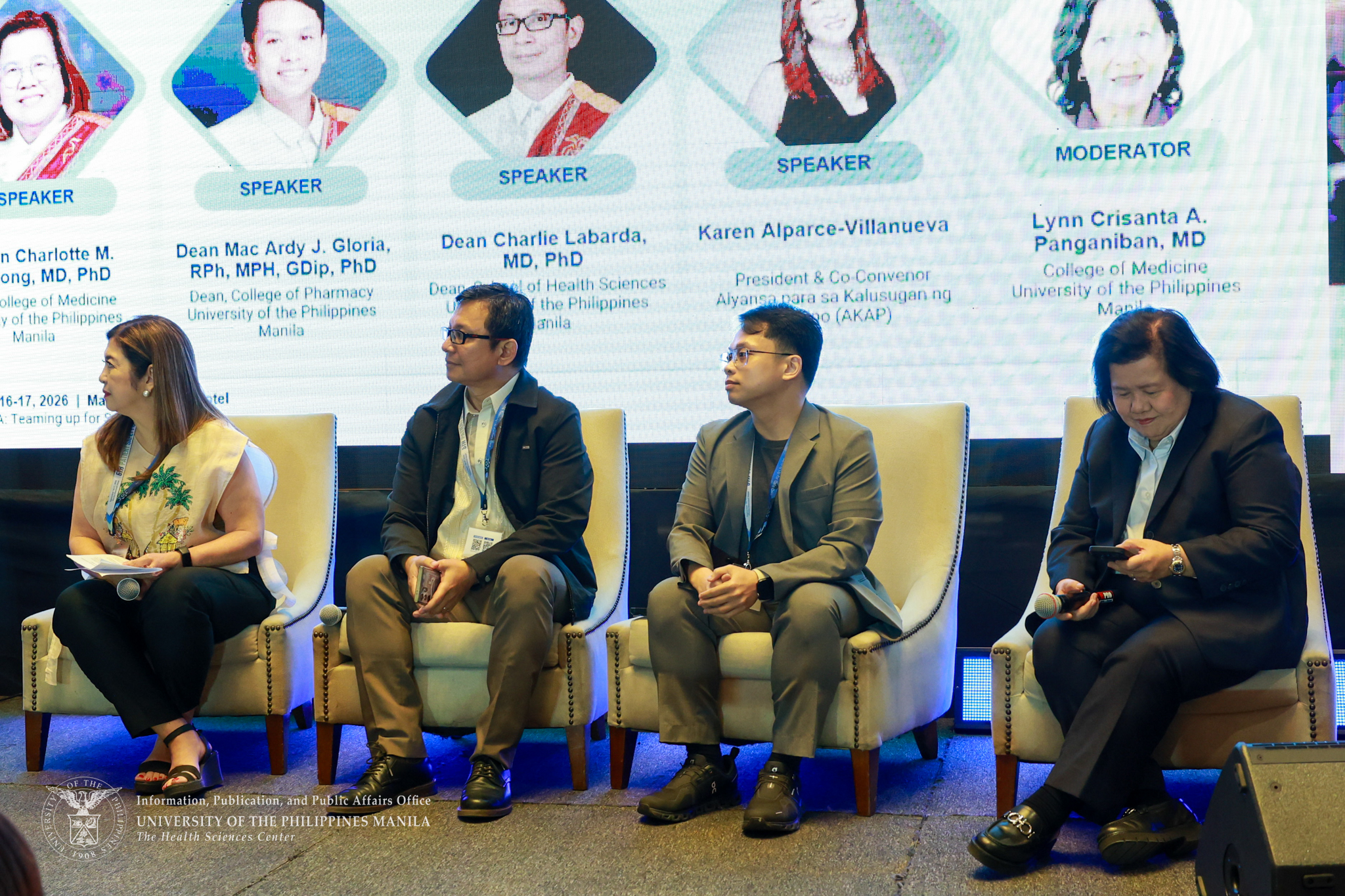
The Congress then turned to the healthcare team itself through a fireside chat on building patient safety teams.
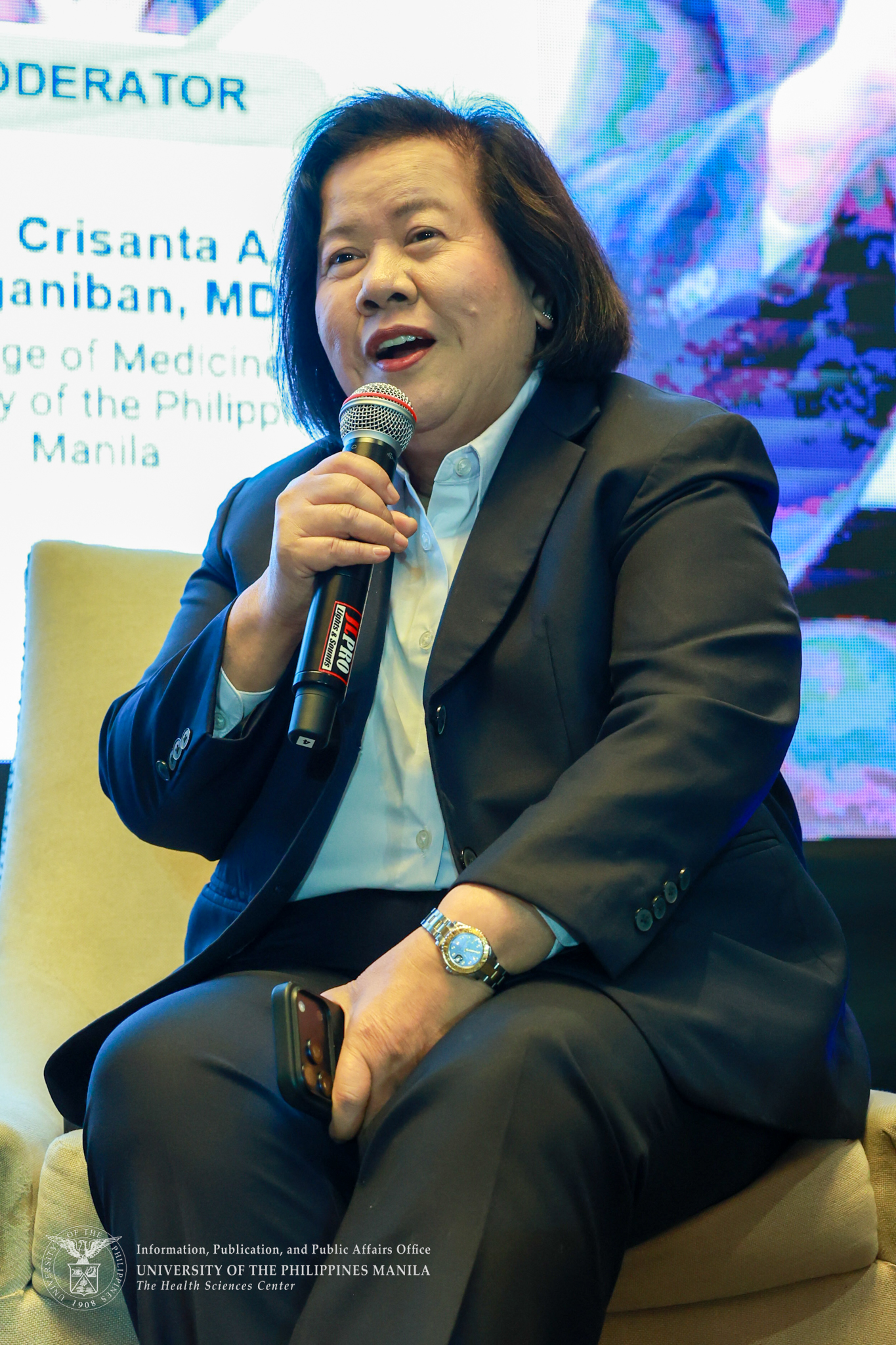
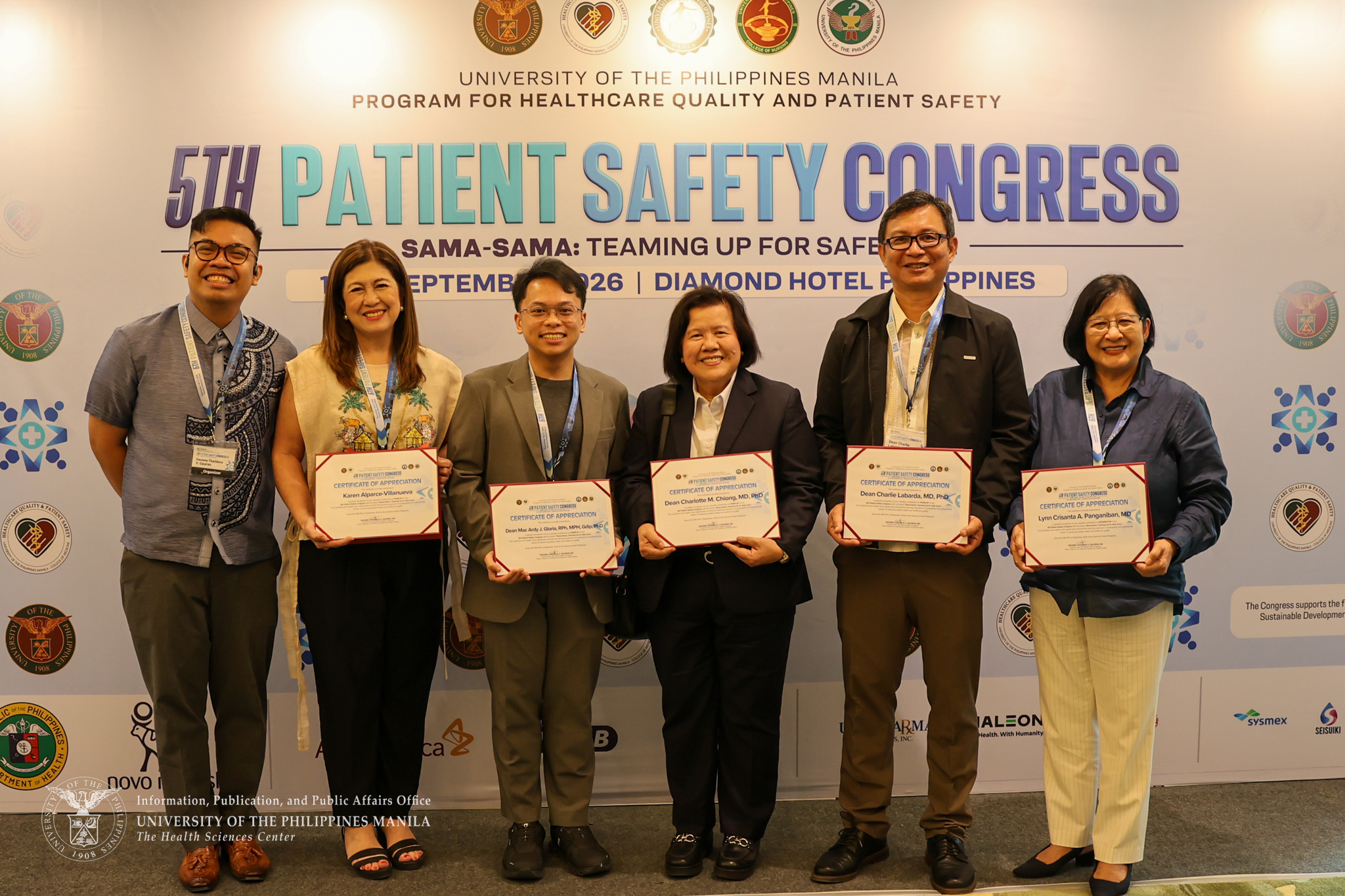
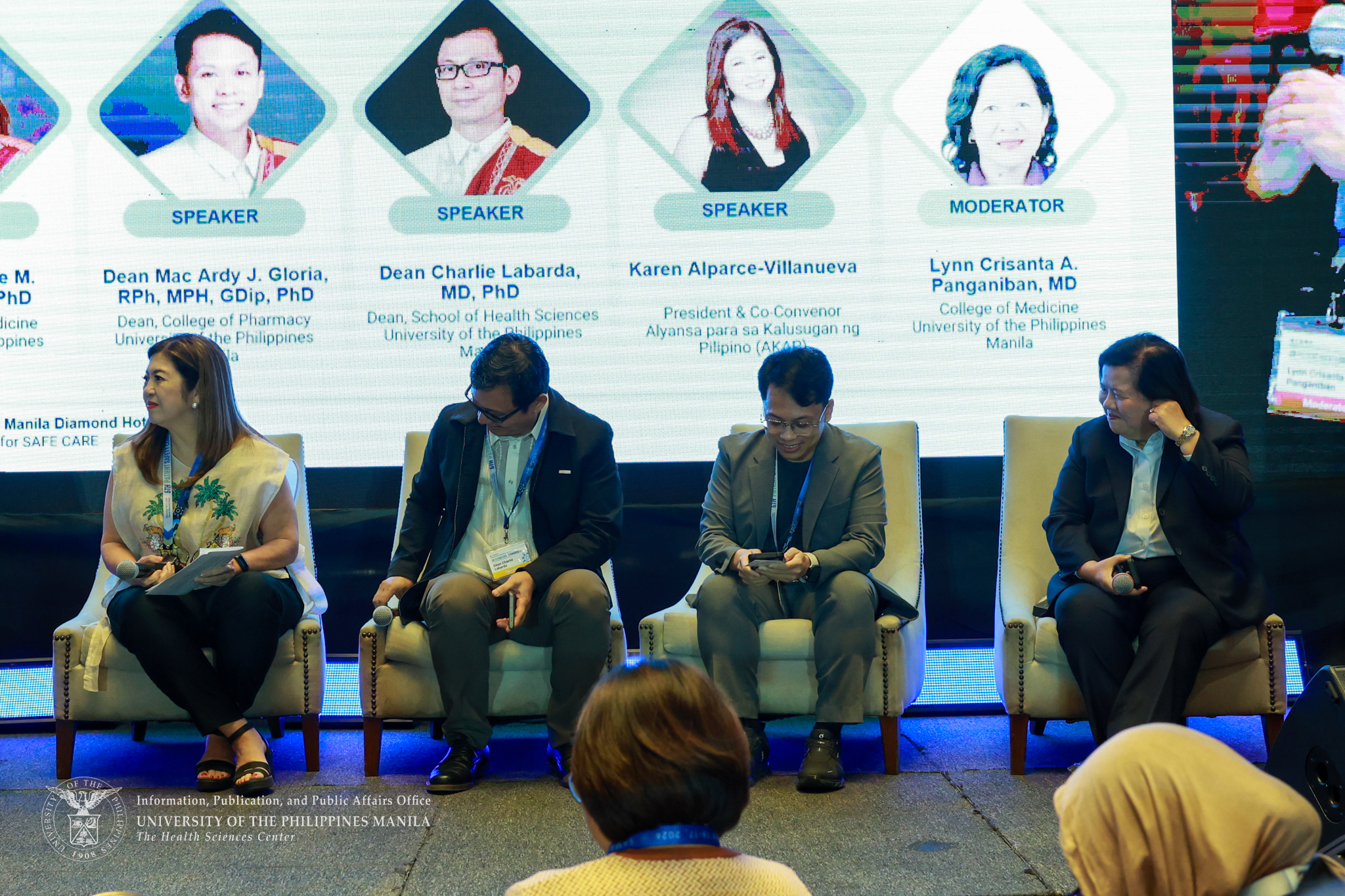
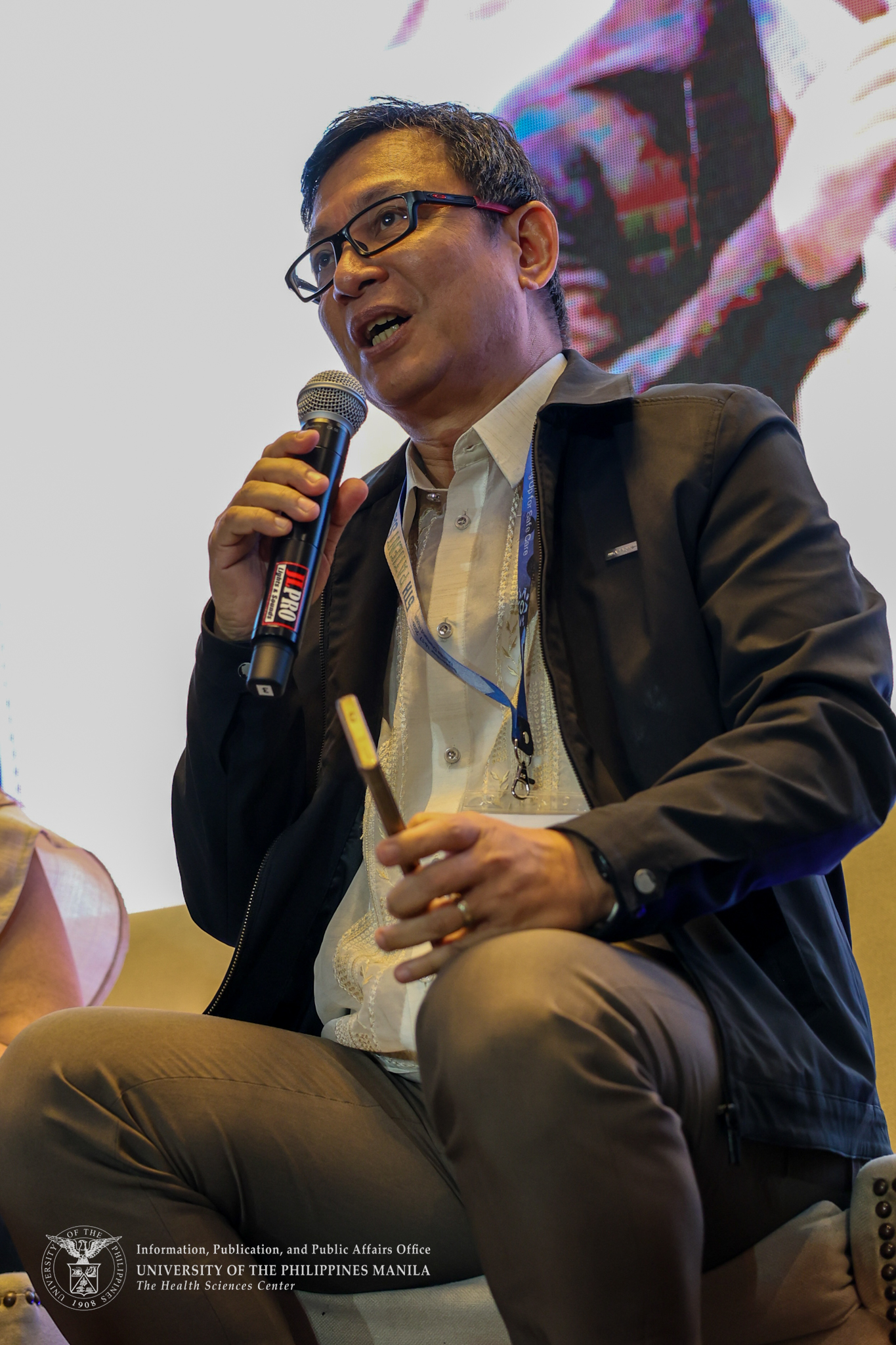
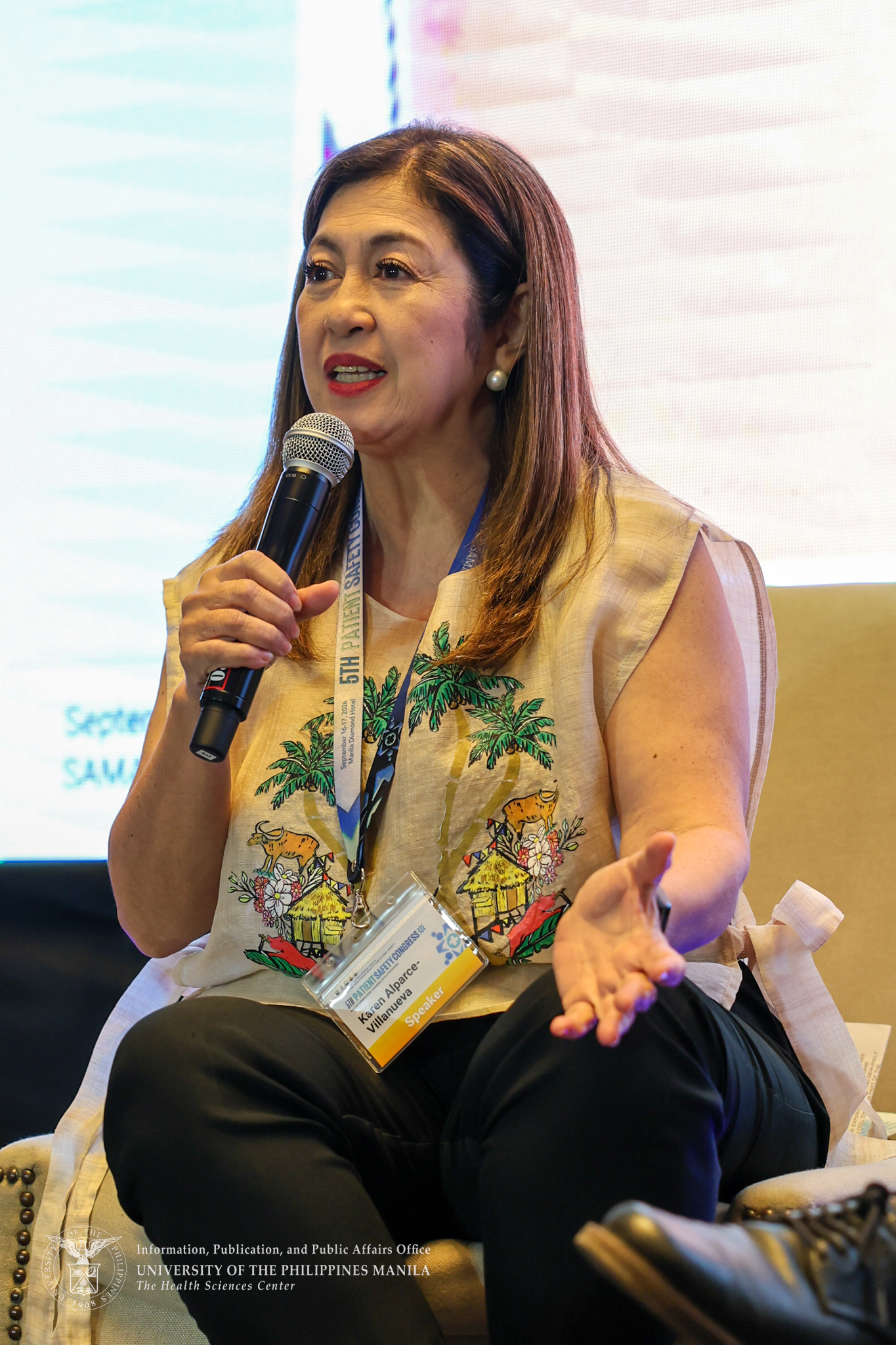
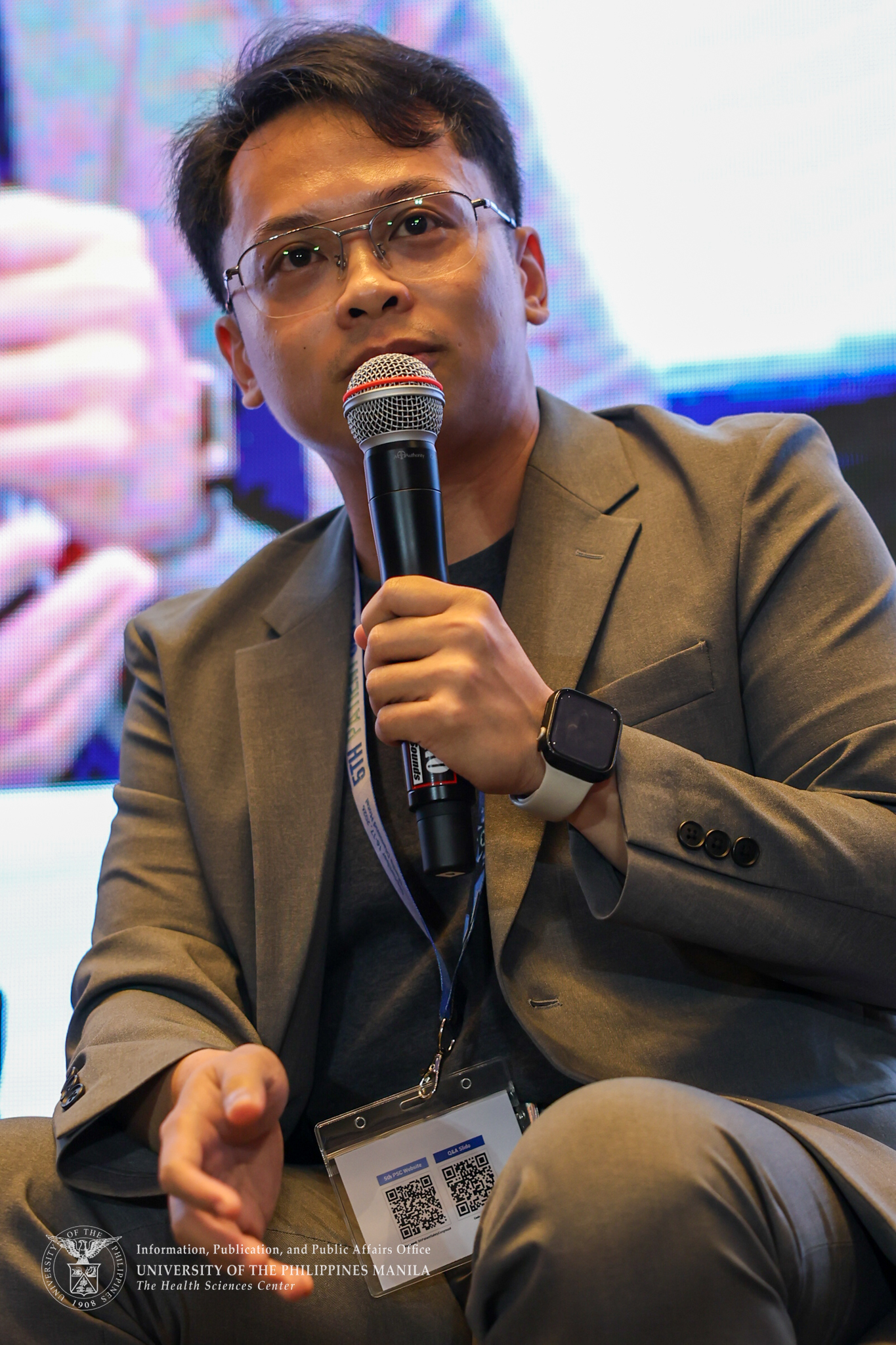
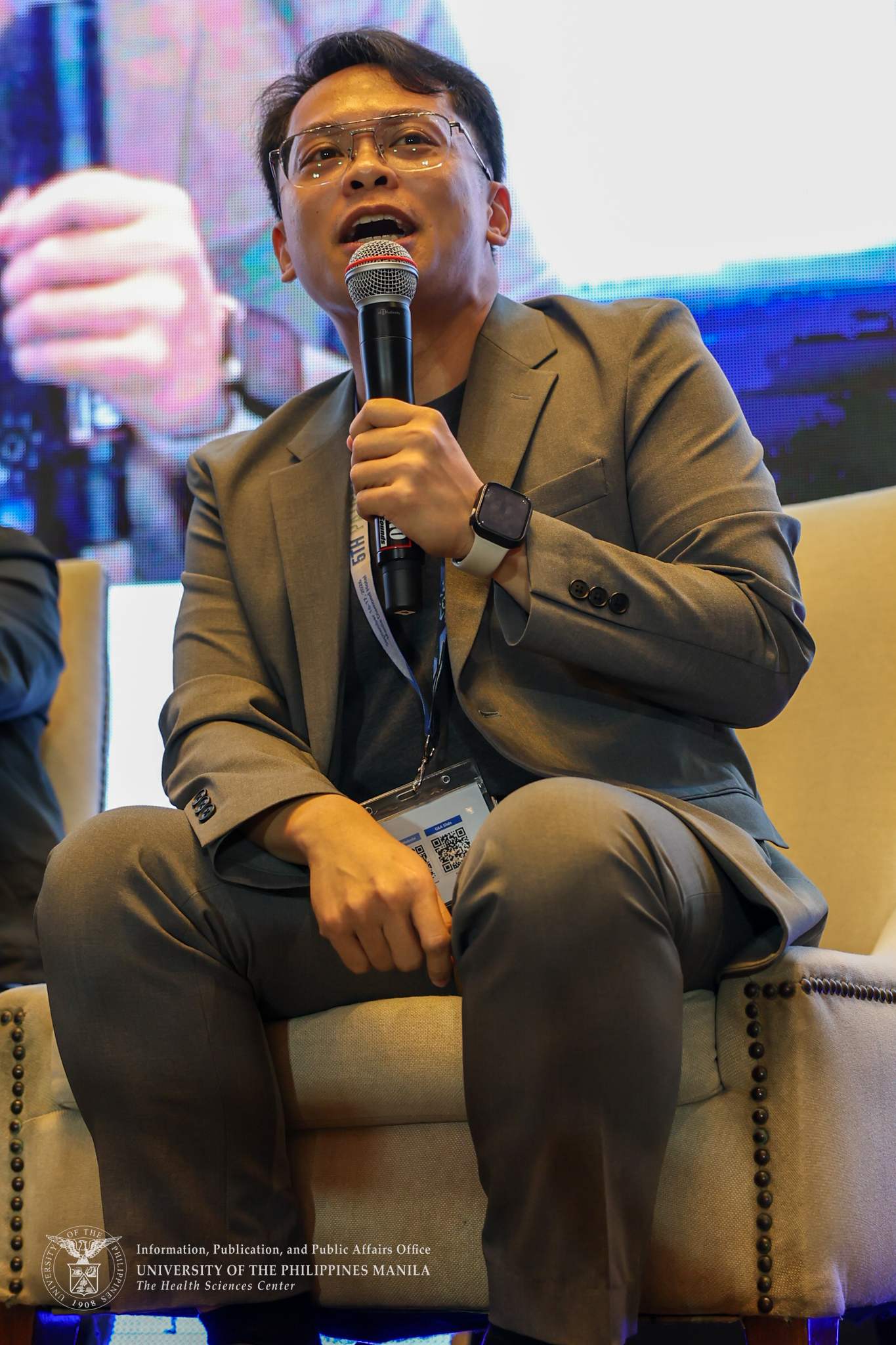
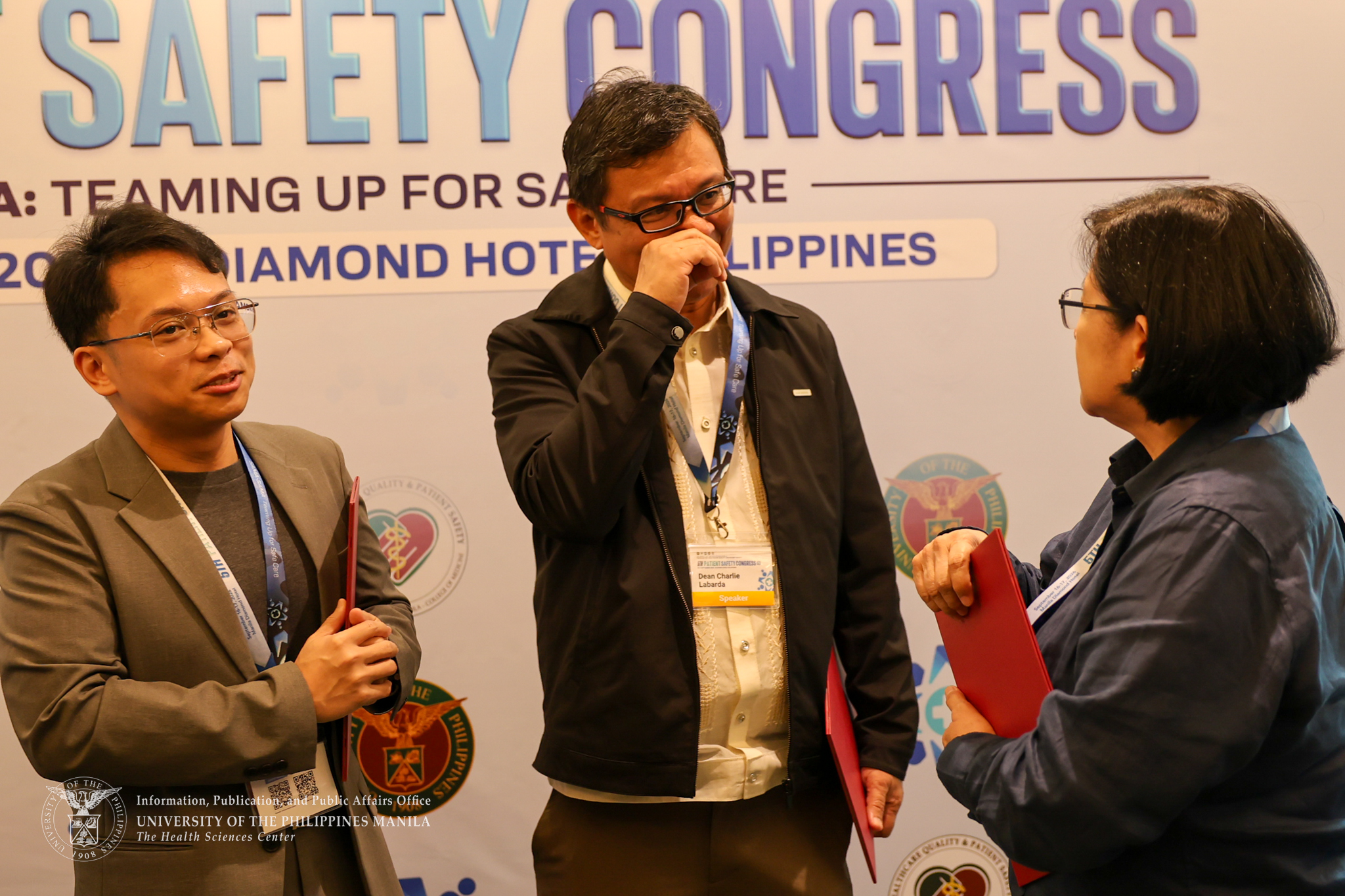
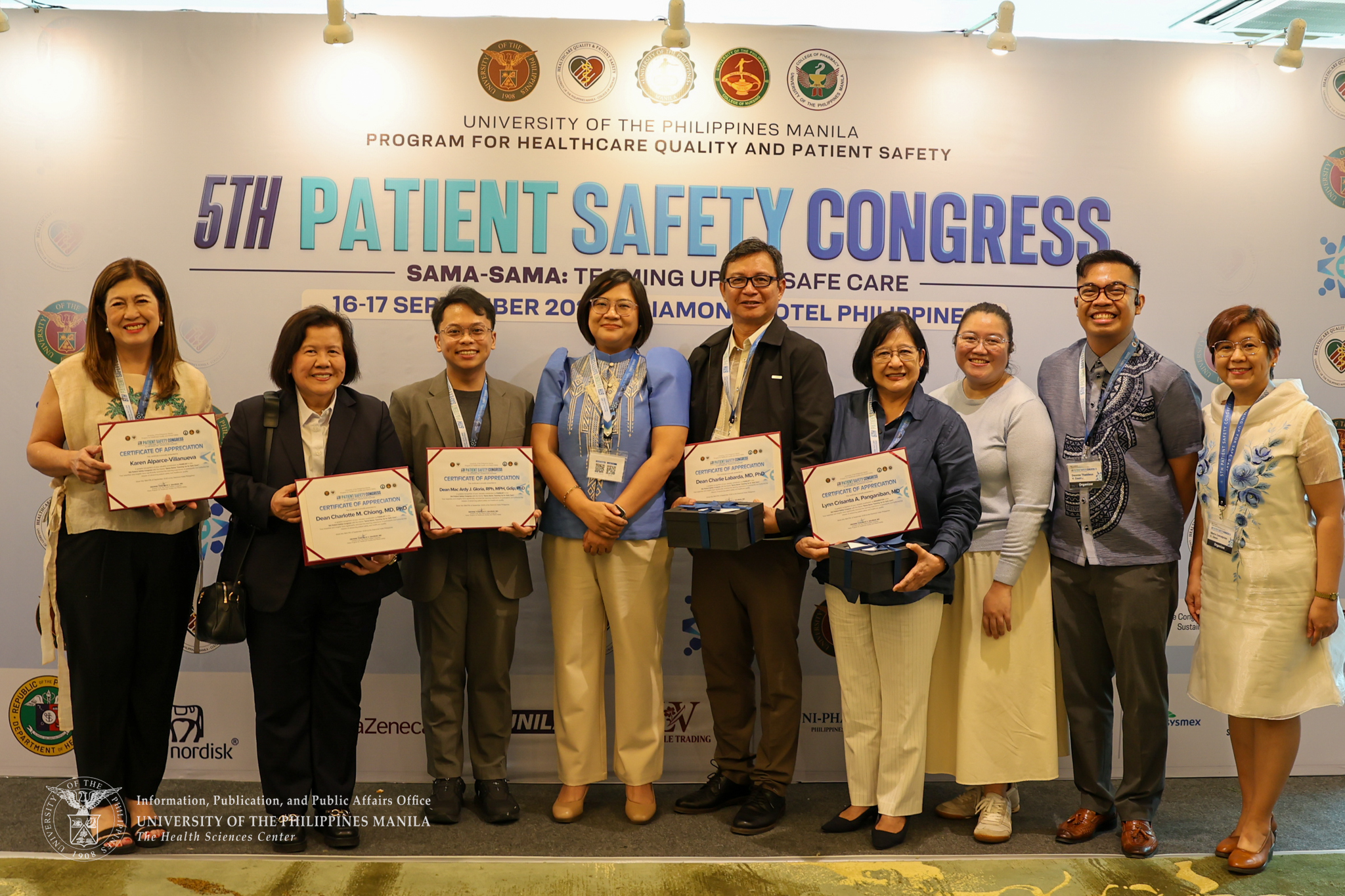
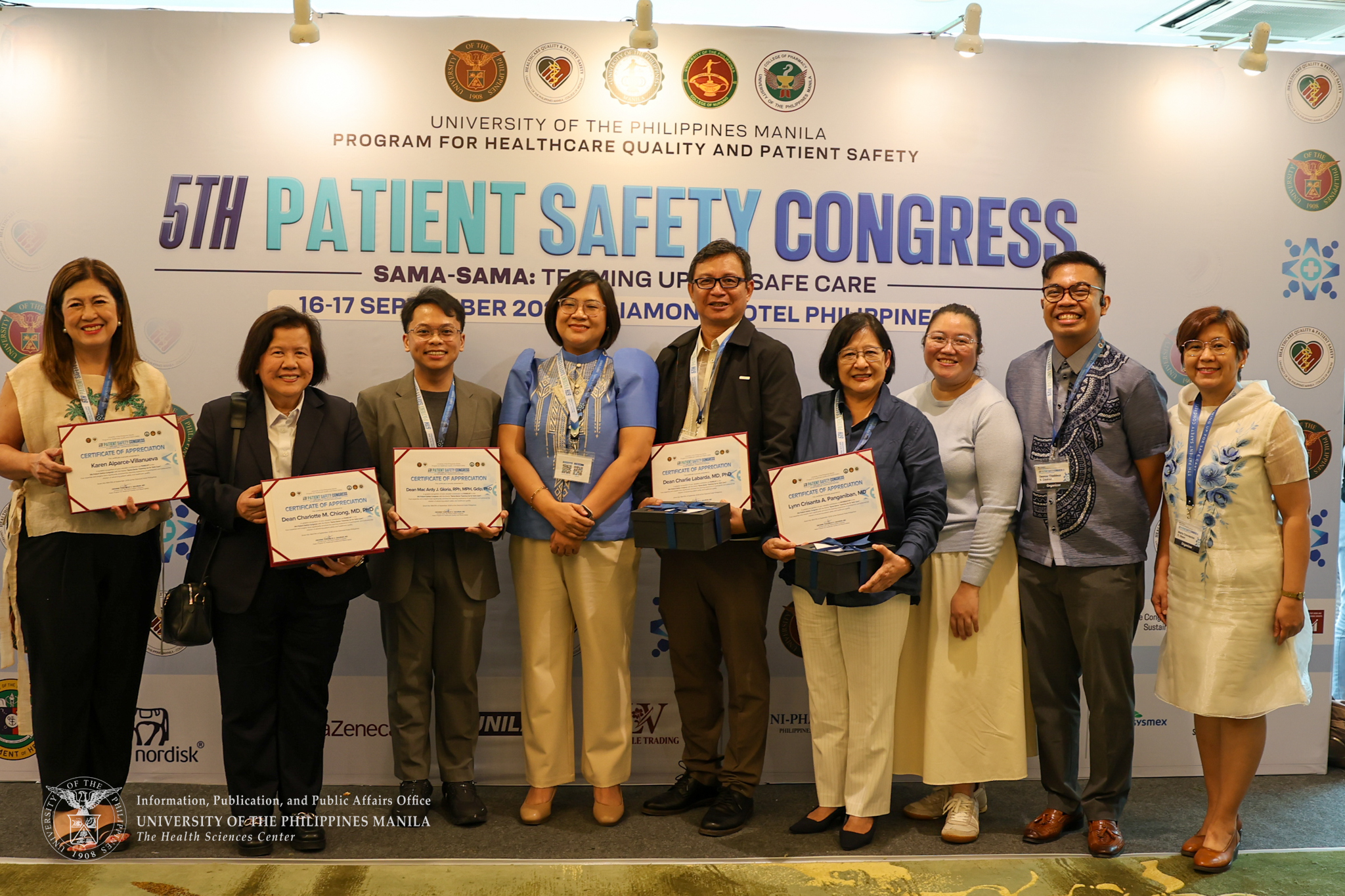
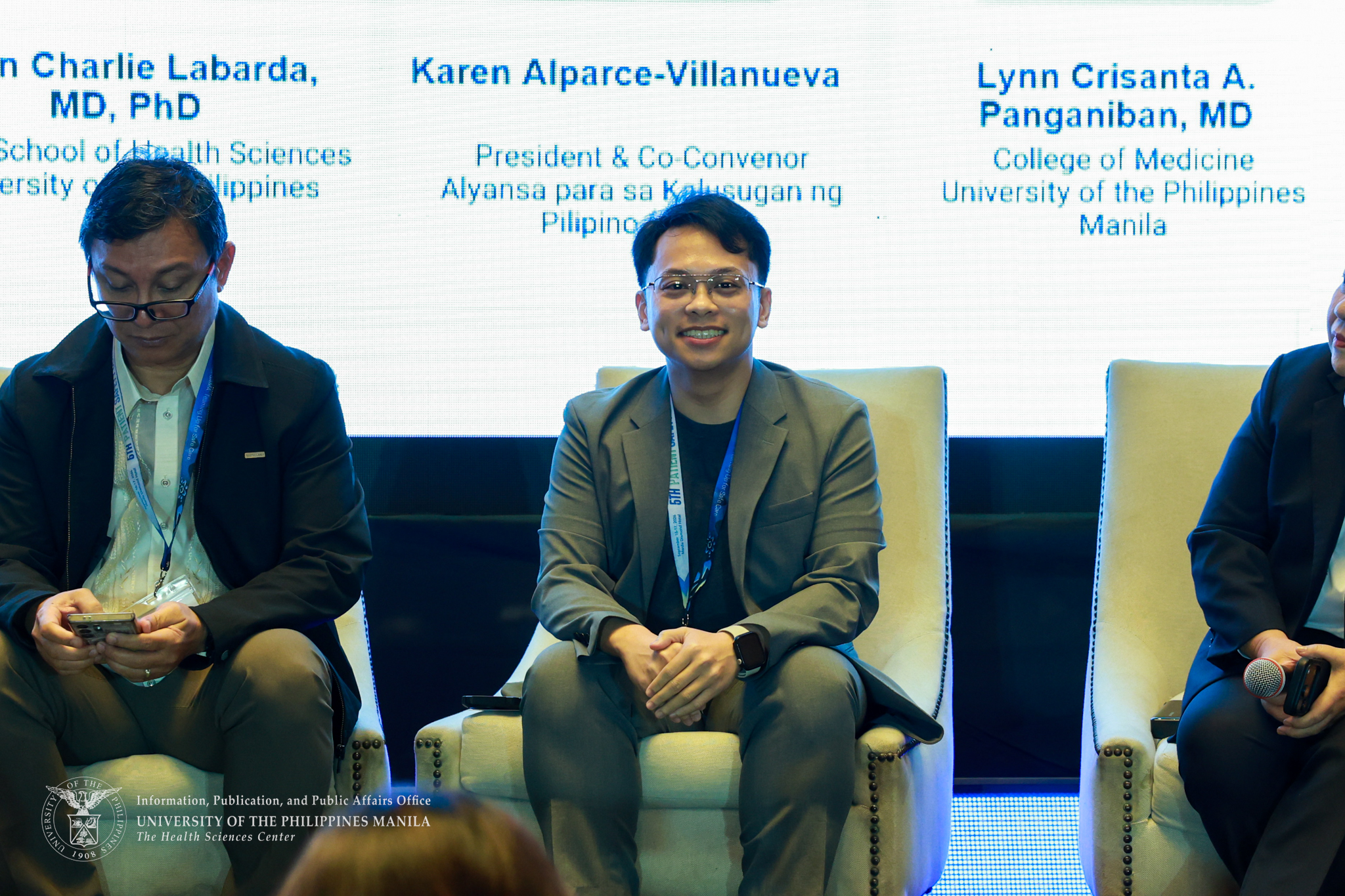
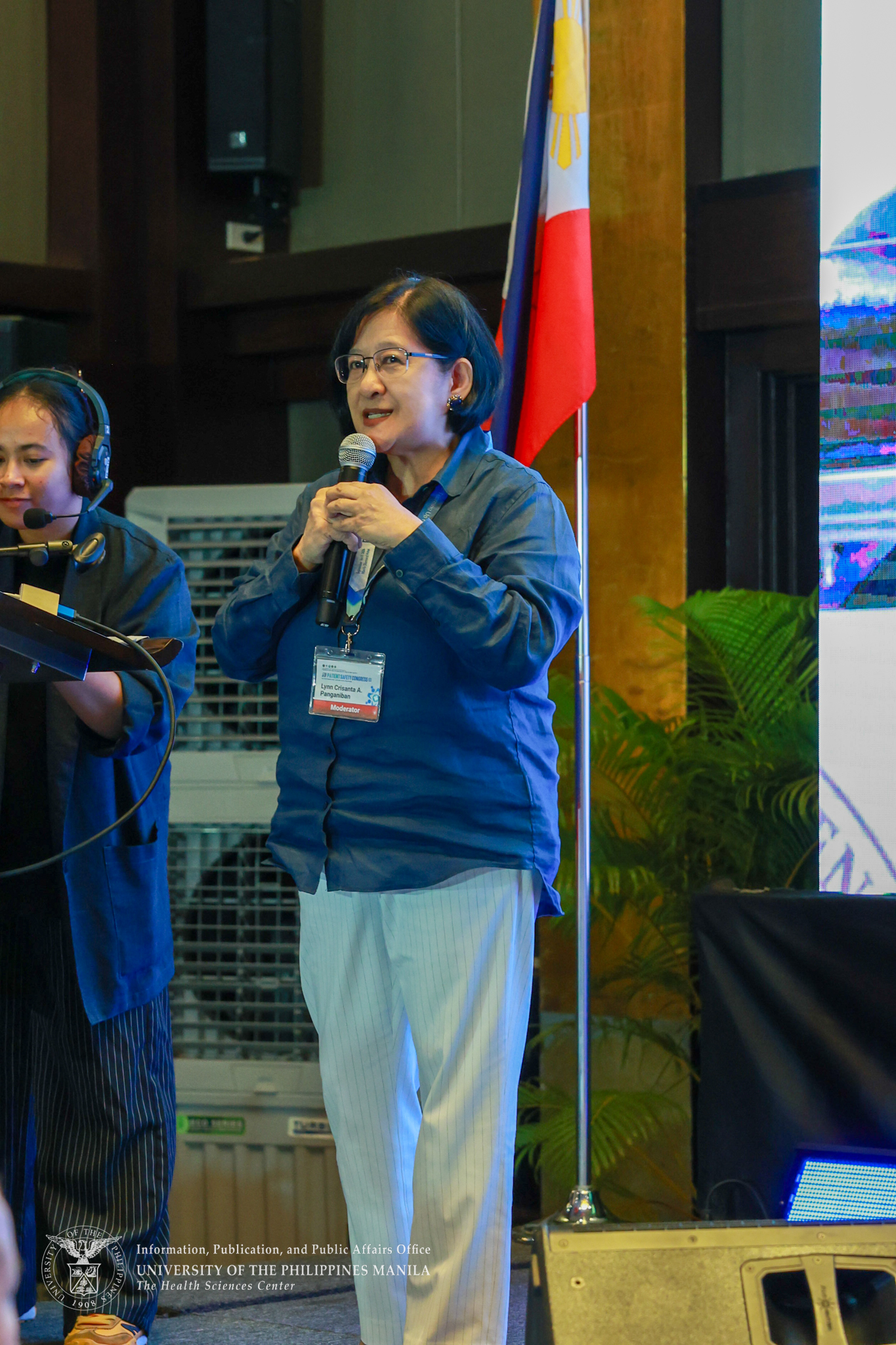
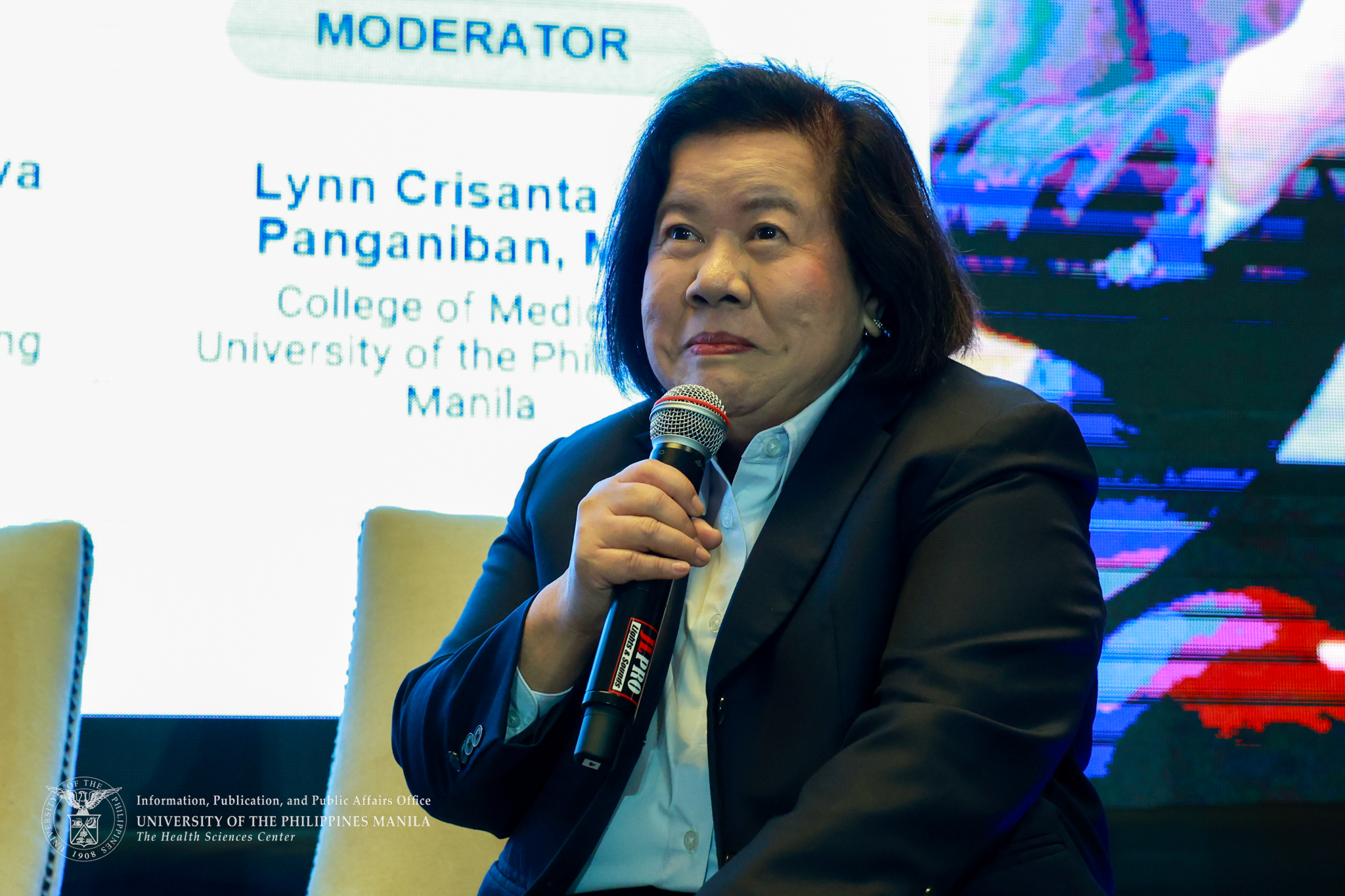
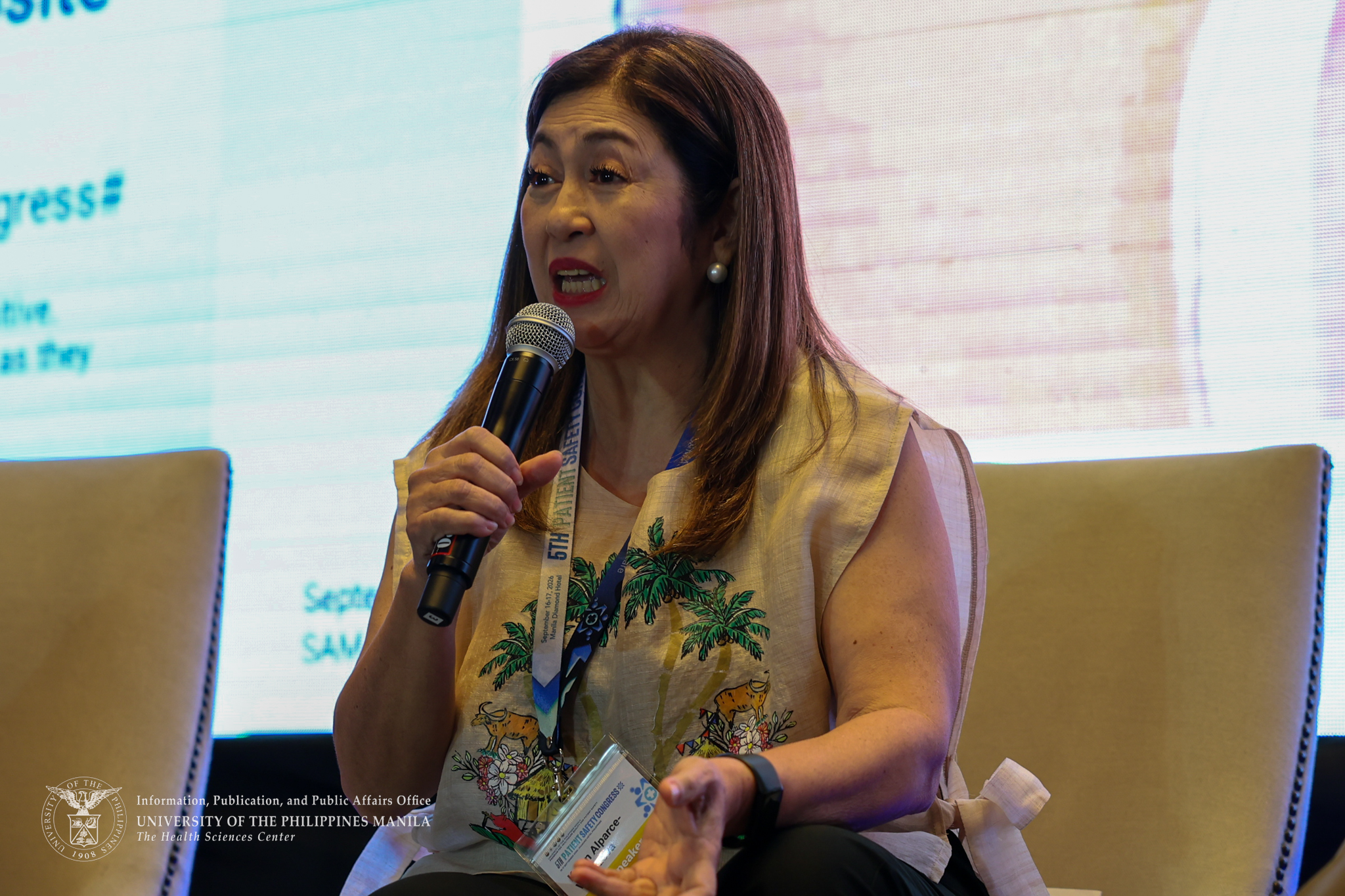
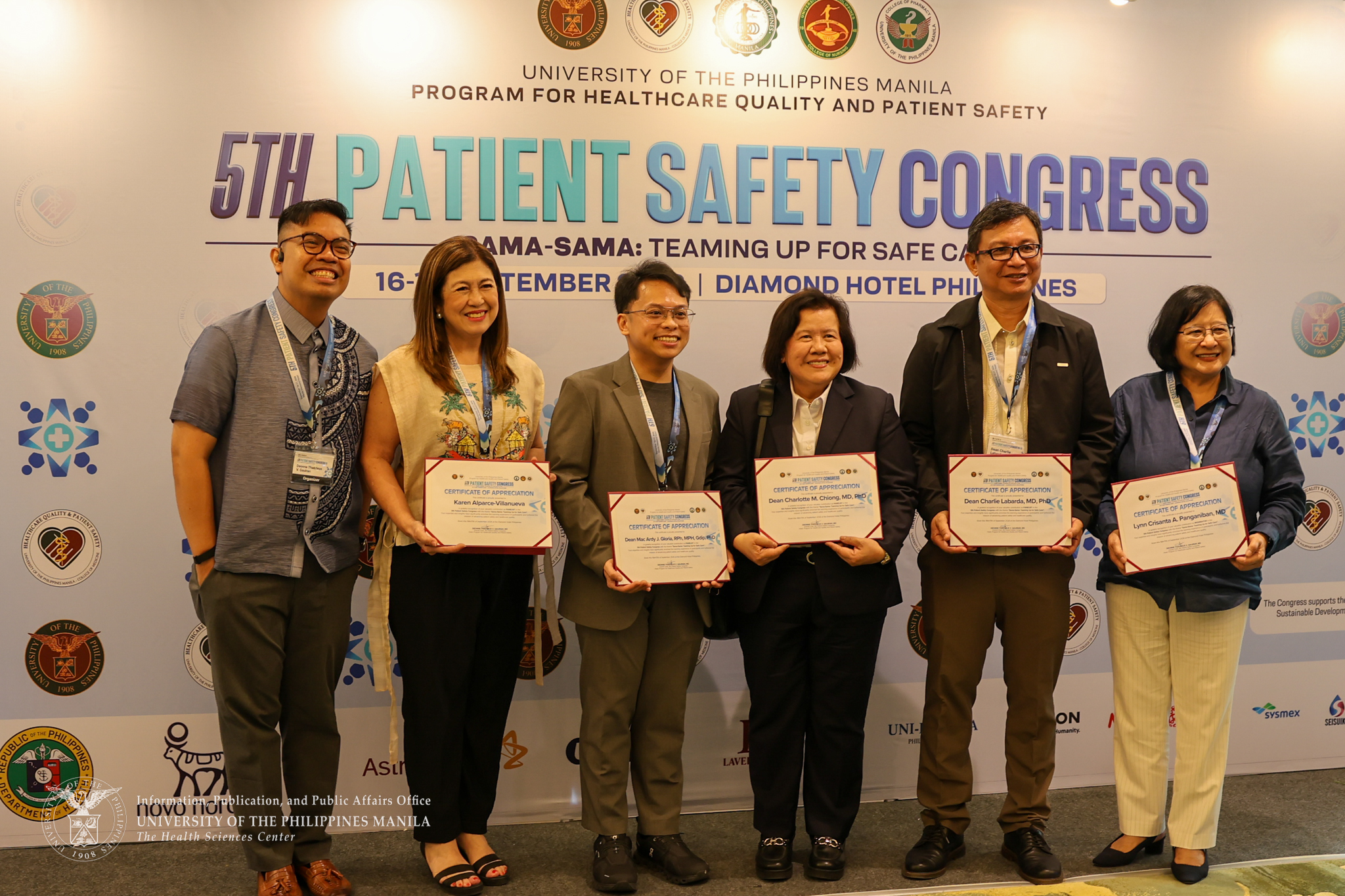
Moderated by Dr. Lynn Crisanta Panganiban, the discussion brought together health professions leaders and advocates, including College of Medicine Dean Charlotte Chiong, School of Health Sciences Dean Charlie Labarda, College of Pharmacy Dean Mac Ardy Gloria, and Karen Alparce-Villanueva. The panel examined the contributions of different members of the healthcare team and the role of patients and families in safe care.
Speakers discussed how communication failures, unclear responsibilities, hierarchy, and a lack of shared accountability can contribute to patient harm.
The discussion emphasized that healthcare professionals cannot work as isolated providers performing separate tasks. Patient safety requires shared responsibility for the patient’s care, effective communication, and recognition of the contributions of different members of the team.
“When you talk about teamwork and team in the context of patient safety, you’re really talking about a group of people committed to the same goals, shared goals, shared accountability, and shared responsibility to the patient,” Chiong said.
The panel also highlighted communication during transitions of care, emphasizing the need to provide specific and relevant information rather than simply transferring responsibility from one professional or unit to another.
Patient safety, speakers noted, begins at the earliest point of a patient’s journey. Healthcare professionals must understand the patient’s situation and work with other professionals and family members in developing a care plan.
Panelists also discussed efforts to integrate teamwork into health professions education and the need to make patient safety and teamwork competencies more explicit within academic curricula. Medicine, nursing, pharmacy, and other health professions must work across professional boundaries while understanding each member’s contribution to patient care.
The panel considered the realities of local health systems, including limited resources and workforce pressures, and discussed practical approaches that allow healthcare teams to work together despite these constraints.
Extending Patient Safety Beyond the Bedside
The afternoon program examined the changing nature of healthcare teams, including the effects of human factors and artificial intelligence on team communication, clinical decision-making, and the distribution of roles.
The patient engagement plenary, “Sama-Sama with Patients: A Forum on Patient Partnership in Safe Care,” brought patients, family advocates, clinicians, and administrators together to discuss meaningful patient participation in safety.
The second day shifted to parallel tracks covering teamwork at the bedside; teamwork beyond the bedside; and quality improvement, patient safety research, and advocacy dissemination.
Sessions explored psychological safety and speaking up in clinical teams, structured communication tools such as SBAR and safety huddles, diagnostic safety in chronic disease management, leadership and just culture, transitions across the care continuum, and the integration of patient partnership and teamwork into health professions education.
The research and advocacy track provided a forum for quality improvement projects, practice improvement initiatives, patient safety research, and advocacy work. Participants also engaged with poster presentations and advocacy videos throughout the Congress.
Afternoon sessions further examined medication safety as a team responsibility and the role of the bantay, or patient watcher, as a safety partner in Philippine care settings. The session explored strategies for recognizing and formalizing the bantay’s role within care team protocols.
From Learning to Commitment
Throughout the two-day Congress, participants were encouraged to move from discussion toward concrete action.
The program brought together patient and family experiences with broader issues in health financing, equity, research, teamwork, interprofessional education, communication, medication safety, obesity care, workplace safety, and healthcare worker well-being.
Across these discussions, a common theme emerged: patient safety depends on how healthcare professionals, patients, families, institutions, and health systems work together.
The Congress underscored the need for shared responsibility in building safer systems of care—through effective communication, meaningful patient partnership, interprofessional teamwork, evidence-informed practice, and policies that support both patients and healthcare workers.
The 5th National Patient Safety Congress was jointly hosted by the UP Manila College of Medicine (CM), College of Pharmacy (CP), and College of Nursing (CN), and has been organized by the University of the Philippines Manila since 2015.









READ MORE:
#FP1 #AccessibleUPLeadership