

Text by Joel Francis C. Guinto
Photos by Revfvi Al-Ghaney
The University of the Philippines Manila (UP Manila) brought Philippine experiences and research in maternal and child health to the global stage as co-organizer of the 15th International Conference on the Maternal and Child Health (MCH) Handbook, held in Jakarta, Indonesia, last August 27-28, 2026.
Carrying the theme “From Fulfilling Rights to Building Resilience,” the conference gathered policymakers, health professionals, researchers, development partners, and advocates to exchange experiences on how the MCH Handbook can protect the health and rights of mothers and children while strengthening families, communities, and health systems.
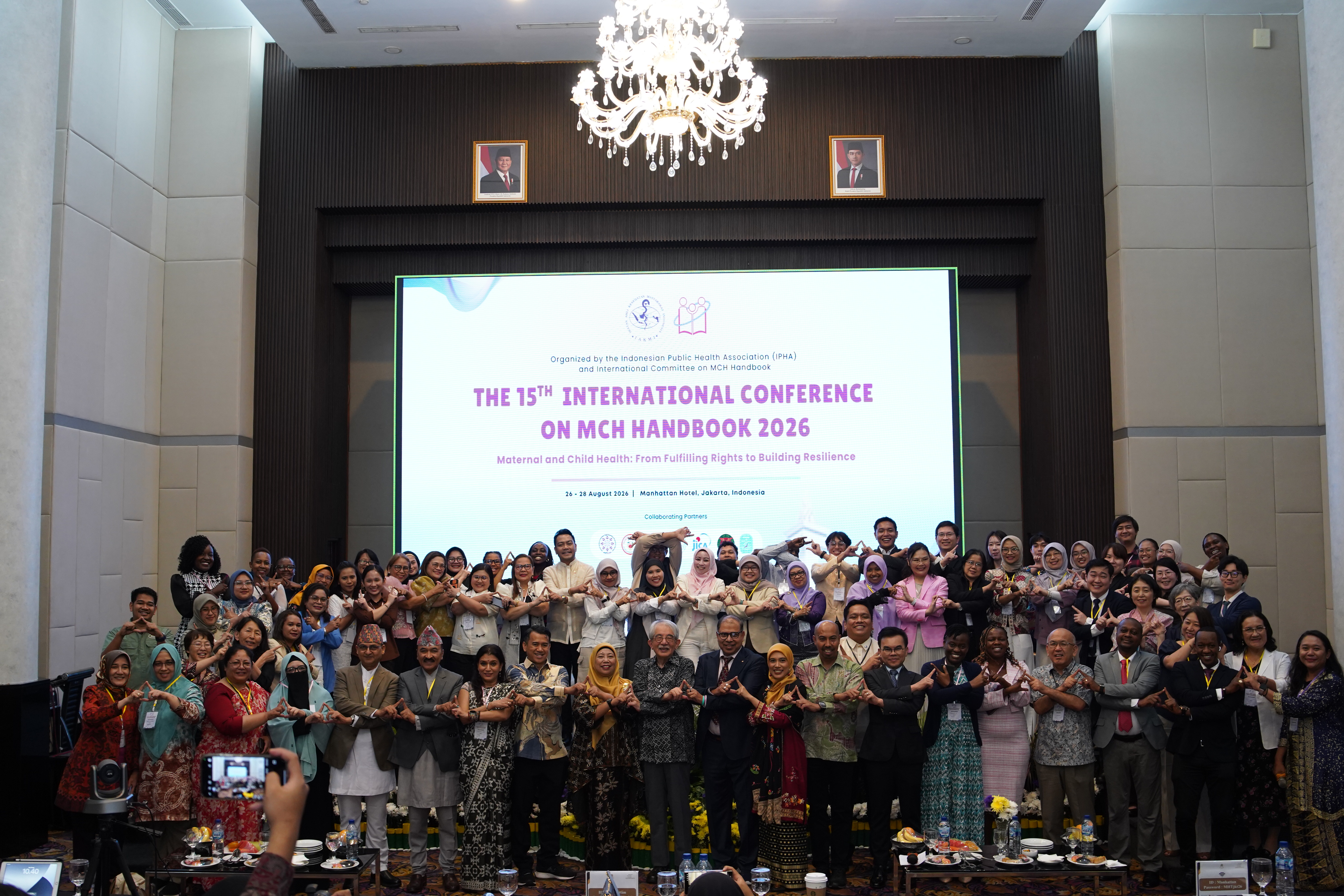
The conference was organized by the International Committee on MCH Handbook, in collaboration with the Indonesian Public Health Association (IAKMI) and UP Manila. The two-day gathering welcomed 69 international participants from 17 countries, 80 local participants, and more than 200 participants registered online.
UP Manila at the Global MCH Table
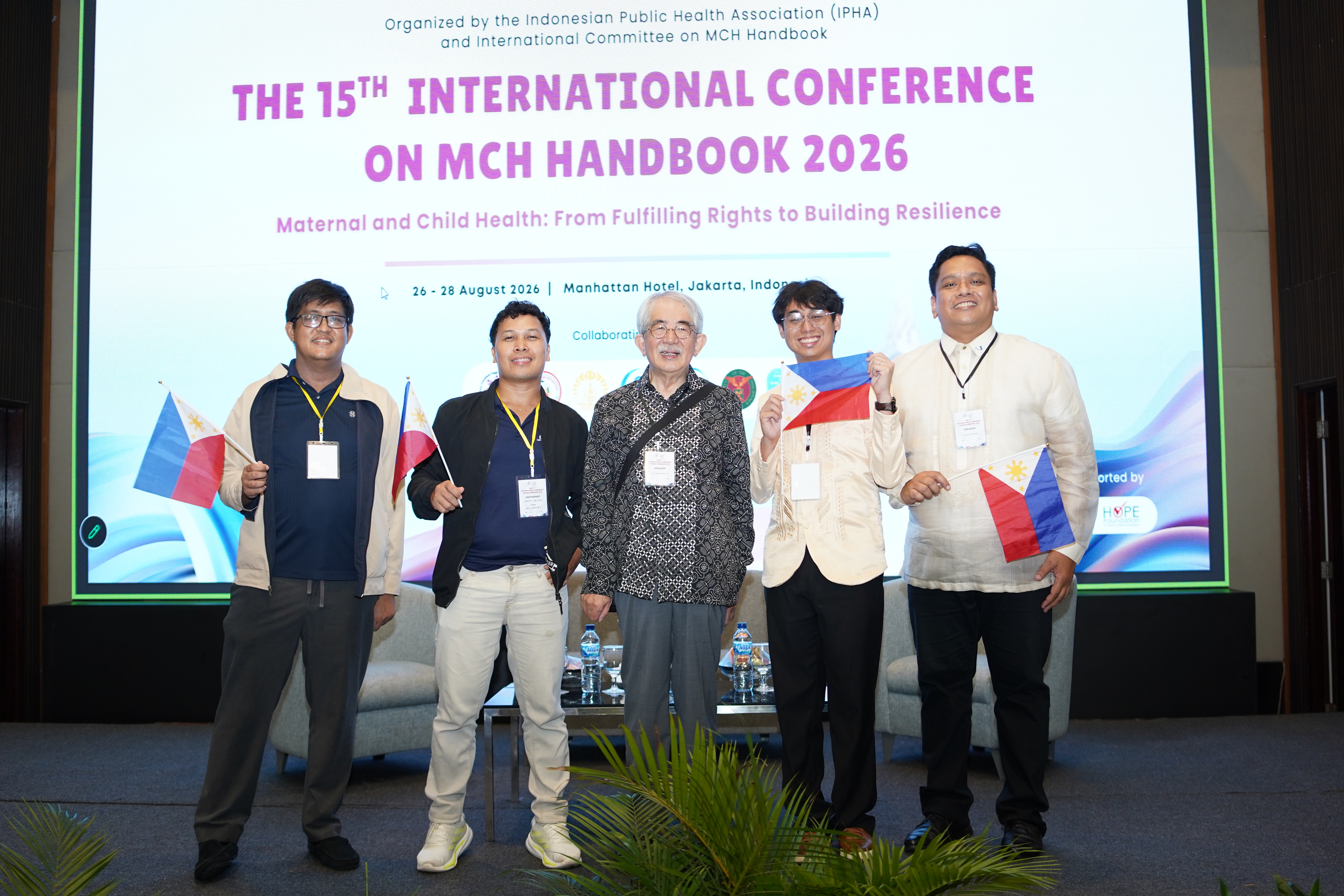
At the forefront of UP Manila’s participation was Dr. Calvin S. de los Reyes, Associate Professor at the College of Arts and Sciences and Board Member of the International Committee on MCH Handbook, who served as one of the co-organizers of the international conference.
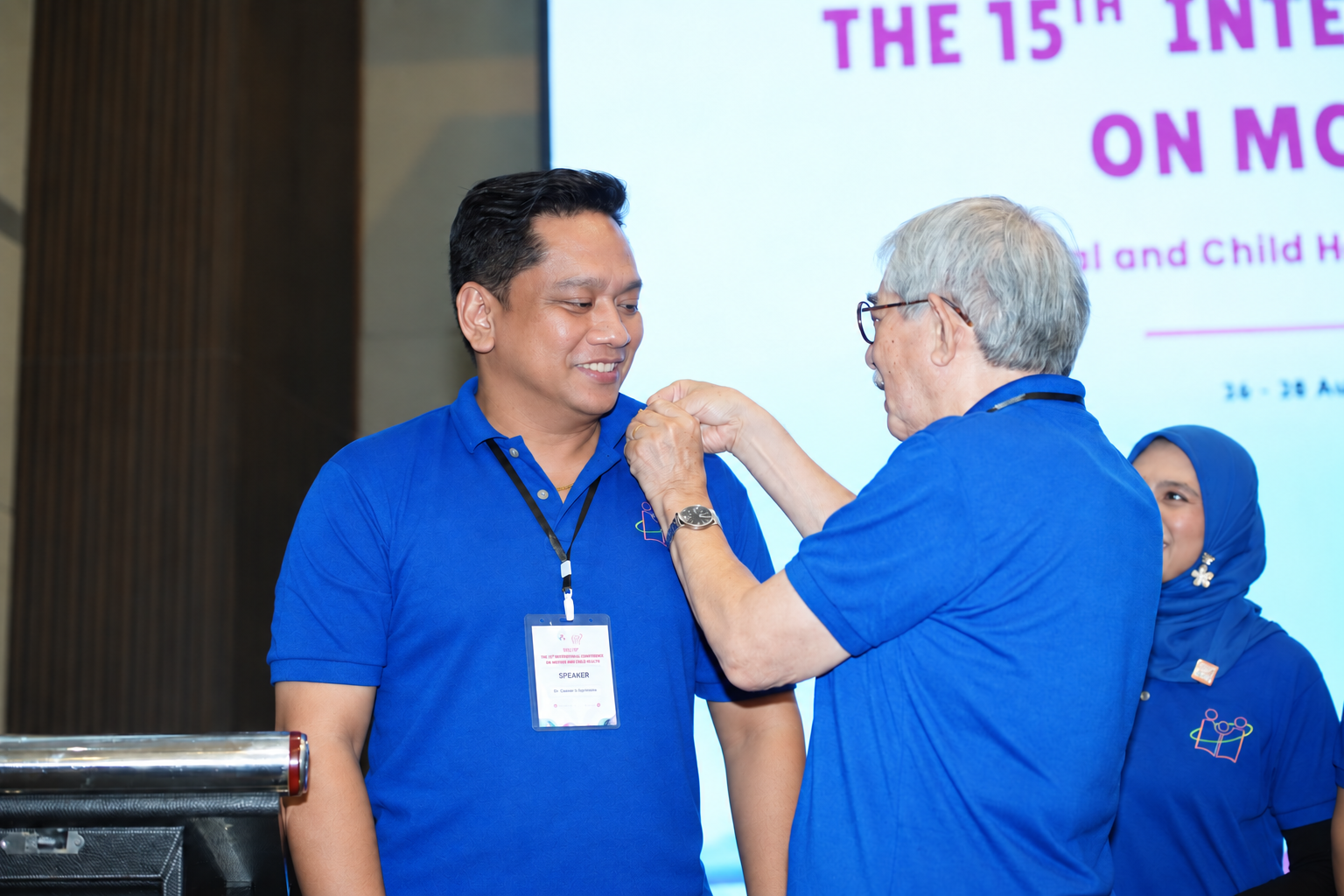
De los Reyes has been involved in the MCH Handbook movement for more than two decades, working with partners in the Philippines and abroad to advance its use in maternal and child health care, research, education, and policy. During the conference, the International Committee on MCH Handbook recognized his longstanding contribution with a Service Pin, honoring more than 20 years of service to the international MCH Handbook movement.
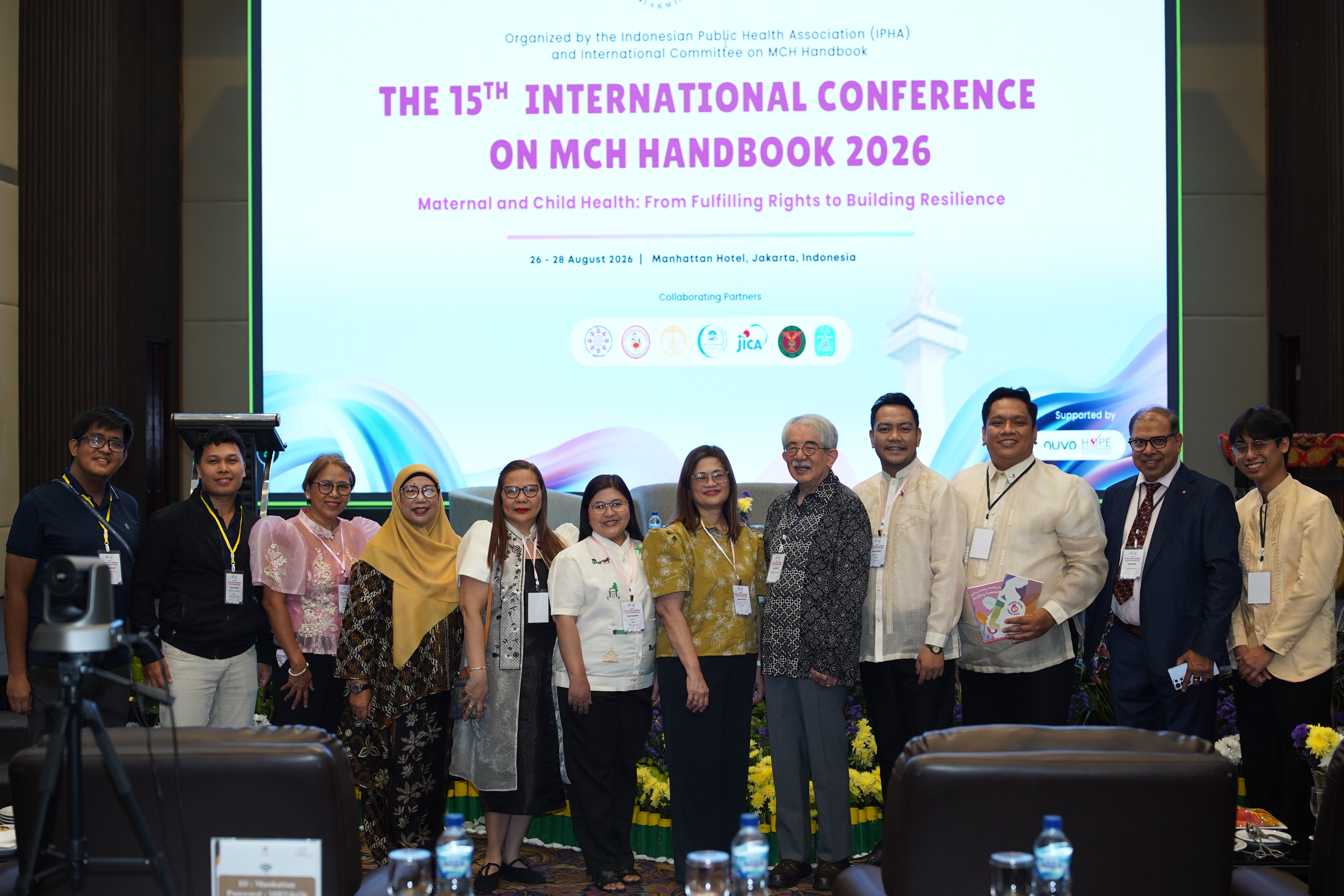
UP Manila was also represented by College of Arts and Sciences faculty members Prof. Migel Antonio P. Catalig and Prof. John Justin Mesias, together with Mr. Jorri Venico D. Reyes, teaching associate and currently a student of the MA in Health Policy Studies–Health Social Science (MAHPS-HSS) program. The delegation participated in the scientific and learning sessions.
Their participation reflected UP Manila’s growing engagement in international collaboration around maternal and child health and its commitment to bringing locally generated evidence into global conversations.
More than just a Health Record
First developed in Japan in 1948, the MCH Handbook combines maternal and child health records with information that families can use throughout pregnancy, childbirth, infancy, and early childhood. It has since been introduced in more than 50 countries and adapted to different health systems and local contexts.
At the conference, Prof. Yasuhide Nakamura, Chair of the International Committee on MCH Handbook, traced how the handbook has evolved from a combined maternal and child record into a broader tool for health education, developmental monitoring, disease detection, and continuity of care.
The conference also placed human rights at the center of maternal and child health. Dr. Saia Ma’u Piukala, WHO Regional Director for the Western Pacific, emphasized that the MCH Handbook empowers families to become active partners in their own care. By placing health information in the hands of mothers and families, the handbook strengthens the connection between homes, communities, and health services—even during emergencies and other disruptions.
Dr. Akihiro Seita, Director of Health of the United Nations Relief and Works Agency for Palestine Refugees further highlighted the importance of this continuity. Drawing from experiences in Palestine and neighboring areas, Seita showed how the handbook can preserve critical health information and support maternal and child health care even amid conflict and displacement.
Local Solutions, Digital Innovation
The conference highlighted how countries are adapting the MCH Handbook to changing technologies, health needs, and community realities. Thailand presented efforts toward digitalization, while Japan, Taiwan, and Indonesia shared adaptations for premature and low-birth-weight babies. Experiences from Sierra Leone, Canada, Indonesia, and the Philippines likewise demonstrated that effective implementation depends on understanding the people and communities the handbook is intended to serve.
From the Philippines, Dr. Soledad Rosanna C. Cunanan, City Health Officer of Santa Rosa City, Laguna, shared the experience of developing “Mommy Rosa’s Health Access Diary,” a locally adapted MCH Handbook created with mothers and health workers. The initiative responded to challenges in the use of the national handbook by adopting a more colorful, accessible, and locally responsive design. Through community consultation, health-worker training, monitoring, and continuous improvement, the city showed how local leadership and community participation can turn a health record into a practical tool for strengthening maternal and child health services.
From the city level, the Philippine discussion moved to a wider health-system perspective.
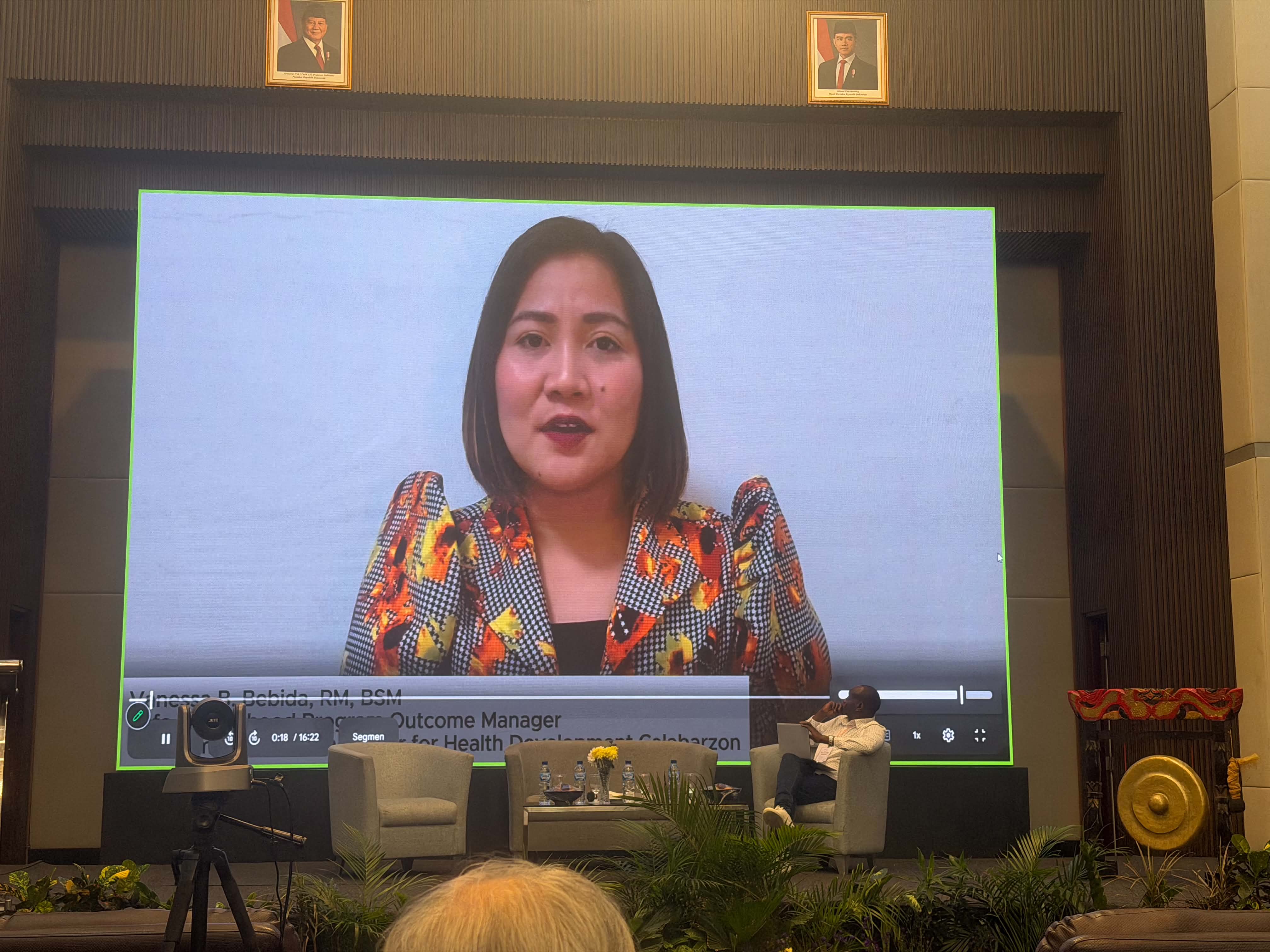
Vanessa B. Bebida of the DOH–Center for Health Development CALABARZON (CHD IV-A) shared findings from collaborative work with Dr. Monica Stephanie N. Moreno, Dr. Calvin S. de los Reyes, and Mr. Jorri Venico D. Reyes on how the MCH Handbook can support maternal and child health care across the region. Their presentation showed that the handbook can do more than keep records. It can help connect families and health providers, support continuity of care, and provide valuable information in reviewing maternal and perinatal deaths. The team also highlighted the importance of making the handbook easier to use and more fully integrated into routine health services.
Together, the Santa Rosa and CALABARZON experiences demonstrated two complementary pathways for strengthening the MCH Handbook in the Philippines: making it more responsive to the everyday needs of mothers and families while also embedding its use more firmly within health-system practice.
From Jakarta to Osaka
The conference concluded with the Jakarta Declaration, marking a renewed commitment of the international MCH Handbook community to advance maternal and child health through continued cooperation, knowledge-sharing, and innovation. The gathering also looked ahead to the 16th International Conference on the MCH Handbook in 2028 in Osaka, Japan, a significant return to the country where the handbook was first introduced eight decades earlier.
For UP Manila, Jakarta represented more than participation in an international conference. It underscored the University’s continuing contribution to a global movement linking academic research, health-system practice, community engagement, and international cooperation.
And as experiences from the Philippines and other countries showed, the MCH Handbook is more than something a mother carries from one consultation to another. At its best, it connects families with health workers, homes with health systems, evidence with action, and the right to health with the resilience of communities.
https://drive.google.com/file/d/1QA-MeFtdvEEA23GiEzMqAiS9NyVH2-TR/view?usp=drivesdk
Conference participants reaffirm their shared commitment to advancing maternal and child health through the Jakarta Declaration as the global MCH Handbook community looks ahead to its next international conference in Osaka, Japan, in 2028.
Read More: