
Text by Agnes Soriano-Estrella, MD
Photos by Medical Education Unit
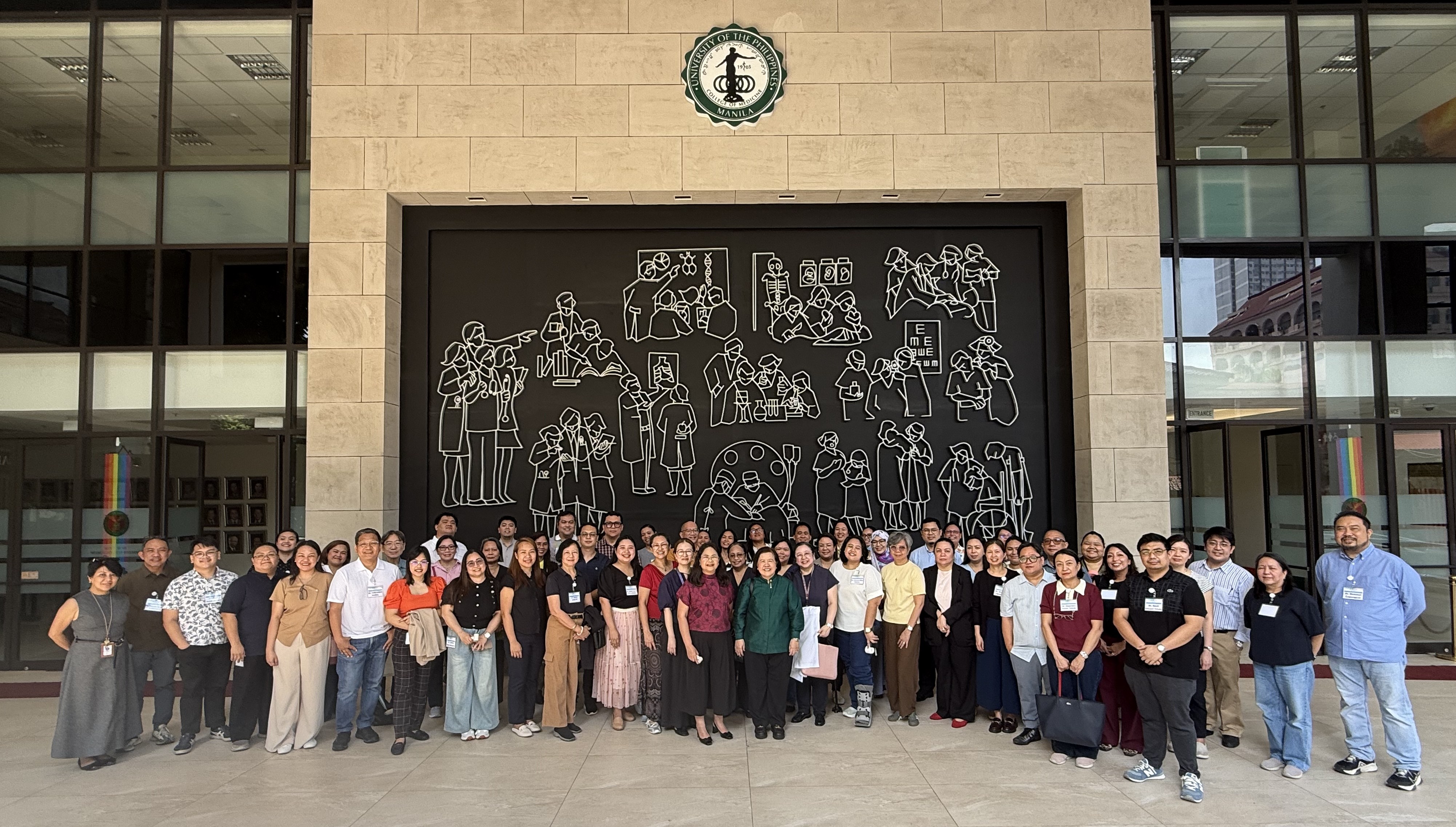
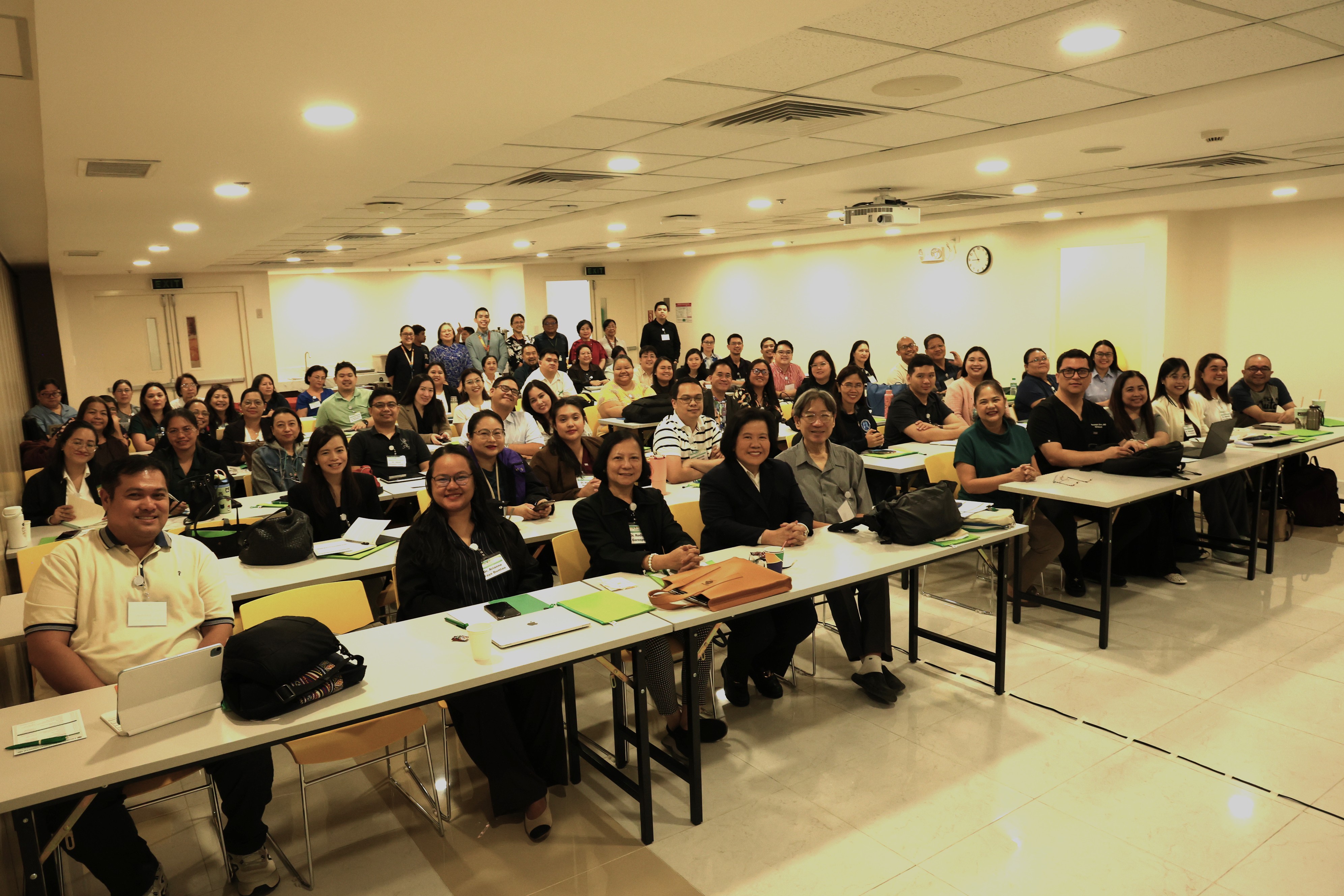
The Medical Education Unit (MEU) of the University of the Philippines College of Medicine (UPCM) successfully held a Faculty Development Program (FDP) for Medical Educators, equipping faculty members from various institutions with practical, evidence-based strategies to enhance teaching, curriculum development, and learner assessment in medical education.
The program was conducted in two modules: Module 1 on June 18–19, 2026, and Module 2 on July 9–10, 2026, at the UNILAB Conference Room of the Henry Sy Sr. Medical Sciences Building in UP Manila.
Designed to address the rapidly evolving landscape of health professions education, the Faculty Development Program provided participants with learner-centered, competency-based approaches to curriculum design and assessment. More than a lecture series, the program emphasized experiential learning through workshops, collaborative activities, and peer feedback, enabling participants to develop educational resources that can be readily applied in their respective institutions.
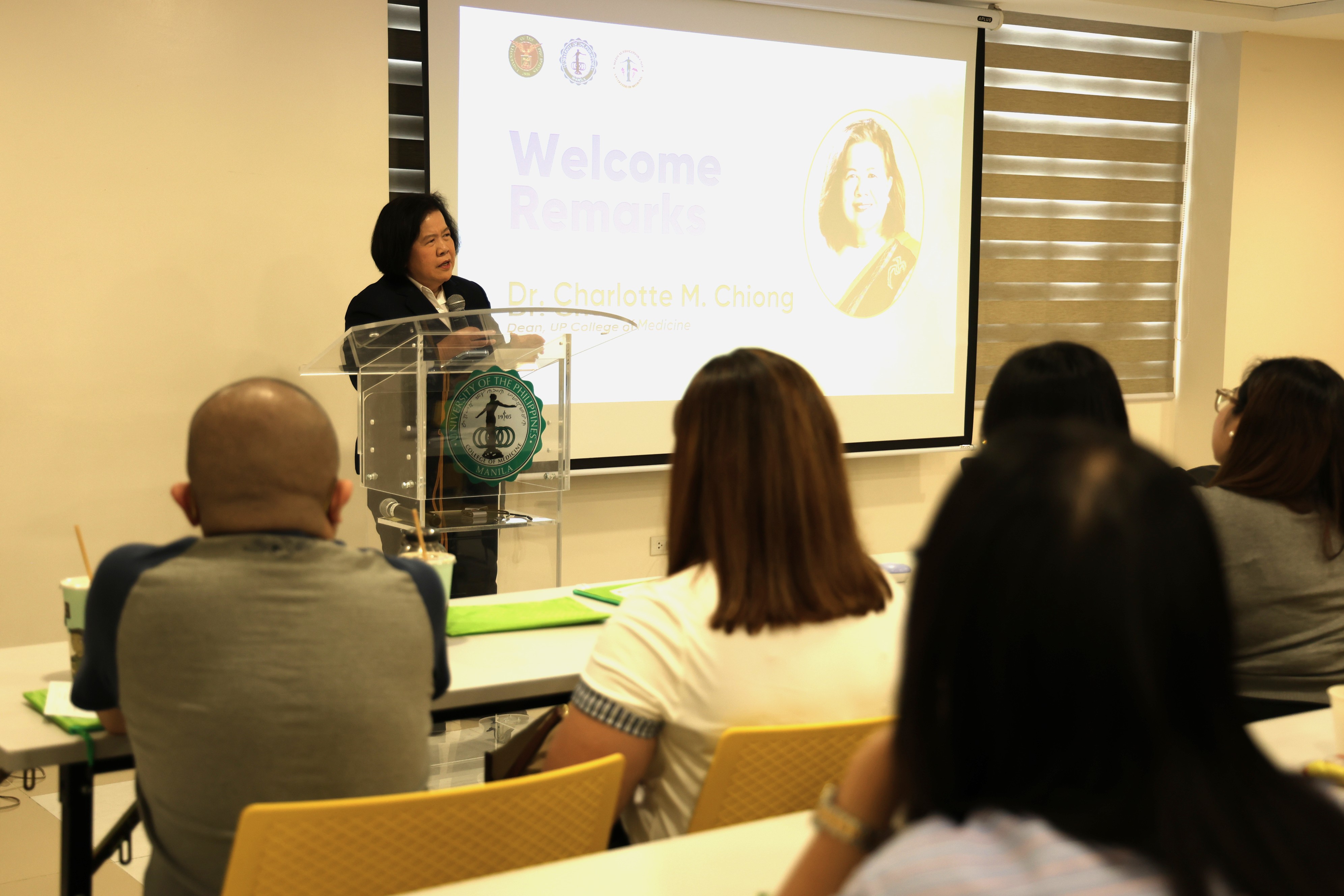
Both modules opened with remarks from Dean Charlotte M. Chiong, followed by a course overview by Dr. Agnes L. Soriano-Estrella, Head of the Medical Education Unit.
Module 1 focused on strengthening participants’ capabilities as educators and curriculum developers. Faculty members explored contemporary approaches to curriculum design, instructional planning, innovative teaching strategies, and the integration of Universal Health Care, social accountability, and artificial intelligence into medical education. Through hands-on activities in microteaching and instructional design, participants refined their teaching skills while creating instructional plans tailored to their institutional needs.
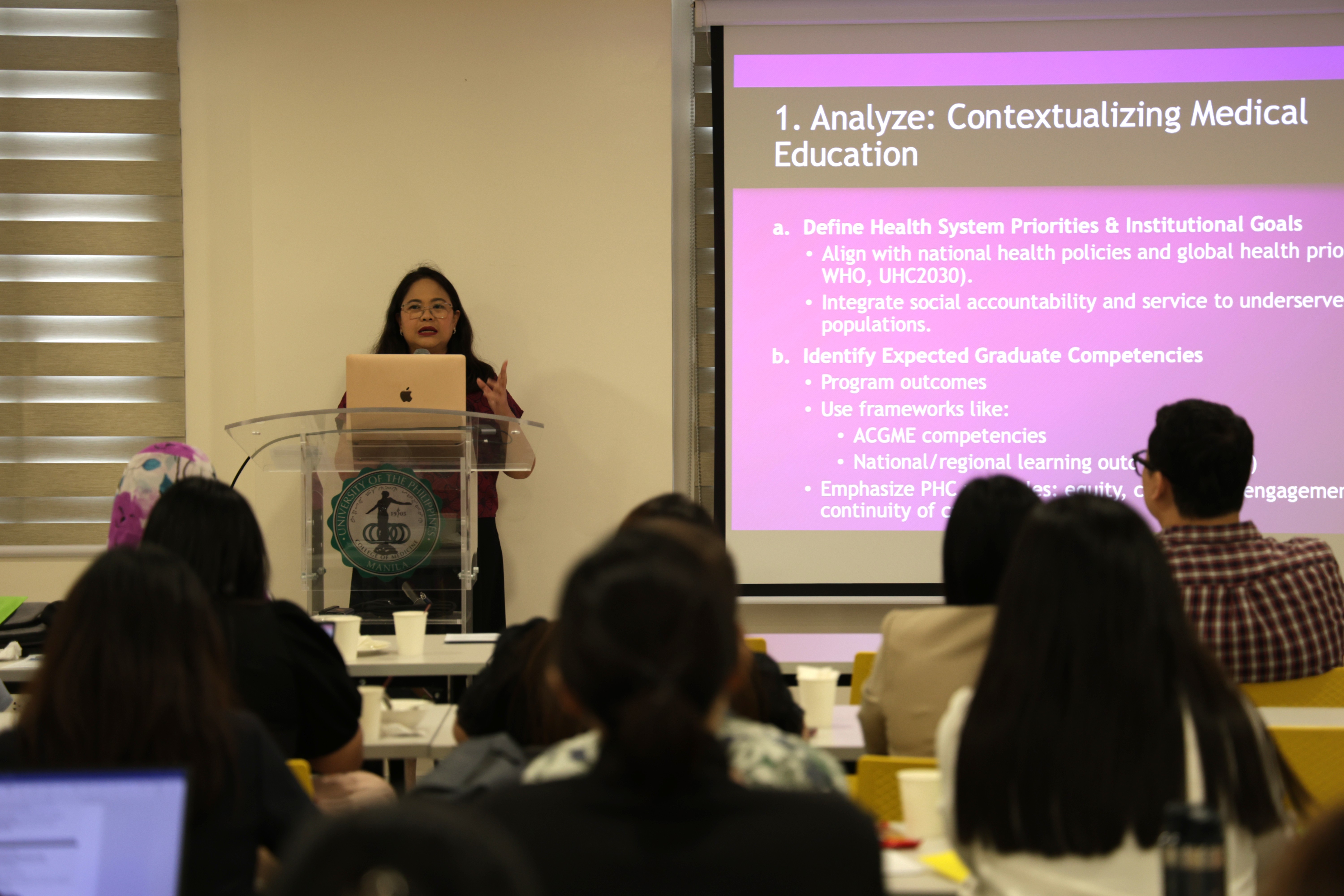
Building on this foundation, Module 2 enhanced participants’ competencies in learner assessment. The program emphasized the design of valid, reliable, and meaningful assessment systems through sessions on creating a test blueprint, writing multiple-choice questions, performing item analysis, workplace-based assessment, procedural skills assessment, Objective Structured Clinical Examinations (OSCEs), and effective feedback. Interactive workshops enabled participants to construct assessment tools, analyze examination quality, and design authentic assessment strategies that promote competency-based learning.
The diversity of participating institutions in both modules fostered meaningful exchange of ideas and best practices, strengthening networks among medical educators committed to improving health professions education nationwide. The enthusiasm and active engagement of participants throughout the workshops reflected a shared commitment to educational innovation, collaboration, and continuous professional development.
Through this initiative, the Medical Education Unit reaffirmed its commitment to developing competent, innovative, and socially accountable medical educators who will shape the next generation of Filipino physicians.
Read More:
#fp6 #AcademicExcellence #AccessibleLeadership #UPManila