
Text by Charmaine A. Lingdas
Photo by Charmaine A. Lingdas and Area Studies Program Facebook Page
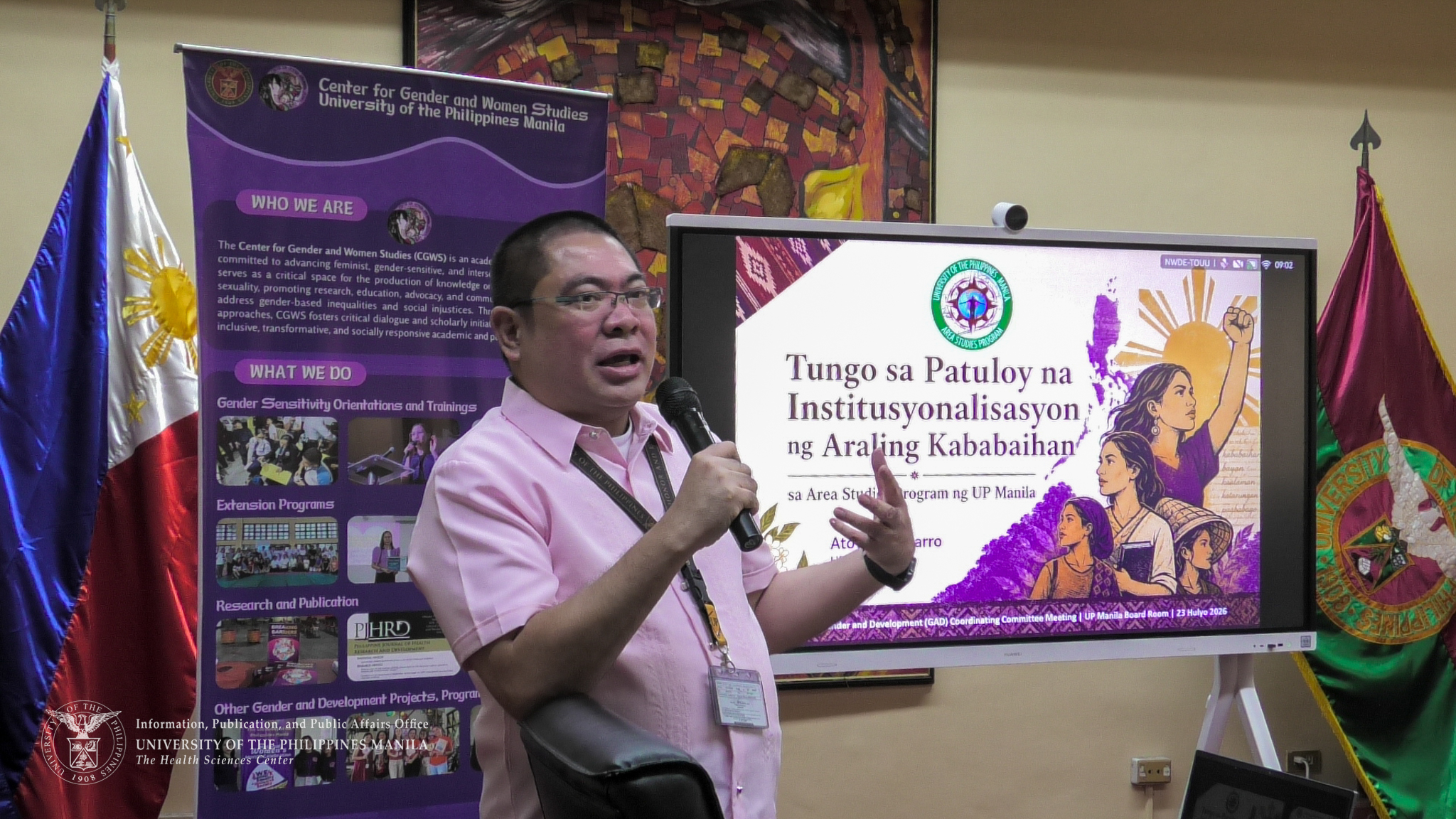
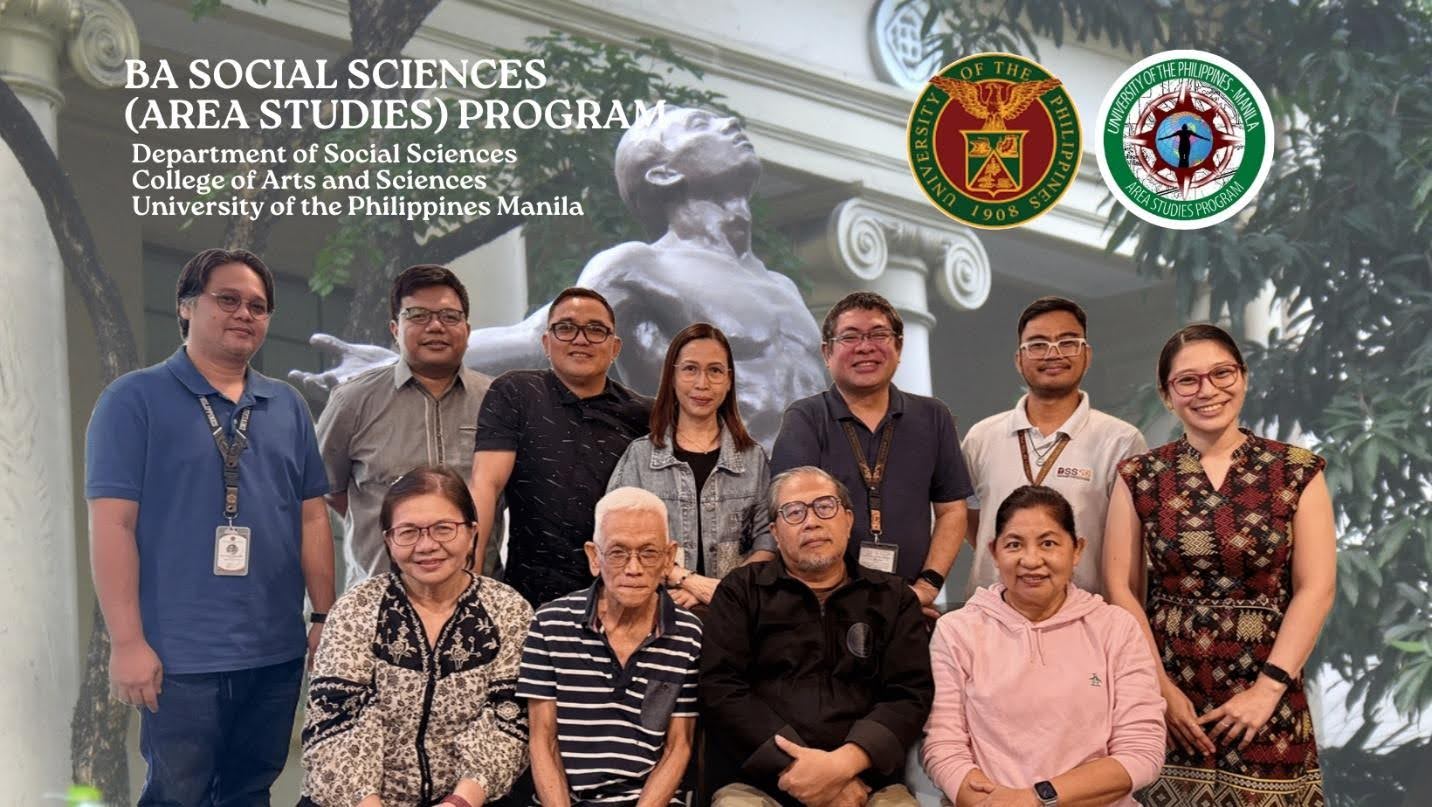
Assistant Professor Arthur M. Navarro of the Department of Social Sciences discussed the strides of the BA Social Sciences (Area Studies) Program particularly its four-decade journey toward institutionalizing Women’s Studies during the 2026 UP Gender Coordinating Committee Meeting held on July 22-23, 2026.
Rather than limiting gender discussions to occasional seminars or elective subjects, the Area Studies Program has incorporated Gender and Women’s Studies into its curriculum, practicum, undergraduate research, extension activities, and scholarly publications. Through the program, gender-responsive education has evolved into a sustained academic practice that prepares students to understand Philippine society through historical, cultural, and gender-sensitive lenses.
“Assured kami na ang mga majors namin, bago lumabas ng aming kurso, ay may consciousness sa women’s history at violence against women,” he said.
Understanding Institutionalization
Asst. Prof. Navarro defined institutionalization as the process of integrating an initiative into an organized system until it becomes stable, routine, and an accepted standard. Applied to higher education, institutionalization means ensuring that Gender and Women’s Studies are consistently reflected in the university’s three core functions: teaching, research, and extension.
“Ang institusyonalisasyon ay paglalagay ng isang gawain sa isang organisadong sistema upang maging matatag, nakagawian, at tinatanggap na pamantayan. Ibig sabihin, ano ang ginagawa natin para maging routine, maging regular ang mga programang gaya ng Gender and Women’s Studies,” he explained.
Using the Area Studies Program as an example, Navarro demonstrated how these principles have been translated into concrete academic practices over the years. The Area Studies track was established in 1984 under the BA Social Sciences Program. Today, it serves approximately 115 majors who receive interdisciplinary training in the social sciences while specializing in Philippine Studies and Asian Studies. Graduates of the program pursue careers in diplomacy, government service, cultural institutions, local government units, non-government organizations, law, tourism, and research.
Building Gender and Women’s Studies into the Curriculum
A significant milestone is the institutionalization of Women’s Studies across the entire UP Manila campus, ensuring that students from various disciplines are exposed to gender studies of Kasaysayan 4: Kababaihan sa Kasaysayan ng Pilipinas (Kas 4) during Academic Year 2003–2004. The course examines Philippine history through the experiences and contributions of women while introducing students to various feminist perspectives. Since then, it has become one of UP Manila’s General Education offerings dedicated to women’s history and gender analysis.
Although revisions to the General Education Curriculum have reduced the number of sections offered each semester, Kas 4 remains an institutionalized course available to students across the university.
KAS 4 was later adopted by UP Los Baños as a General Education (GE) course.
Asst. Prof. Navarro noted that institutionalization extends beyond simply offering a course. It involves ensuring that students continuously encounter gender perspectives throughout their academic journey.
The program introduces students to diverse feminist traditions, including liberal, Marxist, radical, and other feminist perspectives, while encouraging them to contextualize these frameworks within Philippine realities. Rather than prescribing a single framework, students are exposed to multiple approaches that allow them to critically examine gender issues from historical and local perspectives.
Learning Beyond the Classroom
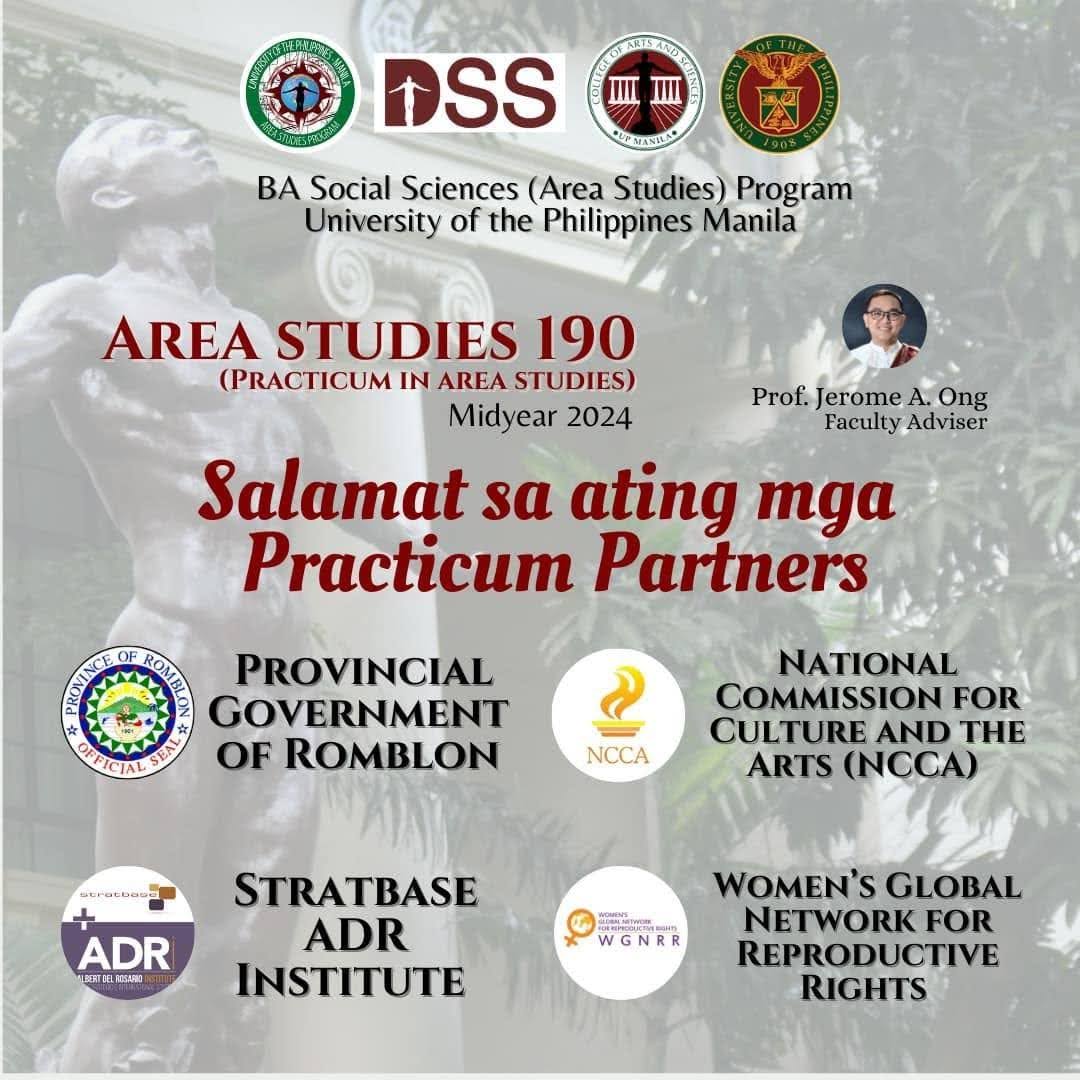
The Area Studies Program also integrates Gender and Women’s Studies through its required practicum.
Every midyear, third-year students complete five to six weeks of fieldwork with partner institutions. Depending on their interests, students may intern with cultural agencies, government offices, local government units, development organizations, or institutions engaged in public service. Students interested in women’s rights and gender advocacy have completed internships with organizations such as the Women’s Global Network for Reproductive Rights, allowing them to apply classroom theories to actual advocacy work.
According to Asst. Prof. Navarro, these experiences strengthen students’ understanding of gender issues while exposing them to the realities of policy work, community engagement, and development practice.
Increasing Interest in Gender-Focused Research
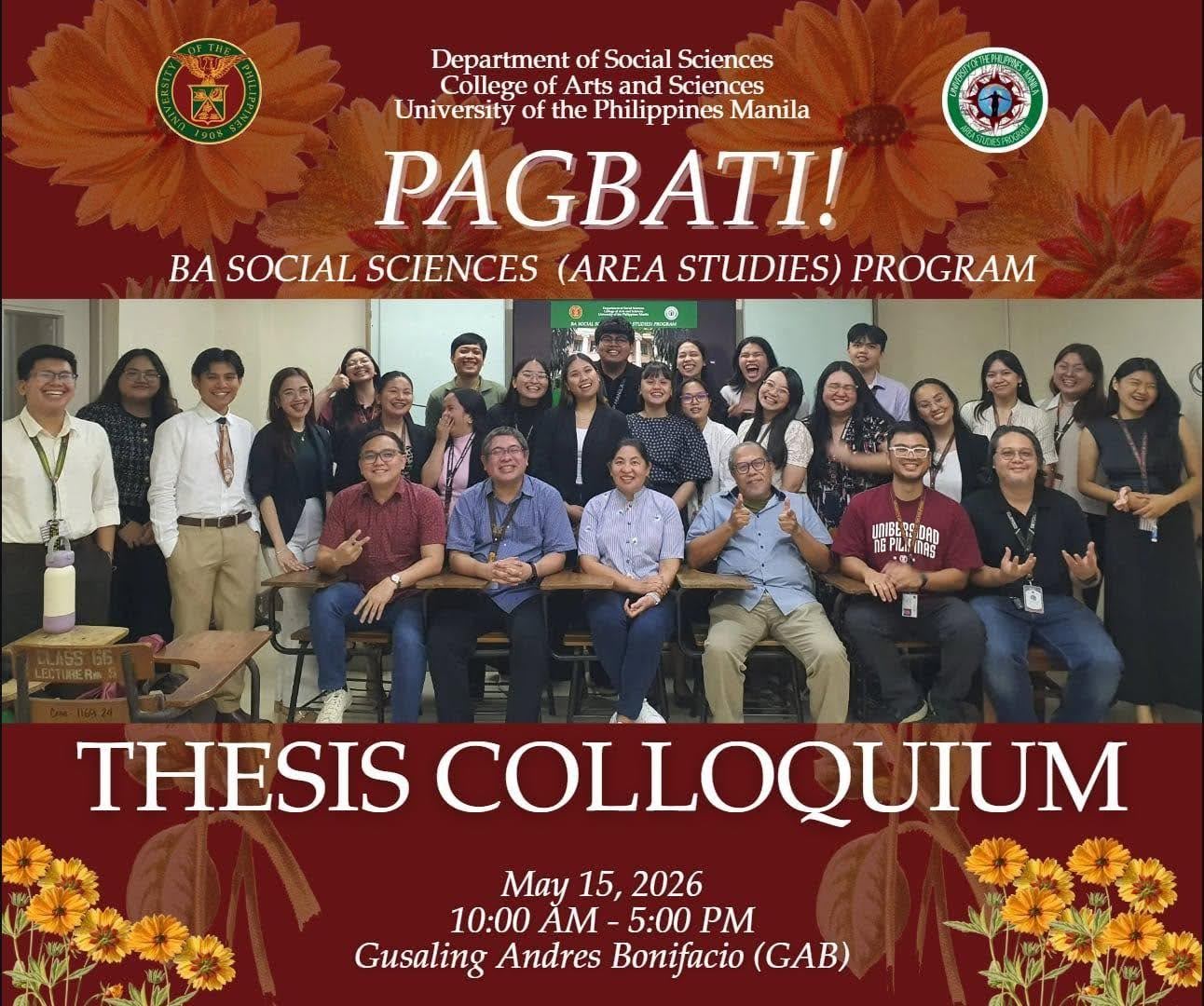
One of the clearest indicators of institutionalization, Navarro said, is the growing number of undergraduate theses centered on Gender and Women’s Studies.
Undergraduate research has likewise shown growing engagement with Gender and Women’s Studies. In recent years, students have explored topics such as discrimination experienced by feminine-presenting LGBTQ+ individuals, the lived experiences of Filipino mothers working as street vendors in Ermita, and the experiences of mothers engaged in the sex work industry in Malate. Topics have also included gendered narratives of women in the business process outsourcing industry, feminist lessons drawn from Filipino comfort women in campaigns against gender-based violence, women’s labor and agency, women’s access to spaces in the Navotas Fish Port, and gender experiences among university students. The increase in student research reflects not only growing interest but also sustained exposure to gender perspectives throughout the curriculum.
One undergraduate study on gender also received the College of Arts and Sciences’ Special Award for Research in Gender Studies, demonstrating the quality and impact of student scholarship in the field.
Extension Through Public Engagement
Institutionalization also means creating regular opportunities for learning outside the classroom.
Every March, the Area Studies Program organizes activities in celebration of Women’s History Month. Rather than simply commemorating historical milestones, these forums connect women’s history with contemporary concerns, including health and public health, reflecting UP Manila’s role as the country’s premier health sciences university.
During the annual 18-Day Campaign to End Violence Against Women held every November and December, the program conducts forums on eliminating gender-based violence.
These events are open not only to Area Studies majors but also to students from other universities, teachers from Manila public schools through partnerships with the Department of Education, and members of the general public. The program has likewise hosted lecture series, public discussions, and film screenings—including early screenings of Lakambini—to broaden conversations on women’s history and gender issues.
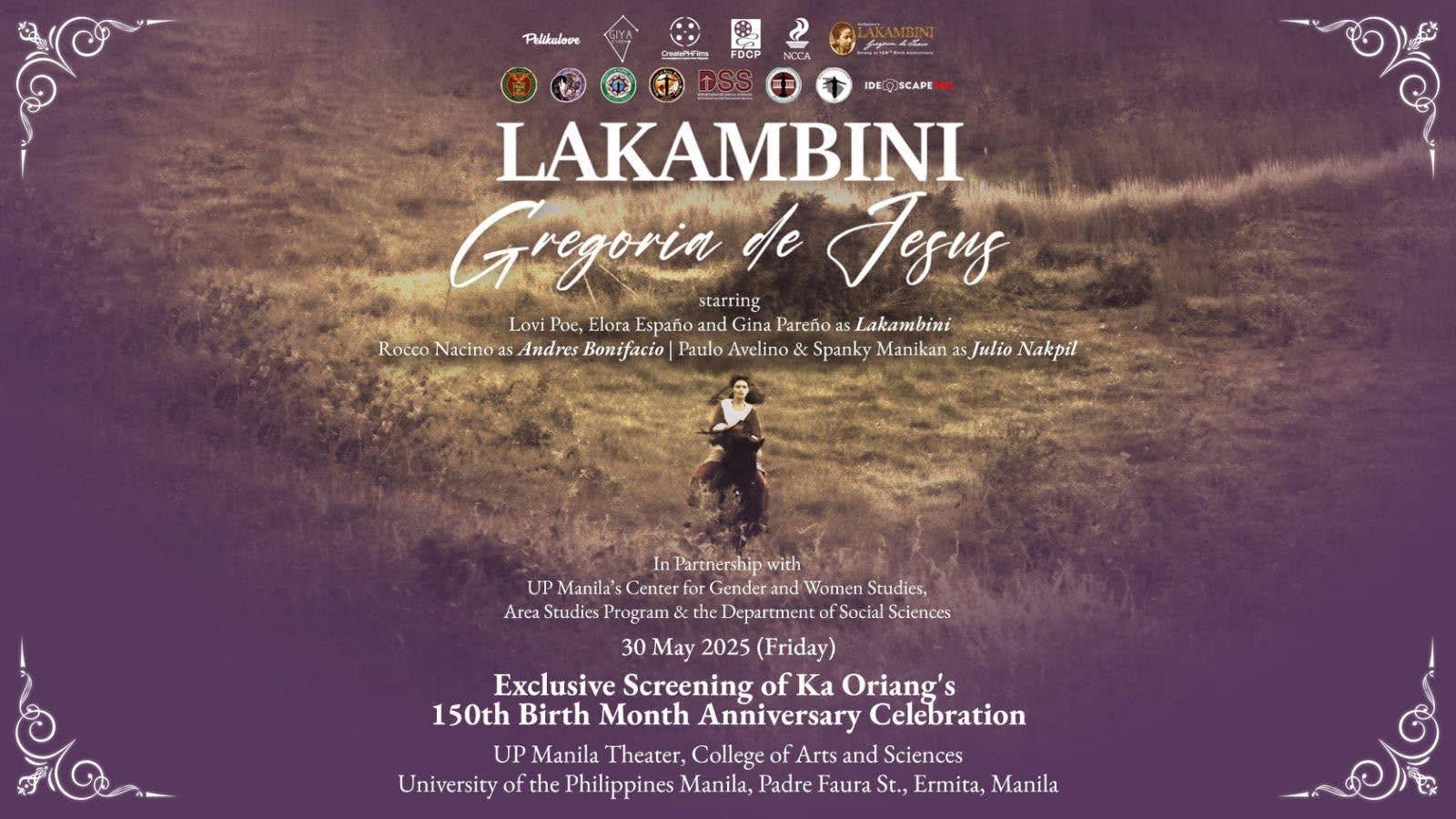
These activities serve as the program’s extension initiatives, bringing academic discussions beyond the classroom and into the wider community.
Producing Filipino Scholarship
Institutionalizing Women’s Studies requires accessible teaching materials grounded in Philippine contexts.
Recognizing the limited availability of references in Filipino and from decolonial perspectives when Kas 4 was first offered, faculty members developed instructional resources for students and educators.
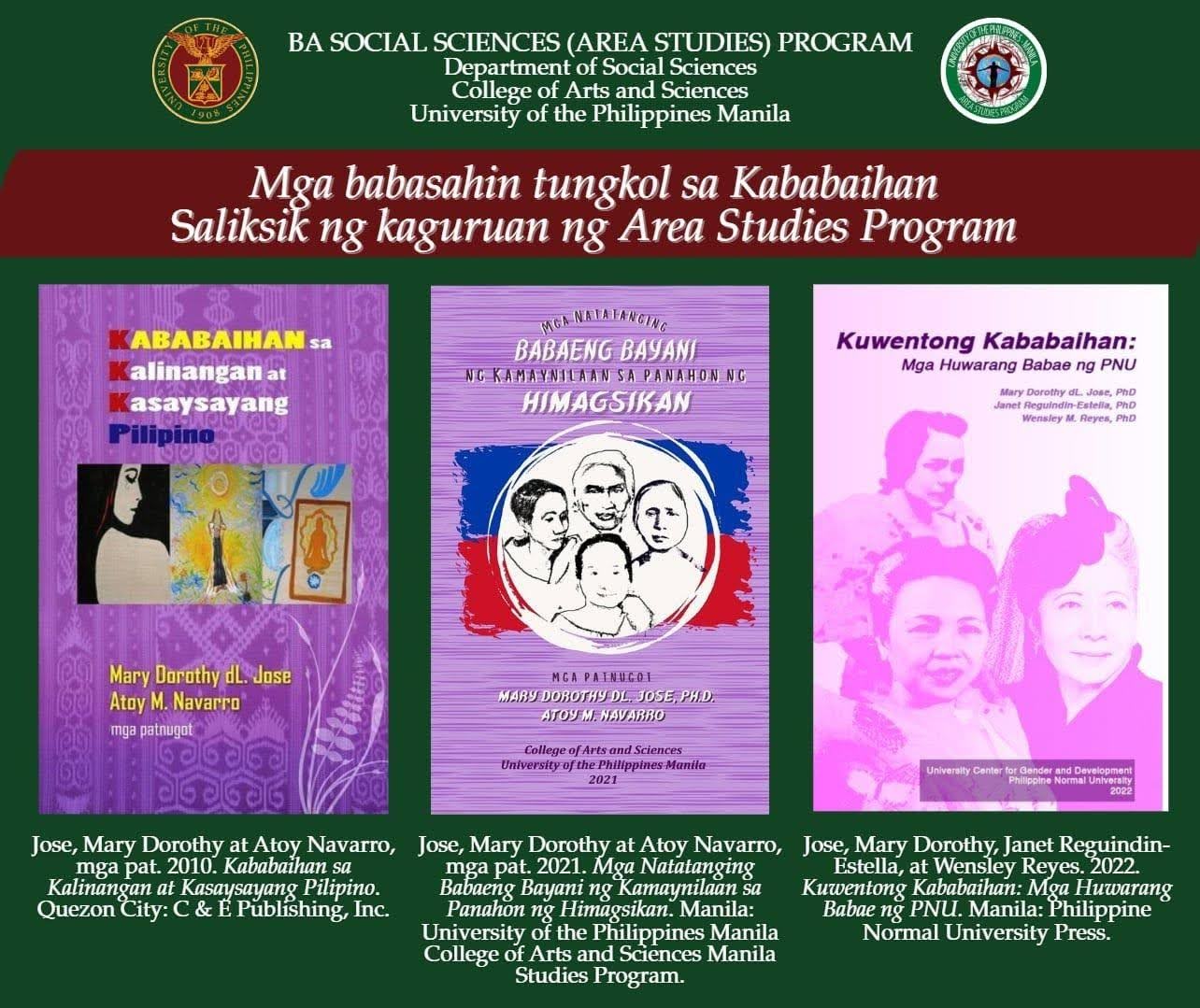
Among these is Kababaihan sa Kalinangan at Kasaysayang Pilipino, co-edited by Asst. Prof. Navarro and Prof. Mary Dorothy Jose, which serves as the principal reference for Kas 4.
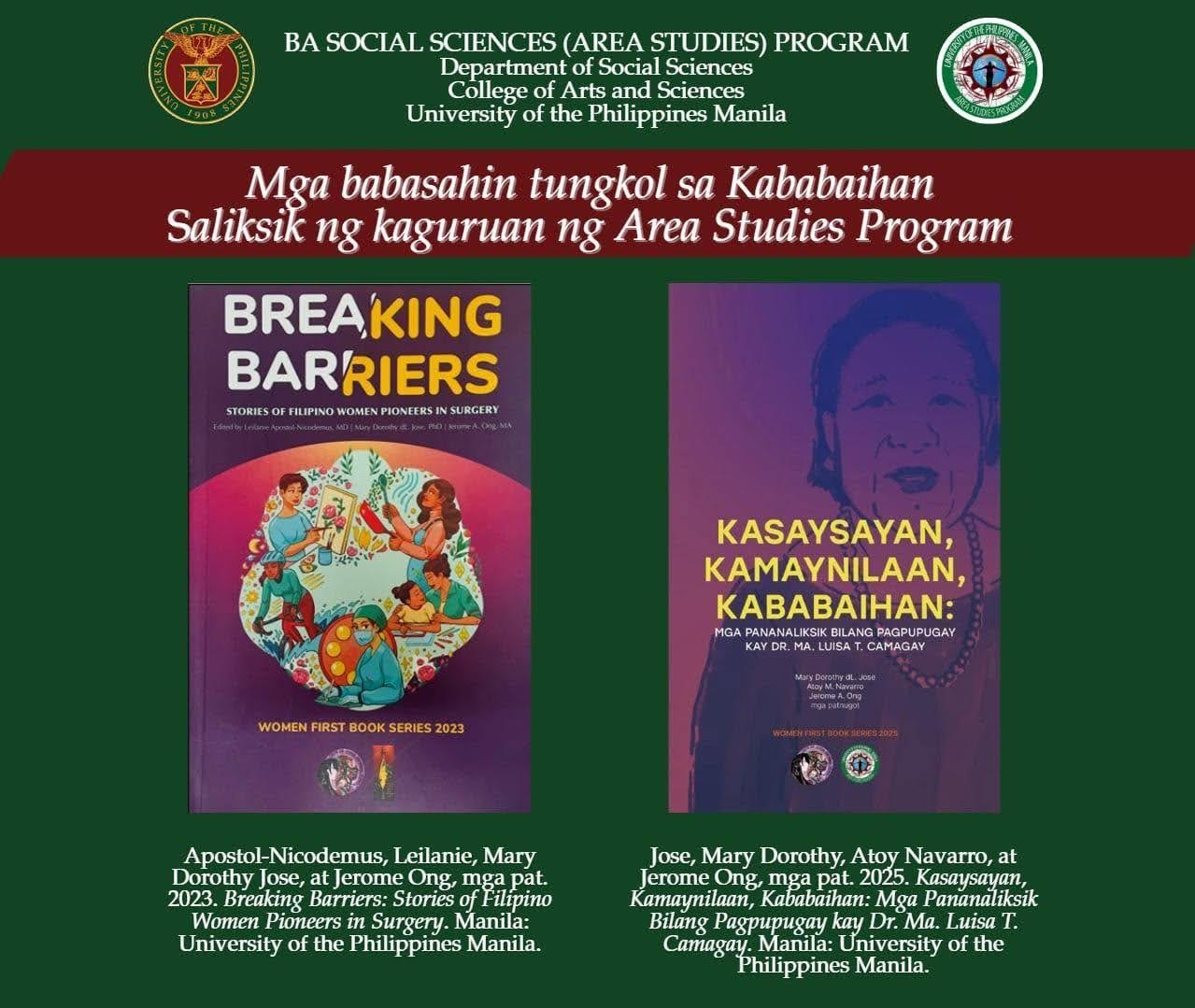
Faculty members have also contributed to publications such as Breaking Barriers: Stories of Filipino Women Pioneers in Surgery, and Kasaysayan, Kamaynilaan, Kababaihan: Mga Pananaliksik Bilang Pagpupugay kay Dr. Ma. Luisa T. Camagay. These publications not only support classroom instruction but also expand scholarship on Philippine women’s history and gender studies.
Partnerships That Sustain Institutionalization
Asst. Prof. Navarro emphasized that the program’s accomplishments have been made possible through sustained collaboration among faculty members, students, and institutional partners.
The UP Manila Center for Gender and Women’s Studies has consistently supported the program’s academic and extension initiatives, while the College of Arts and Sciences’ Office of the Gender Program has partnered in organizing activities and strengthening gender-responsive programming.
Student organizations have also played an active role in planning and implementing forums, lecture series, and community engagement initiatives.
These collaborations ensure that Gender and Women’s Studies remain an active and visible component of campus life rather than a subject confined to the classroom.
Looking Ahead
The Area Studies Program is preparing a series of activities leading to the 90th anniversary of women’s suffrage in the Philippines in 2027 under the theme “Bayan, Babae, Balota.”
Plans include conferences, documentary screenings, public lectures, and collaborative activities with Lakambini, an organization of women historians established in 2026 whose founding president is historian Professor Emeritus Maria Luisa Camagay.
Asst. Prof. Navarro encouraged other UP constituent universities to adopt Kasaysayan 4: Kababaihan sa Kasaysayan ng Pilipinas as part of their General Education curriculum. “Ang aming pinopromote sana ay ma-adopt ang Kasaysayan 4 sa iba’t ibang UP units. Mayroon nang mga materials—hindi lang libro kundi recorded lectures—kaya hinihikayat namin ang ibang units na sana ay ma-adopt ang Kas 4,” he said.
He noted that instructional resources, including textbooks and recorded lectures by leading scholars and other experts, have already been developed, making adoption by other campuses more accessible.
For Asst. Prof. Navarro, expanding the course across the UP System represents another step toward strengthening gender-responsive education and ensuring that future generations of students graduate with a deeper understanding of women’s history, gender equality, and Philippine society.
As the Area Studies Program continues to integrate gender perspectives into instruction, research, extension, and scholarship, it offers a model of how Women’s Studies can become an enduring part of university education—one that equips students not only with academic knowledge but also with the critical awareness needed to engage with the social realities they will encounter beyond the university.
#FP1 #Environmentthatnurturesourmindandbody
READ MORE: