


Text by: Charmaine A. Lingdas
Photos by: Jericho Paulo L. Mabansag
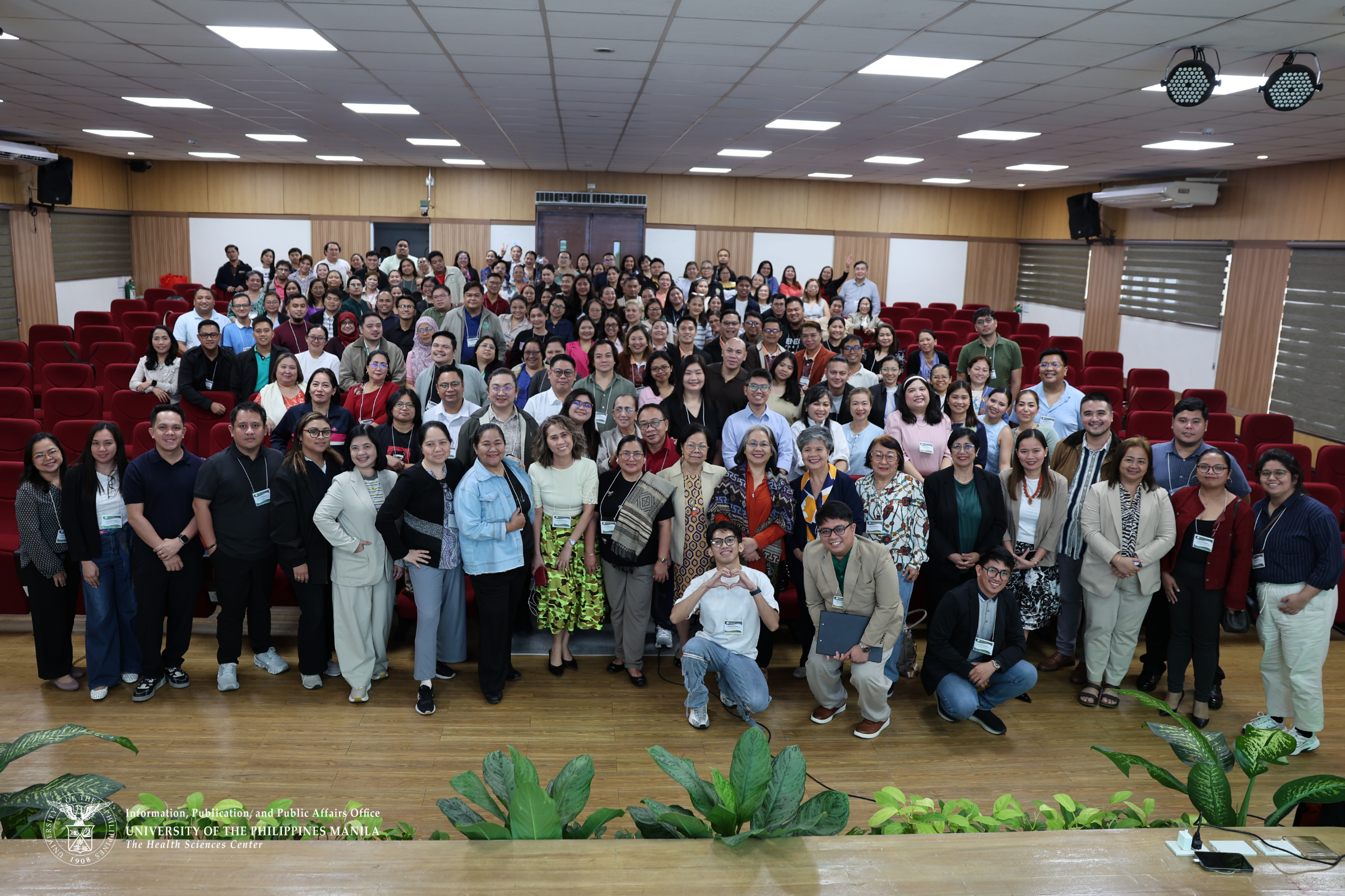
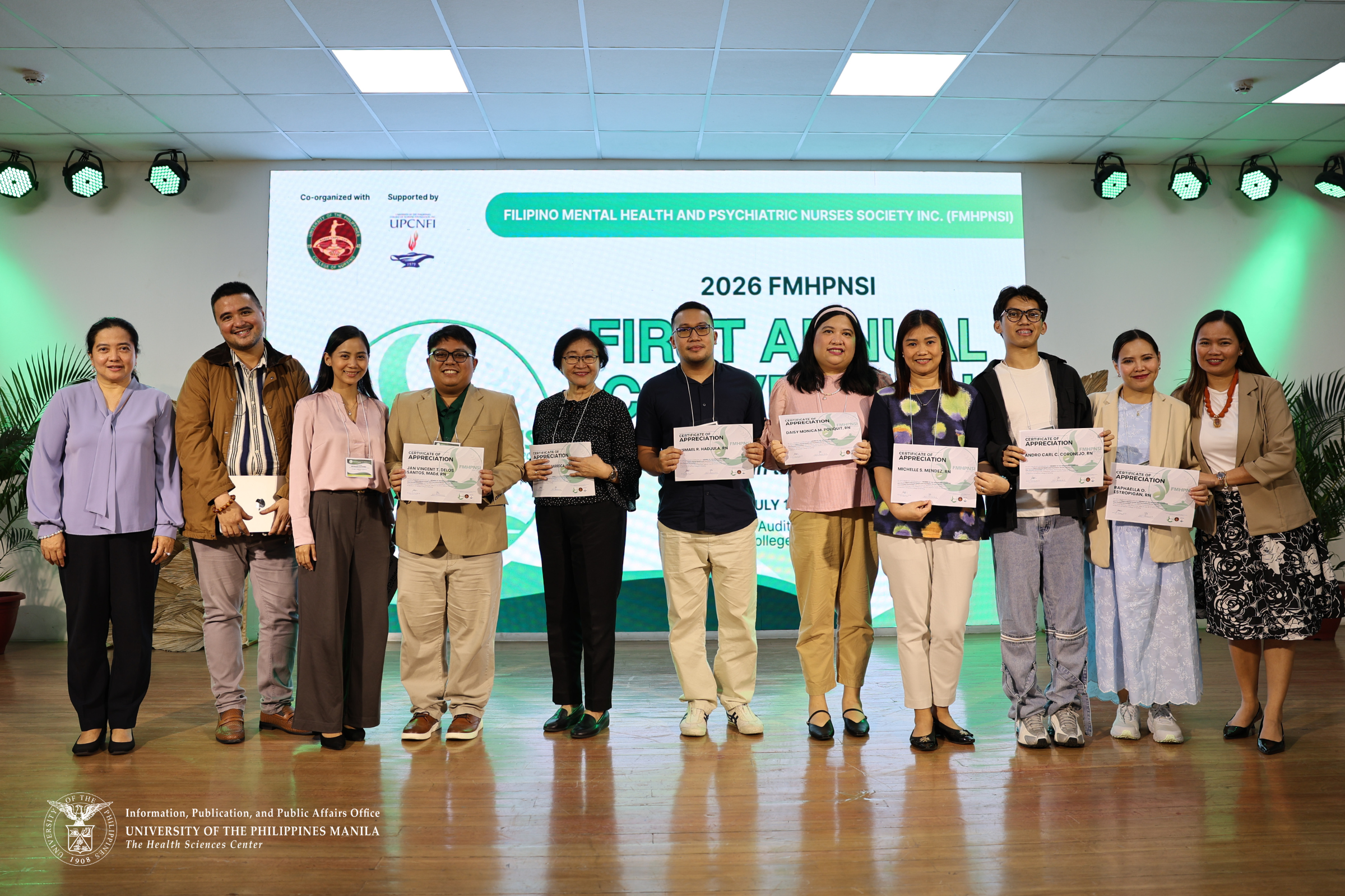
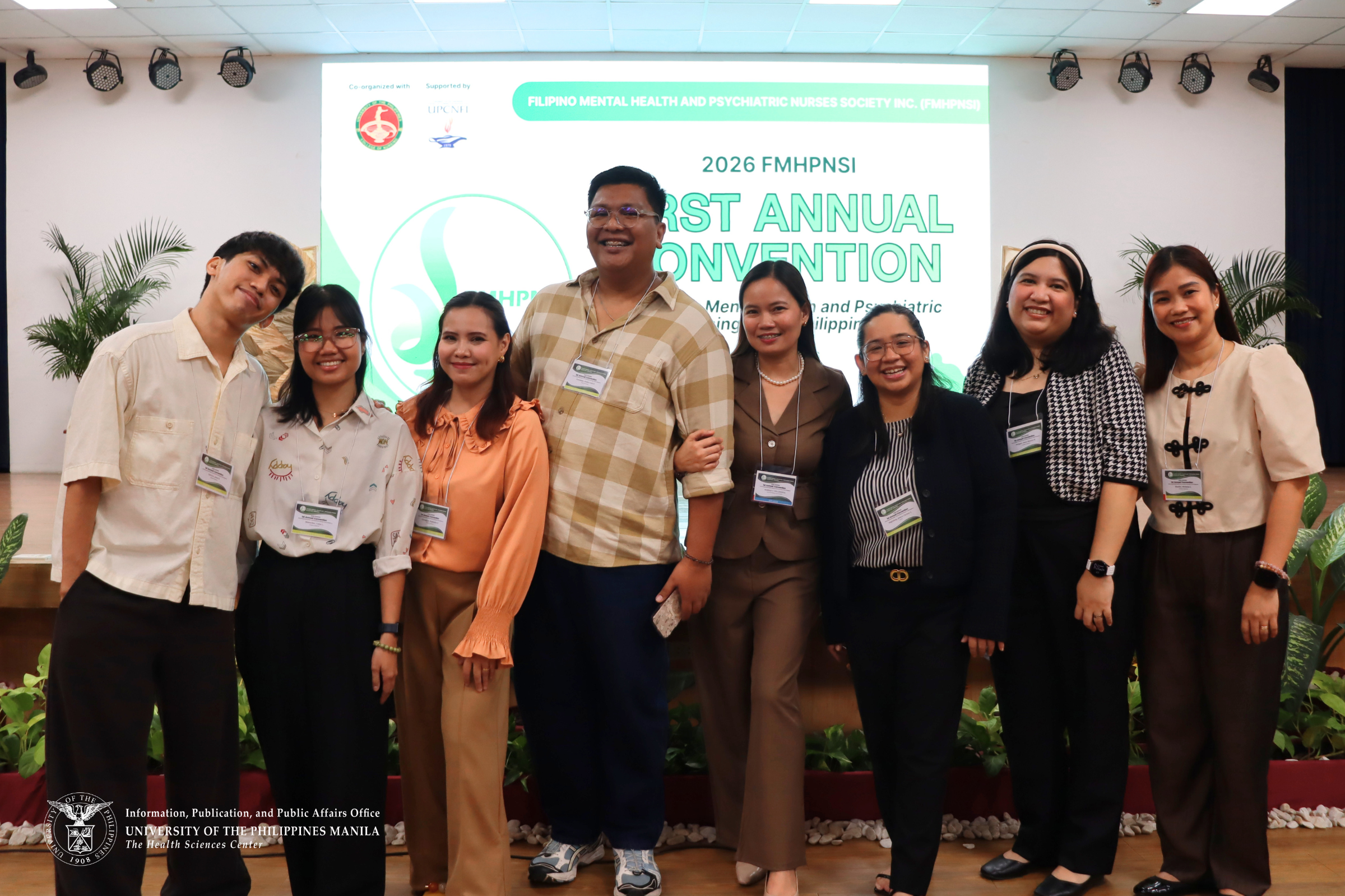
Psychiatric nurses, educators, researchers, and healthcare leaders from across the country convened at the first Annual Convention of the Filipino Mental Health and Psychiatric Nurses Society Inc. (FMHPNSI) to chart the future of mental health psychiatric nursing in the Philippines.
Held on July 16–17, 2026, at the University of the Philippines (UP) Manila College of Nursing, the convention focused on strengthening specialization, advancing professional identity, and expanding the role of psychiatric nurses in addressing the country’s growing mental health needs under the theme, “Advancing Mental Health Psychiatric Nursing in the Philippines Towards Specialization.”
Mental health is every nurse’s responsibility
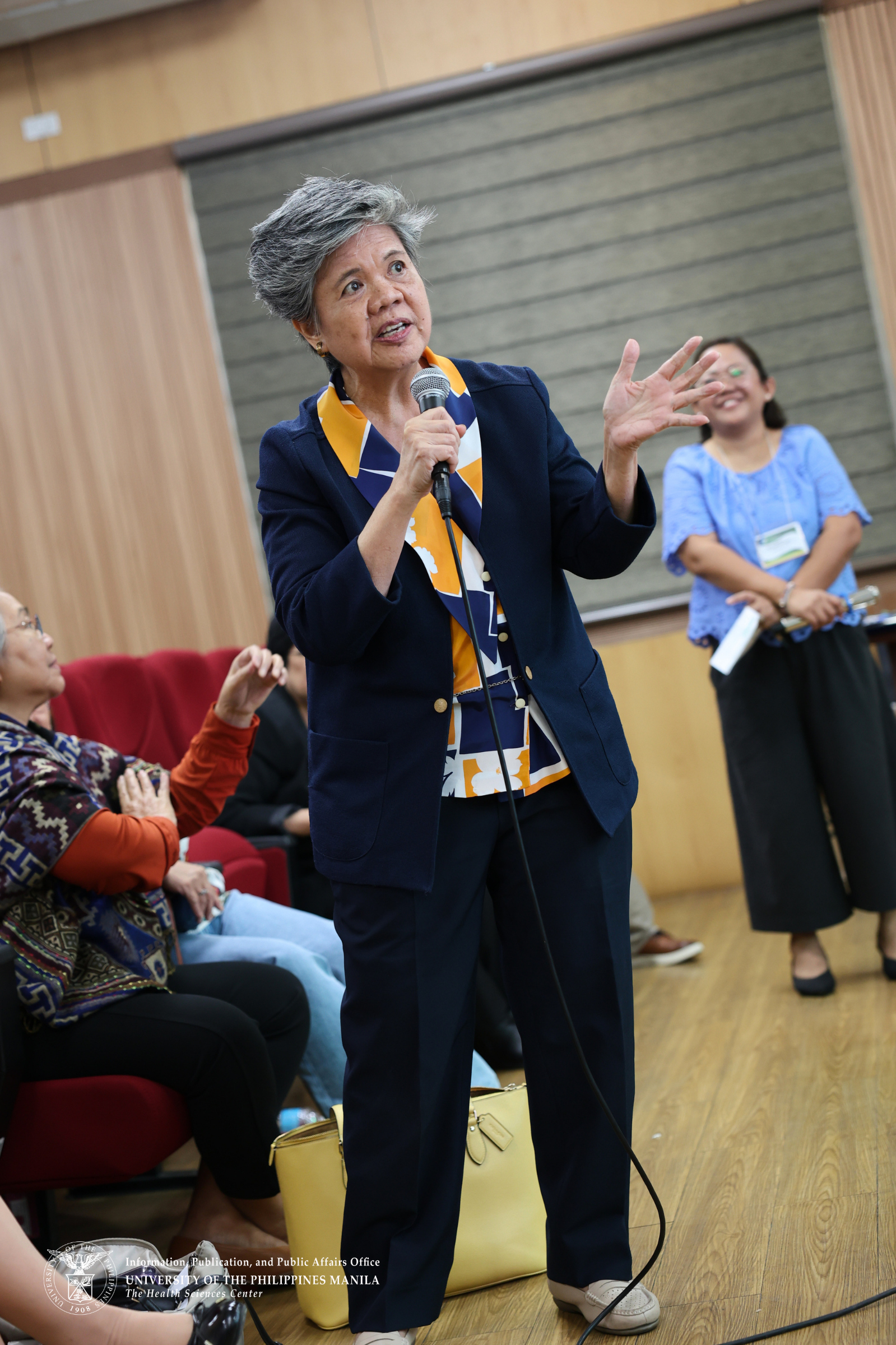
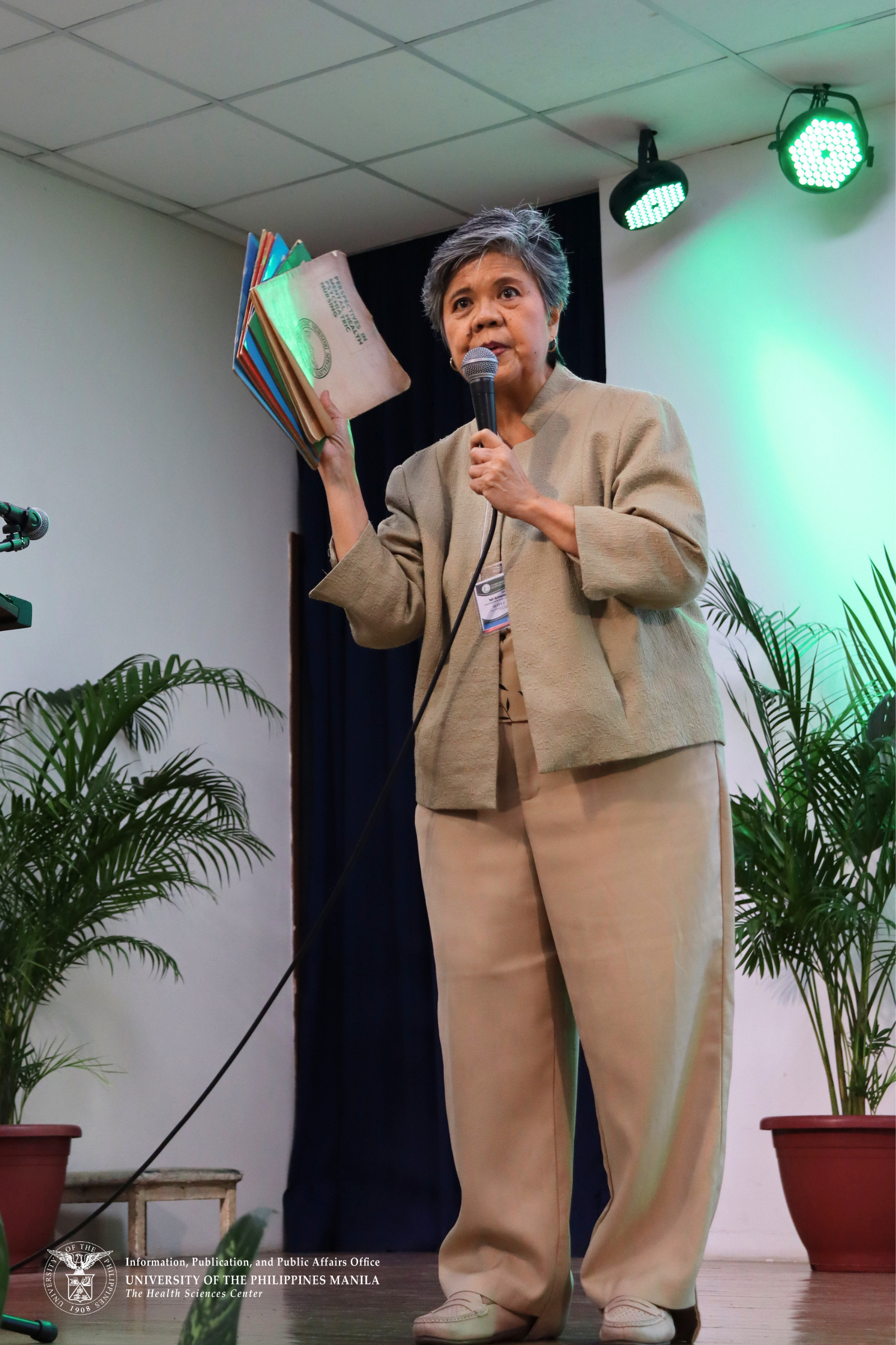
Veteran psychiatric nurse and former Professional Regulatory Board of Nursing member Perla Po urged Filipino nurses to pursue specialization and lifelong professional development. She emphasized that mental health care is no longer confined to psychiatric institutions but has become an essential component of nursing practice across all healthcare settings.
“My belief is that mental health psychiatric nursing is an integral part of all of nursing,” Po said in her keynote address. “Wherever you are in whatever field of nursing you are practicing right now, you will be needing mental health psychiatric nursing concepts.”
Po said the growing burden of mental health conditions makes psychiatric nursing competencies increasingly relevant across healthcare settings. Citing the World Health Organization, she noted that mental disorders are among the leading causes of disability worldwide, affecting quality of life, productivity, and economic development. She also discussed the rising cases of suicide, emotional distress, financial hardship, relationship problems, and loneliness in the Philippines.
She discussed Republic Act No. 11036, or the Philippine Mental Health Act, which recognizes psychiatrists, psychologists, psychiatric nurses, social workers, and other qualified practitioners as members of the country’s mental health workforce. Despite this policy, she said the country continues to face a shortage of mental health professionals. She noted that while the Department of Health recommends one nurse for every 24 psychiatric beds per shift, many public psychiatric facilities have only one nurse caring for 50 to 100 patients. She also pointed to the uneven distribution of psychiatric nurses across the country, with most based in Metro Manila, while many provinces continue to have limited access to specialized mental health care.
To address these gaps, Po asserted the need to strengthen psychiatric nursing specialization. She traced the development of the field in the Philippines, from the establishment of Psychiatric Nursing Specialists Inc. in 1975 to the UP College of Nursing’s pioneering Master of Nursing program specializing in mental health and psychiatric nursing.
While encouraging nurses to pursue graduate education, Po stressed that specialization is no longer limited to academic degrees. She highlighted the Professional Regulation Commission’s Career Progression and Specialization Program, which recognizes competencies gained through specialized training, clinical experience, continuing professional development, and lifelong learning. She added that the Philippine Qualifications Framework now provides additional pathways for recognizing professional competencies through documented practice and microcredentials.
Looking ahead, Po called on the newly established FMHPNSI to help develop competency standards, training programs, and qualification frameworks that will support advanced practice in psychiatric nursing. She said professional organizations have a key role in shaping standards of practice, strengthening specialization, and preparing the nursing workforce to meet the country’s growing mental health needs.
Examining Psychiatric Nursing’s Evolving Roles
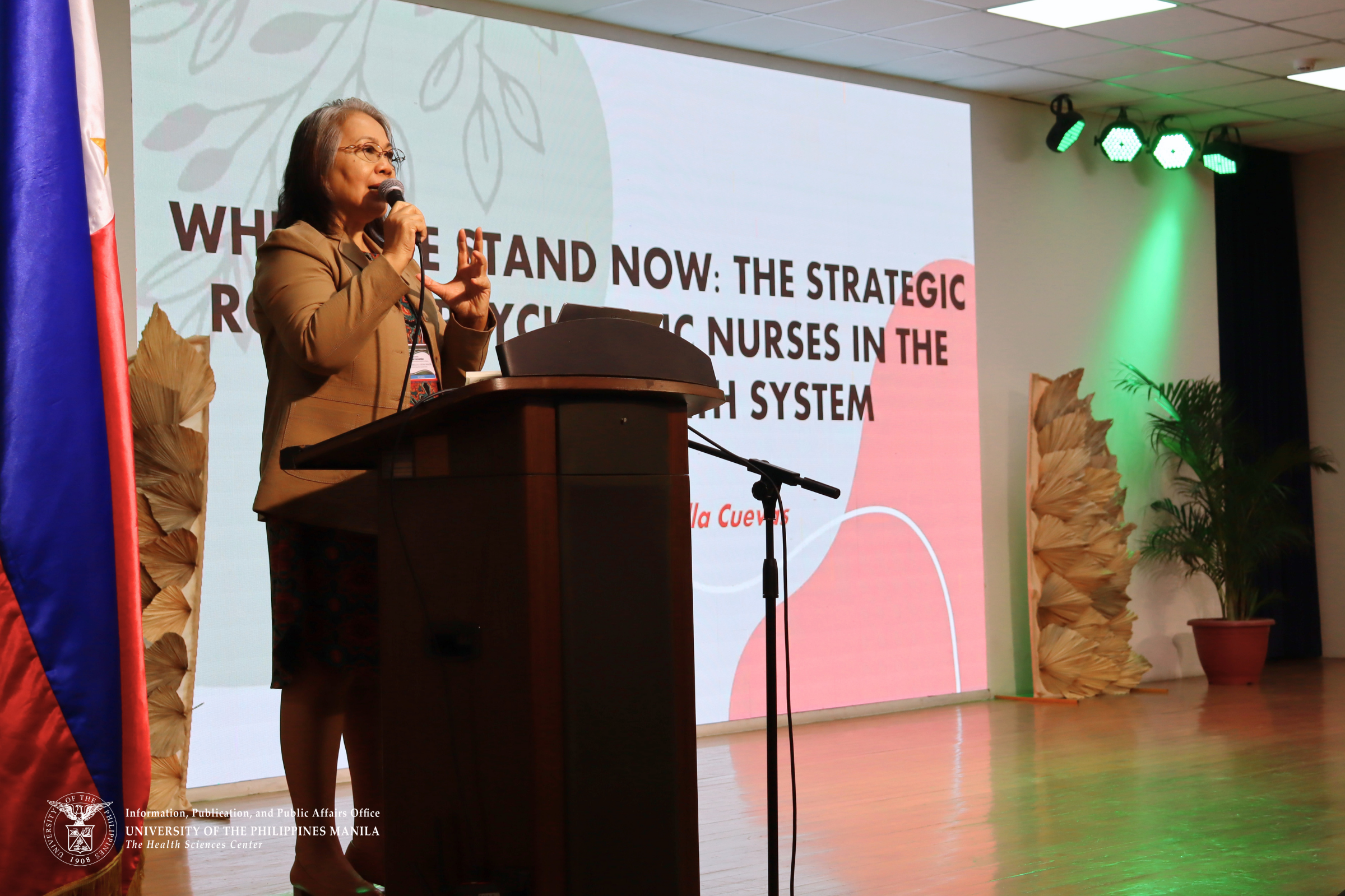
The convention, co-hosted by the College of Nursing, emphasized the expanding scope of psychiatric nursing beyond traditional hospital settings. Frances Prescilla Cuevas, former Department of Health chief health program officer and president of the National Association of Public Health Nurses Inc., encouraged nurses to extend their practice to primary care, community health, schools, workplaces, and public health. Meanwhile, Betty Merritt, former Professional Regulatory Board of Nursing member and dean of the University of the East Ramon Magsaysay Memorial Medical Center College of Nursing, emphasized that psychiatric nurses must clearly define and strengthen their professional identity within multidisciplinary mental health teams, guided by established standards of practice and competency.
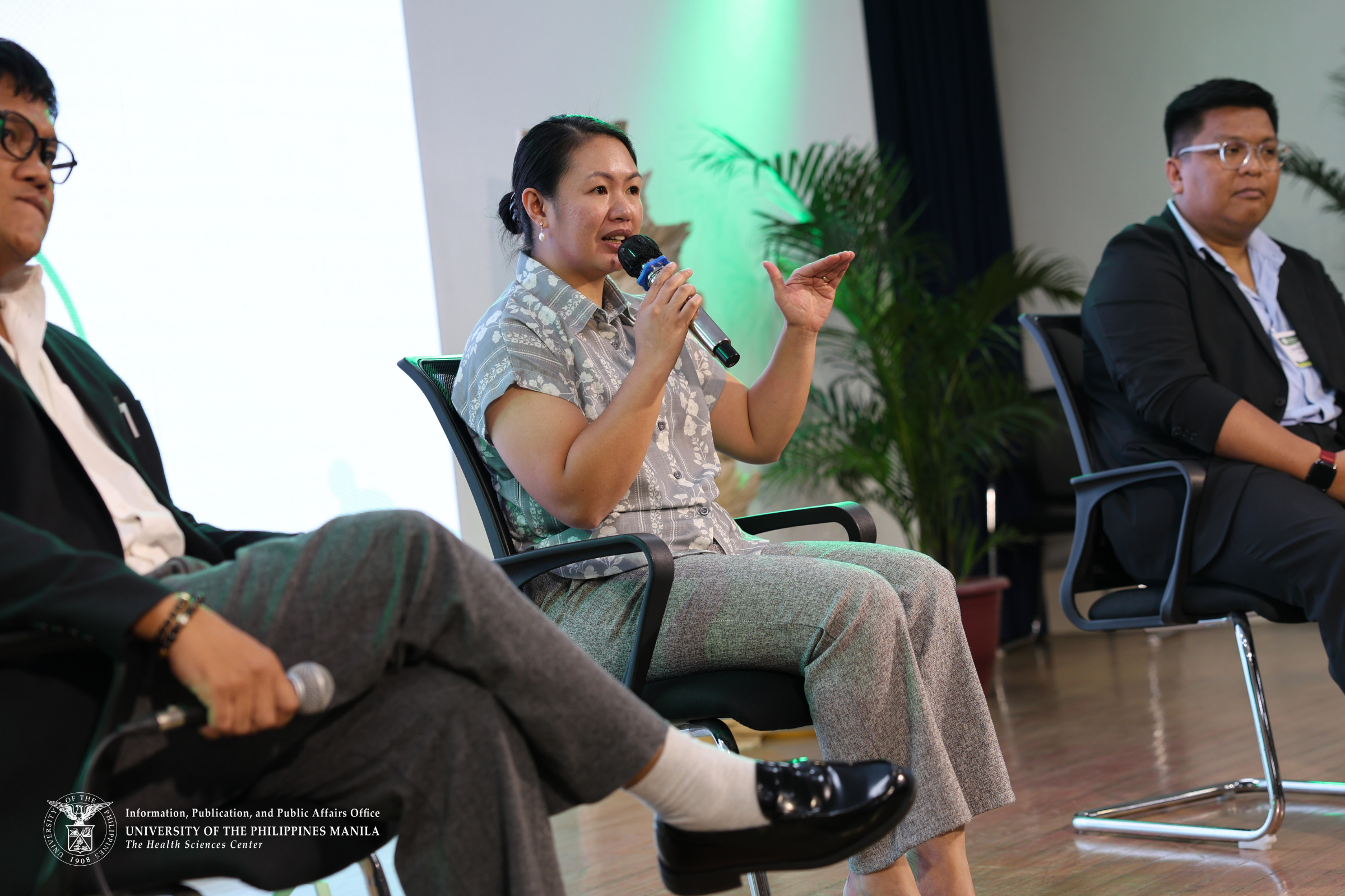
The convention’s fireside chat further explored the profession’s evolving roles across different practice settings. Practitioners from community health, independent practice, hospital-based care, academia, and healthcare administration shared how psychiatric nurses continue to respond to the country’s changing mental health needs.
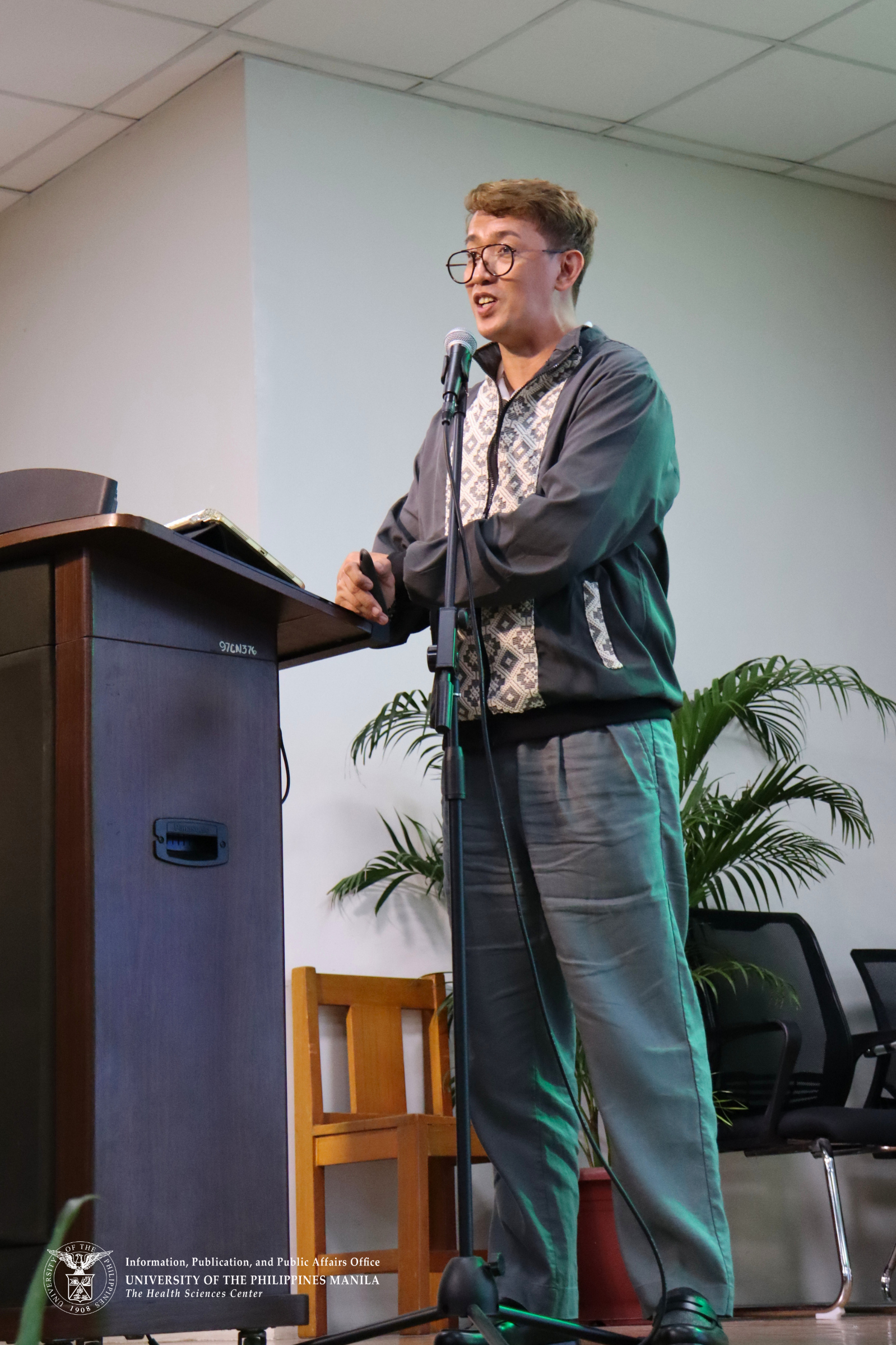
Kristine Joy Tomanan discussed delivering mental health services in communities and making care more accessible beyond hospitals. Prof. Dominic Paguio reflected on opportunities and challenges in independent practice, while Jessica Christel Maglalang of the UP Philippine General Hospital and Ariel Bernardo of the National Center for Mental Health shared their experiences providing psychiatric nursing care in clinical settings. Representing the academe, Asst. Prof. Berryl Battad of the University of Santo Tomas and Assoc. Prof. Kathryn Lizbeth Siongco of UP Manila highlighted the role of nursing education in preparing future mental health professionals, while Agnes Lacerna, administrator of Divine Mercy Psychiatric Facility, discussed leadership and entrepreneurship as emerging opportunities for psychiatric nurses.
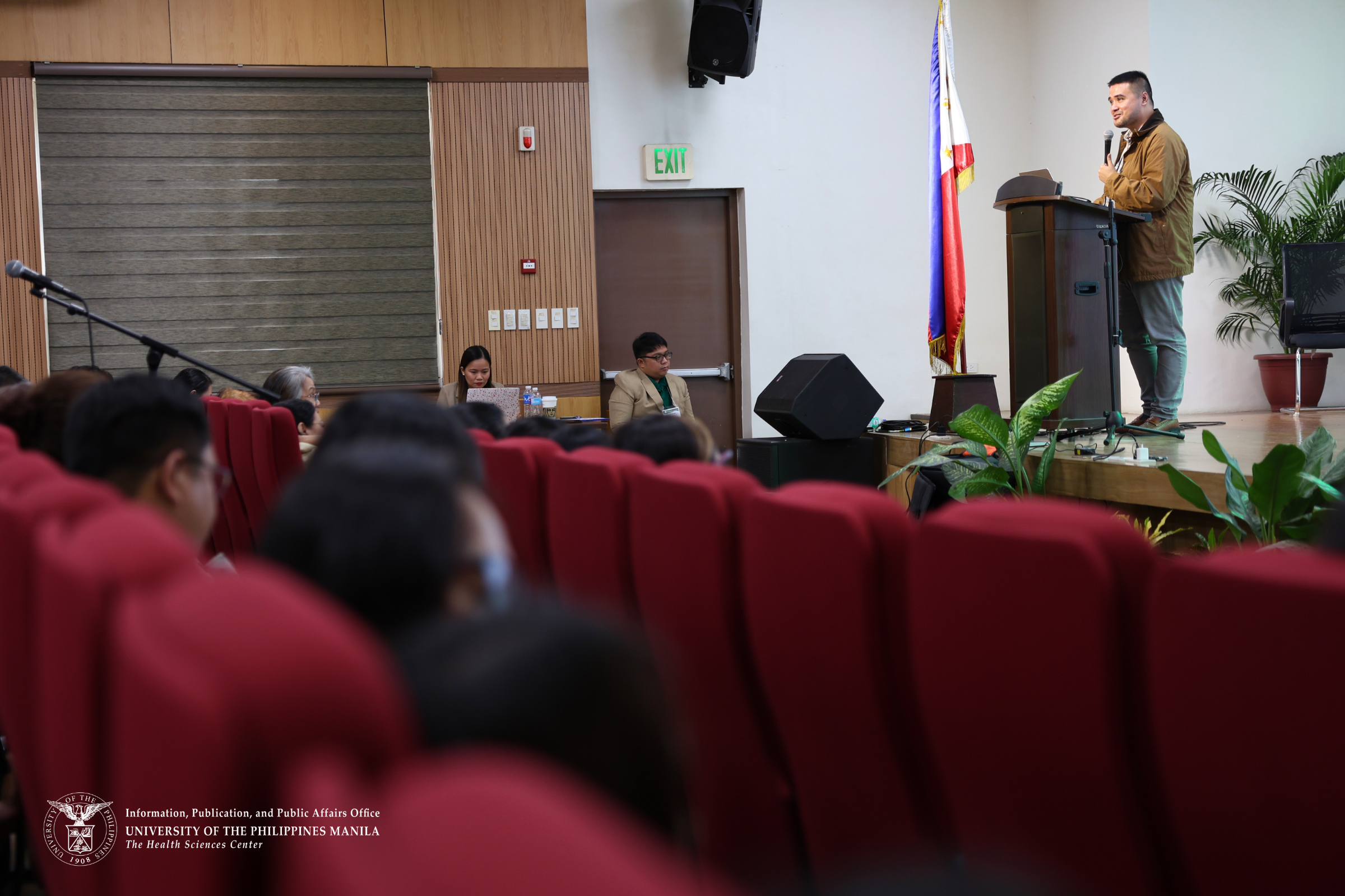
Echoing the discussions, FMHPNSI interim national president Ronnell Dela Rosa said the organization seeks to unite mental health and psychiatric nurses while strengthening the specialty’s identity within the nursing profession.
“May we remain steadfast in our mission to advance mental health and psychiatric nursing, strengthen our professional identity, foster excellence in practice, education, research, and leadership, and champion the accessibility of psychiatric and mental health care services in the Philippines.”
Building Resilient Mental Health Nurses
Building a strong psychiatric nursing workforce also requires investing in nurses themselves. Maria Rita Tamse, former deputy director for nursing of the UP Philippine General Hospital, emphasized that resilience is fostered through intentional mentorship, supportive leadership, and workplace cultures where nurses feel valued and empowered to grow. She encouraged experienced nurses to mentor the next generation while creating environments that promote collaboration, recognition, and professional fulfillment.
Complementing this perspective, Prof. Paguio underscored the importance of self-care and positive psychology in sustaining mental health professionals. He encouraged nurses to adopt strengths-based approaches that cultivate resilience, gratitude, mindfulness, meaningful relationships, and purpose, reminding participants that caring for others also requires caring for themselves.
Sharing from the experience of the UP Philippine General Hospital Care Society, Marian Villanueva, Nurse IV at UP Philippine General Hospital and FMHPNSI interim vice president, emphasized that supporting nurses’ mental health requires institutional commitment. She highlighted how peer support, counseling, mindfulness activities, and psychosocial interventions create psychologically safe workplaces, enabling healthcare workers to remain resilient while providing compassionate patient care.
Nurse-led Innovations in Mental Health Care
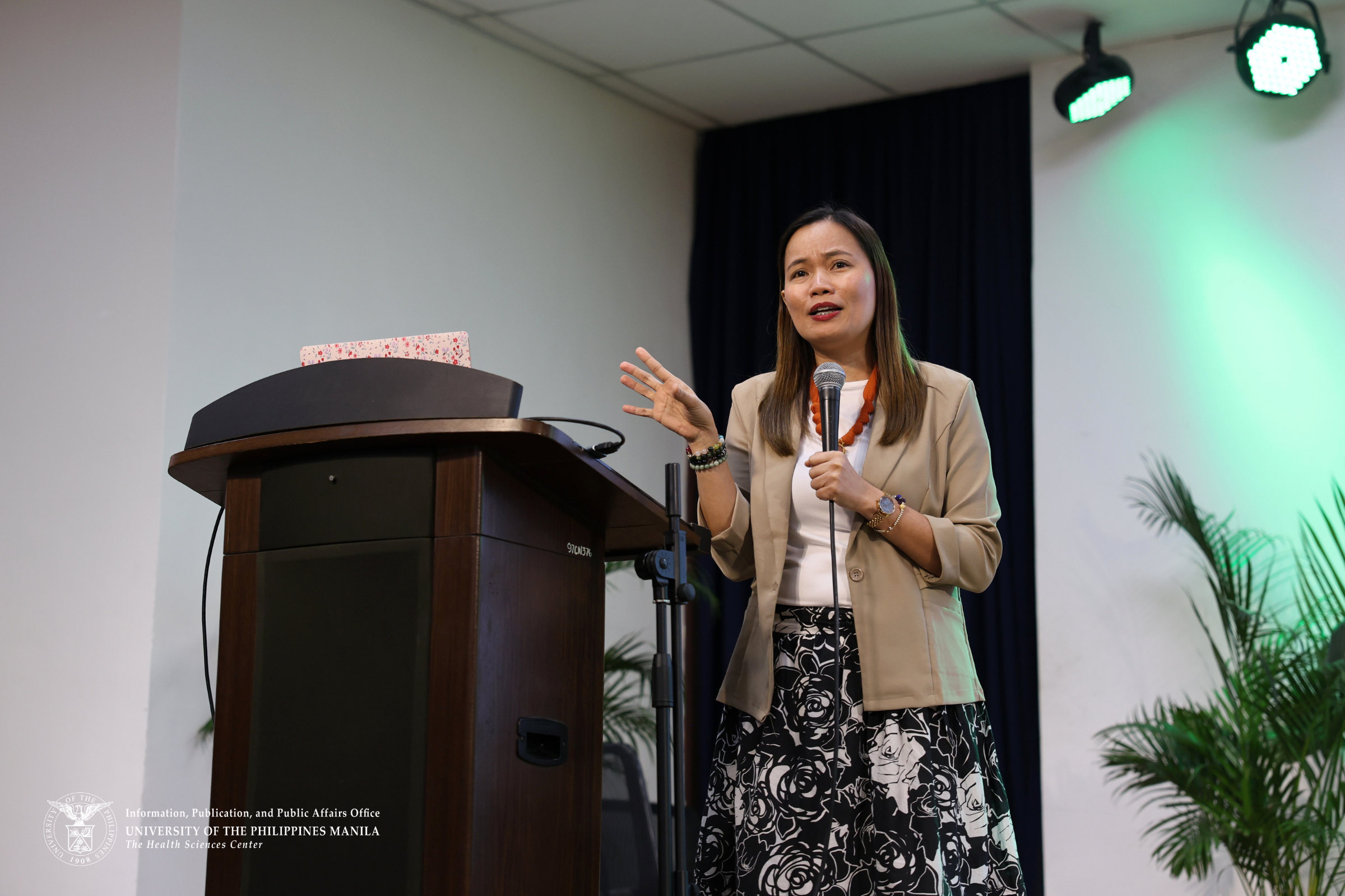
Terrence Glen Saberon of Aboitiz Power discussed integrating mental health into corporate and industrial workplaces through occupational health and safety programs that promote employee well-being. Andro Carl Coronejo of the UP Philippine General Hospital presented the PGH Care Society Workplace Mental Health Program for Nurses, demonstrating how peer support, counseling, mindfulness, and psychosocial interventions help foster resilience and psychological safety among healthcare workers. Meanwhile, Ma. Rhealine Mendoza of the Bureau of Jail Management and Penology shared a nurse-led mental health program for persons deprived of liberty, underlining the role of psychiatric nurses in providing assessment, intervention, and continuity of care within correctional facilities. The discussion showed how psychiatric nurses are creating evidence-informed mental health programs that expand access to care in workplaces, hospitals, and correctional facilities.
Strengthening a Professional Community
UP College of Nursing Dean Sheila Bonito reaffirmed the College’s commitment to advancing psychiatric nursing through sustained collaboration with FMHPNSI. She emphasized that strengthening the specialty requires a connected professional community that continues to share knowledge, build partnerships, and support one another beyond the convention.
“The UP College of Nursing supports this partnership. And we really look forward to working together because there’s a lot that we can do, especially for the nursing profession, and of course, for our patients.”
The inaugural convention brought together delegates from nearly 60 academic institutions, healthcare facilities, government agencies, and professional organizations nationwide, laying the foundation for continued collaboration in advancing psychiatric nursing specialization and improving access to quality mental health care in the Philippines.



#FP1 #innovationsforlifelonglearningdedicatedtoservice
READ MORE: