

Text by Charmaine A. Lingdas
Photos by Jericho Paolo L. Mabansag
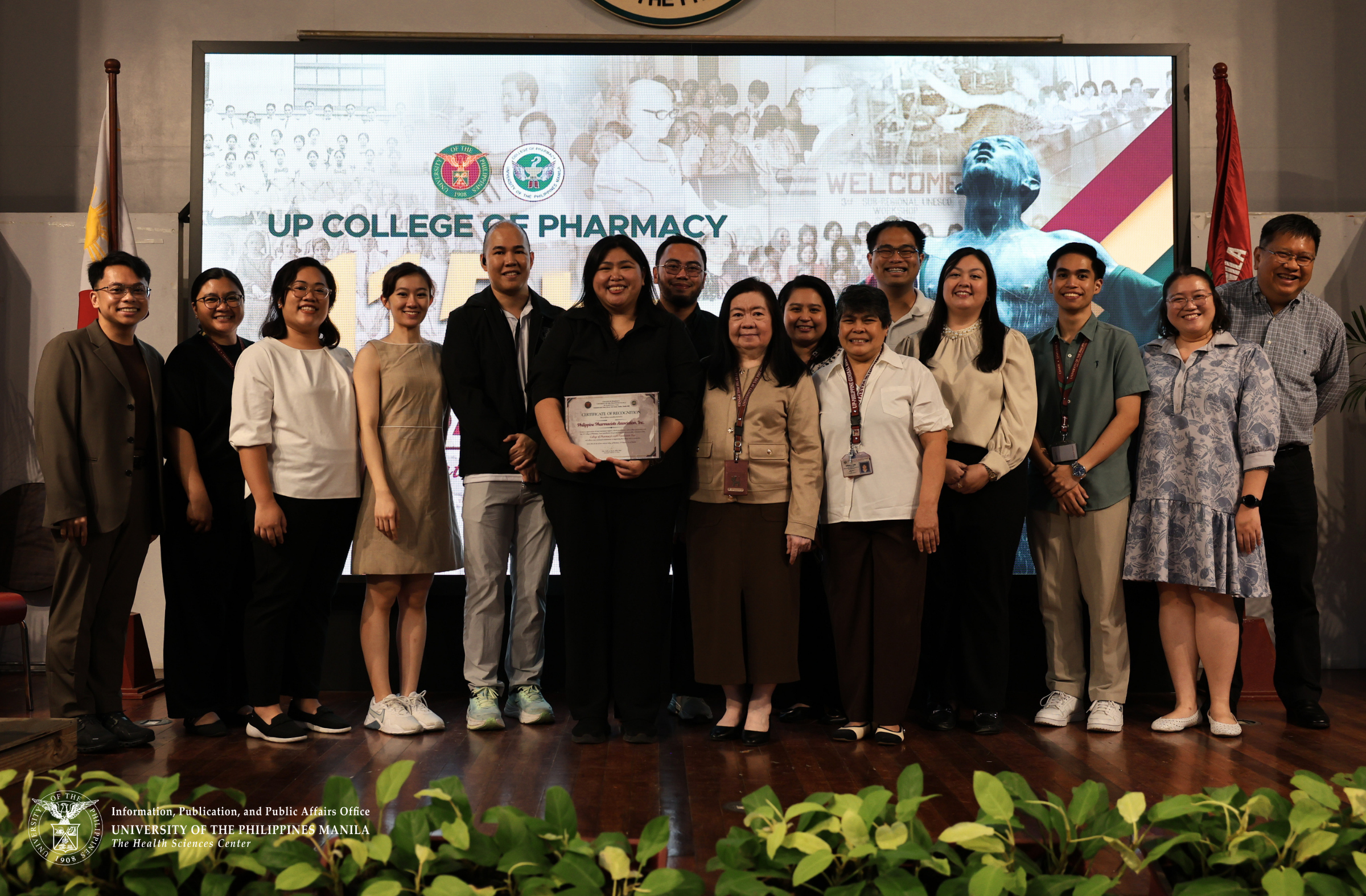
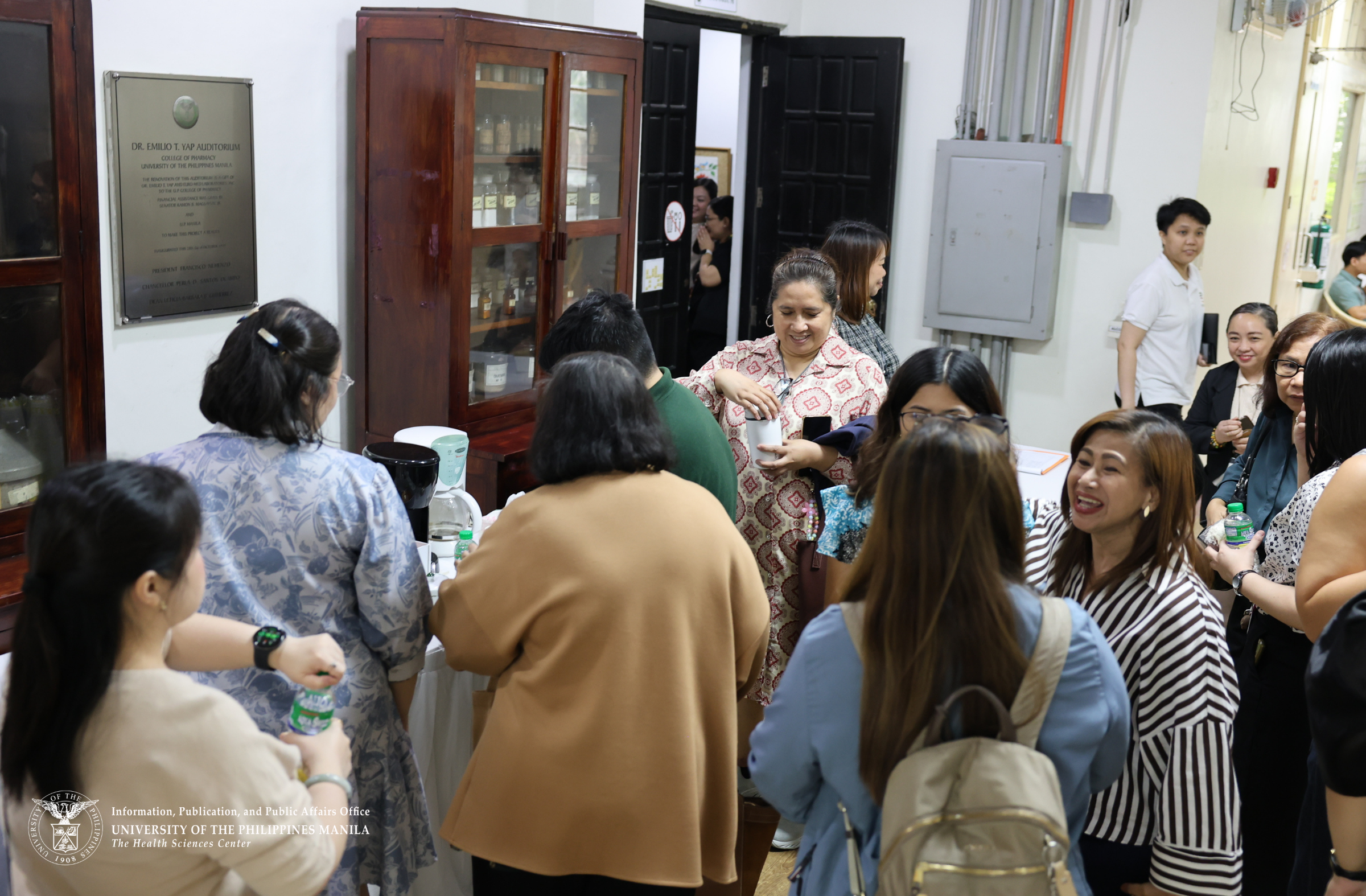
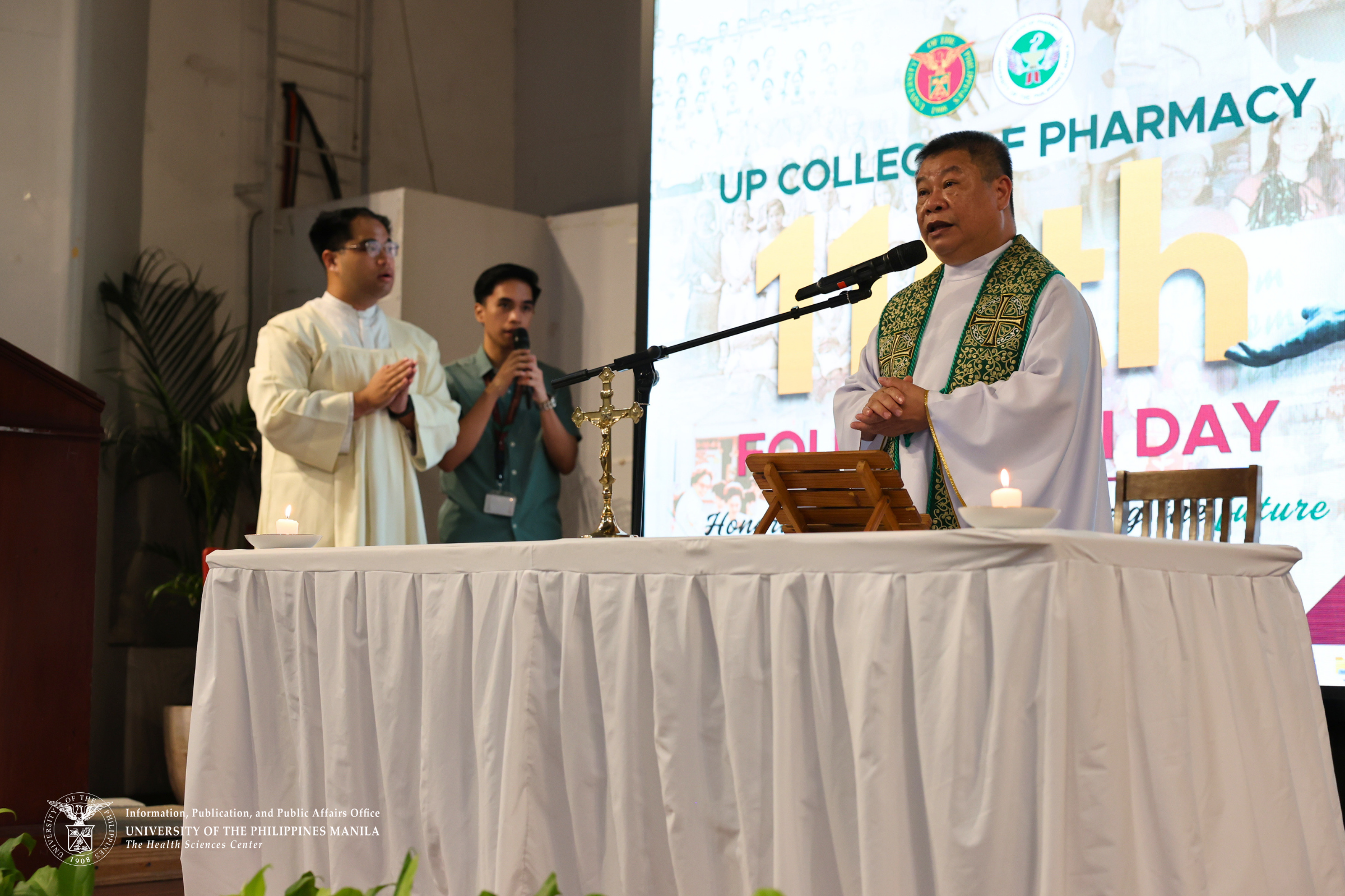
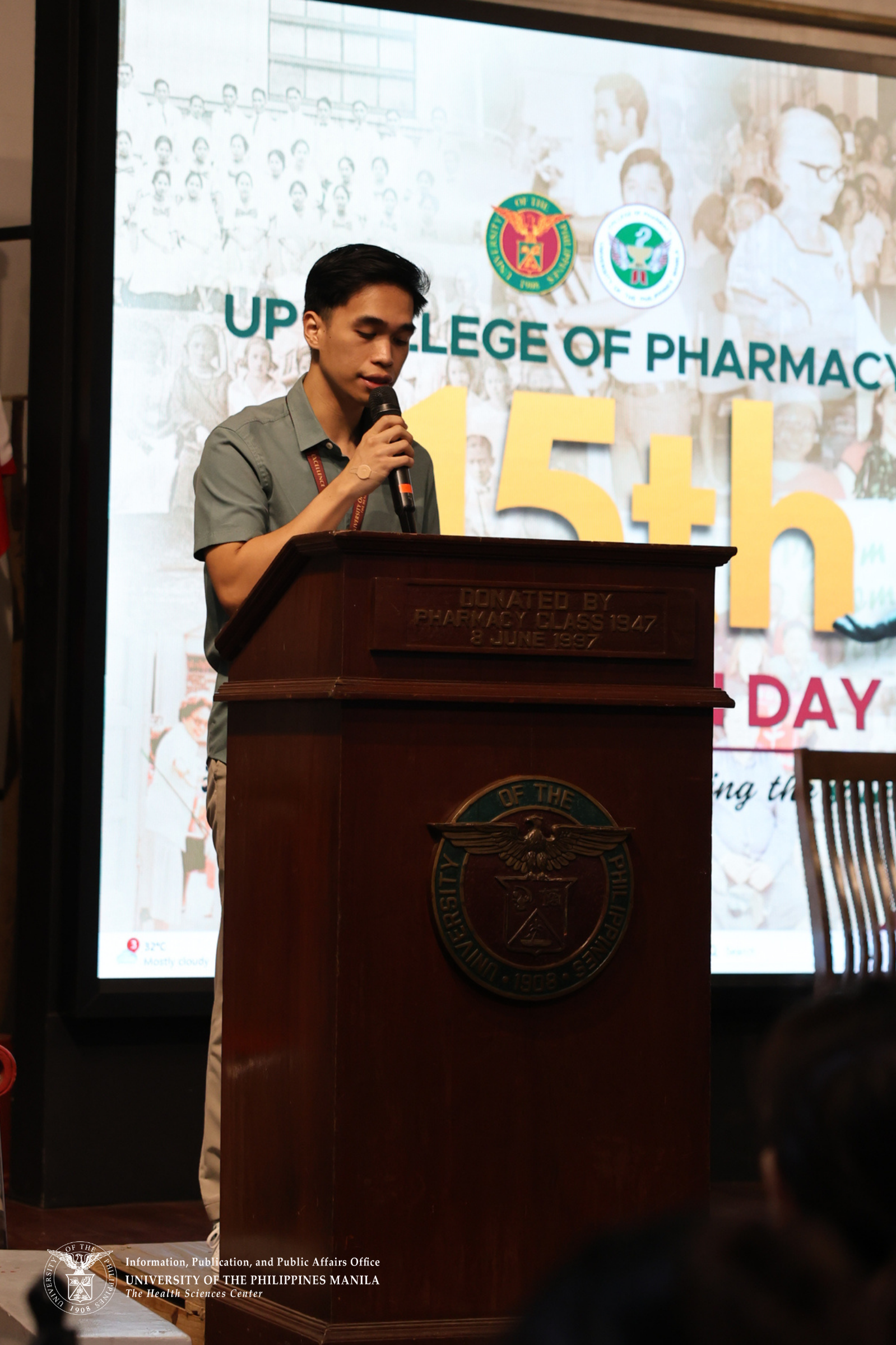
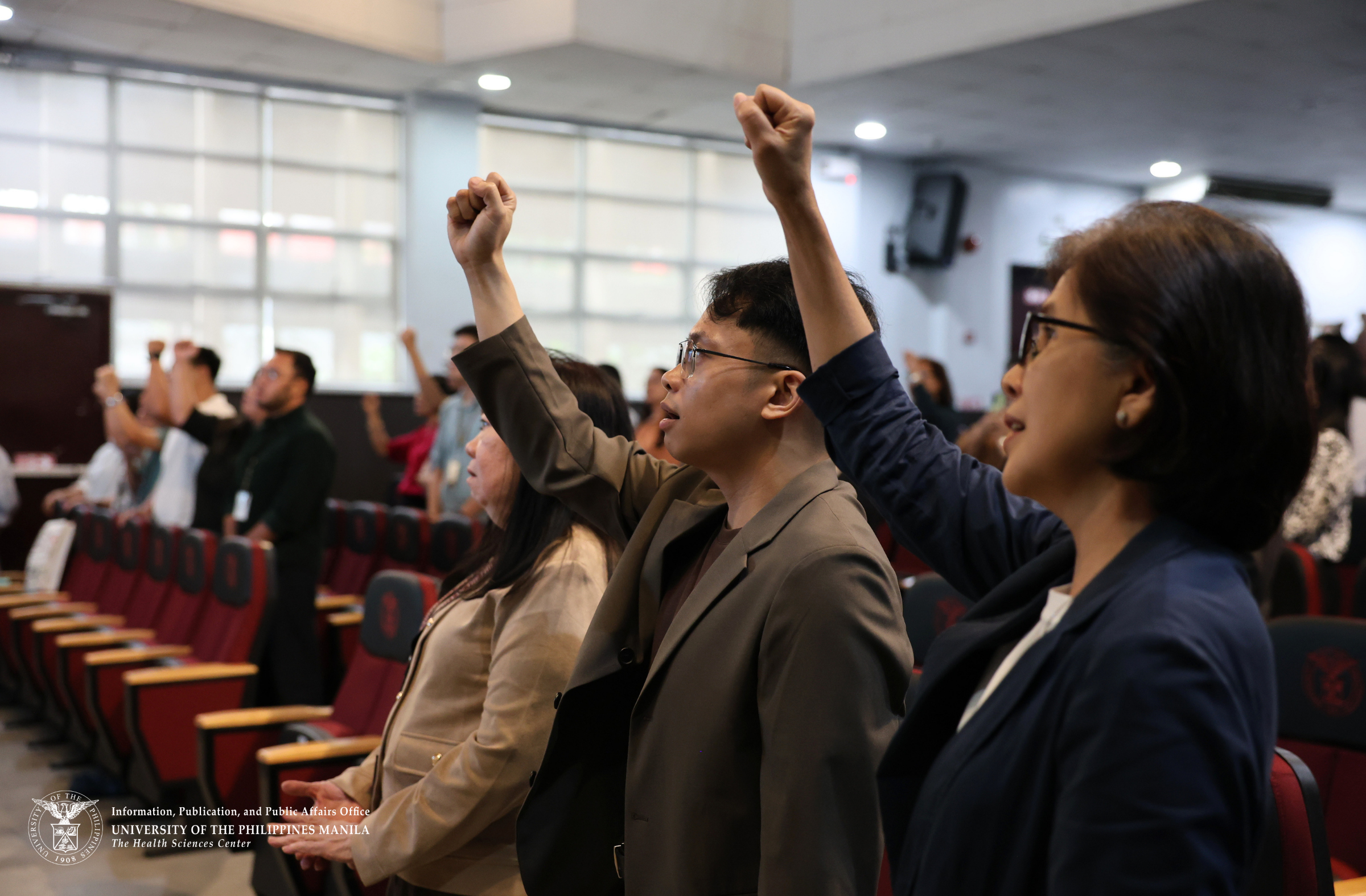
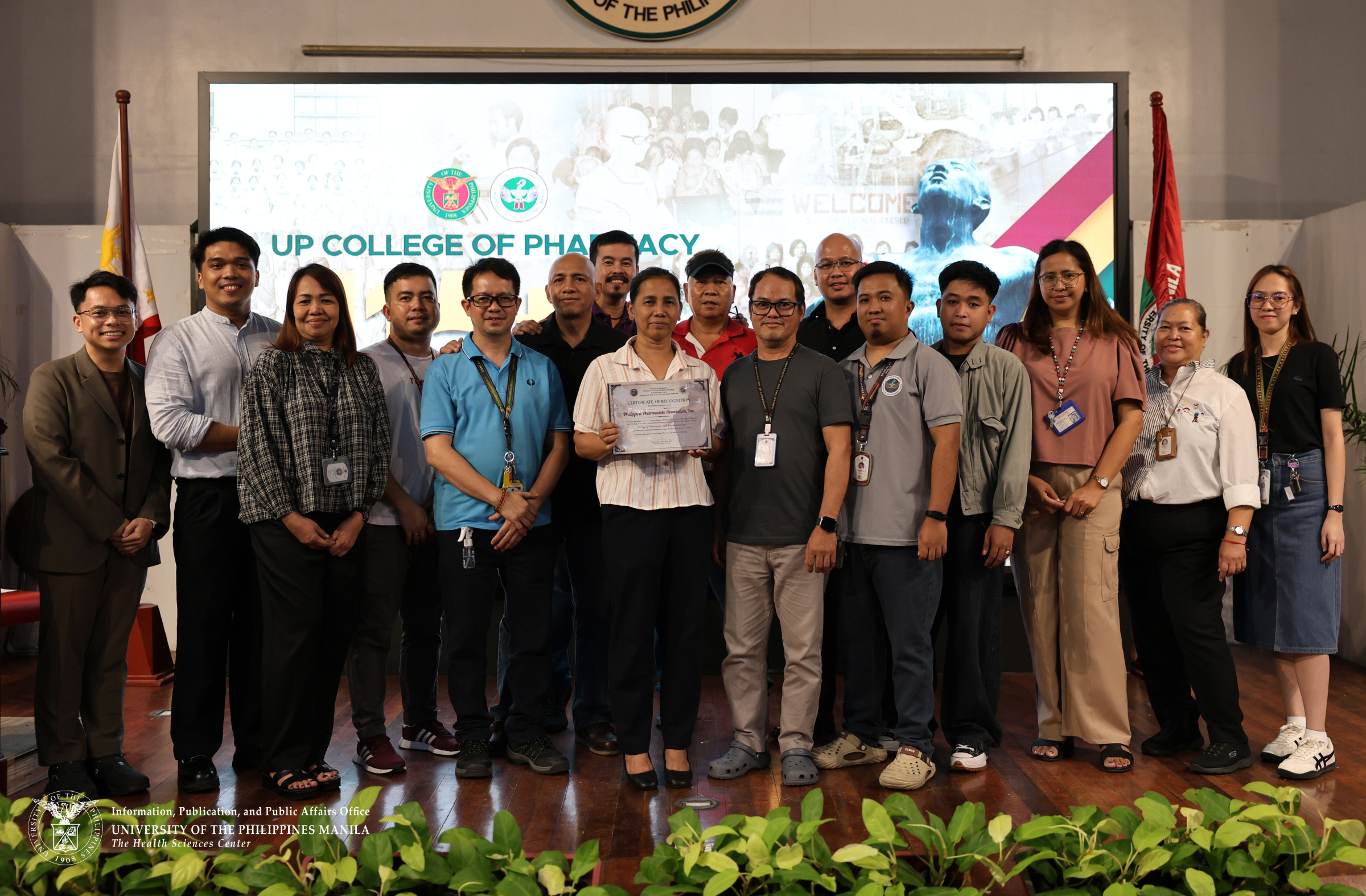
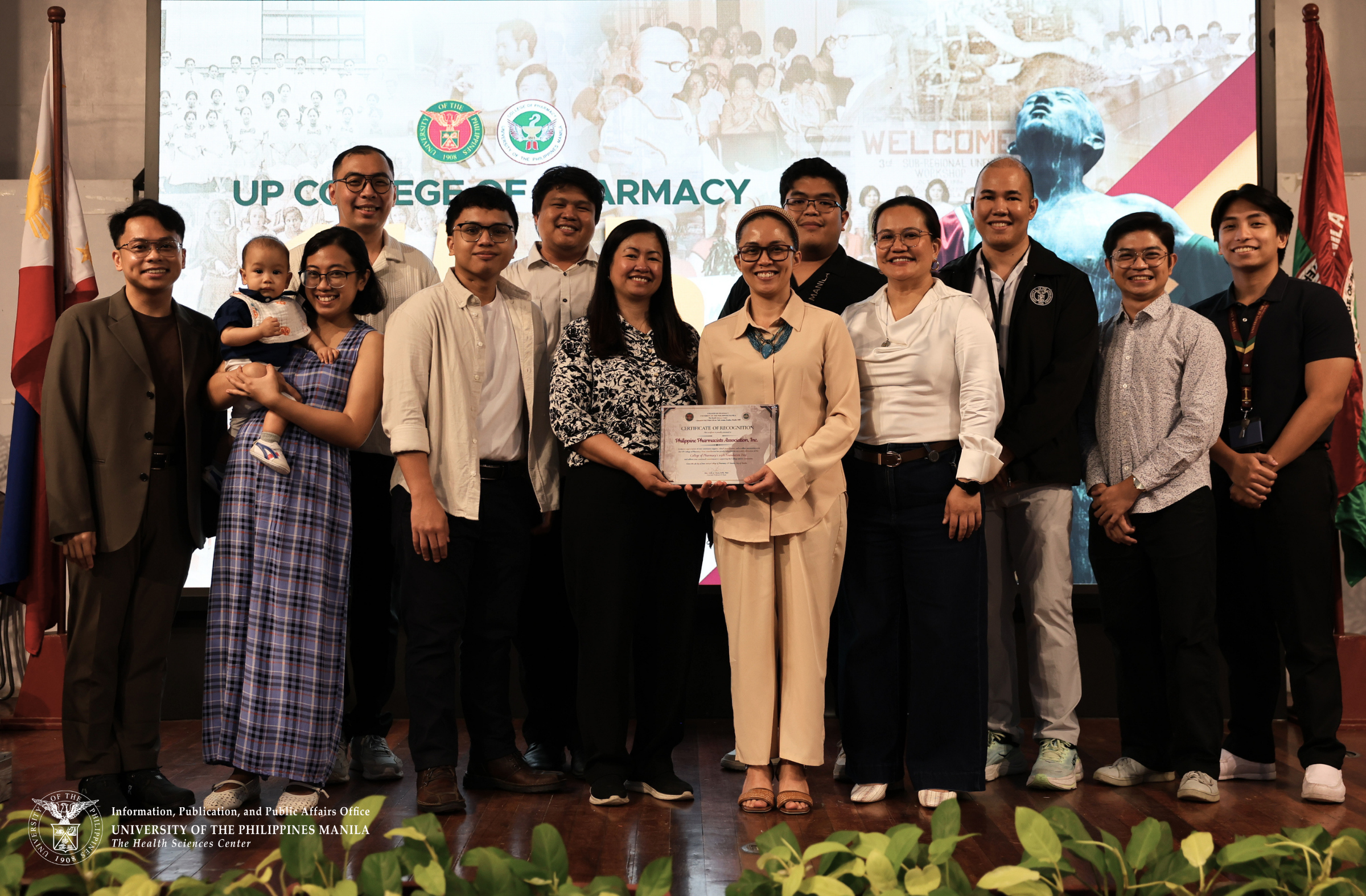
The University of the Philippines Manila College of Pharmacy (UPCP) held its 115th Foundation Day on June 5, 2026, at the Emilio T. Yap Auditorium, Valenzuela Hall. The celebration was marked by a thanksgiving program honoring the College’s rich history, enduring legacy, and continuing commitment to advancing pharmacy education, research, and public service. With the theme “Honoring the Past, Empowering the Future,” it brought together university officials, faculty, staff, students, alumni, partners, and friends of the College.
115 Years of Scientific and Public Health Contributions
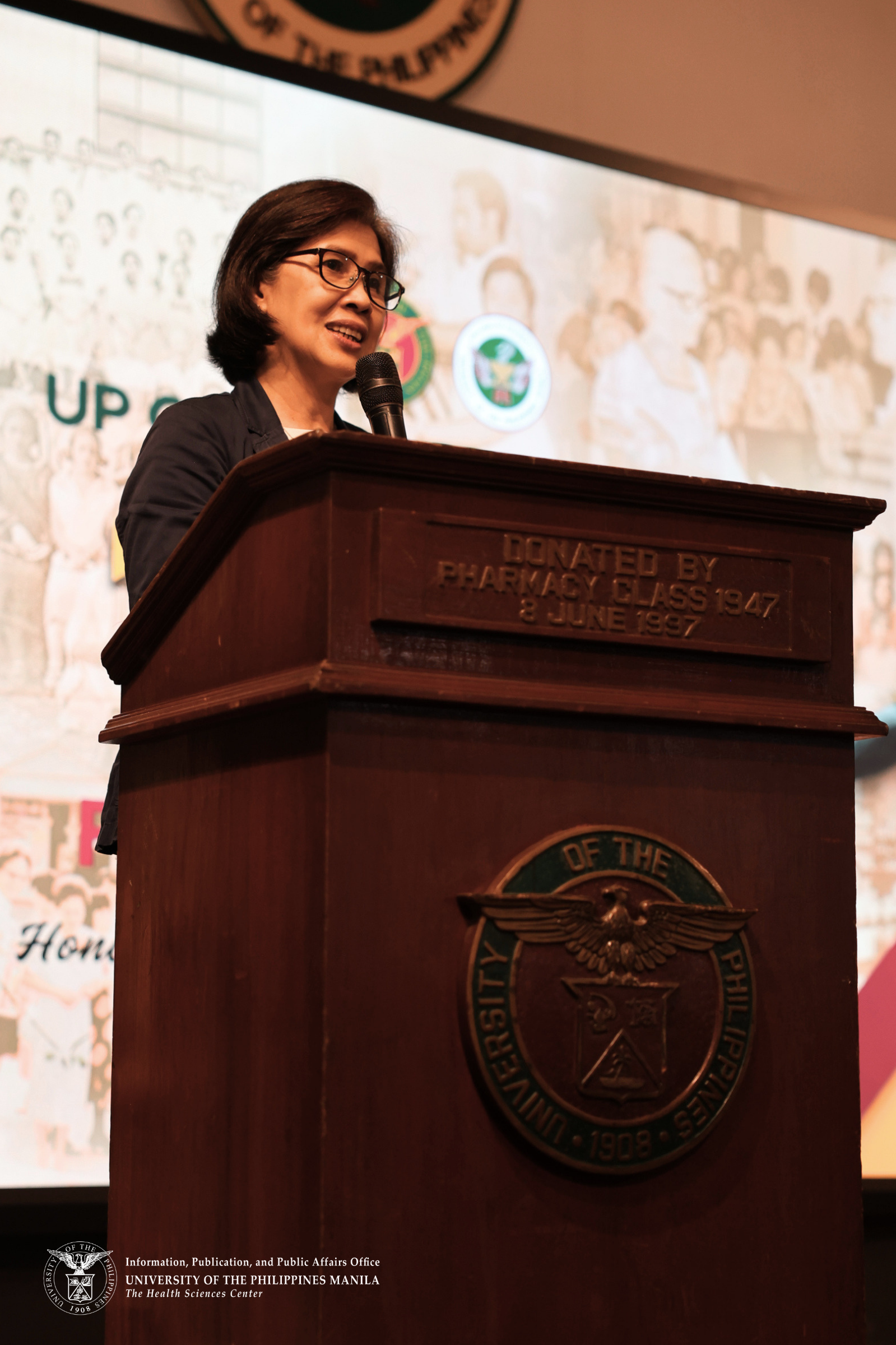
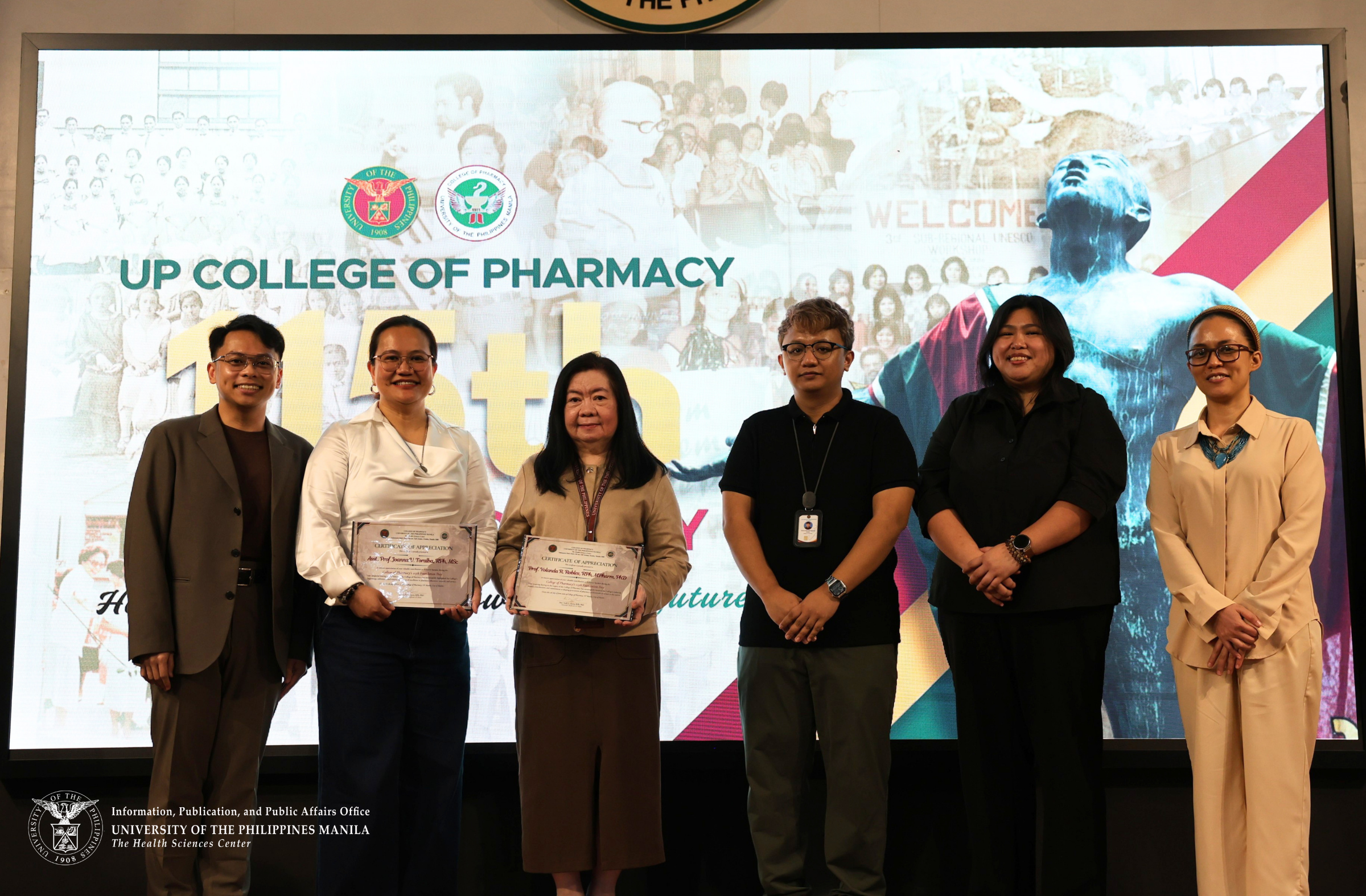
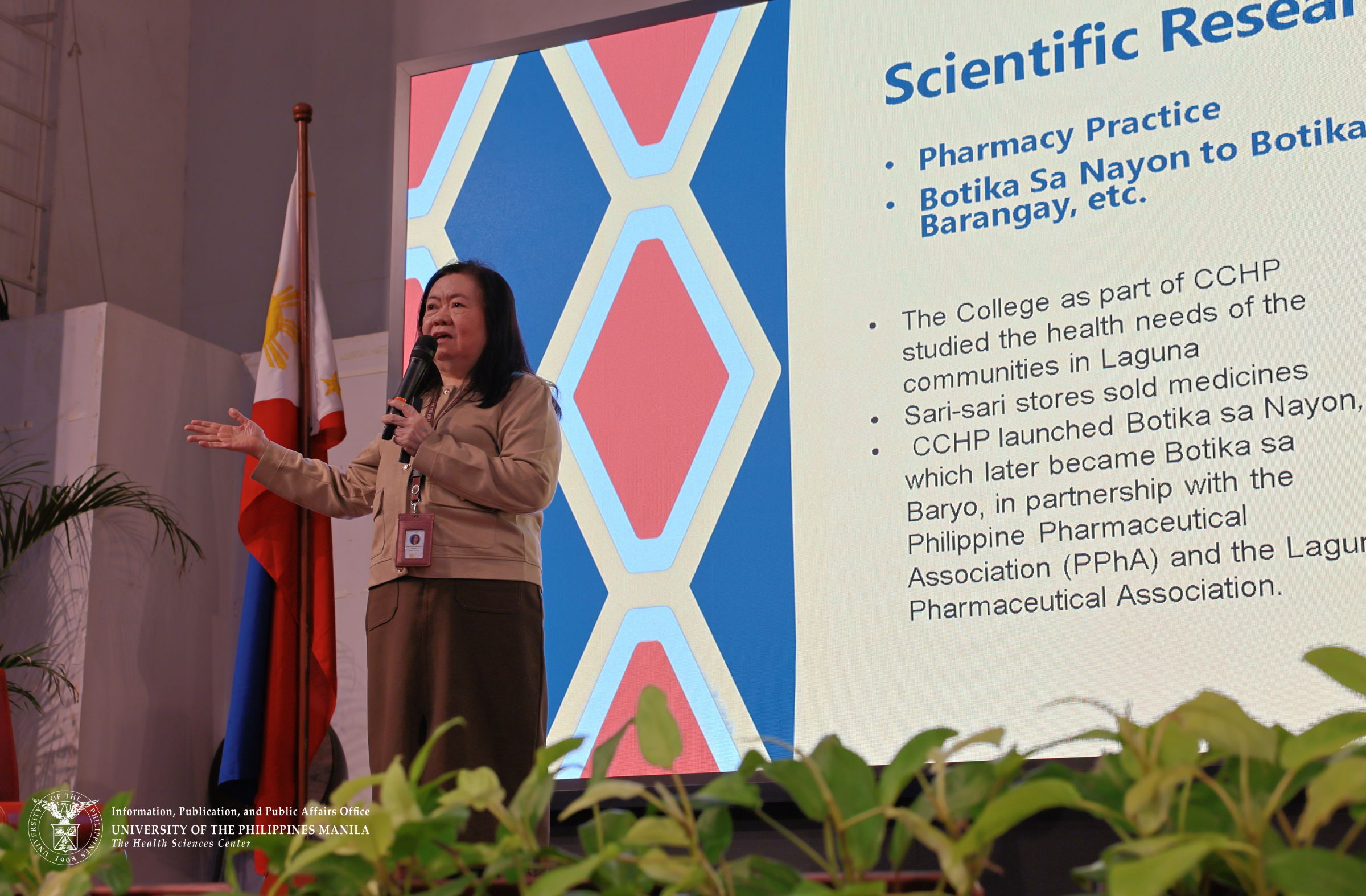
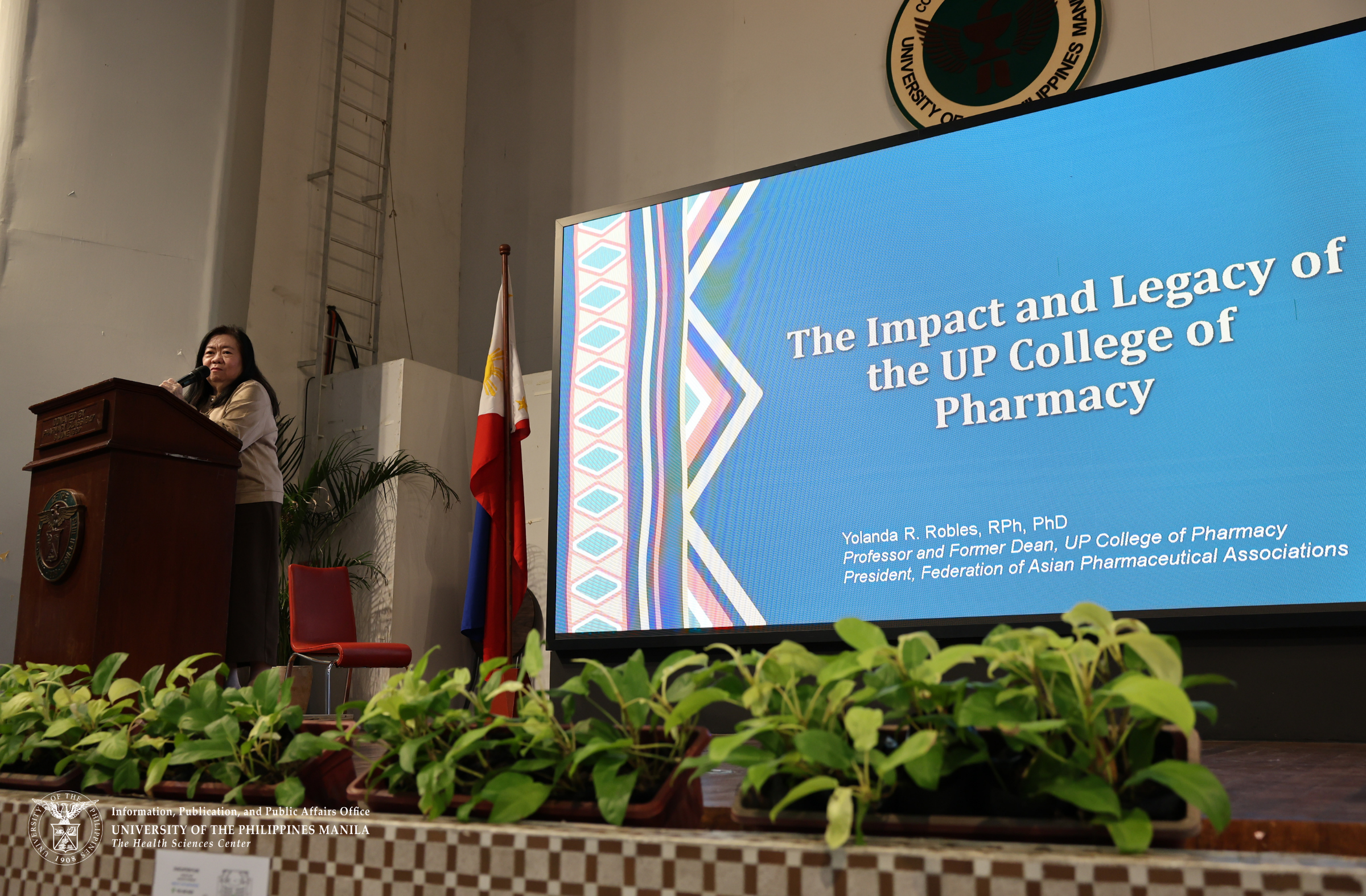
“The College of Pharmacy has evolved from its beginnings, having transformed its offerings in response to the changing health priorities of the country, the developing pharmaceutical industry, and the greater demand for expanded roles of pharmacists in the areas of public health and pharmaceutical manufacturing,” said former College of Pharmacy dean Dr. Yolanda Robles, who delivered a lecture on the impact and legacy of UPCP.
Dr. Robles narrated that, beyond official historical accounts of the University, the first President of the University of the Philippines, the Reverend Dr. Murray Bartlett, was once associated with the Episcopalian Church of John and Mary in the Philippines before being called to establish the University. She highlighted his vision of UP as a non-sectarian institution, open to all and distinct from religious universities, and emphasized its strong national orientation, quoting its early principle that “there can be no greatness without nationality” and that UP “must grow in the Philippine soil” rather than be a reproduction of foreign models. She added that the 1908 Magna Carta of the University established enduring principles of honor, excellence, and service to the Filipino people.
Tracing the history of the UPCP from its founding on June 5, 1911, Dr. Robles noted its evolution from its early beginnings under the College of Medicine and Surgery to becoming an independent college in 1935. Throughout its 115-year history, she said, the College has consistently responded to the changing health needs of the country through research and innovation, particularly in addressing early public health challenges such as beriberi and intestinal parasitic infections, where medicinal plant research played a vital role.
She also recognized the contributions of Filipino scientific pioneers, including National Scientist Dr. Alfredo C. Santos, pharmacognosist Dr. Magdalena Cantoria, and National Scientist Dr. Luz Oliveros-Belardo, whose work in natural products and medicinal chemistry helped define Philippine pharmaceutical research. Among these, she highlighted Dr. Santos—known as the father of natural products research in the Philippines—for his extensive contributions and long-standing service to the University.
From tiki-tiki to pharmacopeial standards
Dr. Robles revisited the historical development of “tiki-tiki,” a rice bran-based preparation used to address beriberi in the early 20th century. She explained how early observations, public health needs, and scientific inquiry converged to develop and standardize this intervention.
She further highlighted how the College later contributed to the development of quality standards and monographs submitted to international references such as the United States Pharmacopeia, reflecting its early engagement in global scientific discourse.
The “aspirin mystery” and tropical medicine standards
Another key historical case she discussed was the so-called aspirin quality issue in the Philippines. Early findings had suggested substandard pharmaceutical products, but further research revealed that aspirin degradation under tropical conditions explained the results.
This discovery led to the recognition that existing pharmacopeial standards, largely based on temperate climates, did not fully apply to tropical settings. It ultimately contributed to broader advocacy for region-appropriate pharmaceutical standards and strengthened the Philippines’ voice in international regulatory discussions.
Education, policy, and community impact
Beyond research, Dr. Robles emphasized the College’s significant role in shaping pharmacy education, national drug policy, and pharmaceutical practice. She cited contributions to the Philippine National Formulary, curriculum reforms, and the expansion of pharmacy services in both community and rural health settings.
She also noted the evolution of pharmacy education from a four-year to a five-year curriculum, followed by reforms that strengthened clinical pharmacy training and specialization in drug discovery and pharmaceutical care.
She added that “research as a lifeblood of the College has fueled its services to the government, the profession, and the community, and sustained the College’s linkages to various academic and research institutions here and abroad. The University has invested in its faculty by providing the best possible education through support from local and international funding agencies and reputable academic institutions.”
From 1911 to the Present: A Continuing Legacy
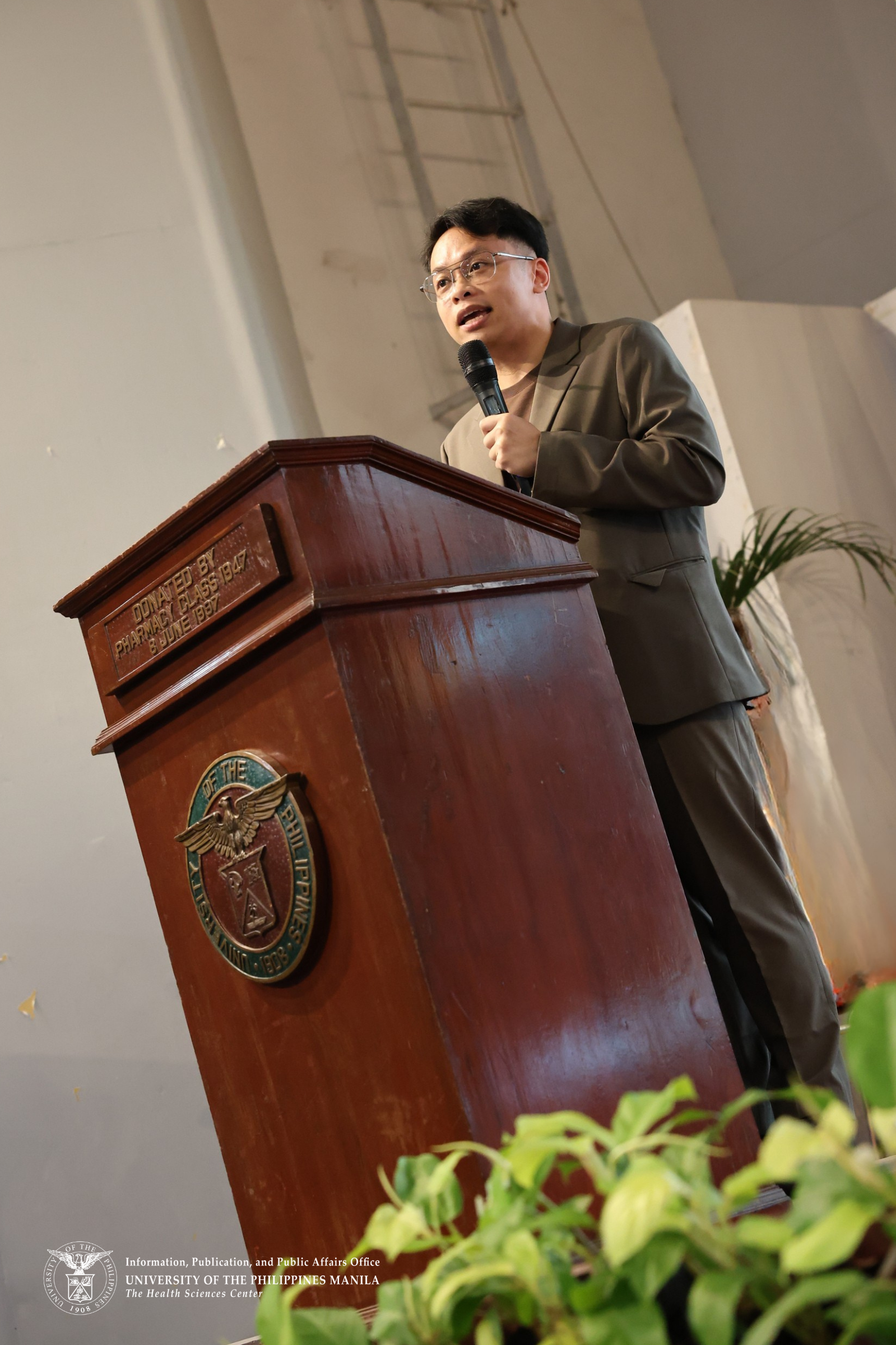
College of Pharmacy Dean Mac Ardy Gloria emphasized that the milestone was more than a commemoration of time.
“This event is not only a commemoration of the time that has passed already, but it is a reflection of the shared journey that we have had that actually began in 1911,” he said.
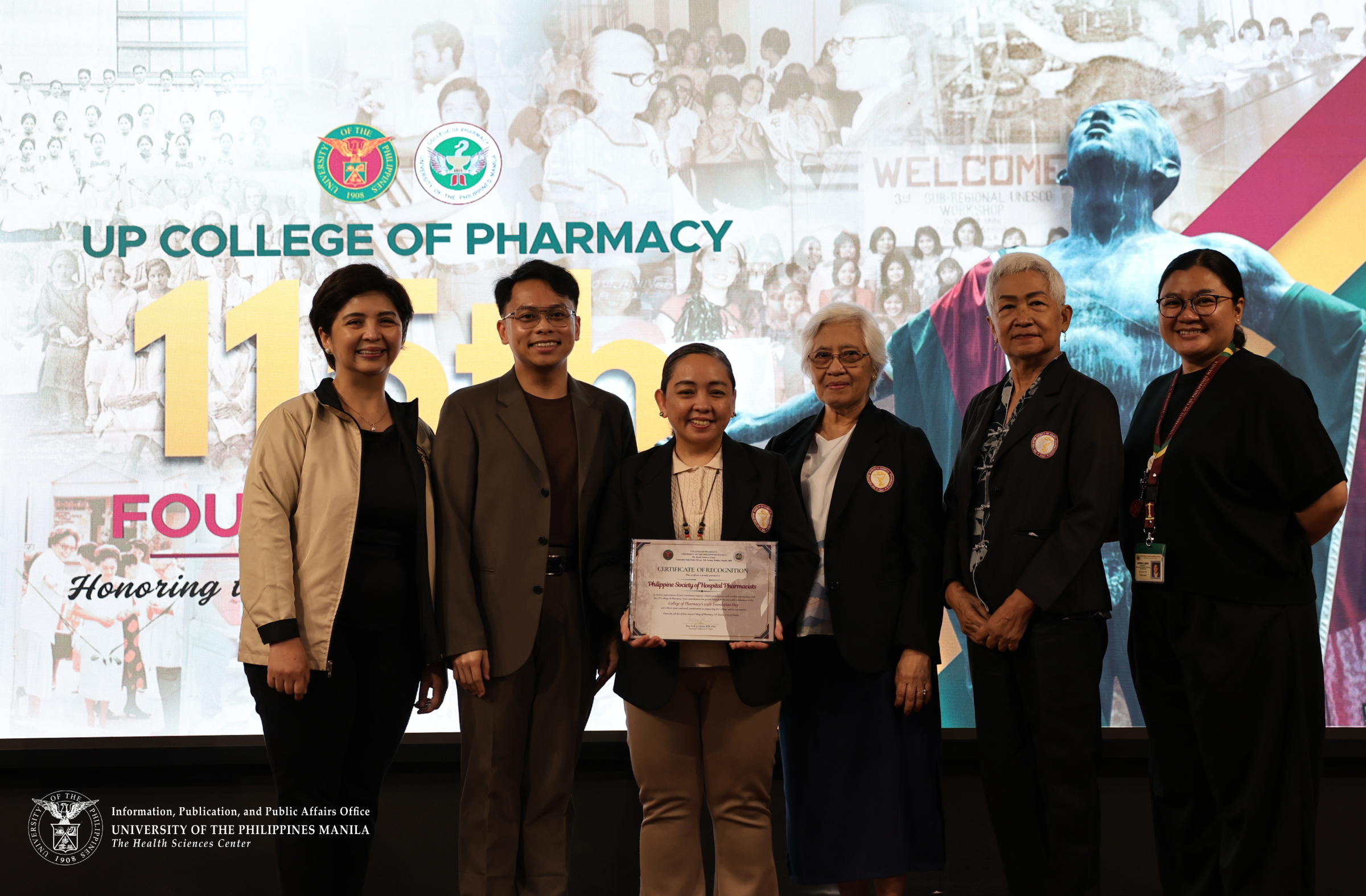
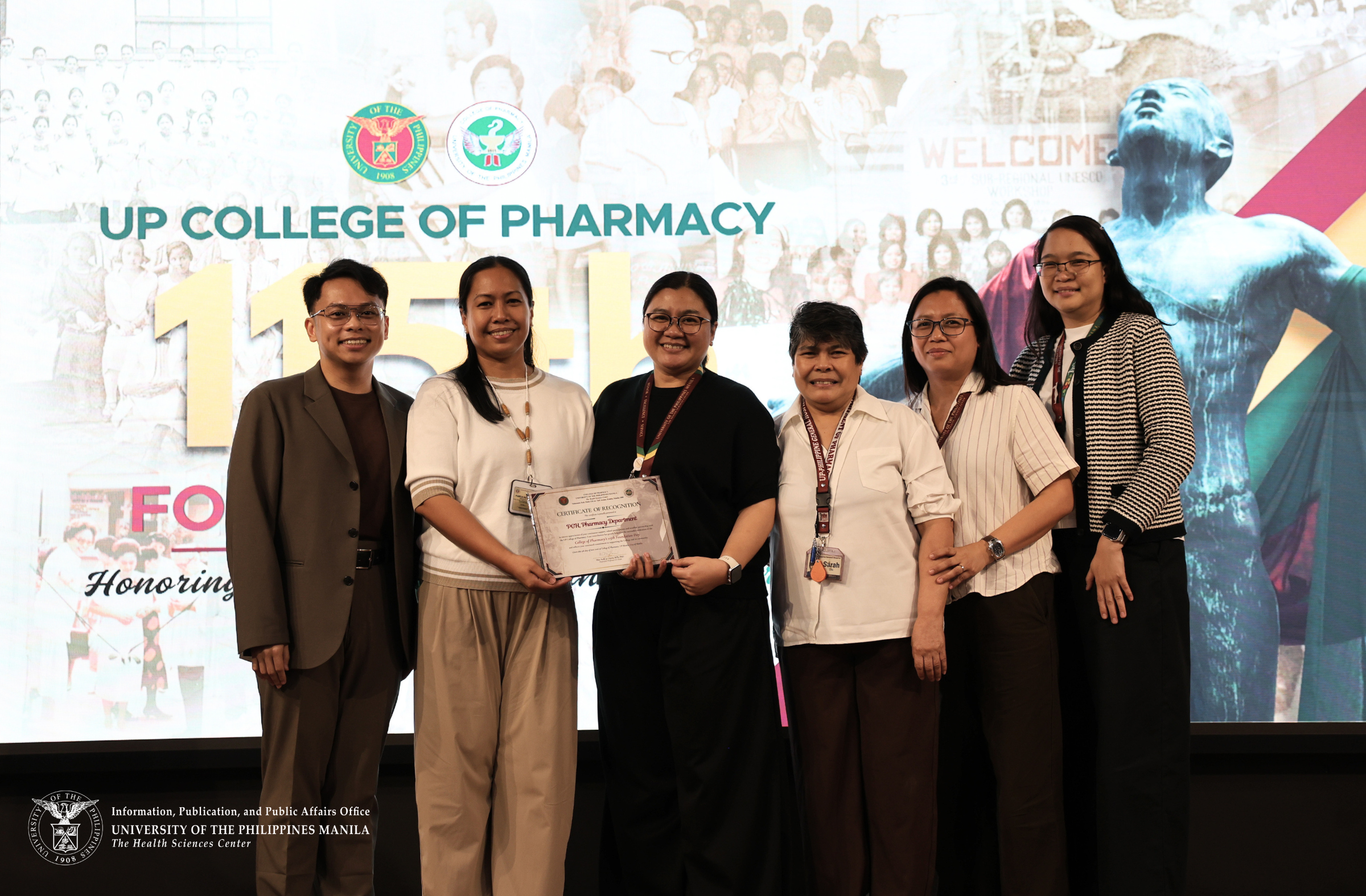
He underscored the collective effort behind the College’s achievements, paying tribute to former deans, faculty members, staff, alumni, and partners who helped shape the institution over the past century. He also expressed gratitude to government agencies, academic institutions, professional organizations, industry partners, and alumni for their continued support.
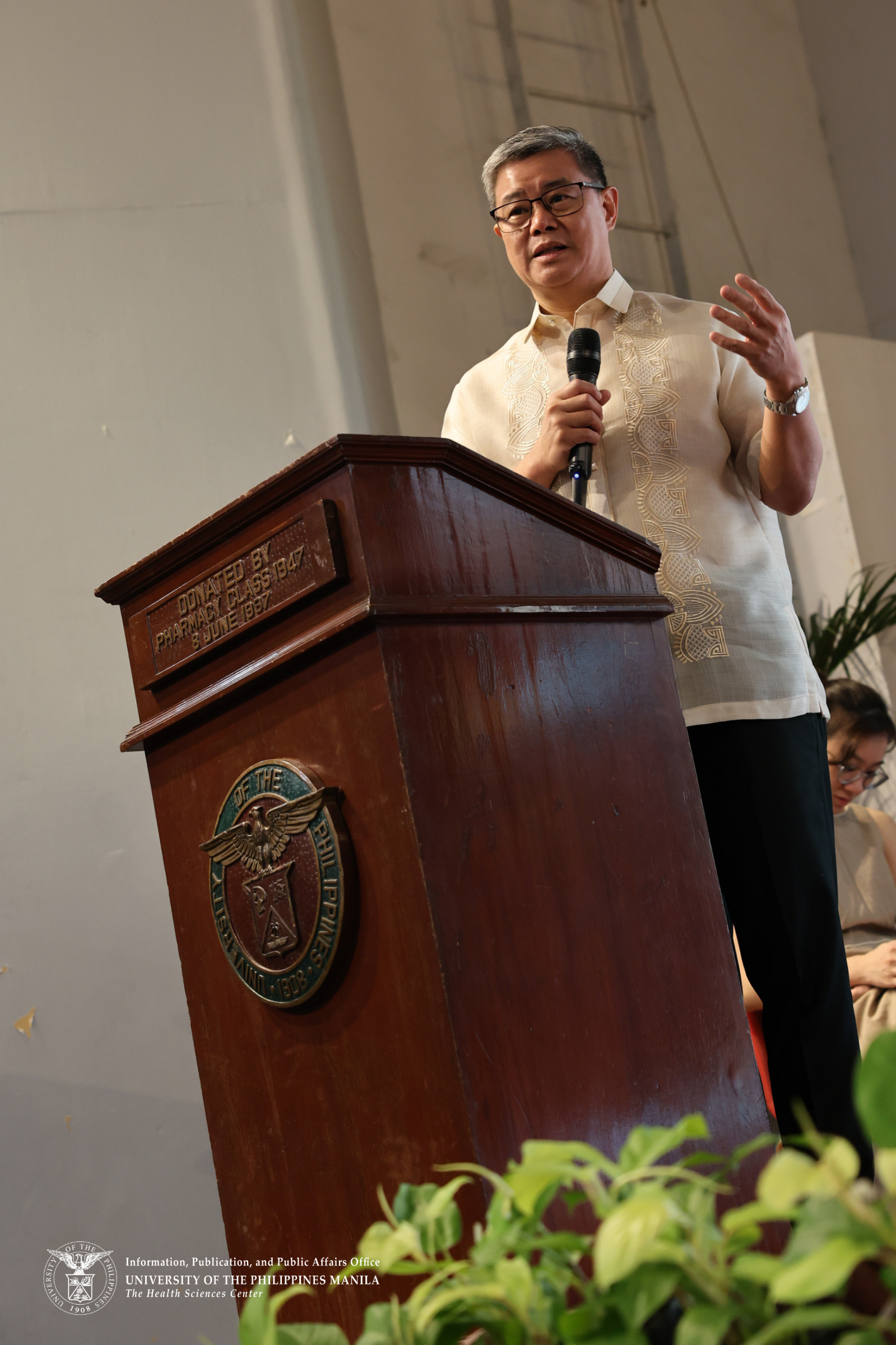
UP Manila Chancellor Michael Tee congratulated the College on its 115th anniversary and highlighted recent developments that will further strengthen pharmacy education and research. Reflecting on the ASEAN University Network-Quality Assurance (AUN-QA) assessment, he noted that evaluations serve as opportunities for growth.
He also announced infrastructure and academic investments for the College, including the installation of an elevator, the opening of the Industrial Pharmacy facility, the development of smart classrooms, and the acquisition of laboratory equipment. He encouraged faculty members to continue innovating and expanding the College’s reach through technology-enabled learning, reaffirming the administration’s commitment to its vision.
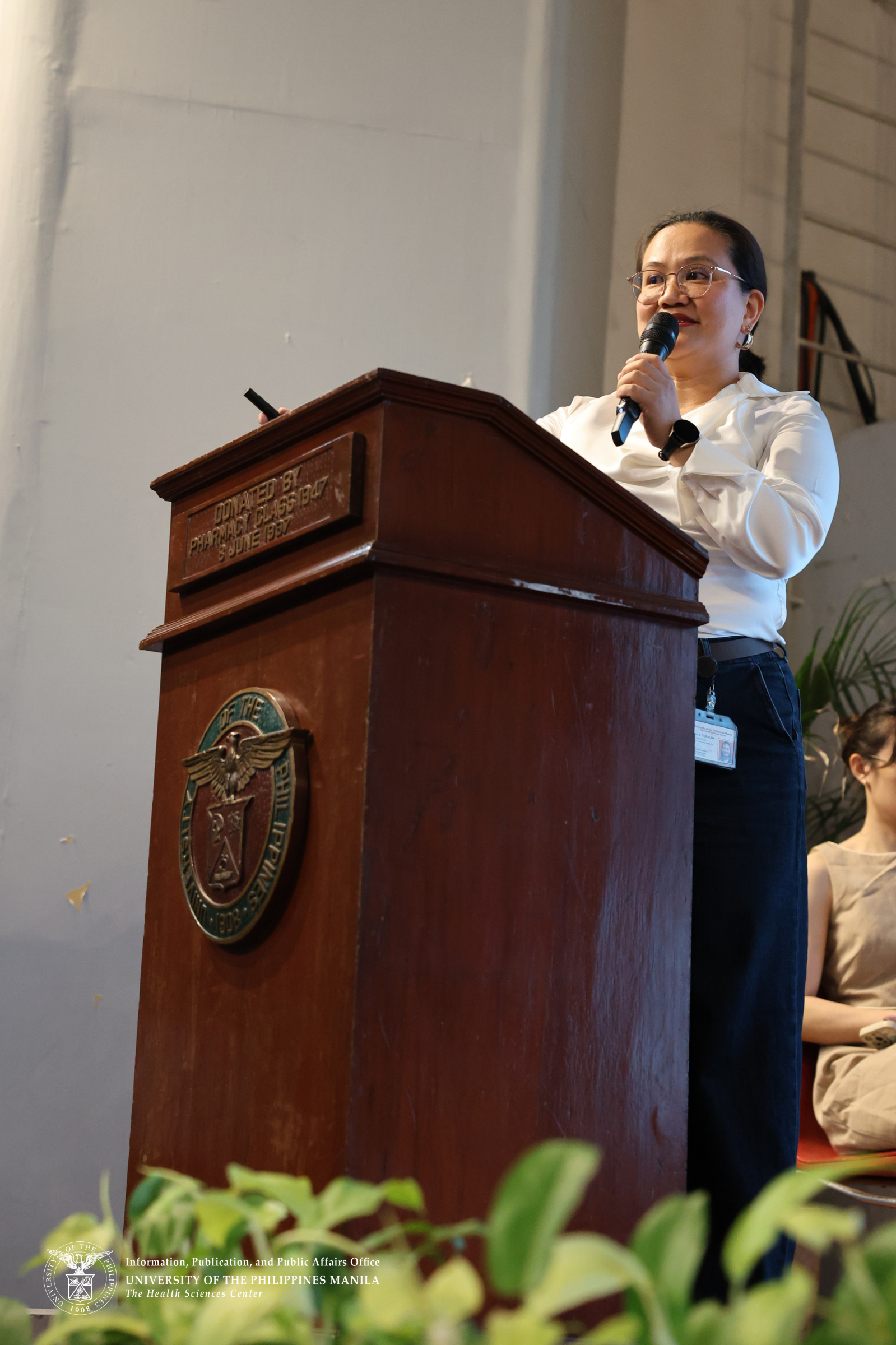
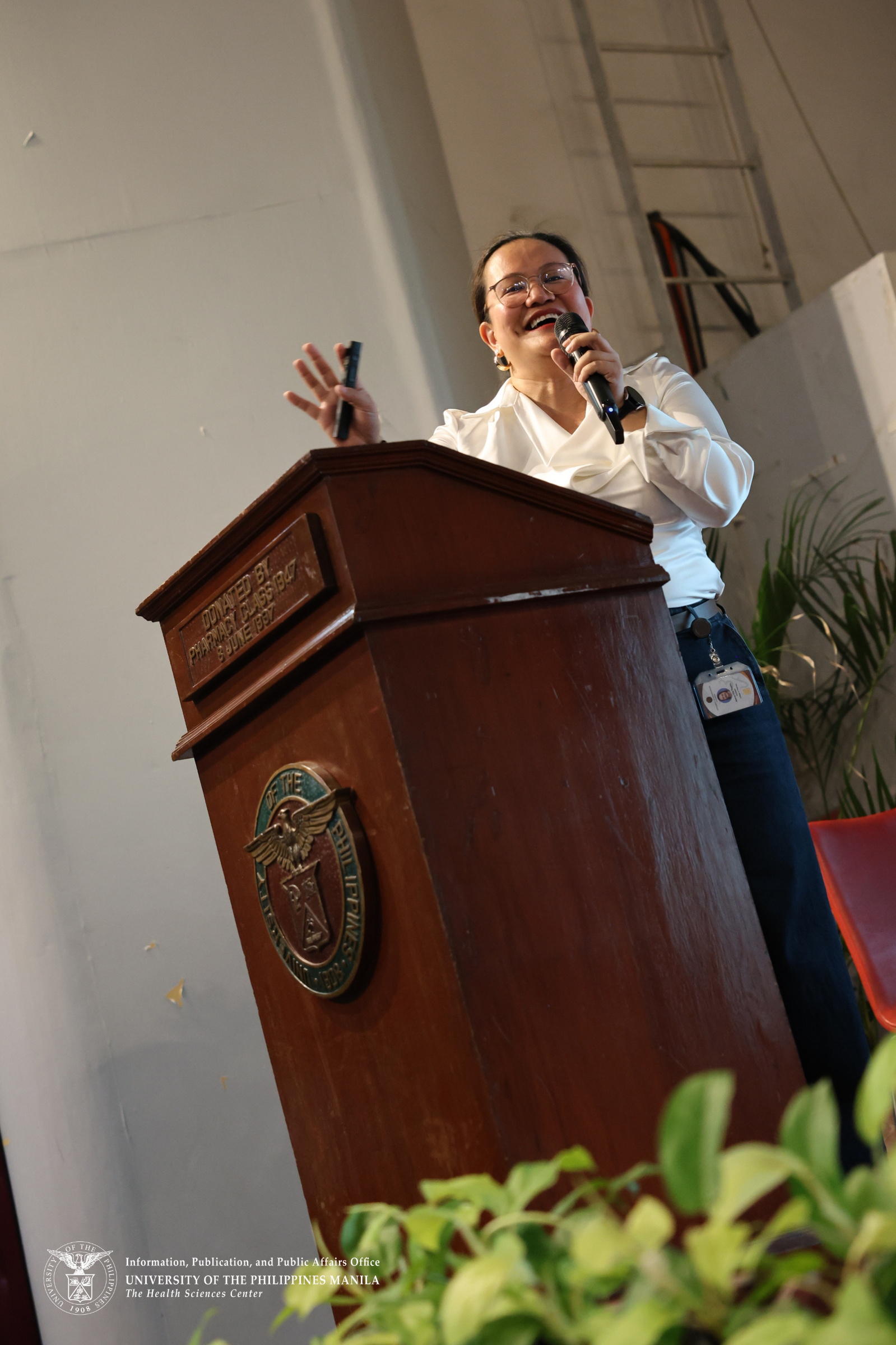
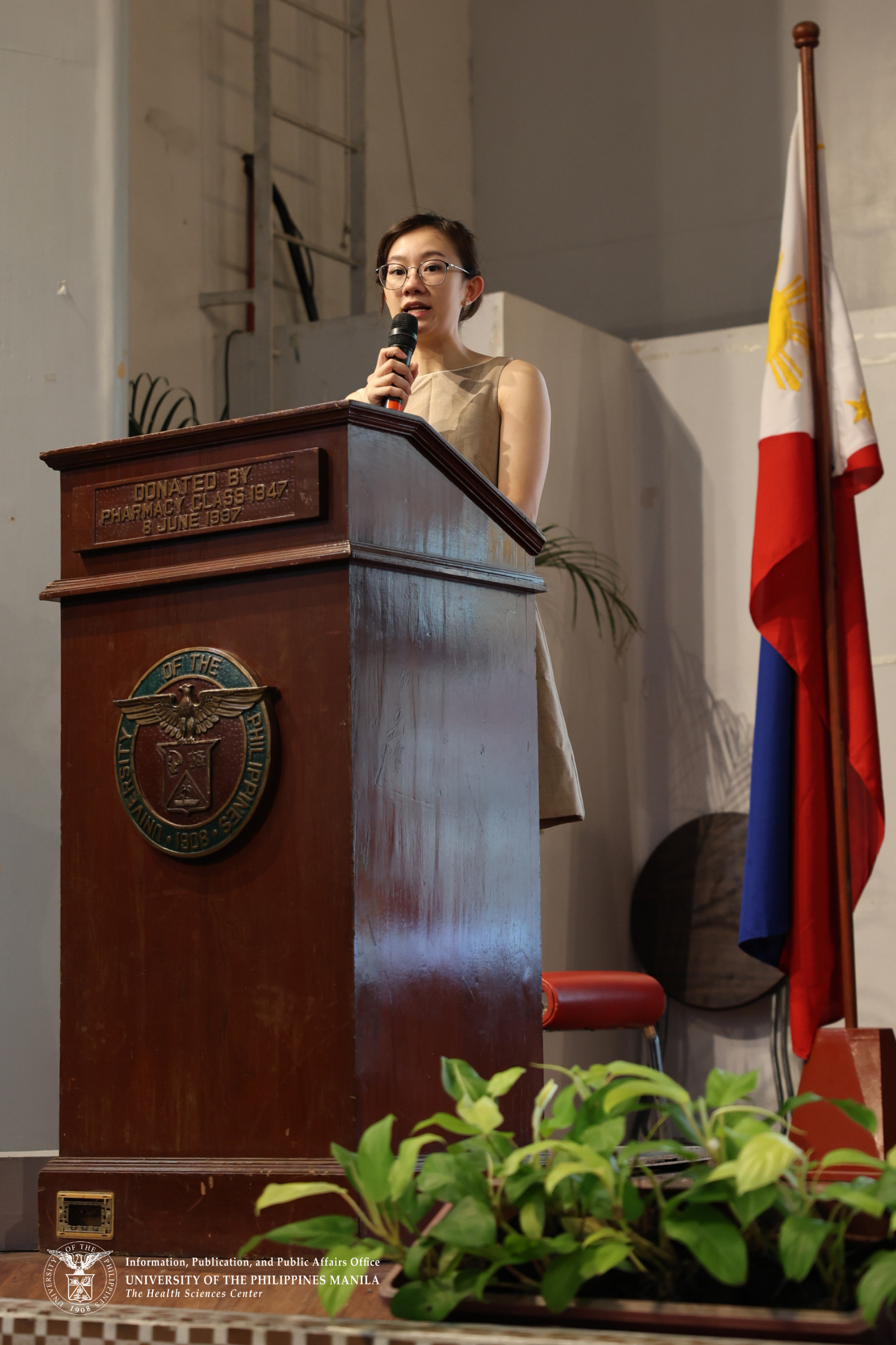
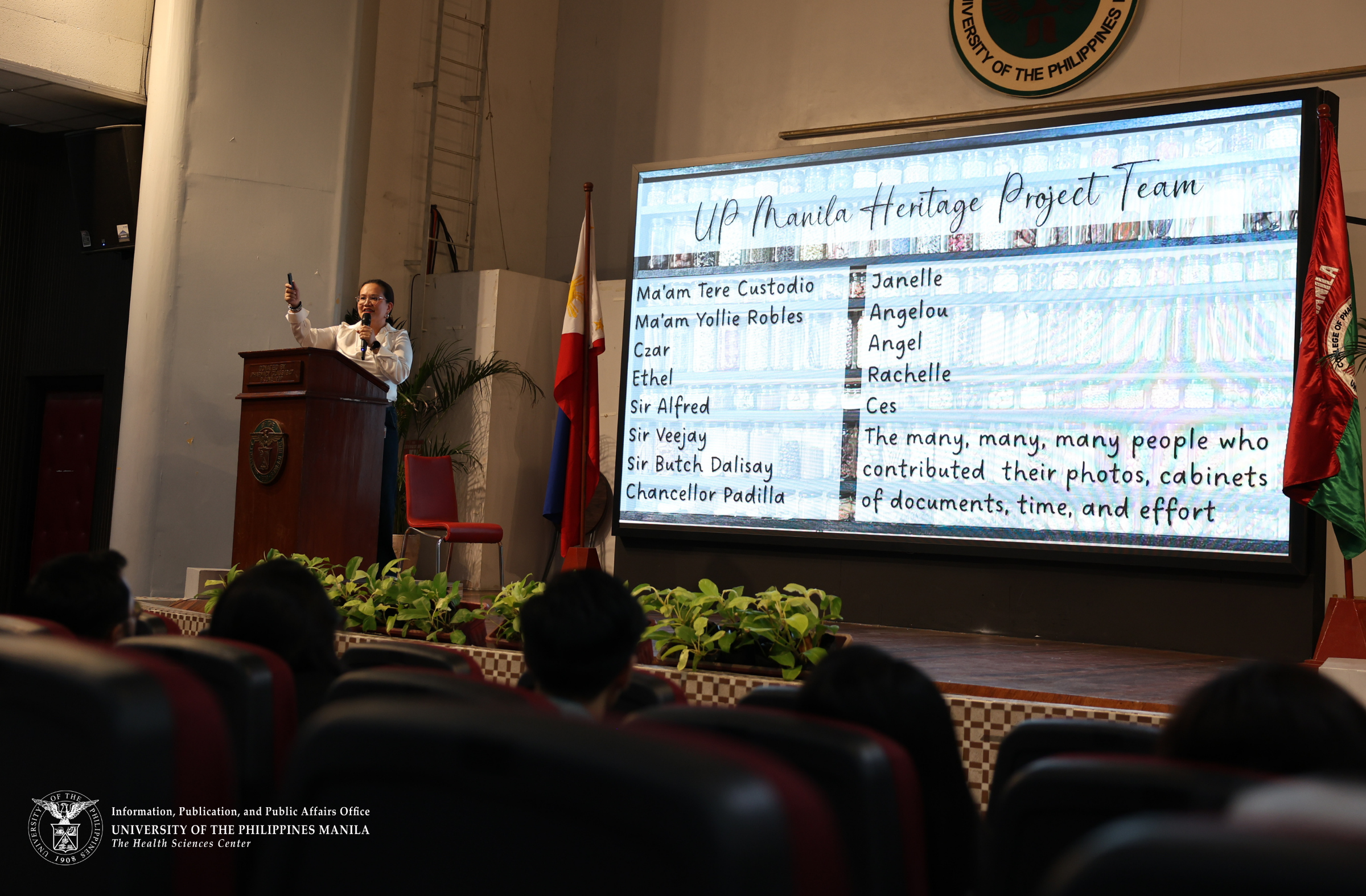
Another major highlight of the celebration was a presentation by Assistant Professor Johanna Torralba, who shared the College’s history through a preview of an upcoming history book being developed by the UP Manila Heritage Project Team.
For 115 years, the UP College of Pharmacy has remained at the forefront of pharmaceutical education in the country, producing generations of pharmacists, researchers, educators, industry leaders, and public health advocates. As it honors its past achievements, the College continues to build on its legacy of excellence while preparing future generations to respond to the evolving healthcare needs of the Filipino people.



READ MORE: