

Text by Charmaine A. Lingdas
Photos by Jericho Paolo L. Mabansag
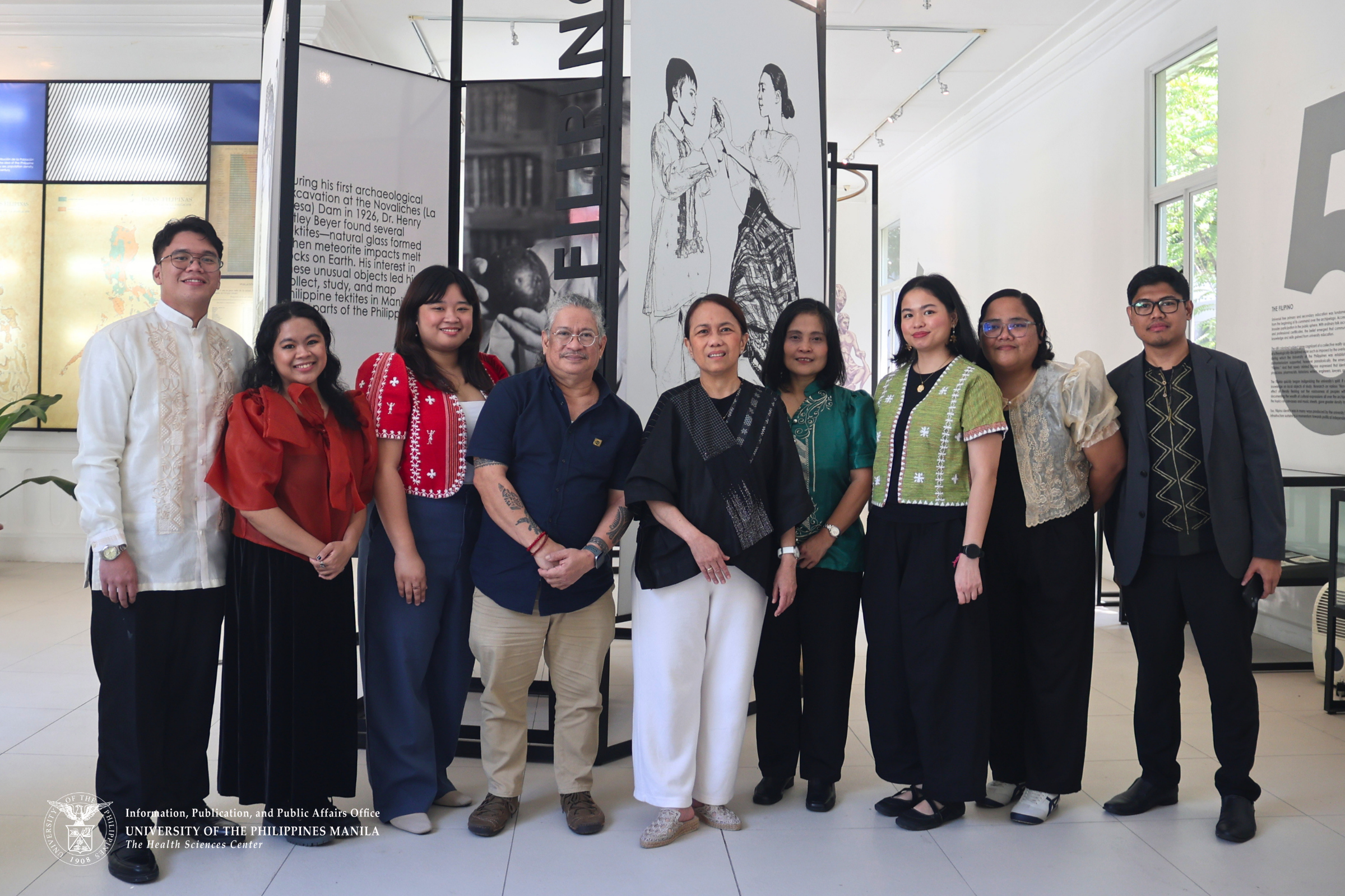
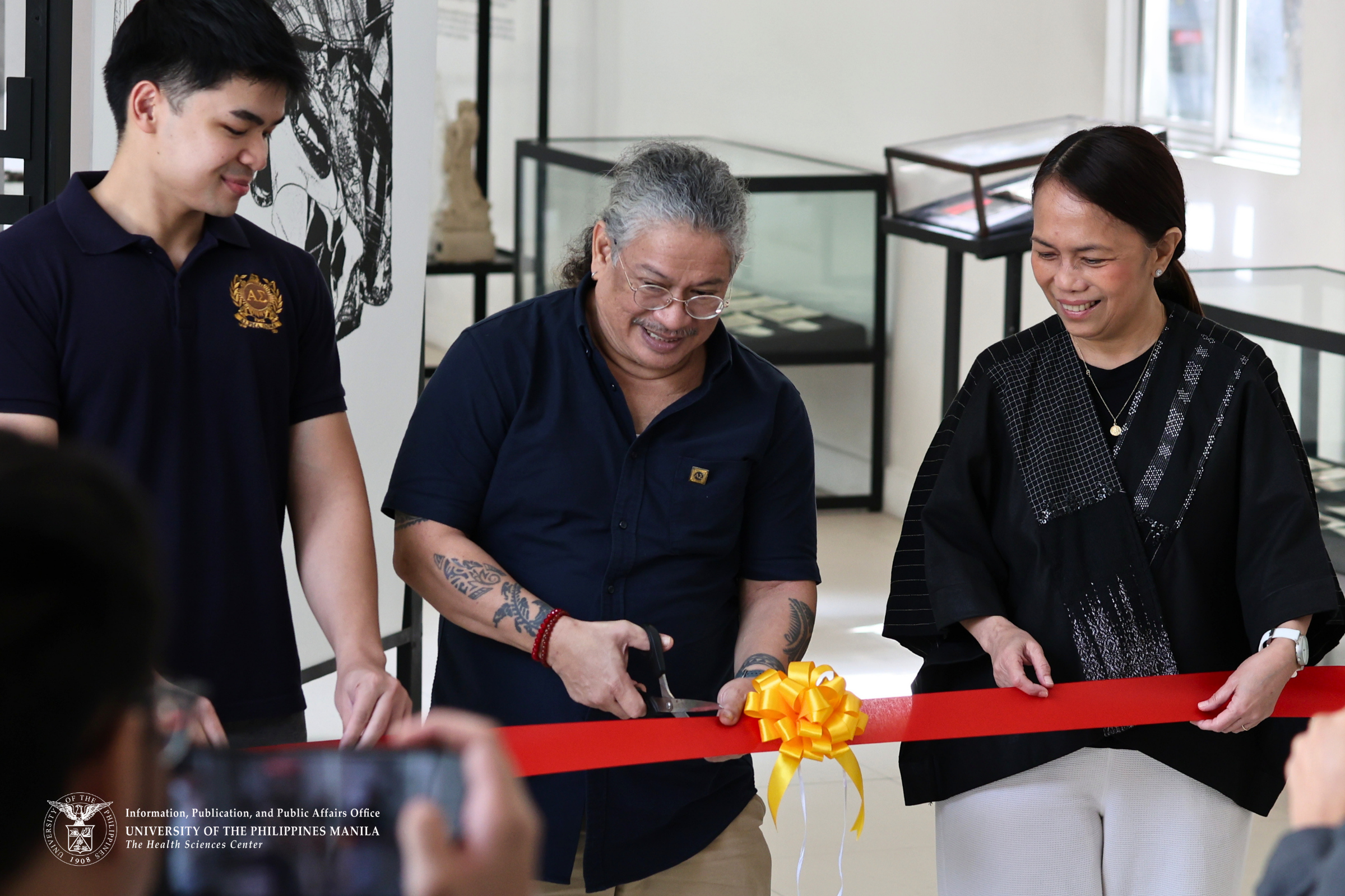
The University of the Philippines Manila Museum of a History of Ideas (MHI) opened an exhibit of re-curated Filipino Gallery and two temporary exhibitions on Oct. 15, 2026, as part of the celebration of its 12th anniversary and in observance of National Indigenous Peoples Month and Museums and Galleries Month. The exhibitions explore Filipino identity, Indigenous cultural heritage, and the Philippines’ place in human history.
The main exhibition, “12EAS (IDEAS) IN MOTION: Filipino Identity From UP’s Foundational Years,” examines UPs’ contributions to scholarship and nation-building. It is accompanied by “The Discovery of Homo luzonensis,” which presents the archaeological discovery of an ancient human relative in the Philippines, and “The Healing Marks of Our Ancestors: Reviving the Tattoo Tradition,” which highlights traditional tattooing practices in the Cordillera.
Inaugurated on Oct. 22, 2014, the Museum of a History of Ideas (MHI) showcases the intellectual contributions of the UP Manila to nation-building and the development of Filipino national identity. It is housed in the restored heritage building of the former College of Dentistry, built in 1931.
Revisiting Filipino Identity Through UP’s History
Prof. Honey Libertine Achanzar-Labor, special assistant to the chancellor for the Museum of a History of Ideas and overall curator of the exhibitions, said the re-curation reflects the university’s commitment to examining its academic identity through a more distinctly Filipino perspective. The exhibit situates the university’s history within the broader national narrative, emphasizing that UP’s institutional development and academic traditions are part of Philippine history.
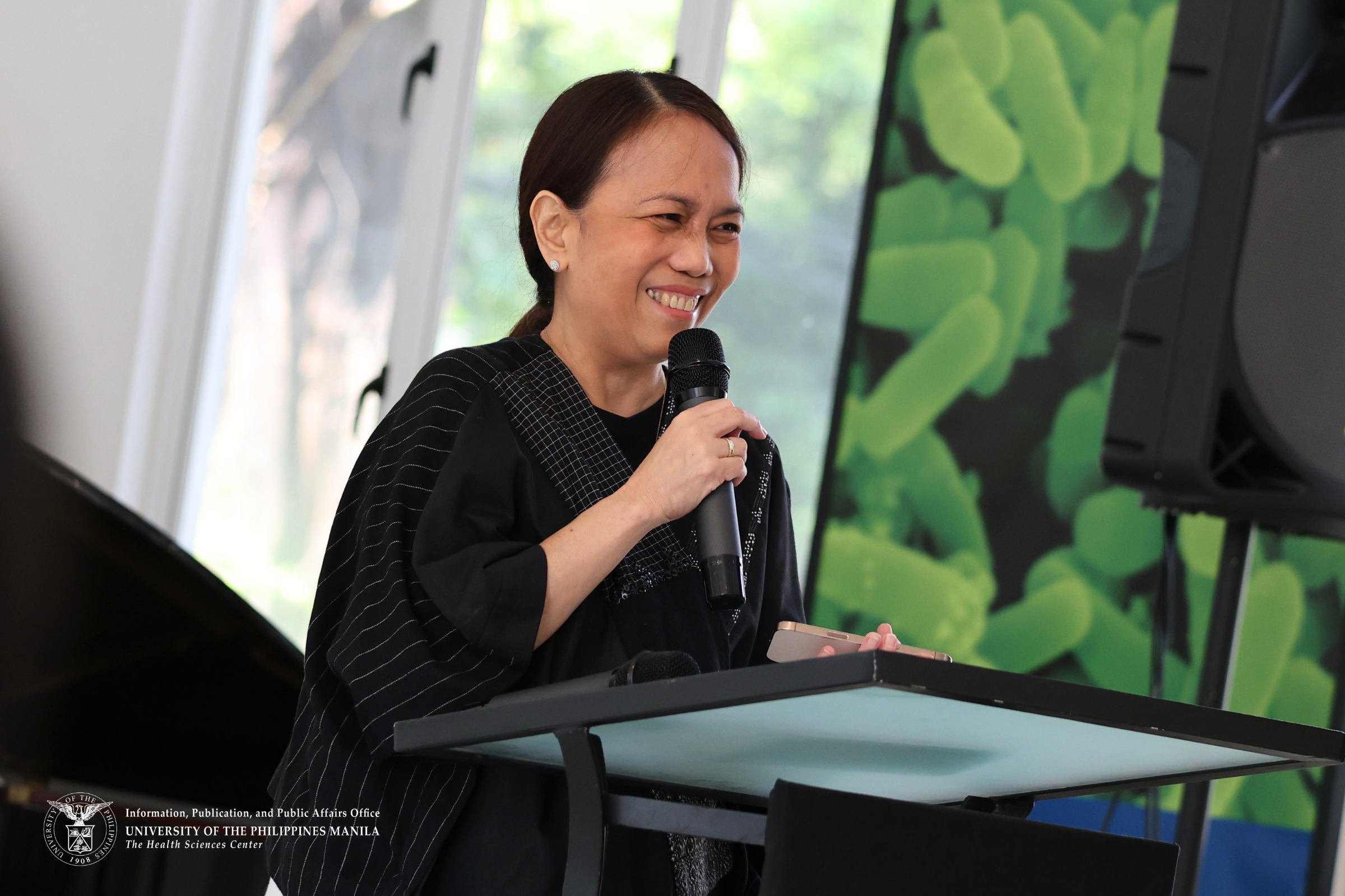
She explained that the exhibition seeks to highlight the university’s intellectual contributions to nation-building while examining the historical circumstances that shaped its academic traditions.
She cited the works of National Artist for Dance Francisca Reyes Aquino, whose research documented Philippine dance forms across the archipelago, including Indigenous dances that reflect the country’s ethnolinguistic diversity.
The gallery also features works and illustrations associated with National Artist Fernando Amorsolo. His depictions of the Philippine countryside, rural customs, and the Dalagang Filipina helped popularize images of Filipino life and cultural identity.
The exhibition also incorporates the establishment of the University of the Philippines’ Department of Anthropology in 1917 under Henry Otley Beyer. Beyer helped advance local scholarship by training an early generation of Filipino academics.
Historical Collections Connect Anthropology, Archaeology, and Indigenous Knowledge
Objects associated with Beyer’s research, including tektites, natural glass formed when meteorite impacts melt terrestrial rocks, are also featured in the exhibition.
The museum’s collection includes approximately 600 donated objects, including tektites, obsidian, ethnographic photographs, and items related to Beyer’s life. British geologist Aubrey Whymark donated the materials and was introduced to the museum through Charity Beyer Bagatsing-Doyl, Beyer’s granddaughter.
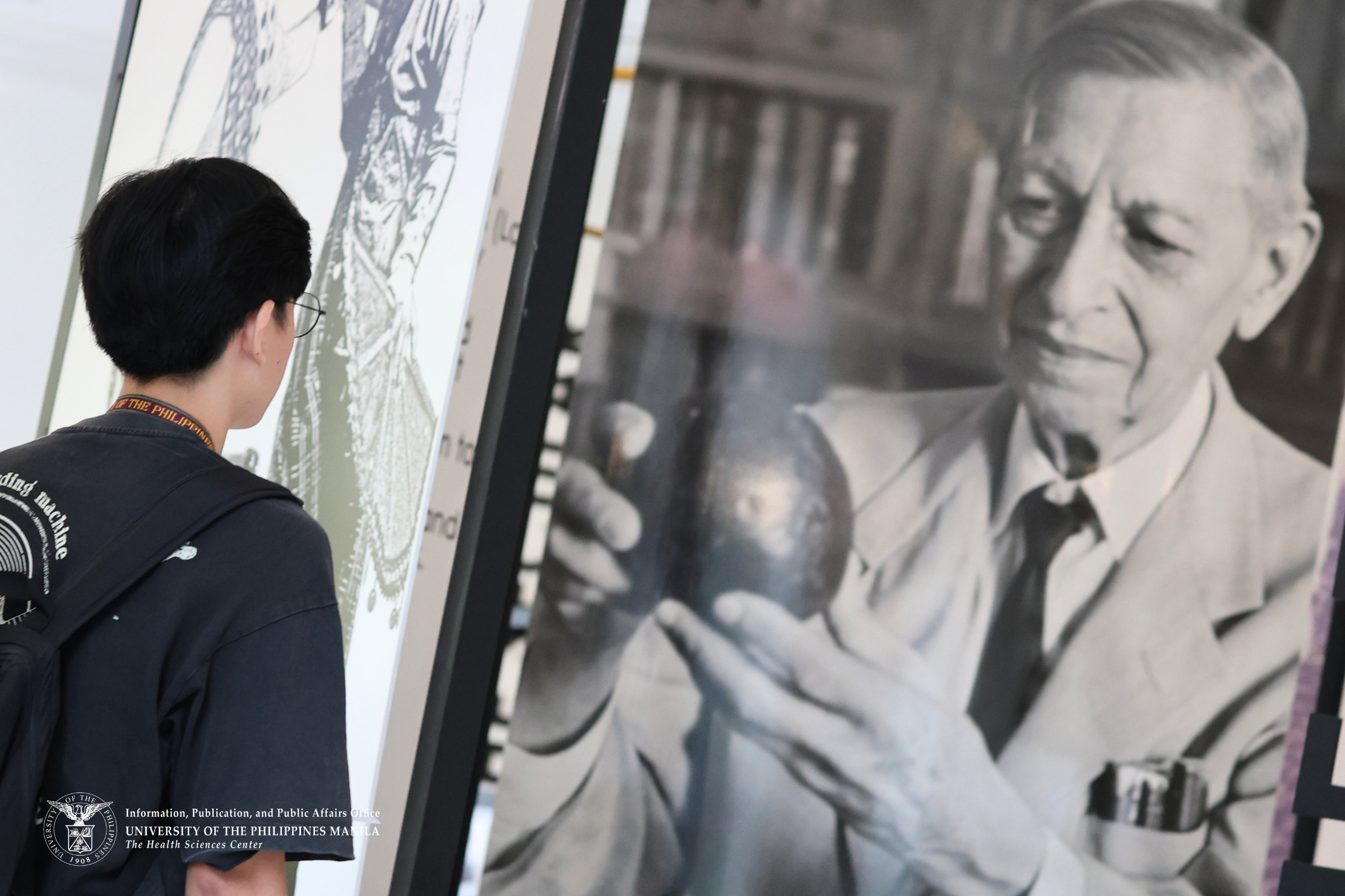
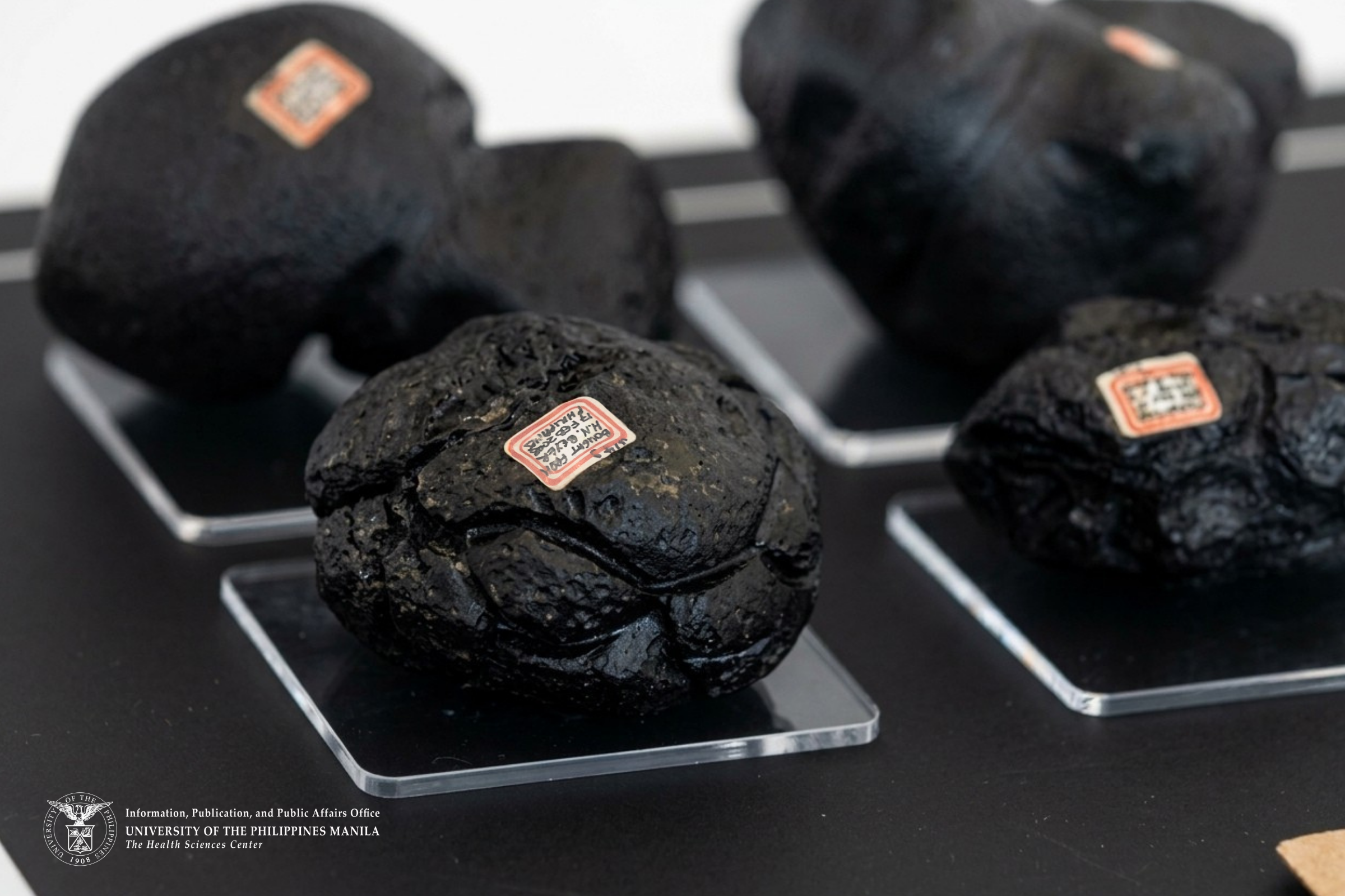
The exhibit features objects associated with Henry Otley Beyer’s research, including tektites, natural glass formed when meteorite impacts melt terrestrial rocks, highlighting the geological materials connected to the study of the Philippines’ past.
Prof. Achanzar-Labor noted that Beyer’s work extended beyond the geological and archaeological properties of the objects. His documentation also acknowledged Indigenous beliefs and local folklore associated with unusual natural phenomena. The collection offers an opportunity to examine how early scholarship documented Philippine societies and how scientific research intersected with local knowledge systems.
Homo luzonensis Exhibition Brings Archaeological Discovery Closer to the Public
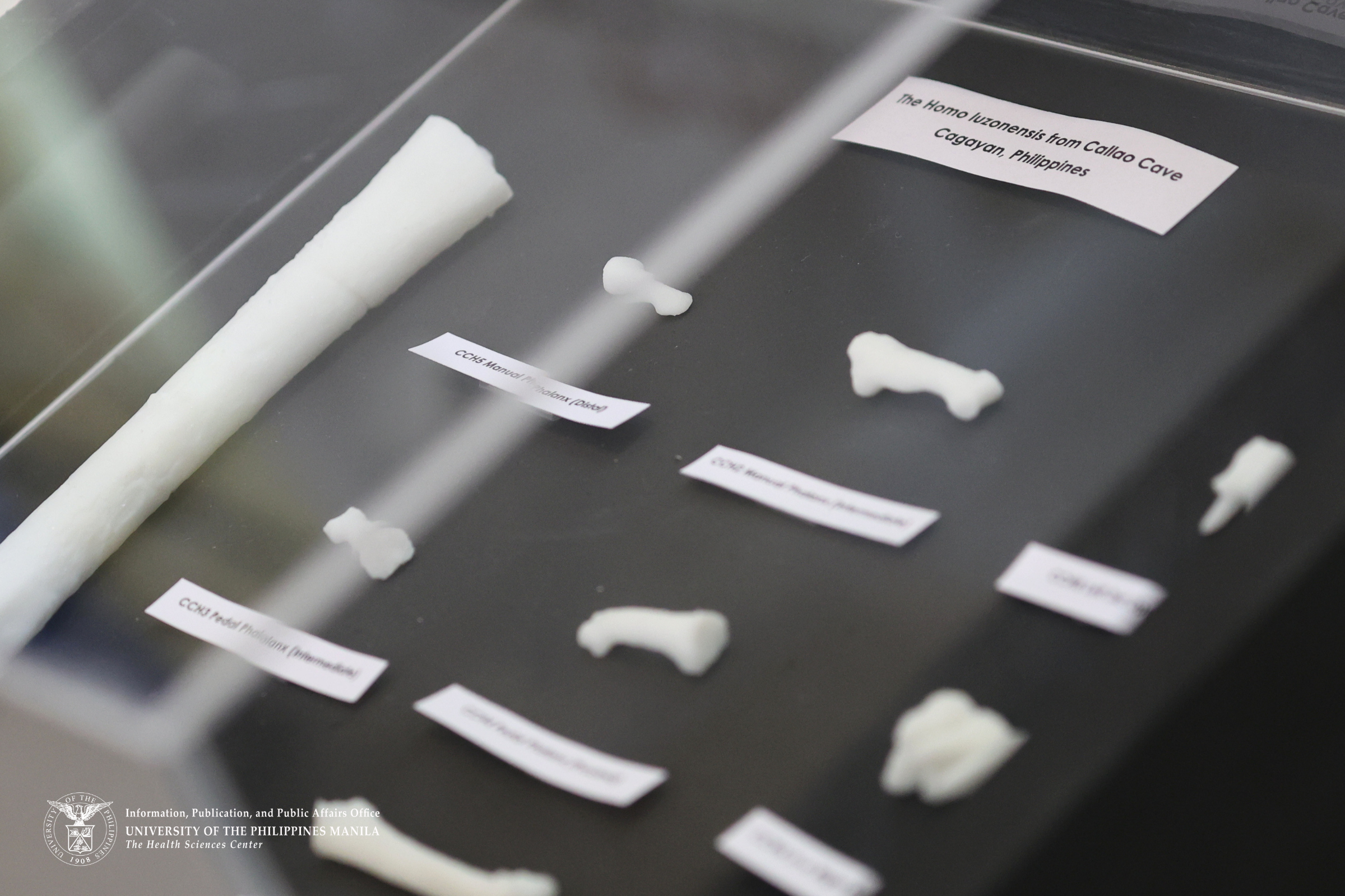
A second exhibition focuses on Homo luzonensis, an ancient human relative identified through fossil remains recovered from Callao Cave in Peñablanca, Cagayan. The discovery, led by Filipino archaeologist Prof. Armand Salvador Mijares of UP Diliman, received international recognition following the publication of the research in 2019.
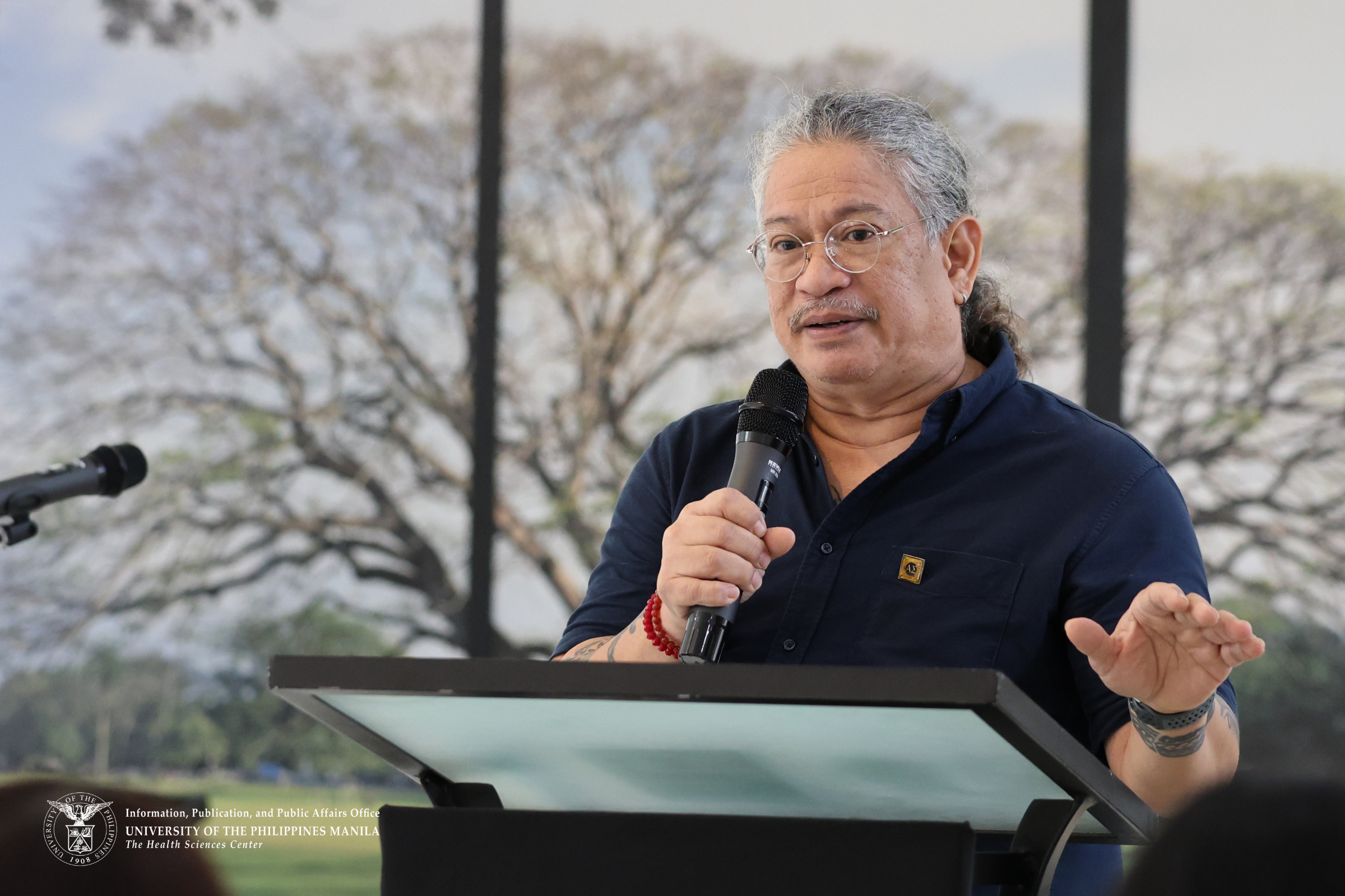
The exhibition examines how archaeological evidence helps researchers reconstruct human histories and expand understanding of the Philippines’ prehistoric past.
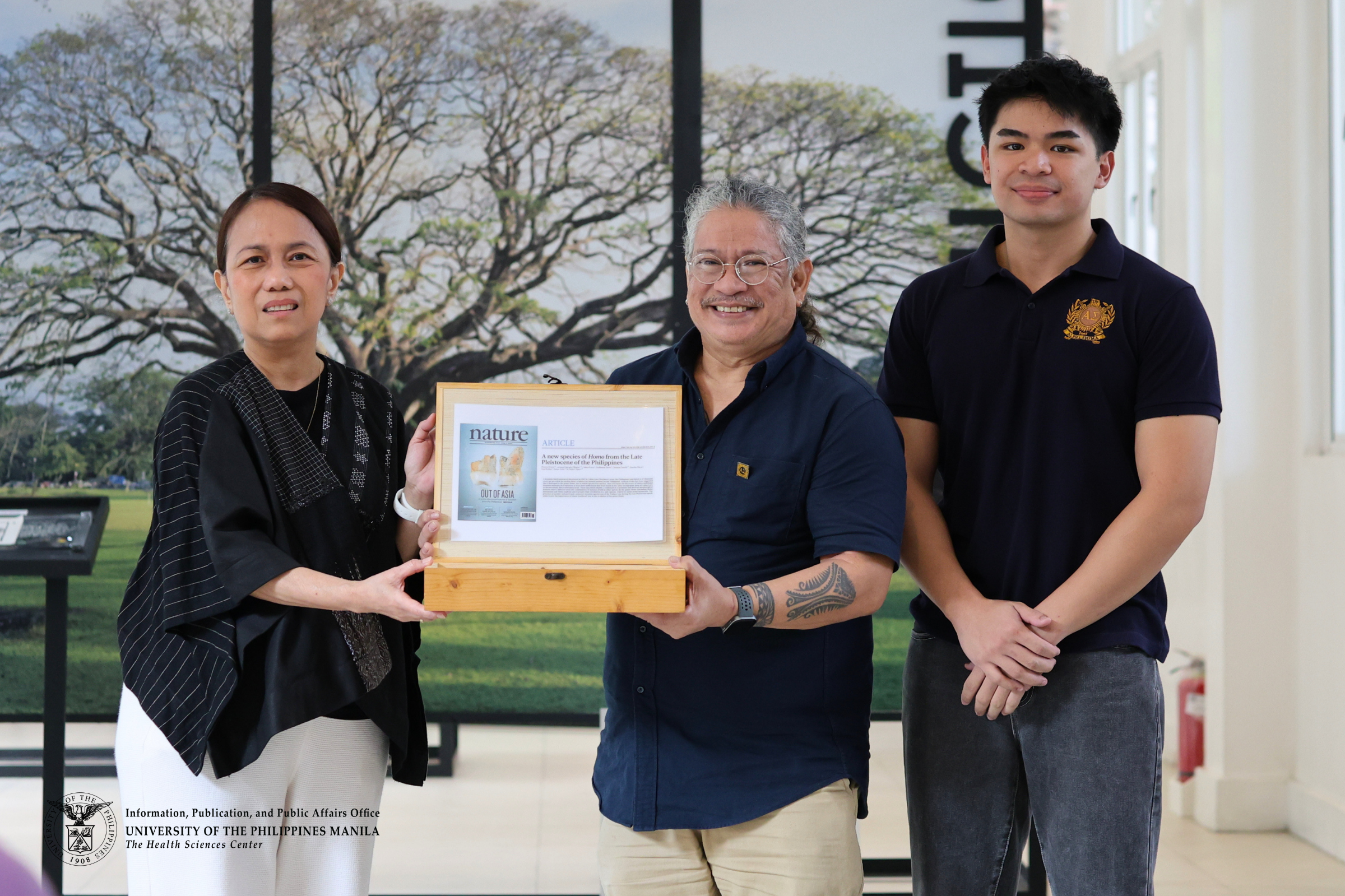
At its center is a 3D-printed skeletal reconstruction of Homo luzonensis, donated to the museum by Mijares and the UP Alpha Sigma fraternity. The replica makes the discovery more accessible to museum visitors and illustrates how the study of human skeletal remains can provide information about the past.
Prof. Mijares connected the discovery to his belief in the capacity of Filipino scientists to lead internationally recognized research.
“One thing that I learned from my studies here at UP is the value of nationalism,” he said. “I always believed Filipino scientists to be able to compete with international scientists at an international level.”
He added that he hoped the exhibition would encourage more people to pursue their ambitions and contribute to the country.
Traditional Tattooing as a Living Expression of Identity
The third exhibition, The Healing Marks of Our Ancestors: Reviving the Tattoo Tradition, explores batek, the traditional tattooing practice of Indigenous communities in the Cordillera.
The exhibition features the work and cultural advocacy of Wilma Gaspili Wallace, known as Ate Wams, a traditional tattoo practitioner, researcher, and cultural advocate of Kankanaey and Kalanguya heritage from Benguet.
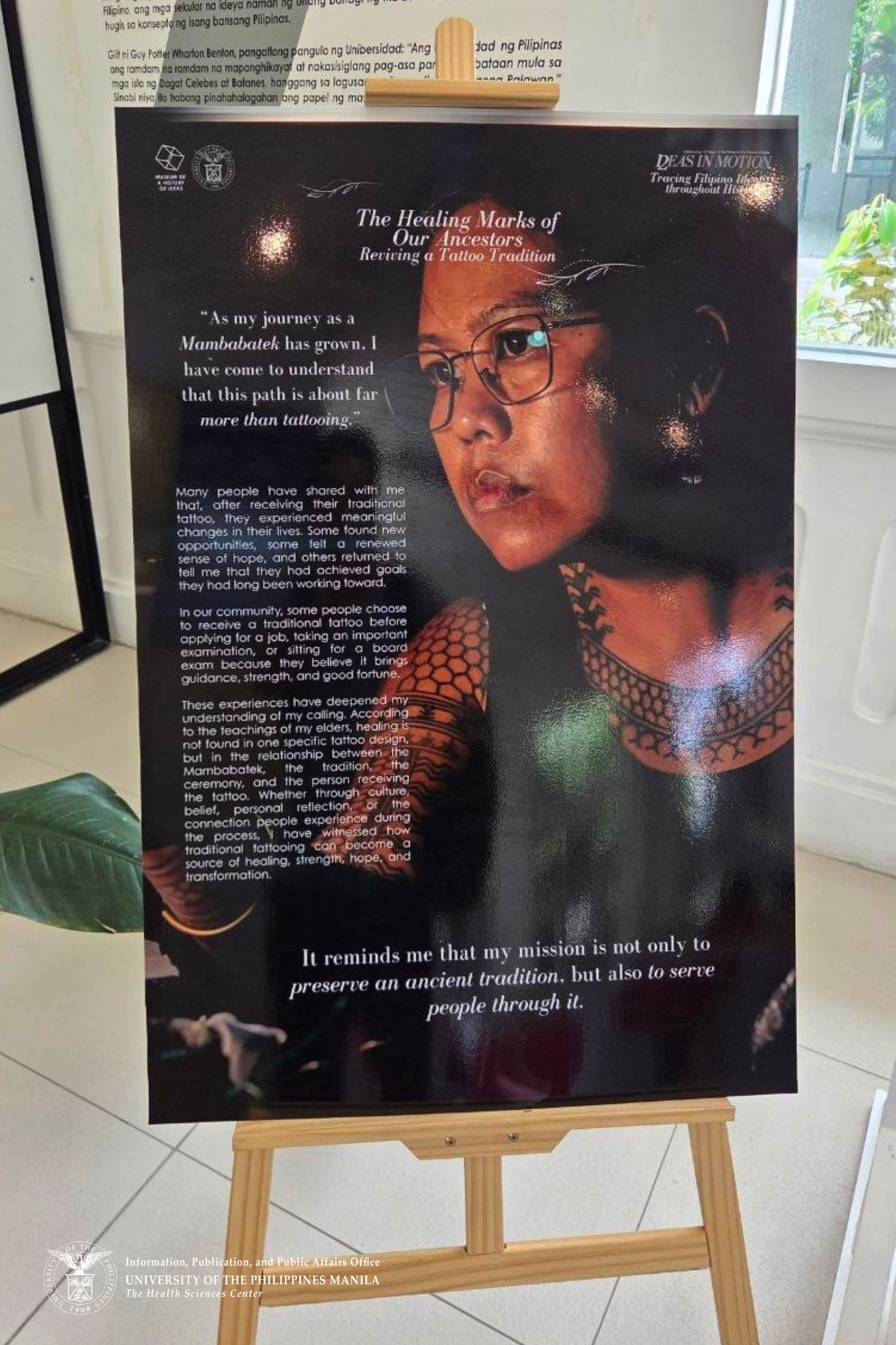
Through her practice, Wallace works to revive ancestral tattooing traditions using traditional tools and materials while researching historical tattoo patterns, artifacts, textiles, and photographs preserved in museums and archives.
The exhibition highlights the importance of preserving Indigenous knowledge while allowing communities to determine how their traditions are practiced, understood, and shared.
Museums as Spaces for Scholarship and Community Knowledge
The three exhibitions bring together different approaches to understanding Filipino identity, from historical scholarship and artistic representation to archaeological evidence and Indigenous cultural practices.
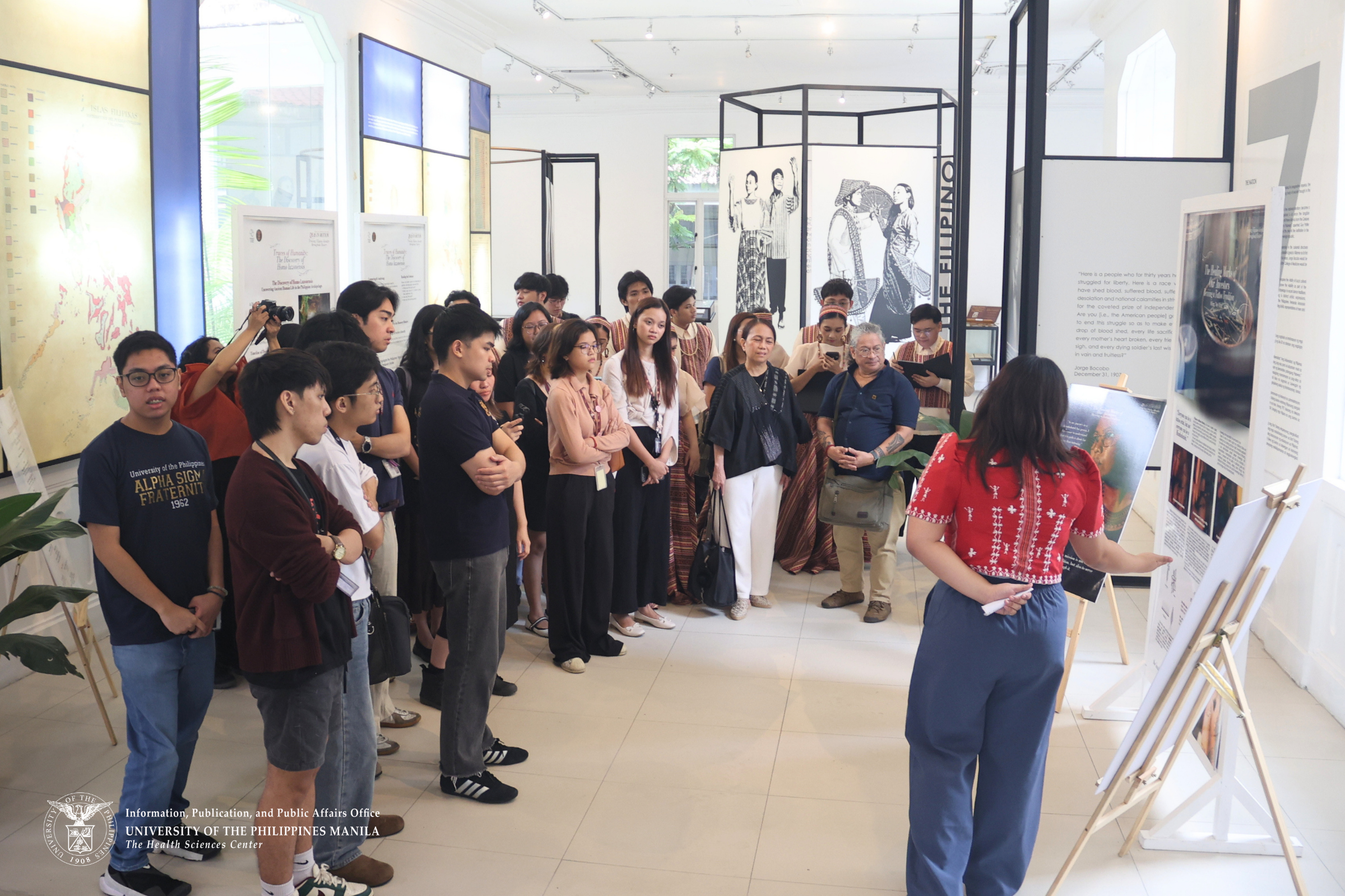
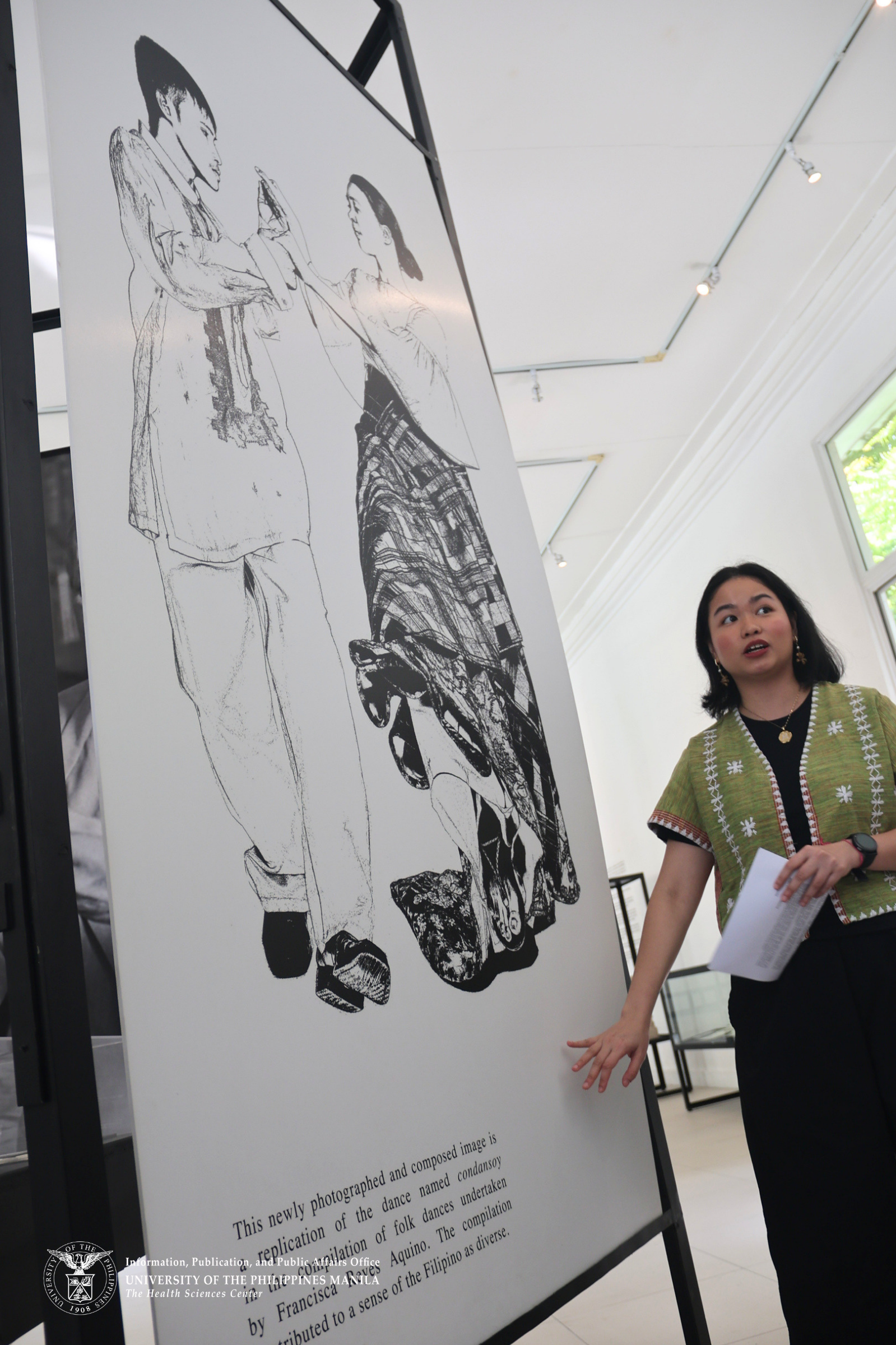
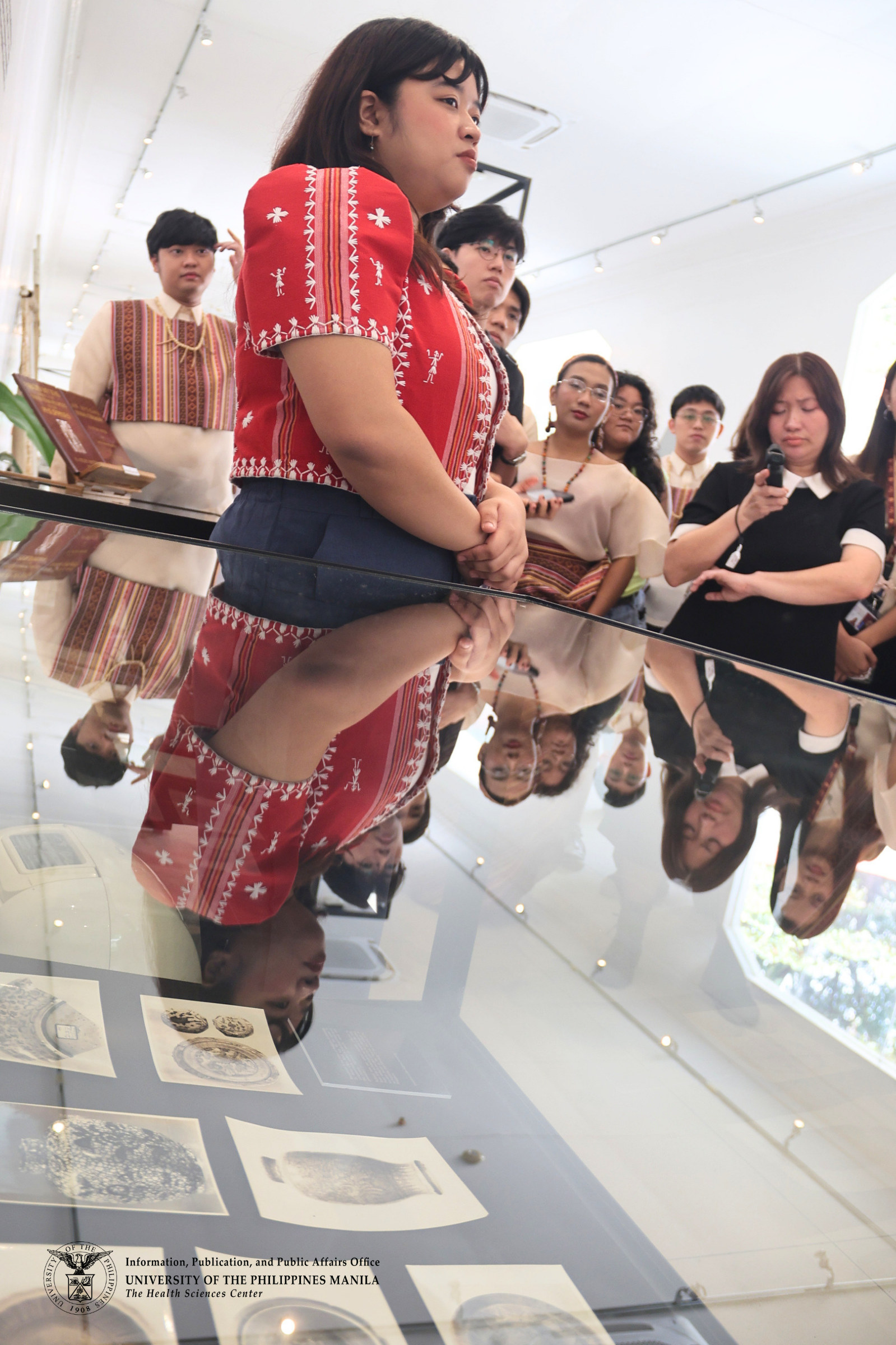
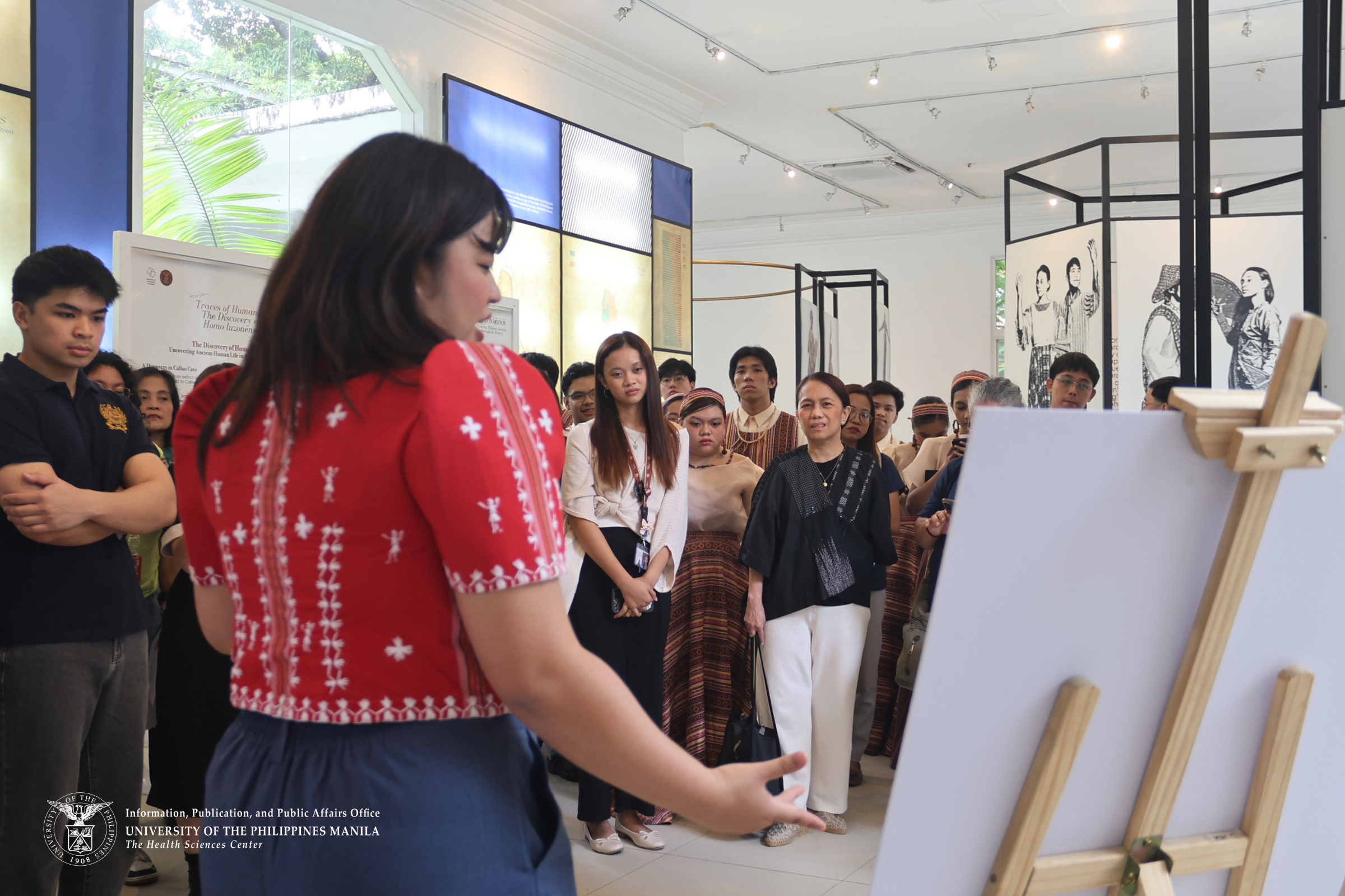
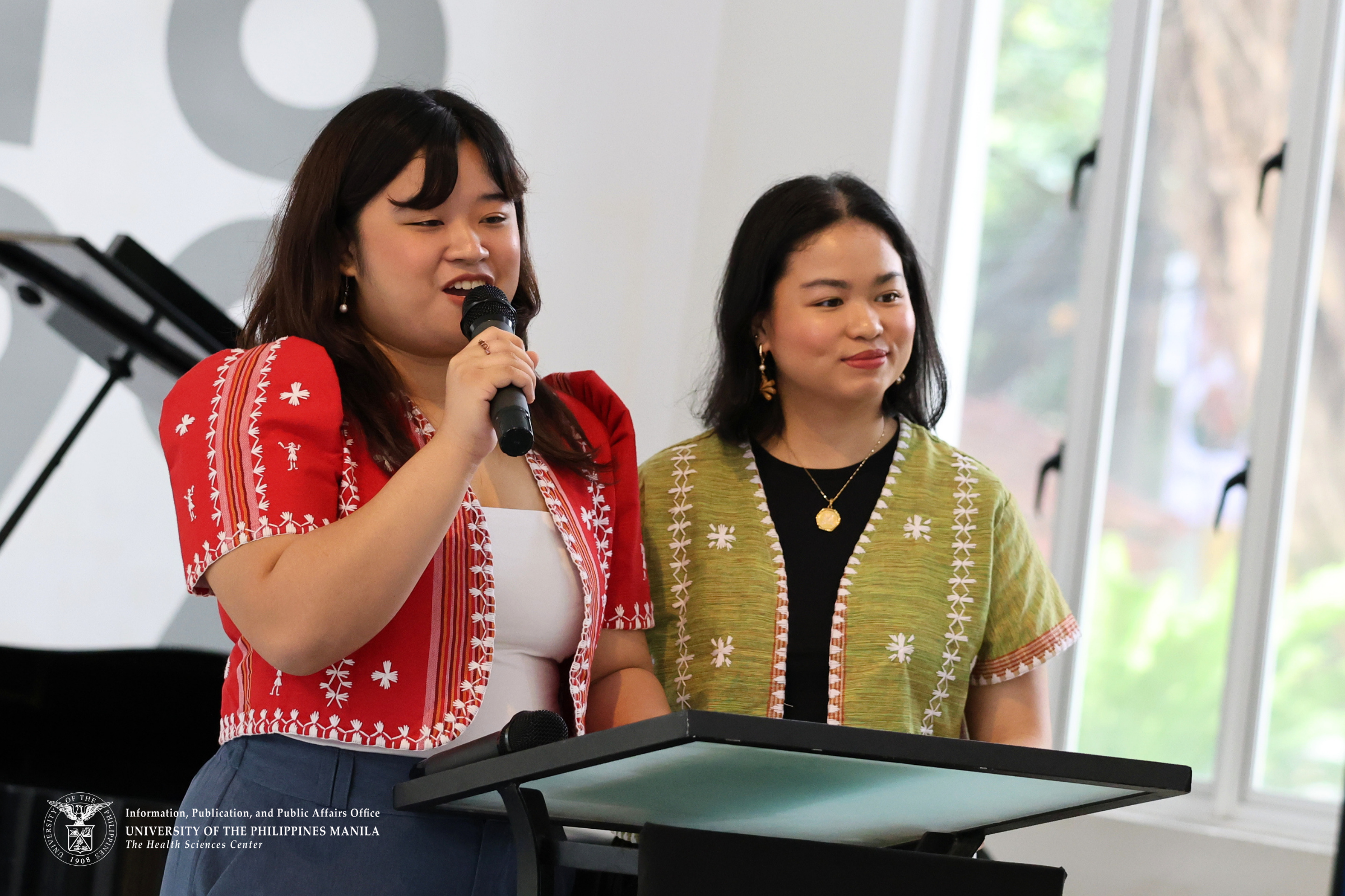
Guided tour led by UPM-MHI Exhibition Coordinators and Researchers Kamila del Rosario and Martina Roces.
Prof.Achanzar-Labor said the museum seeks to make history and heritage accessible while encouraging visitors to examine how Filipinos understand themselves and their collective past.
“The museum demonstrates that museums serve as spaces where evidence, memory, scholarship, community knowledge, and contemporary perspectives converge, and where concepts of identity can be examined, questioned, and continually enriched,” she said.
READ MORE:
#UniversityOfThePhilippines #UP #UPManila #UPM #FP1 #Environmentthatnurturesourmindandbody