


Text by Jennifer F. Manongdo
Photos by Ehcel Hurna
While menopause remains a widely discussed topic among women of certain ages, equal attention should be given to andropause.
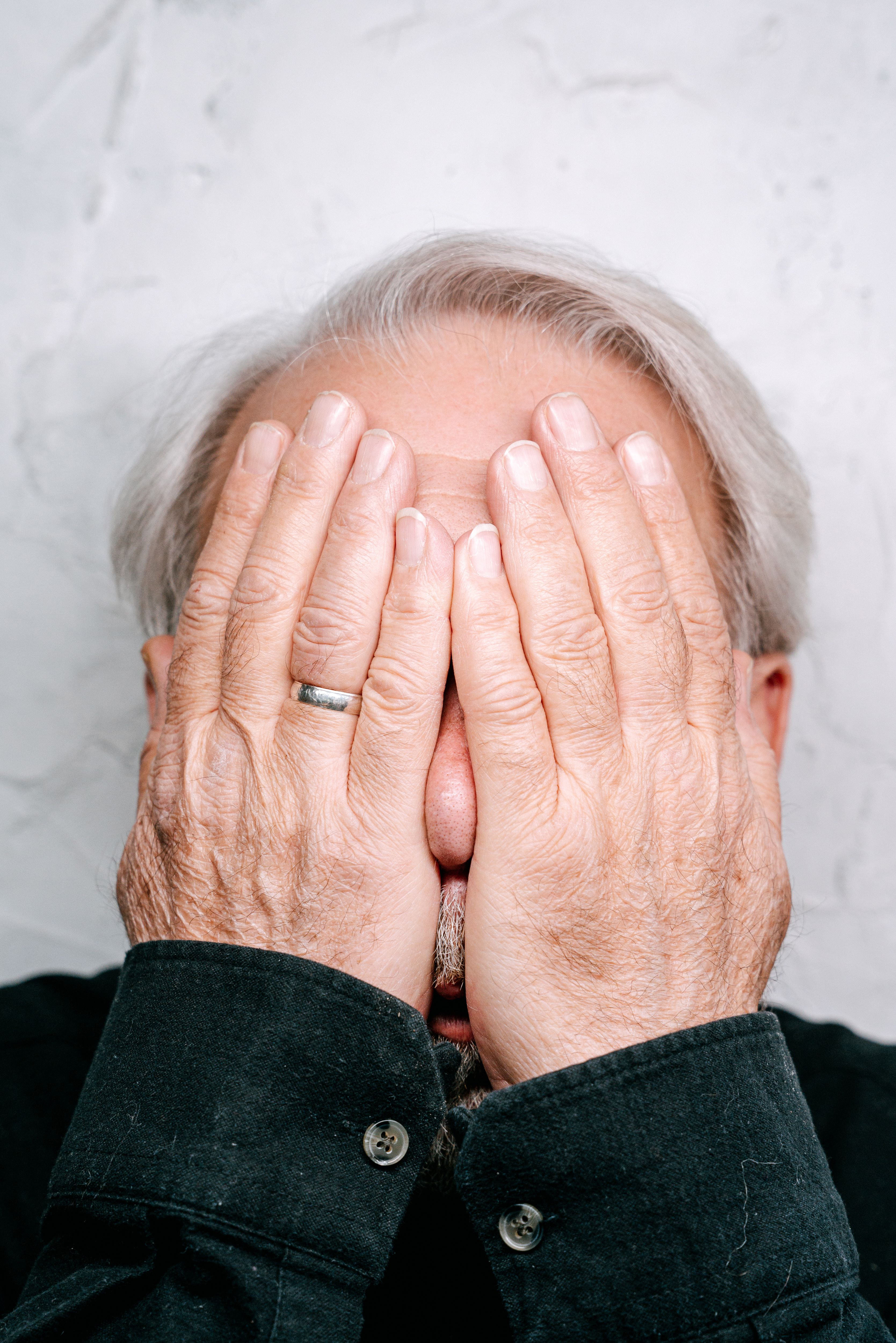
Andropause. This topic almost never comes up in ordinary conversations among men of a certain age. Not that it’s taboo, but it’s a biological phenomenon often dismissed by men. Some believe it is the equivalent of menopause for males owing to the bodily changes accompanying this condition.
“Not exactly. The term “male menopause” is considered a misnomer,” Urologist Dr. Nikko Magsanoc clarified. “Both involve an age-related drop in sex hormones, but the parallel is loose: menopause is a sudden, complete, and universal loss of hormones, while andropause is a gradual, incomplete decline that does not happen to every man and does not end fertility. A more accurate medical name is “androgen decline in the aging male” or “late-onset hypogonadism.”
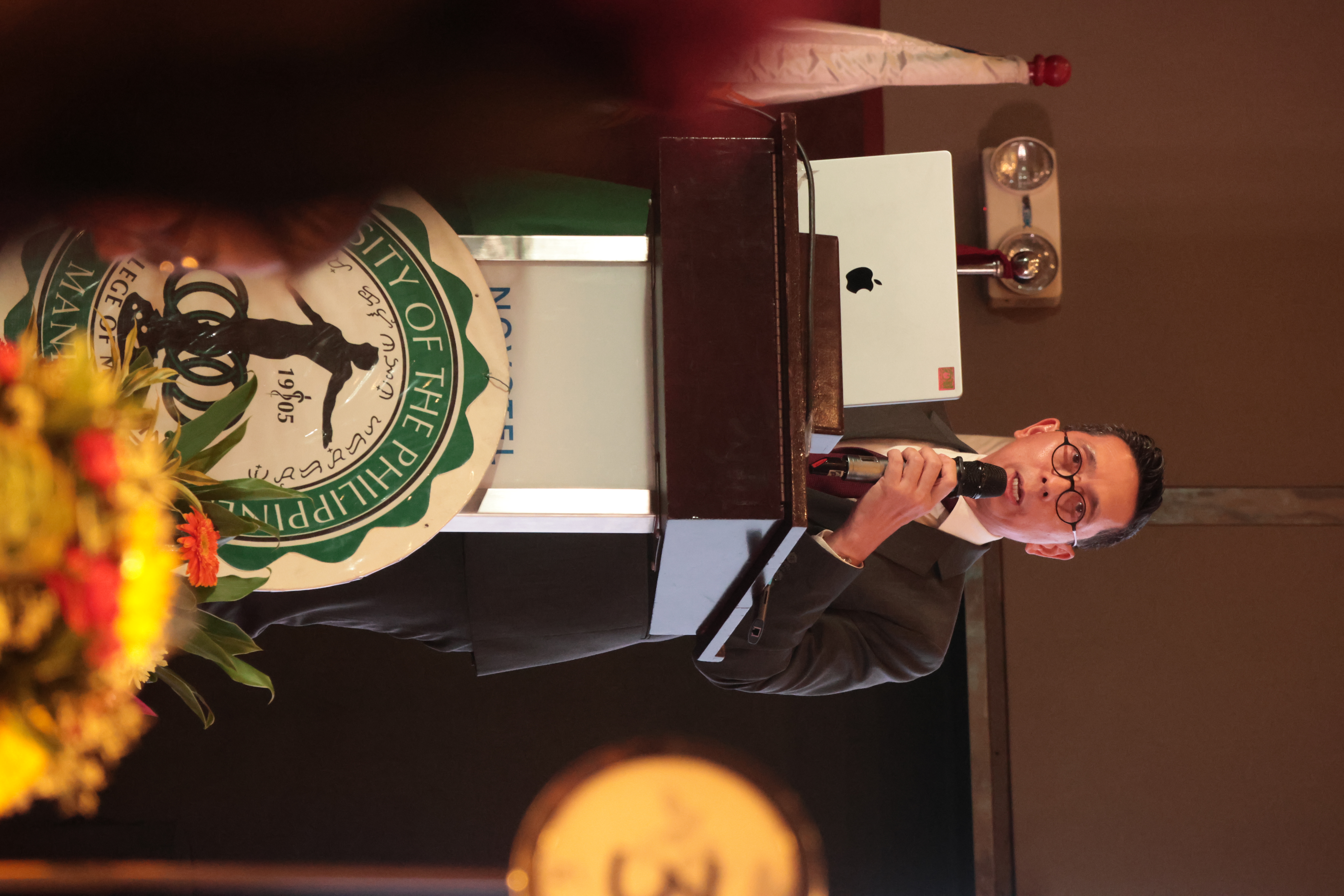
Dr. Magsanoc was one of the guest lecturers in the fourth session of the Grand Scientific Symposium aptly titled “Ugnayang Lalaki at Babae: ‘Sabi Mo, Sabi Ko, Sabi Natin.’” Held on Oct. 8-9, 2026, at the Novotel Hotel in Cubao, Quezon City, the session tackled the realities and challenges of andropause, perimenopause, and aging.
Before the symposium, the author interviewed Dr. Magsanoc about andropause and the importance of seeking professional help without shame.
IPPAO’s Jennifer F. Manongdo (JM): What exactly is andropause, and how is it different from menopause?
Dr. Nikko Magsanoc (NM): Andropause is a clinical condition in which testosterone falls gradually as men age, producing symptoms such as low energy, low sex drive, mood changes, and reduced muscle and bone strength. The key difference from menopause is the pace and completeness of the change: in women, menopause is a relatively abrupt and universal loss of estrogen and progesterone that ends fertility, whereas in men the testosterone decline is slow, partial, variable from man to man, and men usually keep the ability to father children. Menopause is a defined event (12 months with no menstruation); andropause has no single defining moment. Not that it’s the equivalent of menopause. But men have to be aware of gradual bodily changes as much as women are talking about a natural occurrence affecting women in advanced years.
JM: Is andropause really the male equivalent of menopause?
NM: Not exactly — the term “male menopause” is considered a misnomer. Both involve an age-related drop in sex hormones, but the parallel is loose: menopause is a sudden, complete, and universal loss of hormones, while andropause is a gradual, incomplete decline that does not happen to every man and does not end fertility. A more accurate medical name is “androgen decline in the aging male” or “late-onset hypogonadism.”
JM: Why is andropause not a widely discussed topic?
NM: Its symptoms come on slowly, are subtle, and overlap with normal aging and with other conditions (stress, depression, obesity, diabetes, poor sleep), so both men and clinicians often overlook them. There is also no single agreed testosterone level that defines the condition, which has contributed to limited research interest and inconsistent diagnosis. Cultural stigma around men’s sexual health and reluctance to discuss issues like low libido or erectile dysfunction further reduce open conversation.
JM: At what age does testosterone begin to decline, and how does low testosterone affect life?
NM: Testosterone starts a gradual decline in men’s mid-30s, falling roughly 1–2% per year on average. Low testosterone can affect many areas of daily life: reduced sex drive and erectile difficulties can strain intimate relationships; fatigue, poor concentration, and memory changes can undermine work performance; and low mood, irritability, and even clinical depression can affect emotional wellbeing and overall quality of life. Studies link low testosterone to higher rates of depression and anxiety, particularly in middle-aged men.
JM: What symptoms are commonly associated with andropause and low testosterone?
NM: Common sexual symptoms include reduced libido, erectile difficulties, and fewer spontaneous or morning erections. Physical symptoms include fatigue, loss of muscle mass and strength, increased body fat, weaker bones (osteoporosis), and sometimes anemia. Men may also experience low mood or depression, irritability, anxiety, poor concentration and memory, hot flushes, sweating, poor sleep, and reduced overall vitality.
JM: When should men consult a doctor?
NM: There is no fixed age — men should see a doctor whenever these symptoms appear and are bothersome, rather than waiting for a specific birthday. Most men who seek help are in their 40s–50s or older, when symptoms and testosterone decline become more noticeable. Importantly, a diagnosis requires symptoms plus a low testosterone level confirmed on at least two morning (7–10 am) fasting blood tests. Men aged 50 and older considering testosterone treatment should also discuss prostate (PSA) screening with their doctor.
JM: How can wives, children, family, and friends help?
NM: Family and friends can help most by recognizing that the changes in mood, energy, and libido may have a medical cause rather than being a personal failing or simple “aging.” Practical support includes encouraging the man to see a doctor, supporting healthy lifestyle changes (weight loss, exercise, better sleep, reduced alcohol), and being patient and understanding about mood and relationship changes. Because weight loss and treating conditions like sleep apnea and diabetes can substantially raise testosterone and improve symptoms, family encouragement toward these goals is especially valuable.
JM: Kindly encourage men to seek medical advice regarding Andropause.
NM: Low testosterone is a common, recognized medical condition — it affects roughly 20% of men over 60 and rises with age — not a weakness or something to be embarrassed about. Many symptoms are treatable, and often the first and most effective steps are healthy lifestyle changes rather than medication. Seeking care early also allows doctors to check for other important conditions (such as diabetes, depression, or heart-related risks) that share the same symptoms. Talking to a doctor is a sign of taking responsibility for one’s health, family, and relationships.
Andropause is not caused entirely by aging alone. Dr. Magsanoc said low testosterone in older men is driven by obesity and other illnesses (functional hypogonadism), which are frequently reversible. “Treatment is individualized. Testosterone therapy (gels, injections, or pills) is reserved for men with both symptoms and confirmed low levels, and is not for everyone. It should be avoided in men who wish to father children soon and in those with prostate cancer, among other conditions,” he pointed out.

Read More:
#fp8 #Andropause #UPManila #Environmentthatnurturesmindandbody