

Text by Charmaine A. Lingdas
Photos by Sarah Hazel Moces S. Pulumbarit
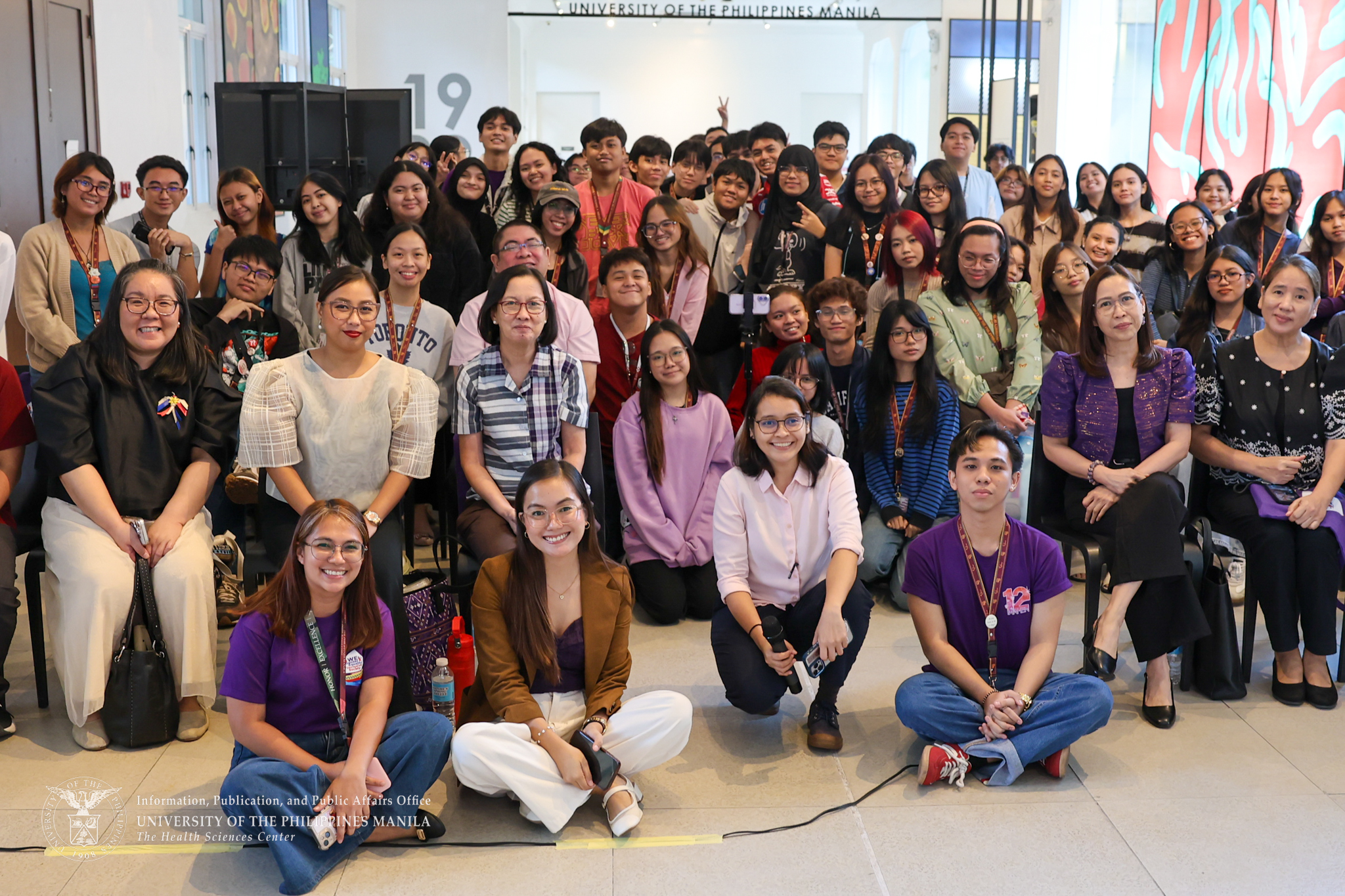
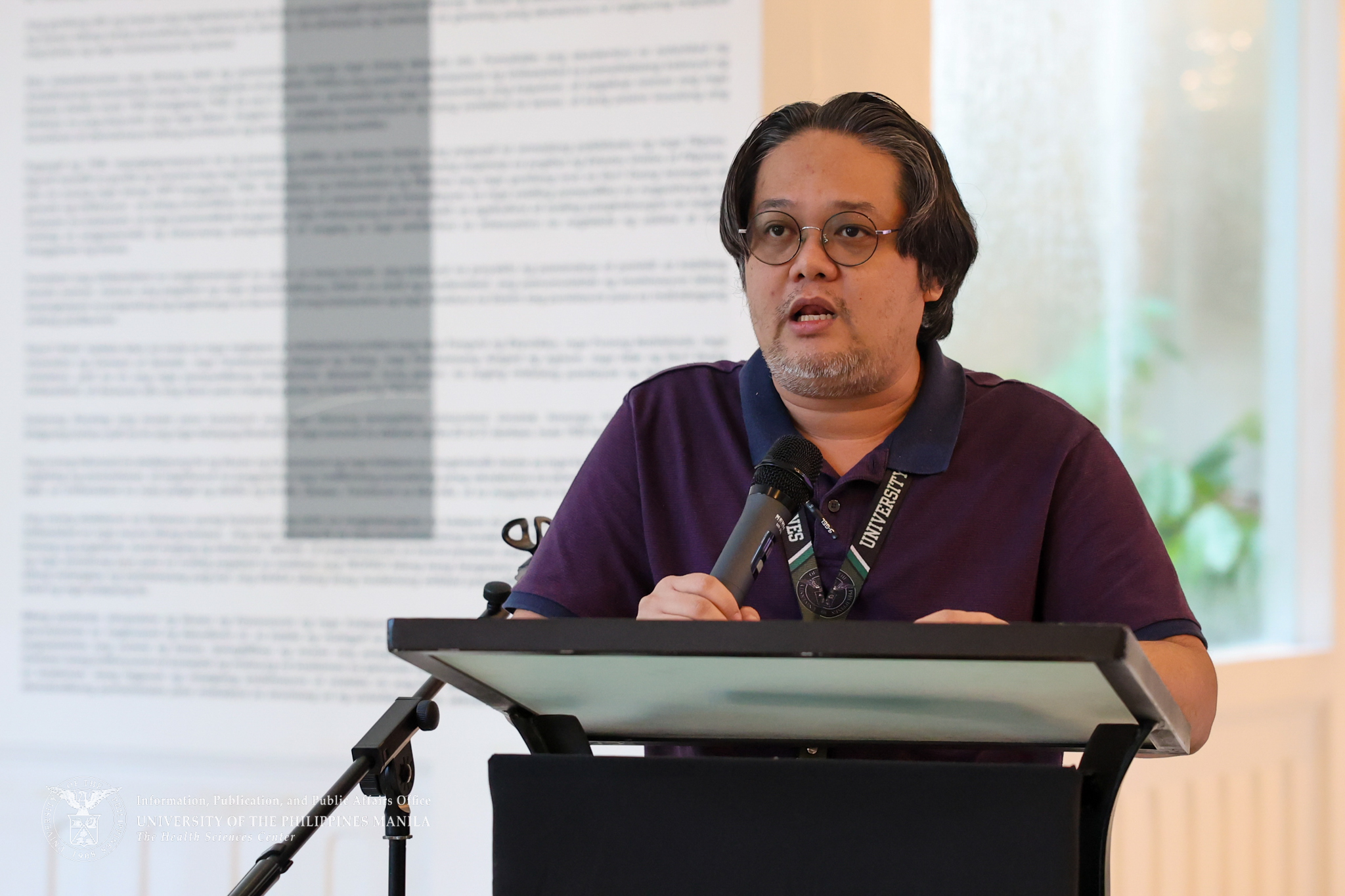
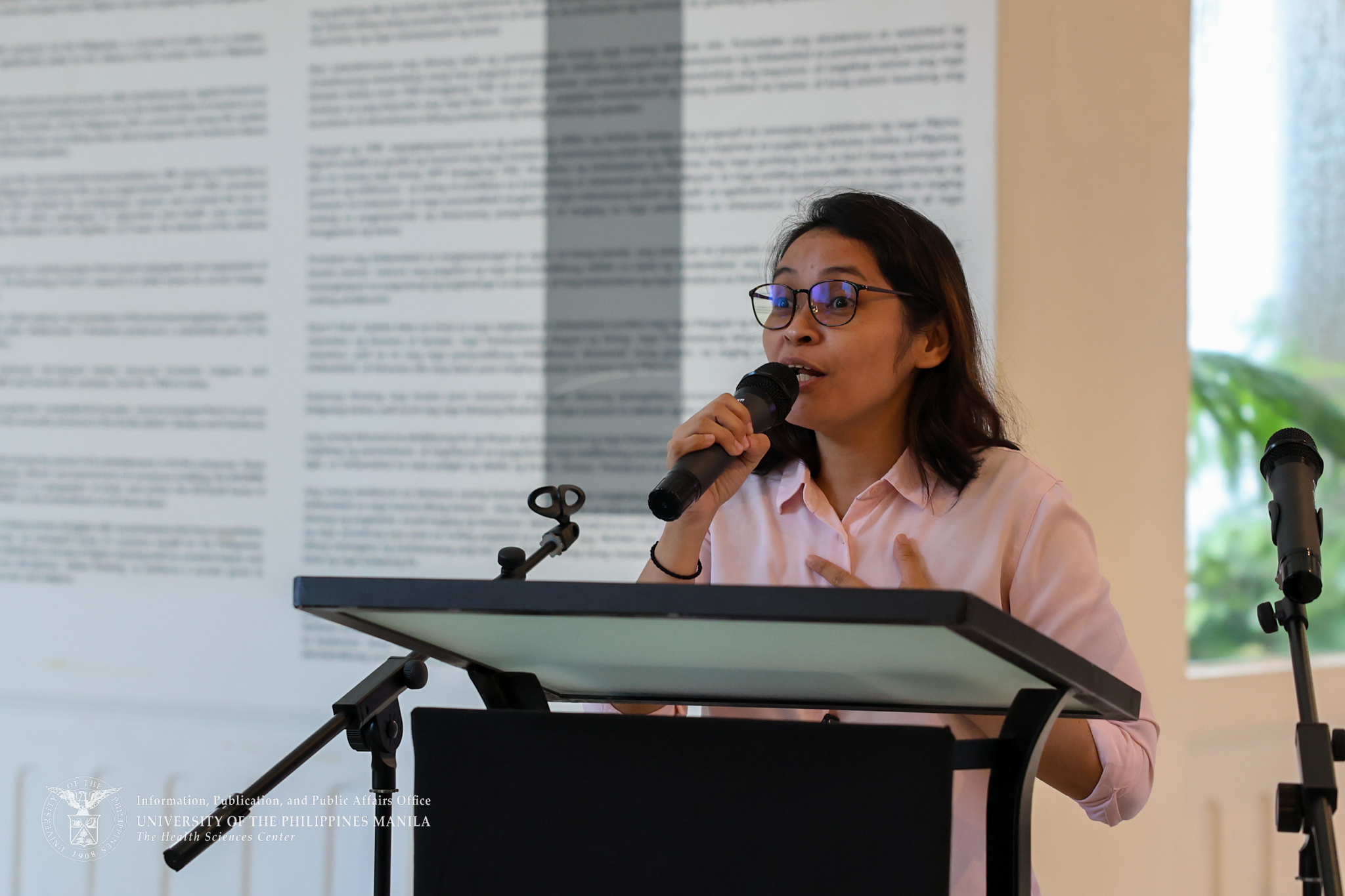
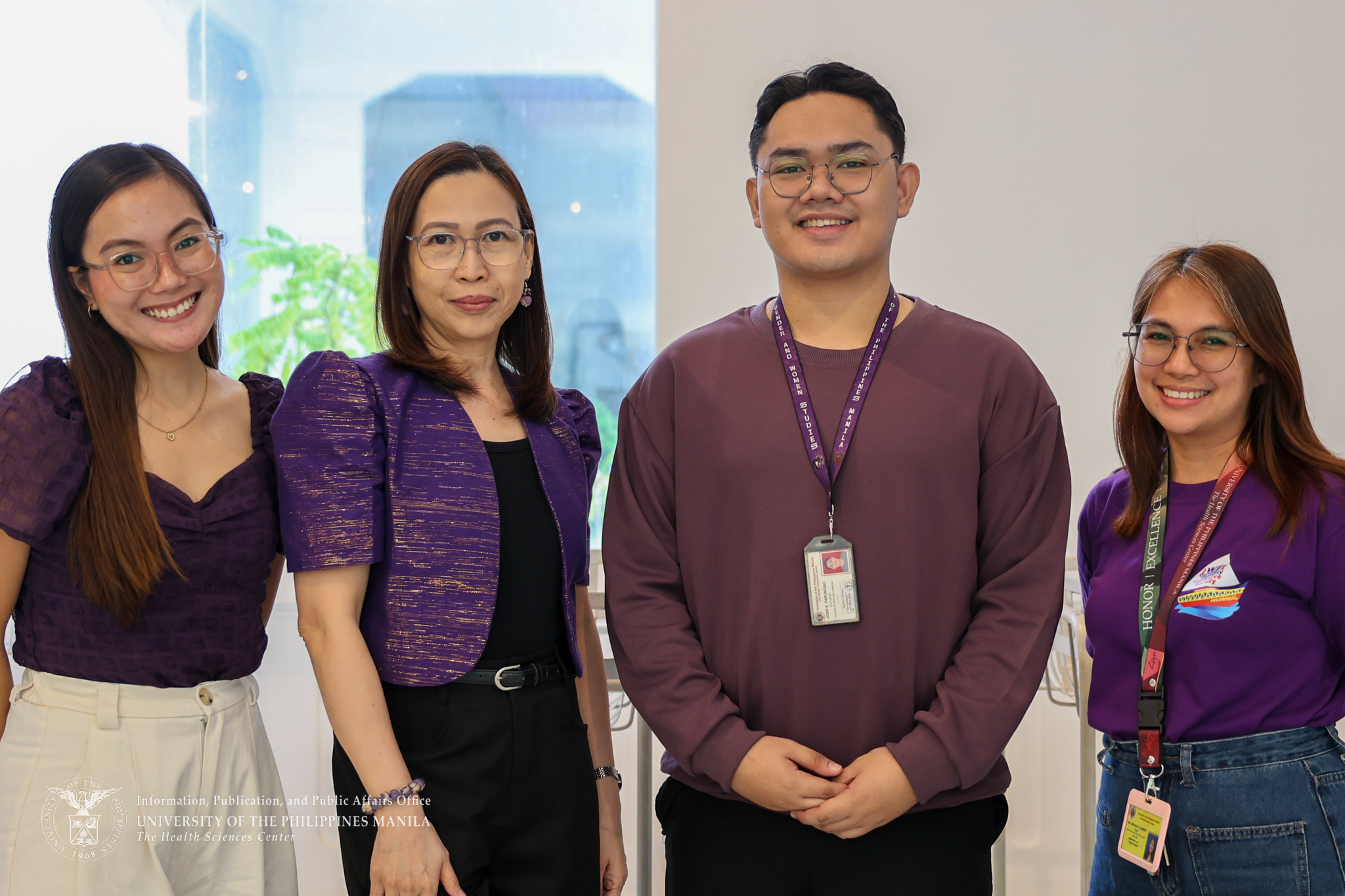
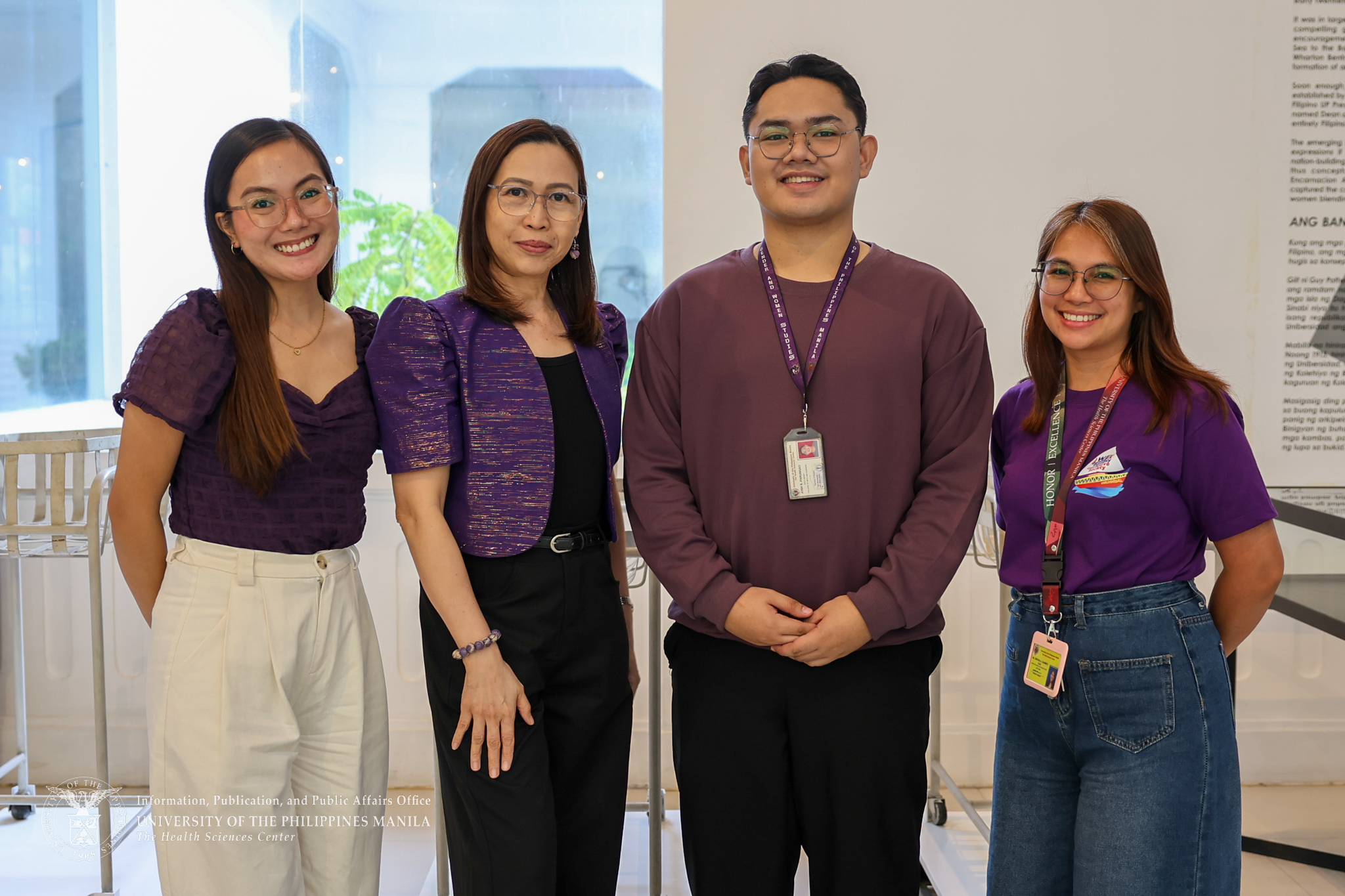
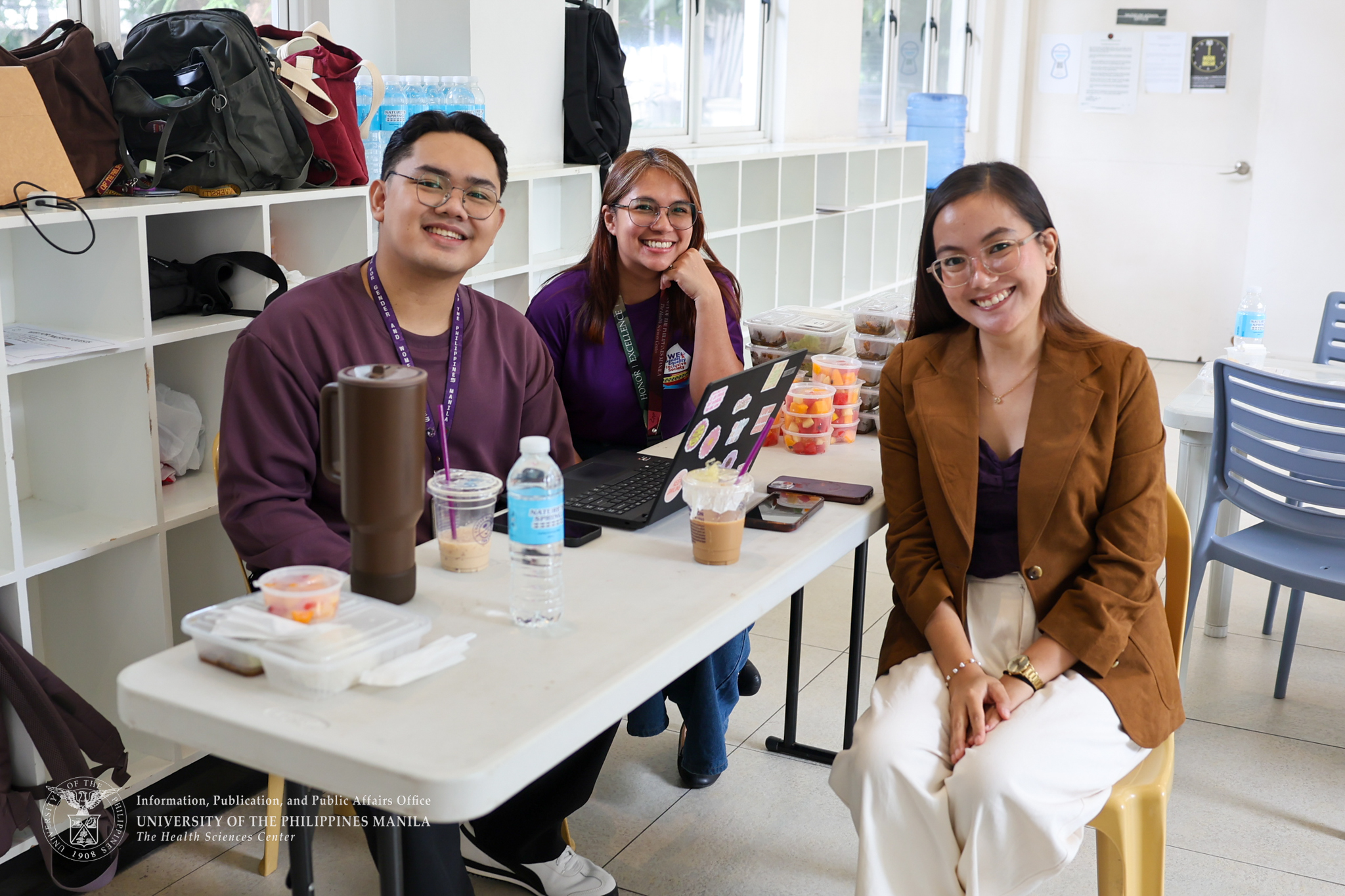
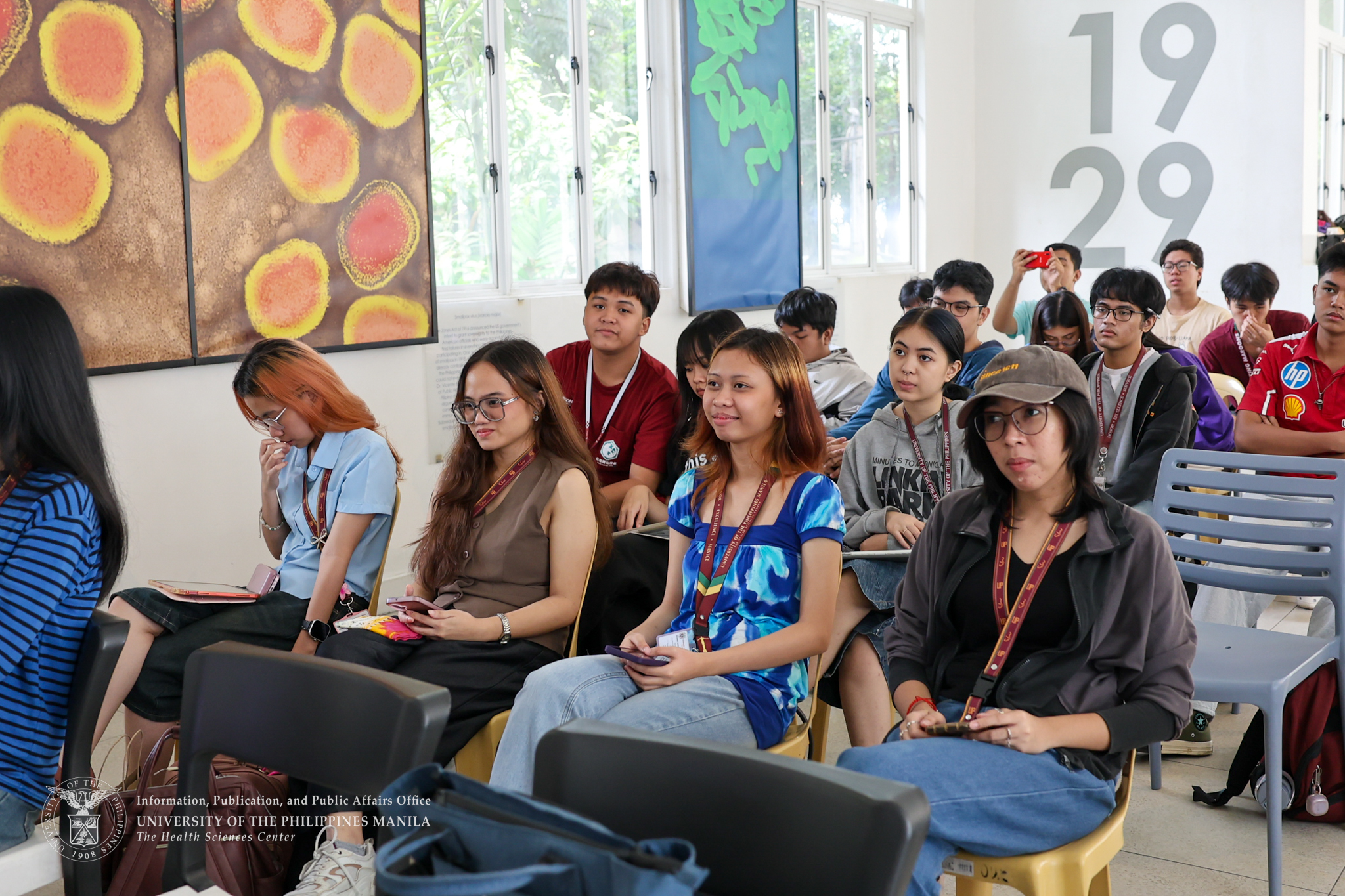
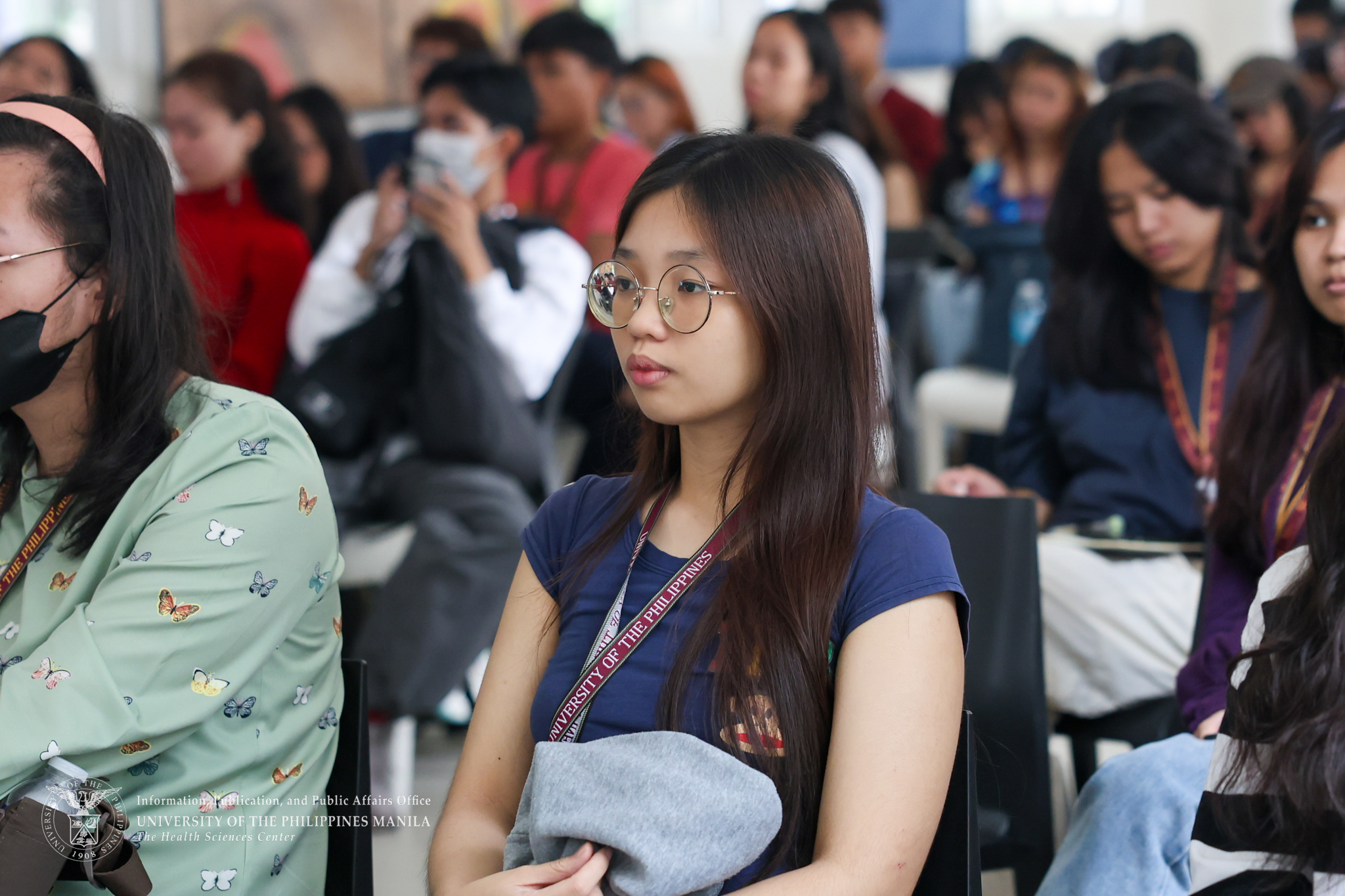
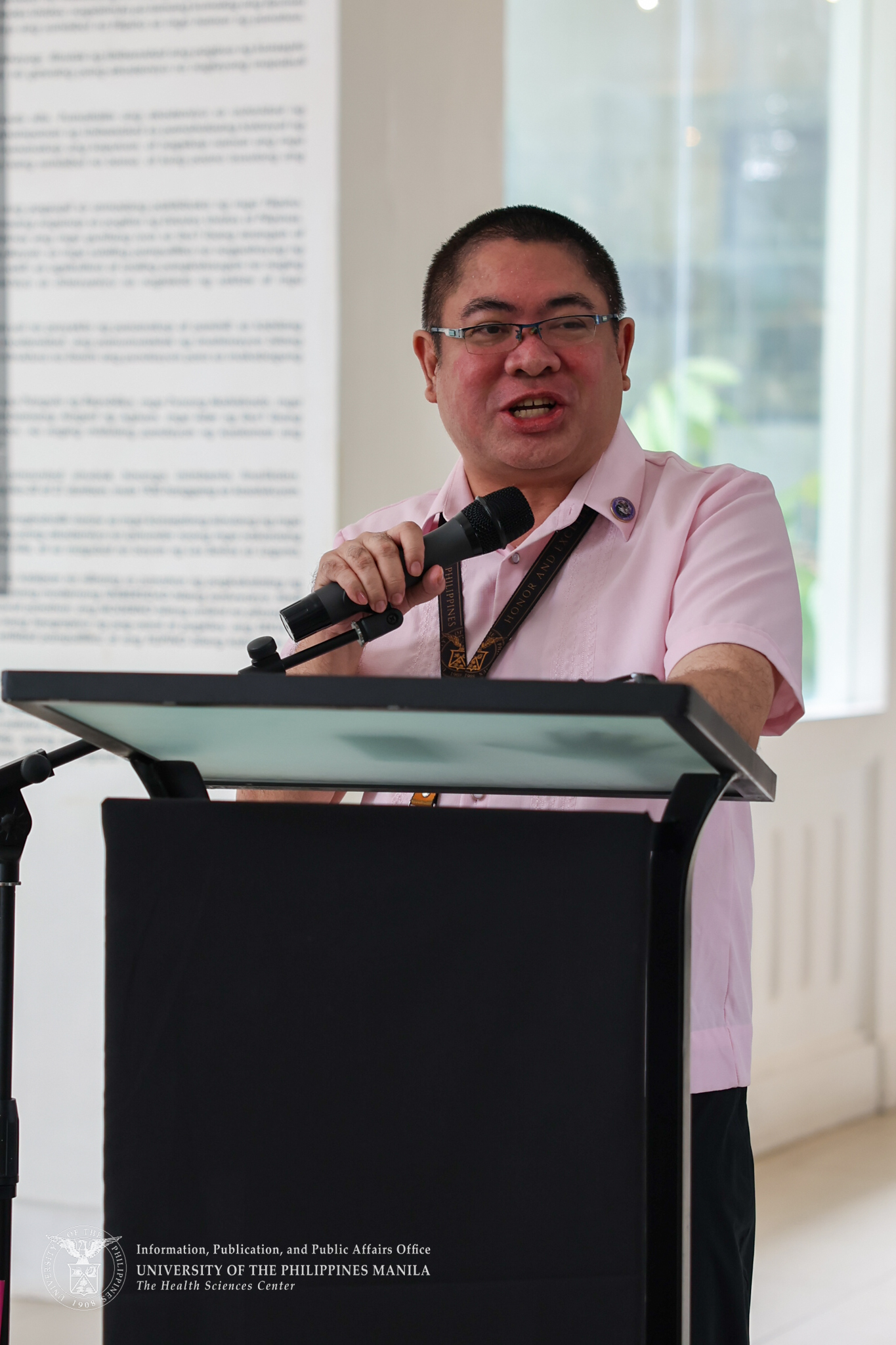
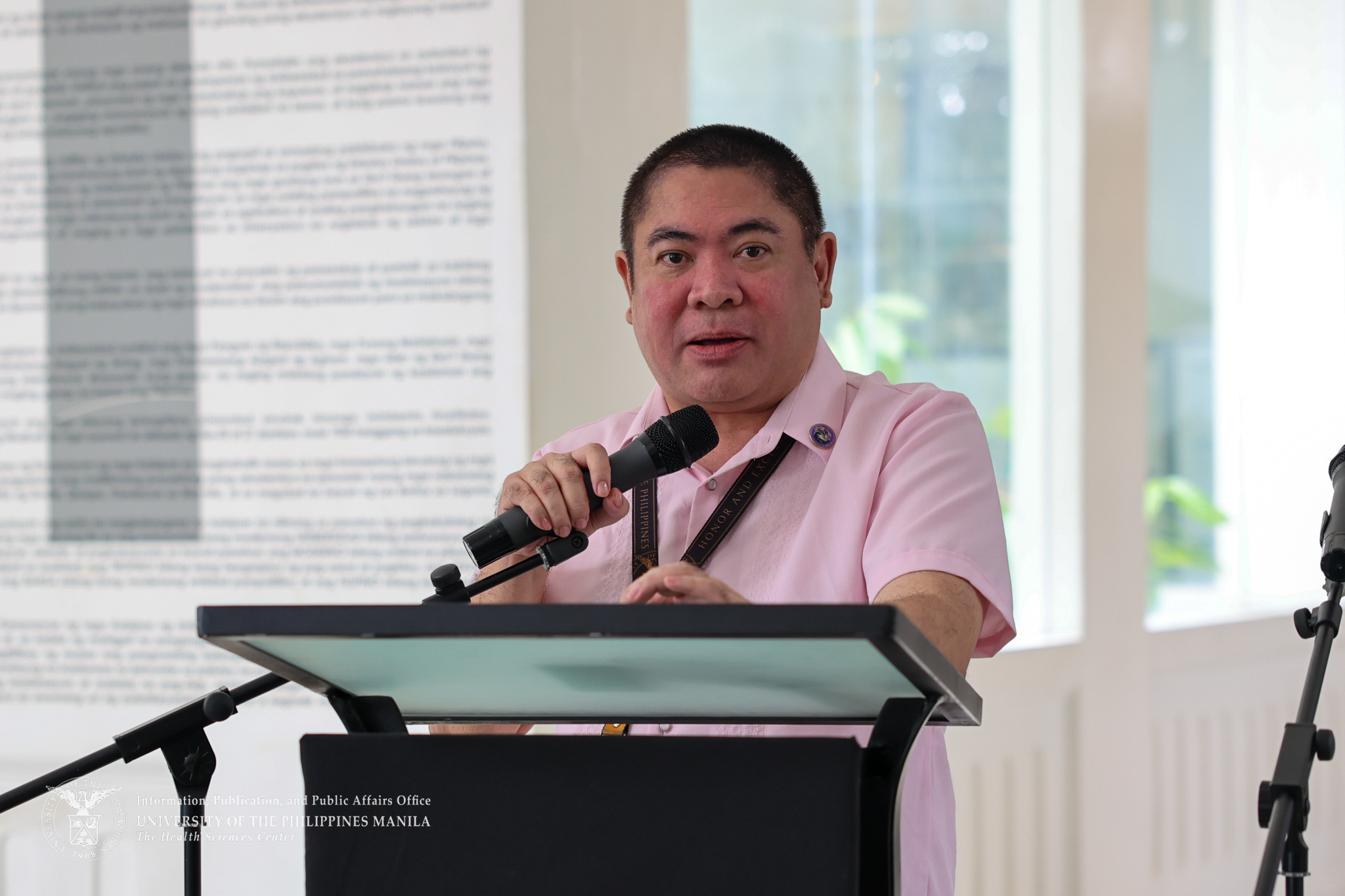
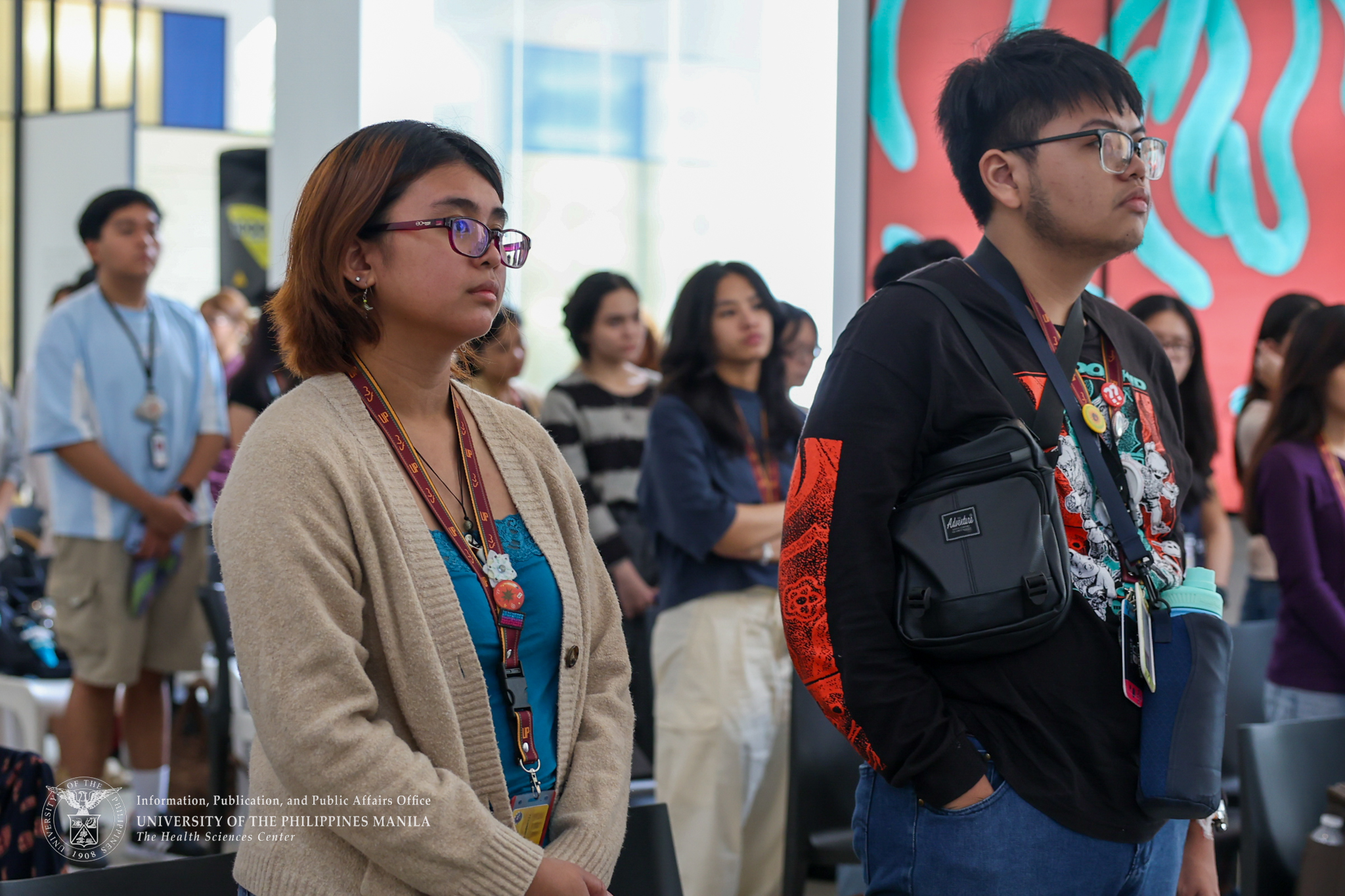
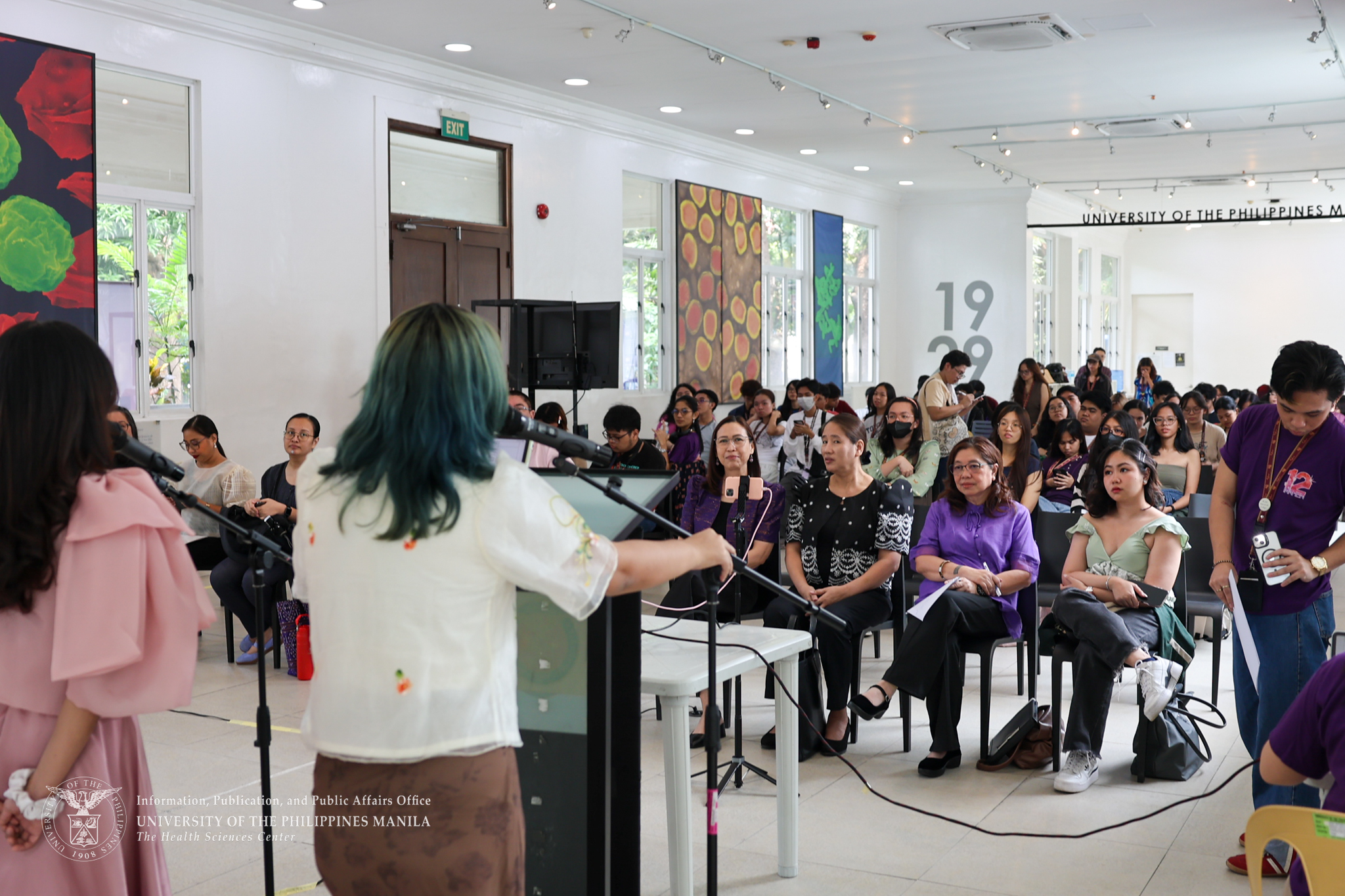
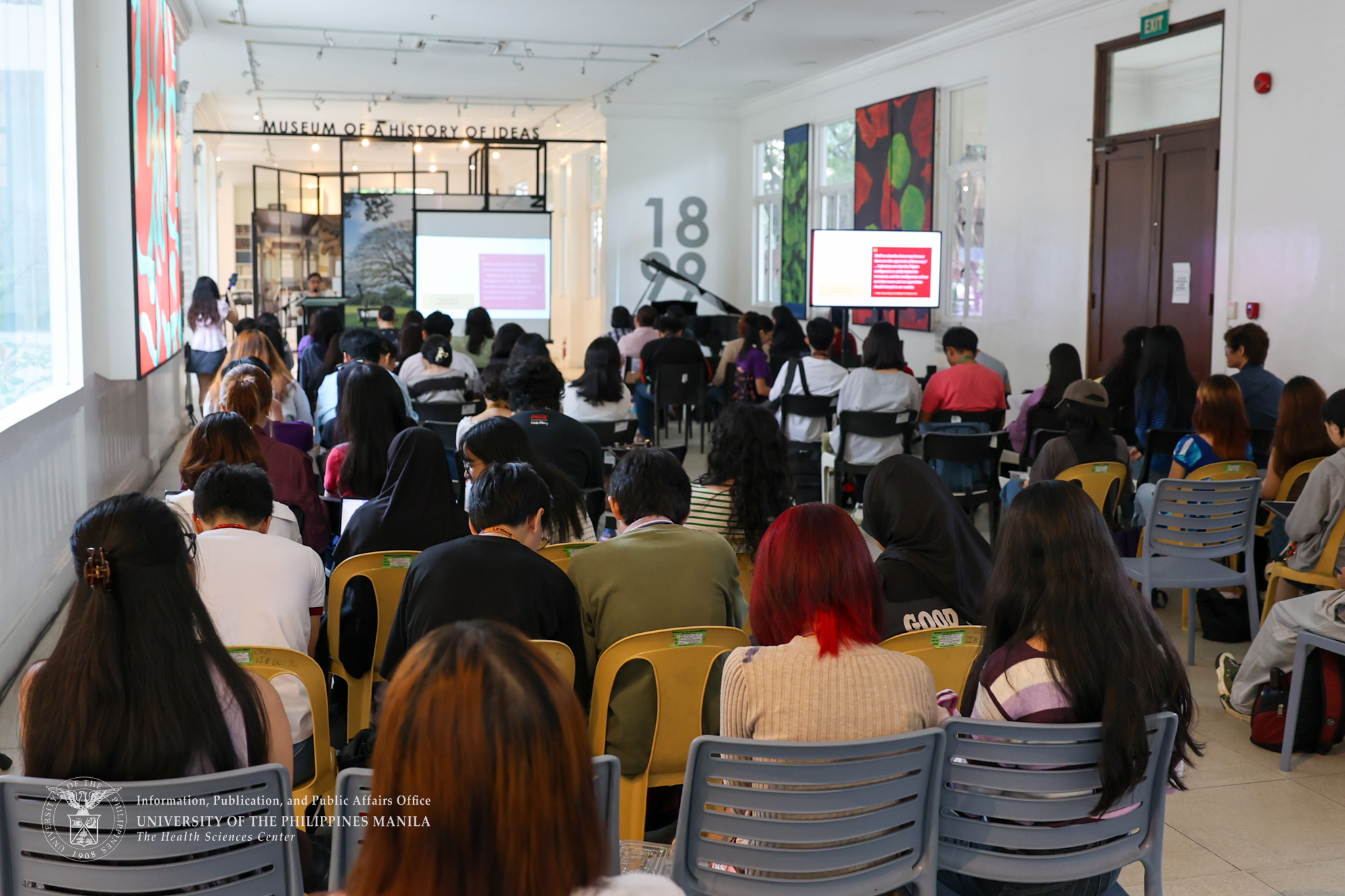
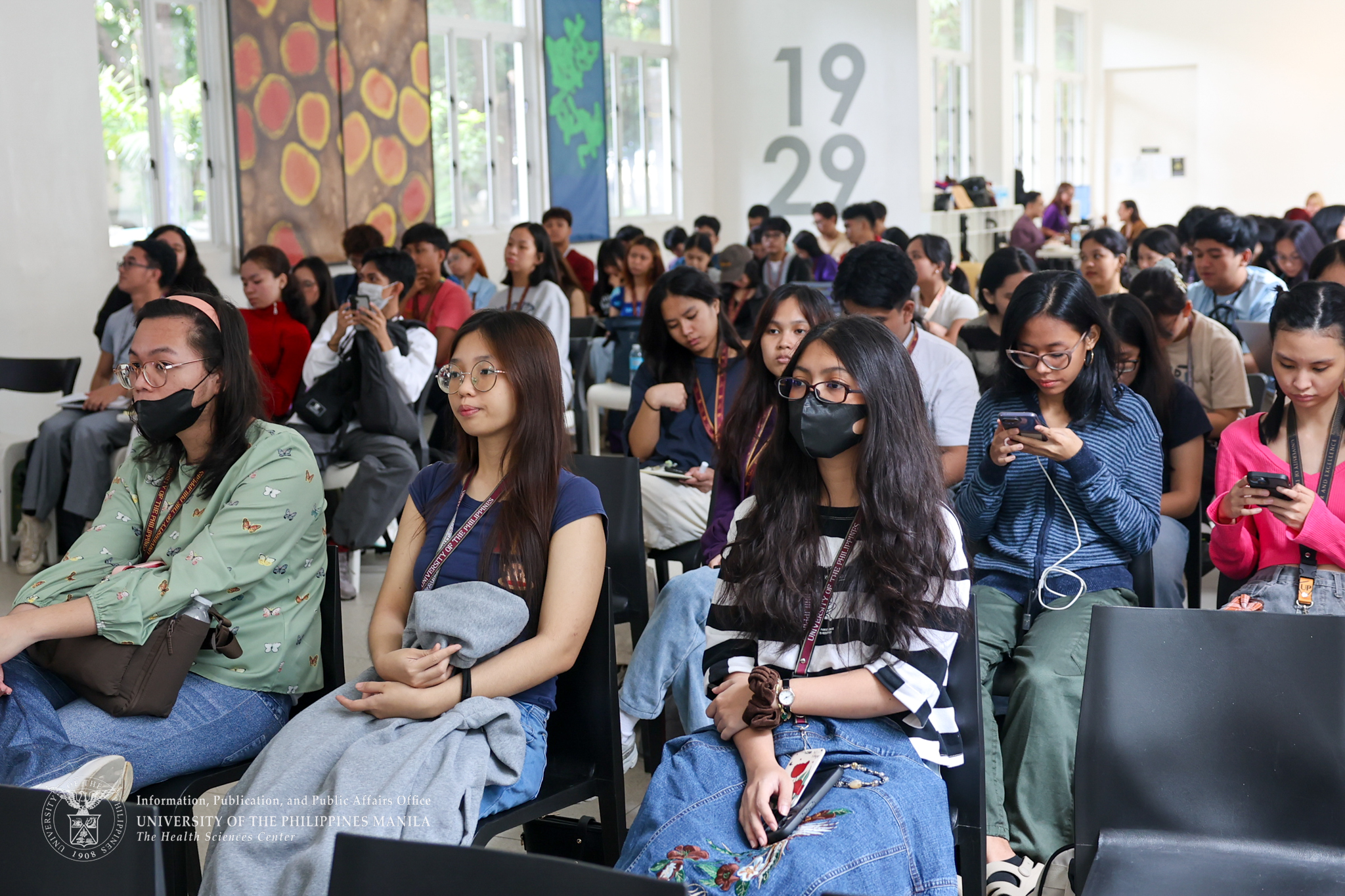
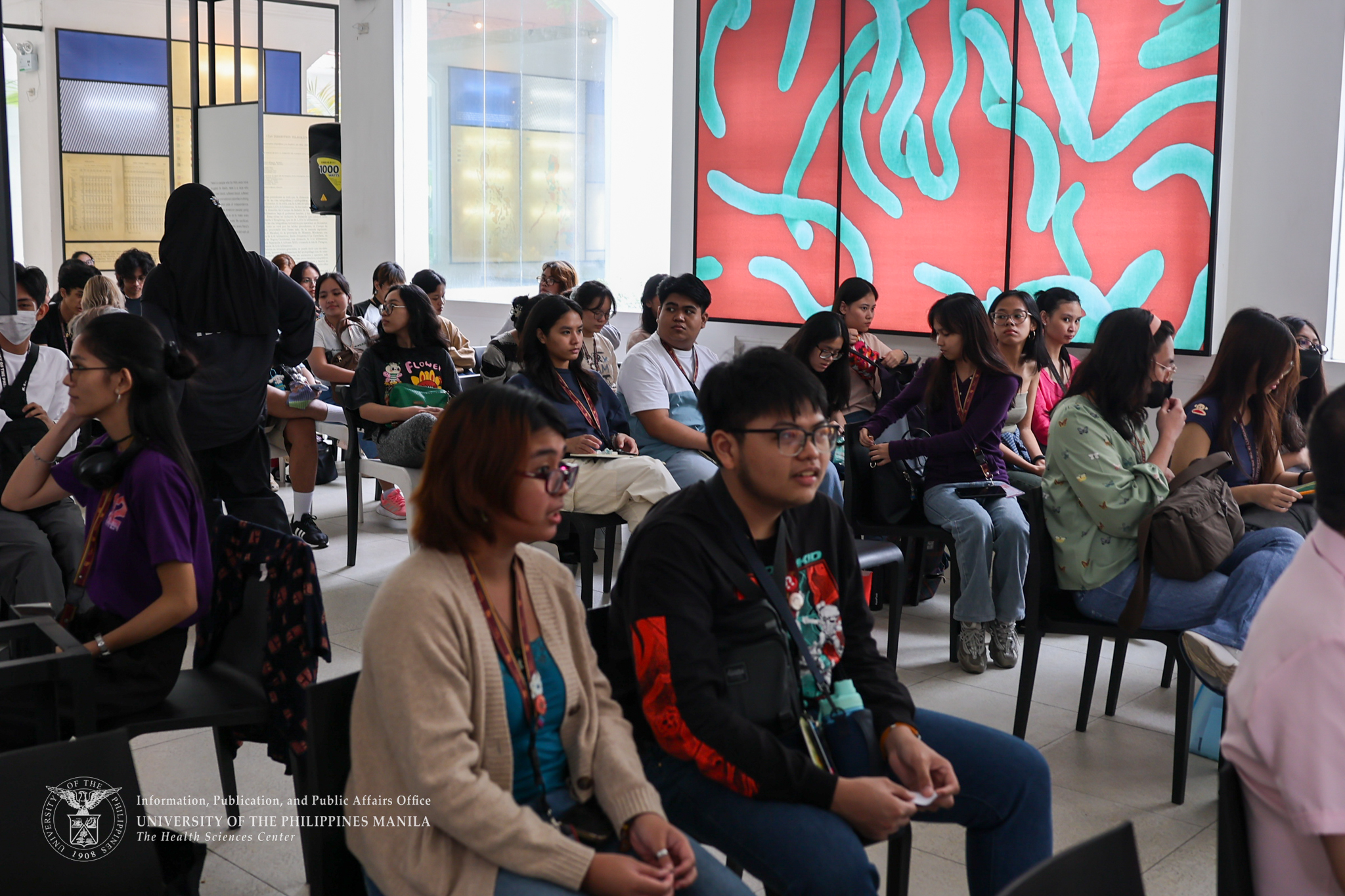
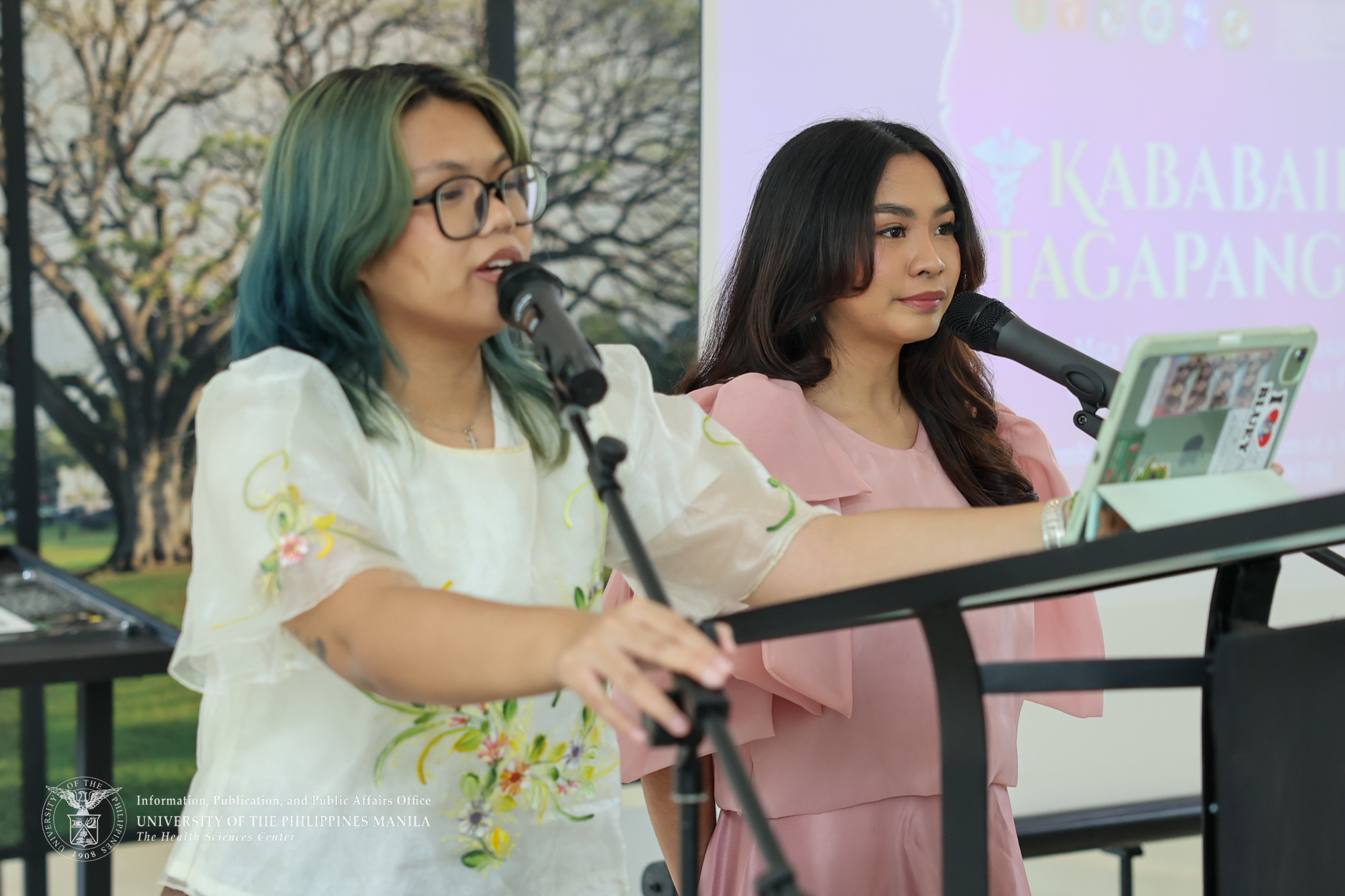
Pioneering Filipino women’s contributions to history, philosophy, and medicine took center stage at “Kababaihan, Tagapanguna: Mga Kontribusyon sa Kasaysayan, Pilosopiya, at Medicina sa Pilipinas,” a forum held on Sept. 30, 2026, at the Museum of a History of Ideas as part of the observance of National History Month. The forum aimed to highlight women whose work shaped Philippine knowledge, history, and society, while examining how conventional historical narratives have represented or overlooked their contributions.
The forum examined the lives and intellectual legacies of three women: historian and suffragist Encarnacion Alzona, philosopher Emerita Quito, and physician Dr. Honoria Acosta Sison.
Reconsidering Who Gets Remembered
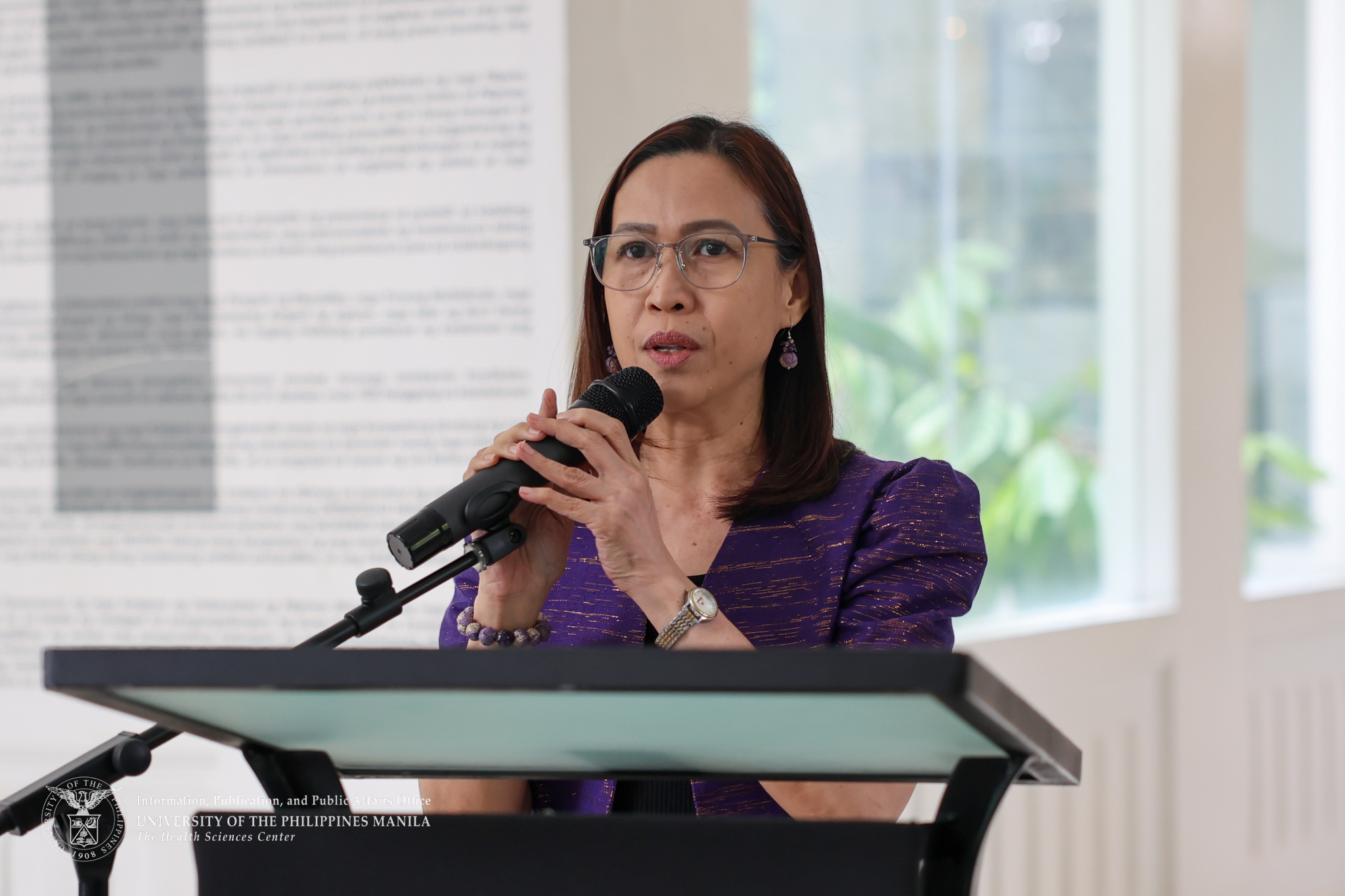
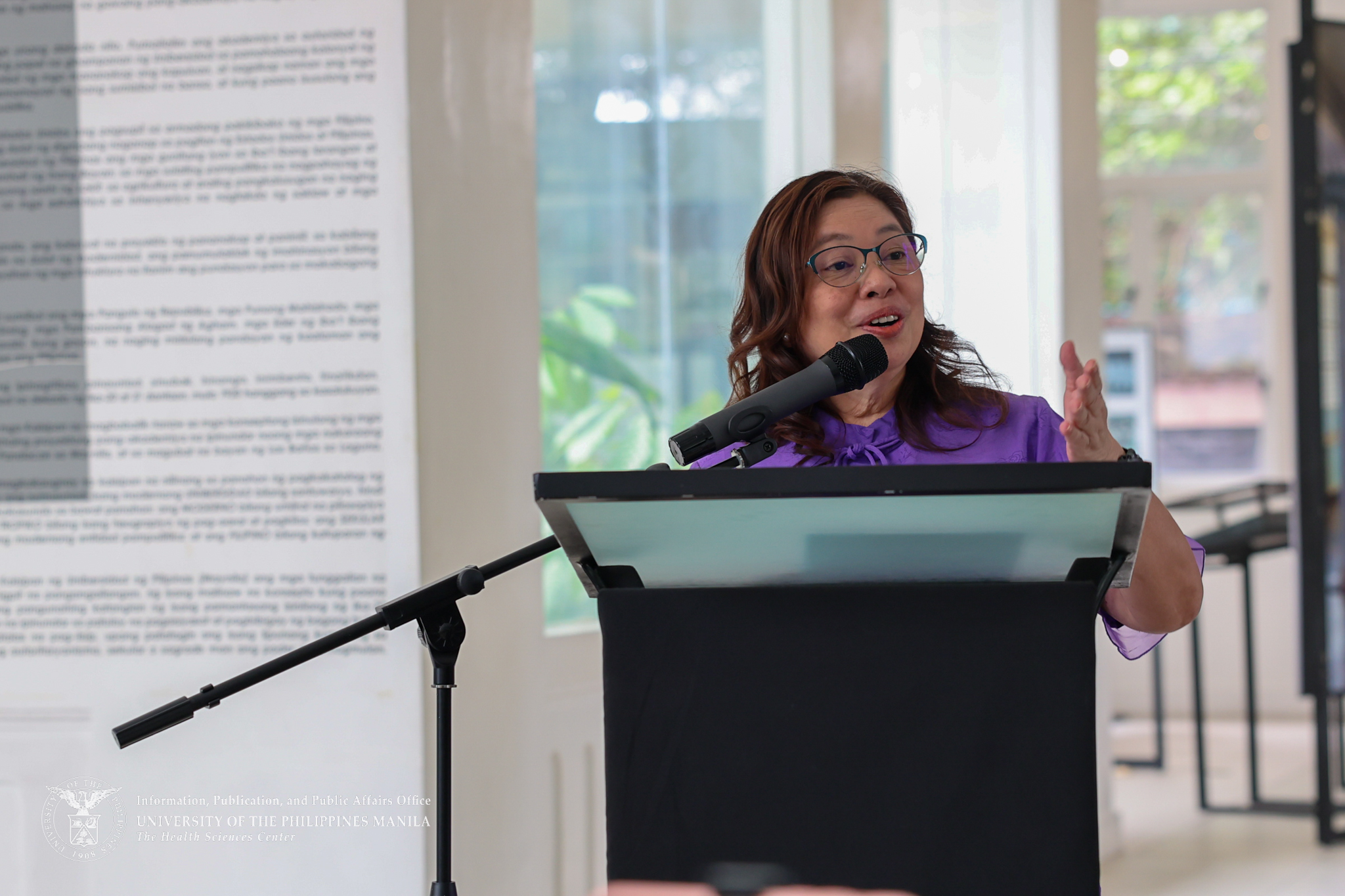
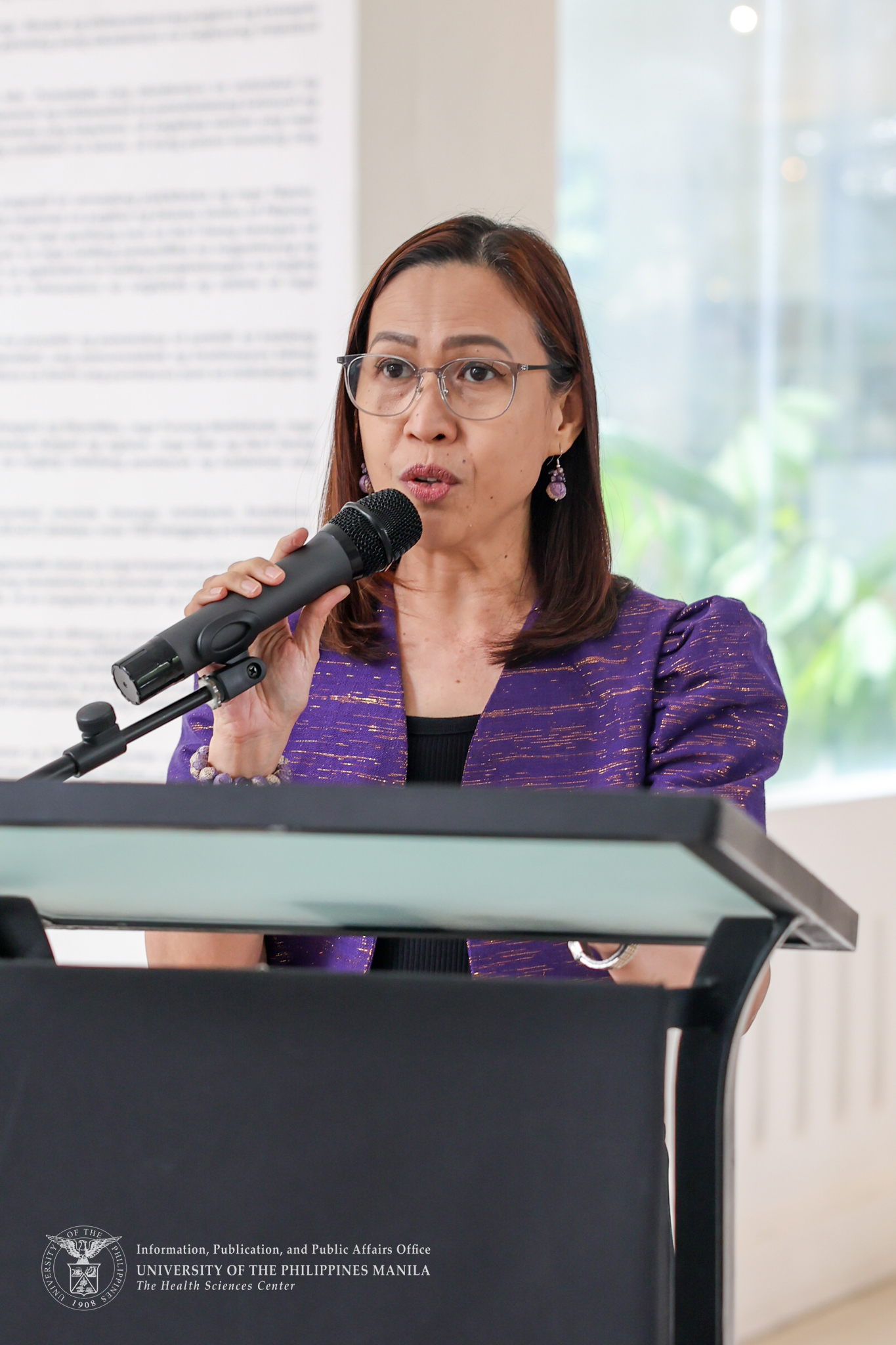
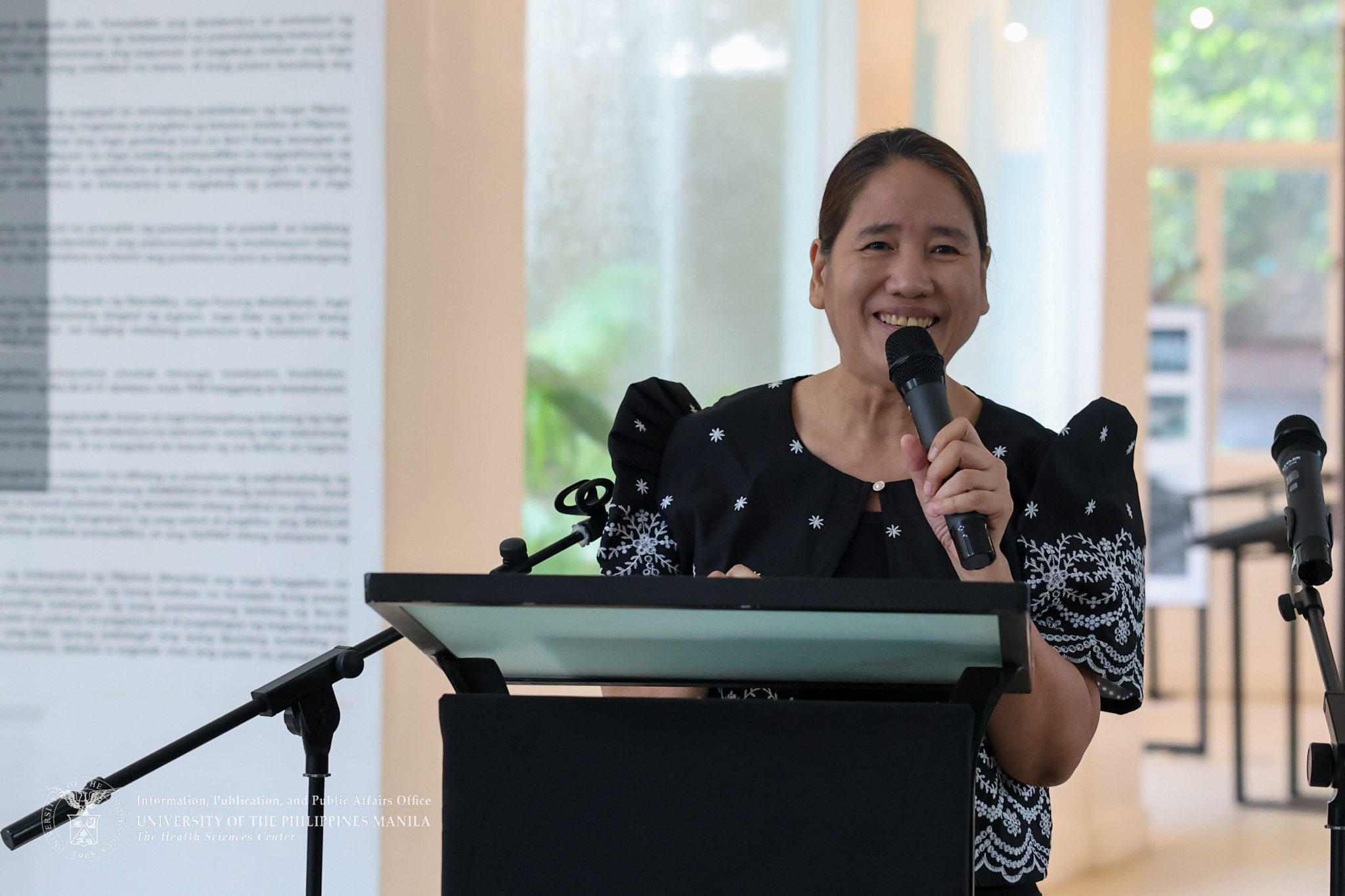
UP Manila Center for Gender and Women’s Studies (CGWS) Director Mary Dorothy Jose said recognizing women pioneers is a challenge to historical narratives that have often centered on men.
“Ang pagkilala sa mga tagapangunang kababaihan sa iba’t ibang larangan ay hindi lamang simpleng pagpapatunay na kung kaya ng kalalakihan ay kaya rin ng kababaihan,” she said. “…Isang anyo ng paghamon sa tradisyonal na naratibong pangkasaysayan na kadalasan nakasentro sa kalalakihan.Kung kaya’t ngayon pa lamang ay nagpapasalamat na po ako sa ating mga panauhing tagapagsalita at ang ating inimbitahan na reactor para sa pagtanggap ng ating imbitasyon na mapagyaman hindi lamang ang ating kaalamang pangkasaysayan kundi ang ating kamalayang pangkasarian.”
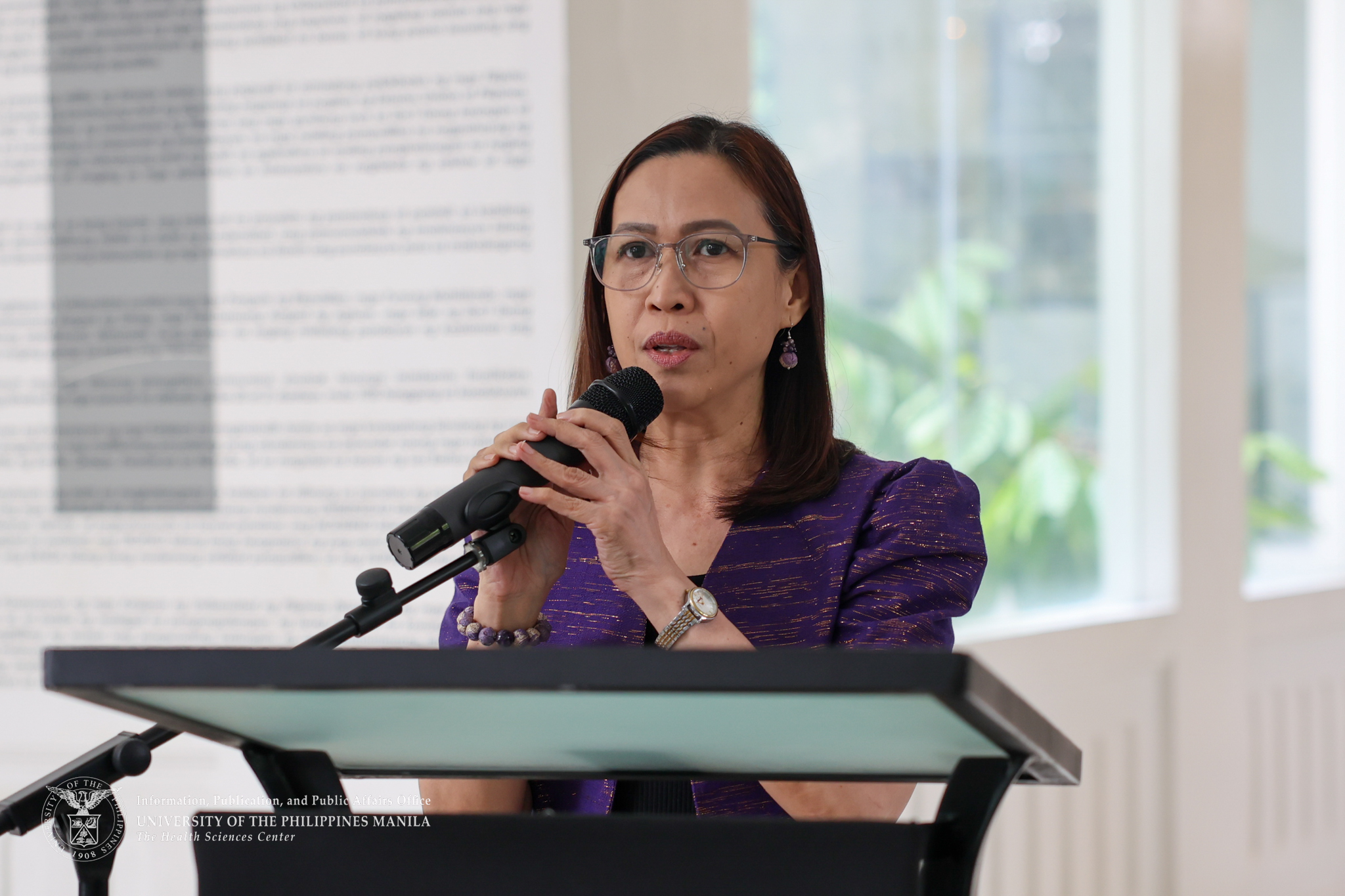
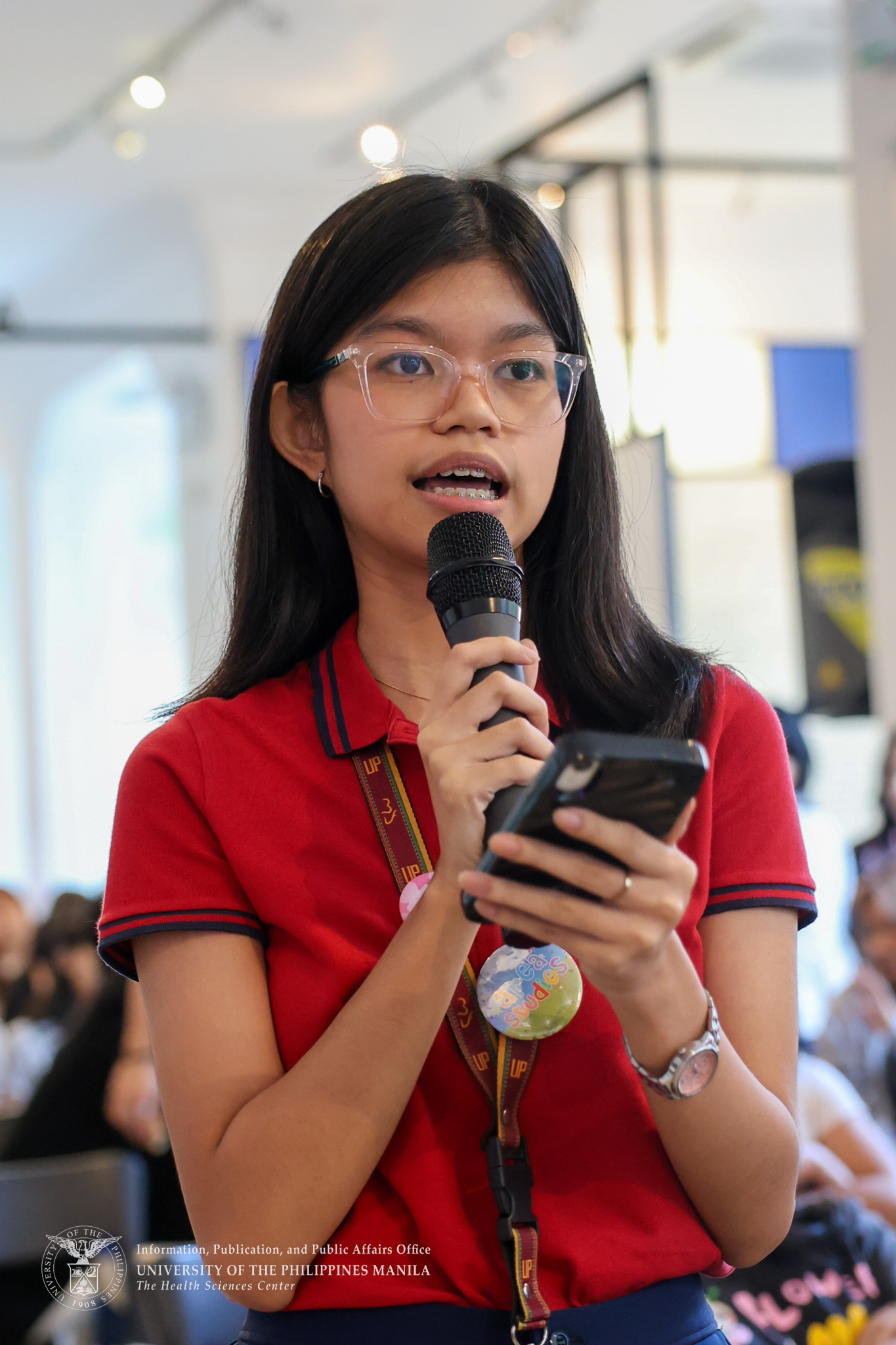
Dir. Jose also described the gathering as part of the continuing institutionalization of women’s studies in the Area Studies Program.
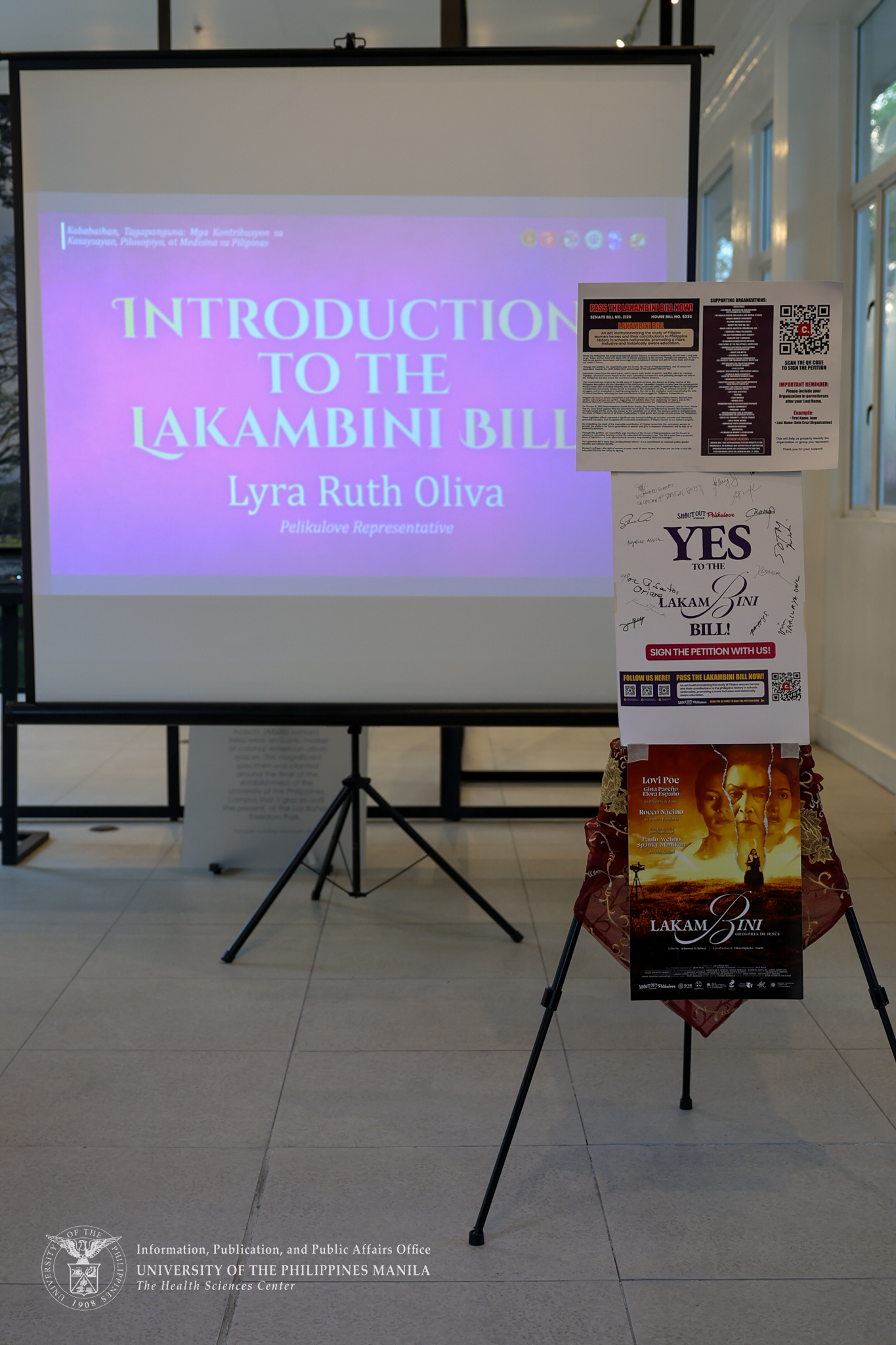
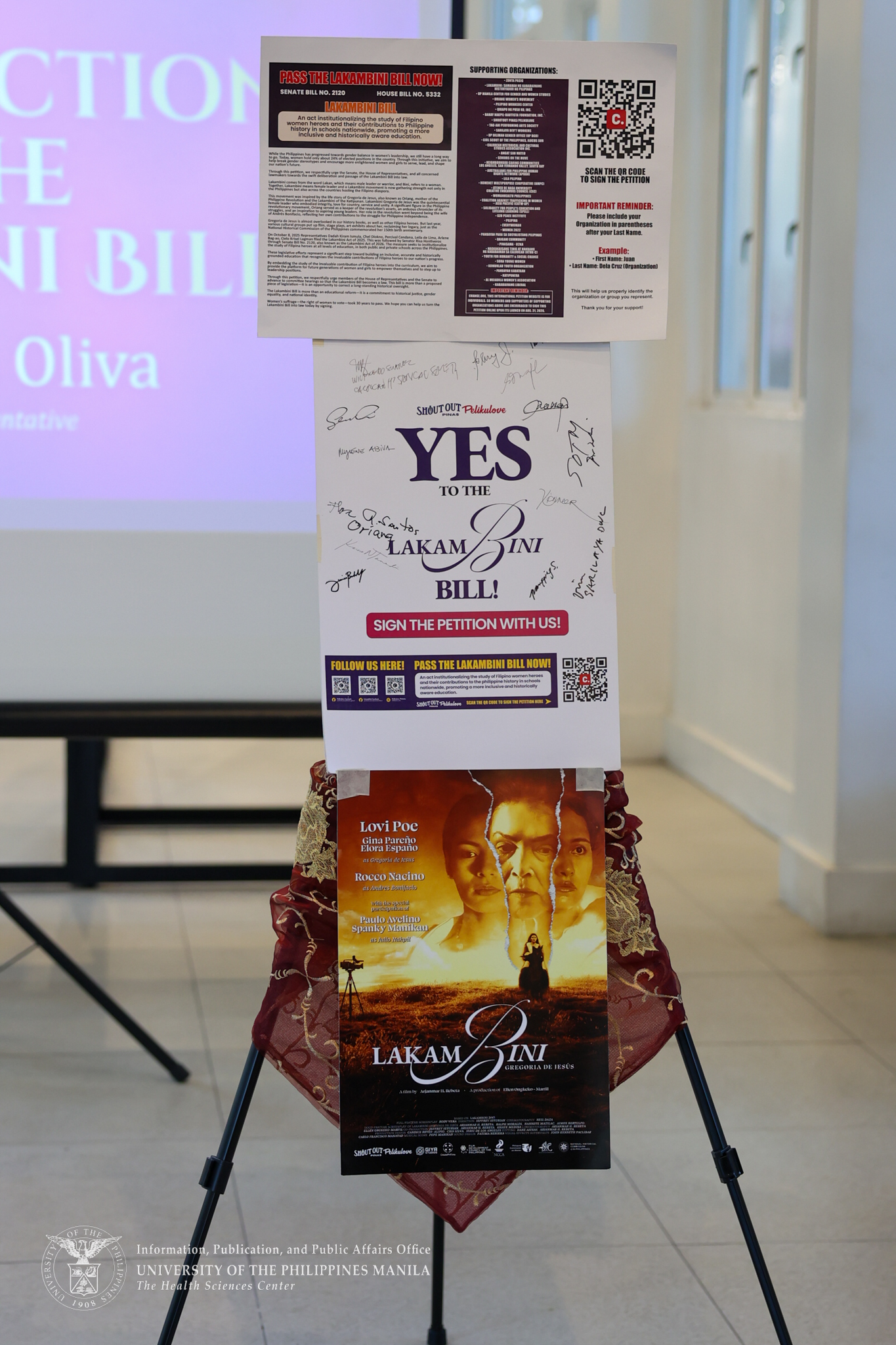
Meanwhile, Prof. Arthur M. Navarro, convenor of the Manila Studies Program and vice president of the Philippine Historical Association, described the forum as among the early activities of Lakambini, the national association of women historians.
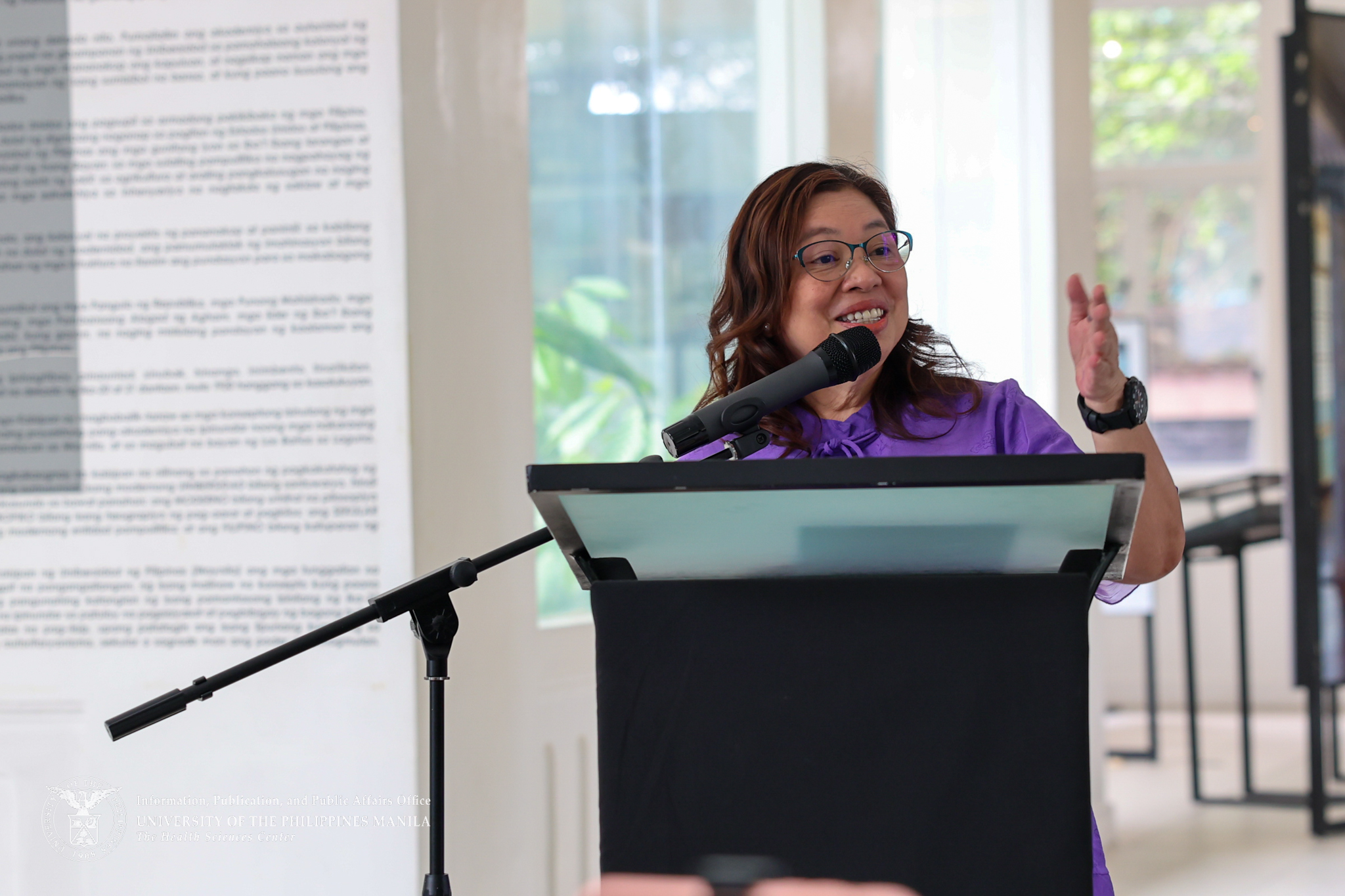
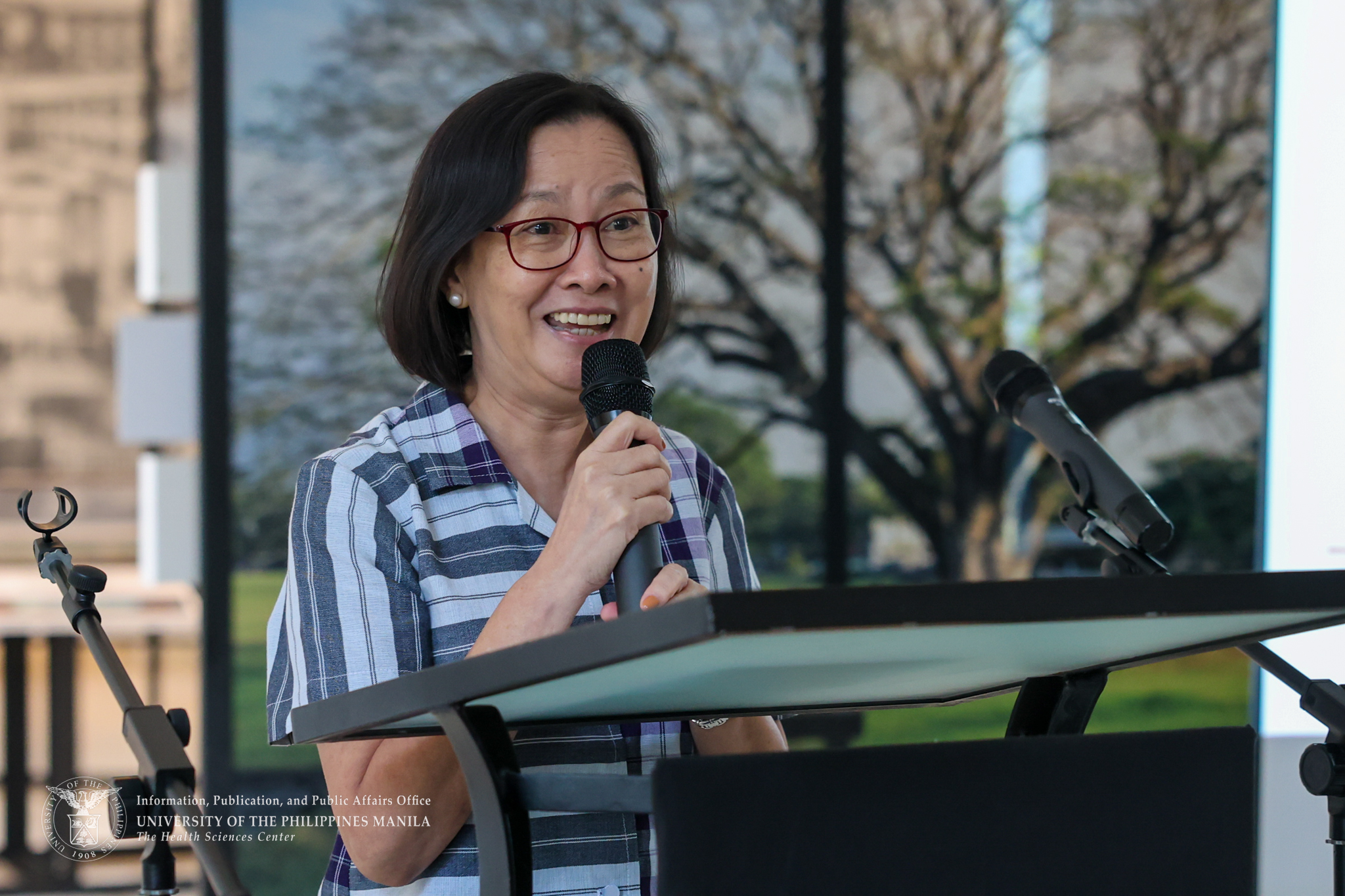
For College of Arts and Sciences Dean Maria Teresa De Guzman, the discussion also raised a broader question about what societies choose to preserve and teach.
“It is also a record of whose knowledge a society chooses to value,” said Dean De Guzman.
Dean De Guzman added that recovering women’s contributions does more than add names to a list. It provides a fuller understanding of how ideas were formed, institutions were built, and opportunities were opened for succeeding generations. She also challenged educators to teach history in which women are recognized as thinkers, practitioners, and leaders.
Encarnacion Alzona: Historian, Scholar and Suffragist
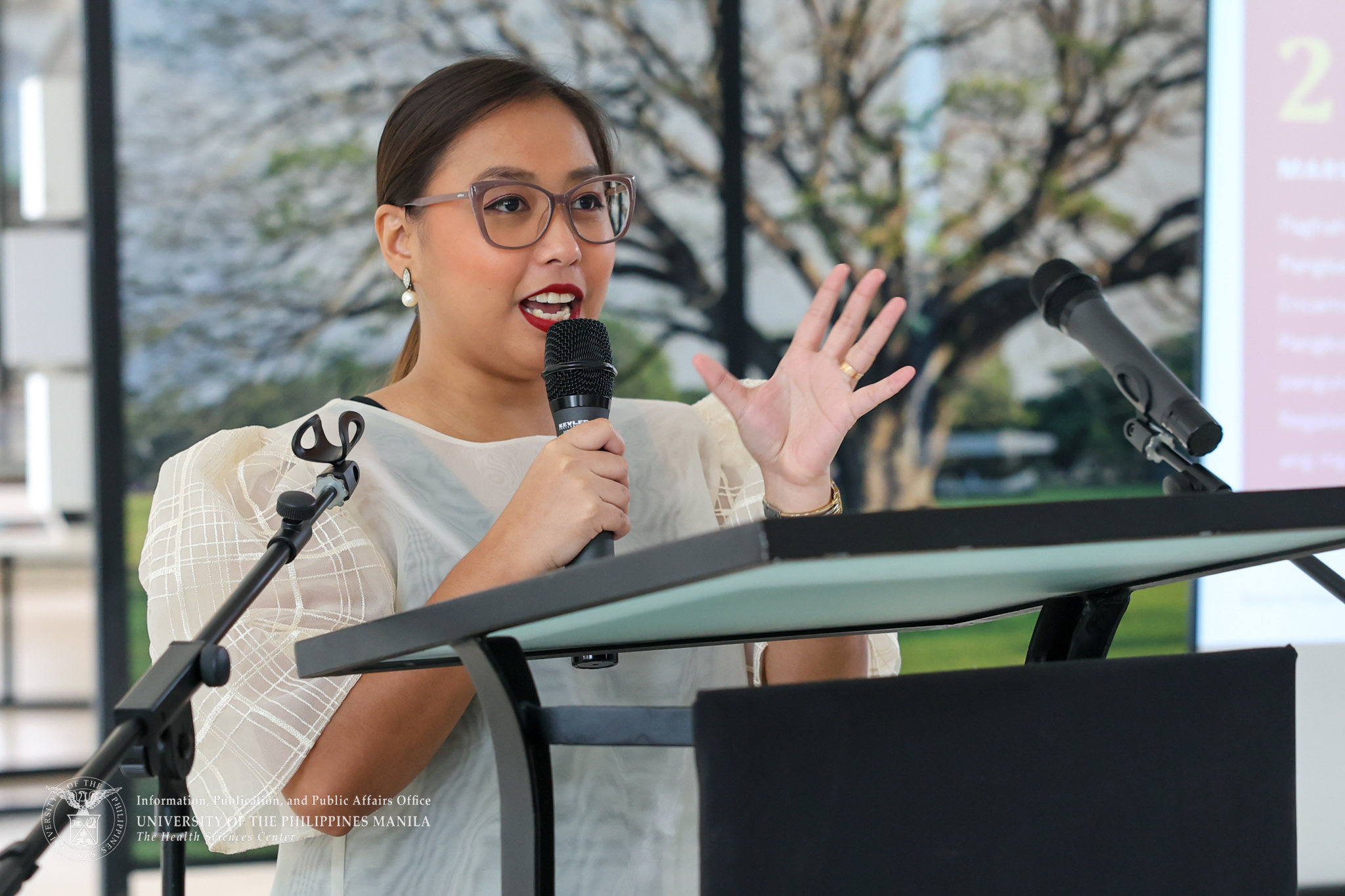
The first presentation focused on Encarnacion Alzona, discussed by the Philippine Normal University Social Science Education Assoc. Prof. Nicoli Marie A. Serafico-Reyes.
Assoc. Prof. Serafico-Reyes examined Alzona through two principal roles: as a historian and as a suffragist. She also considered how her scholarship on women and education was connected to her advocacy for women’s political participation.
Born in Biñan, Laguna, in 1895, Alzona pursued history and education at the University of the Philippines before continuing her studies in the United States. She earned a master’s degree from Radcliffe College in 1920 and a doctorate in history from Columbia University in 1922, becoming the first Filipina to earn a doctorate. She later held several academic and public positions, including chair of the UP Department of History, member of the UP Board of Regents, Philippine representative to UNESCO conferences, and executive secretary of the National Council of Education. In 1985, she was named a National Scientist.
Alzona’s historical work was closely connected to her involvement in the women’s suffrage movement. Assoc. Prof. Serafico-Reyes traced her advocacy to her writings beginning in the early 20th century, including her 1919 essay Shall the Filipino Women Vote?
She maintained that women, as citizens, should have the same political rights and responsibilities. Her argument was developed over the course of nearly two decades of writing and public engagement.
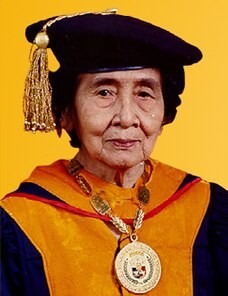
Her scholarship also documented the suffrage movement itself. In the revised edition of The Filipino Woman, Alzona divided the campaign for women’s suffrage into four periods, from the relative passivity of 1898–1917, through increasing activity and enthusiasm, uncertainty and optimism, and finally the 1937 plebiscite that formally granted Filipino women the right to vote.
The presentation emphasized the significance of Alzona being both an advocate and a historian of the movement she was participating in. Her writings documented the campaign while it was still unfolding, allowing her to interpret the movement from within her own historical moment.
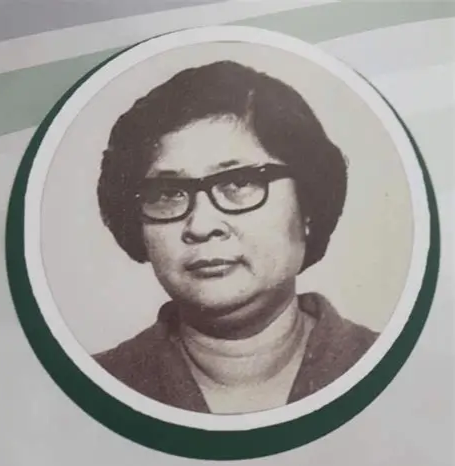
Emerita Quito and the Search for a Philippine Philosophy
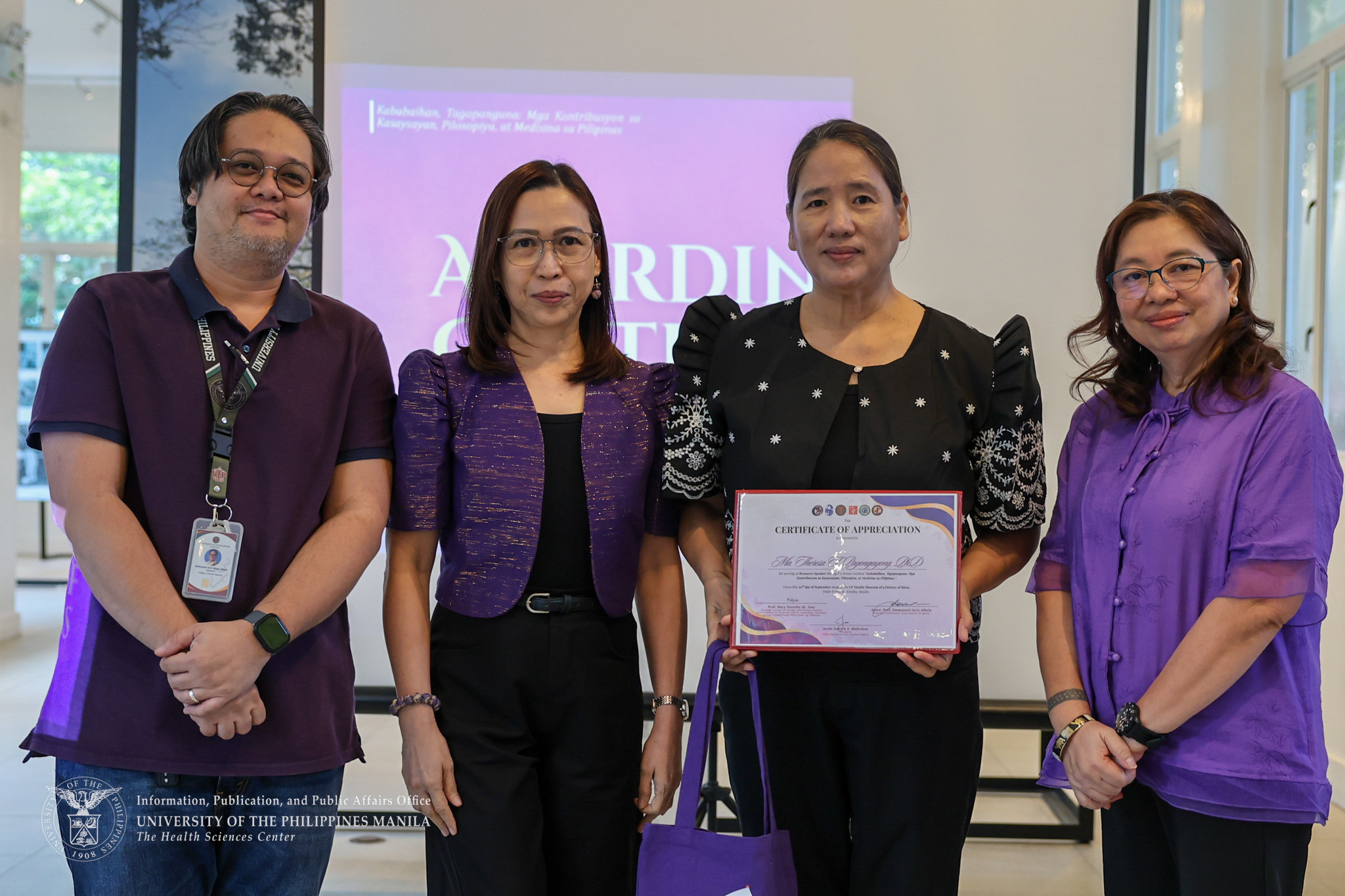
The second presentation turned to philosophy, with University of the Philippines Diliman philosophy Prof. Maria Teresa T. Payongayong, discussing Emerita Quito.
Prof. Payongayong examined Quito’s life, her assessment of philosophy in the Philippines, the challenges facing the discipline, her intellectual calls for change, and her work through a feminist philosophical lens.
Born in San Fernando, Pampanga, in 1929, Quito pursued philosophy at the University of Santo Tomas and later earned her doctorate in philosophy from the University of Fribourg in Switzerland. Her European studies exposed her to a range of philosophical traditions, including the work of Louis Lavelle and Herbert Marcuse.
Her academic career included leadership positions at De La Salle University, where she became a full professor and later Professor Emerita. She also helped establish the Philippine National Association of College and University Professors, which advocated a role for faculty in the country’s social and political transformation.
A major focus of the presentation was Quito’s 1983 work, The State of Philosophy in the Philippines. The study examined the historical development of philosophy in the country and the effects of colonialism, religion, Western philosophical traditions, and the country’s educational system on Filipino philosophical thought.
Prof. Payongayong said Quito questioned the tendency to treat Western traditions as the primary measure of philosophical knowledge while overlooking local and indigenous systems of thought. Quito’s analysis also considered the marginal position of philosophy within Philippine education and the limited engagement of philosophers in public discussions of social issues.
The presentation described Quito’s proposed approach as one that could recognize the contributions of Catholic and Western philosophy while also giving greater space to indigenous Filipino traditions. Her work called for a philosophical tradition grounded in the country’s history, culture, and social experiences.
Dr. Honoria Acosta Sison: Medicine, Research and Women’s Health
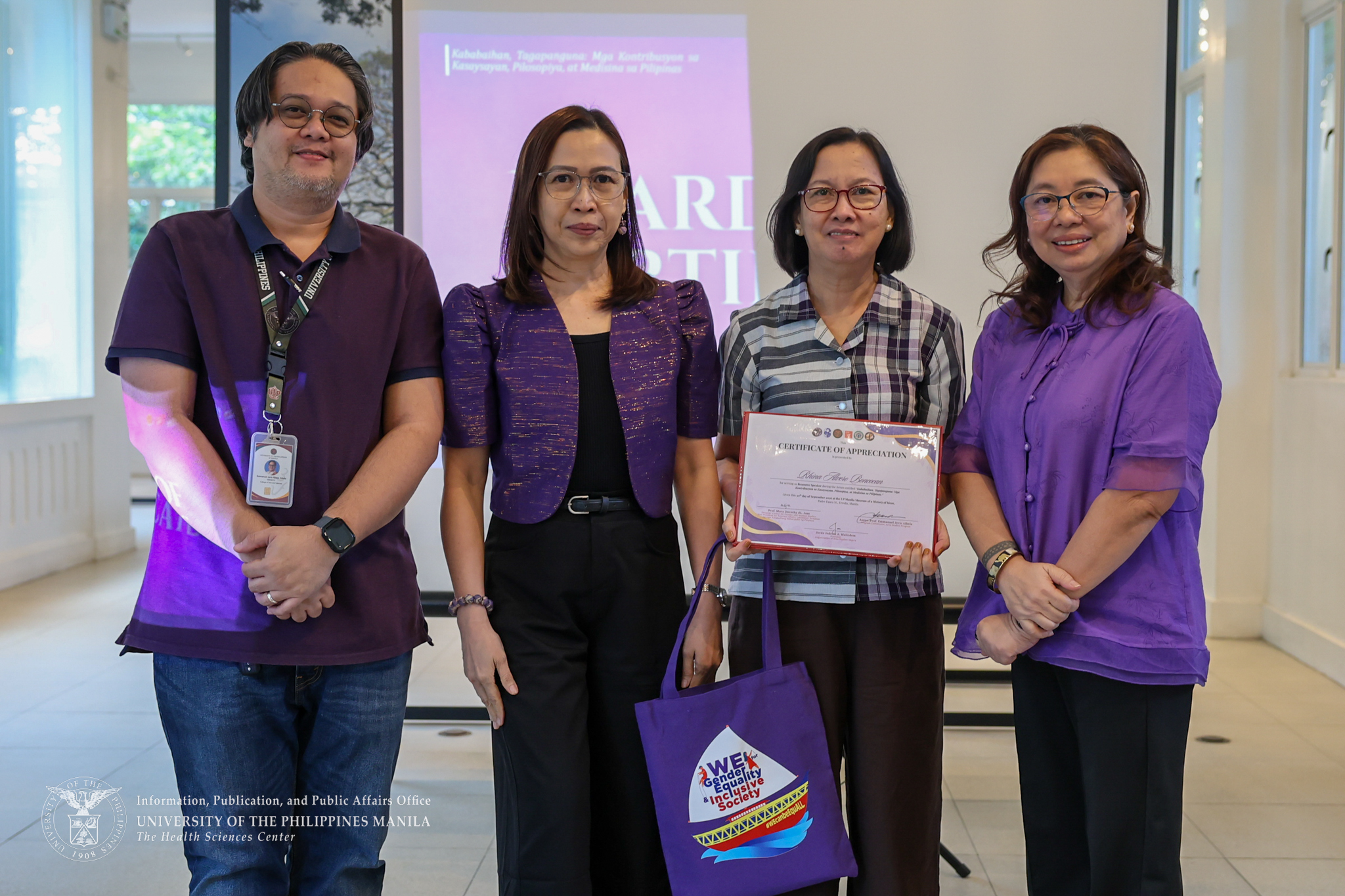
The third presentation brought the discussion into medicine and science through the University of the Philippines Los Baños Assoc. Prof. Rina Alvero Boncocan.
Assoc. Prof. Boncocan examined Dr. Honoria Acosta Sison as a pioneering woman physician and considered her career through a feminist historical perspective. The presentation placed Dr. Sison’s accomplishments within the social and educational conditions that shaped women’s access to medicine in the late Spanish and early American colonial periods.
Born in Pangasinan in 1888, Dr. Sison came from a relatively affluent family. Her early education reflected the expectations placed on women at the time, but the opening of public education during the American period created new opportunities. She became one of the scholars sent to the United States through the pensionado program. Of the hundreds of applicants who took the examination, only a small number were selected, including two women.
She chose medicine over teaching and studied at the Women’s Medical College of Pennsylvania, specializing in obstetrics. She completed her medical degree in 1909 and returned to the Philippines in 1910. She later pursued postgraduate studies in obstetrics, gynecology, pathology, and other fields in Europe and the United States.
Dr. Sison’s career was closely associated with obstetrics and maternal health. She became involved in the development of the UP College of Medicine and Philippine General Hospital and later held leadership positions in obstetrics and gynecology.
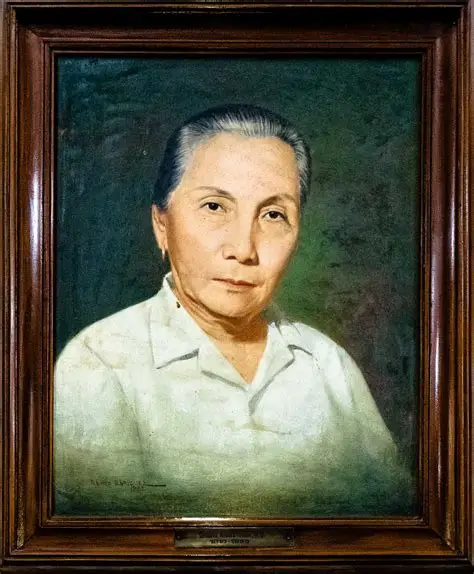
Assoc. Prof. Boncocan described her as a prolific researcher, with nearly 200 papers and publications attributed to her career. Her research covered pregnancy complications, prenatal and postnatal care, obstetrical practices, medical anthropology, and other areas of medicine.
One of her major contributions was her work to encourage pregnant women to seek medical care in hospitals. At the time, many women preferred traditional birth attendants, partly because of cultural expectations and discomfort with male physicians. Dr. Sison’s presence as a woman physician helped encourage more women to seek hospital-based care.
Her approach also recognized the importance of the care provided by traditional birth attendants. According to Assoc. Prof. Boncocan, Dr. Sison sought to combine modern medical knowledge with forms of care that patients valued, including attention to comfort and support during childbirth.
Her research also addressed maternal nutrition, prenatal and neonatal care, complications of pregnancy, and the social and economic conditions affecting women’s health. Among the issues she advocated was paid maternity leave for women workers.
Dr. Sison also contributed to the development of obstetrical practice and medical research in the Philippines. The presentation cited her work on obstetrical instruments and her pioneering use of surgical procedures, as well as her research on conditions such as eclampsia and pre-eclampsia.
During the Japanese occupation, Dr. Sison and her colleagues continued providing medical services despite severe shortages. Assoc. Prof. Boncocan recounted how physicians at PGH treated patients on different sides of the conflict and improvised with available materials, including abaca and newspapers.
Dr. Sison later received several recognitions for her medical and civic work. She retired in 1955 after decades of service to the UP College of Medicine but continued as an emeritus professor and PGH obstetrics consultant. According to the presentation, she continued teaching medical students well into her later years.
Finding Common Ground Among Three Pioneers
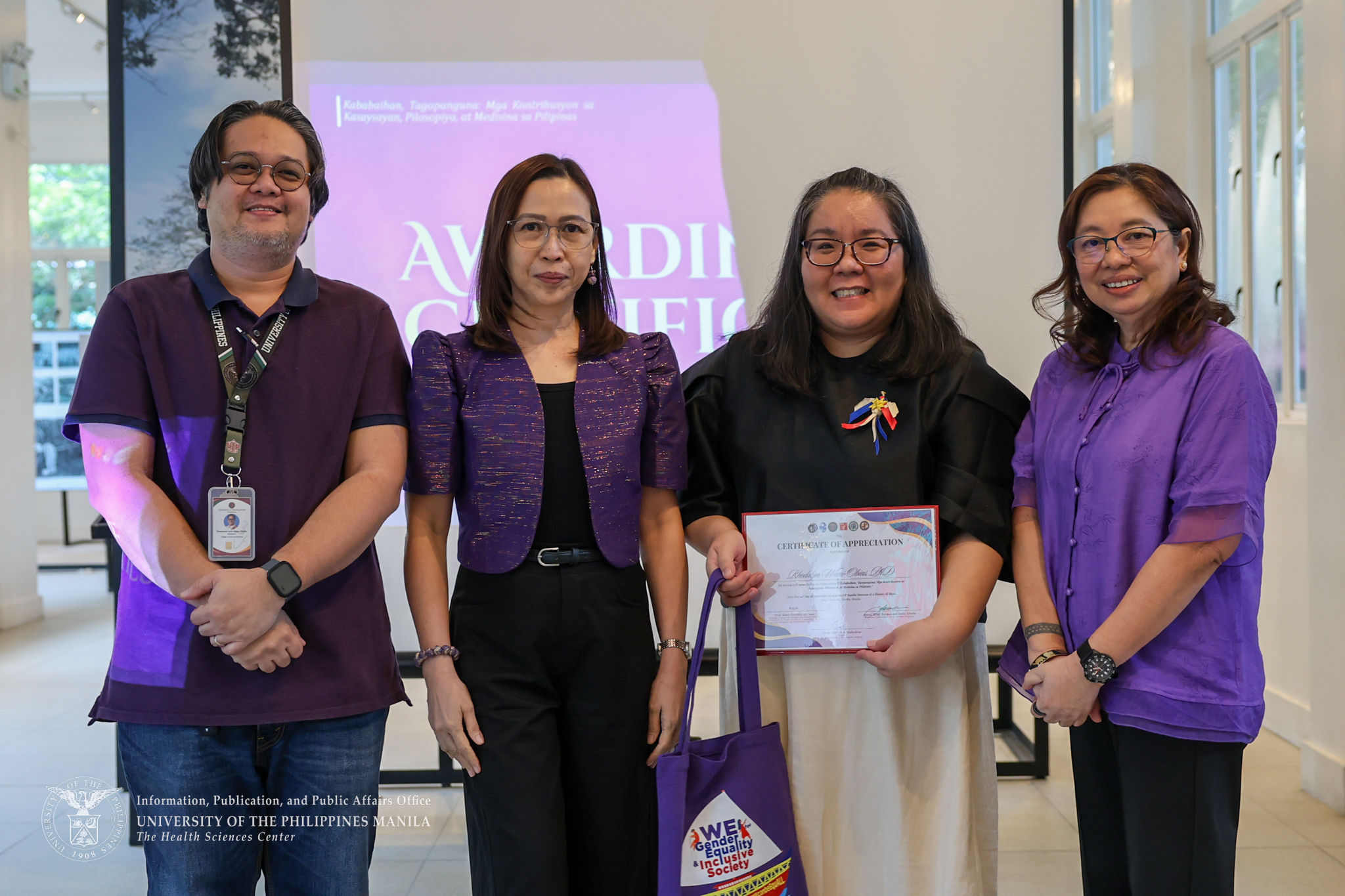
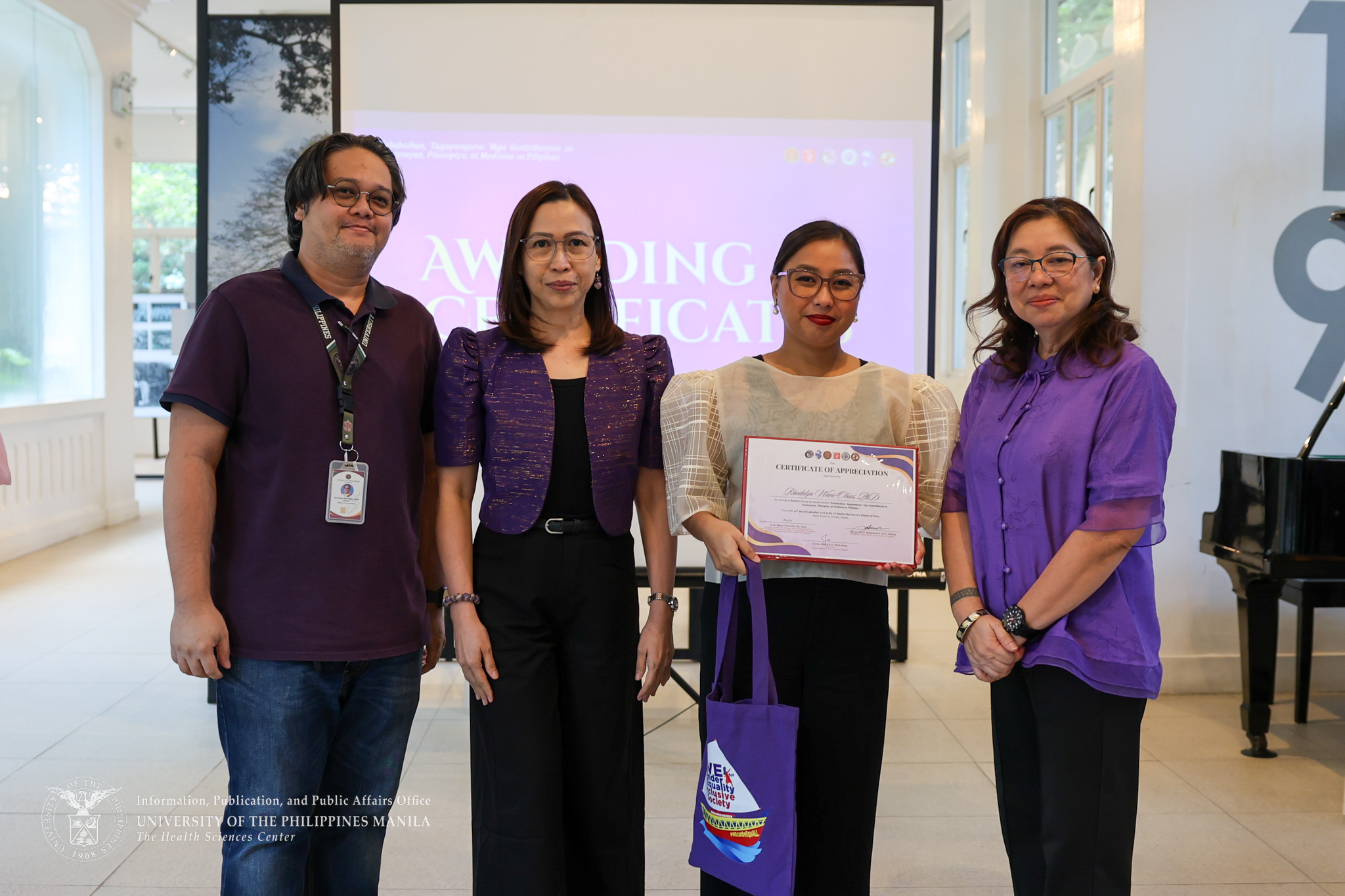
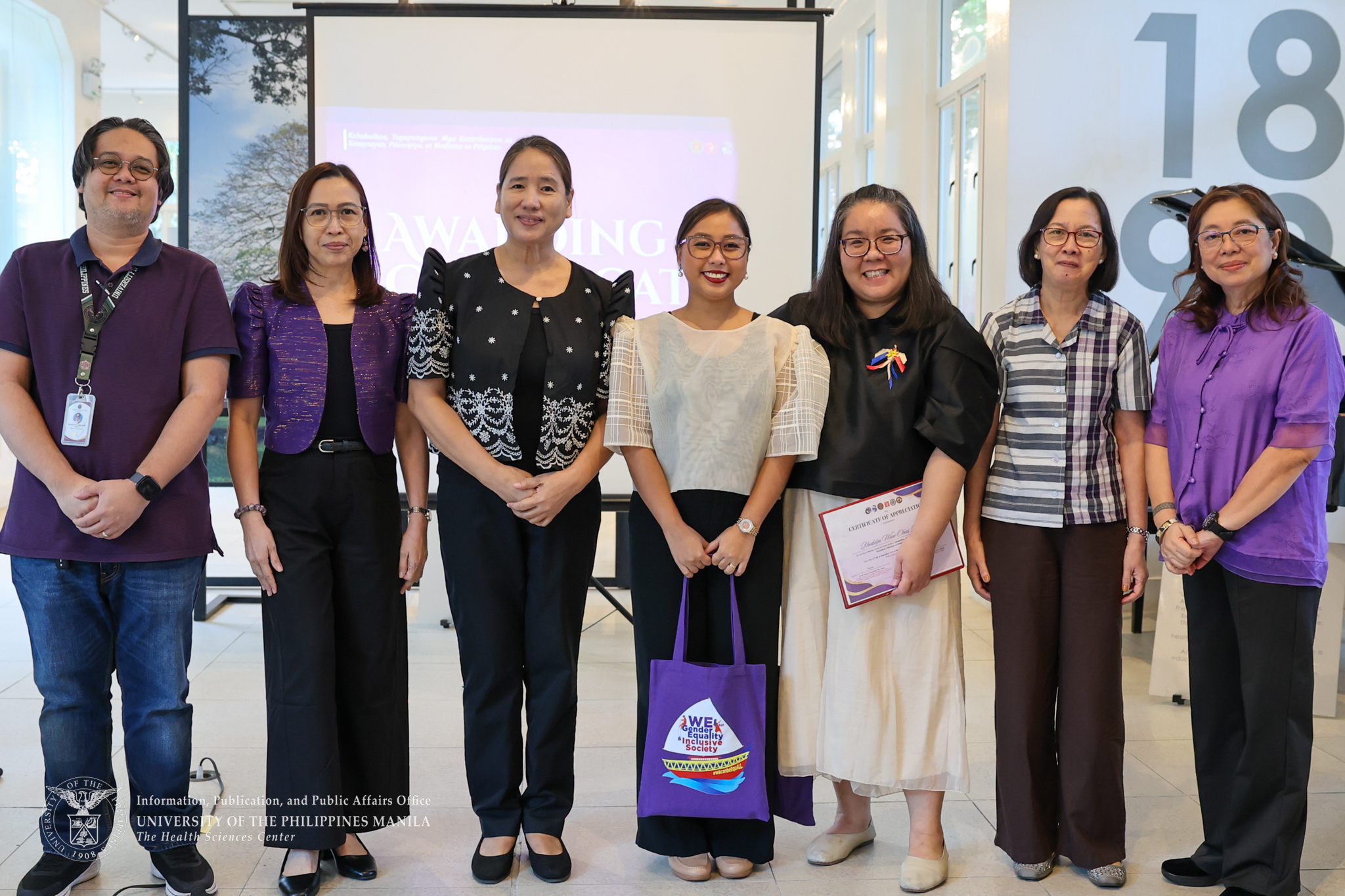
Following the three presentations, UP Diliman History Assoc. Prof. Rhodalyn Wani-Obias, offered a synthesis of the discussions.
Assoc. Prof. Wani-Obias noted that the three women emerged from different historical and educational circumstances. Alzona and Dr. Sison benefited from opportunities created by the American-period educational system, while Quito pursued advanced studies in Europe. Yet their work did not simply reproduce the intellectual frameworks they encountered abroad. Instead, each woman developed responses suited to the Philippine context.
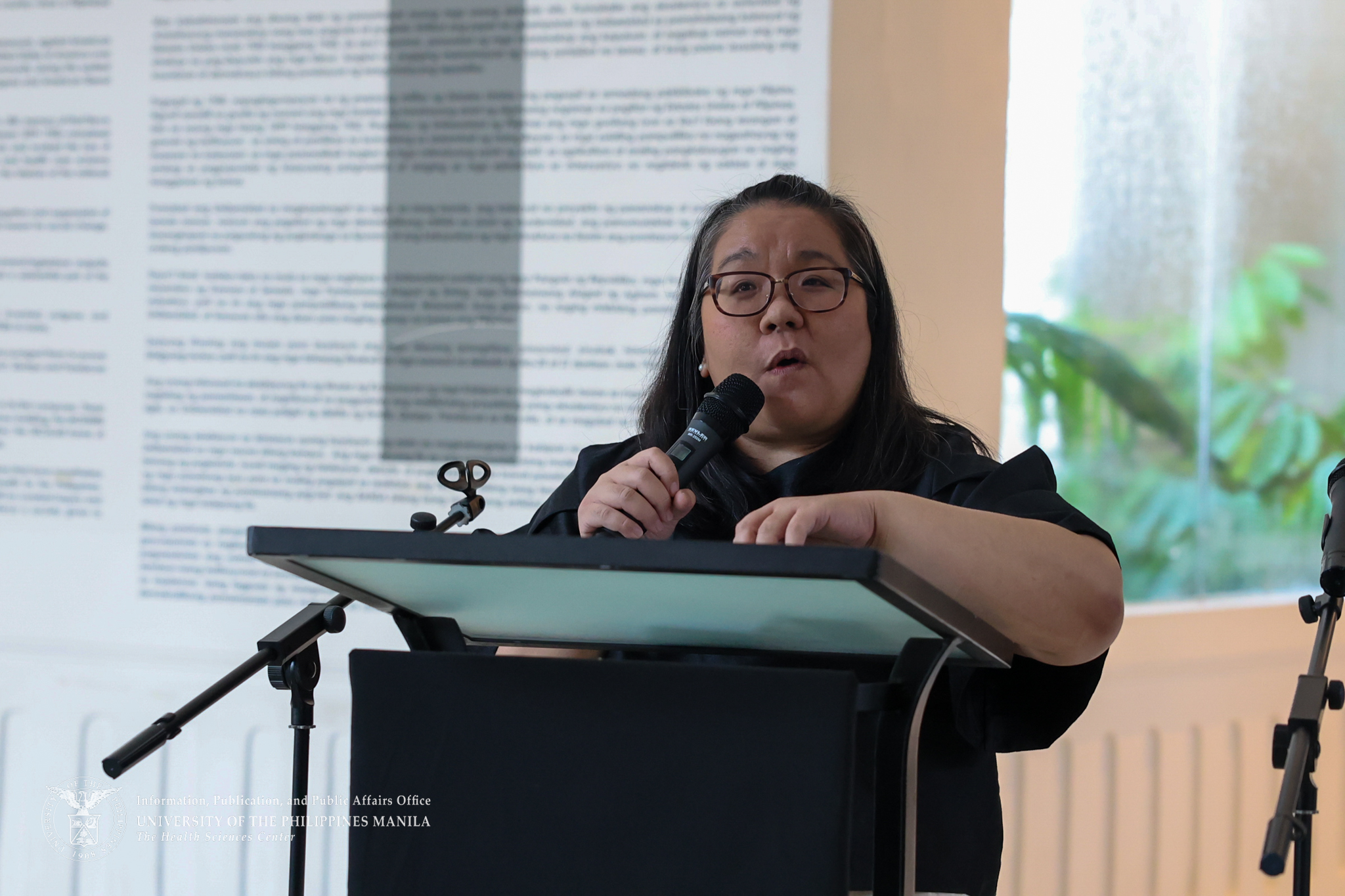
She also pointed to their participation in public life. Alzona’s involvement in women’s suffrage demonstrated women’s participation in political life; Quito’s engagement with social and political questions expanded the role of the academic beyond the classroom; and Dr. Sison’s work addressed the specific health needs of Filipino women.
Another theme was the tension between Western education and Philippine realities. Assoc. Prof. Wani-Obias observed that while the three women were influenced by Western educational systems, they also adapted, questioned, and developed ideas in response to the society around them.
She summarized the distinction by saying:
“Sa ganito ay nagawa nila ang sarili nilang landas na hindi ito landas na itinakda ng kanluranin, hindi siya landas na itinakda ng lalaki, ito ay itinakda mismo ng kababaihan.”
From Recovery to Reinterpretation
The forum’s presentations also raised a methodological question: how should women’s history be studied when women have frequently been absent from official records?
Assoc. Prof. Boncocan emphasized the use of sources created by women themselves, including letters, diaries, autobiographical materials, and other personal records. Such sources can provide perspectives that may not appear in conventional institutional documents.
The approach taken throughout the forum therefore went beyond celebrating individual accomplishments. The speakers examined the historical circumstances that shaped the women’s opportunities, the barriers they encountered, the institutions in which they worked, and the ways they used their education and professional positions.
Continuing the Conversation
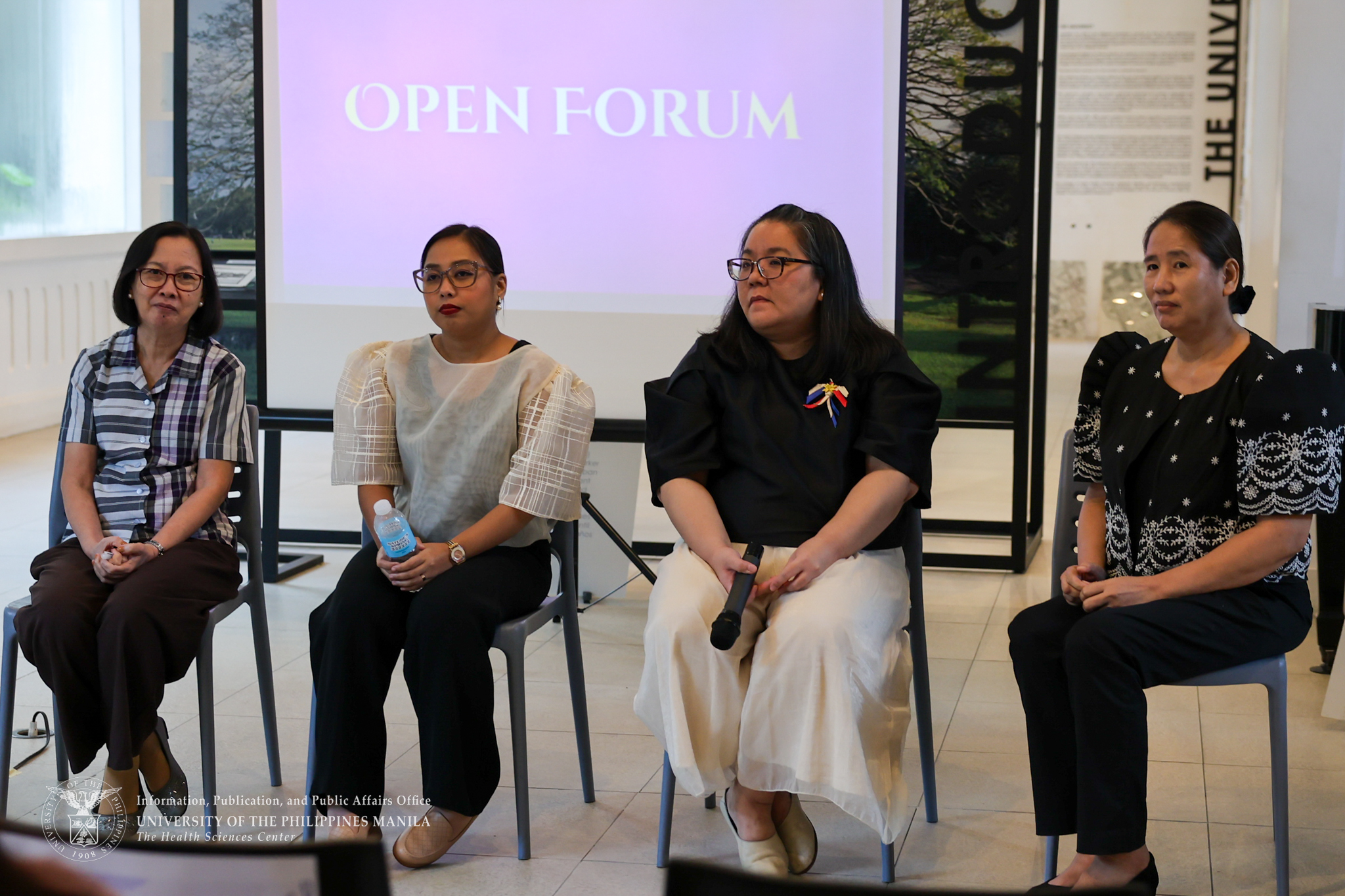
The forum concluded with discussion intended to deepen understanding of the contributions and legacies of women pioneers in Philippine history and society. As Dean De Guzman observed in her opening remarks, recovering women’s contributions allows a more complete account of how knowledge and institutions were shaped. For the organizers, the afternoon’s discussions provided another space to examine whose work is remembered, whose voices enter the historical record, and how those records can be read more fully.
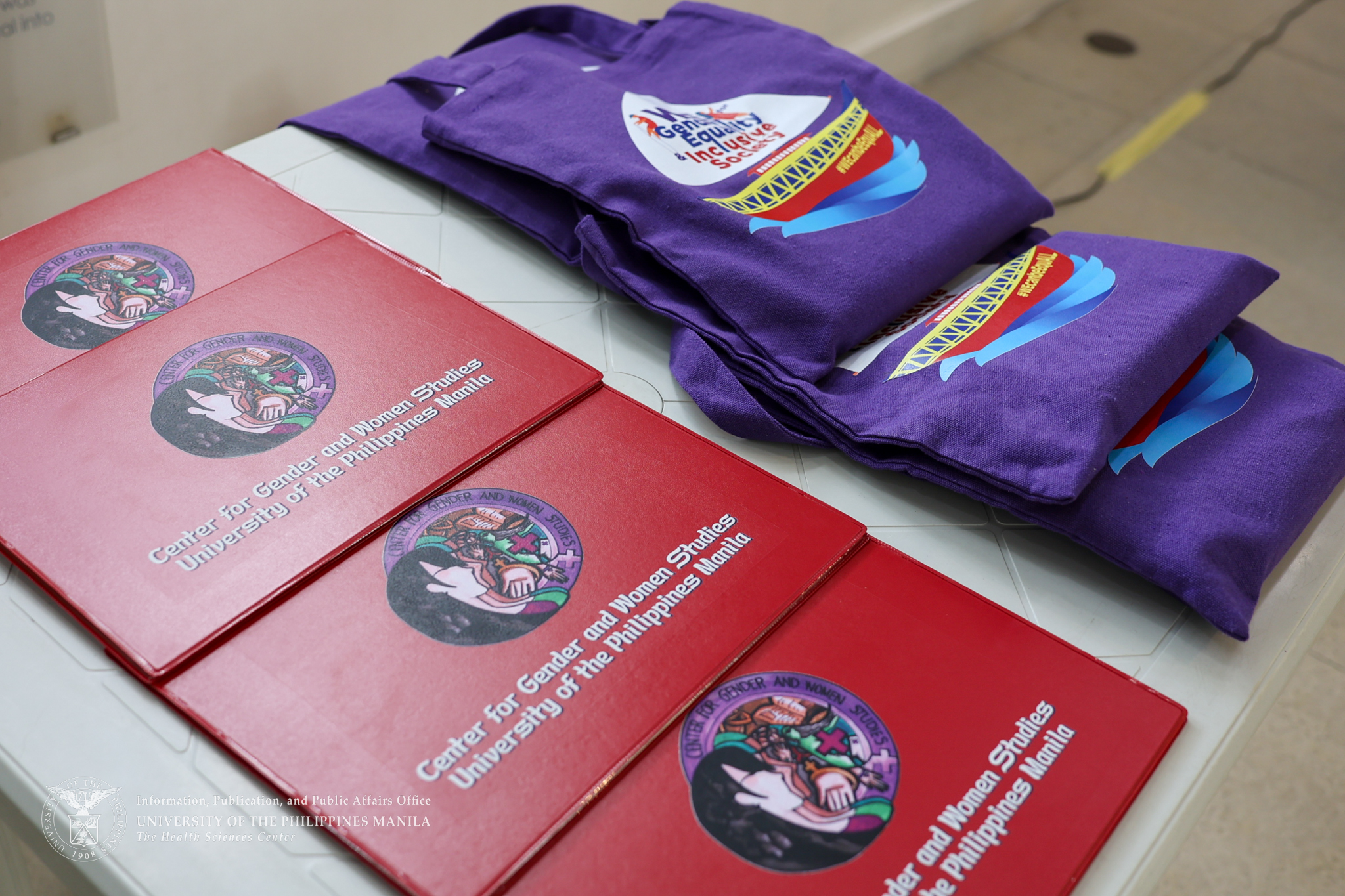
“Kababaihan, Tagapanguna: Mga Kontribusyon sa Kasaysayan, Pilosopiya, at Medicina sa Pilipinas,” was organized by the CGWS, Area Studies Program, Lakambini: Samahan ng mga Kababaihang Historyador ng Pilipinas, and the Organization of Area Studies Majors.
READ MORE: