
Text by: Charmaine A. Lingdas
Photos by: Sarah Hazel Moces S. Pulumbarit
As more institutions recognize the importance of translating research into accessible healthcare solutions, Filipino researchers are gaining stronger support through collaborations among universities, government agencies, industry partners, manufacturers, and international organizations.
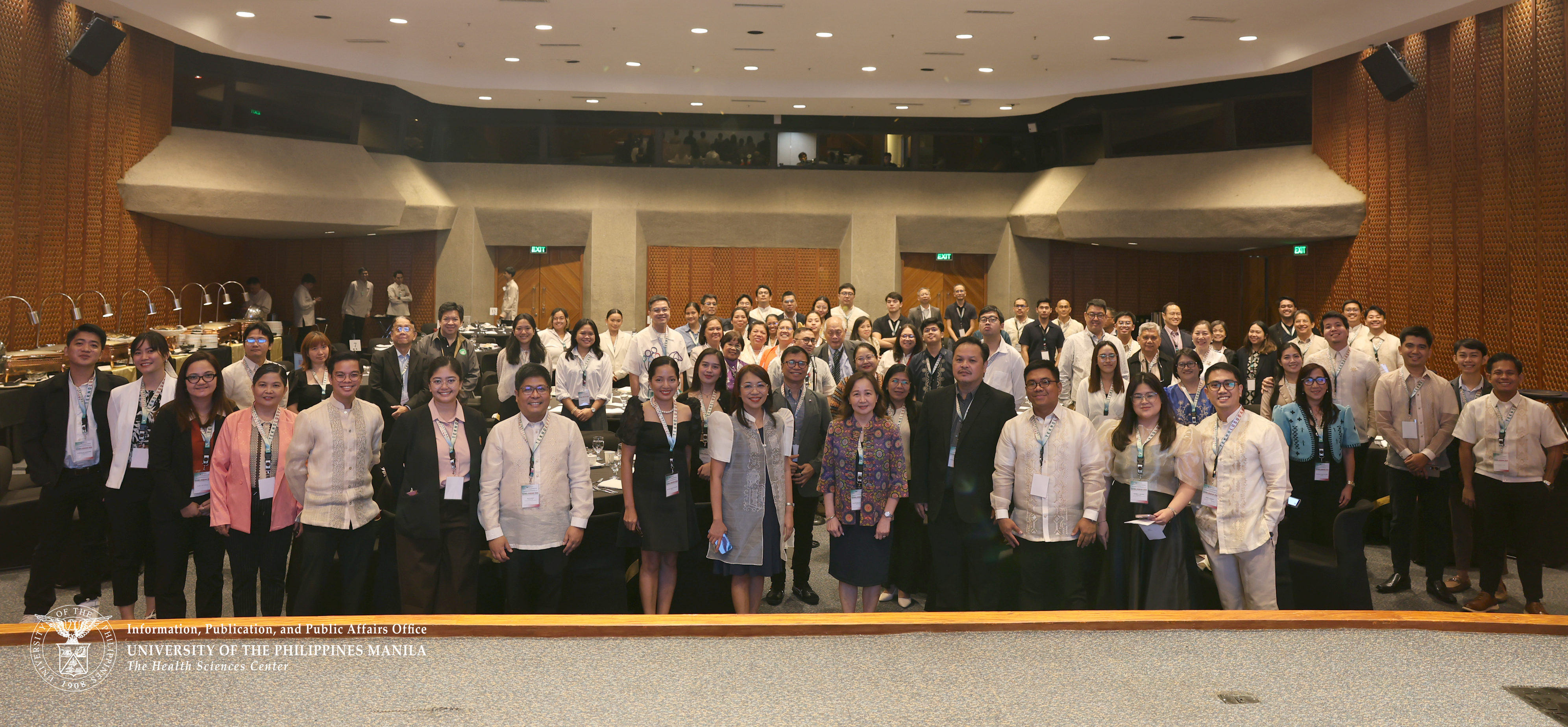
Serving as a bridge between researchers and these support systems, TeknoLusugan 2026 gathered stakeholders from across the health innovation ecosystem to strengthen partnerships and explore pathways for commercialization, manufacturing, financing, and adoption of locally developed technologies. Organized by the University of the Philippines Manila Technology Transfer and Business Development Office (TTBDO) in partnership with the Department of Science and Technology – Philippine Council for Health Research and Development, the event carried the theme “MED in UP, Matching Innovations, Creating Collaboration.” The event was held on May 14, 2026, at the Philippine International Convention Center.
From The Lab to The Real World
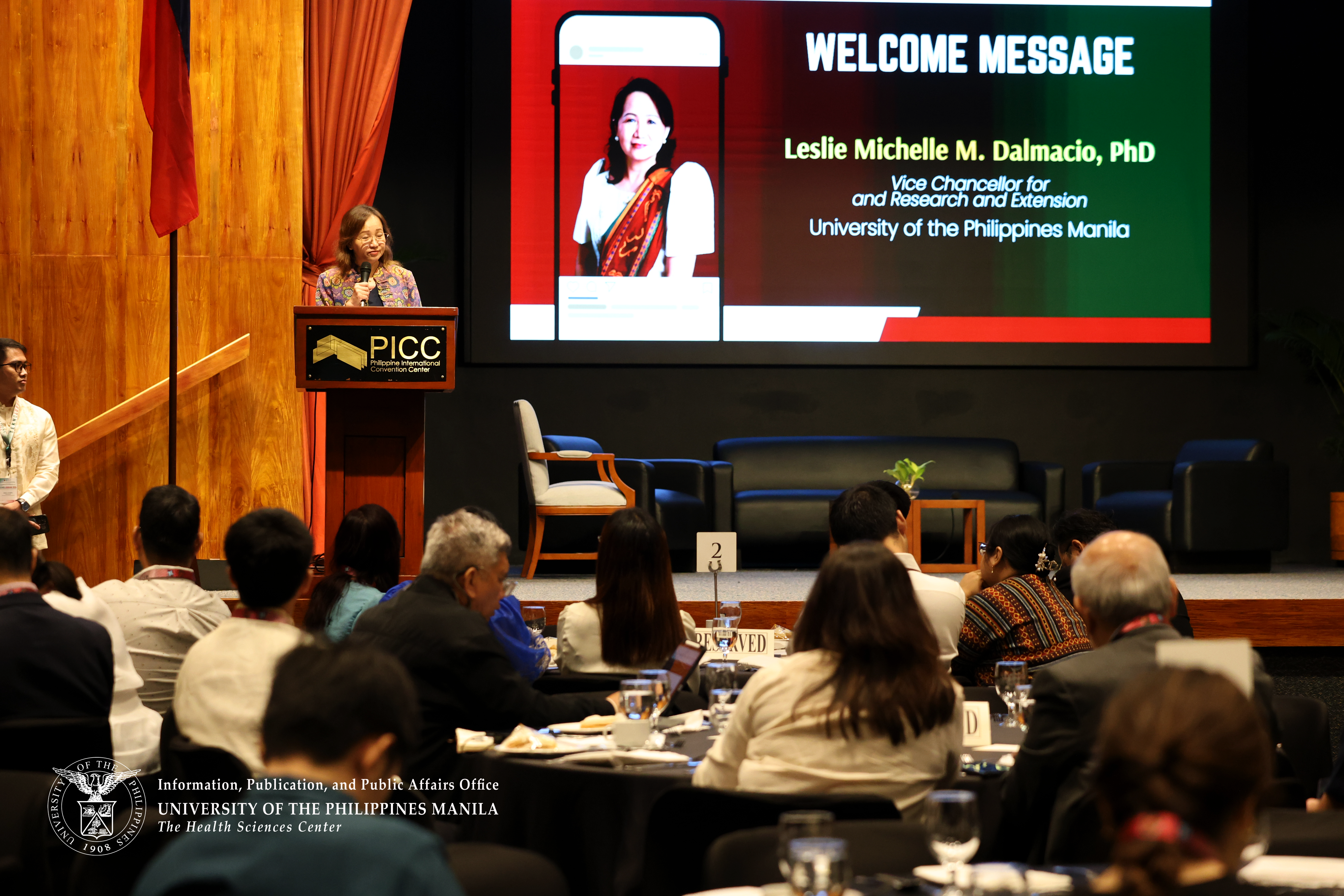
“Moving an idea from the lab to the real world requires a robust ecosystem of collaboration between the academy, government, and private industry. TeknoLusugan 2026 serves as the catalyst for that synergy. We have created this space so that stakeholders in health innovation can align their perspectives and accelerate the road to commercialization,” asserted Leslie Michelle M. Dalmacio.
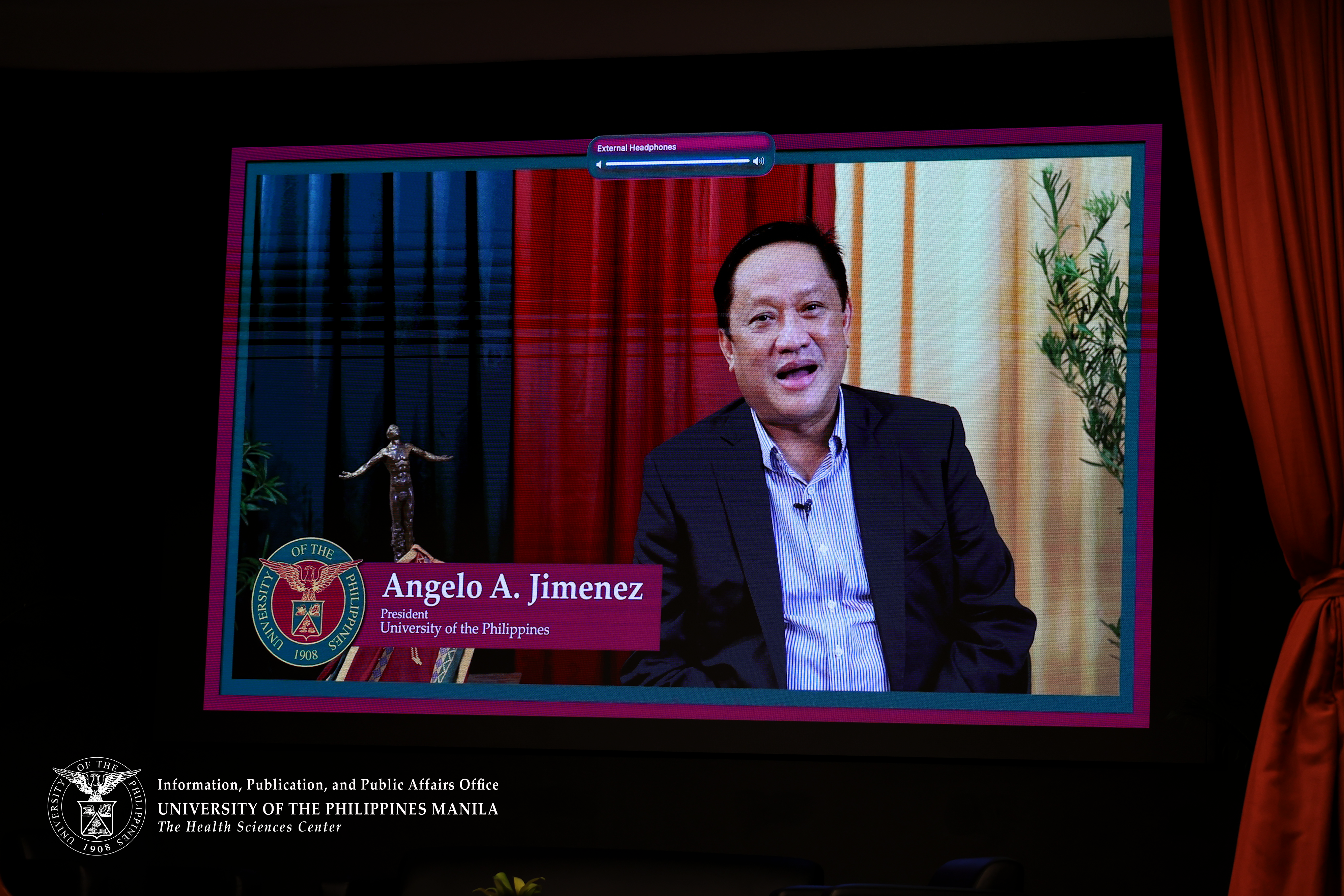
Echoing the same message, President Angelo Jimenez emphasized the University’s commitment to research, innovation, collaboration, and public service. Jimenez further stressed that innovation only becomes meaningful when it improves lives. “Research outputs, patents, and technologies achieve their highest purpose only when they are translated into policies, programs, products, and services that ordinary Filipinos can access and benefit from,” he added.
Creating An Ecosystem for Innovation
The importance of collaboration, commercialization, and strong support systems in transforming research into accessible healthcare solutions was discussed during the two panel discussions of TeknoLusugan. The first panel discussion, titled “How Health Innovations Come Together,” moderated by TTBDO Director Lourdes Marie Tejero, highlighted the importance of creating a complete ecosystem that supports innovators from research and development to manufacturing and market adoption.
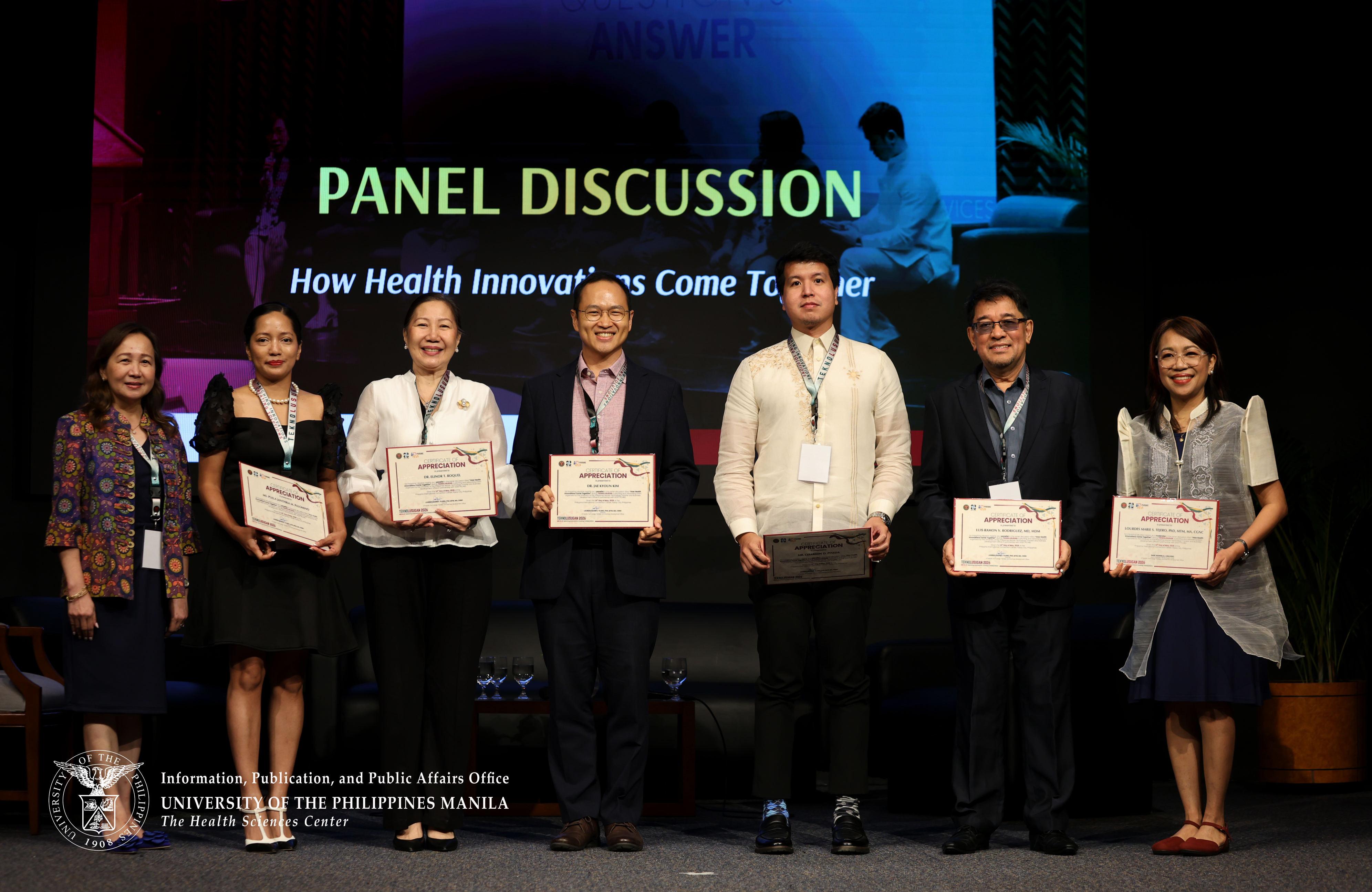
“There are really good innovations existing in the Philippines, but innovation itself is not enough to create impact. We really need an ecosystem approach and partnerships with development agencies, academia, private sector partners, and donors,” said Health Specialist Jae Kyoun Kim, representing the Asian Development Bank. He explained that technologies must move through an entire value chain that includes research institutions, manufacturers, regulators, suppliers, procurement systems, and healthcare providers. He stressed that innovations often fail when they lack commercial viability and manufacturing support despite having strong scientific foundations. He also highlighted the role of regulatory systems in enabling international competitiveness, noting that strong regulatory maturity is essential for Philippine innovations to enter global markets.
Representing the Quezon City Government Local Economic Development and Investment Promotions Office (LEDIPO), Cesarson Pineda discussed how local governments can support innovation while balancing public safety and regulation. He stressed that the government should not become a barrier to innovation adoption. According to Pineda, local governments can support innovations by streamlining business processes, facilitating investments, and helping technologies enter the market more efficiently. However, he also emphasized that regulation remains necessary to ensure quality and safety, especially for medical technologies and healthcare products.
Elinor Roquel highlighted the role of farmers and agriculture in the development of herbal medicines and natural health products. Representing Biofarm Natural Health Ingredients Company, she shared that the company supports researchers and the academe by providing raw materials, citing its recent partnership with the UP Manila College of Pharmacy and Roy Gerona through the Balik Scientist Program, where Biofarm provided samples from its nine farms for research and testing. Roquel emphasized that farmers are often excluded from conversations on innovation despite being essential to healthcare production. She emphasized the need to communicate scientific concepts in ways that farmers can understand and relate to. She discussed the importance of integrating farmers, manufacturing facilities, and researchers into one system.
Business Development Manager, Pascual Pharma Corporation, Puela Janthria Palomino discussed how pharmaceutical companies can help translate research outputs into accessible products. She shared that Pascual Pharma partnered with UP Manila in 2024 to help bring herbal medicine technologies closer to commercialization. She emphasized that collaborations between universities and pharmaceutical companies are important in ensuring that research outputs reach patients and communities.
Meanwhile, Medical Device Association of the Philippines (MDAP) President Luis Ramon Rodriguez focused on the challenges faced by the Philippine medical device industry. He explained that the Philippines remains highly dependent on imported medical equipment.
“The Philippines is 99.2% import dependent. We import almost everything,” he said. He discussed the work of the MDAP in improving standards, training biomedical technicians, and exploring local assembly and manufacturing. He shared that the organization is now working with the Philippine Economic Zone Authority (PEZA) to establish local assembly operations for medical devices, noting that importing parts for assembly is more affordable than bringing in finished products. He also pointed to Indonesia’s model of requiring foreign manufacturers to establish local operations, emphasizing that stronger government support is needed to strengthen local medical device manufacturing in the Philippines.
Supporting innovation adoption
The second panel discussion focused on the systems, policies, funding mechanisms, and partnerships needed to help health innovations move from research laboratories into commercialization and public use. The discussion brought together representatives from the Board of Investments, Department of Science and Technology – National Capital Region, Food and Drug Administration, University of the Philippines System, and the Intellectual Property Office of the Philippines. The panel was moderated by UP System TTBDO Director Luis Sison.
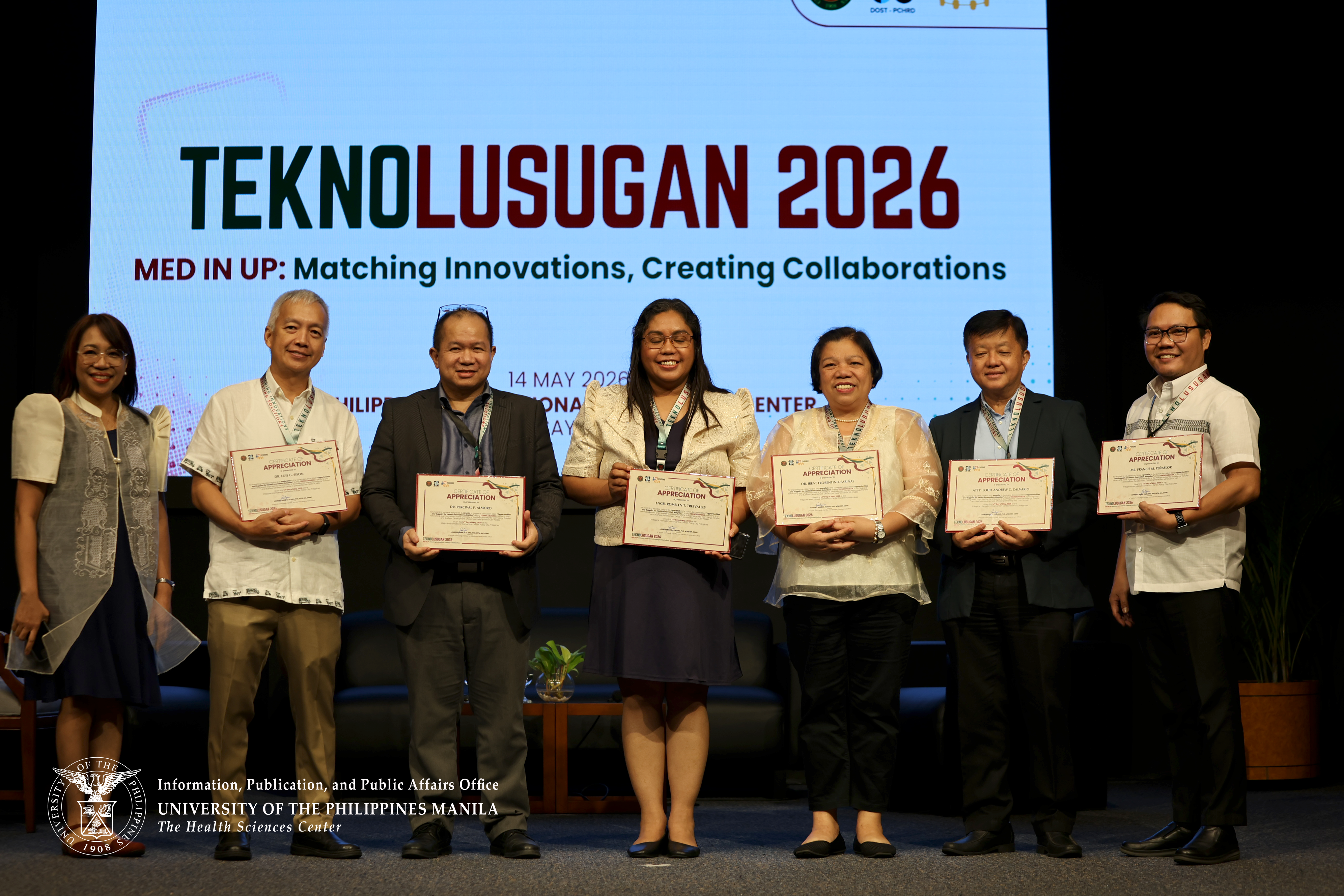
Board of Investments Acting Director of the Resource-Based Industries Service Francis Peñaflor explained that companies interested in commercializing locally developed technologies should engage with the agency as early as the planning stage, even before operations begin. Early coordination allows companies to maximize incentives under the CREATE MORE Act, including income tax holidays, enhanced deductions, VAT zero-rating, and exemption from import duties on equipment. He highlighted that projects involving locally developed research products, services, or uncommercialized patents may qualify as Tier 3 projects, the highest classification under the incentives framework, which provides up to seven years of income tax holiday followed by ten years of enhanced deductions.
DOST-NCR Regional Director Engr. Romelen Tresvalles explained that DOST provides support across the “whole innovation cycle,” including research and development, technology transfer, startup development, pre-commercialization activities, commercialization support, and industry matching.
Dr. Irene Florentino-Fariñas, Director of the Policy and Planning Service of the Food and Drug Administration, discussed the importance of balancing innovation support with public safety and regulatory compliance. She emphasized the FDA’s role in ensuring the safety, efficacy, quality, and purity of health products entering the market.
She also highlighted expedited regulatory processes for health products endorsed under the Tatak Pinoy program. Products included in the program may qualify for fast-track FDA processing, helping innovators enter the market more efficiently while still complying with mandatory health product registration requirements.
Attorney Louie Andrew Calvario of the Office of the Director General of the Intellectual Property Office of the Philippines, stressed that researchers should not stop at publishing studies or developing technologies but should also protect their inventions through patents and intellectual property filings. Researchers were encouraged to adopt a mindset that values innovation protection alongside scientific work.
He also shared that their agency partnered with the World Intellectual Property Organization for the Inventor Assistance Program, which supports innovators and inventors in protecting and developing their technologies through access to pro bono lawyers in countries where they plan to file patents. He explained that since patents are territorial, inventors seeking international patent protection need legal assistance within the country where the patent will be filed. Through the program, innovators can access legal guidance and support for international patent applications, particularly for technologies with export potential such as herbal products.
He added that their agency also provides incentives for women-led businesses through programs supporting “Juana” enterprises, as well as for student innovators through the Youth Intellectual Property Incentive (YIPI) Program, which aims to support and encourage young Filipino creators.
Assistant Vice President for Research and Innovation for the UP System, Professor Percival Almoro, shared plans to develop an online catalog of research and innovation programs across the UP System. The catalog aims to document ongoing innovations, help researchers register their technologies, improve visibility to industry partners, and facilitate collaboration and commercialization opportunities. He described the initiative as part of a broader effort to strengthen collective mentorship, networking, and collaboration across institutions.
Showcasing UP Manila Innovations
The event also featured innovation showcase sessions where UP Manila researchers presented their technologies through seven-minute pitches before industry partners, government agencies, investors, and healthcare stakeholders. Featured innovations included the ETox POCT Device by Dr. Ailyn M. Yabes, the CFI and DEFAI Leptospirosis Prognosticator by Researcher Kervi Salvador, the iFIX External Fixation and Implant of Dr. Emmanuel Estrella, and next-generation probiotics by Researcher Mia Beatriz Amoranto.
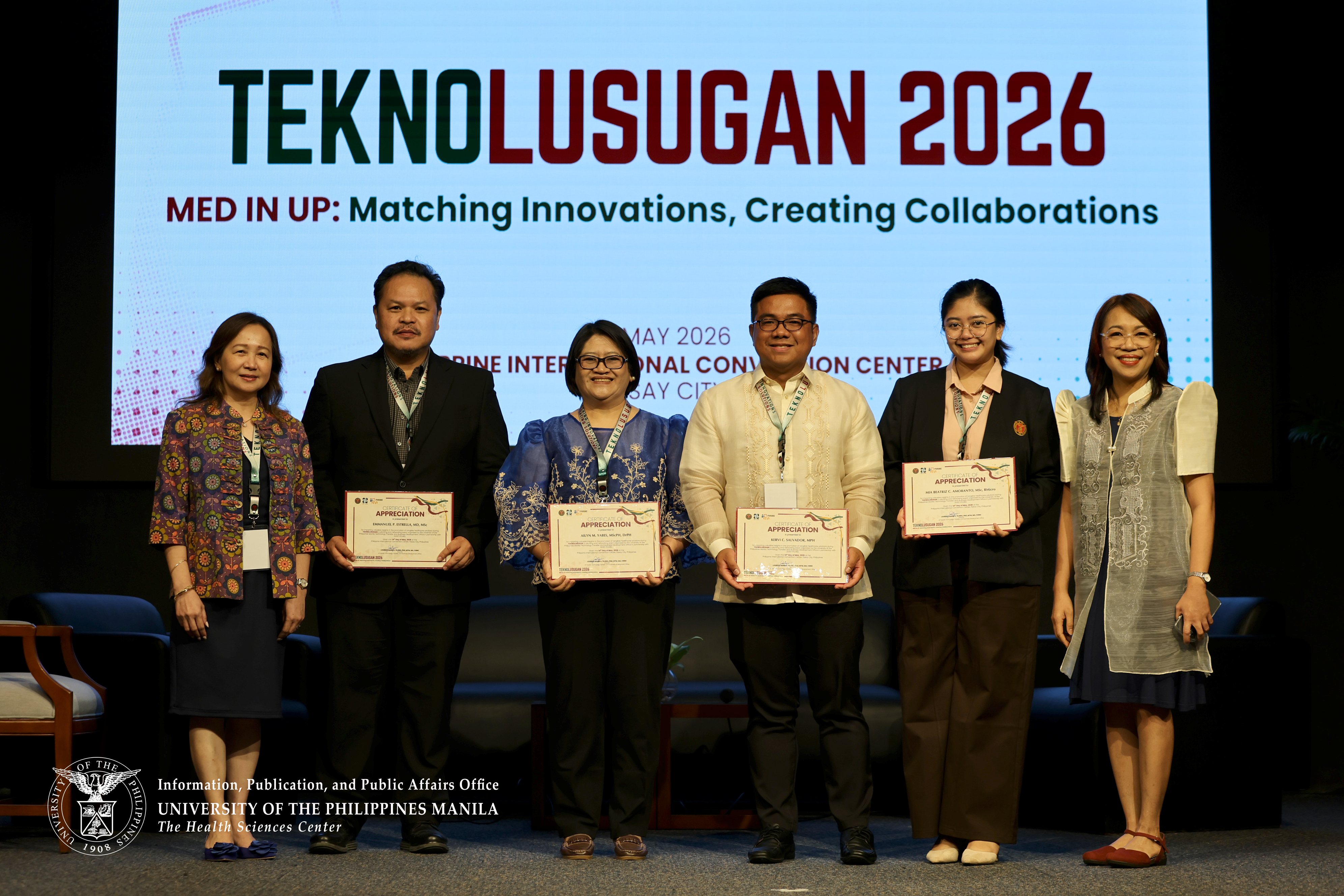
Researchers also presented innovations on mosquito repellent by Prof. Gracia Fe Yu, Akapulko lotion for fungal skin infection by Institute of Herbal Medicine Director Daisy-Mae Bagoisan, Tsaang Gubat tablet and syrup by Researcher Essel Tolosa, and AXEL Virtual Care by Prof. Maria Eliza R. Aguila.
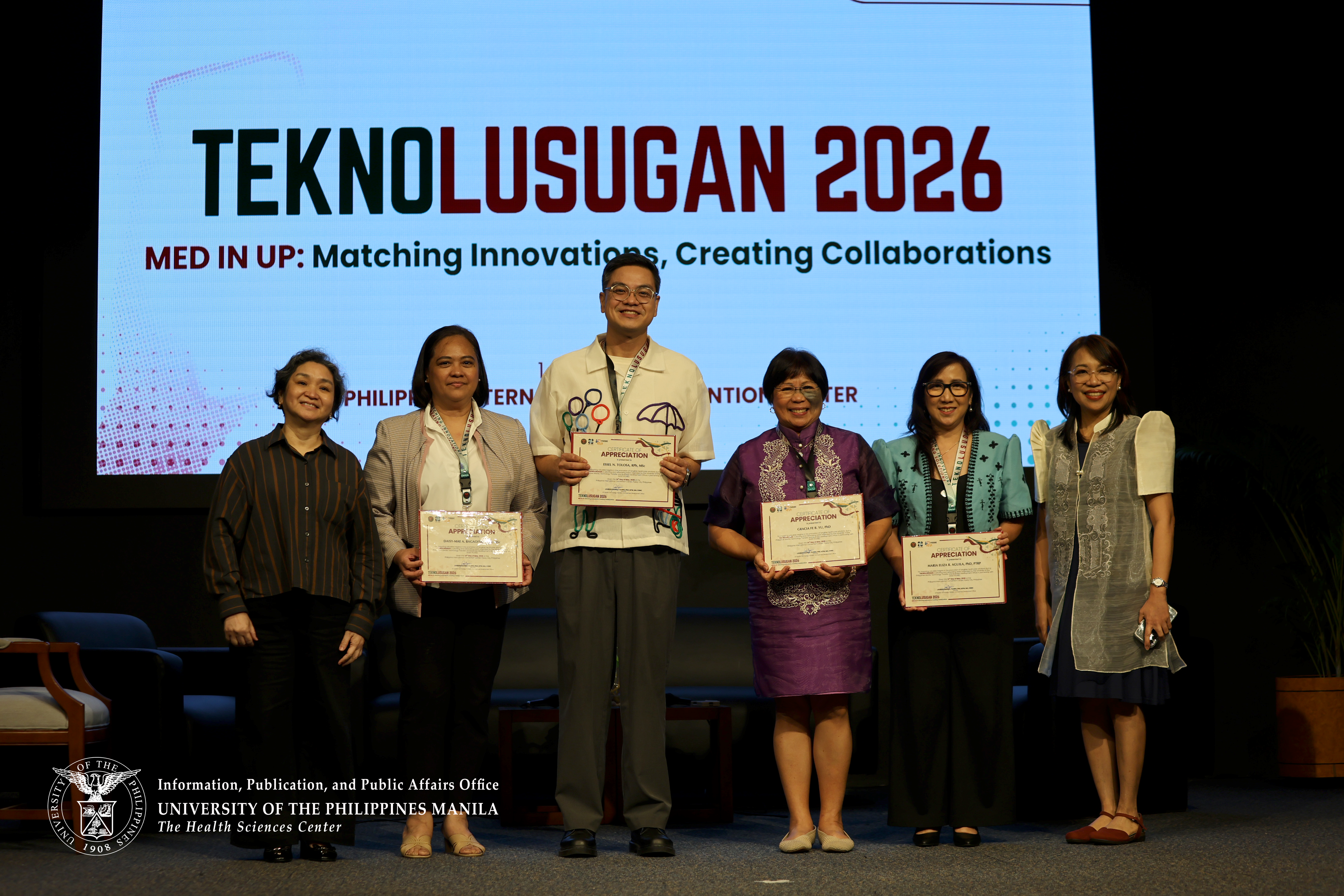
The event concluded with UP Manila Technology Transfer and Business Development Office Director Lourdes Tejero emphasizing that TeknoLusugan 2026 had become more than a venue for presentations and discussions, but a platform where collaborations among academia, industry, government, and international partners began to take shape. She called on stakeholders to work together in bringing Filipino innovations from the laboratory to communities and the global stage.
READ MORE:
#FP1 #discoveryandresearch