

Text by: Charmaine A. Lingdas
Photos by: Jaira C. Purificacion
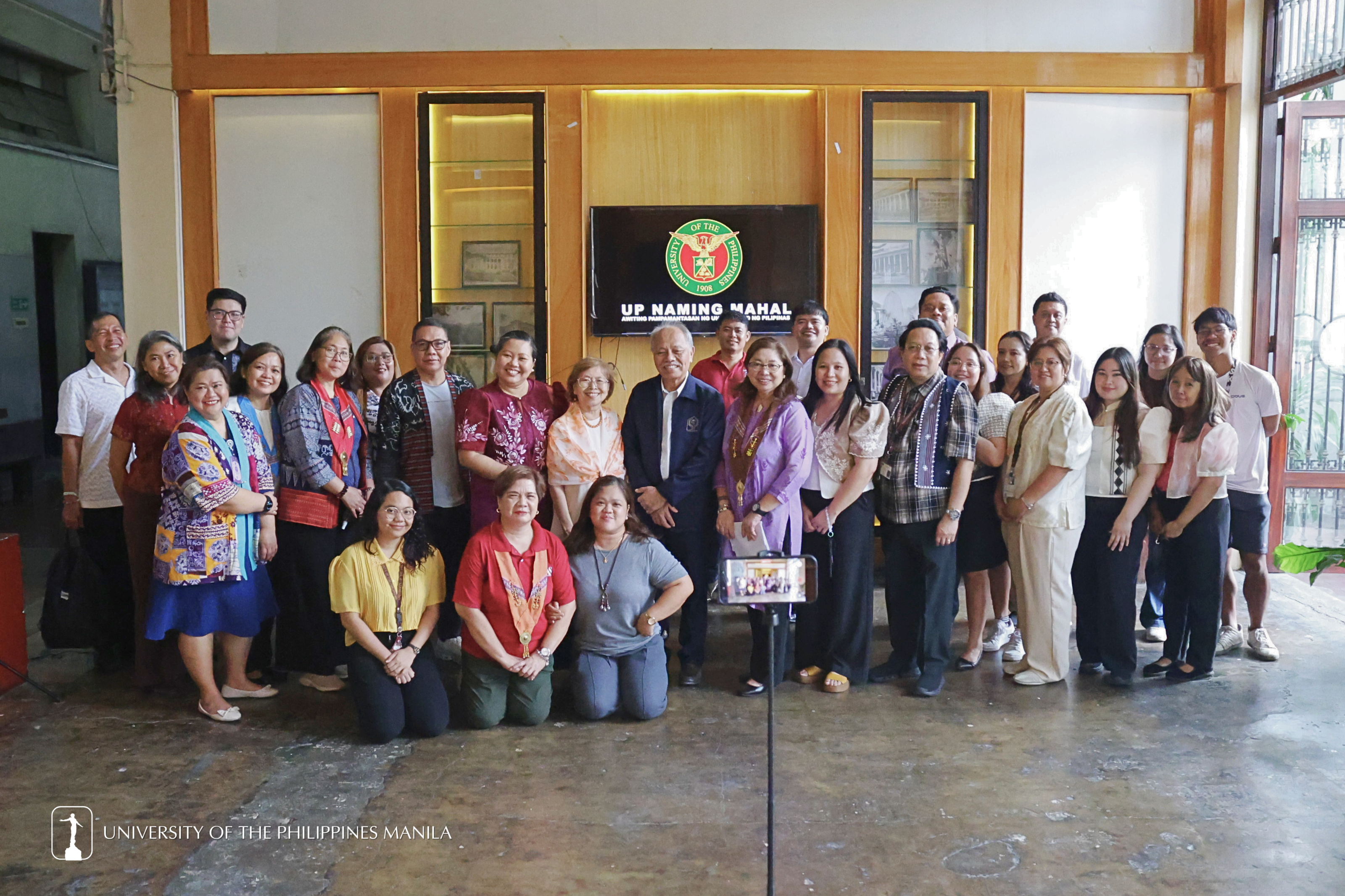
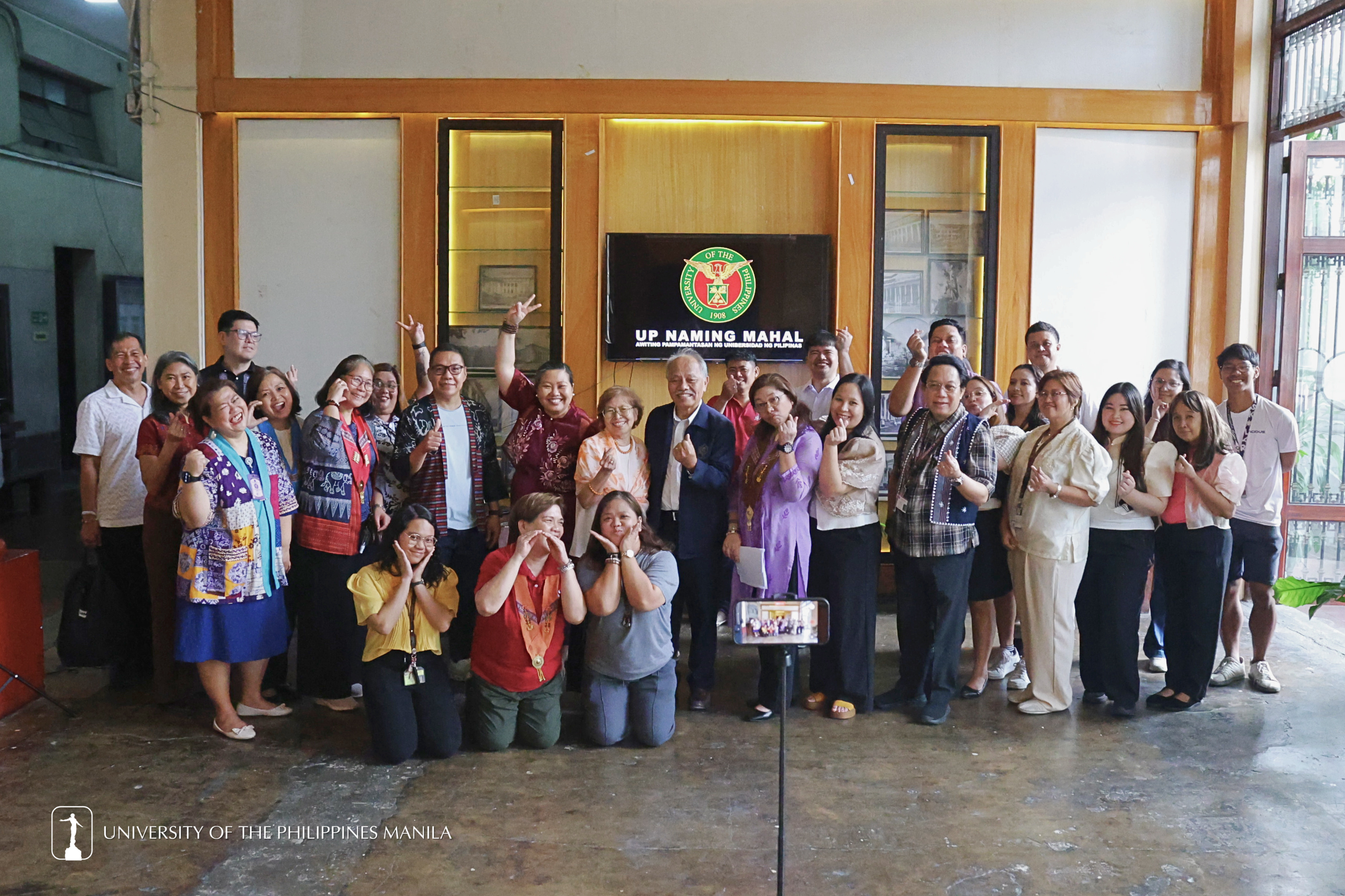
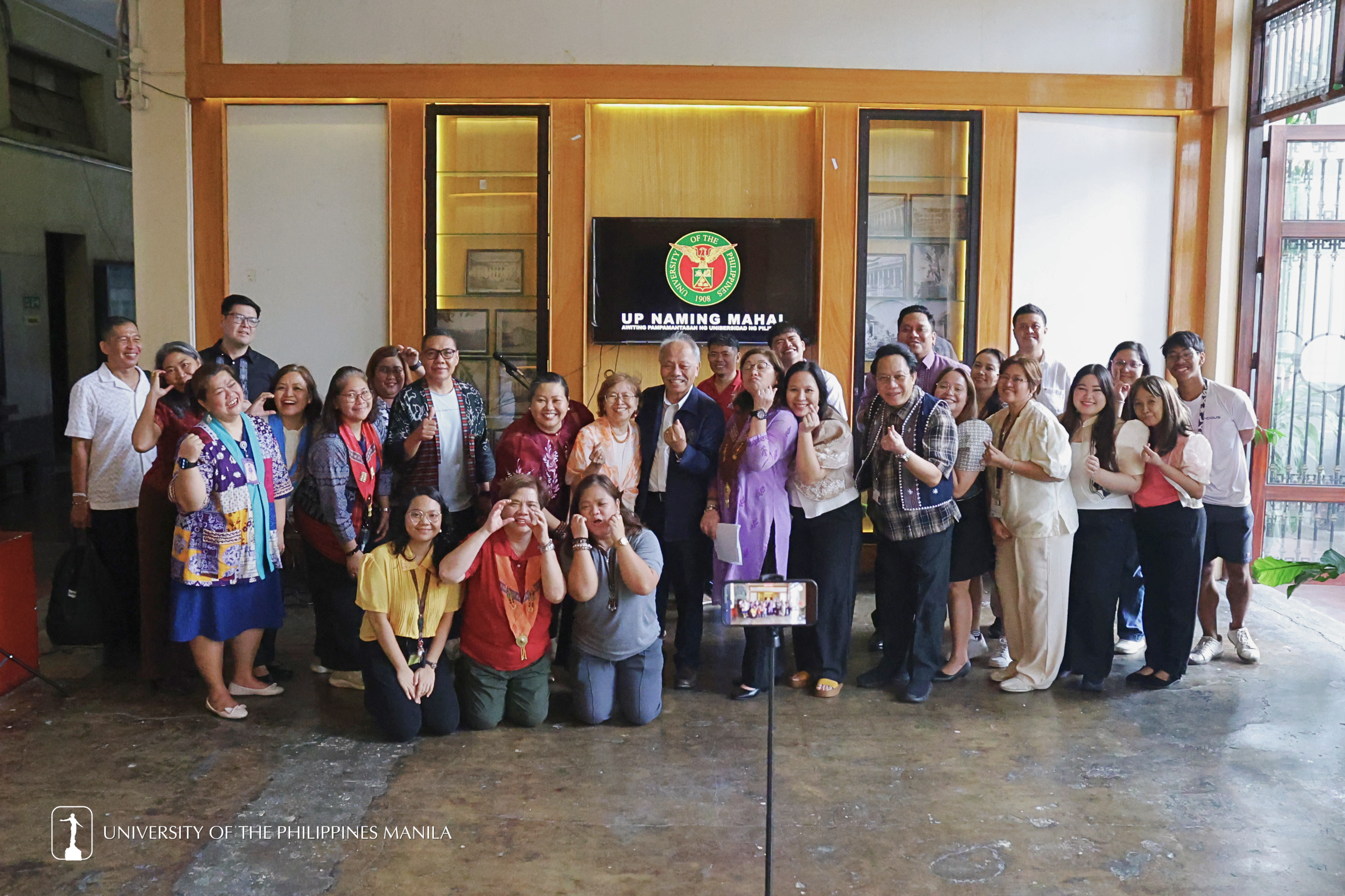
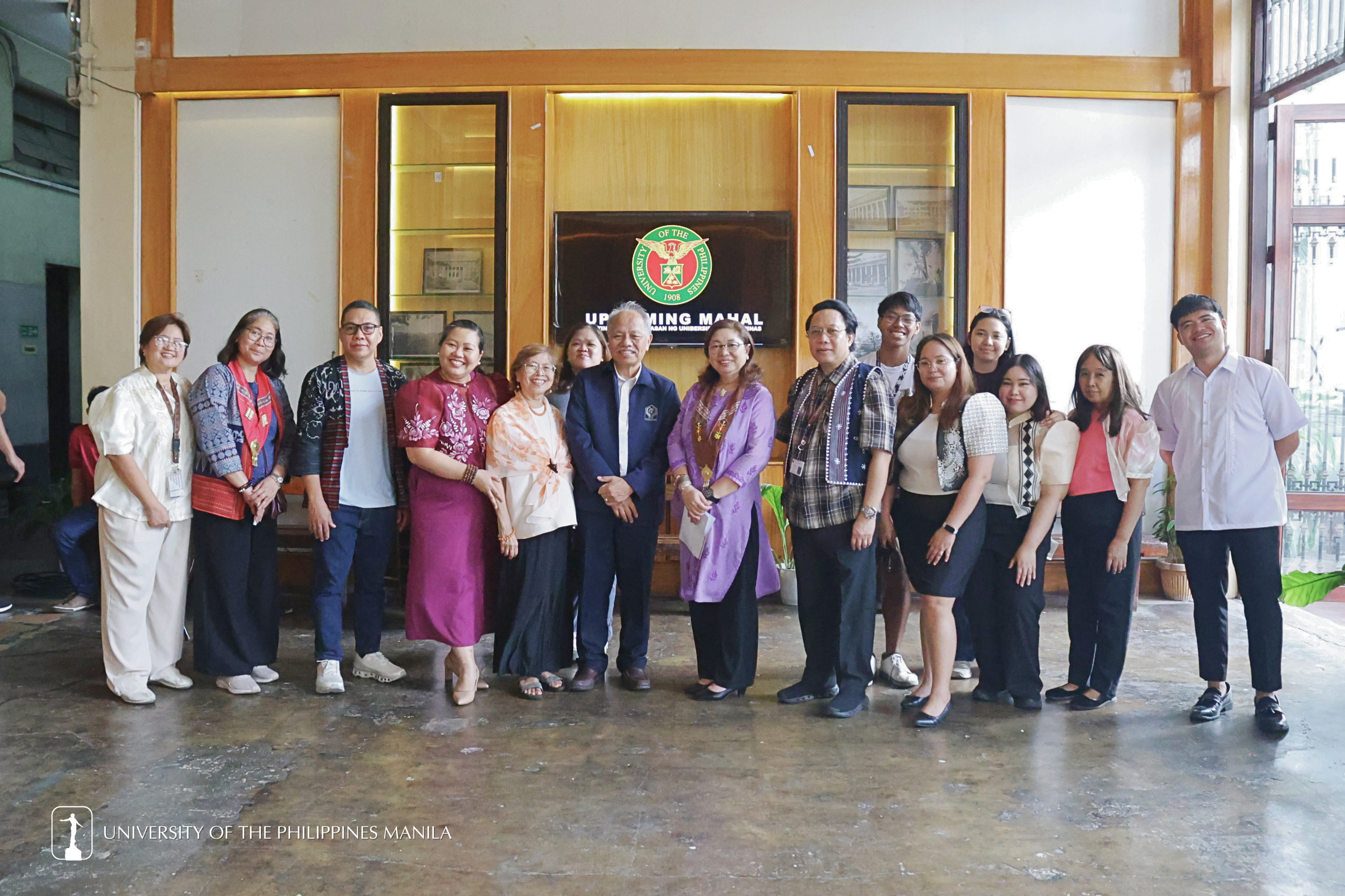
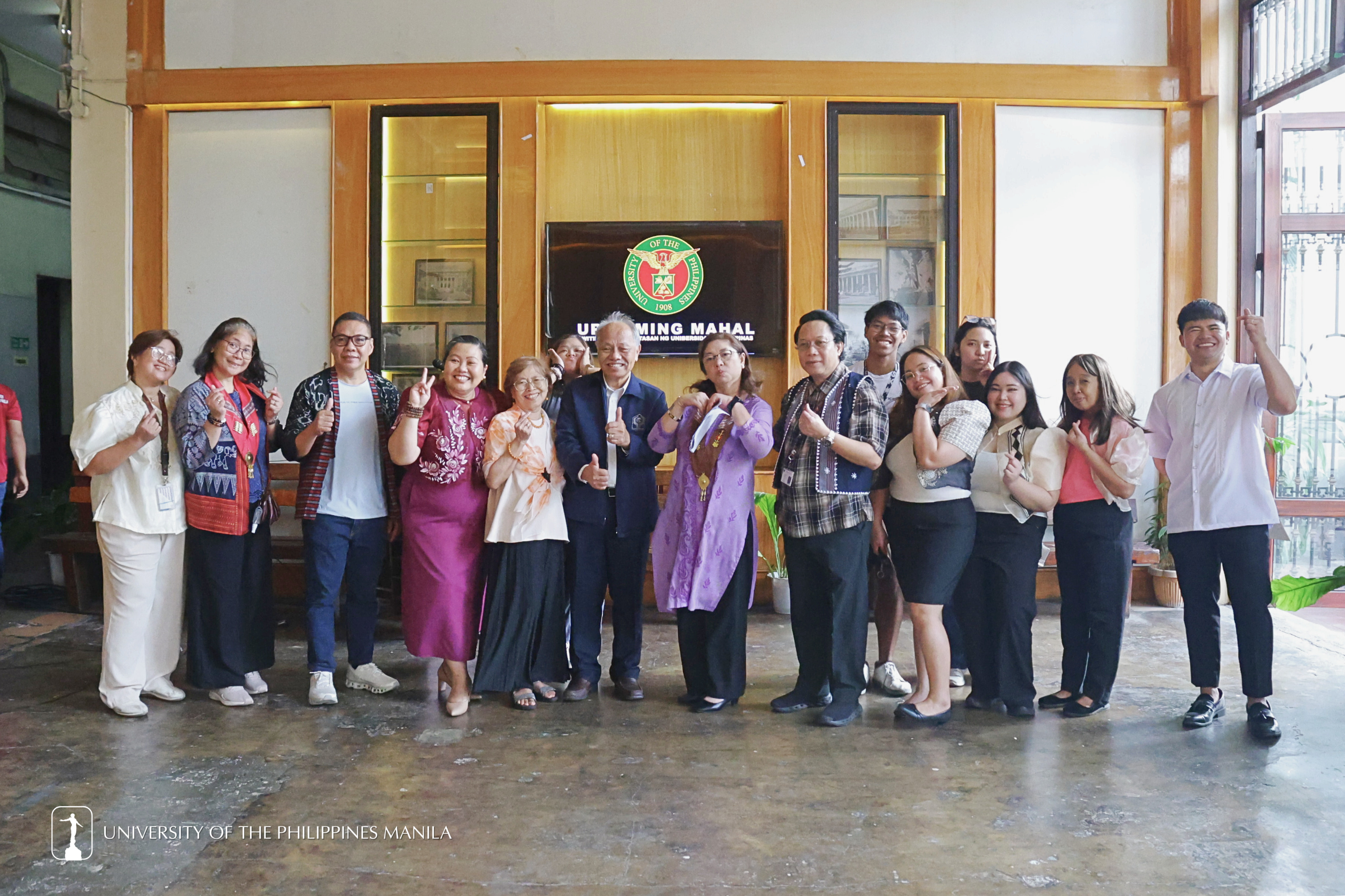
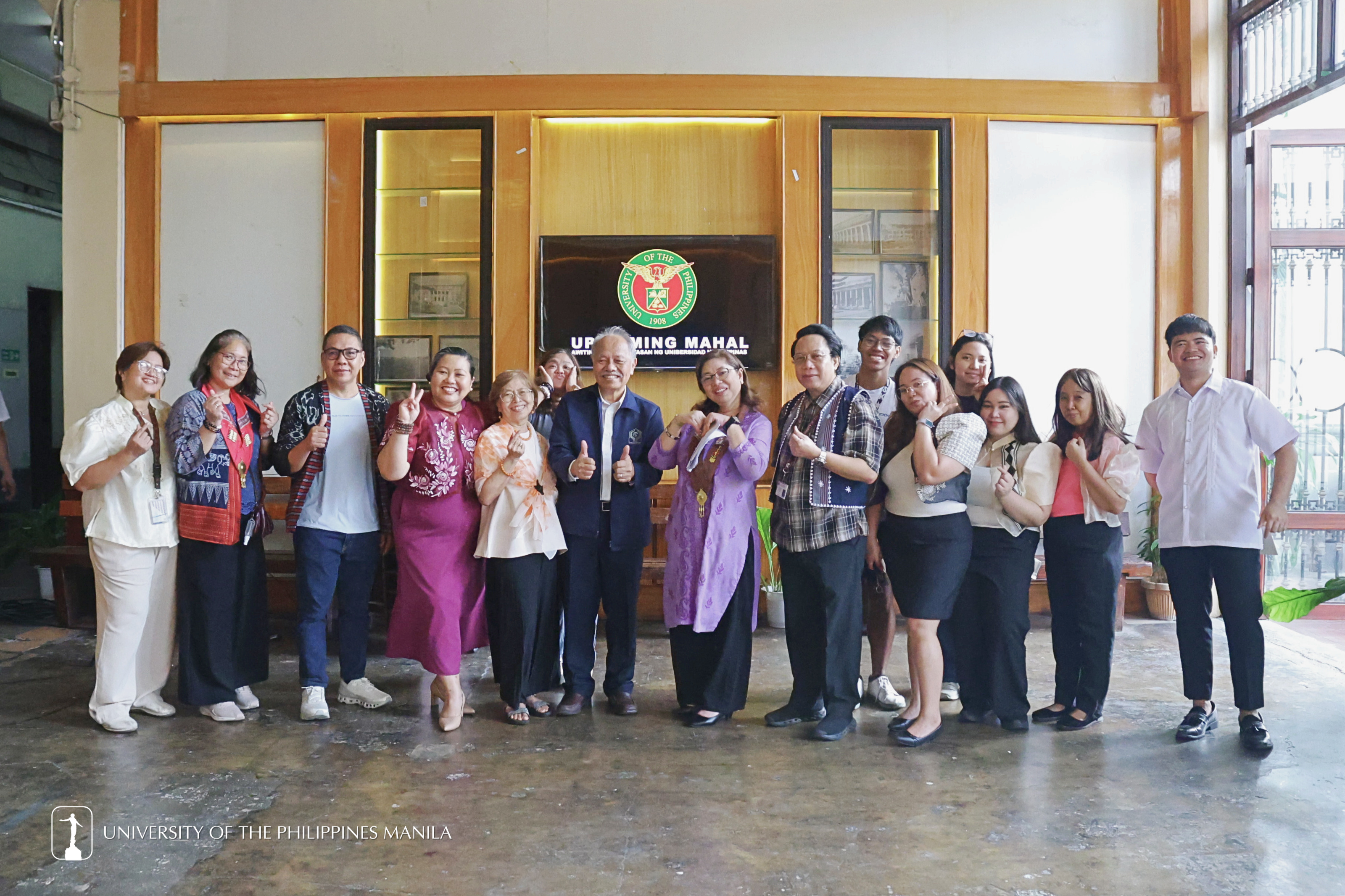
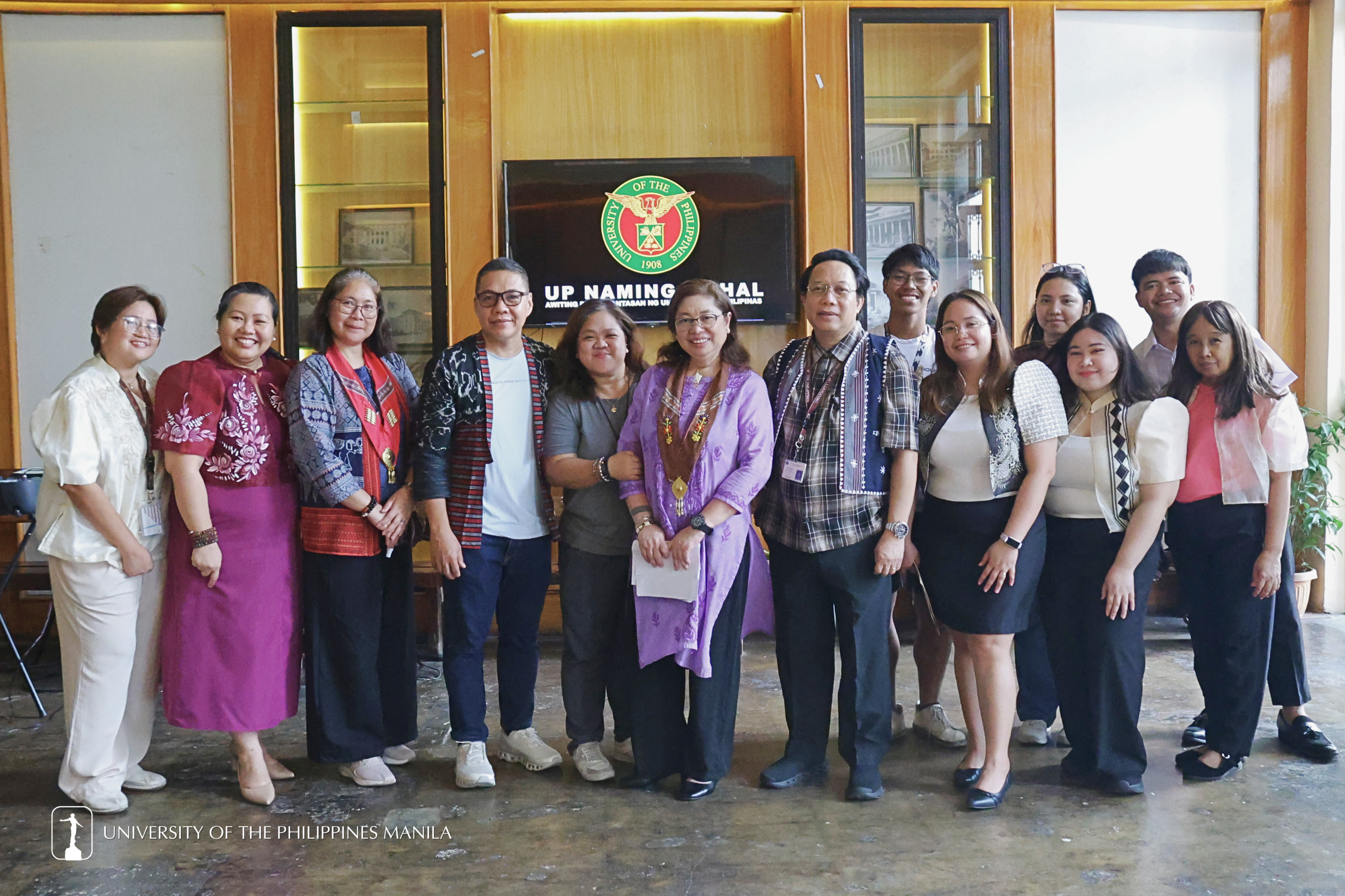
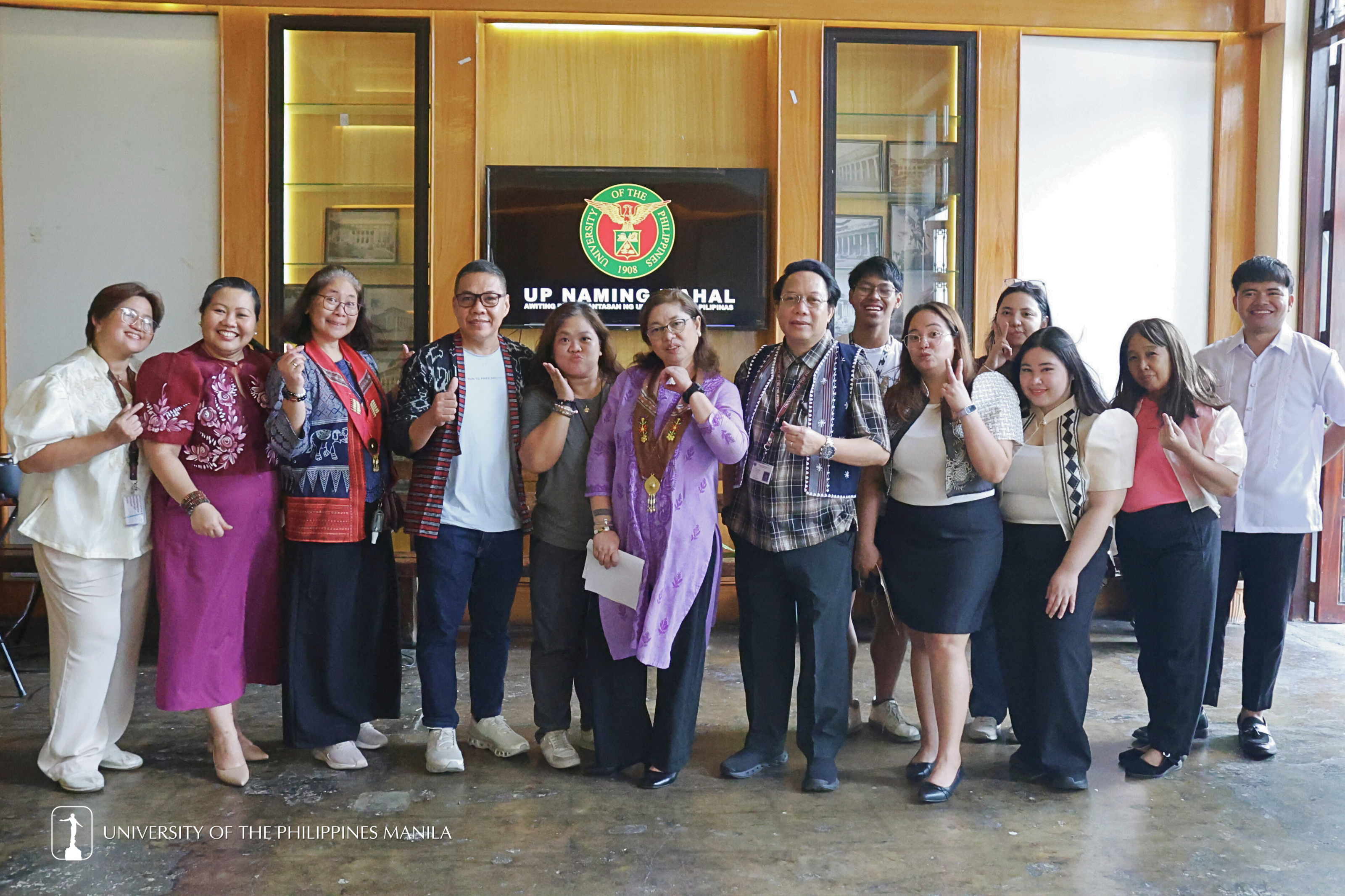
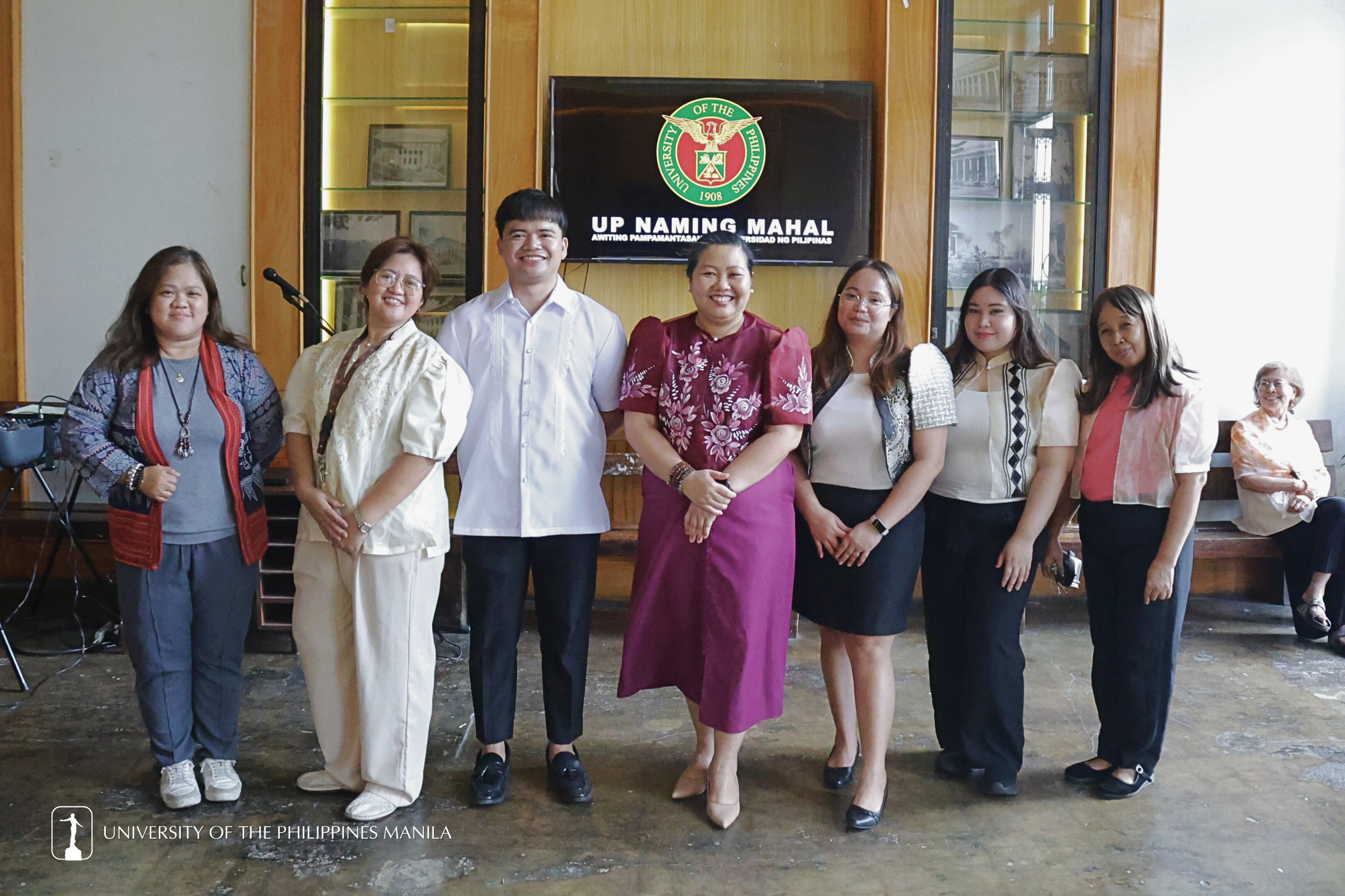
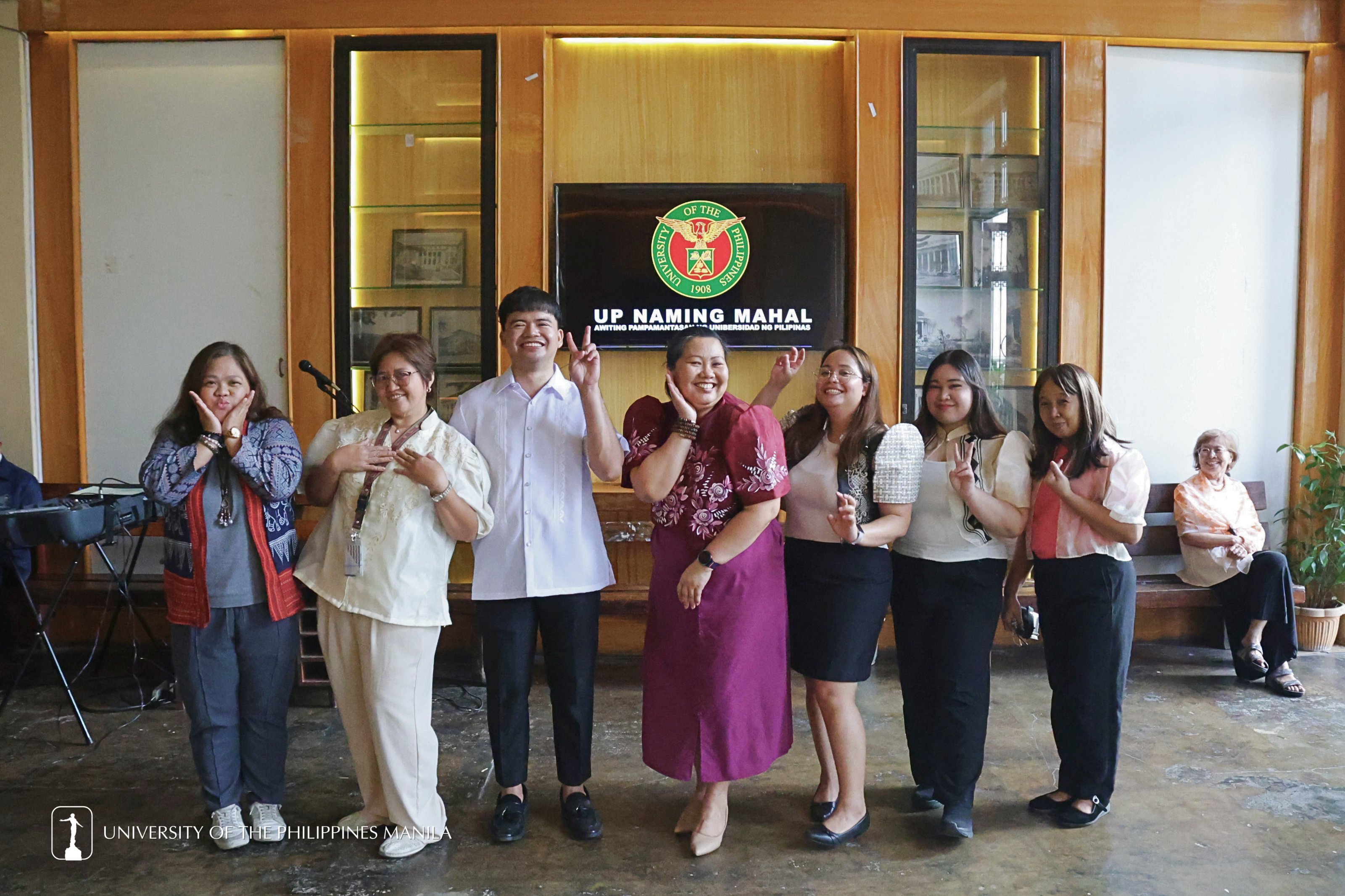
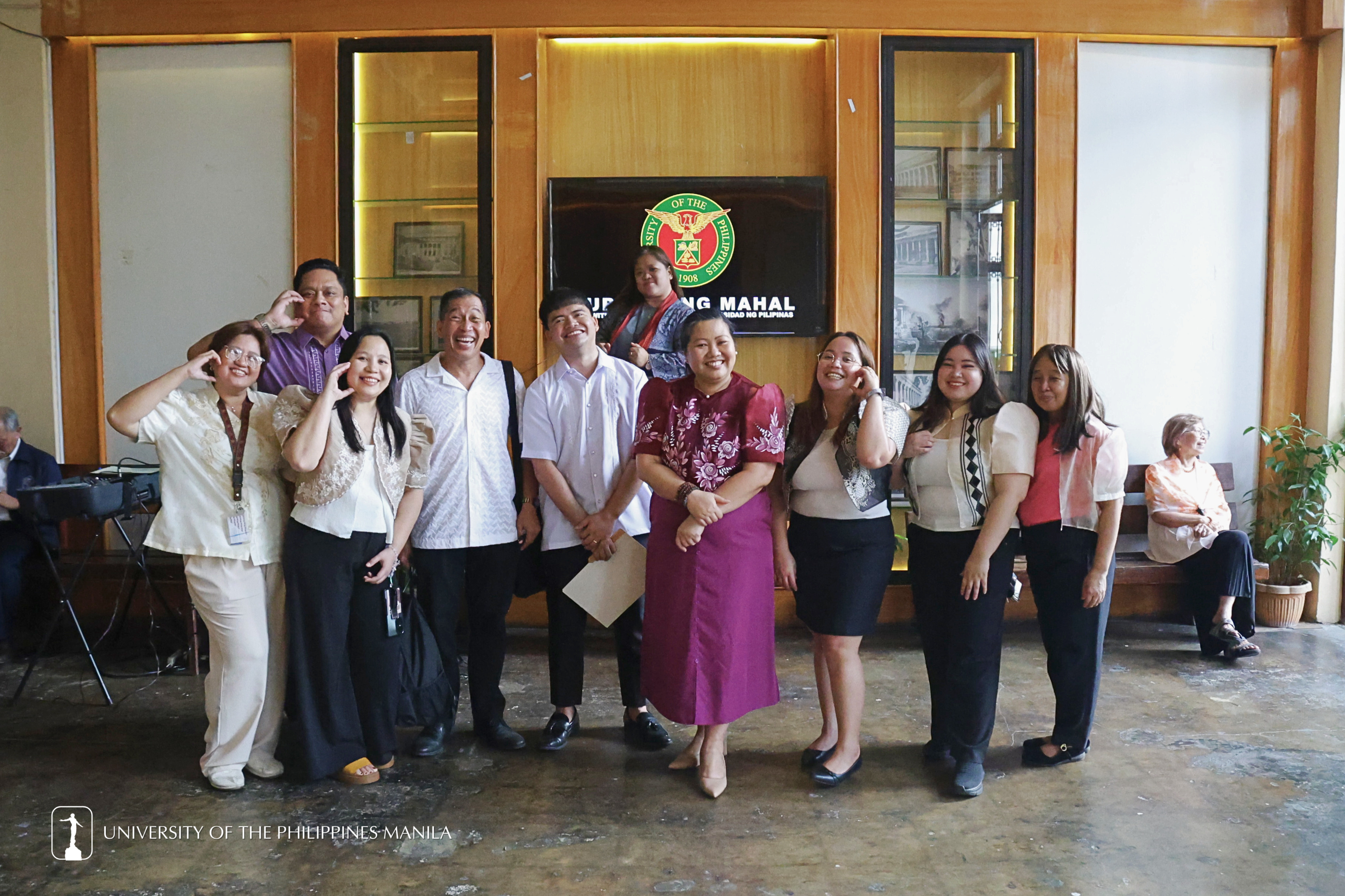
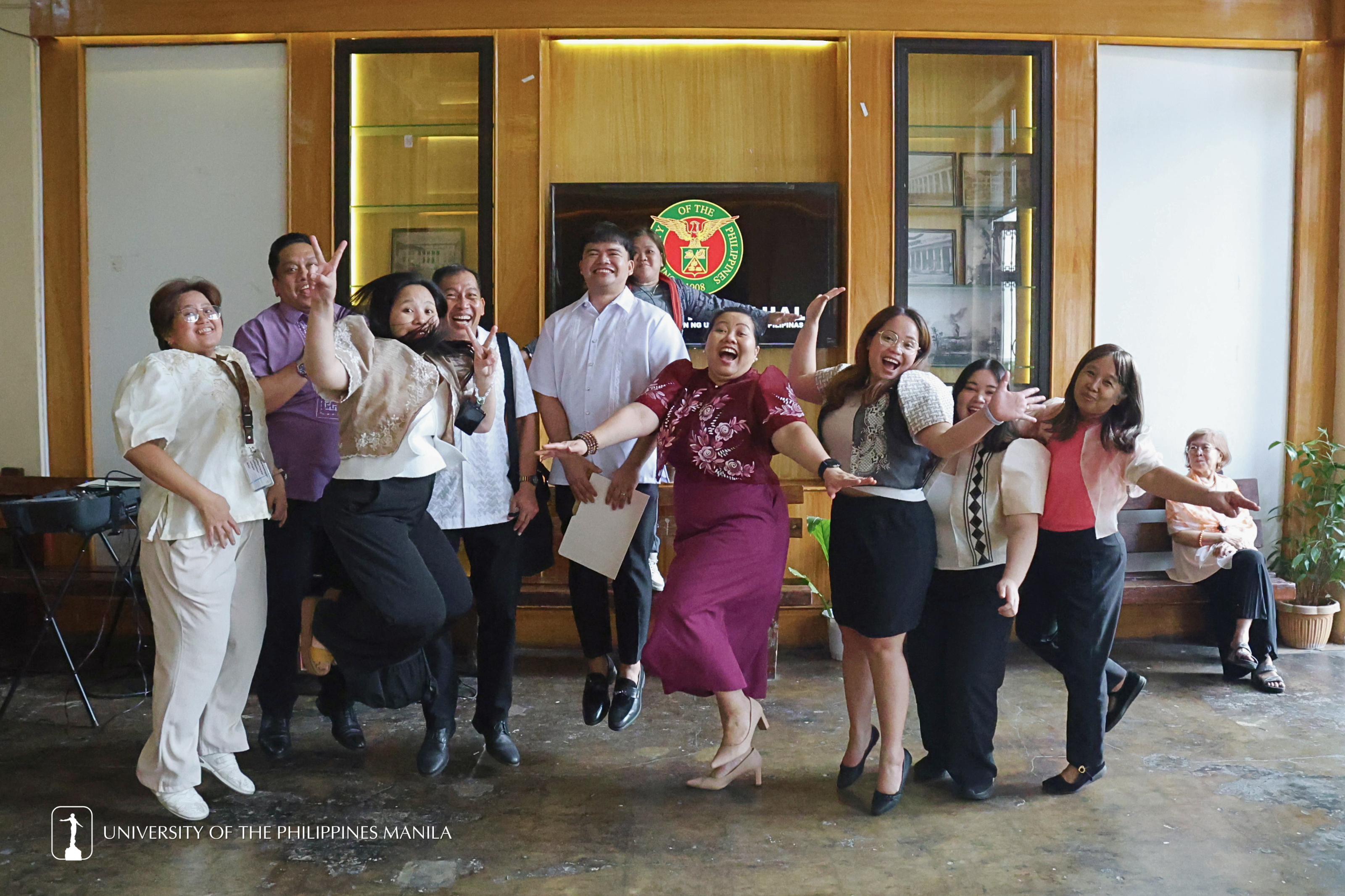
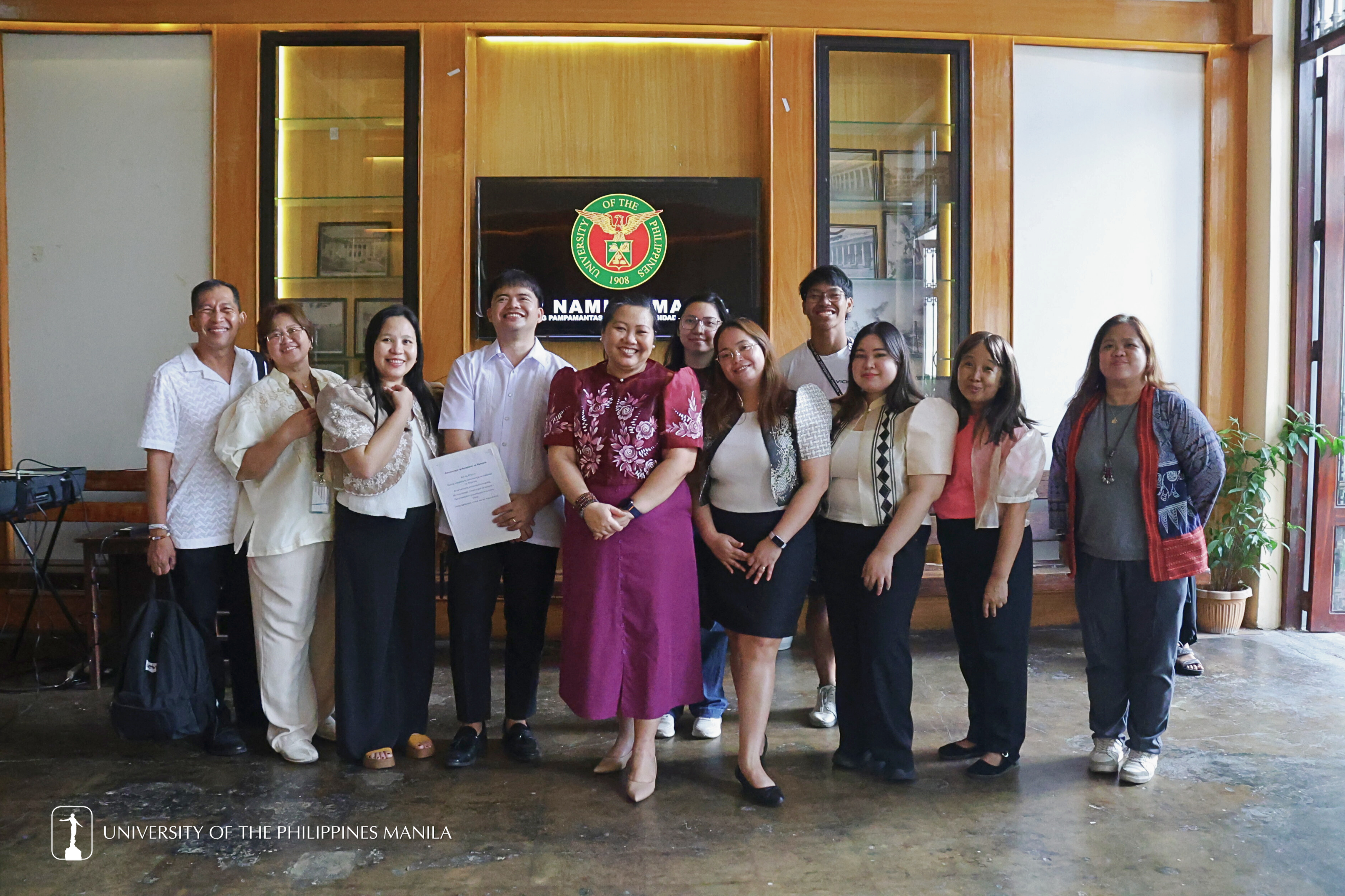
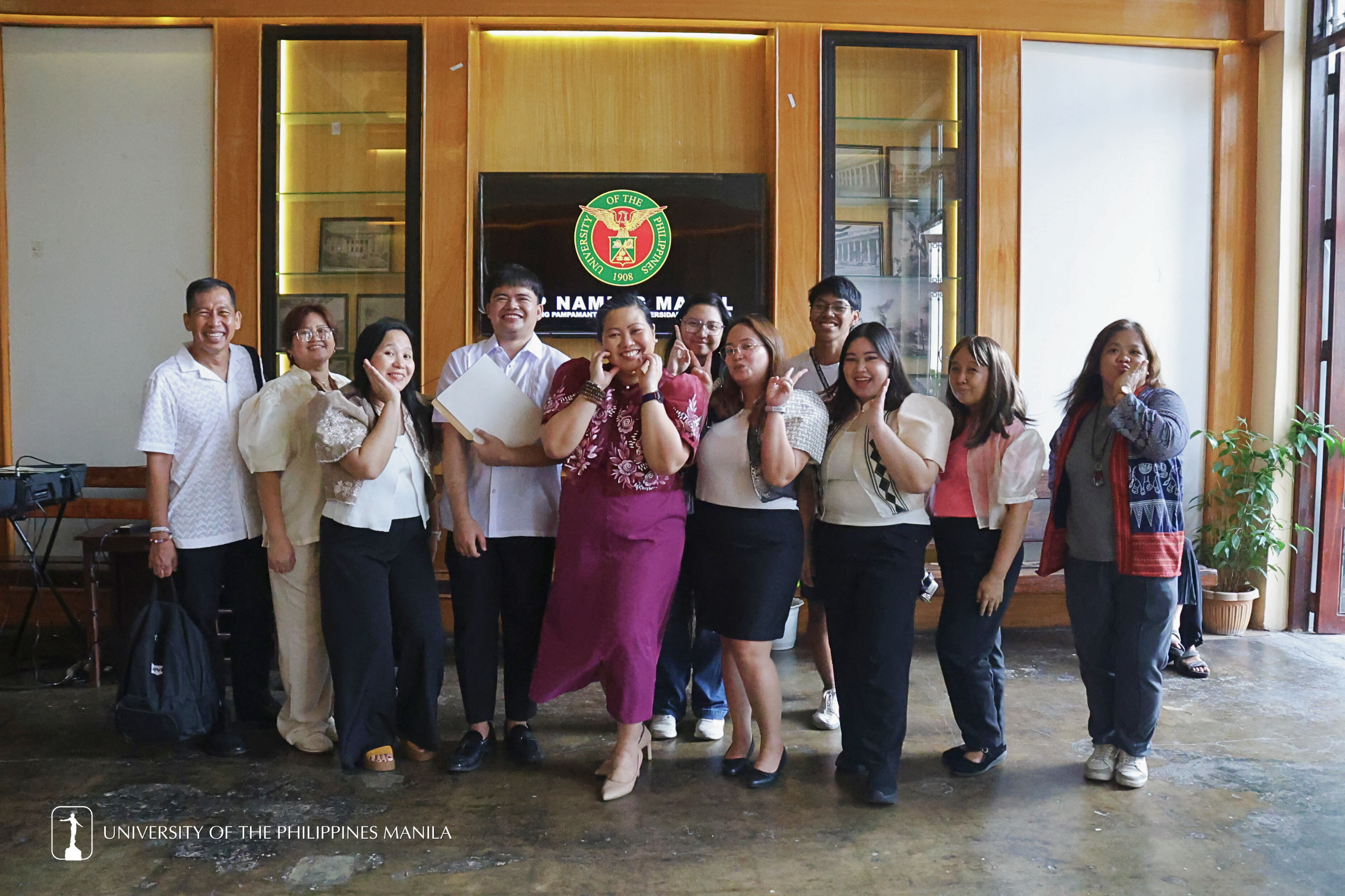
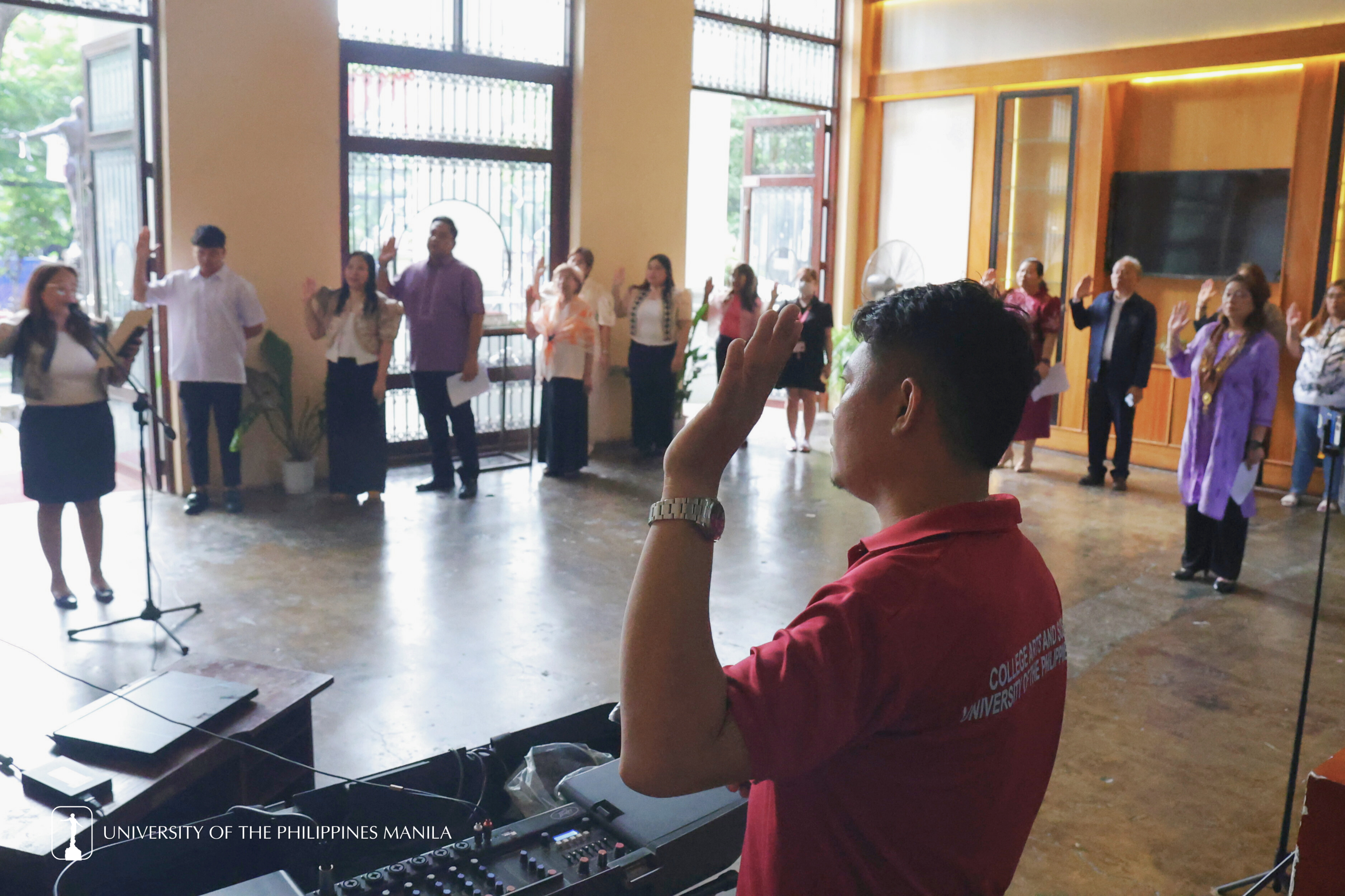
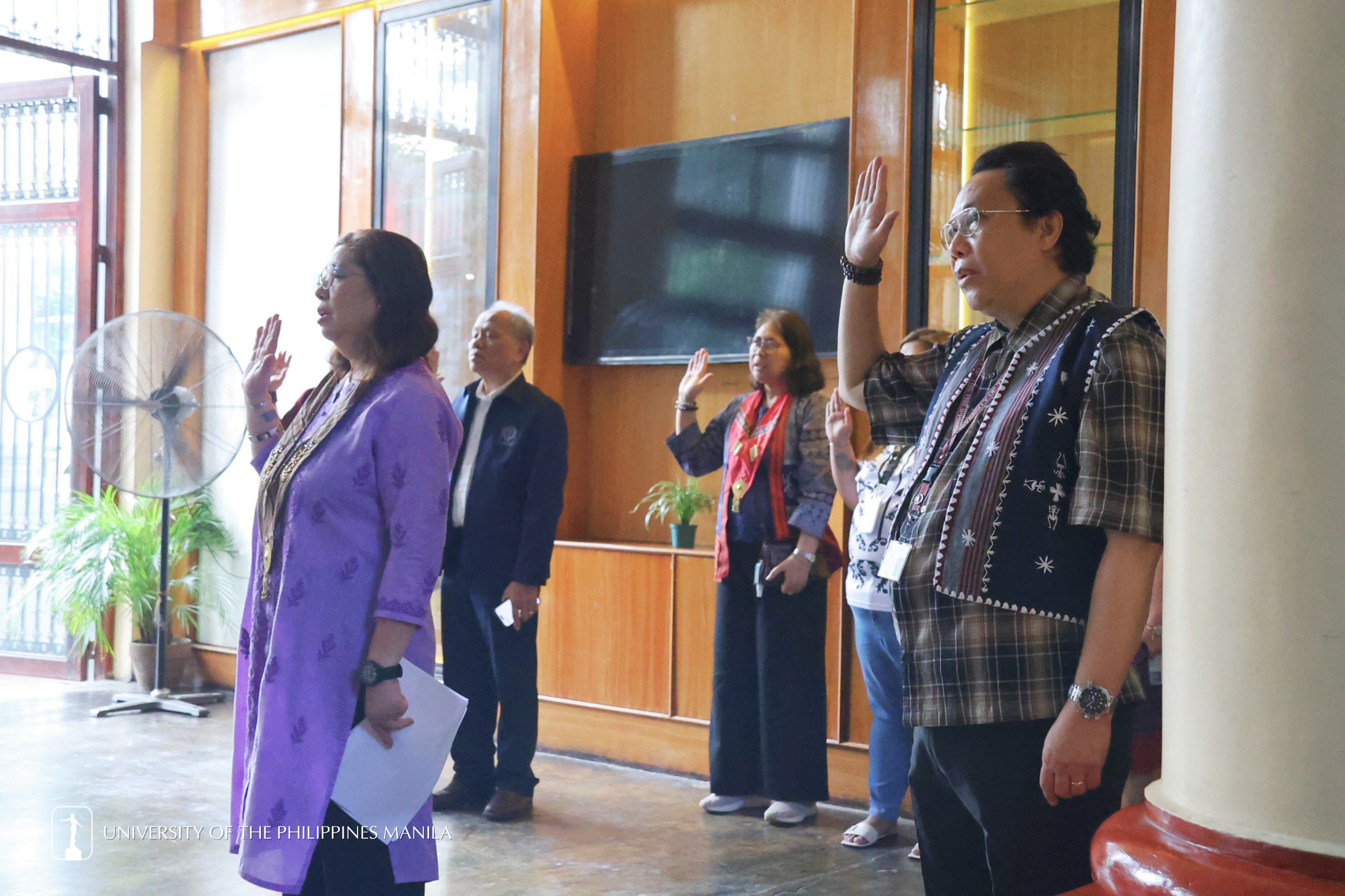
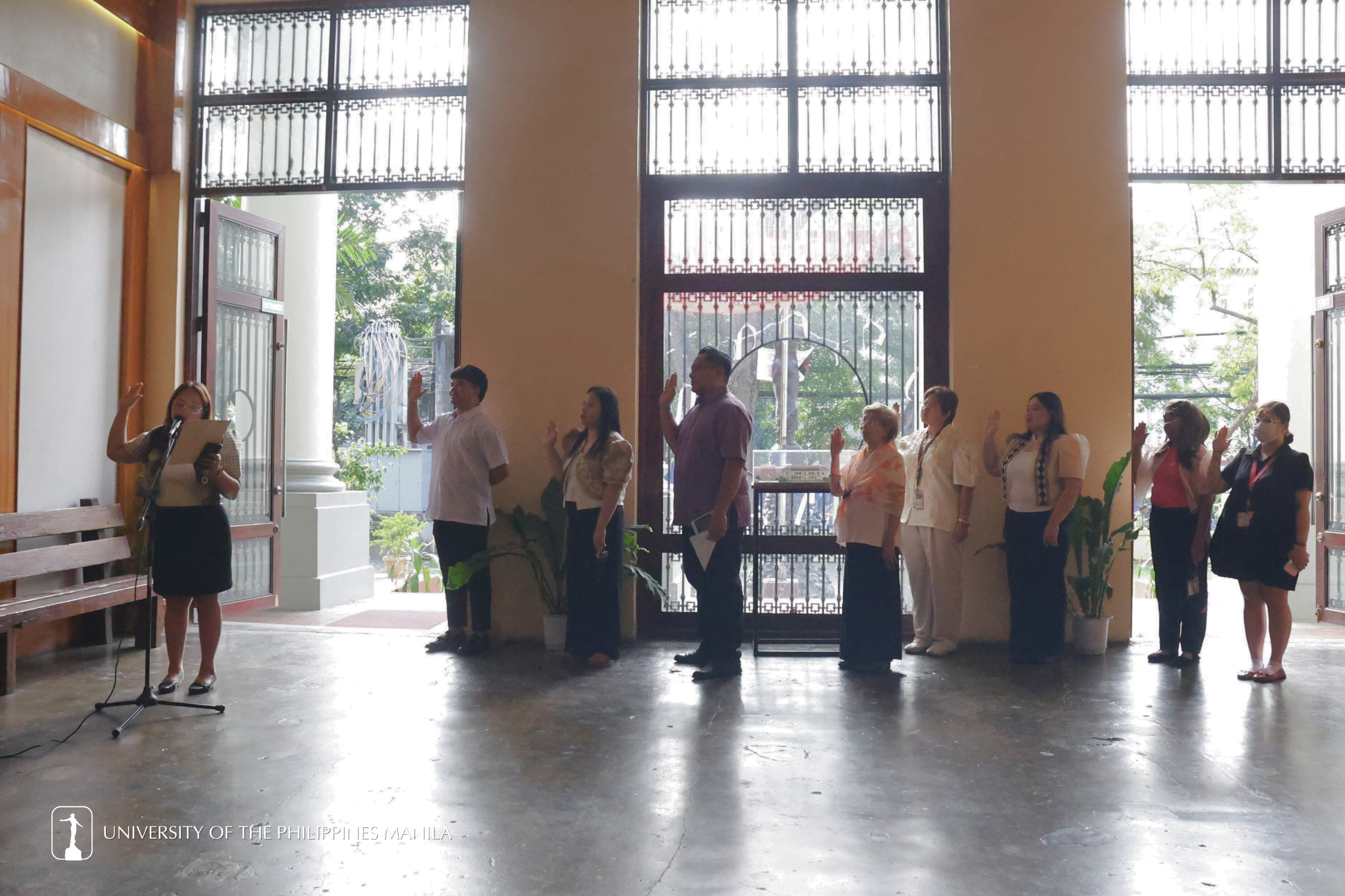
The University of the Philippines Manila College of Arts and Sciences (CAS) gathered faculty, staff, and students to reaffirm its commitment on quality assurance, responsible information management, and collective accountability. With the theme “Karunungan mula sa mga Tala at Kasulatan,” the ceremony underscored the importance of accurate records, planning, and shared responsibility in strengthening the college community.
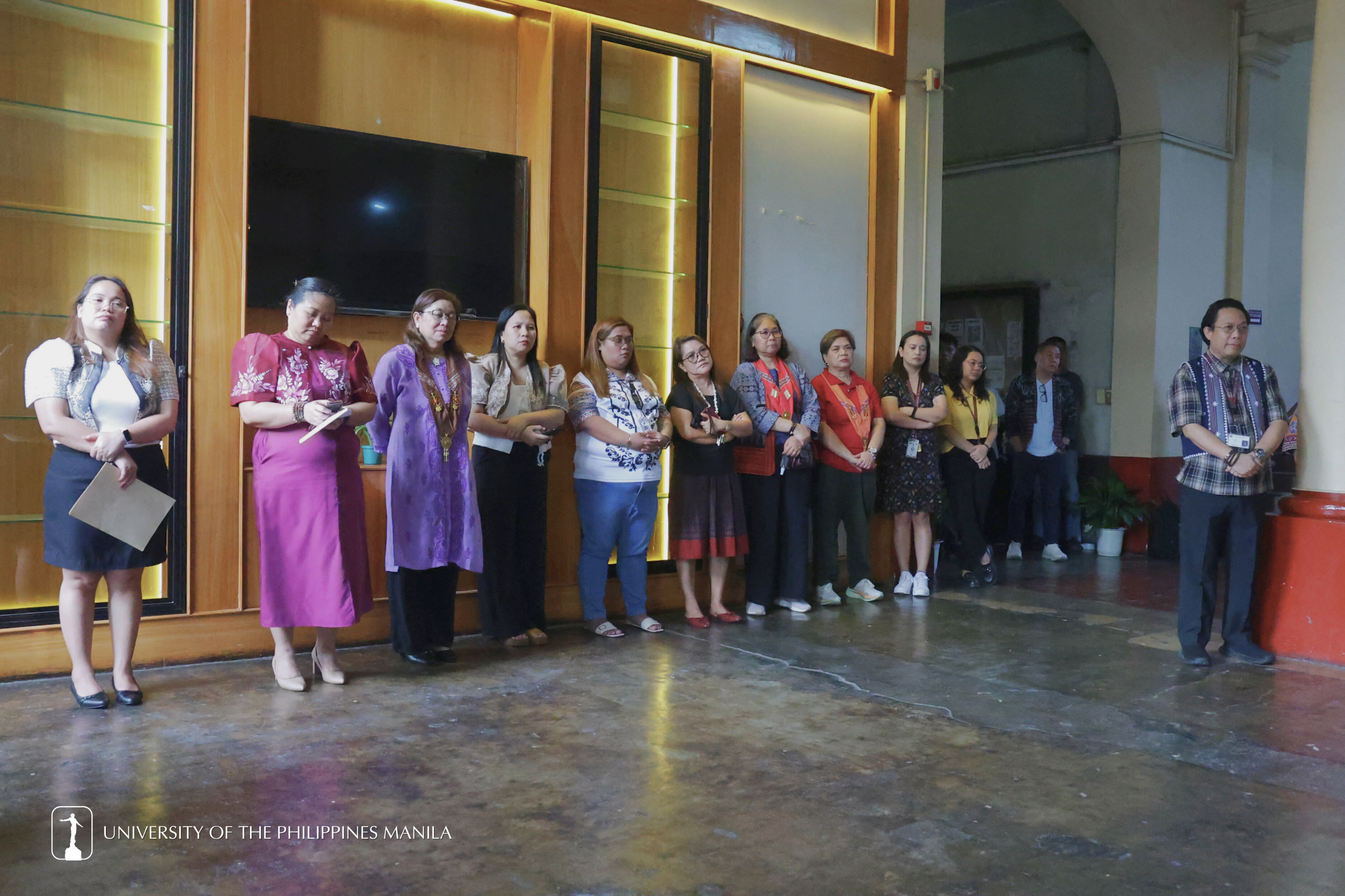
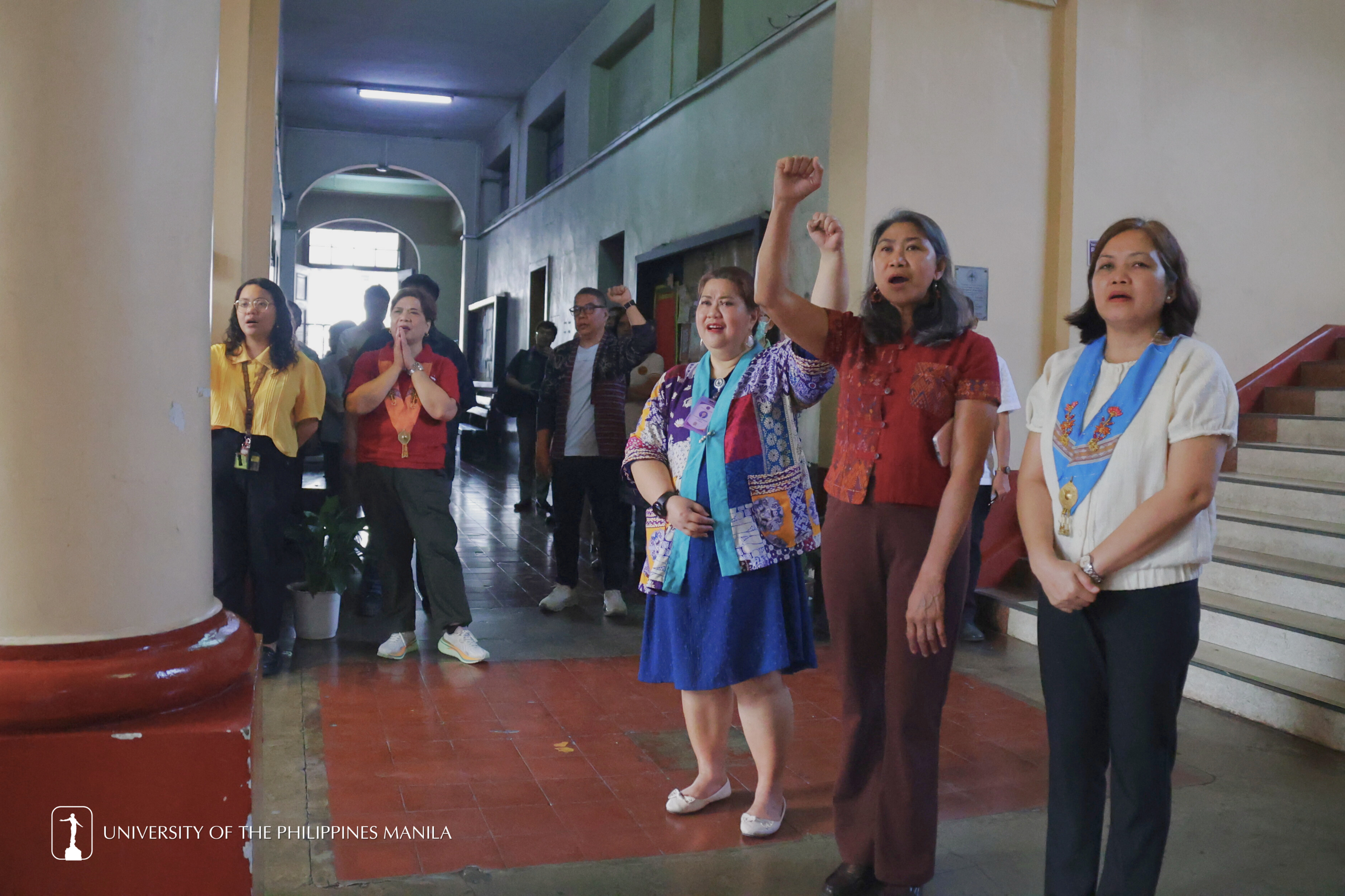
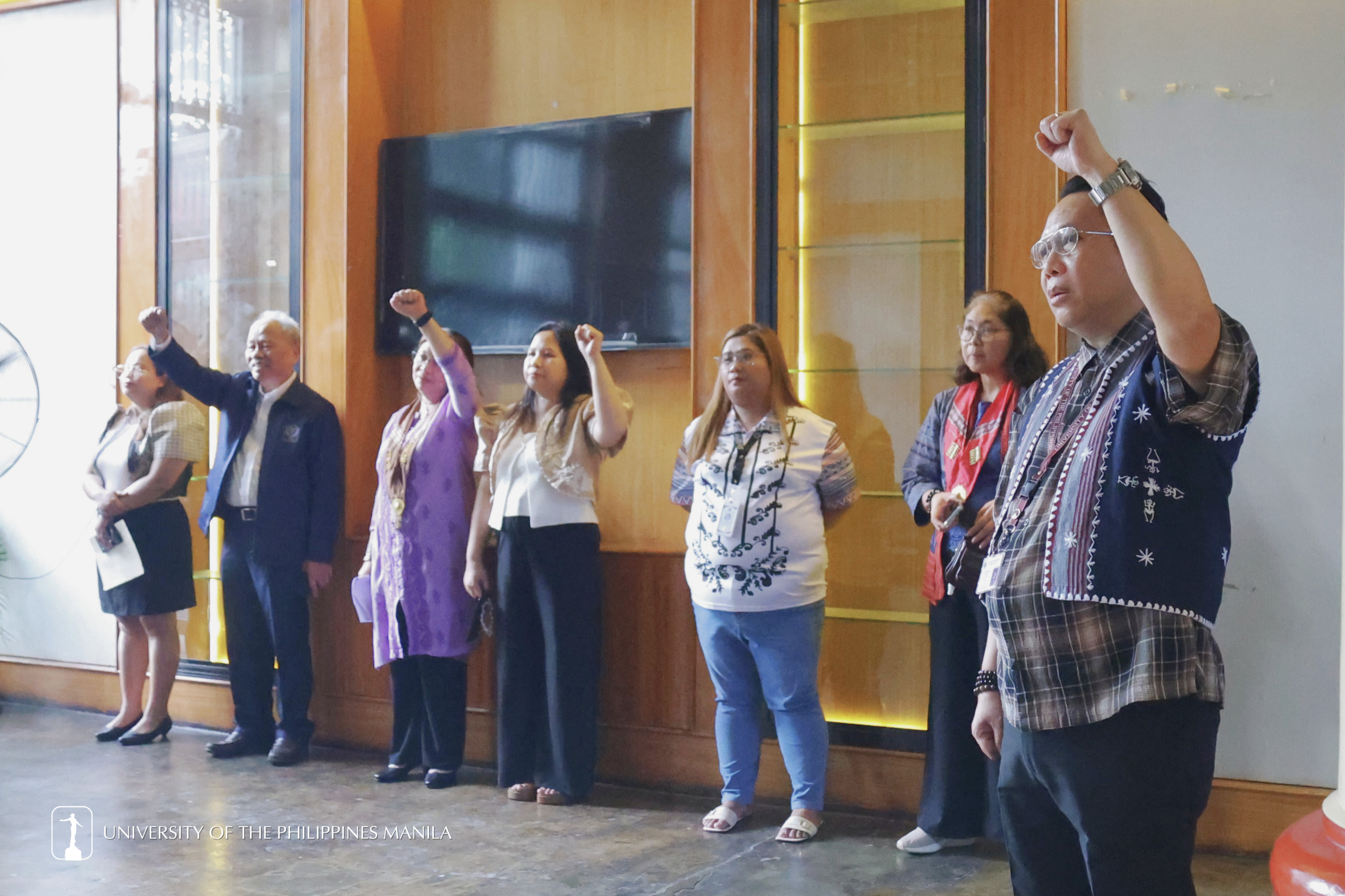
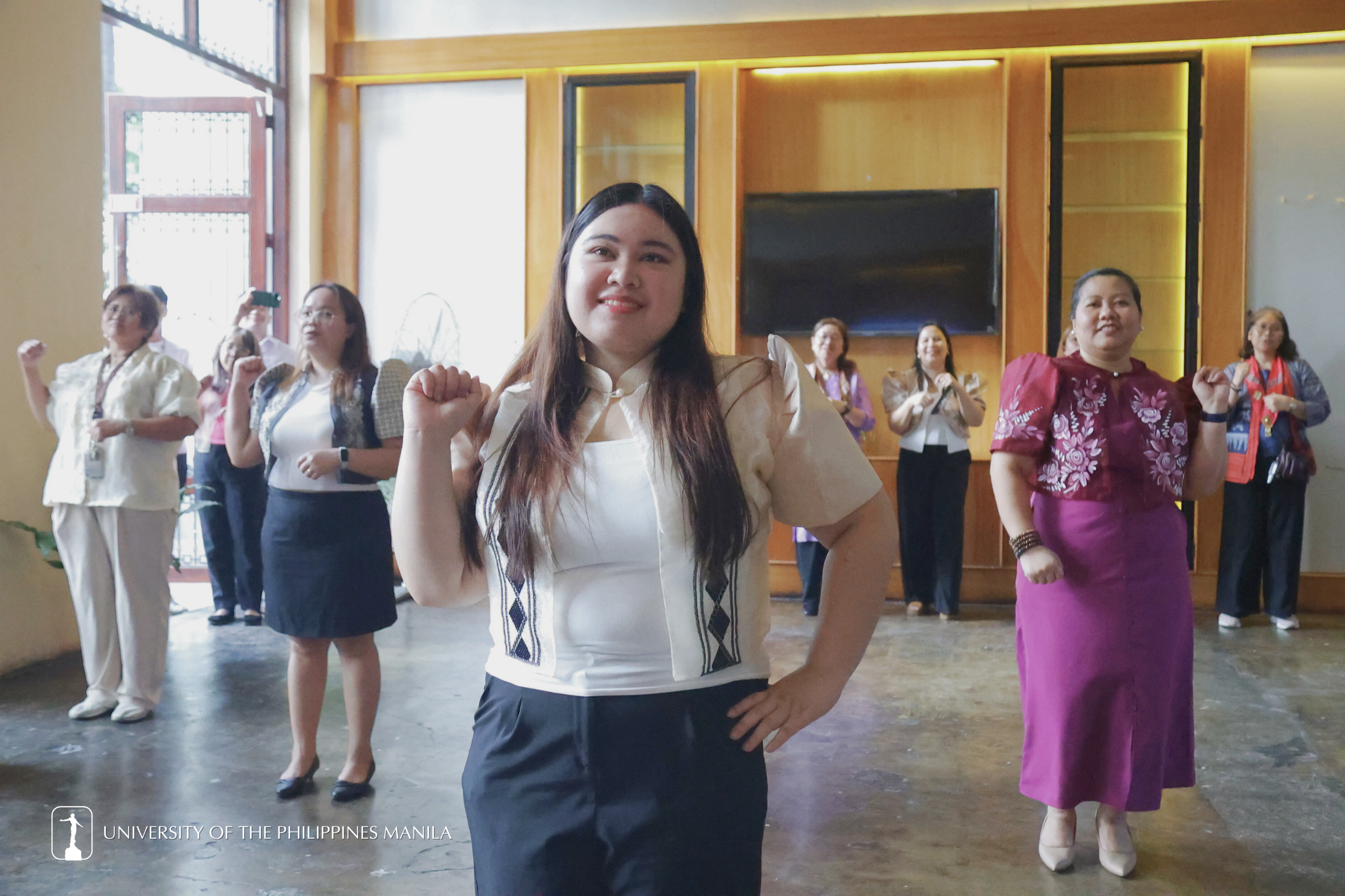
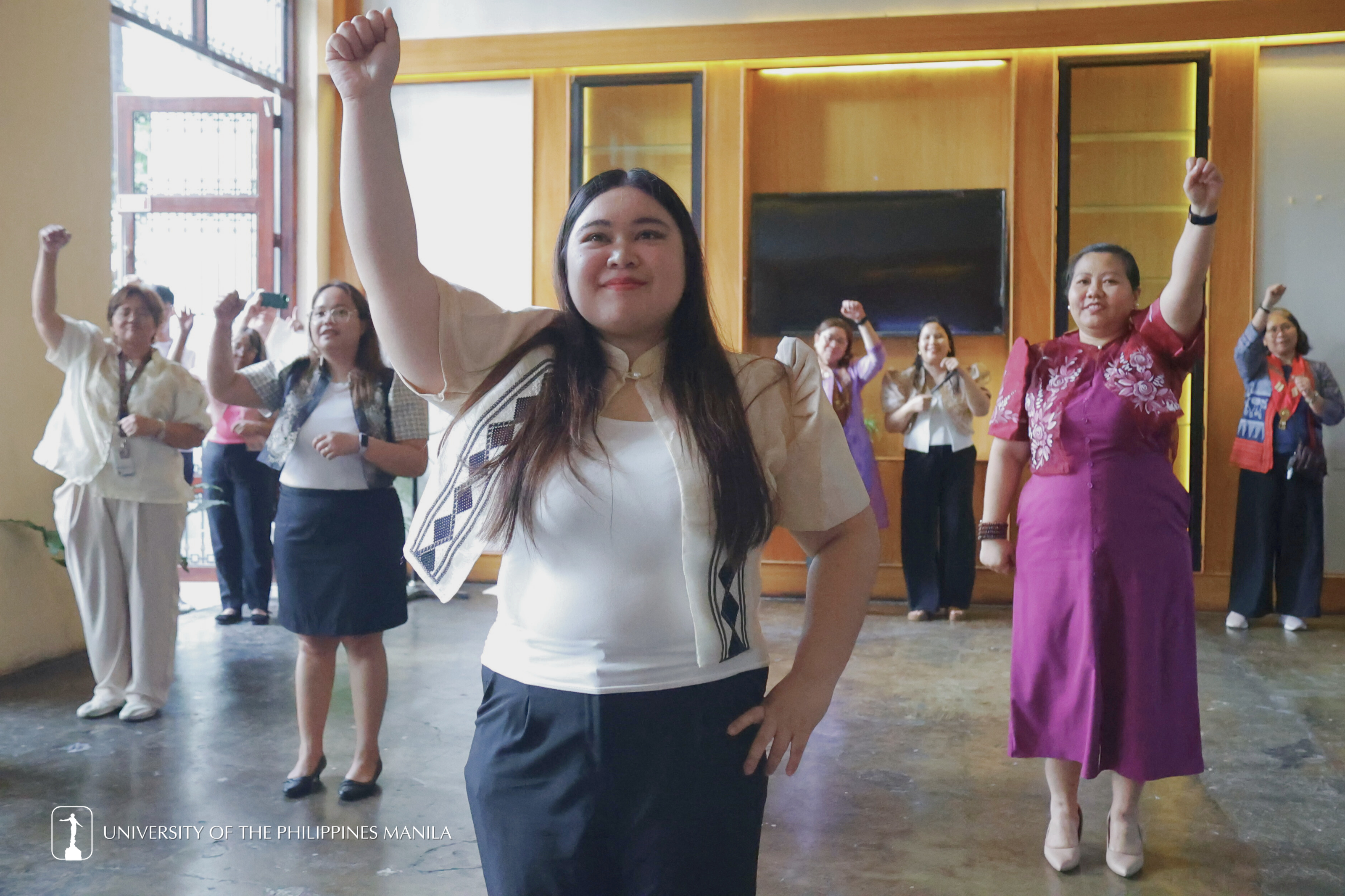
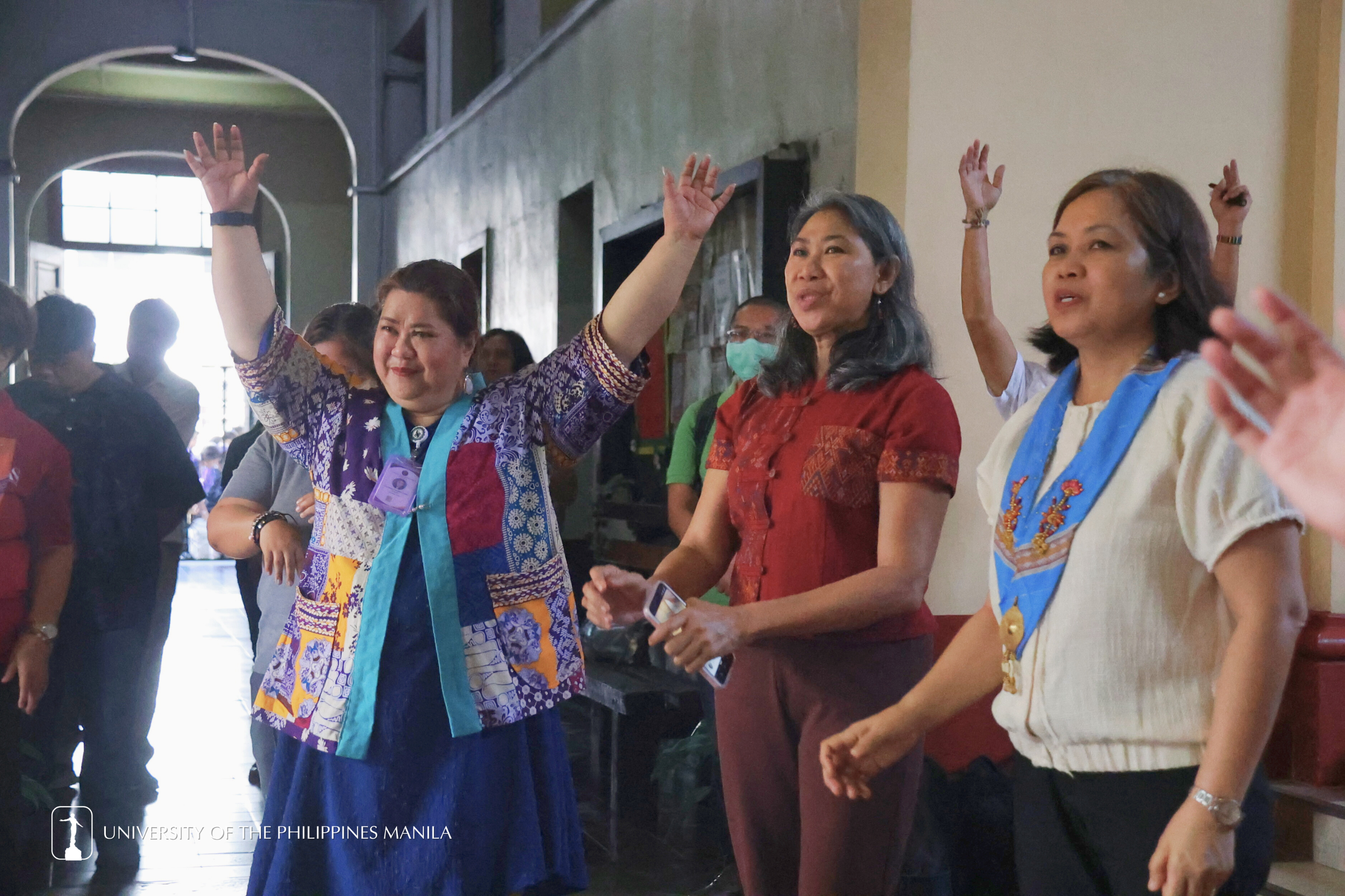
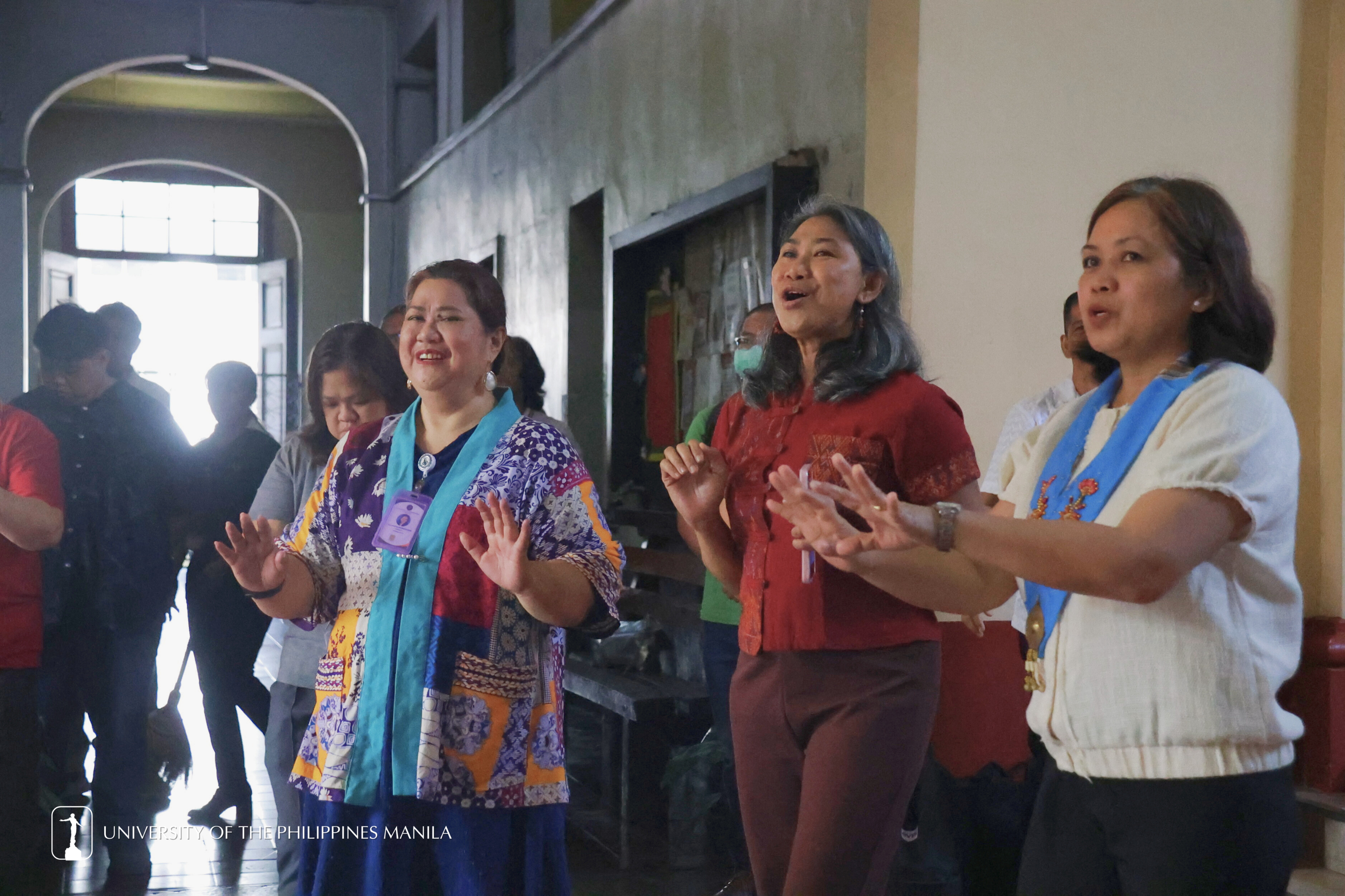
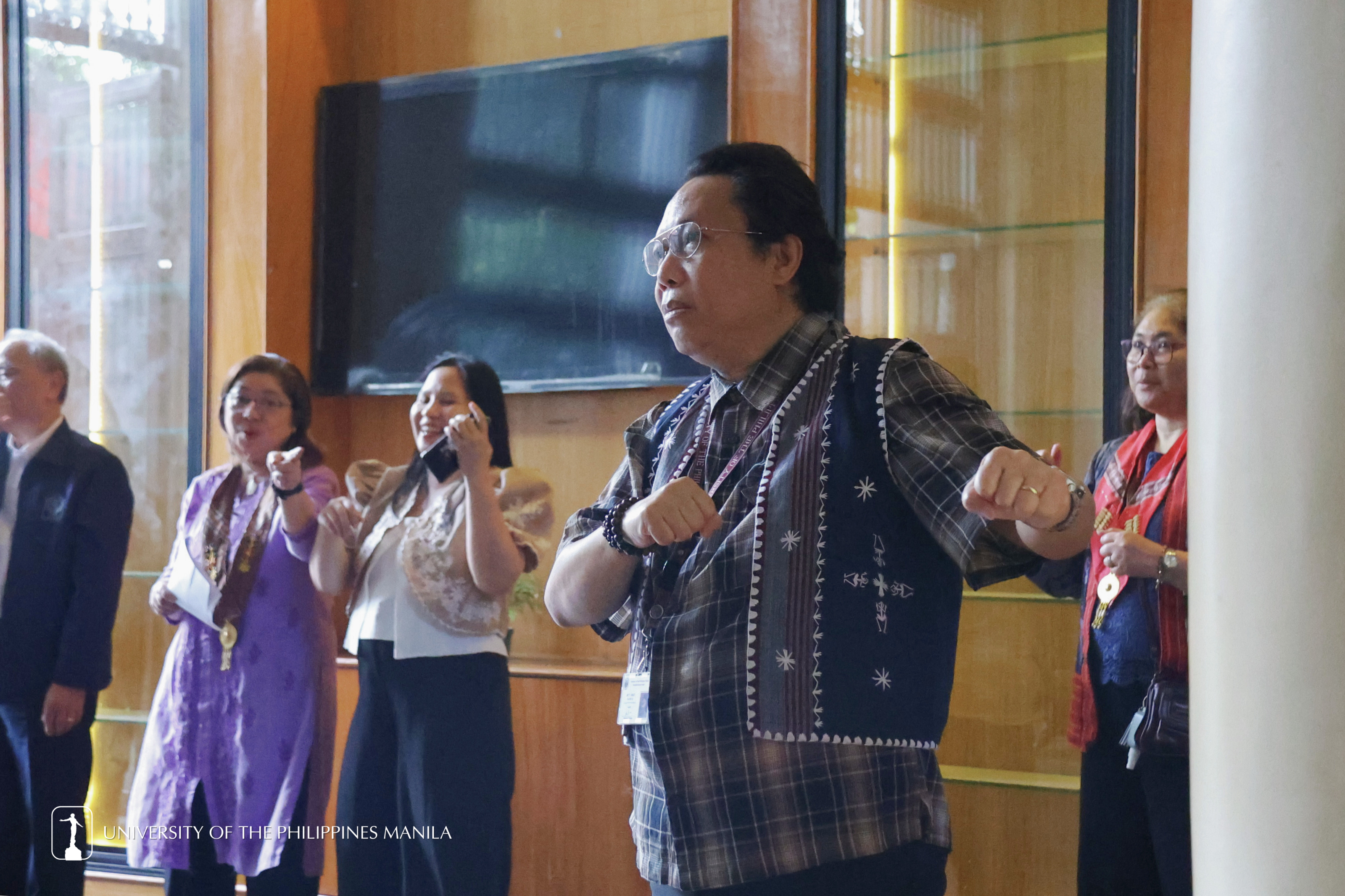
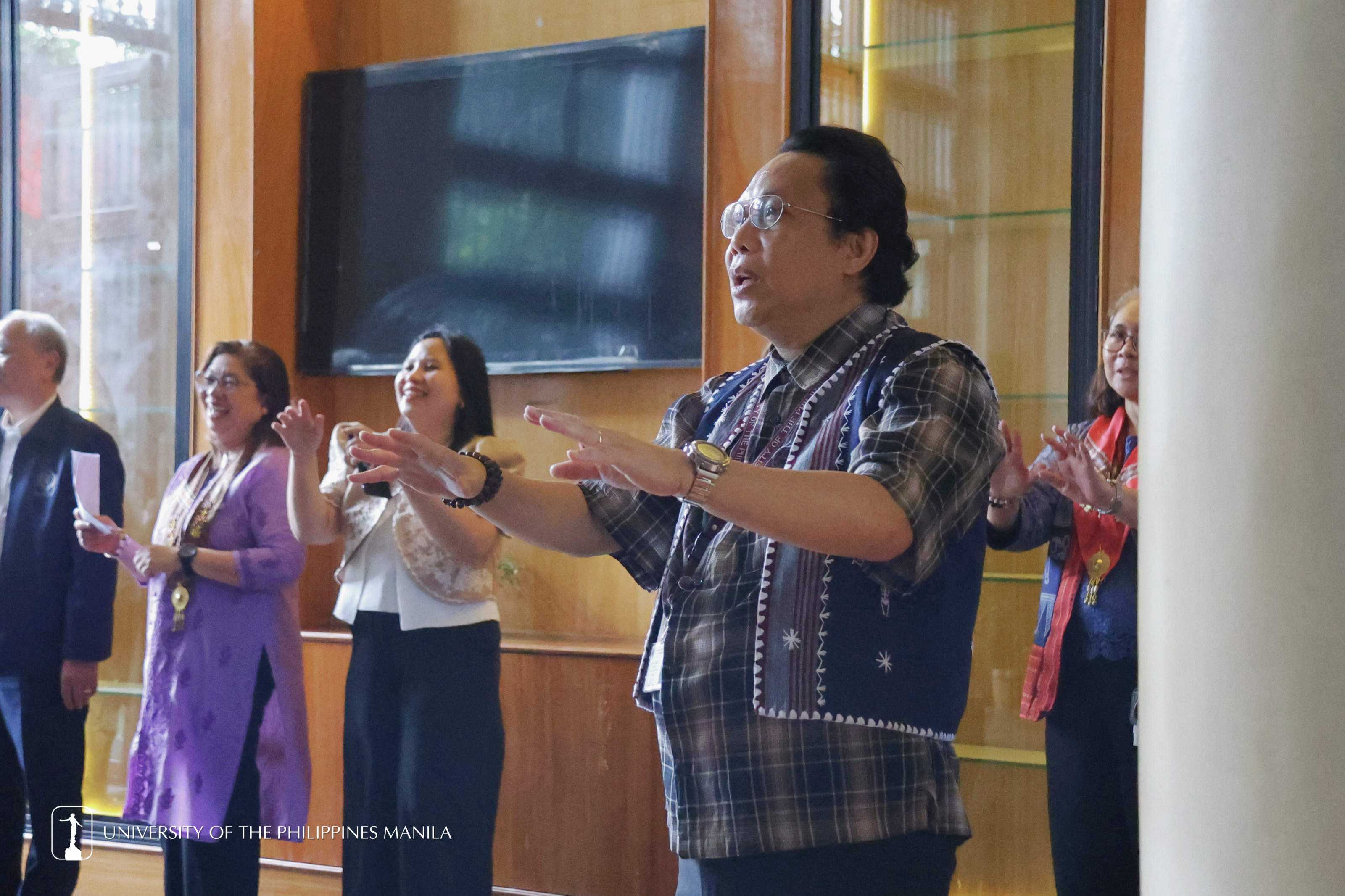
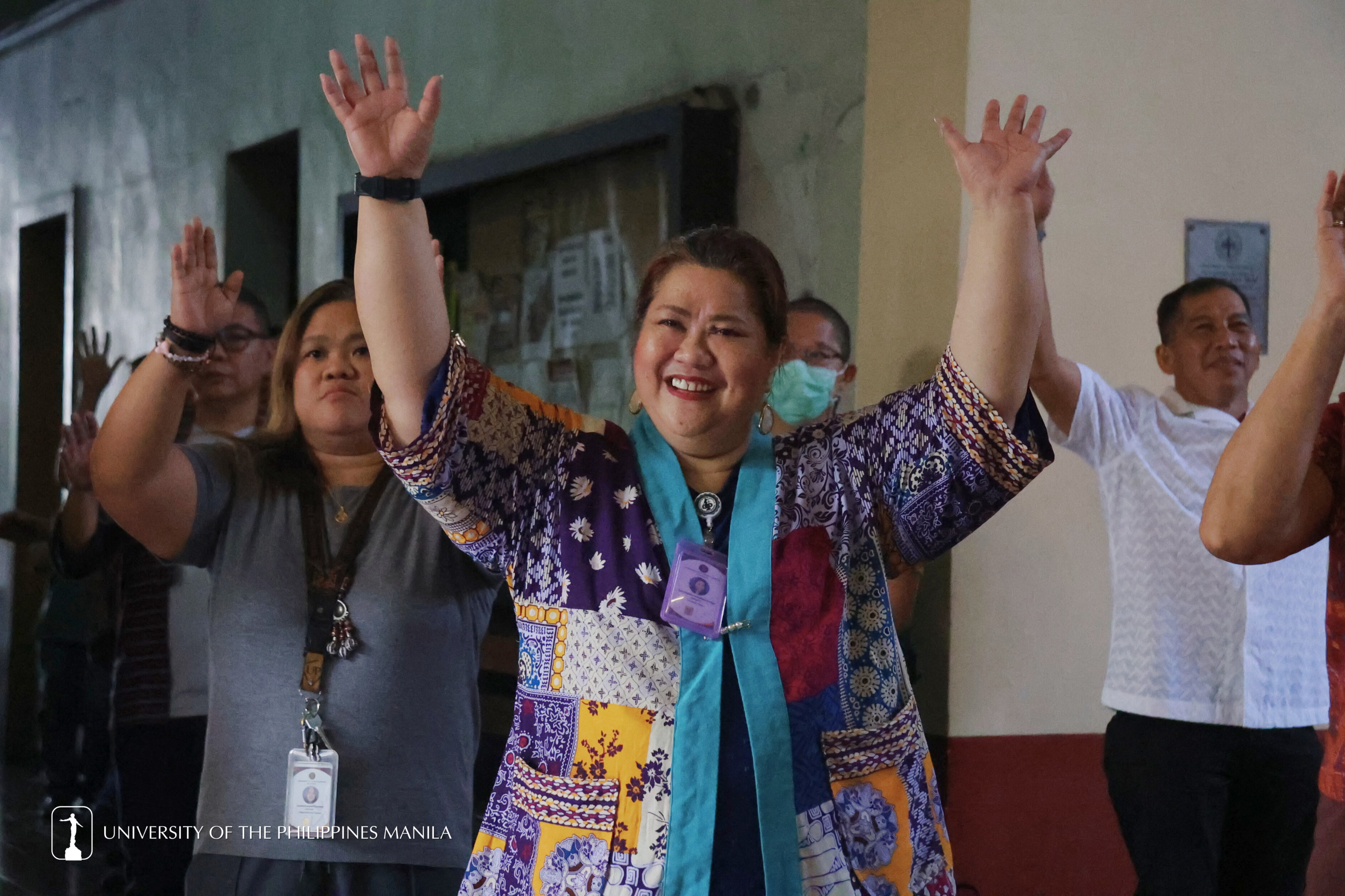
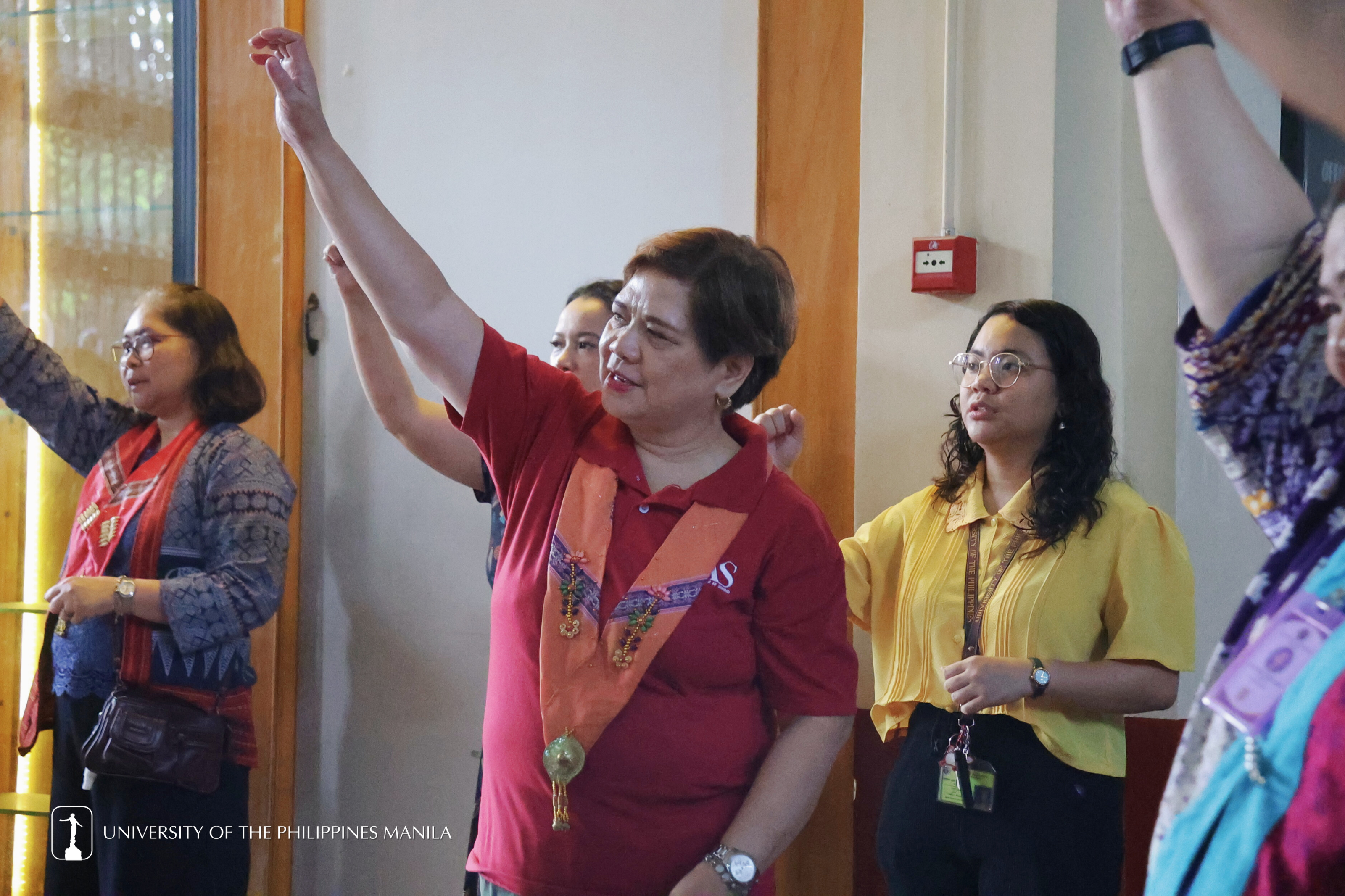
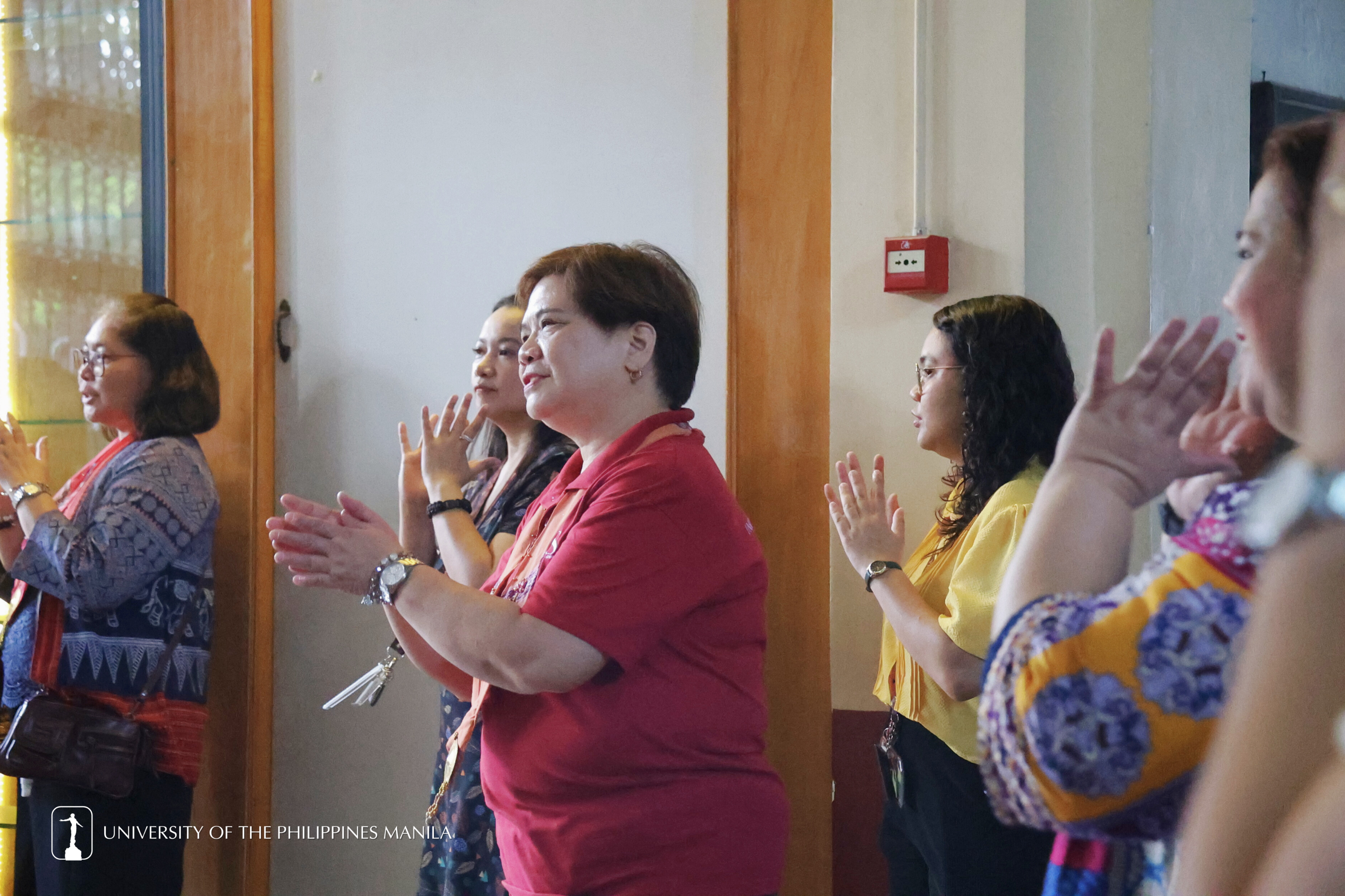
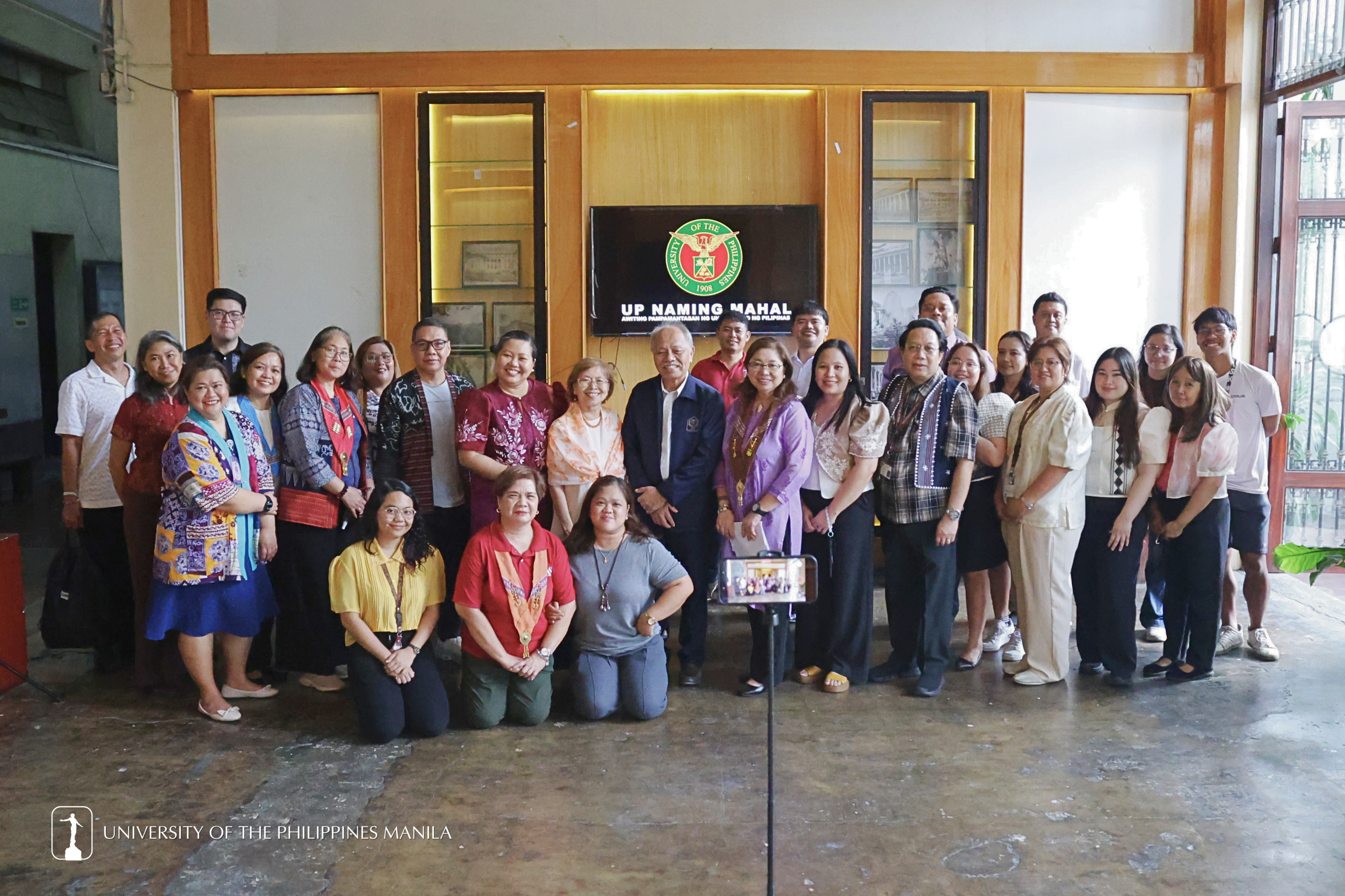
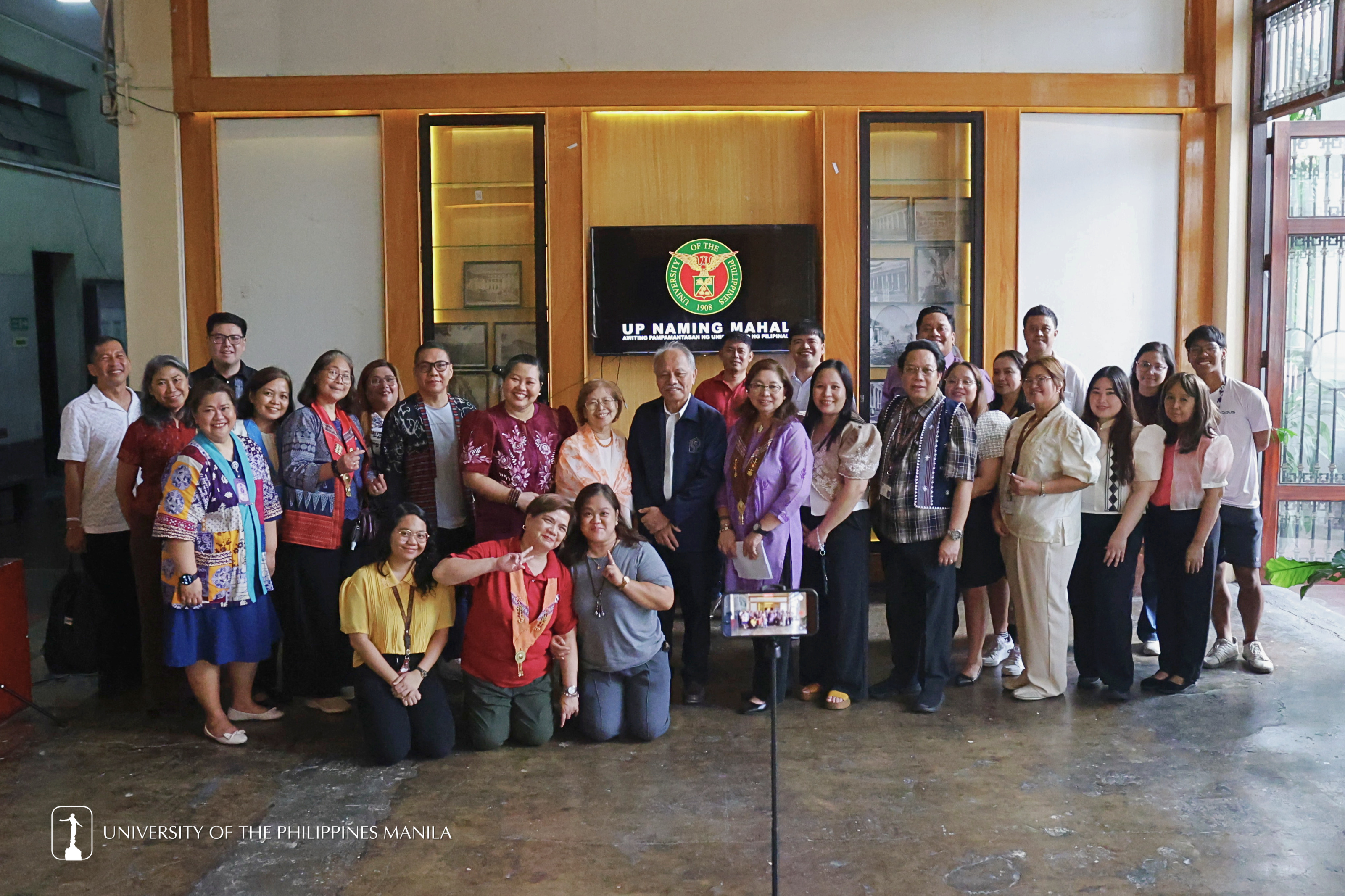
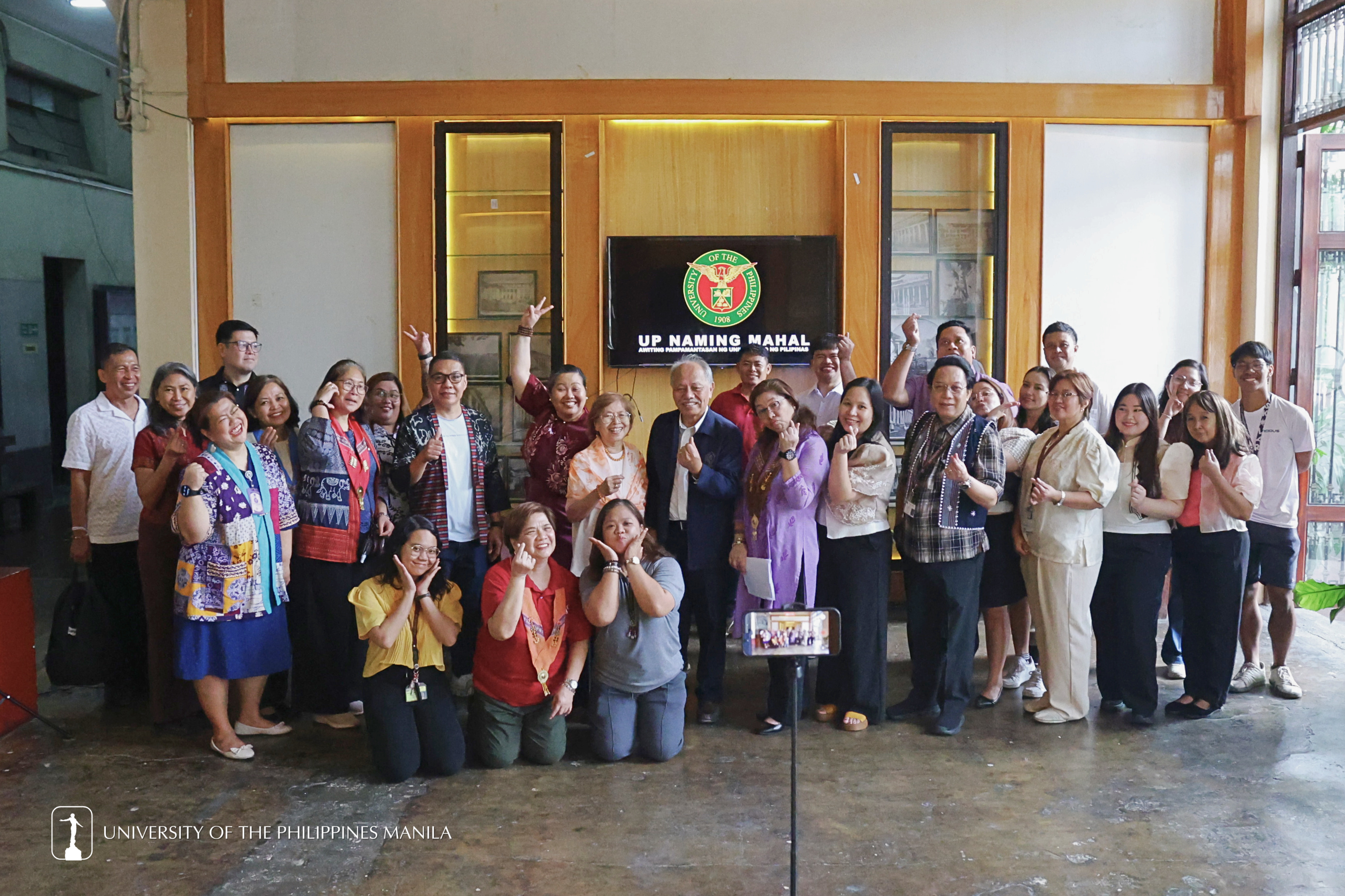
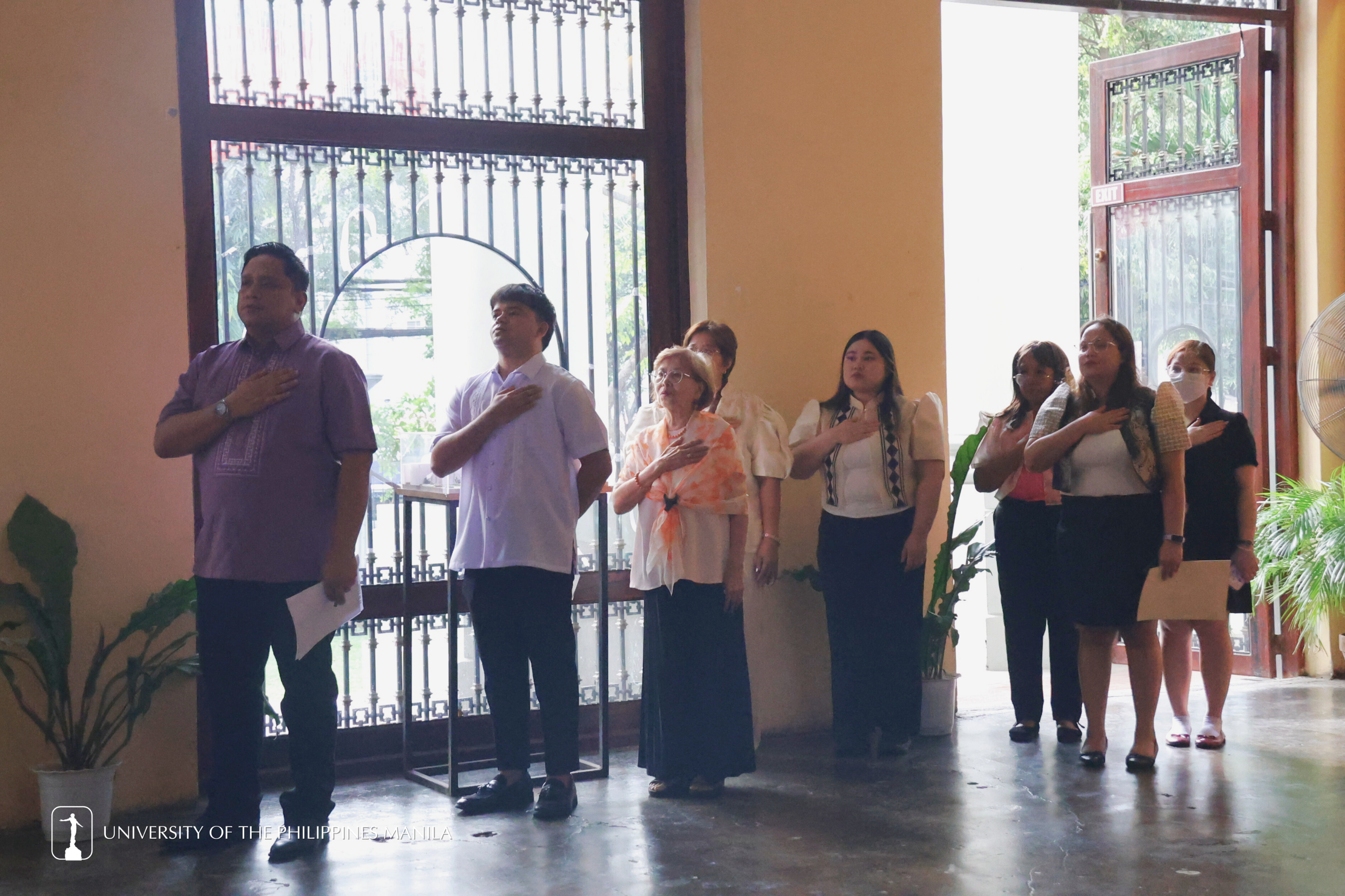
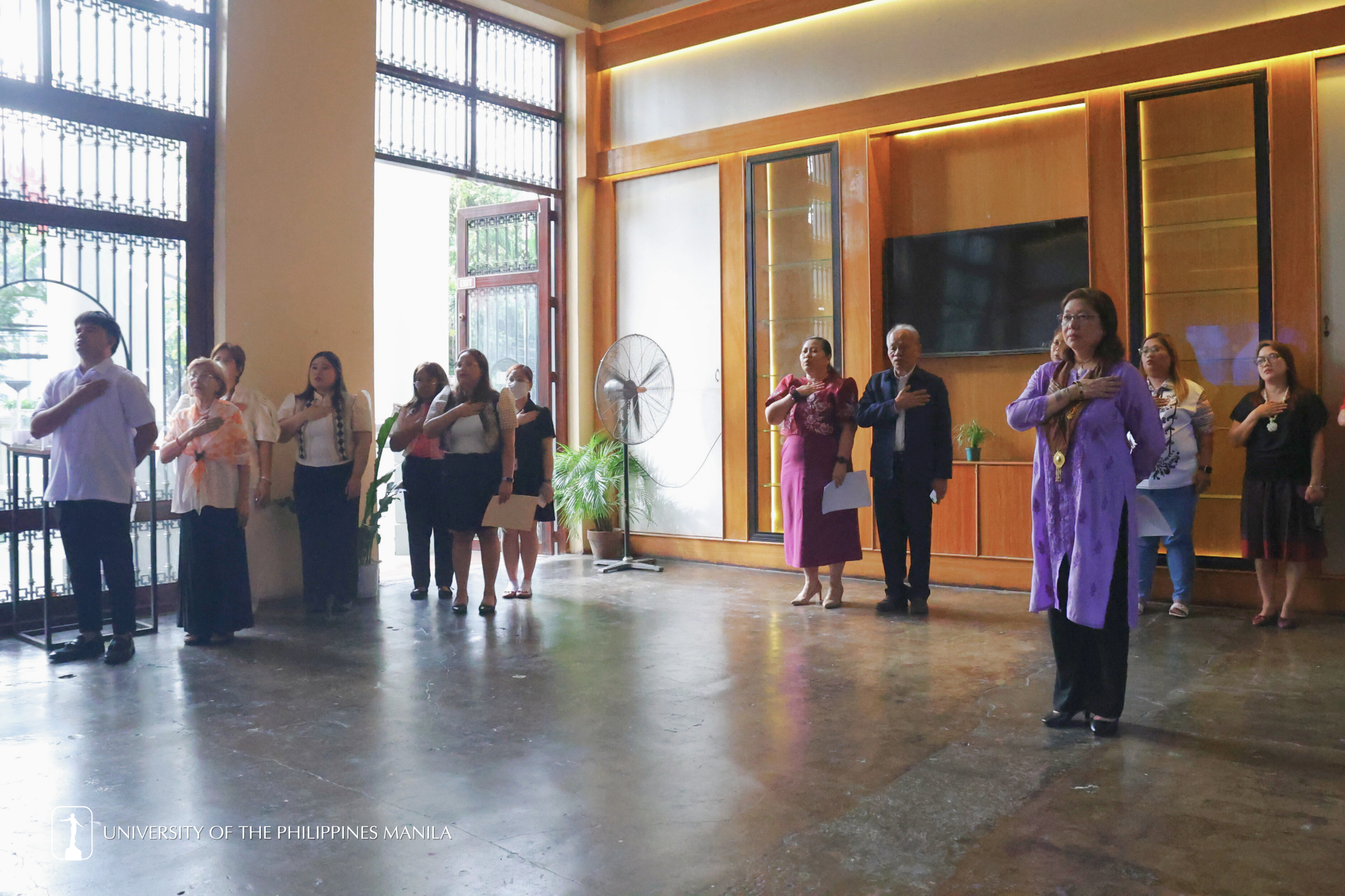
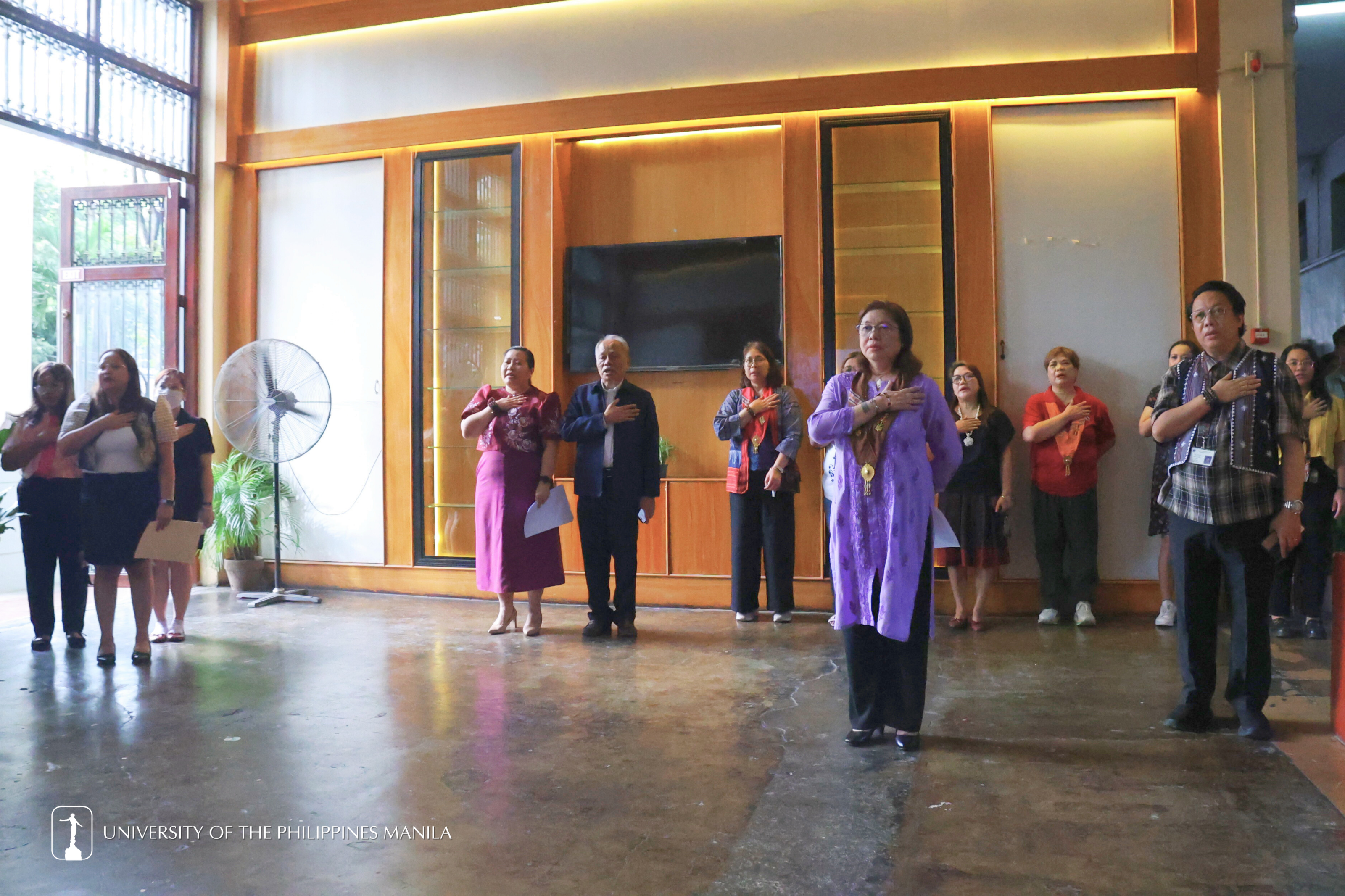
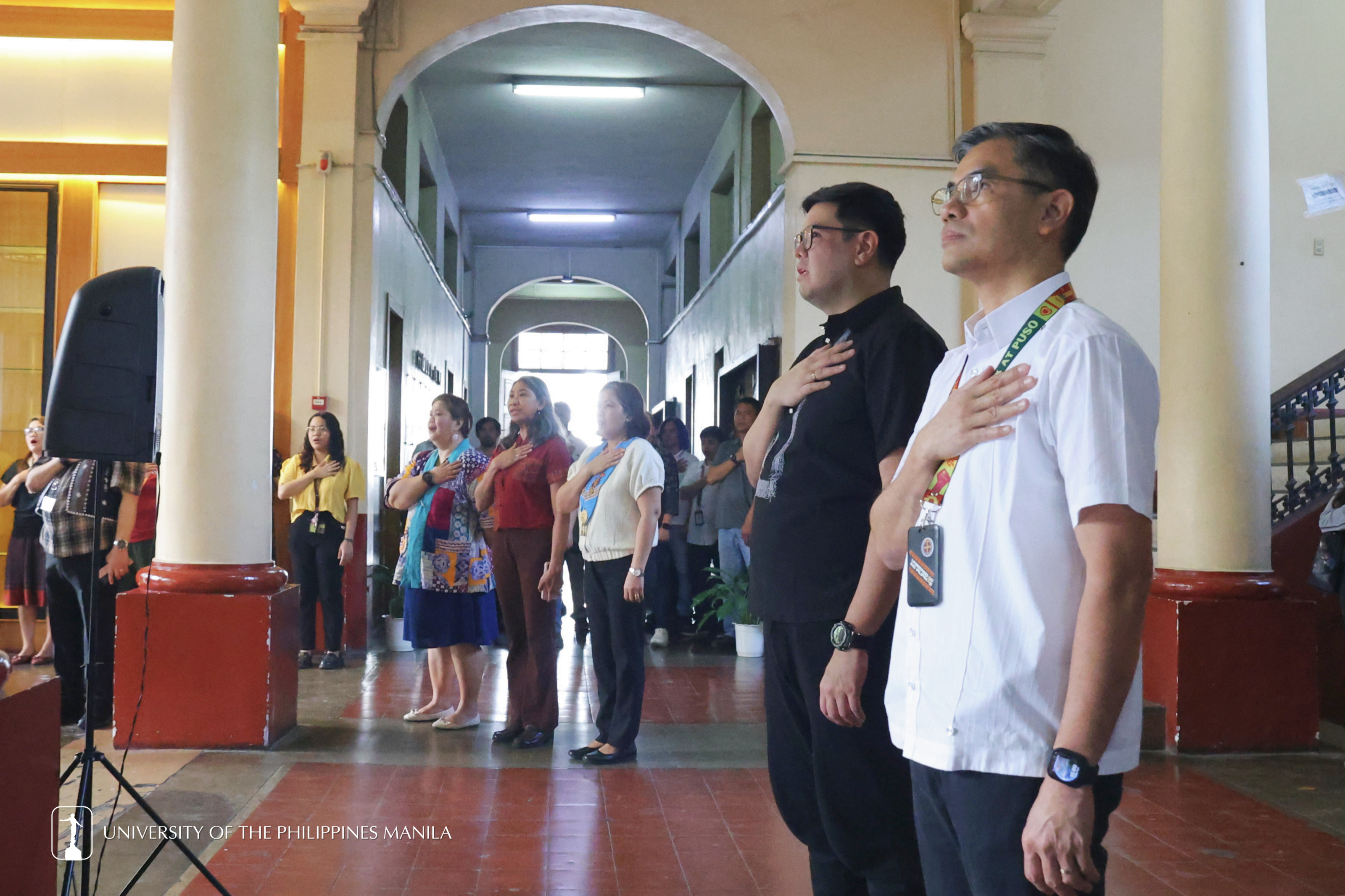
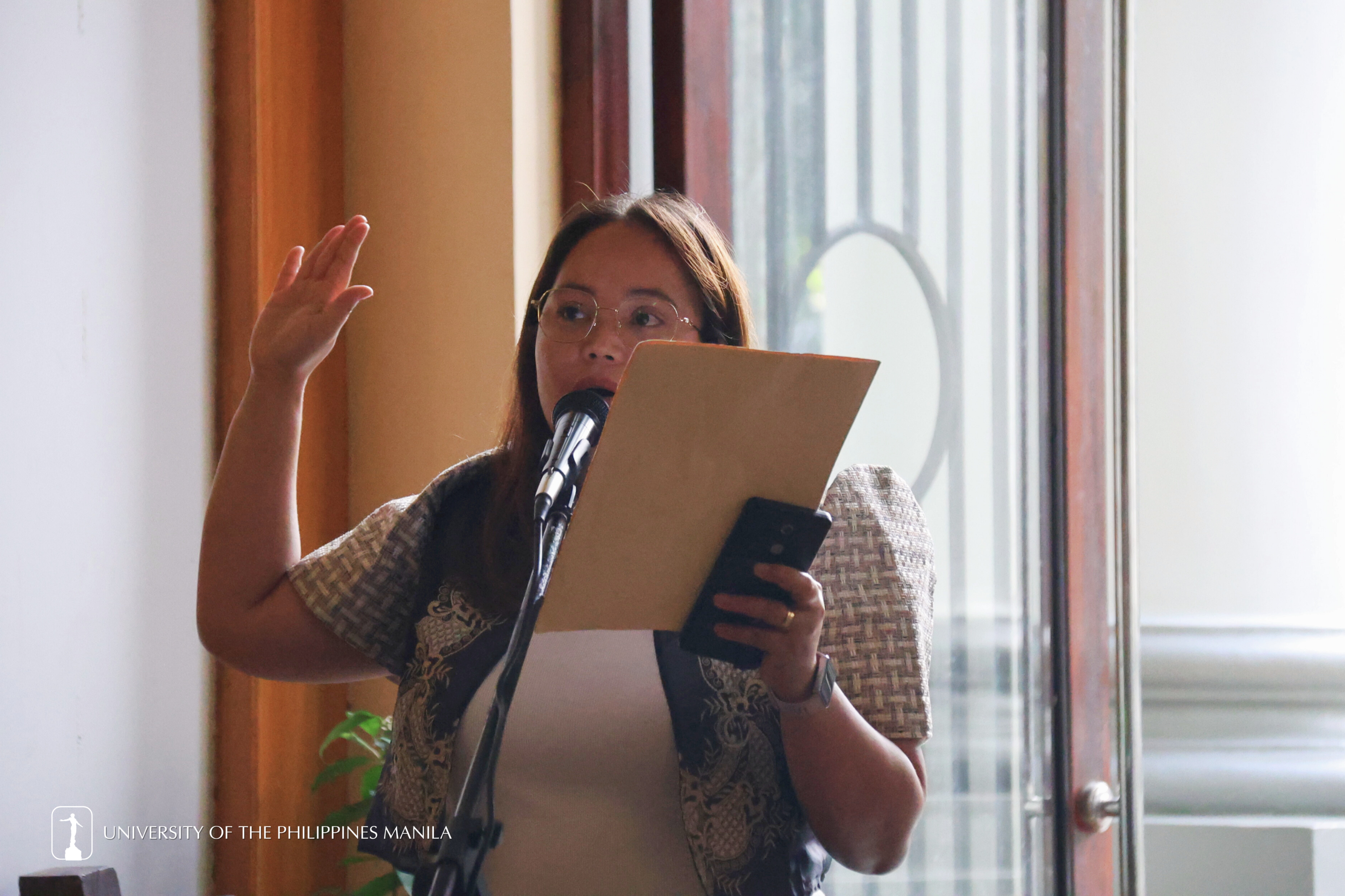
During its flag-raising ceremony organized by the Office of the College Secretary (OCS) on March 2, 2026 at Rizal Hall Lobby, speakers highlighted that meaningful progress does not happen by chance, it begins with clear goals and is sustained through careful monitoring, documentation, and continuous improvement.
Plan-Do-Check-Act: A Framework for Excellence
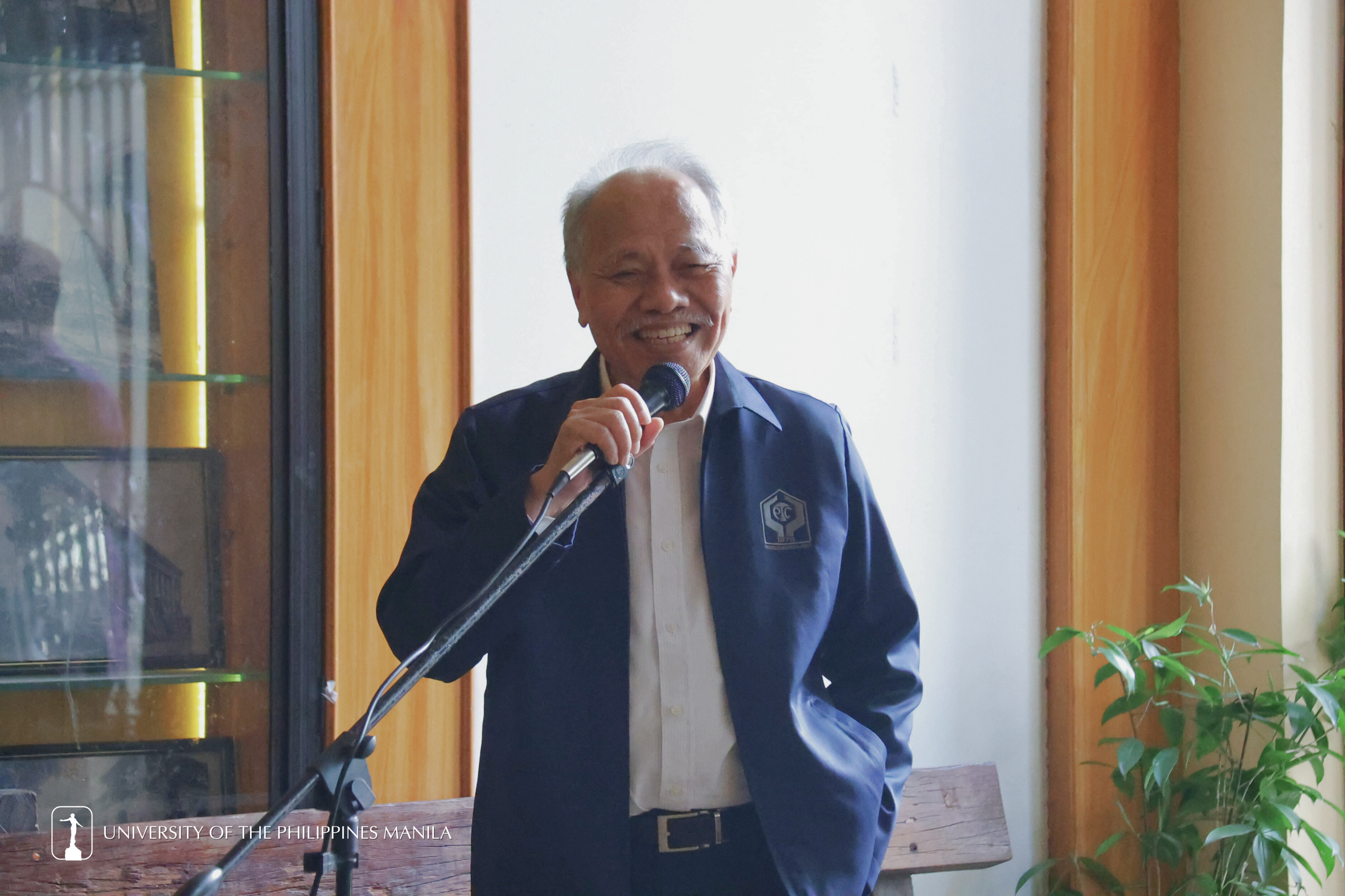
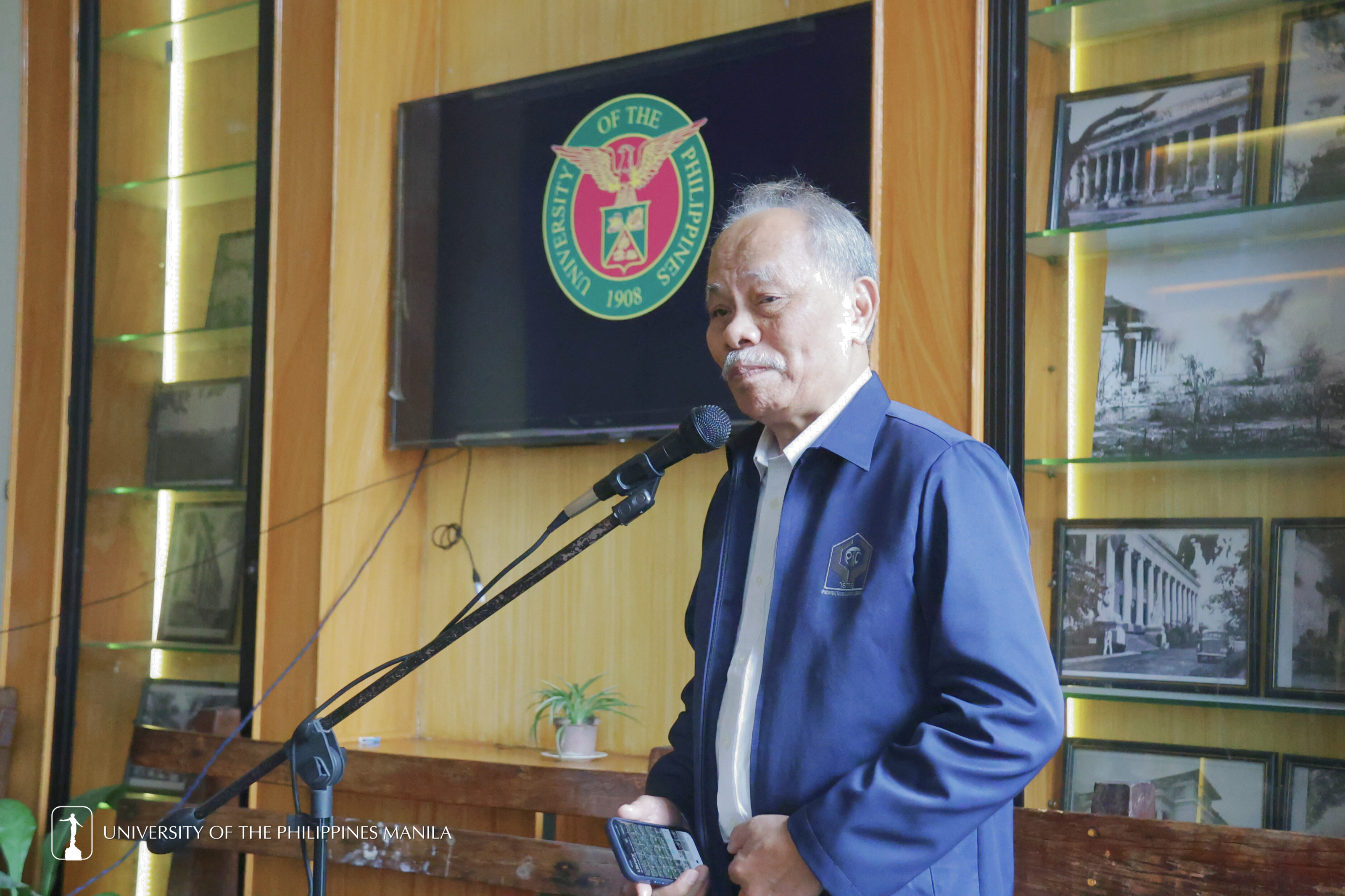
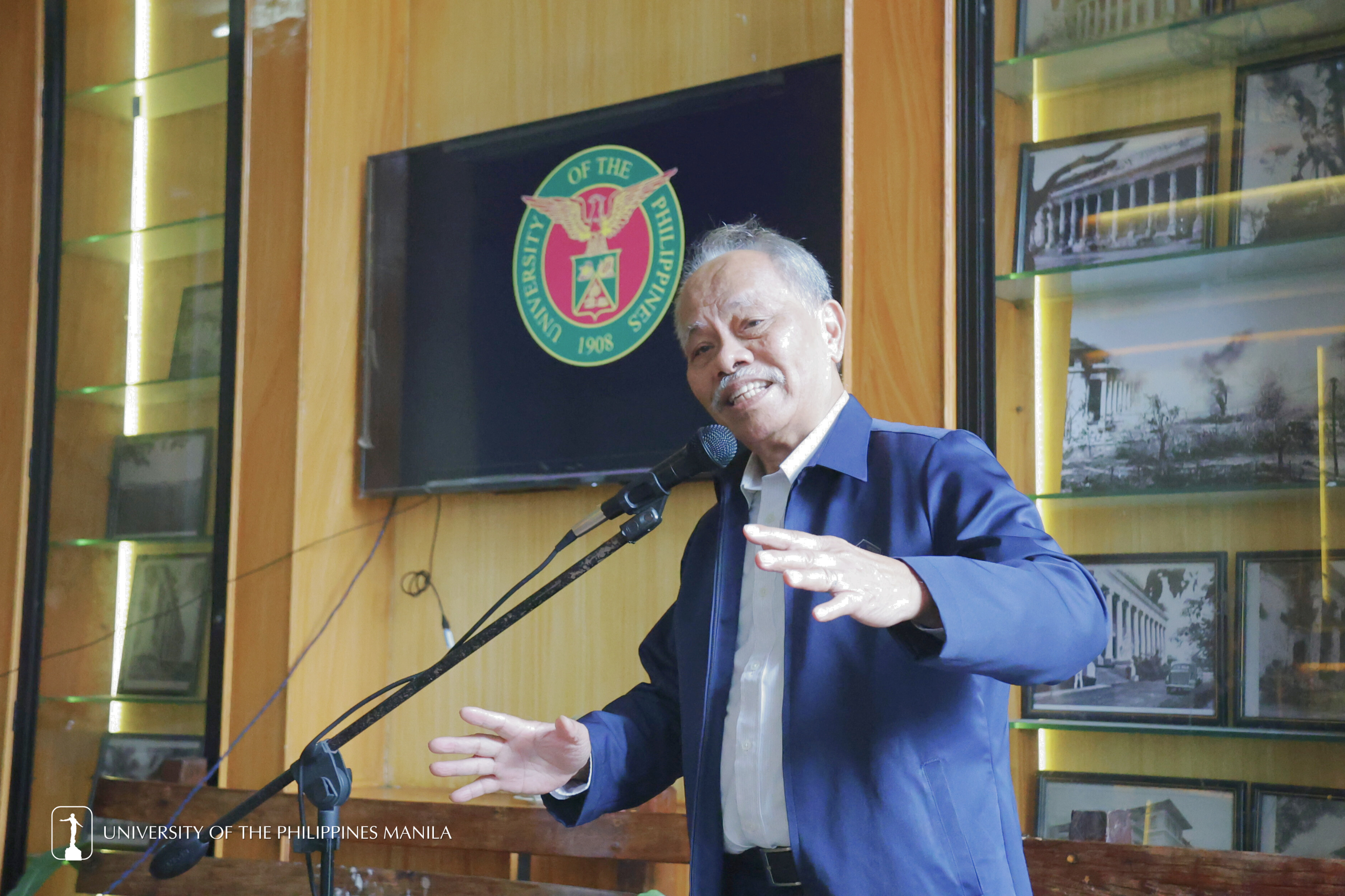
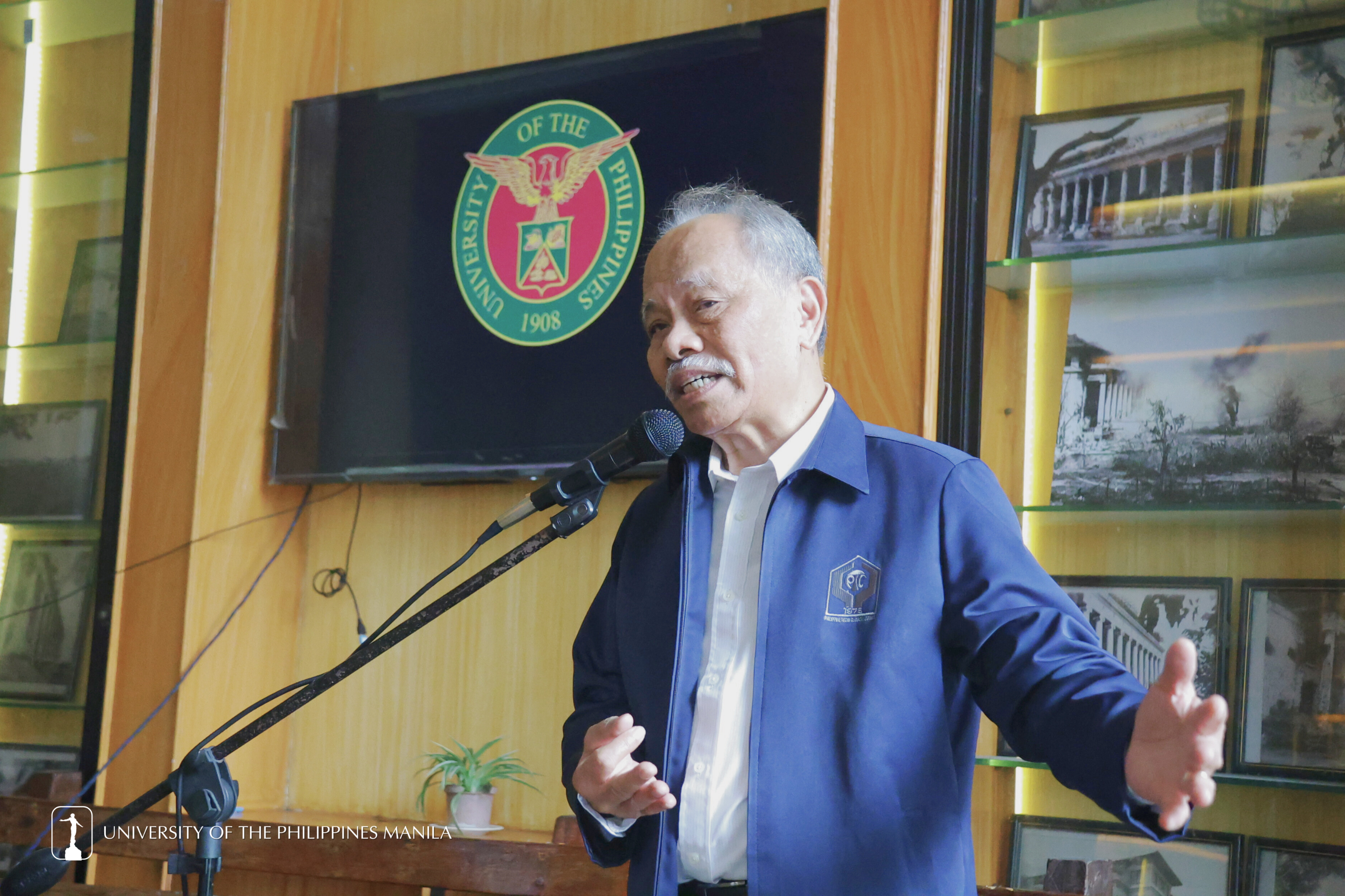
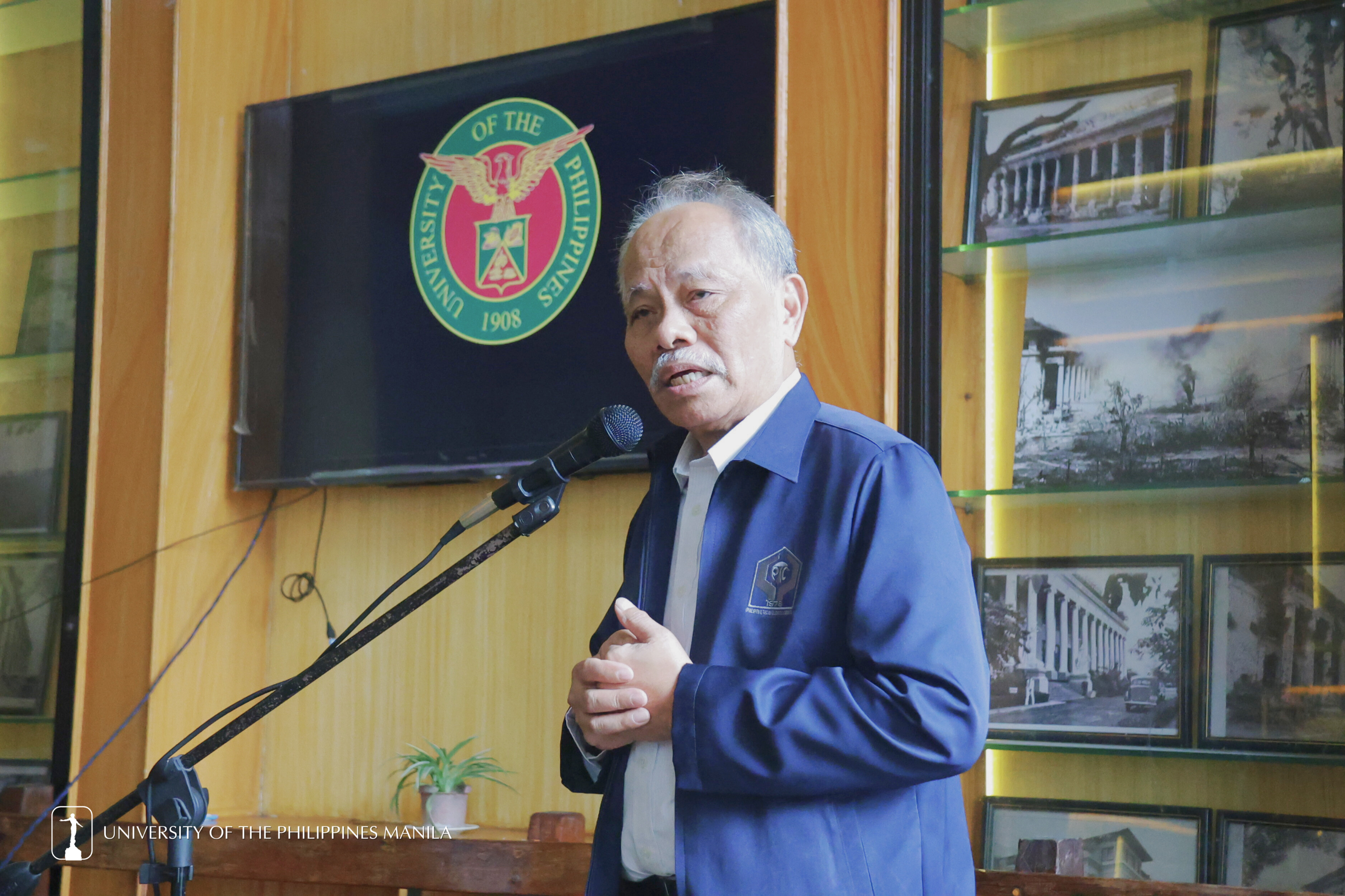
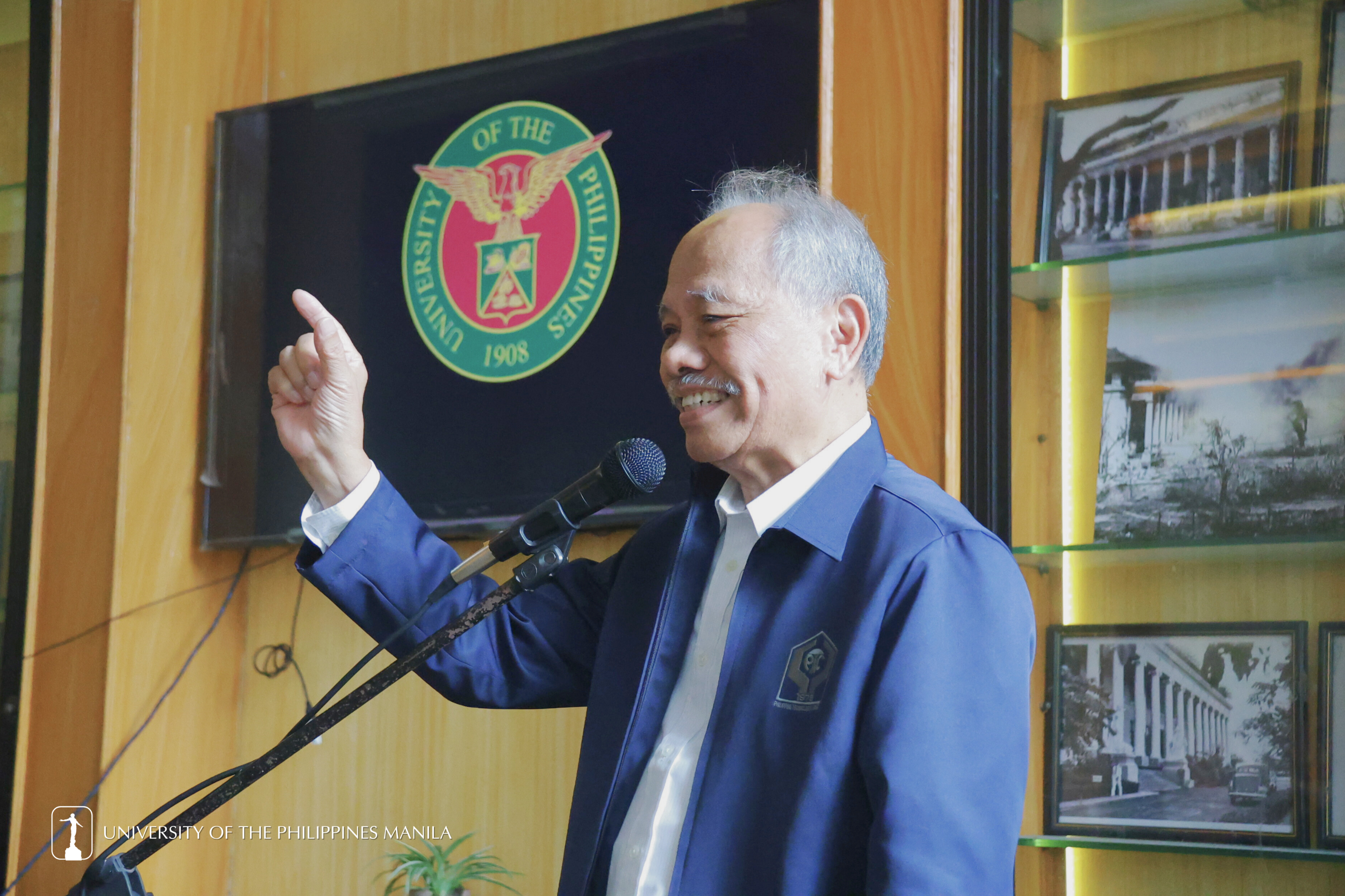
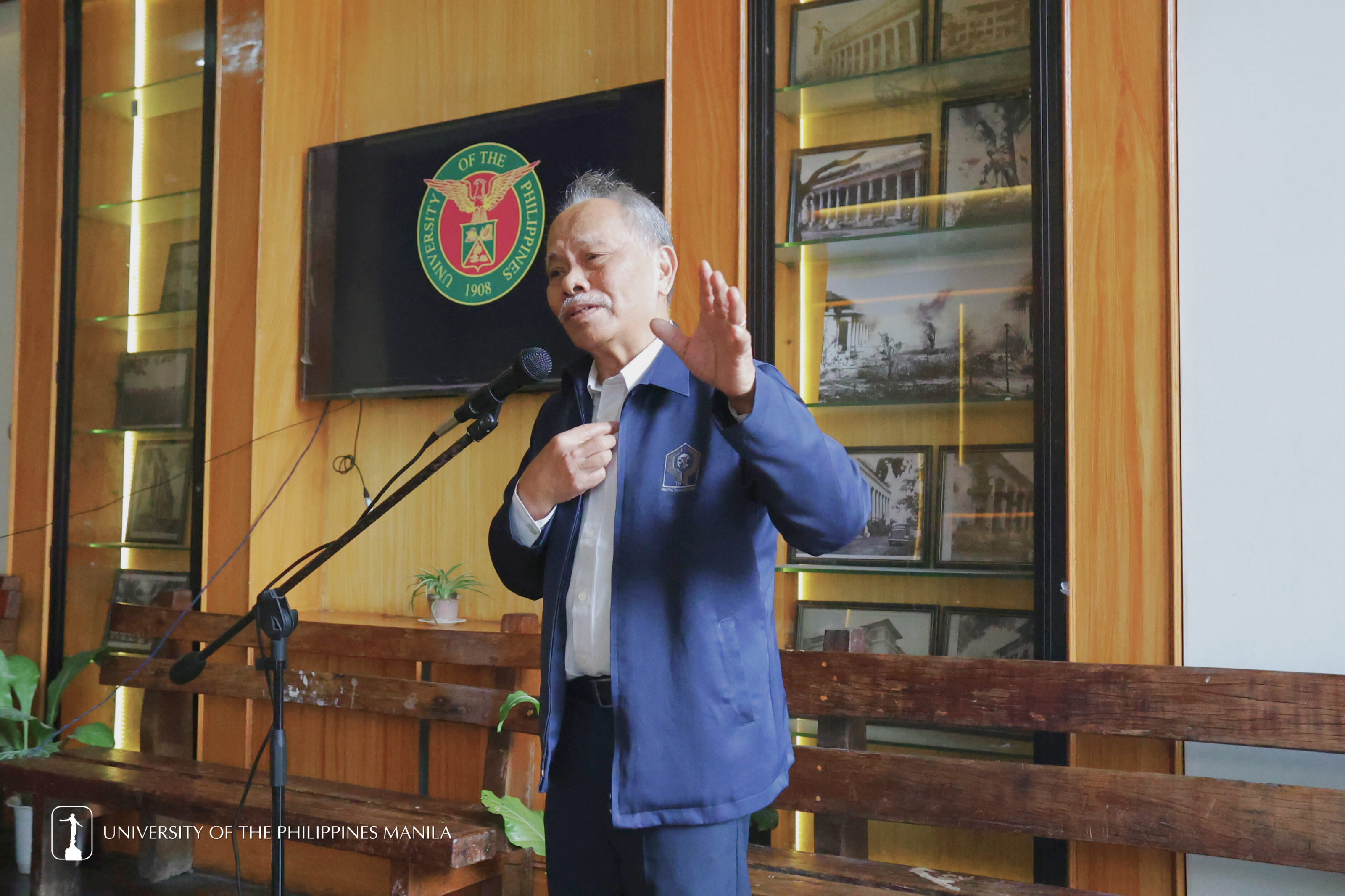
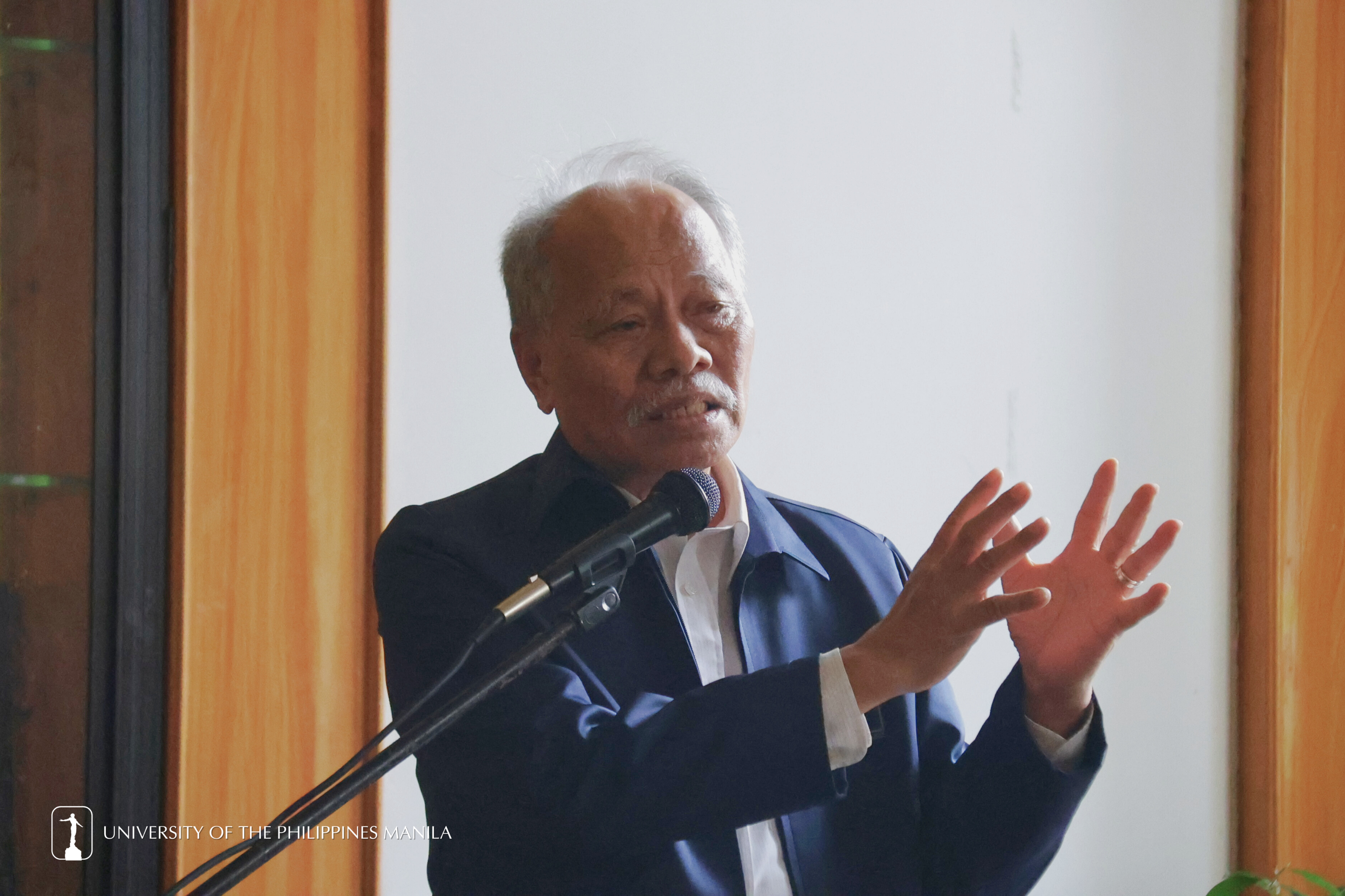
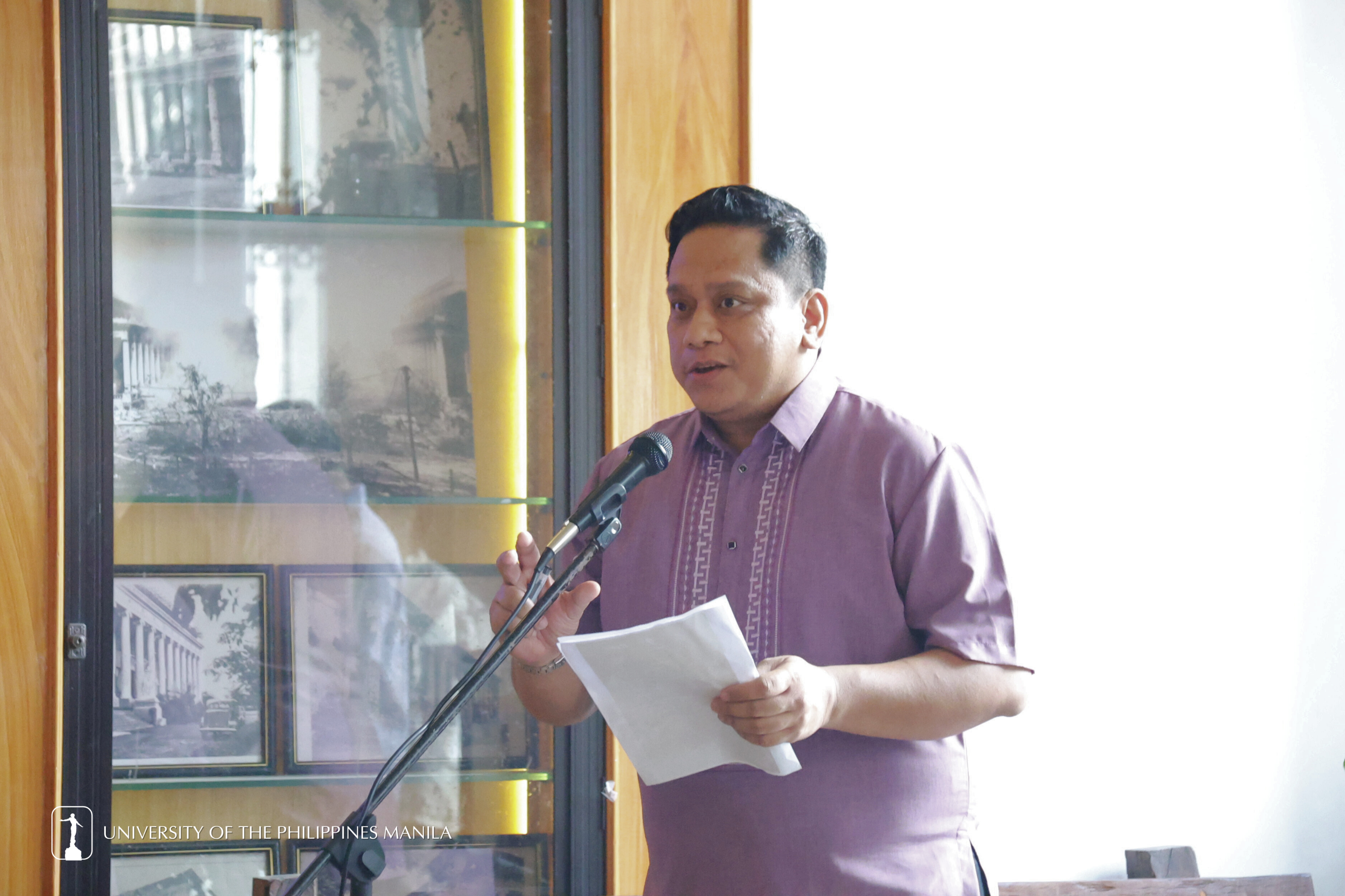
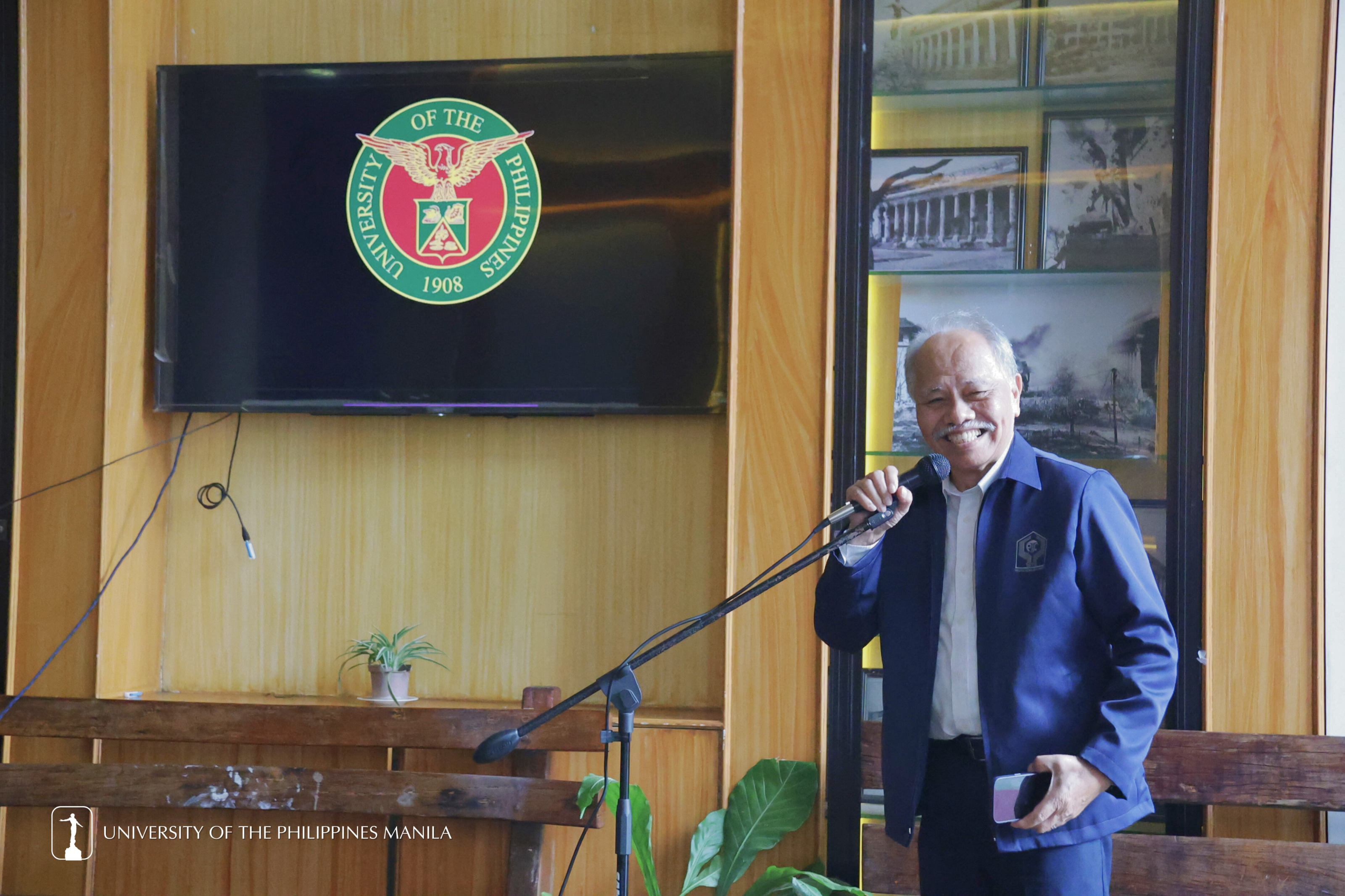
The highlight of the ceremony was the keynote address of Engr. Federico A. Monsada, an expert metallurgical engineer and leader in engineering accreditation and quality systems in the Philippines. Drawing from decades of experience in industry and professional regulation, he emphasized the critical role of information, planning, and monitoring in achieving institutional excellence.
Using the Plan-Do-Check-Act (PDCA) cycle, Engr. Monsada explained how continuous improvement should guide academic processes.
“Check if there is a difference between the target and the actual. Then act on that difference,” he said.
He illustrated this through the issue of graduate preparedness. A student may graduate with strong academic credentials, but if workplace performance falls short of expectations, institutions must reflect on possible gaps. He stressed the importance of examining stakeholder needs, including employers, to ensure that graduates are equipped for real-world demands.
Engr. Monsada shared that during early accreditation efforts, the recurring issue they encountered was “mismatch.” In response, they developed criteria aimed at eliminating gaps between academic outcomes and industry or societal expectations.
According to him, universities serve two essential purposes: to produce new knowledge and to develop competent manpower for nation-building. Achieving these goals begins with a clear and intentional plan defining the kind of graduate the institution aims to produce and the kind of knowledge it seeks to generate. Only through clarity of purpose, he emphasized, can programs ensure relevance and meaningful impact.
He also underscored the importance of maintaining updated and accurate university information. This responsibility, he noted, belongs to everyone in the institution. When parents consider where to enroll their children, the university must be able to present reliable and complete information. Clear, accessible, and well-managed data strengthens institutional credibility.
Highlighting the value of documentation, he stressed the importance of evidence-based decision-making.
“I have only made evidence-based decisions or actions if I have properly monitored and recorded,” he said.
Quality Assurance as a Shared Responsibility
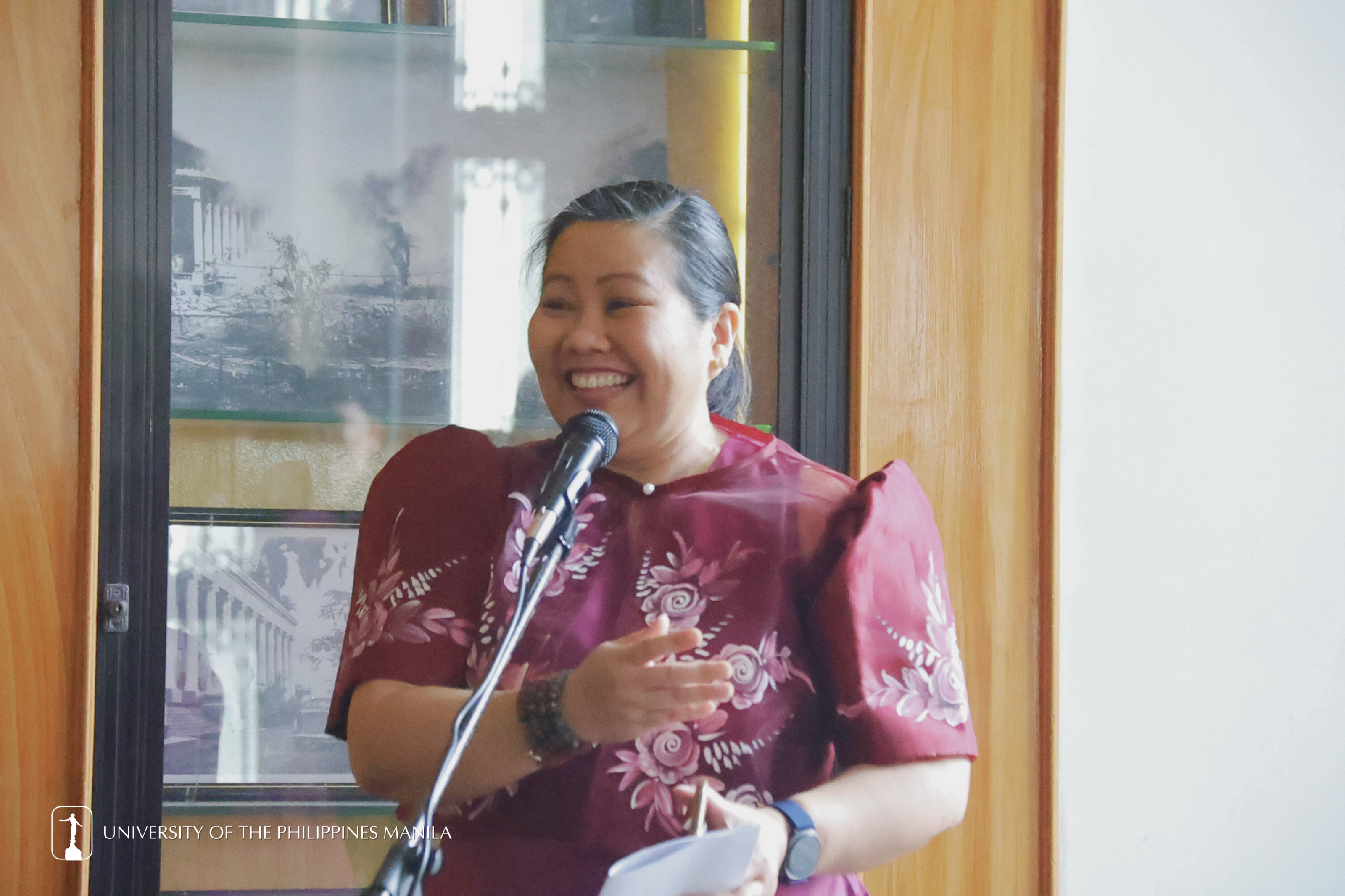
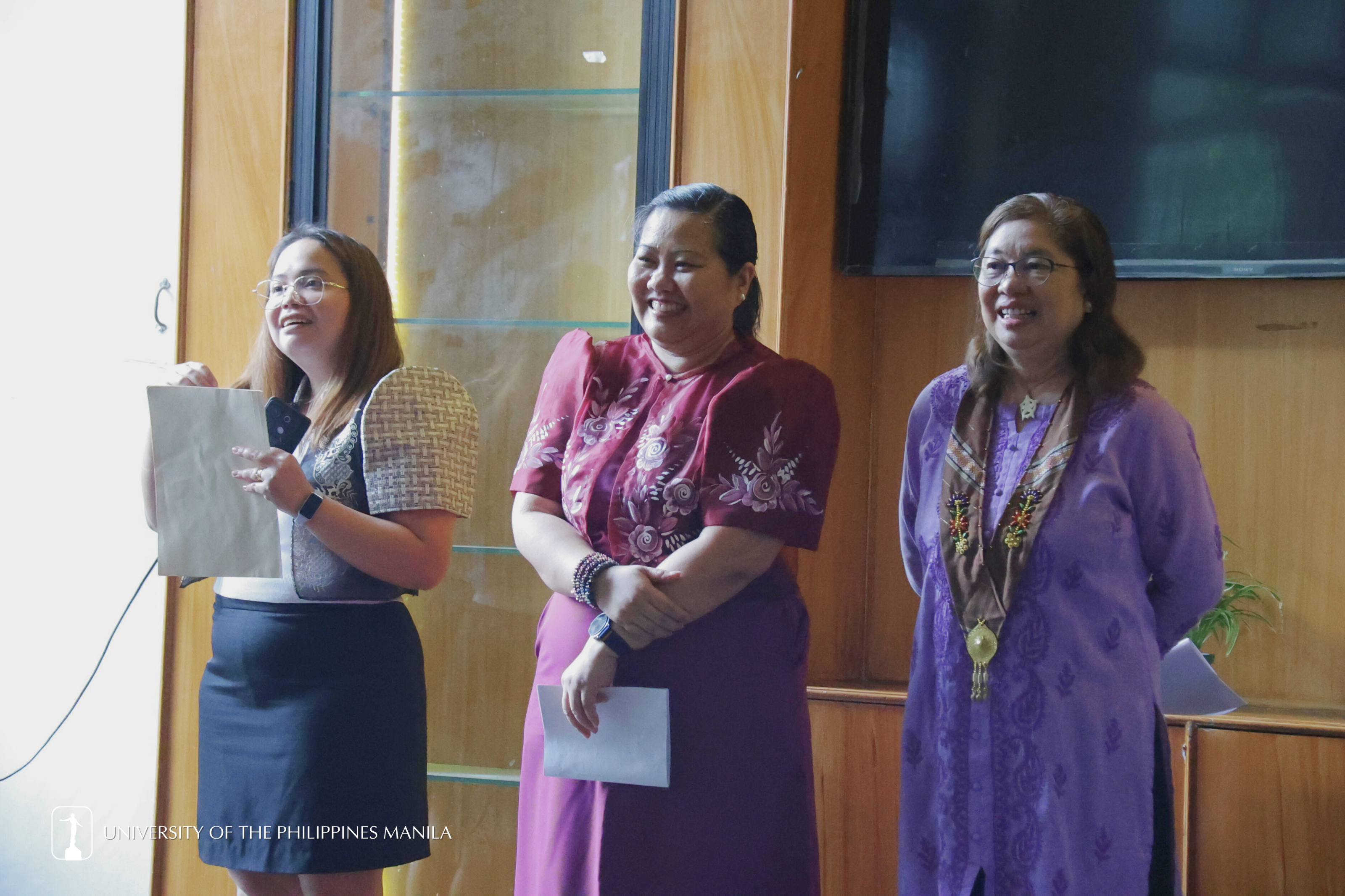
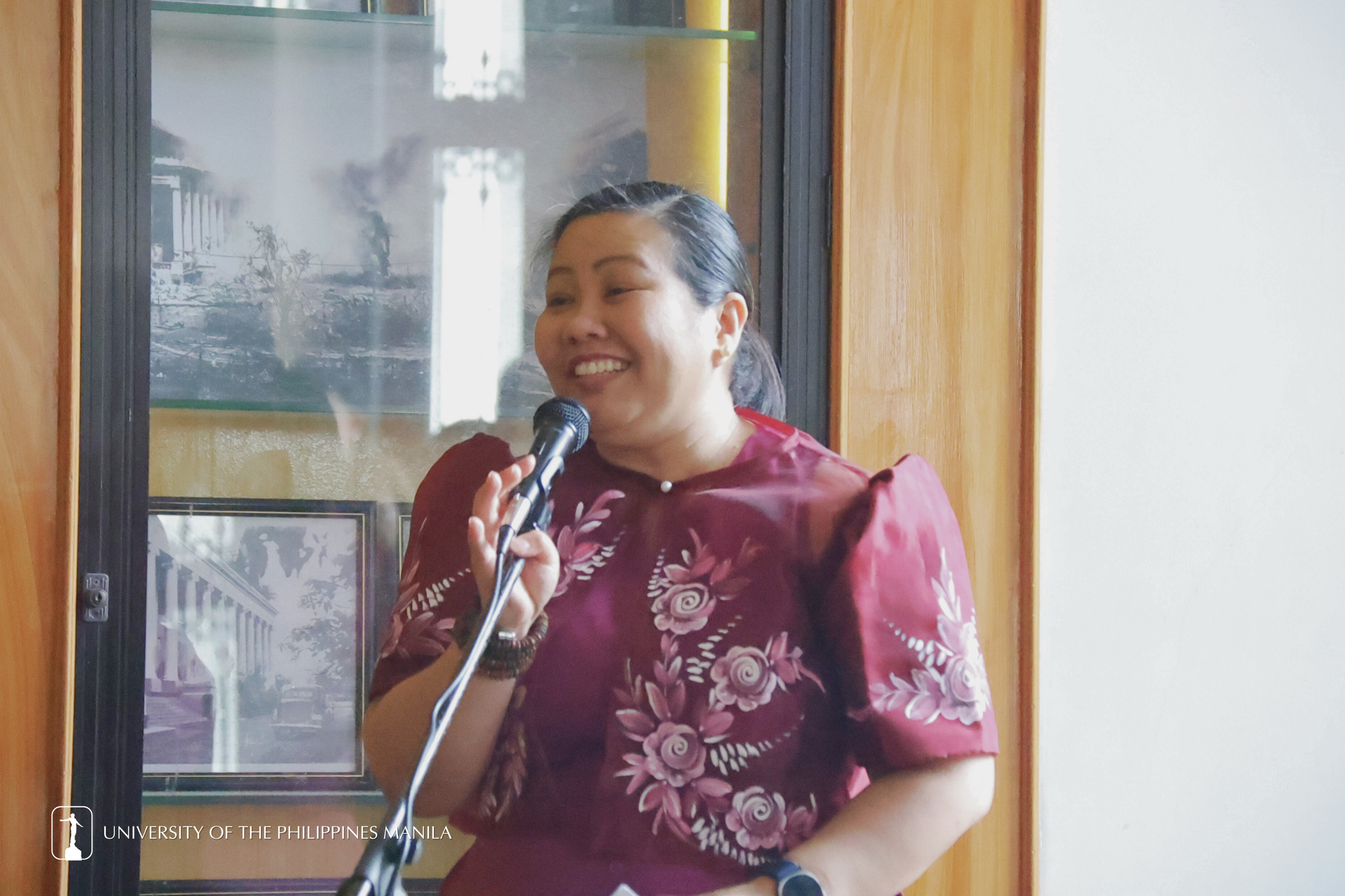
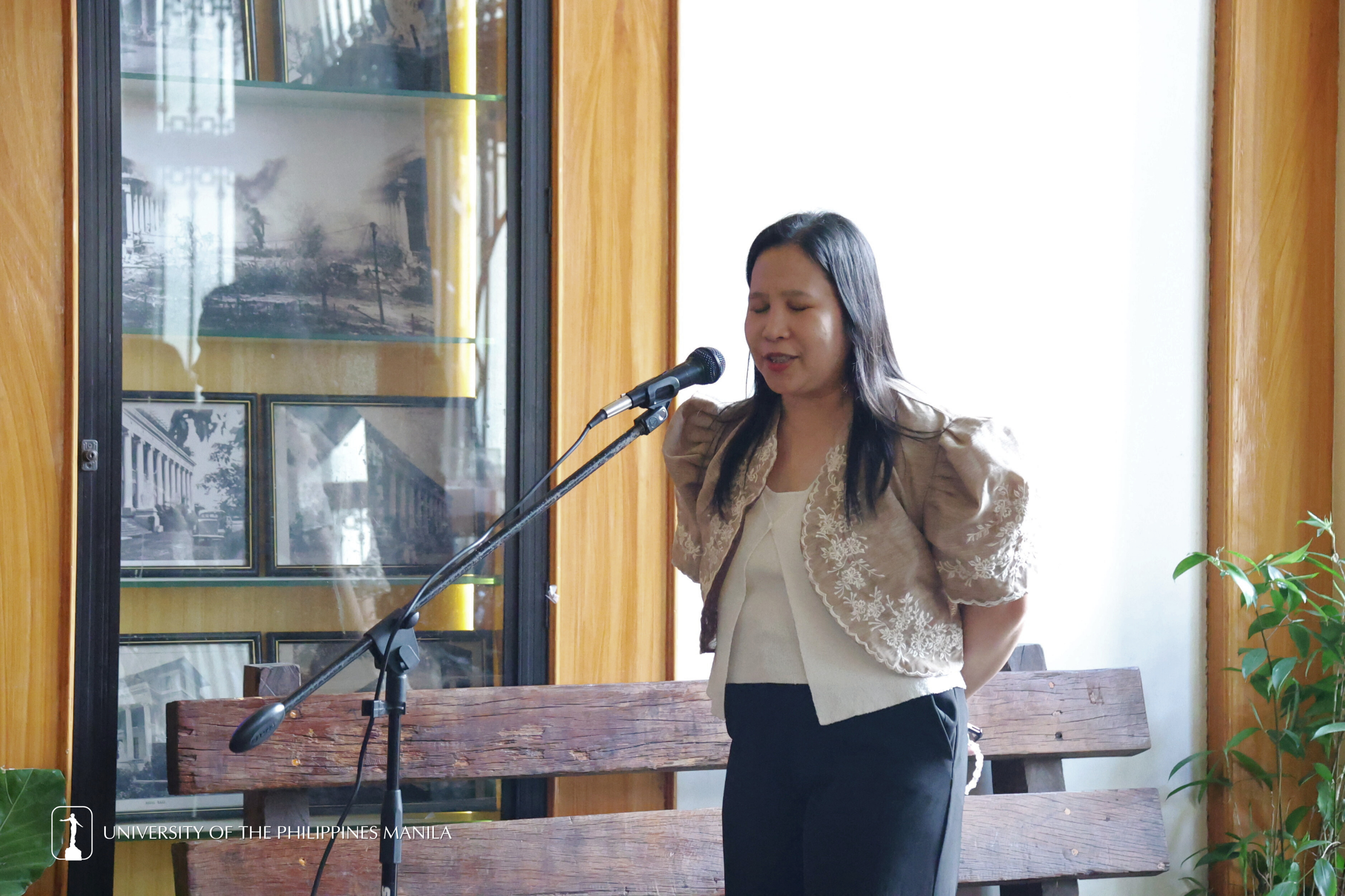
College Secretary Asst. Prof. Marie Diane Y. Monsada echoed the importance of records and collaboration in sustaining quality systems. She clarified that while records management is often associated with the OCS, quality assurance is not confined to one office.
“Kahit na ang records ay kadalasan nating maiisip na OCS ang humahawak sa pagawa ng quality assurance, ito po ay dapat na kolaborasyon ng buong kolehiyo,” said Asst. Prof. Monsada.
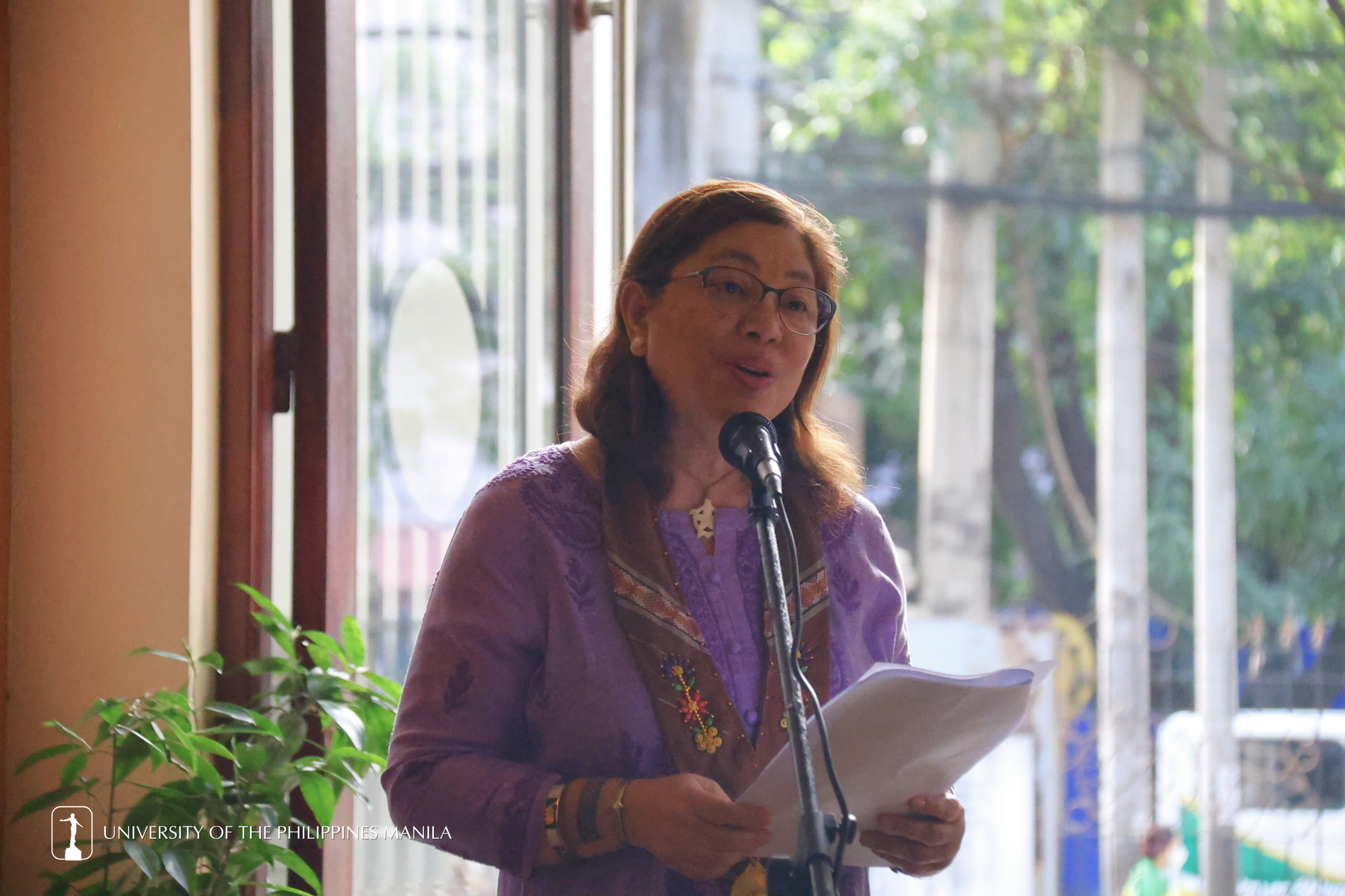
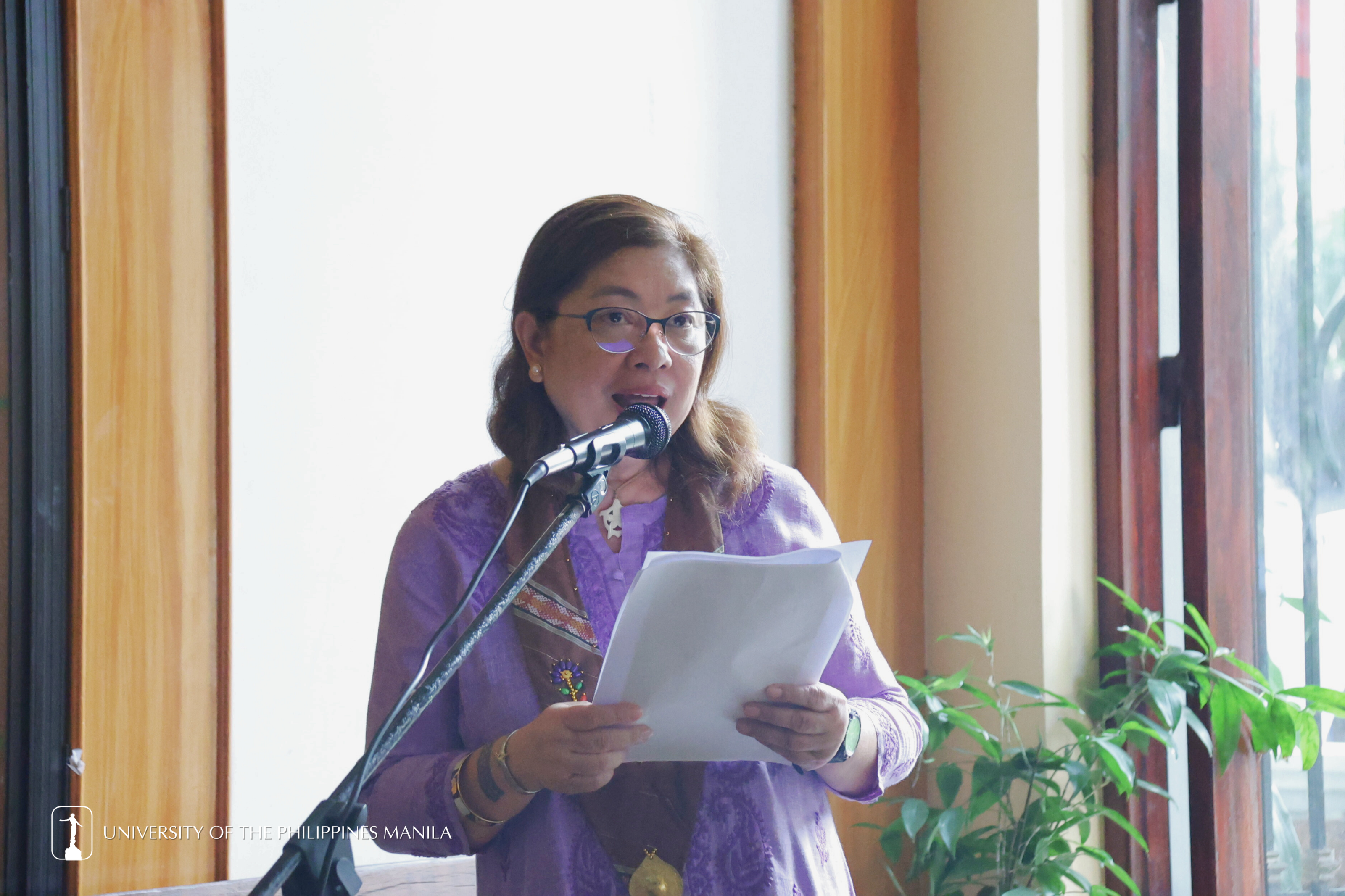
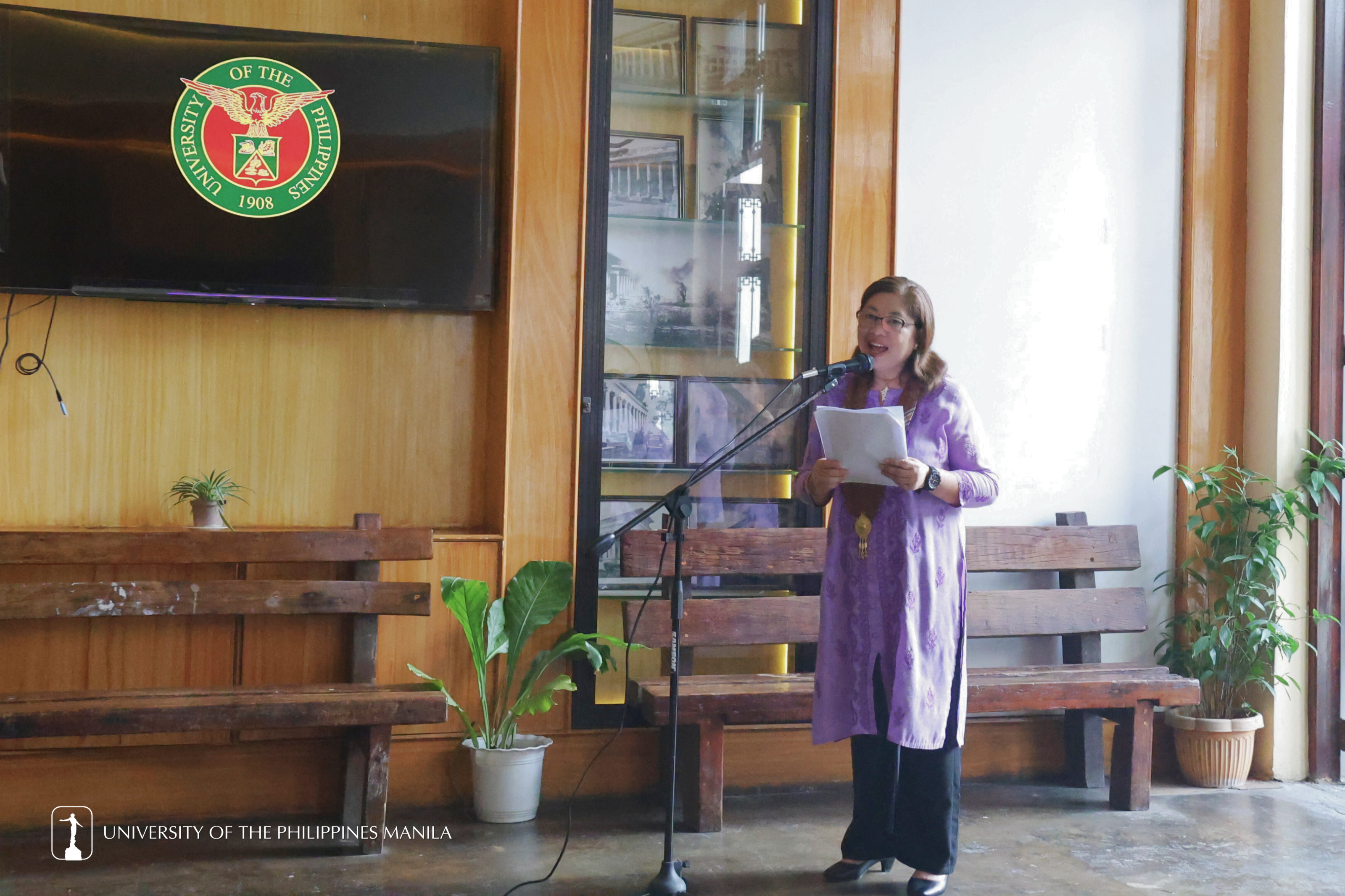
Meanwhile, CAS Dean Maria Teresa De Guzman reminded the community that excellence is best achieved through unity grounded in diversity. She emphasized that the varied talents, perspectives, and expertise within the college are its greatest strengths.
“May kakayahan tayong lahat na magdulot ng positibong pagbabago sa ating kolehiyo. Palakasin natin ang ating kolehiyo. Sa layuning Inspire, Innovate, Impact, buksan natin ang ating mga isipan sa mga bagong ideya. Makikinig kami at magiging masigasig sa paghahanap ng mga solusyon at sa pagbibigay ng mga makabuluhang resulta,” she said.




Read More:
#FP1 #Environmentthatnurturesourmindandbody