


Text and Photos by Charmaine A. Lingdas
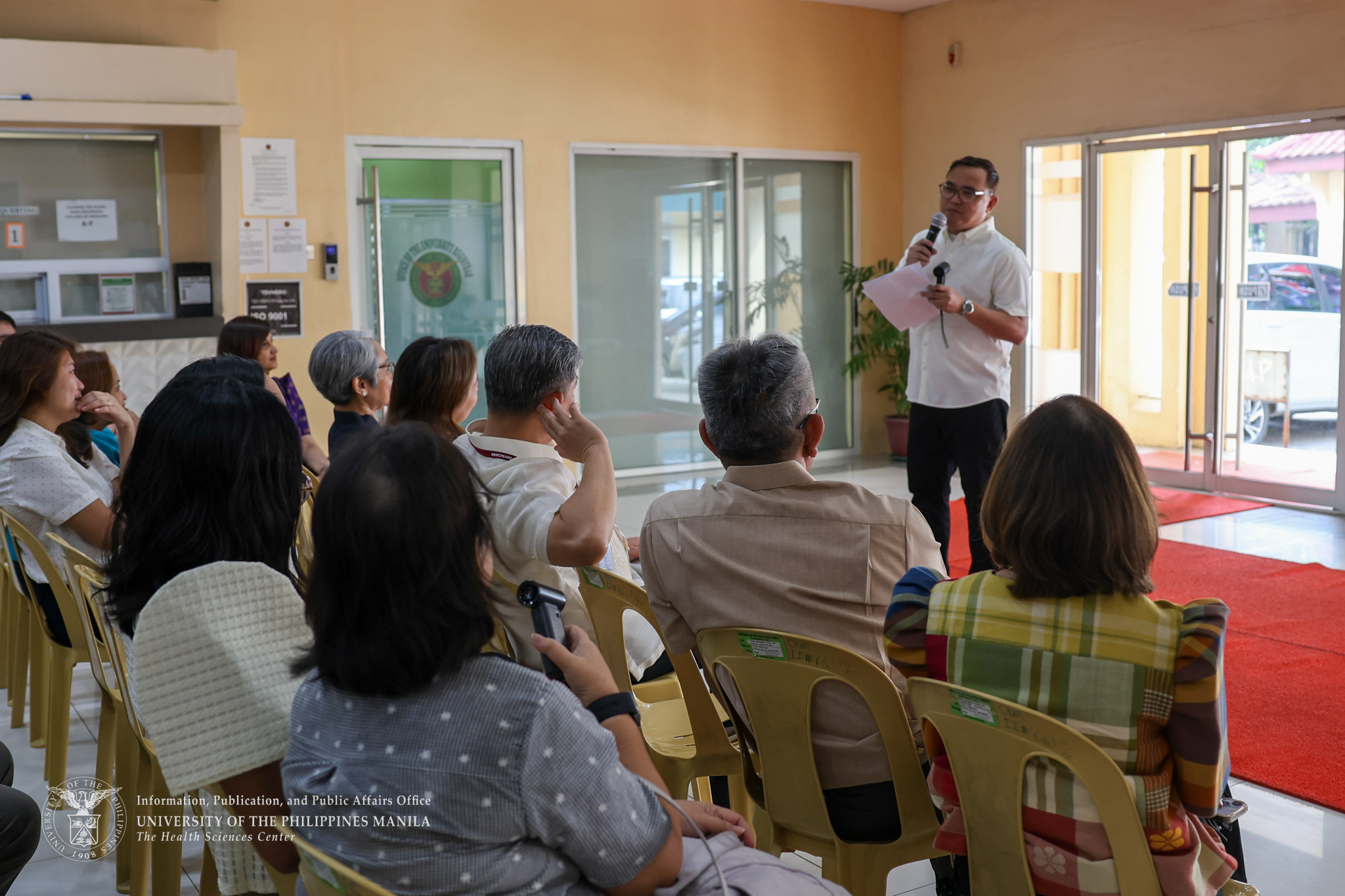
The lessons of history should not remain confined to textbooks, dates, and names of people from the past. For College of Arts and Sciences Asst. Prof. Jerome Ong, history becomes meaningful when its lessons are understood, remembered, and ultimately lived out through service to others.
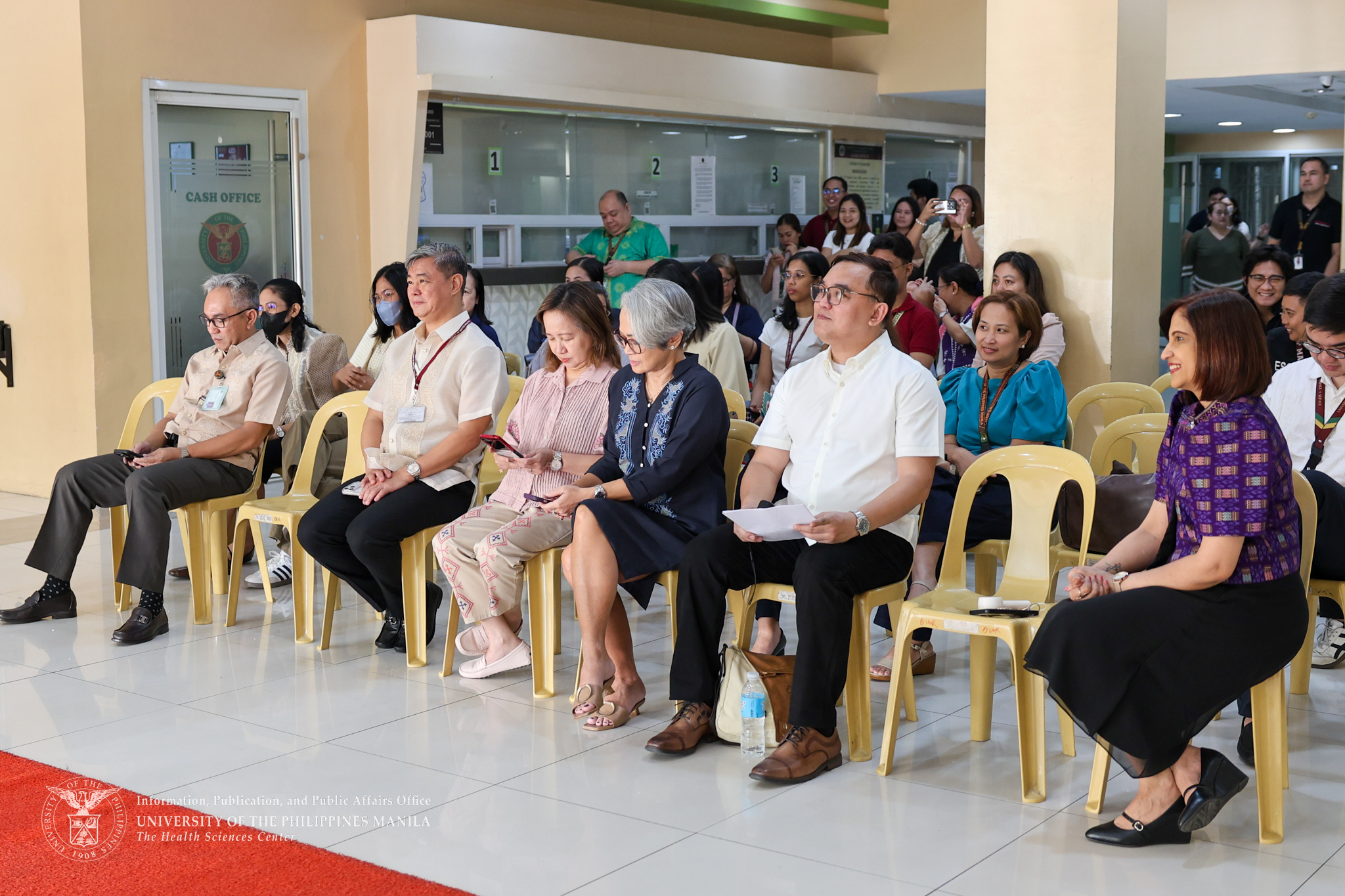
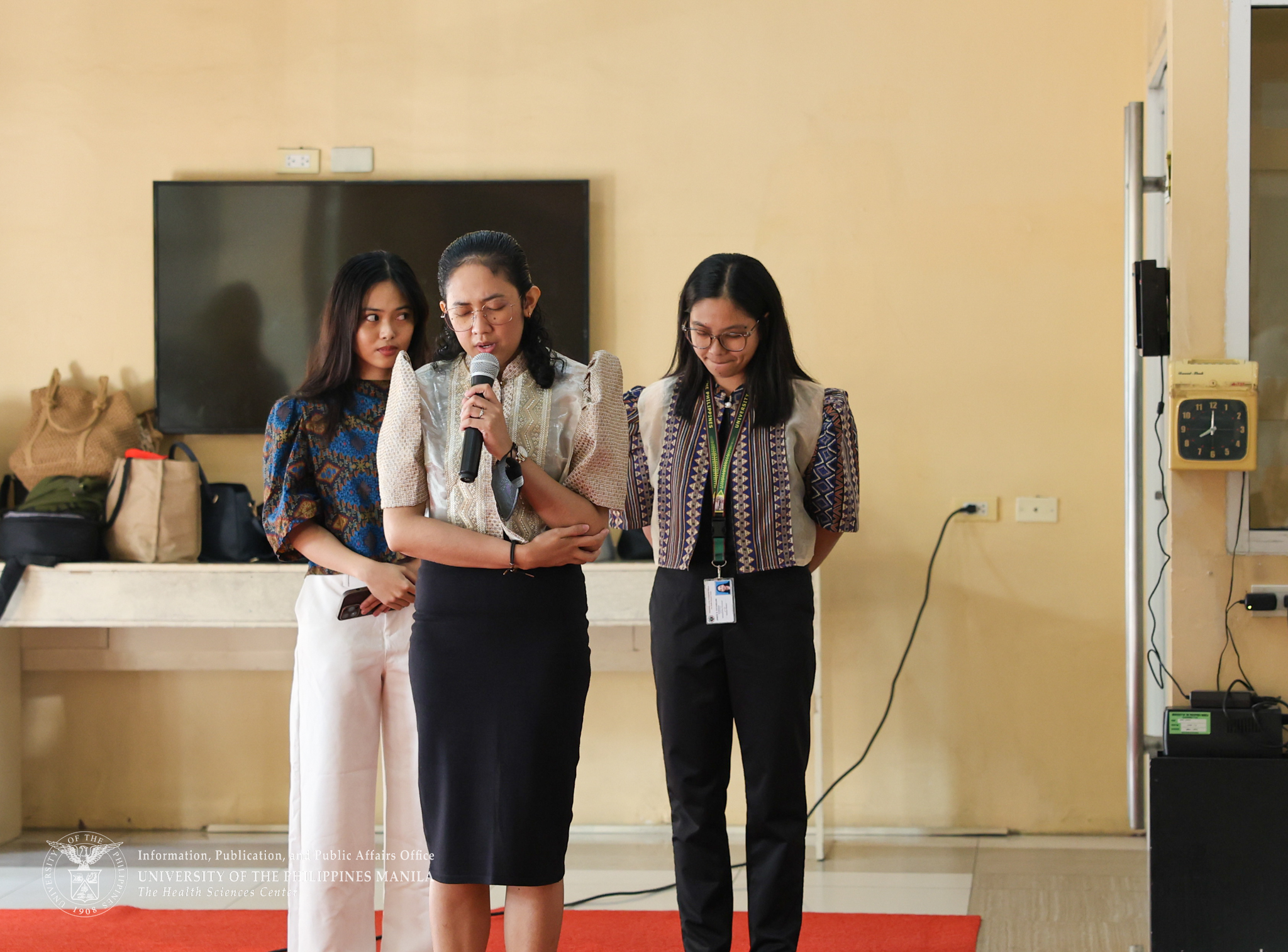
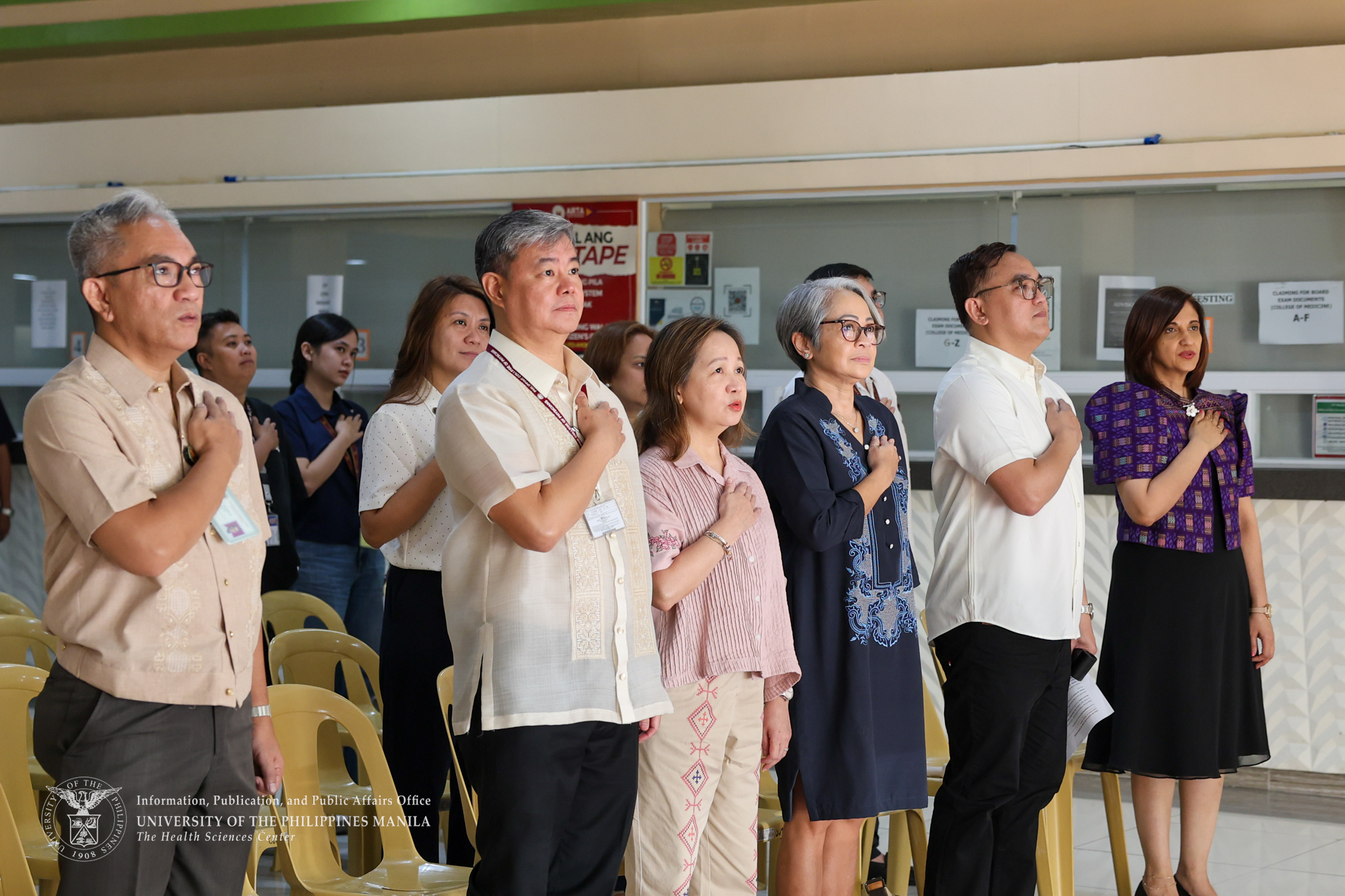
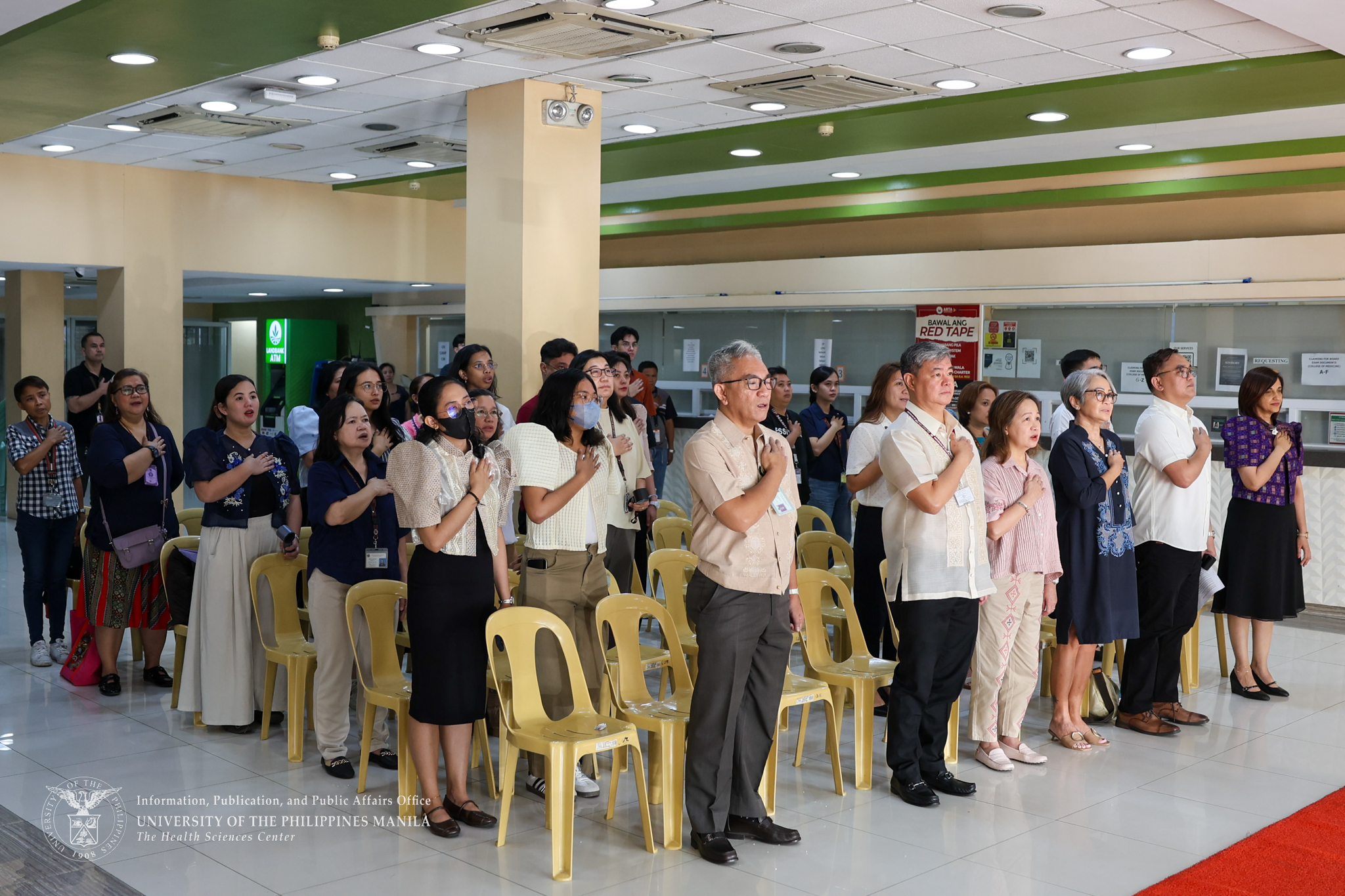
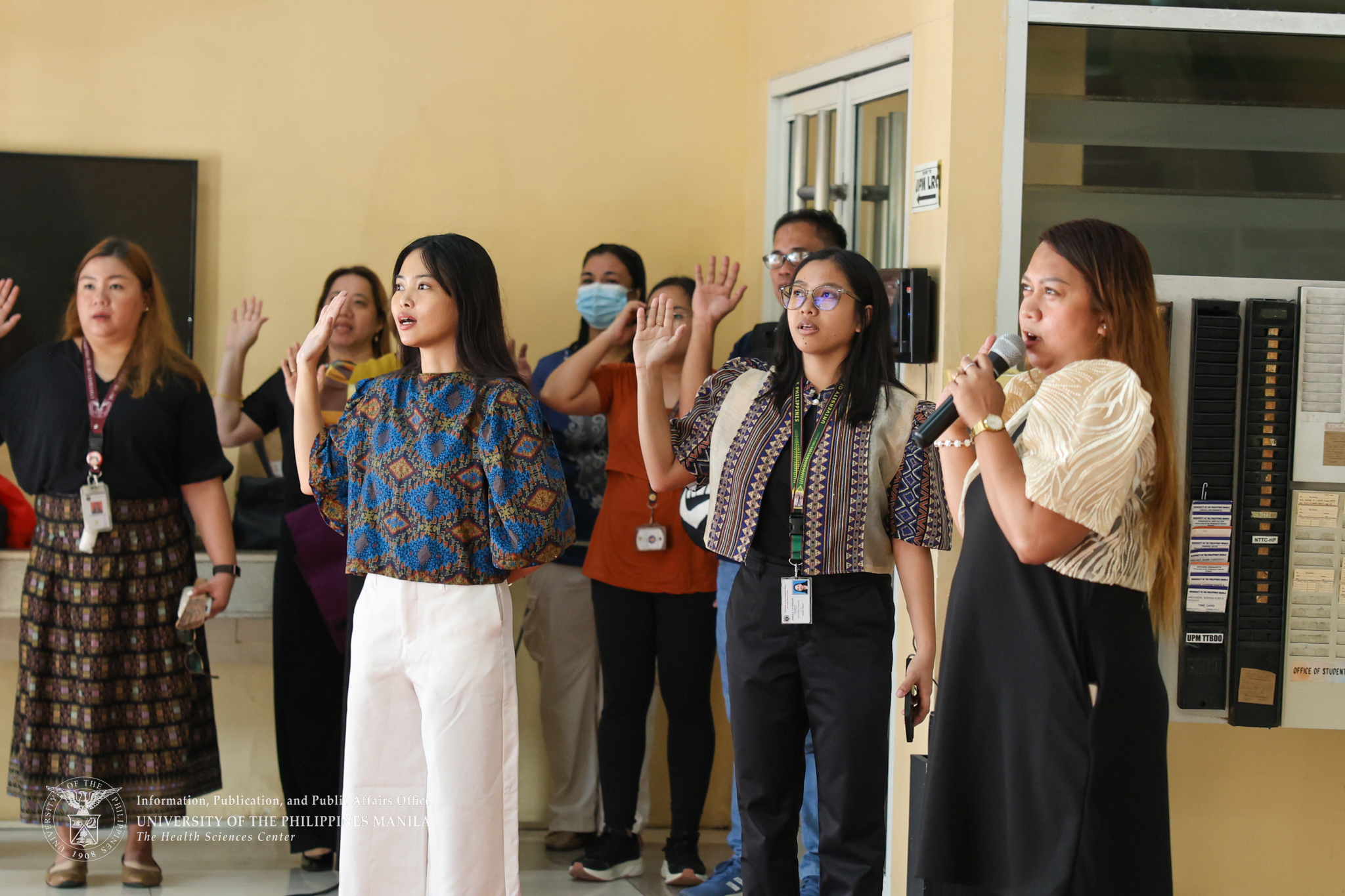
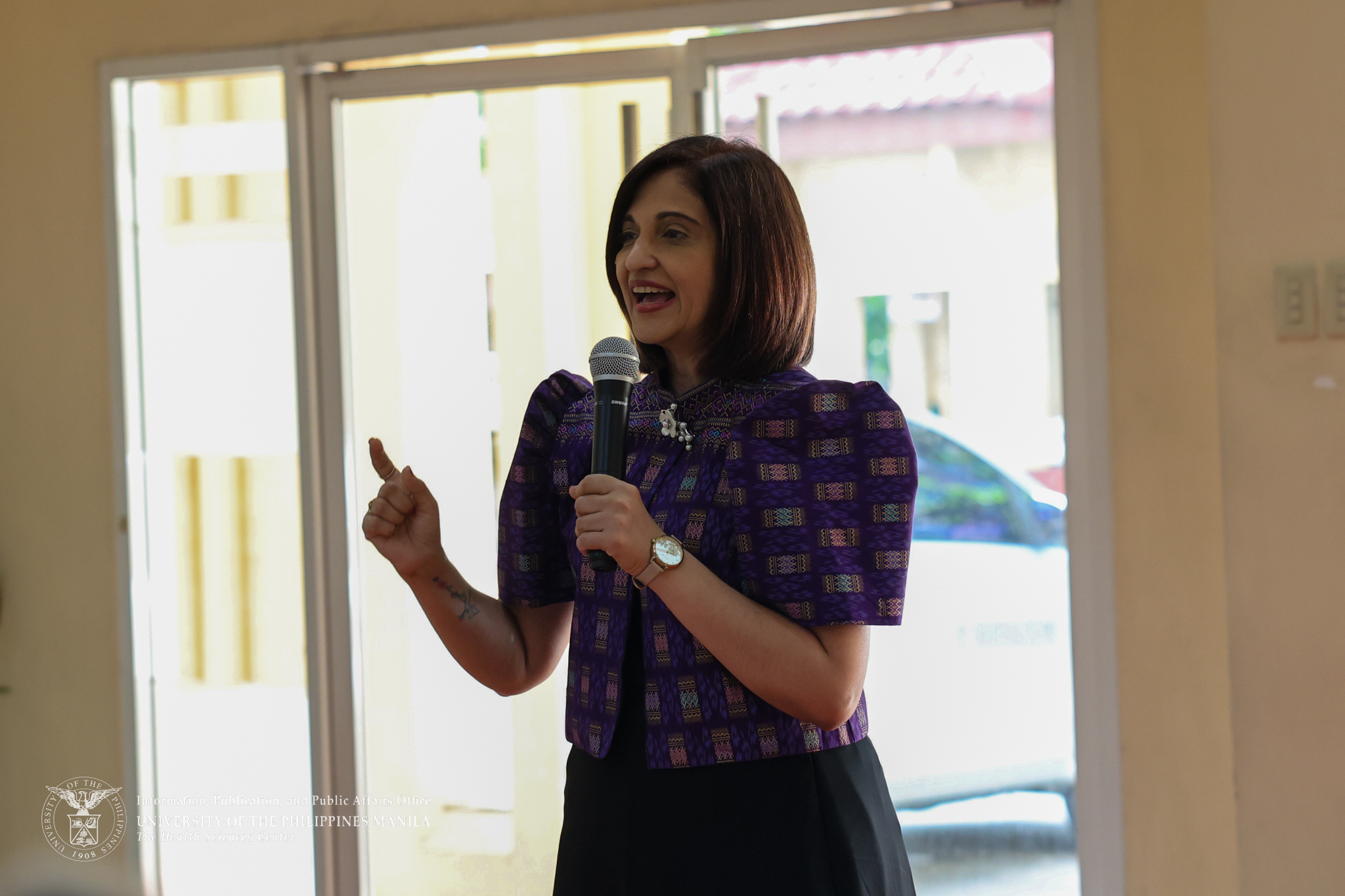
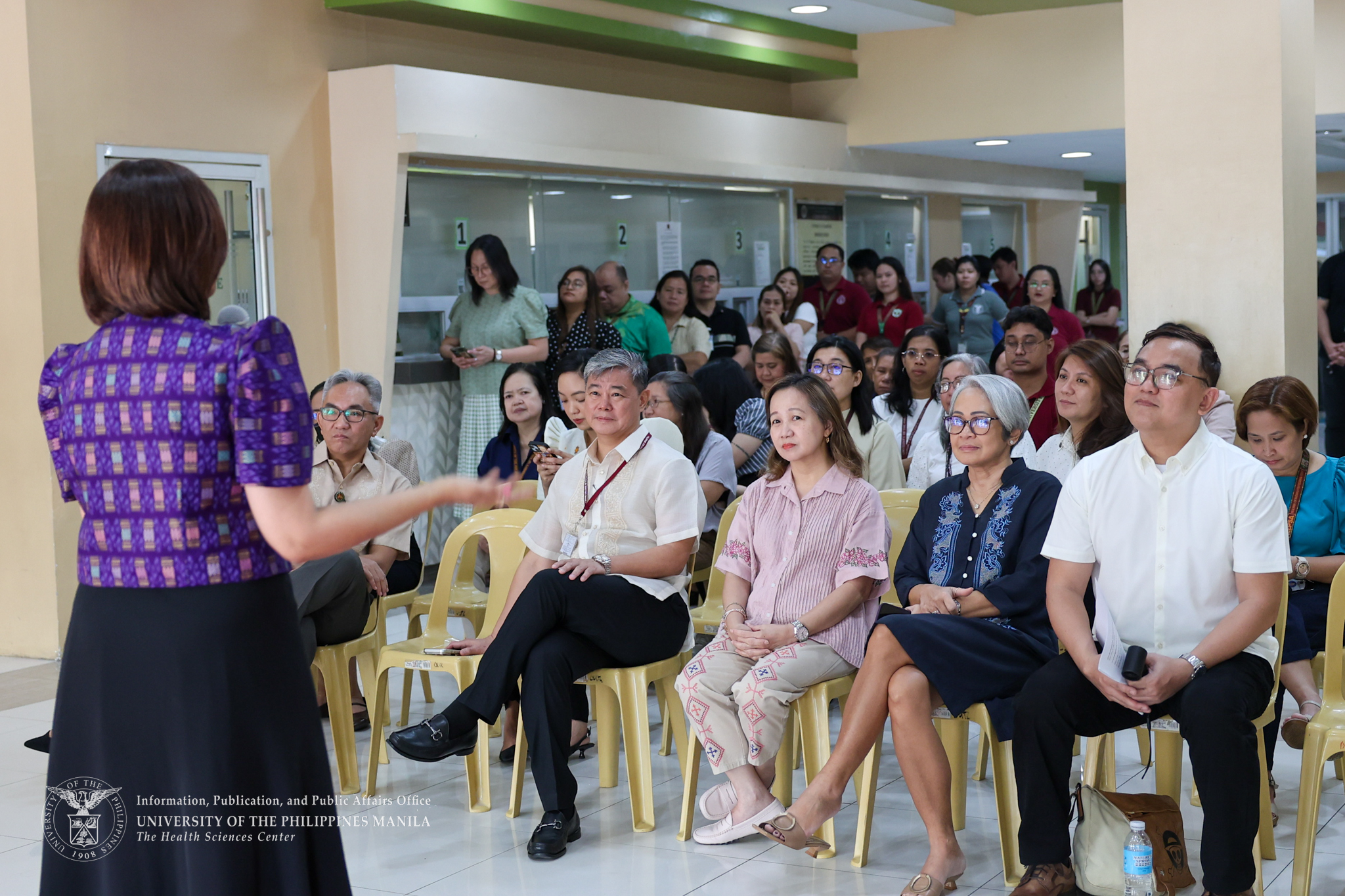
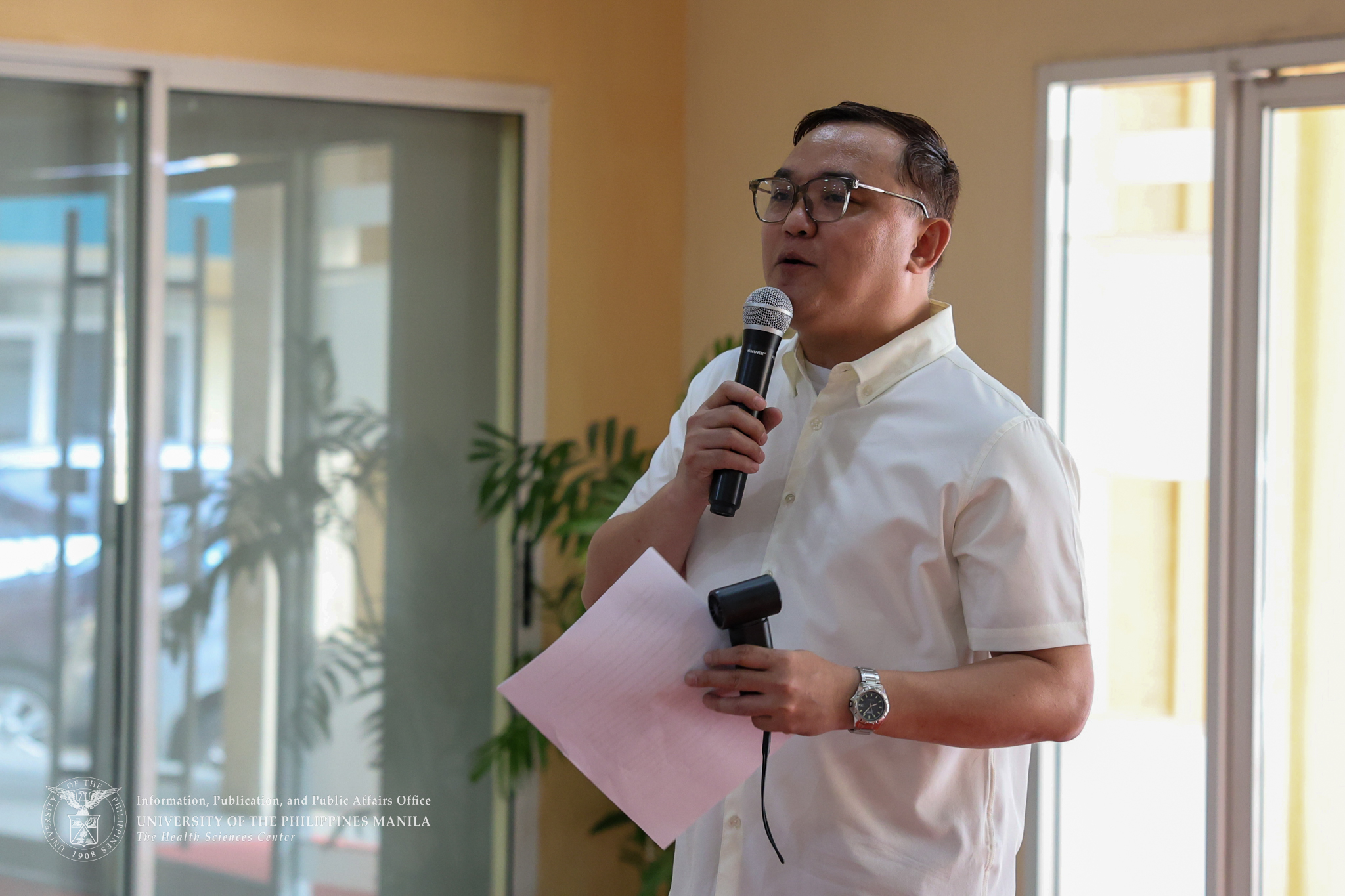
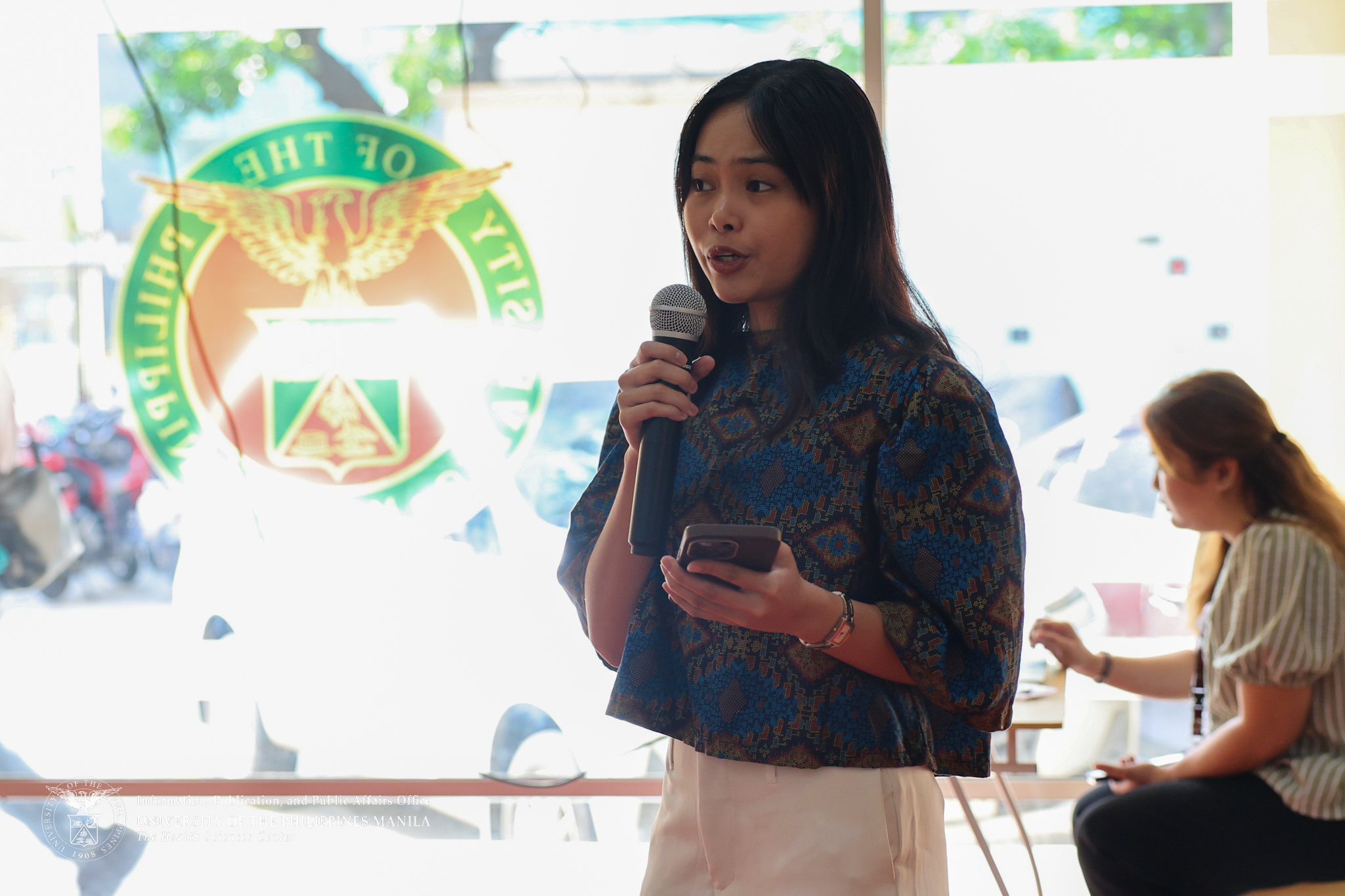
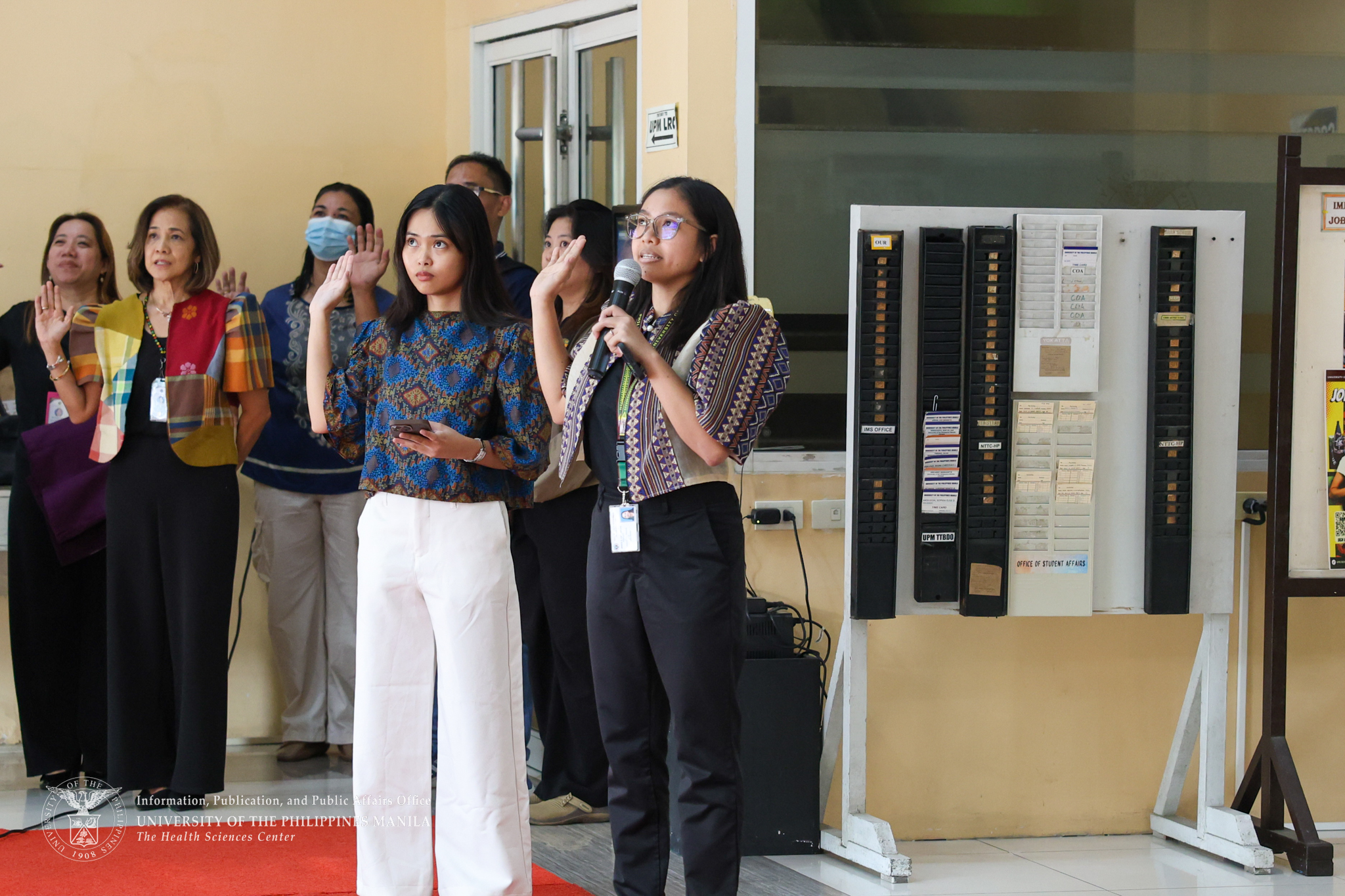
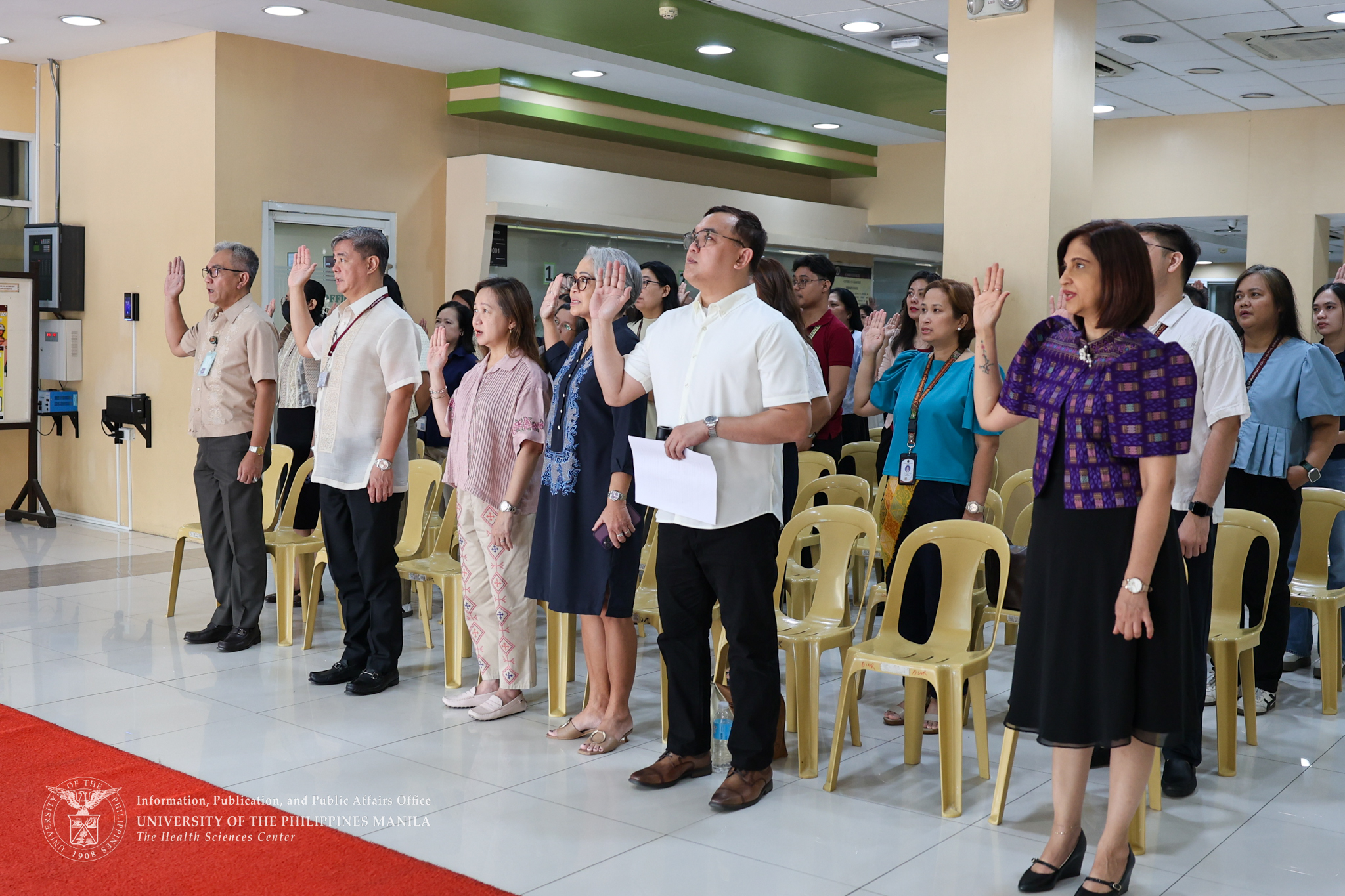
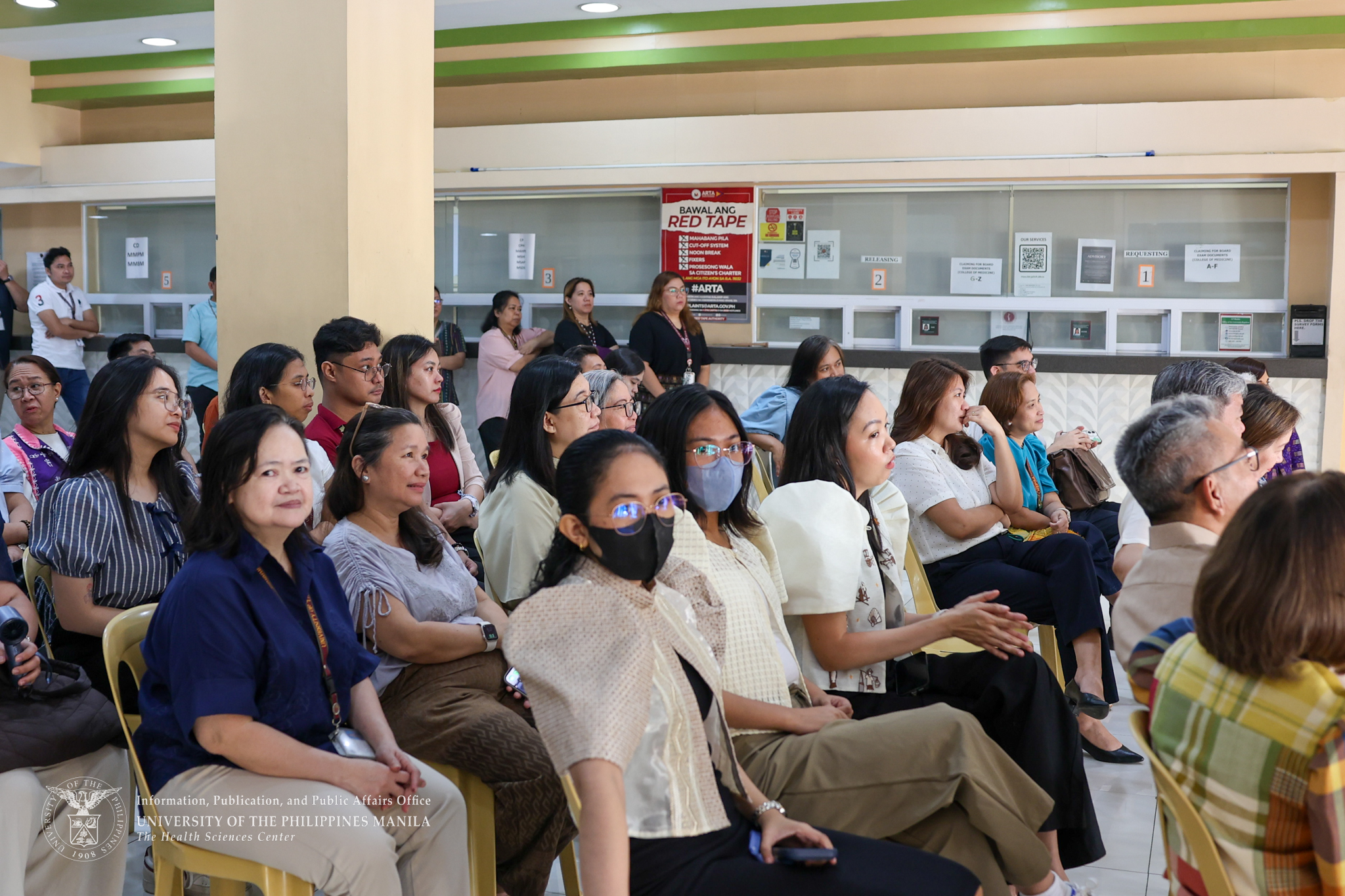
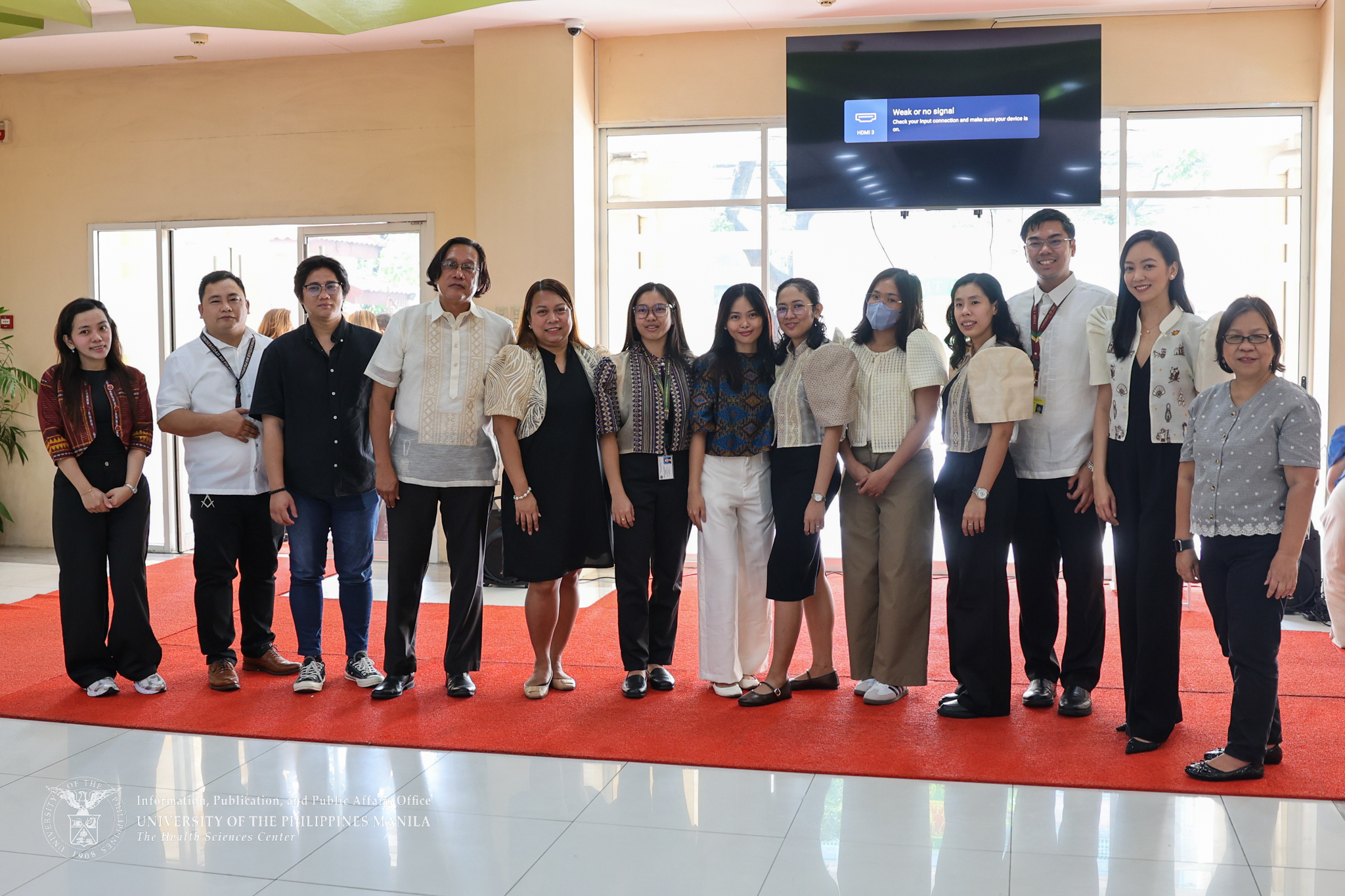
Speaking before the UP Manila community during a week-opening flag ceremony on Aug. 24, 2026 hosted by the Quality Assurance Office and the Legal Office, themed “Aral ng Kasaysayan, Diwa ng Paglilingkod,” Asst. Prof. Ong drew connections between history, national identity, heroism, and the university’s continuing responsibility to serve students, patients, and the Filipino people.
History as a reflection of identity
Asst. Prof. Ong, who has been teaching history and Jose Rizal at UP Manila for 25 years, framed his message as a reflection on the role of history in understanding the present.
For Asst. Prof. Ong, history is more than a record of events that have already happened. It provides a way of understanding who people are and why society has become what it is.
He pointed to the regular flag-raising ceremony as a simple but important reminder of this connection. While such ceremonies can easily become routine, he said they serve a larger purpose: strengthening patriotism, national identity, respect, and unity.
The Philippine flag, he explained, represents the country’s history, freedom, and aspirations while honoring the sacrifices made for the nation. The ceremony also reminds members of the university community that they are part of a larger society and have a responsibility to participate actively in it.
This reflection was particularly fitting in August, which Ong noted is marked by several important national commemorations, including National Language Month and National History Month. He emphasized that history and language are closely connected to how Filipinos understand their identity.
“Ang wika ang tagapag-imbak ng ating kultura at sumasalamin sa kultura ng isang pangkat ng tao,” he said, and described language as a repository of history, traditions, beliefs, and culture, through which people express and recognize their collective identity.
Remembering history critically
Asst. Prof. Ong also used the occasion to remind the audience that studying history requires critical examination, even of information that has become familiar through repeated telling.
One example he raised was the often-attributed quotation about loving one’s native language, which is commonly associated with Jose Rizal. He challenged this attribution, explaining that it was not actually written by Rizal. For Asst. Prof. Ong, correcting historical misconceptions is part of the responsibility of teaching and learning history. What people remember about the past can shape how they understand the present, making accuracy and critical inquiry essential.
Heroism beyond the history books
From remembering the past, Asst. Prof. Ong turned to the question of heroism and how Filipinos recognize those who have served the nation.
Referring to the commemoration of Ninoy Aquino Day, he acknowledged Aquino’s role in Philippine history, particularly in helping unite the opposition during the dictatorship. He then broadened the discussion beyond prominent historical figures, emphasizing that heroism is not limited to those who sacrificed their lives for the country.
“Hindi ka na kailangan mamatay para maging bayani.”
He cited doctors, nurses, teachers, and government employees as examples of people who can embody heroism through their everyday work and service. He also acknowledged the doctors and health professionals serving at the Philippine General Hospital, whose work reflects the university’s commitment to public service.
Asst. Prof. Ong also recalled Dr. Honorato Lim Quisumbing, whom he identified as a doctor who died during the Battle of Manila after being mistaken for a Japanese soldier by American forces. He pointed to Quisumbing as a figure whose contribution and sacrifice should continue to be remembered within the UP Manila community. By placing historical figures alongside present-day doctors, nurses, teachers, and government workers, he offered a broader understanding of heroism, and that is service to others.
From historical lessons to public service
Asst. Prof. Ong ultimately brought his reflection back to the central message of the gathering: history has value when its lessons inform how people live and serve in the present.
“Ano ba ang saysay ng lahat ng aral ng kasaysayan kung hindi naman natin isasabuhay ang mga turo ng kasaysayan?”
For the UP Manila community, this means translating knowledge and institutional values into service, whether through teaching, research, healthcare, administration, or other forms of public service. He emphasized that the lessons of history are not meant only to be remembered; they are meant to shape how members of the community understand their responsibilities to one another and to the country.
Asst. Prof. Ong ended by challenging the community to look beyond honor and excellence as measures of individual achievement and to see them as commitments to the nation.
“Karangalan at kahusayan, hindi lang sa ating sarili, kundi para po sa bayan.”
For him, remembering history is therefore not simply an exercise in looking backward. It is an invitation to recognize the people who have served before, understand the lessons they leave behind, and carry those lessons forward through meaningful service to the Filipino people.
READ MORE:
#FP1 #Environmentthatnurturesourmindandbody