
Text by Jennifer F. Manongdo
Photos by Ehcel Hurna and 360 Logix Solutions Inc.
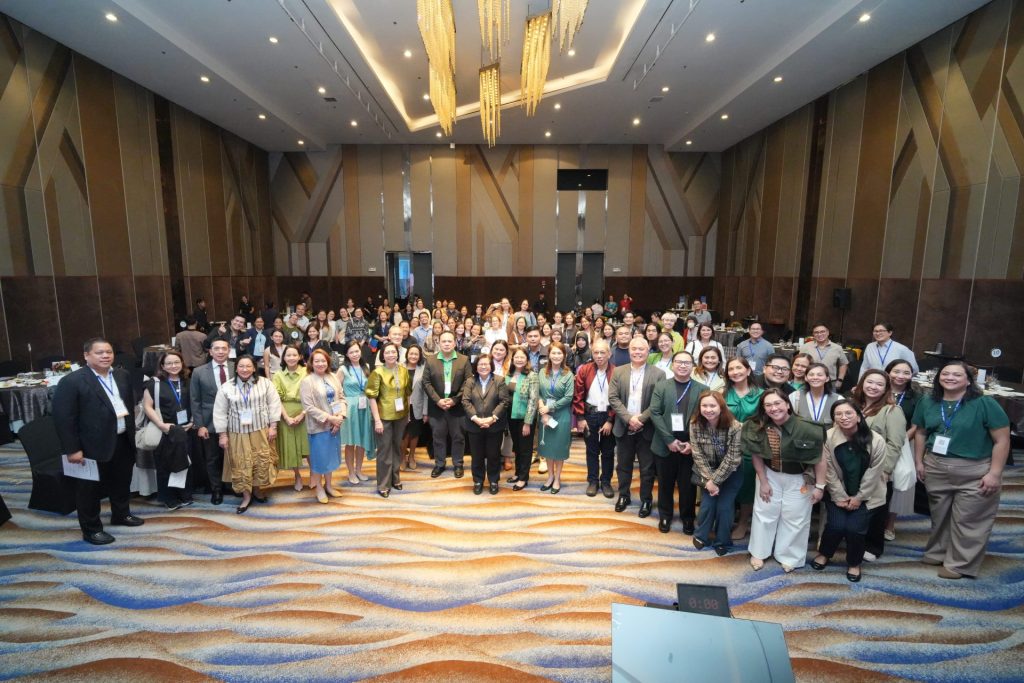
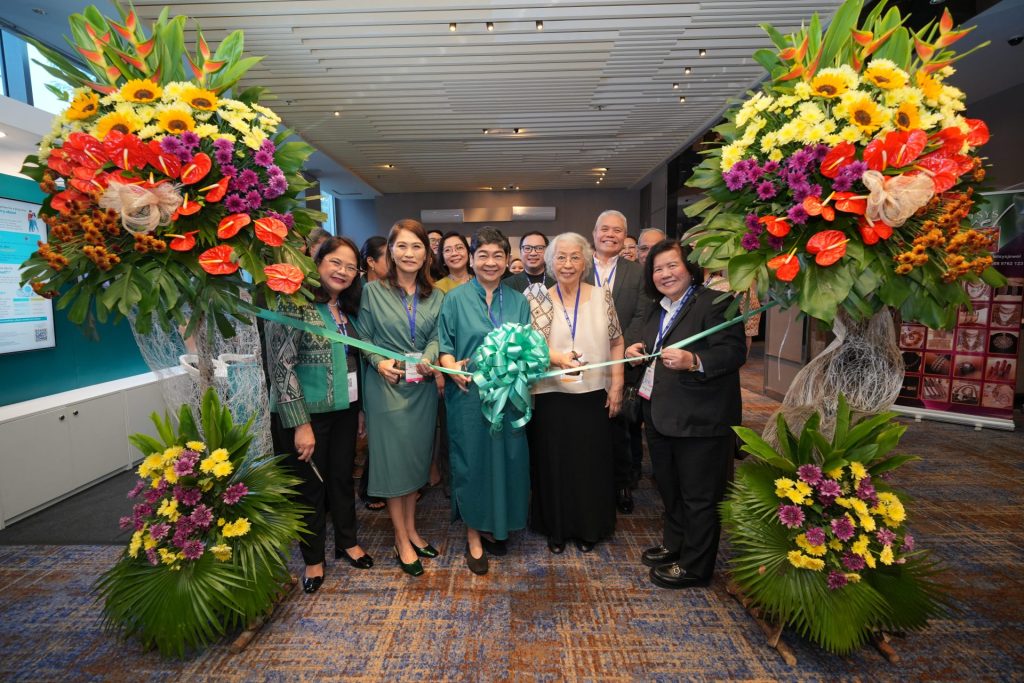
The University of the Philippines College of Medicine (UPCM) showcased the various meanings of ‘Kagalingan’ in the 27th Grand Scientific Symposium, themed “Ugnayan at Pagtugon Tungo sa Kagalingan” on Oct. 8-9, 2026, in Cubao, Quezon City.
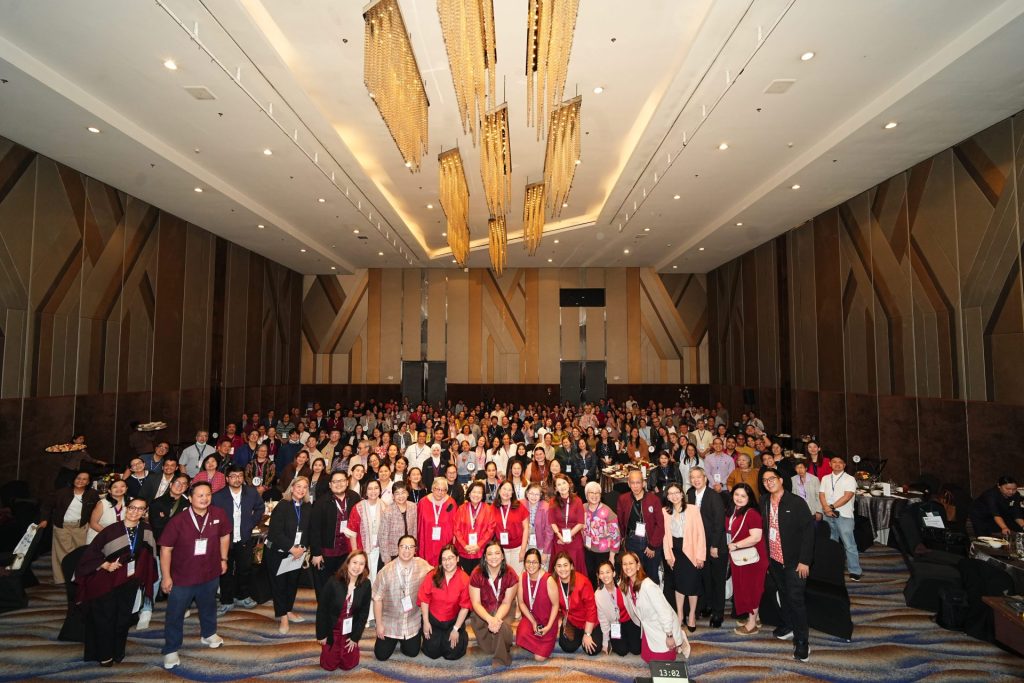
The two-day symposium brought together medical specialists, healthcare professionals, faculty members, and industry partners and tackled age-specific wellness practices, evidence-based medical practice, and collaboration among healthcare professionals to promote a person’s overall well-being.
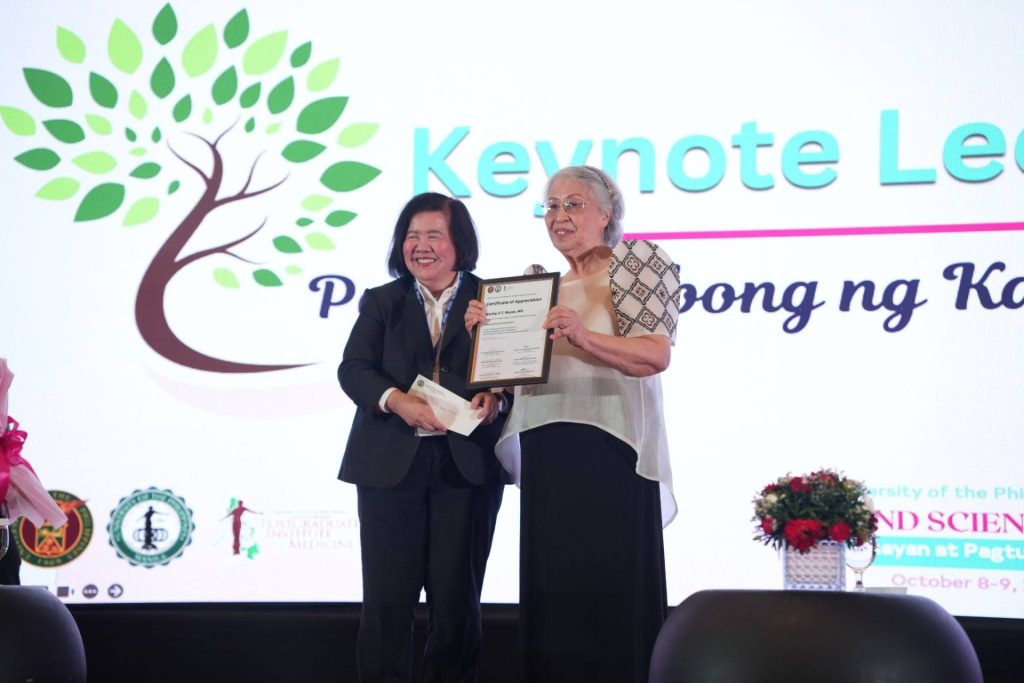
UPCM Dean Charlotte N. Chiong and Former UP Manila Chancellor Dr. Marita V. T. Reyes set the tone for the symposium with messages emphasizing healthcare professionals’ role in helping Filipinos live better lives.
“Good care today has to be realistic. It has to see the whole person and respond with evidence, compassion, and sound judgment,” Dean Chiong said as she emphasized the need for holistic care to meet the population’s unique needs.
‘Kagalingan’
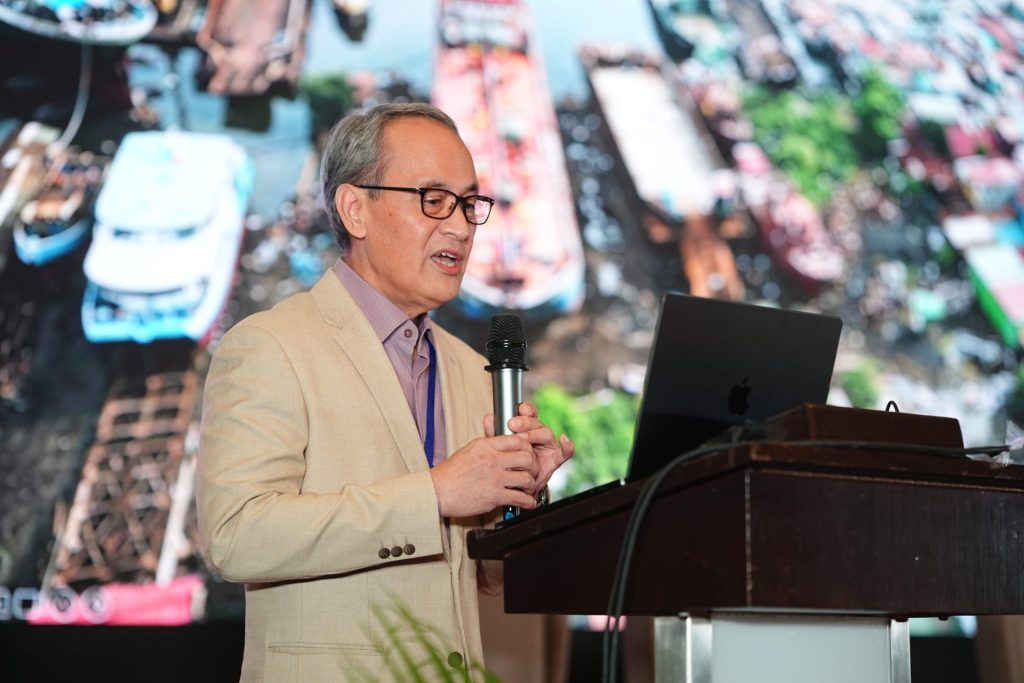
Former UP Manila Chancellor and UPCM Dean Dr. Marita V. T. Reyes’ keynote lecture titled “Pagpapayabong ng Kagalingan: Isang Habilin” explored the different dimensions of ‘Kagalingan,’ which include well-being and the role of healthcare professionals in helping Filipinos lead meaningful lives.
While we may automatically refer to Kagalingan as the different levels of excellence and expertise, the word can also refer to health and welfare and to our role in promoting the development of fellow Filipinos, especially in healthcare. Dr. Reyes distinguished basic welfare, physical health, and overall well-being from human flourishing, which involves living with purpose, developing one’s potential, nurturing meaningful relationships, and contributing to society.
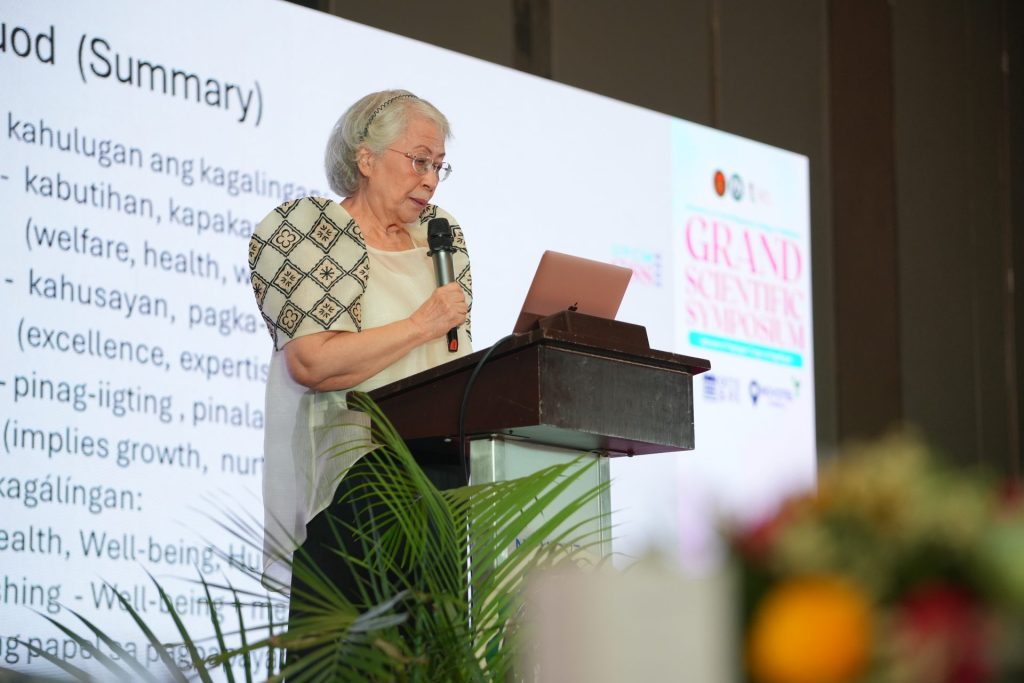
“Saan galing ang kaalaman mo? Source of information. Saan nanggaling ang bunga? Origin. Saan nanggaling ang sakit? Cause. Saan ka magaling? Expertise. Magaling ka na ba? Health status. Samakatuwid, sa Filipino, napaka-importante ng context,” she told the audience at the beginning of her lecture.
Dr. Reyes, a 2022 Presidential Merit Awardee for leading the Core Committee of the Health Technology Assessment Council (HTAC) during the pandemic, pointed out that true excellence involves more than being skilled in one’s profession. It requires continuous learning, collaboration, openness to change, and a commitment to understanding the community’s needs. In healthcare, developing excellence means balancing clinical expertise with community-based care to improve the health and well-being of fellow Filipinos. Thus, Kagalingan goes beyond the absence of illness or the fulfillment of basic needs.
To illustrate her point, she enjoined the crowd to ask themselves, “Am I becoming and living the kind of person I am capable of being? Makabuluhan ba ang mga ginagawa ko? Maliwanag ba ang aking layunin sa buhay? Nakakatulong ba ako sa aking kapwa?”
Dr. Reyes also laid out several values essential to cultivating excellence in the medical profession: active participation, collaboration, openness to different perspectives, thoughtful questioning, intellectual humility, and intellectual generosity. She also encouraged medical professionals to accept feedback, acknowledge mistakes, share knowledge, and remain willing to learn from others. In terms of human flourishing, the former UPCM dean asked the audience to make an introspection: “Am I doing well? Okay ba ako? Am I becoming and living the kind of person I am capable of being?” Makabuluhan ba ang mga ginagawa ko? Maliwanag ba ang aking layunin sa buhay? Nakakatulong ba ako sa aking kapwa?”
Furthermore, Dr. Reyes asked the healthcare professionals to actively take part in shaping the values of young people, including medical students, through education.
Scientific sessions
Dermatology and aesthetics experts Dr. Winlove P. Mojica and Dr. Jay G. Estoya opened the scientific sessions with an engaging talk on aesthetics, beauty, and health. The pair led the session “Ugnayang Pampa-beauty: Aesthetics in Health,” where they emphasized tailoring aesthetic treatments to each patient’s needs rather than following popular trends or the perceived superiority of a particular procedure. They also cautioned against undergoing multiple procedures at once, noting that excessive interventions can increase the risk of complications and skin irritation.
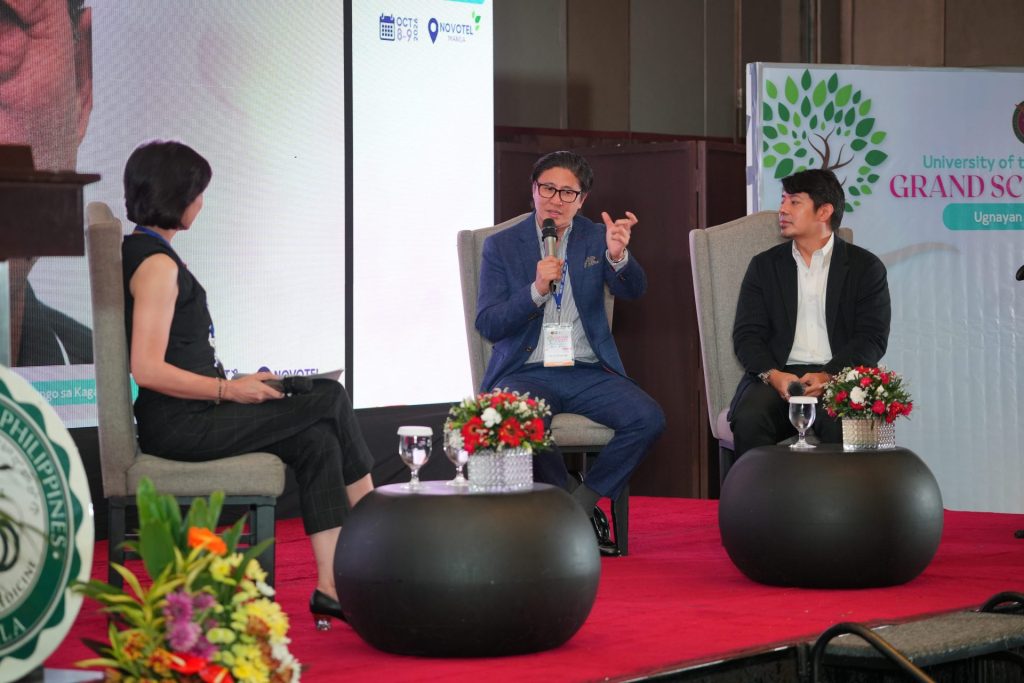
In the discussion on ‘Ugnayang Wasto sa Timbang,’ Endocrinology expert Dr. Nemencio A. Nicodemus, Jr., UP Diliman College of Kinetics Prof. Hercules P. Callanta, and Philippine General Hospital registered nutritionist-dietitian John Eric B. Sulit emphasized the importance of removing the stigma surrounding obesity by recognizing it as a disease, consistent with the World Health Organization’s (WHO) definition of obesity as the “abnormal or excessive fat accumulation that presents a risk to health.”
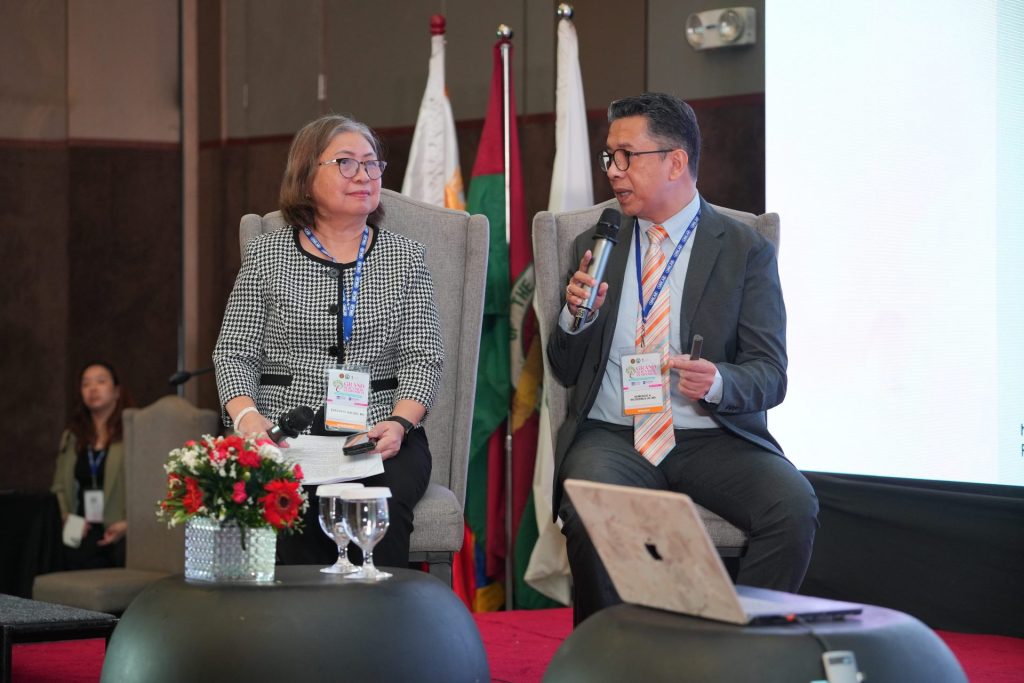
“In the past, we used the word obesity to refer to it as a risk factor. But according to WHO, obesity is a chronic relapsing disease arising from a complex interaction between genetics, neurobiology, eating behaviors, access to healthy diet, market forces, and the broader environment,” Dr. Nicodemus said.
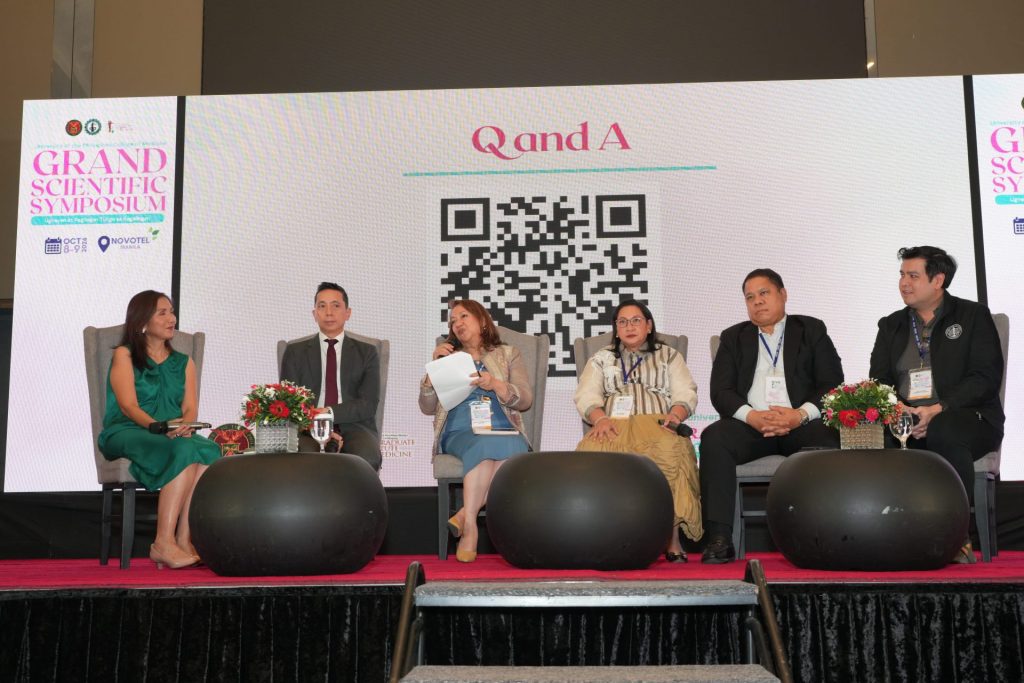
The third session, “Ugnayan Tungkol sa CPGs,” explored the impact of clinical practice guidelines (CPGs) on the health of Filipinos. Dr. Antonio Miguel L. Dans discussed the Philippine guidelines on periodic health examinations, while Dr. Deborah Ignacia D. Ona presented the evidence-based management of hypertension. Dr. Elizabeth T. Paz-Pacheco tackled the evidence-based management of diabetes mellitus, and PhilHealth Chief Dr. Beverly Lorraine Ho shared updates on PhilHealth benefit packages.
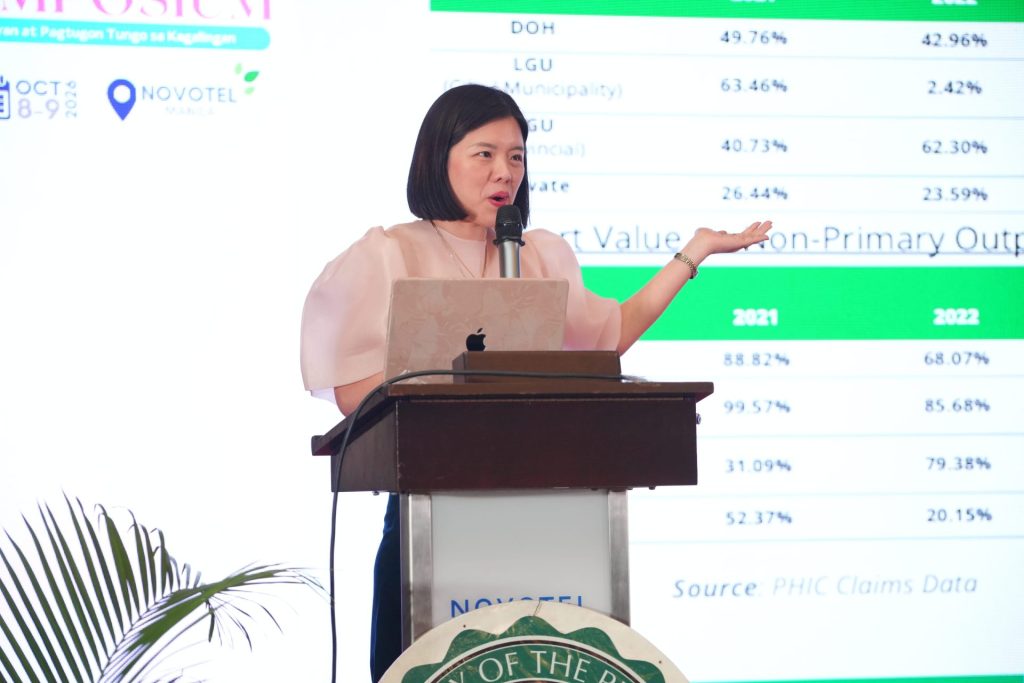
The session ‘Ugnayang Lalaki at Babae: Sabi Mo, Sabi Ko, Sabi Natin‘ was well-received by the audience as it explored the realities of andropause and perimenopause. Urologist Dr. Nikko Magsanoc discussed the importance of seeking proper medical attention, as the diagnosis of andropause takes note of both physical symptoms and low testosterone. In her discussion on the quality of life during perimenopause, Dr. Maria Jesusa Banal-Silao encouraged women to recognize common symptoms, including hot flashes, brain fog, and bone and joint pain. She also highlighted the challenges women may face during this transitional phase of life and emphasized the importance of awareness and proactive health management.
“Because of the misconceptions and barriers, it leads to stigma, embarrassment, and lack of public awareness. So even if menopause is a natural part of aging, it is not reflected in many societies and their health systems. This long-standing neglect of menopause and silence around it must change,” Dr. Banal-Silao said.
Safety and Wellness
The symposium’s second day featured discussions on mindfulness and stress management, safe spaces, oral health, preventing falls and fractures across the lifespan, safer communities, evidence-based use of vitamins and dietary supplements, and cancer care.
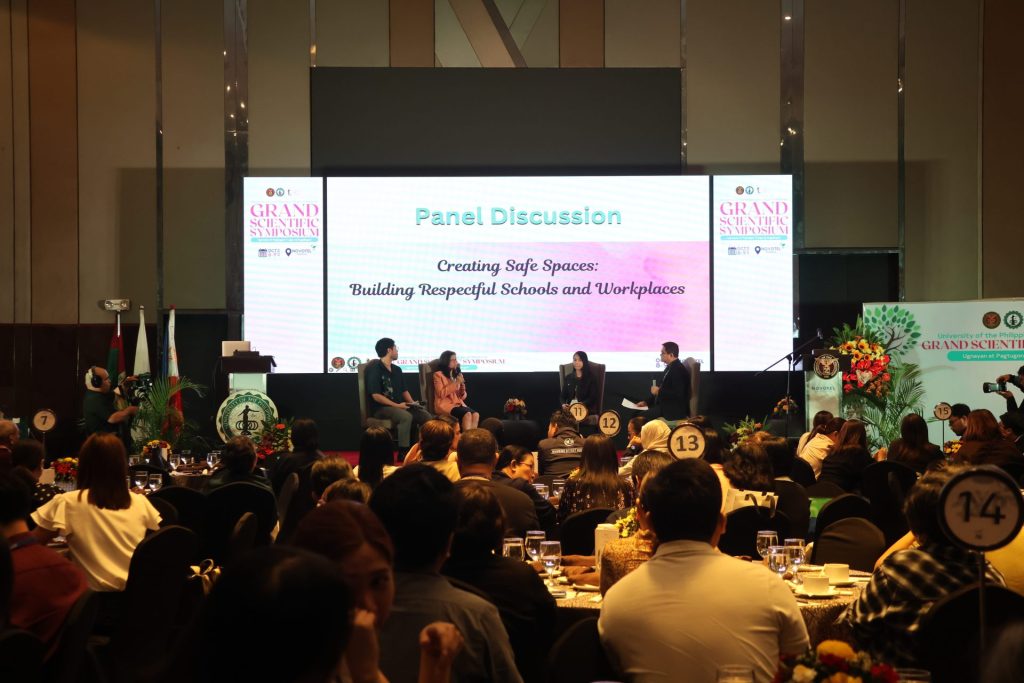
The first morning session, “Ugnayang Kaligtasan: Safety in the Workplace,” was chaired by Dr. Constantino D. Della and included a panel discussion on “Creating Safe Spaces: Building Respectful Schools and Workplaces” with Dr. Josefina T. Ly-Uson, Valerie T. Guinto, and Dr. Miguel Angelo S. Mantaring. A demonstration for mindfulness and stress management was also led by Dr. Ajina C. Carampel, Dr. Katherine Adrielle R. Bersola, and Dr. William T. Lara.
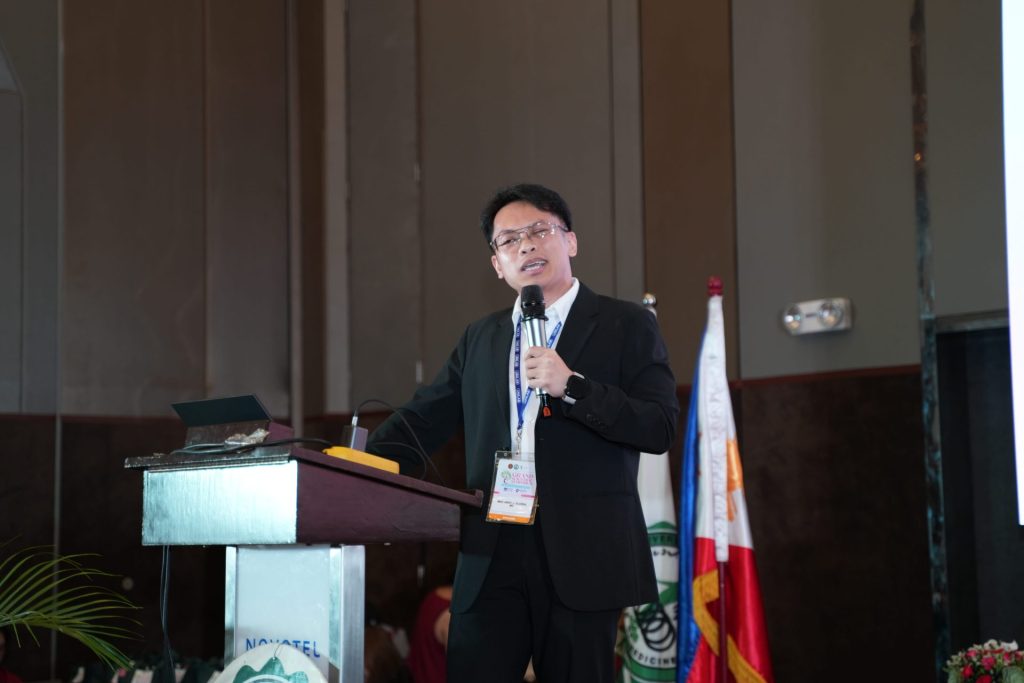
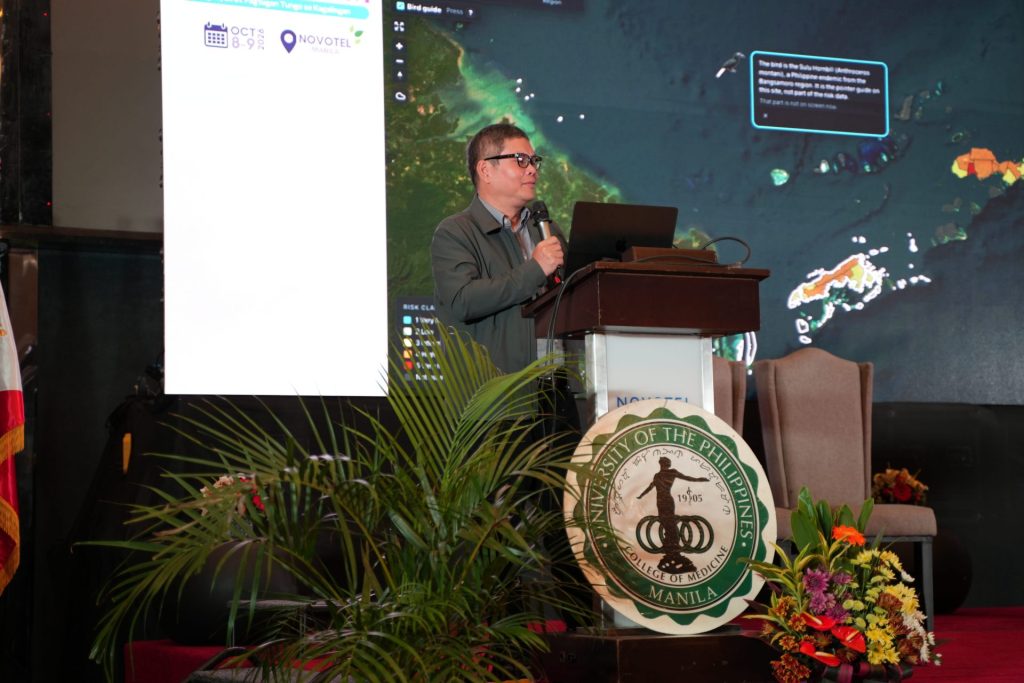
The sixth session, “Ugnayan Tungkol sa Kalusugang Pangkalahatan: Promoting Safety for All,” was chaired by Dr. Paul Michael R. Hernandez and included sessions on oral health as led by Dr. Michelle Sunico-Segarra, preventing falls and fractures across the lifespan led by Dr. Irewin A. Tabu, and building safer communities (Project NOAH) led by Dr. Alfredo Mahar Francisco A. Lagmay. Before the open forum, College of Pharmacy Dean Mac Ardy Gloria discussed the topic “Fact or Fad? Evidence-Based Use of Vitamins and Dietary Supplements.’
Session 7, themed “Ugnayang Kanser: When the Big C Becomes the Chronic C,” experts Dr. Jennifer B. Sandoval-Tan, Dr. Rodney B. Dofitas, and Dr. Rhodora A. Del Rosario-Ocampo shared their thoughts on the topic, including the latest trends in cancer care and maintaining a quality life through nutrition and psychological care while undergoing cancer treatment.
Meanwhile, the eighth session “Ugnayang Media: Navigating the Media Landscape in Health” was chaired by Dr. Ella Mae I. Masamayor and Dr. John Jefferson V. Besa. The topic “Platforms for Advancing Health Literacy” was aptly led by prolific social media personality Dr. Geraldine Zamora-Abrahan, who specializes in rheumatology. Dr. Iris Thiele Isip-Tan, endocrinologist and health informatics specialist, led a talk on Information Dissemination, Health Promotion, and AI in health. This was followed by ABS-CBN News executive Francis B. Toral, who talked about Combating Health Misinformation through Responsible Media.
Finally, the ninth session, “Ugnayan Tungkol sa Pagpapahalaga sa Sarili: Self-Care of Healthcare Professionals,” chaired by Dr. Nina T. Castillo-Carandang, covered topics on the role of personal care in professional wellness, medical devices as a source of inspiration and wellness, and building resilience and protecting mental well-being. The discussions were led by Dr. Marie Judith V. Eusebio, Dr. Rafael Felipe C. Bundoc, and Dr. Lourdes L. Ignacio.
Overall, the sessions echoed UP President Angelo Jimenez’s opening message on the importance of sustaining connections among healthcare professionals and reinforcing their shared commitment to public service. They also reflected the insights of symposium overall chair Dr. Agnes Soriano Estrella, who emphasized how physical health, mental and emotional well-being, relationships, workplaces, communities, and access to reliable information collectively influence health outcomes.
Read More:
#FP1 #FP6 #FP8