
Text by Charmaine A. Lingdas
Photos by Sarah Hazel Moces S. Pulumbarit
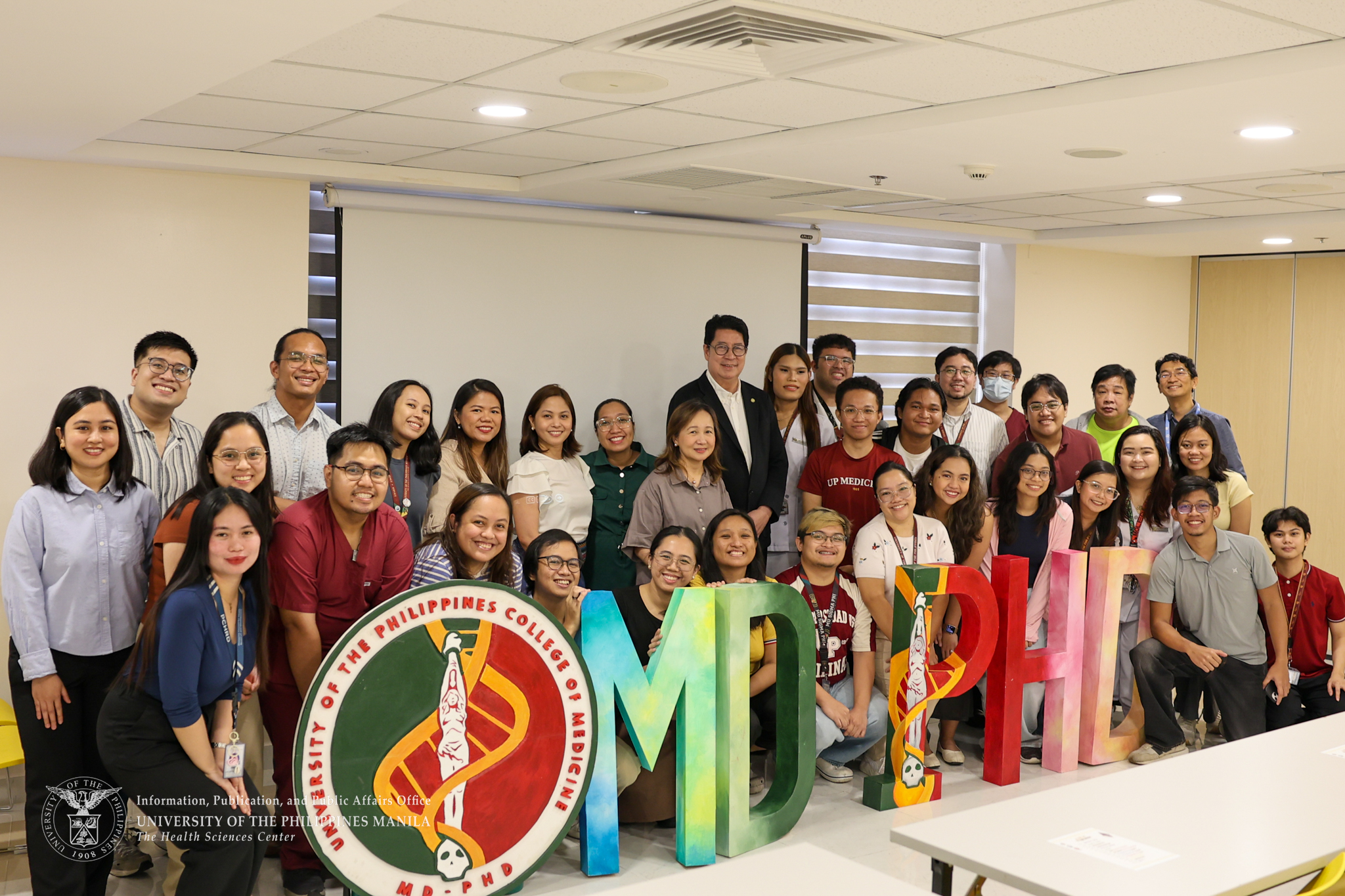
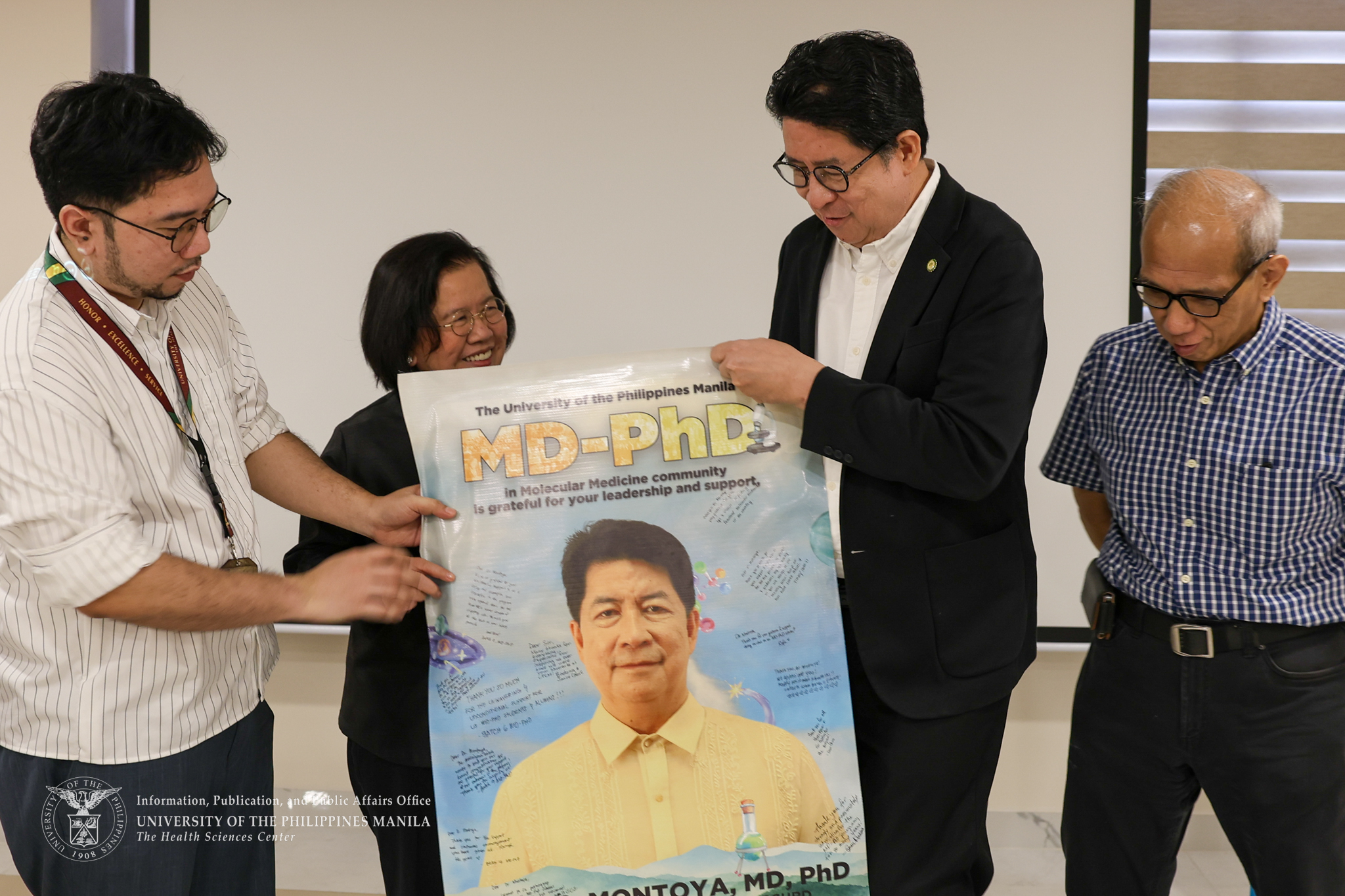
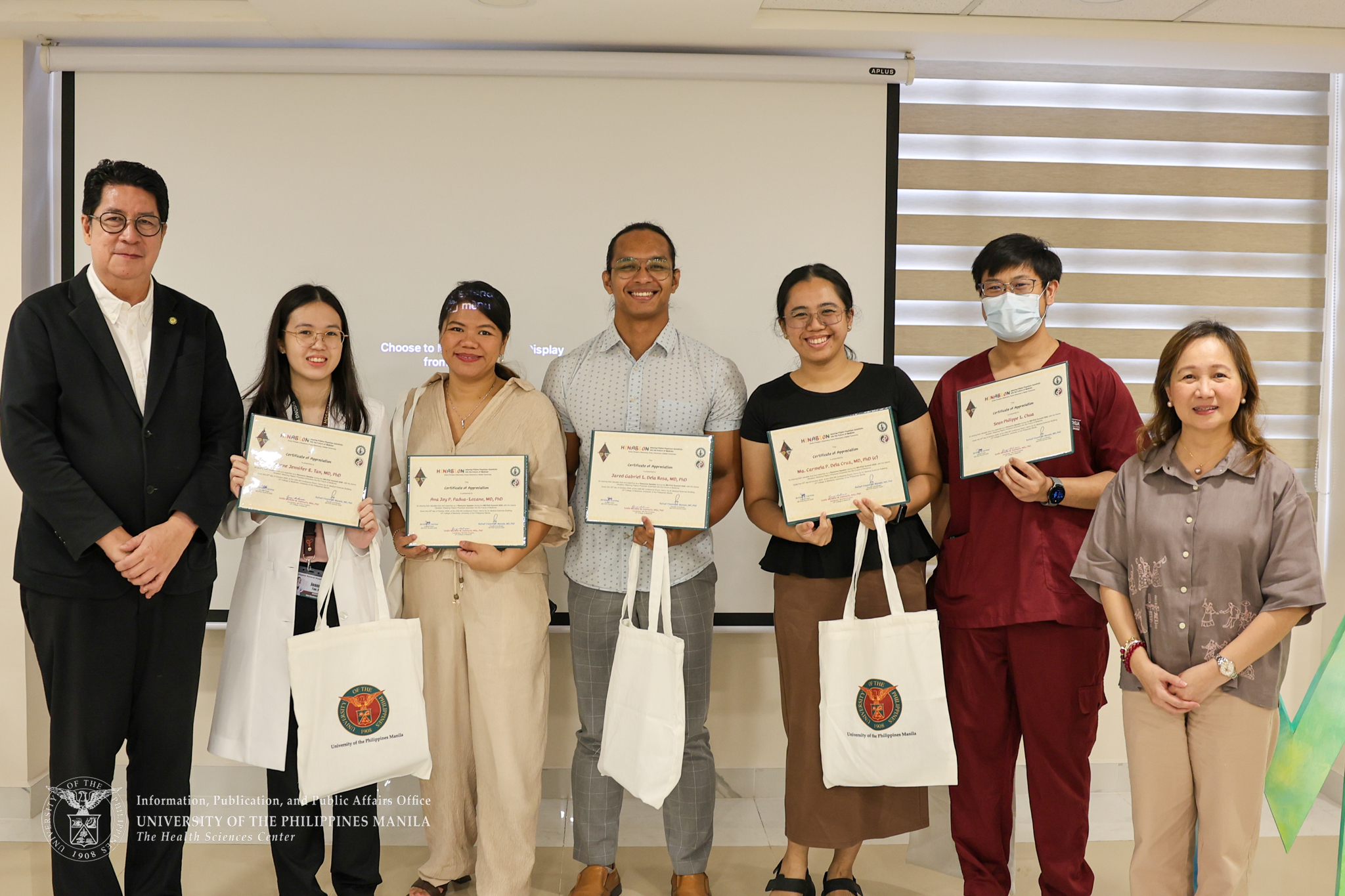
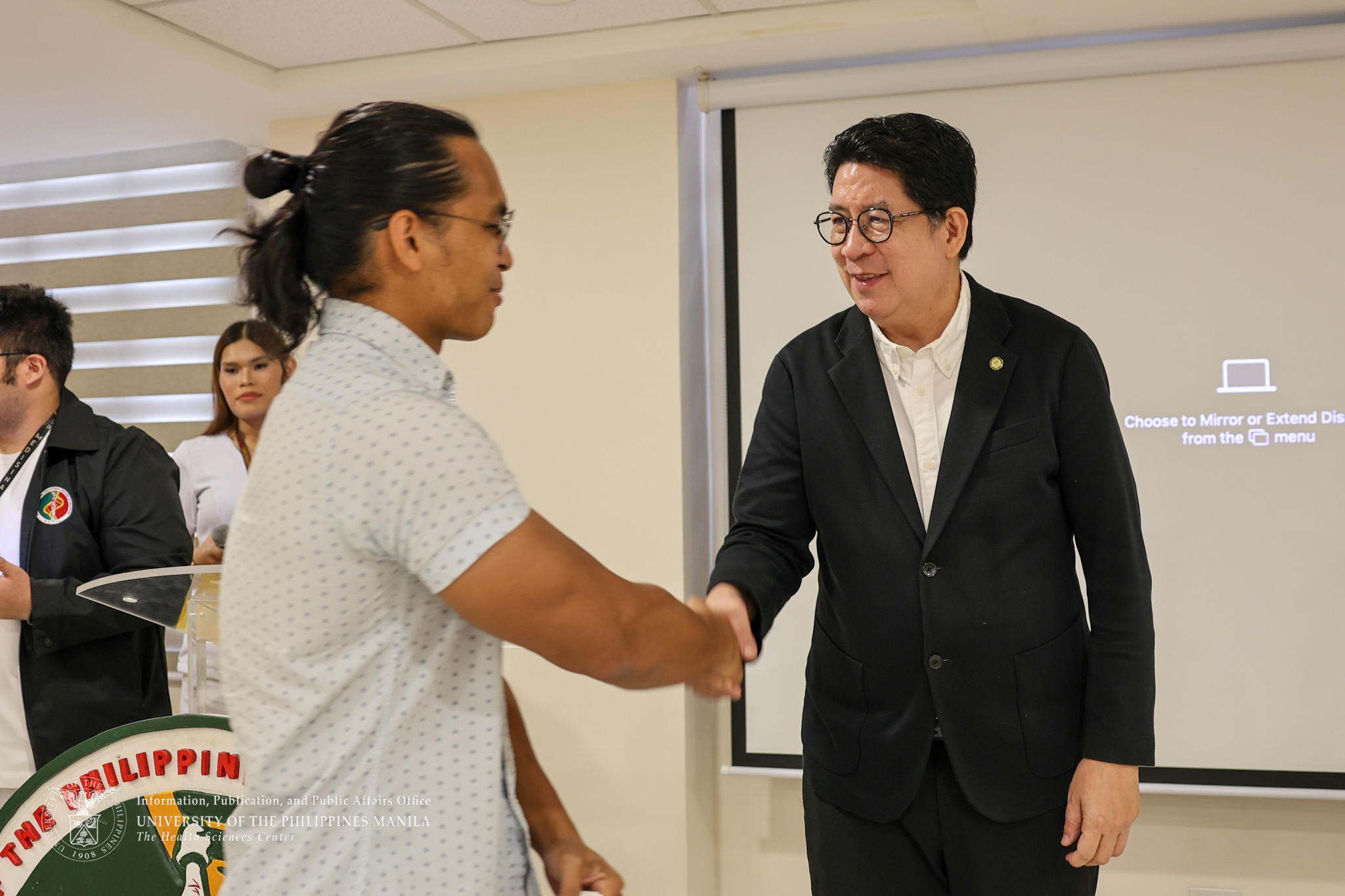
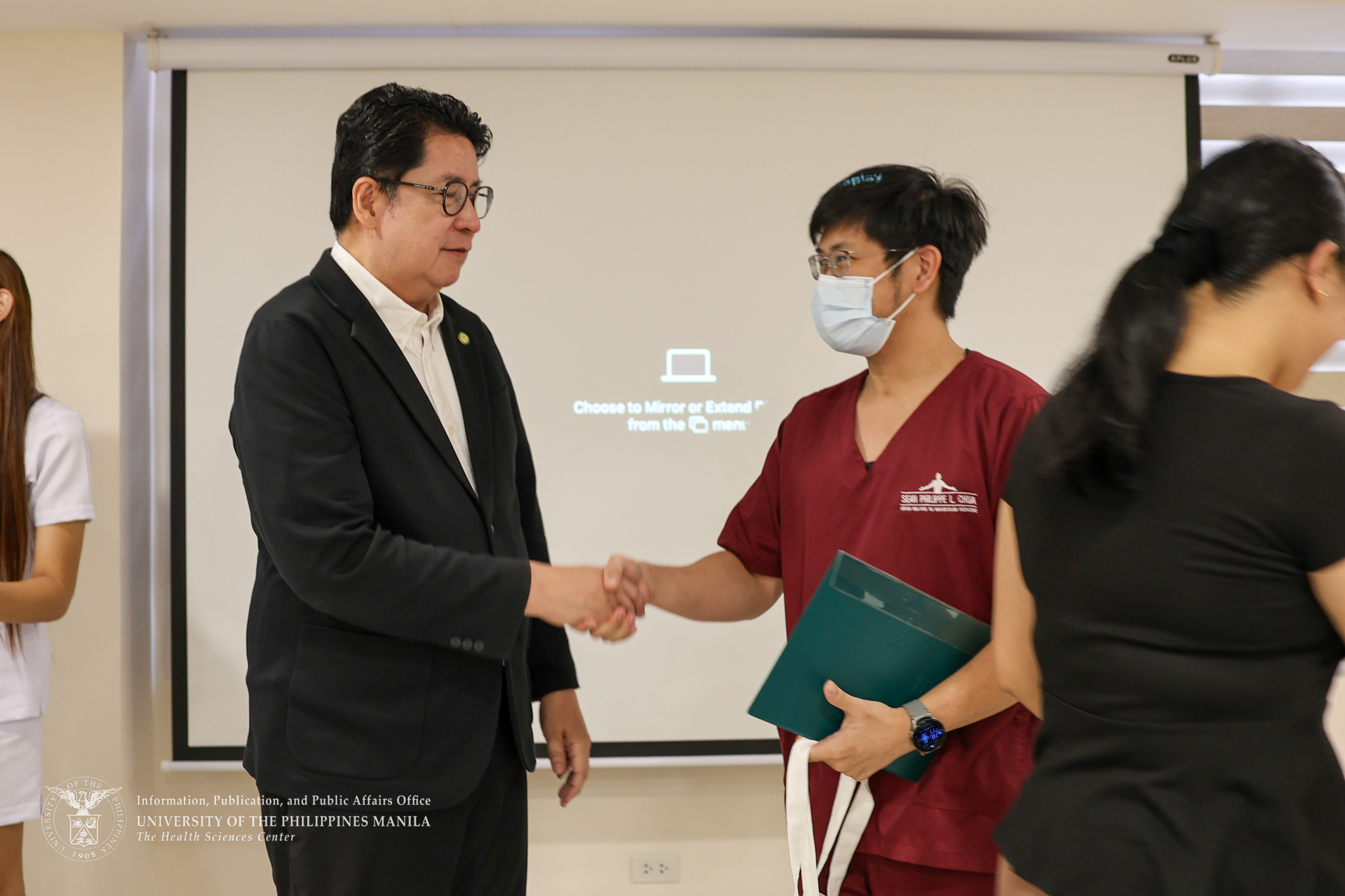
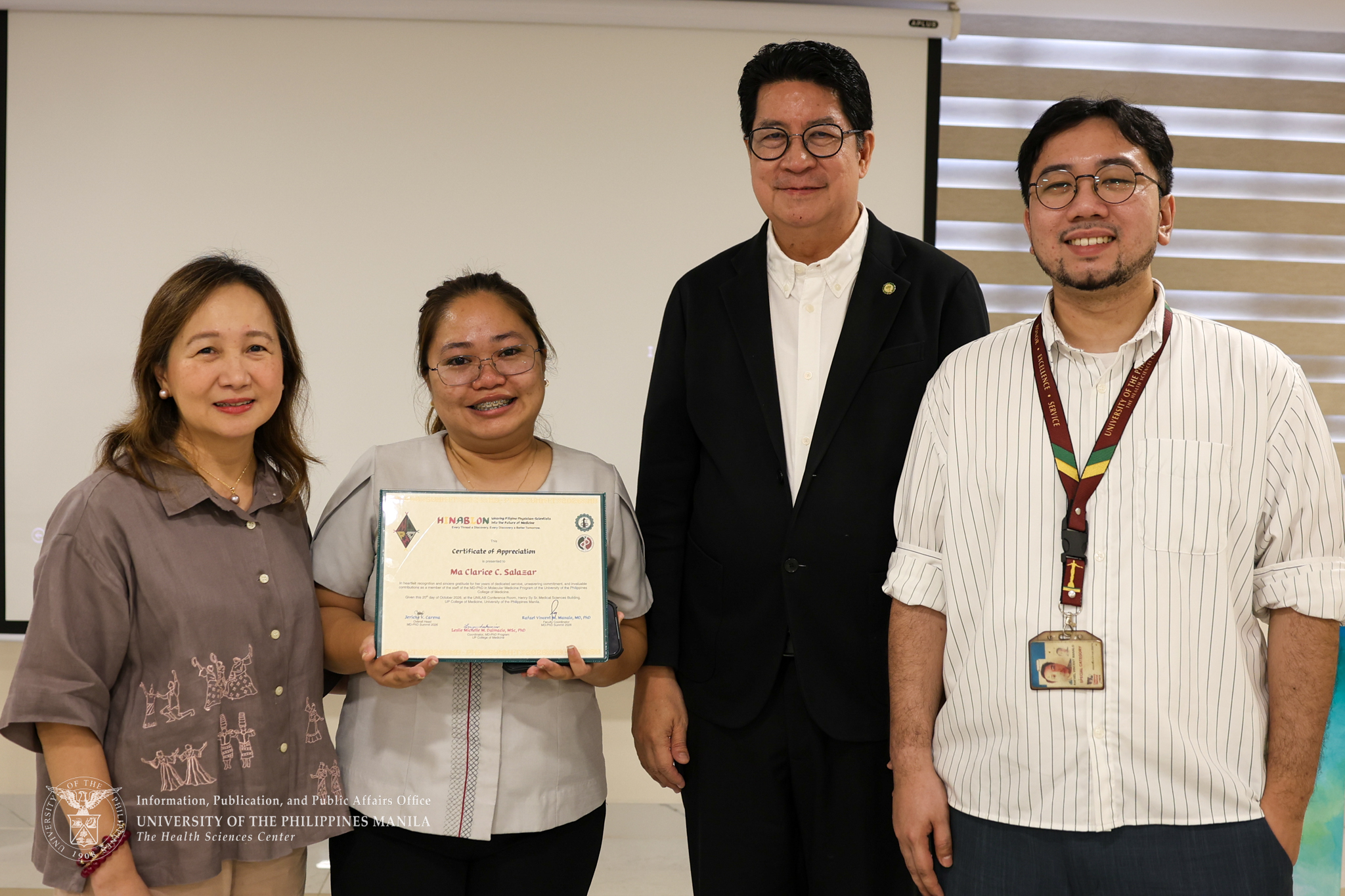
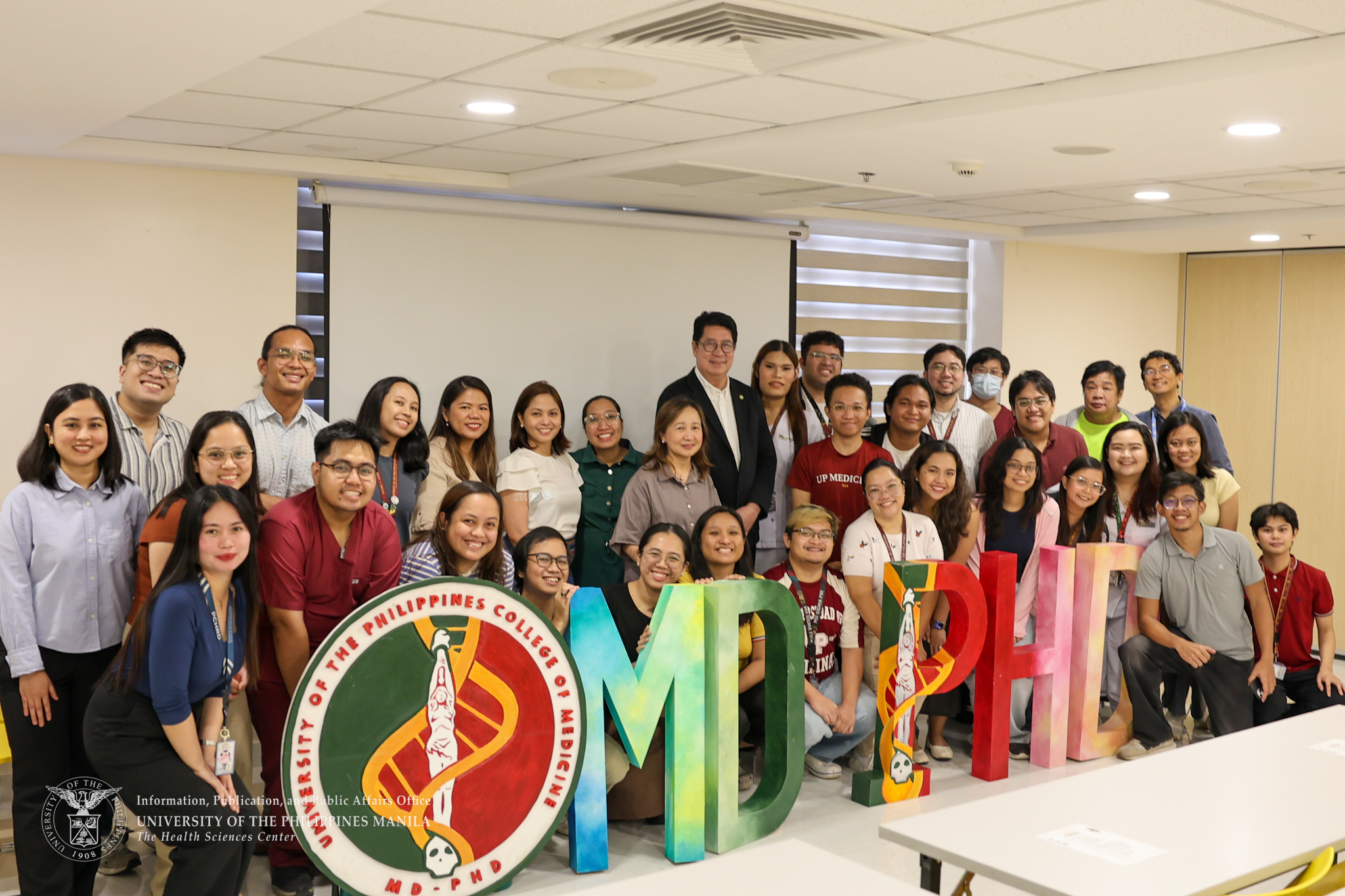
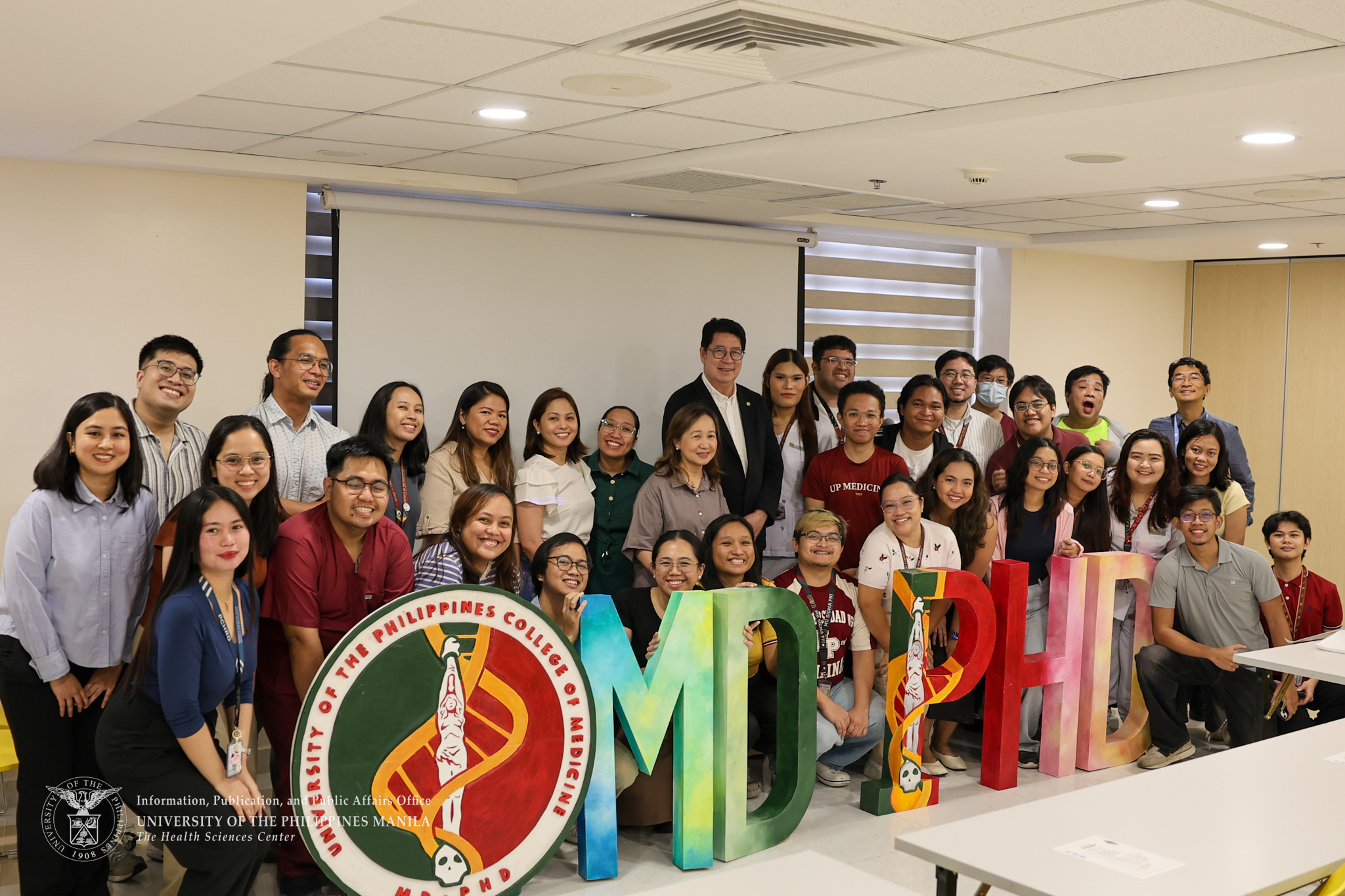
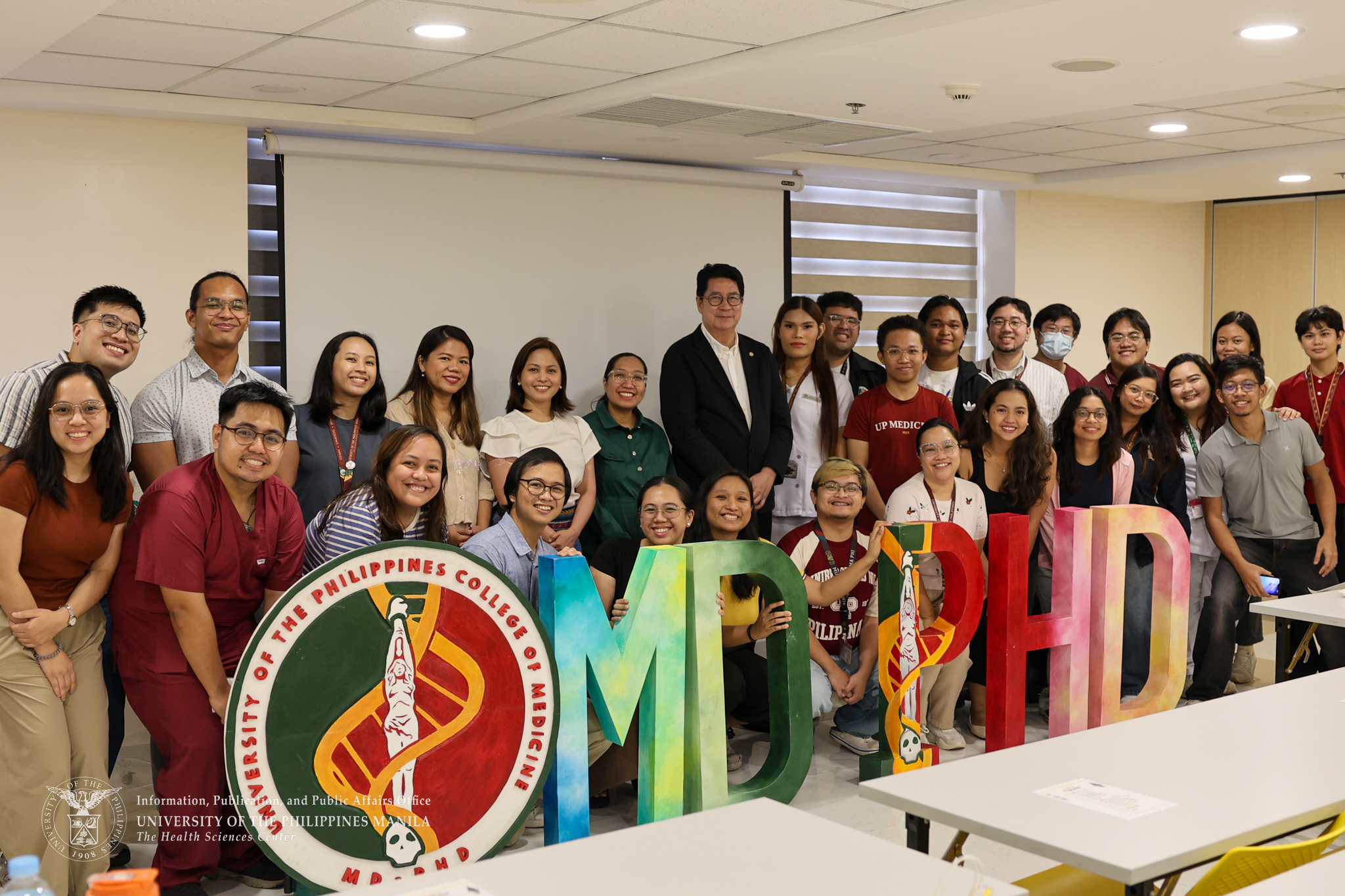
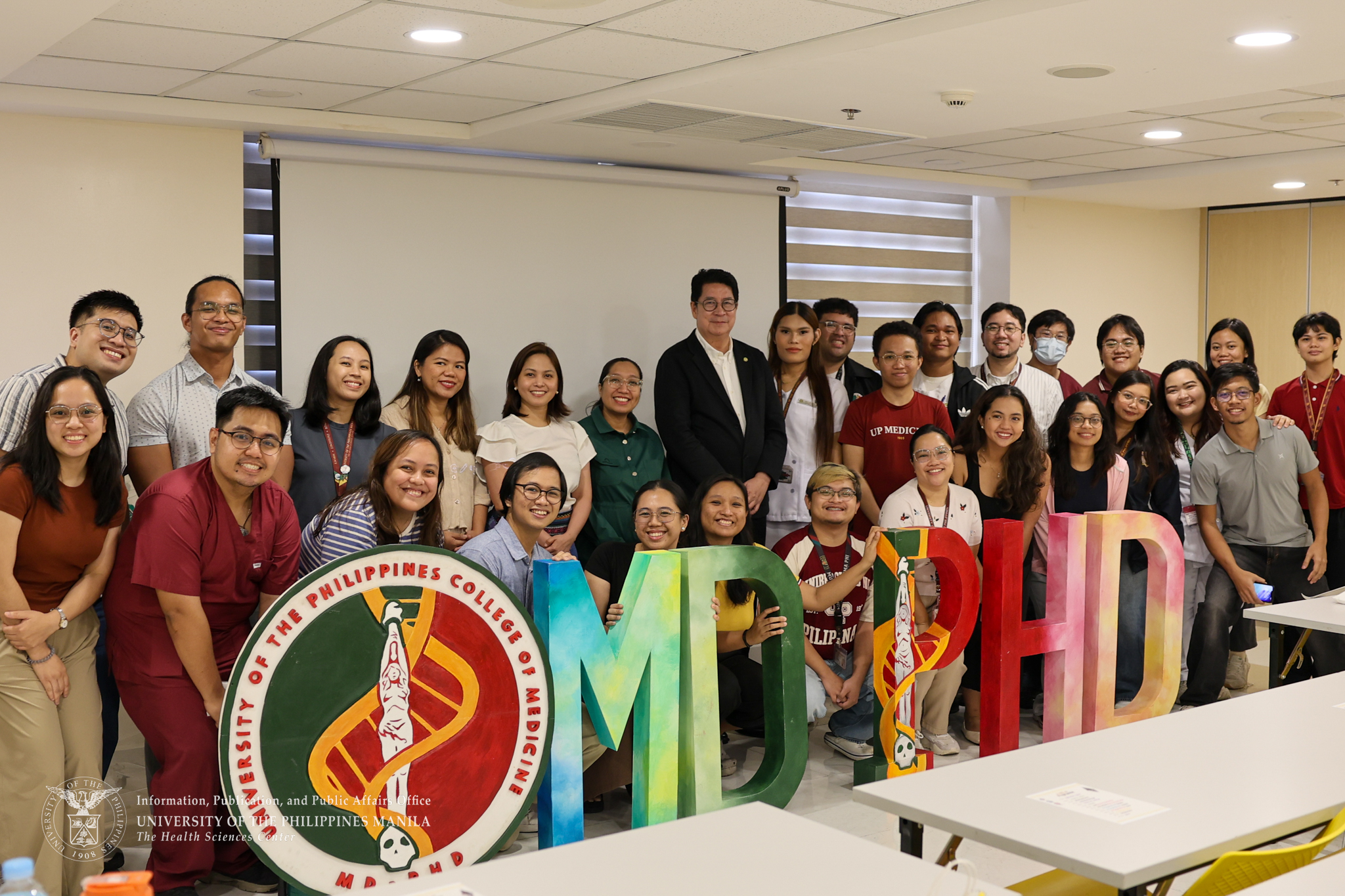
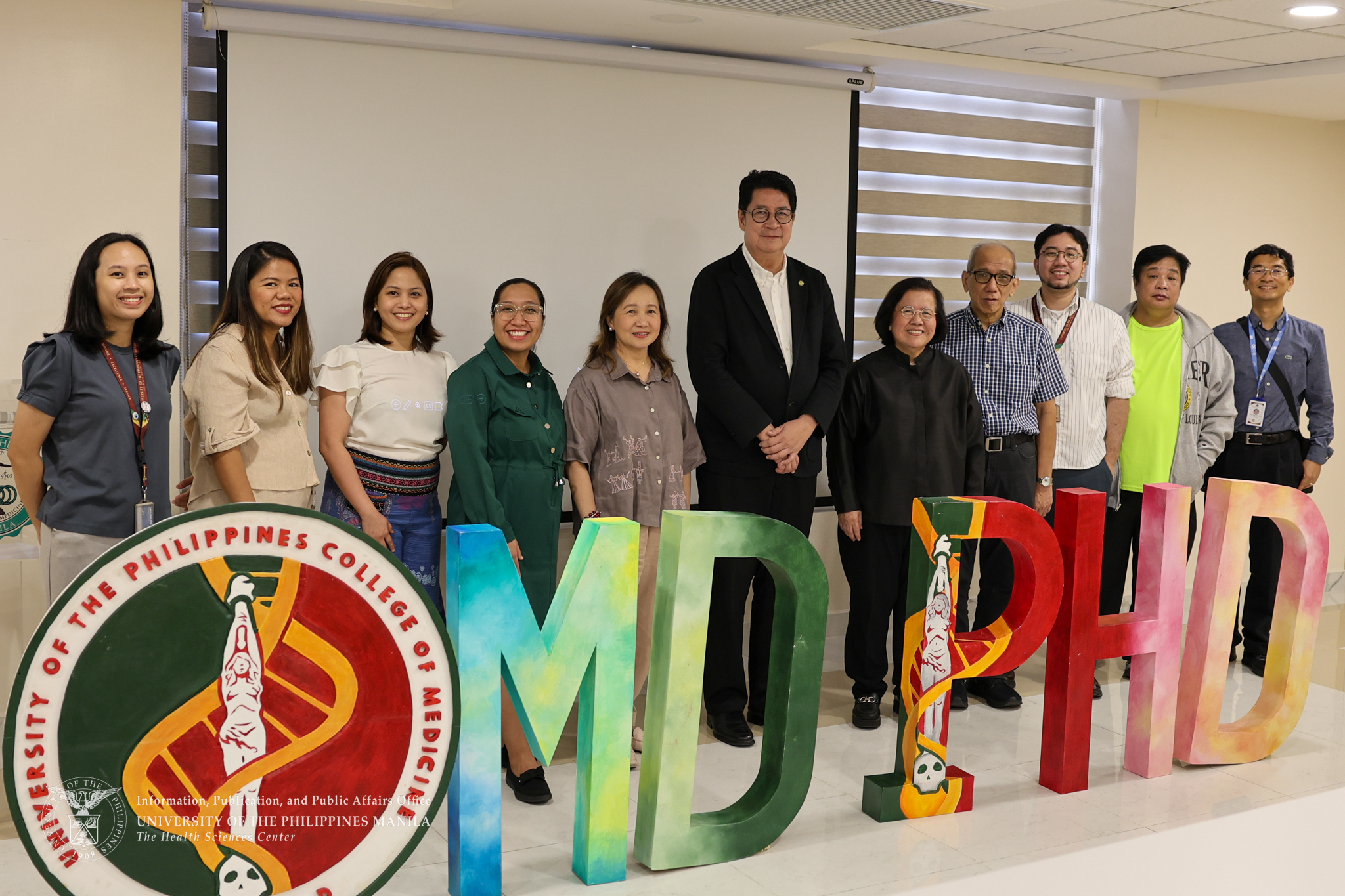
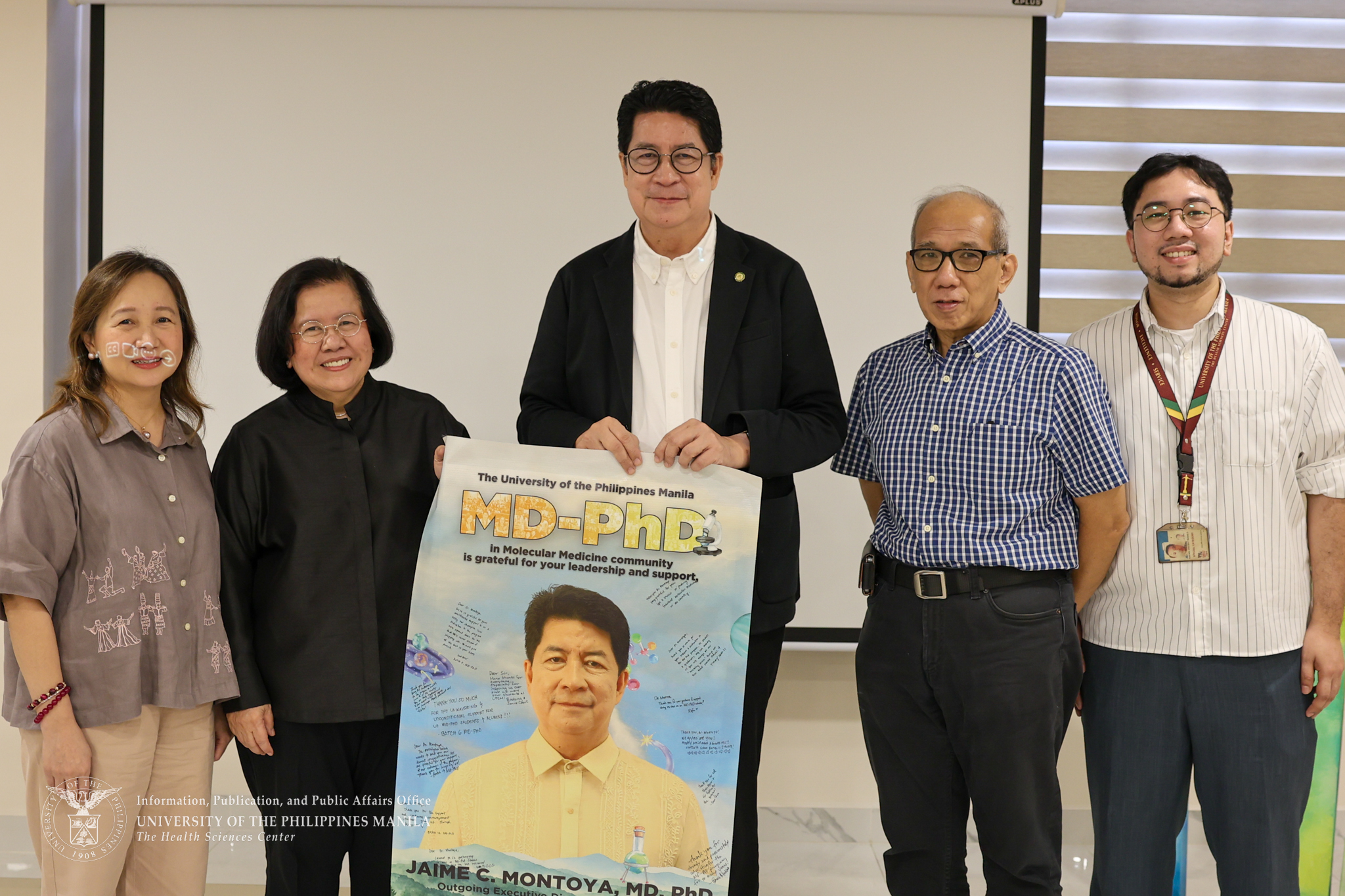
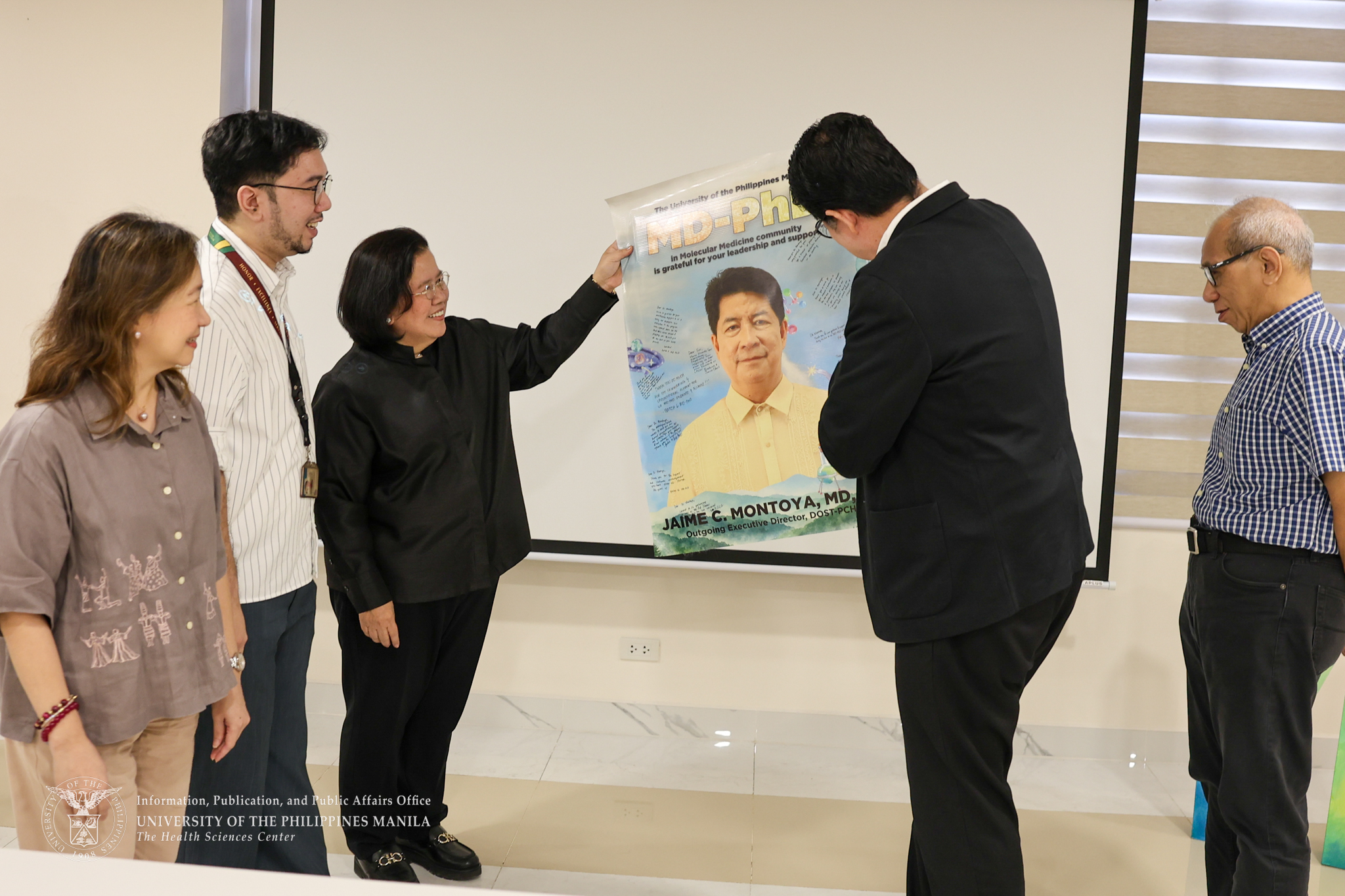
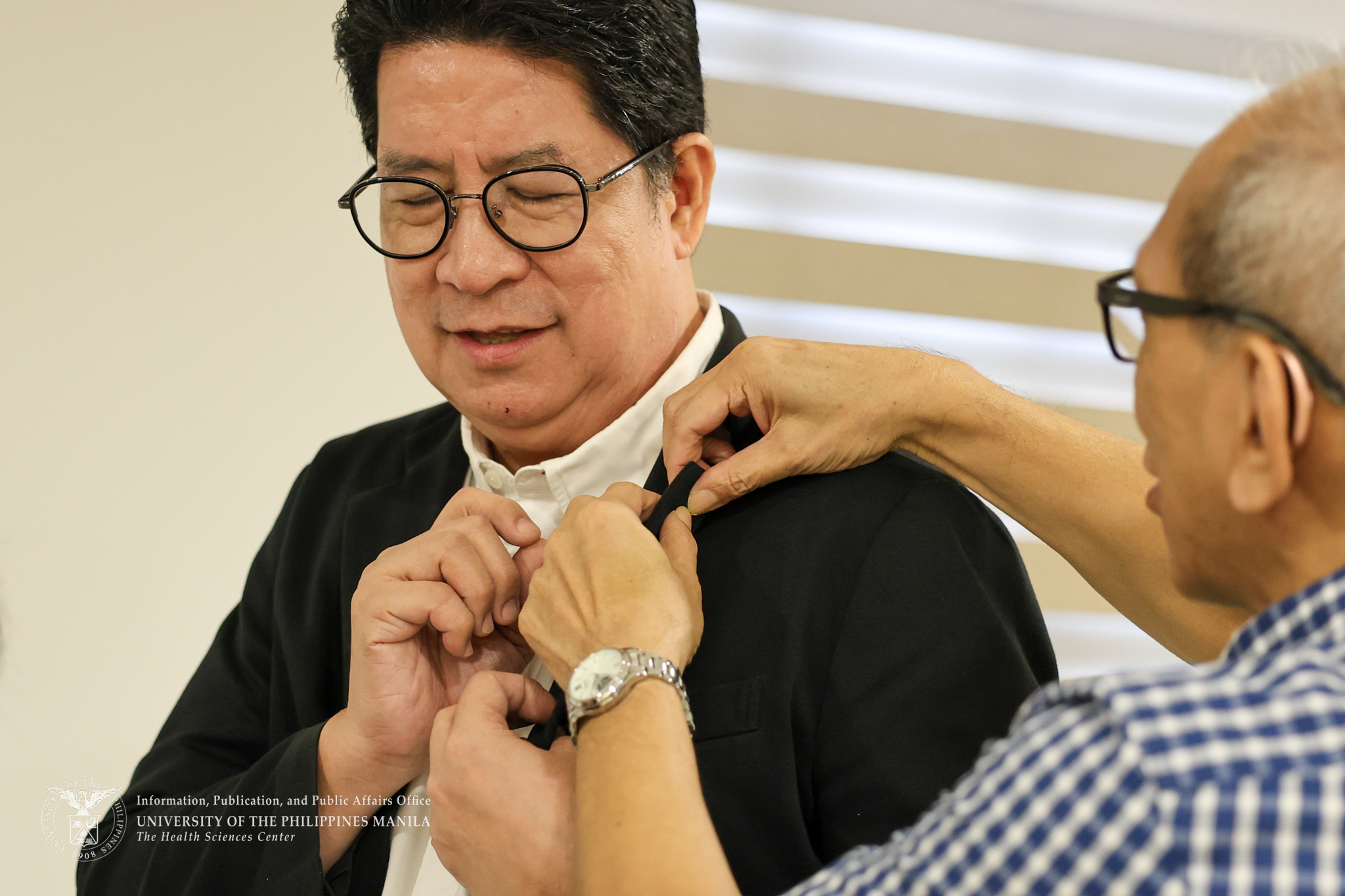
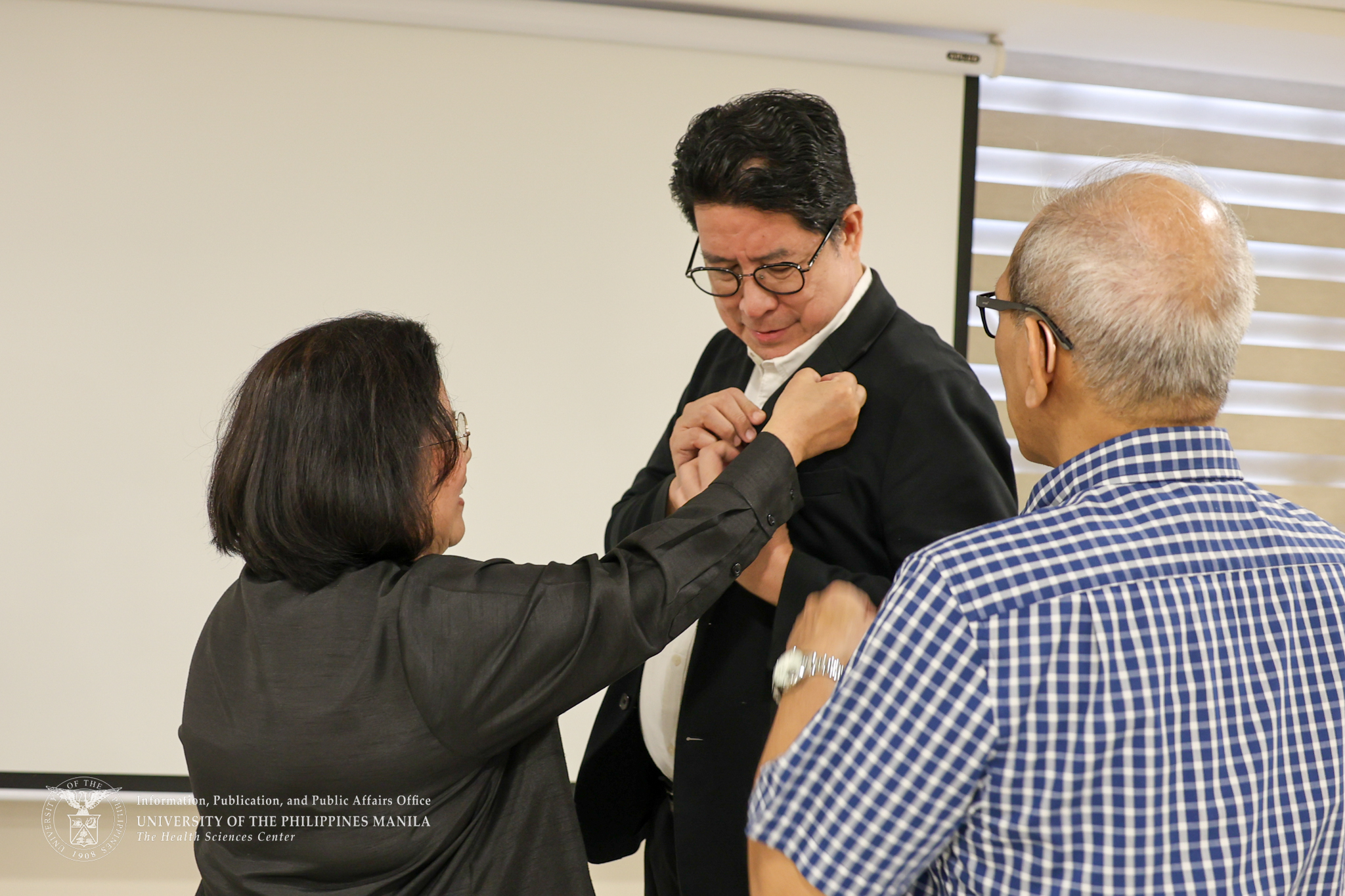
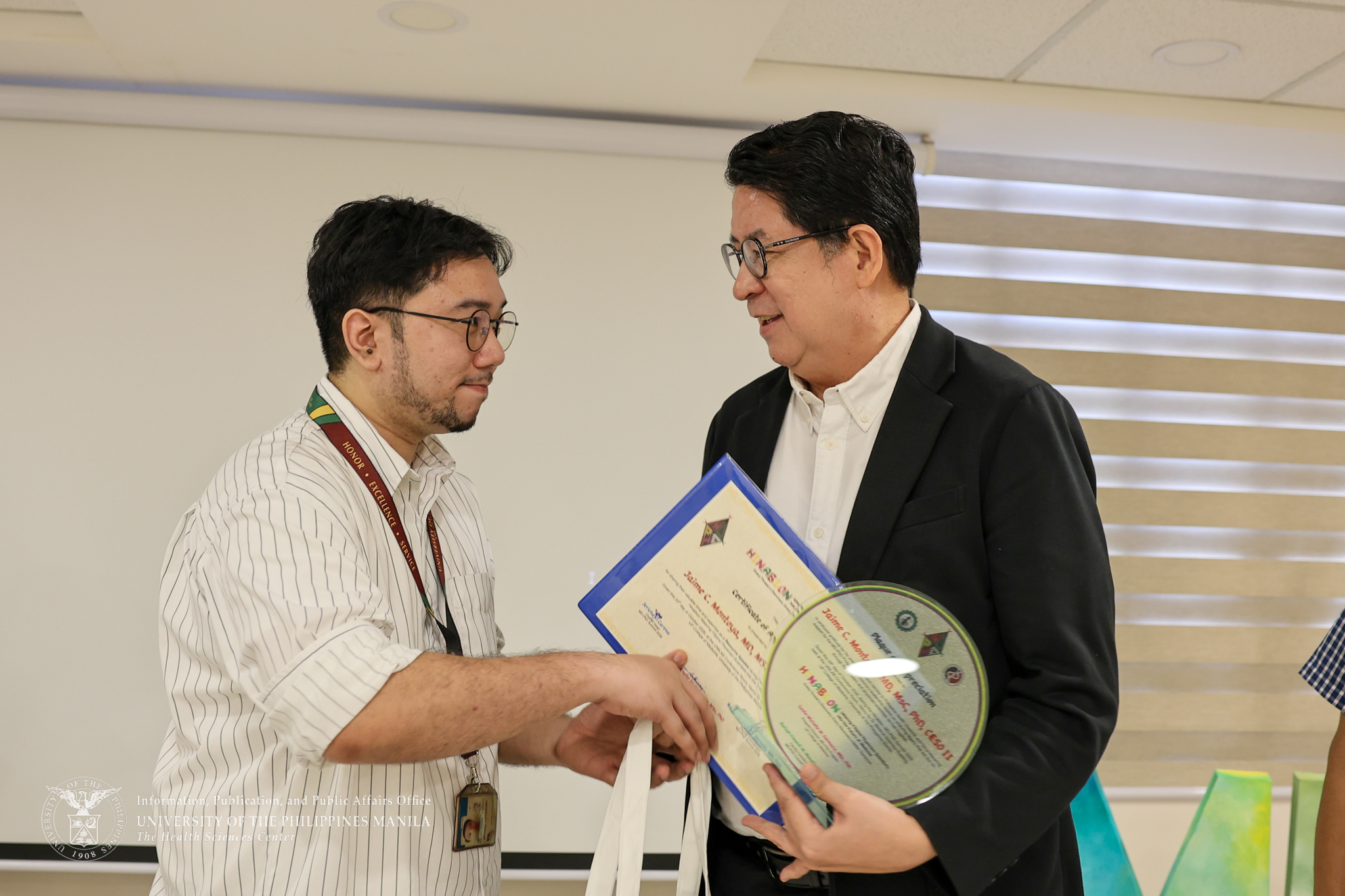
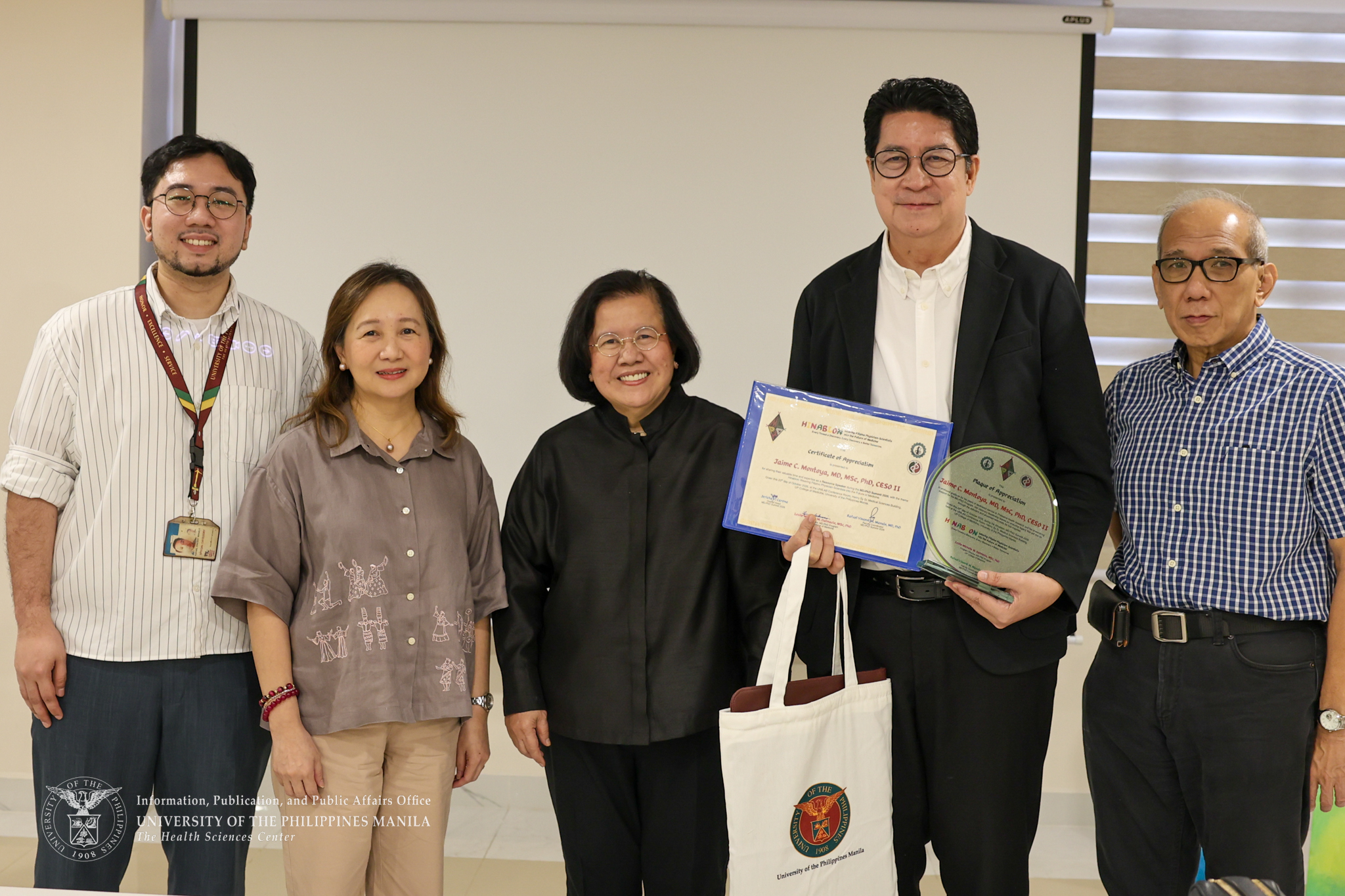
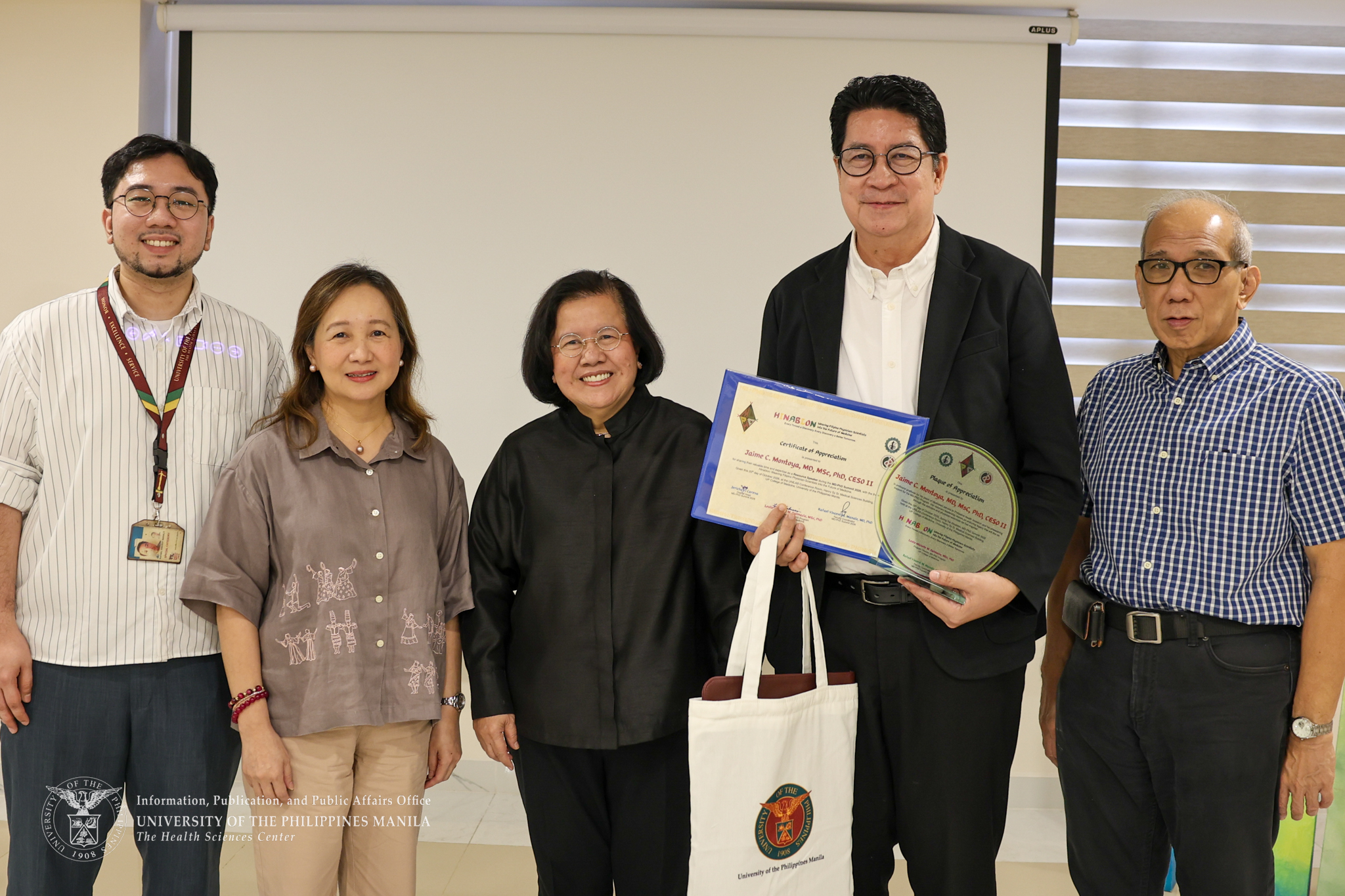
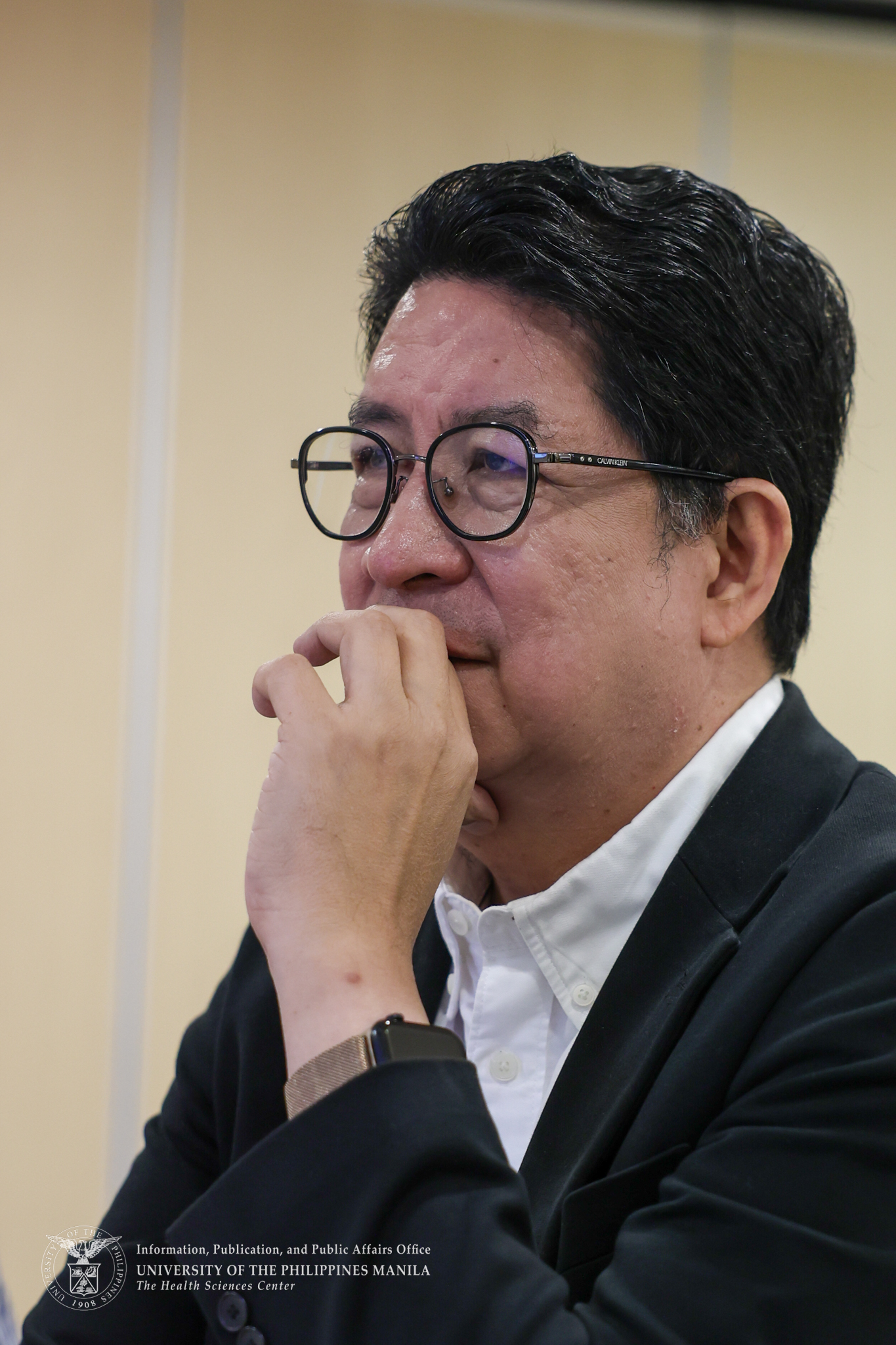
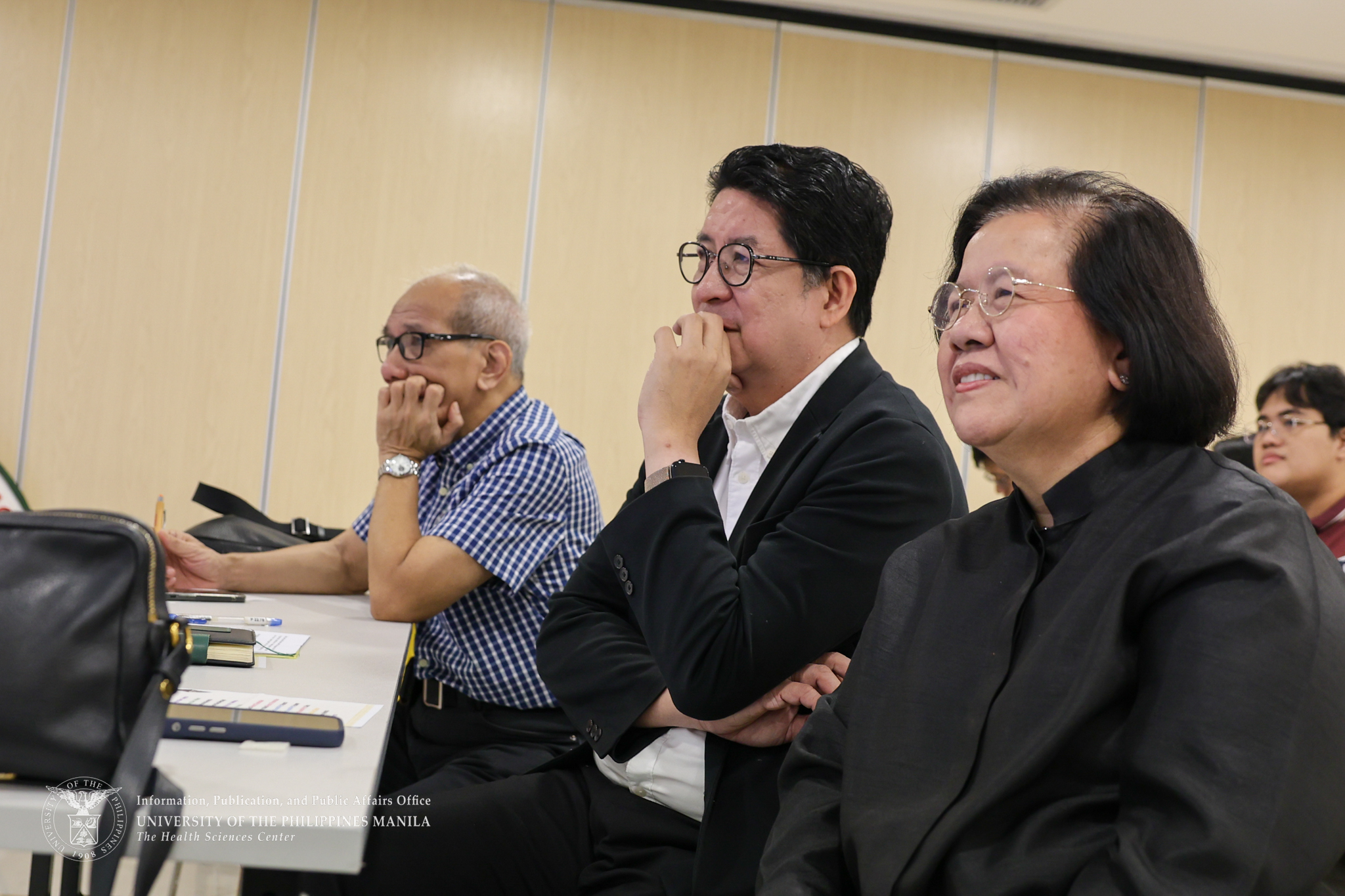
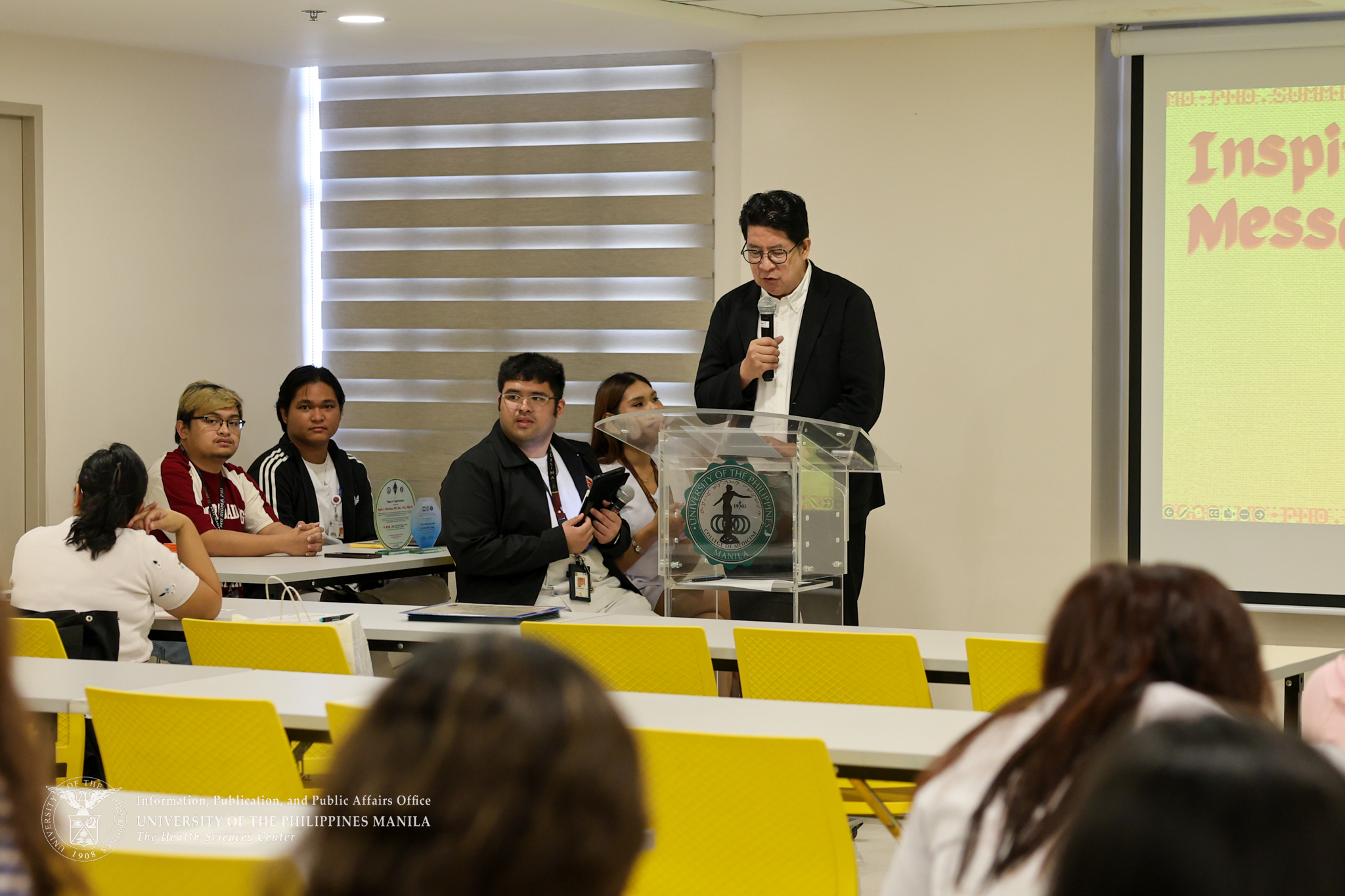
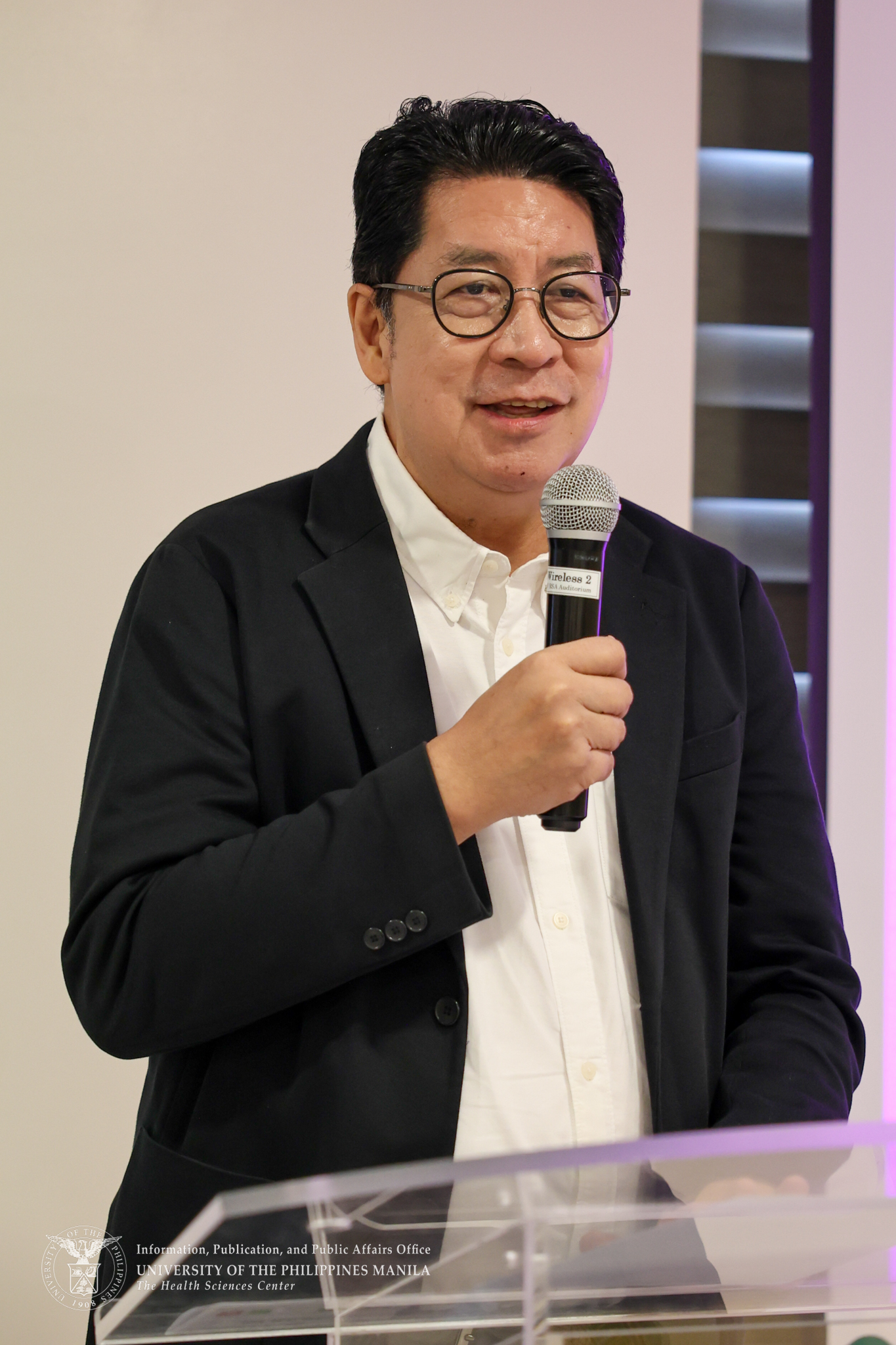
The University of the Philippines College of Medicine (UPCM) MD-PhD Program honored Dr. Jaime Montoya, former executive director of the Department of Science and Technology–Philippine Council for Health Research and Development (DOST-PCHRD) during the annual MD-PhD Summit on Oct. 20, 2026.
Dr. Montoya was recognized for his years of service to Philippine health research and support for the MD-PhD program. The program highlighted his participation in welcoming successive batches of scholars, including during the pandemic, and his role in sustaining a community of Filipino physician-scientists.
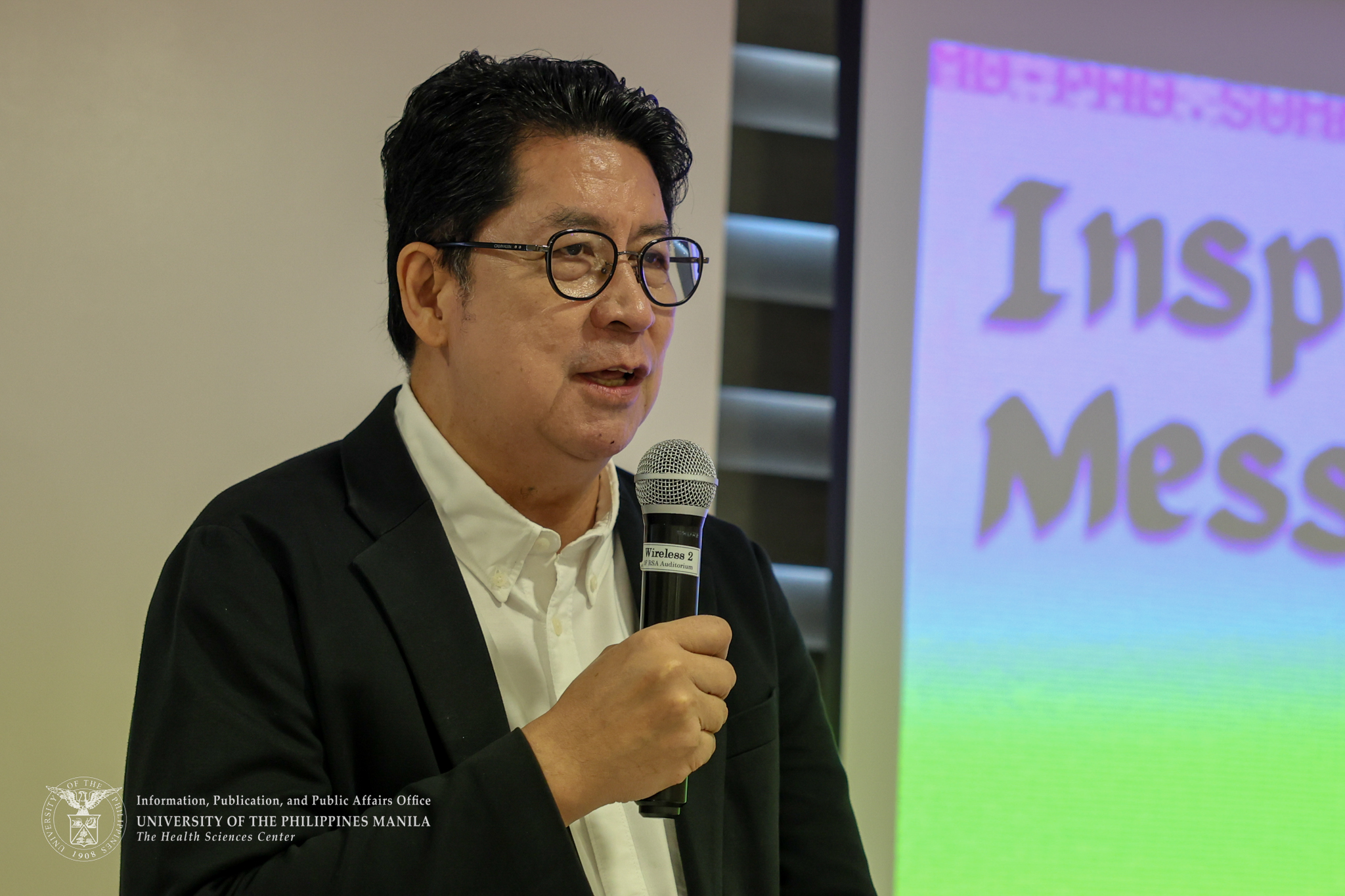
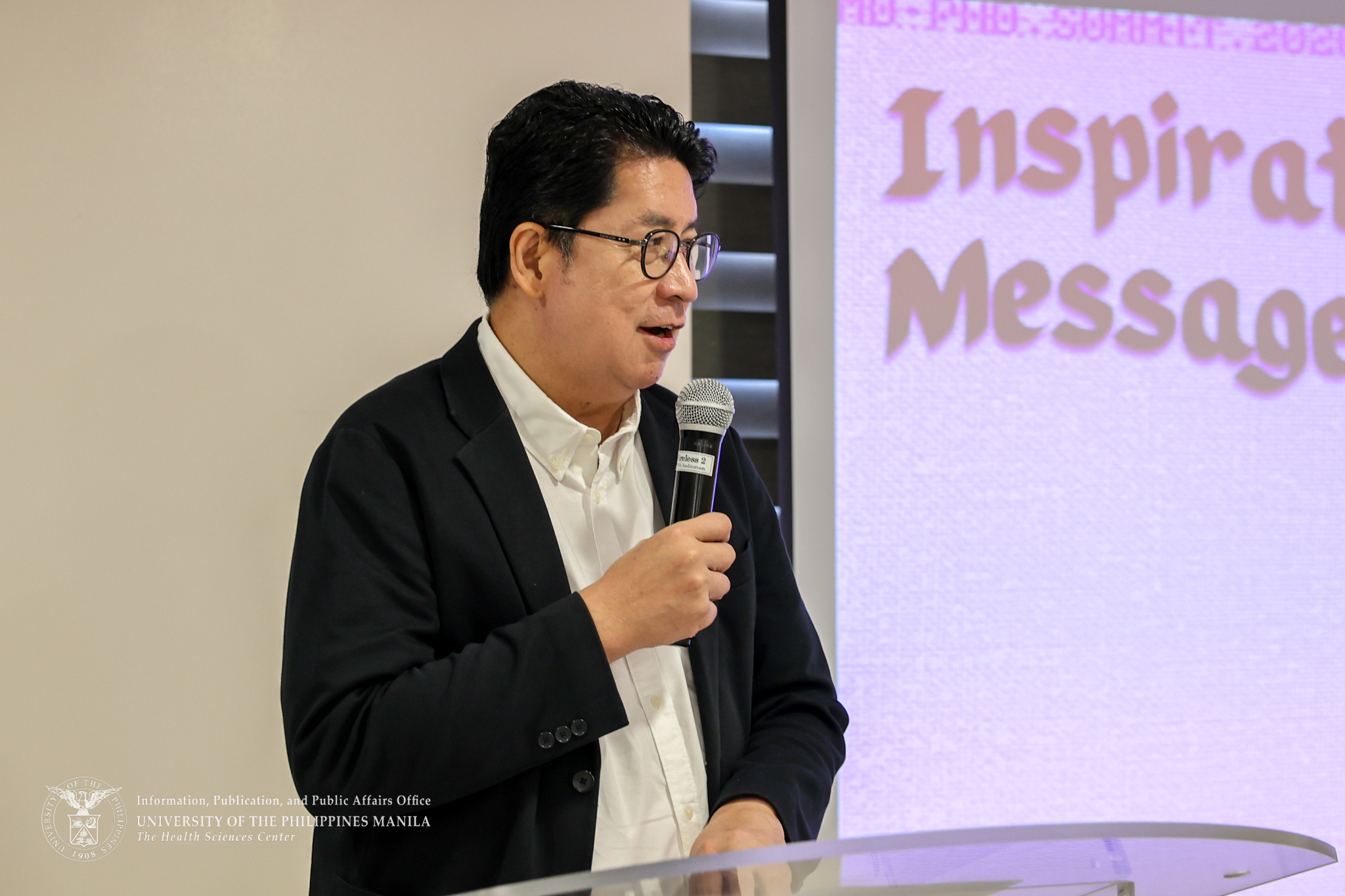
Dr. Montoya described the summit’s weaving theme as a fitting representation of the MD-PhD journey, which brings together the demands of medical practice and scientific research.
“Weaving is about bringing together many different threads and turning them into something stronger and more meaningful than any single thread could be on its own. And I think that is exactly what an MD-PhD journey is about. You are building together two demanding fields: the practice of medicine and the pursuit of science. But as you discover, you are actually weaving together much more than that: knowledge and compassion, discovery and service, curiosity and responsibility, scientific findings, and the deep realities of patients,” he said.
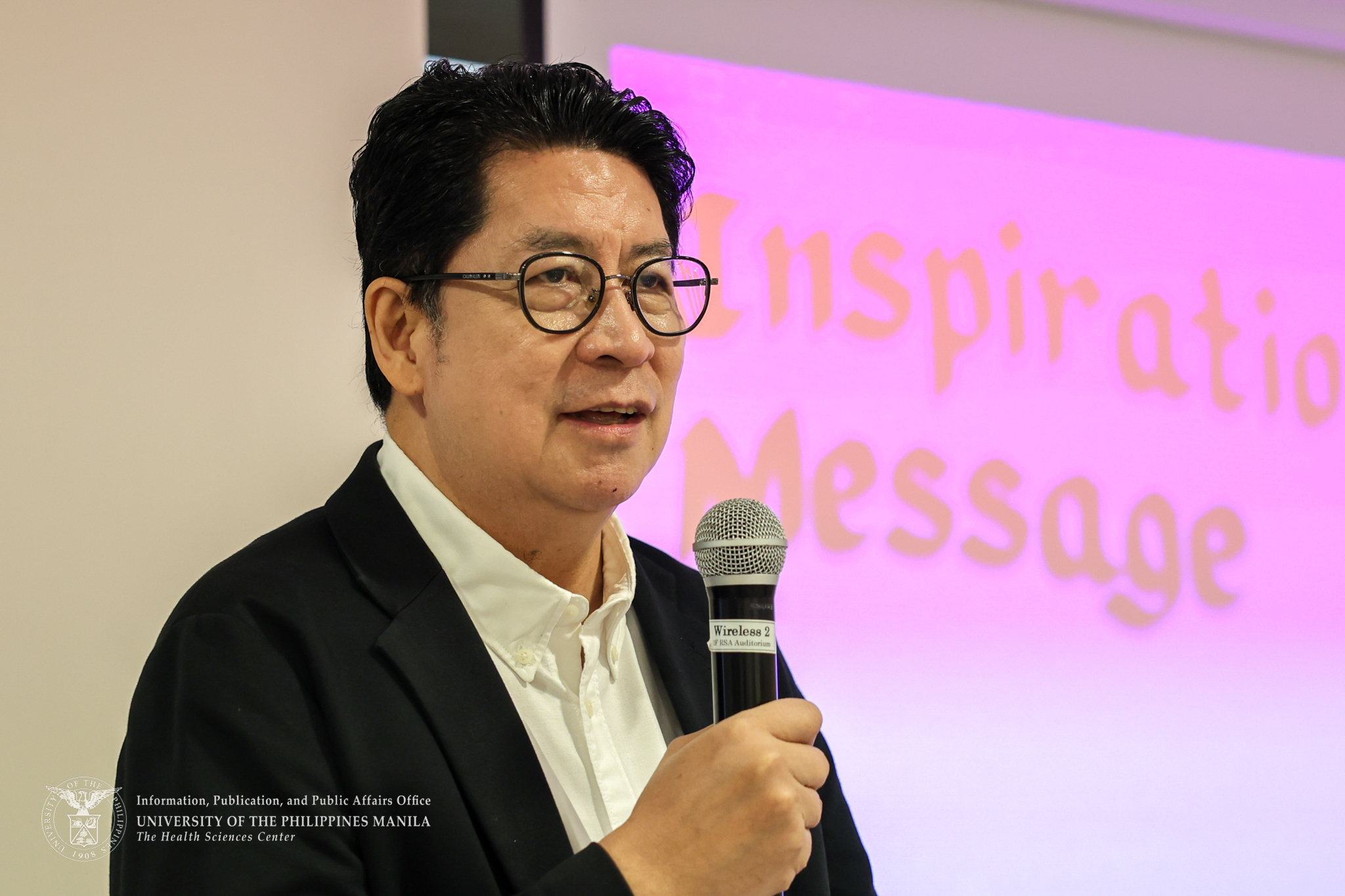
This means integrating medical knowledge with scientific inquiry, compassion with discovery, and research findings with the realities experienced by patients. The combined training allows graduates to approach health problems from both clinical and scientific perspectives. Physicians care for patients while researchers investigate why diseases occur, how they develop, and what interventions could improve outcomes.
Dr. Montoya encouraged scholars to draw research questions from the experiences of patients and the health needs of Filipino communities. He emphasized that their contributions need not be limited to major scientific discoveries, new diagnostic tools, or improved treatments.
He reminded the scholars that a research career involves setbacks, including failed experiments, rejected papers, difficult examinations, and long nights of work. He encouraged the scholars to learn from failure, continue asking questions, and remain committed to their work even when results are not immediately visible.
“A career is not built from one major achievement. It is built from many small decisions,” he said, referring to the decisions to persist, assist colleagues, mentor students, and continue working toward long-term goals.
He expressed his intention to support the recognition of MD-PhD graduates through the National Academy of Science and Technology Philippines (NAST PHL), which he currently leads. He encouraged nominations for the academy’s 2027 awards, including the Outstanding Young Scientist Award and other research distinctions.
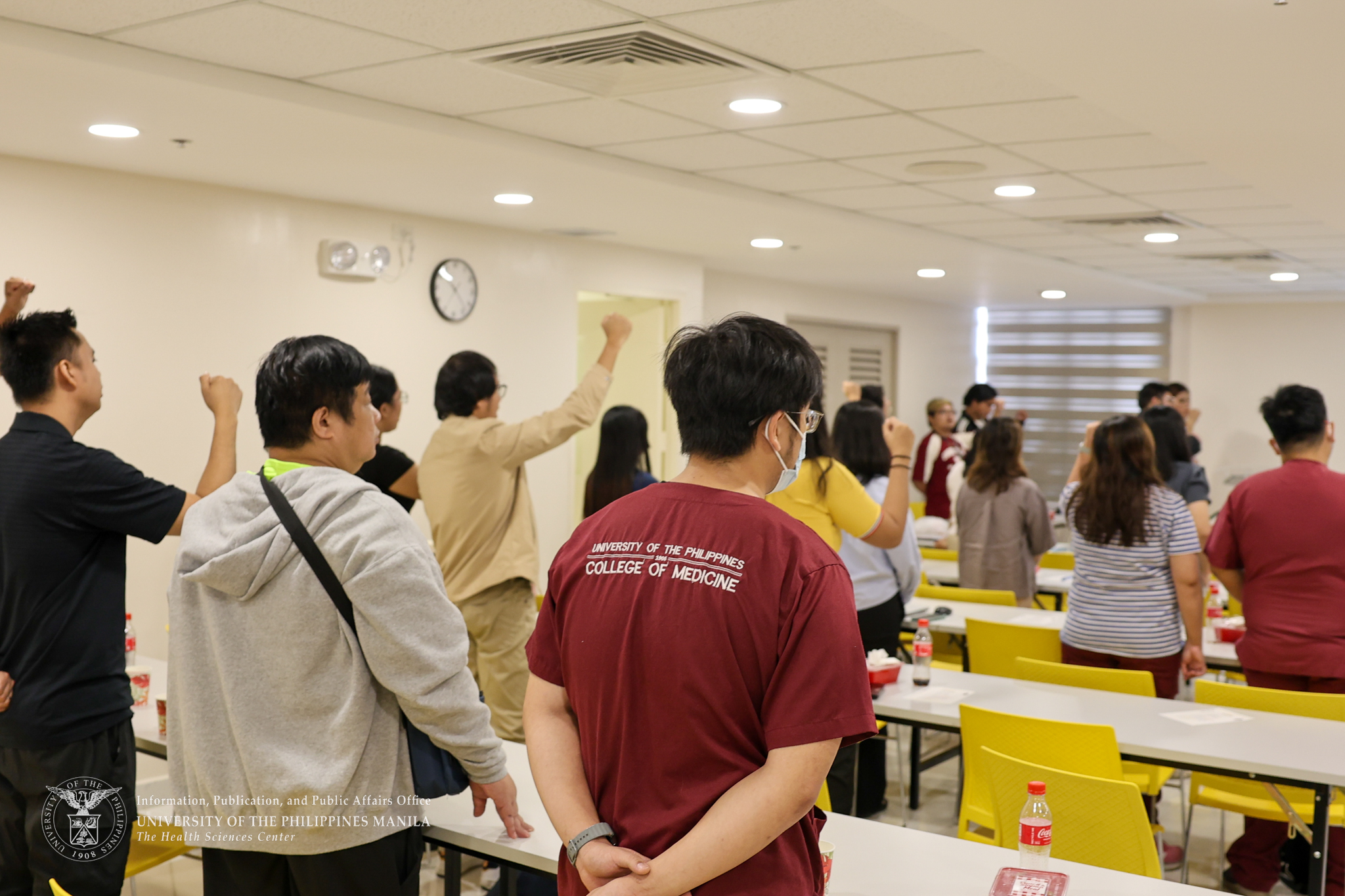
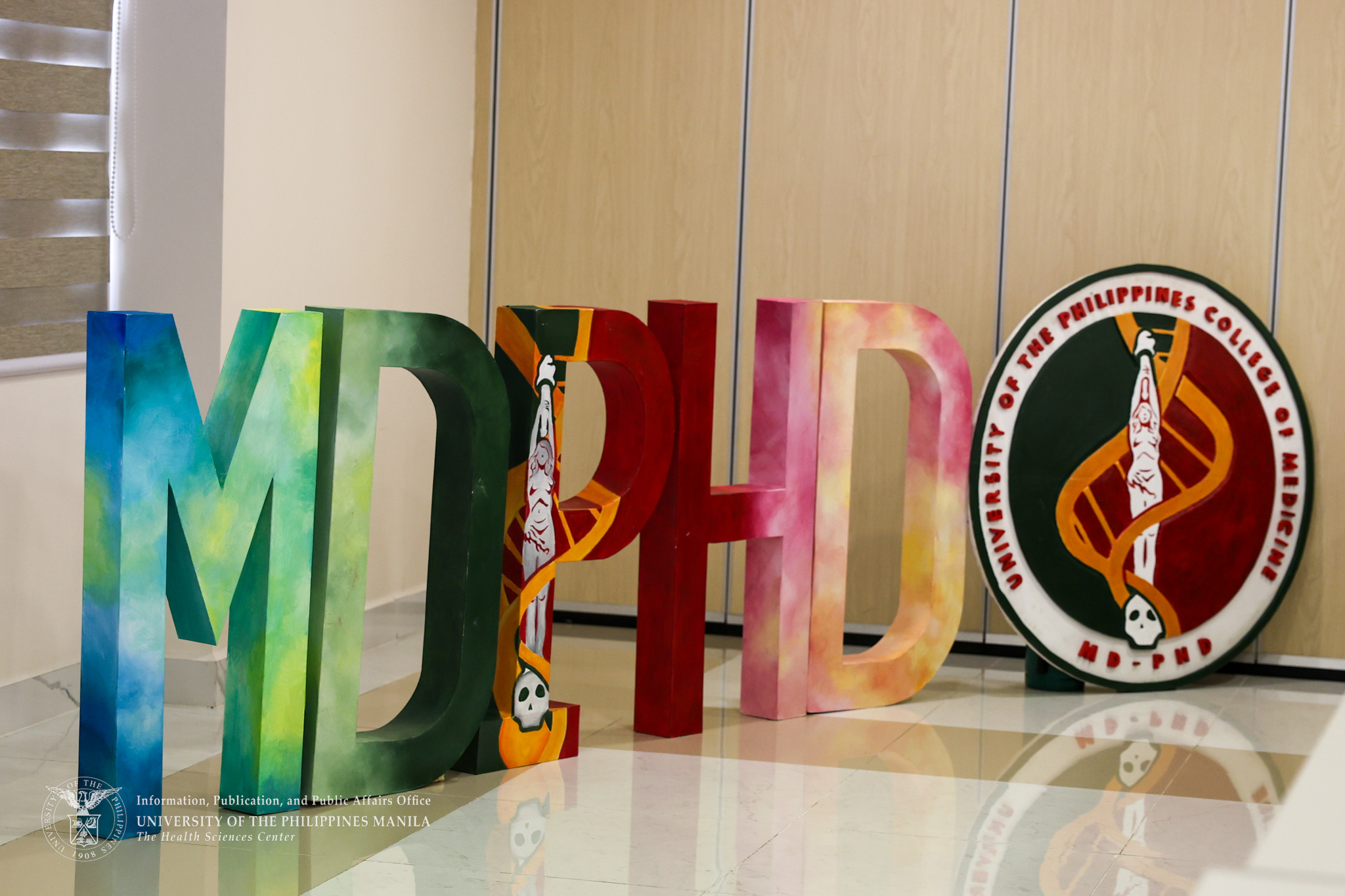
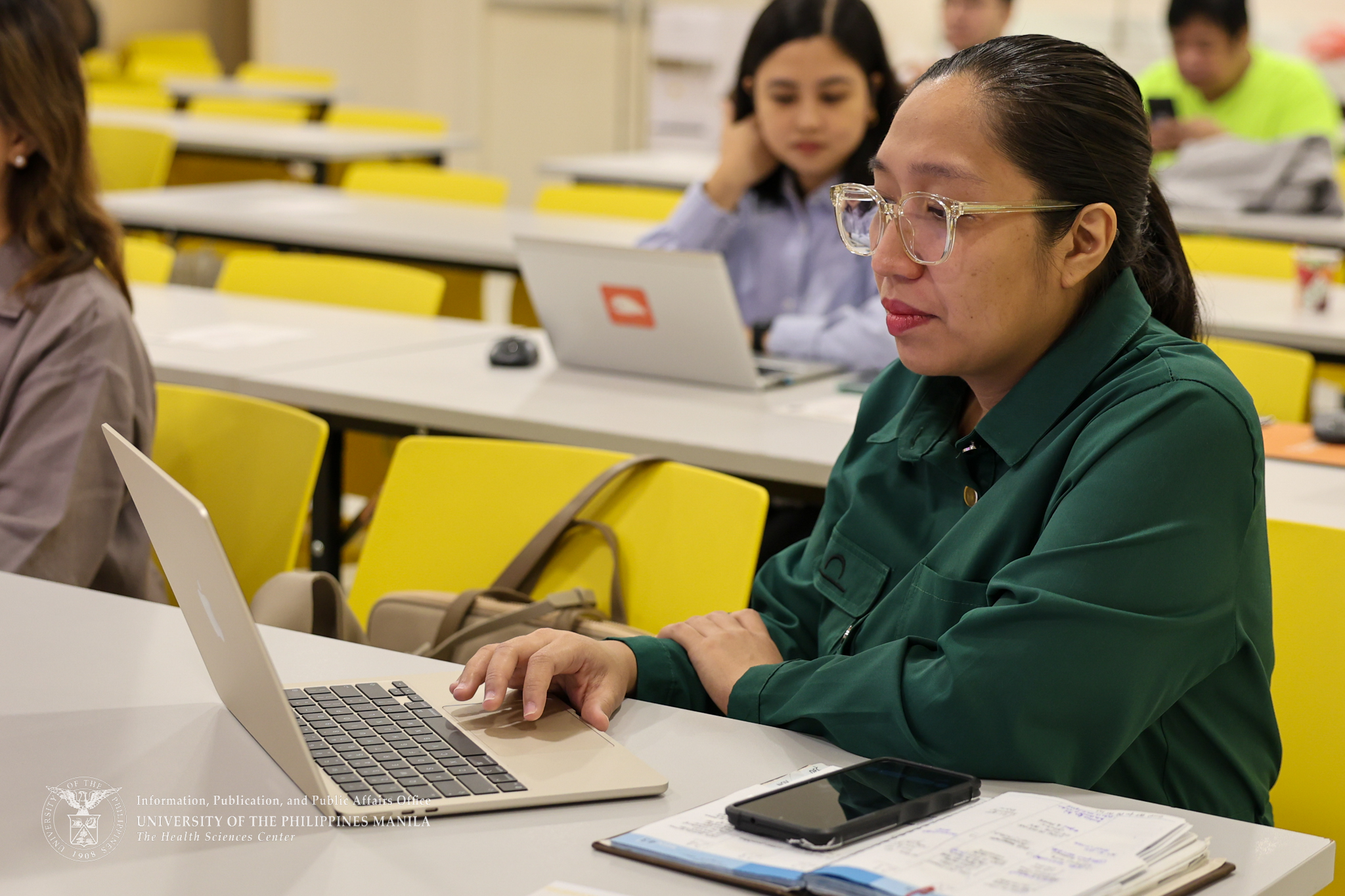
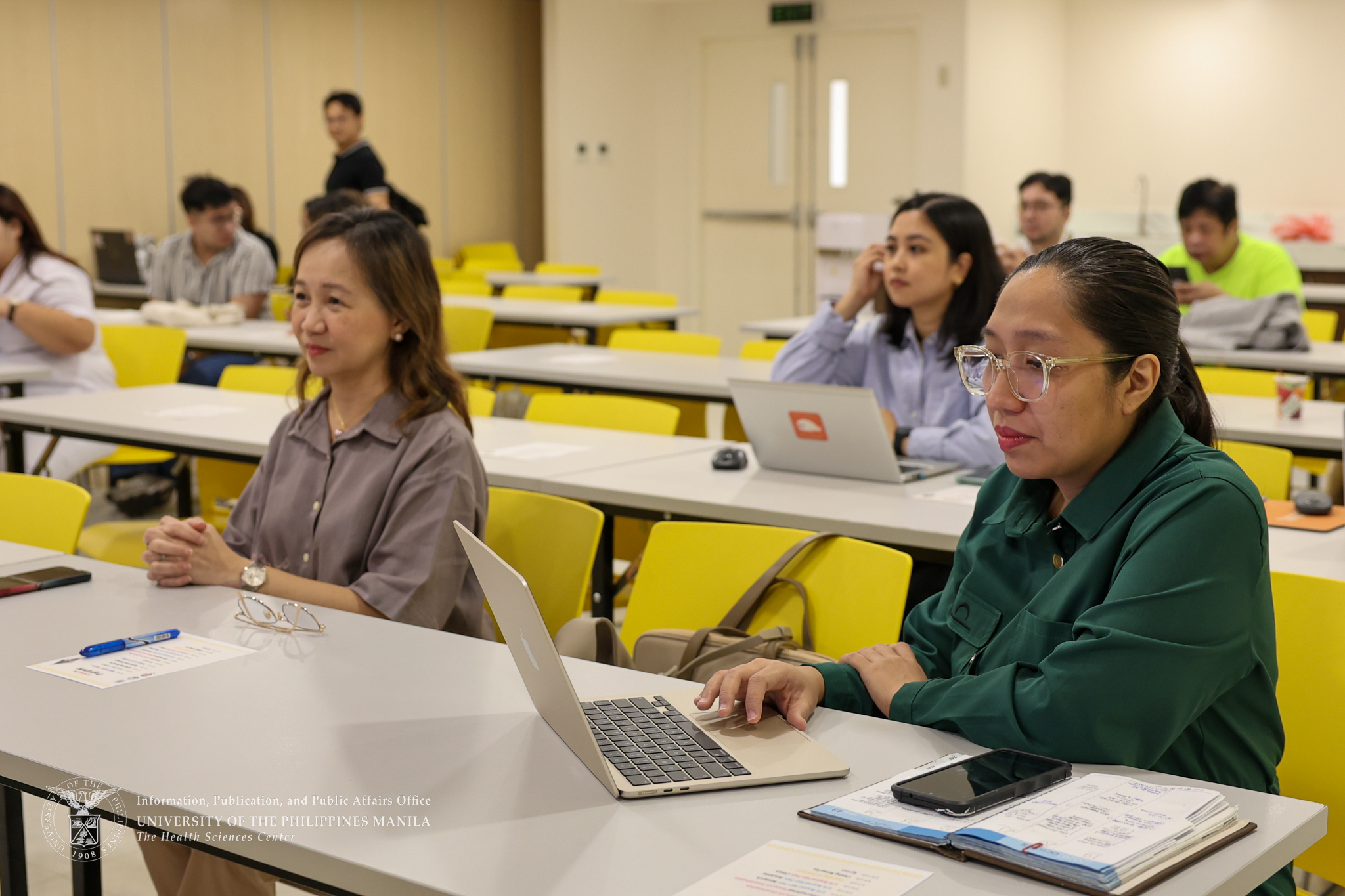
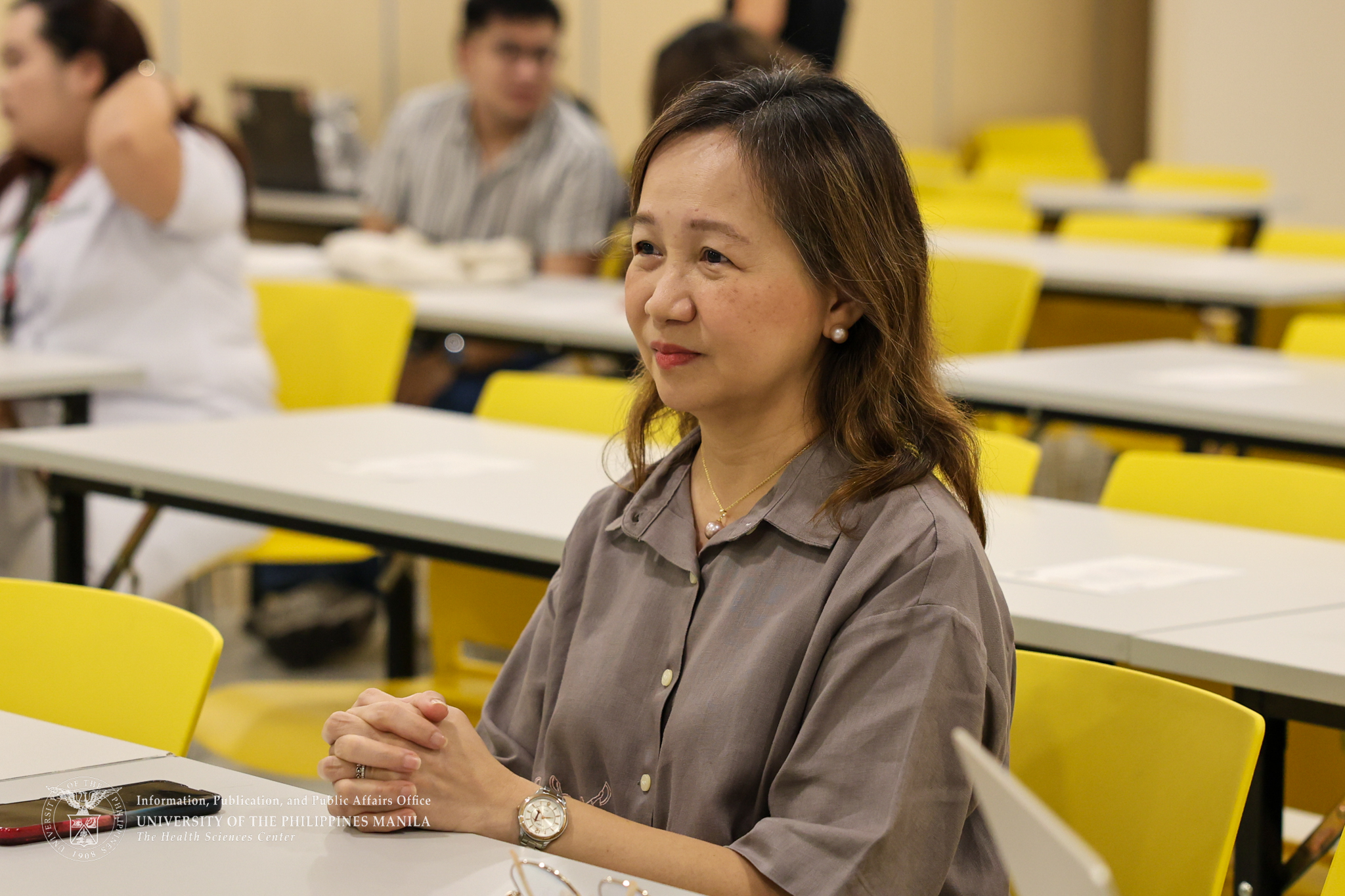
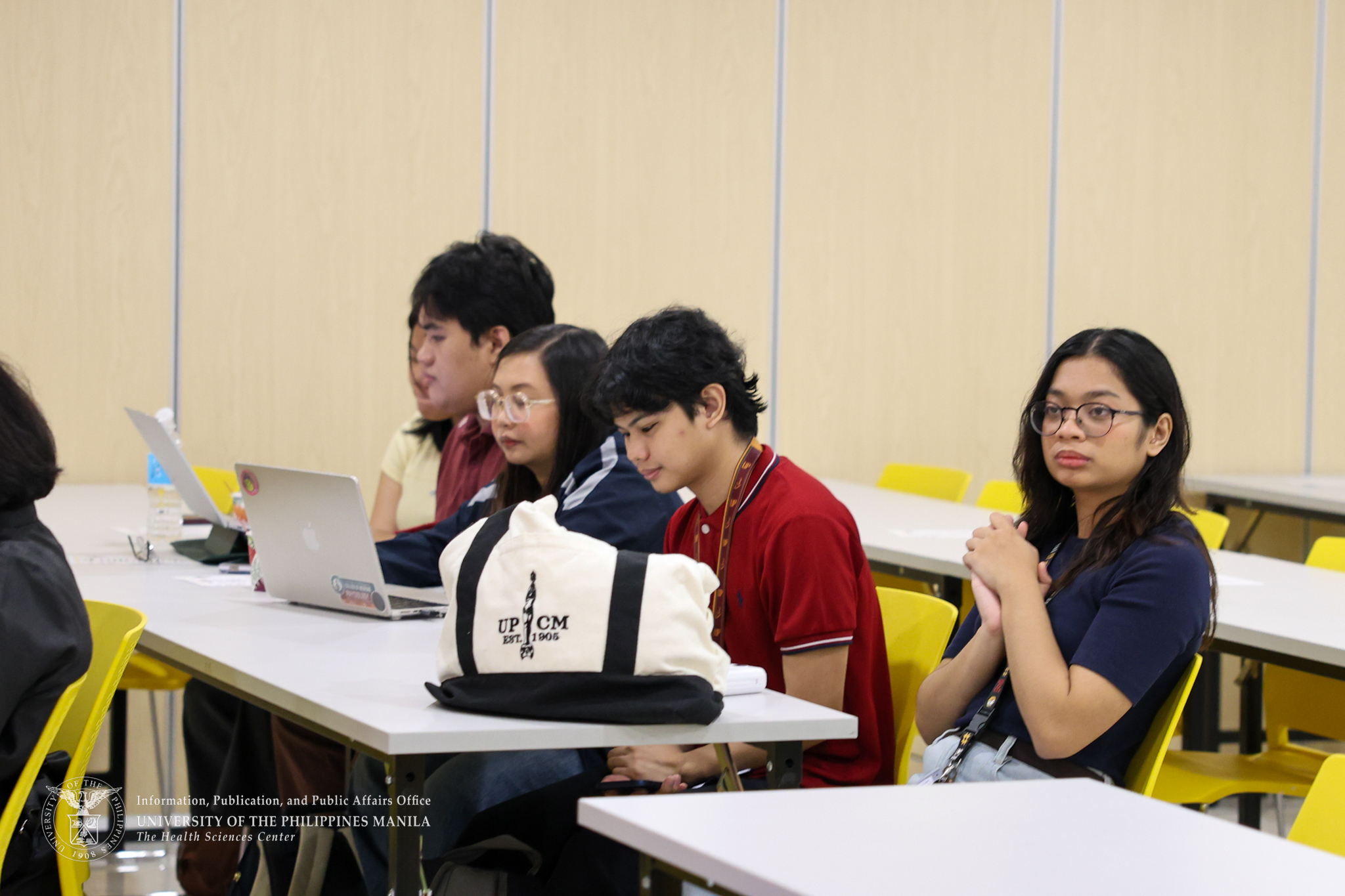
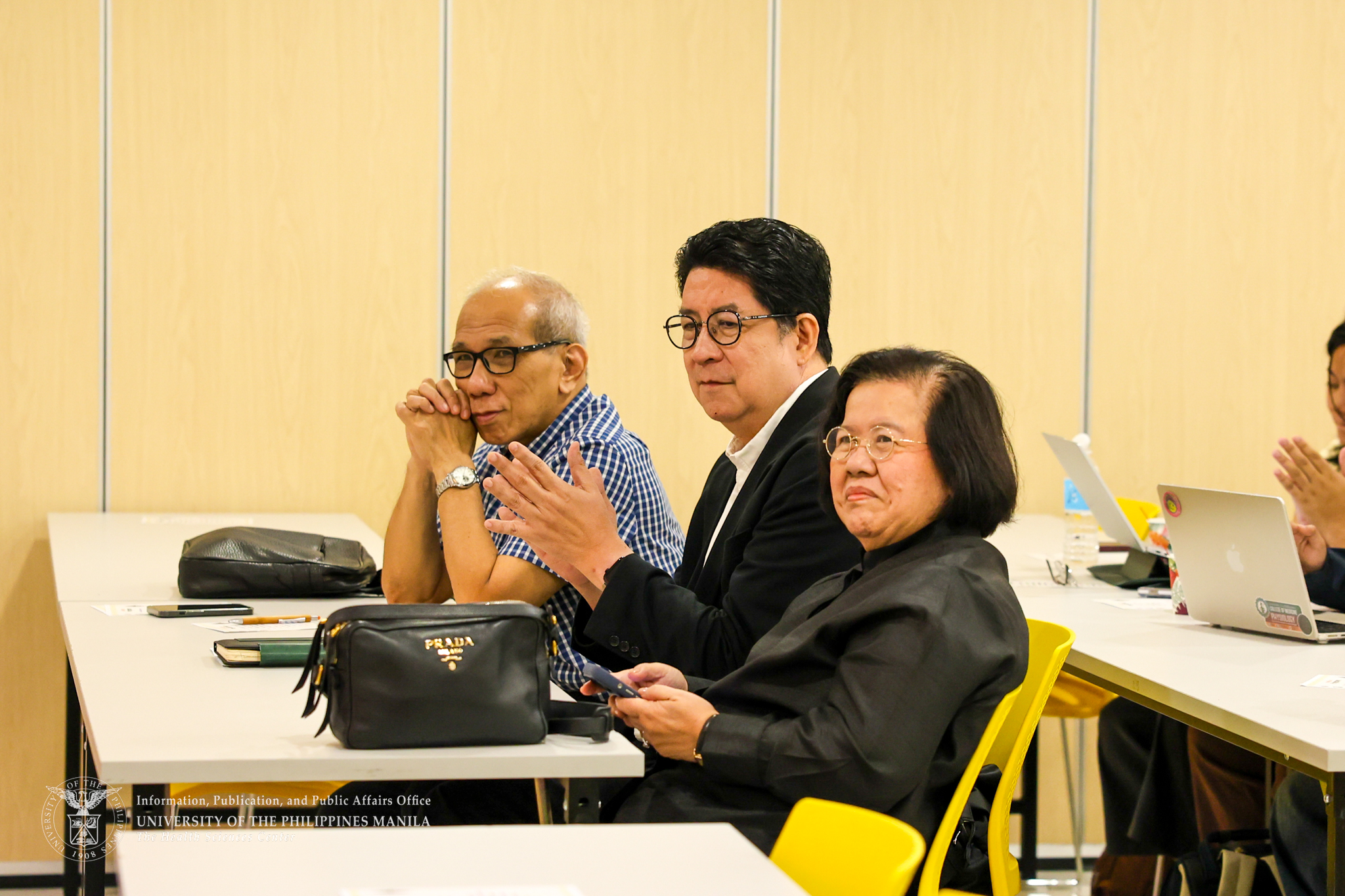
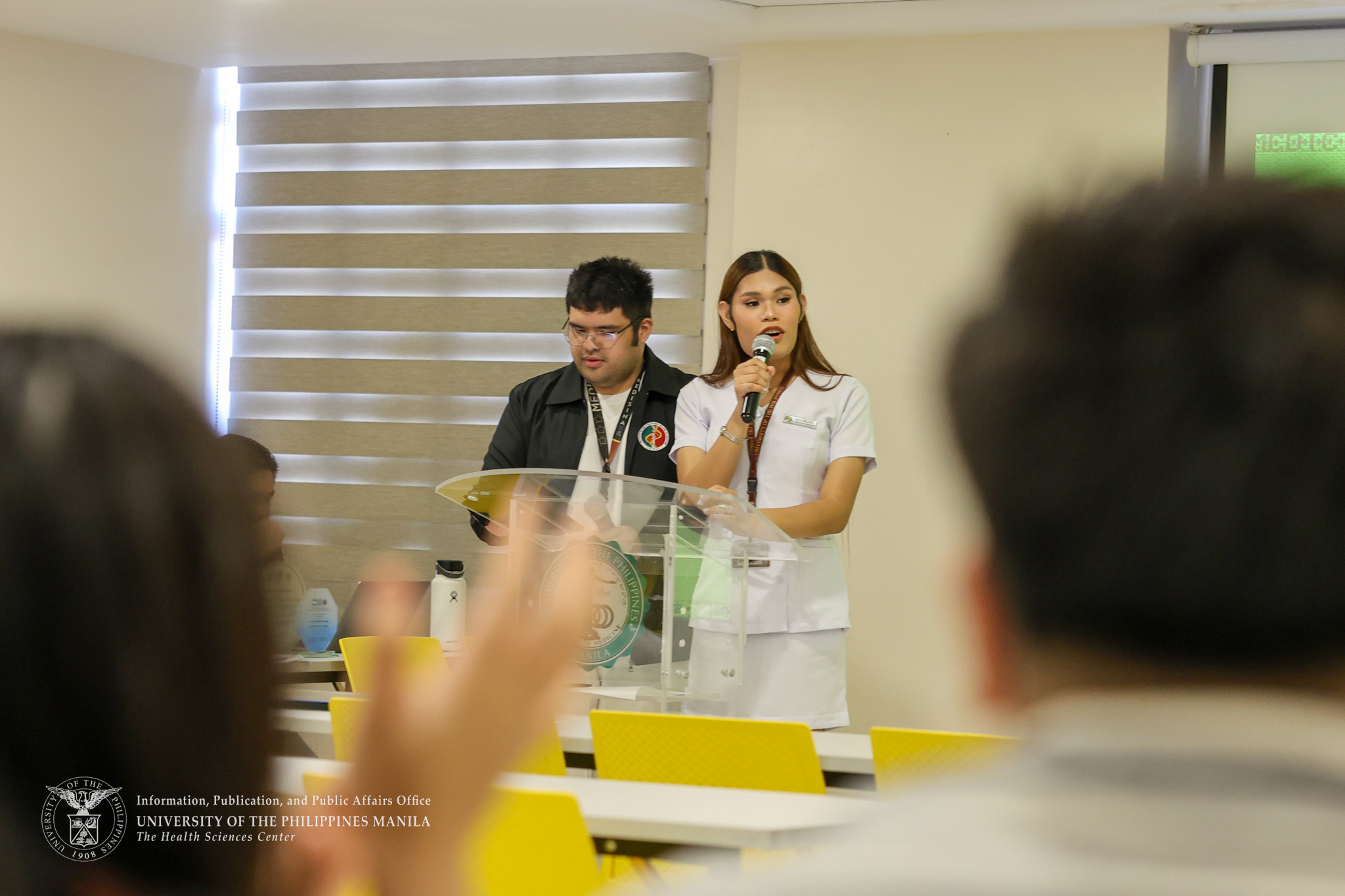
Held at the UniLab Conference Room of the Henry Sy Sr. Medical Sciences Building, the summit carried the theme “HINABLON: Weaving Filipino Physician-Scientists into the Future of Medicine.” Physician-scientists, faculty members, researchers, alumni, and scholars discussed research dissemination, international scientific collaboration, academic careers, and clinical practice, while recognizing the achievements of MD-PhD scholars.
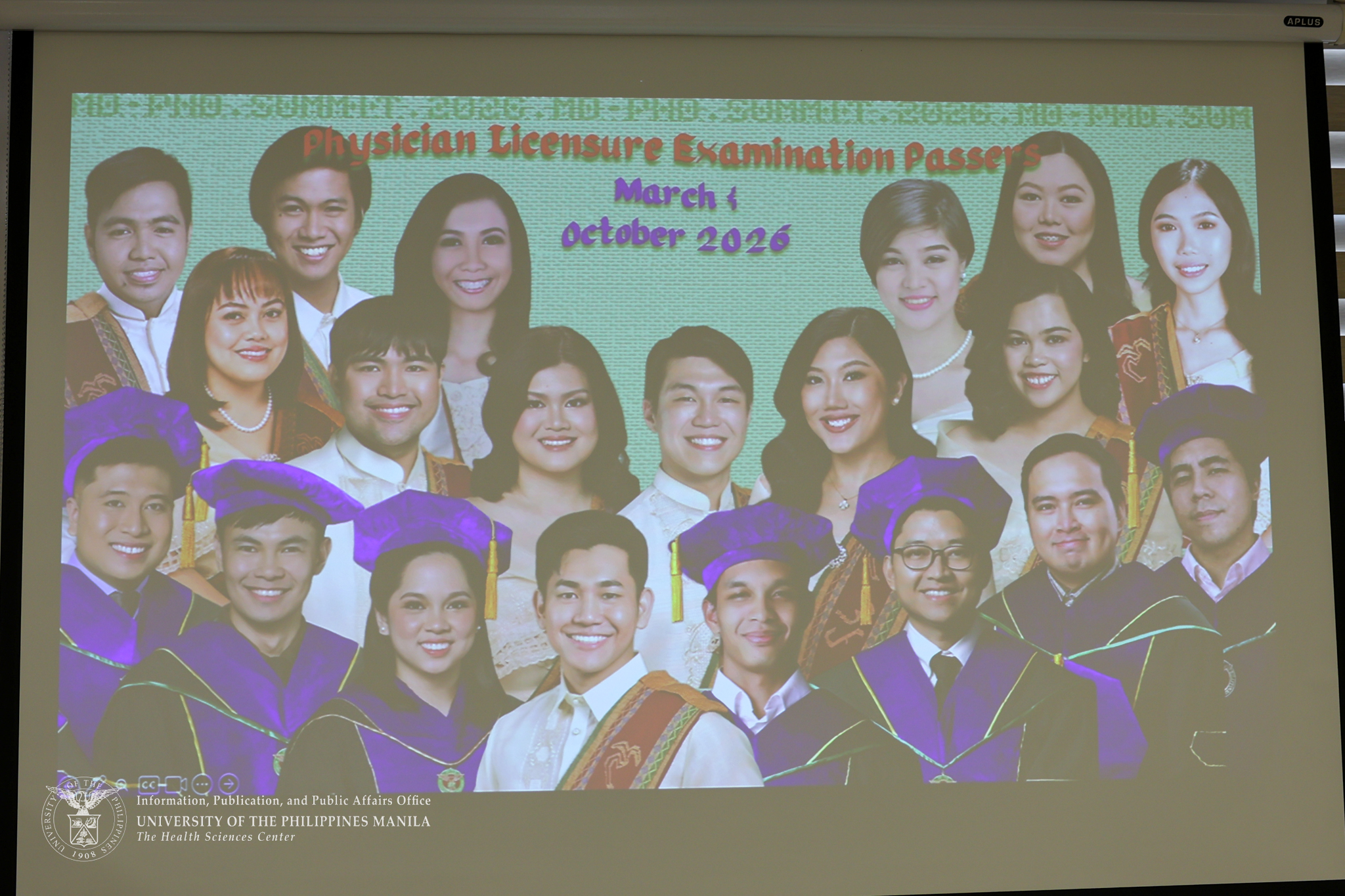
The gathering also welcomed the program’s 17th batch of scholars and reunited graduates from earlier batches, highlighting the role of mentorship, institutional support, and scientific collaboration in preparing physician-scientists to address the Philippines’ health research needs. The event also became an avenue to explore career opportunities for Filipino physician-scientists.
UPCM Reaffirms Commitment to Developing Physician-Scientists
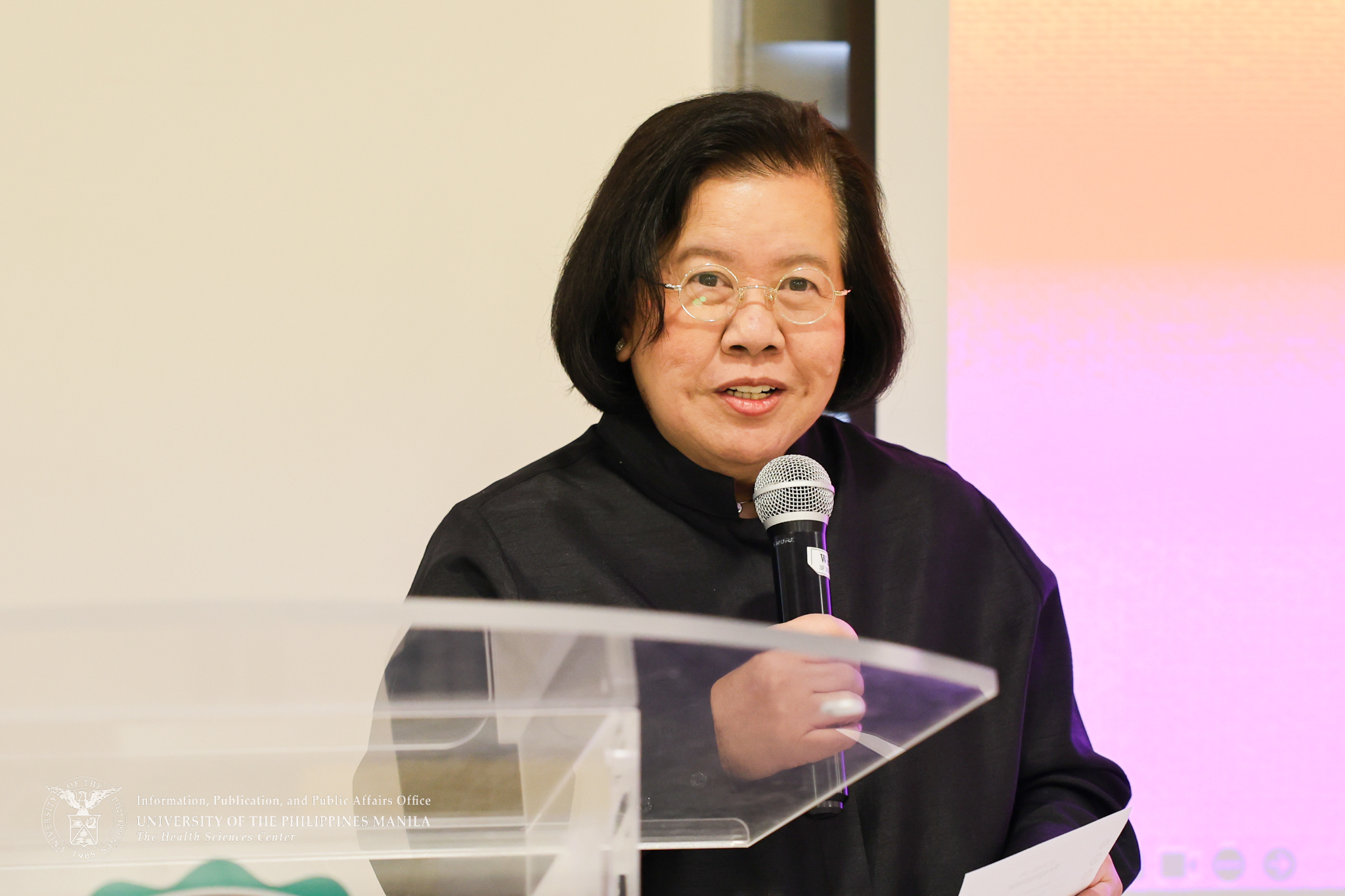
UPCM Dean Charlotte Chiong acknowledged the faculty members, alumni, and program organizers whose continued involvement has helped sustain the MD-PhD program. She recognized the contributions of former scholars who continue to support the program through their time, expertise, and other resources.
The dean expressed optimism about the program’s continuing development and its goal of preparing physician-scientists who can contribute to medical research in the Philippines and beyond.
The annual summit serves as a venue for the MD-PhD community to share experiences, recognize accomplishments, and welcome new scholars into a program that combines medical training with advanced research preparation.
Research Careers Advance Scientific Discovery
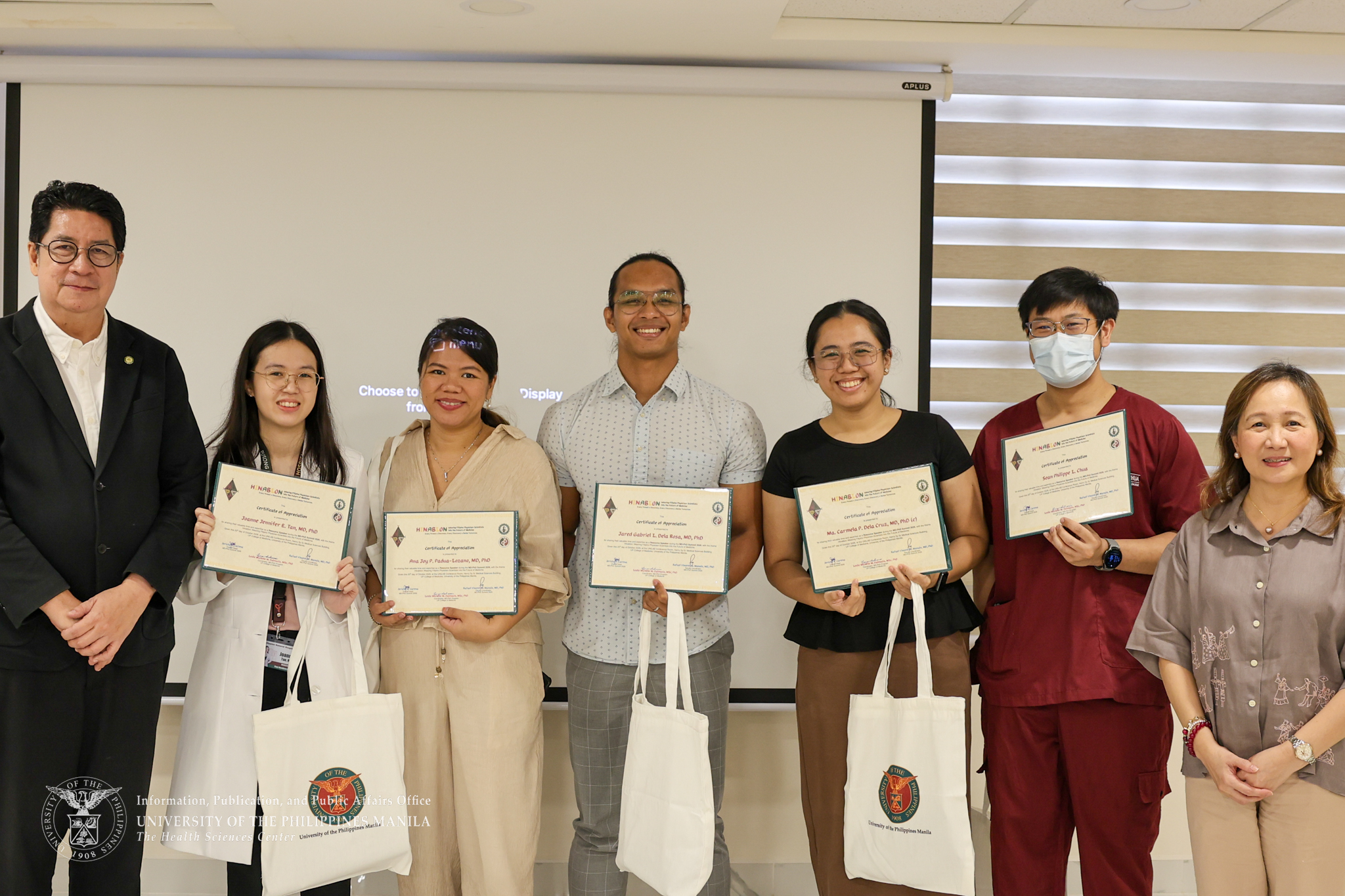
Dr. Jared Gabriel Dela Rosa, an MD-PhD graduate of the UP College of Medicine, shared his experience pursuing a research career, highlighting his work in cardiovascular biology and regenerative medicine. His research has focused on understanding the molecular mechanisms underlying the regenerative potential of neonatal mouse cardiac pacemaker cells, particularly in the cardiac conduction system. He currently serves as a Project Technical Specialist for a research project involving single-cell genomics, investigating molecular and genetic pathways associated with post-tuberculosis lung disease and TB-HIV coinfection. His work illustrates how physician-scientists can apply advanced research technologies to investigate complex disease mechanisms and contribute to the development of scientific knowledge relevant to patient health.
Local Research Dissemination Strengthens Scientific Practice
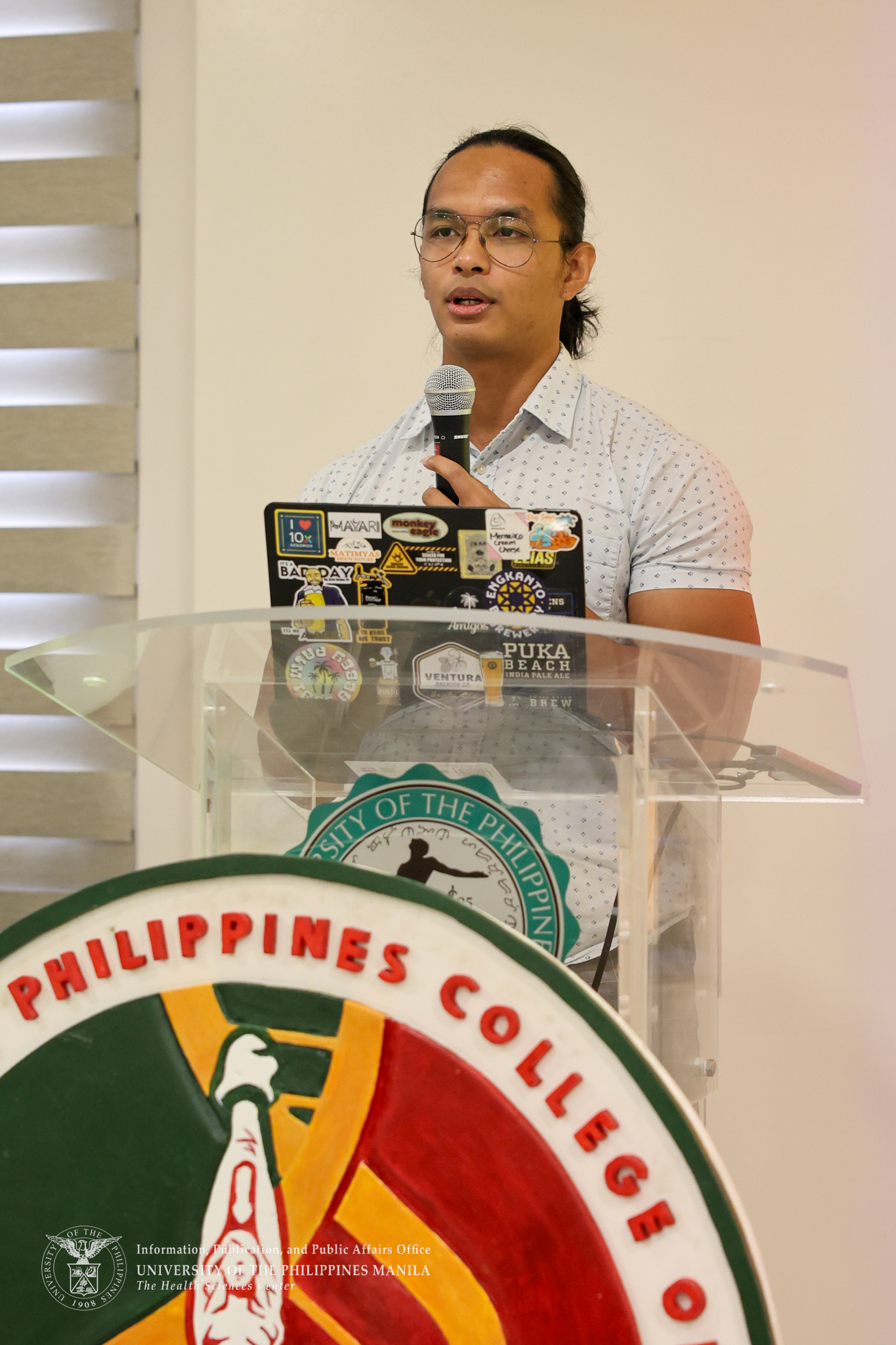
The summit’s research dissemination segment featured MD-PhD scholar Sean Chua, who discussed how local conferences help researchers broaden their understanding of Philippine research, build professional networks, and receive feedback to improve their work.
Chua also highlighted mentorship and collaboration in introducing younger students to scientific inquiry and conference presentations. He noted that feedback from fellow researchers can challenge assumptions, refine methods, and identify new research directions.
The presentation also addressed challenges in balancing research with medical training, including limited laboratory access, procurement delays, administrative requirements, and inconsistent research spaces that can affect experimental results.
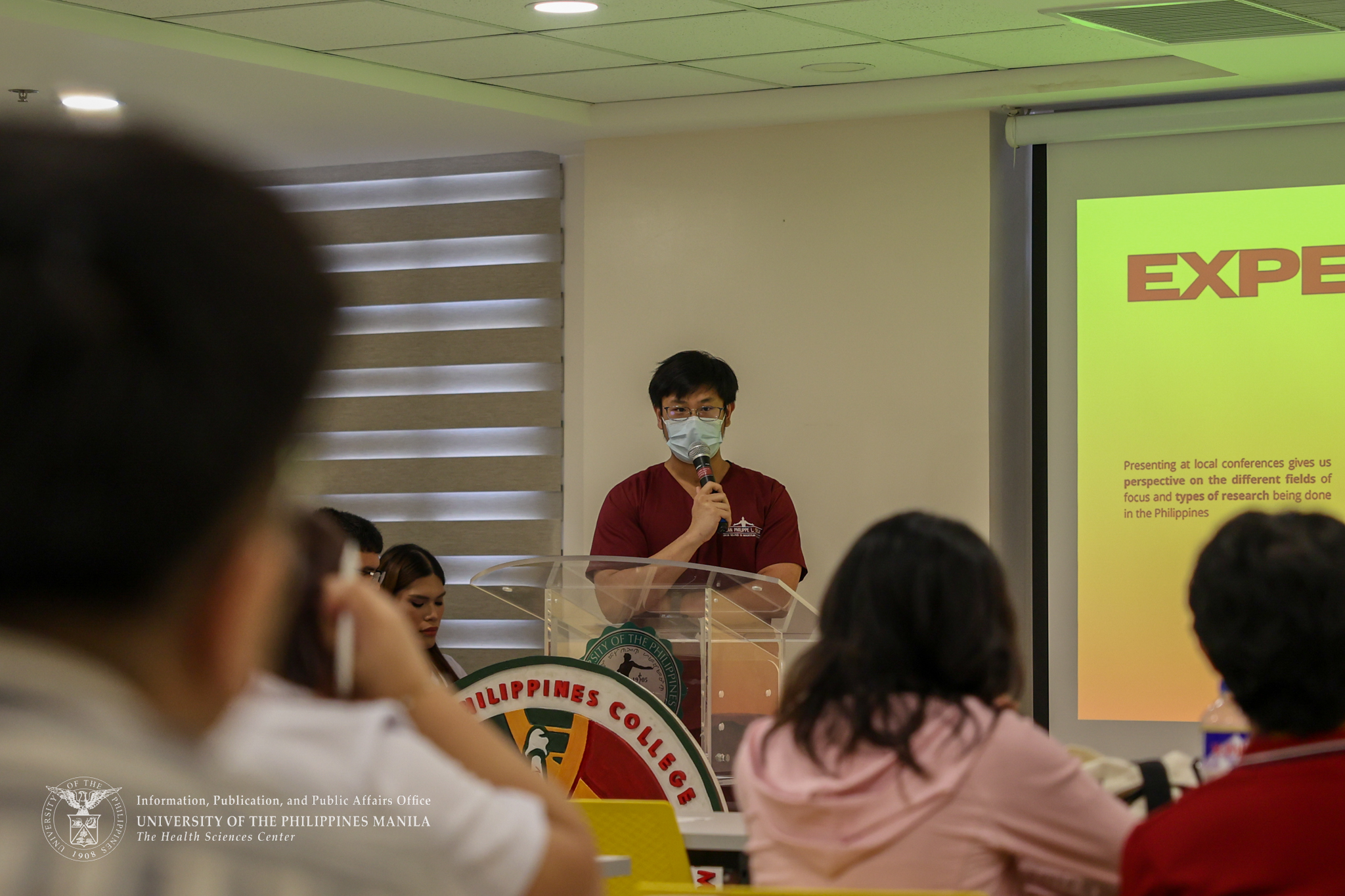
Despite these constraints, Chua emphasized time management, resourcefulness, and openness to ideas beyond one’s specialization. He underscored the value of local conferences in strengthening research practices, fostering collaboration, and developing scientific networks.
International Research Opportunities Expand Scientific Perspectives
MD-PhD scholar Maria Carmela Perez de la Cruz shared her experiences presenting research at international conferences in Thailand, Malaysia, and the United States, where she presented work ranging from an initial research project to her dissertation findings. Her early research presentation won first place at a conference.
She highlighted how literature reviews, systematic reviews, and meta-analyses help identify research gaps and strengthen dissertation work. During her research training in the United States, she received feedback from faculty and researchers affiliated with the Louisiana Cancer Research Consortium and presented a poster at the 2025 National Institutes of Health Research Centers in Minority Institutions conference.
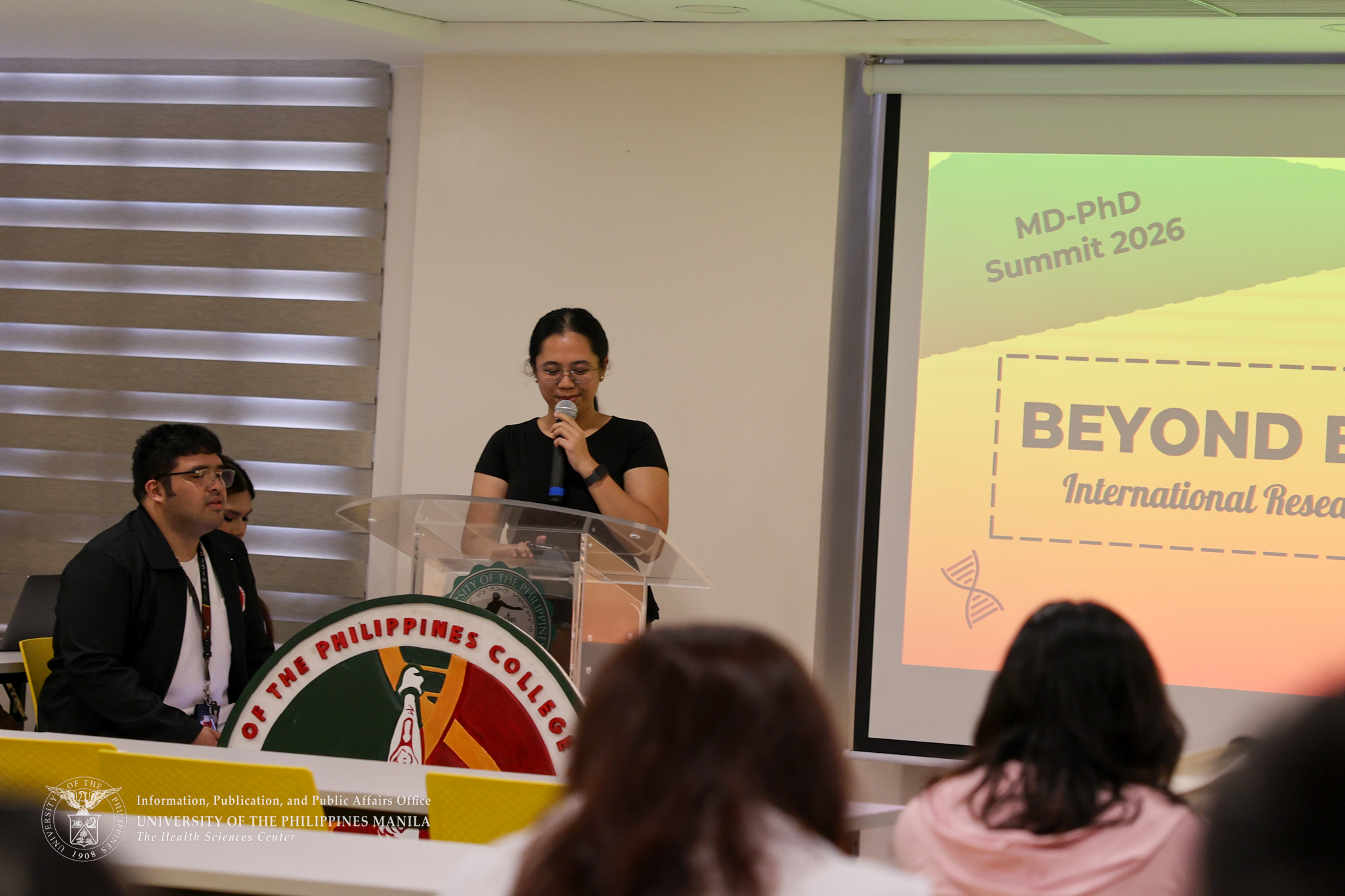
Perez de la Cruz advised scholars to choose suitable conferences, develop clear presentations, rehearse, and prepare for questions. She also encouraged them to explore funding through the DOST-PCHRD Student Research Support Fund and coordinate conference participation with academic and clinical requirements.
“Your research deserves to enter the international conversation,” she told the scholars, encouraging them to pursue international opportunities and learn from the experiences of program graduates.
Academic Careers Combine Research, Teaching, and Mentorship
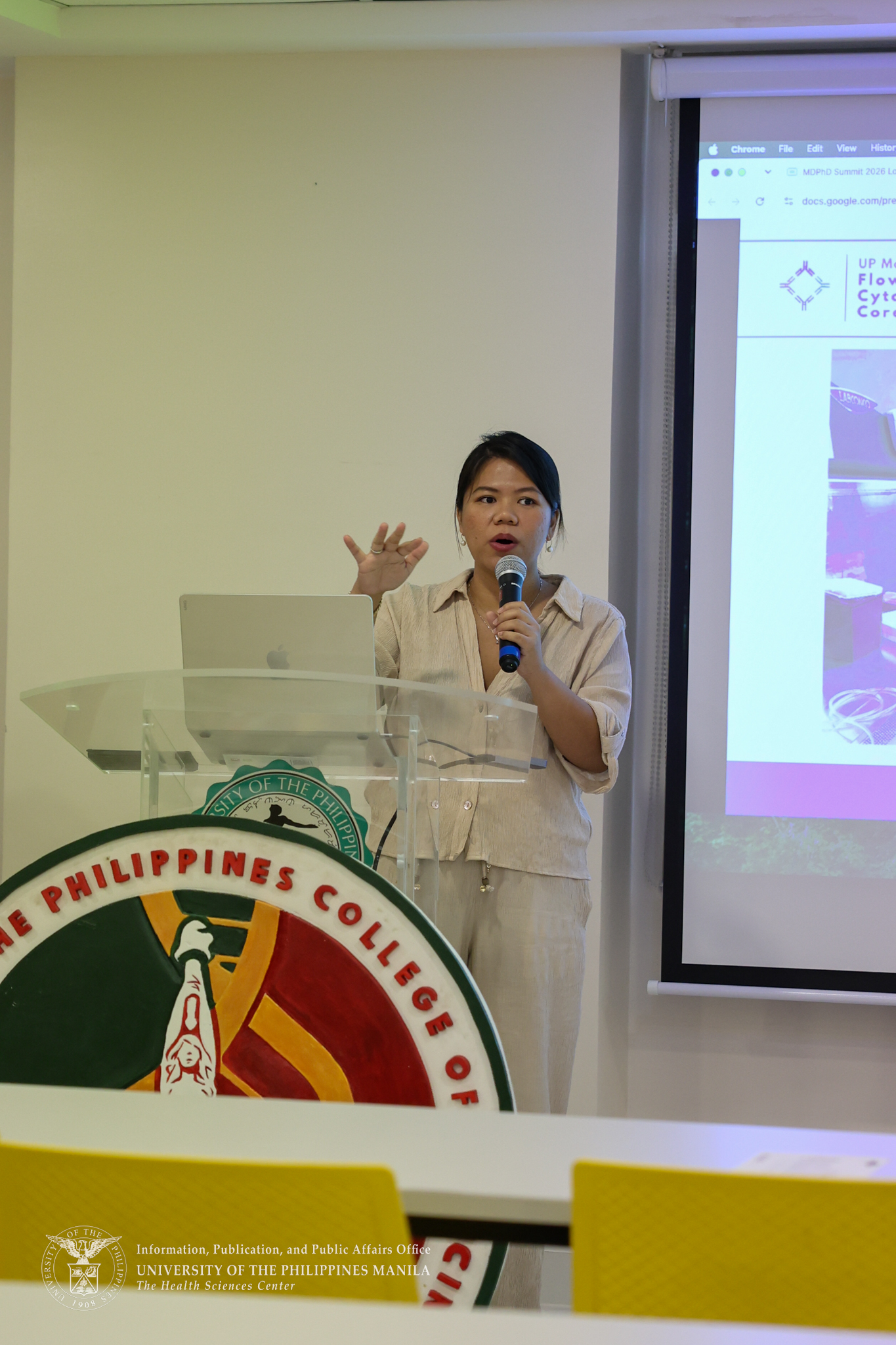
Dr. Anna Joy Lozano, associate professor at the UPCM Department of Pharmacology and Toxicology, emphasized that academic careers require balancing research, teaching, and mentorship. Drawing on her international research training, she highlighted the importance of applying acquired knowledge to strengthen local research capacity, citing her contribution to establishing the UP Manila Flow Cytometry Core.
She also stressed that mentorship helps faculty navigate teaching and research responsibilities and prepares future researchers. Lozano underscored that scientific progress depends not only on advanced facilities but also on collaboration, perseverance, and the people behind the research.
Clinical Practice Remains Closely Linked to Research
Dr. Joanne Tan, an MD-PhD graduate from the program’s fifth batch, discussed how research training informs clinical practice. After completing her degree in 2022 and internal medicine residency at the Philippine General Hospital (PGH) in 2025, she became a diplomate in internal medicine in 2026 and began fellowship training in hypertension, lipidology, and preventive cardiology.
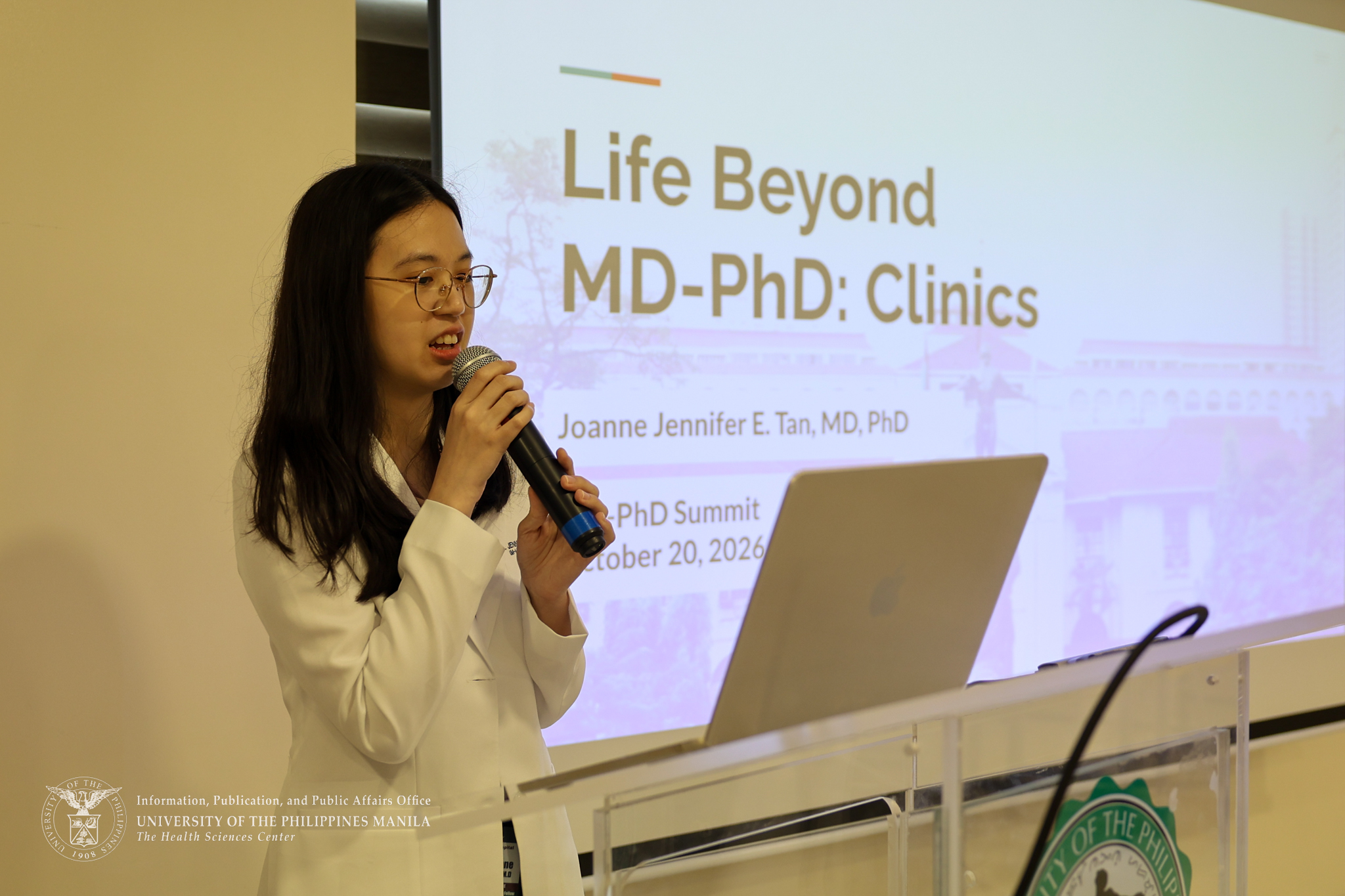
Tan emphasized the need for continuing education as medical evidence and clinical guidelines evolve. She noted that research informs treatment decisions, while clinical encounters can generate new research questions, even amid the demanding schedules of residency and fellowship.
Drawing from her experience in pharmacogenetic research, she encouraged scholars to explore opportunities to combine patient care, research, and teaching. She stressed the importance of treating patients as individuals, citing the principle: “To cure sometimes, to relieve often and to comfort always.”
Welcoming The 17th Batch into The Physician-Scientist Community
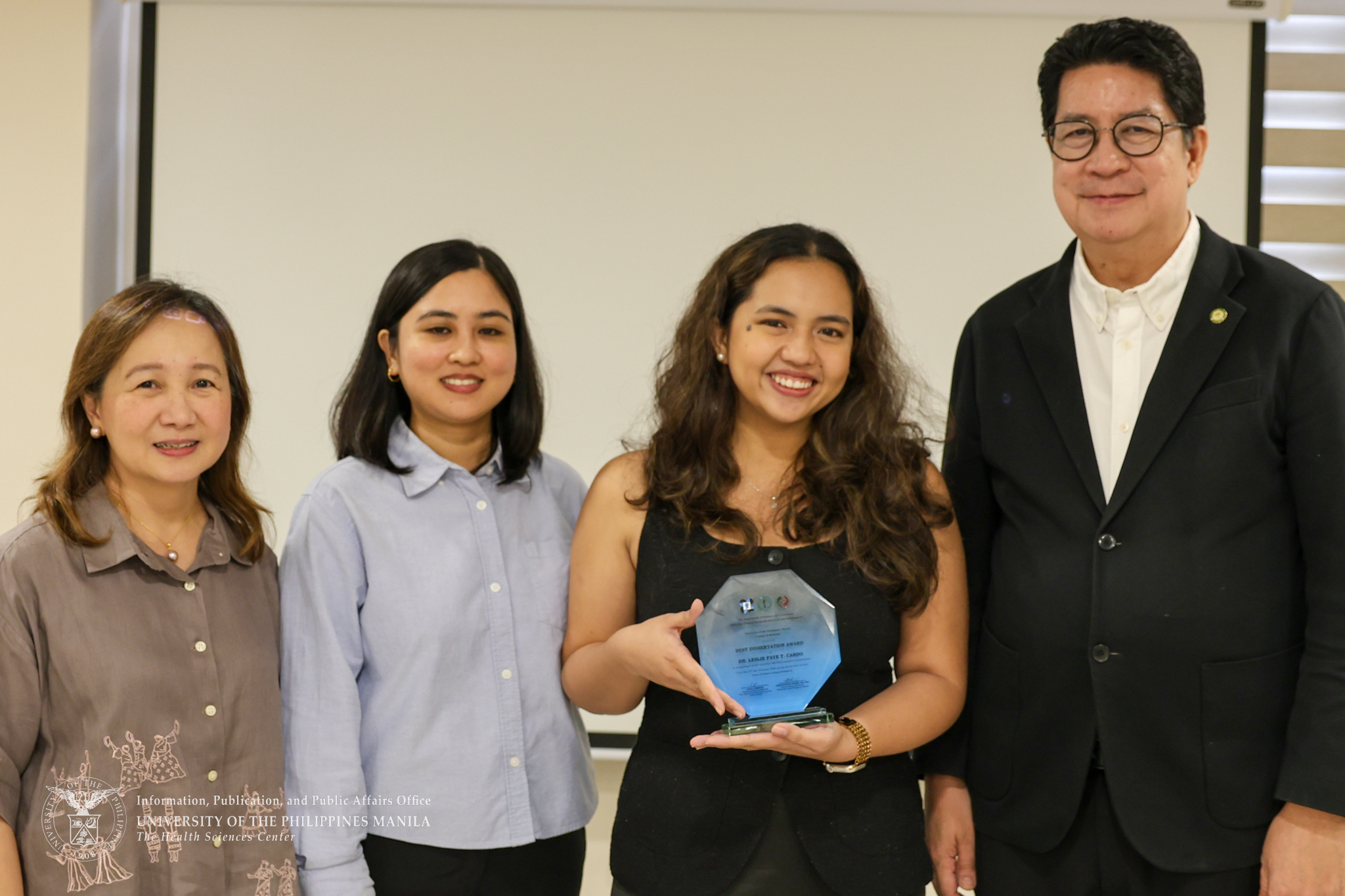
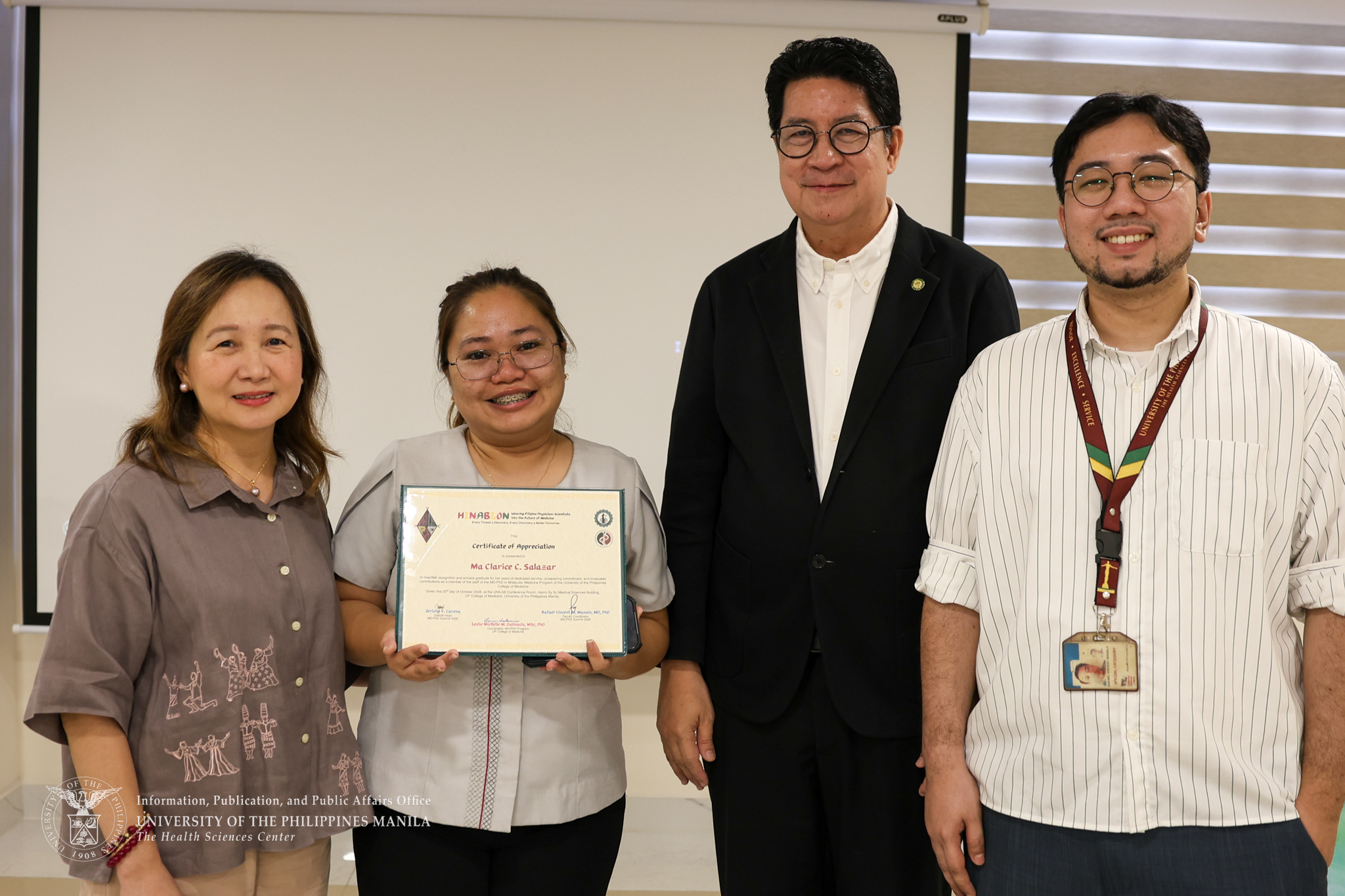
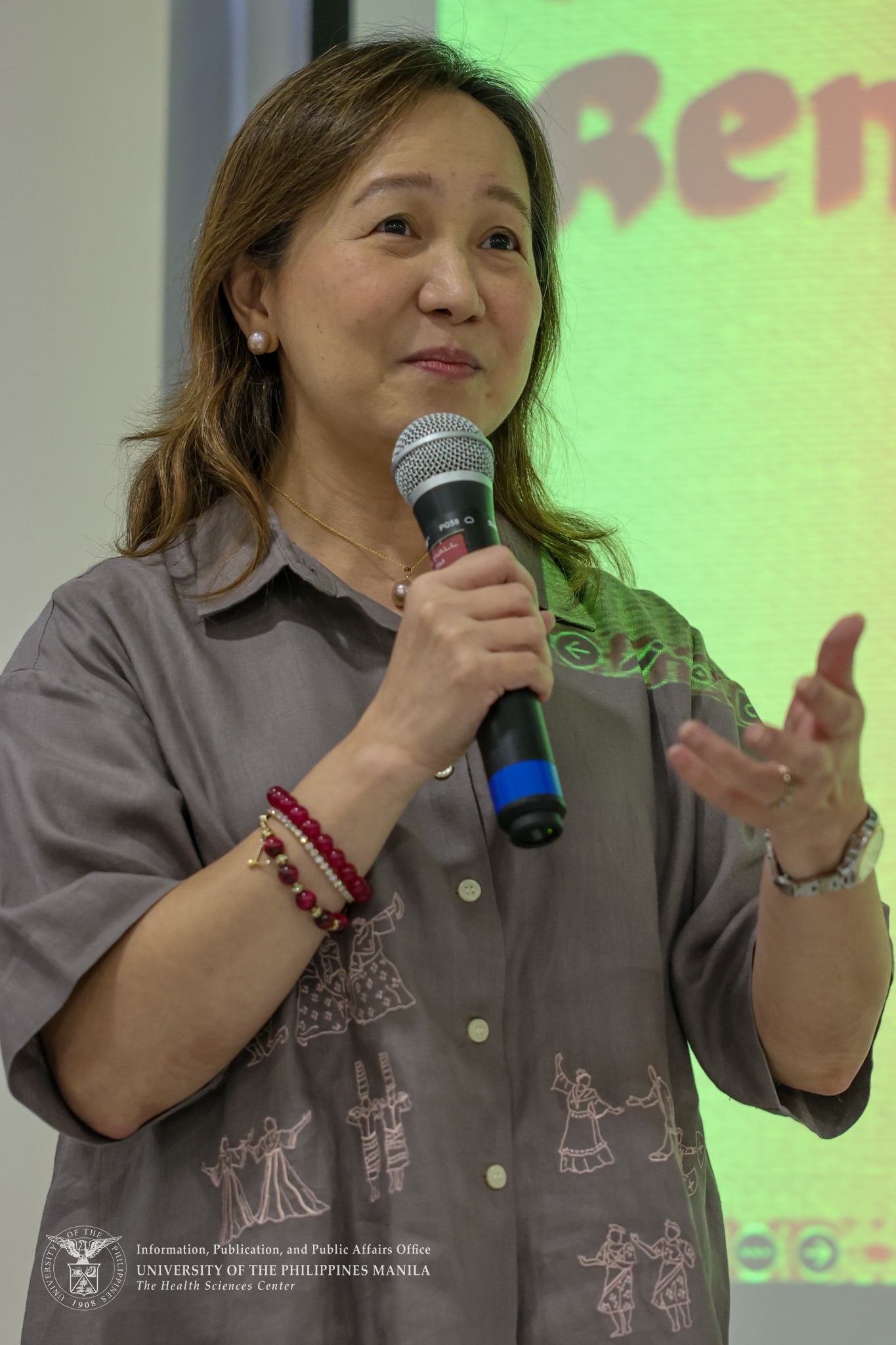
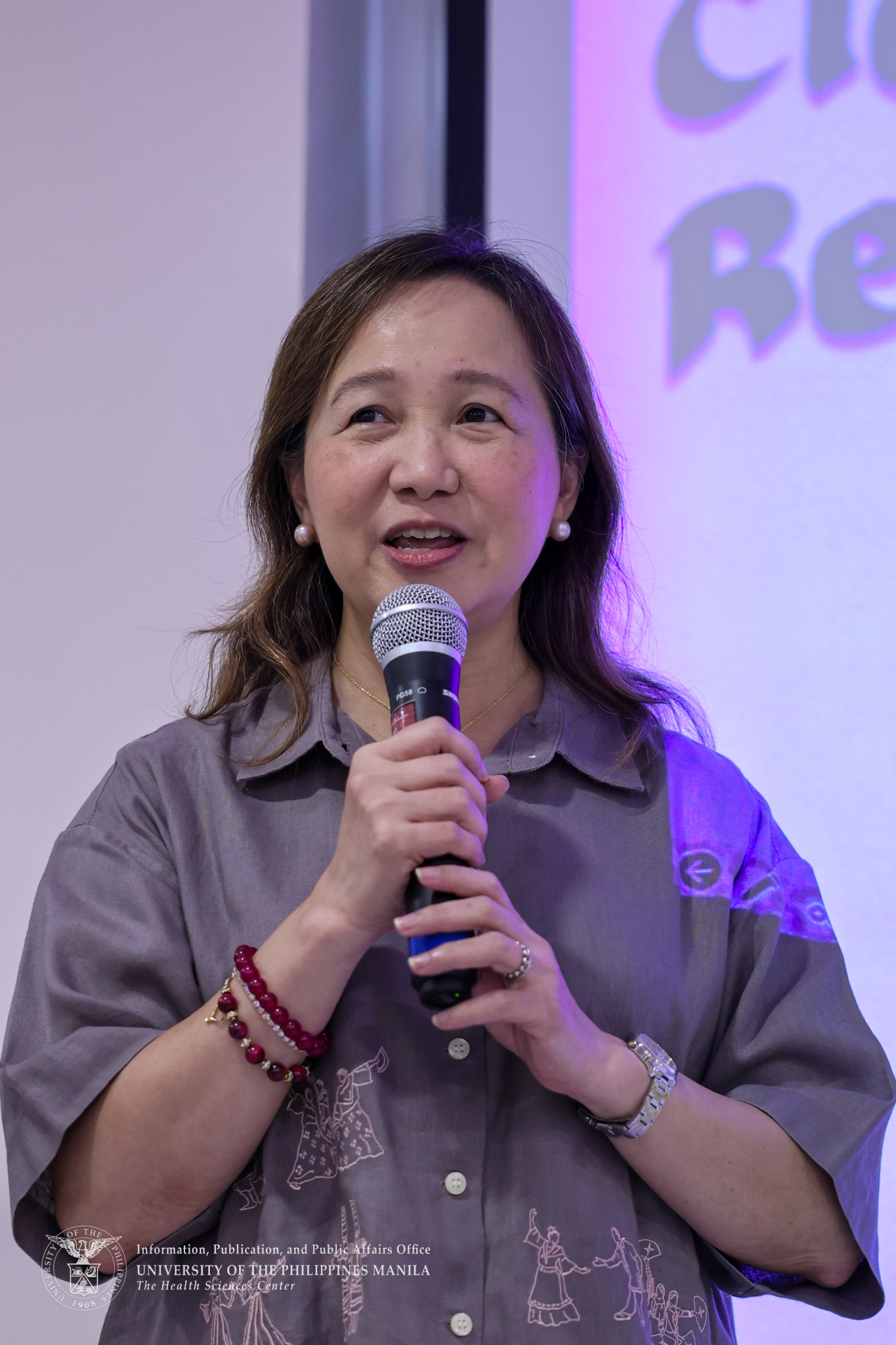
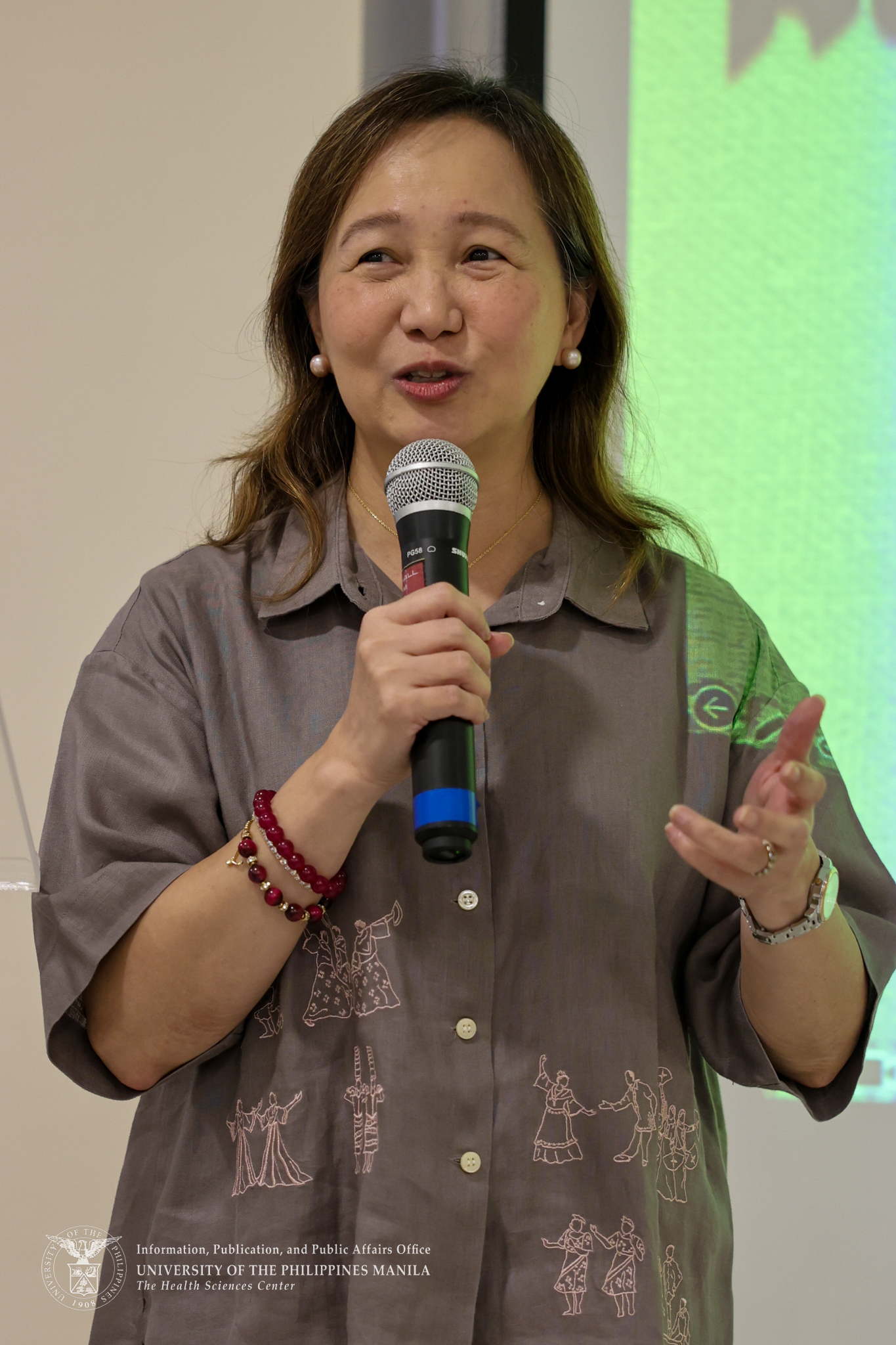
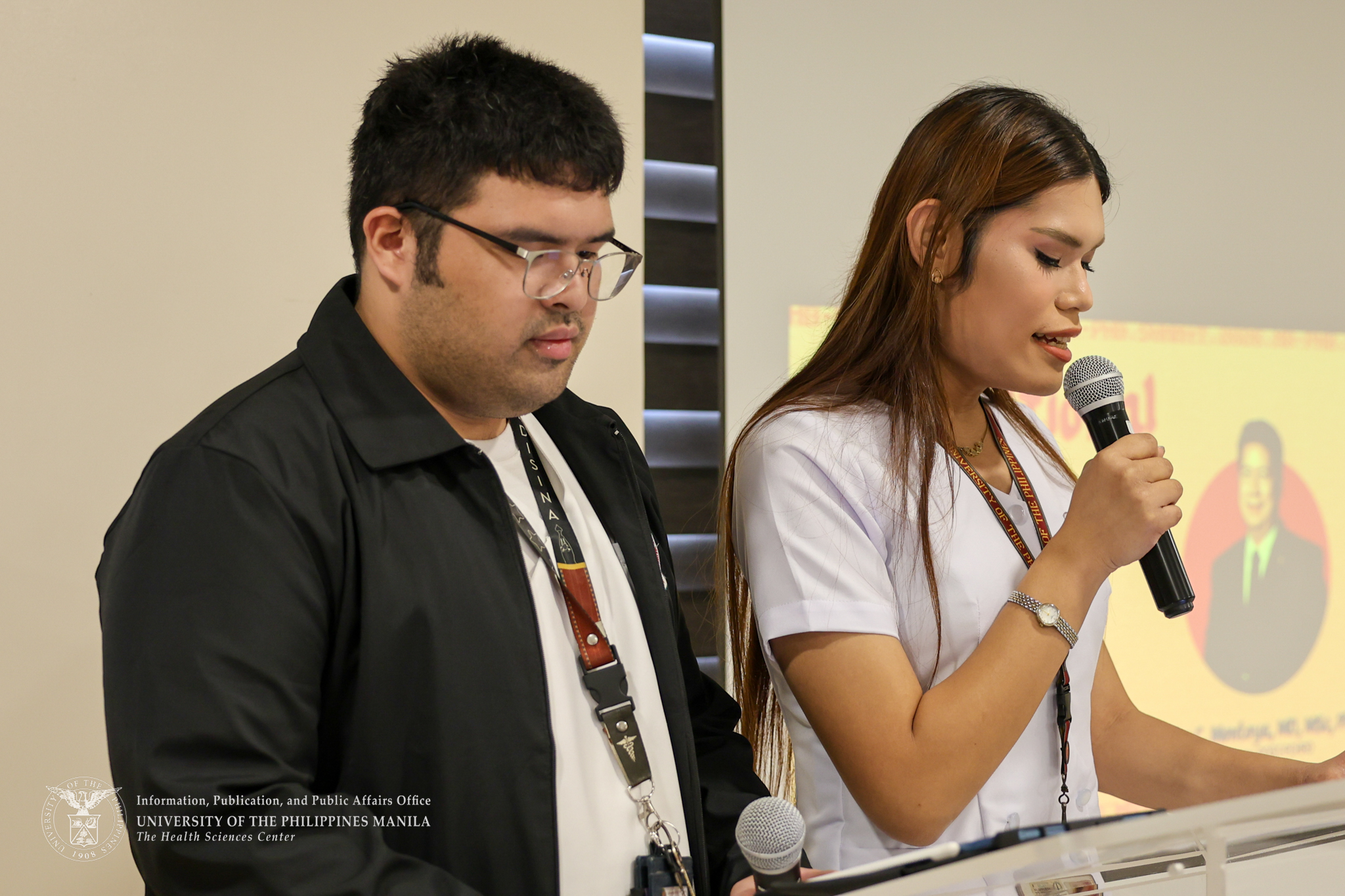
Dr. Leslie Michelle Dalmacio, Vice Chancellor for Research and Extension and MD-PhD program coordinator, emphasized the summit’s role in welcoming new scholars and recognizing the milestones of the MD-PhD community. She thanked Dr. Jaime C. Montoya for his longstanding support of the program, including his participation in the memorandum of agreement signings for batches 1 to 16, even during the pandemic.
Addressing the 17th batch, Dalmacio said, “Kayo talaga ang purpose ng MD-PhD Summit,” encouraging the new scholars to draw inspiration from the experiences of current students, graduates, and alumni. She acknowledged the challenges of the physician-scientist journey while underscoring the support they could receive from the UP College of Medicine and the Philippine Council for Health Research and Development (PCHRD).
“Nakita nyo na hindi madali yung journey. Pero nakita nyo rin yung suporta na makukuha nyo sa College of Medicine, sa PCHRD throughout this journey,” she said.
The event concluded with a renewed call for the MD-PhD community to sustain its work in research and medicine while supporting the next generation of Filipino physician-scientists.
READ MORE:
#FP1 #DiscoveryandResearch #innovationsforlifelonglearningdedicatedtoservice