

Text by Charmaine A. Lingdas
Photos by Jericho Paolo L. Mabansag
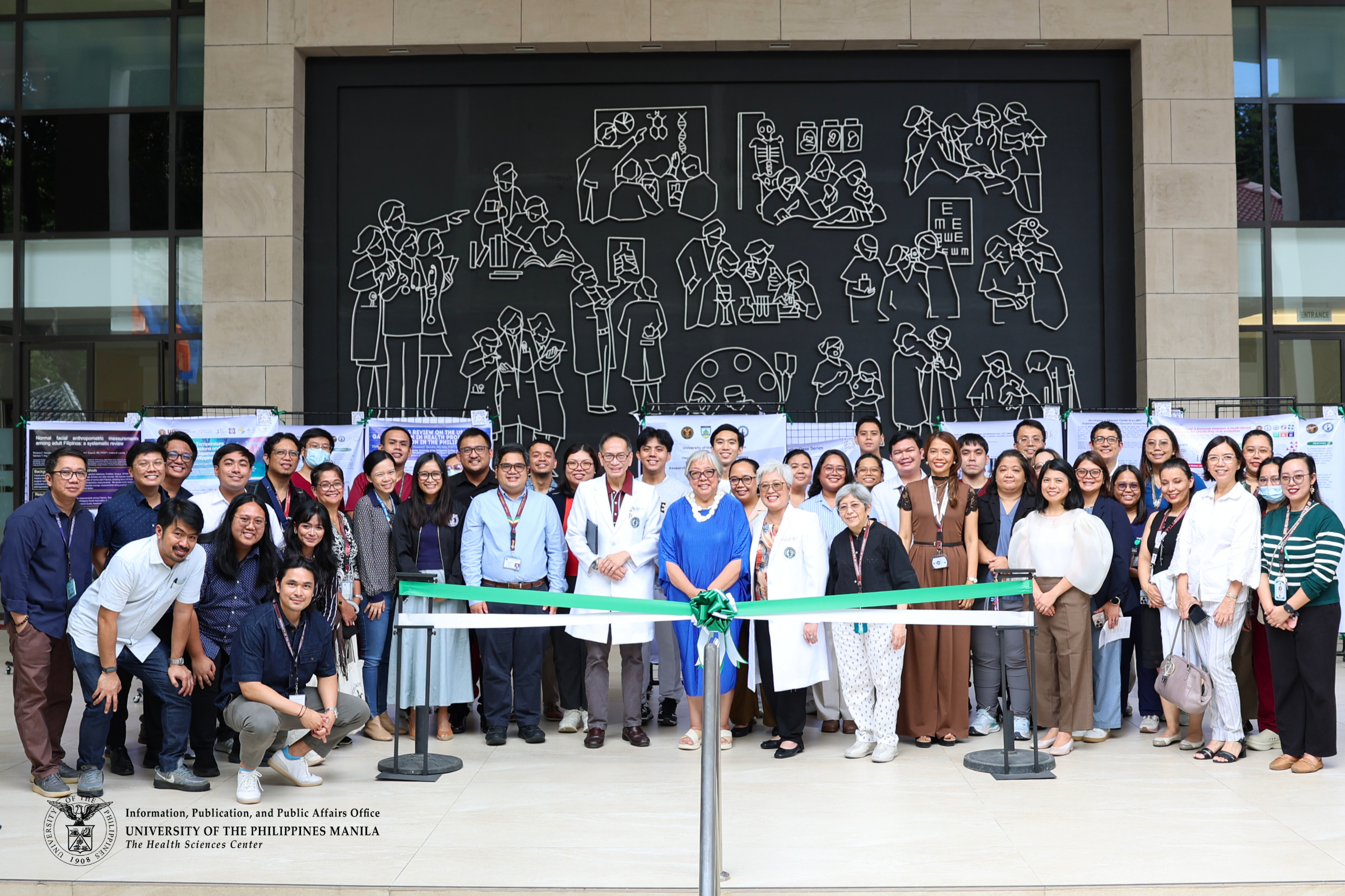
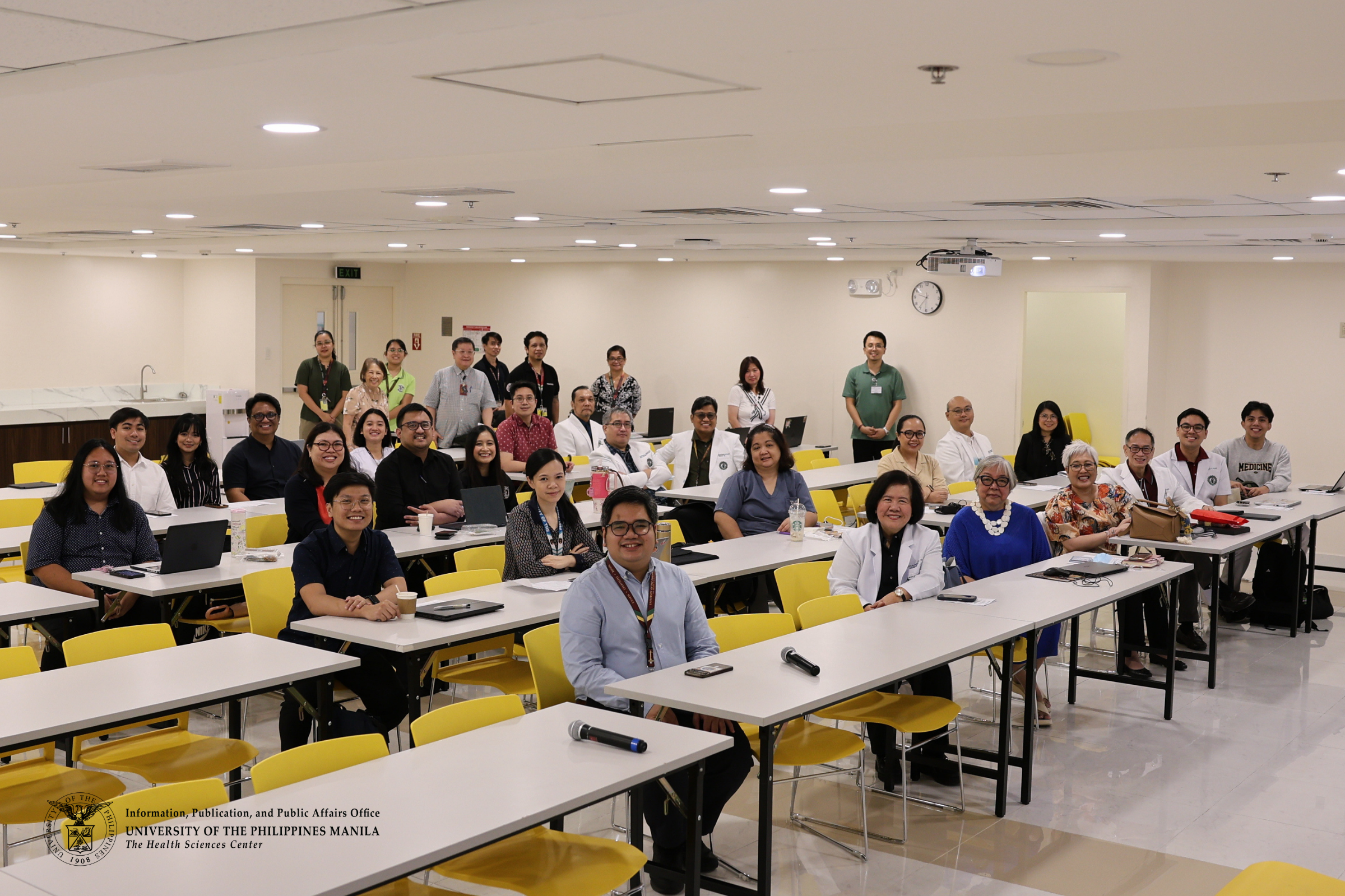
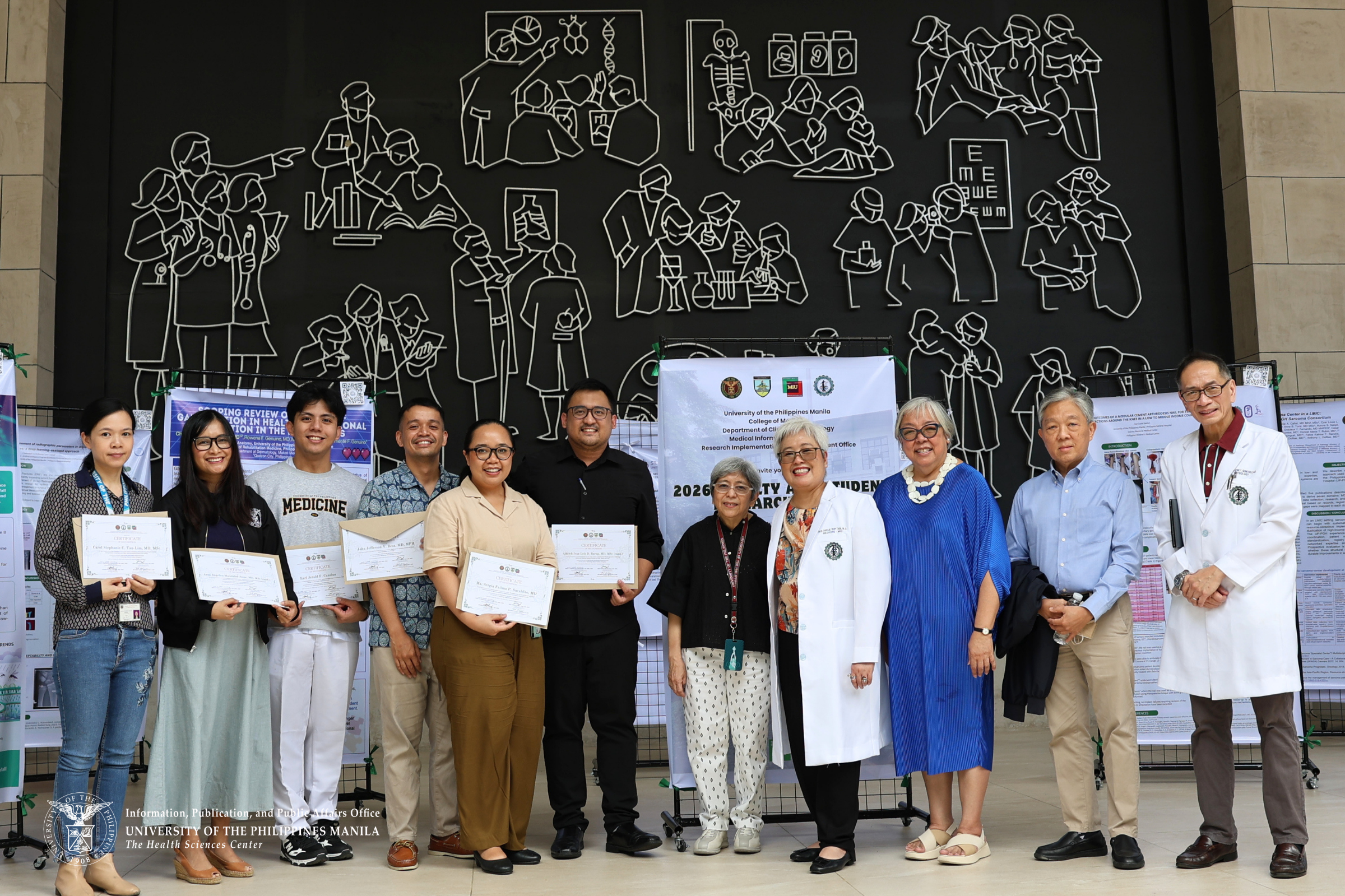
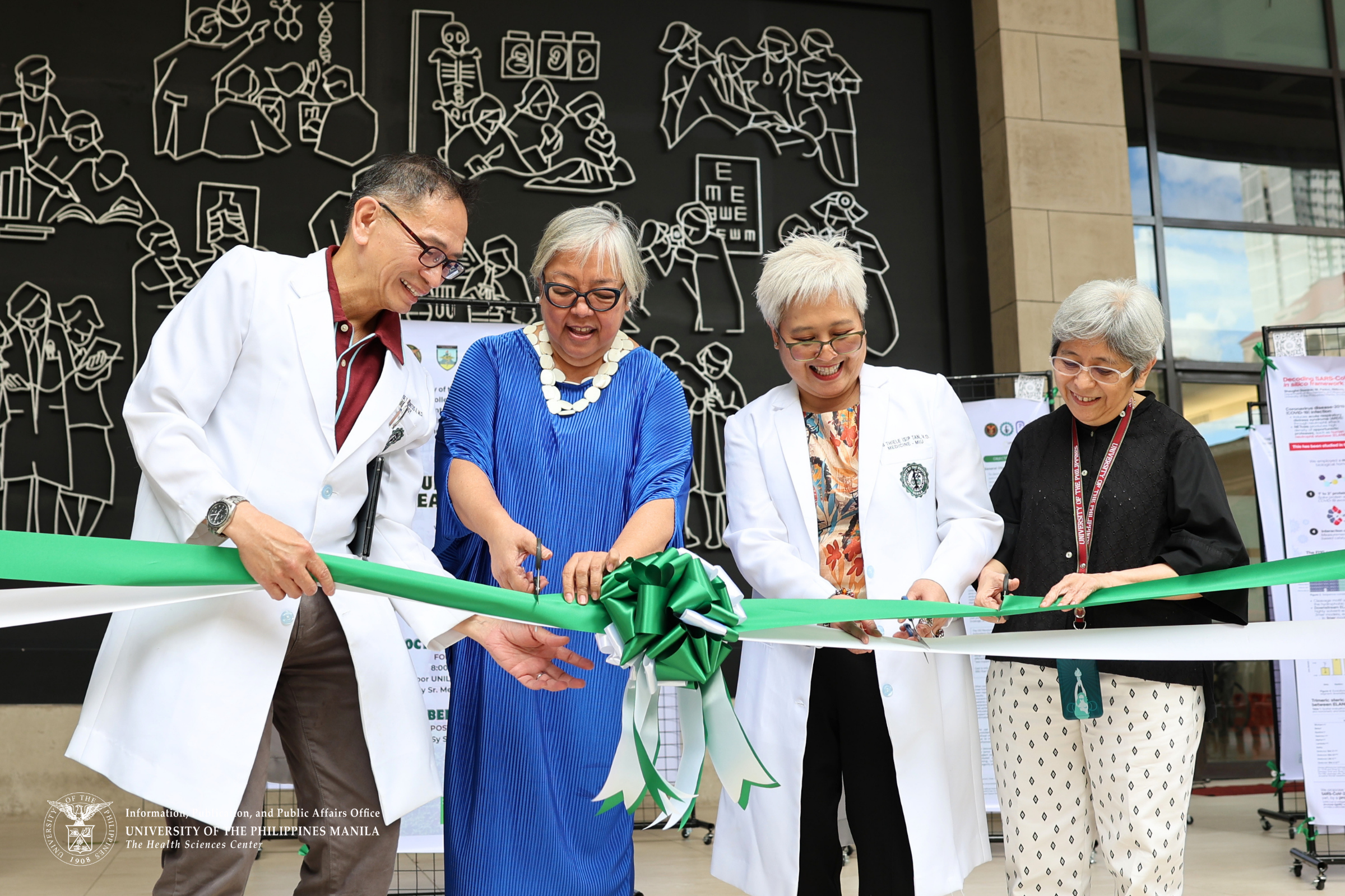
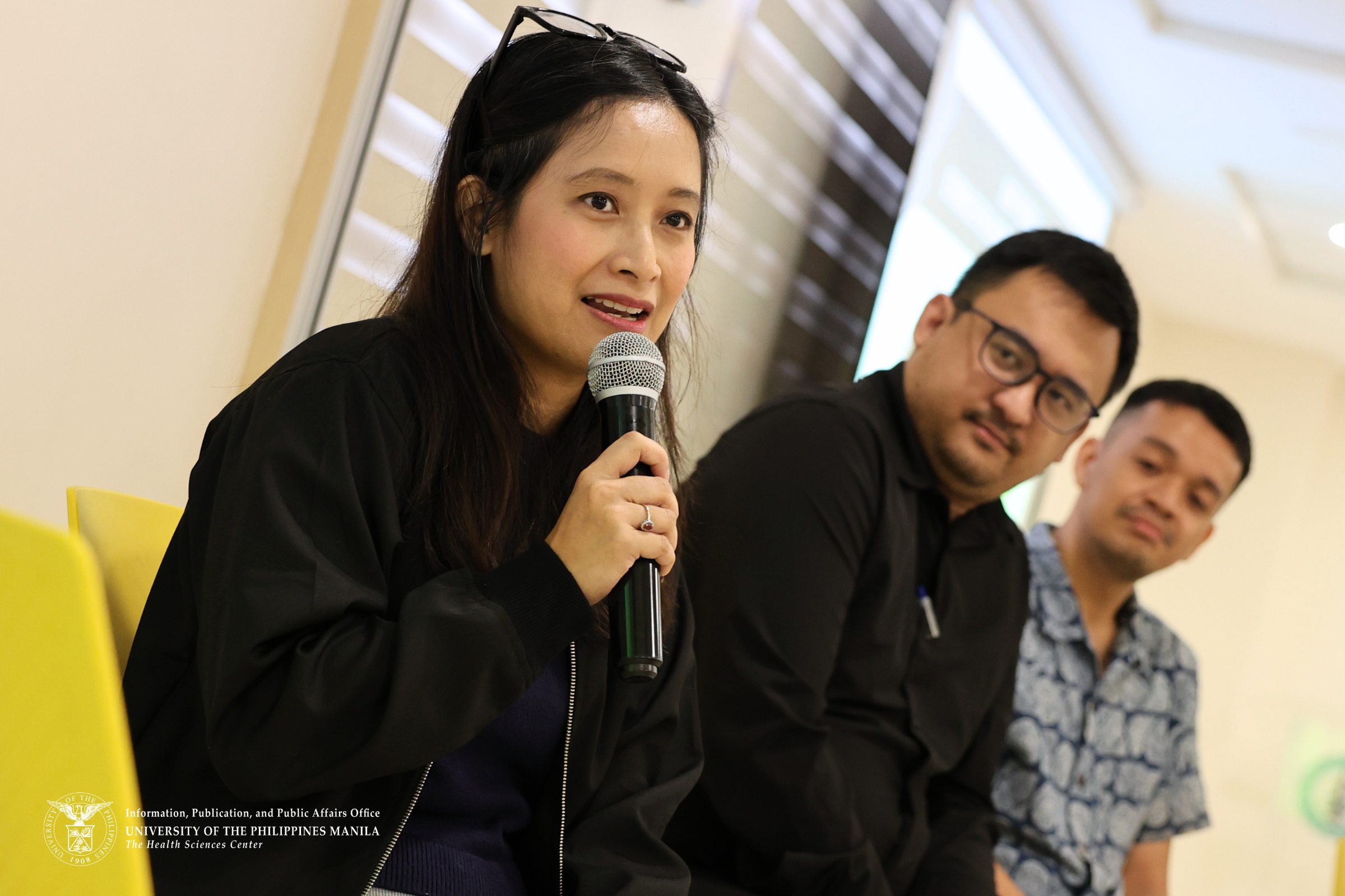
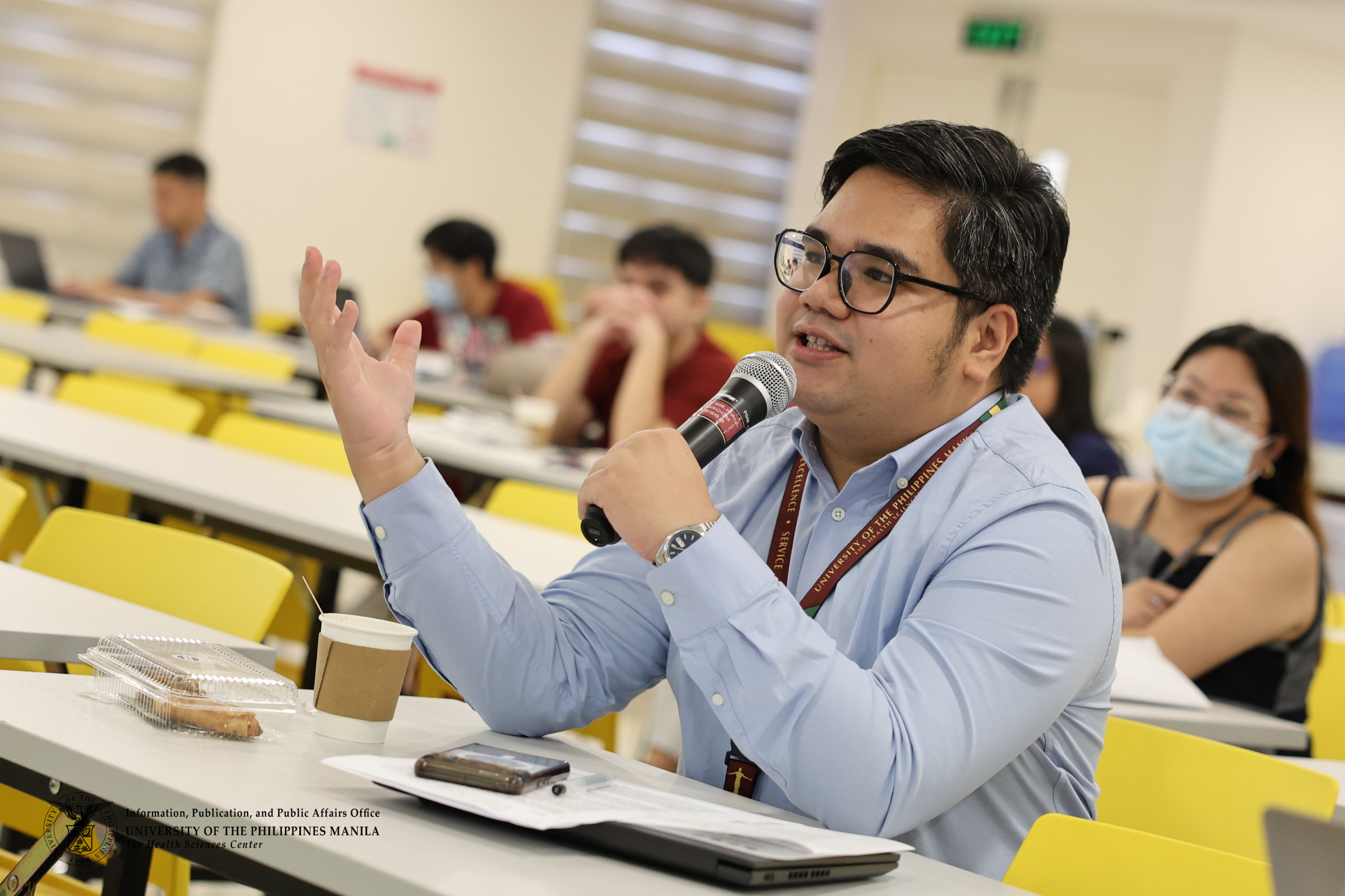
The University of the Philippines College of Medicine (UPCM) held its 2026 Research Forum on Oct. 16, 2026, bringing together faculty members, medical students, and researchers to discuss responsible artificial intelligence (AI) use in health care and research evidence for universal health care (UHC) reforms.
With the theme “Nurturing a Shared Culture of Inquiry,” the forum was part of the 31st University of the Philippines Philippine General Hospital (UPPGH) Annual Research Week. It was organized by the Department of Clinical Epidemiology and the Medical Informatics Unit, in collaboration with the Research Implementation and Development Office.
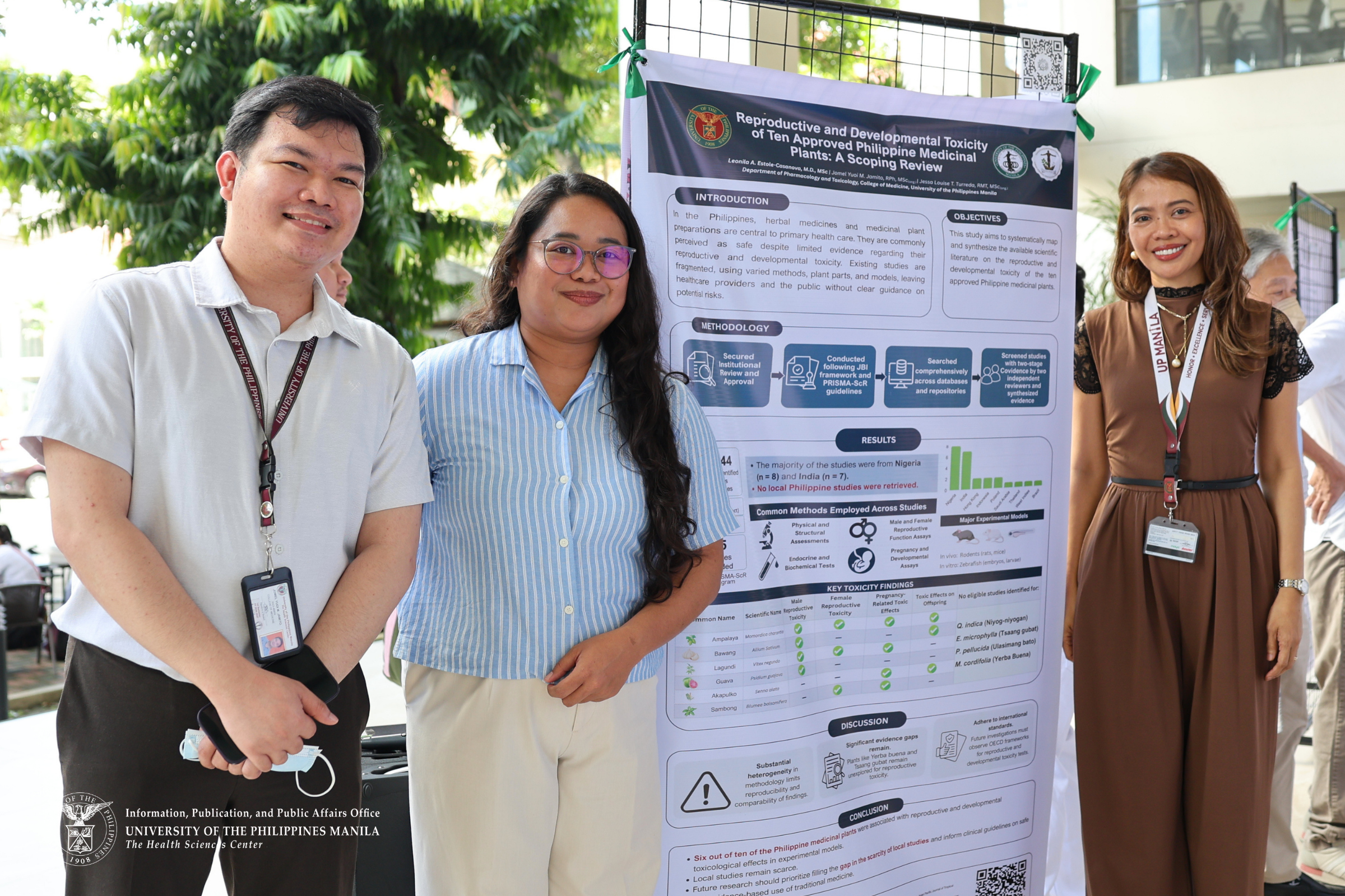
Presentations examined AI applications in medical education and patient care, as well as research on clinical practice guidelines, patient priorities, medication safety, and the use of evidence in national health policy.
Building a Shared Culture of Inquiry
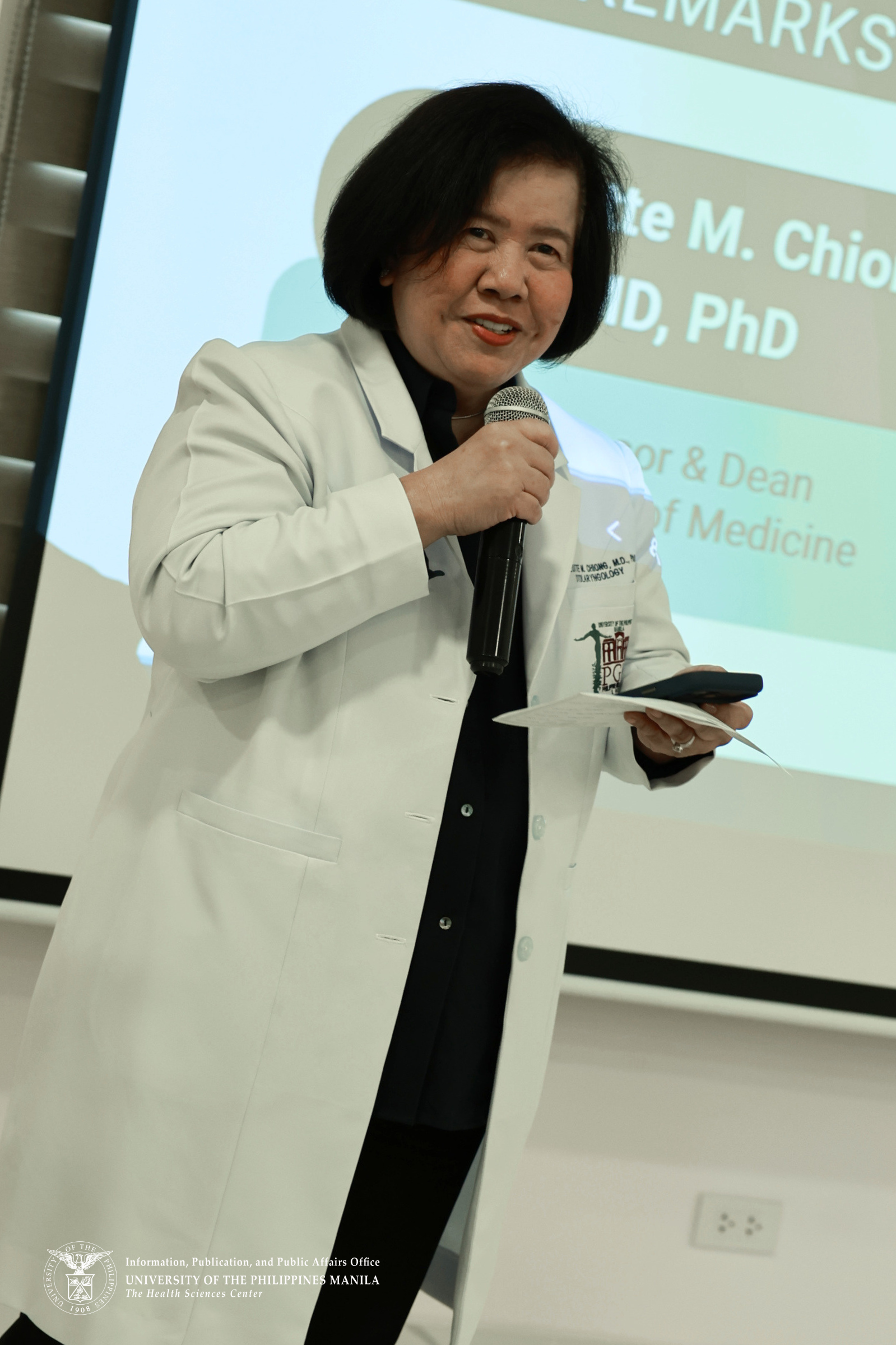
UPCM Dean Charlotte Chiong emphasized that research should remain central to the college’s academic tradition while contributing to better patient care and UHC. She encouraged students and faculty members to pursue questions that could improve medical practice and public service.
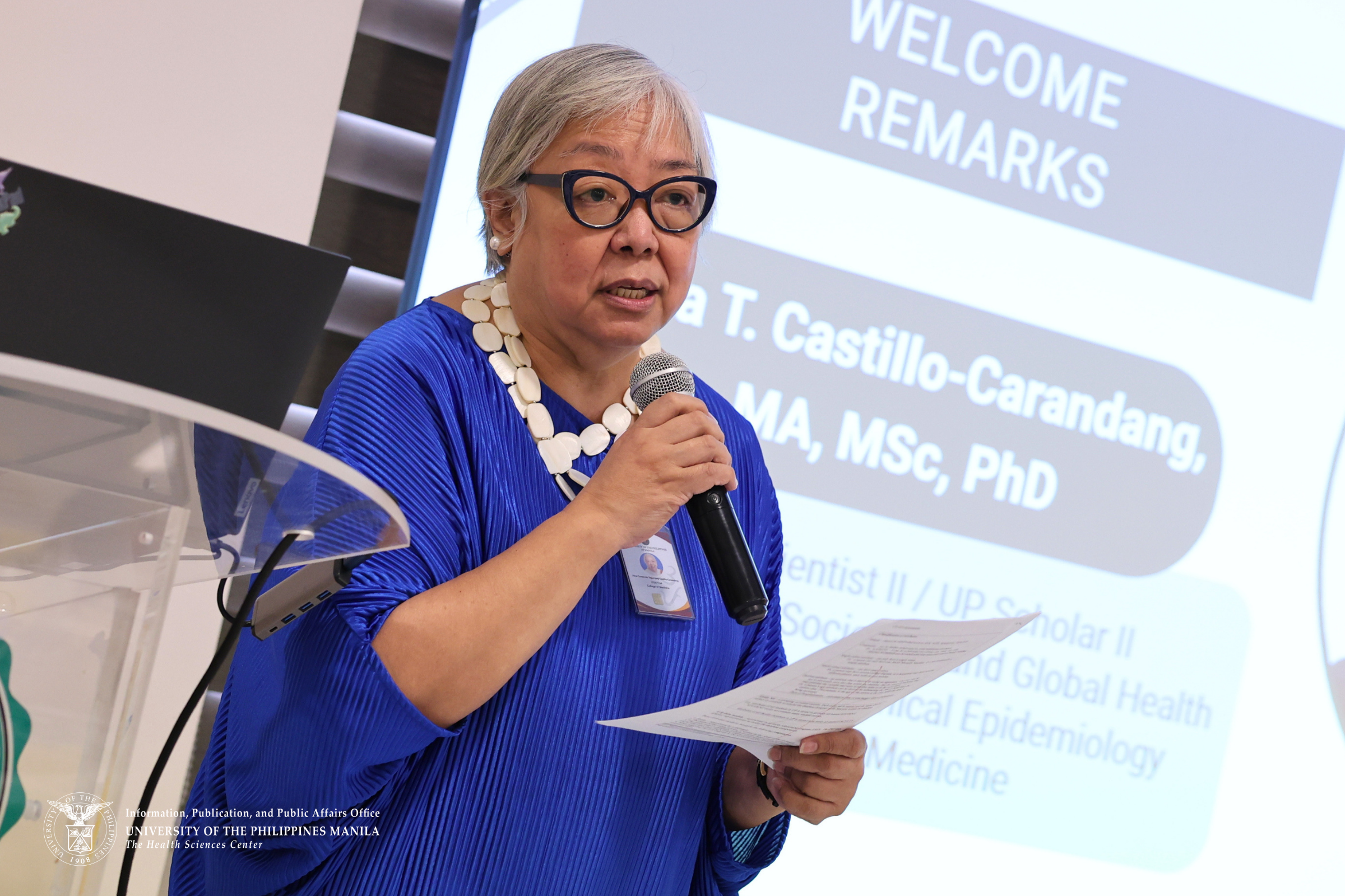
Department of Clinical Epidemiology Chair Nina Castillo-Carandang stressed that research is a collaborative endeavor.
“A culture of inquiry is not something the senior faculty hand down to students. It is something we build together,” she said.
She also encouraged participants to ask questions, examine findings critically, and explore research collaborations.
Examining AI’s Role in Medical Education
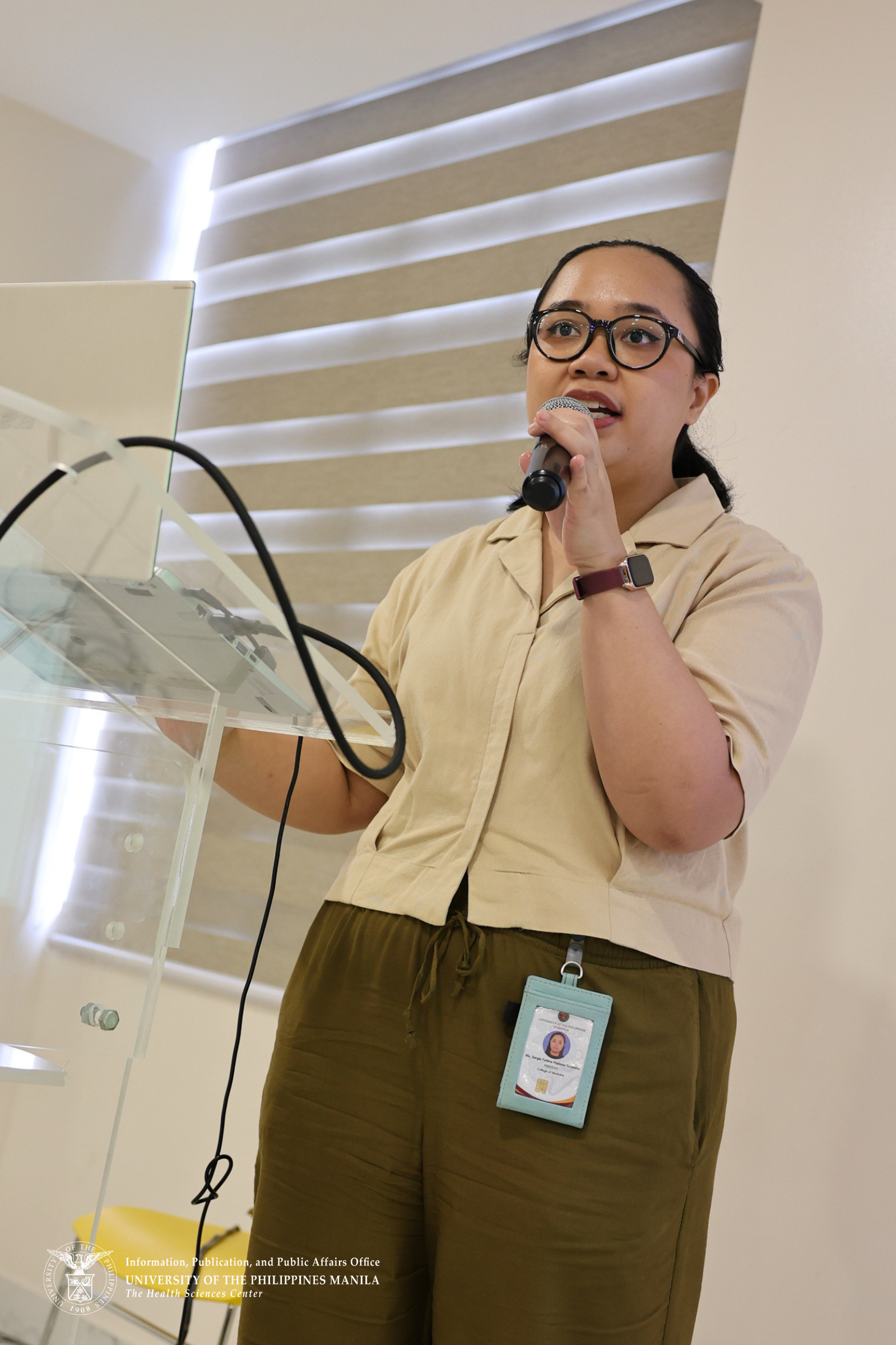
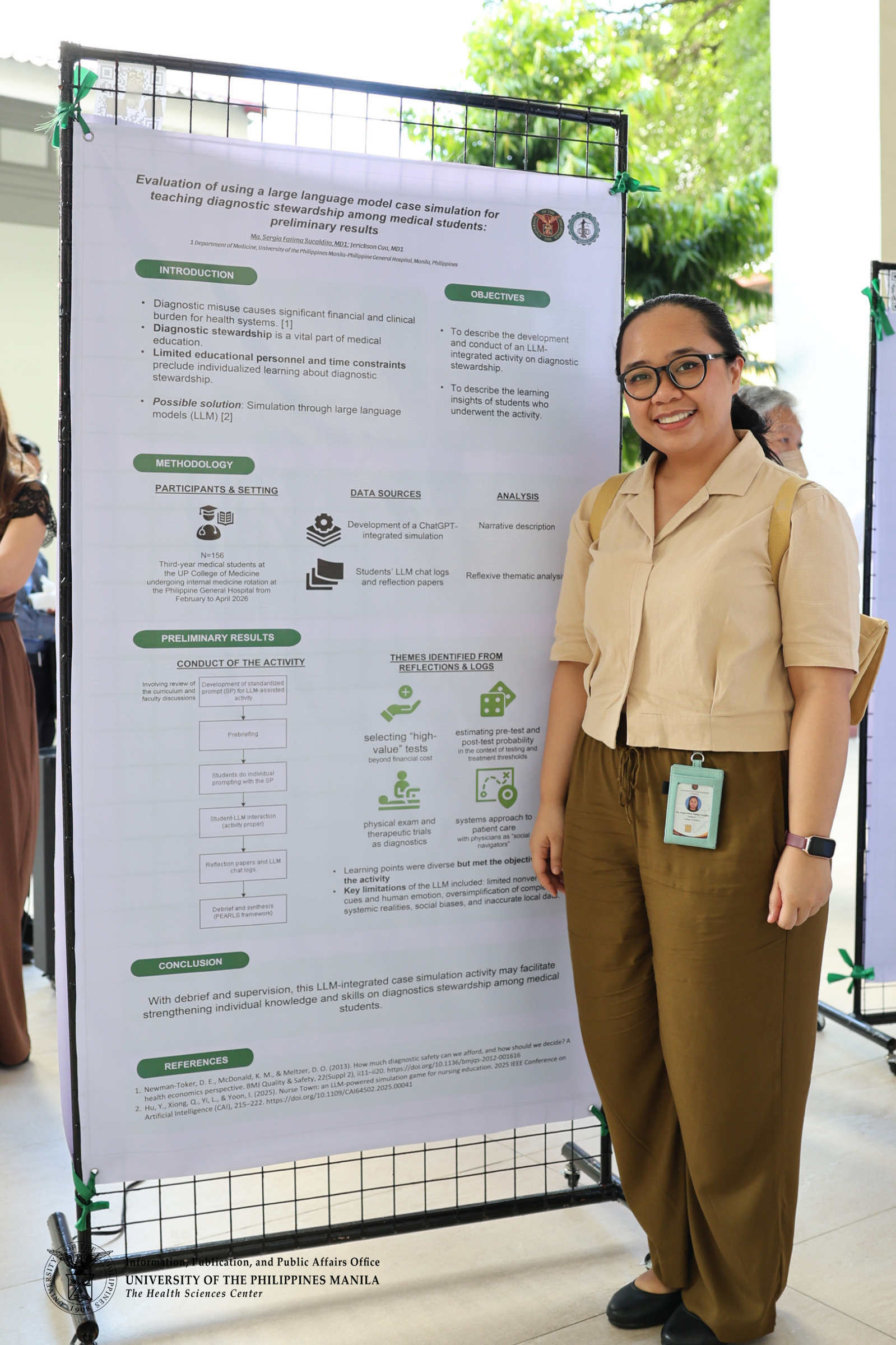
Dr. Ma. Sergia Fatima Sucaldito of the UPCM Department of Medicine presented a proposed study evaluating the quality of clinical management recommendations generated by large language models (LLMs) and how medical interns and internal medicine residents assess them.
She noted that physicians and medical trainees already use general-purpose AI tools to answer clinical questions. However, these tools can reproduce racial biases, be manipulated, generate inaccurate medical information, and affirm incorrect user assumptions. She also cited research suggesting that less experienced clinicians may have greater difficulty identifying unreliable outputs.
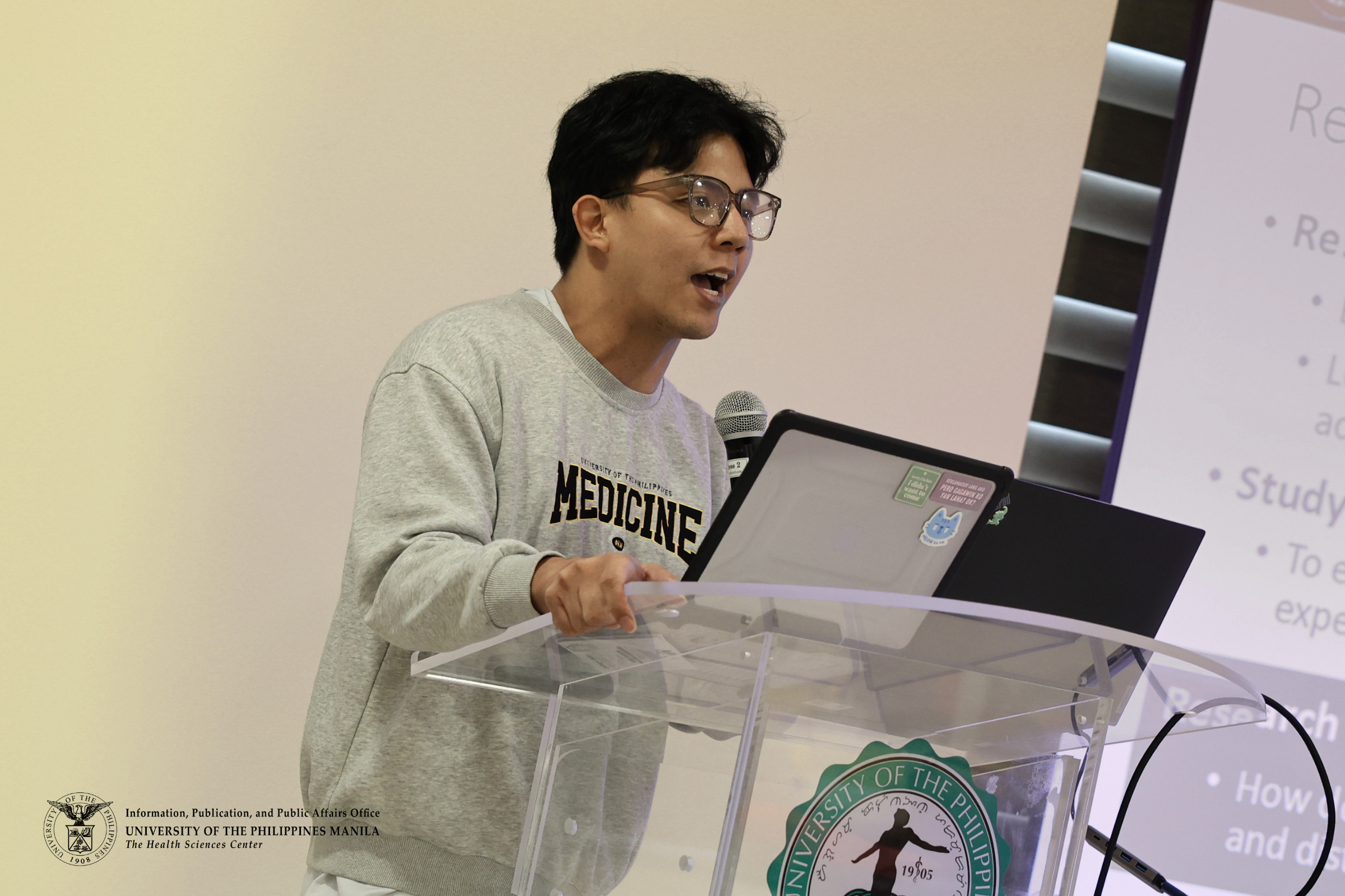
MD-MPH student Earl Gerald Cansino presented a qualitative study on how medical students use generative AI and determine its limits.
Students used AI to summarize readings, organize study materials, generate review resources, clarify unfamiliar concepts, and retrieve information for clinical cases. However, many learned to use these tools through personal experimentation and peer recommendations rather than structured faculty instruction.
Cansino identified the need for clearer institutional guidance on permitted uses, disclosure requirements, and competencies students must demonstrate independently. Medical schools, he said, should teach students to evaluate AI-generated information, recognize its limitations, and maintain independent clinical judgment.
Developing an AI Governance Framework for Philippine Health Care
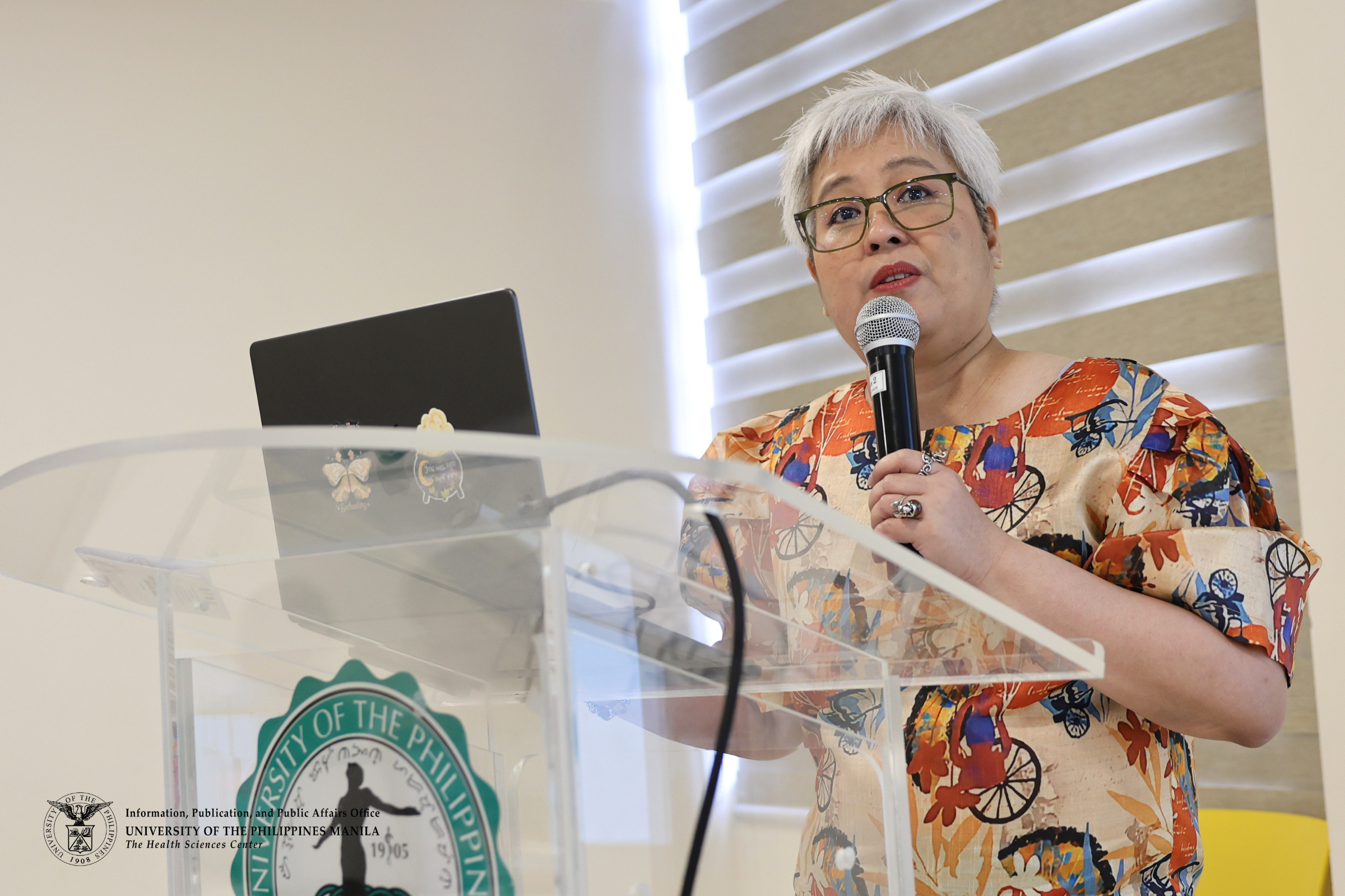
Dr. Iris Thiel Isip-Tan, head of the Medical Informatics Unit, discussed the need for governance frameworks that account for the different priorities of researchers, clinicians, implementation teams, patients, and program managers.
These stakeholders must consider technical performance, patient safety, equity, resource constraints, and the sustainability of health services throughout AI development, deployment, and monitoring.
She cautioned that frameworks designed for high-income countries may not fully address Philippine conditions, including limitations in digital infrastructure, health workforce capacity, regulatory arrangements, and access to culturally appropriate solutions.
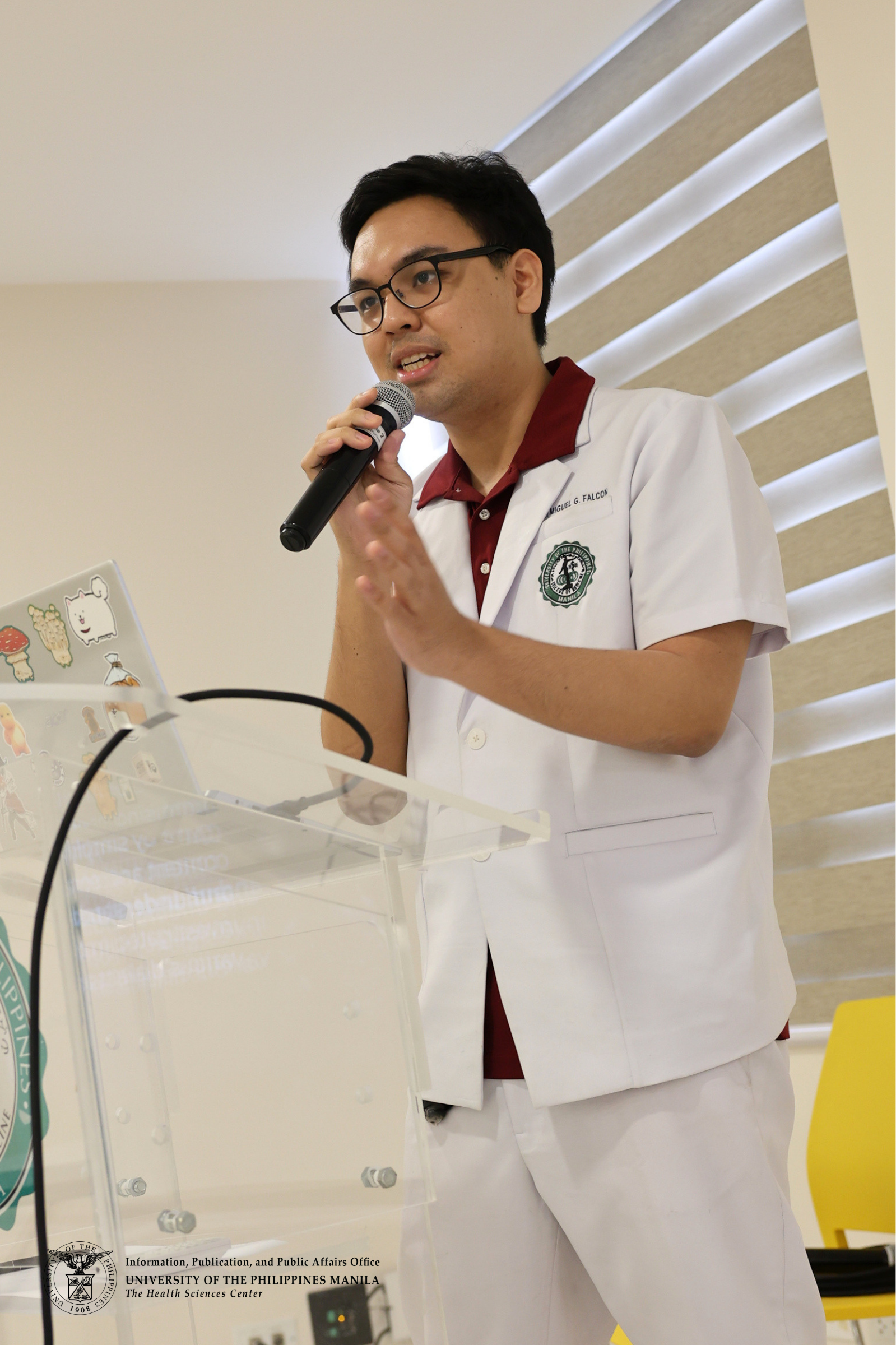
MD-MPH student Robbi Miguel Falcon presented research on using AI to convert inpatient clinical abstracts and discharge summaries into patient-friendly materials.
“The challenge is not simply giving these patients medical instructions. It is making those instructions understandable, accessible, and actionable,” he said.
The study aims to develop and compare AI prompts for simplifying clinical documents and assess the resulting materials for readability, understandability, and actionability. It also examines how to preserve medical accuracy while making health information accessible to patients from different linguistic backgrounds.
Strengthening Evidence for Universal Health Care Reforms
The forum’s second focus was the use of research evidence to inform health policy and clinical practice, particularly the development of clinical practice guidelines and the identification of outcomes that matter most to patients.
Discussions highlighted the challenges of translating research into policy, where recommendations must also account for available resources, implementation requirements, and decision-makers’ priorities.
Linking Clinical Guidelines to Policy and Practice
Dr. Anna Angelica Macalalad-Josue presented Clinical Practice Guidelines and Policy Mapping in the Philippine Context, a study examining whether recommendations in locally developed or endorsed clinical practice guidelines are reflected in national health policies.
Although guidelines translate research evidence into clinical recommendations, their broader impact depends on their integration into policies, regulations, benefit packages, reimbursement decisions, and service standards.
The study recommended stronger two-way collaboration between guideline developers and policymakers. This would allow research evidence to inform health programs, benefit packages, health technology assessments, and service standards, while policy priorities and resource constraints could guide future recommendations.

Clinical epidemiology fellow Aldrich Ivan Louis Barog presented a study comparing how Filipino patients and physicians rate health outcomes in type 2 diabetes mellitus, obesity, and chronic kidney disease.
The study examines whether physicians’ priorities align with those of patients, particularly regarding survival, disability, pain, body image, quality of life, and clinical targets. These differences can influence treatment decisions and the recommendations included in clinical practice guidelines.
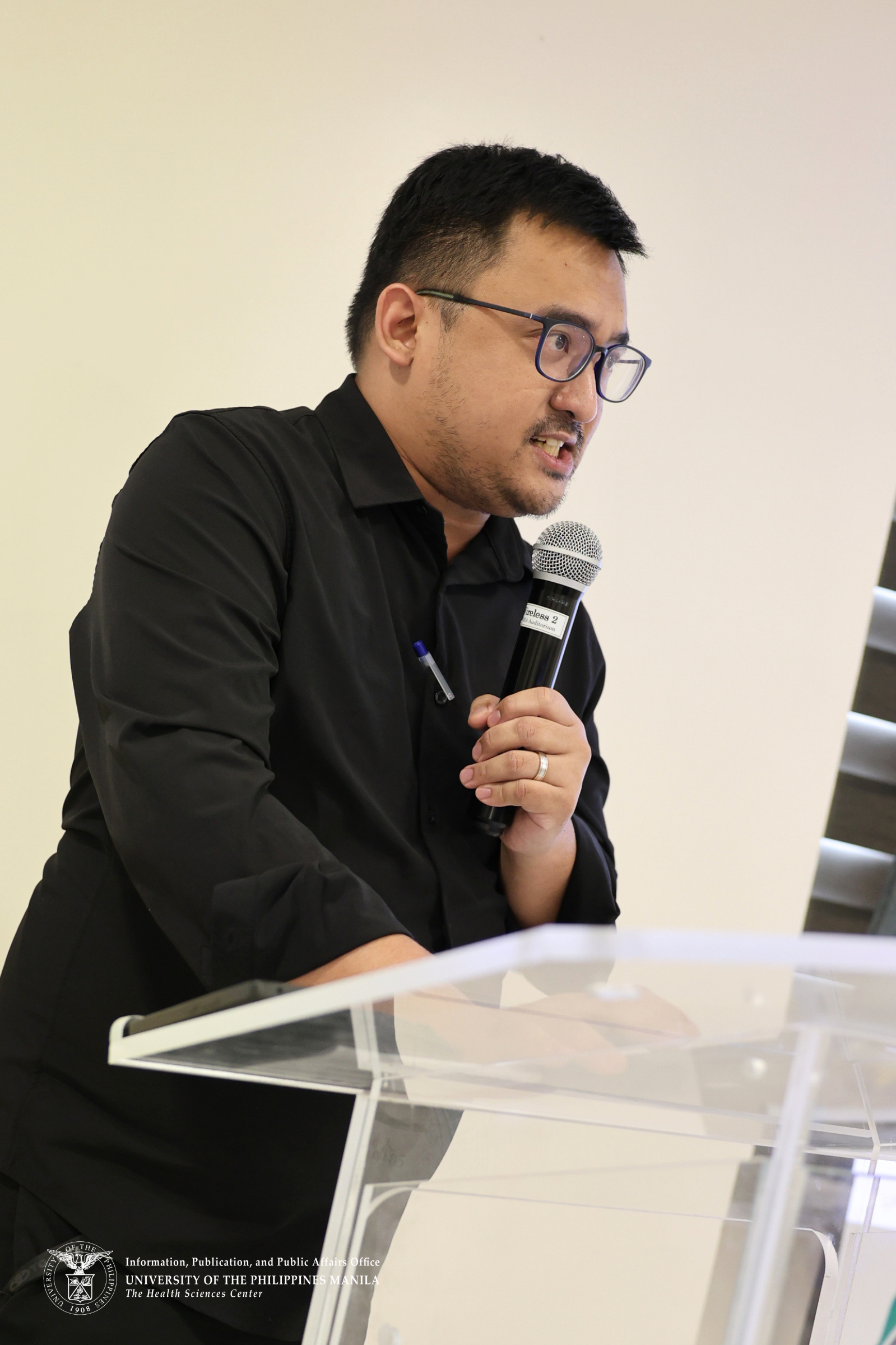
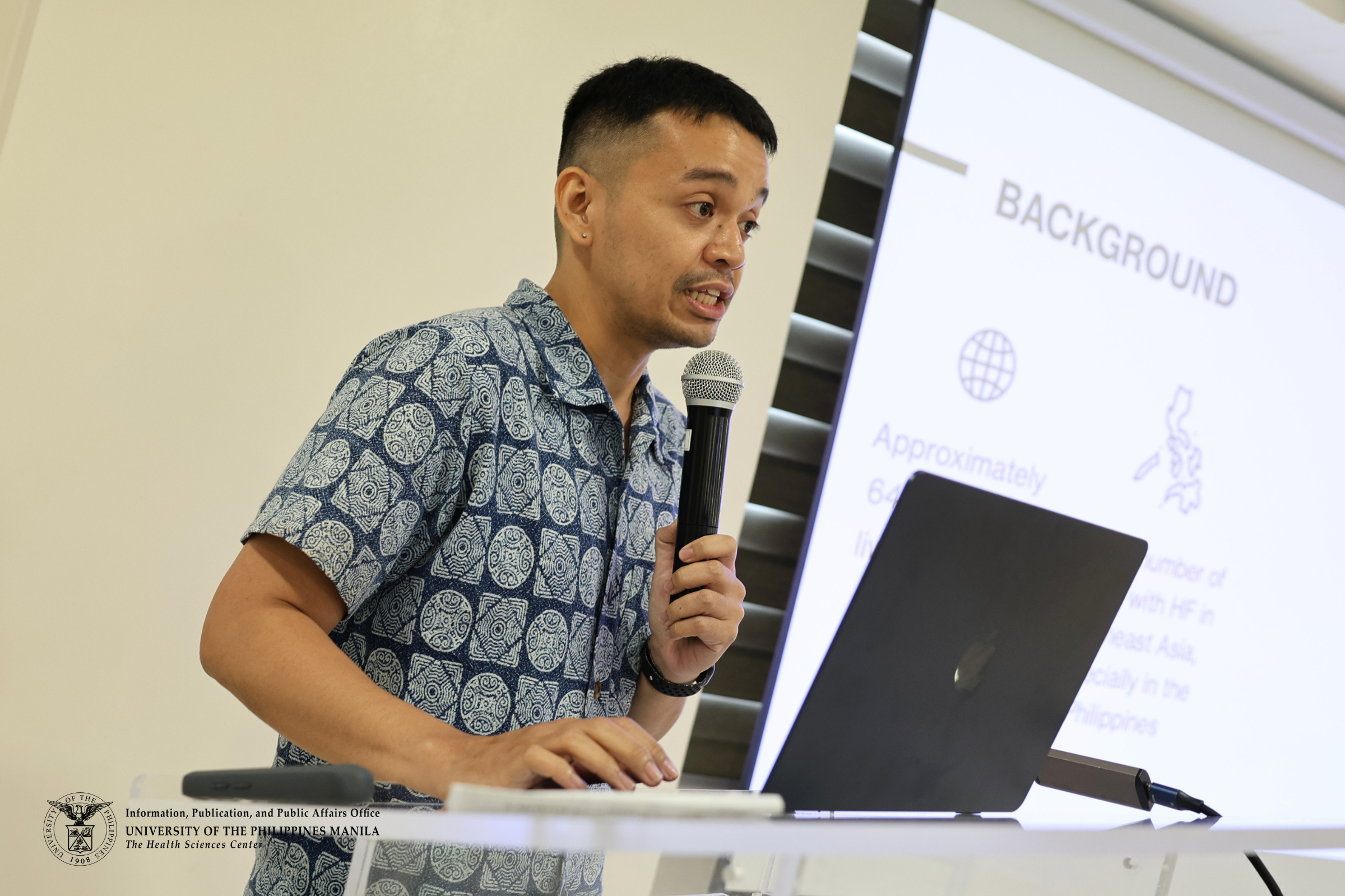
Dr. John Jefferson Besa, associate professor of Clinical Epidemiology, discussed a study assessing the quality of primary care for Filipino patients with heart failure. The research examined indicators such as appropriate diuretic use among patients with signs of congestion, avoidance of potentially harmful medications, and hypertension control.
His presentation underscored the need to improve the dissemination and application of clinical guidelines while addressing health-system barriers, including medicine availability, diagnostic costs, and access to health facilities.
Improving Medication Safety in Primary Care
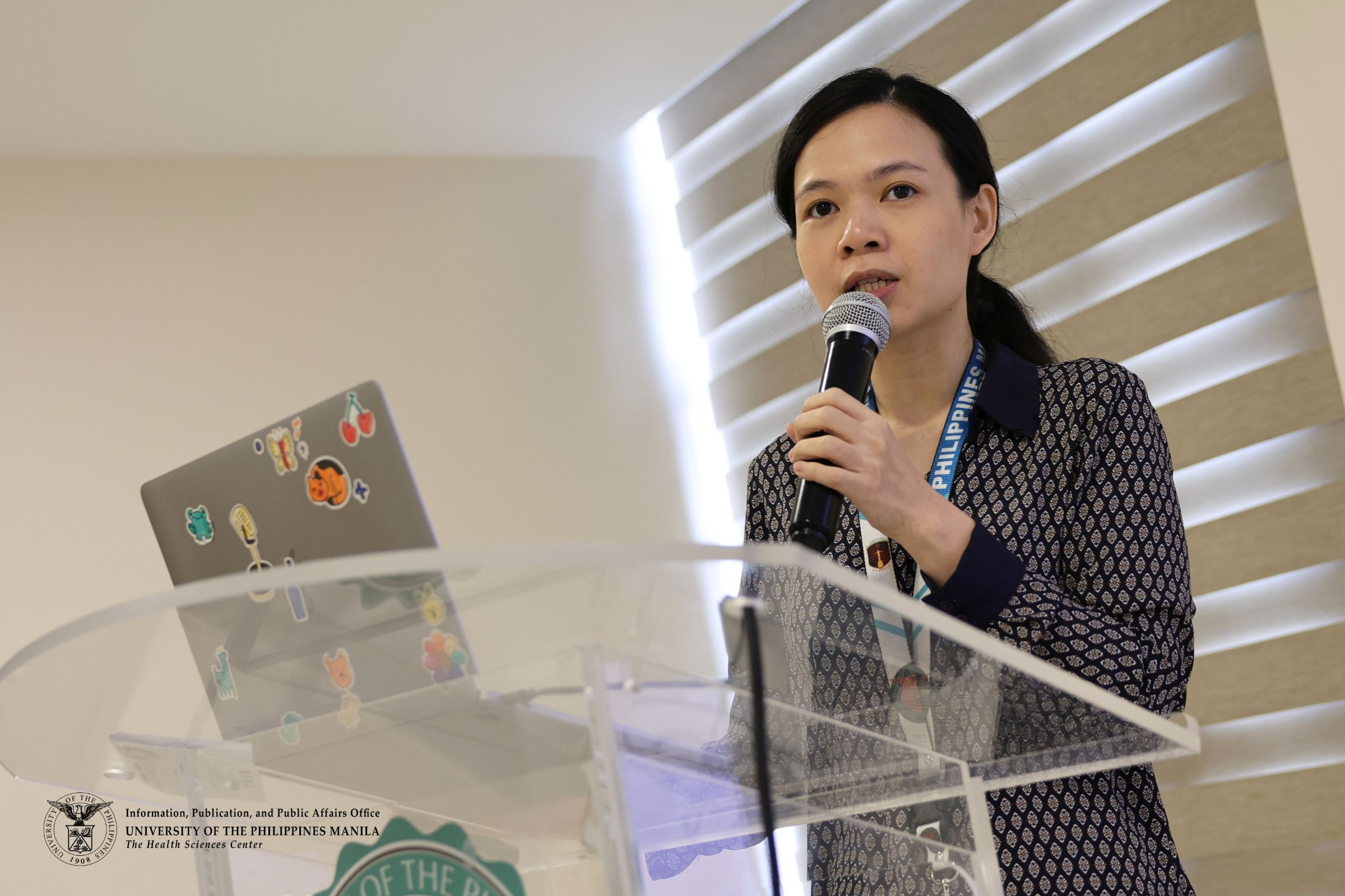
Dr. Carol Stephanie Tan-Lim, associate professor at the Departments of Clinical Epidemiology and Pediatrics, presented a study on potential drug-drug interactions among patients in urban, rural, and remote primary care facilities. The research also examined polypharmacy, or the concurrent use of five or more medications.
Conducted under the Philippine Primary Care Studies Program, the study highlights the need to improve prescribing practices and monitor potentially harmful drug combinations, particularly in settings where access to health services may be limited.
Tan-Lim recommended continuing medical education on drug interactions and polypharmacy, along with clinical decision-support systems integrated into electronic health records to alert primary care providers to potential medication risks.
Advancing Research, Education, and Public Service
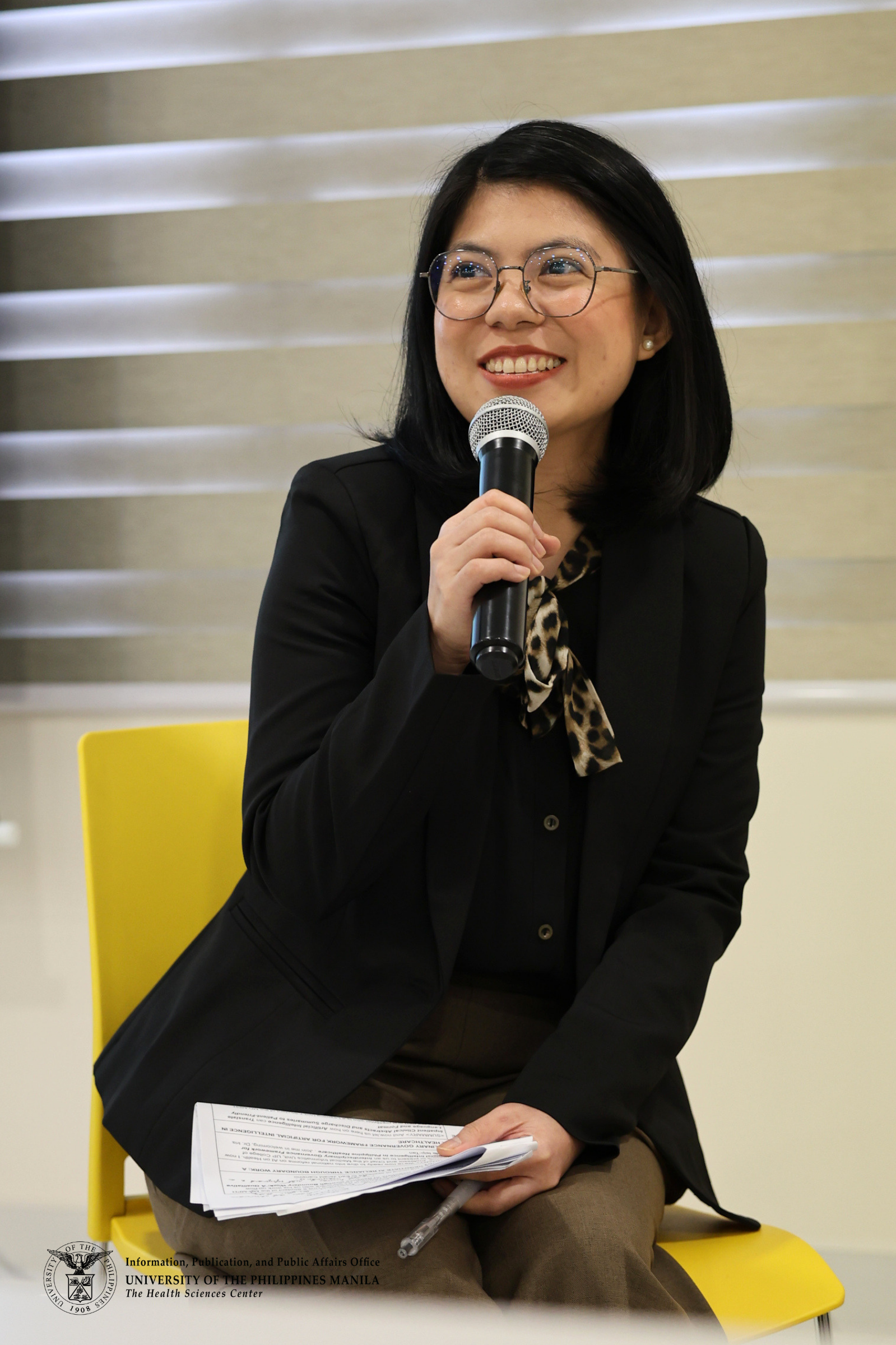
The 2026 UPCM Research Forum brought together studies on responsible AI use, patient-centered care, medication safety, and evidence-informed health policy. Through presentations and discussion, faculty members and students examined how research can address gaps in medical education and clinical practice while supporting UHC reforms.
The forum reinforced the value of collaborative inquiry in connecting academic research with the university’s commitments to education, health care, and public service.

READ MORE:
#FP1 #DiscoveryandResearch