


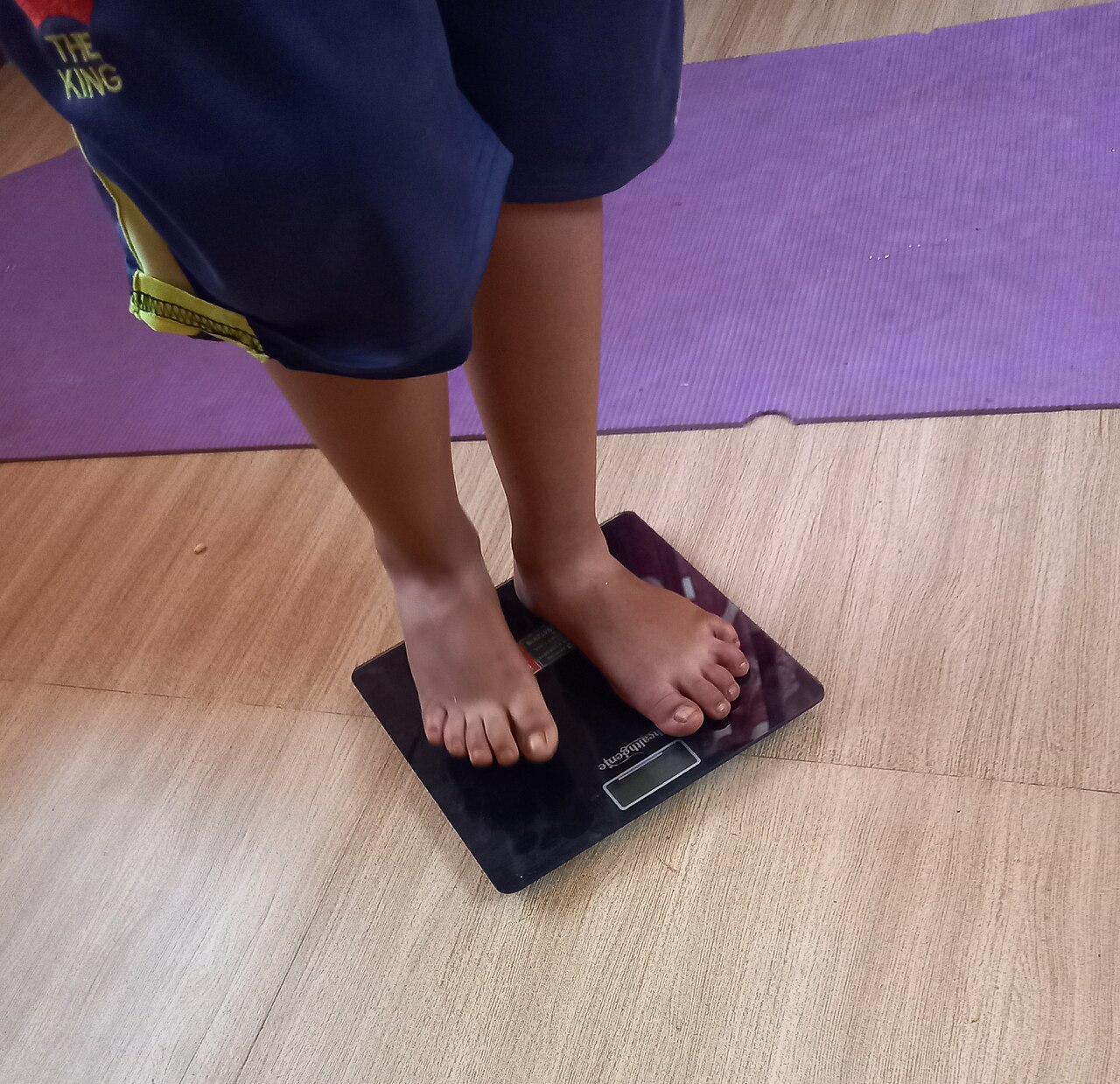
Stress remains a significant factor in achieving and maintaining one’s desired weight, despite studies supporting the effectiveness of a growing range of weight-management products, including apple cider vinegar gummies, slimming and detox teas, and prescription medications.
Apple cider vinegar gummies have become so popular lately because of their attractiveness, taste, and accessibility. A 2025 meta-analysis of 10 randomized controlled trials involving 789 participants found that daily apple cider vinegar was associated with reductions in body weight, BMI, and waist circumference. However, methodological concerns have been raised about at least one influential trial involving Lebanese adolescents and young adults, including improbable data characteristics and unusually large effect sizes. These concerns suggest that one unusual study may have influenced some of the positive findings and raise questions about the reliability of its data.
Meanwhile, slimming or detox teas were found to rely on mechanisms such as metabolic stimulation, appetite suppression, or laxative and diuretic effects rather than validated fat-loss pathways. A 2026 content analysis found that 91.7% of sampled diet teas contained senna leaf, a laxative, despite being marketed using “natural” slimming imagery. Case reports have also linked the regular consumption of certain products marketed for weight loss to adverse effects, including acute hepatitis in a teenager associated with Chinese green tea consumption. The condition was resolved after the product was discontinued.
The Cleveland Clinic defines laxatives as medicines that help bowel movements to ease constipation, while diuretics clear out extra fluid in the body by helping the kidneys bring excess salt and water into the urine.
“The weight loss associated with slimming teas may therefore largely reflect water loss and altered bowel movements rather than meaningful reductions in body fat,” said Dr. Nemencio A. Nicodemus Jr., professor, University of the Philippines-College of Medicine, Department of Biochemistry and Molecular Biology and attending consultant of the Department of Medicine at the Philippine General Hospital.
“Rapid water-weight loss from teas or extreme diets is not equivalent to durable fat loss, and short-term results are unlikely to persist without lasting changes in behavior and lifestyle,” he added.
Dr. Nicodemus is among the distinguished speakers at the upcoming Grand Scientific Symposium, which will be held on October 8–9, 2026, at Novotel Manila Araneta City. The symposium will feature discussions on weight management and evidence-based strategies for lifelong wellness, andropause, safe schools and workplaces, oral health, and the new era of precision cancer medicine.
Inadequate sleep and stress lead to weight gain
Dr. Nicodemus recommends a regular sleep cycle and stress management. Unregulated stress and lack of sleep increase cortisol levels. This makes the body less responsive to insulin, making it difficult to control blood sugar.
Ozempic: A prescription medicine, not a shortcut
As GLP-1 receptor agonist medications, such as Semaglutide (anti-obesity medication), and dual agonists, such as Tirzepatide, become increasingly associated with weight loss, questions have also emerged about their use and availability in the Philippines. These agents help lower blood sugar levels and promote weight loss.
Ozempic, a brand of Semaglutide, is a prescription-only medicine. It received Food and Drug Administration Philippines registration in 2022 for type 2 diabetes, while Wegovy, the higher-dose formulation of Semaglutide, indicated for chronic weight management, entered the Philippine market in late 2025.
Weight-loss use of Ozempic is technically off-label because its approved indication is type 2 diabetes.
At present, there is no government subsidy specifically for weight management.
Side effects and counterfeit products
There is also a problem with side effects among counterfeit products.
While semaglutide can be an effective pharmacological tool, it also has risks.
Gastrointestinal effects are among the most common concerns found in 20 to 40% of patients using the higher-dose formulation of the drug. A systematic review of 10 randomized controlled trials involving 14,550 participants, including 7,830 who received semaglutide, found that adverse events were predominantly gastrointestinal. Reported effects included nausea, diarrhea, vomiting, and other gastrointestinal symptoms.
Semaglutide was also associated with an increased risk of gallbladder-related disorders, particularly cholelithiasis or gallstones.
For Filipino consumers, another concern is the circulation of compounded, counterfeit, or falsified products.
The World Health Organization issued a Medical Product Alert in June 2024 regarding falsified Ozempic batches circulating globally, including in the Philippines. Products obtained through informal online channels may contain the wrong active ingredient, contamination & impurity, counterfeits, and may also fail to meet the required cold-chain conditions.
Managing body weight involves more than simply counting calories. Hormones, muscle mass, genetics, metabolism, sleep, stress, and lifestyle factors all interact to influence how the body gains, loses, and maintains weight.
A 2024 narrative review described natural changes in the DNA and how certain genes are turned on or off to control hormones and metabolic processes, and how nutrition, exercise, sleep, and stress can contribute to differences in weight outcomes among individuals.
Press Release